

Industry Briefing
A single destination for timely, editor-curated robotics news from around the world.
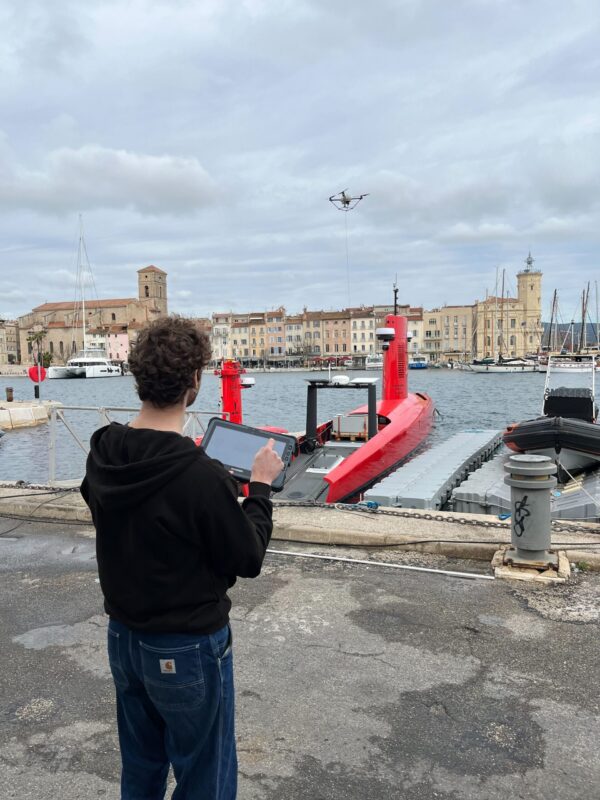
Elistair and Exail Collaborate on Tethered Drone Maritime Surveillance for Autonomous Vessels
Elistair has partnered with Exail to integrate its Khronos DroneBox with Exail's DriX unmanned surface vessel, enabling tethered drone maritime surveillance. This collaboration allows operators to maintain a persistent aerial view from shore, enhancing capabilities for naval, coast guard, and port security operations. The integration of the Khronos DroneBox with the DriX vessel marks a significant advancement in maritime surveillance technology. The tethered drone can operate for up to 24 hours at a height of 60 meters, providing real-time, encrypted video feeds even in challenging environments. This capability extends surveillance beyond traditional surface radar limits, making it ideal for various applications including coastal surveillance and search and rescue missions. Looking ahead, the partnership between Elistair and Exail is expected to evolve as they explore further applications of the Khronos system in maritime contexts. No further timeline was disclosed at the time of publication.
Drone News Drone News Feeds News safety and security seadrones Security
Unitree Technology Unveils G1 Autonomous Robot's Real-Time Combat Capabilities
On September 7, Unitree released a 38-second video showcasing its G1 humanoid robot engaging in real-time combat against a human opponent. This marks a significant milestone as it is the first instance of a fully autonomous humanoid robot fighting without human remote control, demonstrating advanced decision-making capabilities. The importance of this development lies in the robot's ability to autonomously predict, evade, and counterattack in real-time, a feat that has previously required human intervention. The G1 robot adjusts its stance and actions based on the opponent's movements, showcasing a complete feedback loop from perception to execution, which is crucial for effective combat. Looking ahead, the G1 is set to compete in the CMG World Robot Competition in May 2025, where it will further demonstrate its capabilities. The video highlights the challenges of real-time decision-making in combat scenarios, emphasizing the need for rapid response and adaptation in unpredictable environments. No further timeline was disclosed at the time of publication.
Humanoid Robots Autonomous Systems Robotics Research Artificial Intelligence
Greensea IQ Launches Bayonet Sweep, an Autonomous Robot for Hull Inspections
Greensea IQ has unveiled Bayonet Sweep, an autonomous underwater robot designed for inspecting ship hulls and underwater structures. This innovative solution aims to enhance maritime force protection by allowing navies, security teams, and port authorities to conduct inspections without the need for divers, thereby improving safety and efficiency. The significance of Bayonet Sweep lies in its ability to transform traditional hull inspection methods, which often focus on maintenance, into a proactive security measure. Built on Greensea IQ Core software, the robot not only autonomously inspects hulls but also provides comprehensive data for threat assessment and mitigation, ensuring that operators receive detailed intelligence on potential anomalies. Looking ahead, the Bayonet Sweep is part of Greensea IQ's broader Bayonet mission suite, which includes various autonomous systems for marine operations. As the technology continues to evolve, it will be crucial to monitor its deployment and effectiveness in enhancing port and harbor security. No further timeline was disclosed at the time of publication.
greensea iq bayonet sweep augv autonomous hull inspection robot maritime force protection
IEDD Dataset Enhances Physical Reasoning Capabilities for Autonomous Driving AI
The IEDD dataset integrates driving trajectories, physical interaction metrics, bird’s-eye-view videos, and language annotations to assess autonomous driving AI across four distinct reasoning levels. This comprehensive approach aims to improve the evaluation of AI systems in real-world driving scenarios. The significance of the IEDD dataset lies in its ability to provide a multifaceted evaluation framework for autonomous driving technologies. By incorporating various data types, it addresses the complexities of physical reasoning, which is crucial for the safe and effective operation of autonomous vehicles. Looking ahead, the development and application of the IEDD dataset will be pivotal in advancing the capabilities of autonomous driving AI. As the industry continues to evolve, the focus will be on how well these systems can interpret and respond to dynamic driving environments. No further timeline was disclosed at the time of publication.

AeroVironment Enhances Mayhem 10 Drone with Autonomous Swarm Capabilities for Military Use
AeroVironment is enhancing its Mayhem 10 launched effects system by integrating autonomous swarm capabilities through a partnership with Applied Intuition. This new software allows multiple Mayhem 10 drones to coordinate missions under a single operator's supervision, addressing future U.S. Army requirements for autonomous systems that extend battlefield reach and reduce soldier workload. The integration of Applied Intuition’s Acuity ISR/Strike software enables collaborative behaviors among Mayhem 10 aircraft, allowing them to share targeting information and adapt to threats in real-time. A recent demonstration showcased the drones' ability to synchronize actions during various test scenarios, highlighting the importance of autonomous systems in modern military operations. Looking ahead, the flexibility of the Mayhem 10 platform, which can carry payloads of up to 10 pounds and operate in GPS-denied environments, positions it as a versatile tool for intelligence, surveillance, and precision strikes. No further timeline was disclosed at the time of publication.
Military
Royal Navy Tests Robotic Boat for Autonomous Drone Launching in Maritime Surveillance
The Royal Navy is conducting trials of a robotic boat designed to autonomously launch and recover drones at sea, enhancing uncrewed maritime surveillance capabilities. This initiative, in collaboration with ACUA Ocean and Teledyne FLIR Defense, aims to improve persistent aerial reconnaissance while minimizing risks to personnel. The system integrates an uncrewed surface vessel (USV) with a tethered uncrewed aerial system (T-UAS), allowing for extended surveillance operations. This development is significant as it represents a new approach to maritime surveillance, combining aerial and surface capabilities into a single autonomous system. The SkyCarrier and SkyRanger R70 drones, utilized during the trials, are equipped with advanced AI and imaging technologies, enabling them to perform demanding surveillance missions. The ability to maintain a stable tether connection allows for longer operational durations and continuous power supply, which is crucial for effective surveillance in challenging sea conditions. Looking ahead, the Royal Navy's exploration of this technology could lead to enhanced capabilities in anti-submarine warfare, mine countermeasures, and the protection of critical maritime infrastructure. No further timeline was disclosed at the time of publication.
AI and Robotics
Kraken Technology Secures $175 Million in Series B Funding for Autonomous Maritime Platforms
Kraken Technology Group Ltd. has successfully raised $175 million in Series B funding, achieving a valuation of $1 billion. The investment, led by Digital Transformation Capital Partners GmbH, will enhance Kraken's global rollout of autonomous maritime platforms designed for defense applications, including support for NATO and its partners. This funding is significant as it comes after Kraken secured multiple contracts with the U.K. Ministry of Defence and NATO European partners, indicating strong demand for its modular uncrewed surface vessels (USVs) and uncrewed subsurface vessels (USSVs). These platforms are capable of various operations, including data collection and anti-submarine warfare, addressing the urgent needs of modern maritime defense. Looking ahead, Kraken Technology plans to announce new manufacturing partnerships in the Middle East and Indo-Pacific regions, further expanding its production capabilities. The company aims to leverage this funding to enhance its USVs and payload capabilities, responding to the increasing demand for mission-ready maritime solutions.
Defense / Security Investments Maritime Mobility / Navigation News Unmanned Maritime Systems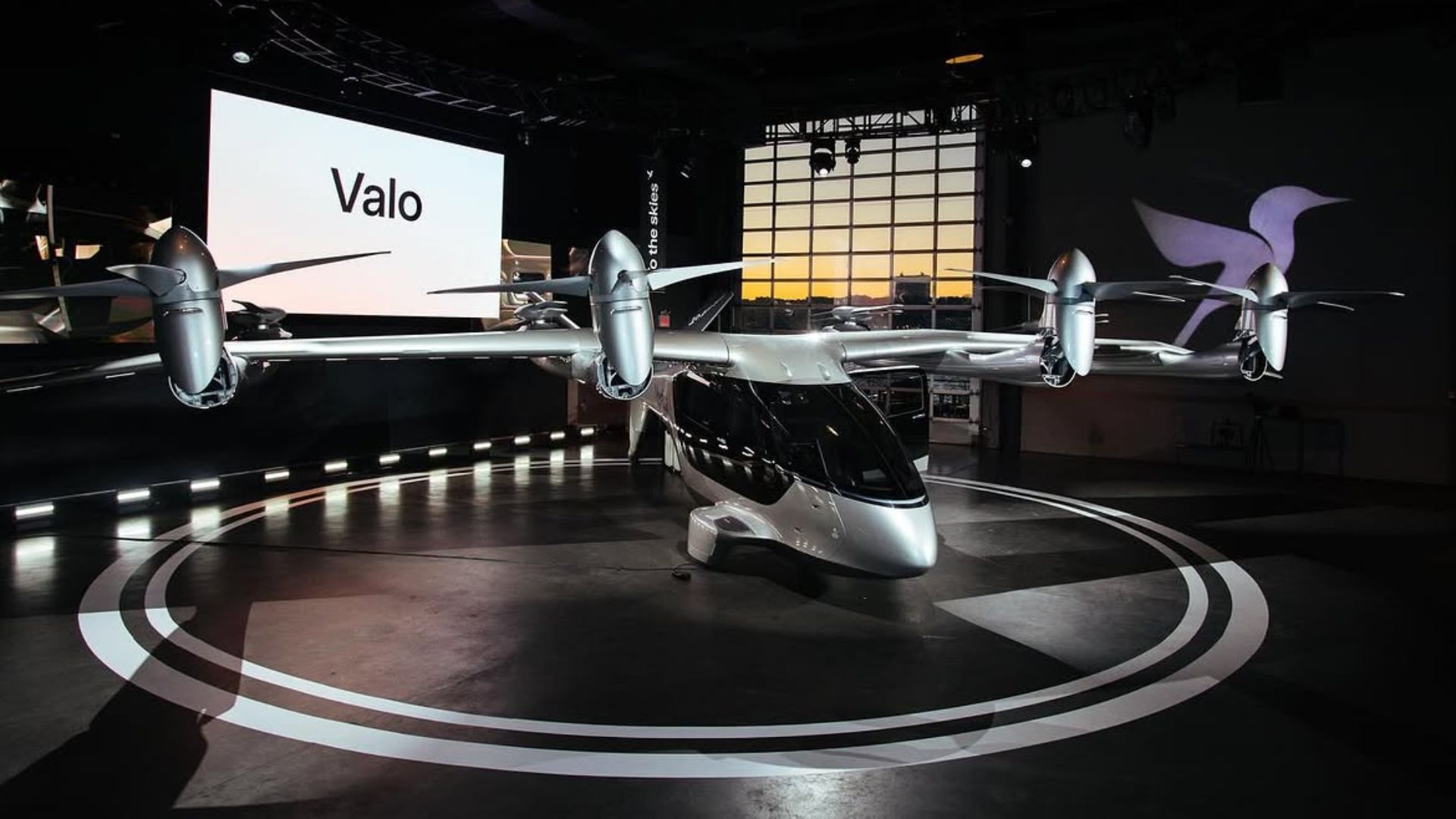
Vertical Aerospace Partners with Near Earth Autonomy for Valo Aircraft's Autonomous Flight Capabilities
Vertical Aerospace has partnered with Near Earth Autonomy to enhance its Valo aircraft with advanced autonomous flight capabilities. This collaboration aims to integrate Near Earth's autonomy software with Honeywell Aerospace's Anthem digital cockpit, facilitating the development of self-flying technology for defense and commercial aviation. The partnership is significant as it allows Vertical to leverage Near Earth's extensive experience in autonomous aviation, which includes systems developed for military applications. By utilizing a shared technology stack, the companies aim to reduce technical risks associated with expanding autonomous features in the Valo aircraft, which is designed for both defense and commercial markets. Looking ahead, Vertical plans to pursue defense programs while also preparing for automated commercial operations. The Valo aircraft, featuring hybrid-electric propulsion, is capable of flying up to 1,000 miles and carrying payloads of up to 2,400 pounds, making it a versatile option for various operational roles. No further timeline was disclosed at the time of publication.
Transportation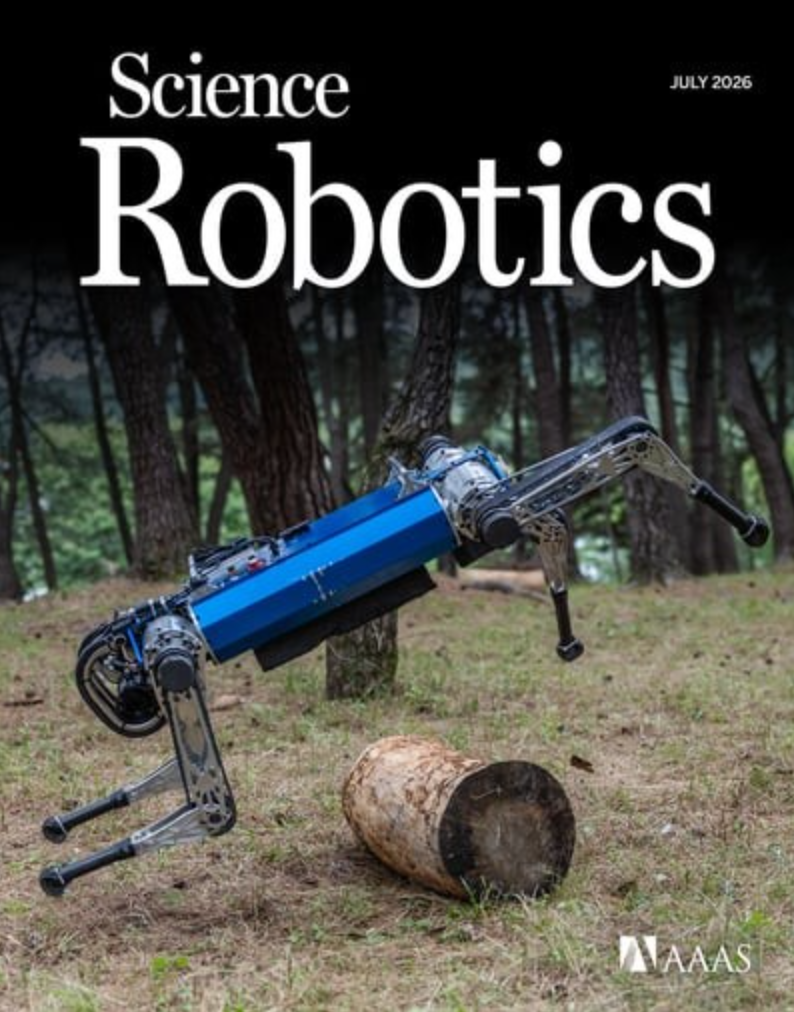
KAIST Unveils Advanced Four-Legged Robot with Autonomous Navigation Technology
KAIST's mechanical engineering team, led by Professor Park Hai-won, announced a breakthrough in robotic technology on July 16. They developed a four-legged robot capable of autonomously selecting and switching between various gaits in real-time, enabling it to navigate complex outdoor environments with speed and stability. This innovation is significant as it integrates a new control architecture called APT-RL (Action Pre-training Reinforcement Learning based on Transformers), which allows the robot to learn movement through computer simulations rather than traditional motion capture. The robot, named KAIST HOUND, demonstrated its capabilities by traversing diverse terrains, achieving peak speeds of 6 meters per second, faster than an average cyclist. Future developments to watch include the potential applications of this technology in disaster response, defense tasks, and industrial inspections. The research was published in the July issue of the journal Science Robotics, highlighting its importance in advancing the field of robotic control and physical AI.
Four-Legged Robots Robotics Technology AI Autonomous Navigation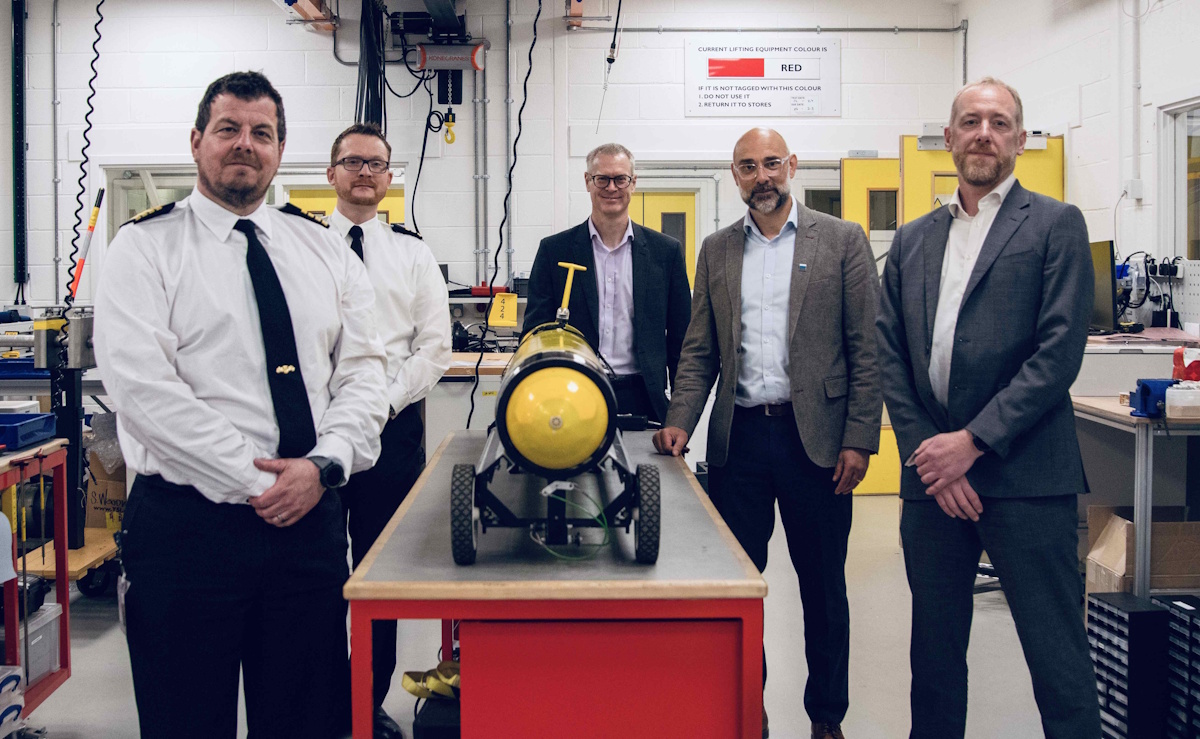
NOC and Royal Navy Renew MOU on Autonomous Maritime Capabilities
The National Oceanography Centre (NOC) in the UK has reaffirmed its commitment to marine science and technology by renewing a memorandum of understanding with the Royal Navy. This renewed agreement, which underscores a collaborative relationship that has spanned several years, aims to enhance research and innovation in oceanographic studies. The partnership is expected to facilitate the sharing of expertise and resources, ultimately contributing to advancements in understanding marine environments. The renewal of the MOU was announced recently, highlighting the ongoing dedication of both organizations to address challenges related to the oceans and maritime operations.
national oceanography centre (noc) royal navy mou autonomous maritime capabilities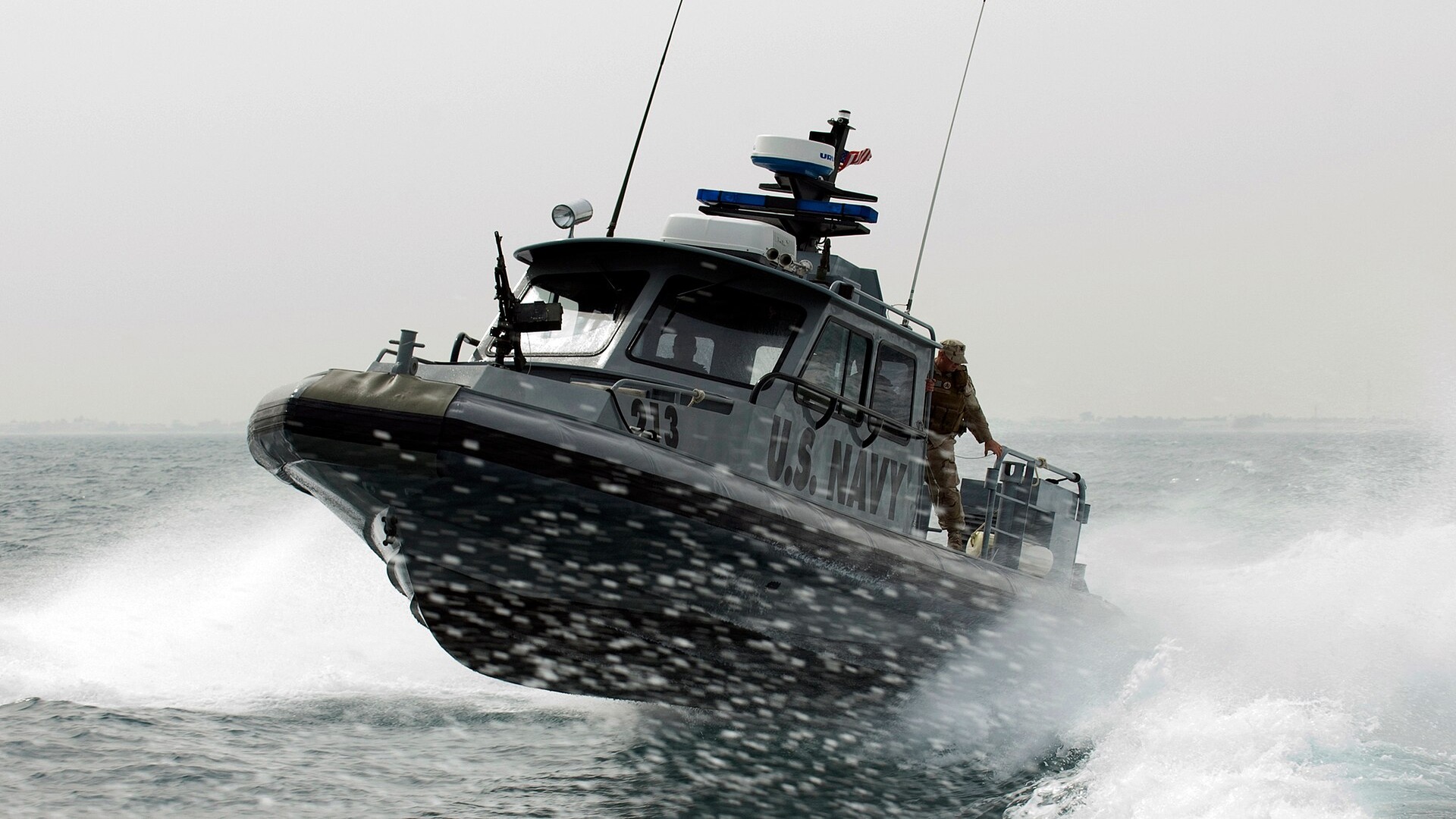
U.S. Navy Establishes RASWDC to Enhance Robotic Warfare Capabilities
The U.S. Navy has launched the Robotic and Autonomous Systems Warfighting Development Center (RASWDC) on September 24, aimed at integrating robotic and autonomous systems into naval operations. Led by Rear Admiral Melvin Smith, the center is headquartered at Joint Expeditionary Base Little Creek-Fort Story in Virginia and will serve as the Navy's primary hub for operational integration of these technologies. This initiative is crucial for maintaining the Navy's maritime advantage, as emphasized by Chief of Naval Operations Adm. Daryl Caudle. The RASWDC will provide sailors with advanced training and specialized doctrine necessary for high-end combat scenarios, reflecting the Navy's commitment to modernizing its operational capabilities through technology. Looking ahead, the RASWDC will focus on developing warfighting concepts, training personnel, and testing new technologies under realistic conditions. The Navy's approach includes evaluating unmanned aerial systems, uncrewed surface vessels, and unmanned underwater vehicles, with a clear intent to advance systems that prove effective while reassessing those that do not meet operational standards. No further timeline was disclosed at the time of publication.
Military
Agtonomy Enhances Autonomy Stack with Multi-Point Turning and Data Collection Features
Agtonomy has introduced two significant updates to its autonomy stack, including a new autonomous multi-point turning capability and enhanced passive data collection across its fleet. This multi-point turning feature enables Agtonomy-enabled units to perform complex reversing maneuvers without human intervention, addressing challenges in tight headlands that have previously limited autonomous tractor usage. The importance of these updates lies in their potential to improve operational efficiency in various agricultural sectors, including vineyards, orchards, and crop management. By generating over two terabytes of data per hour from each vehicle, Agtonomy aims to leverage this data for faster system iterations and to provide valuable insights to agronomy and analytics partners, ultimately enhancing fleet optimization and operational analytics. Looking ahead, Agtonomy's platform now supports over 500 implements, with partnerships with OEMs like Kubota and Bobcat expanding its capabilities. The company emphasizes the need for autonomous fleets that not only operate effectively but also evolve over time to meet the practical challenges faced by growers. No further timeline was disclosed at the time of publication.
Autonomous/semi-autosteering systems autonomous system autonomy
xAI Unveils Grok Bot: A 24/7 Digital Coworker with Autonomous Capabilities
Elon Musk's xAI has launched Grok Bot, a new AI tool designed to operate autonomously on a dedicated cloud computer. Unlike traditional chatbots, Grok Bot can execute multi-step tasks and interact directly with applications, allowing it to perform digital work independently even when users are away. This innovation is significant as it addresses limitations faced by current AI agents, which often require manual prompts and API connections to function. Grok Bot's ability to navigate software like a human operator enables it to handle complex tasks that typically involve multiple actions, thereby increasing efficiency in workplace settings. As Grok Bot enters early beta, it is available for SuperGrok Heavy, Cursor Ultra, and Cursor Teams Premium subscribers, with enterprise users able to join a waitlist for future access. The potential for multiple Bots to collaborate on projects and share context presents exciting opportunities for enhanced productivity in various industries.
AI and Robotics
First Marine Solutions and Bedrock Form Strategic Partnership to Enhance Subsea Surveying in Europe
First Marine Solutions has entered into a multi-year strategic partnership with Bedrock Ocean Exploration to enhance autonomous subsea survey capabilities across the UK and Europe. This collaboration will establish a UK and European operational hub for Bedrock’s autonomous ocean intelligence technology at FMS’ Aberdeen headquarters, integrating Bedrock’s technology with FMS’ offshore expertise. The partnership is significant as it allows for the deployment of Bedrock’s autonomous underwater vehicles at FMS’ facility, enabling local operations and maintenance without the need for equipment transport to the United States. This arrangement aims to provide clients in offshore energy and subsea infrastructure with a comprehensive solution that combines data acquisition, operational support, and industry-leading survey capabilities. Looking ahead, both companies plan to work together to promote their new capabilities and their impact on maritime industries. No further timeline was disclosed at the time of publication.
first marine solutions bedrock ocean exploration autonomous subsea survey
Wuxi's Robot Police Team Advances Towards Autonomous Patrol Capabilities
In Wuxi, a new police initiative has introduced a team of robots, including humanoid robots and robotic dogs, to assist in public safety. This pilot program, known as the 'Intelligent Armor Team,' began testing traffic management robots in April and deployed robotic dogs for inspections at major events in July. The collaboration between Wuxi Public Security and local companies aims to address the challenges of developing effective robotic solutions for law enforcement. The significance of this initiative lies in its potential to enhance public safety while reducing human exposure to dangerous situations. By providing a testing environment and clear requirements, Wuxi Public Security has facilitated the development of these robotic systems, which are seen as a promising market for embodied intelligence. However, the initial deployment has revealed challenges, such as the need for multiple operators to control the robots and limitations in their operational capabilities. Looking ahead, the traffic management robots are evolving from being remote-controlled to integrating with traffic signal systems for more autonomous operation. As these systems improve, they may significantly change how public safety is managed in urban environments. No further timeline was disclosed at the time of publication.
Robotic Police Autonomous Systems Public Safety Technology Surveillance Robots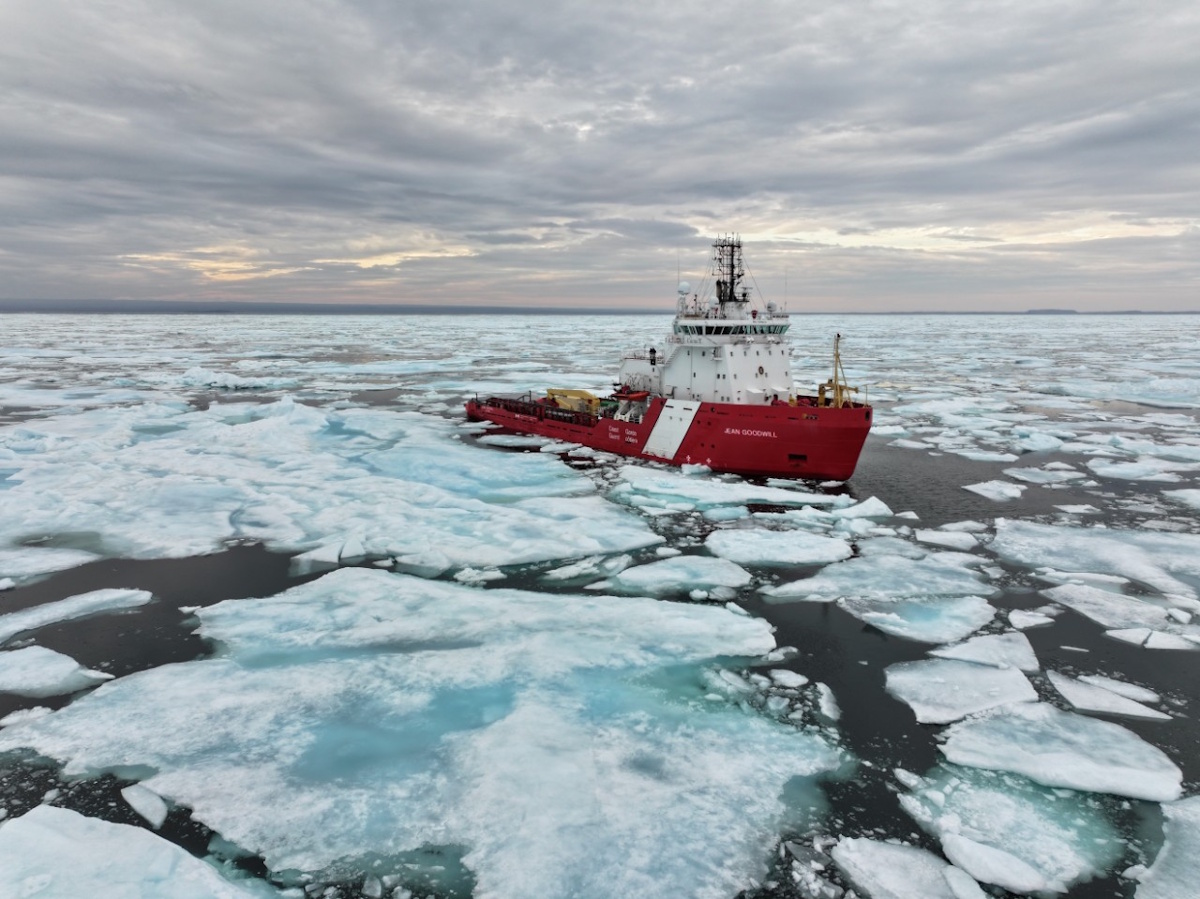
MASS 2026 Conference Showcases Atlantic Canada's Defence and Technology Strengths
The 13th annual Maritime & Arctic Security & Safety Conference (MASS) is taking place in St. John's, Newfoundland and Labrador, hosted by the Atlantic Canada Aerospace & Defence Association (ACADA) and sponsored by Saab Canada, Inc. This year's conference, featuring 600 participants, is the largest to date and focuses on leveraging Atlantic Canada's capabilities in environmental management and workforce development. Newfoundland and Labrador Premier Tony Wakeham highlighted the province's strategic geopolitical position as a gateway to the Arctic and Atlantic, emphasizing its qualified workforce and unique military and civil capabilities. He stated that the region's diverse strengths create a robust defence and security ecosystem that Canada and its allies can depend on for Arctic and North Atlantic security. The conference has underscored the significance of partnerships, particularly with Indigenous communities, to foster economic participation and workforce development. Discussions included the need for advanced technology in Arctic-capable warship designs and the role of AI and machine learning in maritime surveillance, indicating a strong focus on innovation in harsh conditions.
maritime and arctic security and safety conference (mass) atlantic canada capabilities defence technology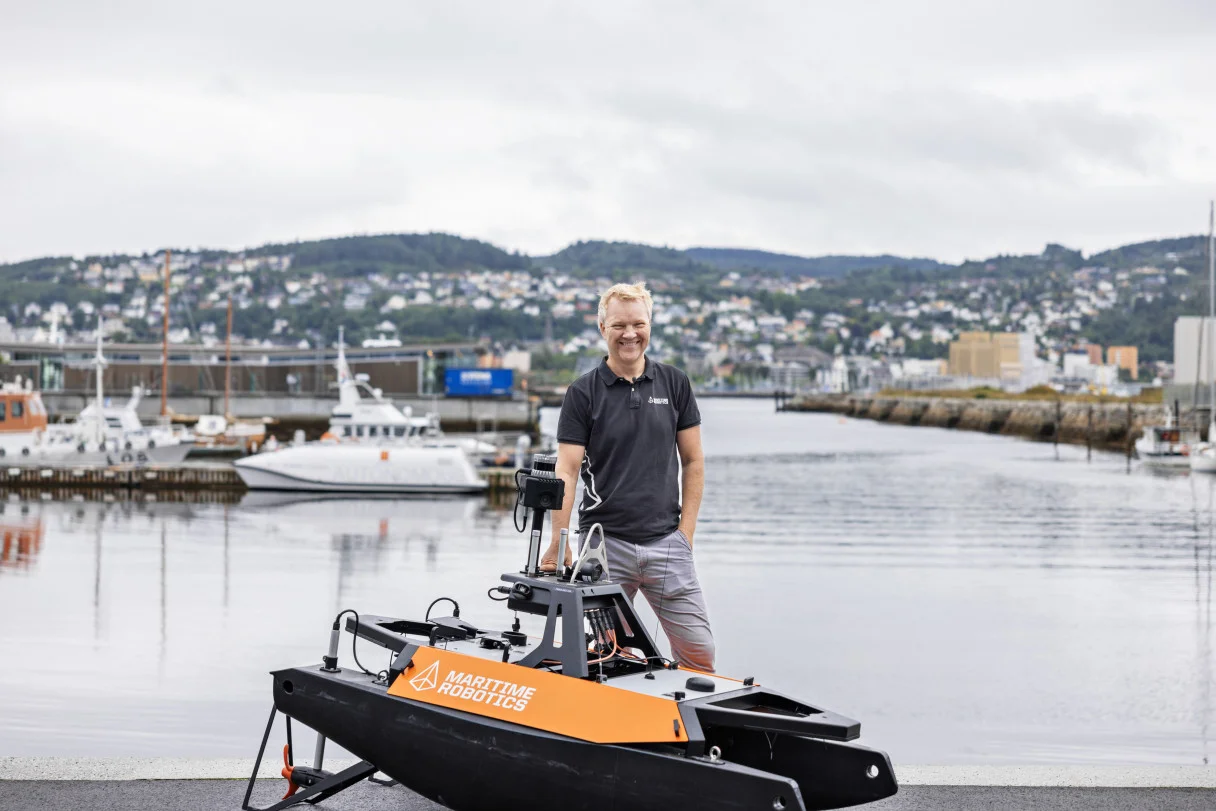
Maritime Robotics Raises €28M in Funding to Expand its Autonomous Sea Drone Systems
Norwegian company Maritime Robotics has secured €28 million in growth funding to enhance its autonomous maritime systems. The funding round, which was led by Mustard Seed + Partners, also saw contributions from existing investors including EnvisionTech, Nysnø Climate Investment, and Umoe, along with participation from the company's founders, employees, and early backers. This financial boost aims to support the company's expansion efforts in the rapidly evolving maritime technology sector.
AI AI Funding & Investment Robotics autonomous maritime systems funding maritime robotics
NautiGEN Launches Hydrogen Power Solutions for Maritime Operations, Autonomous Systems and Subsea Applications
On World Oceans Day, NautiGEN, Inc. officially launched as a new player in the maritime hydrogen power sector. The company, a collaboration between Cellula Robotics and Infinity Fuel Cell and Hydrogen, Inc., aims to revolutionize maritime operations, autonomous systems, and subsea applications by providing high-density fuel cell power solutions. This initiative is driven by the need for sustainable energy alternatives in the maritime industry, addressing both environmental concerns and the demand for efficient power sources. NautiGEN's innovative approach is expected to enhance the performance and sustainability of various maritime technologies, marking a significant step forward in the transition to cleaner energy solutions at sea.
cellula robotics nautigen hydrogen power maritime operations autonomous systems subsea applications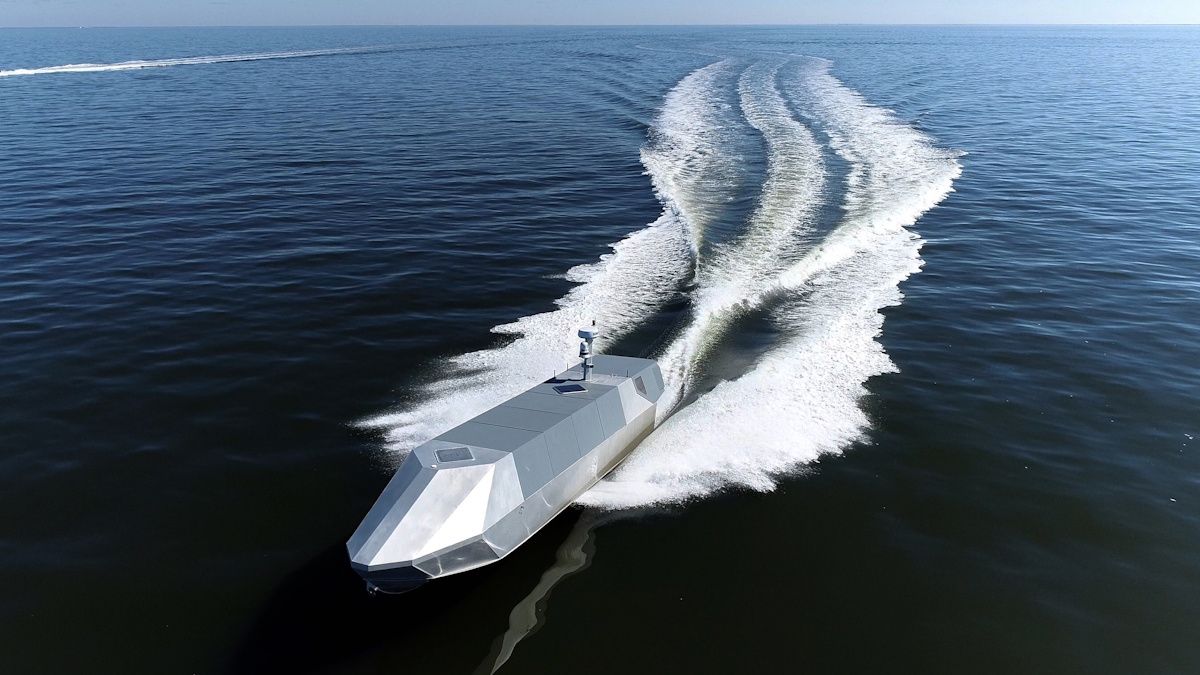
Leidos and Havoc Integrate Capabilities to Advance Maritime and Air Autonomy
Leidos and Havoc have announced a strategic partnership aimed at enhancing unmanned systems through the integration of collaborative autonomy technology. This innovative collaboration will empower a single operator to effectively command and coordinate fleets of unmanned platforms over extensive and contested areas. The initiative is set to revolutionize operational capabilities in various sectors, including defense and logistics, by streamlining control and improving efficiency in complex environments. The partnership reflects a growing trend towards advanced automation in military and civilian applications, responding to the increasing demand for sophisticated unmanned solutions in modern operations.
leidos havoc maritime and air autonomy
Bedrock Appoints Former Satellogic Exec as CEO to Drive Growth in Autonomous Maritime Intelligence
Bedrock Ocean Exploration has appointed Matthew Tirman as its new Chief Executive Officer, a move aimed at strengthening the company’s leadership amid increasing demand in global offshore markets. The announcement was made today, reflecting the company's commitment to expanding its operations and enhancing its capabilities in autonomous subsea data and intelligence. Tirman's leadership is expected to guide Bedrock through its major deployments and capitalize on the growing opportunities within the industry.
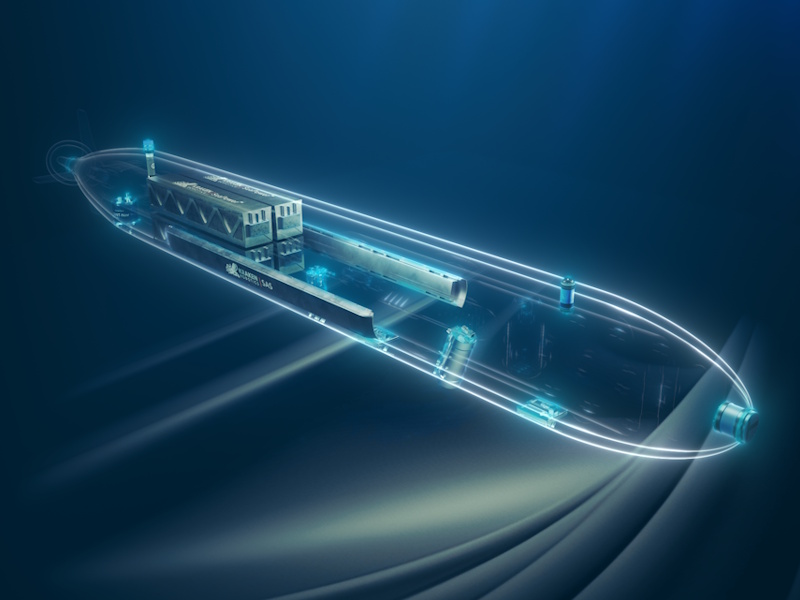
Kraken Robotics Announces Signing of Strategic Acquisition to Expand Global Maritime Capabilities
Kraken Robotics has announced its agreement to acquire Covelya Group, a prominent international provider of essential underwater technology solutions. This acquisition includes Covelya's subsidiary companies, which are recognized leaders in the field: Sonardyne International Ltd., EIVA A/S, Forcys Ltd., Wavefront Systems Ltd., Voyis Imaging Inc., and Chelsea Technologies Ltd. The deal aims to enhance Kraken's capabilities in delivering advanced underwater technology and solutions, further solidifying its position in the market. The acquisition is expected to be finalized in the coming months, aligning with Kraken's strategic growth objectives in the underwater technology sector.
kraken robotics strategic acquisition covelya group sonardyne international eiva forcys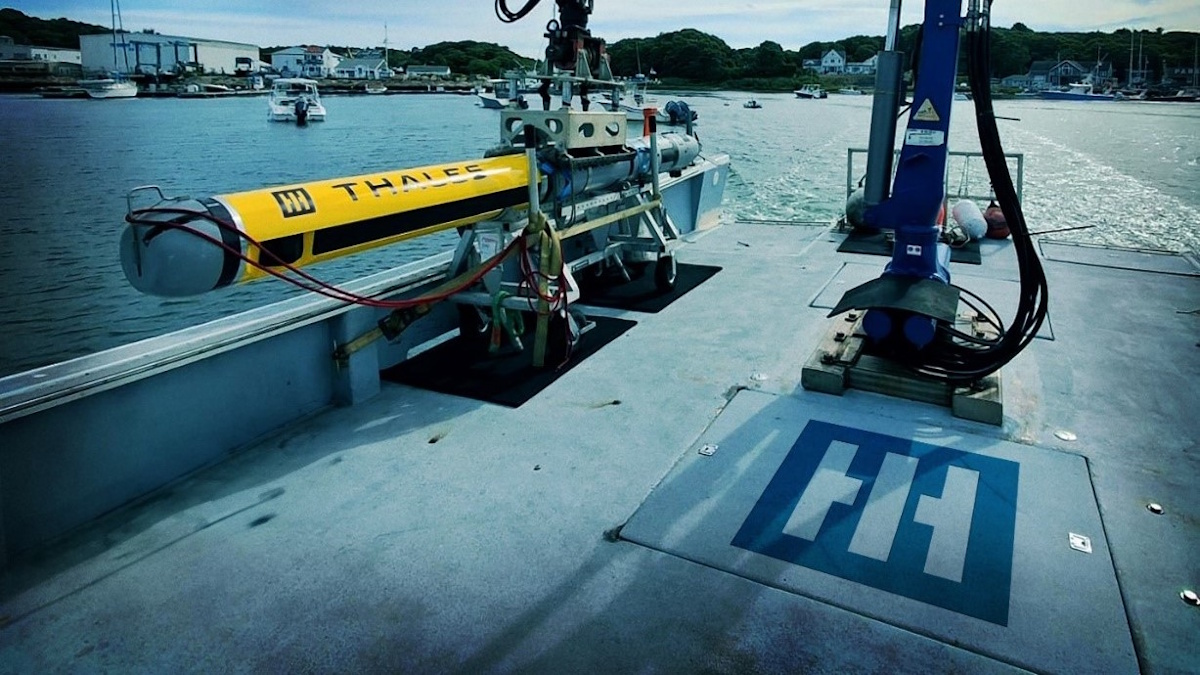
Thales and HII Partners to Develop Advanced Autonomous Undersea Mine Countermeasure Capabilities
HII and Thales have successfully integrated the Thales SAMDIS1 600 sonar with HII’s next-generation REMUS 620 medium unmanned underwater vehicle (UUV). This significant achievement was announced during a recent field exercise, showcasing the capabilities of the advanced sonar system in conjunction with the UUV. The collaboration aims to enhance underwater surveillance and operational efficiency, addressing the growing demand for advanced maritime technologies. The integration process involved rigorous testing and validation to ensure optimal performance in various underwater environments. This development marks a notable advancement in the field of unmanned maritime systems, reflecting both companies' commitment to innovation and excellence in defense technology.
thales hii partnership autonomous undersea mine countermeasure mcm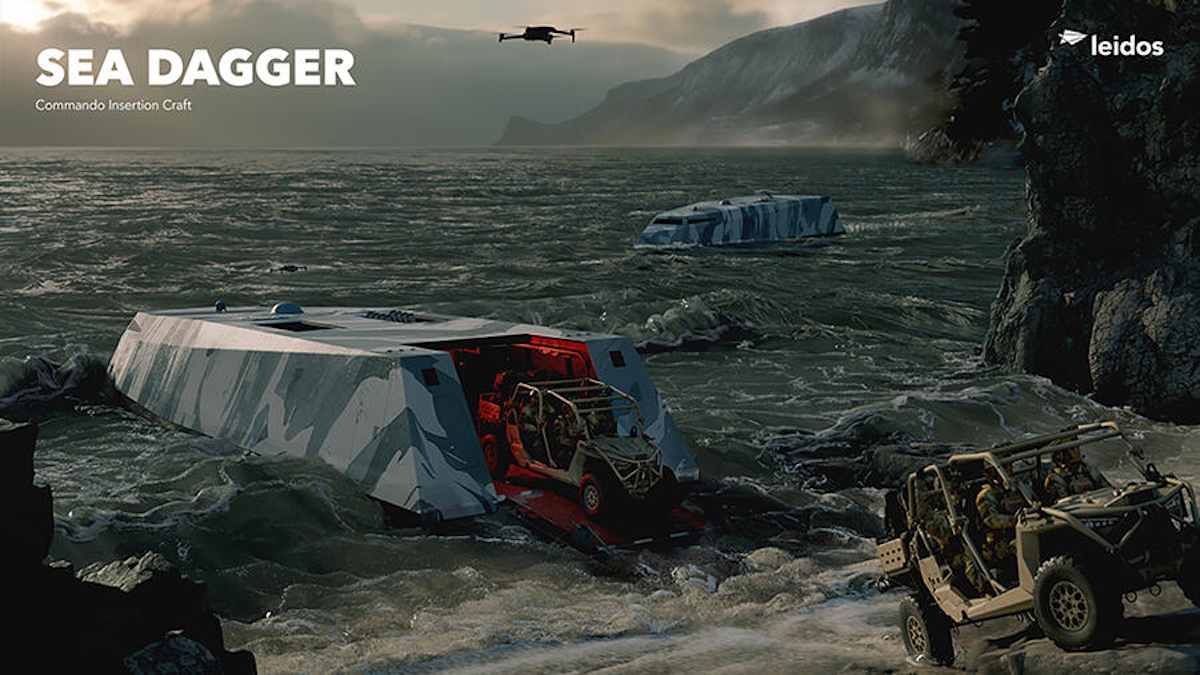
Leidos Unveils Sea Dagger Design to Advance UK Maritime Autonomy Capabilities
Leidos has introduced Sea Dagger, an innovative Commando Insertion Craft (CIC) concept designed for the Royal Navy. This groundbreaking vessel is notable for being the first of its kind to integrate speed, range, vehicle delivery, and modular mission systems into a single platform. The unveiling of Sea Dagger marks a significant advancement in maritime autonomy and operational flexibility, reflecting the company's commitment to enhancing naval capabilities. The craft aims to set a new benchmark in the industry, addressing the evolving needs of modern naval operations.
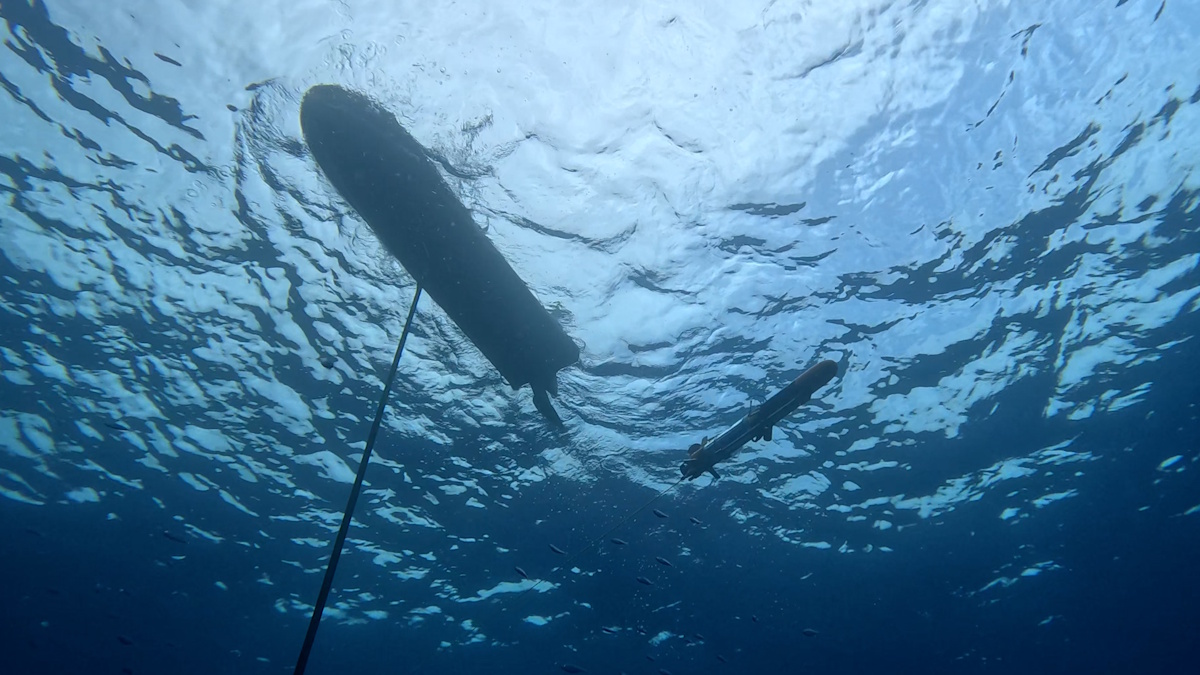
Liquid Robotics and Hydronet Sign MOU to Advance Undersea Mesh Networking for Maritime and Underwater Autonomous Vehicles
Liquid Robotics, a subsidiary of Boeing, has partnered with Massachusetts-based deep tech start-up Hydronet to enhance and commercialize underwater mesh networking technologies. This collaboration aims to improve connectivity for maritime and underwater autonomous vehicles. The two companies have formalized their commitment through a Memorandum of Understanding (MOU), signaling a strategic move to leverage their respective expertise in advancing this innovative technology. The partnership is expected to facilitate more efficient communication and data sharing among autonomous systems operating in underwater environments, ultimately enhancing operational capabilities in various maritime applications.
liquid robotics hydronet mou undersea mesh networking underwater autonomous vehicles auv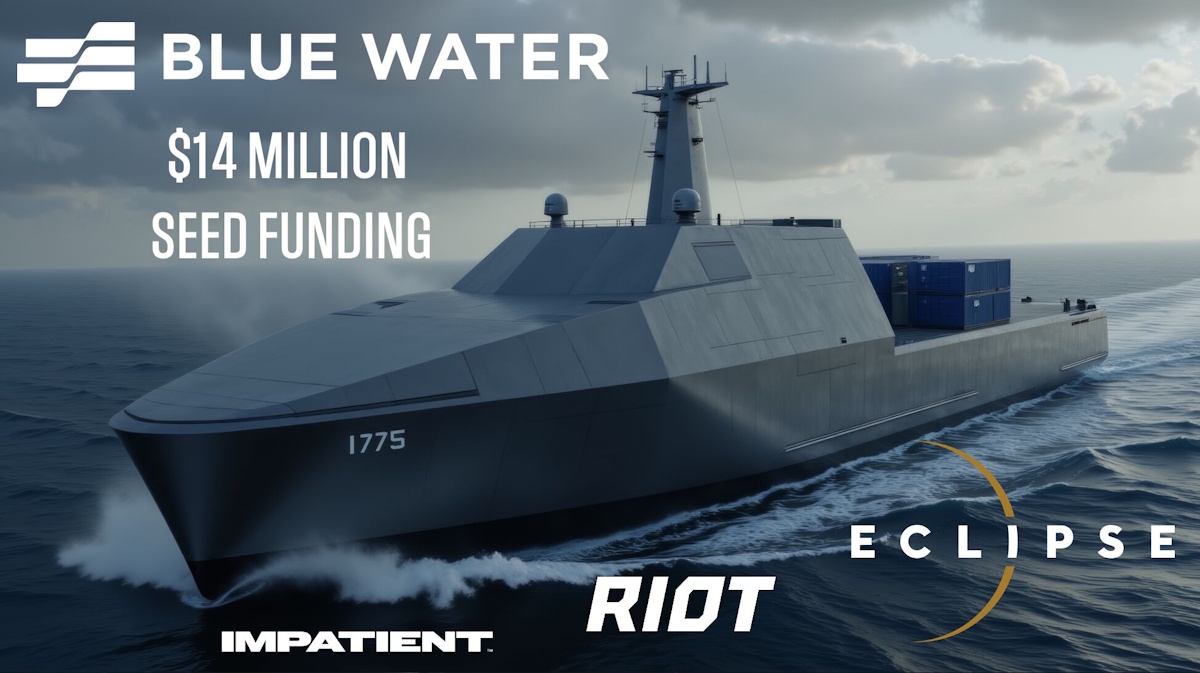
Blue Water Autonomy Emerges From Stealth to Usher in New Era of Autonomous Ships and Modernize the Maritime Economy
Blue Water Autonomy, Inc., a technology firm focused on developing autonomous vessels for the U.S. Navy, has officially revealed its operations after a period of secrecy. The company announced it has secured $14 million in seed funding from investors including Eclipse, Riot, and Impatient Ventures. This funding will support the creation of a fully unmanned and easily producible ship designed to undertake a variety of missions on the open ocean. The announcement marks a significant step in the advancement of maritime technology, aiming to enhance naval capabilities while reducing the need for human crew members in potentially hazardous environments.
blue water autonomy autonomous ships
Seasats Secures Funding to Accelerate Growth of Autonomous Maritime Solutions
Seasats, a San Diego-based company specializing in autonomous surface vehicles (ASVs), has secured $10 million in a strategic funding round led by Shield Capital, a Silicon Valley venture capital firm focused on dual-use technologies that enhance national security. The funding round also attracted investments from Aero X Ventures, Techstars, and other contributors. This financial boost will support Seasats' efforts to expand its maritime autonomy solutions globally, positioning the company for significant growth in the evolving market of autonomous maritime technology.
Robotics needs a service framework.
RSF defines a common language for robot service capability, lifecycle operations, certification pathways, and service-provider networks.
Join the RobotToday community on LinkedIn
Daily robotics news, in-depth analysis, conference highlights, and discussions with professionals worldwide.







