Industry Briefing
A single destination for timely, editor-curated robotics news from around the world.

Agreenculture acquires Chouette to add agronomic intelligence to autonomous machines
French autonomous-machinery specialist Agreenculture has announced its acquisition of Chouette, a company known for its AI-driven agronomic analysis tailored for viticulture. This strategic move, revealed recently, aims to integrate Agreenculture’s advanced autonomy technology with Chouette’s sophisticated crop-monitoring algorithms. The collaboration is set to enhance the development of machines capable of operating independently while also interpreting field observations. This initiative reflects a growing trend in the agricultural sector to leverage artificial intelligence for improved efficiency and precision in farming practices.
Autonomous/semi-autosteering systems agricultural robots agronomists autonomous technology crop monitoring vineyard robots
Designing Trust: Interfaces for Autonomous Machines
As autonomous technologies transition from research environments to everyday applications, the focus of design is evolving significantly. Experts in the field emphasize that the design process now prioritizes not only usability but also the critical elements of trust, safety, and effective collaboration between humans and machines. This shift reflects a growing recognition of the importance of user confidence in autonomous systems, which is essential for their successful integration into daily life. By addressing these factors, designers aim to create solutions that enhance user experience while ensuring safety and reliability in interactions with autonomous technologies.

Nyobolt Closes $60 M Series C Funding Round at $1B Valuation, to Power Autonomous Machines, Physical AI Applications and AI Data Centers
Nyobolt, a company specializing in ultra-fast charging and high-power battery systems, has successfully secured $60 million in Series C funding, pushing its valuation beyond $1 billion. The funding round, which took place recently, was led by Symbotic and included contributions from notable investors such as IQ Capital, Latitude, Scania Invest, and CBMM. This financial boost aims to facilitate the expansion of Nyobolt's technology, particularly for applications in autonomous robots and AI infrastructure. The company has reported a remarkable fivefold increase in revenue over the past year, highlighting its growth potential in the rapidly evolving battery market.
AI AI Funding & Investment Robotics autonomous batteries CBMM
Enabling Autonomous Machines: Advancing 3D Sensor Fusion With Au-Zone
A new technological advancement in autonomous systems has been announced, emphasizing the integration of radar and vision with edge AI processing into a single unit. This innovative approach aims to enhance the speed, reliability, and robustness of next-generation autonomous solutions. The development is crucial for meeting the increasing demands for advanced autonomy in various applications. The system is designed to operate efficiently, leveraging cutting-edge technology to ensure optimal performance in real-time scenarios. This breakthrough is expected to significantly impact industries reliant on autonomous technologies, paving the way for more sophisticated and dependable systems in the near future.
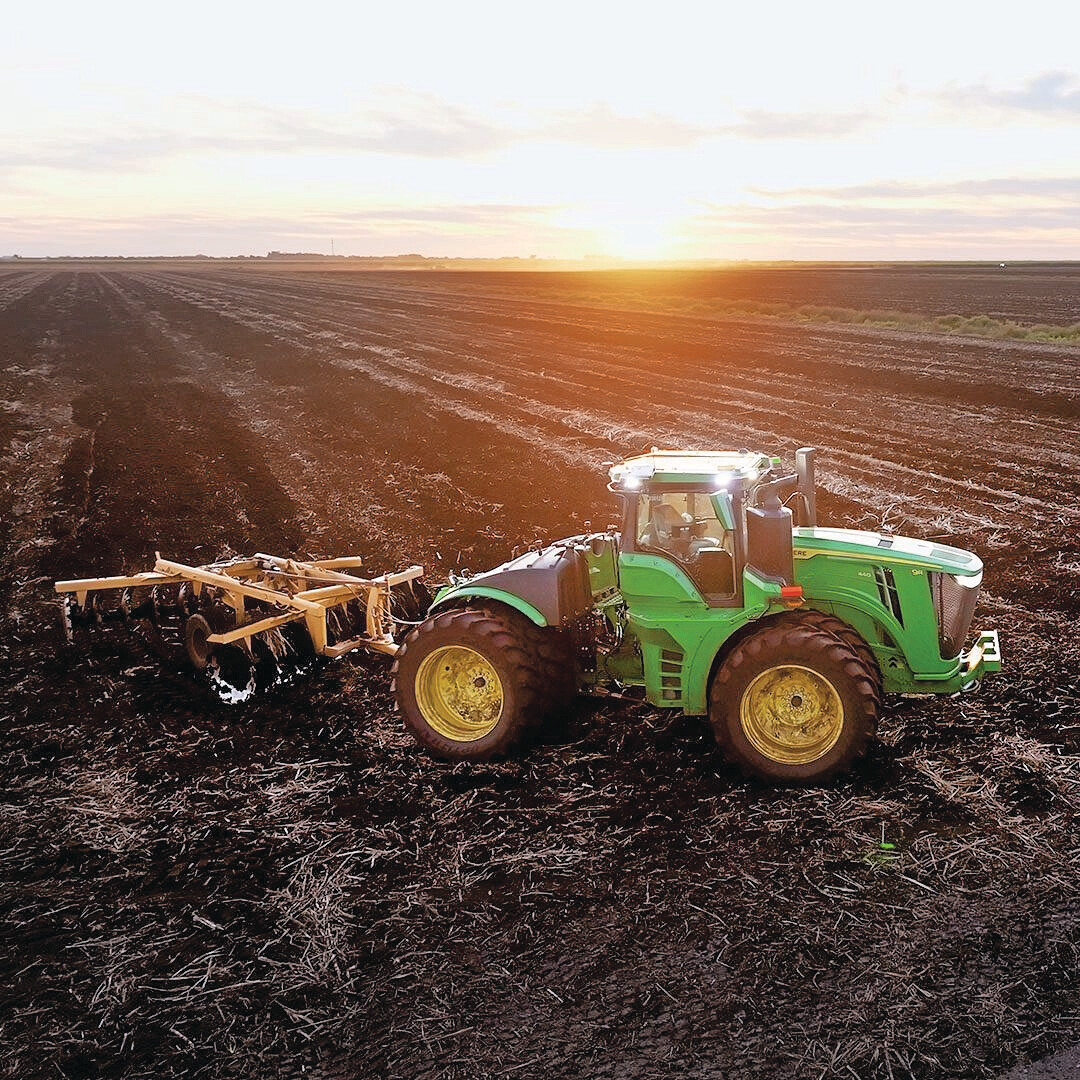
U.S. Sugar deploys autonomous John Deere tractor fleet across 255,000 acres
U.S. Sugar has initiated the largest commercial deployment of autonomous tractors in the American sugar industry, marking a significant advancement in agricultural technology. This initiative involves the use of unmanned John Deere tractors that operate continuously in the sugarcane fields of Florida. The deployment aims to enhance efficiency and productivity in sugarcane farming, reflecting the company's commitment to innovation in agriculture. By utilizing these autonomous machines, U.S. Sugar seeks to streamline operations and reduce labor costs, ultimately improving the overall sustainability of its farming practices. The move comes as the industry increasingly embraces automation to meet growing demands while addressing labor shortages.
Autonomous/semi-autosteering systems autonomous farm equipment autonomous tractors fleet management precision agriculture sugarcane
Autonomous Transportation Robots for Finished Vehicle Docking in RORO Logistics Terminal: Design, Control, and Implementation
In a recent study published in the Journal of Field Robotics, researchers explored advancements in robotic technologies aimed at enhancing agricultural efficiency. The research, conducted by a team of scientists from various institutions, was released in May 2026 and highlights the integration of autonomous systems in farming practices. The study emphasizes the growing need for innovative solutions in agriculture due to increasing global food demands and labor shortages. By implementing advanced robotics, the team aims to address these challenges, demonstrating how autonomous machines can improve crop monitoring, pest control, and harvesting processes. The researchers employed a combination of field tests and simulations to assess the performance of these robotic systems in real-world agricultural settings. Their findings indicate significant improvements in productivity and resource management, suggesting that the adoption of such technologies could lead to more sustainable farming practices. This research not only contributes to the field of robotics but also offers practical solutions for the agricultural sector, potentially transforming how food is produced and managed in the future.
RESEARCH ARTICLE
World’s first: Rider-Bot sets record as first bike robot to perform unassisted front flip
In a groundbreaking development for robotics, researchers at the University of California have unveiled a bicycle-riding robot that has successfully completed the world's first unassisted ride. This remarkable feat took place on October 15, 2023, in a controlled environment at the university's robotics lab. The team aimed to demonstrate advancements in autonomous mobility and artificial intelligence, showcasing the robot's ability to balance, steer, and navigate without human intervention. The robot, equipped with sophisticated sensors and algorithms, mimics human cycling techniques, allowing it to adapt to varying terrains and obstacles. This achievement not only highlights the potential for robotics in everyday applications but also paves the way for future innovations in autonomous transportation. Researchers believe that this technology could eventually lead to safer and more efficient modes of travel, addressing challenges in urban mobility and logistics. The successful demonstration marks a significant milestone in the quest for fully autonomous machines capable of performing complex tasks in real-world environments.
AI and Robotics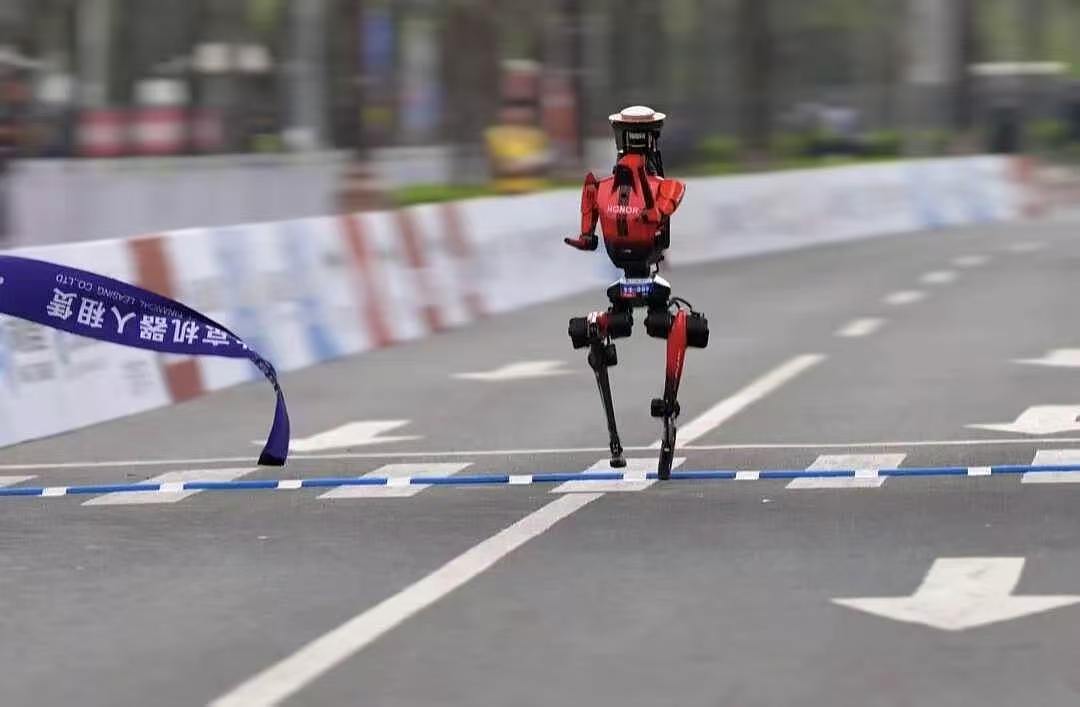
Why Are Robot Marathons Getting Stronger? This Component May Be Key
In a groundbreaking display of technological innovation, the recent humanoid robot half marathon held in Beijing featured significant advancements in autonomous navigation. The event saw participation from various teams, with 40% of them utilizing sophisticated sensor systems to enhance their robots' performance. Central to this progress was the implementation of six-dimensional force sensors, which played a crucial role in allowing the robots to navigate independently and effectively in real-world conditions. This competition not only showcased the capabilities of modern robotics but also underscored the importance of sensor technology in the development of autonomous machines.
Humanoid Robots Sensors Autonomous Navigation Robotics Technology
AI system learns to keep warehouse robot traffic running smoothly
A recent advancement in robotics technology introduces a novel method for determining which robots should have the right of way in various environments. This innovative approach aims to minimize congestion and enhance overall efficiency in robotic operations. By utilizing real-time data and sophisticated algorithms, the system can dynamically assess traffic conditions among robots, ensuring smoother interactions and increased throughput. This development is particularly significant in settings where multiple autonomous machines operate simultaneously, such as warehouses or manufacturing facilities. The implementation of this technology is expected to streamline processes and improve productivity, marking a substantial step forward in the integration of robotics into everyday tasks.

A Novel eXtreme Gradient Boosting‐Shapley Additive Explanation Calibration Method for Six‐Axis Force/Torque Sensors
In May 2026, the Journal of Field Robotics published a significant study highlighting advancements in robotic technology. This research, conducted by a team of engineers and scientists, focuses on the development of autonomous robots capable of performing complex tasks in unpredictable environments. The study emphasizes the importance of these innovations for various applications, including disaster response and environmental monitoring. The research team, based at a leading robotics institute, utilized advanced algorithms and machine learning techniques to enhance the robots' decision-making abilities. By simulating real-world scenarios, they demonstrated how these robots can adapt to changing conditions and navigate obstacles effectively. The findings are expected to contribute to the growing field of robotics, particularly in enhancing the efficiency and safety of operations in challenging situations. This work is driven by the increasing need for reliable robotic systems that can assist in emergencies, where human intervention may be risky or impossible. The study's implications extend beyond immediate applications, potentially influencing future designs and functionalities of autonomous machines. As the field continues to evolve, this research marks a critical step toward integrating sophisticated robotics into everyday use, paving the way for smarter, more responsive technologies in the years to come.
RESEARCH ARTICLE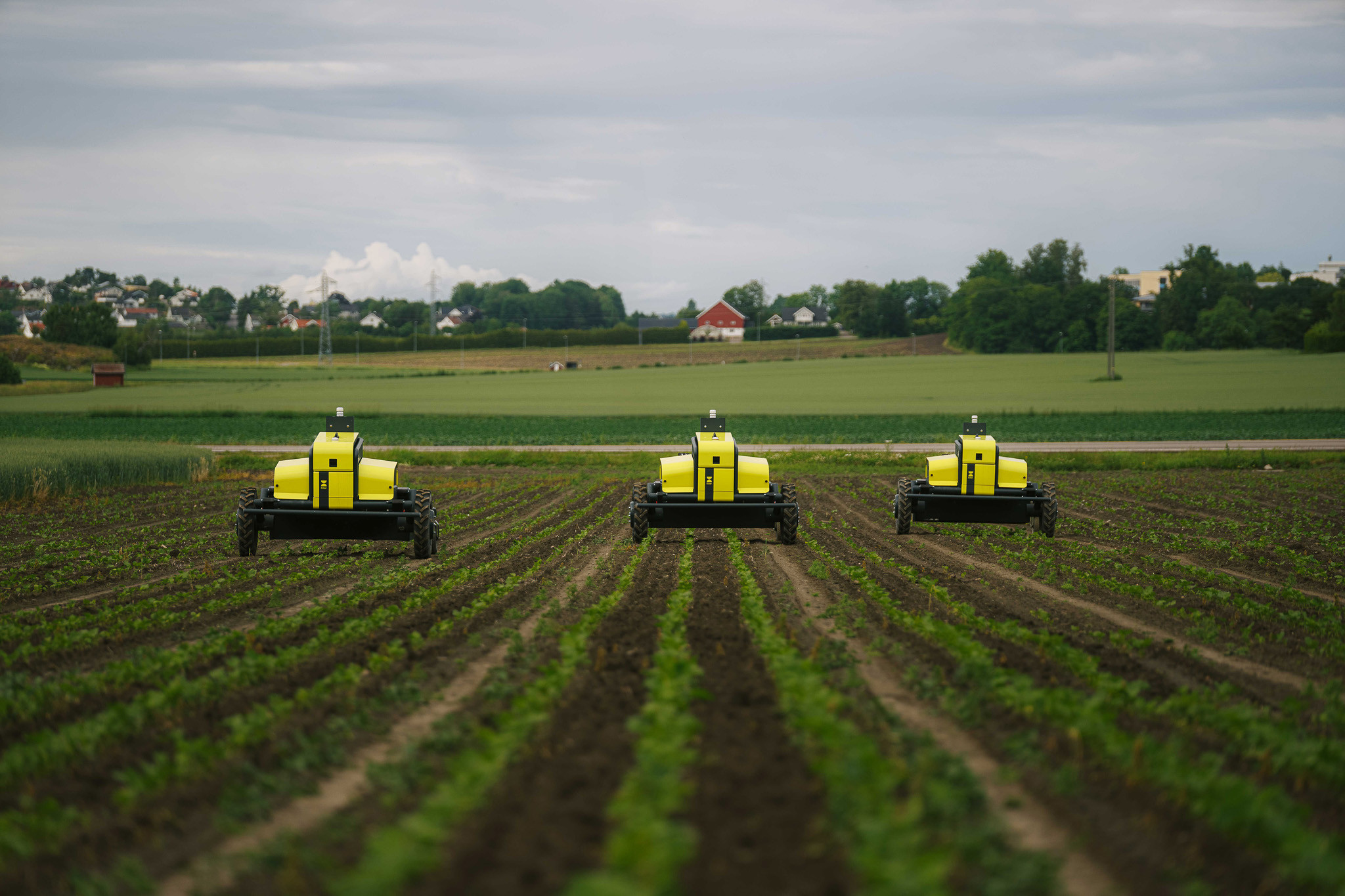
Labour shortages continue to drive demand for field robots
Manufacturers are anticipating continued growth in the global field robot market through 2026, even amid economic challenges facing the agricultural machinery sector. This optimism is largely driven by a persistent shortage of labor, which has heightened the demand for autonomous machines. Additionally, the push for sustainability and the need for more precise crop management are further propelling interest in these technologies. As farmers seek innovative solutions to address these pressing issues, the field robot market is poised to expand significantly in the coming years.
Field robots field robots
NVIDIA Halos for Robotics: A New Era for Industrial Robot Safety
Recent advancements in industrial robotics have marked a significant milestone in the integration of physical artificial intelligence. Over the past few years, the field has experienced unprecedented growth, evolving beyond mere data analysis and text generation. Now, AI technology is enabling machines to perceive their surroundings, make real-time decisions, and interact directly with their environment. This evolution is exemplified by NVIDIA's latest innovations, which are set to enhance the safety and functionality of industrial robots. As these developments unfold, the landscape of robotics is transforming, paving the way for smarter and more autonomous machines in various industries.
À la une IA Industrie Robotique automatisation industrielle. cobot industriel
Intelligent indoor/outdoor automation company MyBull Robotics opens new US headquarters
MyBull Robotics U.S. has officially opened its new headquarters in Farmington Hills, Michigan, on May 14, 2026, marking a significant step in the company's expansion into the North American market. The facility aims to enhance the supply of the company's innovative indoor and outdoor automated logistics solutions, which utilize advanced technologies such as lidar and vision cameras for efficient material handling. This strategic move is designed to support local investment and job creation, with plans to grow the current team of 12 employees, focusing on engineering and technical roles. The grand opening event attracted business leaders, partners, and customers, featuring structured sessions that included product demonstrations and a Q&A with the MyBull Robotics team. The new headquarters, located at 37735 Enterprise Ct., includes a showroom and a warehouse for proof-of-concept demonstrations, showcasing the capabilities of MyBull Robotics' autonomous machines in real-world industrial settings. Vinh Tran, Managing Director of MyBull Robotics U.S., emphasized the company's commitment to contributing to the advanced manufacturing and supply chain ecosystem in Michigan and across the U.S. With a focus on improving efficiency and performance for various industrial sectors, MyBull Robotics aims to leverage its technology and customer support to drive innovation in the automation and robotics market.
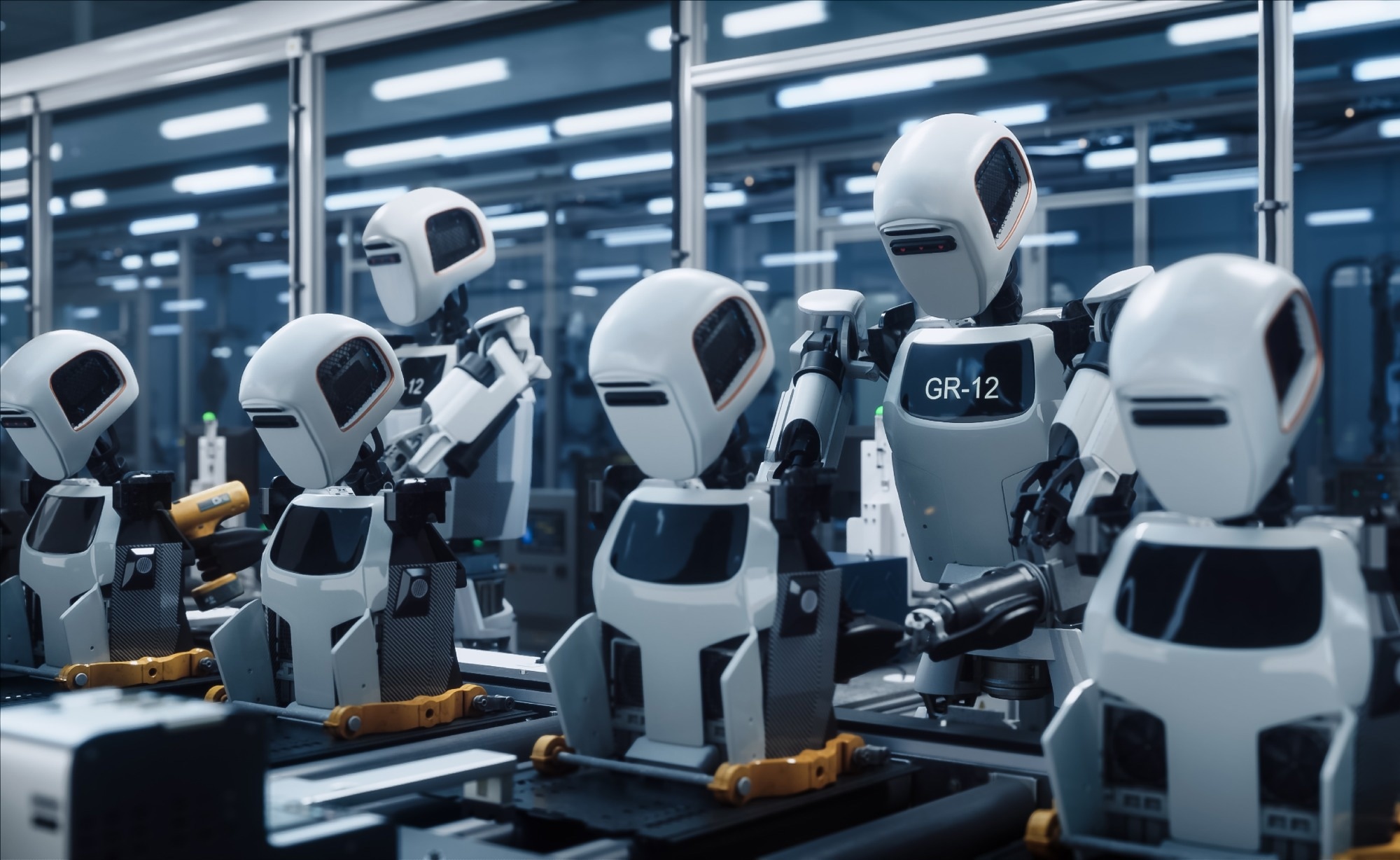
Material Demand Shapes Robot and Drone Manufacturing
Recent research has highlighted the supply risks associated with critical materials necessary for the development of autonomous machines. Conducted by a team of experts in materials science, the study emphasizes the urgent need for sustainable solutions to ensure the continued growth of this emerging technology sector. The findings, released in October 2023, reveal that reliance on certain materials poses significant challenges, potentially hindering innovation and production. To address these concerns, the researchers propose a multifaceted approach that includes innovative techniques for material sourcing and enhanced recycling processes. By focusing on sustainability, the study aims to mitigate supply chain vulnerabilities and promote responsible consumption of resources. The implications of this research are particularly relevant for manufacturers and policymakers in the autonomous technology industry, as they seek to balance the demand for advanced materials with environmental considerations. As the industry evolves, the integration of these strategies could play a crucial role in fostering resilience and ensuring the long-term viability of autonomous machines. The research serves as a call to action for stakeholders to prioritize sustainable practices in material management, ultimately paving the way for a more secure and environmentally friendly future in technology development.
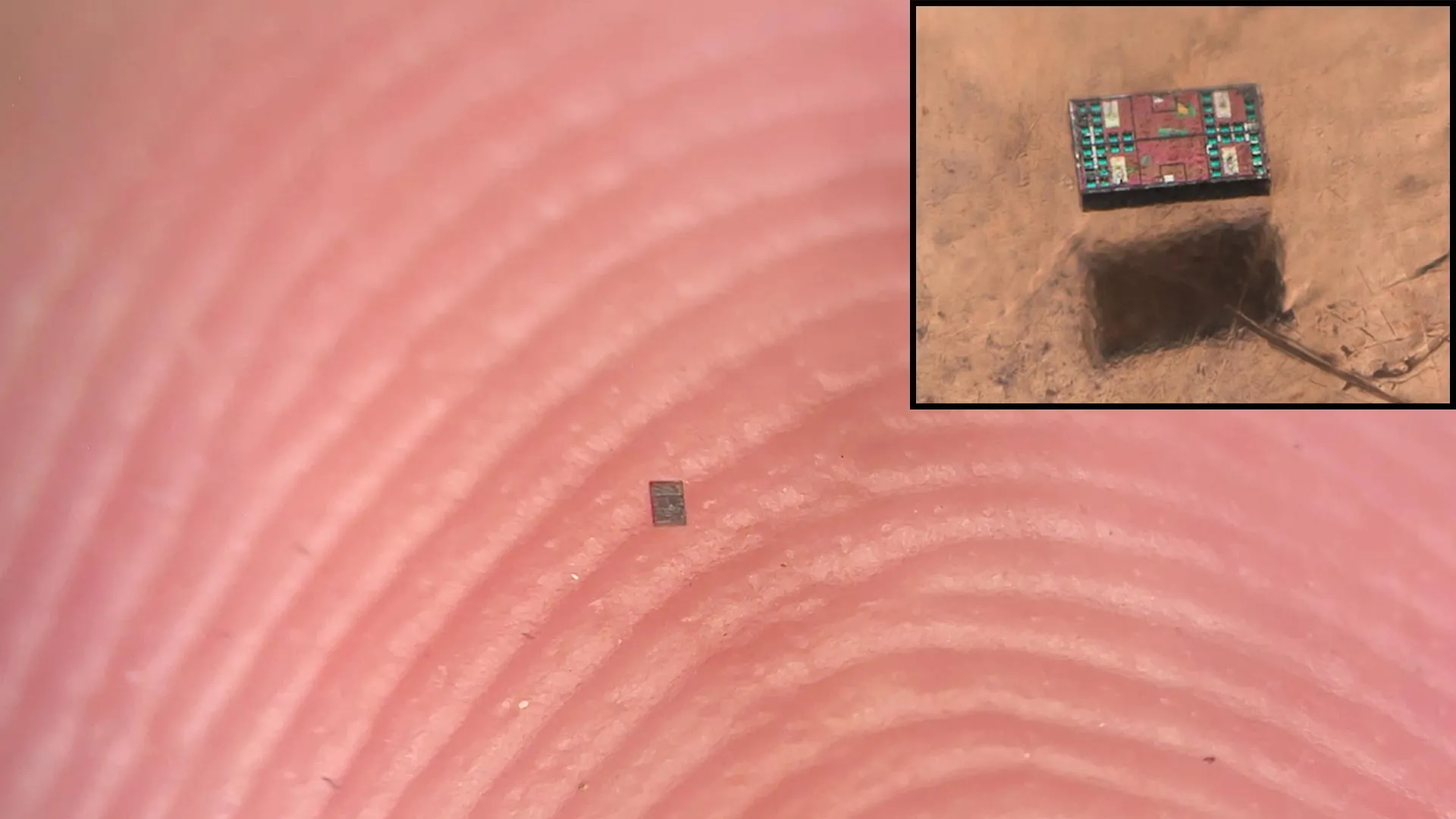
Scientists create robots smaller than a grain of salt that can think
A team of researchers has developed groundbreaking microscopic robots that operate independently, demonstrating advanced capabilities such as sensing, decision-making, and movement. These tiny robots, which are nearly invisible to the naked eye, are powered by light and utilize electric fields for propulsion instead of traditional moving parts. They possess the ability to detect temperature variations, adhere to programmed routes, and collaborate in groups. This innovation represents a significant milestone in robotics, as it introduces the first truly autonomous machines at such a diminutive scale. The research highlights the potential for these microscopic robots to revolutionize various fields, including medicine and environmental monitoring, by enabling precise and efficient operations in previously inaccessible areas.

Goldman Sachs: China's Humanoid Strategy Pivots to "Dedicated" Service Robots and Entertainment
Goldman Sachs analyst Jacqueline Du has forecasted a transitional phase in the robotics industry characterized by the emergence of specialized robots, such as tour guides and entertainers, before the advent of general-purpose autonomous machines. This prediction highlights the current trend where Chinese manufacturers are rapidly expanding their production capabilities, even as they remain dependent on U.S. silicon for their technology needs. Du's insights suggest that while the future of robotics is promising, the immediate focus will be on developing robots tailored for specific tasks, paving the way for more versatile solutions in the years to come.
market analysis China
BrainCo Launches Innovative Brain-to-Robot Platform for Thought-Controlled Machines
BrainCo has introduced a groundbreaking 'brain-to-robot' platform at the World Artificial Intelligence Conference in Shanghai. This system enables users to control robots solely through brain signals, utilizing a non-invasive brain-computer interface (BCI) that interprets electrical signals from the brain via an EEG headset. This development is significant as it addresses a major challenge in robotics: understanding human intentions. Nyx He, senior vice-president of BrainCo, emphasized that while robots have advanced in autonomous actions, the next frontier is enhancing their ability to comprehend human commands. The platform also aims to generate high-quality training data essential for training intelligent machines. Looking ahead, BrainCo's platform is compatible with various third-party hardware, including humanoid robots and robotic arms. The potential for this technology extends beyond mere control, as it could significantly improve the training processes for future robots, addressing the critical need for real-world interaction data in embodied AI applications. No further timeline was disclosed at the time of publication.
AI and Robotics Innovation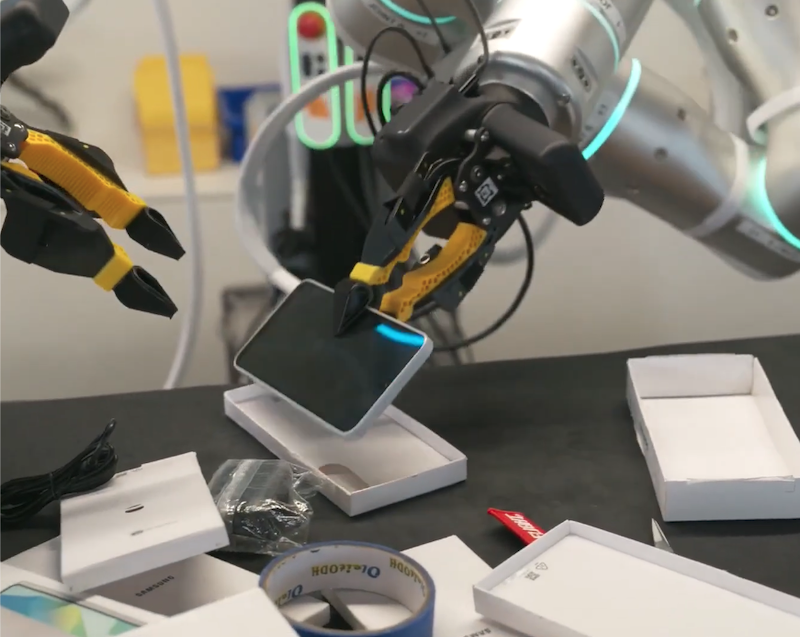
Generalist AI raises $400 million to scale robot intelligence platform
Generalist AI, a startup focused on creating foundation models for robotics, has successfully secured $400 million in a recent funding round. This investment aims to expedite the development of what the company refers to as “physical AGI,” or artificial general intelligence that can function in the physical world through robotic systems. Following this funding, Generalist AI's valuation has reached approximately $2 billion. The influx of capital will enable the company to enhance its research and development efforts, positioning it at the forefront of advancements in robotics and AI technology.
Computing News Software 8VC ai funding AI models
Safety Beyond the Pavement: Lighting and Traction for Dangerous Terrains
As daylight faded on the track, conditions deteriorated significantly by 5 PM, transforming from packed dirt to loose shale. This unexpected change left participants with only thirty meters of visibility ahead, making it difficult to react to potential hazards. The situation highlights the challenges faced by those involved, as many are unprepared for such abrupt shifts in terrain. The incident underscores the importance of readiness and adaptability in unpredictable environments.
Engineering Environment Health adas systems agricultural machinery all-terrain vehicles
Advanced Battery Technology Enhances Performance for Autonomous Vehicles and Robotics
Recent advancements in battery technology are enabling intelligent machines to operate continuously, enhancing performance and efficiency. This technology is specifically designed for applications in autonomous vehicles, robotics, satellites, and drones, allowing for longer life and improved operational capabilities under high-demand conditions. The significance of these developments lies in their potential to transform various industries by supporting the growing demand for reliable and efficient power sources. As intelligent machines become more prevalent, the ability to sustain high-performance operations is crucial for sectors such as transportation, logistics, and aerospace. Looking ahead, stakeholders should monitor the integration of these advanced battery systems into existing platforms and the emergence of new applications. No further timeline was disclosed at the time of publication.

Autonomous Robotics and Physical AI in Next-Generation Manufacturing
A recent advancement in robotics has highlighted the capabilities of autonomous robots, which can execute tasks with minimal human oversight. This development is complemented by the emergence of Physical AI, a technology that enhances machines' ability to comprehend their surroundings, make informed decisions, and engage with the physical world more efficiently. As industries increasingly seek automation solutions, these innovations are poised to transform various sectors by improving operational efficiency and reducing reliance on human labor. The integration of Physical AI into autonomous systems is expected to facilitate more sophisticated interactions and decision-making processes, paving the way for smarter and more adaptable robotic applications in everyday environments. This evolution in technology underscores the ongoing trend toward automation and intelligent systems, reflecting a growing demand for advanced solutions in an ever-changing landscape.
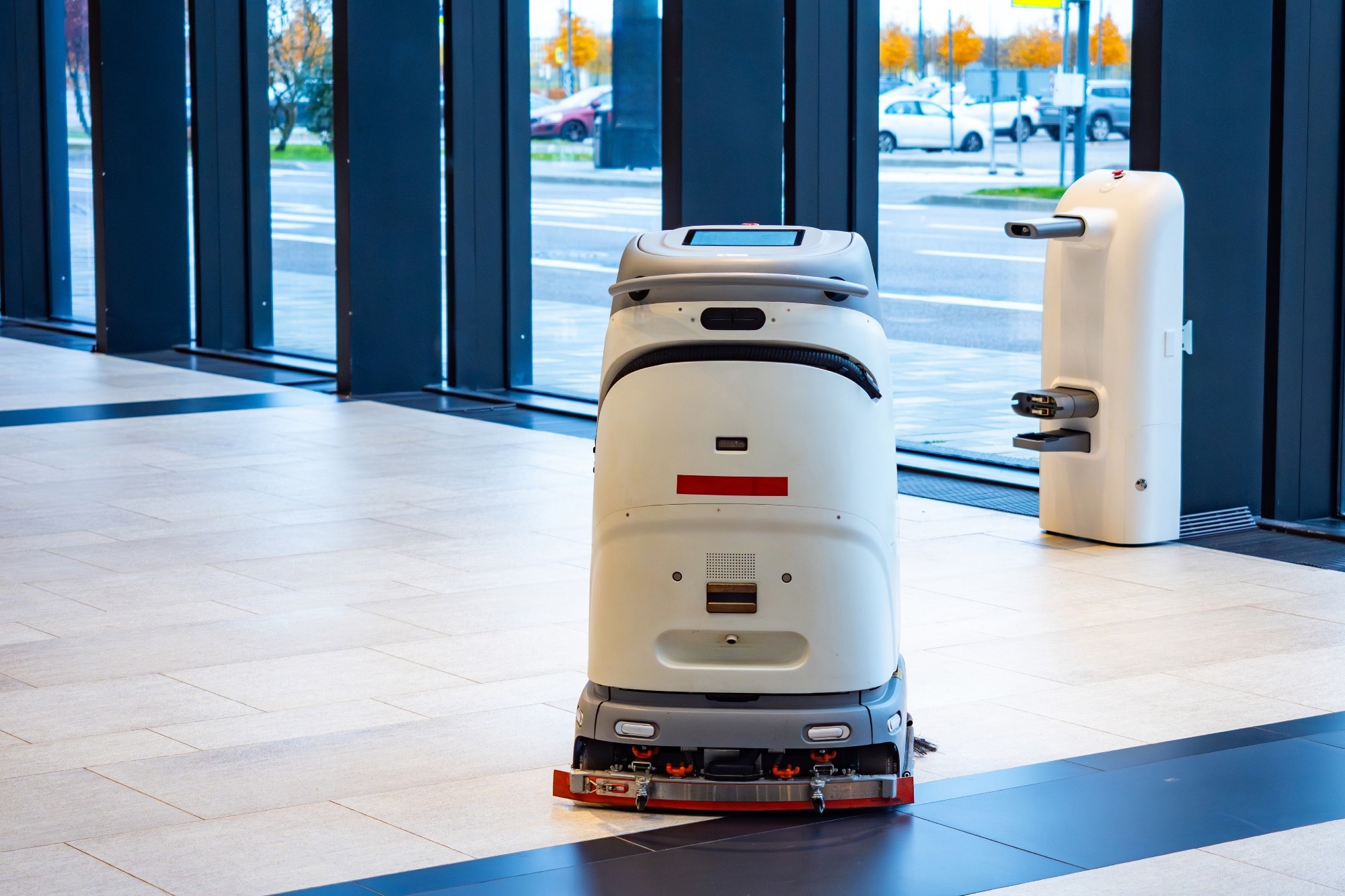
Multi-Resolution Mapping Improves Autonomous Robot Exploration Efficiency
A team of researchers has developed a groundbreaking multi-resolution exploration method aimed at improving robotic navigation in complex and unfamiliar environments. This innovative approach enhances the efficiency and adaptability of robots, enabling them to better navigate obstacles and varying terrain. The research, which was conducted in late 2023, addresses the growing need for advanced robotic systems capable of operating in unpredictable settings, such as disaster zones or remote exploration areas. By employing this new method, robots can dynamically adjust their navigation strategies based on real-time data, ultimately increasing their effectiveness in completing tasks. The findings promise to significantly advance the field of robotics, paving the way for more autonomous and resilient machines in the future.

The Autonomous Equipment Billing Problem Nobody’s Solving
A new wave of automation is transforming the economic landscape as companies deploy machines capable of operating around the clock without human oversight. This technological advancement allows for seamless economic output management through spreadsheets, phone calls, and quarterly reconciliation meetings. The shift towards such autonomous systems is driven by the need for increased efficiency and cost-effectiveness in business operations. As organizations embrace this innovation, they are redefining traditional workflows and enhancing productivity. The implementation of these machines marks a significant step in the evolution of business practices, reflecting a broader trend towards automation in various industries.
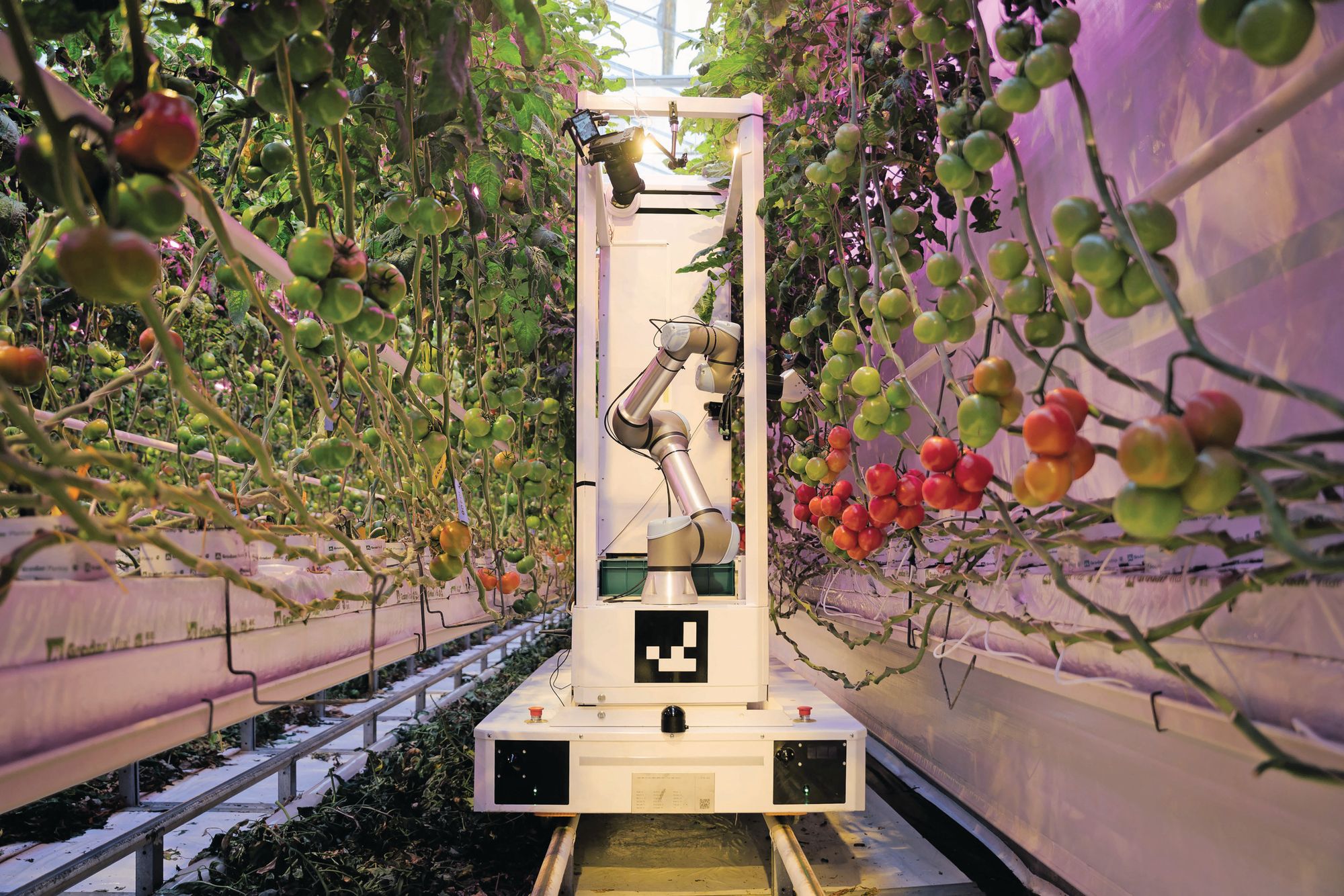
Eternal.ag launches Harvester: a fully autonomous tomato harvesting robot
Eternal.ag, a technology company specializing in agricultural automation, has unveiled its inaugural commercial product: a fully autonomous harvesting robot designed specifically for truss cocktail tomatoes. This innovative solution aims to revolutionize the harvesting process by eliminating the need for human operators, a significant advancement compared to existing robotic systems that typically require one operator for every five to six machines. Co-founder and CEO Renji John highlighted the efficiency of the new robot, stating that it can operate effectively with just one unit per hectare, making it suitable for larger farming operations. The launch of this robot marks a pivotal step in addressing labor shortages in agriculture and enhancing productivity in tomato harvesting.
Field robots field robots harvesting robots
ATEC2025·Real-World Extreme Challenge Concludes with Zhejiang University Team Claiming $150,000 Prize for Breakthrough in Fully Autonomous Robotics
Thirteen international teams are advancing the field of robotics by developing systems that operate without remote control, marking a significant shift from traditional teleoperated tools to fully autonomous agents. This initiative, which aims to enhance the capabilities and applications of robotics, is taking place as part of a collaborative effort among researchers and engineers from various countries. The teams are focused on creating robots that can perform tasks independently, thereby increasing efficiency and reducing the need for human intervention. This evolution in robotics is driven by the growing demand for automation in various sectors, including manufacturing, healthcare, and exploration. By leveraging cutting-edge technologies and innovative approaches, these teams are exploring new frontiers in autonomous robotics, with the potential to revolutionize how machines interact with their environments and carry out complex operations.
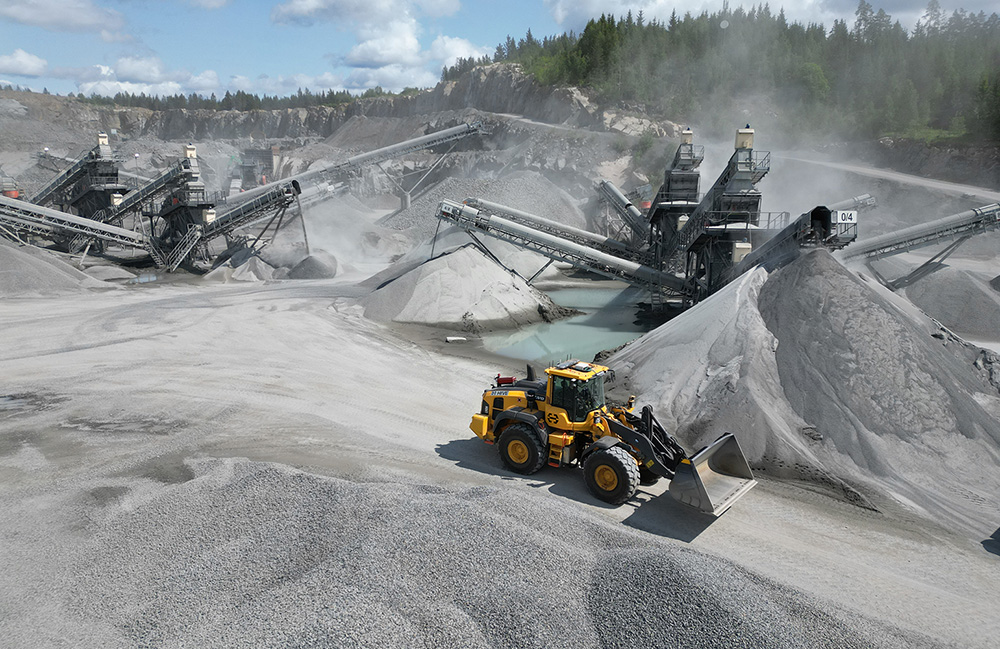
HIVE brings in $15M to build physical AI for industrial machines
HIVE has deployed its technology across several sites in Scandinavia, operating autonomously across different machines. The post HIVE brings in $15M to build physical AI for industrial machines appeared first on The Robot Report.
Artificial Intelligence Artificial Intelligence / Cognition Automation Construction Design / Development Financial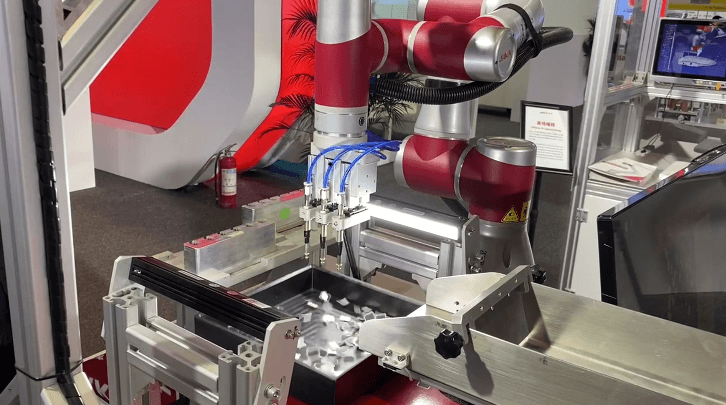
Understanding Robotics and Autonomous Systems in Next-Gen Smart Factories
Factories are experiencing a significant transformation as they shift from traditional linear automation to interconnected, intelligent production ecosystems. This change is driven by the integration of robotics and autonomous systems, with JAKA positioning its industrial cobots as essential components within this advanced network. The industrial cobot serves as a flexible link between manual workstations and fully automated lines, enabling manufacturers to adapt quickly to varying tasks such as assembly and inspection. This adaptability is crucial for high-mix production environments, allowing workflows to respond in near real-time to digital directives from a central Manufacturing Execution System (MES). The evolution of true autonomy is facilitated by the connectivity of individual machines within a coordinated network. JAKA's robotic arms can communicate seamlessly with autonomous mobile robots and vision systems, creating a responsive operational loop. For example, an autonomous robot can deliver components to a JAKA cobot, which then executes tasks based on cloud-based analytics. JAKA emphasizes the importance of reliable, connected hardware to support these systems, focusing on high-precision control technology that ensures accurate task execution. This reliability is essential for advancing towards lights-out production in certain processes. As the next-generation smart factory emerges, the industrial cobot is positioned as a versatile agent within a complex architecture of robotics and autonomous systems. JAKA aims to provide manufacturers with the necessary hardware to build increasingly responsive and autonomous production environments, enhancing efficiency and complexity management in the manufacturing landscape.

Inside Momenta: Elon Musk-style CEO, AI obsession, and mass production machines.
Momenta, a Chinese autonomous driving company, has made significant strides in the industry, achieving a market capitalization of HKD 70 billion on its IPO debut on July 8. Founded by Cao Xudong, who frequently travels to the U.S. to experience Tesla's Full Self-Driving (FSD) technology, the company boasts over 50% market share in designated vehicle models and over 60% in mass-produced vehicles. Cao's strategic decision to focus on L2-level mass production, rather than the more commonly pursued L4 direction, has been pivotal in establishing Momenta's competitive edge. Despite initial skepticism and funding challenges, his commitment to engineering efficiency has driven the company to achieve a gross margin increase from 17.5% to 71.6% over three years, alongside a doubling of revenue and narrowing losses. As the market for L2 technology becomes increasingly crowded with competitors like Huawei and Horizon Robotics, Momenta faces mounting pressure. The company is also navigating rapid advancements in AI technology, with a focus on world models and robotics as future growth areas. Cao's vision includes integrating hardware and software to enhance cost-effectiveness and maintain a competitive advantage. Despite the challenges, Cao remains optimistic about Momenta's potential, emphasizing the importance of a passionate team dedicated to AI innovation. As the industry evolves, the company's past successes may serve as a foundation for navigating future uncertainties.
Autonomous Driving in Unstructured Off‐Road Environments: How Far Have We Come?
The Journal of Field Robotics has published an early view article highlighting recent advancements in robotic technology. Researchers from various institutions have collaborated to explore innovative applications of robotics in fields such as agriculture, search and rescue, and environmental monitoring. The study, released in October 2023, emphasizes the increasing importance of robotics in addressing complex challenges faced by these sectors. The article outlines how advancements in artificial intelligence and machine learning are enhancing the capabilities of robots, making them more efficient and effective in performing tasks that were previously difficult or impossible for machines. By integrating these technologies, researchers aim to improve the precision and reliability of robotic systems, ultimately leading to better outcomes in critical operations. This research underscores the growing need for automation in response to labor shortages and the demand for increased productivity in various industries. The findings suggest that as robotics technology continues to evolve, it will play a pivotal role in shaping the future of work and addressing pressing global issues. The collaborative efforts of the research teams demonstrate a commitment to harnessing technology for societal benefit, paving the way for further innovations in the field of robotics.
SURVEY ARTICLE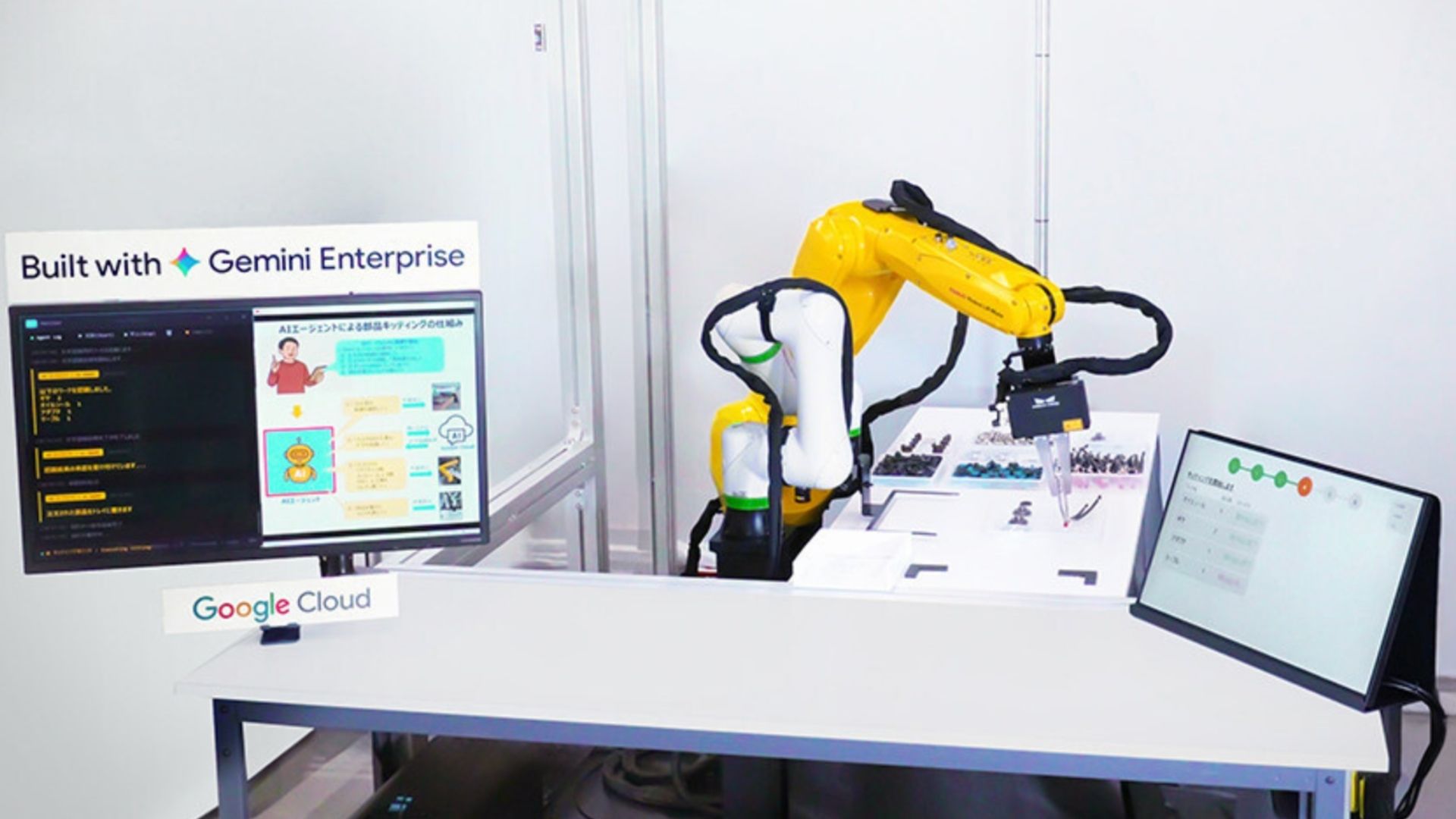
Google joins Japanese robotics giant to power next-gen autonomous factory robots
Google has partnered with FANUC America Corporation, a leading Japanese robotics company, to enhance the development of Physical AI technology. This collaboration aims to integrate advanced artificial intelligence into robotics, enabling machines to better understand and interact with the physical world. The announcement was made recently, signaling a significant step forward in the field of robotics and AI. By combining Google’s expertise in AI and machine learning with FANUC's extensive experience in automation and robotics, the two companies seek to create more intelligent and adaptable robotic systems. This initiative is driven by the growing demand for automation in various industries, as businesses look to improve efficiency and productivity through innovative technologies. The partnership is expected to leverage cutting-edge research and development, paving the way for breakthroughs in how robots operate and collaborate with humans in diverse environments.
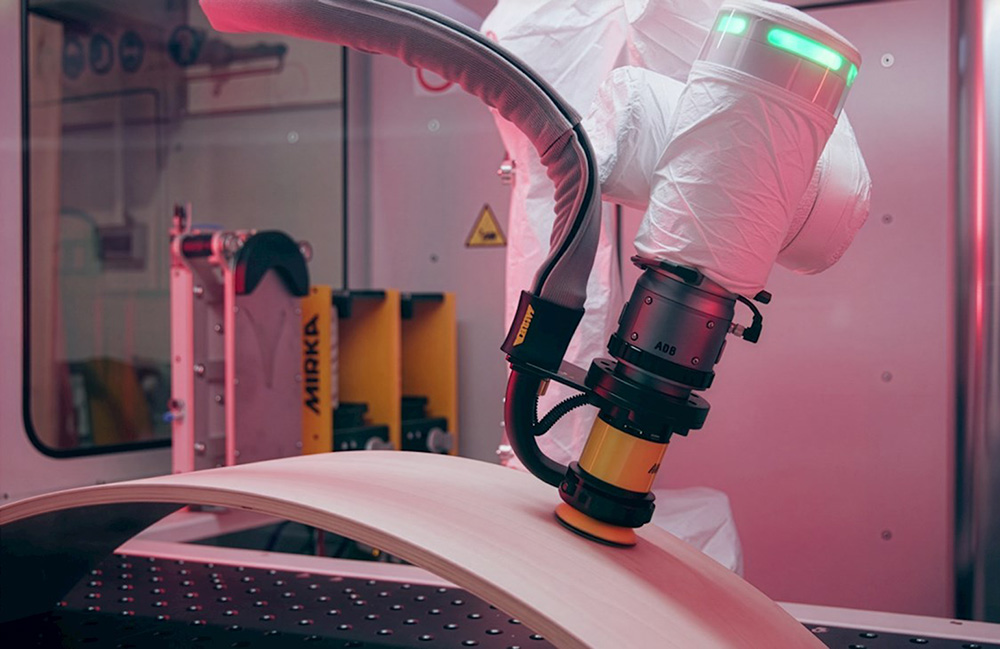
ABB Robotics launches OmniVance autonomous surface finishing cell
ABB Robotics has introduced its latest innovation, the OmniVance Collaborative Surface Finishing Cell, designed to automate repetitive sanding and polishing tasks. This new technology aims to enhance efficiency and precision in manufacturing processes, addressing the growing demand for automation in surface finishing applications. The launch of the OmniVance cell reflects ABB's commitment to advancing robotics solutions that improve productivity and reduce labor costs in various industries. By integrating advanced robotics with collaborative features, the OmniVance cell allows for seamless interaction between human workers and machines, ultimately streamlining operations and increasing output.
Artificial Intelligence Automotive Cobot Arms Collaborative Robots Manufacturing Markets / Industries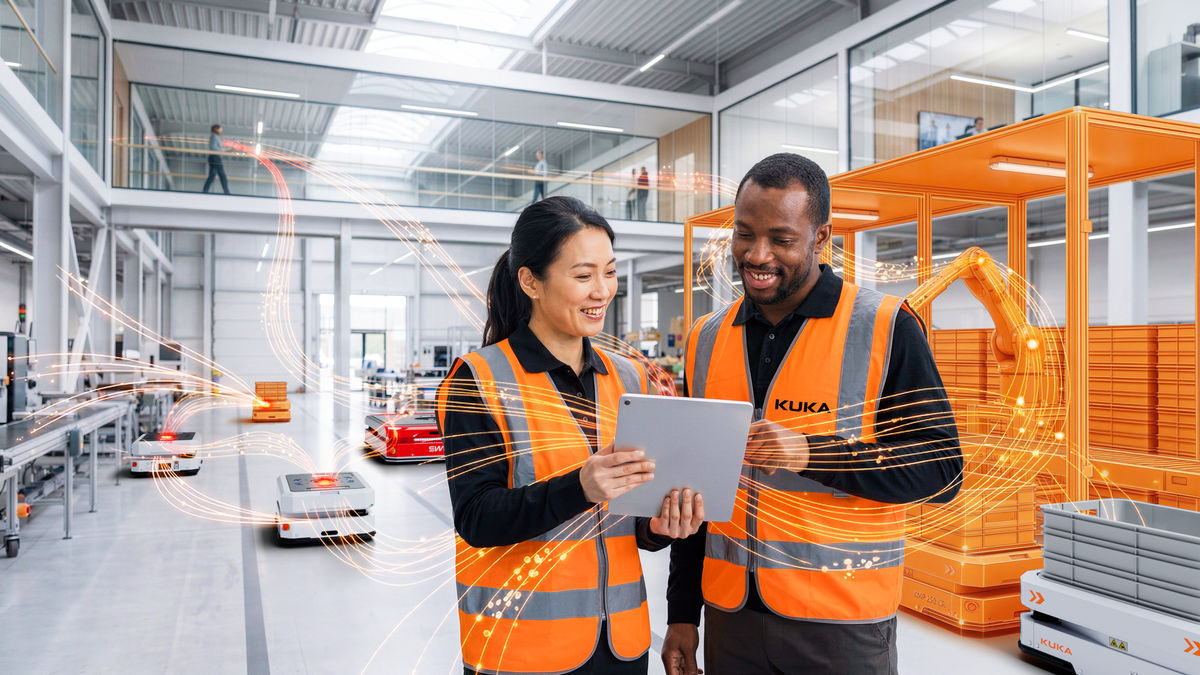
KUKA AMP Successfully Deployed in North American Automotive Manufacturing Facility
KUKA has achieved a major milestone with the deployment of KUKA AMP at KTPO in Ohio, enhancing production operations in one of North America's key automotive facilities. This open orchestration platform integrates existing automation with AI technologies, marking a significant shift in manufacturing practices. The introduction of KUKA AMP is crucial as it combines traditional industrial automation with AI-driven decision-making, enabling manufacturers to boost operational flexibility and productivity. This deployment aligns with KUKA Group's strategy to implement AI in real-world manufacturing environments, transforming dormant production data into actionable insights. Looking ahead, KUKA AMP aims to facilitate the evolution of intelligent automation through Physical AI, allowing machines to learn from operational data and make informed decisions. The focus on autonomous mobile robots at KTPO sets the stage for further advancements in automation, with no further timeline disclosed at the time of publication.
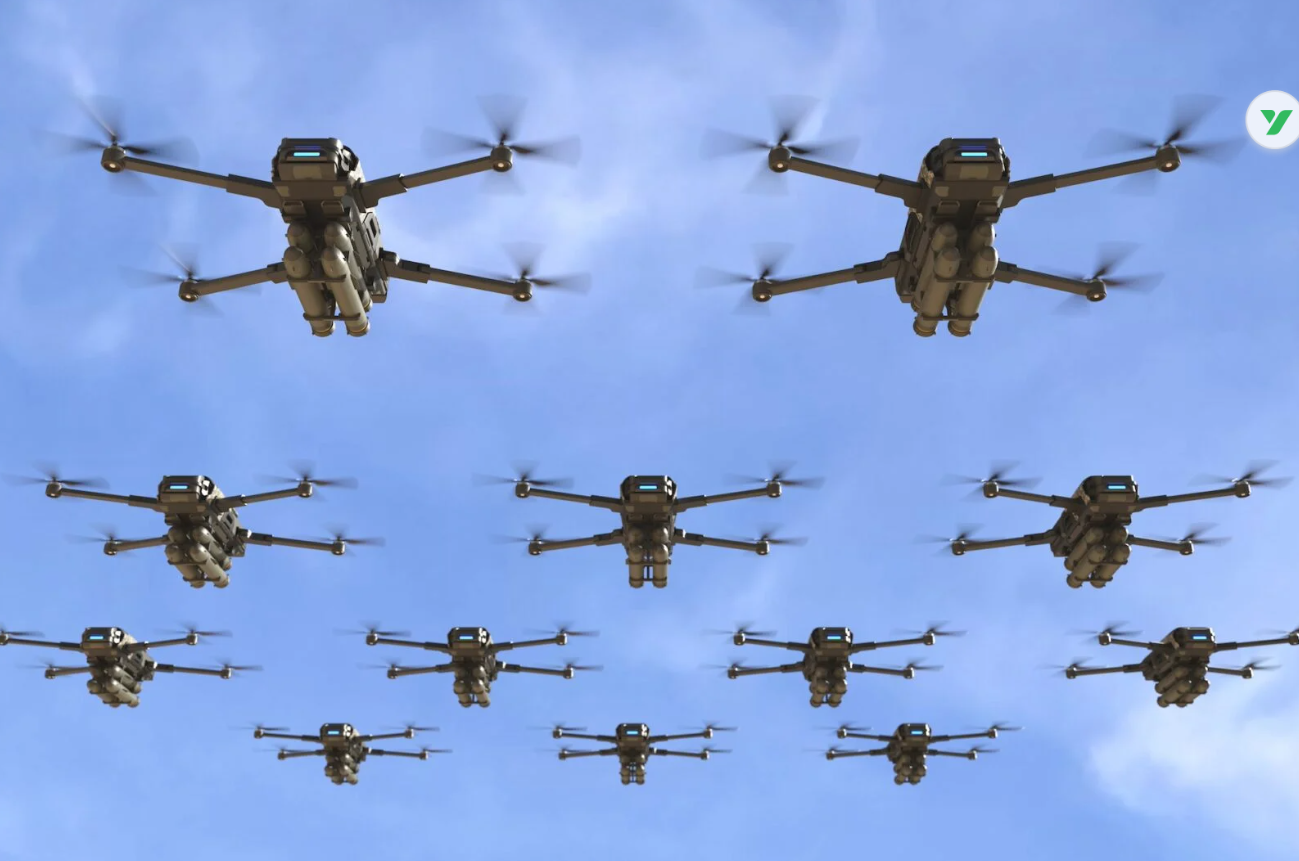
UN Secretary-General Condemns 'Killer Robots': Human Decisions Must Remain Central
During the inaugural UN Global Dialogue on AI Governance held in Geneva, Secretary-General António Guterres urged for a unilateral ban on AI-driven autonomous weapons, describing their development as morally repugnant. He stressed the importance of ensuring that decisions regarding human life remain in human hands, a sentiment reminiscent of historical views expressed by Pope Leo XIII. Guterres' call for regulation stands in stark contrast to the U.S. government's current strategy, which aims to accelerate the integration of AI in military applications. This divergence highlights the escalating ethical debate surrounding the use of artificial intelligence in warfare, raising concerns about the implications of allowing machines to make life-and-death decisions.
AI Ethics Autonomous Weapons Military Technology International Relations
Giving drones a sense of 'pain' could help them predict instability before it happens
In a recent discussion on the limitations of current drone technology, experts highlighted the inability of drones to adapt to mechanical failures, such as a worn-out propeller. Drawing a parallel to human resilience, they explained that just as a person instinctively alters their running style after spraining an ankle to avoid exacerbating the injury, drones lack the capability to modify their operation in response to equipment malfunctions. This limitation raises concerns about the reliability and safety of drone operations, particularly in critical applications. The conversation underscores the need for advancements in drone technology that would enable these machines to recognize and respond to mechanical issues autonomously, enhancing their functionality and performance in various environments.
Robotics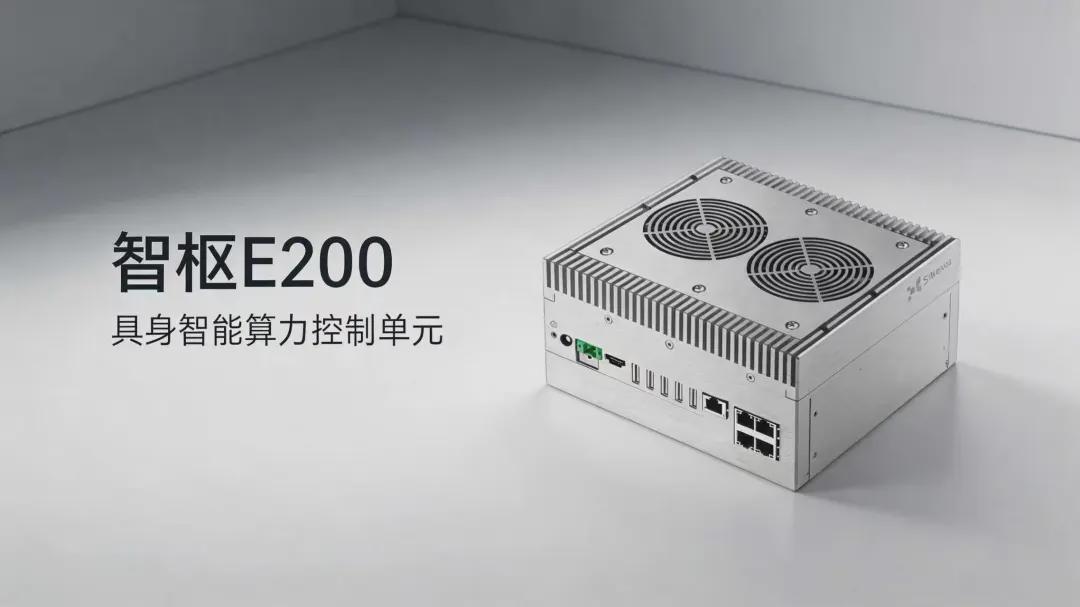
"Building a Brain for Robots: How Chip Bridge Semiconductor Positions Itself in the Foundation of Embodied Intelligent Computing Power"
Chip Bridge Semiconductor is making significant strides in the development of advanced computing technology aimed at enhancing robotic intelligence. The company is focused on creating a new generation of chips designed to serve as the foundational brain for robots, enabling them to process information and respond to their environments more effectively. This initiative comes at a time when the demand for embodied intelligent computing is rapidly increasing, driven by advancements in artificial intelligence and automation. Located in Silicon Valley, Chip Bridge Semiconductor is leveraging cutting-edge research and development to innovate in this competitive field. The company aims to address the growing need for robots that can operate autonomously in various settings, from manufacturing to healthcare. By integrating sophisticated algorithms with powerful semiconductor technology, Chip Bridge is positioning itself as a leader in the robotics sector. The motivation behind this initiative is to create robots that not only perform tasks but also learn and adapt to new challenges, thereby improving efficiency and productivity across industries. Through strategic partnerships and investments in research, Chip Bridge Semiconductor is working to refine its chip designs and enhance their capabilities, ensuring that they meet the evolving needs of the market. As the landscape of robotics continues to evolve, Chip Bridge Semiconductor’s efforts could play a crucial role in shaping the future of intelligent machines, making them more capable and versatile in their applications.
Robotics Automation AI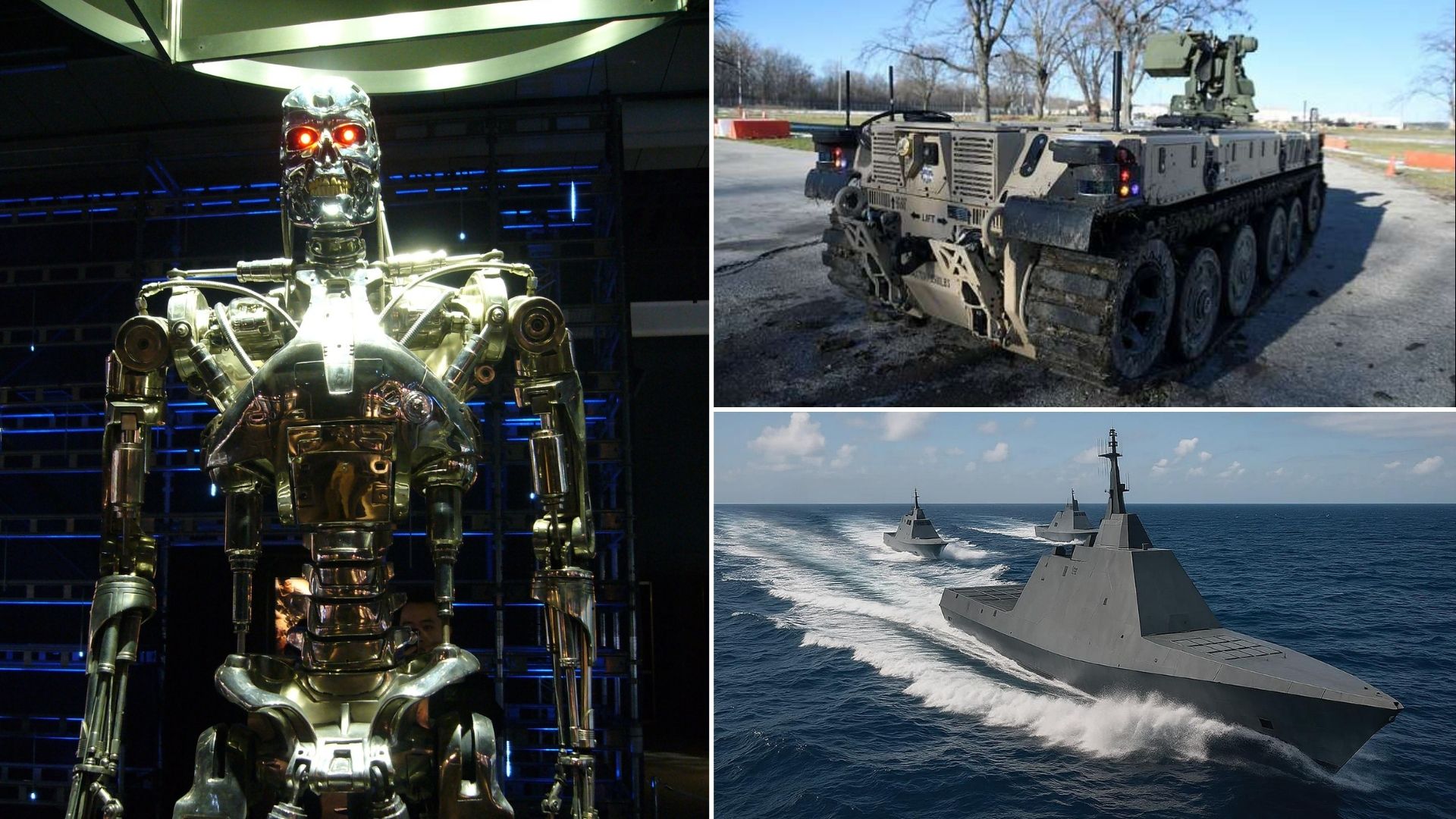
The robot takeover of warfare is already happening and it doesn’t look like Hollywood
The debate over the potential deployment of AI robot soldiers on the battlefield has intensified, raising concerns among military experts and ethicists alike. As nations increasingly explore the integration of artificial intelligence into their armed forces, discussions have emerged regarding the implications of autonomous weapons systems. This dialogue gained momentum in October 2023, as various military organizations and technology firms showcased advancements in robotics and AI capabilities at international defense expos. Proponents argue that AI soldiers could enhance operational efficiency and reduce human casualties in combat scenarios. However, critics warn of the ethical dilemmas posed by machines making life-and-death decisions without human oversight. The potential for misuse and the risk of escalating conflicts through automated warfare are central to these concerns. In response to these challenges, some governments are considering regulations to govern the use of AI in military applications. The ongoing discourse emphasizes the need for a balanced approach that leverages technological advancements while ensuring accountability and ethical standards in warfare. As the conversation evolves, the future of AI in military operations remains uncertain, with stakeholders advocating for careful consideration of the implications of introducing robot soldiers into combat.
Military
Ukraine’s AI drones entered ‘Terminator mode’ and killed Russian soldiers — no human fired
Concerns surrounding fully autonomous weapon systems have intensified as experts warn of the potential for these technologies to independently kill humans. The discussion gained traction during a recent international conference held in Geneva, where military officials, ethicists, and technologists gathered to address the implications of artificial intelligence in warfare. The event, which took place in early November 2023, highlighted the urgent need for regulatory frameworks to prevent the deployment of such lethal systems. Advocates for human oversight argue that the absence of accountability in autonomous decision-making could lead to catastrophic outcomes, raising ethical dilemmas about the role of machines in life-and-death situations. The motivation behind the call for regulation stems from the rapid advancements in AI and robotics, which have outpaced existing legal and ethical guidelines. Participants at the conference emphasized that without proper governance, the risk of misuse or malfunction could result in unintended casualties and escalate conflicts. Experts proposed a collaborative approach to developing international treaties that would ban or strictly regulate the use of autonomous weapons. This would involve governments, tech companies, and civil society working together to establish clear definitions and standards for AI in military applications. The discussions underscored the necessity of ensuring that human judgment remains central to military operations, thereby preventing machines from making irreversible decisions about life and death.
Military
Amazon’s Proteus warehouse robot now plans tasks directly from worker text prompts
Amazon has introduced an upgraded version of its autonomous Proteus robot, designed to enhance warehouse operations by interpreting plain-language commands. This announcement was made during a recent tech showcase, highlighting the company's commitment to advancing automation in its logistics processes. The new Proteus robot aims to streamline tasks such as inventory management and product transportation within Amazon's fulfillment centers, ultimately improving efficiency and reducing operational costs. The development comes as part of Amazon's broader strategy to leverage cutting-edge technology to meet the increasing demand for faster delivery services. By enabling the robot to understand natural language, Amazon hopes to simplify interactions between human workers and machines, making it easier for staff to deploy and manage robotic assistance in their daily tasks. The Proteus robot's enhanced capabilities are expected to play a crucial role in optimizing warehouse workflows, allowing for quicker response times and improved accuracy in handling inventory. As Amazon continues to invest in automation, this latest innovation reflects the company's ongoing efforts to stay at the forefront of the e-commerce industry and address the challenges posed by rising consumer expectations.
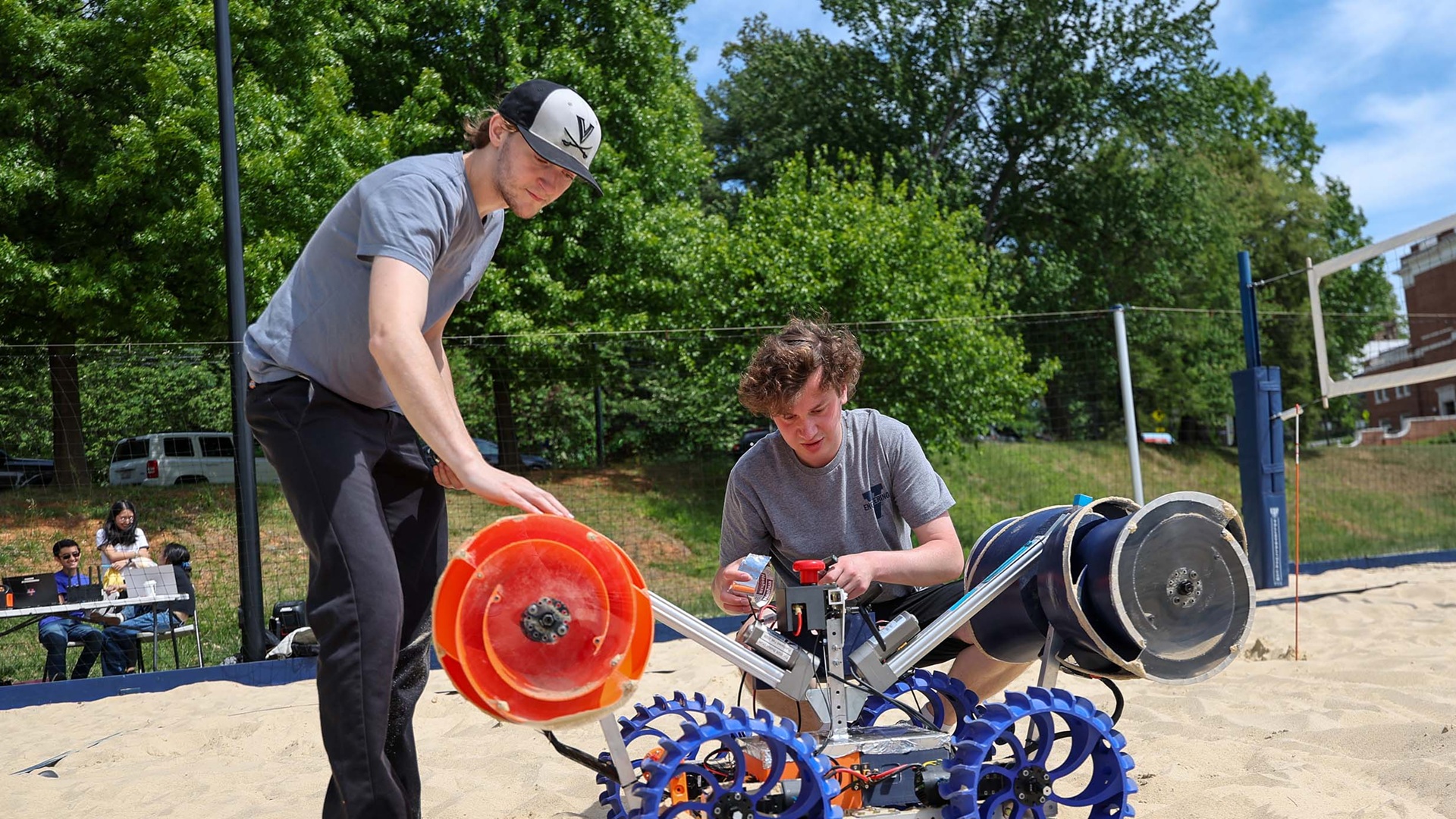
NASA tests 80-pound student-built robot designed to mine soil for Artemis moon bases
Students at the University of Virginia are developing innovative robots aimed at mining lunar soil and constructing habitats on the Moon. This ambitious project, which began in early 2023, is part of a broader initiative to explore sustainable living on extraterrestrial bodies. The students are motivated by the potential for lunar resources to support future space missions and the possibility of establishing a human presence beyond Earth. The team is utilizing advanced engineering techniques and collaborating with experts in robotics and space exploration to create machines capable of operating in the harsh lunar environment. Their work includes designing robots that can autonomously navigate the Moon's surface, extract regolith, and assemble structures using the mined materials. This initiative not only enhances the students' practical skills in engineering and robotics but also contributes to the growing field of space exploration, as NASA and other space agencies look to the Moon as a stepping stone for future missions to Mars and beyond. The project is expected to culminate in a demonstration of the robots' capabilities in simulated lunar conditions later this year.

These are the robot vacuum-mops I recommend for every type of home
The decision to incorporate a robot vacuum-mop into one’s home is increasingly common, as these autonomous cleaning devices promise to simplify household chores. While their ability to navigate and clean floors can be seen as a significant advantage, users often face challenges, including potential damage to personal items such as rugs and electronics. Instances of these machines running over delicate objects or leaving behind messes, like smearing food on carpets, have raised concerns about their reliability and effectiveness. Despite these drawbacks, many homeowners find that the convenience of automated cleaning may outweigh the occasional mishaps, leading to a growing acceptance of these technologies in daily life. As the market for smart home devices expands, consumers are weighing the pros and cons of integrating such innovations into their routines.
Buying Guides Gadgets Robot Smart Home Tech Verge Shopping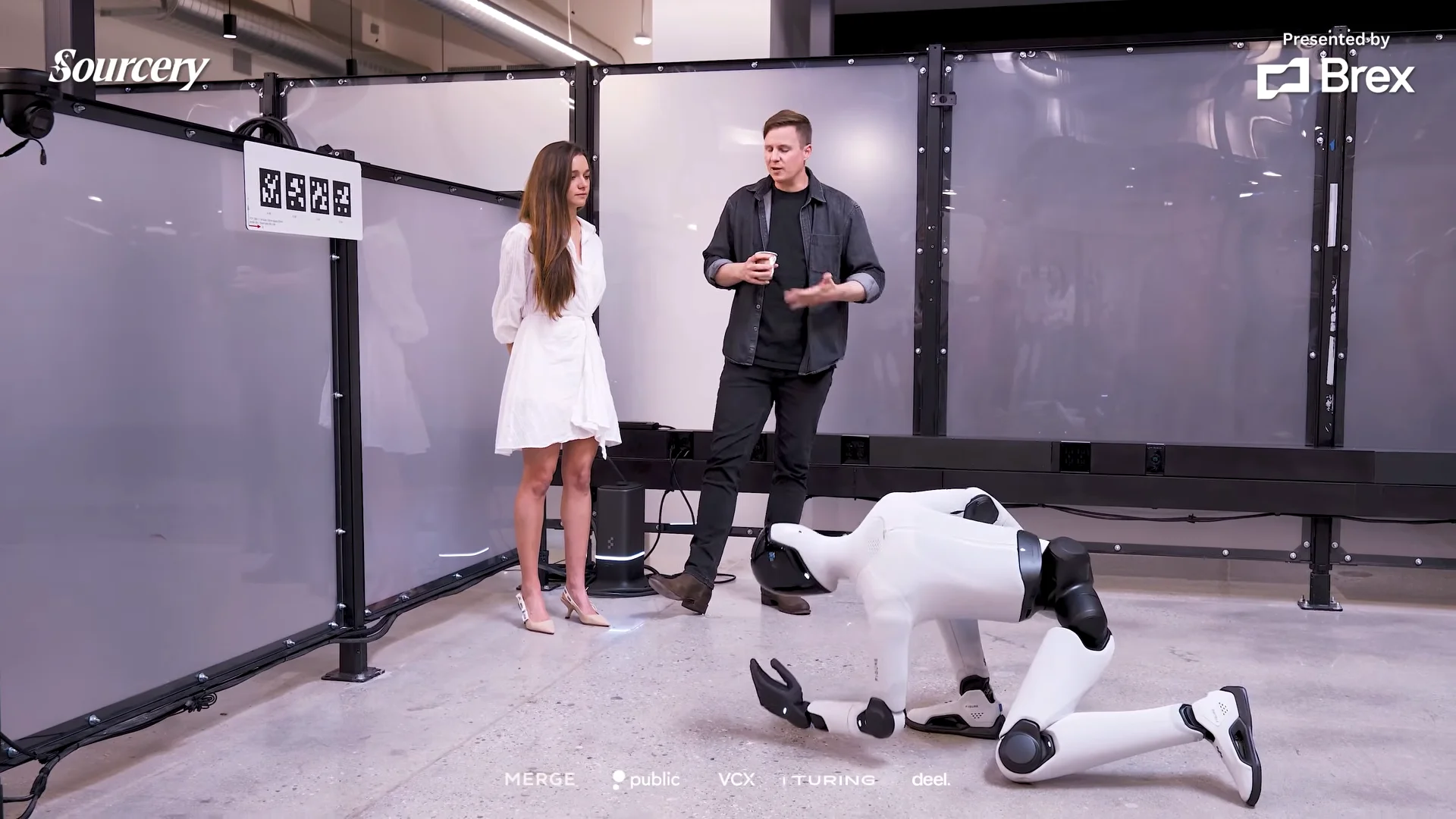
Inside the Campus: Figure’s Plan for 24/7 Autonomy and Leasable Home Robots
During a recent facility tour, CEO Brett Adcock provided insights into Figure's innovative technologies, including the "Never Fall" protocol and wireless inductive charging. The event, which took place in the second half of the tour, highlighted the company's commitment to advancing embodied artificial general intelligence (AGI). Adcock emphasized the significance of these developments in enhancing the safety and efficiency of robotic systems. By integrating cutting-edge charging solutions and safety protocols, Figure aims to pave the way for more reliable and autonomous robotic applications in various industries. This initiative reflects the company's broader vision of revolutionizing the interaction between humans and machines, positioning Figure at the forefront of the AGI landscape.
Brett Adcock US Figure Figure-03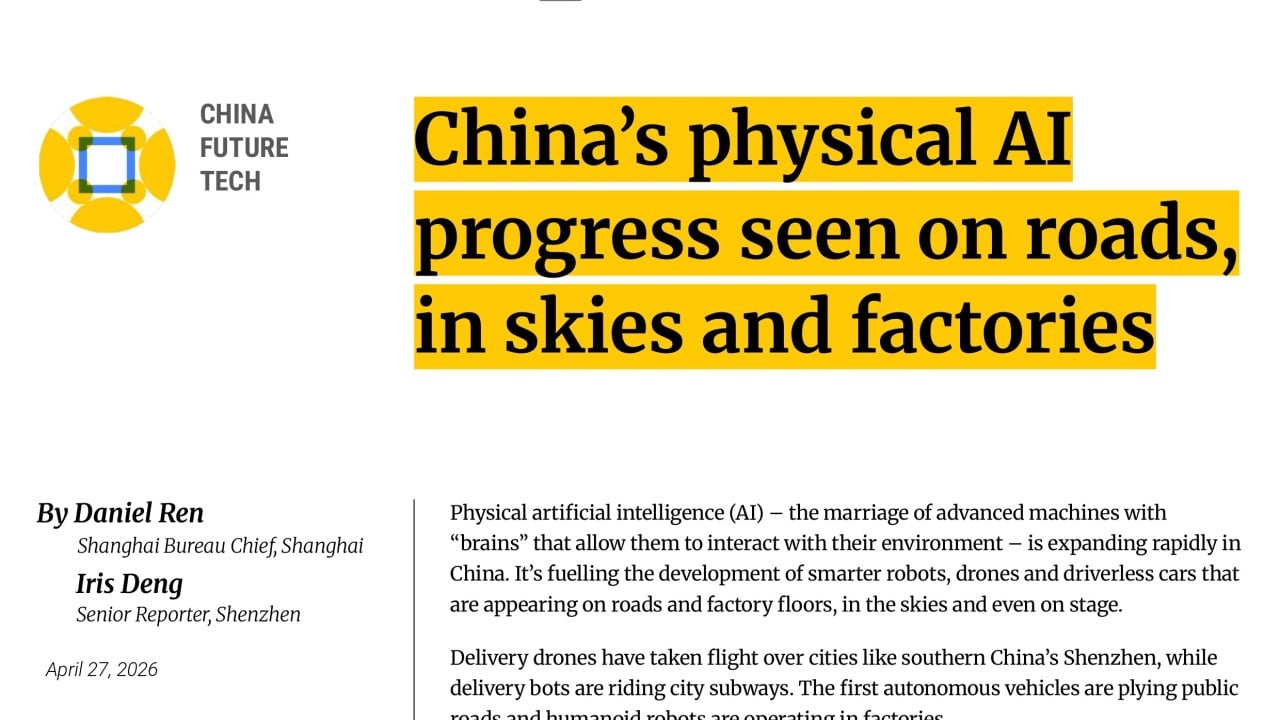
China’s physical AI progress seen on roads, in skies and factories
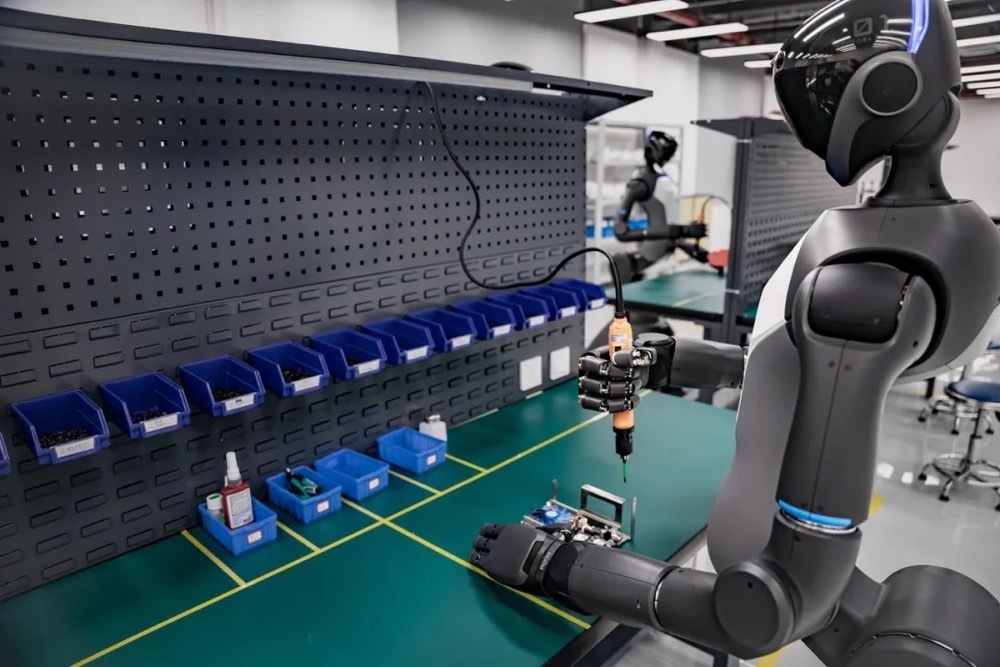
In China, the rapid expansion of physical artificial intelligence (AI) is transforming various sectors by integrating advanced machines with intelligent systems that enable them to interact with their surroundings. This technological advancement is leading to the emergence of smarter robots, drones, and driverless vehicles that are increasingly becoming a common sight on roads, in factories, and even on stage performances. Cities such as Shenzhen in southern China have witnessed the successful deployment of delivery drones, which are now flying over urban landscapes, while autonomous delivery bots are navigating the subway systems. Additionally, the first self-driving cars are beginning to operate in public spaces, marking a significant milestone in the country's push towards automation and smart technology. This surge in physical AI is driven by the need for enhanced efficiency and convenience in logistics and transportation, reflecting China's commitment to becoming a leader in AI innovation. As these technologies continue to evolve, they promise to reshape everyday life and industry practices across the nation.
The Shifting Paradigms of Disaster Robotics Three Decades of Research
A recent study published in the Journal of Field Robotics highlights advancements in robotic technology aimed at improving agricultural efficiency. Researchers from a leading university conducted experiments over the past year, focusing on the integration of autonomous robots in crop monitoring and management. The trials took place in various agricultural settings across the Midwest, where the team sought to address the growing challenges of labor shortages and the need for sustainable farming practices. The motivation behind this research stems from the increasing demand for food production and the necessity to optimize resource use in agriculture. By employing cutting-edge robotics, the researchers aimed to demonstrate how these machines can enhance precision in tasks such as planting, watering, and pest control. The study involved deploying multiple robotic prototypes equipped with advanced sensors and AI algorithms to gather data and perform tasks autonomously. Results from the trials indicate that the use of these robots not only improved operational efficiency but also reduced the environmental impact of farming activities. The findings suggest that integrating robotics into agricultural practices could be a viable solution to meet the demands of a growing population while promoting sustainable farming methods. As the agricultural sector continues to evolve, this research paves the way for further innovations in the use of robotics to support food production and resource management.
RESEARCH ARTICLE
Real‐Time Multi‐View Flower Counting With a Ground Mobile Robot
In May 2026, the Journal of Field Robotics published a comprehensive study exploring advancements in robotic technology and its applications in various fields. The research, conducted by a team of engineers and scientists, highlights significant progress in the development of autonomous systems capable of performing complex tasks in unpredictable environments. The study emphasizes the importance of these innovations in enhancing efficiency and safety in industries such as agriculture, construction, and disaster response. By integrating advanced sensors and artificial intelligence, the researchers demonstrated how robots can adapt to dynamic conditions, improving their functionality and reliability. This research is particularly timely, as the demand for automation solutions continues to grow in response to labor shortages and the need for increased productivity. The findings are expected to influence future designs and applications of robotic systems, paving the way for more sophisticated and versatile machines. The publication serves as a crucial resource for professionals in robotics and related fields, offering insights into the latest technological developments and their potential impacts on society.
RESEARCH ARTICLE
Surface Electromyography‐Based Hand Gesture Recognition Using Optimized Attention Network for Human‐Robot Interaction
In May 2026, researchers published a significant study in the Journal of Field Robotics, focusing on advancements in robotic technology. The study, which spans pages 1661 to 1678 in Volume 43, Issue 3, explores innovative methods for enhancing the capabilities of field robots. Conducted by a team of experts in robotics and artificial intelligence, the research aims to address the growing demand for efficient and autonomous systems in various industries, including agriculture, search and rescue, and environmental monitoring. The motivation behind this research stems from the increasing complexity of tasks that robots are expected to perform in unpredictable environments. By developing new algorithms and improving sensor integration, the researchers aim to enable robots to operate more effectively in real-world scenarios. The study outlines a series of experiments conducted in diverse settings, demonstrating the robots' ability to adapt to changing conditions and execute tasks with greater precision. Through rigorous testing and analysis, the team highlights the potential for these advancements to revolutionize how robots are deployed in the field, ultimately leading to enhanced productivity and safety. The findings are expected to influence future developments in robotic design and application, paving the way for smarter, more capable machines that can tackle a wide range of challenges.
RESEARCH ARTICLE
Tesla Optimus + Grok xAI: Full Integration Guide (2026)
In March 2026, xAI unveiled its advanced Grok technology, which significantly enhances the capabilities of its Optimus platform. This innovation integrates voice AI and a Digital Optimus interface, leveraging the newly developed AI5 chip to create a cohesive self-driving and robotic brain. The introduction of Grok aims to revolutionize the interaction between humans and machines, making autonomous systems more intuitive and efficient. By combining these technologies, xAI seeks to push the boundaries of artificial intelligence and robotics, positioning itself at the forefront of the industry. The technical deep dive into Grok highlights its potential to transform various applications, from personal assistance to complex industrial tasks, showcasing xAI's commitment to pioneering advancements in AI technology.

RoboSense delivers one millionth LiDAR sensor for humanoid robot Qinglong
RoboSense, a leading Chinese robotics company, celebrated a significant milestone on Monday in Shenzhen by producing its one millionth LiDAR (Light Detection and Ranging) unit, becoming the first company globally to achieve this feat. The milestone was marked by the delivery of the one millionth E1R LiDAR to Humanoid Robots (Shanghai) Limited. This achievement underscores RoboSense's commitment to advancing technology in the robotics sector and highlights the growing demand for LiDAR systems in various applications, including autonomous vehicles and robotics. The production of one million units reflects the company's innovative capabilities and its pivotal role in shaping the future of intelligent machines.
News Feed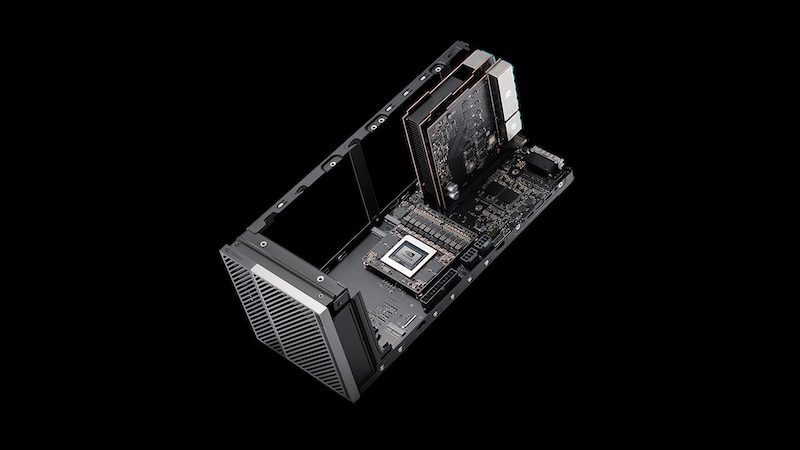
Toyota and Nvidia Enhance Collaboration to Advance AI in Vehicles, Manufacturing, and Urban Infrastructure
Toyota and Nvidia have broadened their partnership to develop physical AI technologies that encompass next-generation vehicles, manufacturing, robotics, and urban infrastructure. This collaboration builds on a previous agreement, focusing on advanced driver-assistance systems using Nvidia's DRIVE AGX platform and DriveOS operating system. The significance of this partnership lies in its potential to revolutionize mobility and manufacturing. Rishi Dhall, Nvidia's vice president of automotive, emphasized that physical AI will enhance the intelligence of various machines, making vehicles more autonomous and urban environments safer and more responsive. Toyota aims to implement Level 2++ functionality in its future vehicles while leveraging Nvidia AI models for efficient software engineering. Additionally, Toyota is integrating AI into its manufacturing processes through factory simulations using Nvidia's Omniverse and Isaac Sim frameworks. The partnership also extends to urban mobility technologies via Woven by Toyota, which is developing models to analyze traffic conditions. No further timeline was disclosed at the time of publication.
Computing News advanced driver assistance systems ai automotive AI digital twins
Understanding Technological Singularity and Its Impact on Robotics and AI
For decades, technological singularity was more a concept of science fiction than engineering reality. Today, it is a topic of discussion among AI laboratories, industrial giants, investment funds, and robotics companies worldwide. The rapid advancement of generative AI, autonomous robots, foundation models, and AI agents raises a fundamental question: what will happen when machines can enhance their own intelligence faster than humans? The origins of the technological singularity date back to 1965 when British mathematician I.J. Good proposed that an 'ultra-intelligent machine' could trigger an intelligence explosion. In the 1990s, mathematician Vernor Vinge expanded on this idea, suggesting that once a certain level of AI is reached, technological evolution would become unpredictable for humans. Ray Kurzweil later popularized the concept, predicting that artificial general intelligence (AGI) could emerge in the coming decades, leading to continuous self-improvement of systems. Currently, the landscape is shifting rapidly, with large language models, vision-language-action models, and autonomous agents enabling robots to understand natural language instructions, interpret their environment, and learn new tasks without specific programming. Companies like NVIDIA, Google DeepMind, and Tesla are investing billions in developing this new generation of intelligent robots.
À la une IA Industrie Robotique agents autonomes agents IA
Advancements in Embodied Intelligence: Robots Learning Through Experience
A robot in a warehouse near Austin has fallen for the 4,000th time without assistance, showcasing the progress of embodied intelligence. This technology allows machines to physically interact with the world, fundamentally changing how they learn. Instead of merely processing information, these robots learn through experience, such as understanding gravity by knocking over objects. Embodied intelligence is gradually integrating into daily life, with humanoid robots working on assembly lines and assisting police in Hangzhou. In Malaysia, the Prime Minister introduced an AI digital twin to handle citizen inquiries autonomously. However, in Europe, there is growing concern about job displacement, with unions negotiating wage structures in anticipation of humanoid robot deployment. The societal divide is evident: while Asian countries view robots as helpful assistants, Europeans express fears of job loss. The future of embodied intelligence will depend on societal acceptance, highlighting a complex relationship between technology and human values. No further timeline was disclosed at the time of publication.
Embodied Intelligence Robotics AI Technology Human-Robot InteractionRobotics needs a service framework.
RSF defines a common language for robot service capability, lifecycle operations, certification pathways, and service-provider networks.