Industry Briefing
A single destination for timely, editor-curated robotics news from around the world.
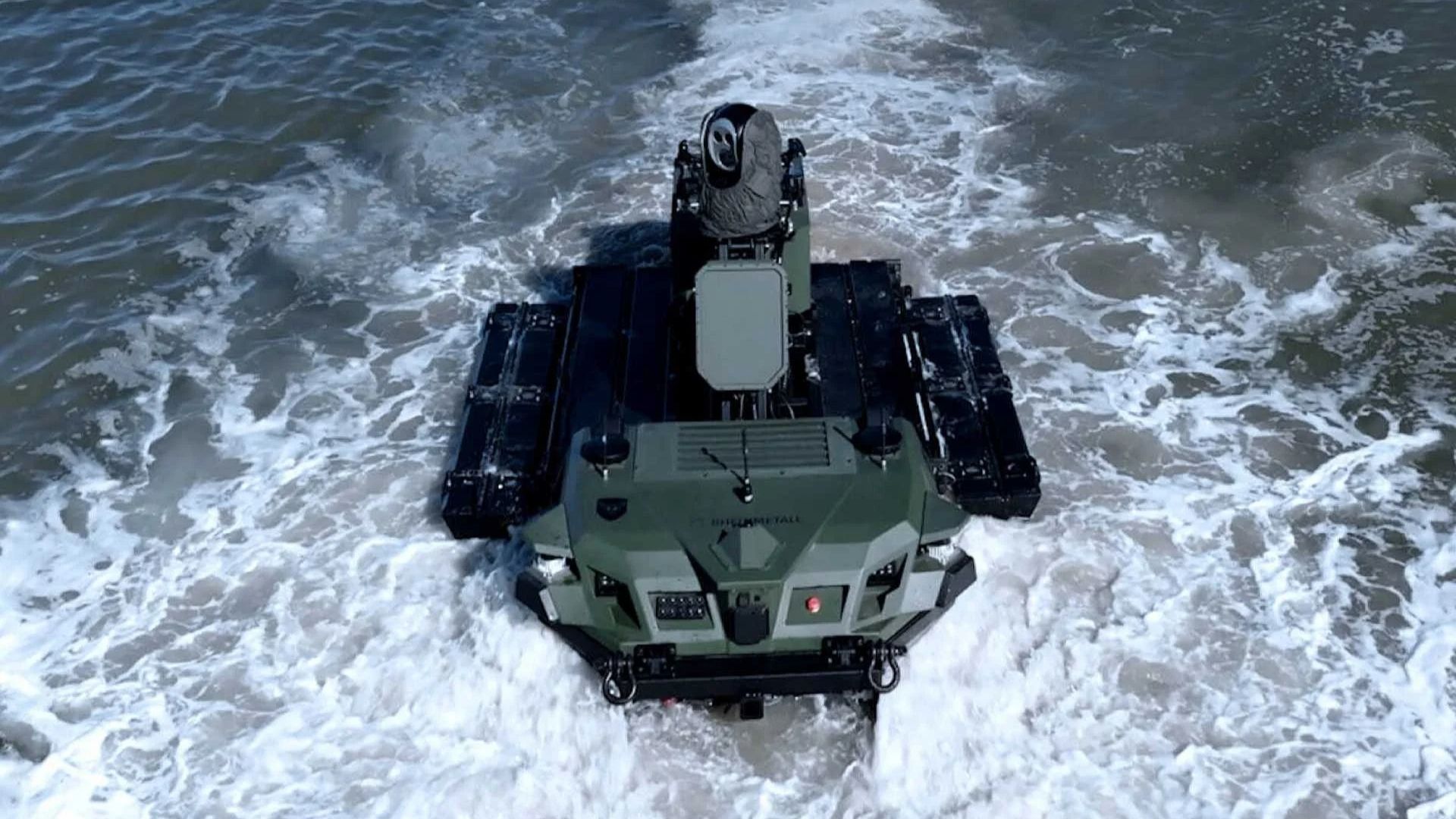
US Marine Corps Secures 12 Rheinmetall Amphibious Robots for Autonomous Logistics
American Rheinmetall has been awarded a $7.28 million contract to supply 12 Mission Master SP Autonomous Unmanned Ground Vehicles (A-UGVs) to the US Marine Corps. This procurement includes five amphibious kits and supporting equipment aimed at enhancing autonomous logistics and expeditionary mobility technologies. The significance of this contract lies in its potential to advance the operational capabilities of the US Marine Corps. The Mission Master SP vehicles are designed to support the Marine Corps Warfighting Laboratory's evaluations and capability development efforts, reflecting over four years of collaboration between Rheinmetall and the Marines. Looking ahead, the deployment of these advanced A-UGVs will be closely monitored as they are integrated into military operations. The amphibious capability is particularly noteworthy, as it addresses the evolving demands of littoral and expeditionary operations, marking a key milestone in Rheinmetall's partnership with the US Marine Corps.
Military
Elroy Air Completes First Autonomous Cargo Drone Flights with 500-lb Payload in Louisiana
Elroy Air, a US drone startup, has successfully conducted its first autonomous, uncrewed flights of the Chaparral hybrid-electric aircraft under the eVTOL Integration Pilot Program in Louisiana. These flights focused on transporting various cargo types, including medical supplies and industrial equipment, showcasing the aircraft's capabilities. This development is significant as it marks a step towards integrating Advanced Air Mobility aircraft into US airspace, enhancing logistics infrastructure and delivery options nationwide. The Federal Aviation Administration (FAA) emphasized the importance of these test flights in shaping aviation policy and supporting commercialization efforts. Looking ahead, Elroy Air's successful tests will inform its strategy for deploying autonomous heavy-cargo aircraft at scale. The Chaparral's unique features, such as interchangeable cargo pods and VTOL capabilities, position it for diverse applications, including disaster relief and maritime missions. No further timeline was disclosed at the time of publication.
Transportation
SiMa.ai and ARK Electronics Collaborate to Enhance Autonomous Drone Development
SiMa.ai and ARK Electronics have formed a strategic partnership aimed at accelerating the deployment of next-generation autonomous drones. They are introducing the ARK-SiMa.ai Modalix MLSoC Bundles, which are production-ready solutions designed to facilitate the development of intelligent drones for various markets, including commercial and defense. This collaboration is significant as it combines SiMa.ai's expertise in Physical AI with ARK Electronics' capabilities in high-quality drone electronics. The resulting solutions are expected to be affordable and high-performance, addressing the growing demand for advanced drone technology in sectors such as UAS, industrial applications, and agriculture. Looking ahead, the partnership aims to simplify the development process for intelligent drones, potentially leading to faster deployment in the market. No further timeline was disclosed at the time of publication.

Infinit Drones Launches Dock M400 for DJI Matrice 400 Autonomous Operations
Infinit Drones has unveiled the Dock M400, an autonomous docking platform designed for the DJI Matrice 400 drone. This innovation allows for remote launching, recovery, and battery management without the need for on-site personnel, addressing a significant gap in the enterprise drone market. The Dock M400 is particularly important as it enhances the capabilities of the DJI Matrice 400, which is known for its heavy-lift capacity and advanced sensor support. With features like automatic battery replacement and dock-to-dock relay missions, the Dock M400 enables organizations to maintain drones in a mission-ready state, thereby improving operational efficiency in sectors such as utilities and emergency services. Looking ahead, the demand for autonomous drone solutions is expected to rise, especially with the growing interest in Drone as First Responder (DFR) programs and favorable regulatory changes in Canada. Infinit Drones aims to capitalize on these trends by offering a solution that combines the Matrice 400's capabilities with autonomous deployment, potentially transforming aerial operations across various industries.
News
L3Harris and ARX UK Evaluate Passive Counter-Drone Technology on Autonomous UGVs
L3Harris and ARX UK have tested the CORVUS-RAVEN sensors mounted on unmanned ground vehicles (UGVs) to enhance battlefield awareness. These sensors are designed to track approaching threats, allowing operators to maintain a safe distance from potential dangers. The implementation of the CORVUS-RAVEN technology is significant as it improves situational awareness for military operators, enabling them to respond effectively to drone threats without direct engagement. This advancement in counter-drone capabilities is crucial in modern warfare, where unmanned aerial vehicles pose increasing risks. Looking ahead, the focus will be on the further development and deployment of these passive counter-drone systems. No further timeline was disclosed at the time of publication.
News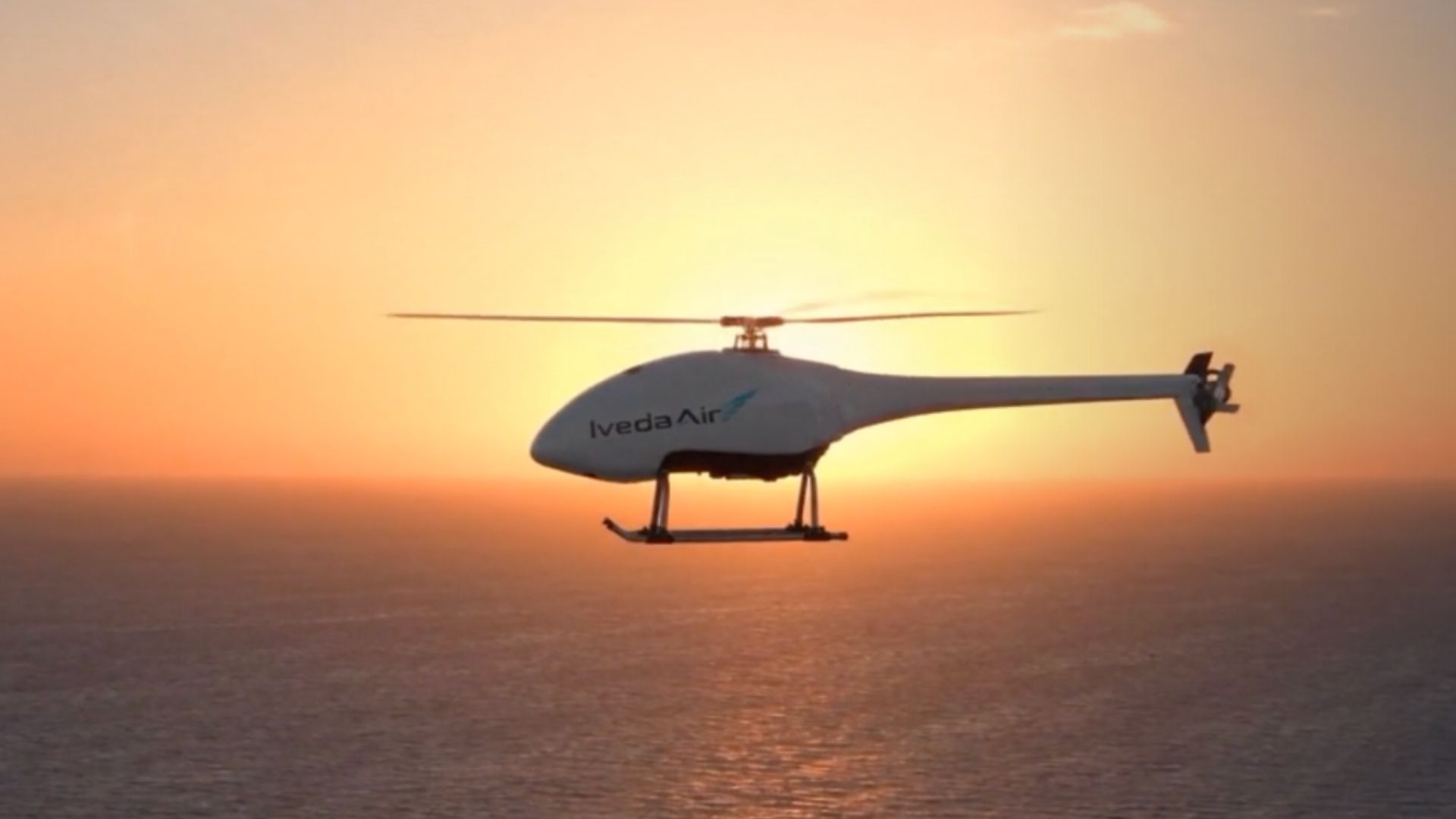
Iveda Launches Gas-Powered GX10-F100 Autonomous Helicopter Drone with 150-Minute Flight Time
Arizona-based Iveda has unveiled the IvedaAir line, featuring the GX10-F100, a gas-powered autonomous helicopter drone. This unmanned aircraft boasts an impressive flight endurance of over 150 minutes, significantly surpassing traditional battery-powered quadcopters. With a cargo capacity of 19 pounds and a maximum speed of 68 mph, the GX10-F100 is designed for military and emergency operations. The introduction of the GX10-F100 is significant as it addresses the limitations faced by conventional drones in challenging environments such as coastlines and isolated terrains. Its extended endurance and cargo capabilities make it suitable for logistics, reconnaissance, and aerial communications in difficult or dangerous areas. Iveda aims to enhance operational efficiency for military users and expand the drone's applications to maritime security, public safety, and emergency response. Looking ahead, Iveda's focus on developing the GX10-F100 for demanding operational environments indicates a shift in drone capabilities. The integration of IvedaAI autonomy software enhances navigation and intelligence missions, allowing for waypoint navigation and real-time video transmission. No further timeline was disclosed at the time of publication.
Military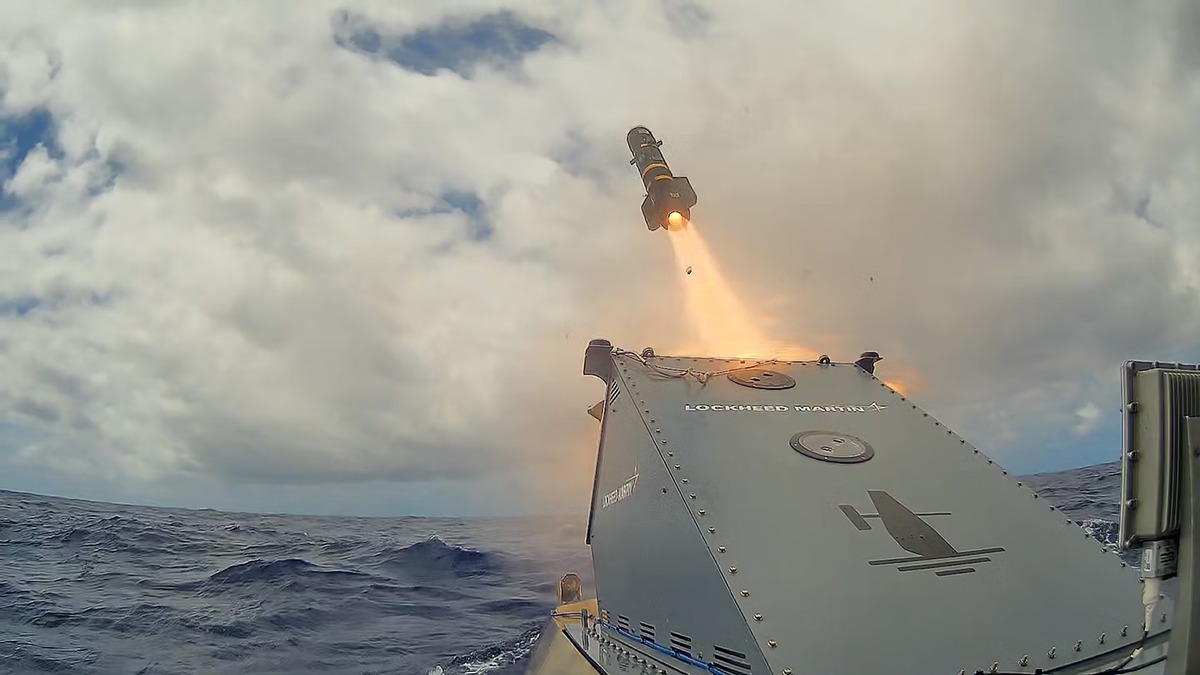
Saildrone and Lockheed Martin Enhance Autonomous Naval Warfare with RIMPAC Missile Launch
Saildrone successfully executed two Joint Air-to-Ground Missile launches from its Surveyor unmanned surface vehicle (USV) during the US Navy's Rim of the Pacific (RIMPAC) exercise. This marks a significant milestone as it is the first-ever missile launch from a Saildrone USV, showcasing the integration of Saildrone's technology with Lockheed Martin's missile capabilities. The demonstration is crucial as it highlights the potential of autonomous systems in modern naval warfare, allowing for extended operational capabilities in contested environments. The collaboration between Saildrone and Lockheed Martin, initiated in October 2025, aims to enhance the operational readiness of unmanned platforms, providing commanders with the necessary tools to project power effectively. Looking ahead, Saildrone plans to further develop its platform capabilities to meet evolving military requirements. The successful integration of electronic warfare sensors during the RIMPAC exercise also indicates the potential for future enhancements in autonomous naval operations. No further timeline was disclosed at the time of publication.
saildrone lockheed martin autonomous naval warfare rimpac demonstration usv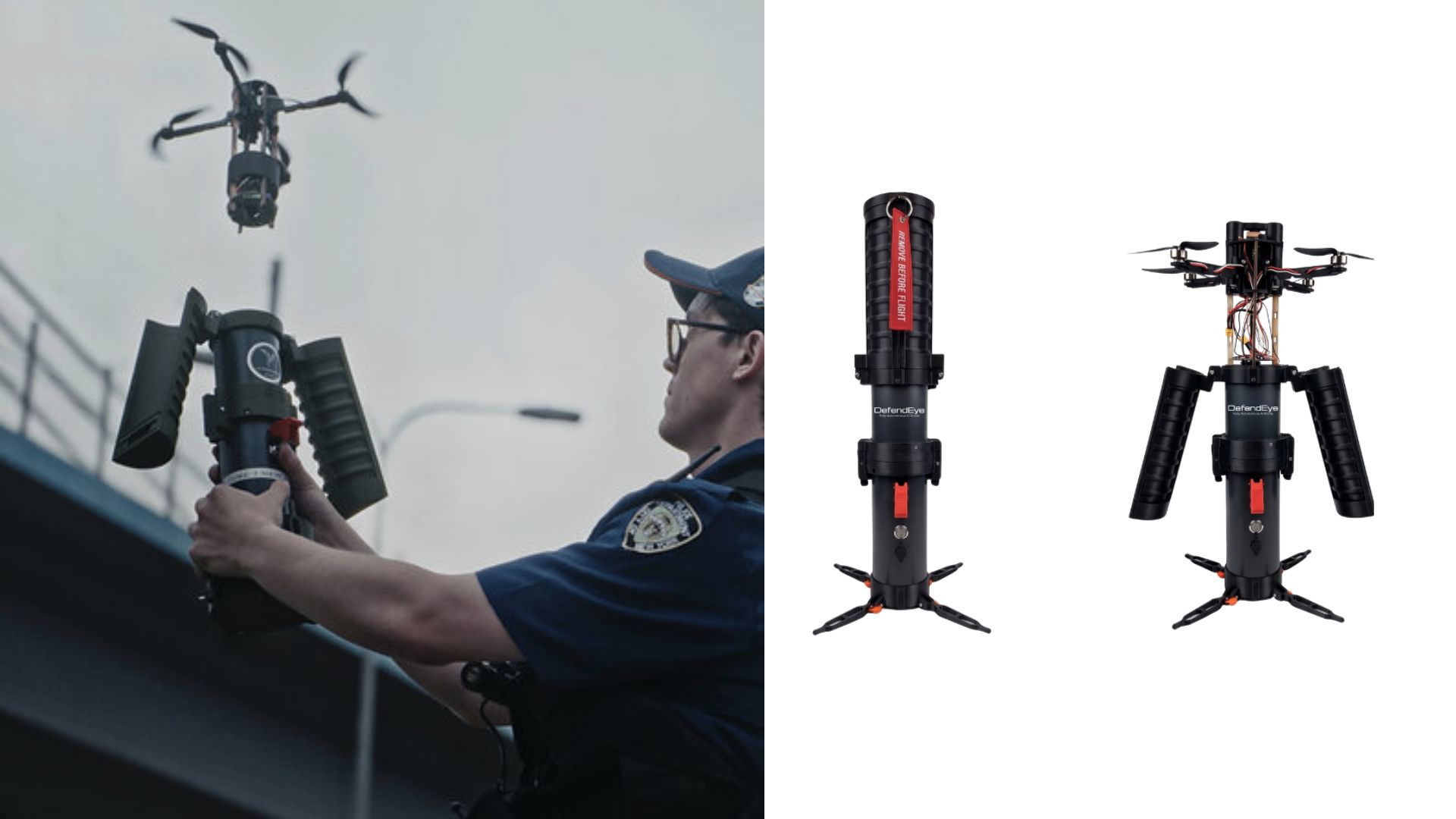
DefendEye to Scale Production of First Autonomous AI Drone for First Responders
DefendEye has announced plans to scale up production of the Overwatch Drone, the world's first autonomous AI drone designed for first responders, following a significant investment round led by NovaCapital. This funding will enable the company to enhance its operations and manufacturing capabilities at its facilities in Hallandale Beach, Florida, and Krakow, Poland. The Overwatch Drone is engineered to provide emergency personnel with immediate situational awareness, deploying in seconds without the need for trained pilots. This innovative system utilizes onboard AI to detect and identify individuals from the air, making it a vital tool for police, firefighters, and search-and-rescue teams in high-stakes environments. Looking ahead, DefendEye aims to redefine crisis management through its autonomous aerial capabilities, ensuring that first responders have rapid access to live video feeds and critical information. No further timeline was disclosed at the time of publication.
AI and Robotics
US Army Contracts Stratom to Develop TALUS for Autonomous Logistics in High-Risk Areas
The US Army has awarded a contract to a consortium led by Stratom to develop the Tactical Autonomous Logistics Utility System (TALUS), an autonomous logistics platform aimed at resupplying troops in dispersed and high-risk environments. This modular system is designed to enhance military operations where traditional supply chains may falter, ensuring that critical supplies and operational energy reach distributed forces. Stratom's president and CEO, Mark Gordon, emphasized that TALUS is a response to the Army's Project Sustainment requirements, integrating various technologies into a cohesive logistics solution. As military operations evolve to increasingly contested battlefields, TALUS aims to reduce soldier exposure during supply missions while improving the resilience of military sustainment networks. The TALUS team includes several defense tech companies, each contributing unique capabilities in autonomy, vehicle platforms, and systems engineering. The system is expected to autonomously transport supplies and support various mission payloads, providing the Army with a robust logistics capability that adapts to complex operational environments. No further timeline was disclosed at the time of publication.
Military
FlybyOps Launches Platform to Streamline Management of Autonomous Drone Fleets
FlybyOps, a Finland-based company, has introduced an enterprise drone operations platform aimed at addressing the complexities of scaling autonomous drone fleets. As commercial drone operations expand, managing pilots, equipment, approvals, and compliance becomes increasingly challenging, especially with the rise of Beyond Visual Line of Sight (BVLOS) operations. The platform serves as a central hub for organizations developing large-scale BVLOS and autonomous drone programs, connecting flights with necessary personnel, aircraft, and compliance requirements. With regulators worldwide facilitating more routine BVLOS flights, industries such as logistics and infrastructure inspection are preparing for fleets capable of performing hundreds or thousands of autonomous missions, necessitating robust management tools. FlybyOps emphasizes compliance and operational oversight, allowing organizations to manage flight approvals, personnel qualifications, and operational risks from a single system. The software has already been adopted globally, providing operators with enhanced visibility into complex flight programs. No further timeline was disclosed at the time of publication.
News
FlybyOps Introduces New Platform for Scaling BVLOS and Autonomous Drone Operations
FlybyOps has unveiled an enterprise drone operations platform tailored for large-scale Beyond Visual Line of Sight (BVLOS) and autonomous drone initiatives. This Finland-based company aims to tackle the complexities faced by commercial drone operators as they expand their fleets, requiring effective management of flights, locations, aircraft, and personnel while ensuring regulatory compliance. The significance of this platform lies in its ability to centralize management of flight operations, personnel qualifications, and compliance requirements, thereby enhancing operational control. With features such as role-based access, configurable workflows, and structured compliance processes, FlybyOps is designed to support organizations transitioning to more frequent and autonomous BVLOS flights, creating an auditable record of operations. As the drone industry gears up for larger fleets and increased autonomy, FlybyOps is positioned to facilitate this evolution. The platform is already being utilized globally for BVLOS operations, with potential applications in logistics and infrastructure. No further timeline was disclosed at the time of publication.
Applications Drone News Drone News Feeds News autonomous drones BVLOS
Dubai Future Foundation and Oxa Launch SHIFFT for Autonomous Logistics at Ports and Airports
Dubai Future Foundation (DFF) and Oxa have unveiled SHIFFT, a joint venture aimed at establishing Dubai as a leader in autonomous logistics. This initiative will integrate self-driving technology into a comprehensive logistics solution, enhancing productivity and safety in operations at ports and airports. The significance of SHIFFT lies in its potential to transform Dubai's logistics sector, contributing to the city's goal of doubling foreign trade volume by 2033. By deploying Oxa's advanced self-driving software and fleet management systems, SHIFFT aims to improve operational resilience and efficiency, aligning with Dubai's Research, Development, and Innovation (RDI) Programme. Looking ahead, SHIFFT plans to initiate its first scalable commercial deployment in Dubai by the end of 2027. This venture not only promotes autonomous mobility but also seeks to create high-tech jobs and bolster Dubai's position as a regional hub for research and development in logistics.
Autonomous Vehicles News airports autonomous logistics autonomous mobility autonomous vehicles
AeroVironment Enhances Mayhem 10 Drone with Autonomous Swarm Capabilities for Military Use
AeroVironment is enhancing its Mayhem 10 launched effects system by integrating autonomous swarm capabilities through a partnership with Applied Intuition. This new software allows multiple Mayhem 10 drones to coordinate missions under a single operator's supervision, addressing future U.S. Army requirements for autonomous systems that extend battlefield reach and reduce soldier workload. The integration of Applied Intuition’s Acuity ISR/Strike software enables collaborative behaviors among Mayhem 10 aircraft, allowing them to share targeting information and adapt to threats in real-time. A recent demonstration showcased the drones' ability to synchronize actions during various test scenarios, highlighting the importance of autonomous systems in modern military operations. Looking ahead, the flexibility of the Mayhem 10 platform, which can carry payloads of up to 10 pounds and operate in GPS-denied environments, positions it as a versatile tool for intelligence, surveillance, and precision strikes. No further timeline was disclosed at the time of publication.
Military
Royal Navy Tests Robotic Boat for Autonomous Drone Launching in Maritime Surveillance
The Royal Navy is conducting trials of a robotic boat designed to autonomously launch and recover drones at sea, enhancing uncrewed maritime surveillance capabilities. This initiative, in collaboration with ACUA Ocean and Teledyne FLIR Defense, aims to improve persistent aerial reconnaissance while minimizing risks to personnel. The system integrates an uncrewed surface vessel (USV) with a tethered uncrewed aerial system (T-UAS), allowing for extended surveillance operations. This development is significant as it represents a new approach to maritime surveillance, combining aerial and surface capabilities into a single autonomous system. The SkyCarrier and SkyRanger R70 drones, utilized during the trials, are equipped with advanced AI and imaging technologies, enabling them to perform demanding surveillance missions. The ability to maintain a stable tether connection allows for longer operational durations and continuous power supply, which is crucial for effective surveillance in challenging sea conditions. Looking ahead, the Royal Navy's exploration of this technology could lead to enhanced capabilities in anti-submarine warfare, mine countermeasures, and the protection of critical maritime infrastructure. No further timeline was disclosed at the time of publication.
AI and Robotics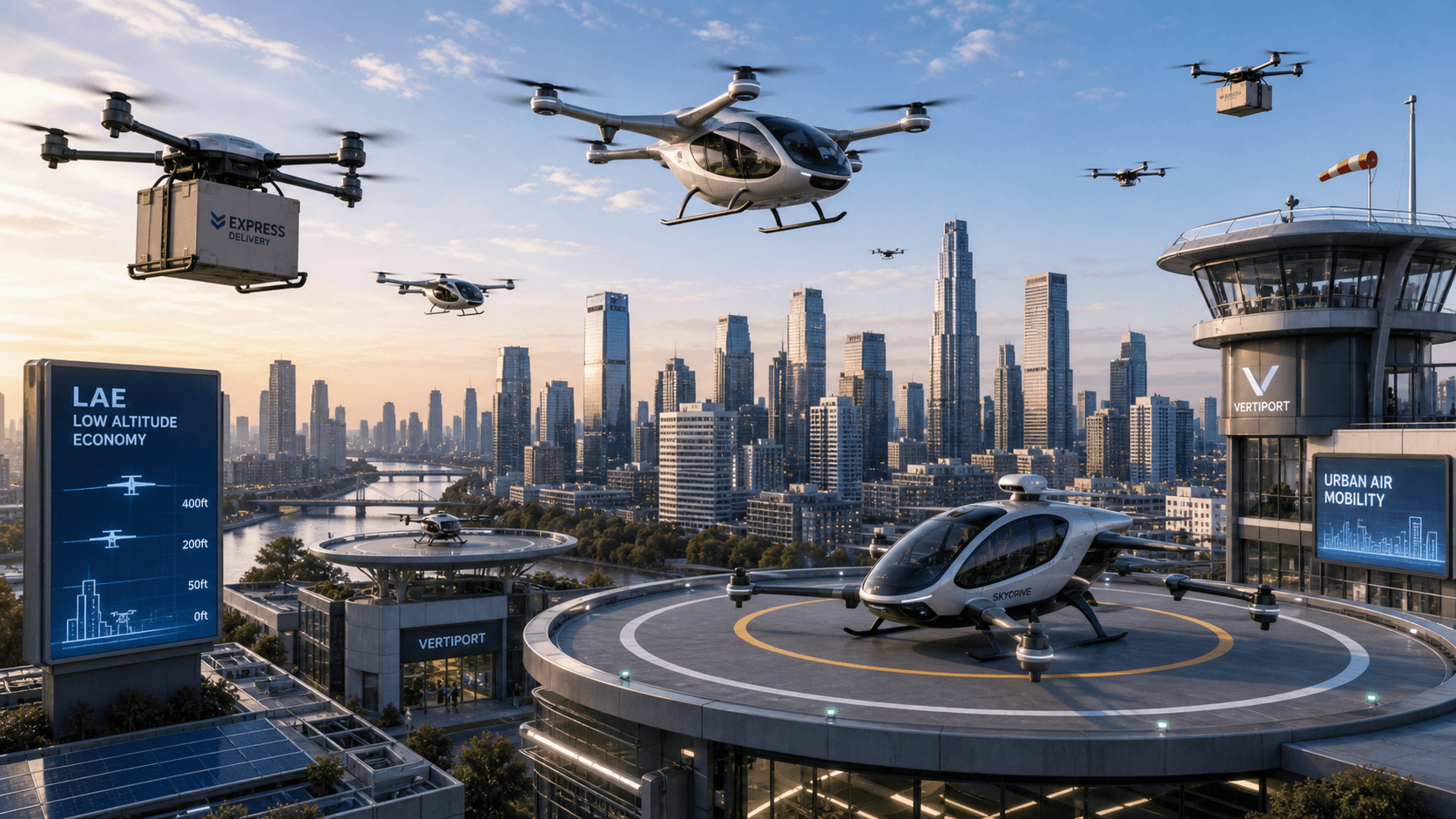
Low-Altitude Economy Experiences Rapid Growth with Logistics Drones and eVTOL Aircraft
The low-altitude economy is entering a significant growth phase as logistics drones, eVTOL aircraft, and airspace management systems converge. This convergence is marked by the commercialization of delivery drones and inspection robots, which are at the forefront of this emerging market. This development is crucial as it signifies an inflection point for the industry, highlighting the increasing demand for efficient logistics solutions and advanced airspace management. The integration of these technologies is expected to enhance operational capabilities and streamline delivery processes in various sectors. Looking ahead, stakeholders should monitor advancements in airspace management infrastructure and the deployment of logistics drones and eVTOL aircraft. No further timeline was disclosed at the time of publication.
Industry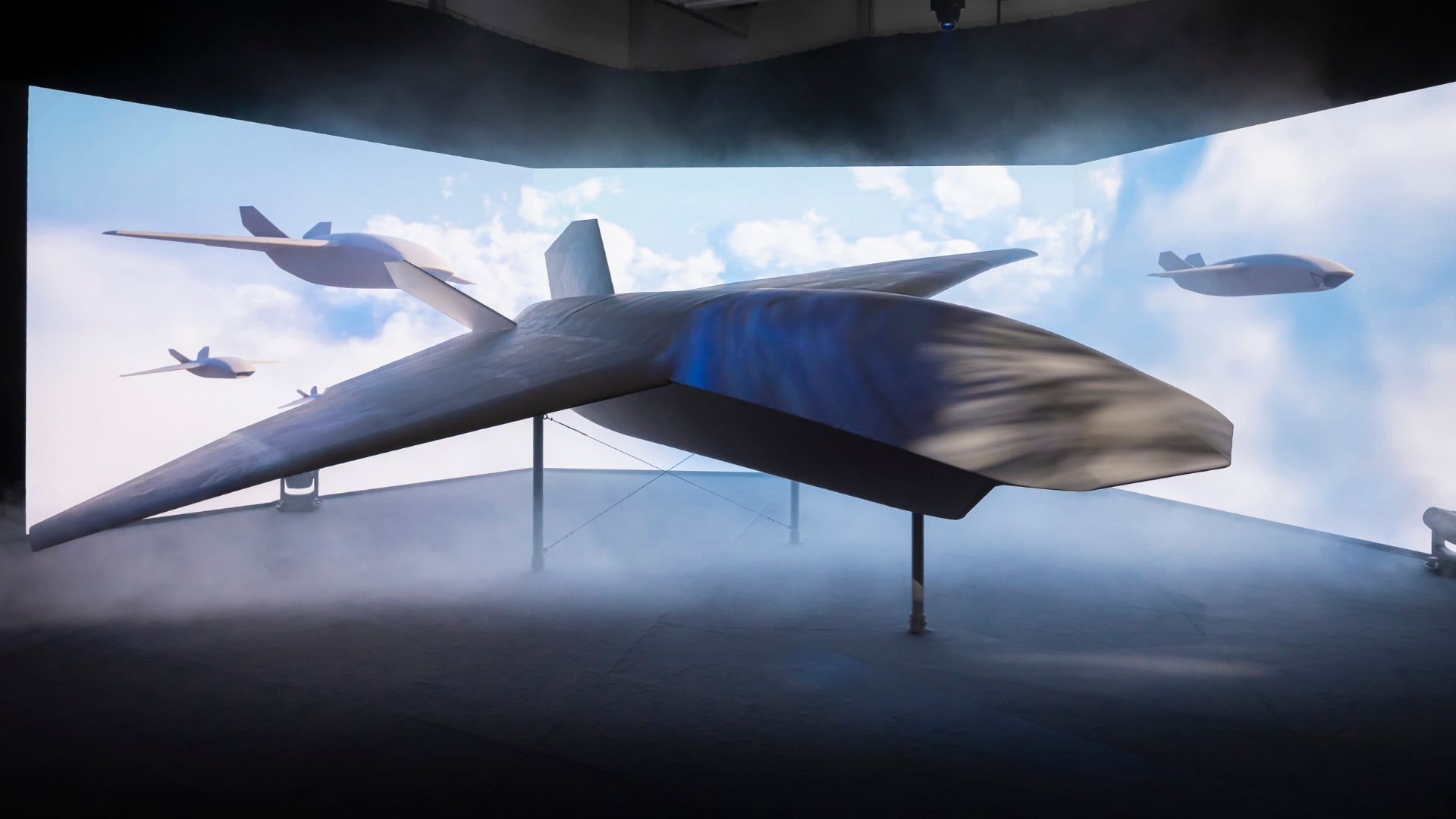
BAE Systems Unveils UK's First Autonomous Combat Drone, Brontanax, at Farnborough Airshow
BAE Systems has launched the UK's first autonomous Collaborative Combat Aircraft (CCA), named Brontanax, at the Farnborough International Airshow. This aircraft is designed to operate alongside crewed fighter jets like the Eurofighter Typhoon, enhancing combat capabilities through missions such as electronic warfare and precision strikes. The introduction of Brontanax is significant as it represents a major advancement in the UK's defense strategy, supported by a £300 million investment from the government through the Storm Fighter program. This initiative aims to establish a sovereign CCA capability for the Royal Air Force, positioning the UK as a leader in next-generation combat aviation in Europe. Looking ahead, ground testing of Brontanax will commence at BAE Systems' Warton facility, with flight trials expected to begin in UK airspace next year. If development proceeds as planned, the aircraft could be operational with the Royal Air Force by the end of the decade, marking a pivotal moment in military aviation technology.
Military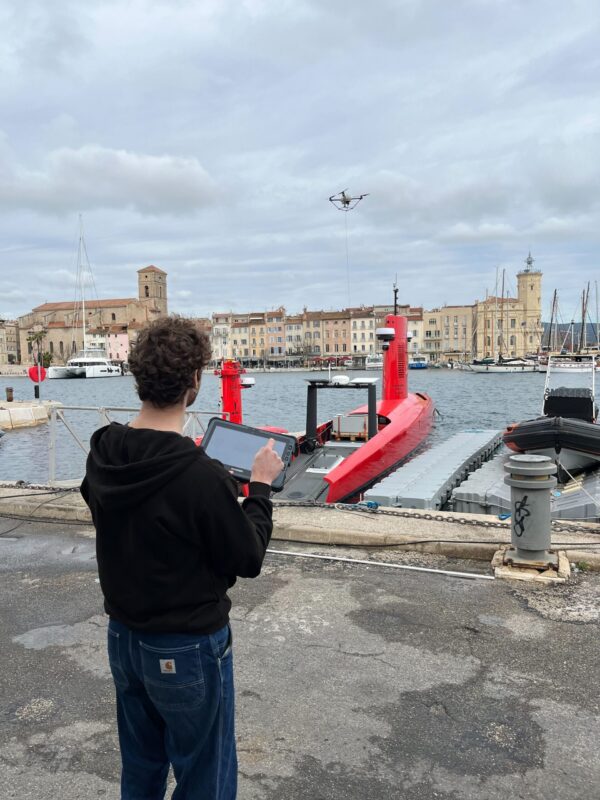
Elistair and Exail Collaborate on Tethered Drone Maritime Surveillance for Autonomous Vessels
Elistair has partnered with Exail to integrate its Khronos DroneBox with Exail's DriX unmanned surface vessel, enabling tethered drone maritime surveillance. This collaboration allows operators to maintain a persistent aerial view from shore, enhancing capabilities for naval, coast guard, and port security operations. The integration of the Khronos DroneBox with the DriX vessel marks a significant advancement in maritime surveillance technology. The tethered drone can operate for up to 24 hours at a height of 60 meters, providing real-time, encrypted video feeds even in challenging environments. This capability extends surveillance beyond traditional surface radar limits, making it ideal for various applications including coastal surveillance and search and rescue missions. Looking ahead, the partnership between Elistair and Exail is expected to evolve as they explore further applications of the Khronos system in maritime contexts. No further timeline was disclosed at the time of publication.
Drone News Drone News Feeds News safety and security seadrones Security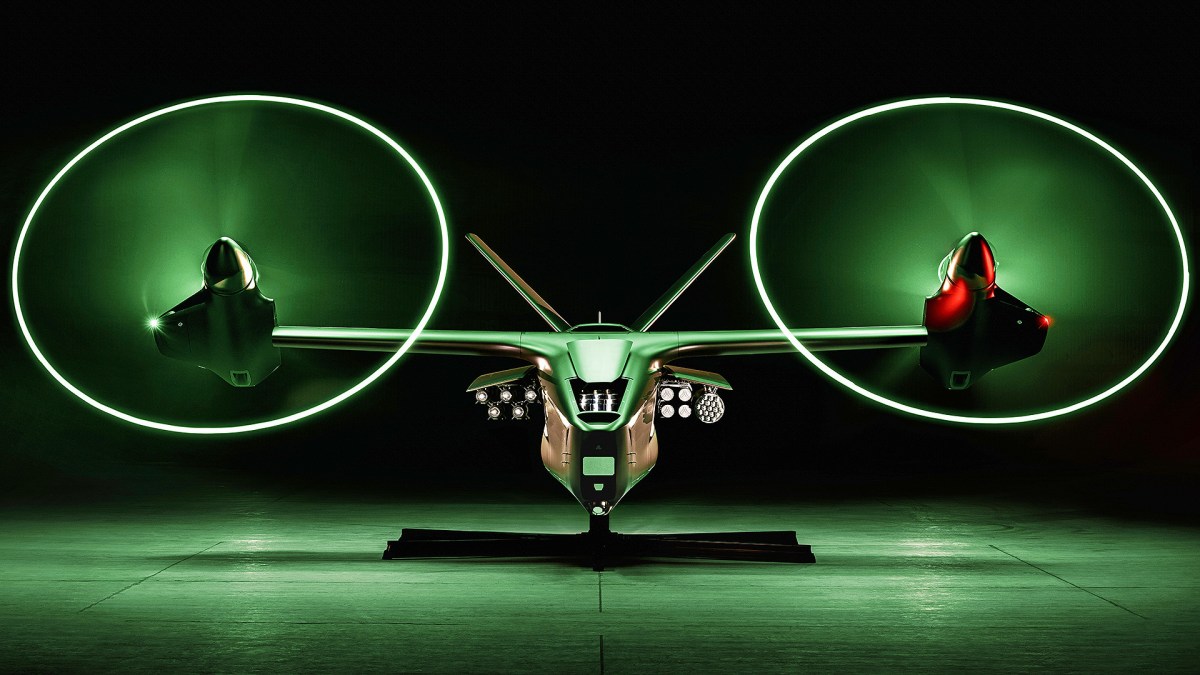
Anduril Unveils Thunder, an Autonomous Tiltrotor Attack Drone Concept
Anduril has introduced Thunder, a hybrid-electric tiltrotor combat drone developed in collaboration with Archer Aviation. Designed as a highly autonomous pilotless wingman, Thunder aims to operate alongside crewed helicopters like the AH-64 Apache, enhancing target acquisition and defense capabilities against air-to-air drone threats. This development is significant as it addresses critical operational gaps in modern warfare, allowing human pilots to engage from a safer distance while Thunder performs close-in defense. The drone's capabilities are expected to improve mission effectiveness in future conflicts, with a first flight planned for next year and potential full-scale production by the end of the decade. Looking ahead, the commercial version of Thunder is also in development, with Archer Aviation set to provide further details soon. As the drone is designed to operate at low altitudes, it is positioned to complement existing military aircraft, enhancing the U.S. Army's aerial capabilities in complex operational environments.
News & Features Air Drones Loyal Wingman Unmanned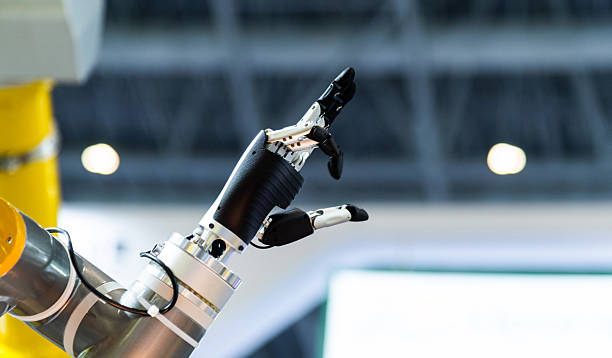
L3Harris and Shield AI Achieve Milestone with First Autonomous DiSCO EW Drone Flight
L3Harris Technologies and Shield AI have successfully completed the inaugural live flight trial of their Distributed Spectrum Collaboration and Operations (DiSCO) system. This achievement marks a significant step in the development of autonomous electronic warfare capabilities. The successful flight trial is crucial as it demonstrates the potential of the DiSCO system to enhance operational effectiveness in electronic warfare. By leveraging advanced technologies, this collaboration aims to improve situational awareness and decision-making in complex environments. Looking ahead, industry stakeholders will be keen to observe further developments and potential applications of the DiSCO system in military operations. No further timeline was disclosed at the time of publication.
News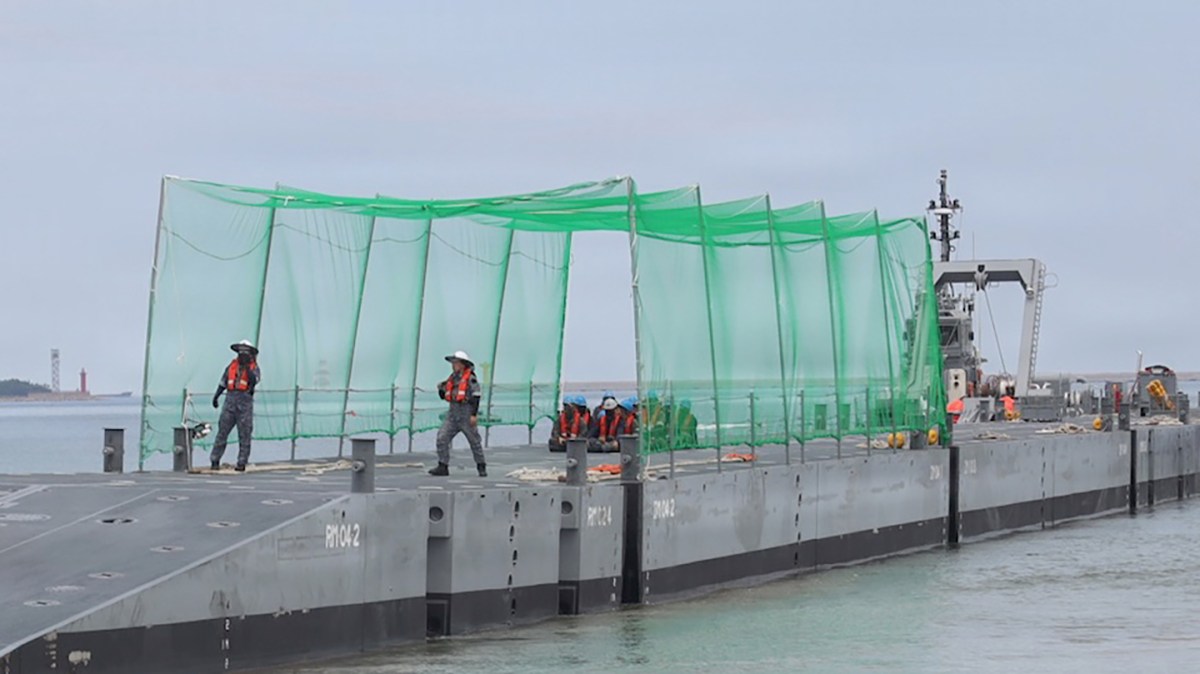
U.S. Marine Corps Implements Anti-Drone Netting in Recent Logistics Exercise
The U.S. Marine Corps has reportedly utilized anti-drone netting during a logistics training exercise in South Korea. Photographs from the Pentagon reveal the netting on a ship-to-shore floating platform, indicating a response to the growing threat of small attack drones. This defensive measure aligns with similar strategies observed in Ukraine and by Dutch forces. The significance of this development lies in the increasing reliance on protective measures against drone threats, particularly in logistics operations. The netting is designed to entangle drones, potentially neutralizing them before they can cause harm. However, its effectiveness against agile first-person view drones remains uncertain, as the netting only covers a portion of the platform, leaving other areas exposed. Looking ahead, the integration of counter-drone strategies into logistics exercises, such as Combined Joint Logistics Over-the-Shore 26, highlights the evolving nature of military operations. As drone attacks continue to pose risks, the military may further adapt its logistics and operational frameworks to enhance protection against these threats. No further timeline was disclosed at the time of publication.
Land Counter-Unmanned Aerial Vehicles (C-UAS) Sea U.S. Marine Corps
SYNDÉO Introduces SmartVault Drone Base for Underground Autonomous Flight Solutions
SYNDÉO, a Verona, Wisconsin-based infrastructure company, is advocating for underground drone bases, specifically its SmartVault Drone Base, designed for critical missions like infrastructure inspection and border security. This innovative subsurface station features a load-bearing hatch for drone charging, secure storage, and advanced AI capabilities, distinguishing it from conventional above-ground systems. The significance of SYNDÉO's approach lies in its focus on mission-critical applications, providing a secure and efficient environment for drones. Founder Gary Henshue emphasizes that while other drone docks exist, the SmartVault integrates essential features such as thermal management and backup power, catering to the unique demands of autonomous flight operations. Looking ahead, SYNDÉO aims to expand its market presence after a decade in the infrastructure sector. The company previously engaged in smart city initiatives, including a notable project in Austin, Texas. As interest in smart city solutions fluctuates, the future adoption of SmartVault technology will be pivotal for enhancing urban infrastructure and drone operations. No further timeline was disclosed at the time of publication.
Drone News Dual Use News Smart Cities autonomous drones autonomous flight
New Autonomous Drone System Maps Volcanic Gases to Predict Eruptions
Researchers at the Technical University of Munich (TUM) have developed an autonomous measurement system that utilizes drones and lasers to map volcanic gas concentrations with a low measurement error of approximately 5%. This innovative system aims to enhance volcanic eruption forecasting by tracking the ratio of carbon dioxide to sulfur dioxide, providing insights into subterranean volcanic processes. The significance of this technology lies in its potential to prevent natural disasters by offering accurate measurements of volcanic gases. Traditional methods have faced challenges due to background emissions and equipment damage from corrosive plumes. TUM's solution involves a ground station that shoots a laser through gas clouds, allowing for precise data collection while keeping equipment safe from harsh conditions. Looking ahead, TUM plans to further automate the measurement and mapping processes, incorporating artificial intelligence to interpret the data. This advancement could lead to safer volcanic forecasting, particularly on the Aeolian island of Vulcano, which remains in an active degassing phase despite not having experienced a major eruption since the late 19th century.
Science
Logic Robotics Unveils Logic Pallet: A Breakthrough in Autonomous Mobile Logistics
Logic Robotics has introduced the Logic Pallet, the first mobile robot designed for multifacility logistics automation. This innovative solution aims to enhance the efficiency of logistics and material handling across various industries. The Logic Pallet is engineered to automate the movement of goods both between and within facilities, providing a comprehensive end-to-end automation solution. This advancement supports a fully autonomous, data-driven, and sustainable global supply chain, marking a significant step forward in logistics technology. As the logistics industry continues to evolve, the introduction of the Logic Pallet sets a new standard for automation. Stakeholders should monitor its deployment and impact on supply chain efficiency, as well as its potential to reshape logistics operations in the future. No further timeline was disclosed at the time of publication.

ByteDance Investigates Autonomous Driving Technology for Unmanned Logistics Solutions
ByteDance is currently investigating autonomous driving technology aimed at unmanned logistics, as reported by Chinese media. This initiative is being developed by the world model team within Seed, ByteDance's AI research unit, and is linked to Volcengine’s automotive industry line. The significance of this exploration lies in ByteDance's commitment to advancing large model research, which includes initial forays into physical AI. However, the company has clarified that it does not intend to establish a smart driving business, indicating a focus on research rather than commercial deployment. Looking ahead, it will be important to monitor ByteDance's developments in this area, particularly how their research may influence the logistics sector. No further timeline was disclosed at the time of publication.
News Feed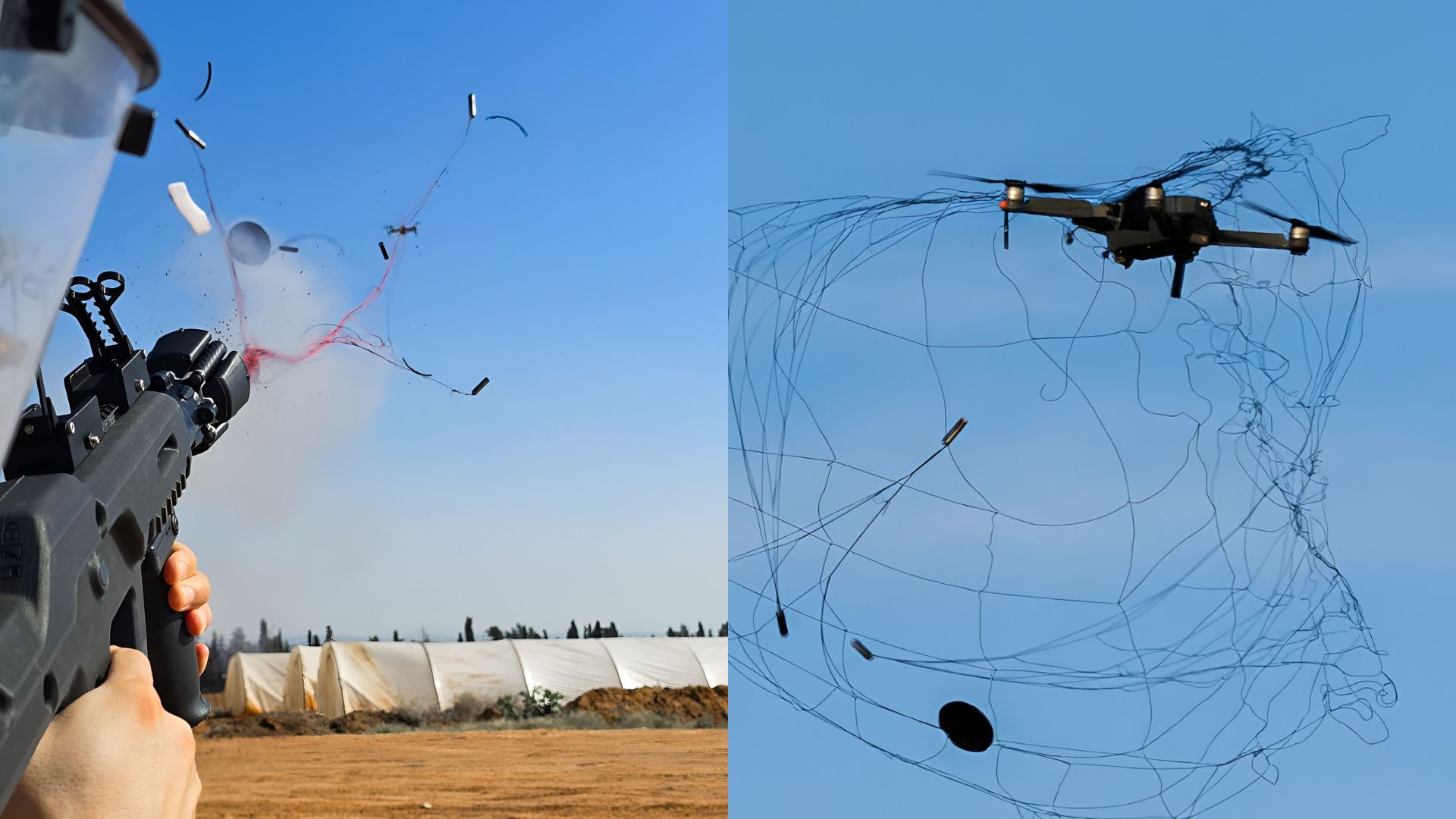
ParaZero Technologies Launches DefendAir for Autonomous Drone Interception in Military Applications
ParaZero Technologies has introduced its DefendAir platform, designed to intercept first-person view (FPV) drones autonomously before they can strike military vehicles. This system utilizes a non-explosive net-based interception method, creating a 360-degree defensive envelope around assets. The platform aims to enhance protection for both moving and stationary high-value military targets without the weight penalties of traditional armor. The rise of low-cost FPV drones has prompted militaries to seek effective countermeasures, as these drones have proven capable of damaging expensive military equipment. ParaZero's DefendAir addresses the limitations of conventional protective measures, such as steel cages, by offering a more agile and responsive solution. The system's ability to detect and neutralize threats rapidly is crucial for modern battlefield scenarios, where speed and precision are paramount. ParaZero is currently collaborating with Tier-1 defense companies to refine the DefendAir technology for operational requirements. While the company has not disclosed specific partners or a timeline for deployment, the focus on active counter-drone systems reflects a broader trend in military strategy, emphasizing the need for innovative solutions to counter evolving aerial threats. No further timeline was disclosed at the time of publication.
Military
Jiushi Expands Its 30,000 Autonomous Vehicles into Urban Governance Applications
Jiushi has announced a strategic upgrade to its urban-level physical AI, aiming to extend its 'Jiushi Brain' capabilities beyond autonomous logistics vehicles. CEO Kong Qi emphasized that the company will leverage its extensive operational experience and data from over 30,000 vehicles, which have collectively traveled more than 250 million kilometers across 300 cities, to enhance urban governance scenarios. This shift is significant as Jiushi seeks to redefine its role in the autonomous vehicle industry, moving from a logistics-focused approach to utilizing its vehicles as a sensor network for urban management. By transforming data from real-world operations into actionable insights for city governance, Jiushi aims to address the complexities of urban environments while ensuring compliance and safety standards. Looking ahead, Jiushi's collaboration with GAC Aion to integrate L4 autonomous driving technology with commercial vehicle manufacturing could help overcome long-standing reliability issues in the industry. The success of this new direction will depend on Jiushi's ability to implement its technology in various cities, transitioning its vehicles from cargo transport to integral components of urban infrastructure.
Autonomous Vehicles Urban Governance AI Technology Data Analytics
Iwa Robotics Launches Autonomous Drone Fleet for Wildfire Management Solutions
Iwa Robotics has unveiled three autonomous drone platforms aimed at assisting fire departments in detecting, assessing, and suppressing wildfires in both urban and wildland-interface areas. The drones, named Hawk, Canary, and Pelican, are part of Iwa's Discovery and Resolution Fleet, designed to operate collaboratively for enhanced firefighting capabilities. The introduction of these drones is significant as it enhances crew safety and operational efficiency in wildfire management. The Hawk drone specializes in long-endurance reconnaissance, while the Canary drone focuses on sensing and fire diagnostics. The Pelican drone is equipped for aerial suppression, addressing hot spots and establishing fire lines, thereby providing critical support to firefighting teams. Iwa Robotics plans to offer these drones through a fleet-as-a-service model, which includes aircraft, autonomy training, data services, maintenance, and insurance. This approach allows fire agencies to integrate advanced aerial detection and suppression capabilities without the need for upfront equipment purchases. No further timeline was disclosed at the time of publication.
AI AI Funding & Investment AI Use Cases Robotics autonomous drones Iwa Robotics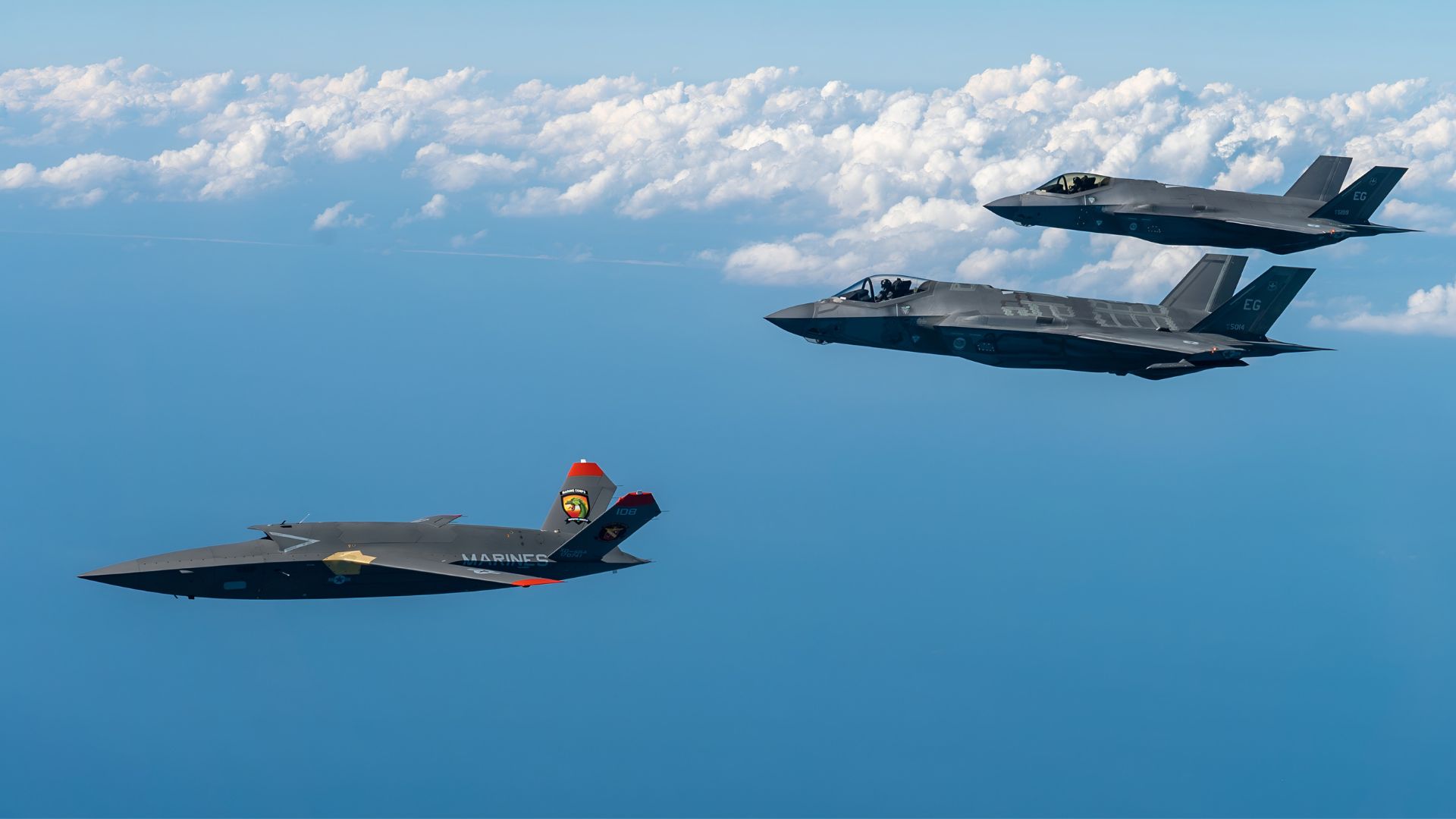
Kratos Defense's Valkyrie Drone Completes Successful Flight with F-35 Fighters
The US military is advancing towards integrating uncrewed aircraft with advanced fighter jets, specifically the F-35 and F/A-18. Kratos Defense & Security Solutions has showcased its XQ-58A Valkyrie drone's capabilities during a recent flight test in Southern California, where it successfully operated alongside Marine Corps fighters. This demonstration is significant as it highlights the potential for autonomous aircraft to enhance mission capabilities in contested airspaces. The Valkyrie's successful launch from a zero-length system and its ability to transition control between different systems underscore the importance of interoperability in military operations. Looking ahead, Kratos plans to scale production of the Valkyrie, aiming for over 150 unmanned aircraft systems by 2026. The ongoing collaboration with Northrop Grumman for the MUX TACAIR program will further adapt the Valkyrie for advanced missions, emphasizing the need for open-architecture systems in modern military aviation.
Military
Autonomous Drones Use Virtual Rewards to Outmaneuver Pursuers in Tag Game
Autonomous drones are being trained using virtual rewards to enhance their evasion skills in a high-speed game of tag. This innovative approach focuses on machine learning and decision-making, allowing drones to effectively outmaneuver pursuers and reach their base. The significance of this development lies in its potential applications in various fields, including surveillance, search and rescue, and military operations. By mastering cooperative strategies and rapid responses, these drones could revolutionize how autonomous systems interact in dynamic environments. Looking ahead, it will be important to monitor advancements in drone technology and machine learning algorithms that facilitate these capabilities. No further timeline was disclosed at the time of publication.
Robotics
U.S. Army Selects Six Companies for Autonomous UGV Prototypes in Battlefield Logistics
The U.S. Army has chosen six companies to develop prototypes of autonomous ground vehicles (UGVs) for critical battlefield missions, including resupply and casualty evacuation. This initiative, known as the Infantry Last Tactical Mile (ILTM), aims to enhance operations in high-risk areas where soldiers currently face enemy fire while delivering supplies or retrieving casualties. The significance of this initiative lies in its potential to reduce the risk to personnel by allowing autonomous vehicles to operate in dangerous zones. The Army's focus on beyond-line-of-sight capabilities for these UGVs reflects a strategic shift towards integrating autonomy into military logistics, thereby changing the operational landscape rather than merely introducing new weaponry. Looking ahead, the Army plans to evaluate the prototypes from the selected companies, which include American Rheinmetall and Overland AI, among others. These evaluations will determine which vehicles are best suited for further investment and potential production, although no production orders have been issued at this stage. No further timeline was disclosed at the time of publication.
Military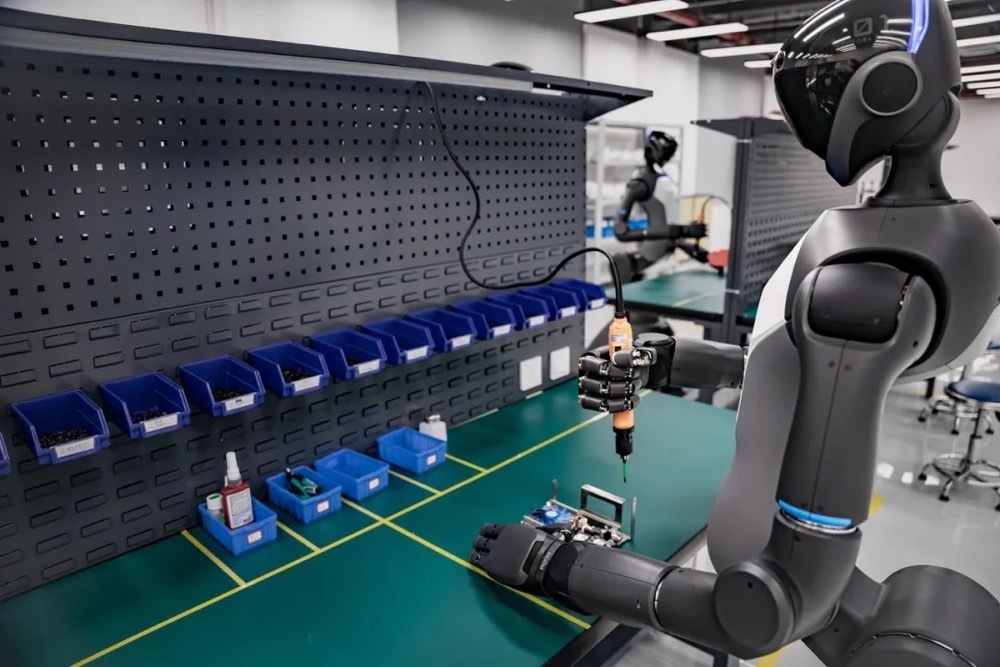
The Emergence of Autonomous Drone Swarms as Advanced Killing Machines
Autonomous drone swarms have officially been introduced, showcasing technology that transforms various uncrewed platforms into effective swarming killing machines. This development marks a significant advancement in drone capabilities, with companies now able to deploy everything from commercial quadcopters to larger drones resembling small rhinos. The introduction of these drone swarms is crucial as they represent a new frontier in military and surveillance applications. Their ability to operate collectively enhances their effectiveness in various scenarios, potentially changing the landscape of aerial combat and reconnaissance. The ongoing evolution of drone technology is likely to raise important discussions regarding ethics and regulations in warfare. Looking ahead, the continued development and deployment of autonomous drone swarms will be pivotal to watch. As more companies enter this space and refine their technologies, the implications for military strategy and defense procurement will become increasingly significant. No further timeline was disclosed at the time of publication.

Leidos Tackles Pacific Logistics Challenges with AI and Autonomous Vessels
Leidos is addressing the complex logistics challenges in the Pacific, characterized by vast distances and disrupted communications. The company aims to mitigate the 'four tyrannies' of distance, water, time, and scale through the Indo-Pacific Logistics and Sustainment Services (ILS2) program, which enhances supply chain resilience and operational flexibility. The significance of this initiative lies in its potential to transform logistics operations for U.S. Pacific Command and Special Operations Command Pacific. By integrating artificial intelligence for predictive analytics and employing autonomous vessels, Leidos seeks to provide commanders with timely options when conventional logistics are compromised, thereby improving mission success rates. Looking ahead, the emphasis on adaptability and non-standard logistics will be crucial, especially in crisis situations like natural disasters. Leidos' focus on AI-driven decision-making and resilient communication strategies will be vital in ensuring that logistics operations can respond effectively to dynamic threats and challenges in the Pacific theater. No further timeline was disclosed at the time of publication.
Naval Warfare Sponsored Post AI artificial intelligence AI Asia asia-pacific
Tornyol Develops Autonomous Drone to Combat Mosquitoes as Alternative to Insecticides
Tornyol, a startup based in Paris and backed by Y Combinator, has developed a miniature drone designed to hunt and eliminate mosquitoes. This 40-gram autonomous quadcopter patrols the skies and uses its propellers to shred mosquitoes upon detection, offering a safer alternative to traditional chemical insecticides. The significance of this innovation lies in its potential to address the global health crisis posed by mosquitoes, which are responsible for over 700,000 deaths annually due to diseases like malaria and dengue. Traditional pest control methods often carry environmental risks and health hazards, making Tornyol's drone a promising solution for both residential and malaria-affected areas. Looking ahead, the Tornyol mosquito-hunting drone, featuring advanced sonar technology and intelligent processing, is still in development. It is expected to retail for $1,100 or be available through a $50 monthly subscription, with early reservations starting at $100. No further timeline was disclosed at the time of publication.
Innovation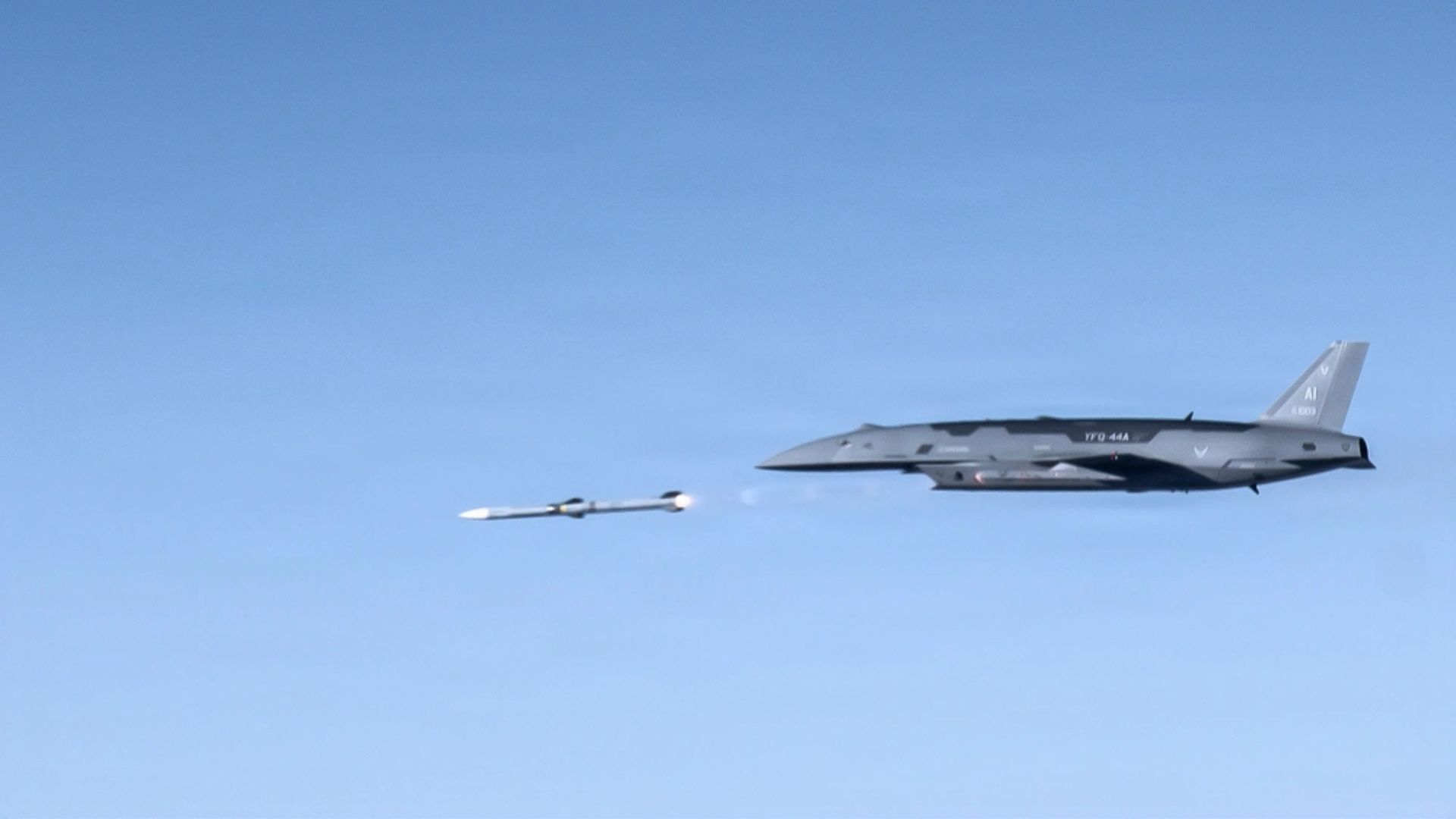
U.S. Air Force Conducts First Missile Launch from Anduril's YFQ-44A Drone
The U.S. Air Force successfully executed its inaugural missile launch from a Collaborative Combat Aircraft (CCA) on June 15, 2026. The Anduril-developed YFQ-44A drone fired an AIM-120 medium-range air-to-air missile at a digital target in California’s Mojave Desert, marking a significant advancement in the development of semi-autonomous drones capable of operating alongside piloted fighter jets. This milestone is crucial as it demonstrates the Air Force's commitment to enhancing its combat capabilities through the use of Collaborative Combat Aircraft. The YFQ-44A autonomously managed most mission steps, with a human operator providing the final launch approval, adhering to U.S. policy on lethal weapon control. This test signifies a shift from previous trials, where operators controlled the drone's flight, showcasing the aircraft's ability to execute complex tasks independently. Looking ahead, the Air Force aims to further develop and test these semi-autonomous aircraft, ultimately enhancing U.S. airpower. The CCA program seeks to deliver combat-ready drones that can operate effectively in challenging environments, with the potential for real mission deployment on the horizon. No further timeline was disclosed at the time of publication.
Military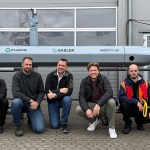
Ranger Autonomous Vessel Successfully Completes Sea Trials from Submarine Torpedo Tube
An innovative autonomous surface vessel, the Ranger, has successfully completed its Sea Acceptance Test (SAT) in Germany, demonstrating its ability to be launched from a submarine's torpedo tube. Developed by Gabler and Flanq, the Ranger is designed for intelligence, surveillance, and reconnaissance missions with minimal human intervention. The successful completion of the SAT marks a significant milestone for the program, confirming the vessel's seaworthiness and the integration of its core technologies. The Ranger, measuring approximately 15 feet long, features a folding keel and collapsible sensor mast, allowing it to fit within a standard 21-inch torpedo tube. Looking ahead, Gabler will manage the commercialization and integration of the Ranger with submarines, while Flanq will provide advanced maritime technologies and mission software. The companies are also developing a one-way attack variant called Strike, expanding the platform's capabilities for future naval operations.
Military
Tesseract Ventures Selected for Pentagon's Autonomous Drone Delivery System Prototype Program
Tesseract Ventures, a Kansas City-based robotics and drone company, has been chosen by the Defense Innovation Unit (DIU) to participate in a prototype program aimed at enhancing the U.S. military's use of autonomous drones. This initiative, known as the Containerized Autonomous Drone Delivery System (CADDS), focuses on deploying unmanned aerial systems in challenging environments with limited infrastructure. The CADDS project represents a significant advancement for Tesseract Ventures, as it seeks to transition from single-operator drone control to a system where one individual can manage multiple drones simultaneously. This approach aims to improve operational efficiency and reduce the personnel required for drone missions, aligning with the Pentagon's goal of utilizing unmanned systems more extensively in military operations. Looking ahead, Tesseract Ventures will demonstrate its NOMAD modular autonomous platform as part of the prototype project. This platform is designed to facilitate the deployment, launch, recovery, and management of multiple drones from transportable containers. No further timeline was disclosed at the time of publication.
Military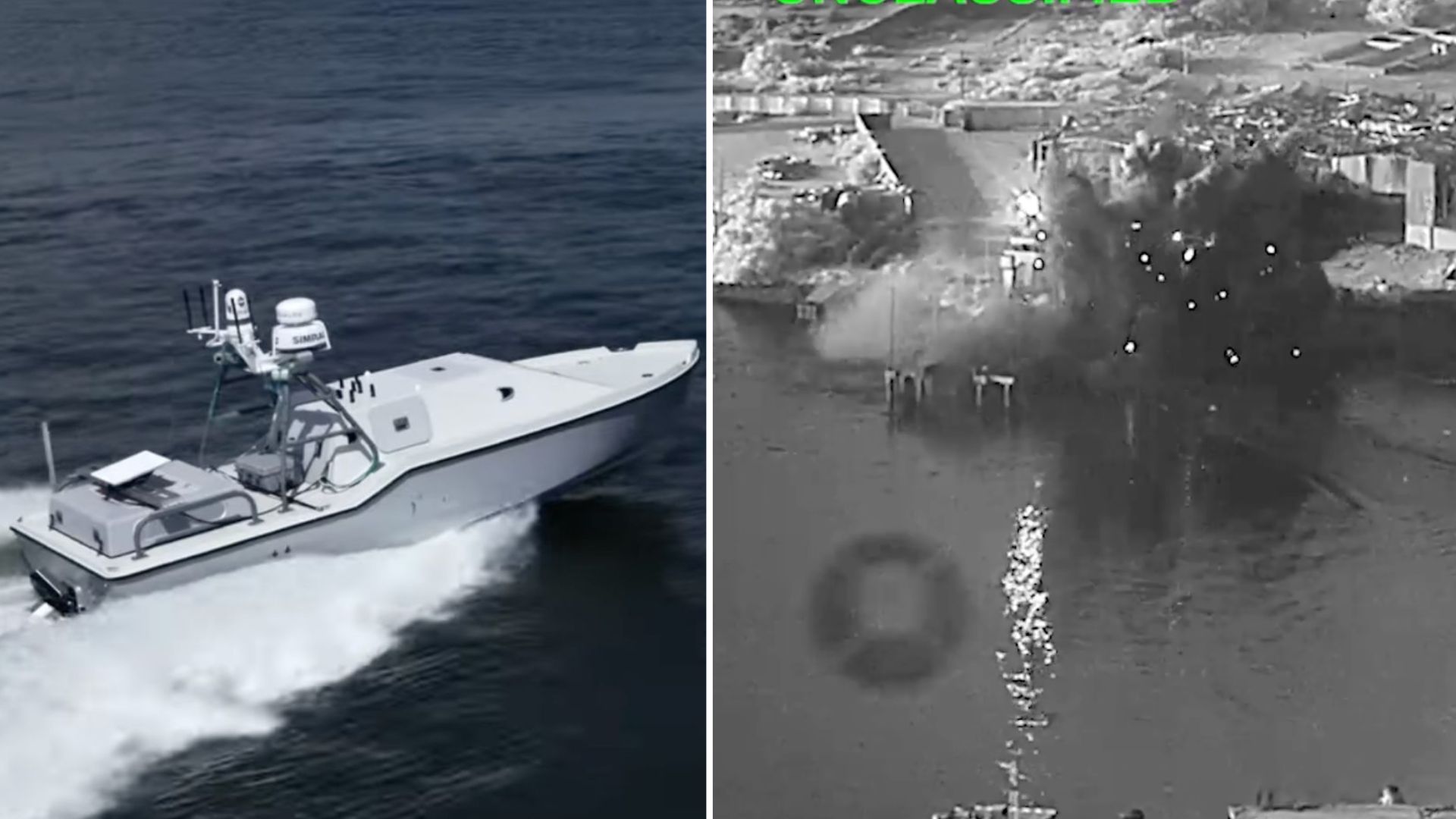
U.S. Military Executes First Offensive Strike with Autonomous Drone Boats on Iran's Naval Base
On July 12, 2026, the U.S. Central Command announced a significant advancement in naval warfare with a coordinated attack by three autonomous surface vessels on Iran's Bandar Abbas Naval Base. This operation, executed by the U.S. Navy's 5th Fleet through Task Force 59, marks the first offensive mission by a major navy using unmanned attack boats. The strike is pivotal as it demonstrates a shift toward utilizing autonomous platforms for combat missions, allowing militaries to conduct operations without risking crewed vessels. The Saronic Corsair vessels targeted a raised dock at the naval base, showcasing advanced capabilities in stealth and artificial intelligence for precise operations. Looking ahead, the success of this operation indicates a potential evolution in naval tactics, with autonomous vessels taking on more offensive roles. As militaries invest in unmanned systems, coordinated strikes like the one at Bandar Abbas may become increasingly prevalent in future naval engagements. No further timeline was disclosed at the time of publication.
Military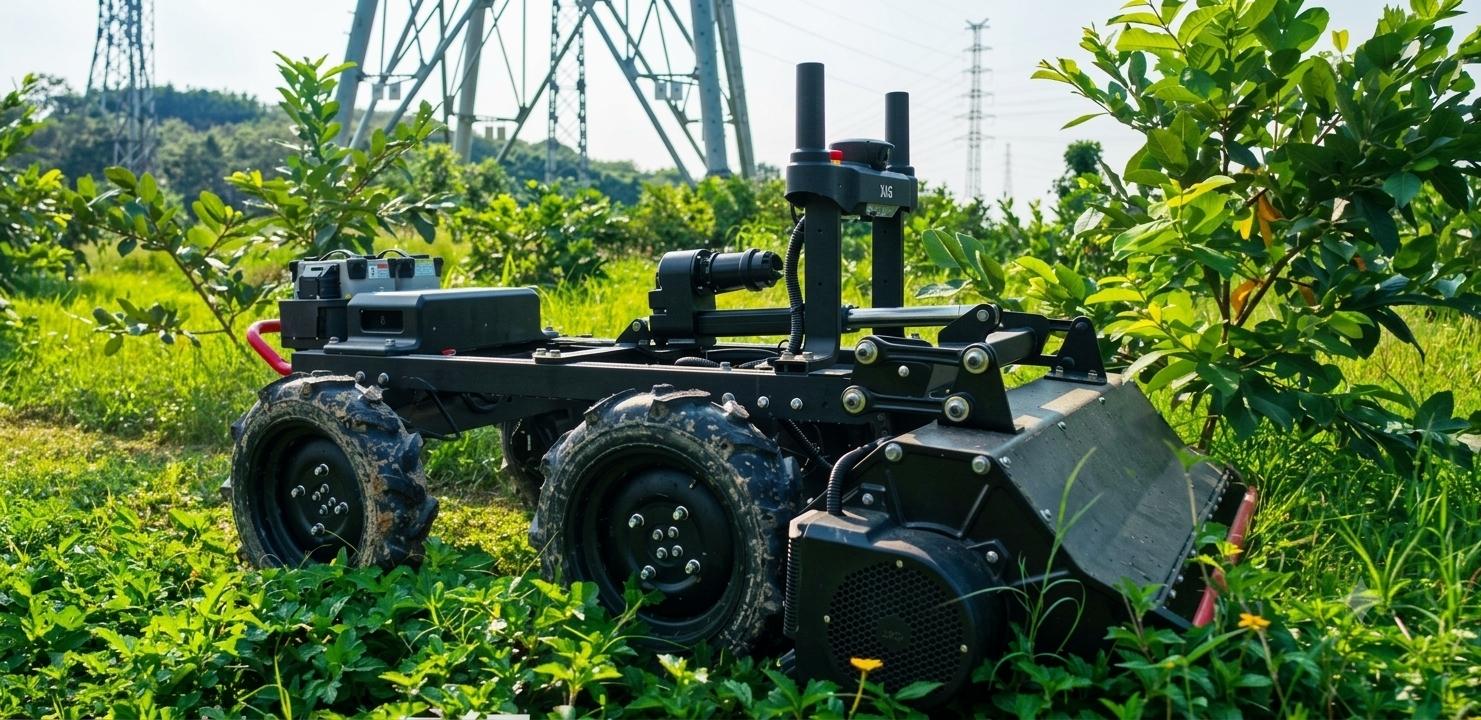
XAG Introduces RM80 Electric Mower and X Series Drone System for Autonomous Farming
XAG has launched the RM80, a 143 kg all-electric unmanned mower, at the Agricultural Robot Conference in Guangzhou, China. Designed for orchard management and land reclamation, the RM80 operates for up to 40 minutes per charge and can autonomously cover 0.33 to 0.53 hectares per hour. It features advanced navigation through the SuperX 5 Ultra control system and can also perform stubble removal for effective weed control. The introduction of the RM80 coincides with the unveiling of XAG's new X Series drone system, aimed at creating a fully autonomous farming workflow. This system includes the X Series drone, XA1 docking station, and LM1 chemical mixing unit, enhancing automation in tasks like charging and chemical refilling. The drone boasts improved computing power and perception capabilities, allowing it to survey up to 300 hectares in a single mission, while the docking station ensures precise automatic charging and refilling. XAG has not disclosed pricing details for the RM80 or the X Series system, with market packages expected to vary based on local dealer offerings. The company's strategy emphasizes integrating various robotic functions into a coordinated workflow, positioning its equipment as essential components of modern smart farming rather than standalone tools. No further timeline was disclosed at the time of publication.
Smart farming agricultural robots autonomous technology drone technology electric tractors robotic harvesting
JD Logistics unveils five-year plan to deploy millions of robots, autonomous vehicles, and drones
JD Logistics revealed on Friday its ambitious plan to acquire three million robots, one million autonomous vehicles, and 100,000 drones over the next five years. This initiative aims to significantly enhance automation within its logistics and supply chain network. The company has already successfully deployed its "Wolf Pack" series of robots across more than 20 provinces, showcasing its commitment to advancing operational efficiency and technological integration in its services. By investing in these advanced technologies, JD Logistics seeks to streamline its operations and improve service delivery, positioning itself as a leader in the rapidly evolving logistics sector.
News Feed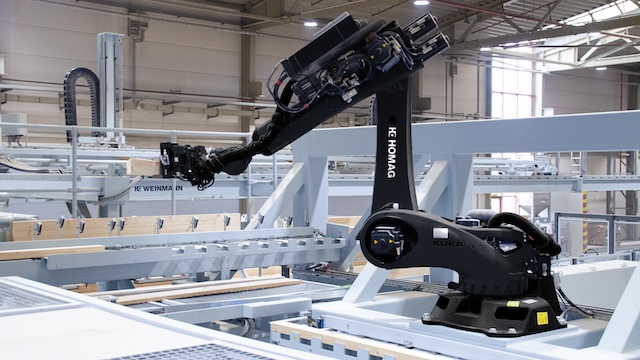
Ouster Expands into Drone Mapping and Autonomous Vehicles with Physical AI Technology
Ouster is advancing its technology that enables machines to perceive and navigate their environments, contributing to the growth of physical AI. The company is entering the drone mapping sector through a collaboration with GeoCue, while John Deere is integrating Ouster sensors into its GUSS autonomous vehicles. This expansion is significant as it highlights the increasing demand for physical AI solutions across various industries. Ouster's CEO, Angus Pacala, emphasized the company's commitment to exploring new markets and addressing the evolving needs for advanced sensing technologies in automation. Looking ahead, industry stakeholders should monitor Ouster's developments in drone mapping and its partnership with John Deere. No further timeline was disclosed at the time of publication.
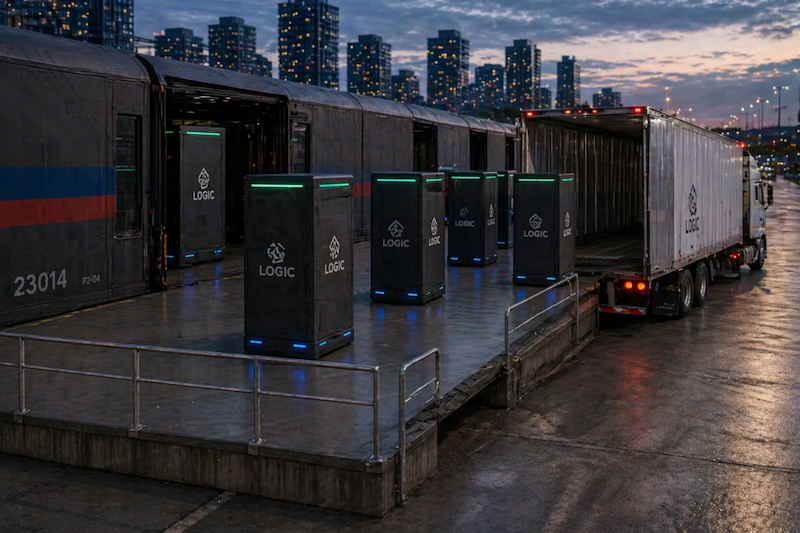
Logic Robotics Introduces Intelligent Transloading Solution for Rail-to-Road Logistics
Logic Robotics has launched an innovative autonomous transloading solution designed for rail-to-road operations. This system integrates the Logic Pallet's autonomous mobility with real-time digital twin visualization, significantly reducing inefficiencies associated with manual handling and forklift processes. The introduction of this technology is crucial as it redefines transloading by autonomously transferring goods between railcars and trucks. This advancement leads to faster throughput, enhanced safety, and minimized operational downtime at intermodal terminals, marking a significant step in logistics automation. Looking ahead, the intelligent transloading solution positions Logic Robotics at the forefront of creating a fully autonomous logistics network. No further timeline was disclosed at the time of publication.
Logistics News Transportation 3pl autonomous logistics autonomous pallet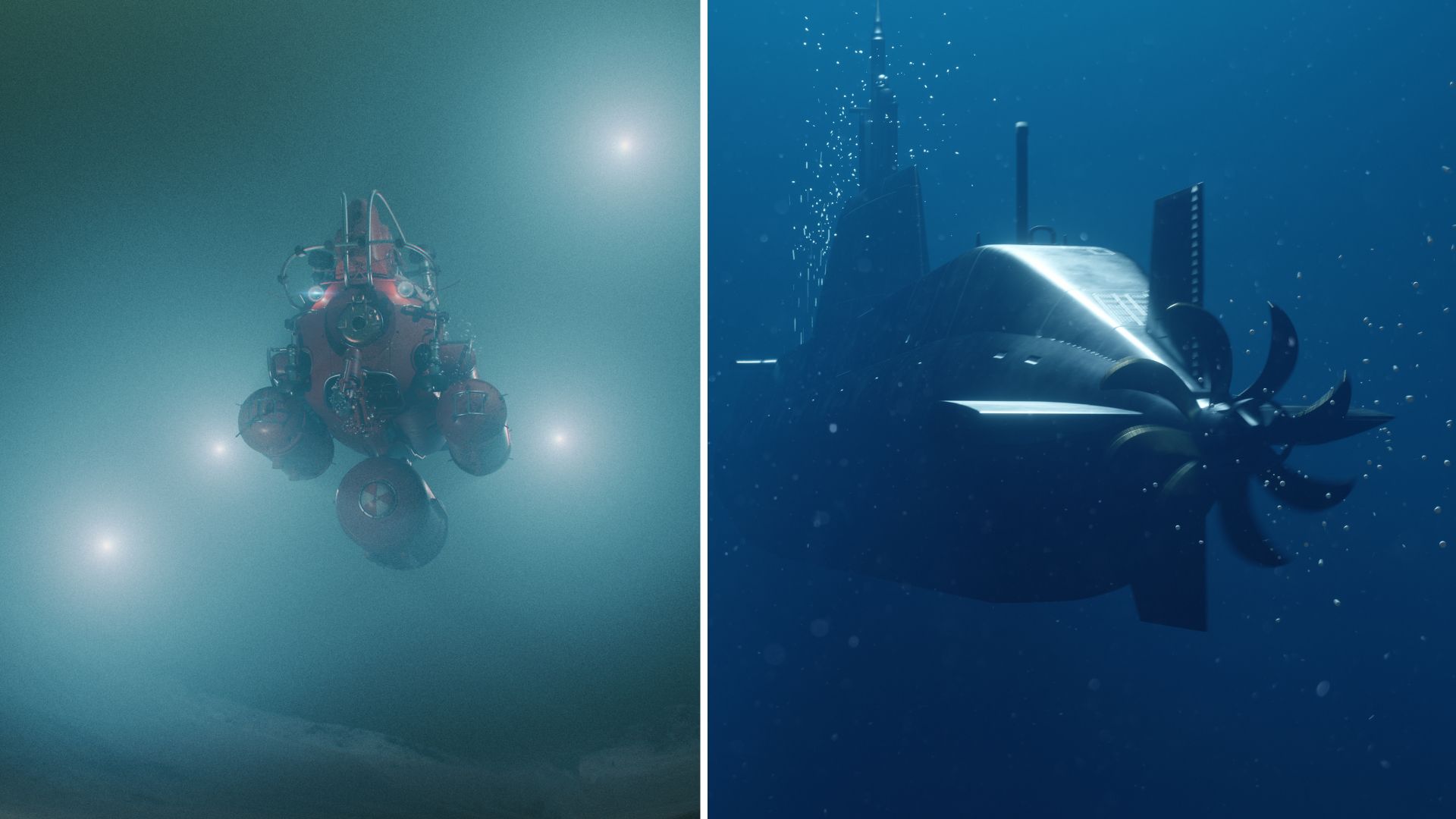
China Explores Autonomous Defense Systems for Contested Islands in South China Sea
A recent report indicates that China is investigating a maritime defense model utilizing autonomous drones to protect contested islands in the South China Sea. Researchers from the China Coast Guard Academy and Dalian Maritime University propose a network of aerial, surface, and underwater drones, which would create a multi-layered defense system, enhancing surveillance and response capabilities. This shift from traditional defense methods to a system reliant on uncrewed platforms reflects the evolving nature of naval warfare. The economic advantages of deploying inexpensive drones to monitor maritime environments are significant, as they can challenge larger military assets. The interconnected architecture aims to maintain operational capability even if some drones are compromised, emphasizing redundancy in defense strategies. As the South China Sea remains a focal point of territorial disputes among several nations, China's initiative to integrate autonomous systems into its defense strategy could further complicate regional security dynamics. However, it is crucial to note that this concept is still a research proposal and does not confirm the operational deployment of such systems at this time.
Military
Raytheon and CET Showcase HADALUS Underwater Launch Capability After 18 Months of Development
Raytheon and Composite Energy Technologies (CET) have successfully demonstrated the underwater launch capability of the HADALUS unmanned undersea vehicle (UUV) during a recent U.S. Navy exercise. This marks a significant milestone as it is the first time the Navy has observed this integrated capability in action beneath the ocean surface. The successful demonstration is crucial as it could enhance the U.S. Navy's operational flexibility with long-endurance autonomous underwater vehicles. The HADALUS can now conduct missions that integrate sensing, target reacquisition, and engagement, all while submerged, which presents unique engineering challenges compared to surface-launched systems. Looking ahead, the HADALUS's design allows for extended underwater operations without the need for a surface ship, aligning with the U.S. defense strategy towards distributed unmanned systems. No further timeline was disclosed at the time of publication.
Military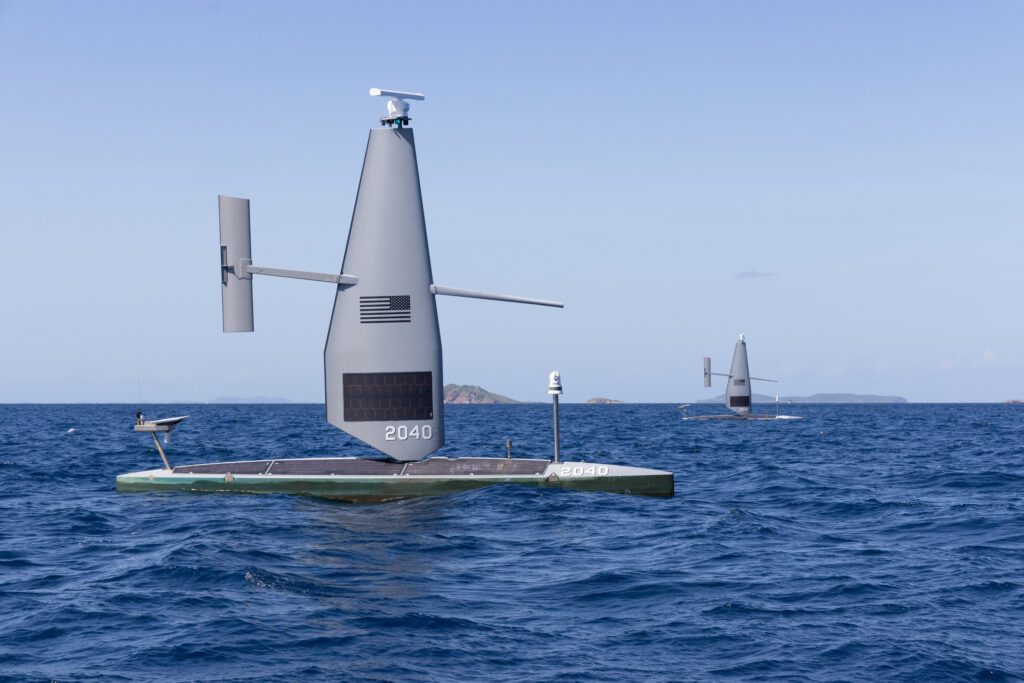
U.S. Navy Utilizes Saildrone Voyager USVs to Seize $81 Million in Cocaine
A Saildrone Voyager unmanned surface vehicle (USV) assisted the U.S. Navy in tracking and intercepting a suspected drug-smuggling vessel in the Caribbean, resulting in the seizure of approximately $81 million worth of cocaine on October 16, 2025. This operation highlights the transition of autonomous maritime systems from experimental platforms to essential tools for real-world security missions. The successful interception underscores the operational capabilities of Saildrone Voyager USVs, which can remain at sea for extended periods, enabling continuous monitoring of vast maritime areas. This capability reduces reliance on crewed vessels and supports the U.S. Navy's counter-narcotics mission in the Caribbean and Eastern Pacific, coordinated by Joint Interagency Task Force South (JIATF-S). Looking ahead, the Navy has awarded Saildrone a $16.3 million task order to continue operating Voyager USVs through 2027. This mission not only demonstrates the effectiveness of unmanned systems in maritime surveillance but also indicates a broader trend of integrating autonomous platforms into naval operations, enhancing mission effectiveness and operational reach.
Applications Defense Drone News Drone News Feeds News safety and security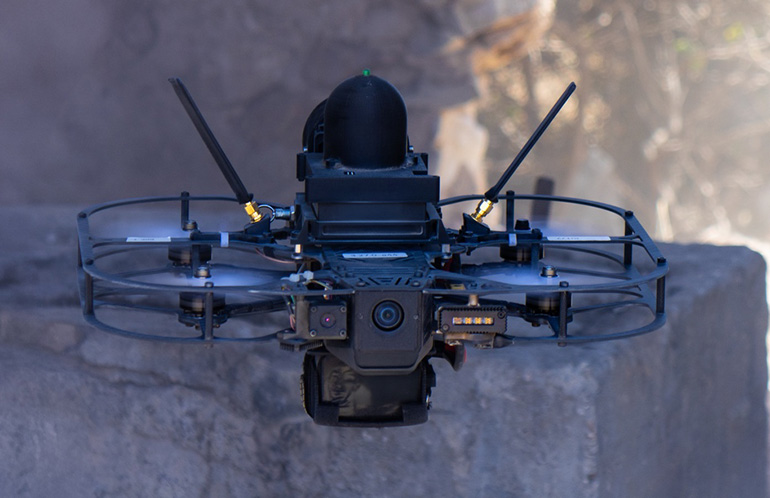
XTEND Receives U.S. Patent for Drone Autonomy Technology Enhancing Mission Efficiency
XTEND Reality Inc. has secured a U.S. patent for its autonomous navigation technology, specifically U.S. Patent No. 12,222,735, which allows drones to navigate toward operator-designated destinations without reliance on the surrounding environment. This patent, also granted in Israel, supports the company's mission to enhance drone autonomy in complex operational settings, reducing operator workload and improving mission execution reliability. The significance of this patent lies in its ability to enable drones to adapt their navigation in real-time while maintaining focus on mission objectives. As autonomous operations grow in defense, security, and public safety sectors, this technology positions XTEND favorably in a competitive landscape, reinforcing its software foundation, XOS, for next-generation autonomous systems. Looking ahead, XTEND is set to participate in the Gauntlet II phase of the U.S. Department of War's Drone Dominance Program, which will test autonomous systems in August at Fort Carson, Colorado. No further timeline was disclosed at the time of publication regarding additional developments related to this patent or upcoming projects.
Controllers Defense / Security Investments Mergers & Acquisitions News Unmanned Aerial Systems / Drones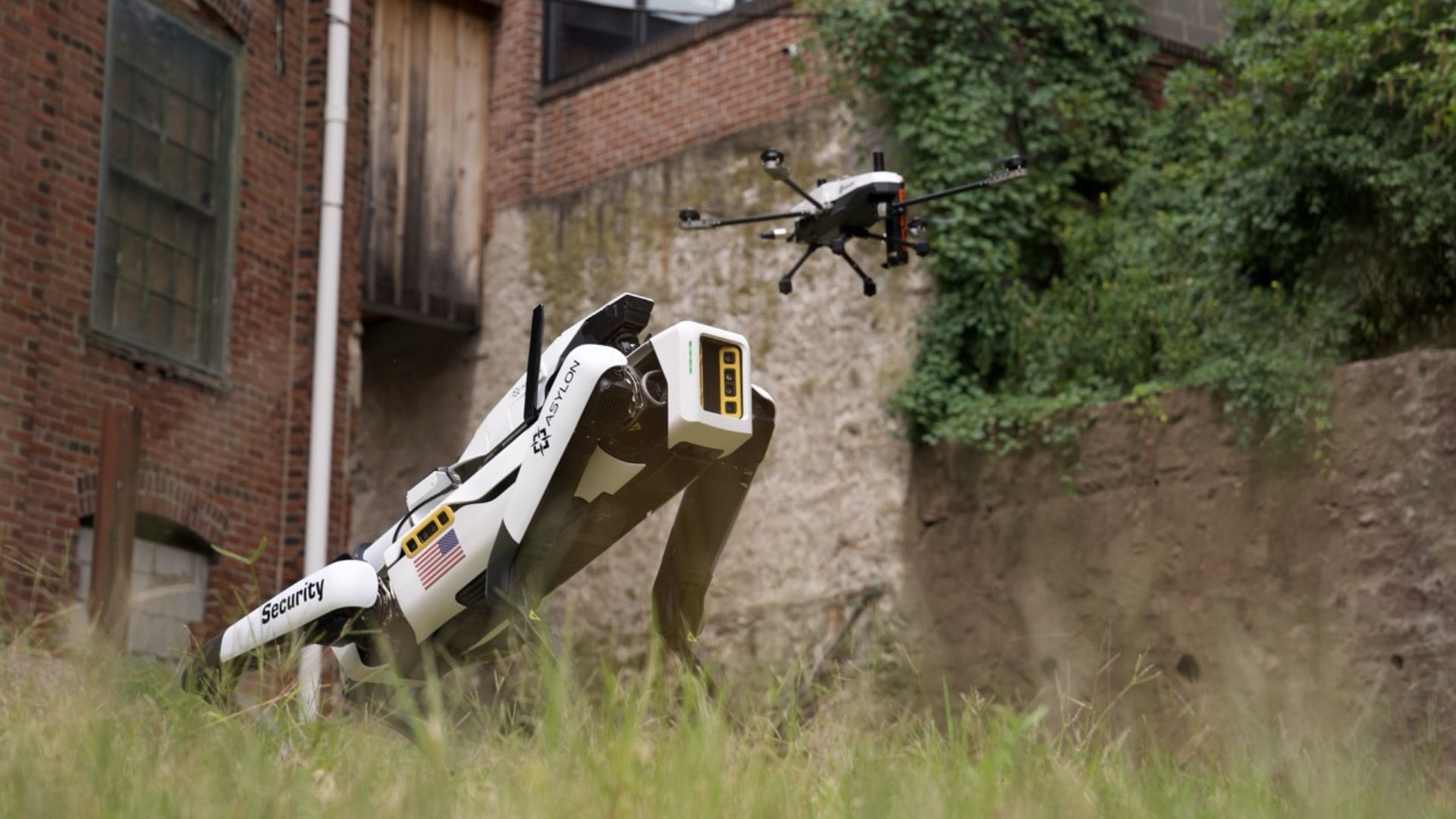
Asylon's MARIA System Enhances Aircraft Inspections for U.S. Air Force
Asylon has secured a Phase Three contract with the U.S. Air Force's Warner Robins Air Logistics Complex to deploy its Multi-modal Autonomous Robotics for Inspection of Aircraft (MARIA) system. This initiative aims to streamline aircraft inspections by integrating air and ground robotic platforms, significantly reducing the time for general visual inspections while enhancing consistency in maintenance tasks. The MARIA system combines Asylon's Guardian unmanned aircraft with the DroneDog Q-UGV, utilizing the Range autonomy software and DroneIQ command-and-control system for efficient inspection management. The significance of this deployment lies in its potential to transform aircraft maintenance operations. By automating inspections, the MARIA system not only improves inspection quality but also mitigates the risks associated with labor-intensive tasks. The integration of imagery, LiDAR data, and telemetry into a single platform allows maintenance personnel to make informed decisions quickly, thereby enhancing aircraft readiness without increasing manpower demands. This project marks a pivotal shift in how the Air Force approaches maintenance, leveraging autonomous technologies to optimize operational efficiency. Looking ahead, the success of the MARIA deployment at Warner Robins could lead to broader adoption of these technologies across military maintenance organizations. No further timeline was disclosed at the time of publication, but the ongoing collaboration between Asylon and the Air Force may pave the way for future advancements in defense sustainment operations, particularly in the realm of autonomous inspections and maintenance support.
Military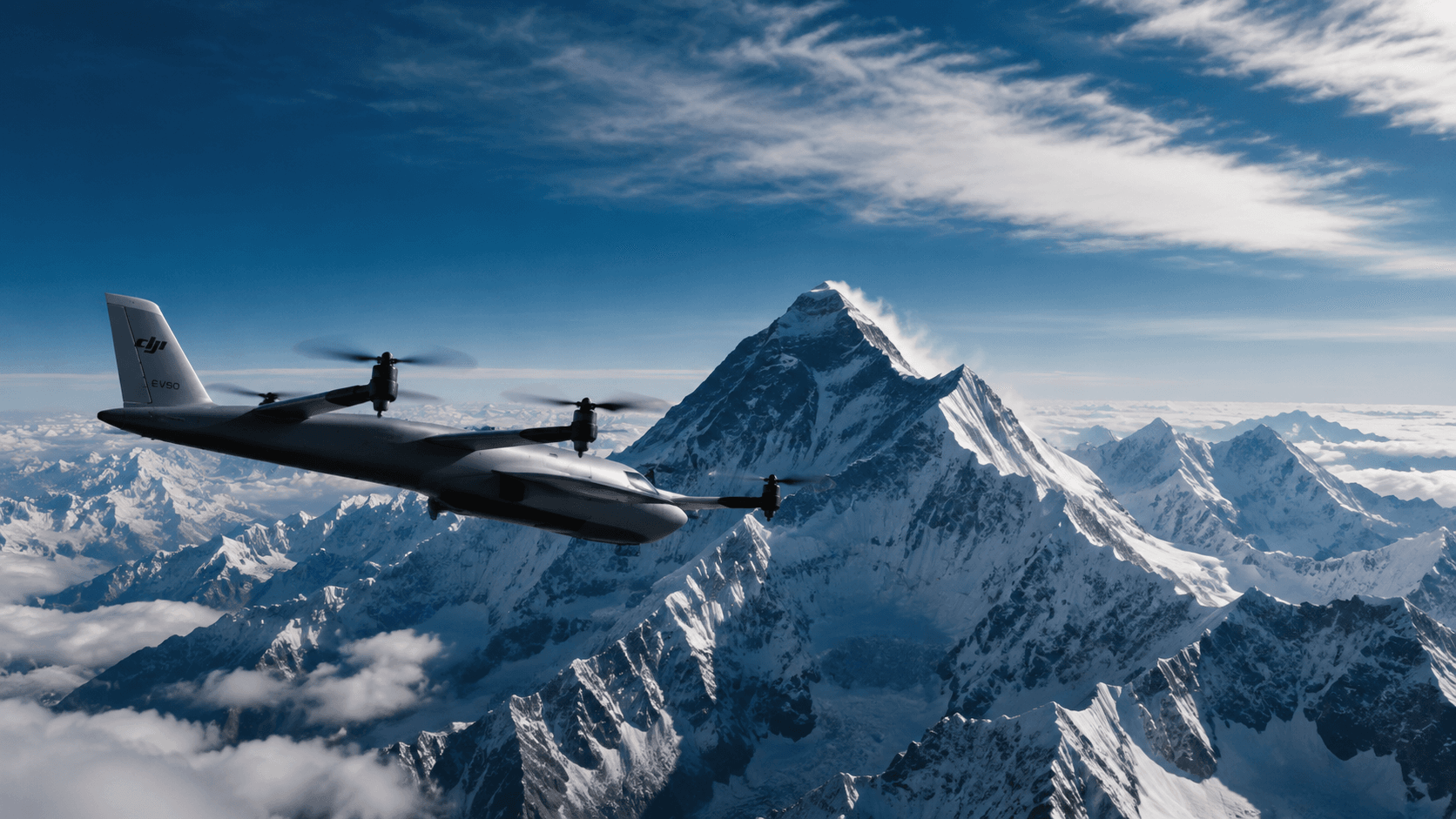
DJI Unreleased EV50 VTOL Cargo Drone Flies Above Everest, Unlocking 100km Low-Altitude Logistics
DJI has successfully tested its pre-release EV50 composite-wing drone, achieving an impressive altitude of 8,861 meters above Mount Everest during a polar mission. This milestone showcases the drone's advanced vertical takeoff and landing (VTOL) capabilities, which can transport cargo over a range of 100 kilometers, making it suitable for logistics in extreme environments. The testing, conducted in October 2023, highlights DJI's commitment to enhancing aerial technology for challenging terrains and conditions. The EV50's performance could revolutionize supply chain operations in remote and harsh locations, addressing the growing demand for efficient logistics solutions in difficult-to-reach areas.
Technology
3D-printed autonomous interceptor aircraft targets hostile drone swarms at 350 mph
Colorado-based SkyDefense has introduced CobraJet, an autonomous interceptor aircraft designed to stop hostile drones before...
Military
SiMa.ai and Mistral Solutions, a subsidiary of AXISCADES, Partner to Accelerate Autonomous Drone Intelligence
Mistral and SiMa.ai have collaborated to create a joint reference design that integrates Mistral's expertise in embedded systems with SiMa.ai's Physical AI platform. This innovative partnership aims to streamline the deployment of autonomous drones, significantly enhancing their operational efficiency. The announcement comes as industries increasingly seek advanced technologies to improve automation and data processing capabilities. By leveraging their combined strengths, the two companies are positioned to offer a rapid and effective solution for businesses looking to adopt autonomous drone technology. This initiative reflects a growing trend in the tech sector, where collaboration is key to accelerating advancements in artificial intelligence and robotics.
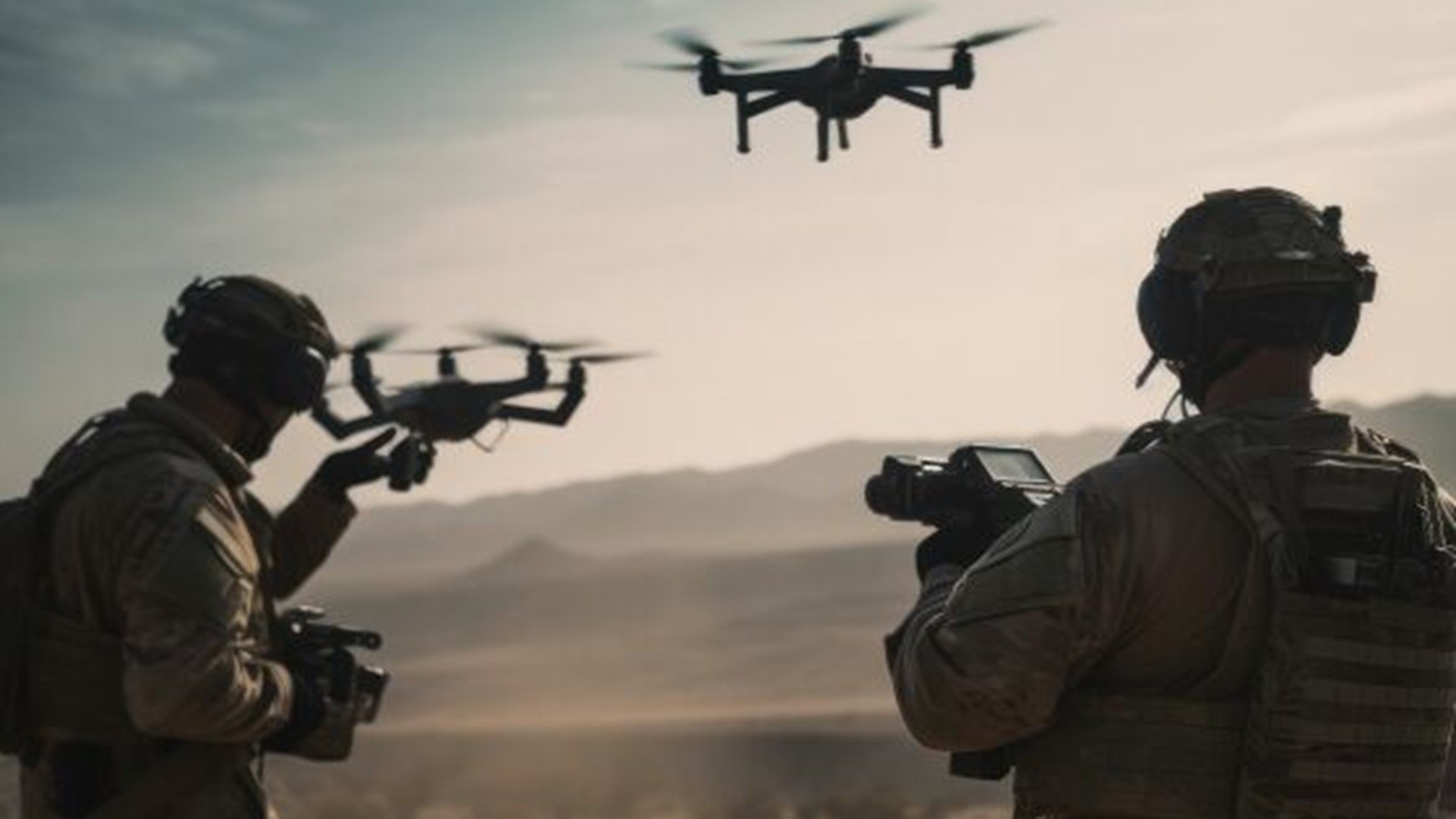
One soldier, many drones: US Army tests autonomous drone-control software
The U.S. Army has awarded two contracts to Palladyne AI, a defense and technology company, to conduct testing of its advanced artificial intelligence systems. This initiative, announced recently, aims to enhance military capabilities through innovative technology solutions. The contracts will facilitate the evaluation of Palladyne AI's systems in various operational scenarios, focusing on improving decision-making processes and operational efficiency. The collaboration underscores the Army's commitment to integrating cutting-edge technology into its operations to maintain strategic advantages. The testing is expected to take place at designated military facilities, with results potentially influencing future defense strategies and procurement decisions.
MilitaryRobotics needs a service framework.
RSF defines a common language for robot service capability, lifecycle operations, certification pathways, and service-provider networks.
Join the RobotToday community on LinkedIn
Daily robotics news, in-depth analysis, conference highlights, and discussions with professionals worldwide.