Industry Briefing
A single destination for timely, editor-curated robotics news from around the world.

SpaceX sets IPO price to raise $75 billion; OpenAI CEO delays South Korea visit; new AI complaint center launched.
OpenAI CEO Sam Altman has postponed his planned visit to South Korea, originally scheduled for June 14-15, due to personal reasons. During the visit, he was expected to meet with leaders from major companies including Samsung Electronics, Kakao, and NAVER. In a separate announcement, Waymo, the autonomous driving subsidiary of Alphabet, revealed a new $30 monthly membership plan called Waymo Premier, aimed at invited users. This plan will offer benefits such as priority rides, a 10% cashback on trips, and the ability to cancel rides up to five times a month at no cost. Initial invitations will be sent to eligible passengers in San Francisco, Los Angeles, and Phoenix, with plans to expand to other cities. Meanwhile, SK Hynix is exploring the integration of AI technologies, including ChatGPT, into its operations. CEO Lee Seok-hee indicated that the company is balancing the protection of industrial technology with the adoption of external AI services, considering tools like Microsoft 365 and CoPilot. In financial news, major Wall Street banks have begun restricting hedge funds' leverage on Asian chip stocks, including SK Hynix and Samsung, due to concerns over potential market corrections. This move involves raising financing costs for hedge fund bets and limiting new transactions. Additionally, Google announced a $50 million investment to train U.S. tech workers, addressing the growing demand for AI infrastructure. This investment is part of a broader initiative that has already seen over $1 billion allocated to training programs since 2022. Lastly, SK Hynix reported that a fire at its Cheongju plant on June 12 has been brought under control, with production equipment operating normally.

Pentagon may ‘sacrifice’ traditional weapons to buy more drones if reconciliation fails: CTO
In a recent discussion, Emil Michael emphasized the ongoing debate within defense sectors regarding the allocation of resources toward military technology. He highlighted the critical trade-offs being made between investing in advanced weaponry and systems versus developing low-cost autonomous weapons. This conversation reflects a broader trend as nations reassess their military strategies and budgets in light of evolving warfare dynamics. The dialogue underscores the necessity for defense planners to carefully consider the implications of their choices, particularly as they navigate the complexities of modern combat and technological advancements. Michael's remarks shed light on the strategic decisions that could shape future military capabilities and the balance of power on the global stage.
Congress Networks & Digital Warfare Pentagon AI & Autonomy artificial intelligence AI cyber security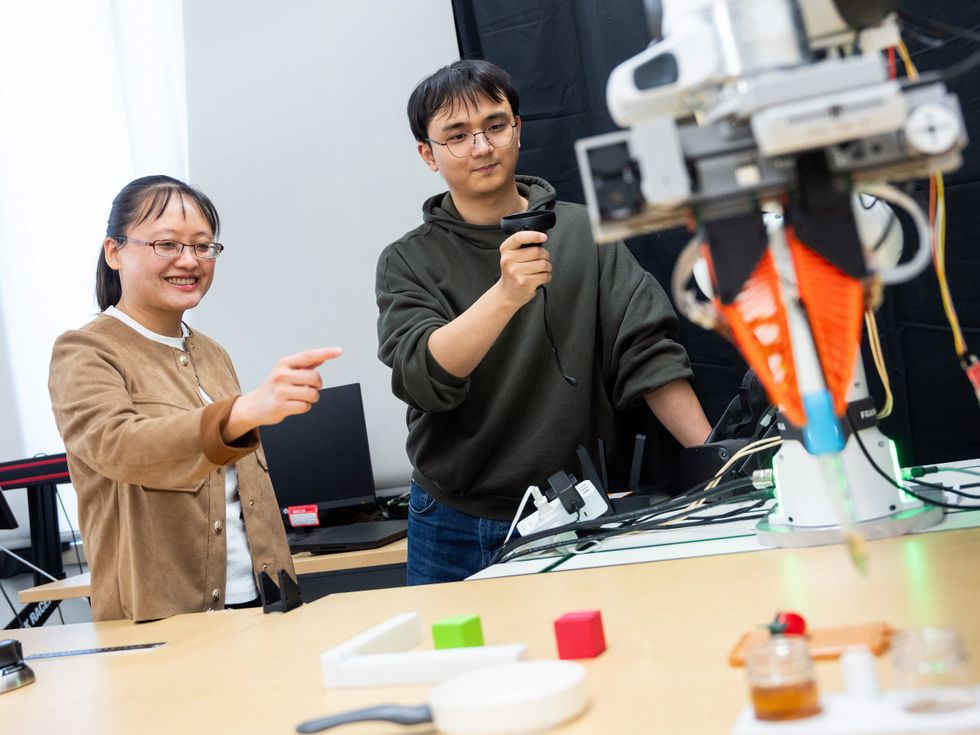
Award-Winning Researcher Trains Robots to Make Educated Guesses
Yen-Ling Kuo, an assistant professor of computer science at the University of Virginia, has been recognized for her significant contributions to robotics and automation. Last year, she received the IEEE Robotics and Automation Society’s inaugural Outstanding Women in Robotics and Automation Early Career Contribution Award for her paper, “Diff-DAgger: Uncertainty Estimation with Diffusion Policy for Robotic Manipulation.” This innovative research introduces a method that enhances robots' ability to identify and manage uncertainty during unfamiliar tasks, thereby reducing the need for human supervision and increasing task completion rates. Kuo’s journey began in Taiwan, where her fascination with science and technology was sparked by early exposure to programming and computer logic. After earning her degrees from National Taiwan University and MIT, she gained practical experience at Google, where she contributed to AI-driven shopping technologies. This experience motivated her to pursue a Ph.D. to deepen her understanding of neural networks. Her current research focuses on developing computational models that enable robots to interpret both explicit data and subtle social cues, aiming to replicate human-like reasoning in machines. Kuo's work has garnered attention from the National Science Foundation, which awarded her a five-year Career Award to support her research on human-robot interactions. As robotics and autonomous vehicles become more prevalent, Kuo envisions creating robots that can seamlessly integrate into social environments, enhancing human-robot collaboration.
Ieee-member-news Robots Artificial-intelligence Ieee-robotics-and-automation-soc Careers Type-ti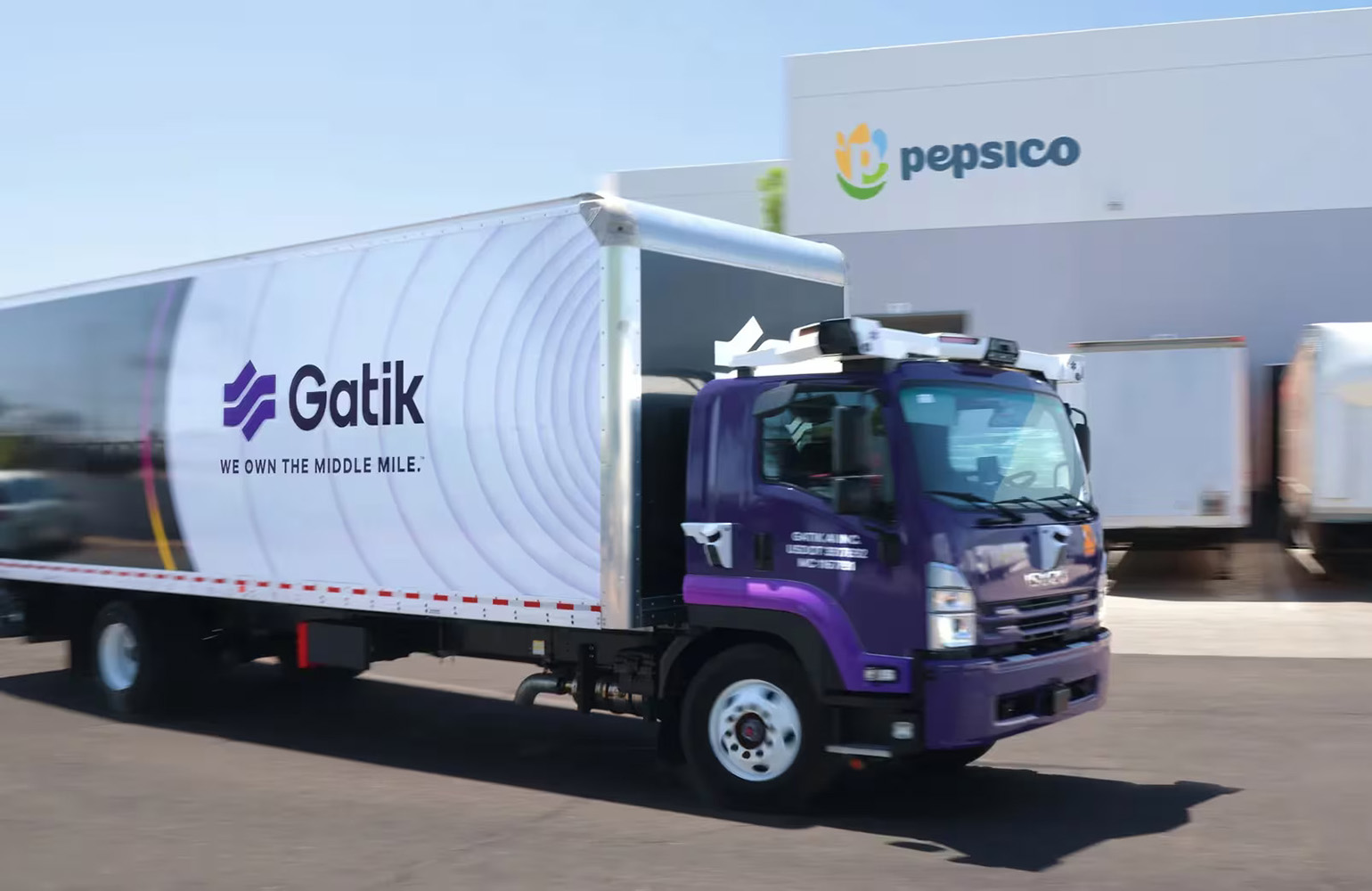
Gatik to bring autonomous freight to PepsiCo’s North American supply chain
PepsiCo has announced a partnership with Gatik to enhance its North American supply chain by integrating autonomous freight solutions. This collaboration aims to optimize PepsiCo's regional transportation networks, which facilitate the daily movement of products between various sites. By leveraging Gatik's technology, the beverage and snack giant seeks to improve efficiency and reduce operational costs in its logistics operations. The initiative reflects a growing trend in the industry to adopt automation in supply chain management, driven by the need for faster and more reliable delivery systems.
Artificial Intelligence Artificial Intelligence / Cognition Automotive Design / Development Food / Beverage Logistics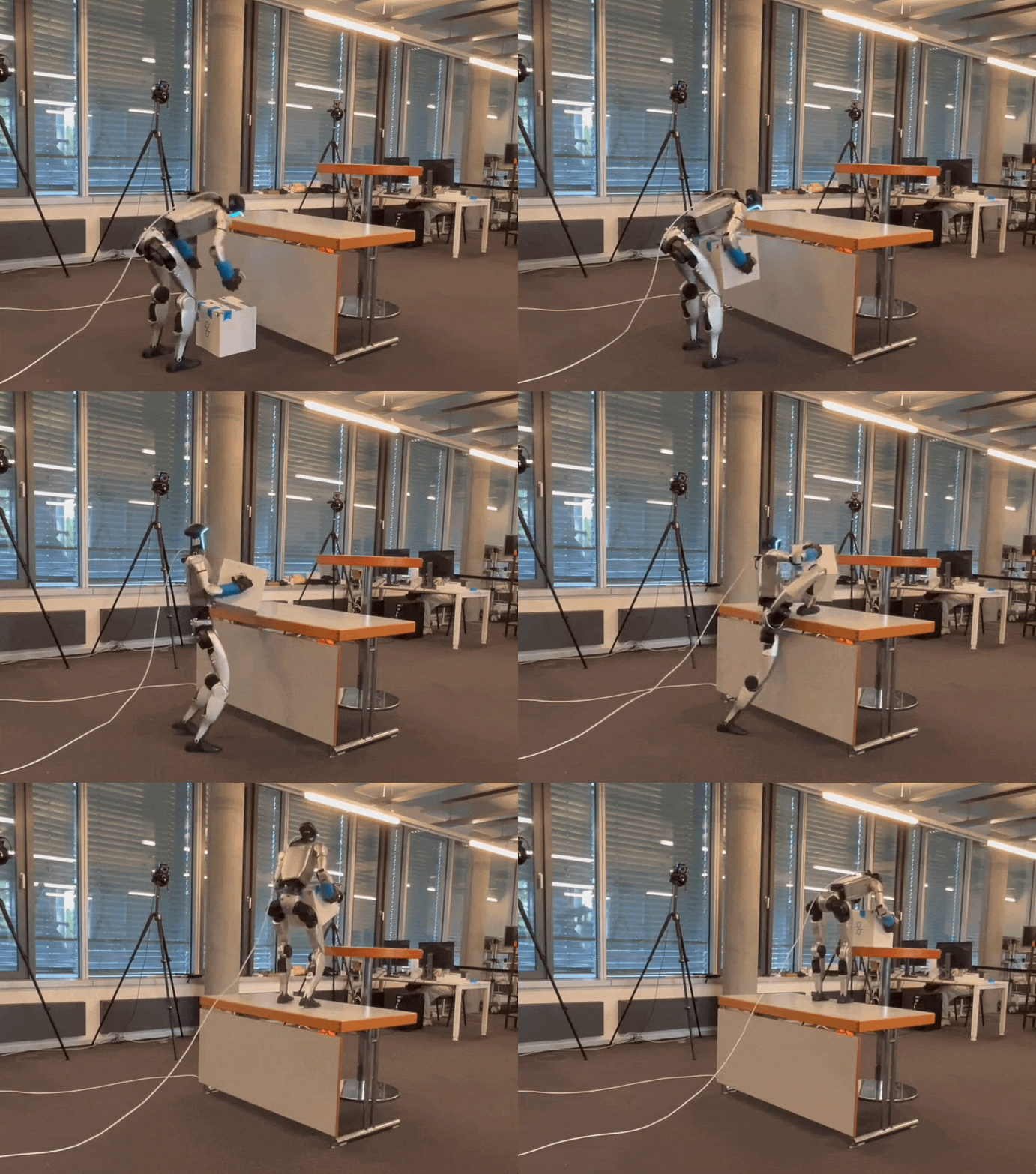
Video Friday: Robotic Motion Discovery Reveals Unusual Behaviors
IEEE Spectrum robotics has released its latest edition of Video Friday, showcasing an array of innovative robotics videos and announcing upcoming events in the field. Notable events include RSS 2026 in Sydney from July 13-17, the Summer School on Multi-Robot Systems in Prague from July 29 to August 4, and Actuate 2026 in San Francisco on August 18-19. Among the featured videos is MotionDisco, a framework that autonomously discovers complex humanoid loco-manipulation motions, highlighting the challenges of coordinating fluid movements across multiple joints. Additionally, the Human Support Robot (HSR) from Toyota is demonstrated in real home environments, assisting residents with daily tasks, showcasing the potential for robots to become long-term companions. Other highlights include the MIDAS Hand, an open-source robotic hand designed for manipulation and research, and a novel flight maneuver by a bipedal robot that showcases advanced aerial control. The European Space Agency shares a timelapse of Dextre, a robotic handyman, efficiently unloading equipment in space, while ROBOTIS introduces AI Sapiens, which learns humanoid motions using just a smartphone camera. In a collaborative effort, LUMOS Robotics has launched Project EDGE, inviting global innovators to explore humanoid robotics, while Sphero emphasizes its educational products designed to nurture computational thinking from early childhood through high school. These developments illustrate the rapid advancements and collaborative spirit within the robotics community.
Humanoid-robots Video-friday Quadruped-robots Robot-videos Home-robots Dexterity
5 Federal Drone Policies Flying Under the Radar This Summer
Several federal initiatives are set to influence the drone industry in the coming months, particularly as attention remains on Chinese drone restrictions and supply chain policies. Key developments include airspace restrictions related to the World Cup and new regulations for critical infrastructure. The long-anticipated Beyond Visual Line of Sight (BVLOS) rule is also a focal point for industry stakeholders. These initiatives, while not widely publicized, are progressing and could significantly impact the operational landscape for drones. As the summer unfolds, the drone industry is closely monitoring these changes, which may reshape regulations and operational capabilities in the near future.
DL Exclusive Drone News Drone News Feeds Drones in the News FAA Feature 1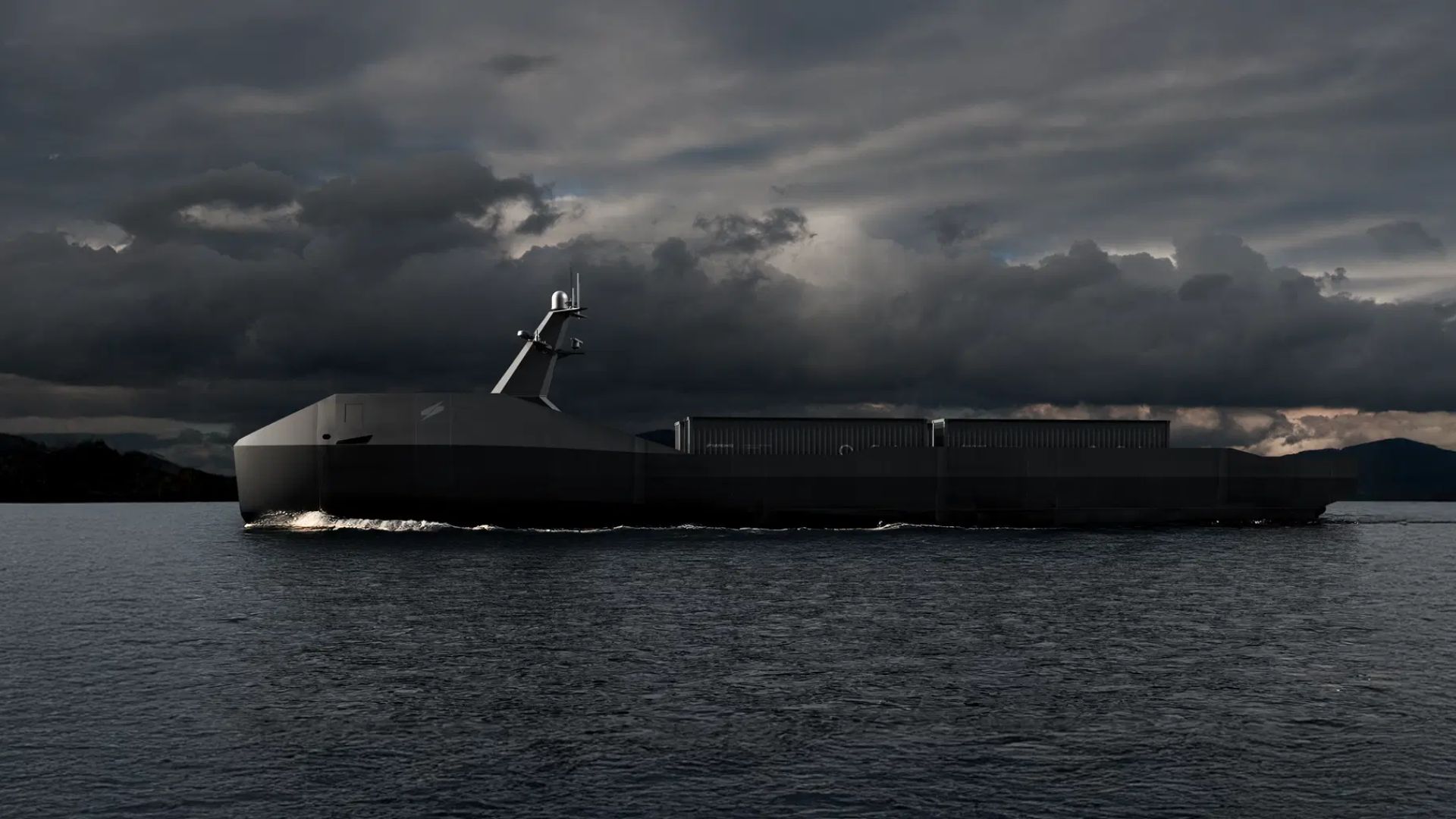
US’ new 180-foot drone ship could launch hypersonic missiles, demo set for 2027
Saronic and Castelion, two prominent defense technology firms, have unveiled their intention to merge efforts in developing an autonomous warship. This strategic collaboration aims to enhance maritime security capabilities and address emerging threats in naval warfare. The announcement was made on October 15, 2023, during a defense technology conference held in Athens, Greece. The motivation behind this partnership stems from the increasing demand for advanced naval solutions that can operate independently in complex environments. By pooling their expertise and resources, Saronic and Castelion seek to accelerate the innovation process and deliver cutting-edge technology to military clients worldwide. The proposed autonomous warship is expected to incorporate advanced artificial intelligence and machine learning systems, enabling it to perform a variety of missions, including reconnaissance, surveillance, and combat operations, without direct human intervention. This development reflects a broader trend in the defense industry towards automation and smart technologies, aimed at enhancing operational efficiency and reducing risks to personnel. As the defense sector continues to evolve, the collaboration between Saronic and Castelion positions them at the forefront of the autonomous naval warfare market, potentially reshaping the future of maritime defense strategies.
Military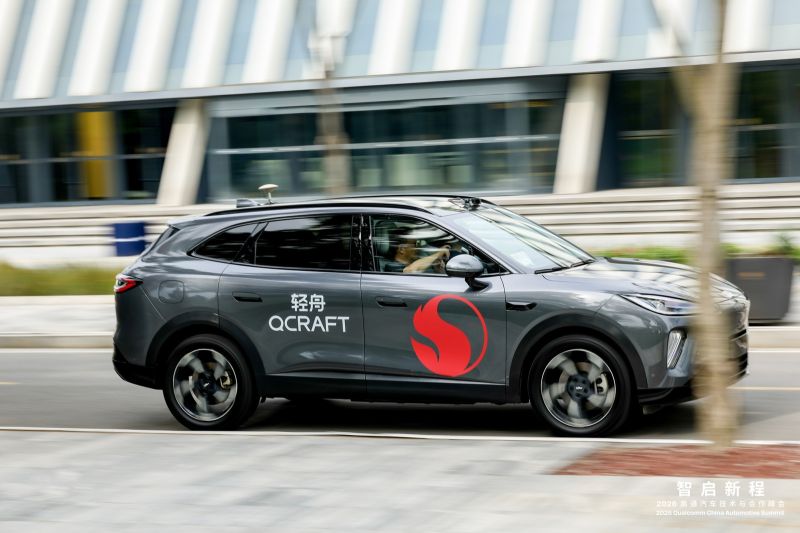
QCraft demonstrates urban NOA on Qualcomm’s latest Snapdragon Ride chip, targets 2026 global mass production
QCraft showcased its urban Navigate-on-Autopilot (NOA) system, powered by Qualcomm’s SA8650P Snapdragon Ride platform, during a live demonstration on June 5 at Qualcomm’s Automotive Technology and Cooperation Summit in Wuxi, China. This event marked a significant step for the autonomous driving company, which is aiming for global mass production of its technology within this year. Attendees had the opportunity to experience live test rides, highlighting the practical applications of QCraft's advancements in autonomous driving. The demonstration underscores the growing collaboration between technology and automotive sectors, as companies like QCraft seek to revolutionize urban transportation through innovative autonomous solutions.
Autonomous Vehicles Computing Technology assisted driving automation news automotive technology
Seattle Stadium “No-Drone Zone” During FIFA Matches
Federal officials have issued a warning to drone operators to refrain from flying their devices near Lumen Field, which will temporarily be referred to as Seattle Stadium, as it prepares to host six matches for the FIFA World Cup 2026 over the coming weeks. The advisory aims to ensure the safety and security of the event, emphasizing the importance of maintaining a clear airspace during this high-profile international tournament. Authorities are particularly concerned about recreational drone use, which could pose risks to both players and spectators. The no-drone zone is part of broader efforts to manage air traffic and protect the integrity of the matches.
Drone News Drone News Feeds News Public Safety safety and security World Cup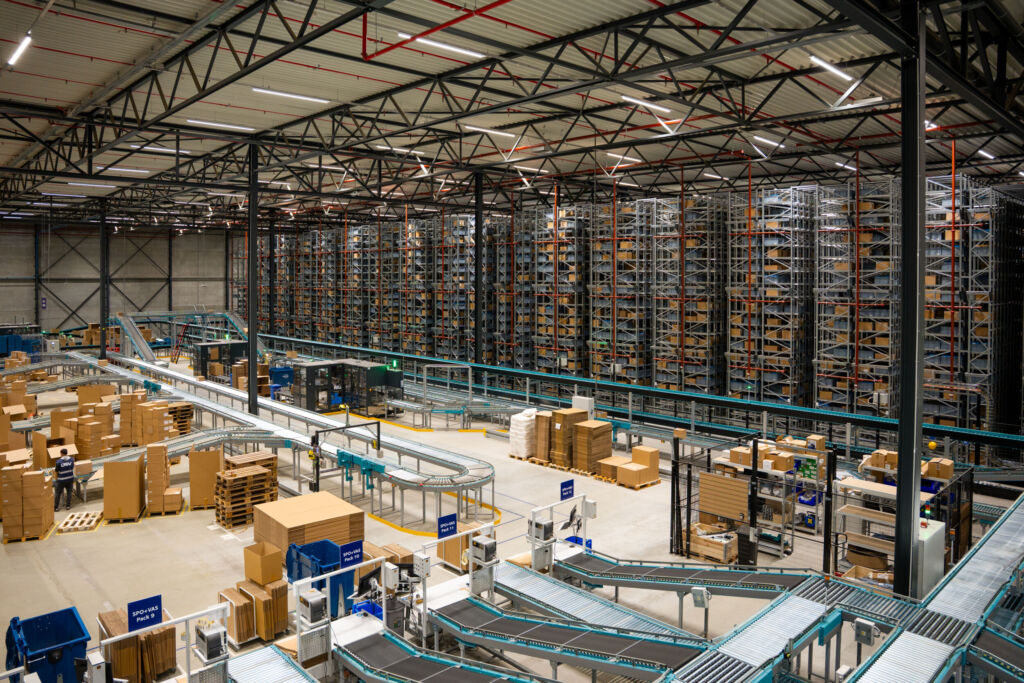
100 autonomous robots in fulfillment operations
Exotec has equipped DSV's logistics center in Venlo, Netherlands, with its innovative Skypod system, enhancing the facility's fulfillment capabilities. This advanced automation solution features 100 autonomous robots designed to streamline operations and improve efficiency in the supply chain. The implementation of the Skypod system is part of DSV's strategy to optimize logistics processes and meet growing demand in the e-commerce sector. By integrating these robots, the company aims to accelerate order processing and reduce operational costs, positioning itself competitively in the rapidly evolving logistics landscape.
Allgemein Fördertechnik & Handling Lagerlogistik & Materialfluss Lösungen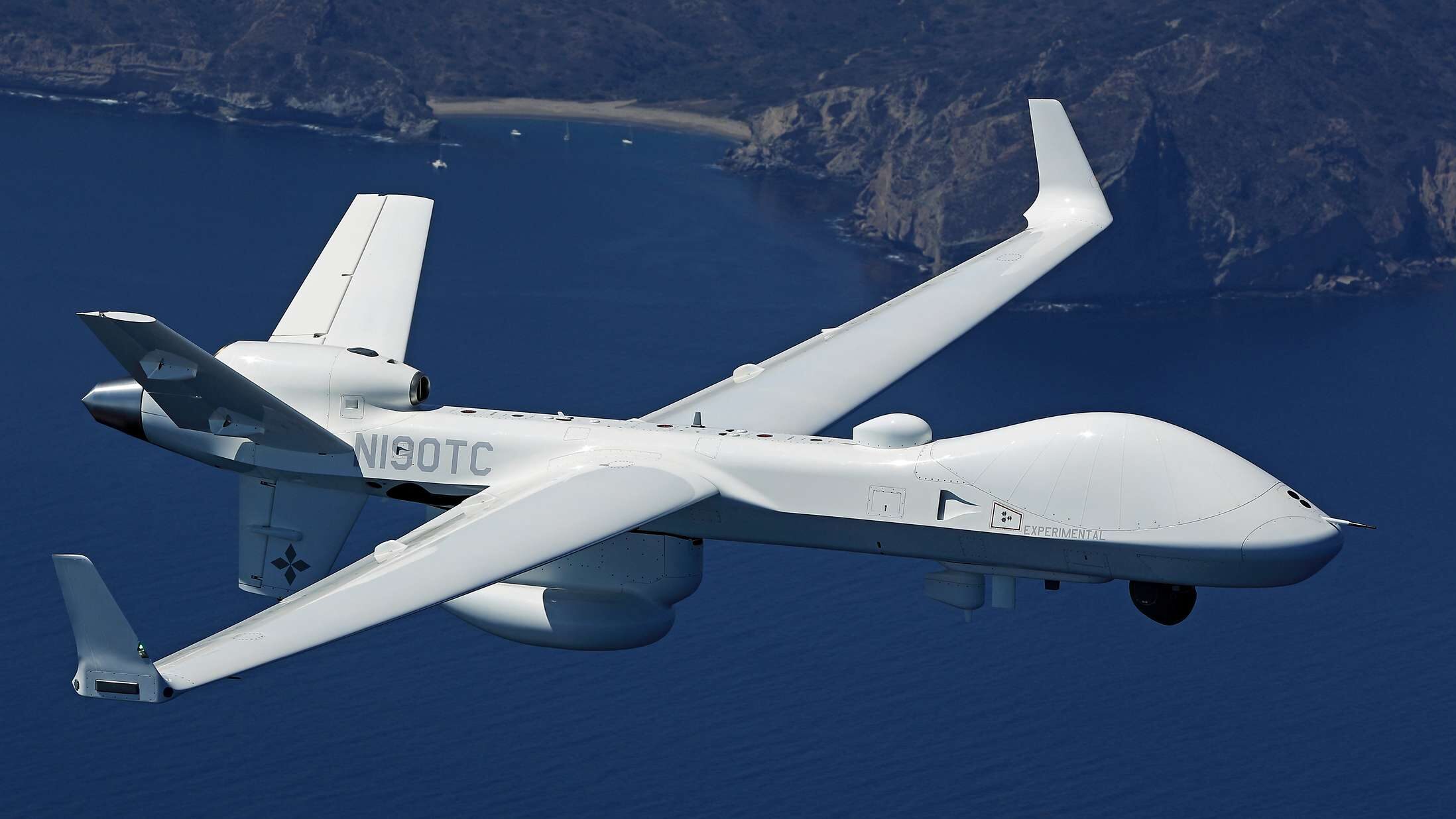
‘The threat is there’: Germany to pair P-8s with MQ-9 drones to keep an eye on Russian subs
The German Naval Aviation Command is set to introduce the MQ-9B, marking the first unmanned system in its operational fleet. Capt. Broder Nielsen, the command's head, emphasized the importance of a gradual integration process, stating that personnel will work closely with the aircraft as they adapt to its capabilities. This initiative reflects Germany's commitment to enhancing its naval aviation capabilities with advanced technology. The timeline for the full operational rollout remains under development, but the focus on a step-by-step approach aims to ensure effective training and operational readiness for the crew.
Global Naval Warfare Boeing Europe General Atomics Aeronautical Systems Germany
At Automate, VisionNav Robotics to Showcase Autonomous Material Handling Solutions and Intelligent Vision Technologies
A leading logistics technology company is set to showcase its latest innovations in warehouse automation at an upcoming industry trade show. The event, scheduled for next month in Chicago, will feature the company's autonomous precision stacking solution, designed to enhance efficiency in material handling. Additionally, attendees will have the opportunity to explore the capabilities of a new counterbalance truck, which aims to improve safety and productivity in warehouse operations. The company will also present its advanced warehouse visibility platform, which provides real-time data analytics to optimize inventory management and streamline operations. This initiative reflects the company's commitment to addressing the growing demand for automation and efficiency in the logistics sector, driven by the need for businesses to adapt to rapidly changing market conditions and consumer expectations. By integrating cutting-edge technology into their offerings, the company aims to empower warehouses to operate more effectively and reduce operational costs.
Harbinger Announces Unmanned Hybrid-Electric Military Vehicle Platform
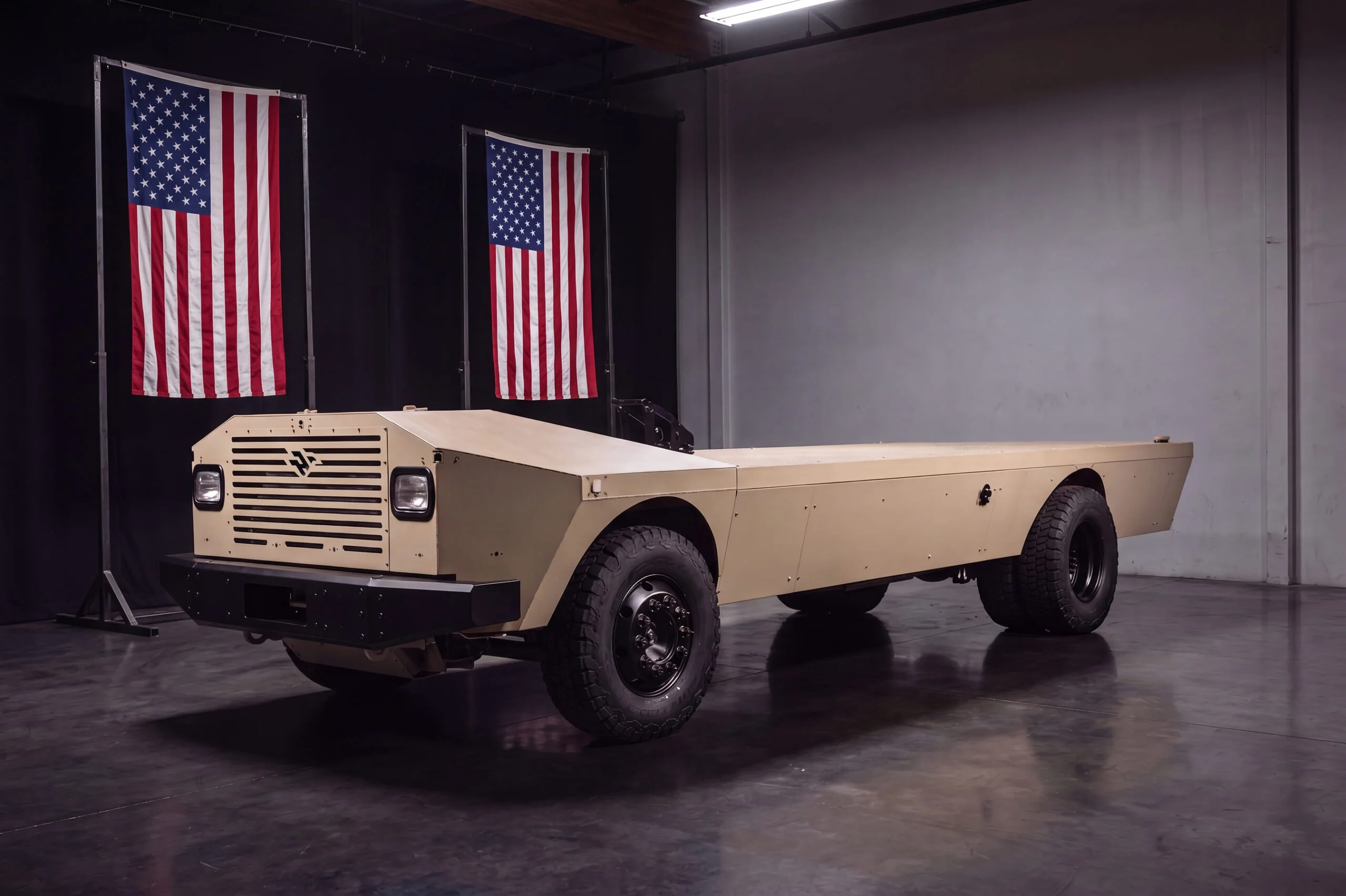
Harbinger has introduced a new unmanned hybrid-electric military vehicle platform, marking a significant advancement in defense technology. This initiative is part of the company's newly established business unit, Harbinger Praesidia, which aims to collaborate with government clients and defense contractors. The launch is further bolstered by a strategic investment from In-Q-Tel (IQT), a nonprofit organization that invests in technologies to enhance U.S. national security and support allied governments. This partnership underscores the growing interest in innovative military solutions and the importance of private sector involvement in national defense efforts.
AI AI Funding & Investment AI Use Cases Robotics Defense Harbinger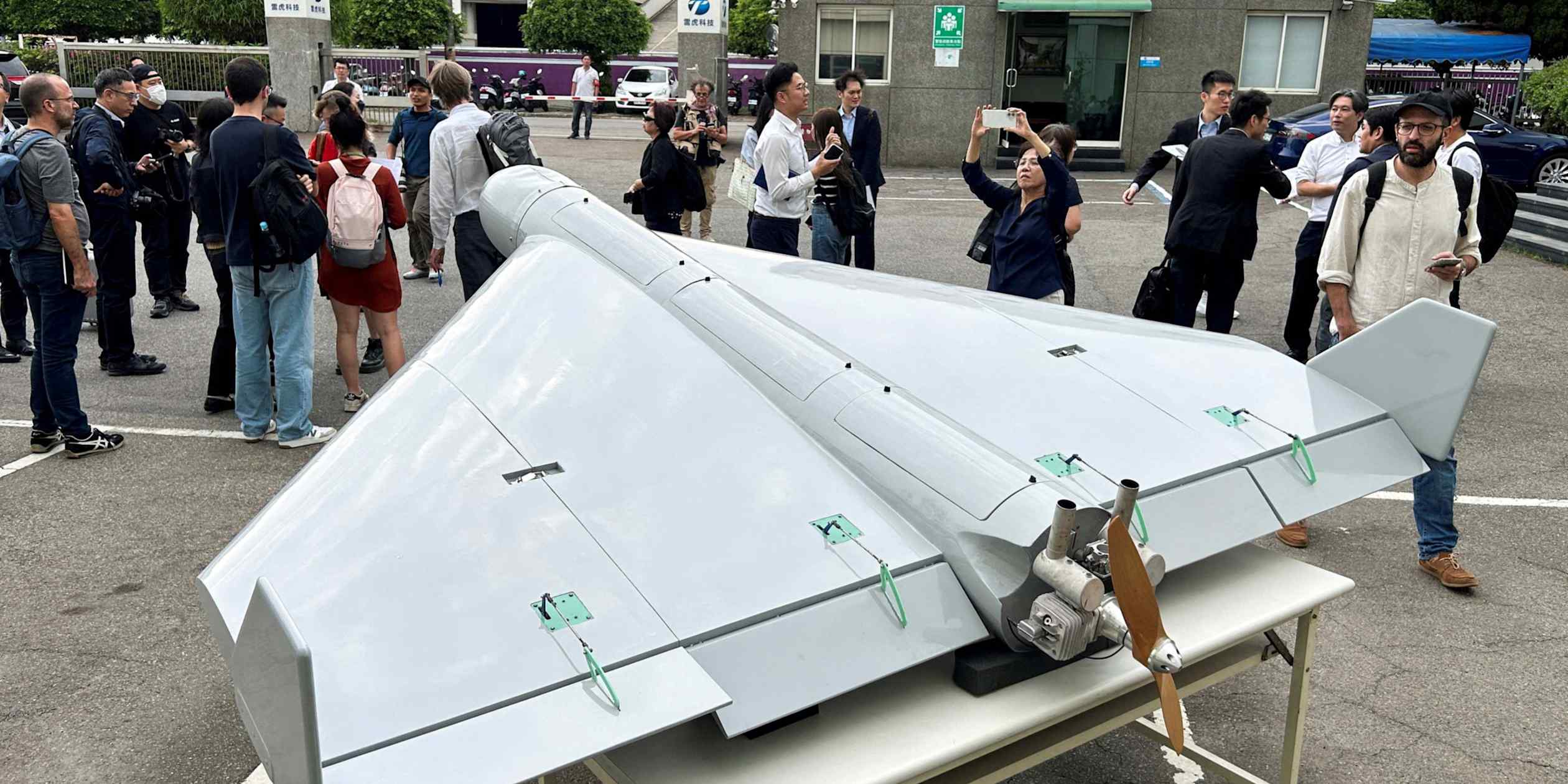
Drones hover at center of Taiwan's defense debate
In Taiwan, the ongoing debate over the role of drones in national defense has intensified, highlighting significant divisions between the ruling Democratic Progressive Party (DPP) and the opposition Kuomintang (KMT). This discord threatens to impede the development of the country's drone industry, which is critical for enhancing military capabilities amid rising tensions with China. The discussion gained momentum during a media tour on April 21, 2026, in Taichung, where the Thunder Tiger Group showcased its Papa Delta drone. As Taiwan grapples with budget cuts affecting defense spending, concerns about the future of its drone program have emerged, prompting scrutiny of the KMT's stance on defense cuts. The political landscape remains fraught, with the KMT's leadership planning a trip to the United States, further complicating the dialogue surrounding Taiwan's defense strategy. The situation underscores the urgency for Taiwan to bolster its military technology in response to external pressures, particularly from China, while navigating internal political challenges.

SASC’s $1.14T defense policy bill creates combatant command for drones
Members of the Senate Armed Services Committee (SASC) approved a significant piece of legislation on Wednesday, advancing the bill with an 18-9 vote. This decision reflects the committee's ongoing efforts to address critical defense issues and enhance military readiness. The approval comes amid increasing concerns about national security and the need for updated military policies. The committee's action is a crucial step in the legislative process, paving the way for further discussions and potential amendments before the bill is presented to the full Senate for consideration.
Air Warfare Congress Land Warfare Naval Warfare Pentagon 2027 NDAA
Waymo launches a loyalty program with 10% cash back and free cancellations
Waymo has launched a new subscription service named "Waymo Premier," which will charge users $29.99 per month. This initiative aims to enhance the accessibility of its autonomous ride-hailing services. The program is designed to cater to customers seeking a premium experience with Waymo's self-driving technology. By introducing this subscription model, Waymo hopes to attract a broader user base and provide additional features that enhance the overall ride experience. The service is set to begin rolling out in select markets, with the company leveraging its extensive data and technology to ensure a seamless integration for subscribers.
Transportation loyalty programs robotaxis Waymo
As Disaster Risks Grow, WingXpand and Verizon Explore New Tools for Emergency Response
WingXpand, a St. Louis-based company, has announced a collaboration with Verizon Frontline and emergency response teams to investigate innovative tools aimed at enhancing disaster assessment and community resilience. This initiative comes in response to the increasing frequency of severe weather events impacting communities across the United States. By leveraging drone and autonomous aircraft technologies, the partnership seeks to improve emergency response capabilities and support affected areas more effectively. The exploration of these advanced tools is part of a broader effort to address the growing risks associated with natural disasters.
Applications Disaster Response Drone News Drone News Feeds Drones in the News emergency response
HOVERAir’s UK Launch Raises a Bigger Question: Who Will Serve America’s Consumer Drone Market?
HOVERAir has officially launched its X1 Smart, a lightweight self-flying camera weighing just 99 grams, in the UK. This innovative device is designed to simplify aerial content creation for everyday users by allowing it to launch from the user's hand and automatically follow subjects to capture hands-free video, eliminating the need for traditional piloting skills. The introduction of the X1 Smart marks a significant milestone in HOVERAir's expansion into the UK retail market, raising questions about the future of consumer drone services in America.
Applications Cameras DL Exclusive Drone News Drone News Feeds Drones in the News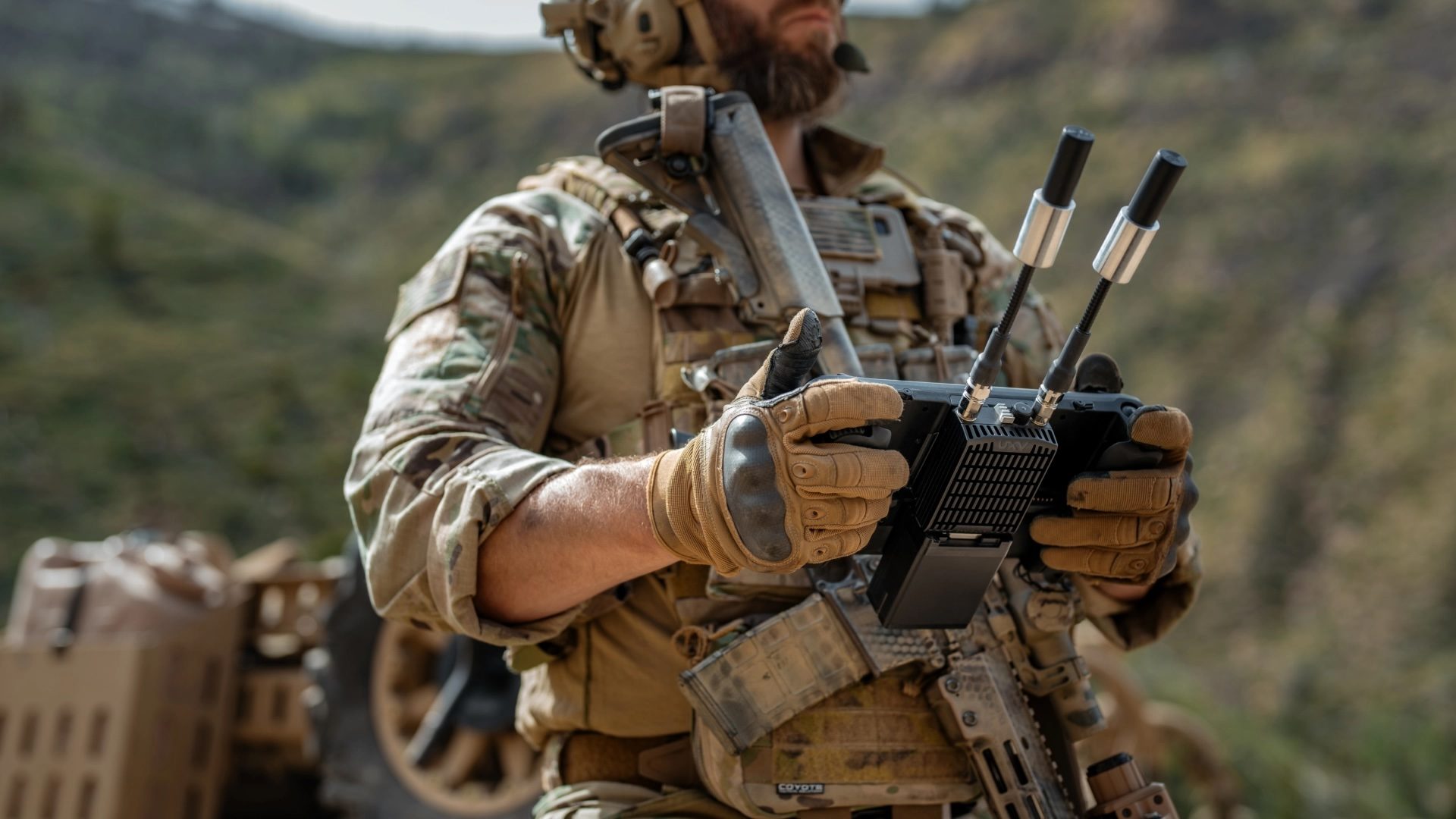
DRONELIFE Exclusive Interview: Inside PDW’s Strategy to Build Drones That Can Operate When GPS and Communications Fail
PDW is advancing the development of sophisticated drone communication systems to enhance military operations in environments where traditional communication methods may fail. As global militaries increasingly depend on drones for surveillance and combat, the need for reliable communication links has become critical, especially in areas with contested communication. The company's strategy focuses on creating drones capable of functioning effectively even when GPS and standard communication systems are compromised. This initiative highlights the growing recognition of the importance of resilient drone technology in modern warfare.
Applications Defense defense Drone News Drone News Feeds Dual Use
Cobra 600: Germany’s 620mph jet drone interceptor with IRIS-T and 155-mile range
German weapon manufacturer Diehl Defence has unveiled its latest innovation, the Cobra 600, a jet-powered interceptor drone designed to enhance aerial defense capabilities. This advanced drone is engineered to intercept and neutralize threats in real-time, showcasing Diehl Defence's commitment to cutting-edge military technology. The Cobra 600 was officially introduced during a defense exhibition held in Berlin in October 2023, where industry leaders gathered to discuss advancements in military hardware. The motivation behind the development of the Cobra 600 stems from the increasing demand for sophisticated defense systems in response to evolving aerial threats. By integrating jet propulsion technology, Diehl Defence aims to provide armed forces with a faster and more agile solution for intercepting hostile drones and other airborne threats. The drone's design emphasizes not only speed but also precision, allowing for effective engagement in various combat scenarios. The introduction of the Cobra 600 marks a significant step forward in unmanned aerial vehicle technology, reflecting a broader trend in the defense sector towards automation and enhanced operational efficiency. As military forces around the world seek to modernize their arsenals, Diehl Defence positions itself at the forefront of this transformation with its innovative approach to aerial defense.
Military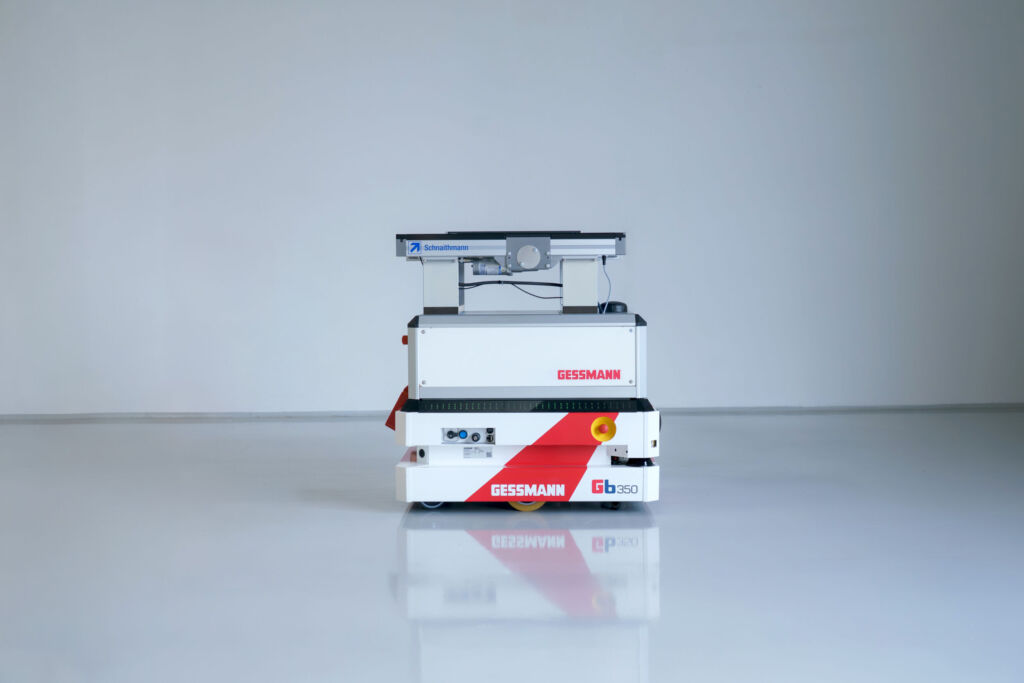
Autonomous mobile robots enhance assembly automation.
Schnaithmann has introduced autonomous mobile robots into its assembly and transfer lines, enhancing automation capabilities. This integration aims to streamline operations and improve efficiency in manufacturing processes. The deployment of these robots represents a significant advancement in the company's approach to modern assembly automation, reflecting a growing trend in the industry towards increased reliance on autonomous technologies.
Allgemein Automation Fördertechnik & Handling Lagerlogistik & Materialfluss Mobile Robotik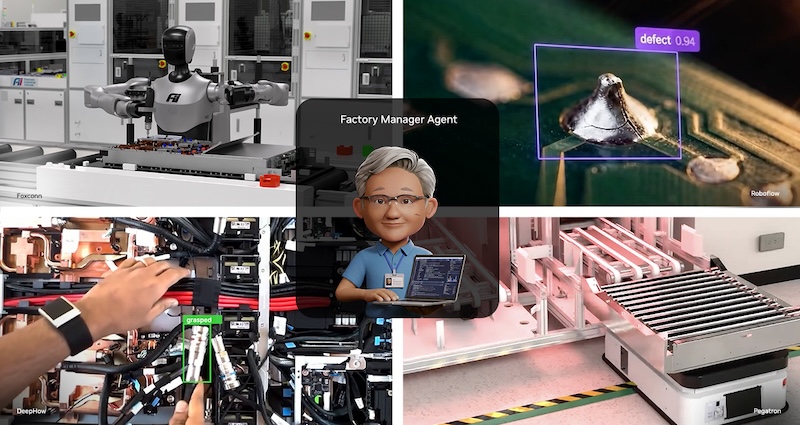
Nvidia launches AI factory manager blueprint for autonomous manufacturing
Nvidia has introduced a groundbreaking software blueprint aimed at revolutionizing factory operations through a centralized AI system. The Nvidia Factory Operations Blueprint (FOX), announced at GTC Taipei during Computex, serves as a reference design for manufacturers seeking to develop an autonomous factory manager agent. This innovative system is designed to monitor, coordinate, and optimize factory processes in real time, enhancing efficiency and productivity. By leveraging advanced AI capabilities, Nvidia aims to empower manufacturers to streamline their operations and adapt to the rapidly evolving industrial landscape.
Artificial Intelligence Factories News Technology AI factory manager automation news
MBDA showcases hybrid high-energy laser, interceptor counter-drone system
The European missile manufacturer has announced plans for a new hybrid defense platform aimed at countering the increasing threat posed by small, fast, and low-cost unmanned aerial vehicles (UAVs). This innovative system is expected to be operational in Germany by the end of the decade. The initiative reflects a strategic response to evolving aerial threats, highlighting the need for advanced defense solutions in modern warfare. The development of this platform underscores the commitment to enhancing national security and adapting to the changing landscape of military challenges in Europe.
Air Warfare Global Air Force Drones Europe ILA Berlin 2026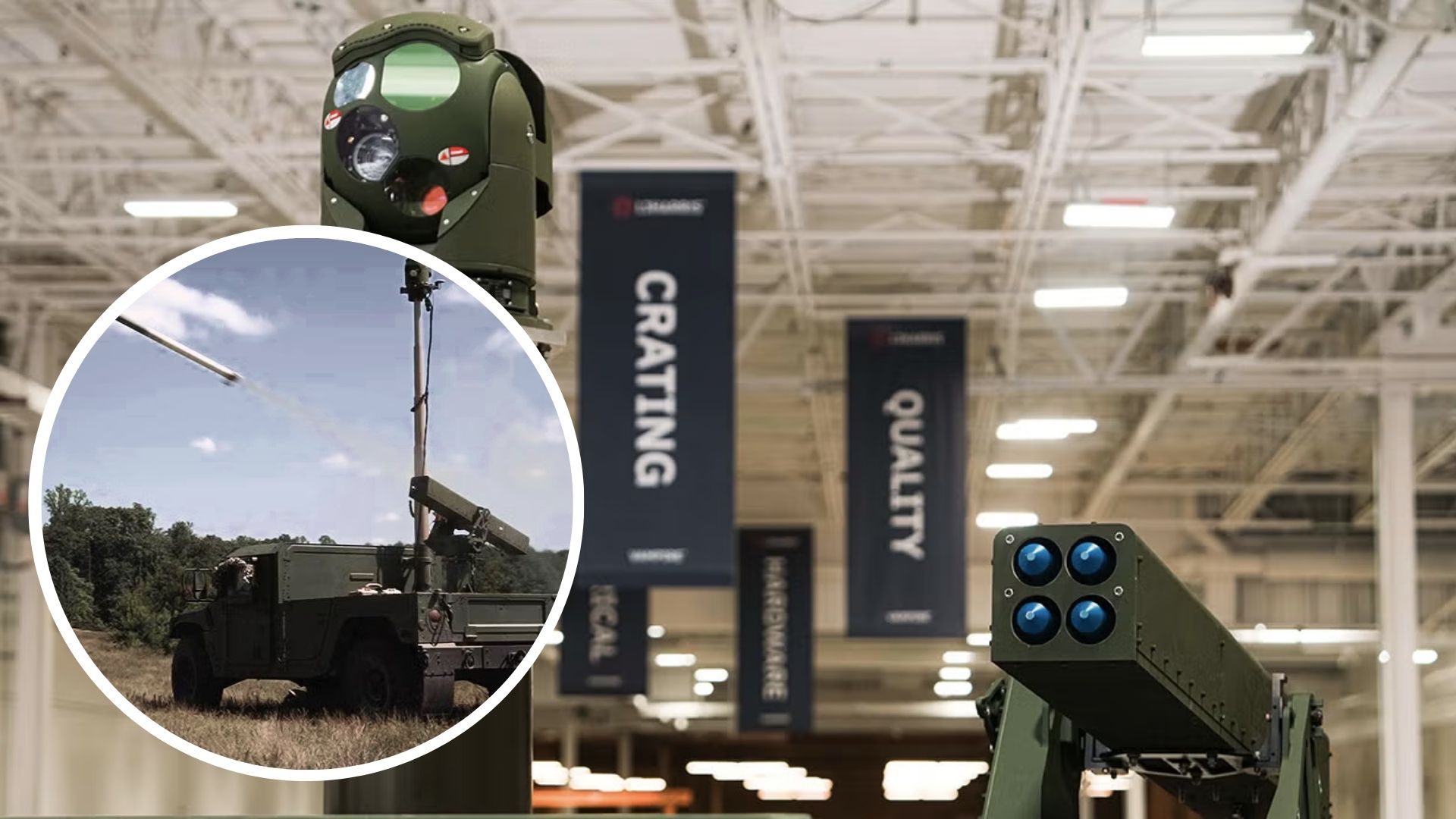
US Army to deploy VAMPIRE drone hunter with proven 350,000 hours of battlefield use
A new counter-drone system is being developed to bolster the defense capabilities of the United States against increasing drone threats. This initiative comes in response to the growing concerns over the use of unmanned aerial vehicles by adversaries, which have been employed in various conflicts and security breaches. The system is expected to be deployed in military bases and critical infrastructure locations across the country, enhancing the protection of both personnel and assets. The U.S. Department of Defense is spearheading this project, collaborating with leading technology firms to integrate advanced detection and neutralization technologies. The system aims to identify and intercept hostile drones before they can cause harm. Testing of the new technology is scheduled to begin in early 2024, with full operational capability anticipated by the end of the year. This proactive measure reflects the U.S. military's commitment to adapting to modern warfare challenges and ensuring national security. As drone technology continues to evolve, the implementation of this counter-drone system is seen as a crucial step in maintaining strategic advantages and safeguarding against potential threats.
Military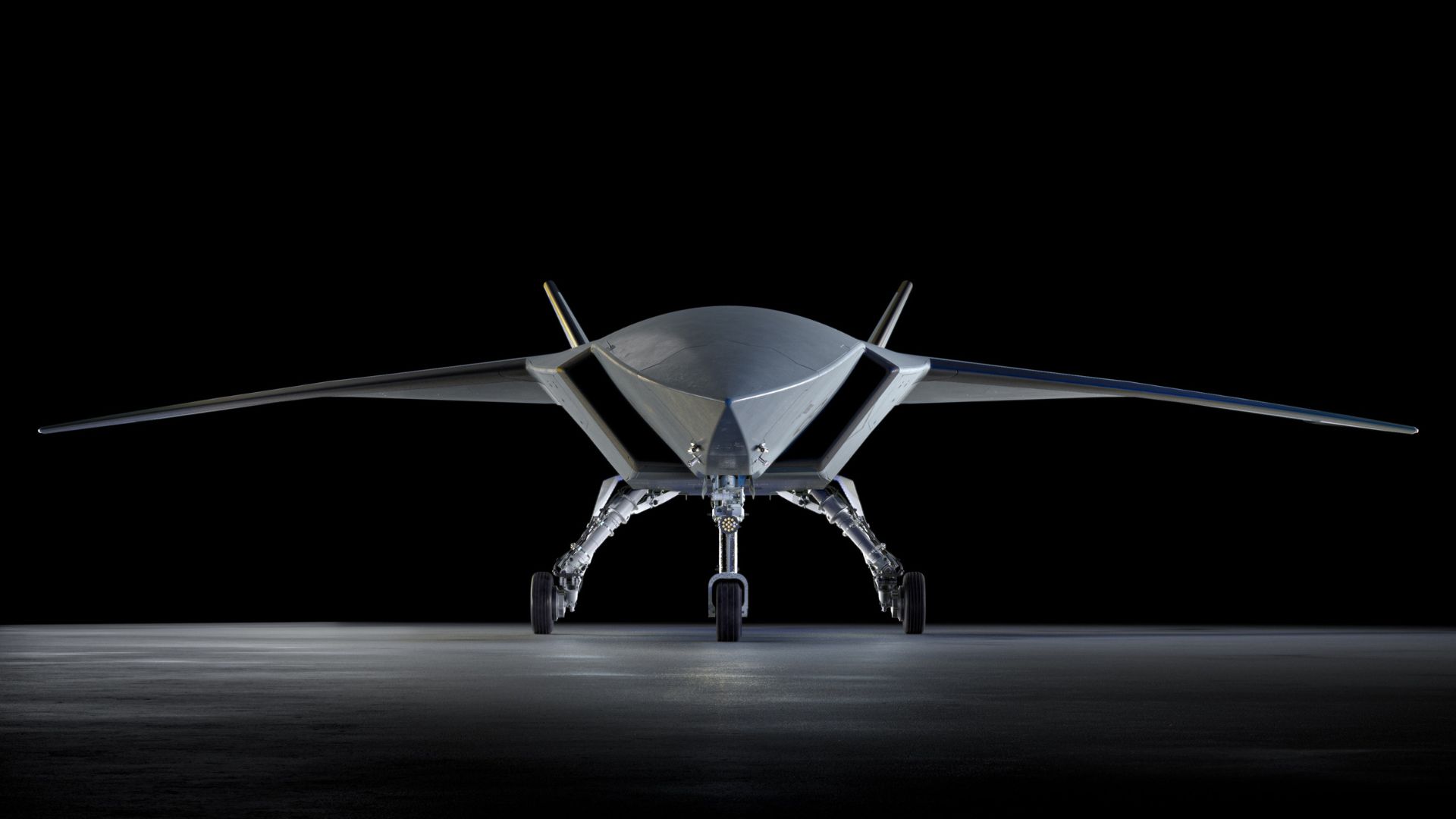
Boeing’s bigger Ghost Bat can carry missiles internally, carry more combat load
Boeing has introduced an upgraded version of its MQ-28 Ghost Bat drone, enhancing its capabilities with extended range and improved technology. The announcement was made during a recent defense expo in Australia, where the company showcased its commitment to advancing unmanned aerial systems. This new iteration aims to meet the growing demands for advanced surveillance and combat support in modern warfare. Boeing's development of the MQ-28 is driven by the need for more versatile and efficient military drones that can operate in complex environments. The enhancements include advanced sensors and artificial intelligence features, which allow for better decision-making and operational efficiency. This latest model is expected to play a crucial role in future defense strategies, particularly in the Indo-Pacific region, where military presence and technological superiority are increasingly prioritized.
Military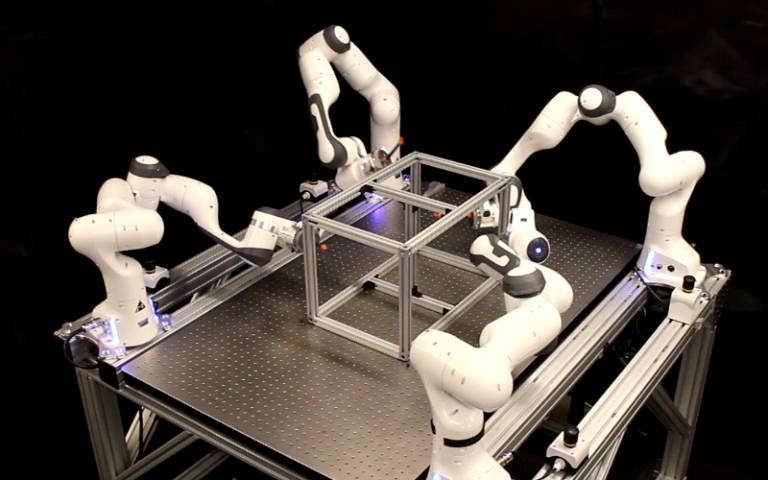
US Army awards L3Harris contract for VAMPIRE anti-drone systems
The US Army has awarded a $106 million contract to L3Harris for the development of Vehicle-Agnostic Modular Palletised ISR Rocket Equipment (VAMPIRE), a system designed to counter uncrewed aerial threats. This contract, announced recently, aims to enhance the Army's capabilities in addressing the growing challenges posed by uncrewed systems in modern warfare. By leveraging L3Harris's advanced technology, the Army seeks to improve its operational effectiveness and ensure greater security on the battlefield. The initiative reflects a strategic move to bolster defense mechanisms against evolving aerial threats, emphasizing the importance of adaptable and modular systems in military operations.
News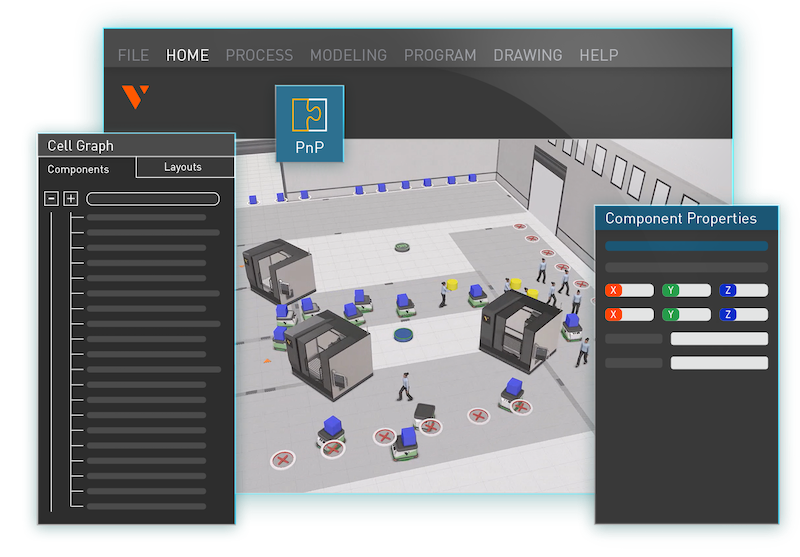
Visual Components launches new version of its factory simulation software
Visual Components, a leader in 3D manufacturing simulation and robot offline programming, has unveiled its latest software, Visual Components 5.1. This significant update aims to assist manufacturers in navigating the increasing complexity of autonomous production environments. Released recently, the new version features enhanced physics simulation for greater accuracy and scalable robot orchestration capabilities. These advancements are designed to streamline operations and improve efficiency in manufacturing processes, responding to the industry's evolving demands for automation and precision.
Computing News Robot simulation Software AGV simulation AMR simulation
Decart’s Oasis 3 world model streams realism into robotic training environments
Decart, a leading frontier AI research lab, has unveiled its latest world model, Oasis 3, in a bid to integrate synthetic simulation with physical AI. The announcement, made recently, highlights the model's capability to enhance the training processes for operating system models used in robots and autonomous vehicles. By focusing on this innovative approach, Decart aims to advance the development of intelligent systems that can operate seamlessly in real-world environments. The launch of Oasis 3 represents a significant step forward in the quest to improve AI's practical applications, addressing the growing demand for more sophisticated and capable autonomous technologies.
Artificial Intelligence Computing Culture Design automation news autonomous vehicles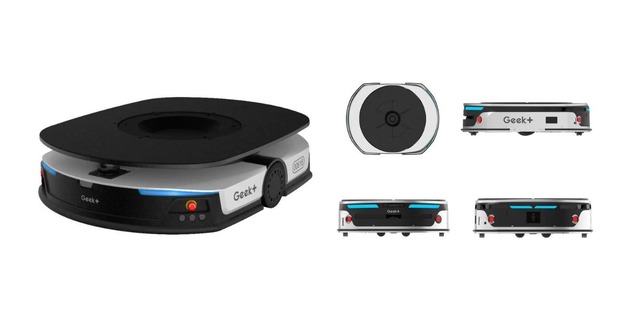
Toyota introduces over 400 Geekplus AMRs to multiple factories to enhance automated logistics.
Geek Plus has announced the implementation of its autonomous mobile robots (AMRs) in multiple Toyota manufacturing plants. Currently, over 400 Geek Plus AMRs are operational across Toyota's facilities, with each system managing up to approximately 200 units. This deployment aims to enhance efficiency in the production process, reflecting the growing trend of automation in the automotive industry.

Waymo introduces $30-a-month premium tier for riders who want faster pickups
Waymo has launched a new premium membership service called Waymo Premier, priced at $29.99 per month, aimed at enhancing the experience for its most frequent riders. This invite-only program offers exclusive benefits such as priority pickups and a 10 percent cash back reward on every ride. The initiative is designed to cater to loyal customers seeking a more elevated and personalized autonomous transportation experience. By introducing this tier, Waymo seeks to strengthen customer loyalty and differentiate its services in the competitive robotaxi market.
Autonomous Cars News Transportation Waymo
Did Tether Just Give Robots Their Own Bank Accounts?
Tether, a leading stablecoin issuer, announced on June 10, 2026, that it is spearheading a Series C funding round of up to $1.4 billion for NEURA Robotics, a German company specializing in cognitive humanoid robotics. This funding round, reported by Handelsblatt as the largest in German startup history, aims to integrate Tether’s Wallet Development Kit (WDK) into NEURA's robots. This open-source technology will enable these machines to possess self-custodial crypto wallets, allowing them to autonomously receive payments and execute transactions without human intervention. The initiative aligns with Tether's long-term goal of establishing itself as a financial infrastructure provider for the physical world. By equipping robots with their own private keys, Tether seeks to enhance their financial independence, contrasting traditional banking systems that can restrict access to funds. Major investors, including Amazon and Nvidia, have contributed to this funding round, which values NEURA Robotics at approximately $7 billion. The integration of WDK allows for seamless machine-to-machine payments, streamlining operations in logistics and manufacturing. NEURA Robotics CEO David Reger envisions a future where intelligent machines can autonomously coordinate and transact, creating value without human oversight. This partnership not only positions Tether to expand its transaction categories but also sets the stage for a new era in machine-economy infrastructure.

Defining Autonomy for Wellness Robots in Senior Care
A recent examination highlights the potential of socially assistive wellness robots in enhancing senior wellness across seven key dimensions. This analysis, aimed at addressing the escalating senior care crisis, underscores the challenges posed by demographic shifts, workforce shortages, and gaps in daily wellness programming that traditional care models face. The study defines wellness robots distinctly from companion and medical devices, emphasizing their unique features and functions. It introduces a framework for measuring the autonomy of these robots using the Care Robot Autonomy Scale (CRAS), a six-level scale inspired by the SAE J3016 driving standard, which assesses four critical care dimensions. Furthermore, the research outlines a roadmap for achieving full autonomy in wellness robots, detailing necessary technical capabilities, clinical evidence, and a phased approach leading into the early 2030s. This comprehensive analysis aims to inform stakeholders about the transformative role of wellness robots in senior care and the urgent need for innovative solutions in the face of growing demands. A free whitepaper summarizing these findings is available for download.
Type-whitepaper Wellness-robots Autonomous-robots Robotics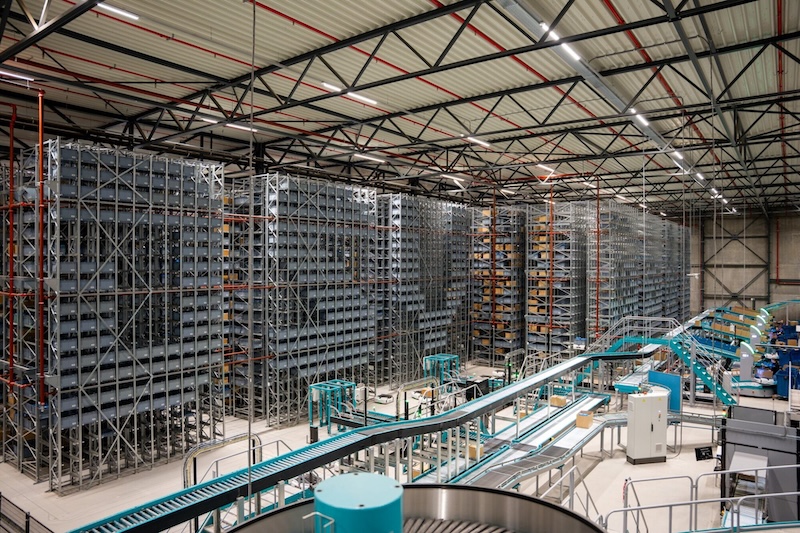
DSV partners with Exotec to modernise Dutch supply chain operations
DSV, a global leader in transport and logistics, has announced a strategic partnership with Exotec, a company renowned for its expertise in warehouse robotics. This collaboration has led to the installation of Exotec's advanced Skypod system at DSV's logistics center in Venlo. The innovative system features around 100 autonomous Skypod robots, designed to enhance fulfillment operations for a range of retail brands. This initiative aims to streamline logistics processes and improve efficiency in handling inventory, reflecting DSV's commitment to leveraging cutting-edge technology in its operations. The partnership underscores the growing trend of automation in the logistics sector, as companies seek to optimize their supply chains and meet increasing consumer demands.
Logistics News Warehouse robots automation news Autonomous robots dsv
Drone rescue highlights US Navy's autonomous push
The recent deployment of a sea drone to rescue two U.S. Army aviators, reportedly downed by Iranian forces, highlights the increasing significance of unmanned vessels in the United States' naval strategies. Analysts noted that this incident, which took place on Wednesday, reflects a shift in military operations, emphasizing the role of advanced technology in modern warfare. The use of a sea drone not only showcases the capabilities of remote-operated vehicles but also illustrates the U.S. commitment to safeguarding its personnel in hostile environments. As tensions in the region escalate, the integration of such innovative tools into military operations may become a crucial factor in future engagements.
Robotics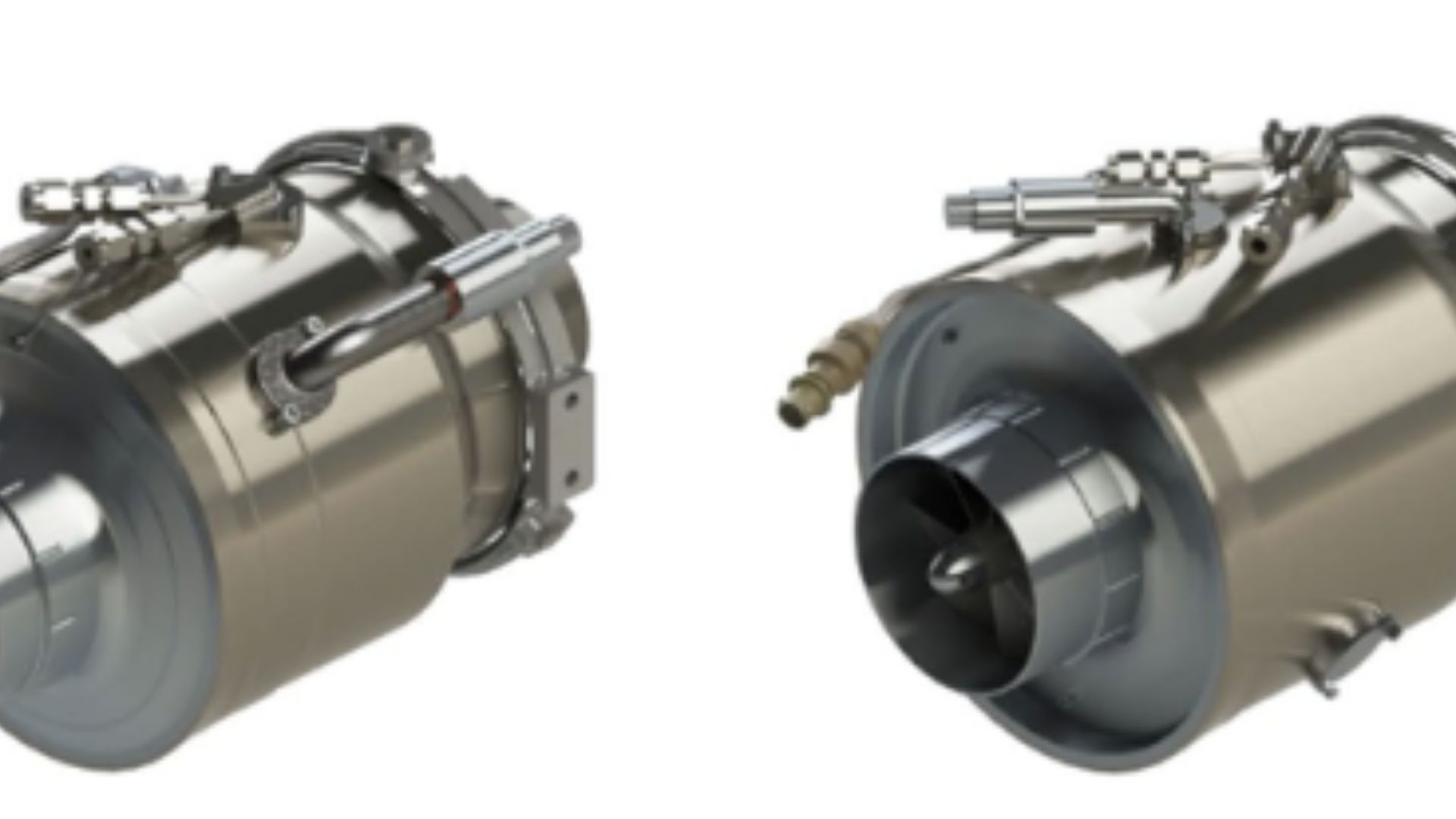
Kratos to upscale engine production to 3000 units for powering one way attack drones
Kratos Defense & Security Solutions is significantly increasing its manufacturing capacity for the Spartan family of unmanned aerial vehicles (UAVs) to meet growing demand. This strategic move comes as the company aims to enhance its production capabilities in response to heightened interest from both military and commercial sectors. The expansion is set to take place at Kratos' facilities in California, with plans to streamline operations and implement advanced technologies to boost efficiency. The decision to ramp up production is driven by the rising need for advanced drone systems, which are increasingly being utilized for surveillance, reconnaissance, and various defense applications. By enhancing its manufacturing capabilities, Kratos seeks to solidify its position as a leader in the UAV market and ensure timely delivery of its products to clients.
News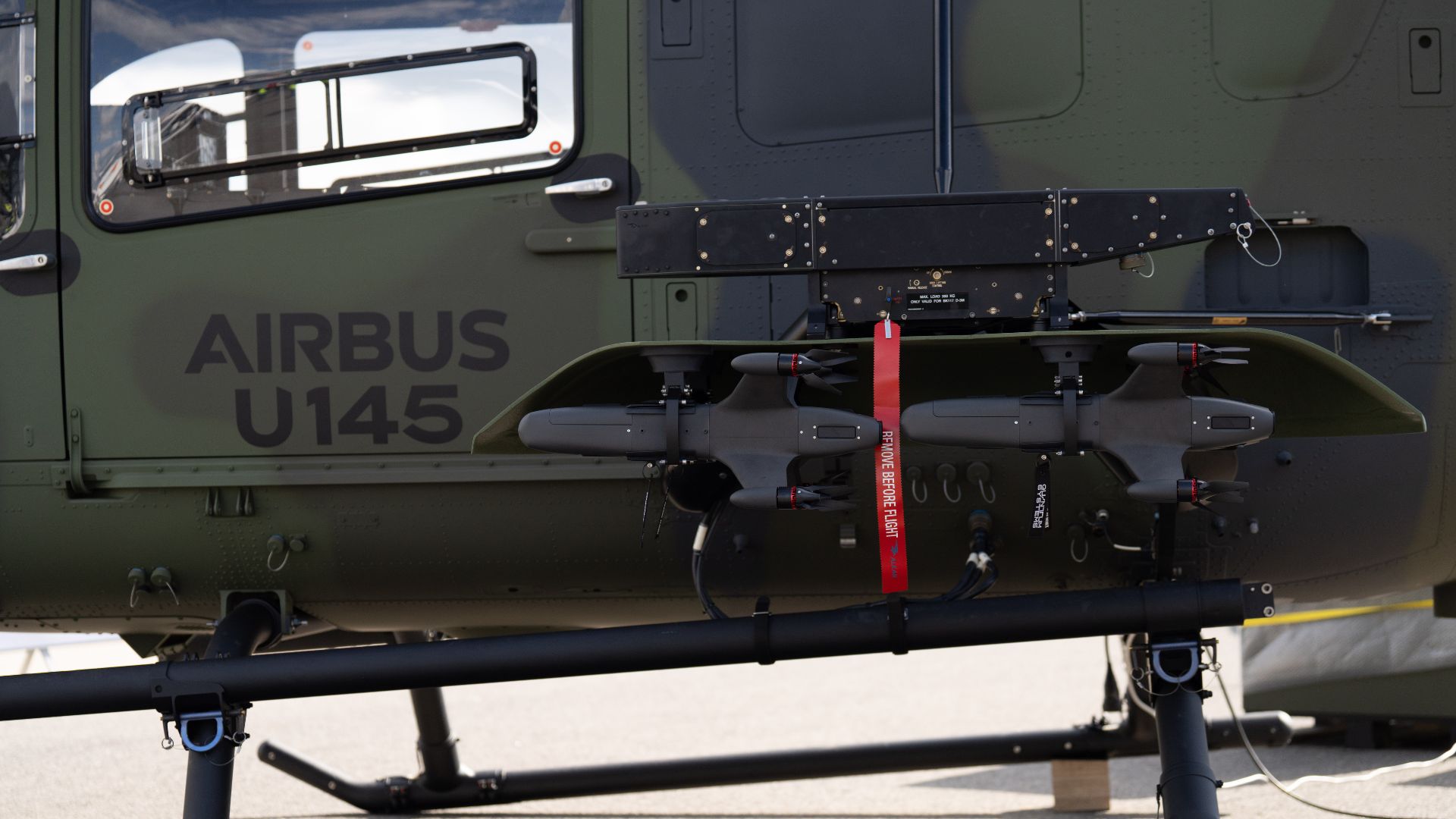
Airbus modifies H145M helicopter to deploy interceptors against tactical drone swarms
Airbus Helicopters, in collaboration with German defense officials, is responding to the increasing threats posed by small attack drones to military helicopters. This initiative comes amid heightened concerns regarding the vulnerability of aerial vehicles in modern combat scenarios. The partnership aims to enhance the defensive capabilities of helicopters, ensuring they can effectively counteract the risks associated with drone warfare. By integrating advanced technologies and innovative strategies, the companies seek to bolster the safety and operational effectiveness of military aviation. This development is particularly timely given the evolving landscape of aerial threats, which has prompted defense sectors worldwide to reassess their strategies and equipment. The collaboration highlights a proactive approach to addressing emerging challenges in military operations.
Military
LIO‐RRTNav for Cattle Yard Inspection Robots: Prior Map Aided Relocalization and Goal‐Oriented, Smooth RRT Path Planning
A recent study published in the Journal of Field Robotics highlights advancements in autonomous robotic systems designed for agricultural applications. Researchers from a leading university conducted the study to address the growing need for efficient farming solutions amid increasing global food demands. The research, which took place over the past year, focused on developing robots capable of performing tasks such as planting, weeding, and harvesting with minimal human intervention. The team utilized cutting-edge technologies, including machine learning and computer vision, to enhance the robots' ability to navigate complex agricultural environments. By integrating these technologies, the robots can adapt to varying crop conditions and optimize their performance. The findings indicate that these autonomous systems could significantly reduce labor costs and improve productivity in the agricultural sector. The study's implications are particularly relevant as farmers face challenges related to labor shortages and the need for sustainable practices. By demonstrating the effectiveness of robotic solutions, the researchers aim to encourage wider adoption of automation in farming, ultimately contributing to food security and sustainability efforts worldwide. The research underscores the potential for robotics to transform traditional agricultural practices, paving the way for a more efficient and resilient food production system.
RESEARCH ARTICLE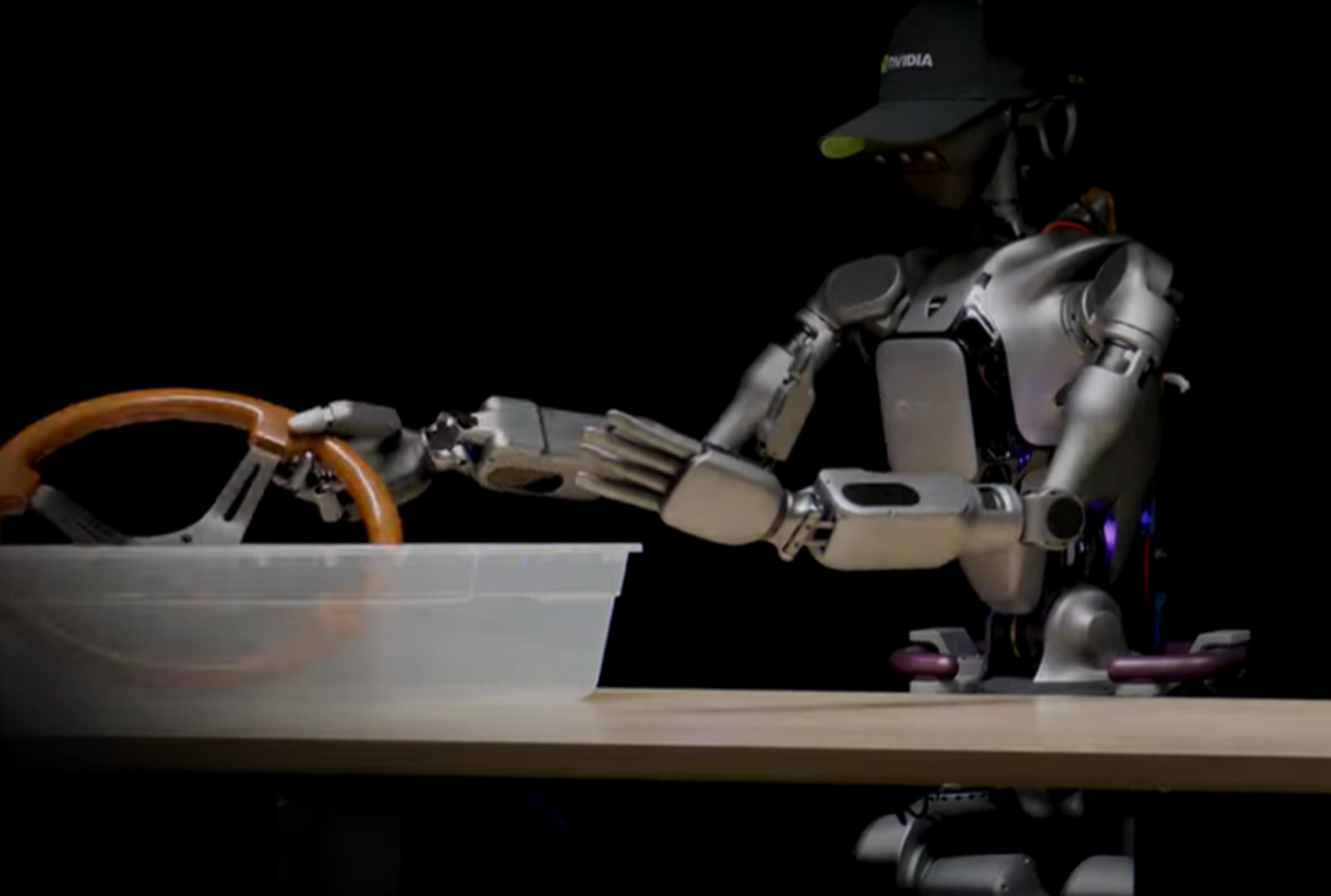
Cross‐Modal Synergistic Optimization Multi‐Task Segmentation Network for Autonomous Ground Intelligent Agents in Field Environments
A recent study published in the Journal of Field Robotics highlights the advancements in autonomous robotic systems designed for agricultural applications. Researchers from various institutions collaborated to explore innovative technologies that enhance efficiency and sustainability in farming practices. The findings, released in early October 2023, emphasize the growing importance of robotics in addressing labor shortages and increasing productivity in the agricultural sector. The study showcases several case studies where autonomous robots successfully performed tasks such as planting, harvesting, and monitoring crops, demonstrating their potential to revolutionize traditional farming methods. By integrating artificial intelligence and machine learning, these robots can adapt to varying environmental conditions and optimize resource use, ultimately contributing to more sustainable agricultural practices. The motivation behind this research stems from the pressing challenges faced by the agricultural industry, including the need for increased food production to meet global demand and the impact of climate change on farming. The researchers advocate for the adoption of robotic technologies as a viable solution to enhance food security and reduce the environmental footprint of agriculture. Through rigorous testing and evaluation, the study provides insights into the operational capabilities of these autonomous systems, paving the way for further innovations in the field. As the agricultural sector continues to evolve, the integration of robotics is expected to play a crucial role in shaping the future of food production.
RESEARCH ARTICLE
Two Fossa Flat Minima Optimization Algorithm‐Based Enhancement of Ecological Balance Using Carbon‐Neutral Eco‐Robots With Situational Intelligence for Air Quality Monitoring
A recent study published in the Journal of Field Robotics explores advancements in autonomous robotic systems designed for agricultural applications. Conducted by a team of researchers from various universities, the study highlights the growing importance of robotics in enhancing efficiency and sustainability in farming practices. The research, which was completed in October 2023, focuses on the development of robots capable of performing tasks such as planting, weeding, and harvesting crops with minimal human intervention. The motivation behind this research stems from the increasing demand for food production amid a global population surge and the need for sustainable farming methods that reduce environmental impact. By integrating advanced sensors and artificial intelligence, the robots are designed to optimize resource use, reduce labor costs, and improve crop yields. Field tests conducted in various agricultural settings demonstrated the robots' effectiveness in performing tasks traditionally done by human laborers. The study's findings suggest that these autonomous systems could significantly transform the agricultural landscape, making it more efficient and less reliant on chemical inputs. As the agricultural sector faces challenges related to labor shortages and climate change, the research underscores the potential of robotics to address these issues and pave the way for a more sustainable future in food production. The study calls for further investment and development in this technology to fully realize its benefits for farmers and the environment.
RESEARCH ARTICLE
Invesco Income Fund Q1 2026 Commentary
Invesco Income Fund Class A shares reported a positive absolute return for the first quarter of 2026, despite underperforming against the Bloomberg U.S. Securitized MBS/ABS/CMBS Index. The yield curve experienced a notable shift, with increases in short- and intermediate-maturity Treasury yields driving the changes from the previous quarter. During this period, structured credit outperformed both Treasuries and investment-grade corporate bonds. Invesco adjusted its strategy by increasing the fund's allocation to Agency mortgage-backed securities (MBS) and adding non-Agency residential mortgage-backed securities (RMBS). The firm maintains that a neutral allocation to Agency MBS is suitable, as valuations have become more attractive while remaining sensitive to interest rate fluctuations.
AGOVX AGVSX AGVYX Invesco US Mutual Fund Commentaries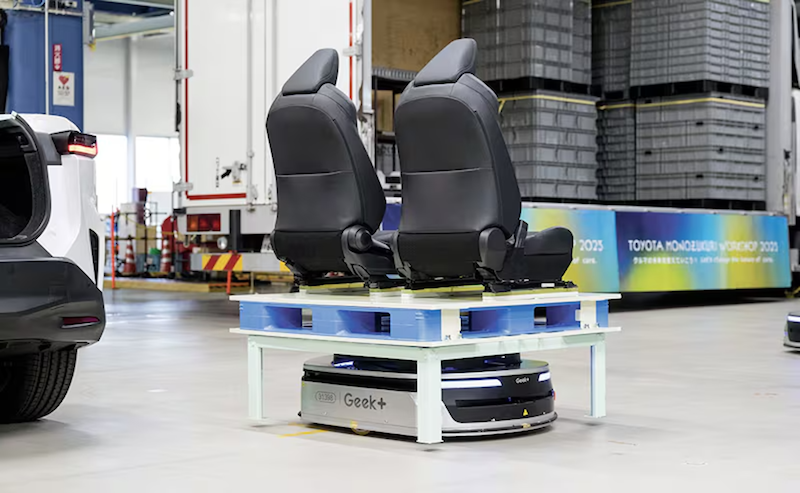
Geekplus intalls more than 400 autonomous mobile robots at multiple Toyota plants
Geekplus has initiated the deployment of moving-type Autonomous Mobile Robots (AMRs) at multiple Toyota Motor Corporation plants across Japan. This strategic move comes in response to labor shortages stemming from the country's declining population and evolving labor market dynamics. Currently, 436 Geekplus AMRs are actively operating within Toyota's manufacturing facilities, with each system managing around 200 units. The integration of these robots aims to enhance operational efficiency and address workforce challenges, reflecting a growing trend in automating production processes within the automotive industry.
News Warehouse robots amrs automation news autonomous mobile robots factory automation
Autonomous truck company Einride now listed on Nasdaq
Einride, a technology firm focused on advancing electric and autonomous freight solutions, has officially launched its American depository shares and warrants on the Nasdaq Global Market and Nasdaq Capital Market. Trading commenced today under the ticker symbols “ENRD” for the shares and “ENRDW” for the warrants. This significant milestone marks Einride's entry into the public market, a move aimed at enhancing its visibility and attracting investment to further its mission of promoting cost-efficient freight solutions. The company's leadership is celebrating this achievement as a pivotal step in its growth strategy.
Autonomous Vehicles News ai logistics automation news autonomous freight autonomous trucks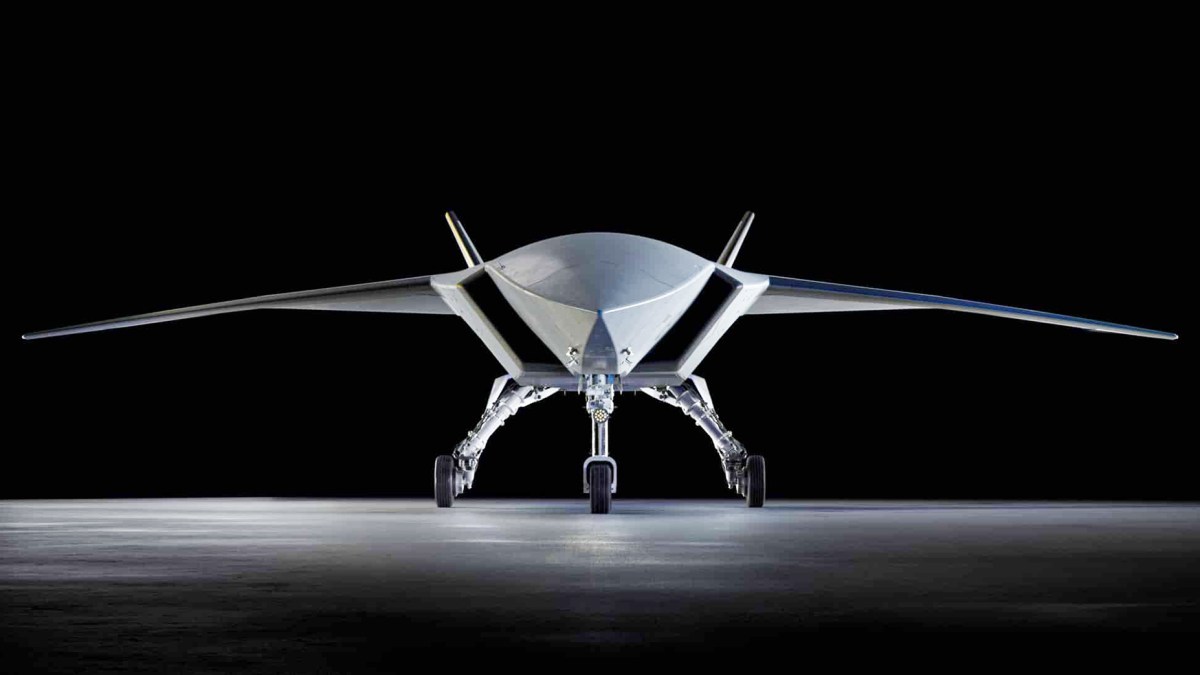
Boeing’s New Larger Ghost Bat Can Carry AIM-120 AMRAAMs Internally
Boeing is set to unveil the third iteration of its stealthy Ghost Bat, which features larger wings, increased power, and internal weapons bays. This upgraded version aims to enhance the aircraft's capabilities, allowing it to carry AIM-120 Advanced Medium-Range Air-to-Air Missiles (AMRAAMs) internally. The development reflects Boeing's commitment to advancing military aviation technology and improving the operational effectiveness of the Ghost Bat. As defense needs evolve, this new model is expected to play a crucial role in modern aerial combat scenarios.
Air AIM-120 AMRAAM Air Force Munitions Air-To-Air Around The Globe Drones
Prediction: Tesla Stock Will Hit $500 on This Date
Tesla's stock, currently trading at $418.45, is projected to reach $500 by June 2026, according to analysts. This prediction comes on the heels of a strong Q1 2026 performance, where the company reported a 136% year-over-year increase in operating income, driven by significant growth in Full Self-Driving (FSD) subscriptions and a rebound in automotive gross margins. However, market sentiment remains cautious, with only a 17% probability assigned to the stock hitting $495 in the coming month due to concerns over a potential merger with SpaceX and recent insider selling. Investors are grappling with uncertainty as Tesla's shares have fluctuated, experiencing a 5.35% decline in the past week despite a recent rally. Analysts express mixed opinions, with the average price target set at $411.89, reflecting a lukewarm outlook. For Tesla to achieve the ambitious $500 target, it would require a 19.5% increase, contingent on successful Q2 deliveries, sustained FSD subscriber growth, and a clear resolution regarding the merger discussions. The company is also poised to launch several new products, including the Cybercab and Tesla Semi, which could further enhance its earnings potential. Despite the challenges, Tesla's long-term growth trajectory remains strong, with a remarkable increase of over 2,700% in the past decade, underscoring the potential for significant returns if key milestones are met.
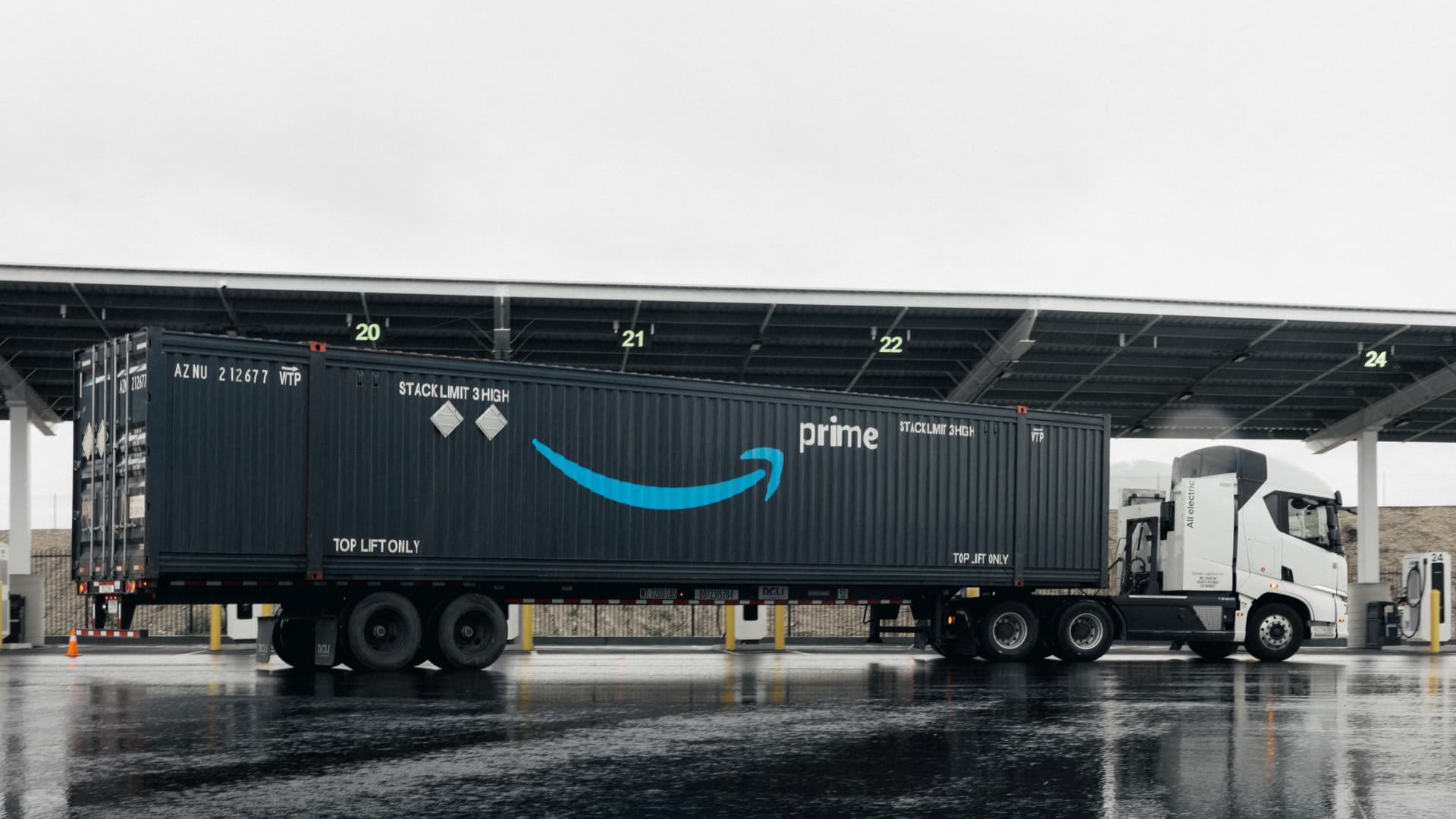
Autonomous freight trucking company Einride rises sharply in first trade on Nasdaq
Einride, a company specializing in self-driving freight truck technology, experienced a notable surge in its stock price during its inaugural day of trading on the Nasdaq. This milestone followed the completion of a merger with a special purpose acquisition company (SPAC), which facilitated its entry into the public market. The trading debut marks a significant moment for Einride as it seeks to expand its presence in the autonomous transportation sector, driven by increasing demand for innovative logistics solutions. The successful launch reflects investor confidence in the company's potential to revolutionize freight transport through automation and sustainability.
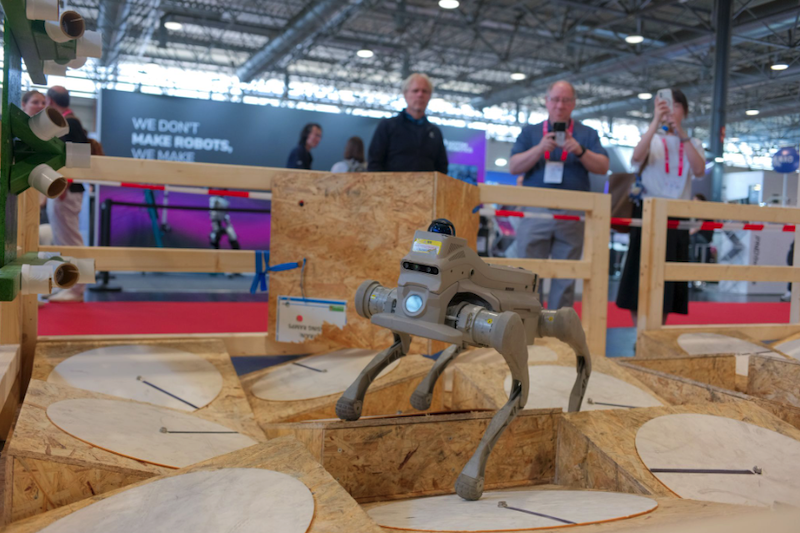
GENISOM AI steps into the global robotics spotlight at ICRA 2026 with real-world-ready robots
GENISOM AI showcased its advancements in embodied artificial intelligence at the International Conference on Robotics and Automation (ICRA) 2026, held from June 2 to June 4. With a track record of producing and delivering over 10,000 robots for various industrial and infrastructure applications worldwide, the company emphasized its commitment to transitioning AI from theoretical research to practical implementation. During the conference, GENISOM AI introduced its latest models, the GENISOM M1 and GENISOM L1, highlighting their capabilities and real-world applications. This debut marks a significant step in the evolution of robotics, illustrating the company's vision of integrating AI into everyday operations.
Artificial Intelligence Robotics automation news autonomous inspection embodied ai GENISOM AI
Robots are closing in on human-like judgments, addressing a key challenge in physical AI
Researchers at KAIST have made significant strides in advancing the commercialization of physical AI by creating a groundbreaking technology that allows artificial intelligence to autonomously learn human judgment criteria from a limited number of videos. This development, which emerged from ongoing efforts to enhance AI's adaptability and decision-making capabilities, represents a crucial step toward integrating AI more effectively into real-world applications. The innovation was unveiled recently, highlighting the potential for AI systems to better understand and replicate human-like reasoning in various contexts. By streamlining the learning process, this technology could pave the way for more intuitive and responsive AI solutions across multiple industries, ultimately enhancing user interaction and satisfaction.
Robotics
World’s first: Rider-Bot sets record as first bike robot to perform unassisted front flip
In a groundbreaking development for robotics, researchers at the University of California have unveiled a bicycle-riding robot that has successfully completed the world's first unassisted ride. This remarkable feat took place on October 15, 2023, in a controlled environment at the university's robotics lab. The team aimed to demonstrate advancements in autonomous mobility and artificial intelligence, showcasing the robot's ability to balance, steer, and navigate without human intervention. The robot, equipped with sophisticated sensors and algorithms, mimics human cycling techniques, allowing it to adapt to varying terrains and obstacles. This achievement not only highlights the potential for robotics in everyday applications but also paves the way for future innovations in autonomous transportation. Researchers believe that this technology could eventually lead to safer and more efficient modes of travel, addressing challenges in urban mobility and logistics. The successful demonstration marks a significant milestone in the quest for fully autonomous machines capable of performing complex tasks in real-world environments.
AI and Robotics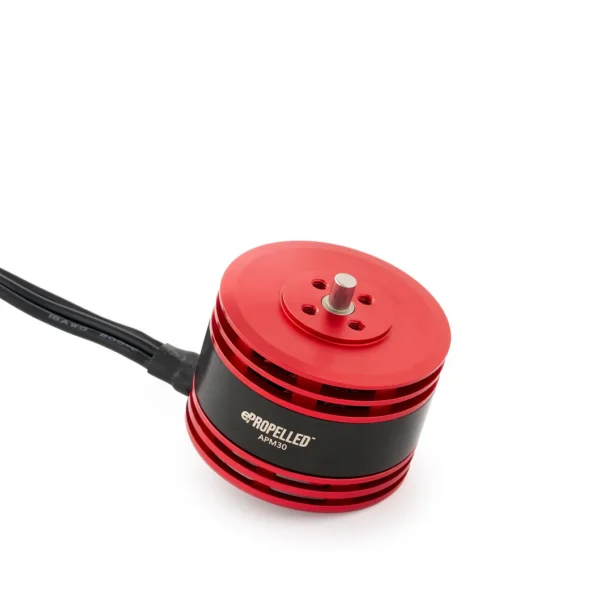
The Next Drone Supply Chain Challenge: Rare Earth Magnets
A new bipartisan bill has been introduced in Congress to bolster the United States' domestic supply chain for rare earth magnets, which are essential components in drone motors. The legislation, spearheaded by Chairman John Moolenaar (R-MI) and Ranking Member Ro Khanna (D-CA), addresses the growing concern over America's reliance on China for these critical materials. The initiative comes amid increasing recognition of the challenges faced by the drone industry, particularly regarding the sourcing of permanent magnets necessary for electric motor functionality. By enhancing domestic production capabilities, the bill aims to ensure a more secure and reliable supply chain for the burgeoning drone sector.
Drone Manufacturing Drone News Drone News Feeds drone parts drone technology Feature 1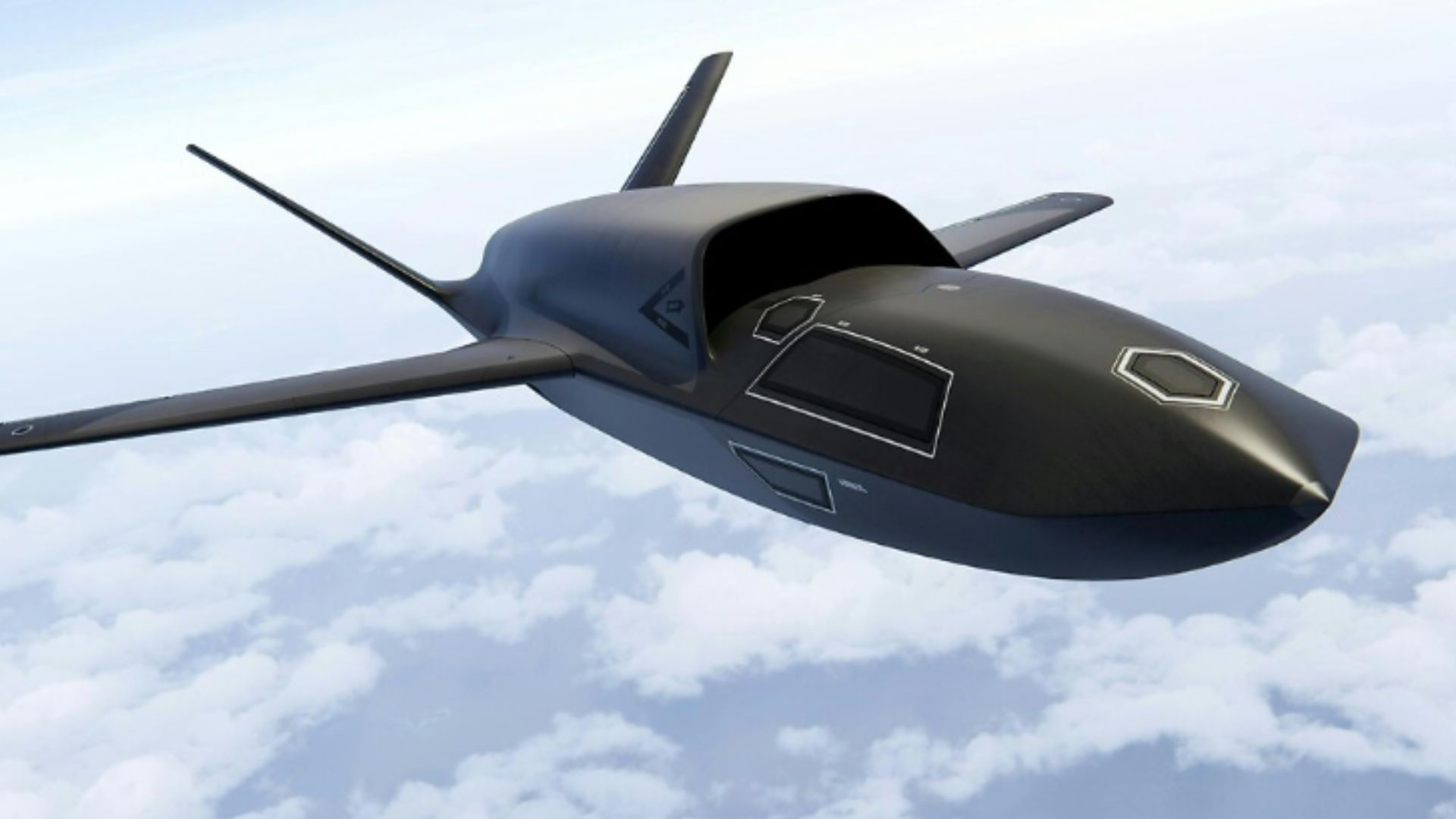
Airbus unveils Ravenstorm drone wingman for combat mission alongside other UAVs
European aerospace firm Airbus is set to unveil its latest drone wingman, the U760 Ravenstorm, at the upcoming Paris Air Show. Scheduled for June 19-25, 2023, this event will showcase the innovative capabilities of the U760 Ravenstorm, designed to enhance military operations by providing advanced support and reconnaissance. The introduction of this drone reflects Airbus's commitment to advancing defense technology and addressing the evolving needs of modern warfare. The U760 Ravenstorm is expected to demonstrate its versatility and effectiveness in various combat scenarios, marking a significant step forward in unmanned aerial systems.
Military