Industry Briefing
A single destination for timely, editor-curated robotics news from around the world.
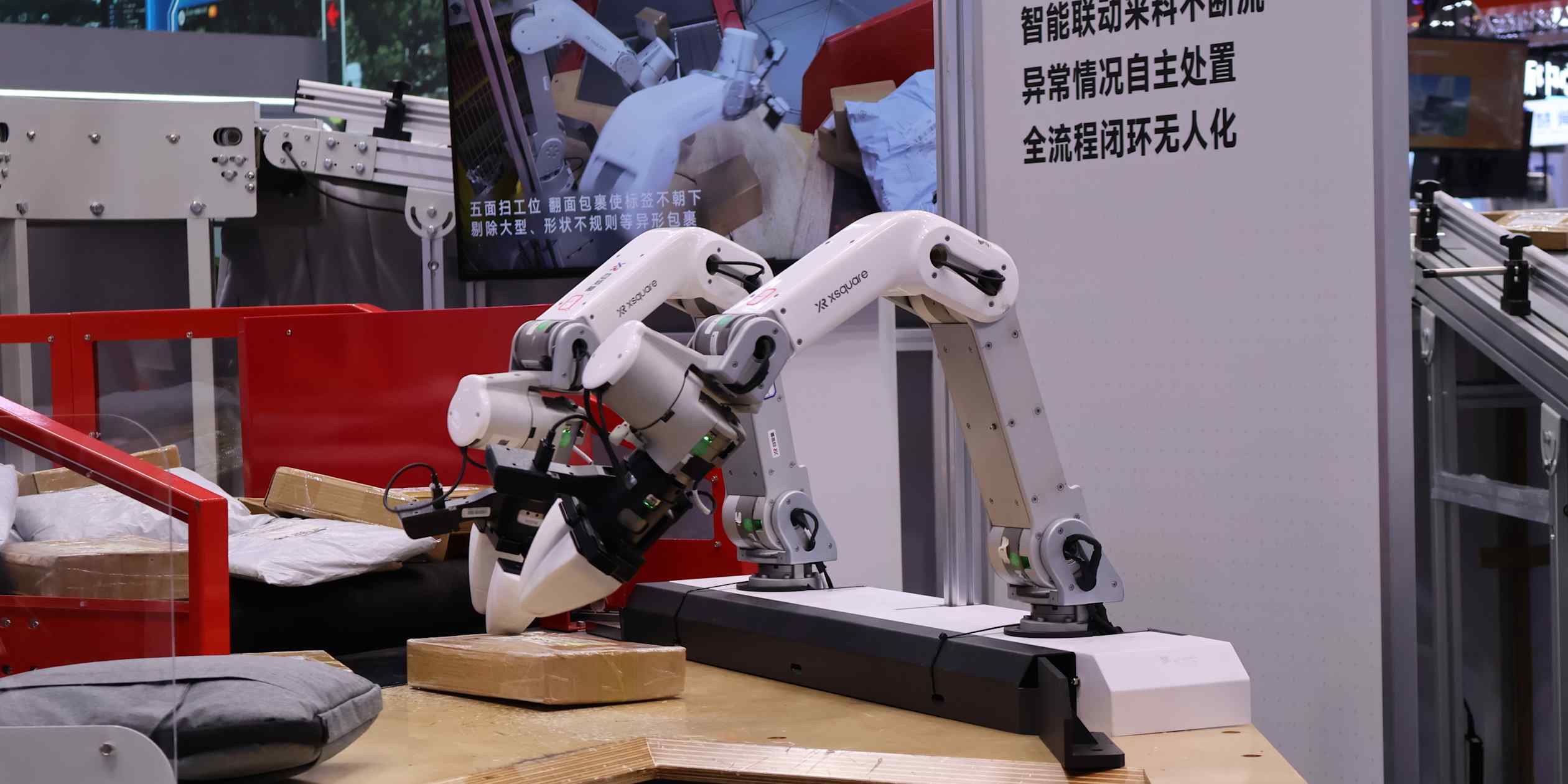
Chinese Startup X Square Robot Launches Robot Arms for Warehouse Parcel Sorting
X Square Robot, a Chinese startup, has announced the rollout of robot arms designed to sort parcels in logistics warehouses. This technology aims to match human sorting speeds, addressing the growing demand for efficient parcel handling as the industry processes approximately 200 billion parcels annually. The introduction of these robot arms is significant as it represents a shift towards automation in logistics, potentially improving operational efficiency and reducing reliance on human labor. The deployment of such technology is timely, given the increasing volume of parcels being handled in warehouses, which necessitates faster sorting solutions. Looking ahead, the technology was unveiled at the 2026 World Robot Conference in Beijing on August 19. No further timeline was disclosed at the time of publication, but the industry will be watching closely to see how X Square Robot's innovations impact logistics operations and workforce dynamics.

Bee-Inspired Algorithm Enhances Consensus in Robot Swarms for Autonomous Operations
Recent advancements in swarm robotics have introduced a bee-inspired algorithm that aids robot swarms in reaching consensus autonomously. This capability is crucial for operations in challenging environments, such as disaster zones or chemical spills, where human intervention is limited or unsafe. The ability for robots to collectively decide on actions and destinations is vital for their effectiveness in various applications. However, this collective decision-making process can be compromised by faulty machines or misleading information, which can disrupt the entire swarm's functionality. As the technology develops, it will be important to monitor how these algorithms are implemented in real-world scenarios. Future deployments will likely focus on enhancing the reliability of information sharing among robots to mitigate the risks associated with faulty observations and manipulated messages. No further timeline was disclosed at the time of publication.
Robotics
General Glen VanHerck Discusses Drone Swarms Over Langley AFB and NORAD's Preparedness
General Glen VanHerck, former head of NORAD and NORTHCOM, expressed that the drone swarms over Langley Air Force Base in December 2023 were anticipated threats. He highlighted the ongoing concerns regarding U.S. military installations' vulnerabilities to drone incursions, emphasizing that the military was not adequately prepared to address such threats. The incursions, which began on December 6, 2023, involved uncrewed aerial systems (UAS) that posed potential risks to flight safety, although they did not show hostile intent. VanHerck noted that he had previously communicated his frustrations about the lack of domain awareness and the need for enhanced capabilities to the Secretary of Defense, Lloyd Austin, in December 2021. Looking ahead, VanHerck's insights underline the necessity for improved policies and authority regarding drone defense at military installations. The challenges of jurisdiction and empowerment for installation commanders remain critical issues that need to be addressed to enhance national security against evolving aerial threats. No further timeline was disclosed at the time of publication.
News & Features Air Counter-Unmanned Aerial Vehicles (C-UAS) Drones Land Unmanned
Florida Firm Haddy Utilizes Robotic Arms for 3D Printed TF-179 Drone Boat Production
Haddy, a Florida-based manufacturing company, has successfully produced the TF-179 Drone Boat using large-format robotic 3D printing. This innovative approach highlights the integration of additive manufacturing into maritime and defense sectors, allowing for faster production and more complex designs compared to traditional methods. The significance of this development lies in the evolving landscape of maritime manufacturing, where digital production technologies enable the rapid creation and modification of specialized vessels. Haddy's use of industrial robotic arms not only enhances production efficiency but also shortens development cycles, which is crucial for adapting to the dynamic requirements of unmanned maritime systems. Looking ahead, Haddy's advancements in robotic manufacturing indicate a growing demand for specialized maritime platforms within the US defense sector. As the company continues to refine its capabilities, the focus will likely remain on producing unmanned vessels that meet the changing operational needs of defense applications. No further timeline was disclosed at the time of publication.
Innovation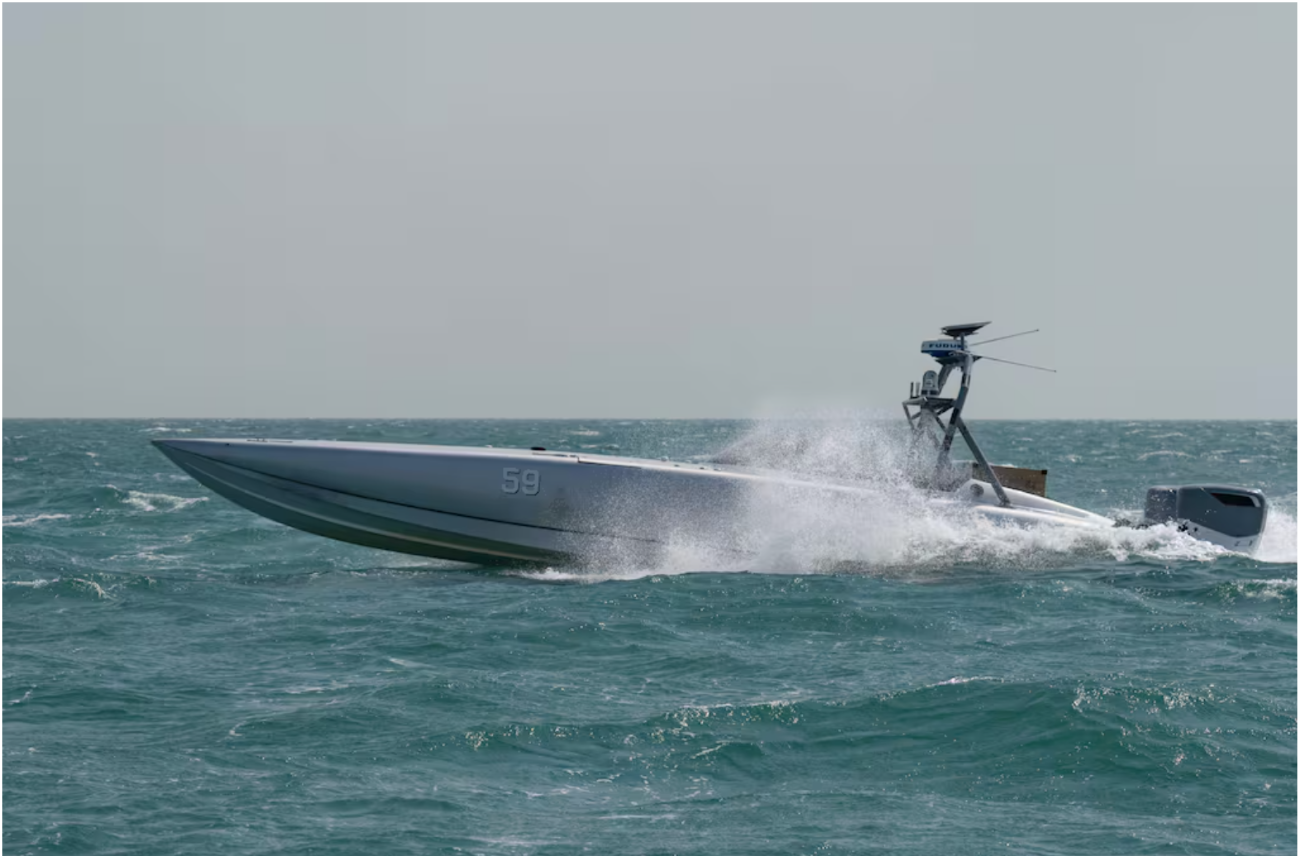
Pentagon Issues Urgent Request for Robotic Boats to Deploy Drone Swarms in 120 Days
The Pentagon has issued an urgent solicitation for the development of robotic boats capable of launching drone swarms within 120 days. This initiative, led by the Defense Innovation Unit (DIU) under the Department of Defense, aims to address the rising costs of modern warfare, where expensive naval vessels are increasingly vulnerable to cheaper unmanned threats. The DIU's project, codenamed SWAP-USV, seeks solutions that can autonomously track and intercept asymmetric maritime threats, such as high-speed smuggling boats and semi-submersibles. The robotic boats must carry at least two small drones with a combined payload capacity of 2 kilograms (approximately 4.4 pounds) for kinetic strikes, emphasizing the need for cost-effective defense mechanisms in contested environments. Looking ahead, the DIU has outlined a two-phase testing approach, with Sprint 1 requiring a fully mission-capable unmanned surface vehicle (USV) ready for testing within 29 days of selection, and a $40 million prize for successful solutions. The urgency of the 120-day timeline reflects the Pentagon's recognition of the need to adapt to evolving maritime threats and cost dynamics in warfare.
Robotic Boats Drone Technology Military Innovation Defense Technology
Japanese University Startups Innovate AI Robot Arms for Handling Delicate Foods
Japanese university startups are developing artificial intelligence-driven robot arms capable of delicately handling fragile items like sushi and cake. These advancements in physical AI technology are attracting interest from major companies, including Toyota Motor, due to their potential to reduce labor costs in various industries. The significance of these innovations lies in their ability to replicate human-like flexibility in grasping objects, which is crucial for tasks involving delicate foods. As the demand for automation in food handling grows, these technologies could play a vital role in enhancing efficiency and precision in food preparation and service. Looking ahead, the collaboration between startups and established companies like Toyota may lead to further advancements in physical AI applications. No further timeline was disclosed at the time of publication.

FloatForm Develops Hybrid Control for Reconfigurable Aquatic Swarms of Miniature Robot Boats
FloatForm has introduced a novel approach that combines distributed onboard control with lightweight centralized planning to manage self-assembling robotic boats. This innovative hybrid control system allows for effective coordination of miniature robot boats during controlled aquatic experiments. The significance of this development lies in its potential applications in various fields, including environmental monitoring, search and rescue operations, and marine research. By enabling the formation of reconfigurable swarms, FloatForm's technology could enhance the efficiency and adaptability of robotic systems in aquatic environments. Looking ahead, it will be important to monitor further advancements in FloatForm's technology and its deployment in real-world scenarios. No further timeline was disclosed at the time of publication.

Seven AI Technologies Enhancing Military Drone Swarms' Intelligence and Effectiveness
Military drone swarms are becoming a pivotal advancement in autonomous warfare, enabling multiple unmanned systems to operate collectively rather than individually. This capability is heavily reliant on artificial intelligence, which aids drones in interpreting sensor data, navigating complex environments, and communicating effectively, thereby reducing the burden on human operators. The significance of these advancements lies in their ability to enhance operational resilience. Swarm intelligence allows drones to function as a coordinated unit, utilizing decentralized algorithms to manage interactions, maintain formations, and adapt to challenges, inspired by natural collective behaviors. Programs like DARPA’s OFFSET have explored these concepts, demonstrating how autonomous systems can collaborate in intricate missions, particularly in urban settings. Looking ahead, the integration of edge AI technology is crucial for military drone swarms. This innovation enables drones to process data onboard, ensuring functionality even when connectivity to command centers is compromised. As these technologies evolve, their impact on military operations and strategies will be significant, with ongoing developments to watch closely.
AI and Robotics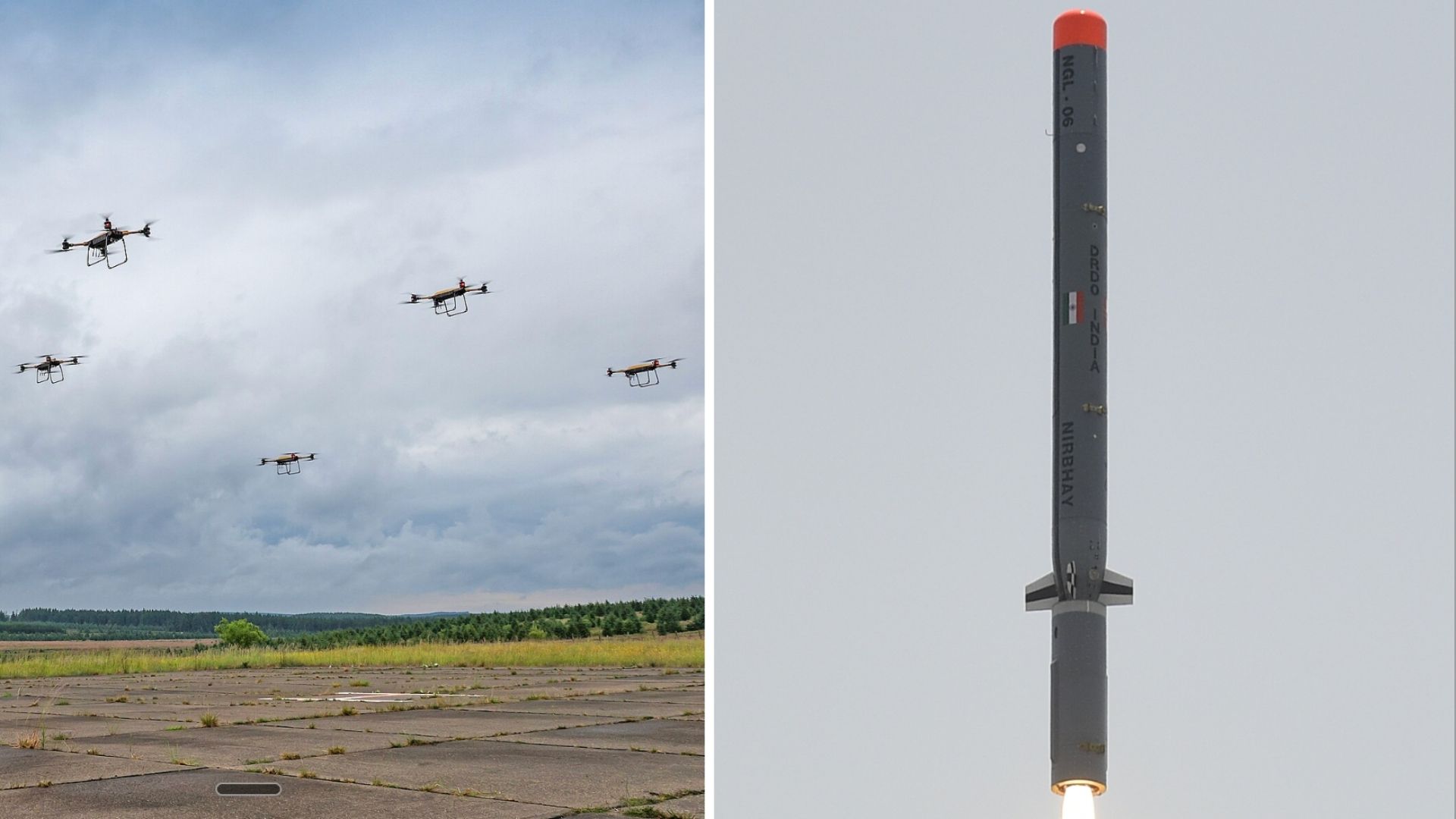
Comparative Analysis of Drone Swarms and Cruise Missiles: Range, Cost, and Power
Drone swarms and cruise missiles serve to challenge modern air-defense systems, albeit through distinct methodologies. Cruise missiles, such as the US Navy's Tomahawk, excel in long-range precision strikes, capable of traveling approximately 900 nautical miles (1,600 kilometers) and delivering powerful warheads. In contrast, drone swarms leverage quantity and coordination, saturating defenses despite their generally shorter ranges and smaller payloads. The significance of this comparison lies in the evolving landscape of military technology, where the choice between cruise missiles and drone swarms can influence operational strategies. While cruise missiles possess greater destructive power with warheads around 1,000 pounds, drone swarms can overwhelm targets through sheer numbers, allowing multiple simultaneous strikes. This capability makes drone swarms an appealing option for modern warfare, where cost-effectiveness and adaptability are crucial. Looking ahead, the development of both technologies will be critical in shaping future military engagements. As advancements continue, the balance between the sophistication of cruise missiles and the tactical advantages of drone swarms will likely dictate their respective roles in combat scenarios. No further timeline was disclosed at the time of publication.
Military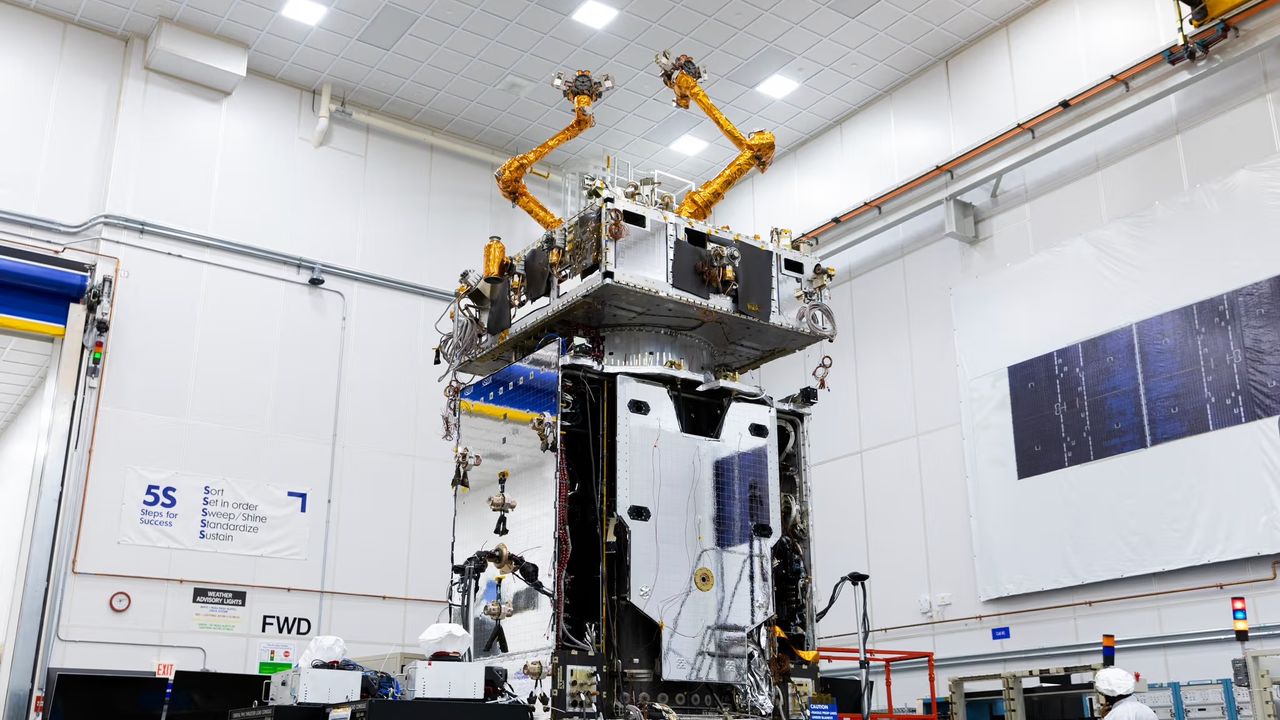
SpaceX Launches Innovative Satellite Repair Drone with Robotic Arms to Earth Orbit Today
SpaceX is set to launch a groundbreaking satellite-servicing mission today, July 21, using a Falcon 9 rocket from Cape Canaveral Space Force Station. The mission, named MRV-MEV, will deploy a Mission Robotic Vehicle (MRV) and three Mission Extension Pods (MEPs) to geostationary orbit (GEO) at an altitude of 22,236 miles (35,786 kilometers). The MRV, equipped with two robotic arms, will attach the MEPs to client satellites, extending their operational lives. This mission is significant as it marks the first launch of MEPs, which are designed to provide up to eight years of life extension for satellites in GEO. The MRV will not only install MEPs but also has capabilities to relocate, inspect, repair, and upgrade satellites in orbit. This advancement in satellite servicing technology is expected to enhance the resilience of space assets, as noted by Northrop Grumman, the parent company of SpaceLogistics, which operates the spacecraft. Looking ahead, the MRV will remain in GEO after installing the MEPs, awaiting future missions. The successful deployment of this technology could pave the way for more complex satellite servicing operations, building on Northrop Grumman's previous experiences with the Mission Extension Vehicle projects. No further timeline was disclosed at the time of publication.
Launches & Spacecraft Space Exploration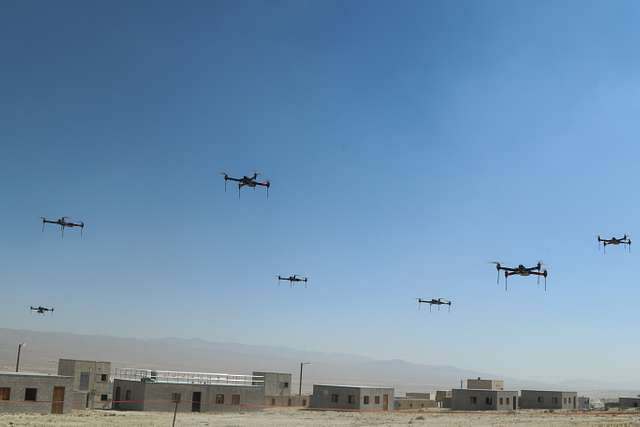
Auriga Space and U.S. Army Explore Electromagnetic Launchers for Countering Drone Swarms
Auriga Space has entered a three-year Cooperative Research and Development Agreement (CRADA) with the U.S. Army Combat Capabilities Development Command Armaments Center (DEVCOM AC) to investigate the potential of electromagnetic launch technology in countering drone swarms. This initiative aims to find a cost-effective alternative to traditional missile interceptors, which have proven expensive in engagements against low-cost drones. The significance of this research lies in the increasing need for modern militaries to address the economic challenges posed by drone warfare. Current missile interceptors can cost hundreds of thousands to millions of dollars, creating a cost imbalance when defending against inexpensive drones. The CRADA represents a broader commitment by the Department of War to explore innovative counter-drone technologies that can maintain high engagement rates while reducing operational costs. Looking ahead, Auriga plans to conduct the first outdoor flight test of its transportable electromagnetic launch platform, Hermes, later this summer. This platform is designed for rapid reloads and repeated engagements against multiple targets, potentially offering a new solution to the growing threat of drone swarms. No further timeline was disclosed at the time of publication.
Anti-drone technology Applications C-UAS Defense Drone News Drone News Feeds
The Escalating AI Arms Race in Software Engineering Technical Interviews
The landscape of software engineering job interviews is rapidly evolving due to the increasing use of AI by both candidates and employers. Applicants are employing AI assistants to enhance their performance during remote technical interviews, while companies are countering with AI tools designed to detect such assistance. This dynamic creates a competitive environment where the human element of hiring remains crucial despite the technological advancements. The rise of AI in hiring processes is largely driven by the current job market, which is characterized by a surplus of applicants and ongoing tech layoffs. Experts like AI hiring strategist Tatiana Teppoeva highlight that candidates often resort to AI tools as a response to automated hiring practices that may not favor them. This situation leads to a cycle where both parties leverage AI, potentially shifting the focus from genuine capability to algorithm optimization. As AI tools become more prevalent, concerns regarding their effectiveness and fairness have emerged. While some companies are embracing AI in interviews, others warn of the risks associated with bias and privacy. The need for human oversight in the hiring process is emphasized, as relying solely on AI could result in the exclusion of qualified candidates. No further timeline was disclosed at the time of publication.
Hiring-trends Interviews Ai-bias Software-engineering
MW Inc. Introduces Homes with Robotic Housekeeping Arms to Compete with Humanoids
Tokyo-based startup MW Inc. has launched homes equipped with robotic housekeeping arms, positioning itself against the growing trend of humanoid robots. This innovative approach aims to enhance domestic living by integrating advanced robotics directly into residential spaces. The introduction of these homes is significant as it reflects a shift in the robotics market, where traditional humanoid robots are being challenged by more specialized robotic solutions. MW Inc.'s offering could appeal to consumers looking for practical automation in their daily lives, potentially influencing future home design and technology integration. Looking ahead, it will be important to monitor the market response to MW Inc.'s homes and whether this model gains traction among consumers. The success of this initiative may pave the way for further innovations in residential robotics and influence the competitive landscape of home automation technologies. No further timeline was disclosed at the time of publication.

China Advances Toward Integrated Air, Land, and Sea Drone Swarm Systems
China is progressing from large formations of identical drones to a more complex network that coordinates uncrewed systems across air, land, and sea. The China Electronics Technology Group Corporation (CETC) highlights the evolution of drone swarms from mere numbers to distributed systems capable of communication and local decision-making. This shift is significant as it enhances operational capabilities in diverse environments, particularly in military applications. CETC identifies five key capabilities for effective swarm functionality: survivability, situational awareness, planning and decision-making, mission execution, and autonomous learning. While China has made strides in these areas, challenges remain, especially in integrating different types of uncrewed systems. Looking ahead, CETC envisions a heterogeneous swarm that allows various platforms to work together seamlessly. This integration could enable aerial drones, ground vehicles, and maritime systems to share information and resources, enhancing overall mission effectiveness. However, achieving this level of coordination presents substantial technical challenges.
Military
Huayan Robotics to Showcase 7-Axis Humanoid Arms at IMTS 2026 in Chicago
Chinese robotics manufacturer Huayan Robotics will exhibit at the International Manufacturing Technology Show (IMTS 2026) in Chicago from September 14 to 19, 2026. The company plans to showcase its advanced manufacturing capabilities, including welding, palletizing, CNC machine tending, vision inspection, and force control polishing. The IMTS, a historic manufacturing technology exhibition established in 1927, is expected to host over 2,000 exhibitors and attract more than 90,000 visitors in 2026. Huayan Robotics will present its collaborative robots, including the E12-Pro welding robot with a reach of 1.8 meters and a payload capacity of 60 kg, designed for large or irregular welding tasks. Additionally, Huayan Robotics will display its 7-axis humanoid robot arms, the HY 7 and Echo 5, which offer flexibility and obstacle avoidance in confined spaces. The company has over 20 years of experience in technology development and has implemented its collaborative robots across more than 60 process scenes in over 50 countries. No further timeline was disclosed at the time of publication.

Chinese Military Scientists Support Trump's Battleship Plan with Large-Caliber Gun Defense Against Drones
Chinese military scientists have endorsed a segment of Donald Trump’s proposed battleship fleet, suggesting that large-caliber naval guns could effectively counter drone swarms. Their research indicates that explosive shells could scatter fragments over a wide area, potentially damaging multiple drones in a single shot. This approach aligns with ongoing discussions within the US Navy regarding the need to adapt naval defense strategies in response to the increasing threat posed by inexpensive drones. The significance of this research lies in its implications for naval warfare, particularly as modern warships typically rely on advanced missile systems and lasers. The study highlights the potential for large-caliber guns to serve as area weapons, offering a cost-effective solution to engage swarms of drones without the need for direct hits. The findings suggest that a single shell could damage approximately 1.19 drones in a swarm of 30, emphasizing the need for a reevaluation of ammunition expenditure in the face of mass drone attacks. Looking ahead, the researchers advocate for a comprehensive defense strategy that integrates large-caliber guns with electronic warfare and laser systems. This multi-layered approach could enhance the defensive capabilities of warships, addressing the challenge posed by the cost disparity between inexpensive drones and costly interceptors. No further timeline was disclosed at the time of publication.
Military
U.S. Army Integrates FireAnt UGVs with Bradley Vehicles During Pegasus Charge 3 Experiment
The U.S. Army is testing the integration of small unmanned ground vehicles (UGVs) into armored formations by carrying them on M2A4 Bradley infantry fighting vehicles. Footage from Swarmbotics AI, released on August 25, 2026, shows a Bradley transporting at least five FireAnt UGVs during the Pegasus Charge 3 experiment with the 1st Cavalry Division. This initiative is significant as it explores how existing armored vehicles can deploy multiple robotic systems alongside traditional crewed roles. The FireAnt, developed by Swarmbotics AI, is designed for various missions, including intelligence and reconnaissance. The Army's approach raises important questions about the integration of robotic systems into combat formations, emphasizing the need for innovation in military doctrine. Looking ahead, the use of Bradleys to carry UGVs could enhance operational flexibility, allowing commanders to deploy unmanned systems for reconnaissance and other missions in high-risk areas. No further timeline was disclosed at the time of publication.
Military
FarmDroid Launches FD60: A Large-Scale Autonomous Seeding and Weeding Robot
FarmDroid has unveiled the FD60, a large-scale field robot designed for autonomous seeding and mechanical weeding of row crops. Launched on September 1, 2026, the FD60 boasts a working width of up to 6.75 meters and a seasonal capacity of 60 hectares, significantly increasing productivity compared to its predecessor, the FD20. This innovation is crucial as it addresses the high cost per hectare that has previously limited the adoption of field robots. With operational costs as low as €304 per hectare, the FD60 offers a sustainable alternative to manual labor and chemical inputs, making it suitable for both organic and conventional farming practices. Looking ahead, the FD60's ability to operate autonomously throughout the season while minimizing labor demands will be a key factor for growers. The robot's compatibility with over 100 row crops and its efficient energy use through solar power and a generator make it a versatile tool in modern agriculture. No further timeline was disclosed at the time of publication.
Field robots autonomous farm equipment FarmDroid mechanical weeder precision agriculture solar energy
Transitive Robotics Expands Remote Teleop to Control Robotic Arms via Internet
Transitive Robotics has extended its Remote Teleop tool to enable remote control of robotic arms over the Internet. The new version 0.20 introduces virtual reality controllers and mouse gesture commands while maintaining existing WebRTC video and stop mechanisms for mobile robots. This advancement allows for remote operation beyond just wheeled bases. This development is significant as it enhances the capabilities of robotic systems, particularly with the integration of small SO-101 arms used within the LeRobot ecosystem. The official technical page indicates that the software can simultaneously control a mobile robot and a manipulator, providing a more versatile solution for remote operations. Looking ahead, the implications of this update include potential applications in remote assistance, demonstration collection for training, manual recovery after failures, and supervision of isolated machines. However, the accuracy and performance of the system under unstable network conditions remain to be evaluated. No further timeline was disclosed at the time of publication.
Robots
Thales and Kelly Hills Unveil BVLOS Drone Network for Kansas Agriculture
Thales and Kelly Hills Unmanned Systems have announced a partnership to deploy a beyond visual line of sight (BVLOS) drone network in Kansas, aimed at enhancing agricultural operations such as crop spraying, scouting, fertilizing, and seeding. This initiative follows the successful model of Thales’s Vantis deployment in North Dakota, which has set a precedent for integrating uncrewed aircraft systems into national airspace. The Kansas Department of Agriculture will collaborate with the two companies to implement this network, leveraging Thales’s TopSky air traffic control automation platform, which currently manages about 40 percent of global airspace. The partnership aims to improve precision, productivity, and sustainability in farming while adhering to FAA regulatory standards for airspace integration. Looking ahead, the program is designed for scalability, with potential applications extending beyond Kansas to other agricultural operations across the U.S. The focus on detect-and-avoid systems will enhance safety for people and property, while precision application techniques promise to reduce environmental impact and increase efficiency in farming practices. No further timeline was disclosed at the time of publication.
Agriculture BVLOS Drone News Drone News Feeds Farming Drones News
Bill Gates Advocates for Robot Tax and Human Reserved Jobs to Address AI Impact
Bill Gates recently shared his thoughts on the social implications of AI in a detailed essay on Gates Notes. He supports the idea of a 'robot tax' to discourage employers from replacing human workers with machines, suggesting that this could help fund retraining programs and enhance the safety net for displaced workers. Additionally, Gates proposed the concept of 'Human Reserved' jobs, where certain roles would be protected from AI encroachment, ensuring that humans remain in positions that require empathy and nuanced understanding. These proposals are significant as they aim to mitigate the labor market disruptions caused by AI advancements. Gates' suggestions reflect a growing concern among industry leaders about the balance between technological progress and its effects on employment. The idea of a robot tax could slow the transition to automation, while Human Reserved jobs would safeguard certain professions from being automated, thus preserving job opportunities for workers in vulnerable sectors. Looking ahead, the implementation of these ideas could reshape the regulatory landscape surrounding AI and automation. However, many questions remain regarding the specifics of how such policies would be enforced and who would be responsible for establishing these guidelines. No further timeline was disclosed at the time of publication.
AI Bill Gates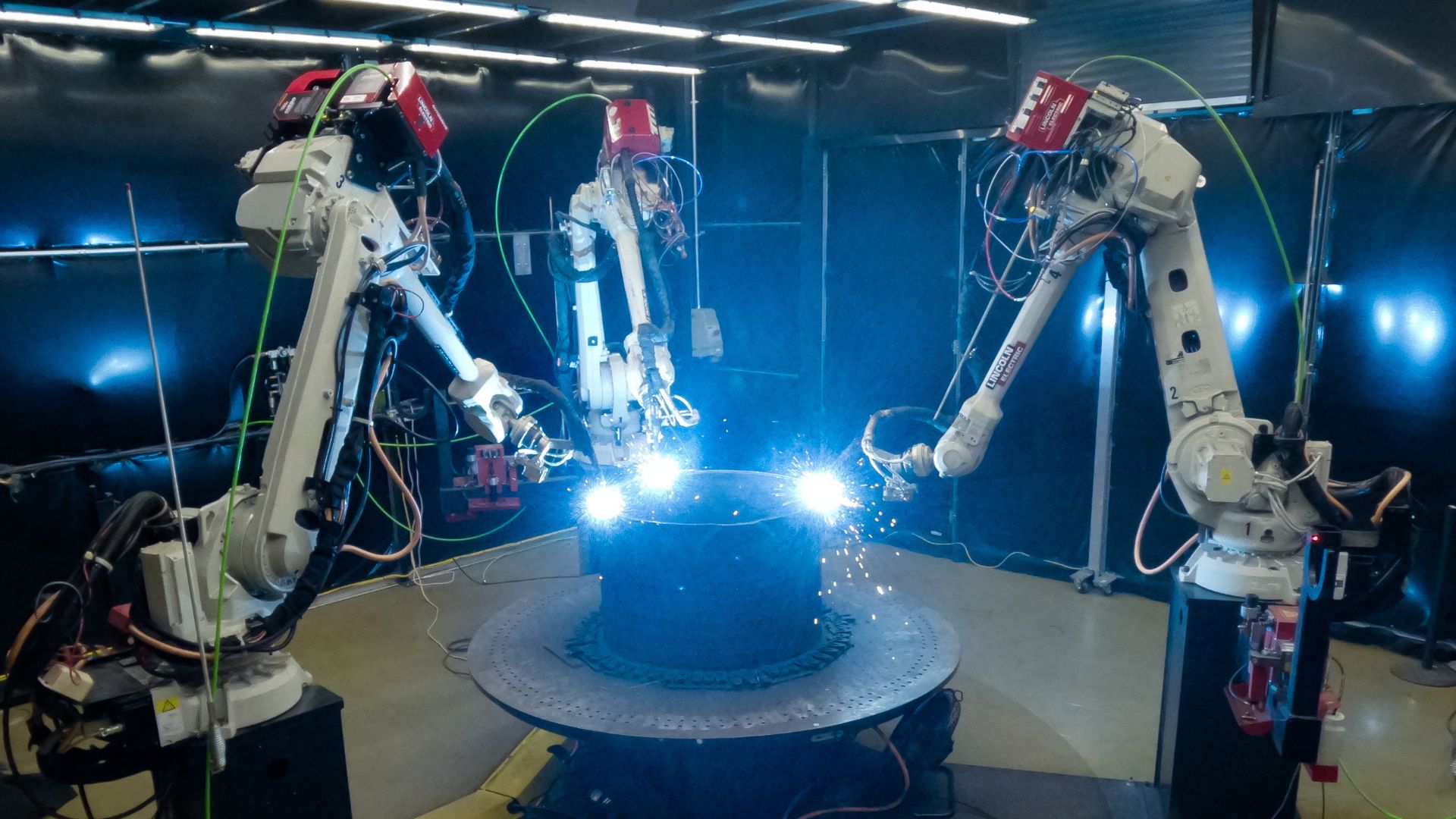
Oak Ridge and Idaho National Labs 3D Print Nuclear Pressure Vessel for US Reactor Expansion
The United States is leveraging large-scale metal 3D printing to overcome manufacturing challenges in its nuclear expansion efforts. Oak Ridge National Laboratory (ORNL) and Idaho National Laboratory (INL) are collaborating to develop wire arc additive manufacturing for industrial pressure vessels, which are essential for withstanding extreme conditions in nuclear applications. This innovative technology addresses the limited domestic forging capacity that could hinder the country's nuclear projects. ORNL recently showcased the process by successfully printing a nuclear-relevant pressure vessel using the MedUSA platform, which coordinates three robotic arms to create complex metal structures. The collaboration aims to ensure that these components meet stringent nuclear requirements while reducing qualification timelines through real-time monitoring and data analysis. Looking ahead, ORNL and INL are focused on integrating large-scale additive manufacturing with digital engineering to produce high-integrity pressure vessels. This approach could not only support the nuclear sector but also have implications for aerospace, defense, and other industries requiring robust components. No further timeline was disclosed at the time of publication.
AI and Robotics Energy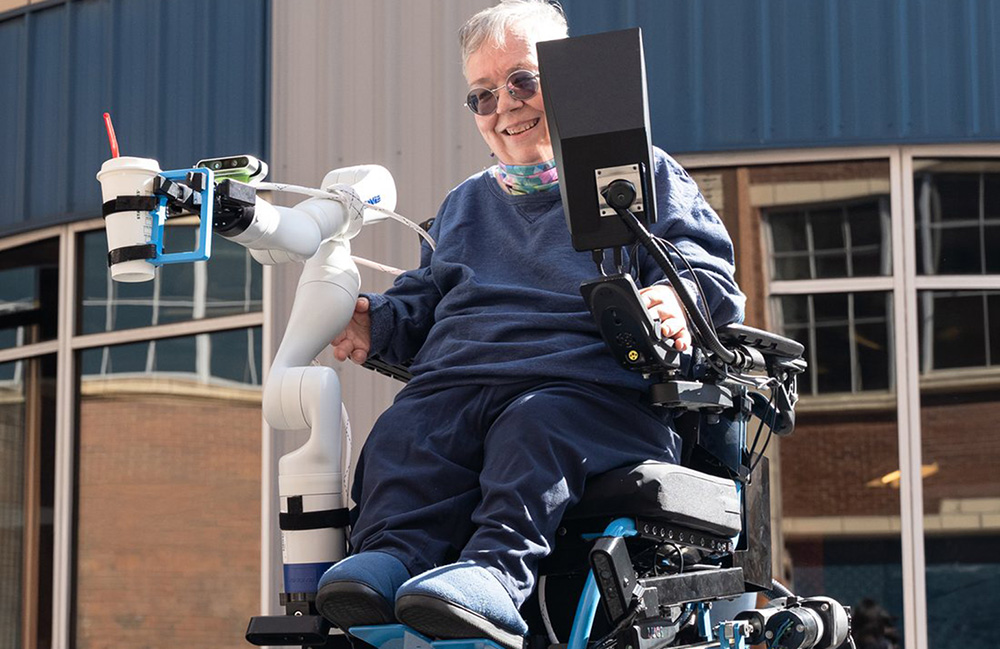
ATDev Updates on Development of Autonomous Wheelchairs with Robotic Arms
Assistive Technology Development Inc. (ATDev) is advancing its efforts to create autonomous wheelchairs integrated with robotic arms, enhancing independence for users. Founder Owen Kent highlighted the lack of technological progress in wheelchair design compared to other devices, emphasizing the need for innovation in assistive technology. The Robotic Assistive Mobility and Manipulation Platform (RAMMP), funded by ARPA-H and led by the University of Pittsburgh, aims to empower individuals with mobility challenges through robotics and AI. The initiative focuses on developing a modern power wheelchair capable of performing tasks such as reaching, lifting, and even teleoperation features for users confined to bed. Kent noted that current wheelchair technology is outdated, and ATDev is committed to rebuilding the electronics and software architecture to foster innovation. The project aims to transform the wheelchair into a versatile support system for daily activities, including eating and drinking. As ATDev continues its work within the RAMMP consortium, the industry will be watching closely for advancements in autonomous wheelchair technology. The integration of a coordinated robotic arm and a stable mobile base represents a significant step forward in assistive mobility solutions. No further timeline was disclosed at the time of publication.
Artificial Intelligence Artificial Intelligence / Cognition Design / Development Food & Drug Administration Healthcare Robotics Human Robot Interaction / Haptics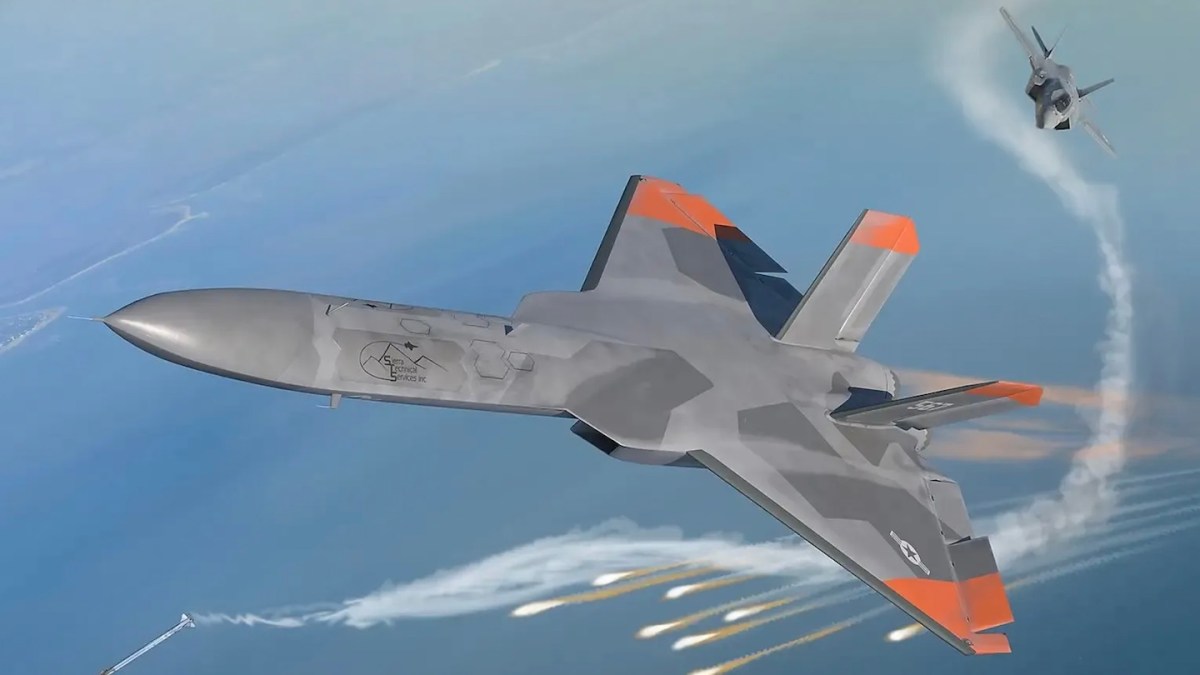
U.S. Air Force Seeks New Family of Expendable Target Drones for Diverse Threat Simulation
The U.S. Air Force is pursuing a new family of aerial targets designed to replicate a wide range of airborne threats, including stealth fighters and UAV swarms. This initiative aims to create realistic yet cost-effective targets that can be routinely used and destroyed during testing, as outlined in a recent Request for Information (RFI). The Air Force's requirements emphasize the need for these targets to be inexpensive and simple to manufacture, allowing them to be treated as expendable. This marks a shift from existing aerial targets like the QF-16, which is based on a converted fighter aircraft. The new targets are expected to leverage commercial technologies and manufacturing methods to enhance scalability and reduce costs. The proposed systems will cater to various threat categories, with specific requirements for advanced fighter aircraft, including supersonic capabilities and advanced radar cross-section profiles. Responses to the RFI are due by September 28, and the Air Force is particularly interested in non-traditional solutions that can offer advantages over legacy systems.
Air Air Forces Drones News & Features U.S. Air Force
AMD Achieves 30% Productivity Boost with AI in Software Development
AMD has reported a significant 30% productivity boost in software development through AI integration, surpassing its initial target of 25%. This achievement is attributed to advancements in Large Language Models (LLMs) that enhance code generation, debugging, and testing processes. The company is now rethinking the software development lifecycle (SDLC) to incorporate collaborative AI agent swarms that can independently identify solutions, moving beyond traditional human-defined workflows. The implications of this development are profound, as AMD's AI systems are not only automating tasks but also reshaping the entire SDLC structure. By enabling AI to generate over 20% of source code, with some components reaching 80%, AMD is setting a new standard for productivity in software engineering. This shift towards agentic AI allows engineers to scale their expertise and focus on defining problems rather than solutions, paving the way for a future where AI can autonomously generate and evaluate multiple solutions. Looking ahead, AMD aims to further enhance its AI capabilities by fostering collaborative learning among agents, which will enable them to improve continuously across projects. The company has already seen success in its Radeon Software eXperience (RSX), where AI agents have increased their issue resolution rate from 6% to 75% in less than a year. No further timeline was disclosed at the time of publication.
Agentic-ai Software-engineering Amd Large-language-models
NASA's SPARK Project Aims to Deploy Ion-Powered Aerobots in Titan's Caves
NASA is funding the SPARK project, which aims to deploy swarms of silent, spherical aerobots to explore the underground caves of Titan, Saturn's largest moon. Led by Daniel Drew from the University of Hawaii at Mānoa, the project utilizes electrohydrodynamic (EHD) propulsion, allowing for maneuverability without disturbing the delicate surface layers. This initiative is significant as it seeks to navigate Titan's unique karst terrain, characterized by liquid methane lakes and intricate underground channels. The EHD thrusters are expected to be over 100 times more power-efficient on Titan than on Earth, making them suitable for long-duration missions in harsh environments. Looking ahead, while the timeline for the SPARK aerobots' deployment remains uncertain, the project holds promise for revolutionizing cave exploration on Titan, similar to how the Ingenuity helicopter has advanced Mars exploration. The development of these aerobots could open new avenues for understanding extraterrestrial environments.
Space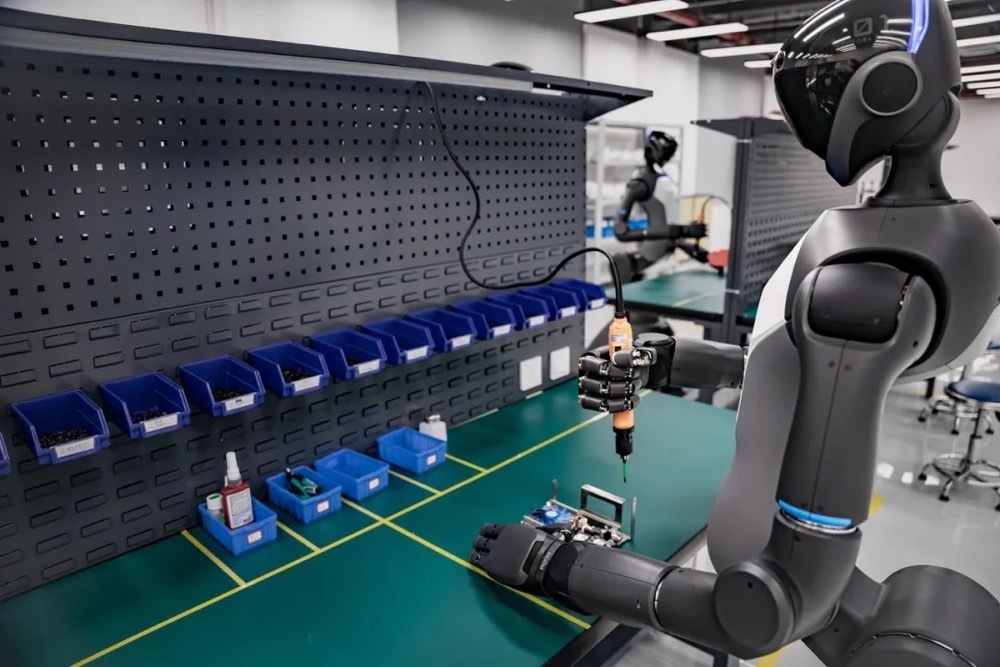
The Emergence of Autonomous Drone Swarms as Advanced Killing Machines
Autonomous drone swarms have officially been introduced, showcasing technology that transforms various uncrewed platforms into effective swarming killing machines. This development marks a significant advancement in drone capabilities, with companies now able to deploy everything from commercial quadcopters to larger drones resembling small rhinos. The introduction of these drone swarms is crucial as they represent a new frontier in military and surveillance applications. Their ability to operate collectively enhances their effectiveness in various scenarios, potentially changing the landscape of aerial combat and reconnaissance. The ongoing evolution of drone technology is likely to raise important discussions regarding ethics and regulations in warfare. Looking ahead, the continued development and deployment of autonomous drone swarms will be pivotal to watch. As more companies enter this space and refine their technologies, the implications for military strategy and defense procurement will become increasingly significant. No further timeline was disclosed at the time of publication.

Northrop Grumman Launches 50mm Raid Hunter for Enhanced Short-Range Air Defense
Northrop Grumman has unveiled the Raid Hunter, a new short-range air defense system designed to protect military bases from aerial threats. This 50mm gun-based system aims to counter cruise missiles and drone swarms, addressing a critical gap in short-range air defense capabilities. The introduction of Raid Hunter is significant as it provides military forces with a mobile and cost-effective solution to respond to large-scale aerial attacks. With its ability to strike multiple targets quickly, the system enhances the protection of vital infrastructure against evolving threats. Looking ahead, Northrop Grumman plans to conduct testing throughout the year to evaluate Raid Hunter's performance and operational deployment timeline. The system's modular design and mobility will allow for flexible deployment options, making it suitable for various operational environments.
Military
US Marine Corps Awards $11 Million Contract for Epirus' HAVOC Microwave Weapon System
The US Marine Corps has awarded Epirus an $11 million contract for the HAVOC system, a vehicle-mounted high-power microwave weapon designed to disable drone swarms. This system is derived from Epirus' Leonidas weapon and will be integrated into both manned and unmanned Marine Corps vehicles, enhancing their counter-drone capabilities. The HAVOC system represents a significant advancement in the Marine Corps' efforts to combat drone threats, providing three times the power and improved range compared to its predecessor, the Expeditionary Directed Energy Counter-Swarm system (ExDECS). This capability allows for simultaneous electronic effects against multiple drones, ensuring effective protection for high-value assets and personnel. Looking ahead, the HAVOC system's software-driven architecture will enable continuous updates to counter evolving drone technologies. The universal sled mount design will facilitate its deployment across various Marine Corps vehicles, enhancing operational flexibility. No further timeline was disclosed at the time of publication.
Military
Breakthrough in Surgical Robotics: First 5G-Enabled Remote Minimally Invasive Surgery
In June 2026, a significant medical technology milestone was achieved as a Chinese medical team, in collaboration with research institutions, successfully performed the world's first ultra-remote minimally invasive surgery using '5G + Embodied AI'. This operation demonstrated ultra-low latency control over thousands of kilometers, providing real-time feedback on tissue tension and vascular resistance to the remote surgeon. This advancement signifies a shift in surgical robotics from traditional remote manipulation tools to systems that incorporate physical AI autonomy and enhanced human-machine integration. The lead surgeon emphasized that the tactile feedback from the control console was crucial for performing the surgery, highlighting the importance of sensory perception in robotic-assisted procedures. Future developments will focus on overcoming the engineering challenges associated with achieving micro-level tactile feedback and stability in robotic systems. No further timeline was disclosed at the time of publication.
Surgical Robotics Embodied AI Minimally Invasive Surgery Tactile Feedback Medical Technology
Underwater Swarm Formation Control Incorporating Obstacle Avoidance Using Visual Feedback
Recent research published in the Journal of Field Robotics explores a novel approach to formation control for underwater swarms. The study focuses on utilizing relative visual feedback to enhance obstacle avoidance capabilities, significantly improving the operational efficiency of underwater robotic systems. This advancement is crucial as it addresses the challenges faced by underwater robotics in dynamic environments, where obstacles can hinder navigation and mission success. By integrating visual feedback mechanisms, the proposed method allows swarms to adaptively respond to their surroundings, ensuring safer and more effective operations in complex underwater scenarios. Looking ahead, the implications of this research could lead to more sophisticated underwater robotic applications, including environmental monitoring and search-and-rescue missions. No further timeline was disclosed at the time of publication.
RESEARCH ARTICLE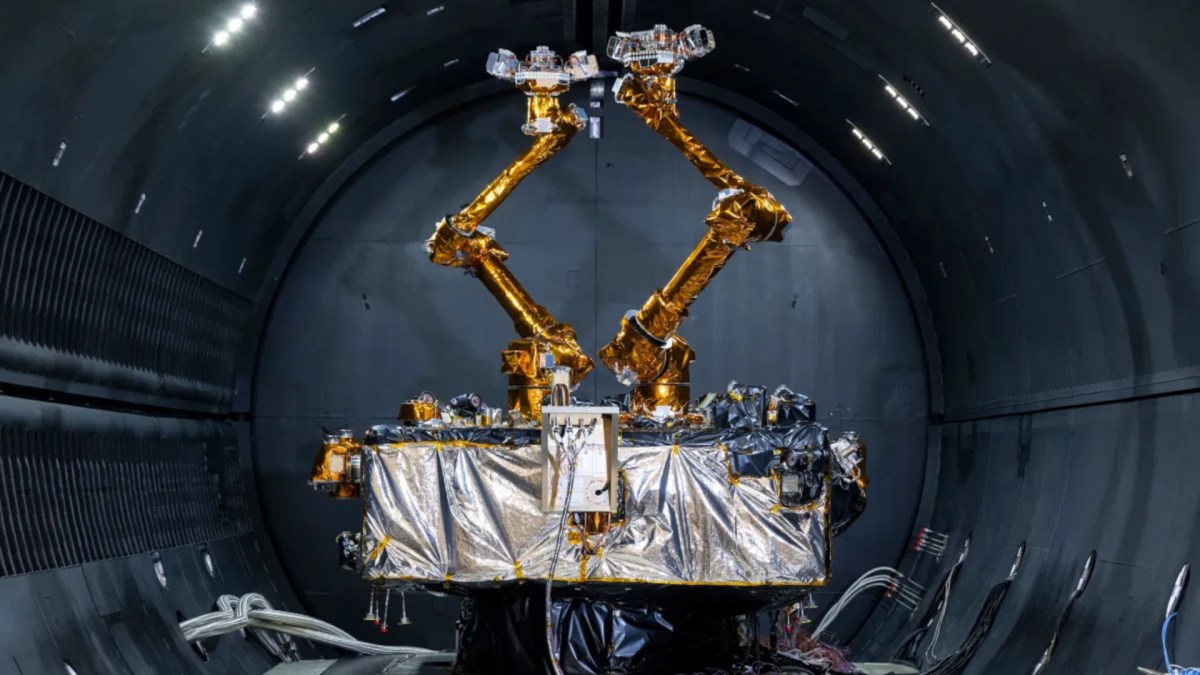
Northrop Grumman's New MRV Spacecraft Launches Today Amid Offensive Capability Questions
Northrop Grumman is set to launch its Mission Robotic Vehicle (MRV) today, equipped with two robotic arms designed for satellite servicing. While the primary purpose of the MRV is to refuel and repair satellites in geosynchronous orbit, discussions have emerged regarding its potential use in offensive operations against enemy satellites. The U.S. Space Force is exploring offensive capabilities to protect its assets, raising questions about the MRV's dual-use potential. The MRV's launch is significant as it represents a step forward in commercial satellite servicing, with the ability to install life extension jetpacks on satellites, potentially prolonging their operational life by up to eight years. Northrop Grumman's CEO, Kathy Warden, emphasized the spacecraft's capabilities during a recent earnings call, indicating that the company is prepared to offer options for technology deployment to clients, including the U.S. government. Looking ahead, the MRV is scheduled to launch aboard a SpaceX Falcon 9 rocket from Cape Canaveral, with a window starting at 5:15 PM ET. The mission will involve rendezvousing with satellites from commercial telecommunications providers Optus and SES, showcasing the MRV's versatility in on-orbit servicing and inspection. No further timeline was disclosed at the time of publication.
Space Anti-Satellite Capabilities News & Features Orbital Systems War In Space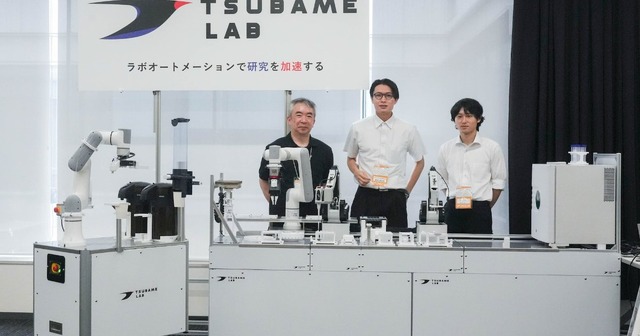
Tsubame Lab Showcases Automation Solutions at LADEC2026 with Robotic Arms and AMRs
Tsubame Lab Inc. participated in the Laboratory Automation Developers Conference 2026 (LADEC2026) held on July 2-3, 2026, at the Miraikan in Japan. The company demonstrated automation solutions for pre-processing tasks using robotic arms and introduced the concept of 'room-level automation' by integrating autonomous mobile robots (AMRs) for sample transportation. This participation is significant as it highlights Tsubame Lab's ongoing efforts to create a 'Cloud Lab' that allows researchers to execute experiments remotely via APIs and MCPs. The conference featured over 40 speakers and approximately 60 sponsoring companies, emphasizing the importance of automating repetitive tasks in research environments, which are still largely performed manually by researchers and staff. Looking ahead, Tsubame Lab plans to expand automation elements for pre-processing tasks, enhance the application range of room-level automation through AMR integration, and continue collaborating with the research automation community. No further timeline was disclosed at the time of publication.

Leaps By Bayer Invests in Sabanto to Enhance Agricultural Autonomy Solutions
Sabanto, known for its autonomy retrofit system for agriculture, has successfully completed an oversubscribed Series B funding round aimed at expanding practical autonomy in farming. Founder and CEO Craig Rupp emphasized that their approach focuses on reducing capital investment by enabling farmers to utilize smaller, lower-cost autonomous tractors instead of investing in larger machinery. The significance of this funding round, led by Leaps by Bayer, lies in its potential to transform agricultural practices by making autonomy more accessible to farmers. By retrofitting existing tractors with advanced technology, Sabanto aims to lower the costs associated with adopting autonomous systems while enhancing productivity through continuous operation. This approach addresses the financial constraints many farmers face, as highlighted by Rupp and Paimun Amini from Leaps By Bayer. Looking ahead, Sabanto's partnership with Verdant Robotics to integrate precision agriculture applications could further streamline farming operations. The company has already established deployments in the United States and Australia, indicating a solid understanding of market needs. No further timeline was disclosed at the time of publication.
Agtech Artificial intelligence Deeptech Investing Precision agriculture Startups & funding
Hippo Harvest Secures $30 Million Series C to Expand Robotic Greenhouse Operations in California
Hippo Harvest has successfully closed a $30 million Series C funding round, led by Cox Farms, the largest greenhouse operator in North America. This funding will facilitate the expansion of Hippo Harvest's operations with a new 30-acre facility in Hollister, California, which is currently undergoing permitting. The company specializes in producing USDA-certified organic greens using robotics and machine learning technologies, aiming to scale its production capabilities significantly. The significance of this funding lies in Hippo Harvest's commitment to enhancing its robotic growing systems, which will increase its growing capacity from one acre to a much larger scale. This expansion is expected to accelerate the commercialization of indoor-grown spinach, tapping into the growing demand for organic produce. The integration of advanced technology in their greenhouses positions Hippo Harvest to meet retail buyers' needs more effectively. Looking ahead, Hippo Harvest is poised to make substantial advancements in the indoor agriculture sector. The timeline for the completion of the new facility and the rollout of the next-generation growing system remains undisclosed, but the company is focused on leveraging this investment to enhance its market presence and operational efficiency in the coming years.
3D-printed autonomous interceptor aircraft targets hostile drone swarms at 350 mph
Colorado-based SkyDefense has introduced CobraJet, an autonomous interceptor aircraft designed to stop hostile drones before...
Military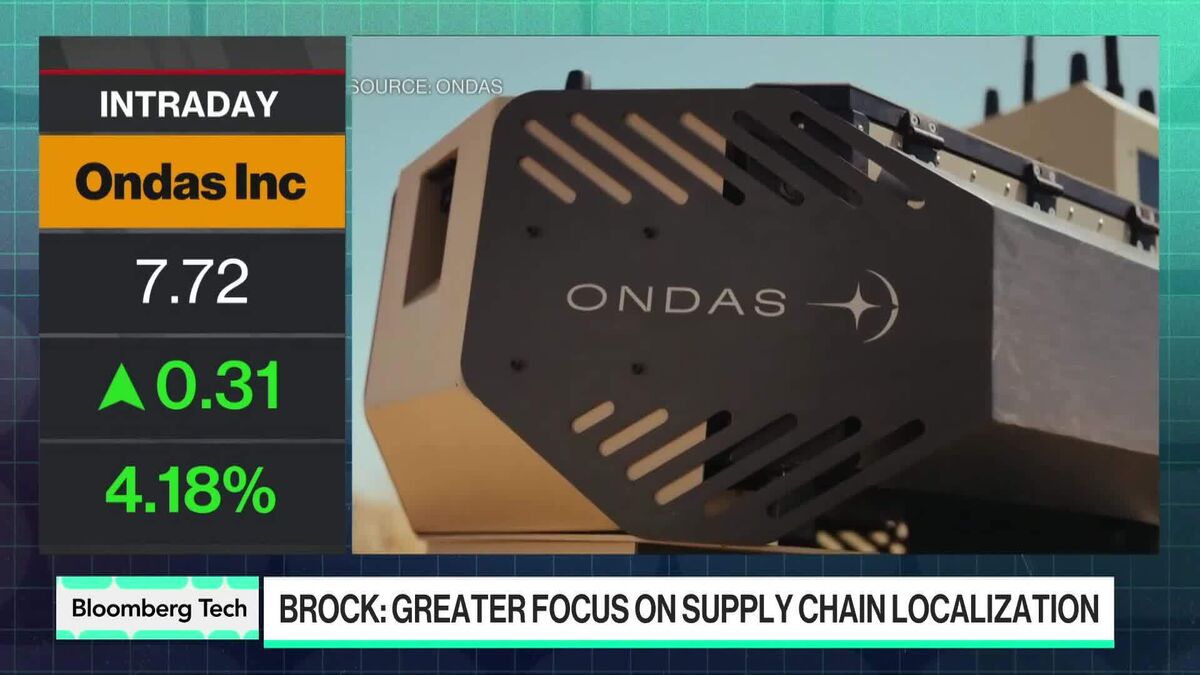
Drone Maker Ondas Says the 'Arms Race' Has Started
Ondas, which develops drones and secures wireless communications, has agreed to buy autonomous aircraft maker DZYNE Technologies in a cash-and-stock deal worth over $875 million, which will turn Ondas into a full-service autonomous defense technology platform. Ondas Chairman and CEO Eric Brock joins Ed Ludlow on "Bloomberg Tech." (Source: Bloomberg)
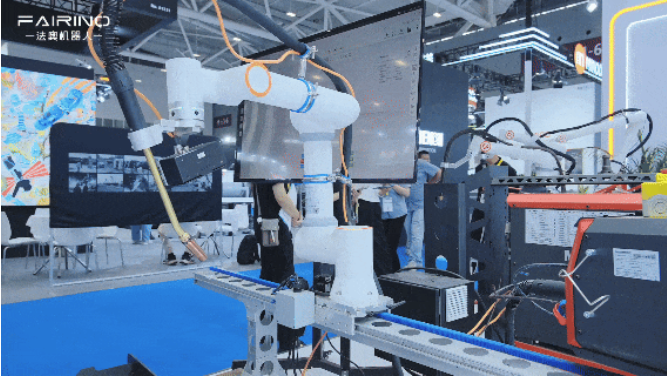
Welding Robots: Evolving Beyond Just Mechanical Arms
At the Shenzhen Essen Welding Exhibition, industry leaders addressed the ongoing challenges of integrating robotics into flexible production systems. Despite advancements in welding automation, the reliance on skilled workers remains crucial, as conventional robots often falter with complex tasks. The introduction of 'welding intelligent agents,' which utilize artificial intelligence for enhanced decision-making and adaptability, signifies a transformative development in the sector. This innovation aims to bridge the workforce gap created by the retirement of experienced welders and the increasing demand for customized production solutions.
Welding Robots AI in Manufacturing Industrial Automation Smart Manufacturing
The Rise of Robotic Arms in Tourist Attractions: A Call for Safety and Design Innovation
Robotic arms are increasingly being integrated into tourist attractions, providing exciting experiences for visitors. However, this trend has raised safety concerns regarding the use of industrial robots in public spaces. Experts are calling for the development of specially designed robots that prioritize human interaction and safety. While these advanced technologies have the potential to significantly enhance the tourism experience, it is crucial to address safety issues to ensure public confidence and enjoyment. The ongoing dialogue emphasizes the importance of balancing innovation with the well-being of visitors as the tourism industry continues to evolve.
Robotics Tourism Technology Safety Standards Human-Robot Interaction
New laser weapon system uses rapid pulses to defeat drones swarms in seconds
Israeli startup Esh-Tech has unveiled an innovative laser-based air defense system aimed at countering the increasing threat of aerial attacks. The announcement was made during a technology showcase in Tel Aviv on October 15, 2023. This advanced system is designed to provide a cost-effective and efficient solution for intercepting drones and other airborne threats, which have become more prevalent in recent conflicts. Esh-Tech's motivation stems from the urgent need for enhanced security measures in the region, as traditional defense systems often face limitations in terms of cost and effectiveness against modern aerial threats. The laser technology allows for precise targeting and engagement, significantly reducing the expense associated with conventional missile systems. The development process involved extensive research and collaboration with defense experts, ensuring that the system meets the rigorous demands of military applications. Esh-Tech aims to position its product as a vital tool for both national defense and private sector security, potentially transforming the landscape of air defense strategies in Israel and beyond.
Military
Europe rearms: Battle management, counter-UAS, and real AI at the edge
In a recent initiative aimed at enhancing military capabilities, European defense experts are focusing on the integration of advanced technologies, including drones and artificial intelligence, into modern warfare. This modernization effort is particularly evident in Eastern Europe, where the deployment of drone walls has become a strategic priority. The initiative underscores the growing recognition of the need for innovative solutions to address contemporary security challenges. Taking place throughout 2023, this movement is centered in various Eastern European nations, which are increasingly investing in cutting-edge military technologies to bolster their defense systems. The motivation behind this modernization is driven by the evolving geopolitical landscape and the necessity to respond effectively to potential threats. Experts are collaborating on developing systems that incorporate AI into military vehicles, such as tanks, enhancing their operational efficiency and decision-making capabilities. This integration of technology aims to create a more agile and responsive military force, capable of adapting to rapidly changing combat environments. As Europe navigates these advancements, the emphasis on modernization reflects a broader commitment to maintaining security and stability in the region, ensuring that military forces are equipped to meet future challenges. The ongoing efforts highlight the importance of innovation in defense strategies, positioning European nations at the forefront of military technology development.
Networks & Digital Warfare Sponsored Post artificial intelligence AI Counter UAS cUAS CUAS cyber security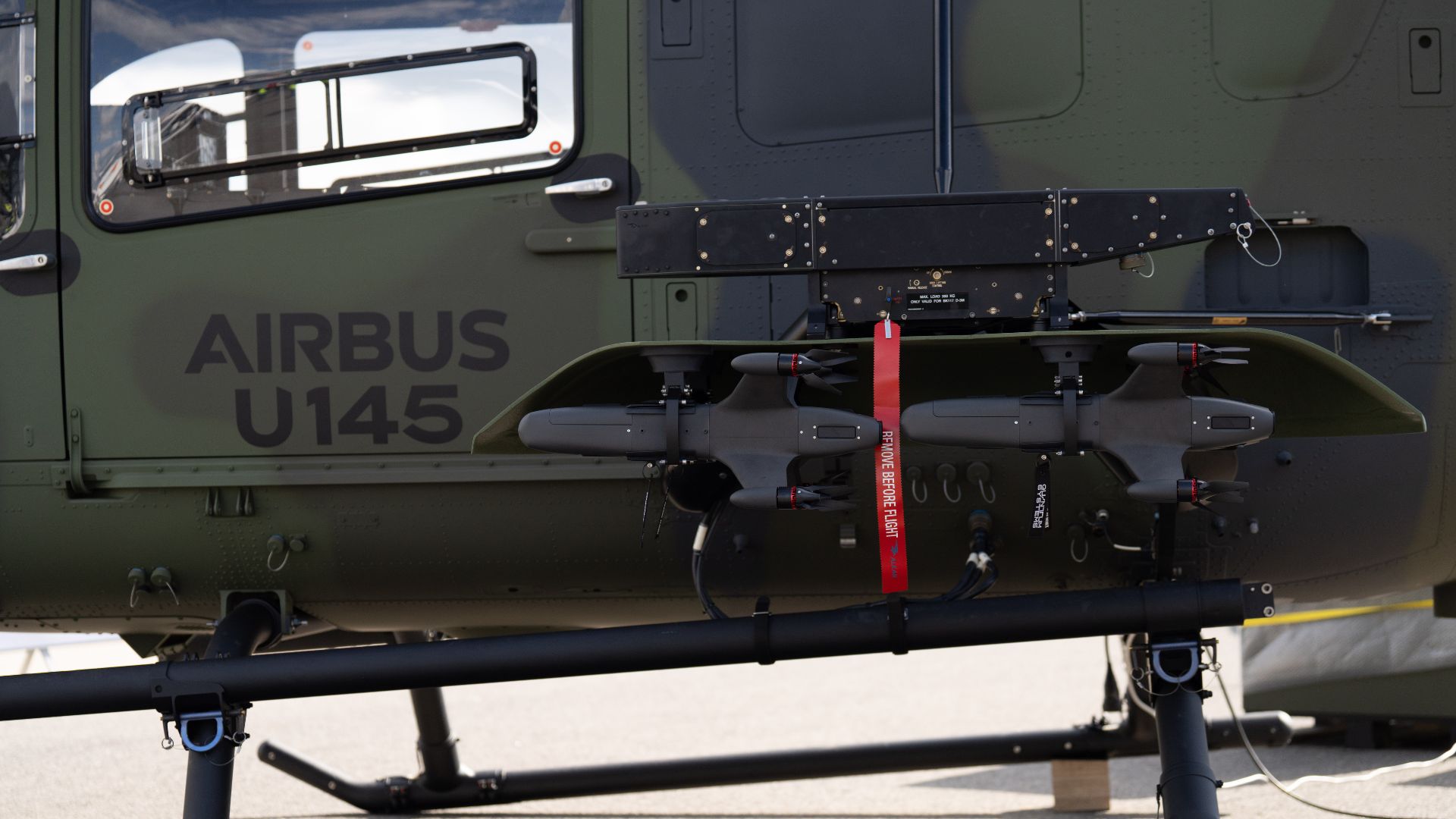
Airbus modifies H145M helicopter to deploy interceptors against tactical drone swarms
Airbus Helicopters, in collaboration with German defense officials, is responding to the increasing threats posed by small attack drones to military helicopters. This initiative comes amid heightened concerns regarding the vulnerability of aerial vehicles in modern combat scenarios. The partnership aims to enhance the defensive capabilities of helicopters, ensuring they can effectively counteract the risks associated with drone warfare. By integrating advanced technologies and innovative strategies, the companies seek to bolster the safety and operational effectiveness of military aviation. This development is particularly timely given the evolving landscape of aerial threats, which has prompted defense sectors worldwide to reassess their strategies and equipment. The collaboration highlights a proactive approach to addressing emerging challenges in military operations.
Military
World’s first two-seat Gripen F jet can coordinate drone swarms for added lethality
Saab, the Swedish aerospace and defense company, has unveiled the world's first Gripen F fighter jet during a ceremony held at its facility in Linköping. This significant event took place recently, marking a milestone in the development of advanced military aircraft. The Gripen F, a twin-seat variant of the Gripen E, is designed to enhance operational capabilities and provide advanced training for pilots. Saab's decision to develop this model stems from the increasing demand for versatile and efficient fighter jets in modern air forces. The rollout of the Gripen F is expected to strengthen Sweden's defense capabilities and contribute to international military partnerships. The aircraft features cutting-edge technology and improved performance, positioning it as a competitive option in the global defense market.

Why robotic arms are now being integrated with CNC machines
Leading suppliers in the manufacturing sector are enhancing the flexibility of robotic CNC machine tending through innovative software and integration solutions. This development marks a significant shift in how robotic arms are being utilized alongside CNC machines, allowing for improved efficiency and adaptability in production processes. As industries increasingly seek automation to streamline operations and reduce labor costs, the integration of advanced robotics is becoming a crucial component in modern manufacturing. The ongoing advancements in technology are expected to further transform the landscape of CNC machining, making it more accessible and effective for various applications.
6-Axis Arms / Manipulators Assembly Automation Automotive Cobot Arms
Unicorn born in record time amid ‘arms race’ among China’s robotic hand developers
In a significant move within the global humanoid robotics sector, venture capitalists and major industrial players in China are intensifying their investments in the development of advanced robotic hands, which are considered a critical challenge in the industry. On Friday, Xynova, a start-up based in Hangzhou, announced the successful completion of its Series A funding round. This round attracted notable investments from the venture arms of prominent companies, including smartphone manufacturer Xiaomi and electric vehicle producer Li Auto. The influx of capital is expected to substantially increase the valuations of start-ups in this burgeoning field, reflecting a growing confidence in the potential of dexterous robotic technology to revolutionize various applications.
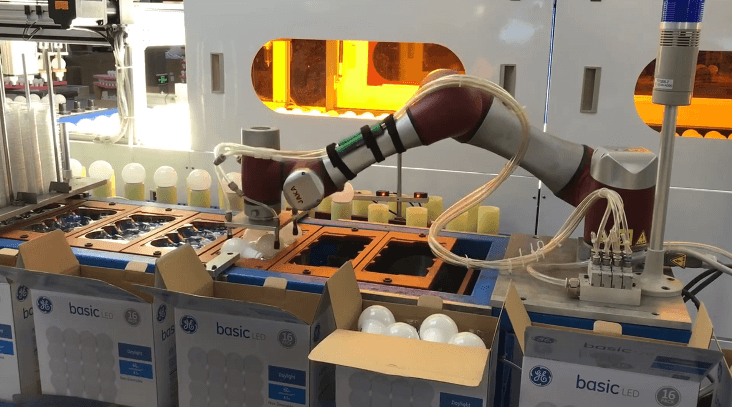
Best Practices for Calibrating and Maintaining Manufacturing Robotic Arms
In the evolving landscape of modern manufacturing, robotic arms and collaborative robots have emerged as essential tools, enhancing efficiency and precision while minimizing human error. JAKA, a leading provider of collaborative robots, emphasizes the importance of scientific calibration and regular maintenance to ensure the stable operation of these machines, which directly impacts production quality and safety. To maintain optimal performance, JAKA outlines best practices for calibrating and servicing robotic arms, particularly its JAKA Zu12 model. Regular kinematic calibration is crucial for correcting geometric errors and ensuring accurate motion trajectories, which is vital for collaborative robots that interact closely with humans. The JAKA Zu12’s integrated design facilitates efficient calibration during assembly, maximizing its reach and payload capabilities. Daily and periodic maintenance is also critical in reducing failure rates. Daily tasks include cleaning, checking cable connections, and ensuring joint operation, while periodic maintenance focuses on lubricating joints, inspecting wear on components, and updating software. For collaborative robots like the JAKA Zu12, regular safety checks are essential to ensure safe human-robot interactions. JAKA also advocates for scenario-based maintenance tailored to specific application needs, such as handling and palletizing tasks, to enhance processing precision and operational reliability. By implementing systematic calibration and maintenance strategies, JAKA aims to help enterprises optimize the performance of their robotic arms, ultimately reducing costs and boosting production efficiency in automated manufacturing environments.
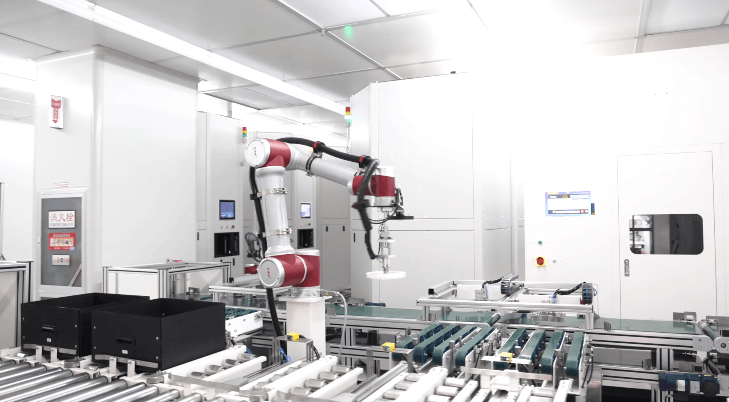
How Robotic Arms Improve Worker Ergonomics and Reduce Injury Risk
In the realm of modern manufacturing, JAKA, a leading provider of intelligent robotic solutions, is revolutionizing workplace safety and ergonomics through its advanced robotic arms, particularly the JAKA Pro16. These collaborative robots are designed to alleviate the physical strain on workers by taking over repetitive and physically demanding tasks, such as polishing, grinding, and material handling. By doing so, they significantly reduce the risk of musculoskeletal disorders and work-related injuries that often arise from prolonged repetitive motions and heavy lifting. The JAKA Pro16, notable for its high payload capacity and IP68 protection, is engineered to operate efficiently in harsh environments, lifting heavy loads with precision while minimizing the potential for strains and sprains associated with manual labor. Its robust design ensures stable operation, enhancing safety during heavy-duty tasks. Moreover, JAKA's commitment to ergonomic design allows for flexible deployment and easy programming, enabling manufacturers to adapt their workflows to better suit workers' needs. This adaptability not only improves worker comfort but also fosters a safer working environment. As industries increasingly prioritize worker well-being, JAKA's innovative approach illustrates how integrating collaborative robots into manufacturing processes can lead to safer, more efficient workplaces. By investing in such technologies, companies can protect their workforce while promoting sustainable production growth.

N Ways Robotic Arms Are Transforming the Automotive Assembly Line
The automotive manufacturing industry is experiencing a significant transformation driven by the integration of advanced robotic arms, particularly collaborative robots, which enhance production efficiency, precision, and flexibility. JAKA, a leader in intelligent manufacturing, is at the forefront of this shift, implementing its robotic technology to address challenges such as low efficiency, inconsistent quality, and high labor costs in automotive assembly. As consumer demand evolves towards smaller batches and diverse product varieties, JAKA's collaborative robots, exemplified by the JAKA S12, offer high-precision adaptive assembly capabilities. With built-in force sensors and a lightweight design, these robots can be quickly deployed on assembly lines, minimizing downtime and adapting to various workpiece shapes and sizes. In the critical welding phase of automotive assembly, JAKA's robotic arms improve quality and efficiency by optimizing the welding process. Their user-friendly configuration interface and safety features ensure reliable operation, while compatibility with various welding machine brands enhances their versatility. Moreover, JAKA's collaborative robots lower the barriers to automation with zero-cost deployment and straightforward operation, allowing companies to implement these systems without specialized technical staff. This innovation not only reduces training costs but also enables manufacturers to quickly adapt to automation in their assembly lines. As the automotive sector increasingly embraces intelligent and flexible manufacturing, JAKA is committed to continuous innovation, providing high-quality robotic solutions that empower enterprises to enhance production efficiency and sustainability in the evolving market landscape.
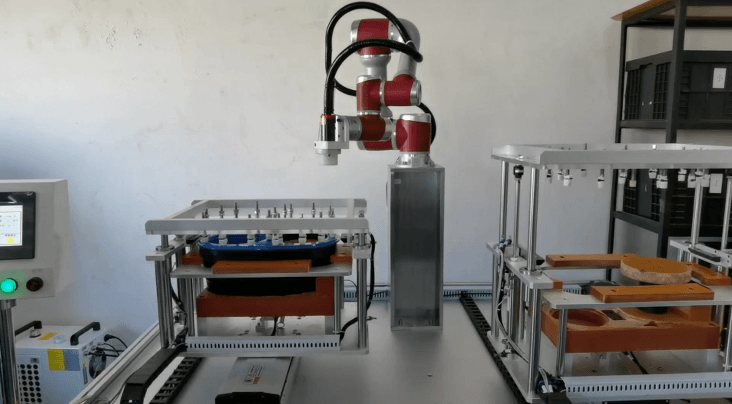
The Long-Term Value of Robotic Arms for Manufacturing in Small to Medium Enterprises (SMEs)
Small and medium enterprises (SMEs) in the manufacturing sector are increasingly turning to collaborative robots to enhance their operational efficiency and product quality, according to JAKA, a leading provider of robotic solutions. This shift comes as SMEs seek to balance cost control with long-term development, particularly in a competitive market. Historically, many SMEs viewed robotic arms as prohibitively expensive and complex. However, advancements in collaborative robot technology have made these tools more accessible. JAKA's A12L intelligent visual perception robot exemplifies this trend, offering simple programming and quick deployment, which eliminates the need for specialized technicians and extensive workshop modifications. This adaptability allows SMEs to significantly reduce labor costs, which are often their largest expense. The JAKA A12L operates continuously without fatigue, minimizing human error and ensuring consistent production quality. Its intelligent vision system enhances machine tending efficiency, enabling SMEs to maintain stable output and lower defect rates. This capability is particularly valuable as SMEs face challenges related to small-batch and diverse production needs, allowing for rapid reconfiguration of production lines. By adopting JAKA's collaborative robots, SMEs can not only achieve immediate cost savings and efficiency gains but also overcome developmental hurdles, positioning themselves for sustainable growth in the evolving manufacturing landscape. JAKA's commitment to providing cost-effective and user-friendly robotic solutions empowers SMEs to optimize their operations and enhance their competitiveness in the market.

China tests humanoid robots in tea farms before the 2026 World Robot Games
Humanoid robots are making significant strides beyond laboratory demonstrations, now being deployed in tea fields. This advancement marks a notable shift in the application of robotics, showcasing their potential to assist in agricultural tasks. The development comes as part of ongoing efforts to enhance efficiency and productivity in farming, particularly in regions where labor shortages are prevalent. By integrating advanced robotics into everyday agricultural practices, researchers and engineers aim to address the challenges faced by the agricultural sector, including the need for sustainable farming solutions. The implementation of these robots in tea cultivation is expected to streamline operations, allowing for more precise and consistent harvesting methods. As this technology continues to evolve, it holds promise for transforming not only tea production but also other agricultural industries worldwide.
Robotics needs a service framework.
RSF defines a common language for robot service capability, lifecycle operations, certification pathways, and service-provider networks.
Join the RobotToday community on LinkedIn
Daily robotics news, in-depth analysis, conference highlights, and discussions with professionals worldwide.