Industry Briefing
A single destination for timely, editor-curated robotics news from around the world.
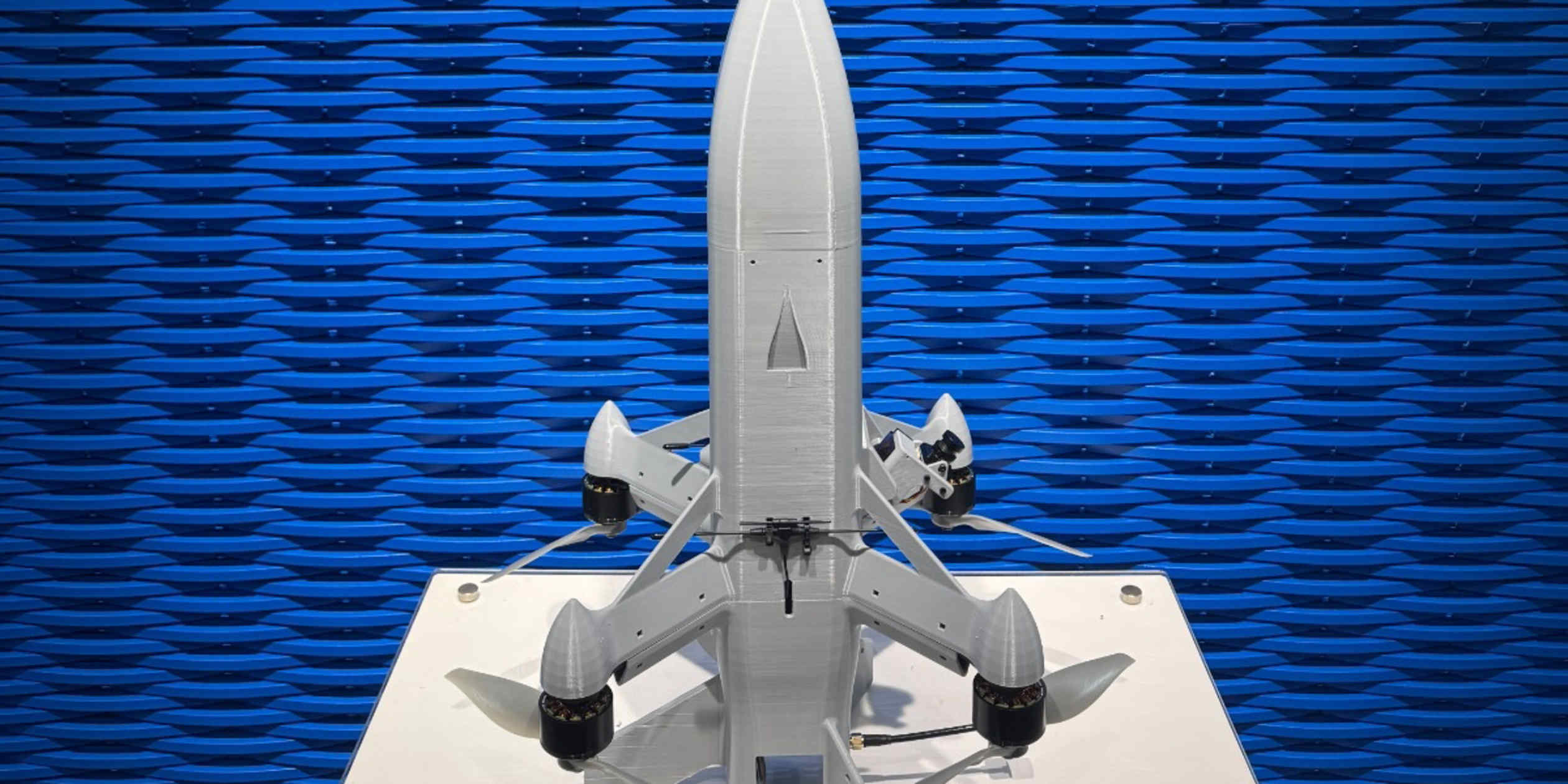
Japan's Rapid Drone Purchases Highlight Lack of Interest in Integration Systems
Japan is quickly acquiring drones, such as the Terra B1 interceptor supplied by Terra Drone to the Self-Defense Forces. However, there is a notable lack of interest in developing integration systems for these drones. This trend raises concerns about the country's ability to establish common standards, which are essential for effective defense operations and public trust. Without these standards, Japan may struggle to fully leverage its drone capabilities in a cohesive manner. Moving forward, it will be important to monitor Japan's approach to integrating drone technology with existing systems. No further timeline was disclosed at the time of publication.
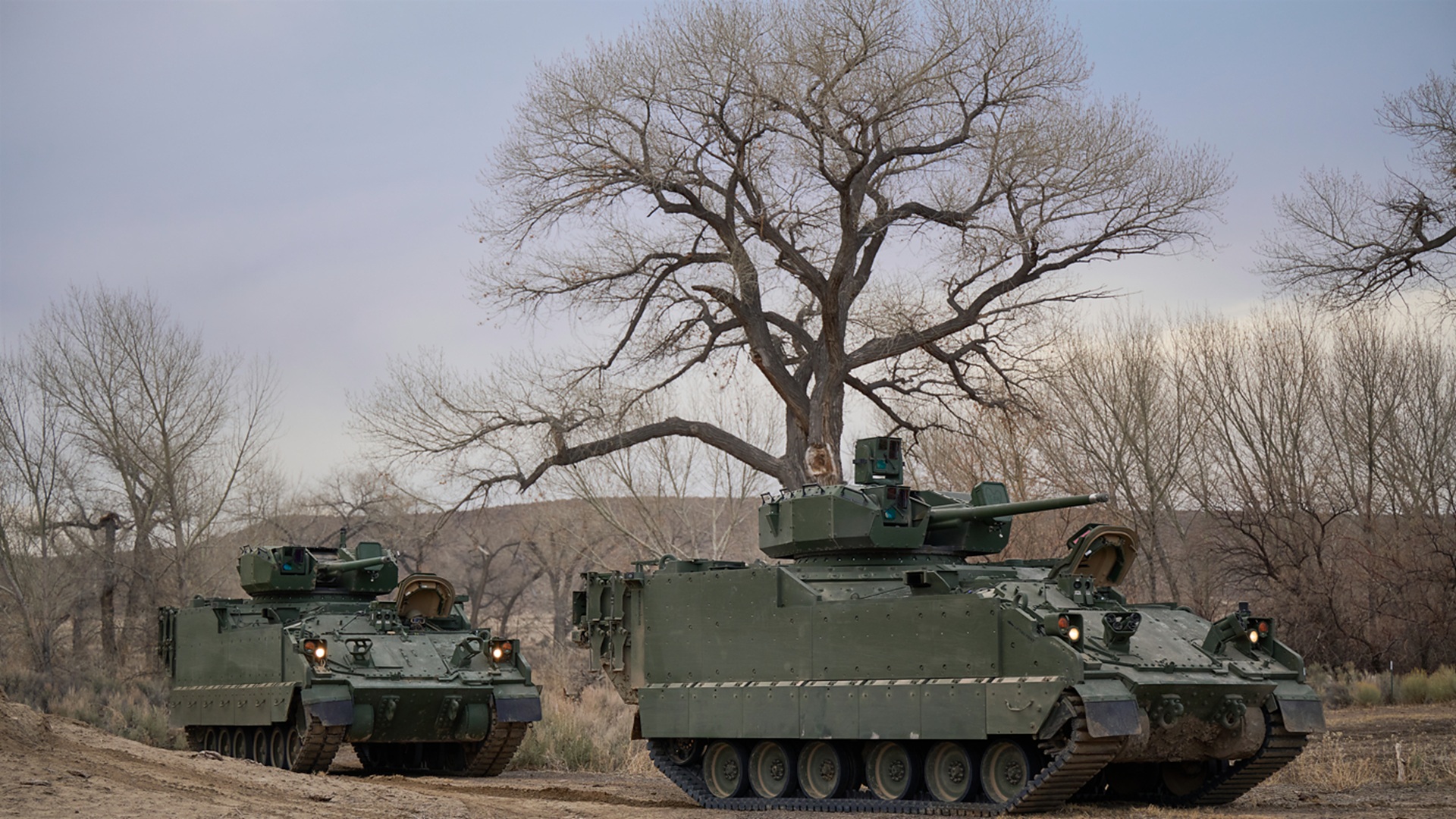
BAE Systems Delivers AMPV 30 Vehicles to US Army for Counter-Drone Operations
BAE Systems has provided the US Army with two AMPV 30 concept infantry fighting vehicles, featuring a 30mm remote turret and advanced systems for detecting drone threats. Delivered in April as part of the Army’s Transformation in Contact (TiC) 2.0 initiative, these vehicles have undergone field evaluations, including live-fire tests, to assess their operational capabilities. The significance of this development lies in the integration of counter-unmanned aircraft system capabilities, which are crucial for modern armored vehicles facing increasing drone threats. The AMPV 30 prototypes also include a cross-platform target handoff system, enhancing coordination among multiple vehicles on the battlefield, thereby improving overall mission effectiveness. Looking ahead, the modular design of the AMPV 30 allows for the integration of various mission equipment without the need for complete vehicle redesigns. This flexibility could lead to further enhancements in capabilities as the Army continues to adapt to evolving battlefield conditions. No further timeline was disclosed at the time of publication.
Military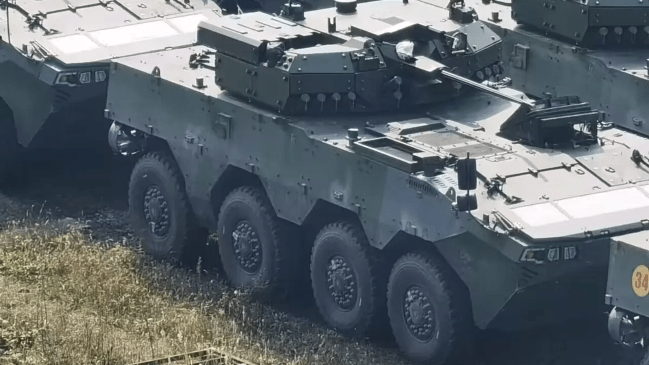
China Develops Type 19 Vehicle as Mobile Laser Defense Against Drone Threats
China is reportedly developing a new variant of its Type 19 amphibious 8×8 combat vehicle, equipped with a turret-mounted laser weapon and additional sensors. This modification aims to enhance protection for frontline troops against the increasing use of drones, particularly in potential conflicts involving Taiwan. The significance of this development lies in its potential application during military operations, especially as Taiwan expands its drone capabilities. The modified Type 19 could provide crucial counter-drone protection for PLA forces during amphibious landings, although the impact of the new equipment on the vehicle's performance remains uncertain. Looking ahead, the effectiveness of the Type 19 variant will depend on overcoming engineering challenges related to weight and operational capabilities. As Taiwan enhances its drone warfare strategies, the need for effective counter-drone systems becomes increasingly critical for the PLA, particularly in scenarios involving drone swarms targeting their forces.
Military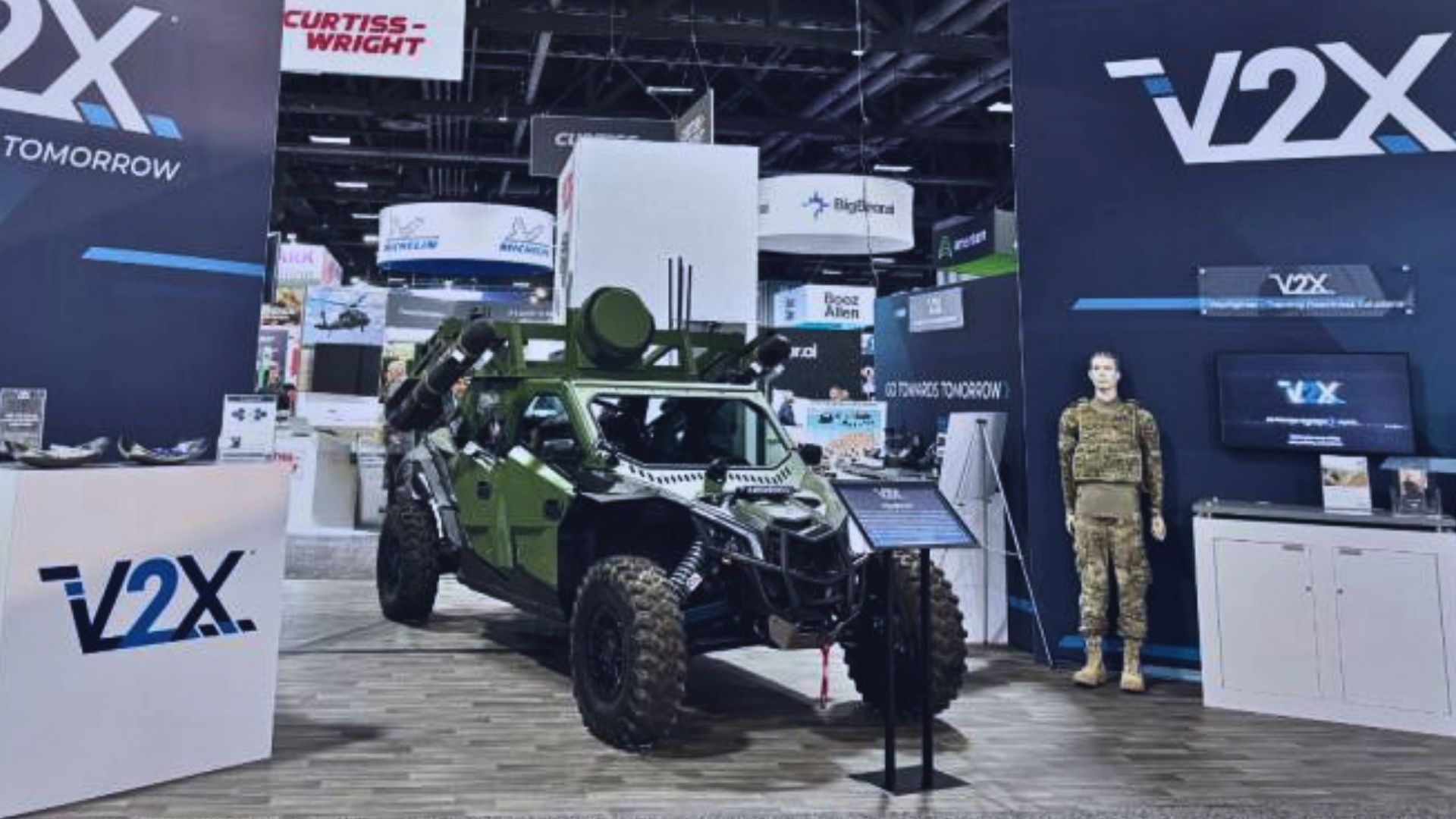
U.S. Marine Corps Acquires Tempest Vehicles for Enhanced Counter-Drone Capabilities
The U.S. Marine Corps is set to enhance its counter-drone capabilities with the acquisition of 10 Tempest vehicles, designed by V2X. This $19 million contract, announced on September 8, includes not only the vehicles but also software management, spare parts, training, maintenance, and engineering support. The Tempest system is engineered to detect and engage unmanned aerial threats quickly while maintaining mobility to evade enemy targeting. The significance of the Tempest vehicle lies in its innovative design, which combines a lightweight off-road platform with advanced radar and missile systems. Unlike traditional air-defense vehicles, Tempest prioritizes mobility and a small footprint, allowing it to operate alongside maneuvering forces. This approach addresses the growing challenge posed by inexpensive drones in modern warfare, as seen in conflicts like Ukraine, where traditional air-defense systems may not be the most effective solution. Looking ahead, the Marine Corps' integration of the Tempest system could reshape its counter-drone strategies, particularly as drone warfare continues to evolve. While the exact specifications of the vehicles have not been fully disclosed, the Tempest's ability to quickly engage and relocate may prove crucial in future operations against increasingly sophisticated unmanned threats. No further timeline was disclosed at the time of publication.
Military
Hanwha Aerospace Introduces K9 Howitzer Concept Featuring VTOL Drone Integration
Hanwha Aerospace has introduced a novel operating concept for its K9 self-propelled howitzer, incorporating vertical take-off and landing (VTOL) drones. This integration is designed to enhance artillery operations by improving targeting and battle assessment capabilities, which are crucial for modern warfare. The significance of this development lies in its potential to transform artillery effectiveness on future battlefields. By leveraging VTOL drones, Hanwha aims to provide real-time data and situational awareness, thereby increasing the responsiveness and precision of artillery units in combat scenarios. Looking ahead, the integration of VTOL drones with the K9 howitzer could set a new standard for military operations. Observers will be keen to see how this concept evolves and whether it leads to practical applications in defense strategies. No further timeline was disclosed at the time of publication.
News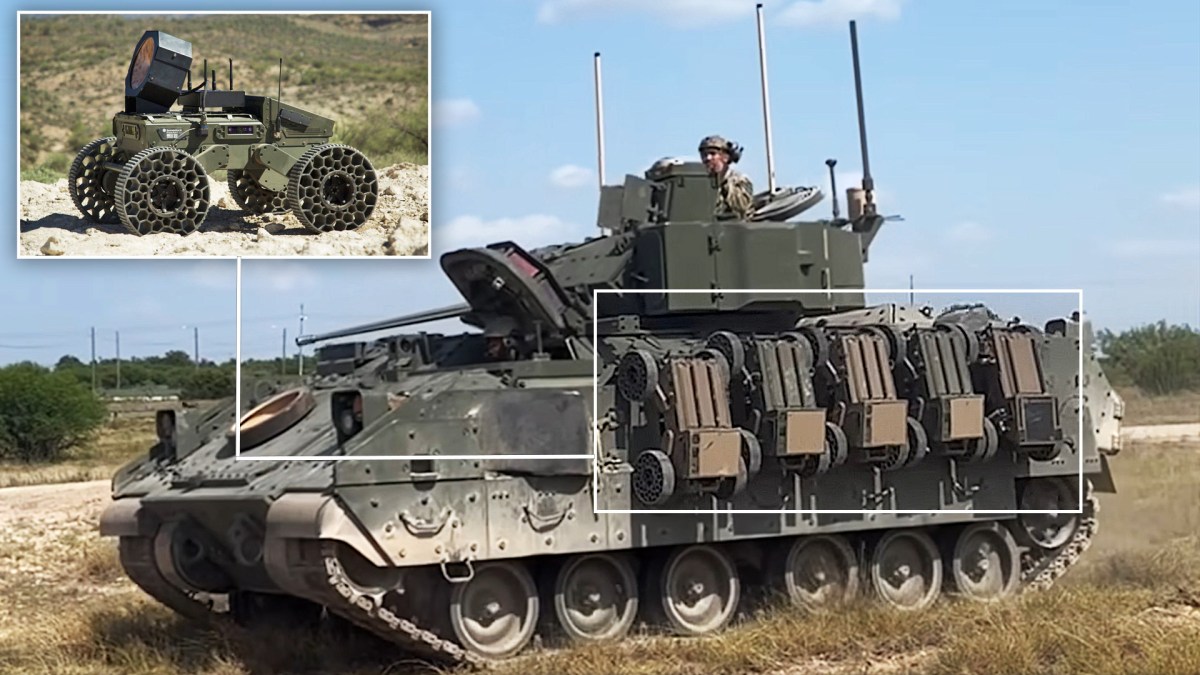
Bradley Fighting Vehicle Demonstrates Swarming Ground Drones in Recent Military Exercise
During a recent test exercise, U.S. Army soldiers utilized a Bradley Fighting Vehicle to transport FireAnt uncrewed ground vehicles (UGVs). These versatile 4×4 UGVs can be adapted for various missions, including electronic warfare and reconnaissance. The integration of Bradleys as carriers for swarms of UGVs like the FireAnt could significantly enhance operational capabilities. This development is crucial as it aligns with the U.S. Army's Transformation In Contact (TIC) modernization initiative, which aims to incorporate advanced technologies into military operations. Swarmbotics AI, the developer of the FireAnt, showcased this capability during the Pegasus Charge 3 exercise, where the Bradley was seen carrying five FireAnt UGVs. The potential for these UGVs to operate in swarms could revolutionize battlefield tactics and strategies. Looking ahead, the effectiveness of the FireAnts in operational scenarios remains to be fully understood, particularly regarding their deployment and control from the Bradley. As the Army continues to test and evaluate these systems, the focus will be on how these UGVs can be integrated into existing military frameworks and their impact on future combat operations. No further timeline was disclosed at the time of publication.
Land Armies Armored Vehicles M2/3 Bradley News & Features U.S. Army
Leonardo DRS Combat Vehicle Successfully Engages 55-Pound Drones with Software Upgrade
A US armored air defense vehicle successfully engaged simulated Group 1 and Group 2 drones in a recent government test, showcasing its enhanced capabilities without new hardware. The demonstration, conducted by Leonardo DRS using the SGT STOUT mission equipment package on a Stryker armored fighting vehicle, utilized updated detection and fire-control functions to effectively counter smaller airborne threats. This advancement is significant as it supports the US Army’s Mobile Low, Slow UAS Integrated Defeat System program, which aims to improve air defense against evolving drone threats. The test specifically targeted drones weighing up to 55 pounds, which present unique challenges compared to larger aerial threats. The results indicate a promising direction for software-driven air defense capabilities that can adapt to changing operational needs. Looking ahead, the open architecture of the SGT STOUT system allows for future enhancements without major hardware changes, ensuring that the vehicle remains relevant as aerial threats evolve. No further timeline was disclosed at the time of publication.
Military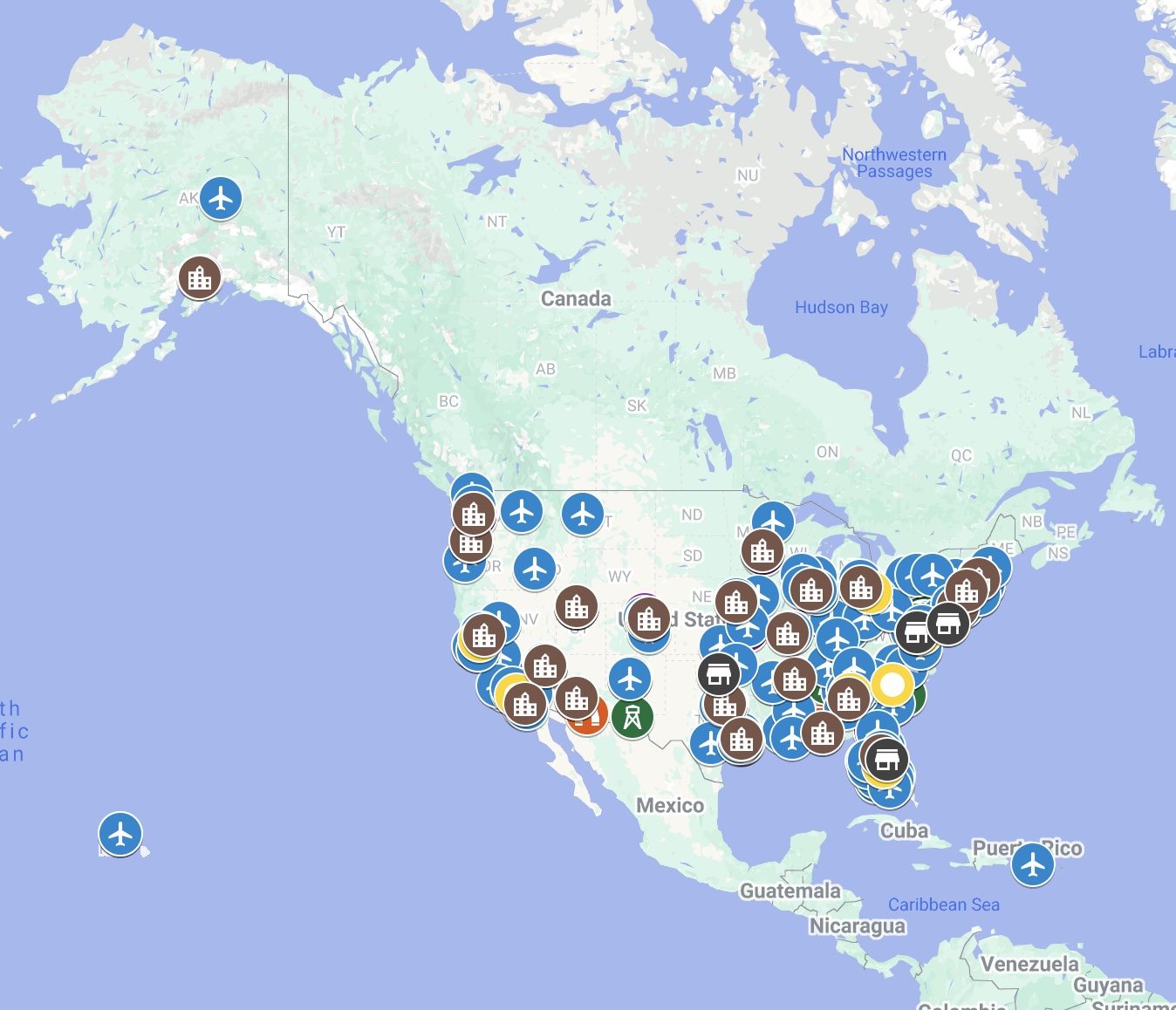
FAA NextGen Fact Sheet Highlights Future Integration of Drones and Aircraft
On August 17, the Federal Aviation Administration (FAA) released a NextGen fact sheet detailing updates to the National Airspace System (NAS) and ongoing modernization efforts. The Next Generation Air Transportation System, or NextGen, has significantly advanced U.S. air traffic management technology, transitioning to digital communications, satellite navigation, and integrated data sharing. The FAA reports that NextGen programs are now operational and have generated $10.9 billion in benefits from 2010 to 2023. The modernization efforts include the implementation of over 20 capabilities across the country, enhancing air traffic management through technologies like Automatic Dependent Surveillance-Broadcast (ADS-B) and Performance Based Navigation. These advancements allow for more precise navigation and real-time data sharing, shifting the focus from traditional air traffic control to a more strategic, integrated management approach. The FAA emphasizes the importance of accommodating non-traditional aviation forms, including uncrewed aircraft systems (UAS). Looking ahead, the FAA is developing traffic management concepts to safely integrate UAS and other emerging aircraft into the NAS. Technologies such as DroneZone and the Low Altitude Authorization and Notification Capability (LAANC) are pivotal in supporting this growth. The agency is also exploring concepts for UAS Traffic Management and Urban Air Mobility, indicating a significant shift in airspace management strategies in the coming years.
Drone News Drone News Feeds Drones in the News FAA News ADS-B
GeoComm and SkyfireAI Enhance Drone Response with New DFR Routing Integration
GeoComm and SkyfireAI have unveiled a new integration aimed at enhancing Drone as First Responder (DFR) programs' efficiency in emergency situations. By merging GeoComm’s DFR Routing technology with SkyfireAI’s autonomous drone platform, public safety agencies can access comprehensive location intelligence immediately upon receiving a 9-1-1 call. This integration addresses a significant challenge faced by DFR programs, as timely drone deployment is only part of the equation. Accurate incident location and access information are crucial for effective response. The new system incorporates operational details like buildings and access routes, enabling drone operators and first responders to gain a clearer understanding of the situation before ground units arrive. Looking ahead, the partnership between GeoComm and SkyfireAI aims to streamline the workflow from emergency call to drone deployment and ground response. As DFR programs grow across the U.S., the focus is shifting towards integrating various data sources to enhance situational awareness and improve emergency response outcomes. No further timeline was disclosed at the time of publication.
AI Applications Drone News Drone News Feeds Fire and Police Law Enforcement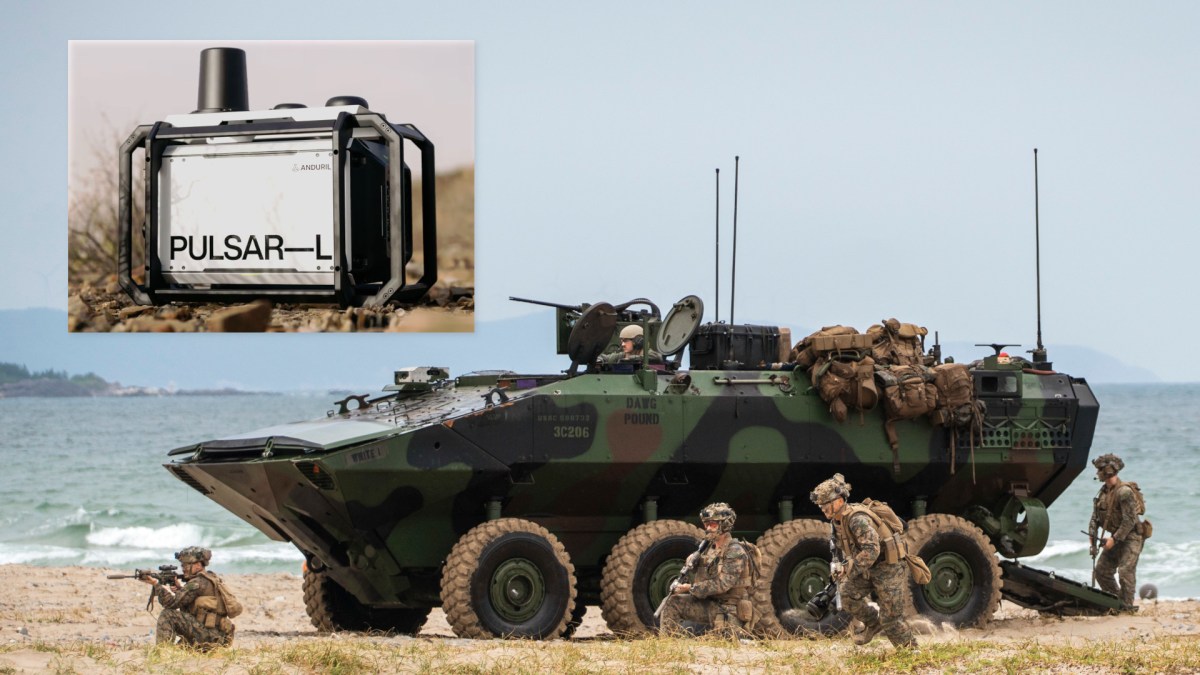
U.S. Marine Corps Acquires Anduril Pulsar-L Jammers for Amphibious Combat Vehicles
The U.S. Marine Corps has awarded a contract to Anduril for Pulsar-L electronic warfare jammers, aimed at enhancing the defense of its Amphibious Combat Vehicles (ACVs) against drone threats. This acquisition, valued at $15,711,445.50, addresses the urgent need for improved protection against uncrewed aerial systems, particularly in light of recent conflicts where drones have proven effective against armored vehicles. The integration of the Pulsar-L system is significant as it provides a mobile solution capable of detecting, tracking, and neutralizing Group 1 and Group 2 drones, which have become increasingly prevalent in modern warfare. The Marine Corps aims to bolster its fleet of ACVs, which currently includes 150 baseline personnel carrier variants and various other models, to enhance survivability and operational effectiveness in diverse combat environments. Looking ahead, the Marine Corps plans to expand its ACV fleet, with a goal of acquiring 389 ACV-Ps and 33 ACV-Cs, among others. The Pulsar-L's unique capabilities, including machine learning for real-time adaptation to emerging threats, position it as a critical asset in the evolving landscape of electronic warfare. No further timeline was disclosed at the time of publication.
Land Counter-Unmanned Aerial Vehicles (C-UAS) Land-Based Electronic Warfare News & Features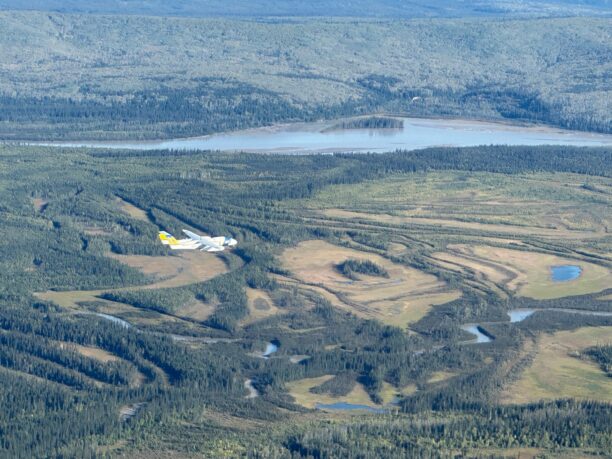
Alaska Center for Unmanned Aircraft Systems Integration Tests Drone Delivery of Blood Samples for Anti-Doping Agency
The Alaska Center for Unmanned Aircraft Systems Integration (ACUASI) successfully conducted a test flight carrying chilled human blood samples over a distance of 1,000 kilometers for the International Testing Agency (ITA). This 8-hour, 47-minute round trip from Nenana aimed to assess the viability of long-range drones in transporting biological samples without degradation. This initiative is significant as it explores the potential of unmanned aircraft to enhance the efficiency of medical sample transport, particularly in remote areas. The ITA's interest in utilizing drones stems from their ability to cover greater distances at lower costs compared to traditional crewed aircraft, which could revolutionize the logistics of anti-doping efforts and medical testing. Looking ahead, the results from this test could pave the way for broader applications of drone technology in healthcare and research. ACUASI's capabilities, combined with the operational efficiency demonstrated during this flight, suggest a promising future for drone-assisted medical logistics, especially in underserved communities in Alaska and beyond. No further timeline was disclosed at the time of publication.
Delivery Drone News Drone News Feeds Logistics Medical Medical Delivery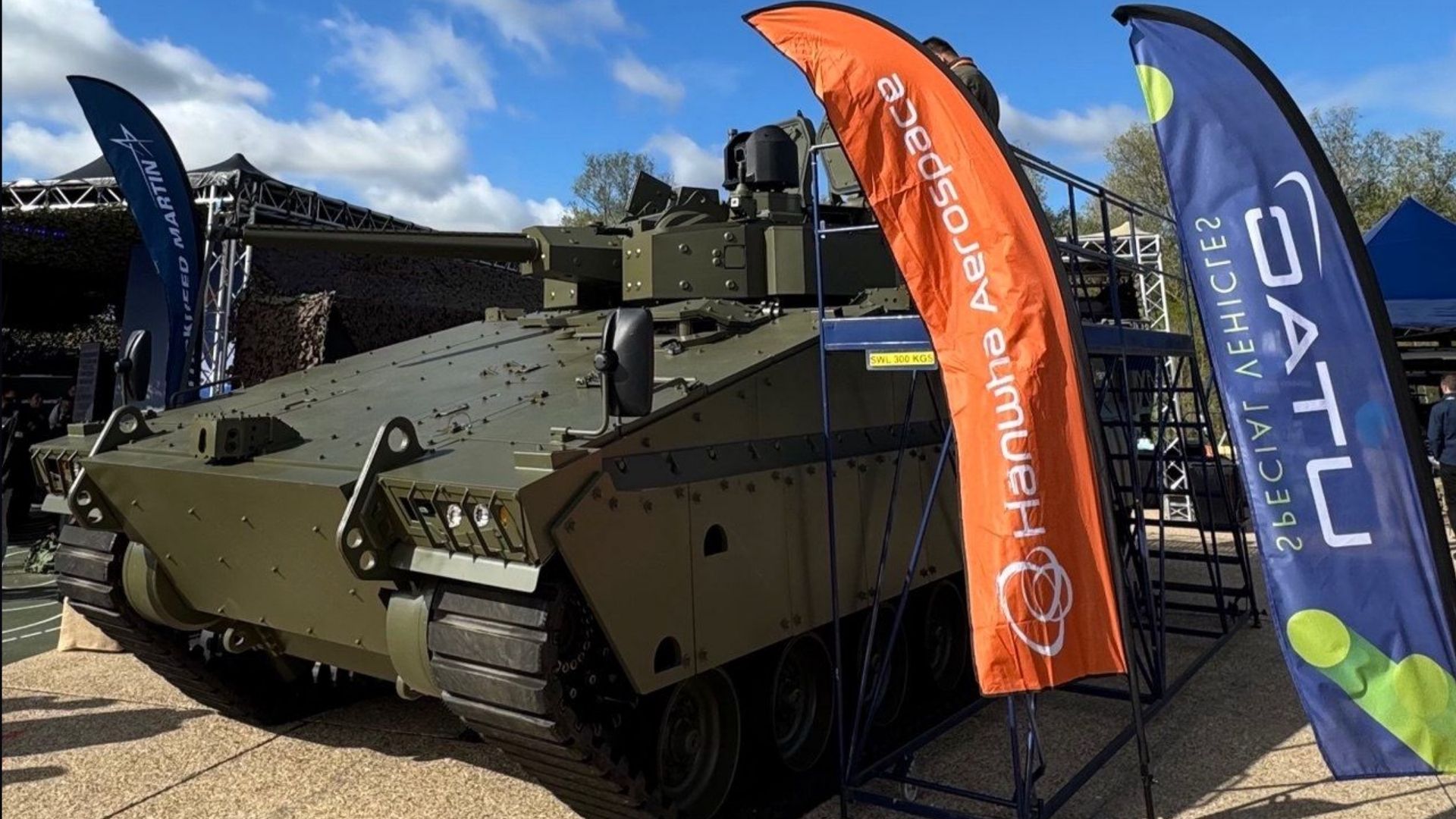
Hanwha Aerospace and Lockheed Martin UK Introduce Enhanced Redback IFV with 40mm Turret
Hanwha Aerospace and Lockheed Martin UK have launched a new version of the Redback infantry fighting vehicle (IFV), featuring a British-built 40mm turret and counter-drone technology. This configuration was showcased at Defense Vehicle Dynamics 2026 in Millbrook, England, aimed at NATO countries looking to modernize their armored forces. The upgraded Redback retains its tracked hull but replaces the Australian-selected configuration with Lockheed Martin UK's crewed turret, which is equipped with a CTA International 40mm cannon. This change allows access to a variety of NATO-qualified ammunition, enhancing the vehicle's operational flexibility. The integration of Lockheed Martin UK's SkyKeeper command-and-control system further enables the Redback to perform dual roles in both conventional infantry fighting and counter-uncrewed aircraft systems operations. Looking ahead, Hanwha plans to conduct live demonstrations of the new Redback configuration in 2027, including events in Canada and South Korea. This initiative reflects the evolving battlefield landscape, where armored units must address aerial threats alongside traditional ground targets. No further timeline was disclosed at the time of publication.
Military
Odyssey Launches Odyssey-3 World Model for Robots, Humanoids, and Drones
Odyssey has unveiled Odyssey-3, a versatile world model designed to control robots, humanoids, autonomous vehicles, and drones using a unified AI system. This autoregressive diffusion transformer is trained on a diverse set of visual observations, allowing it to adapt with minimal task-specific data. The model has been pre-trained to understand physics, motion, and human behavior, enabling developers to create tailored action decoders for various systems. The significance of Odyssey-3 lies in its potential to streamline the training process for humanoid robots. In collaboration with Flexion, Odyssey is exploring how pretraining can minimize the data required for teaching new skills. Flexion has successfully developed control policies for tasks like object manipulation using only a small amount of teleoperation data, demonstrating improved generalization over traditional models. Looking ahead, Odyssey plans to publicly release Odyssey-3 in the coming weeks. The company is also collaborating with Poke & Wiggle to assess the model's adaptability across different robot types and control systems. This initiative could reshape how robots learn and adapt to new environments, enhancing their operational capabilities significantly.
AI AI Funding & Investment Robotics autonomous vehicles Flexion humanoid robotics
China Advances Toward Integrated Air, Land, and Sea Drone Swarm Systems
China is progressing from large formations of identical drones to a more complex network that coordinates uncrewed systems across air, land, and sea. The China Electronics Technology Group Corporation (CETC) highlights the evolution of drone swarms from mere numbers to distributed systems capable of communication and local decision-making. This shift is significant as it enhances operational capabilities in diverse environments, particularly in military applications. CETC identifies five key capabilities for effective swarm functionality: survivability, situational awareness, planning and decision-making, mission execution, and autonomous learning. While China has made strides in these areas, challenges remain, especially in integrating different types of uncrewed systems. Looking ahead, CETC envisions a heterogeneous swarm that allows various platforms to work together seamlessly. This integration could enable aerial drones, ground vehicles, and maritime systems to share information and resources, enhancing overall mission effectiveness. However, achieving this level of coordination presents substantial technical challenges.
Military
L3Harris and ARX Robotics Test Counter-Drone Sensing on Uncrewed Ground Vehicle
L3Harris Technologies and ARX Robotics have successfully demonstrated a robotic ground vehicle equipped with a counter-drone sensing system during the US Army’s Project Convergence-Capstone 6 experimentation campaign. This innovative approach allows for the deployment of sensors on a remotely controlled robot, reducing the risk to soldiers by keeping them away from potential drone threats. The demonstration utilized L3Harris' CORVUS-RAVEN counter-drone capability mounted on ARX Robotics' GEREON uncrewed ground vehicle. This setup enhances situational awareness by passively detecting signals associated with drone threats and providing critical bearing information. The ability to reposition the robotic vehicle as tactical situations evolve offers commanders a flexible alternative to fixed sensor locations. As small drones pose increasing challenges for modern militaries, the collaboration between L3Harris and ARX Robotics highlights the importance of modularity and adaptability in military technology. No further timeline was disclosed at the time of publication.
Military
Canadian Police Enhance Data Security with Localized Drone Integration for TAK
Canadian police and defense agencies have gained a new capability to operate their situational-awareness tools without relying on foreign cloud services. ThinkOn, a Canadian sovereign cloud provider, and AVSS, a drone technology firm, have successfully integrated the Team Awareness Kit (TAK) with infrastructure hosted entirely in Canada. This integration ensures that sensitive operational data remains under Canadian jurisdiction. The significance of this development lies in its ability to protect sensitive location information, live video, and operational data for police and defense organizations. By utilizing ThinkOn's Canadian cloud platform, agencies can maintain control over their data while still benefiting from the functionalities of TAK. This integration allows for seamless data flow from MAVLink-compatible drones into TAK’s common operating picture, ensuring that field teams can operate without altering their existing workflows. Looking ahead, agencies currently using TAK on foreign hyperscalers can transition to this Canadian infrastructure without disrupting their operations. Additionally, new agencies can adopt TAK with the assurance of data sovereignty from the outset. This partnership between ThinkOn and AVSS underscores the importance of Canadian control over critical data and infrastructure in public safety and defense applications.
News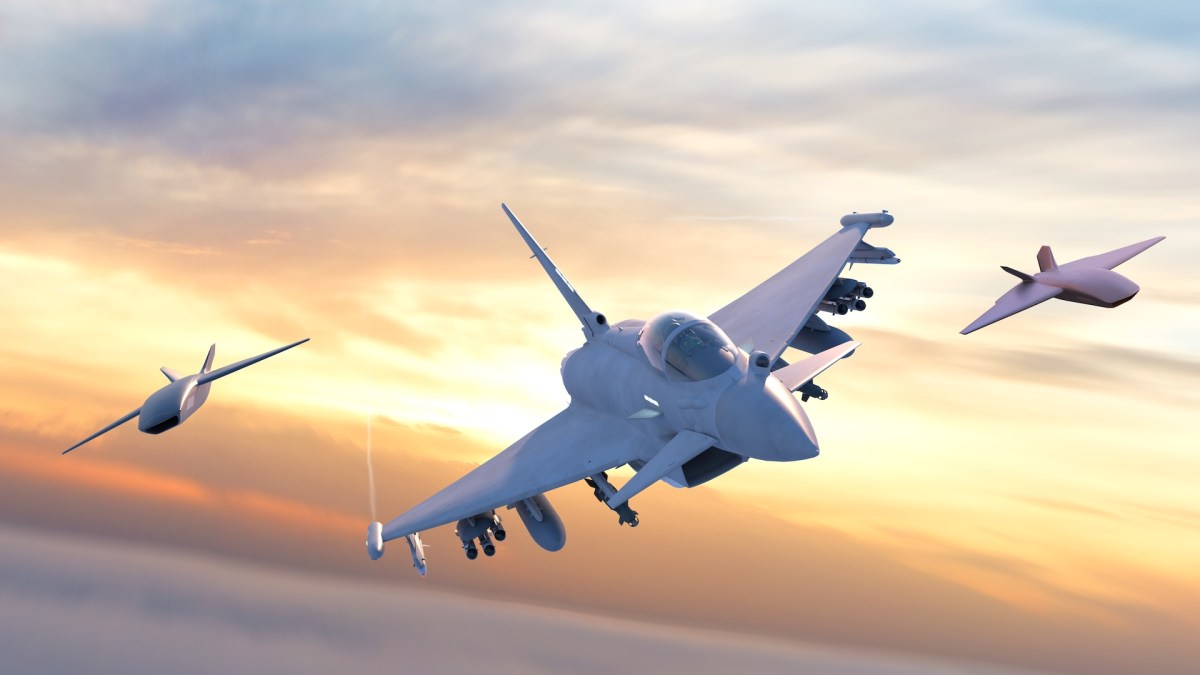
BAE Systems Explores Typhoon Integration with CCA Drones and Meteor Missiles
BAE Systems is investigating the integration of uncrewed collaborative combat aircraft (CCA) with the Eurofighter Typhoon, aiming to enhance combat capabilities. This initiative is part of a broader Long-Term Evolution (LTE) program that seeks to improve the jet's operational effectiveness in modern warfare environments. The integration of CCAs with the Typhoon is significant as it aims to expand the combat mass and operational range of air forces, addressing emerging threats. BAE Systems has accelerated this work over the past year, coinciding with the U.K. Royal Air Force's launch of the Storm Fighter CCA program, which will enable these drones to operate alongside the Typhoon, F-35, and future Tempest jets. Looking ahead, BAE Systems plans to incorporate advanced technologies such as the European Common Radar System (ECRS) Mk 2 and a large-area display cockpit into the Typhoon. These enhancements are expected to improve the aircraft's capabilities in collaborative combat scenarios, as demonstrated in recent simulations off the east coast of Scotland, where Typhoons successfully coordinated with CCAs.
Air Air Forces Collaborative Combat Aircraft Fighters Royal Air Force Typhoon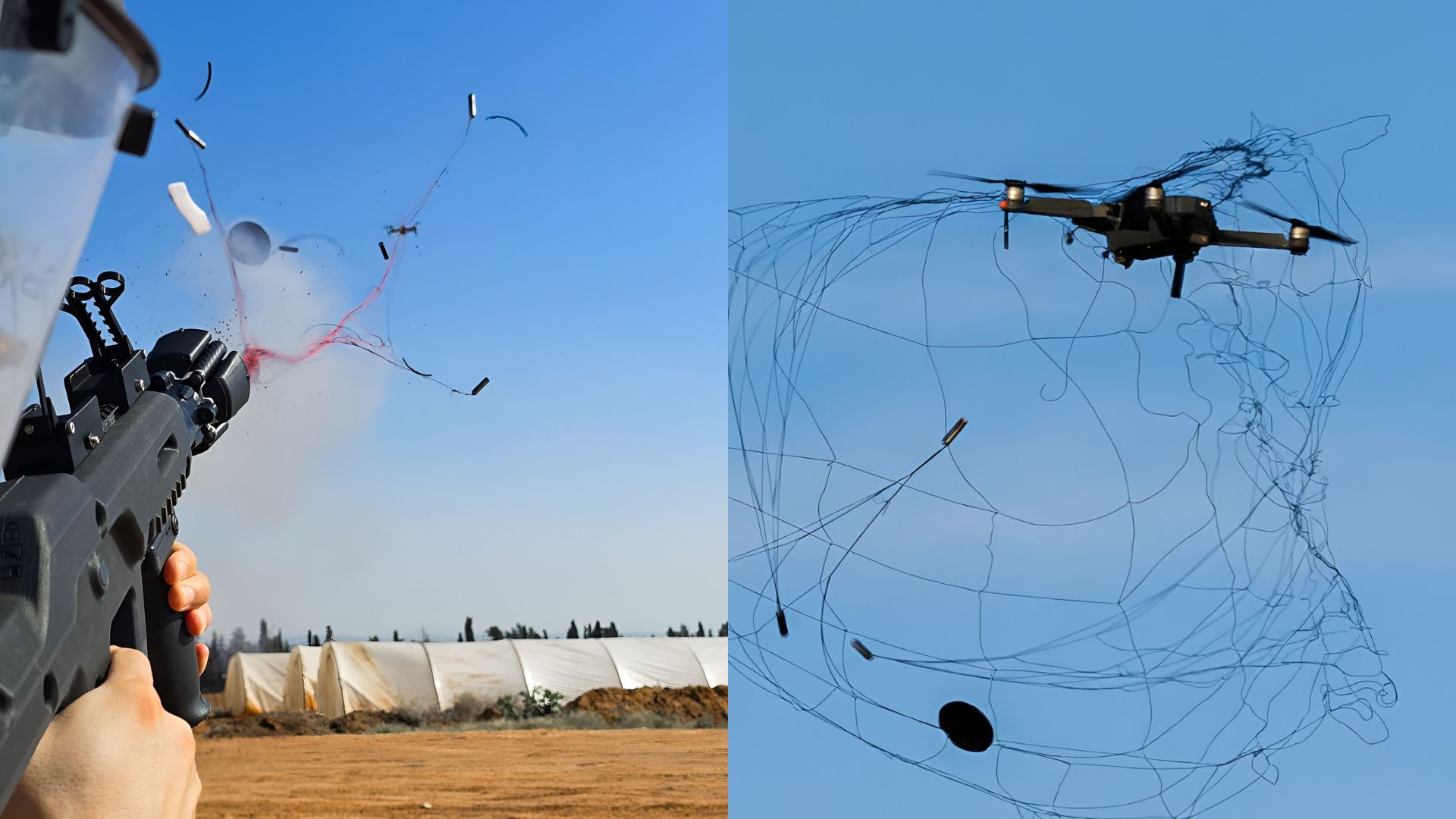
ParaZero Technologies Launches DefendAir for Autonomous Drone Interception in Military Applications
ParaZero Technologies has introduced its DefendAir platform, designed to intercept first-person view (FPV) drones autonomously before they can strike military vehicles. This system utilizes a non-explosive net-based interception method, creating a 360-degree defensive envelope around assets. The platform aims to enhance protection for both moving and stationary high-value military targets without the weight penalties of traditional armor. The rise of low-cost FPV drones has prompted militaries to seek effective countermeasures, as these drones have proven capable of damaging expensive military equipment. ParaZero's DefendAir addresses the limitations of conventional protective measures, such as steel cages, by offering a more agile and responsive solution. The system's ability to detect and neutralize threats rapidly is crucial for modern battlefield scenarios, where speed and precision are paramount. ParaZero is currently collaborating with Tier-1 defense companies to refine the DefendAir technology for operational requirements. While the company has not disclosed specific partners or a timeline for deployment, the focus on active counter-drone systems reflects a broader trend in military strategy, emphasizing the need for innovative solutions to counter evolving aerial threats. No further timeline was disclosed at the time of publication.
Military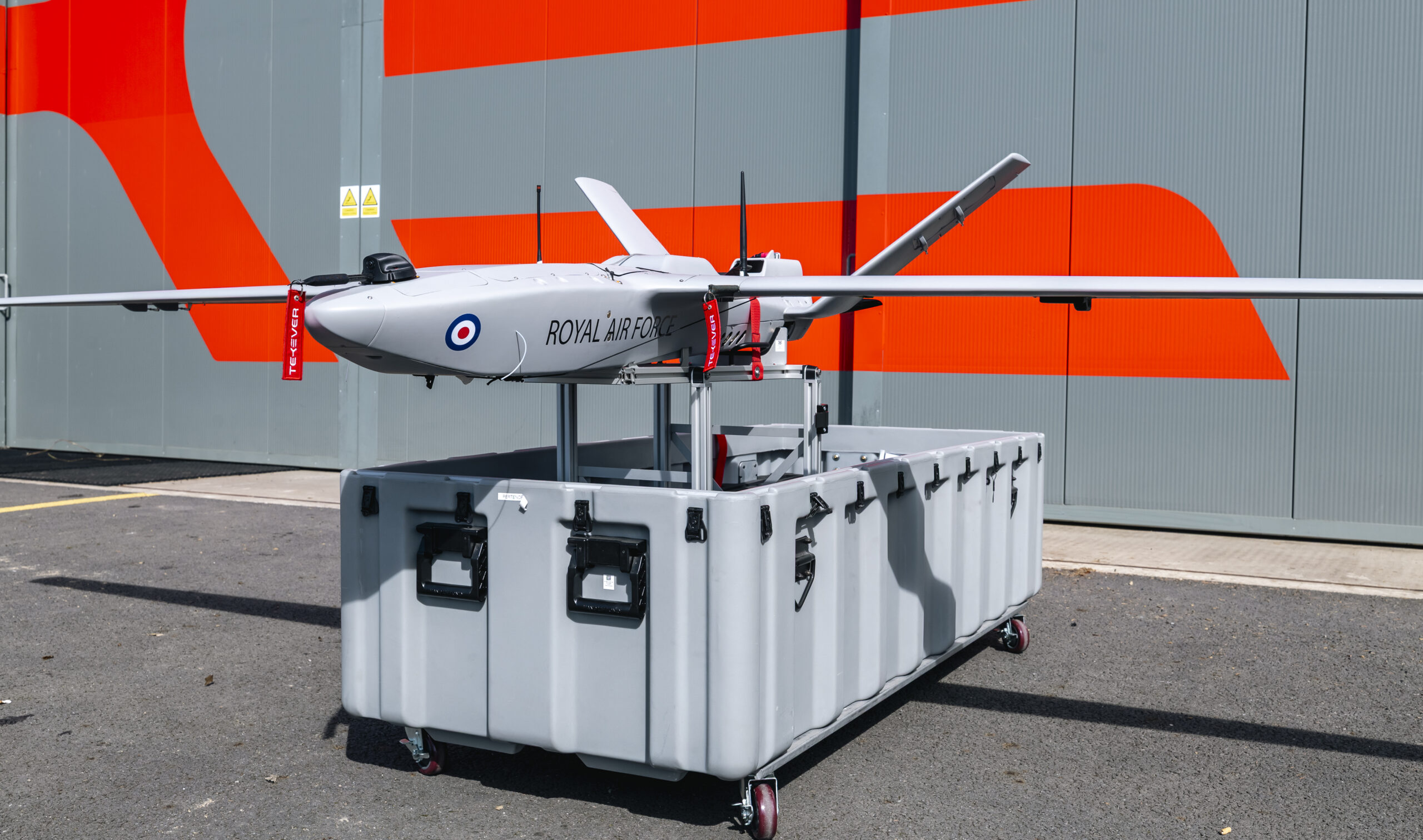
Drones, fighters, armored vehicles: Highlights from the UK’s Defence Investment Plan
The UK government has announced a significant investment of £5 billion aimed at advancing autonomous systems as part of its defense strategy. This initiative, outlined in the latest Defense Investment Plan (DIP), emphasizes the development of a “hybrid navy” that integrates cutting-edge technology into naval operations. The funding is intended to enhance the capabilities of the armed forces, reflecting a broader trend towards modernization and innovation in military operations. The push for these autonomous systems is driven by the need to adapt to evolving security challenges and to maintain a competitive edge in defense capabilities. The plan is set to reshape the future of the UK’s naval forces, ensuring they are equipped to address contemporary threats effectively.
Global Land Warfare Naval Warfare AH-64E Apache Army Challenger 3
SkyeBrowse Launches AI Workflows for Crash Analysis and Crowd Counting with DJI Integration
SkyeBrowse has introduced two AI-driven workflows: Crush Analysis for vehicle crash investigations and Crowd Counter for estimating crowd sizes. The Crush Analysis tool streamlines the process of analyzing crash scenes by allowing users to identify vehicle details and generate a 3D reference model, measuring crucial metrics like crush depth and collision classifications. The Crowd Counter feature enables drone pilots to quickly estimate the number of people in an aerial image using the DJI RC Pro, enhancing situational awareness for event safety and emergency response. This capability allows for immediate data utilization without needing to land the drone, making it a valuable tool for on-site assessments. SkyeBrowse offers Crush Analysis free until October 31, 2026, while the Crowd Counter is available through the SkyeBrowse Flight App and web app. Users can access three free crowd counts daily, with enterprise customers receiving unlimited counts. The integration of these AI workflows marks a significant advancement in drone data analysis for both crash reconstruction and crowd management.
News
Israel Defense Forces Establish New Branch for Unmanned Systems and AI Integration
The Israel Defense Forces (IDF) are launching a new branch dedicated to unmanned systems and artificial intelligence, as announced by Chief of Staff Lt. Gen. Eyal Zamir. This initiative aims to adapt to the rapidly evolving battlefield, emphasizing the integration of robotics, drones, and AI technologies. The establishment of the Unmanned Systems and Artificial Intelligence Branch is a significant step for the IDF, reflecting a strategic shift towards modern warfare capabilities. Zamir highlighted that these advancements will enhance operational effectiveness and save lives, marking a transformative moment for military operations. Looking ahead, the IDF plans to fully inaugurate this new branch by early December. The focus will be on harnessing technologies across land, air, and sea domains, with an emphasis on maritime capabilities as part of the IDF’s broader multi-year plan, Hoshen. No further timeline was disclosed at the time of publication.
Air Warfare Global Land Warfare AI & Autonomy Air Force Army
Ouster Expands into Drone Mapping and Autonomous Vehicles with Physical AI Technology
Ouster is advancing its technology that enables machines to perceive and navigate their environments, contributing to the growth of physical AI. The company is entering the drone mapping sector through a collaboration with GeoCue, while John Deere is integrating Ouster sensors into its GUSS autonomous vehicles. This expansion is significant as it highlights the increasing demand for physical AI solutions across various industries. Ouster's CEO, Angus Pacala, emphasized the company's commitment to exploring new markets and addressing the evolving needs for advanced sensing technologies in automation. Looking ahead, industry stakeholders should monitor Ouster's developments in drone mapping and its partnership with John Deere. No further timeline was disclosed at the time of publication.

MBDA Unveils Upgraded ASRAAM for Ground and Unmanned Vehicle Integration
MBDA showcased a new weapon at the recent exhibition, featuring a truck-mounted configuration. This upgraded version of the Advanced Short Range Air-to-Air Missile (ASRAAM) is designed for ground-launch capabilities. The significance of this development lies in its versatility, as the upgraded ASRAAM can also be integrated onto unmanned ground vehicles and unmanned surface vessels. This adaptability enhances operational flexibility for military applications. Looking ahead, industry stakeholders should monitor the integration of this weapon system into various platforms, as it may influence future military procurement strategies. No further timeline was disclosed at the time of publication.
Air Warfare Global Land Warfare Air Force Army ASRAAM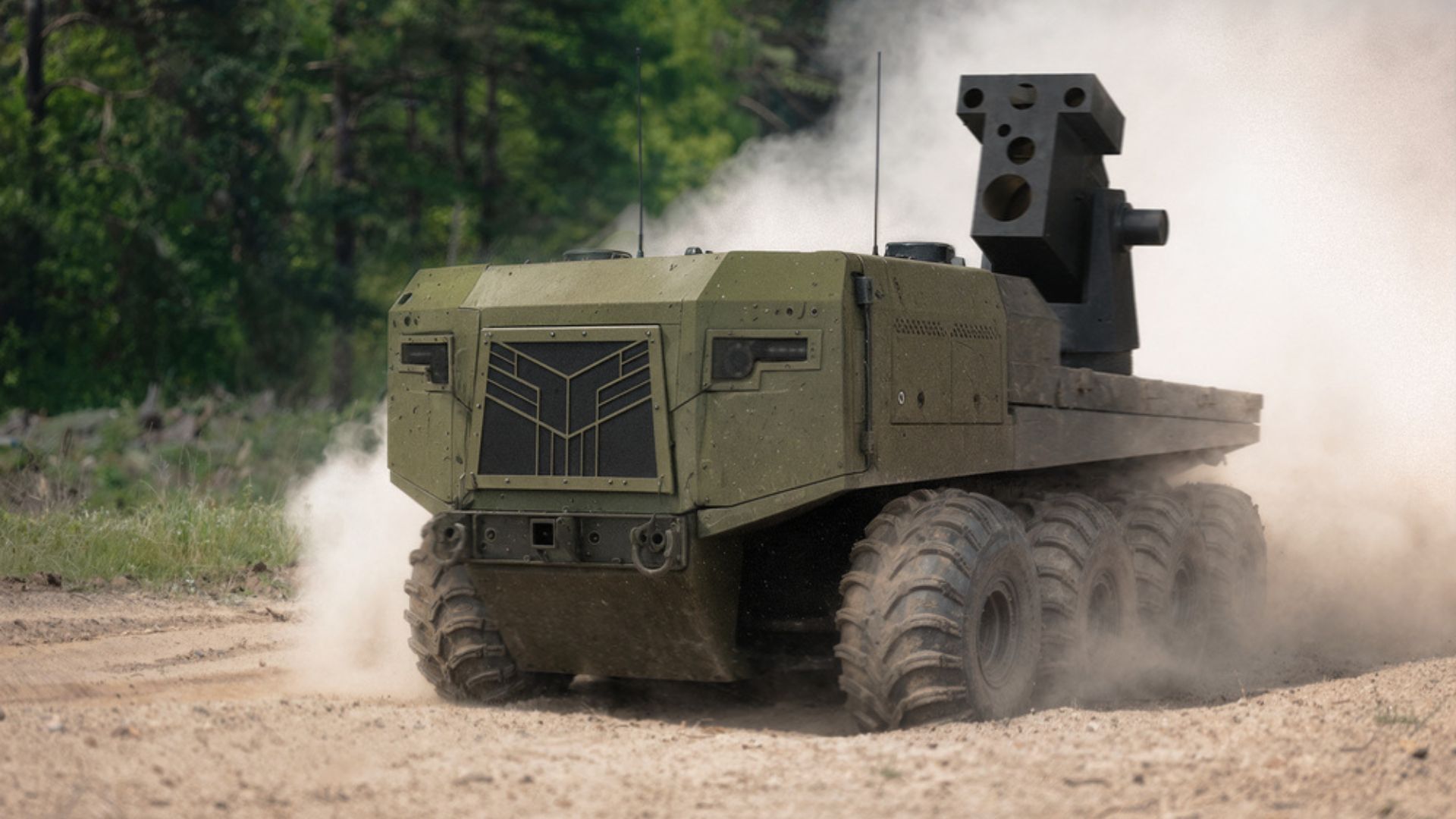
US robotic combat vehicles add directed-energy weapons to defeat multi-drone threats
Aurelius Systems has partnered with American Rheinmetall to integrate a directed-energy counter-drone system onto robotic...
Military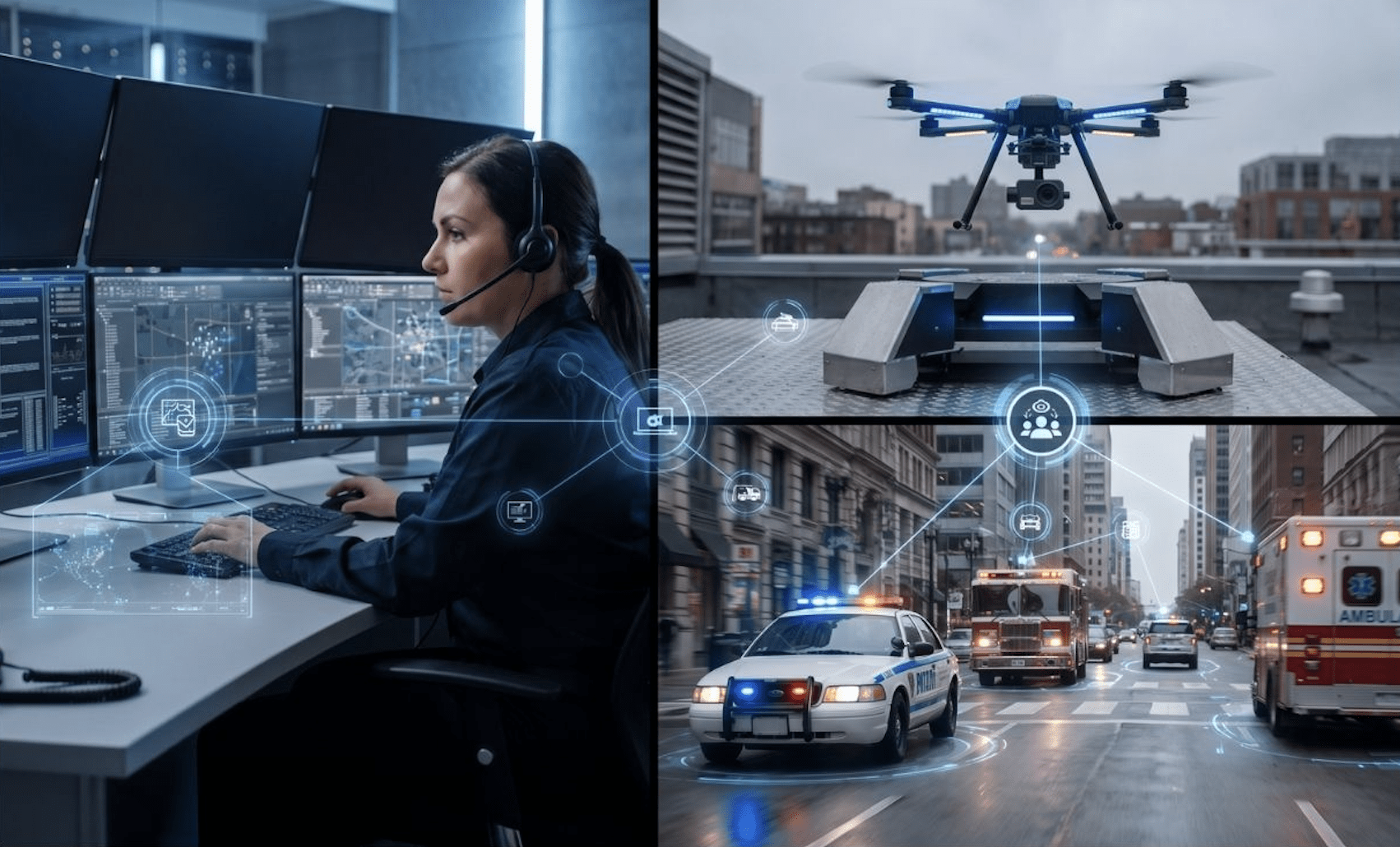
Versaterm on the Drone Radio Show! Next Level Integration of Drones into Public Safety
In a recent episode of the Drone Radio Show, Ryan Bracken from Versaterm discussed the company's acquisition of DroneSense and its implications for public safety agencies. This strategic move aims to enhance the integration of drone technology into computer-aided dispatch (CAD) workflows, moving beyond traditional standalone drone programs. The conversation highlighted the common characteristics of successful drone initiatives and offered insights on how agencies can develop sustainable operations while adhering to budget constraints. This integration is seen as a crucial step in advancing the use of drones in public safety, enabling agencies to leverage aerial technology more effectively in their operations.
Applications Drone News Drone News Feeds emergency response News Podcast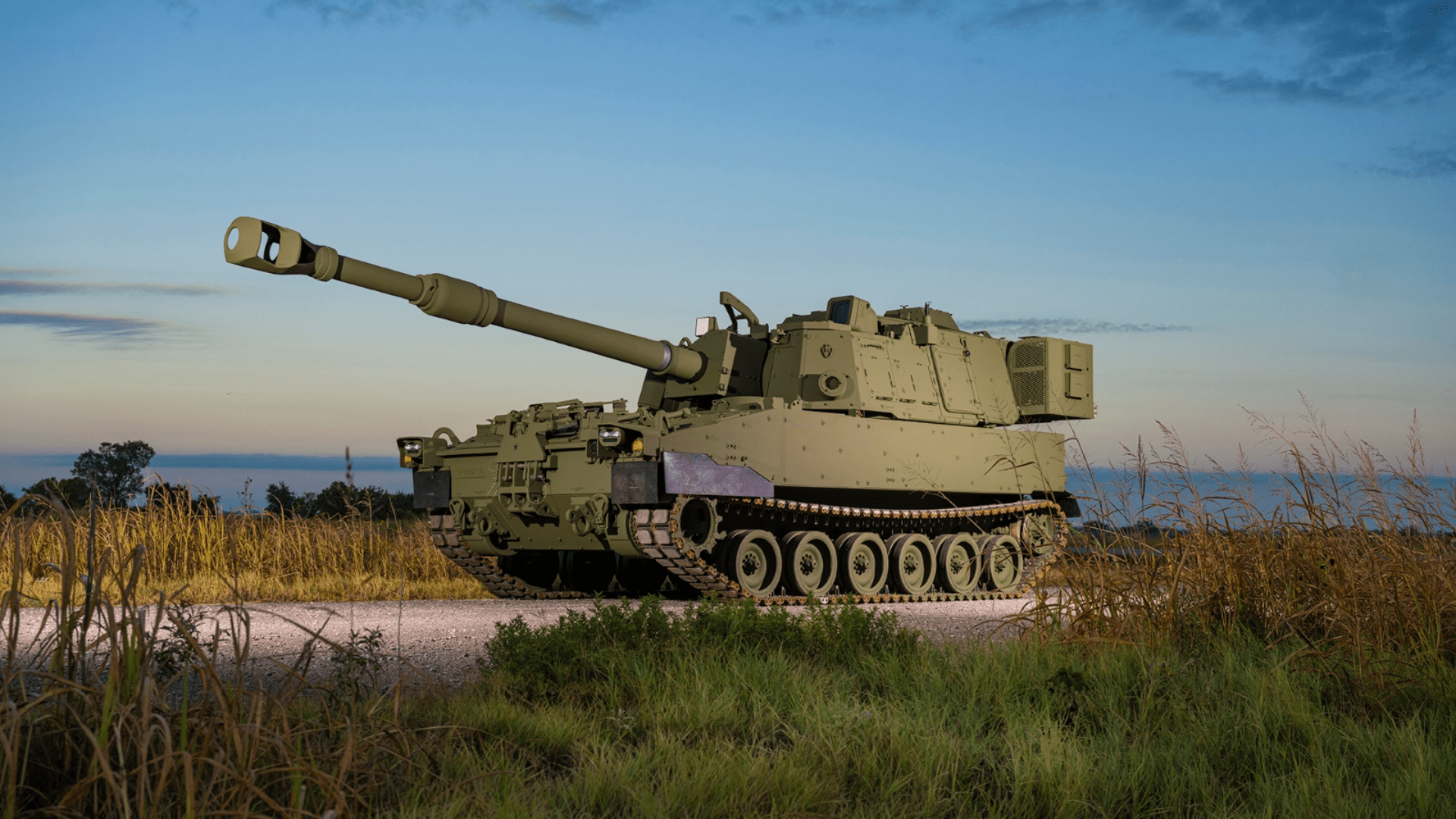
US Army trials LP-CROWS integration on Paladin artillery for drone defense
Engineers at the US Army Yuma Proving Ground are conducting developmental testing of advanced military technologies. This initiative, which began recently, aims to evaluate and enhance the performance of various systems crucial for operational readiness. The testing is part of the Army's ongoing efforts to improve its capabilities and ensure that troops are equipped with the most effective tools for modern warfare. By rigorously assessing these technologies in a controlled environment, the Army seeks to identify potential improvements and address any issues before deployment. The Yuma Proving Ground, known for its vast testing facilities, provides an ideal location for these critical evaluations, allowing engineers to simulate real-world conditions effectively. This testing phase is essential for maintaining the Army's competitive edge and ensuring the safety and effectiveness of its personnel in future missions.
Military
Finland launches counter-drone patrol boats and vehicle project
The Finnish Border Guard has initiated a new project aimed at enhancing its capabilities to counter drone threats through the development of specialized patrol vehicles and boats. This initiative reflects the growing concern over the use of drones in various security contexts, prompting the Border Guard to bolster its operational readiness. The project, which commenced recently, is part of a broader strategy to ensure national security and protect Finland's borders from potential aerial intrusions. By integrating advanced technology into their patrol units, the Border Guard aims to effectively monitor and respond to drone activities, thereby safeguarding the integrity of the nation's airspace.
News
New Franco-German armored tank incorporates unmanned turret and drone systems
Franco-German defense companies Krauss-Maffei Wegmann and Nexter Defense Systems (KNDS) have introduced a new main battle tank, marking a significant advancement in military technology. The unveiling took place during a defense exhibition in Paris on October 15, 2023. This new tank is designed to enhance the operational capabilities of European armed forces amid increasing geopolitical tensions and evolving security threats. The collaboration between the two companies aims to strengthen defense cooperation within Europe and provide a modern solution to meet the demands of contemporary warfare. The development process involved extensive research and innovation, focusing on advanced armor, firepower, and mobility to ensure the tank meets the rigorous standards of modern combat scenarios.
Innovation Military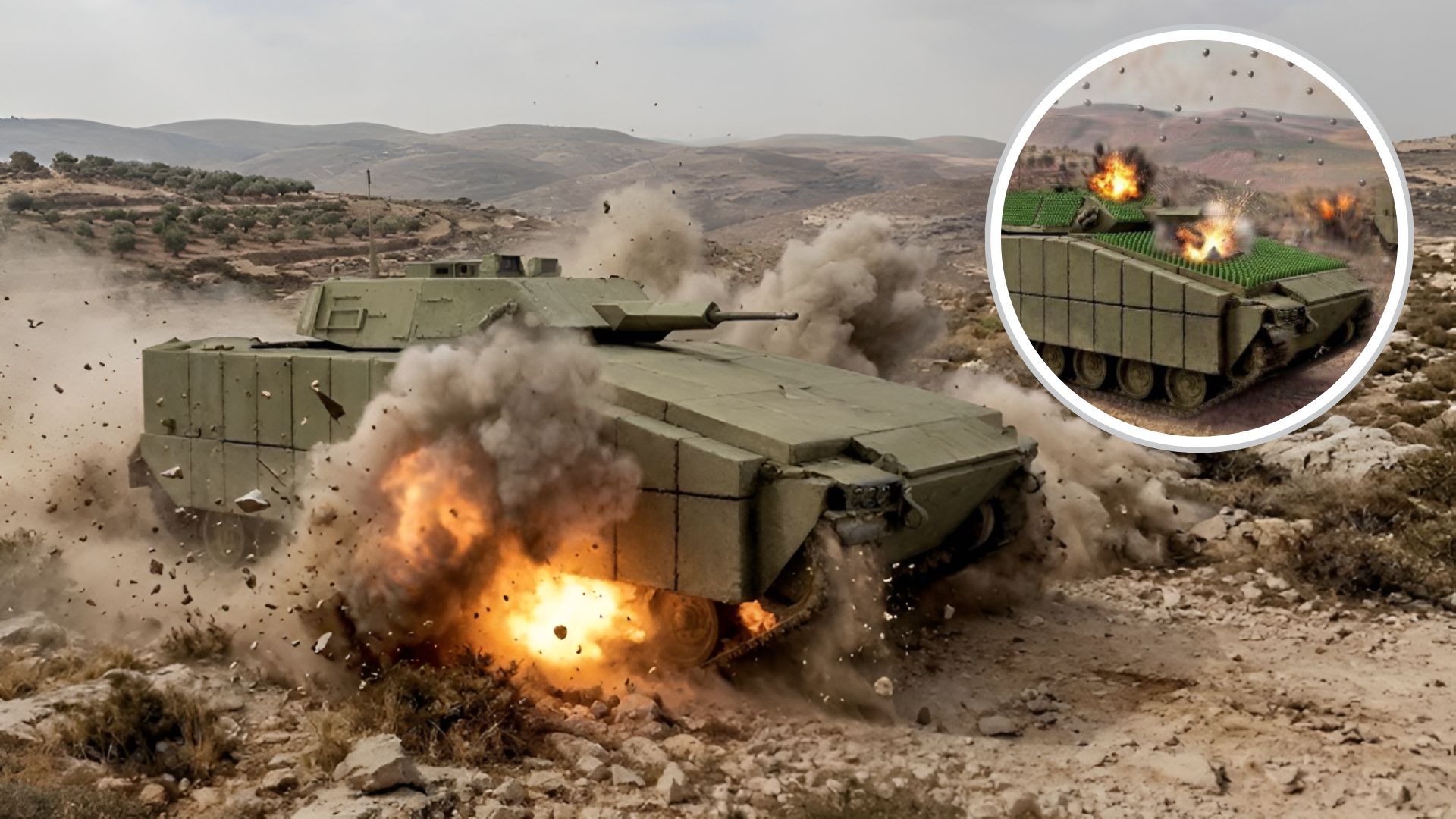
New three-layered armor protects vehicles from mines, RPGs and drone attacks
Defense companies are innovating in armored vehicle protection, shifting away from traditional methods of using thicker steel and heavier plating. This evolution in military technology is driven by the need for enhanced safety and effectiveness in combat situations. As threats become more sophisticated, manufacturers are exploring advanced materials and designs that offer better protection while maintaining mobility and performance. The ongoing research and development efforts are taking place across various locations, with companies aiming to meet the demands of modern warfare. This transition reflects a broader trend in the defense industry, where adaptability and innovation are crucial in ensuring the safety of personnel and the success of missions.

INKAS unveils modular tactical vehicle, AI-drone interceptor at CANSEC
At the CANSEC 2026 defense trade show, Canada’s INKAS Defense and Aerospace integration unveiled two innovative products aimed at enhancing military capabilities. The event, which showcases advancements in defense technology, took place in Ottawa, highlighting the latest developments in the sector. INKAS's introduction of these products reflects the company's commitment to addressing the evolving needs of defense forces and improving operational efficiency. The new offerings are designed to integrate advanced technology with practical applications, demonstrating INKAS's role in advancing national security solutions.
News
Massimo Group Launches AI Intelligent Patrol Platform Initiative Integrating Autonomous Patrol Vehicles, Spherical Security Robots and Drone Systems
Massimo Group has officially launched the prototype development of autonomous patrol electric vehicles, aiming to penetrate the $50.4 billion U.S. security services industry. This initiative, which began in October 2023, focuses on integrating artificial intelligence into patrol and intelligent security mobility systems. By leveraging advanced technology, the company seeks to enhance security operations and improve efficiency in monitoring and response capabilities. The move is part of Massimo Group's broader strategy to innovate within the security sector, addressing growing demands for smarter and more effective security solutions.
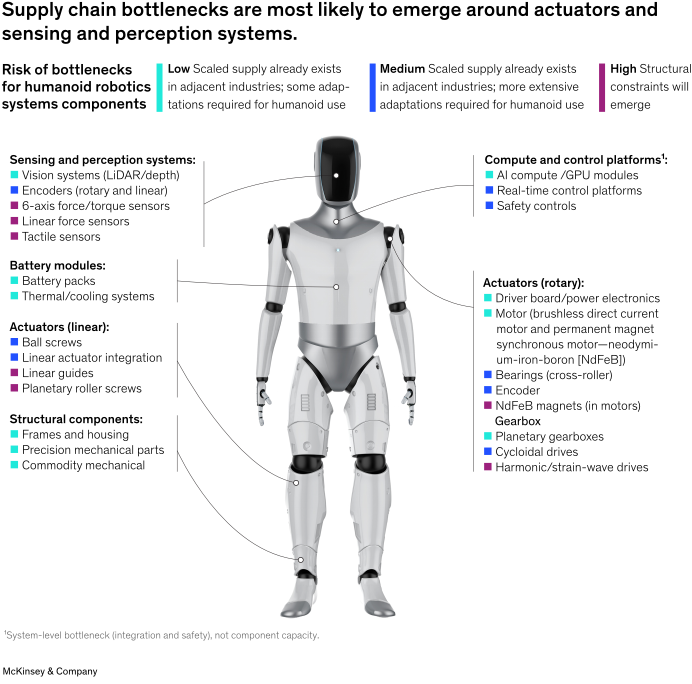
Morgan Stanley Sees Potential for China's Humanoid Robots to Mirror Electric Vehicle Success, McKinsey Offers Caution: Shift from Vertical Integration to Platformization
A recent report from Morgan Stanley indicates that China's humanoid robots may mirror the rapid growth seen in the electric vehicle sector, potentially enhancing the country's share of global exports. This development comes as China seeks to expand its technological footprint on the world stage. However, McKinsey has raised concerns about significant supply chain challenges that could hinder this progress. Despite China's strong manufacturing capabilities, the report highlights that the availability of essential components remains a critical obstacle. As the nation pushes forward in the robotics industry, addressing these supply chain issues will be crucial for realizing its ambitions in the global market.
Humanoid Robots Supply Chain Management Advanced Manufacturing AI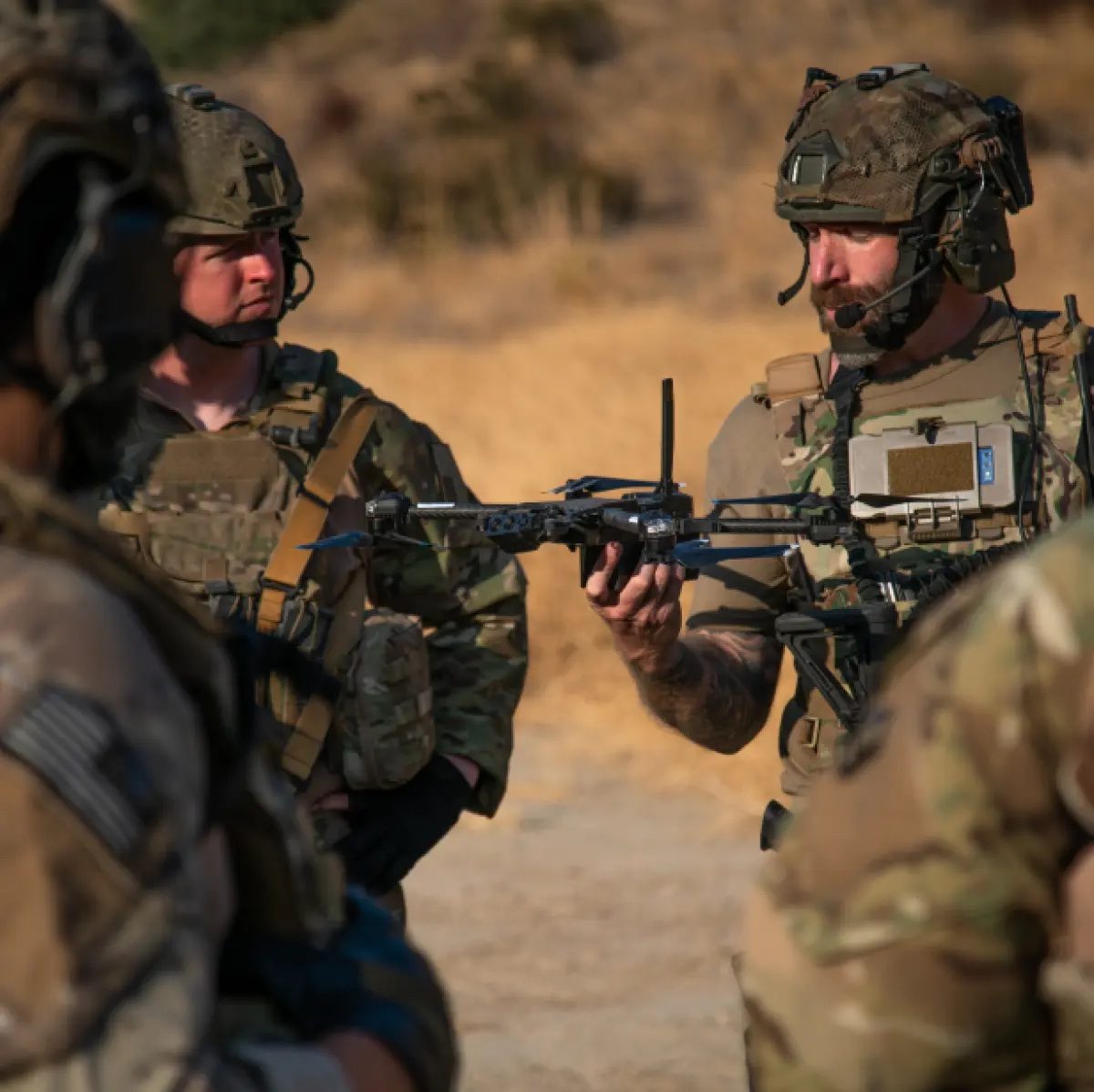
When Commercial Drone Technology Meets Defense: A Closer Look at Civil–Military Integration
A recent report from the Foundation for Defense of Democracies (FDD) underscores the significant convergence of commercial drone technology and military applications, highlighting the evolving landscape of the drone industry. This analysis, titled “China’s War Wolves,” emphasizes how shared innovation pipelines are influencing both commercial markets and defense capabilities. The report draws attention to the implications of civil-military integration, particularly in the context of national security and technological advancement. As the demand for drones continues to rise, understanding the interplay between civilian and military uses becomes increasingly critical. The findings are particularly relevant as nations seek to enhance their defense strategies while leveraging advancements in commercial technology.
Applications Defense defense DL Exclusive Drone News Drone News Feeds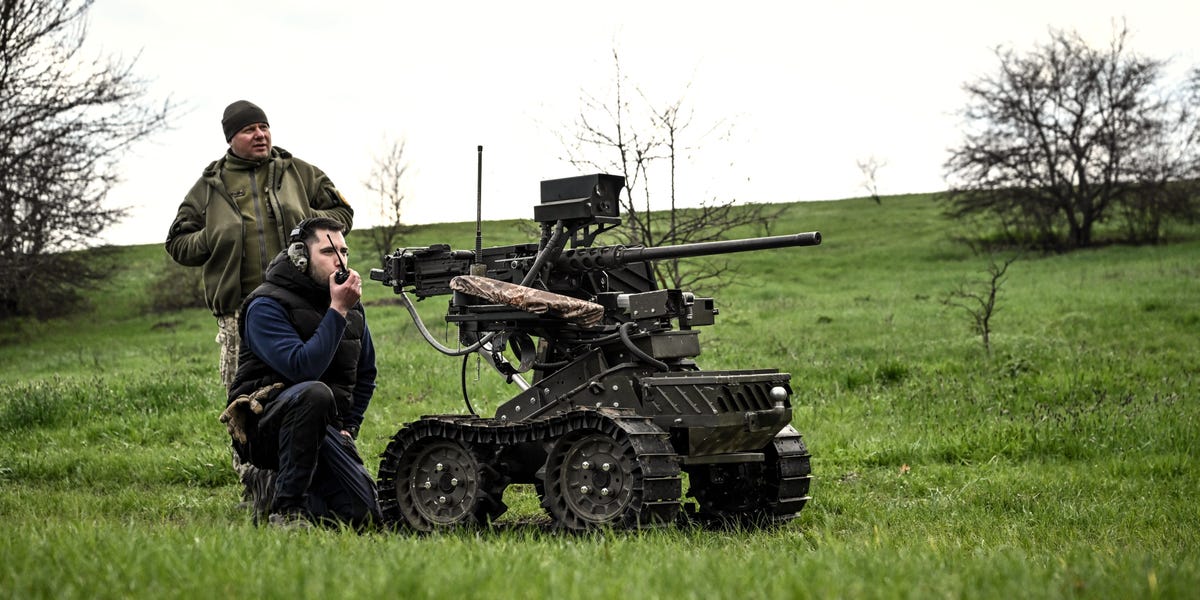
Ukraine's fight shows the West why cheap robots could matter more than armored vehicles in a long war, arms maker says
As modern warfare evolves, military experts are raising concerns about the sustainability of Western tanks and armored vehicles in high-loss scenarios. With the increasing intensity of conflicts, these traditional assets may face significant challenges in terms of replacement and operational effectiveness. In response, defense analysts suggest that deploying affordable ground robots could alleviate some of the operational strain on human soldiers and conventional vehicles. These robotic systems are being explored as a viable alternative for certain missions, potentially enhancing battlefield efficiency while minimizing human risk. The shift towards automation in military operations reflects a broader trend of integrating advanced technology to adapt to the changing landscape of warfare.
Military & Defense ground-robot ukraine armored-vehicles ugv ground-drone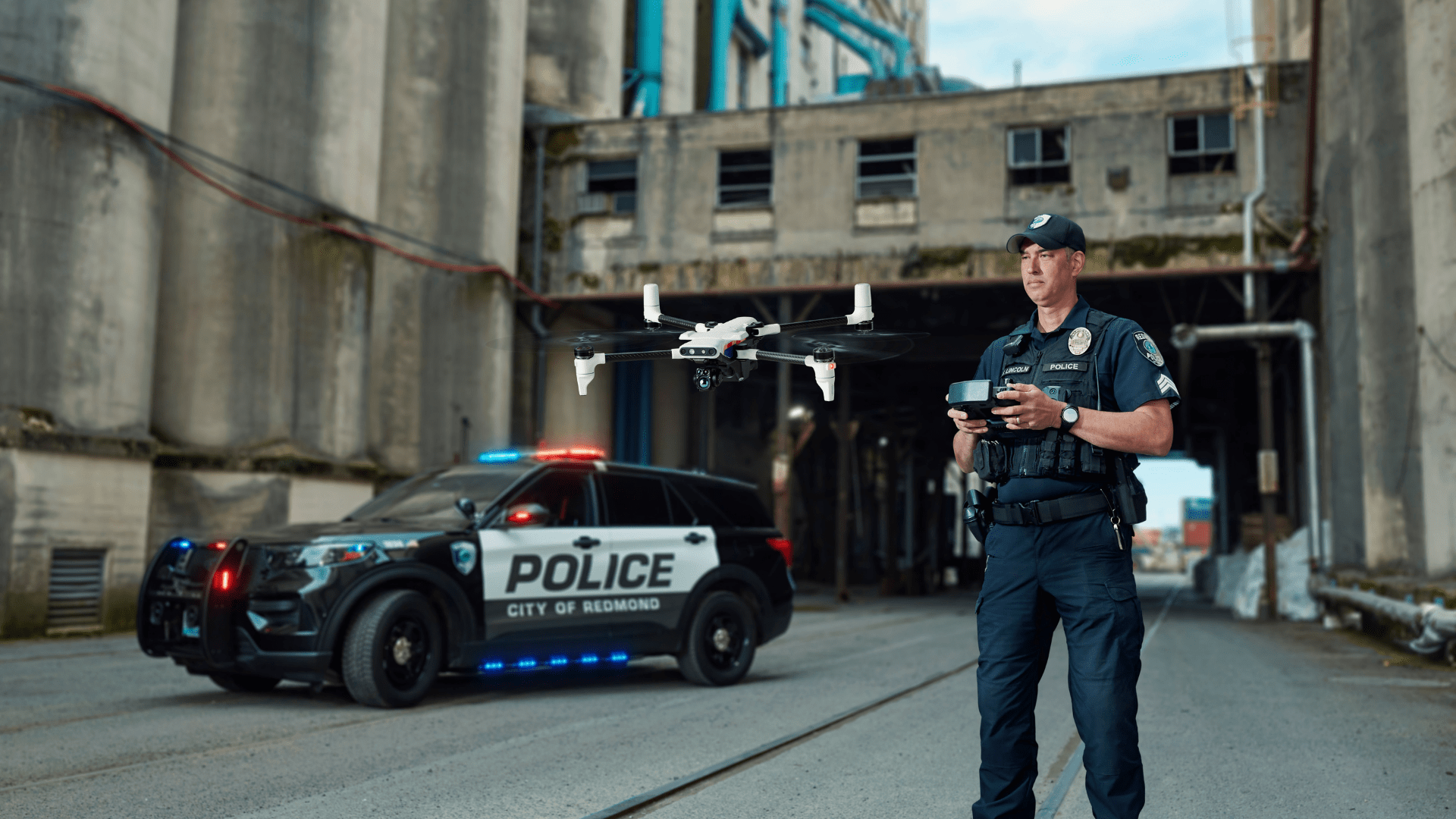
AirData and BRINC Integration Brings Automated Flight Records to Public Safety Drone Programs
AirData has launched a new integration with BRINC to enhance the management of drone flight data for public safety agencies. This collaboration enables automatic capture and organization of flight records from BRINC’s Lemur 2 and Responder drones within the AirData platform. By streamlining this process, the integration aims to reduce the reliance on manual data entry, thereby supporting scalable and auditable drone operations. This development is expected to significantly improve the efficiency of drone programs used in public safety, allowing agencies to focus more on their core missions.
Drone News Drone News Feeds Drones in the News Featured – Safety and Security News AirData
Bringing Firepower to the Fleet: Lockheed Martin Invests $50M in Saildrone to Advance Unmanned Surface Vehicle Capabilities for US Navy
Lockheed Martin has announced a significant investment of $50 million in Saildrone, Inc., aimed at enhancing the capabilities of unmanned surface vehicles (USVs). This partnership, revealed today, seeks to integrate advanced defense technology with Saildrone's proven USV systems, positioning them for military applications. The collaboration is expected to accelerate the development of these vehicles, equipping them with cutting-edge technology for all-domain defense operations. The investment underscores Lockheed Martin's commitment to advancing defense solutions and reflects the growing importance of innovative technologies in military strategy.
lockheed martin investment saildrone
JD Logistics unveils five-year plan to deploy millions of robots, autonomous vehicles, and drones
JD Logistics revealed on Friday its ambitious plan to acquire three million robots, one million autonomous vehicles, and 100,000 drones over the next five years. This initiative aims to significantly enhance automation within its logistics and supply chain network. The company has already successfully deployed its "Wolf Pack" series of robots across more than 20 provinces, showcasing its commitment to advancing operational efficiency and technological integration in its services. By investing in these advanced technologies, JD Logistics seeks to streamline its operations and improve service delivery, positioning itself as a leader in the rapidly evolving logistics sector.
News Feed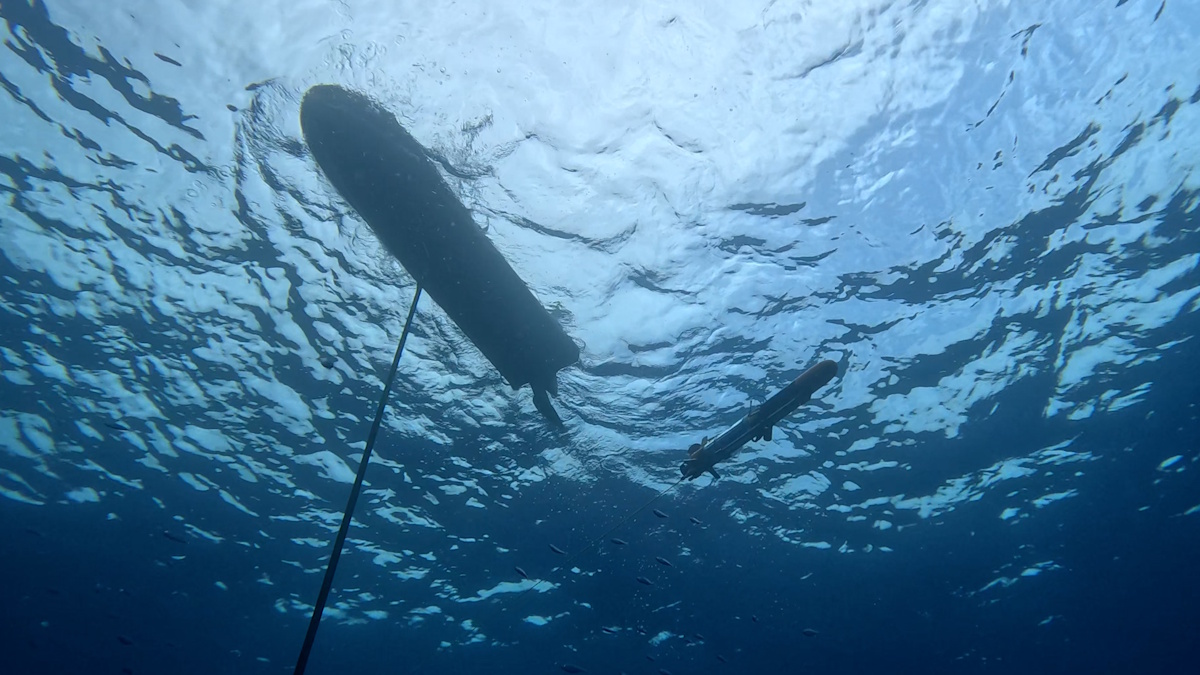
Liquid Robotics and Hydronet Sign MOU to Advance Undersea Mesh Networking for Maritime and Underwater Autonomous Vehicles
Liquid Robotics, a subsidiary of Boeing, has partnered with Massachusetts-based deep tech start-up Hydronet to enhance and commercialize underwater mesh networking technologies. This collaboration aims to improve connectivity for maritime and underwater autonomous vehicles. The two companies have formalized their commitment through a Memorandum of Understanding (MOU), signaling a strategic move to leverage their respective expertise in advancing this innovative technology. The partnership is expected to facilitate more efficient communication and data sharing among autonomous systems operating in underwater environments, ultimately enhancing operational capabilities in various maritime applications.
liquid robotics hydronet mou undersea mesh networking underwater autonomous vehicles auvRobotics needs a service framework.
RSF defines a common language for robot service capability, lifecycle operations, certification pathways, and service-provider networks.
Join the RobotToday community on LinkedIn
Daily robotics news, in-depth analysis, conference highlights, and discussions with professionals worldwide.