

Industry Briefing
A single destination for timely, editor-curated robotics news from around the world.

Robots Face Data Shortage Despite Establishment of Hundreds of Training Centers
The rapid increase in robot model parameters has not been matched by the availability of high-quality physical interaction data. Current compliant data in China stands at only 500,000 hours, while commercial deployment requires tens of millions of hours, resulting in a gap exceeding 99%. The China Academy of Information and Communications Technology indicates that embodied intelligence models need at least tens of millions of hours of data to reach a 'ChatGPT moment', yet globally available high-quality data is still far from sufficient. The scarcity of data is not due to a lack of collection efforts; approximately 100 embodied intelligence data collection centers have emerged in China over the past two years. However, the data collected is often of poor quality, incompatible formats, and not reusable across different projects. The high cost of collecting real machine data, estimated at around 275 yuan per hour for effective data, exacerbates the issue, making it a rare and expensive resource. As over 70 training centers are operational and more than 40 are under construction, concerns about the quality of data collected persist. Some reports describe the business model of these centers as 'circular financing', where robot companies sell machines to government-built data centers and then funnel money back under the guise of data procurement. No further timeline was disclosed at the time of publication.
Embodied Intelligence Data Collection Robotics Training AI Standards
Understanding AI Testing Needs from Wafers to Data Centers
AI is transforming the infrastructure that supports it, particularly at the compute layer. As server architectures and AI accelerators become increasingly intricate, the demand for effective testing has surged. This evolution necessitates advanced testing methodologies to ensure reliability and performance across various components. The significance of this shift lies in the critical role that robust testing plays in the deployment of AI technologies. With the complexity of AI systems rising, ensuring that each layer—from wafers to data centers—functions optimally is essential for maintaining operational efficiency and meeting user expectations. Effective testing can mitigate risks associated with failures and enhance the overall performance of AI applications. Looking ahead, stakeholders should monitor advancements in testing technologies and methodologies that cater to the unique challenges posed by AI systems. As the industry continues to evolve, the integration of innovative testing solutions will be vital for supporting the growing demands of AI infrastructure. No further timeline was disclosed at the time of publication.

Hygon Information Technology Expands AI Chip Focus from Data Centers to Robotics Applications
Hygon Information Technology is preparing to launch a new chip aimed at physical-world applications, including robotics. This marks a significant shift from the company's current focus on data centers, as reported by Chinese media. The new chip, an iteration of the CPU1000 series, is designed to fulfill low-power, embedded, and edge computing needs. It targets various physical AI applications, particularly in robotics, machine vision, and intelligent manufacturing, highlighting the growing demand for AI solutions in these sectors. The launch event is scheduled to take place in Shenzhen, where Hygon will promote its vision of integrating computing power into the physical world. No further timeline was disclosed at the time of publication.

Emerald AI, Google, and NVIDIA Form Alliance to Enhance AI Data Center Flexibility
Emerald AI, Google, and NVIDIA have announced the formation of the AI Energy Management Alliance (AEMA), aimed at advancing data centers that can dynamically manage electricity usage based on grid conditions. This initiative seeks to enhance AI infrastructure by enabling more efficient energy use, ultimately supporting community energy systems and reducing environmental impacts. The significance of this alliance lies in its potential to address the power constraints currently limiting the expansion of AI infrastructure in the U.S. Traditional data center interconnection processes are not designed for the flexible demands of modern computing. By allowing data centers to adjust their electricity consumption intelligently, the AEMA aims to optimize existing grid capacity and facilitate quicker connections for AI facilities. Looking ahead, the AEMA's technology-neutral approach focuses on measurable performance metrics, ensuring reliability while reducing uncertainty for developers. The alliance will bring together a diverse range of stakeholders, including AI platforms, data center operators, and utilities, to collaborate on creating a more responsive and efficient energy ecosystem for AI technologies. No further timeline was disclosed at the time of publication.

Emerson Unveils DeltaV Automation Platform for AI-Scale Data Center Management
Emerson has introduced its DeltaV Automation Platform for Data Centers, which features an automation portfolio tailored for AI-scale data centers. This platform integrates thermal, mechanical, and electrical subsystems within a scalable architecture, enhancing the monitoring and control of data center infrastructure. The significance of this development lies in its ability to reduce engineering efforts, simplify integration, and improve consistency across commissioning, operations, and maintenance. Nathan Pettus, president of Emerson’s process systems and solutions business, emphasized that data center performance is increasingly reliant on the collaboration of critical systems rather than individual components. Looking ahead, the DeltaV Automation Platform aims to provide operators with unified visibility and coordinated control, enabling predictable project commissioning and reliable large-scale operations. Emerson's platform includes the DeltaV distributed control system and DeltaV programmable logic controllers, both of which leverage AI technologies for enhanced integration of optimization models.
Factory / Analytics
Highstar Launches Innovative Battery System to Enhance Data Center Resilience Against Outages
Highstar, a China-based energy storage firm, introduced a comprehensive battery cell portfolio at the 2026 GGII Energy Storage Industry Summit to address the increasing power demands of AI Data Centers (AIDCs). This innovative system utilizes tailored chemistries for different layers of data center operations, ensuring reliable power backup and thermal management. The significance of Highstar's solution lies in its ability to meet the unique challenges posed by AI workloads, which require rapid response and dependable backup. The battery portfolio includes specialized products designed for server-rack battery backup units, facility-wide UPS, and grid-side storage, effectively insulating servers from power spikes and dropouts. Looking ahead, the integration of Highstar's battery systems could alleviate pressure on global power grids, which are currently facing transformer shortages and capacity limits. By providing on-site battery storage, data center operators can safely manage power demands and avoid disruptions to local substations. No further timeline was disclosed at the time of publication.
AI and Robotics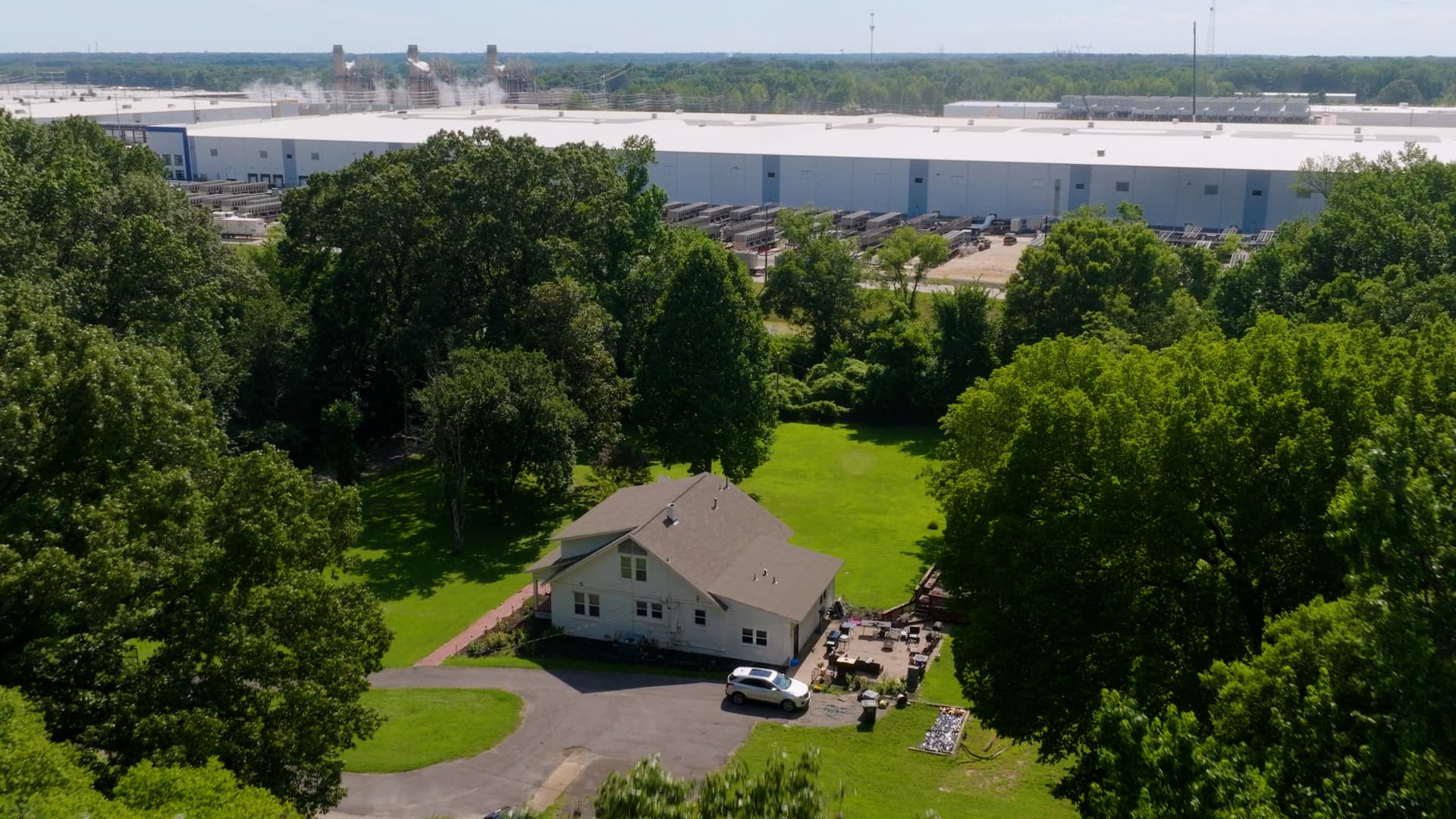
Elon Musk's AI Data Centers in Memphis Spark Nationwide Backlash Against Development
Elon Musk's rapid establishment of AI data centers in Memphis has led to significant local discontent due to noise and emissions from gas-burning turbines. This situation has become a cautionary example for other communities facing similar developments, prompting protests and policy proposals across the U.S. Public opposition is growing against data centers from major tech companies, with a recent Gallup poll indicating that 70% of Americans oppose local AI data center construction. The backlash against Musk's SpaceXAI facilities, Colossus and Colossus II, highlights the challenges of balancing technological advancement with community concerns. Local residents report feeling ignored during the planning stages, and many are now involved in legal actions against SpaceX. The controversy has also influenced state-level policies, such as New York's moratorium on AI data center construction and New Jersey's legislation requiring fair electricity costs for data center operators. As the debate over AI data centers continues, stakeholders are watching for further developments in regulations and community responses. The experiences of Memphis residents serve as a blueprint for other areas grappling with the implications of such facilities, emphasizing the need for better engagement and consideration of local impacts in future projects. No further timeline was disclosed at the time of publication.

Starmind's Orbital Compute vs. Terrestrial Data Centers: Analyzing Resource Advantages
Starmind's orbital compute technology presents a significant advantage over traditional ground-based data centers by eliminating constraints related to land, water, and grid permitting. While terrestrial data centers are currently cheaper and faster to construct, with U.S. data center spending reaching $85.3 billion in 2026, Starmind's approach focuses on addressing the growing resource limitations faced by hyperscale facilities. The significance of Starmind's technology lies in its ability to sidestep the increasing challenges of land and water usage. For instance, a 100 MW data center can consume approximately 530,000 gallons of water daily for cooling, while Starmind's AI1 utilizes deployable liquid radiators that require no water. This structural advantage could resonate with investors as the demand for AI computing continues to escalate, potentially leading to annual water withdrawals of up to 1.7 trillion gallons by 2027. Looking ahead, Starmind's next milestones include the launch of AI1 prototypes scheduled for early 2027. However, the technology's claims regarding cooling efficiency and operational reliability remain unverified until real flight data is available. As the industry evolves, the competition between orbital and terrestrial solutions will become increasingly relevant, particularly in the context of resource management and sustainability.
SpaceX Proposes 1 Million AI Satellites to Address Ground Data Center Constraints
On January 30, 2026, SpaceX filed with the FCC to launch up to 1 million AI compute satellites, positioning orbital data centers as a solution to the increasing demand for AI computing power. Ground data centers are facing significant challenges, with energy consumption projected to reach approximately 1,050 TWh in 2026, making them the fifth-largest electricity consumer globally. The demand for new data center capacity is outpacing the growth of power generation infrastructure, leading to a critical bottleneck in the grid system. The significance of this initiative lies in the structural constraints faced by ground data centers, including power delivery limitations, high water consumption, and local opposition to new projects. The Uptime Institute's 2026 outlook identifies power as the primary constraint on data center growth, with capacity clearing prices in the PJM grid skyrocketing to $329.17/MW, driven by data center expansion. Additionally, cooling requirements are becoming increasingly unsustainable, with facilities consuming vast amounts of water, further complicating their operational viability. Looking ahead, SpaceX's orbital AI compute initiative aims to circumvent these challenges by leveraging the advantages of space, such as continuous solar power and minimal local opposition. The first AI prototypes are expected to launch in early 2027, with operational deployments planned for 2028. No further timeline was disclosed at the time of publication.

Chen Pu of Yuan Ke Vision Discusses Transitioning Robot Training Data from 2D to 4D with High Precision
On September 23, Chen Pu, Vice President of Product Development at Yuan Ke Vision, highlighted the importance of high-quality real data for robot training during a seminar in Beijing. He emphasized the need to elevate data from 2D to 4D and improve precision from centimeter to sub-millimeter levels to build a robust 4D data foundation for robotics. This transition is crucial as the industry faces challenges such as weak model generalization and inadequate scene adaptability. Chen noted that current training methods often rely on limited 2D video data, which fails to capture the complexities of three-dimensional space and temporal changes, hindering robots' ability to understand and interact with their environments effectively. Looking ahead, Yuan Ke Vision aims to address these challenges by developing new data collection and training paradigms that enhance dimensionality, enrich modalities, and improve precision. Chen pointed out that while video data serves as a foundation, it is often too simplistic, and the lack of tactile data remains a significant gap in the industry. No further timeline was disclosed at the time of publication.
Robot Training Data 4D Data Collection Industrial Robotics Embodied Intelligence Precision Robotics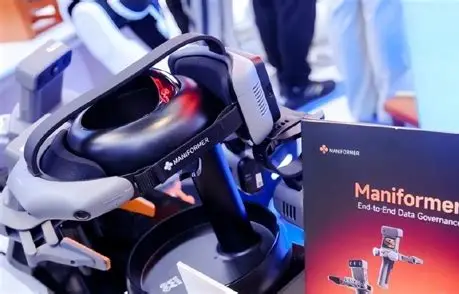
Mifengpai Unveils Data Crowdsourcing Initiative for Robot Training Through Daily Activities
On September 23, Mifengpai launched a global initiative to crowdsource data for robot training, showcasing over 50,000 real environments and 5,000 tasks. The event highlighted the need for extensive data on everyday actions, which are crucial for training robots but have not been systematically recorded. Mifengpai's approach combines hardware, an app, and a data engine to facilitate this data collection. This initiative is significant as it addresses the challenge of gathering large-scale data necessary for developing embodied artificial general intelligence (AGI). Mifengpai's infrastructure, including the MEgo collection devices and a user-friendly app, aims to democratize data collection by allowing ordinary users to contribute through standardized tasks. The company has already seen substantial engagement, with 20,000 registered users and over 13,000 data collection tasks submitted in just one month. Looking ahead, Mifengpai has introduced a subsidy plan worth 100 million yuan to support task and equipment subsidies, along with a scene data alliance involving over 50 companies across various sectors. This collaborative effort is expected to enhance the quality and quantity of data available for robot training, ultimately improving robotic capabilities in everyday tasks.
Data Crowdsourcing Robot Training AI Technology Human-Robot Interaction
China Launches Components for Orbital Datacenter: AI Compute, Cloud Software, and Laser Links
On September 23, it was reported that China has successfully launched key components for an orbital datacenter. These components include on-board AI computing capabilities, cloud-native satellite software, and advanced 100 Gbps-class laser communication links, developed through multiple concurrent programs. This development is significant as it represents a major step forward in China's capabilities in space technology and satellite communications. The integration of AI and cloud-native software into satellite systems could enhance data processing and transmission efficiency, positioning China as a competitive player in the global space industry. Looking ahead, industry observers will be keen to monitor the progress of these programs and their potential applications in various sectors. No further timeline was disclosed at the time of publication.

Japan Collaborates with Machinery Makers to Collect Data for Physical AI Development
The Japanese government is partnering with major machinery manufacturers to gather data for machine learning applications focused on physical AI, including autonomous robots. This initiative involves assigning unique IDs to individual factory equipment to facilitate data collection across various producers. This collaboration is significant as it aims to enhance Japan's capabilities in physical AI, positioning industrial robot manufacturers like Yaskawa Electric to benefit from the increased data availability. The initiative reflects a broader trend in the industry towards leveraging data for advanced AI applications. Looking ahead, the effectiveness of this data collection strategy will be crucial for the development of autonomous robots and other physical AI technologies. No further timeline was disclosed at the time of publication.

Watney Secures $80 Million to Develop Robots for Data Center Operations
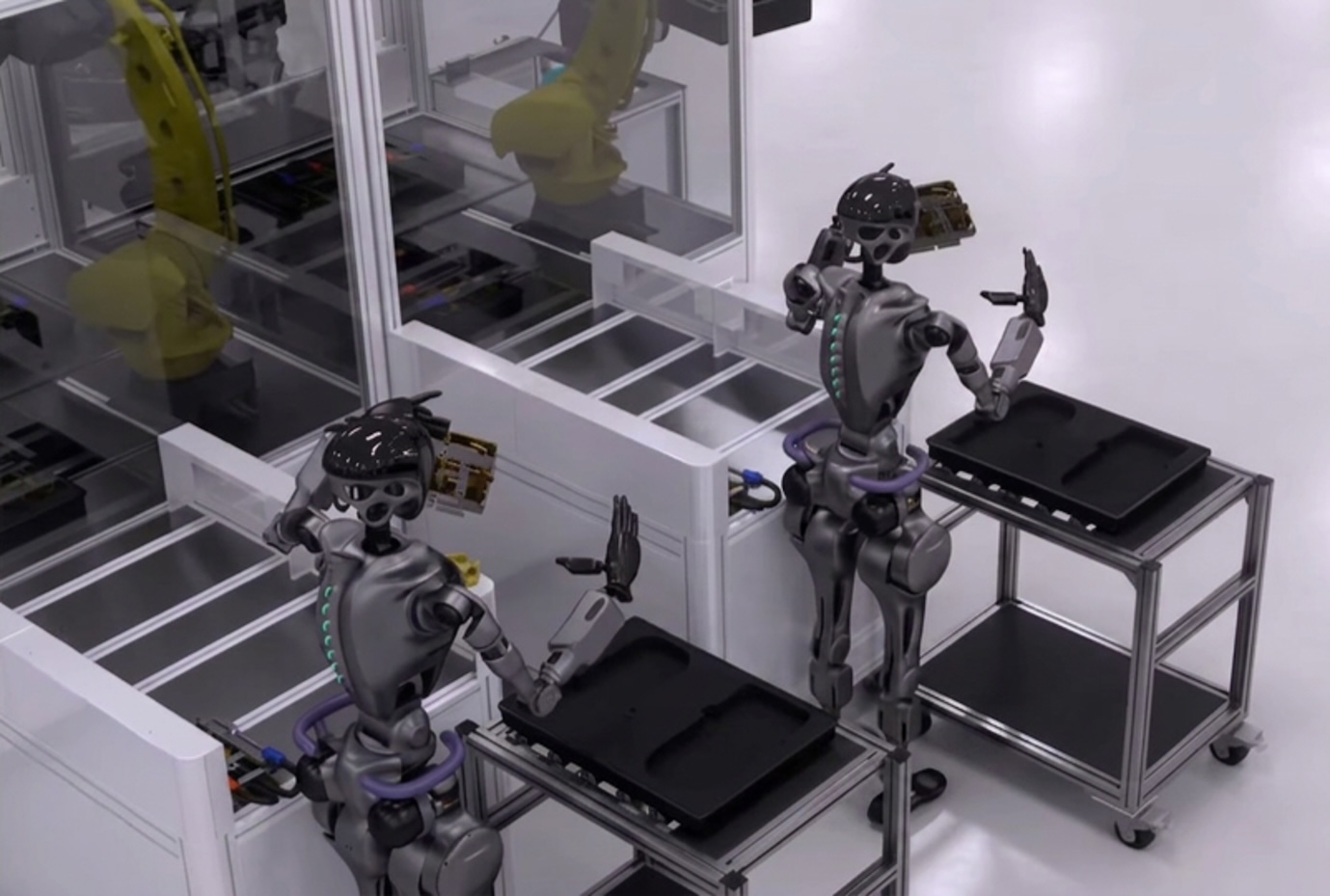
Watney has successfully raised $80 million to enhance its robotic solutions for data centers, focusing on the physical tasks necessary for increasing compute capacity. The funding round, announced on September 17, includes co-leads Valor Atreides AI Fund and Hummingbird Ventures, alongside returning investors such as Conviction, Abstract, A*, and Grant Gordon, bringing total funding to over $100 million. This investment is significant as it addresses labor shortages and operational complexities in critical infrastructure, particularly in AI data centers. Watney's approach emphasizes concrete tasks like last-mile cabling, which allows customers to evaluate performance based on speed, accuracy, and deployment costs. The company aims to provide a pilot program to prospective clients, positioning itself as a deployment-focused business rather than merely a research platform. Looking ahead, Watney's commitment to reliability is noteworthy, claiming over 99.99% reliability and operating the largest fleet of dexterous robots in the U.S. However, the announcement lacks specific metrics on fleet size and task success rates. Future updates will be crucial to understanding how effectively Watney's robots can accelerate data center expansion and improve economic efficiency.
Industrial Automation fundraising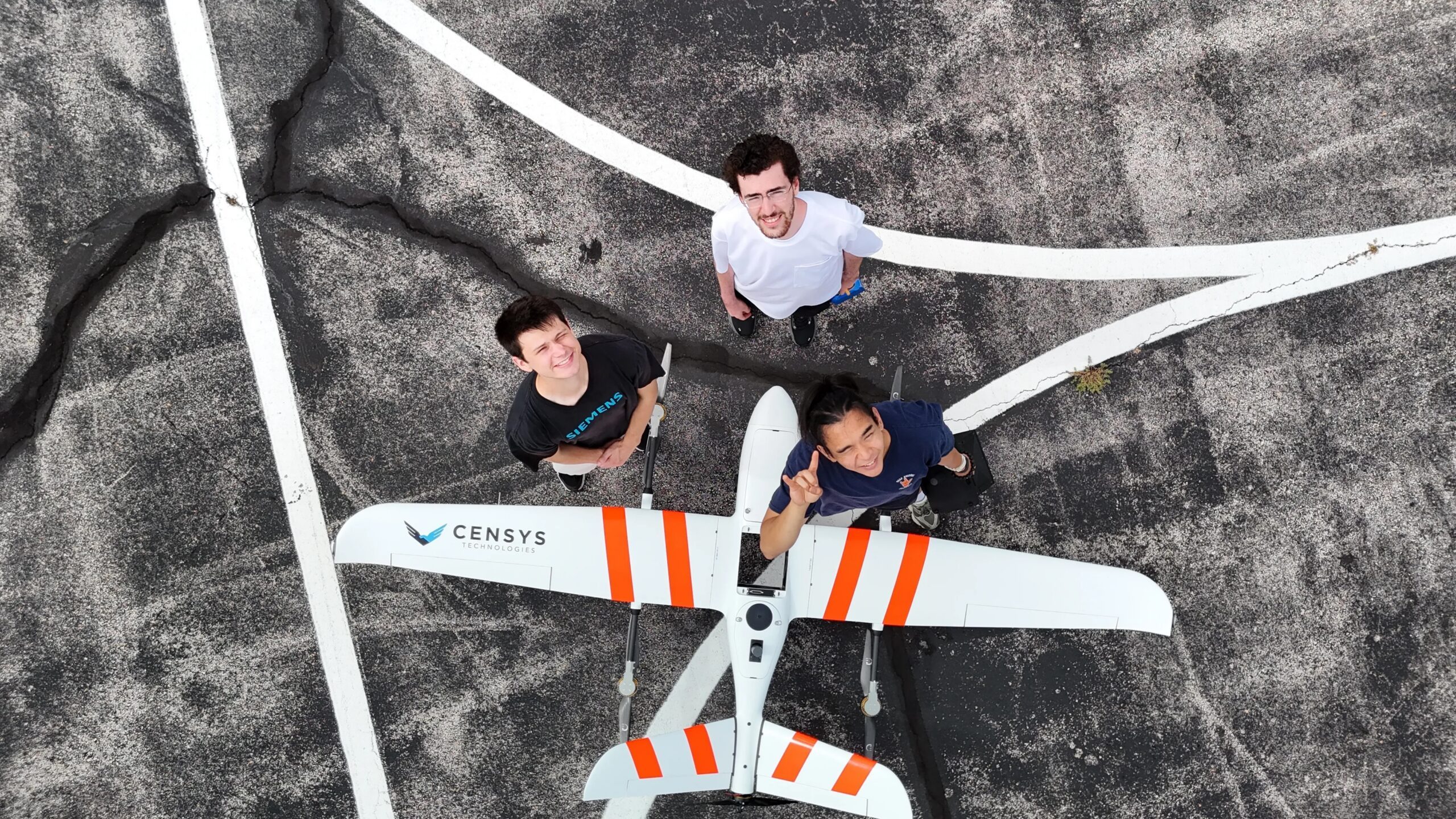
AIVE AI Systems Enhances Geospatial Data Access with Innovative Mapping Solutions
At the upcoming 2026 INTERGEO event in Munich, AIVE Systems will showcase its AI-driven software that simplifies the creation of georeferenced 2D maps from drone imagery. This innovation targets users who require geographic context without needing intricate 3D models, expanding its applications beyond wildfire detection. AIVE's technology stems from the FLARE-X project, a collaboration led by The University of Texas at Austin, which focused on autonomous wildfire risk mapping and detection. The software developed by AIVE aims to support various sectors, including infrastructure inspection, public safety, agriculture, and border patrol, by providing essential environmental insights. The company's initial offerings, Atlas GEO Cloud and Atlas GEO QGIS, utilize fewer images to generate maps, differentiating from traditional methods that rely on precise positioning tools. AIVE's approach automates the mapping process, making it accessible for users without extensive expertise. No further timeline was disclosed at the time of publication.
DL Exclusive Drone News Drone News Feeds Education Mapping News
Shangpin Home Introduces Open-source WorldSimReady-Home Dataset for Robotics Training
Shangpin Home, in collaboration with Tangyuan Technology, has launched the WorldSimReady-Home simulation dataset aimed at addressing the challenges of robotic training in complex home environments. This open-source dataset includes 100,000 square meters of high-fidelity home scenes, 10,000 interactive assets, and 1,000 standardized robotic simulation task examples, allowing for extensive training and testing of various robotic forms. The significance of this initiative lies in its potential to bridge the Sim2Real gap, where robots struggle to perform in real homes despite successful laboratory tests. By providing a diverse range of simulated environments, the dataset enables developers to train robots for navigation, object manipulation, and complex household tasks without the risks associated with real-world trials. Looking ahead, the WorldSimReady-Home dataset represents a foundational step in Shangpin Home's strategy for embodied intelligence. As more teams engage with this open-source initiative, the development of additional datasets for industrial, commercial, and specialized scenarios is anticipated. The effectiveness of this approach will depend on the practical application of the dataset and the successful transfer of learned strategies to real-world settings.
Robotics Training Simulation Data Home Automation AI Digital Twins
Wall Street Considers Impact of AI Slowdown on Data Center Investments
Wall Street is evaluating the potential effects of a slowdown in AI model development on data center investments. Companies like Oracle, GE Vernova, and Caterpillar have heavily invested in AI infrastructure, but recent proposals for a slowdown have led to stock declines across the sector. The significance of this slowdown is underscored by the reliance of industrial giants on the continuous demand for AI systems and chips. Analysts warn that any delays could adversely affect Oracle's cloud infrastructure business, which has been a key growth driver. Looking ahead, the market anticipates a rush to secure AI-related debt, with Amazon recently raising nearly $6 billion. As companies navigate these challenges, the pricing of new debt deals is expected to rise, reflecting increased demands from fixed income investors.

The Semiconductor Material War: Who Determines the Fate of AI Data Centers?
In the past two years, the global semiconductor industry has focused on Nvidia's GPUs, TSMC's advanced processes, and massive capital expenditures on data centers. Following a brief adjustment in 2023, China's semiconductor wafer manufacturing materials market is experiencing rapid growth, driven by the demand for high-end materials suitable for AI data centers and advanced packaging. As high-performance chips are densely packed into super data centers, traditional semiconductor materials are reaching their physical limits, leading to significant challenges such as signal transmission attenuation and increased chip heat. The evolution of computing power is shifting from process benefits to material advantages, with the importance of semiconductor materials now hinging on their ability to address critical bottlenecks in data centers, including memory, power, interconnect, and packaging limits. Key materials currently constraining AI computing power include High-K precursors, GMC, silicon carbide (SiC), gallium nitride (GaN), indium phosphide, and thin-film lithium niobate (TFLN). The industry's focus is on overcoming these challenges to ensure the future viability of AI data centers.

Kinetic Blocks Introduces Beta Marketplace for Humanoid Robot Training Data
Kinetic Blocks, a startup based in Oslo, has launched a beta version of a marketplace dedicated to the buying and selling of training data for humanoid robots. This platform became available on September 1, following months of development in collaboration with a select group of data suppliers and early users. The introduction of this marketplace is significant as it aims to streamline the acquisition of training data, which is crucial for the development and enhancement of humanoid robots. By facilitating transactions between data providers and developers, Kinetic Blocks is addressing a vital need in the robotics industry, potentially accelerating advancements in humanoid robot capabilities. Looking ahead, Kinetic Blocks has not disclosed any further timeline for expanding access to the marketplace or additional features. Stakeholders in the robotics sector should monitor this development closely, as it may influence the landscape of humanoid robot training and data utilization.
Computing Humanoids News 1x technologies artificial intelligence egocentric video
YeeGooAI Unveils EgoEasy: A Data Collection System Priced from 1499 Yuan
On September 10, 2026, at the GEIA GBA 2026 exhibition in Shenzhen, YeeGooAI publicly launched EgoEasy, a lightweight data collection system designed for producing billions of hours of real-world data for embodied intelligence. The lightweight version is priced at 1499 Yuan, while the complete version is available for 2499 Yuan. EgoEasy aims to address the industry's need for low-cost, sustainable, and manageable production of real-world data, moving beyond merely capturing more video. With current compliance data in China at approximately 500,000 hours, the demand for foundational data for commercializing embodied intelligence has escalated to tens of millions of hours, as highlighted by industry leaders. The system features a split architecture with a camera cap and a waist-mounted collection box, allowing for over 10 hours of continuous data capture. This design minimizes the burden on users and integrates seamlessly into existing workflows, transforming data collection from a one-time task into a sustainable production process. No further timeline was disclosed at the time of publication.
Data Collection AI Robotics Cloud Management
Qualcomm Partners with Amazon to Develop Advanced AI Data Center Infrastructure
Qualcomm Technologies Inc. has entered into a collaboration with Amazon to create customized silicon for large-scale AI data centers, focusing on AI inference. This partnership aims to enhance data center infrastructure by improving computing and connectivity capabilities, as highlighted by Qualcomm's President and CEO, Cristiano Amon. The significance of this collaboration lies in addressing the escalating demand for AI workloads, which necessitate advancements in compute, storage, networking, and energy-efficient infrastructure. By combining Amazon's robust AI infrastructure with Qualcomm's expertise in power-efficient processing and silicon design, the partnership is poised to deliver innovative solutions for next-generation AI infrastructure. Looking ahead, Qualcomm and Amazon will work on high-performance optical connectivity solutions capable of supporting bandwidth demands of up to 1.6 terabits per second. The collaboration indicates a long-term commitment to developing customized silicon across multiple generations, which could lead to significant advancements in AI data center capabilities.
AI and Robotics
Gaode's Two Decades of Traffic Data Transforms into AI's Key Asset
On September 10, Gaode launched ABot-Earth 0.7, a 3D native city world model covering 196 countries and regions. This model leverages two decades of accumulated spatiotemporal data, including trillions of data points from roads, buildings, and user interactions. The significance of this data is underscored by the challenges faced by autonomous driving companies, which spend heavily to gather real-world data, and robotics firms that rely on costly manual data collection. Gaode's extensive dataset positions it uniquely in the competitive landscape of world models, where real-world data is becoming increasingly critical. The ABot-Earth 0.7 model enables real-time interactive 3D digital twin experiences, enhancing navigation and travel recommendations. However, while the model showcases impressive capabilities, it primarily serves Gaode's own applications, raising questions about its broader applicability in interactive environments. The future of Gaode's AMAP-AI Inside strategy is pivotal. With partnerships in smart vehicles and other technologies, Gaode could transition from a mapping company to a foundational infrastructure provider for physical AI. The true test will be whether Gaode is willing to share its valuable data capabilities with companies striving to enhance robots' understanding of the physical world. No further timeline was disclosed at the time of publication.
AI Spatial Data 3D Modeling Navigation Technology
Kovrr Introduces AI Interaction Data Fabric to Enhance Enterprise AI Security Workflows
Kovrr has launched the AI Interaction Data Fabric, a new correlation layer designed to enhance its AI Security and Governance Platform. This innovative solution aims to secure enterprise AI workflows by providing a robust framework for managing AI interactions and data security. The introduction of the AI Interaction Data Fabric is significant as it addresses the growing need for effective security measures in AI-driven environments. Kovrr's focus on AI and cyber risk management positions it as a key player in ensuring that enterprises can safely leverage AI technologies without compromising data integrity or security. Looking ahead, industry stakeholders should monitor how the AI Interaction Data Fabric influences enterprise adoption of AI solutions. Kovrr's advancements in AI security could set new standards for governance and risk management in the rapidly evolving landscape of artificial intelligence. No further timeline was disclosed at the time of publication.

AirData Enhances Live Streaming with DVR-Style Rewind and Cloud Recording Features
AirData has launched a significant upgrade to its live streaming platform, introducing cloud recording and a DVR-style rewind feature that allows authorized users to review up to 10 minutes of past footage during active drone missions. This enhancement is particularly beneficial for public safety agencies and utility companies, enabling them to access critical information without interrupting ongoing operations. The new features address the challenges faced by remote decision-makers who may miss important moments during live feeds. With the ability to rewind and review footage, users can gain immediate insights into events that occurred before they joined the stream. This capability is crucial as drone operations increasingly shift towards remote and autonomous applications, such as Drone as First Responder (DFR) programs. Looking ahead, AirData's advancements could significantly improve operational efficiency for various sectors, including public safety and infrastructure inspection. As the FAA develops regulations for beyond visual line of sight (BVLOS) operations, the importance of maintaining comprehensive operational records, including mission video, will continue to grow. No further timeline was disclosed at the time of publication.
News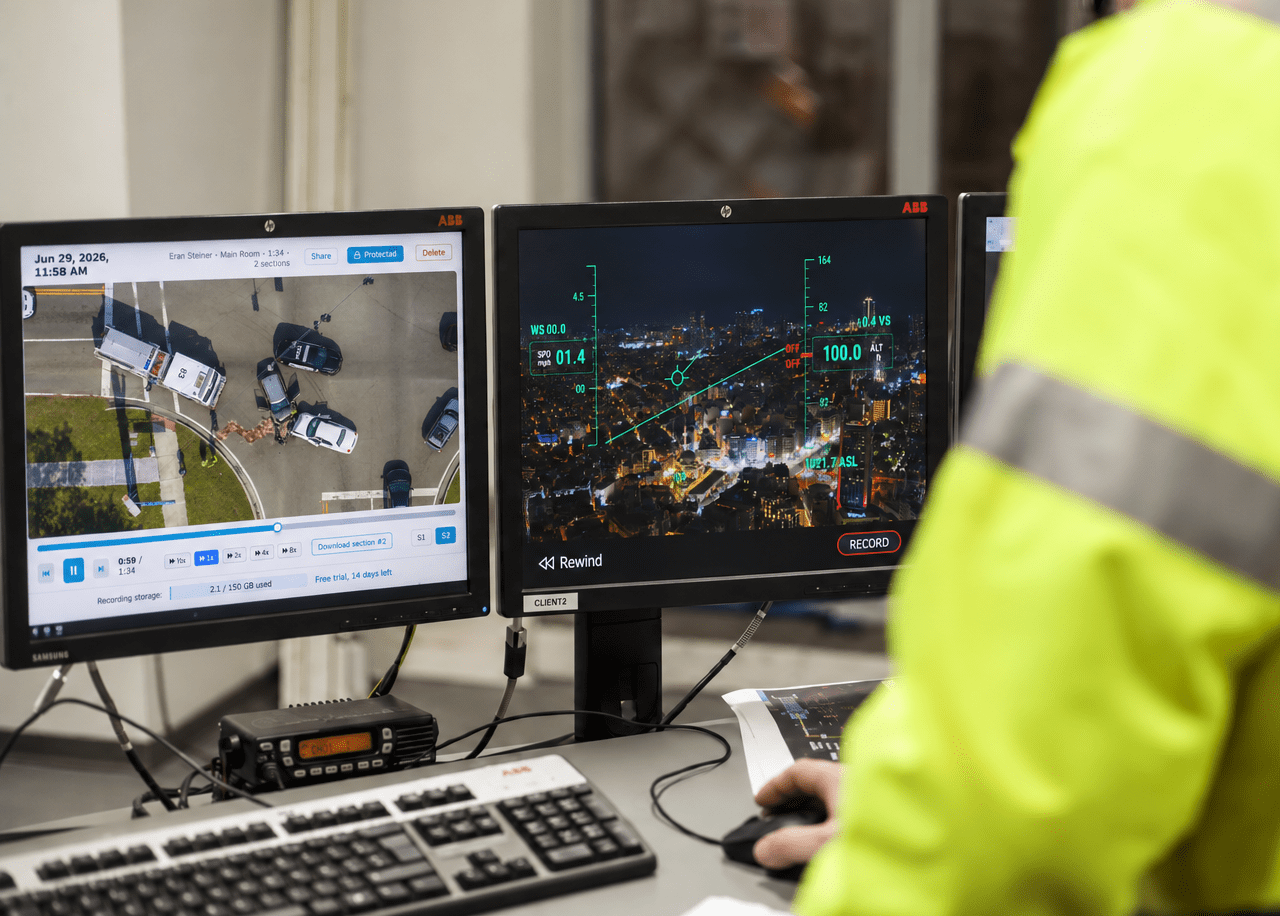
AirData Introduces 10-Minute Rewind Feature for Live Drone Video Streaming
AirData has enhanced its Live Streaming platform by adding recording and rewind capabilities, allowing authorized viewers to review the previous 10 minutes of an active stream. This feature addresses the challenge of remote drone operations where key events may occur while the necessary personnel are not watching the live feed. The new Stream Recording and Rewind capability is particularly beneficial for applications such as Drone as First Responder (DFR) and remote inspections, where pilots and decision-makers may be in different locations. According to Eran Steiner, founder and CEO of AirData, this innovation allows teams to capture critical moments that might otherwise go uncaptured during live operations. The Huntsville Police Department has already adopted this feature, enhancing their ability to analyze live feeds. The rewind function not only improves operational efficiency but also provides a cloud-based solution for data protection, ensuring that video footage remains accessible even if the drone is damaged or the onboard storage fails. No further timeline was disclosed at the time of publication.
Drone News Drone News Feeds News AirData BVLOS DFR
Datavault AI Expands Edge AI Deployment to Compete with Hyperscalers in Neocloud Market
Datavault AI is expanding its edge AI deployment onto SanQtum, now operational in New York City, Philadelphia, and Washington, DC. The company plans to launch in three additional cities by the end of the year. This expansion is significant as it positions Datavault AI to compete in the burgeoning $400 billion neocloud market, challenging established hyperscalers. The deployment of edge AI technology is crucial for enhancing data processing capabilities closer to the source, which is increasingly important in today's data-driven landscape. Looking ahead, Datavault AI's continued expansion into new cities will be critical to watch, as it seeks to establish a stronger foothold in the competitive neocloud sector. No further timeline was disclosed at the time of publication.

AI Call Centers Transforming with Compliance Challenges Ahead
The AI outbound call industry is undergoing structural differentiation, with its market size surpassing 12 billion yuan and an annual growth rate of 38% as of 2026. Driven by large model technology, the proportion of outbound solutions utilizing these models has increased from under 15% in 2024 to over 40% in 2025, addressing key pain points by evolving from simple keyword repetition to dynamic conversational agents. However, compliance remains a significant challenge as the industry faces new bottlenecks. An industry analysis highlights that while large models serve as the 'brain' of AI call systems, the effectiveness of these systems also relies heavily on the stability of the communication infrastructure, compliance with number regulations, and coverage of voice lines. For instance, Gaositong employs Huawei's IMS telecom-grade system, ensuring minimal downtime and high system availability. As AI call centers become more intelligent, the risk of spam calls increases, complicating compliance efforts. Reports indicate that a single AI robot can make between 800 to 1,500 calls daily at a low cost, with capabilities to disguise caller IDs and remove spam labels. The core issue lies in the technology architecture, which must be fortified against misuse to ensure compliance. The industry is at a crossroads, where the focus will shift from the capabilities of large models to the integrity of communication infrastructures.
AI Call Centers Compliance Technology Communication Infrastructure Large Language Models
Lan Xiaohuan Discusses China's Data Economy, Robotics, and AI Landscape
Lan Xiaohuan, an economics professor at China Europe International Business School, has authored the bestselling book, How China Works: An Introduction to China’s State-led Economic Development. In his discussions, he highlights the economic factors contributing to China's significant trade surplus and advocates for an enhanced social safety net. Xiaohuan emphasizes the importance of public data infrastructure in shaping the competitive landscape of artificial intelligence, particularly in relation to the United States. His insights reflect the critical role that data plays in driving innovation and economic growth within China. As the conversation around AI and robotics continues to evolve, observers should pay attention to how China's strategies in public data utilization may influence global technological advancements. No further timeline was disclosed at the time of publication.

Investors Leverage AI Market Data for Enhanced Deal Sourcing Strategies
Investors are increasingly utilizing AI systems and live market data to enhance deal sourcing across private equity, venture capital, and growth equity. This shift allows for a more efficient identification of investment opportunities, moving beyond traditional relationship-based methods that often lead to missed chances due to competition. The traditional deal sourcing model, reliant on banker relationships and static target lists, is becoming less effective as the market grows more competitive. Research indicates that investment teams often spend excessive time gathering data instead of analyzing it, which hampers their ability to identify promising deals proactively. AI technologies, such as those developed by Grata and Parallel AI, enable continuous market mapping and target discovery, allowing investors to identify mid-market companies that are often overlooked. As the investment landscape evolves, firms that adopt these AI-driven strategies will likely gain a competitive edge in sourcing deals more effectively.
AI AI Funding & Investment Business Enterprise AI Insights business
Dronetag Integrates Remote ID Data into Airwise Nexus for Enhanced Airspace Awareness
Dronetag and Airwise Solutions have announced a new integration that incorporates Remote ID data into the Airwise Nexus common operating picture. This partnership aims to provide operators with a comprehensive view of low-altitude airspace activity, enhancing the management of complex drone missions, including beyond visual line of sight (BVLOS) operations. The integration is significant as it combines Dronetag's Remote ID transmitters and receivers with Airwise's drone operations management platform, airwiseOS. This collaboration allows users to access a unified interface that displays Remote ID detections alongside telemetry, radar information, and other sensor data, improving situational awareness and coordination for public safety and critical infrastructure teams. Looking ahead, the integration is available to Airwise customers utilizing Dronetag receivers or transmitters, allowing them to enable the connection through their app account settings. No further timeline was disclosed at the time of publication.
Drone News Drone News Feeds News Remote ID airspace awareness Airwise Solutions
Kinetic Blocks Launches Marketplace for Humanoid Training Data Acquisition
On September 1, Oslo-based startup Kinetic Blocks introduced a gated beta of a marketplace tailored for the buying and selling of humanoid training data. This platform aims to streamline the traditionally slow and complex process of dataset procurement by replacing bilateral licensing deals with standardized commercial transactions. The significance of Kinetic Blocks' launch lies in its potential to address the challenges of physical data acquisition in the embodied AI sector. By allowing data suppliers to list various datasets, including egocentric human video and teleoperation recordings, the platform seeks to establish clear market values and mitigate the opaque rights management that has historically plagued robot learning data procurement. Looking ahead, Kinetic Blocks plans to expand its engineering and commercial teams in the coming months while preparing to open a seed funding round in the fourth quarter of 2026. This development comes amid a competitive landscape where foundational model developers are increasingly seeking innovative strategies for sourcing real-world telemetry data.
Data Collection Kinetic Blocks Dataset Europe
Teradyne Unveils New UltraFLEXplus Instruments for AI and Data Center Testing
Teradyne, Inc. has launched three advanced instruments for its UltraFLEXplus platform, specifically designed to address the growing complexities of AI and data center semiconductor testing. The UltraPin5000-EM, UltraPort-PCIe6, and UltraVS64-HP instruments enhance scalability, flexibility, and performance, enabling semiconductor manufacturers to efficiently test cutting-edge devices. This launch is significant as it positions Teradyne to meet the increasing demands of the AI and data center markets, which are driving unprecedented growth in semiconductor complexity. CEO Greg Smith emphasized the company's commitment to providing innovative solutions that help customers stay competitive in this rapidly evolving landscape. Looking ahead, Teradyne will showcase these instruments at SEMICON Taiwan from September 2-4, 2026, in Taipei. The introduction of these products marks a strategic move to strengthen Teradyne's role in the AI device supply chain, ensuring that components meet the industry's stringent quality standards. No further timeline was disclosed at the time of publication.

McKesson Faces Major Data Breach as Hackers Claim Millions of Patient Records Stolen
A hacking group known as ShinyHunters has claimed responsibility for a recent cyberattack on McKesson, a leading U.S. pharmaceutical distributor. The breach involved unauthorized access to several cloud-hosted accounts, resulting in the theft of sensitive patient data, including personal information and protected health information related to oncology and medical-surgical units. This incident highlights the increasing vulnerability of healthcare companies to cyberattacks, as hackers target organizations to steal sensitive medical data for extortion purposes. McKesson, which handles a significant amount of patient data across the United States, confirmed the breach and reported potential service degradation due to the attack. The hackers demanded a ransom of $55 million to prevent the public release of the stolen data. As cyberattacks on healthcare organizations become more frequent, industry stakeholders should remain vigilant. The recent breaches affecting companies like Boston Scientific and Stryker indicate a troubling trend in the sector. No further timeline was disclosed at the time of publication.
Security cyberattack cybersecurity data breach healthcare
Datatang Launches Multimodal Ego-Centric Dataset for Physical AI Model Development
On August 26, 2026, Datatang Inc. announced the launch of a large-scale multimodal dataset focused on Ego-centric perspectives to accelerate research and development for physical AI models. This dataset, under the Nexdata brand, synchronizes video, IMU, SLAM, depth information, hand keypoints, and semantic annotations, making it readily integrable into research pipelines. The significance of this dataset lies in its ability to provide not just video data but also multisensory information and precise operational data essential for robots to operate autonomously in real environments. Nexdata emphasizes that constructing a 'data recipe' combining various data layers is an effective means for training versatile algorithms, despite challenges in synchronizing Ego-centric data across multiple sensors and integrating UMI and real machine data into development pipelines. Datatang offers several datasets, including a '1,000-hour PICO collection dataset' and a '1,000-piece 6-camera Ego-centric dataset,' among others. The company also operates a dedicated data collection facility with over 300 robots, capable of collecting around 5,000 hours of data monthly. No further timeline was disclosed at the time of publication.

AirData Achieves 65 Million Drone Flights as FAA's BVLOS Rule Approaches Finalization
AirData, a drone fleet management platform based in California, has announced it has tracked over 65 million drone flights globally, encompassing more than 850,000 drones and 470,000 pilots. This milestone arrives as the FAA's Part 108 rule, which would permit routine beyond visual line of sight (BVLOS) operations, nears its final review stage. The significance of this achievement lies in the rapid growth of commercial drone operations, with AirData adding 15 million flights in just 15 months, indicating a shift from trial programs to regular integration of drones in business operations. The upcoming Part 108 rule aims to redefine accountability in drone operations, shifting responsibility from individual pilots to the operating organizations. As the FAA's BVLOS framework approaches implementation, AirData's extensive flight database and operational insights position it as a key player in the evolving drone industry. The company’s platform already aligns with the anticipated regulatory requirements, showcasing its readiness for the future of large-scale drone operations in various sectors.
News
WRC 2026: China Develops Numerous Data Centers for Embodied Intelligence
At this year's World Robot Conference, China showcased its efforts in establishing numerous embodied-intelligence data centers. These facilities are part of a broader industry shift from merely constructing robotic bodies to focusing on the data necessary for training their cognitive capabilities. The emphasis on data harvesting is crucial as the robotics sector recognizes the need for substantial datasets to enhance the performance of embodied intelligence systems. Despite the establishment of 90 data factories, experts indicate that the current data volume remains insufficient to fully support the development of advanced robotic brains. Looking ahead, the industry must address the data scarcity issue to ensure the effective training of embodied intelligence. No further timeline was disclosed at the time of publication.
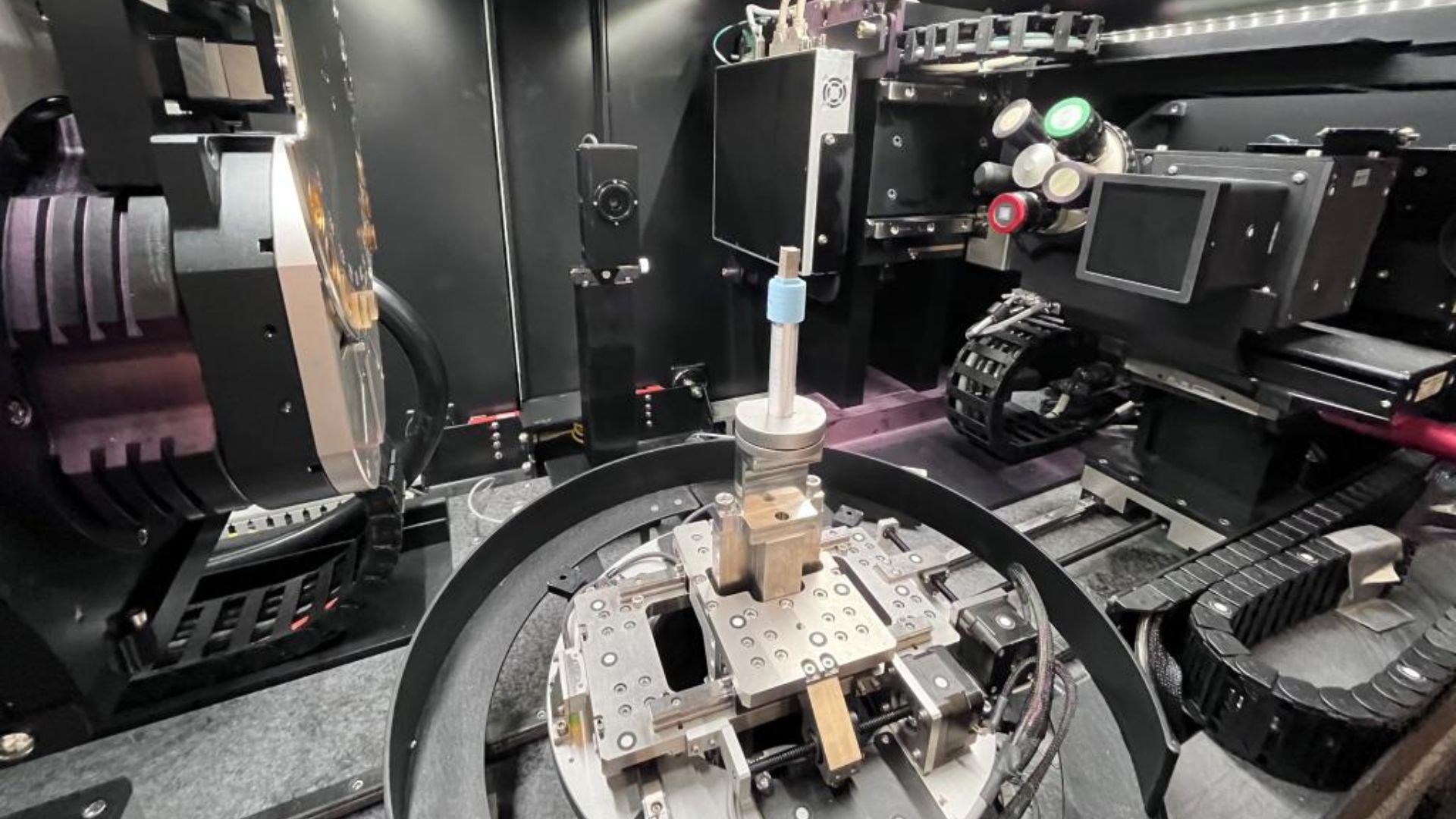
NIVA: A New AI Tool for Nuclear Reactor Data Search Powered by Supercomputing
Nuclear power stations in North America have started utilizing a new virtual system named NIVA, developed by Atomic Canyon in partnership with several industry organizations. This software enables engineers and technicians to efficiently query extensive archives of technical and regulatory records, addressing the challenge of accessing critical knowledge quickly. The significance of NIVA lies in its ability to leverage AI technology to enhance operational efficiency within the U.S. nuclear sector. Trey Lauderdale, Founder & CEO of Atomic Canyon, emphasized that the nuclear industry possesses a wealth of knowledge that has been difficult to access, and NIVA represents a step towards making this information readily available for modern deployments. Looking ahead, NIVA currently offers two functional modules, with a third tool in development for diagnostic tasks. The rollout follows a successful pilot program involving Constellation Energy and other utilities. No further timeline was disclosed at the time of publication.
Energy
Micro1 Achieves $500 Million Gross Run Rate Amid Surge in AI Training Data Demand
Micro1, a data-labeling startup, has seen its gross annual run rate increase from $100 million to $500 million in just eight months, driven by the high demand for unique AI training data. The company retains about 60% to 70% of this figure, resulting in a net annual run rate between $150 million and $200 million. This significant growth highlights the robust market for AI training data, with Micro1's revenue trajectory indicating a strong demand that can support multiple players in the sector. While competitors like Mercor and Handshake have surpassed Micro1 in gross revenue, the startup's expansion reflects a broader trend in AI spending, which may soon rival expenditures on computing resources. Looking ahead, Micro1 is poised for continued growth as it increases contract sizes and expands its synthetic data generation capabilities. The company is also navigating controversies regarding the sale of off-the-shelf data, particularly concerning its stance on not selling to Chinese AI developers, as articulated by founder Ali Ansari. No further timeline was disclosed at the time of publication.
AI Startups data labeling micro1 reinforcement learning
NVIDIA and LG Set Ambitious Goal of 100,000 Hours of Robot Training Data by Year-End
NVIDIA and LG Electronics have set a new benchmark in robot training data, aiming for 100,000 hours by year-end. This initiative was announced during a visit by NVIDIA's Senior Director of Omniverse and Robotics Marketing, Min-San Huang, to LG's Yangjae R&D Center in Seoul, following a strategic partnership agreement signed just days earlier. This ambitious target is significant as it surpasses the training data of other companies, such as Ant Group's LingBot-VLA 2.0 model, which has 60,000 hours. The training data will be sourced from a mix of real and synthetic data, leveraging decades of LG's operational data in manufacturing and logistics, enhanced through NVIDIA's Omniverse and Isaac robotics development platform. Looking ahead, LG plans to deploy hundreds of CLOiD robots at the Yangjae data factory, which features various training environments. The company aims to launch a next-generation bipedal robot based on NVIDIA's Isaac GR00T model by Q1 2027. No further timeline was disclosed at the time of publication.
Robot Training AI Robotics Manufacturing Data Analytics
Five Essential Metals Driving the Growth of AI Data Center Infrastructure
Artificial intelligence relies heavily on physical infrastructure, particularly data centers that require substantial electrical systems and cooling equipment. A 2026 study indicates that copper is the most critical metal, accounting for 83% of the modeled mineral mass needed for AI data-center infrastructure. Other important metals include gallium, germanium, rare earth elements, and aluminum, each playing a vital role in the AI hardware ecosystem. The significance of these metals extends beyond mere supply; they are integral to the functionality and efficiency of AI systems. For instance, copper's excellent thermal conductivity aids in cooling, while gallium and germanium are essential for semiconductor applications. The concentration of production for these materials, particularly gallium and germanium, raises concerns about supply chain vulnerabilities, which could impact the growth of AI technologies. Looking ahead, the demand for these metals is expected to rise as AI infrastructure expands. The reliance on rare earth elements, particularly from China, poses additional supply risks. As AI processors evolve and generate more heat, the importance of effective thermal management through materials like aluminum will only increase. No further timeline was disclosed at the time of publication.
AI and Robotics
LG Electronics and Nvidia Aim for 100,000 Hours of Humanoid Robot Training Data
LG Electronics is enhancing its collaboration with Nvidia to expedite the creation of training data for humanoid robots. This initiative follows a memorandum of understanding signed by LG Group Chairman Koo Kwang-mo and Nvidia CEO Jensen Huang, aimed at expanding cooperation in physical AI and mobility. Madison Huang, Nvidia's senior director, visited LG's data factory in Seoul to review the progress of this partnership. The significance of this collaboration lies in its potential to advance the capabilities of humanoid robots through extensive training data. By utilizing LG's CLOiD robots in various simulated environments, including a home setting and a washing machine plant, the companies aim to gather diverse data for training purposes. The data will be processed using Nvidia's advanced robotics solutions, enhancing the learning process for these robots. Looking ahead, LG Electronics plans to fully operationalize the Yangjae data factory by the end of the year, with a target of collecting 100,000 hours of training data. This ambitious goal represents nearly 12 years of continuous operation, marking a significant milestone in the development of humanoid robotics.
All News
Trossen Robotics Collaborates with Stereolabs to Enhance Physical AI Data Collection
Trossen Robotics has announced a partnership with Stereolabs to integrate high-fidelity stereo vision into its Physical AI platforms. The collaboration features the Stereolabs ZED X Mini scene camera and dual ZED X Nano wrist cameras, providing synchronized, training-grade visual data for robot-learning teams. This integration is significant as it enhances Trossen's offerings in the Physical AI sector, allowing for improved data collection and analysis. The inclusion of advanced stereo cameras is expected to elevate the capabilities of Trossen's hardware suite, which includes the Trossen Workbench and Rivet platforms designed for bimanual manipulation. Looking ahead, the collaboration aims to streamline the development of robot learning applications by providing robust visual data. No further timeline was disclosed at the time of publication.

Molex Invests in CAEPlus to Enhance Active Liquid Cooling for Data Centers
Molex, a global leader in electronics, is investing in CAEPlus to develop BoundaryCool, an active liquid cooling platform aimed at managing heat from advanced AI and high-performance computing systems. This investment is crucial as data centers face challenges from rising processor temperatures, necessitating innovative cooling solutions. The BoundaryCool system actively removes heat from GPUs, CPUs, and TPUs, offering a significant improvement over traditional passive cooling methods. By integrating with existing data center infrastructure, it allows for upgrades without the need for complete facility overhauls. This aligns with Molex's strategy to enhance thermal management in response to the growing demand for efficient cooling in high-density computing environments. Looking ahead, the collaboration between Molex and CAEPlus is set to advance the commercialization of BoundaryCool, with Molex providing engineering expertise to support the development. As the need for effective thermal management intensifies, this partnership is poised to play a vital role in meeting the cooling demands of next-generation computing technologies. No further timeline was disclosed at the time of publication.
AI and Robotics
Data-Driven Review of Hexapod Locomotion on Various Terrains: Modeling and Control Insights
A recent review published in the Journal of Field Robotics examines hexapod locomotion across both structured and unstructured terrains. The study highlights advancements in modeling, control strategies, and validation techniques for hexapod robots, providing a comprehensive overview of current methodologies. This review is significant as it consolidates various approaches to hexapod locomotion, emphasizing the importance of adapting to different terrain types. Understanding these locomotion strategies is crucial for enhancing the performance and versatility of hexapod robots in real-world applications. Looking ahead, researchers and developers in the field should monitor ongoing advancements in hexapod locomotion technologies and their potential applications in diverse environments. No further timeline was disclosed at the time of publication.
SURVEY ARTICLE
Data Challenges Impeding Progress in Visual and Physical AI Development
Recent findings reveal that the shift in AI focus from text to physical world data is causing significant challenges. A 2026 survey of over 700 professionals indicates that data-related issues are the primary cause of model failures in physical AI systems. The report emphasizes the importance of data curation over merely expanding model architectures, highlighting that inefficient annotation processes lead to wasted resources as teams often discard labeled data before production. Understanding these data bottlenecks is crucial for organizations aiming to advance their physical AI capabilities. The report illustrates that effective data management is what distinguishes successful teams from those that struggle to deliver functional models. As the demand for systems that can perceive and act in physical environments grows, addressing these data challenges becomes increasingly important for innovation in the field. Looking ahead, organizations must prioritize refining their data curation processes to enhance the performance of physical AI systems. No further timeline was disclosed at the time of publication.
Type-whitepaper Artificial-intelligence Computer-models Data-bottleneck
Prioritizing High-Value Data for Effective Physical AI in Manufacturing
Physical AI companies in manufacturing are shifting focus from data volume to generating high-value data that enhances decision-making. This 'decision-first' approach is crucial in high-mix manufacturing, where AI models must support complex processes like cell design and factory optimization. The emphasis is on collecting contextual data through controlled experiments, which is essential for developing effective AI agents that can improve manufacturing outcomes. The significance of this strategy lies in its potential to transform manufacturing processes. Unlike other AI domains, high-mix manufacturing requires data that is tightly coupled with specific conditions, making generic data less valuable. Agents in manufacturing must rely on contextualized data to make informed decisions, which can lead to more economically meaningful outcomes. This approach addresses the unique challenges of high-mix environments, where the complexity of configurations demands a more nuanced understanding of data. Looking ahead, companies must refine their data generation strategies to ensure they capture the right information that informs agent decisions. The focus should be on structured decision episodes that link input states, actions, and outcomes, rather than merely collecting observational data. As the landscape evolves, the ability to generate and utilize high-value data will be a key differentiator for success in the manufacturing sector.

New US Photonics Design Platform Accelerates 1.6T Chip Development for Data Centers
Researchers in the United States have introduced a novel photonics design platform aimed at expediting the creation of high-performance chips for data centers. OpenLight, a semiconductor company based in California, and Israeli chipmaker Tower Semiconductor have enhanced their PH18DA photonics ecosystem by launching OpenLight’s photonic Process Design Kit (PDK), now accessible through Cadence’s electronic design automation tools. This open-platform design kit offers engineers a comprehensive library of components for developing custom Photonic Application-Specific Integrated Circuits (PASICs) and simplifies the process of creating photonic integrated circuits (PICs). The technology supports 400G and 1.6T photonic circuits, potentially streamlining the transition from design to production on the PH18D platform, according to OpenLight CEO Adam Carter. The integration of this PDK into Cadence tools is expected to facilitate the design of photonic integrated circuits alongside conventional integrated circuits. The collaboration aims to enhance the development of advanced optical systems, with a focus on improving performance, power efficiency, and scalability for next-generation optics solutions. No further timeline was disclosed at the time of publication.
AI and Robotics
Ceva Logistics Cyberattack Affects Retailers, Banks, and Gamers Amid Data Breach
Ceva Logistics, a leading shipping and logistics company, has experienced a cyberattack that has compromised personal information from several of its clients. The breach, which began on July 29, has impacted at least eight warehouses across Europe, leading to significant shipping delays for affected goods. Companies relying on Ceva for logistics, including Dutch retailers Bol and De Bijenkorf, have reported that customer data such as names, addresses, and phone numbers were stolen. This incident highlights the increasing vulnerability of shipping and logistics firms to cyberattacks, as they are prime targets for criminals seeking to hijack shipments and access sensitive data. With Ceva generating $18.3 billion in revenue in 2025 and operating over a thousand warehouses globally, the repercussions of this breach may extend beyond immediate shipping delays, affecting customer trust and operational efficiency. As the investigation continues, stakeholders should monitor Ceva's response and any further developments regarding the breach. Companies like Valve have already alerted customers about the potential exposure of their shipping information, indicating that the fallout from this incident may continue to unfold in the coming weeks. No further timeline was disclosed at the time of publication.
Security Steam Valve Software Shipping data breach cyberattack
Chinese AI Companies Accelerate Data Center Leasing in Hong Kong
Chinese AI firms are increasingly leasing data centers in Hong Kong, driven by the region's favorable cross-border data transfer regulations. This trend highlights Hong Kong's strategic position as a hub for data management and processing, attracting businesses looking for efficient data solutions. The significance of this development lies in Hong Kong's lighter data transfer regime, which offers advantages for companies needing to manage large volumes of data across borders. This regulatory environment is particularly appealing to AI firms that rely on rapid data access and processing capabilities to enhance their operations. Looking ahead, the demand for data center leasing in Hong Kong is expected to grow as more Chinese AI companies seek to capitalize on the region's advantages. No further timeline was disclosed at the time of publication.
Artificial Intelligence Business-to-business Investments News ai China
IEDD Dataset Enhances Physical Reasoning Capabilities for Autonomous Driving AI
The IEDD dataset integrates driving trajectories, physical interaction metrics, bird’s-eye-view videos, and language annotations to assess autonomous driving AI across four distinct reasoning levels. This comprehensive approach aims to improve the evaluation of AI systems in real-world driving scenarios. The significance of the IEDD dataset lies in its ability to provide a multifaceted evaluation framework for autonomous driving technologies. By incorporating various data types, it addresses the complexities of physical reasoning, which is crucial for the safe and effective operation of autonomous vehicles. Looking ahead, the development and application of the IEDD dataset will be pivotal in advancing the capabilities of autonomous driving AI. As the industry continues to evolve, the focus will be on how well these systems can interpret and respond to dynamic driving environments. No further timeline was disclosed at the time of publication.
Robotics needs a service framework.
RSF defines a common language for robot service capability, lifecycle operations, certification pathways, and service-provider networks.
Join the RobotToday community on LinkedIn
Daily robotics news, in-depth analysis, conference highlights, and discussions with professionals worldwide.







