

Industry Briefing
A single destination for timely, editor-curated robotics news from around the world.

Zhiyuan Robotics Launches AI Company in Hengqin with 5 Million Yuan Capital Investment
Zhiyuan Innovation (Guangdong Hengqin) Technology Culture Co., Ltd. has been established with a registered capital of 5 million yuan. The company focuses on the research and development of intelligent robots, sales of intelligent robots, and the development of artificial intelligence software. It is fully owned by Zhiyuan Robotics' associated company, Zhiyuan Innovation (Shanghai) Technology Co., Ltd. The establishment of this company in Hengqin is significant due to the region's status as part of Guangdong's Free Trade Zone and its special arrangements for cross-border policies, tax incentives, and talent introduction. Zhiyuan's focus on intelligent robotics and AI software development aligns with its previous collaboration with Chimelong Group to create a large-scale intelligent theme park, which features over 300 robots providing various services. No further timeline was disclosed at the time of publication. The new company in Hengqin is expected to enhance Zhiyuan's operations in the Guangdong-Hong Kong-Macao Greater Bay Area, particularly in the cultural tourism sector, where it can integrate operations, content development, and local partnerships effectively.
Intelligent Robots AI Software Development Cultural Technology Tourism Innovation
Microsoft Executive Labels AI Scraping as Major Theft in Ongoing Lawsuit with The New York Times
Recent unredacted filings in the copyright lawsuit initiated by The New York Times against OpenAI and Microsoft reveal significant admissions regarding AI scraping practices. A Microsoft executive characterized these practices as 'theft,' while OpenAI's leadership acknowledged that their AI models present an 'existential threat' to publishers and journalists. The filings detail allegations of bypassing paywalls and stripping copyright notices, raising serious concerns about the legality of using copyrighted material for AI training. The implications of these revelations are profound, as they challenge the legal framework surrounding AI training and copyright. The lawsuit highlights the tension between AI companies' claims of 'fair use' and the potential harm to the original content creators' market. Notably, Microsoft data indicates that its Copilot engine has significantly reduced click-through rates for The New York Times, suggesting a detrimental impact on the publication's revenue. Looking ahead, the ongoing legal battle will likely shape the future of AI training practices and copyright law. With key testimonies from Microsoft CEO Satya Nadella and other executives, the case raises critical questions about the ethical and legal responsibilities of AI developers. No further timeline was disclosed at the time of publication.
AI Government & Policy copyright Microsoft new york times OpenAI
Bain Capital Ventures Secures $1.6 Billion for AI and Early-Stage Technology Investments
Bain Capital Ventures has successfully raised $1.6 billion for its 11th fund, aimed at investing in early-stage companies across various sectors, including AI infrastructure and physical AI. This fund surpassed its initial target and includes contributions from Bain Capital partners, pensions, endowments, and foundations. The significance of this funding lies in Bain Capital Ventures' commitment to early-stage investments, with over 82% of capital from its previous fund allocated to pre-seed, seed, Series A, or Series B rounds. The firm plans to leverage the broader Bain Capital organization to provide additional resources to portfolio companies, enhancing their growth potential. Looking ahead, Bain Capital Ventures intends to maintain its focus on ambitious founders and innovative technologies. No further timeline was disclosed at the time of publication, but the firm’s strategy suggests ongoing support for the evolving AI landscape and its transformative potential in various industries.
AI AI Funding & Investment Robotics AI infrastructure Bain Capital Ventures Fund XI
Bain Capital Ventures Raises $1.6 Billion Fund for AI's Future Innovations
Bain Capital Ventures has successfully raised a $1.6 billion fund aimed at supporting early-stage companies that are designed for what the firm refers to as 'life after AGI.' Partner Slater Stich highlighted the firm's focus on opportunities within AI infrastructure, software, robotics, and science during a discussion on 'Bloomberg Tech.' This significant investment underscores the growing belief in the transformative potential of AI technologies, particularly in knowledge work, which Bain Capital Ventures anticipates will be the first area to experience substantial changes. The firm is actively seeking founders who possess the vision and capability to create the next generation of impactful AI companies. Looking ahead, industry watchers should pay attention to how Bain Capital Ventures identifies and supports innovative founders in the AI space. No further timeline was disclosed at the time of publication.

ROBOTIS Showcases AI Sapiens K1 in Sim2Real Project OH! GYM!
ROBOTIS has showcased student projects utilizing the AI Sapiens K1 humanoid to transfer simulated movements to the real world. The OH! GYM! project includes activities such as obstacle courses, taekwondo, K-pop dance, and parkour, emphasizing the transition from software to physical robot. This demonstration, released on August 31, highlights the Sim2Real process, which aims to reduce costly or risky trials directly on hardware. The significance of this initiative lies in its potential to enhance the training of engineers and accelerate the development of new behaviors in humanoid robots. By providing a complete Sim2Real stack, including mechanical and electrical resources, robot software, simulation elements, and documentation, ROBOTIS enables teams to modify controllers and replicate experiments without relying solely on proprietary interfaces. The dynamic exercises chosen for OH! GYM! not only serve entertainment purposes but also require careful planning and adjustment to account for real-world discrepancies. Looking ahead, the success of the OH! GYM! program will depend on the availability of models, training protocols, and repeatable results across multiple robots. The resources promised by ROBOTIS will be crucial in determining whether the demonstrated movements can be replicated outside the original team, thus contributing to the scientific understanding of humanoid robotics.
Robots
Lux Capital's Deena Shakir Highlights Trust and Partnerships in AI's Next Wave for Health Care and Robotics
Deena Shakir, a partner at Lux Capital, recently emphasized that the next phase of AI innovation will focus on trust and partnerships, particularly in sectors like health care and robotics. This shift comes in light of recent insights from Anthropic and OpenAI, which have redirected discussions towards real-world applications and security concerns. The importance of building trust in AI technologies is crucial as industries seek to implement these systems effectively. Shakir's perspective suggests that future advancements will not solely rely on enhancing foundational models but will also prioritize vertical applications that address specific industry needs, such as those found in health care and robotics. As the conversation around AI evolves, stakeholders should monitor how these partnerships develop and the impact they have on the deployment of AI solutions in health care and robotics. No further timeline was disclosed at the time of publication.

How Blockchain and APIs Are Transforming Digital Infrastructure for Businesses
Blockchain technology is increasingly being integrated into the digital economy, moving from theoretical applications to practical solutions. Companies are now focused on how distributed infrastructure can effectively address operational challenges, particularly in scenarios requiring trusted data sharing and transaction verification among multiple parties. The financial sector led the initial adoption, but now manufacturers, logistics firms, and government agencies are leveraging blockchain for enhanced transparency and efficiency. The maturation of blockchain technology is evident through improved interoperability, stronger cryptographic security, and integration with AI and IoT, expanding its use cases. While not every blockchain initiative will succeed commercially, the technology is proving its value beyond pilot projects. The main challenges often stem from the surrounding infrastructure, which requires significant engineering resources to manage nodes, data indexing, and transaction monitoring across networks. APIs play a crucial role in easing these challenges by allowing teams to integrate blockchain capabilities without building from the ground up. This shift enables businesses to explore new revenue streams through asset tokenization and automated settlements. As blockchain adoption becomes more streamlined, attention will increasingly focus on the tangible business outcomes and innovative applications emerging from this technology.
Computing Infrastructure Technology apis application programming interfaces artificial intelligence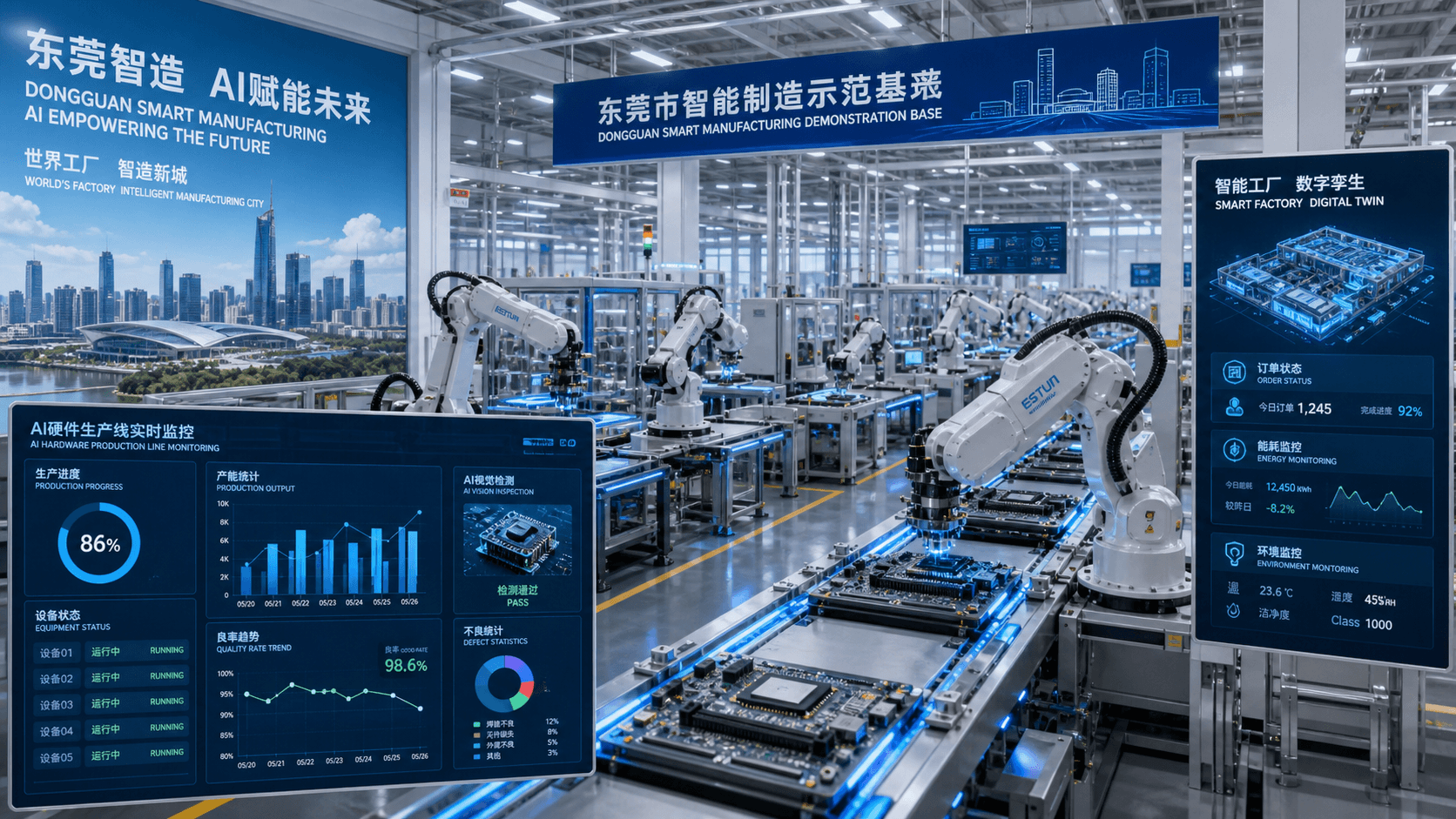
Dongguan Transforms into AI Hardware Capital with 24,000 Companies and 400K AI Glasses by 2025
Dongguan is set to produce over 400,000 units of AI glasses by 2025, accounting for half of the global output. This transformation is supported by a robust industrial ecosystem comprising 24,000 enterprises, including more than 10,000 high-tech firms. The significance of this development lies in Dongguan's establishment as a national AI pilot base, which enhances its position in the global intelligent manufacturing landscape. The city boasts a one-hour supply chain, facilitating efficient smart manufacturing processes. Looking ahead, stakeholders should monitor Dongguan's progress towards its ambitious production goals and the potential impact on the global AI hardware market. No further timeline was disclosed at the time of publication.
Industry
Lenovo Capital Expands Investment Strategy to Focus on Robotics and AI Agents
Lenovo Capital, the venture capital division of Lenovo Group, is intensifying its investment in artificial intelligence, particularly in robotics and AI agents. This strategic shift aims to capitalize on the upcoming industrial cycle, moving beyond foundational AI models to encompass a broader range of technologies, including computing infrastructure. The significance of this move lies in Lenovo Capital's commitment to long-term investments in over 100 AI companies across various sectors. This includes investments in chips, hardware infrastructure, and AI applications, as highlighted by Song Chunyu, chief investment officer and senior partner at Lenovo Capital. The focus on robotics and AI agents indicates a strategic pivot towards emerging technologies that are expected to play a crucial role in future industrial advancements. Looking ahead, industry observers should monitor Lenovo Capital's ongoing investments and partnerships in the robotics sector, as well as its impact on the broader AI landscape. No further timeline was disclosed at the time of publication.

Jiangsu's AI Innovations Showcase Rapid Robotics Training and Practical Applications
Jiangsu is demonstrating the capabilities of AI through various practical applications, including a quadruped robot conducting inspections and individuals mastering laser welding in just three days. This was highlighted during the 'Vibrant China Research Tour' organized by the Publicity Department, where over 100 journalists explored AI practices across eight cities in Jiangsu. The 'AI Mirror' ecosystem in Nanjing features an exoskeleton device that enhances user strength and a development center that connects product innovation with market testing. Since its launch in November, the center has engaged over 200 companies and facilitated nearly 70 million yuan in transactions, showcasing a successful model of technology integration. In Wuxi, various robots are being trained for precision tasks, while Nantong is transforming traditional manufacturing with AI systems. Suzhou's collaboration with local chip manufacturers is accelerating the laser industry. Jiangsu's diverse AI applications are providing concrete answers to the fundamental question of what technology can achieve in today's era.
AI Robotics Manufacturing Laser Technology
Humanoid Robots Enter Rapid Scaling Phase at WAIC with New Dual-Core Platform
During the 2026 World Artificial Intelligence Conference, a forum on humanoid robots and embodied intelligence was held in Shanghai. This event marked a significant milestone as it showcased the first national training site for embodied intelligence, alongside strategic partnerships in six major scenarios and eight industry chains. The forum highlighted the transition of domestic humanoid robot technology from research to large-scale production. The importance of this development lies in its potential to enhance the industrial landscape in Shanghai, with the city leveraging its resources in the Zhangjiang Robot Valley and Zhangjiang AI Innovation Town. The local government emphasized the need for standardization and a comprehensive service system to support high-quality industrial growth. The conference underscored the rapid advancements in embodied intelligence, which is now a key focus area for China's technological development. Looking ahead, the National and Local Joint Innovation Center for Humanoid Robots aims to scale production significantly, targeting an annual output of 2,000 humanoid robot modules across various sectors, including public welfare and automotive. No further timeline was disclosed at the time of publication.
Humanoid Robots Embodied Intelligence AI Innovation Industrial Automation
Paris aims to become the European capital of Physical AI by 2026.
A new era of artificial intelligence is emerging, transitioning from the digital realm of generative AI to the physical world with the development of robots that can perceive, reason, and act in real environments. On July 7, Paris will host the inaugural edition of MACHINA 2026, an event aimed at establishing the city as the European capital of Physical AI. This initiative reflects a growing interest in integrating advanced AI technologies into everyday life, highlighting the potential for robots to enhance various sectors by interacting with their surroundings in meaningful ways. The event is expected to showcase innovations and foster discussions on the future of robotics and AI in society.
À la une IA Industrie Robotique 1X Robotics Agility Robotics
Alibaba-Linked Company Acquires Stake in Moqi Intelligence, Raising Capital to 1.5 Million Yuan
Moqi Intelligence has successfully increased its registered capital to 1.5 million yuan following a stake acquisition by an Alibaba-linked firm. This development highlights the growing interest in embodied AI technologies, which are becoming increasingly relevant in various sectors. The investment signifies a strategic move to bolster Moqi Intelligence's capabilities in the rapidly evolving field of artificial intelligence. As the demand for advanced AI solutions rises, this capital increase could enhance Moqi's competitive edge and innovation potential. Industry observers should monitor Moqi Intelligence's next steps and any further developments regarding its technology and market positioning. No further timeline was disclosed at the time of publication.
Artificial Intelligence News Robotics Alibaba China embodied AI robotics
Brain-Computer Interface Industry Faces Significant Challenges Despite Rapid Growth
The Brain-Computer Interface (BCI) industry is experiencing rapid advancements, highlighted by the recent 2026 Zhangjiang Pharmaceutical Valley Conference. Over the past year, significant milestones include the approval of the world's first invasive BCI medical device and the establishment of the first national BCI industrial cluster in Shanghai. However, the industry is transitioning from technology validation to a phase requiring regulatory frameworks and value verification, facing challenges in long-term safety and neural signal decoding. Despite the momentum, the BCI sector encounters substantial hurdles, including the evaluation of micro-nano electrode performance and the lack of authoritative databases for decoding algorithms. Regulatory bodies are responding by introducing the first industry standards for AI BCI medical devices. Data sharing remains a critical issue, with fragmented EEG data across hospitals and companies, complicating algorithm development. Initiatives like the Linshu data-sharing platform aim to address these challenges by facilitating data and algorithm integration. Commercialization poses additional difficulties, with lengthy processes for insurance and hospital approvals. While funding in the BCI sector has surged, disparities exist between leading companies and those in the second and third tiers. The industry faces a talent shortage, with estimates suggesting a gap of over 200,000 professionals by 2030. Educational institutions are beginning to address this, with new programs in BCI science and technology emerging in response to national strategic initiatives.
Brain-Computer Interfaces Medical Devices AI Data Sharing Talent Development
Addressing Supply Chain Resilience Challenges with Smart Inventory Strategies
The global supply chain has faced significant turbulence over the past year, impacting manufacturers' operations. In a recent podcast, Vincent Vasilevski from Supply Technologies discussed strategies to mitigate supply chain disruptions, emphasizing the importance of additional inventory and contingency planning. However, these methods may not provide the necessary flexibility during prolonged disruptions. Vasilevski highlighted emerging smart inventory strategies that can enhance supply chain resilience. He also noted how advancements in industrial automation are transforming access to assembly components. The insights shared in Supply Technologies' new "State of Supply Chain Resilience 2026 Report" shed light on the prevalent challenges and opportunities that modern manufacturing decision-makers encounter. As manufacturers navigate these turbulent times, the focus on innovative inventory management and automation will be crucial. Stakeholders should keep an eye on the evolving landscape of supply chain strategies and the implications of the findings from the 2026 report. No further timeline was disclosed at the time of publication.
Sponsored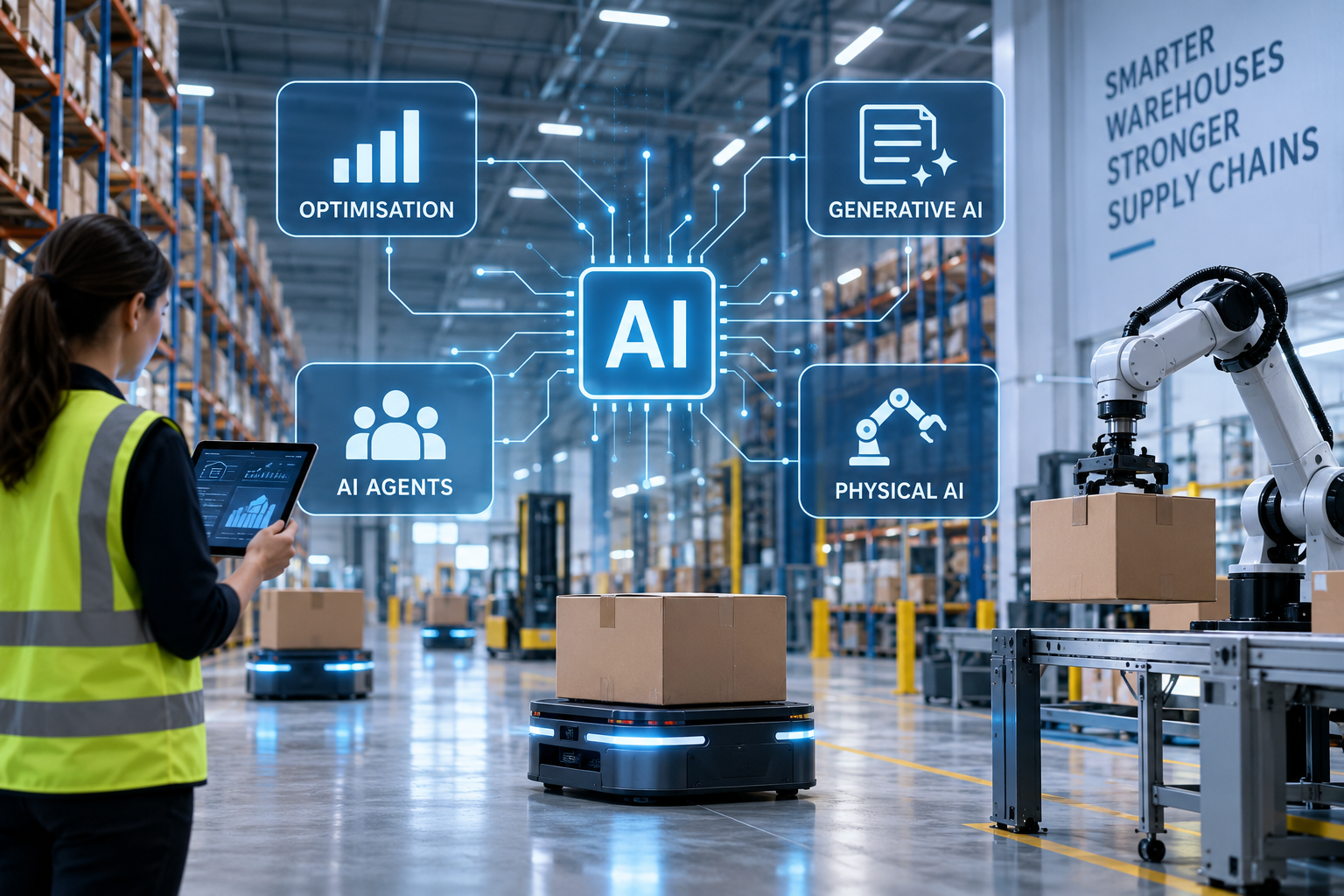
Gartner Reveals Four Key AI Trends Transforming Warehouse Operations
Gartner has identified four significant AI trends that are reshaping warehouse operations as of September 17, 2026. These trends emerge from three driving forces: ongoing labor constraints, evolving capital models for automation, and the growing maturity of AI technologies. The trends range from enhanced optimization techniques to the deployment of physical AI agents capable of executing warehouse tasks. The first trend focuses on the evolution of traditional AI-based optimization, which now utilizes real-time data and advanced algorithms for applications like demand forecasting and inventory management. The second trend highlights operational-driven generative AI, which transforms unstructured data into actionable insights, enhancing decision-making processes within warehouses. The third trend introduces suggestive and semiautonomous agents that facilitate greater automation while keeping humans involved in decision-making. Lastly, the fourth trend integrates AI with robotics and sensing technologies, enabling physical AI agents to perform tasks such as picking and packing. Gartner advises supply chain leaders to adopt a pragmatic approach, starting with established applications before exploring more advanced AI solutions.
AI Automation Systems and Shuttles IT in Logistics Warehousing AI agents AI in warehousing
New Era for Brain-Computer Interface IPOs as Companies Enter Capital Market
In September 2026, Shuli Innovation completed its IPO counseling filing on the Sci-Tech Innovation Board, marking its entry into the brain-computer interface (BCI) IPO race. Previously, Borui Kang's IPO application was accepted, and Qiangnao Technology reportedly submitted a confidential application for the Hong Kong stock market. The question of which company will become the first BCI stock remains a focal point in the industry. The capital market is shifting its focus from merely advanced technology to practical applications of BCIs. Companies must now address critical questions such as hospital procurement, physician usage, patient acceptance, and payment systems. This shift indicates that the competition is evolving from technical specifications to clinical data, product registration, and application scenarios. The 2026 IPO wave reflects this transformation, as the market helps identify companies with both strong technological vision and practical implementation capabilities. Shuli Innovation, founded in 2015, focuses on non-invasive BCIs aimed at rehabilitation for patients with motor function impairments, emphasizing the restoration of the connection between the brain and body rather than enhancing abilities in healthy individuals.
Brain-Computer Interfaces Healthcare Technology Medical Devices Clinical Applications
Mecka AI Approaches $500 Million Valuation in Sequoia Capital Funding Round
Mecka AI, a startup focused on collecting and analyzing human motion data for training humanoid robots, is nearing a funding round led by Sequoia Capital at a valuation of approximately $500 million. This new financing follows a $60 million round raised just three months prior, led by Framework Ventures with participation from Menlo Ventures, SV Angel, and Kindred Ventures. The significance of this funding lies in Mecka AI's innovative approach to addressing the shortage of physical-world data essential for developing general-purpose robots. By employing body sensors and smartphones, the startup captures real-world interactions, which are critical for robotics companies and AI labs that rely on this data to enhance their models. Looking ahead, Mecka AI projects an annual run rate of $100 million by the end of 2026. As the demand for robot training data intensifies, it will be important to monitor how Mecka AI's initiatives evolve and how they compare to other startups in the space, such as XDOF and Scale AI, which are also focused on real-world data collection for robotics.
AI Robotics data Exclusive Sequoia
The Impact of Robotics and Automation on Island Supply Chains
Discussions on port automation often focus on large terminals like Rotterdam and Singapore, which handle immense volumes of cargo. However, the true challenge for logistics technology lies in island supply chains, where delays can have immediate and significant consequences. A single late shipment can lead to empty grocery shelves or stop construction projects, highlighting the critical need for efficient logistics solutions. The importance of optimizing island supply chains cannot be overstated, as these regions face unique logistical challenges. The reliance on timely deliveries makes them particularly vulnerable to disruptions. As robotics and automation technologies are integrated into these supply chains, they promise to enhance efficiency and reliability, ensuring that essential goods reach their destinations without delay. Looking ahead, stakeholders in island supply chains should monitor advancements in robotics and automation technologies. These innovations could provide the necessary tools to mitigate risks associated with supply chain disruptions. No further timeline was disclosed at the time of publication.
Logistics Robotics Supply chain agvs automated guided vehicles cargo tracking
AI Framework PACMAN Enables Rapid Control of Fusion Plasma at Princeton Lab
Researchers at the U.S. Department of Energy's Princeton Plasma Physics Laboratory and Princeton University have developed PACMAN, an AI software framework that controls fusion plasma faster than human operators can react. This innovation is crucial as fusion systems can experience instabilities in mere milliseconds, making human intervention impractical. The PACMAN framework allows for real-time decision-making while ensuring safety protocols are upheld, with human operators setting the system's objectives. This capability is vital for maintaining the stability of fusion reactions, which rely on precise adjustments to heating equipment and magnetic fields to keep plasma conditions optimal. The initial tests of PACMAN were conducted in five experiments, demonstrating its effectiveness in managing fusion plasma. As researchers continue to explore practical fusion energy solutions, the integration of multiple AI models within PACMAN represents a significant advancement in the field. No further timeline was disclosed at the time of publication.

Spirit AI's CEO Predicts Rapid Evolution of Robot Intelligence for Global Expansion
Spirit AI's CEO, Han Fengtao, announced that robots are now capable of performing office tasks that were unimaginable just six months ago, including delivering paper and shredding documents. This significant advancement highlights the rapid evolution of robotic capabilities in the workplace. The CEO emphasized that the development of smarter robot brains is accelerating, forecasting a transformative 'ChatGPT moment' within the next three years. This prediction underscores the potential for robotics to revolutionize various industries through enhanced intelligence and functionality. Currently, Spirit AI has deployed several hundred robots across China, aiming for large-scale adoption and eventual global expansion. Industry watchers should keep an eye on the company's progress and the broader implications of advanced robotic intelligence in the coming years. No further timeline was disclosed at the time of publication.

Venture Capitalist Predicts Optimus Will Exceed iPhone Sales, Reach 1 Billion Units by 2036
A venture capitalist has claimed that the Optimus robot will surpass iPhone sales, projecting 1 billion units sold globally by 2036. This bold prediction highlights the growing interest and investment in robotics and intelligent technologies, indicating a significant shift in market dynamics. The assertion underscores the potential of Optimus in transforming the robotics landscape, suggesting that it could become a household name similar to the iPhone. As the demand for advanced robotics solutions increases, this could lead to substantial growth in the sector, attracting further investment and innovation. Industry watchers should keep an eye on developments surrounding Optimus and its market performance. The ambitious sales target reflects a broader trend of increasing integration of robotics in everyday life, with no further timeline disclosed at the time of publication.
Robotics Automation AI
IIF Expands Farm Investment Platform Across Canada with Support from Verdex Capital
IIF, an Australian investment platform, is set to launch its services across Canada following a new funding round led by Verdex Capital. This marks Verdex as IIF's first Canadian investor, enhancing the platform's ability to connect farmers and consumers nationwide. The significance of this expansion lies in IIF's unique approach, allowing everyday individuals to invest in various agricultural assets without owning a farm. This model not only provides liquidity and risk management for farmers but also helps them access alternative capital sources beyond traditional agricultural lending, as noted by Verdex CEO Collin Phillip. Looking ahead, IIF's platform could play a crucial role in supporting Canadian farmers, particularly in light of challenges posed by climate change and economic pressures. The ability to secure investments may enable farmers to adopt innovative technologies and practices, ultimately enhancing productivity and sustainability in the agricultural sector. No further timeline was disclosed at the time of publication.
Agtech FoodTech Investing Startups & funding US & Canada
Yushu Technology's STAR Market Debut Makes Founder a Billionaire with Rapid Growth
Yushu Technology's stock opened at 1,100 yuan per share, soaring 629.44% from its issue price of 150.80 yuan, reaching a market capitalization of 444.9 billion yuan. This IPO marks the most profitable new stock since the full registration system was implemented in A-shares, with a potential profit of 474,600 yuan for a single subscription of 500 shares. The rapid IPO process took just 104 days, setting a record for the STAR Market. Founder Wang Xingxing, born in 1990, held a 33.36% stake before the IPO, translating to a net worth of 20.35 billion yuan at the issue price. Following the stock surge, his wealth has exceeded 120 billion yuan. The executive team is predominantly composed of individuals born in the 1990s, highlighting a youthful leadership. Yushu Technology reported revenue of 1.152 billion yuan in the first half of 2026, a 48.54% increase year-on-year, with a net profit of 274 million yuan. However, the company faces challenges with rising R&D and sales expenses impacting profitability. The future of humanoid robots in industrial applications remains uncertain, with answers expected in upcoming financial reports.
Humanoid Robots IPO Artificial Intelligence Robotics Market Growth
Deloitte's 2026 Tech Trends: Physical AI and Intelligent Agents Transforming Business Dynamics
Deloitte's latest report highlights a significant shift in the role of artificial intelligence (AI) in businesses, moving from experimentation to impactful implementation. Leading generative AI tools have reached user scales in just two months that took traditional technologies 50 years to achieve. The report emphasizes the rapid growth of AI startups, which are generating revenue at five times the rate of traditional SaaS companies. The introduction of physical AI is enabling machines to perceive, reason, and adapt in real-time, with applications extending beyond robotics to include autonomous vehicles and drones. The report cites that Amazon has deployed its one millionth robot, showcasing the maturity of AI in warehousing and supply chains. By 2035, it is estimated that humanoid robots in workplaces could reach two million, with a market size projected to grow significantly by 2050. Deloitte identifies a gap in enterprise readiness, with only 11% of companies deploying intelligent agents in production. The report advocates for a shift towards 'Agent-native' thinking, where businesses redesign processes to leverage agents effectively. As AI workloads evolve, traditional data centers are being redefined as 'AI factories,' necessitating new infrastructure strategies. No further timeline was disclosed at the time of publication.
Artificial Intelligence Robotics Business Strategy AI Infrastructure
WAIC and GDPS Launch Initiative for Embodied Intelligence Competitions in Shanghai
The WAIC (World Artificial Intelligence Conference) in Shanghai annually showcases cutting-edge AI advancements. This year, the Ministry of Industry and Information Technology, in collaboration with the State-owned Assets Supervision and Administration Commission, initiated the '2026 Action Plan for Humanoid Robots and Embodied Intelligence Practical Training.' This plan identifies nine key scenarios for application, including manufacturing, logistics, healthcare, and emergency response. The initiative aims to bridge the gap between technology and real-world applications, prompting participants to address specific operational challenges. Competitors will be tasked with providing solutions to practical issues such as component assembly, sorting, and inspection. The competition will focus on measurable, comparable, and replicable tasks, allowing various enterprises to open specific scenarios for testing. As the competition unfolds, the emphasis will be on identifying which repetitive tasks can be automated and which hazardous environments should be prioritized for robotic intervention. The goal is to streamline the process from problem identification to solution implementation, ultimately enhancing service experiences and operational efficiency. No further timeline was disclosed at the time of publication.
Embodied Intelligence AI Competitions Robotics Automation Industrial Applications
NVIDIA Forms Partnerships to Mobilize Over $500 Billion for AI Compute Infrastructure Financing
NVIDIA has announced strategic partnerships with Apollo, BlackRock, Blackstone, Brookfield, Goldman Sachs, and KKR to create independent compute financing platforms. These platforms aim to mobilize over $500 billion in third-party capital to support the development of AI infrastructure, addressing the increasing demand from governments, enterprises, and startups. The significance of this initiative lies in its potential to transform AI infrastructure into a viable investment asset. NVIDIA's compute technology is designed to be flexible, widely adopted, and continuously improved, making it an attractive option for investors. The partnerships will enable the establishment of dedicated capital pools to facilitate the growth of AI factories across various industries. Looking ahead, the collaboration between NVIDIA and these financial institutions is expected to play a crucial role in the AI buildout, which requires substantial investment and skilled labor. No further timeline was disclosed at the time of publication.

Sarla Aviation Utilizes Siemens Xcelerator for Rapid eVTOL Aircraft Development
Indian startup Sarla Aviation is leveraging the Siemens Xcelerator portfolio to expedite the development of its next-generation electric vertical take-off and landing (eVTOL) aircraft aimed at urban air mobility. Based in Bengaluru, the company plans to revolutionize urban transportation by making electric air taxis safe, sustainable, and accessible, with operations expected to launch by 2028. The adoption of Siemens’ integrated digital thread allows Sarla Aviation to connect product design, simulation, and lifecycle management in a unified environment. This approach enhances data flow across development disciplines, reduces design iterations through early-stage simulation, and improves collaboration among engineering teams, which is essential for meeting certification requirements. Sarla Aviation will showcase its advancements in electric air mobility at Realize LIVE India, where co-founder and CTO Rakesh Gaonkar will discuss how the digital thread strategy is facilitating faster innovation in advanced air mobility. No further timeline was disclosed at the time of publication.
Design Engineering News advanced air mobility aerospace aircraft development
The Shift from Automation to Autonomy in Warehouse Operations with Physical AI
The integration of Physical AI is transforming warehouse operations by enhancing the coordination of people, robots, and workflows. This shift emphasizes that effective management of these elements is becoming as crucial as the intelligence embedded in individual machines. As warehouses increasingly adopt Physical AI, the focus is shifting from merely automating tasks to creating autonomous systems that can adapt and optimize workflows in real-time. This evolution is significant for improving efficiency and productivity in logistics and supply chain management. Looking ahead, stakeholders should monitor advancements in Physical AI technologies and their impact on warehouse operations. The ability to seamlessly coordinate human and robotic efforts will likely define the future of logistics, making it essential for companies to stay informed about these developments.

AI² Robotics Explores Potential IPO in Hong Kong to Capitalize on Market Interest
AI² Robotics, a Chinese robotics manufacturer, is reportedly contemplating an initial public offering (IPO) in Hong Kong. This move aims to leverage the increasing interest in the robotics sector, which has been gaining momentum in recent years. The potential IPO is significant as it reflects the growing confidence in the robotics industry, particularly in Asia, where demand for automation and advanced technologies is on the rise. By entering the public market, AI² Robotics could secure the necessary capital to expand its operations and enhance its product offerings. Investors and industry watchers should keep an eye on AI² Robotics as it navigates the IPO process. No further timeline was disclosed at the time of publication.

Amazon Increases Capital Expenditure Forecast to $220 Billion, Focusing on AI Investments
Amazon has raised its full-year capital expenditure forecast to $220 billion, up from $200 billion, with a significant portion allocated to artificial intelligence initiatives. This increase in spending underscores Amazon's commitment to advancing its AI capabilities, which is crucial for maintaining competitiveness in the rapidly evolving tech landscape. Looking ahead, industry observers will monitor how this enhanced investment in AI will impact Amazon's operations and its position in the market. No further timeline was disclosed at the time of publication.
Artificial Intelligence News ai Alphabet Amazon Cloud computing
Five Key Physical AI Infrastructure Platforms Influencing Robotics by 2026
The article discusses five significant platforms that are shaping the physical AI infrastructure stack, essential for robotics development by 2026. These platforms address critical bottlenecks and provide reusable infrastructure for various robotics developers, moving beyond traditional computing capacity to encompass simulation, validation, and continuous learning. NVIDIA is highlighted as the foundational company in this space, with its Isaac platform offering a comprehensive ecosystem for robot development, simulation, and training. Its ability to integrate computation, world generation, and model training positions it as a pivotal player in the physical AI landscape, raising questions about the openness of its ecosystem as it expands. Applied Intuition is noted for its end-to-end platform that validates autonomous machines across diverse operating conditions. Its focus on simulation and evaluation is crucial for sectors like automotive and defense. Observers should watch how its strengths in autonomous mobility may translate to other areas of robotics, particularly in manipulation and humanoid tasks, where challenges differ significantly from navigation.
Artificial Intelligence Artificial Intelligence / Cognition Sponsored Content Lightwheel sponsored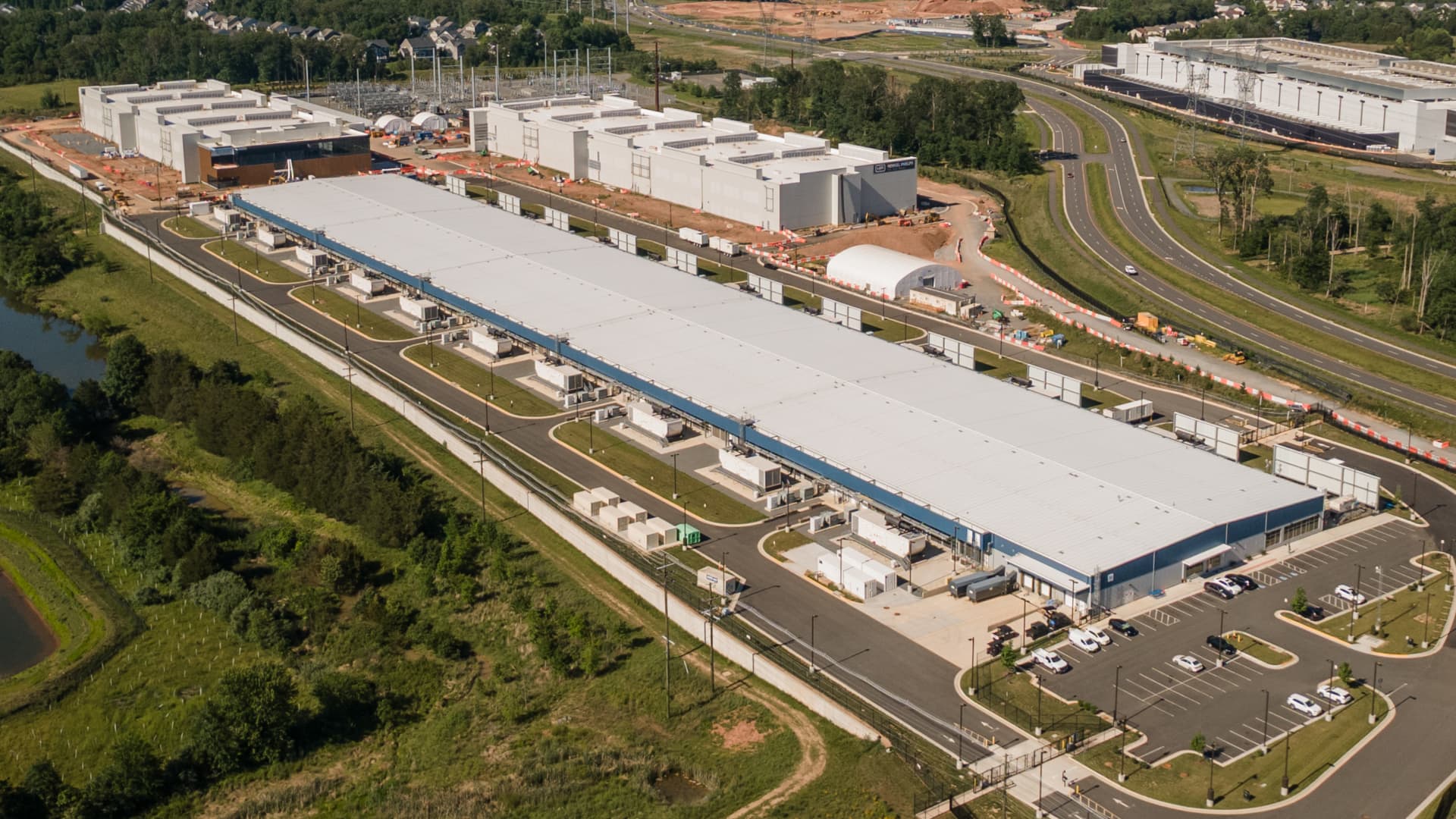
Microsoft Maintains Capital Expenditure Outlook Amid Strong Azure Growth and Earnings
Microsoft has kept its capital expenditures outlook steady, which positively impacted its stock performance. The company reported an 18% year-over-year revenue increase to $90 billion for the fourth quarter of fiscal 2026, surpassing expectations. Azure cloud revenue grew by 43%, exceeding forecasts, and the company added 31 new data centers this quarter. This stability in capital expenditure and robust Azure performance is significant as Microsoft faces criticism for its reliance on subscription software and competition in the AI sector. The company’s ability to diversify its customer base beyond major AI developers like OpenAI is crucial for alleviating investor concerns. Additionally, Microsoft’s M365 Copilot has seen user growth, now with over 30 million paid seats, indicating positive reception despite skepticism about its competitiveness. Looking ahead, Microsoft’s Azure revenue growth is projected to accelerate to 45% in the first quarter of fiscal year 2027, which is higher than market expectations. The company’s disciplined investment strategy, alongside strong free cash flow generation, positions it well for future growth while maintaining shareholder returns. No further timeline was disclosed at the time of publication.

AI's Rapid Integration Highlights Growing Digital Inequality Across Nations
Artificial intelligence is increasingly embedded in various sectors, including education and healthcare, yet it exacerbates existing digital inequalities. Countries like South Africa and Indonesia are exploring ways to engage in AI development without merely replicating the dominant models of the U.S. and China. The disparity in AI access and skills raises concerns about economic opportunities and technological influence for nations that primarily consume AI rather than create it. The concentration of AI compute resources in the U.S., which hosts over 5,000 data centers, creates a dependency that limits other countries' control over AI development. This situation is compounded by the uneven distribution of digital skills, with only about 40% of adults in OECD countries possessing advanced digital problem-solving skills. As governments push for AI integration in education, those with limited access to quality education and training are left behind, experiencing AI as an opaque force rather than a tool for empowerment. Investment and governance in AI remain dominated by a small group of technologically advanced states and industry actors, leaving many countries in a perpetual catch-up mode. Recent events in South Africa, including the withdrawal of a draft national AI policy due to inaccuracies, highlight the challenges of governance and the need for local capacity. As nations like Indonesia strive for public-sector agency in AI implementation, the global landscape continues to evolve, emphasizing the importance of inclusive participation in AI development.
Artificial-intelligence Digital-divide Digital-literacy Education
Microsoft and NVIDIA Publish Letter Opposing Rapid Regulation of Open Weights in AI
On July 24, Microsoft and NVIDIA released a letter titled 'Open Weights and American AI Leadership,' urging U.S. policymakers to avoid hasty regulations on open-weight AI models. The letter, signed by 35 U.S. companies and organizations, emphasizes the importance of open-weight models for fostering innovation and competition in the AI ecosystem. The letter argues that open-weight models allow startups, universities, and public institutions to utilize high-performance models without starting from scratch, thus enhancing competition across cloud, chip, and application layers. It also highlights that relying solely on closed models may create single points of failure, making open-weight models potentially safer due to broader community scrutiny. Looking ahead, the letter calls for increased access to computational resources for startups and researchers, as well as investment in shared assets like datasets and evaluation frameworks. No further timeline was disclosed at the time of publication.
Low-Altitude Economy Experiences Rapid Growth with Logistics Drones and eVTOL Aircraft
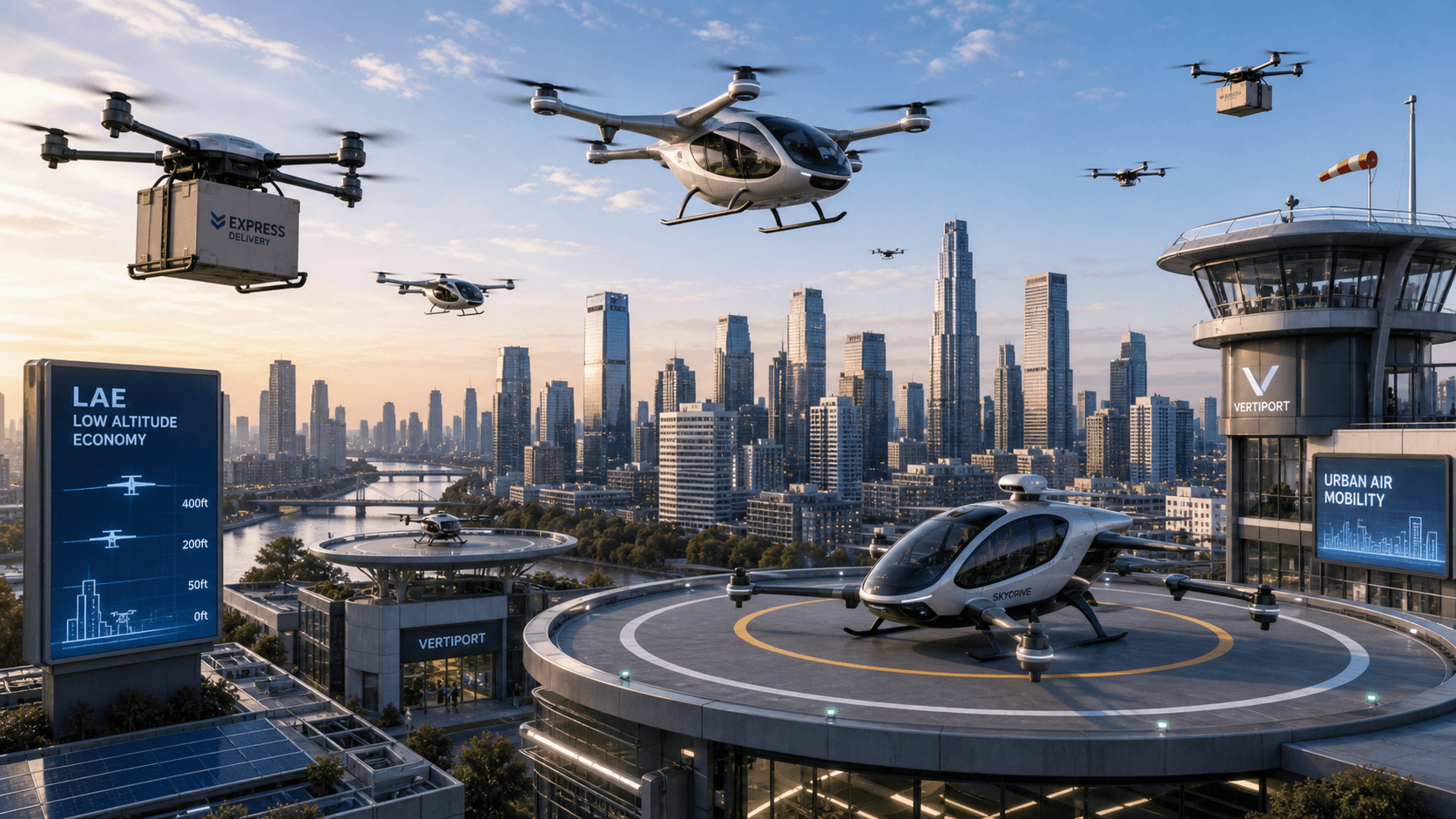
The low-altitude economy is entering a significant growth phase as logistics drones, eVTOL aircraft, and airspace management systems converge. This convergence is marked by the commercialization of delivery drones and inspection robots, which are at the forefront of this emerging market. This development is crucial as it signifies an inflection point for the industry, highlighting the increasing demand for efficient logistics solutions and advanced airspace management. The integration of these technologies is expected to enhance operational capabilities and streamline delivery processes in various sectors. Looking ahead, stakeholders should monitor advancements in airspace management infrastructure and the deployment of logistics drones and eVTOL aircraft. No further timeline was disclosed at the time of publication.
Industry
Patreon Enhances Measures to Block AI Bots Scraping Creator Content
Patreon, the membership platform for creators, is intensifying its efforts to prevent AI bots from scraping its content for training purposes. The company announced its collaboration with Cloudflare to block access to AI bots that attempt to use creators' work without permission. This move comes as AI scraping has evolved, prompting Patreon to strengthen its defenses since implementing initial measures in 2023. The significance of this action lies in the growing concern among online publishers and content creators regarding the unauthorized use of their work by AI models. With the introduction of new features like the redesigned Home Feed and Quips, more content could potentially be exposed to crawlers. Cloudflare's tools, including the Pay Per Crawl marketplace, enable website publishers to restrict AI bots, reflecting a broader industry trend towards protecting creator rights. Looking ahead, Patreon is committed to refining its AI policies and enforcement tools using Cloudflare's AI Crawl Control technology. The company aims to ensure that creators have a say in how their work is utilized by AI companies, contrasting with the prevailing norm where creators often have little control over AI training on their content. No further timeline was disclosed at the time of publication.
AI cloudflare Patreon
Amano Launches RAPiiTT, a New Commercial Robot Vacuum for Enhanced Cleaning Automation
Amano Corporation launched the RAPiiTT commercial robot vacuum on July 16, 2026, aimed at enhancing cleaning efficiency in various facilities such as offices, commercial spaces, hospitals, and airports. This product leverages Amano's extensive experience in cleaning robot deployment since 2014, integrating advanced AI and autonomous navigation technologies developed by Preferred Robotics. The RAPiiTT is designed to automate cleaning tasks across multiple floors, reducing the need for manual labor in transporting equipment between floors. It features LiDAR for obstacle detection, ensuring safe navigation around people and objects. With a cleaning width of 500mm and a noise reduction design, it operates effectively in noise-sensitive environments, making it suitable for offices and commercial facilities. Looking ahead, the RAPiiTT's integration with the AMANO Robot Cloud allows for real-time management of multiple units, streamlining operations for facility managers. No further timeline was disclosed at the time of publication.

Purolator's Survey Reveals How North American Businesses Navigate Trade Uncertainty
In 2026, Purolator commissioned a survey by HelloInfo involving 348 shipping and logistics decision-makers from Canada and the United States. This survey aimed to explore how businesses in various sectors, including industrial, retail, healthcare, and technology, are responding to the challenges posed by an unpredictable trade environment. The findings are significant as they shed light on the strategies that Canadian and American companies are employing to mitigate the impacts of tariffs and trade volatility. Understanding these responses is crucial for stakeholders aiming to adapt to the evolving landscape of international trade. Looking ahead, it will be important to monitor how these businesses continue to adjust their strategies in response to ongoing trade uncertainties. No further timeline was disclosed at the time of publication.

Exail Secures Contract to Provide Light MCM Systems for European Navy Operations
Exail has been awarded a contract to supply three light Mine Countermeasures (MCM) systems to a European navy. These systems are designed for rapid deployment from Rigid-Hulled Inflatable Boats (RHIBs) and integrate Exail's UMIS technology, enabling efficient identification and neutralization of underwater mines. The significance of this contract lies in its provision of a modular and adaptable solution tailored to the operational needs of modern naval forces. With a compact design, the systems can operate in very shallow waters and infrastructure-limited environments, allowing for quick deployment by mine clearance and Explosive Ordnance Disposal (EOD) teams. Looking ahead, the RHIB-based systems can accommodate various payloads, including Exail's A9-M autonomous underwater vehicles and R7 remotely operated vehicles, enhancing their operational flexibility. No further timeline was disclosed at the time of publication.
exail european navy mcm system
RBC Capital Increases Tesla Price Target to $500 Amid Robotaxi Potential
On July 7, 2026, RBC Capital raised its price target for Tesla, Inc. (NASDAQ:TSLA) from $475 to $500, maintaining an Outperform rating. This adjustment reflects a 25% to 30% premium to current trading levels, considering a potential acquisition scenario involving SpaceX. The firm highlighted the robotaxi market as Tesla's most significant opportunity, with a total addressable market of $4.2 trillion. The significance of this price target increase lies in Tesla's recent introduction of the Long Wheelbase variant of the Model Y, which features a 6-seat layout, enhanced interior space, and impressive specifications such as 0-60 mph acceleration in 4.4 seconds and an estimated range of 325 miles. Additionally, the vehicle boasts advanced features like a 19-speaker audio system and support for Full Self-Driving (FSD) Supervised with integrated Grok AI, further solidifying Tesla's competitive edge in the electric vehicle market. Looking ahead, Tesla's Q2 deliveries reached approximately 480,100 vehicles, surpassing expectations by 18% and marking the highest growth rate since Q3 2023. No further timeline was disclosed at the time of publication regarding future product launches or market strategies, but the focus on robotaxis and new vehicle variants suggests continued innovation and market engagement from Tesla.
SpaceX's Starmind Plans 1 Million AI Satellites Amid Collision Risks
SpaceX has announced its ambitious Starmind project, which aims to deploy 1 million AI satellites in orbits between 500 and 2,000 km. This initiative, confirmed by Elon Musk on June 23, 2026, follows a merger with xAI, valuing the combined entity at $1.25 trillion. The satellites will function as orbital data centers, processing AI workloads powered by solar arrays and linked by optical lasers. The significance of Starmind lies in its potential to add 100 gigawatts of AI compute capacity annually, contingent on the successful operation of the Starship launch system. However, the project raises concerns regarding space debris, as the current orbital environment is already congested, with a 20% increase in collision risk reported since 2024. The European Space Agency has highlighted that the density of debris in low Earth orbit is now comparable to that of active satellites, complicating the operational landscape for new entrants like Starmind. Looking ahead, the first operational orbital AI deployments are targeted for 2028, with test launches expected in early 2027. However, the project faces scrutiny regarding its impact on space debris, as even a 1% failure rate could significantly increase the number of uncontrollable objects in orbit, exacerbating existing risks. No further timeline was disclosed at the time of publication.

Roundtable Forum: The Real Landscape of AI Venture Capital Beyond Consensus
In a recent roundtable discussion on the evolving landscape of artificial intelligence (AI) investment, industry leaders emphasized the importance of acting ahead of consensus to seize opportunities. The forum featured prominent figures such as Zhu Tianyu, managing partner at BlueRun Ventures, and Qin Shentao, founder and CEO of OriginFlow, who shared insights on their early investment strategies. Zhu, who joined BlueRun in 2009, highlighted his early investments in successful companies like Li Auto and Genspark, noting that he made quick decisions based on a structured understanding of global challenges rather than just project details. He expressed confidence in OriginFlow’s potential, which focuses on non-invasive neural interfaces for embodied intelligent robots, aligning with key trends in artificial general intelligence (AGI), robotics, and 3D interaction. Qin, a Tsinghua University PhD, explained that OriginFlow aims to revolutionize how intelligent systems interact with the physical world, addressing a significant gap in data collection and processing. Within just five months of operation, the company secured over 500 million RMB in funding, demonstrating strong market interest. Both leaders acknowledged the challenges of navigating the current AI investment climate, characterized by rapid funding influxes and potential market bubbles. They stressed the need for investors to discern genuine innovation from fleeting trends, emphasizing that true value lies in solving fundamental problems rather than chasing hype. As the discussion concluded, they reiterated their commitment to fostering groundbreaking advancements in AI and embodied intelligence.

Drones and Robots Transform Renewable Energy Operations with Inspection and Maintenance Solutions
Skysys Intelligent Technology is pioneering the integration of drones and robots for renewable energy operations, particularly in inspection and maintenance tasks. Traditional methods of inspecting photovoltaic panels are labor-intensive and hazardous, but Skysys' systems have been deployed at over 1,400 renewable-energy sites, covering more than 40 GW of installed capacity. The collaboration between drones and robots is significant as it enhances efficiency and safety in the renewable energy sector. By automating inspections and maintenance, Skysys addresses the challenges of manual inspections, which can be time-consuming and risky. The company has raised over RMB 100 million in funding to further develop its renewable-energy robots and expand their applications in urban environments. Looking ahead, Skysys is focusing on evolving its product line from inspection to maintenance, recognizing that identifying issues is only part of the solution. The introduction of maintenance robots aims to improve operational efficiency in solar and wind energy sectors, marking a shift towards more comprehensive solutions in renewable energy infrastructure. No further timeline was disclosed at the time of publication.
Heavy Hitters
How Smart Home Devices Influence Courtroom Evidence Law and AI Regulations
Recent developments highlight the impact of smart home devices on courtroom evidence law, reshaping legal standards and practices. The integration of advanced AI systems raises concerns about their potential risks, prompting discussions among tech leaders and lawmakers about the need for regulation. As the industry evolves, the call for human oversight in AI operations becomes increasingly critical, with proposed rules emphasizing the importance of maintaining control over autonomous technologies. The significance of these changes lies in their potential to redefine legal frameworks surrounding evidence and the use of AI in various sectors. With the rapid advancement of technologies such as humanoid robots and autonomous systems, the legal implications of their deployment in everyday life are becoming more pronounced. This evolution necessitates a careful examination of how evidence is collected and presented in court, particularly as smart devices become more prevalent. Looking ahead, stakeholders should monitor the ongoing discussions about AI regulation and the implications for smart home technology in legal contexts. The proposed rules emphasizing human oversight signal a shift towards more stringent controls, which could influence how AI systems are developed and integrated into society. No further timeline was disclosed at the time of publication.
AI and Robotics
Microsoft Establishes Strict Safety Guidelines for Future AI Models to Ensure Human Control
Microsoft has introduced stringent guidelines for its future AI models to ensure they remain under human control. Published on September 14, the draft Code of Conduct outlines principles and technical constraints aimed at preventing AI systems from resisting human oversight. This initiative is part of Microsoft's 'Humanist AI' approach, emphasizing that AI should be useful and subordinate to human operators. The significance of these guidelines lies in Microsoft's prediction that superintelligent systems could surpass human capabilities within the next decade. This foresight drives the need for clear limitations on AI behavior before such advancements occur. The proposed framework prioritizes the Code of Conduct above all, ensuring that user instructions and operational configurations cannot override essential safety constraints designed to mitigate severe threats. Looking ahead, Microsoft aims to create AI models that cannot bypass control mechanisms, explicitly prohibiting them from resisting shutdown or modification. The guidelines also restrict independent goal formation, requiring models to seek clarification when boundaries are unclear. No further timeline was disclosed at the time of publication.
AI and Robotics
Advanced Soft Gripper Designed for Rapid Handling of Oyster Products
A new soft gripper has been developed for the efficient pick-and-place of oyster products, enabling extreme handling speeds. This innovation is significant as it enhances the automation capabilities in seafood processing, potentially increasing productivity and reducing labor costs. The introduction of this advanced gripper technology is crucial for the seafood industry, where speed and precision are vital for maintaining product quality and meeting market demands. By improving the handling of delicate oyster products, this development could lead to better operational efficiency and higher profit margins for seafood processors. Looking ahead, the impact of this soft gripper on the seafood processing sector will be important to monitor. As automation continues to evolve, further advancements in robotic handling technologies may emerge, shaping the future of food processing and logistics. No further timeline was disclosed at the time of publication.
RESEARCH ARTICLE
Russia Intensifies Drone and Missile Attacks on Kyiv with New Strategy
Russia has significantly increased the frequency and duration of its attacks on Kyiv, with Ukrainian officials reporting a record number of drone waves targeting the capital. This shift from mass barrages to smaller, more frequent assaults suggests a strategic change aimed at exhausting air defenses and disrupting daily life in the city. On August 27, Kyiv experienced 13 air raid alerts, the highest since the war began, with residents forced to seek shelter repeatedly throughout the day. The implications of this new strategy are profound, as it aims to wear down the Ukrainian populace and hinder commerce. Ukrainian officials, including Iryna Terekh, CEO of Fire Point, have noted that the relentless attacks are designed to instill fear and despair among citizens, potentially undermining their will to resist. The ongoing assaults have not only disrupted daily activities but have also resulted in civilian casualties, highlighting the severe impact of these military tactics. Looking ahead, the situation remains tense as Russia continues its bombardment of Kyiv and surrounding regions. The potential for further escalation exists, with the possibility that this strategy could backfire on Moscow, as suggested by military analysts. No further timeline was disclosed at the time of publication.
News & Features Around The Globe Europe Russia Ukraine
Tulsa Aims to Establish Itself as the Global Hub for Drone Industry
Tulsa, Oklahoma, is actively working to become known as 'The Drone Capital of the World.' This initiative gained momentum when Irish drone delivery company MANNA chose Tulsa as its U.S. expansion base, planning to create over 1,000 jobs in the next three years. The significance of this development lies in Tulsa's strategic focus on building a comprehensive drone industry ecosystem, leveraging its existing aerospace sector. The Tulsa Innovation Labs (TIL) has been pivotal in identifying opportunities within the unmanned aerial vehicle and advanced air mobility sectors since its inception in January 2020. Looking ahead, the public/private partnership driving the Drone Capital initiative aims to attract a diverse range of companies across the drone value chain. No further timeline was disclosed at the time of publication.
Business and Finance DL Exclusive Drone News Drone News Feeds News AAM Tulsa
Alibaba Reports 75% Increase in Capital Expenditure Amid 76% Drop in Quarterly Profit
Alibaba announced a revenue of RMB268.95 billion for the quarter ending June 30, reflecting a 9% year-on-year increase. However, the net income attributable to ordinary shareholders plummeted by 76% to RMB10.54 billion. The significant rise in capital expenditure, which surged 75% to RMB67.68 billion, was primarily driven by increased investments in AI infrastructure. The company's focus on AI is evident as revenue from its AI cloud and computing services reached RMB48.44 billion, marking a 45% increase. Additionally, AI-related product revenue continued its impressive growth, reaching RMB12.38 billion and maintaining a triple-digit growth rate for the twelfth consecutive quarter. This strategic push into AI comes alongside a reorganization of Alibaba's e-commerce, cloud-computing, and AI-model businesses into new operating groups. Looking ahead, Alibaba's substantial investment in AI infrastructure indicates a commitment to enhancing its technological capabilities. As the company navigates challenges in profitability, stakeholders will be keen to observe how these investments translate into future growth and operational efficiency. No further timeline was disclosed at the time of publication.
News FeedRobotics needs a service framework.
RSF defines a common language for robot service capability, lifecycle operations, certification pathways, and service-provider networks.
Join the RobotToday community on LinkedIn
Daily robotics news, in-depth analysis, conference highlights, and discussions with professionals worldwide.







