Industry Briefing
A single destination for timely, editor-curated robotics news from around the world.
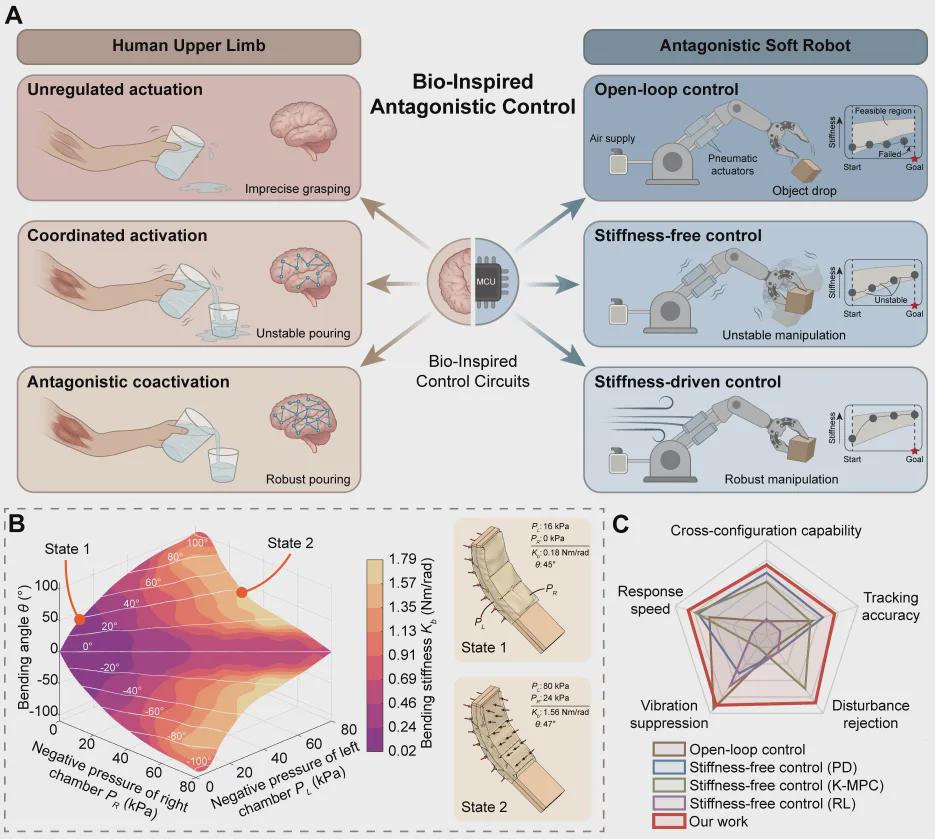
Enhancing Stability and Precision in Antagonistic Soft Robots Through Muscle-Inspired Stiffness Regulation
Researchers from Nanyang Technological University have developed a stiffness-driven control strategy for antagonistic soft robots, inspired by muscle coactivation. This approach improves the robots' stability, precision, and disturbance resistance without relying on complex analytical models or real-time stiffness measurements. The innovation lies in integrating stiffness regulation into motion control, allowing soft robots to maintain similar joint postures while adjusting overall stiffness. The study demonstrated that the bending stiffness of the robot could be increased from approximately 0.02 N·m/rad to 1.79 N·m/rad, an 88-fold enhancement, showcasing the potential for improved performance in various applications. Future developments will focus on refining this control strategy and exploring its applications in real-world scenarios. No further timeline was disclosed at the time of publication.
Soft Robotics Robotic Control Systems Stiffness Regulation Biomechanics Automation Technology
Robots Engage in Activism: Demonstrating for Job Preservation and Human Employment
Recent developments in robotics have seen machines taking on activist roles, with robots staging protests to advocate for the preservation of human jobs. This movement highlights the growing intersection of technology and social issues, emphasizing the need for a balance between automation and employment. The significance of this robotic activism lies in its potential to influence public perception and policy regarding automation in the workforce. As industries increasingly adopt robots for various tasks, the conversation around job displacement and the future of work becomes more critical. Companies like Monumental are focusing on automating construction while maintaining skilled jobs, showcasing a commitment to both innovation and employment. Looking ahead, the evolution of robotics and AI technologies will likely continue to shape these discussions. The integration of advanced systems, such as XTEND’s XOS and DEEP Robotics’ capabilities, will be pivotal in determining how robots can coexist with human workers. No further timeline was disclosed at the time of publication.
AI and Robotics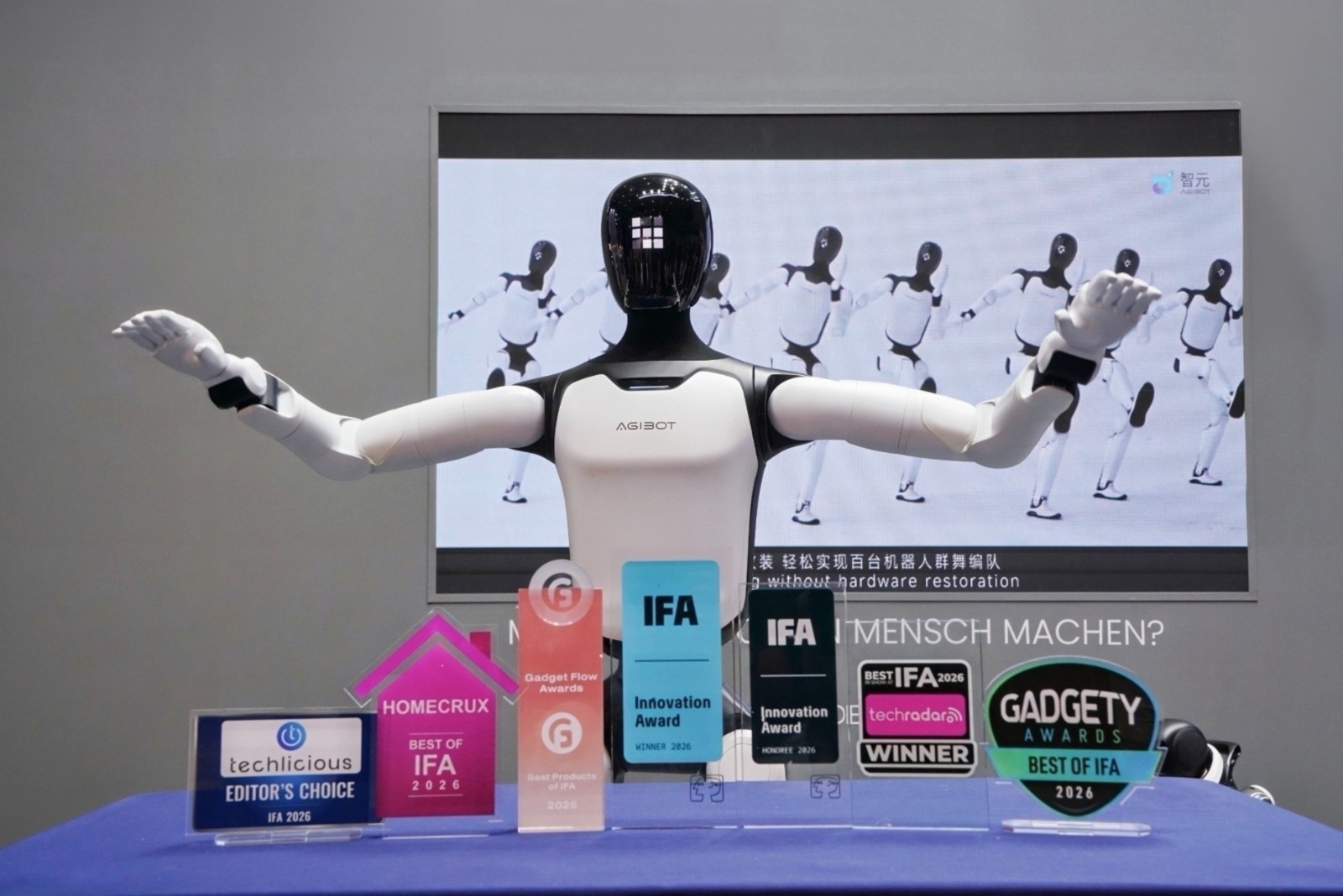
AGIBOT's Humanoid Robots Win IFA Innovation Awards at IFA 2026
AGIBOT's humanoid robots, the AGIBOT A3 and AGIBOT X2, were honored with the IFA Innovation Awards at IFA 2026. These awards highlight the robots' advancements in mobility, interaction, and multi-robot coordination, demonstrating their capabilities for practical applications in various sectors. The recognition from IFA and global tech media underscores the significance of AGIBOT's innovations in the robotics field. The AGIBOT A3 and AGIBOT X2 are designed to enhance human-robot interaction and improve operational efficiency through advanced coordination techniques, making them valuable assets in real-world scenarios. Looking ahead, the continued development and deployment of AGIBOT's humanoid robots could lead to broader adoption in industries that require sophisticated robotic solutions. No further timeline was disclosed at the time of publication.
Humanoid Robots AI Robotics Innovation Awards Technology Automation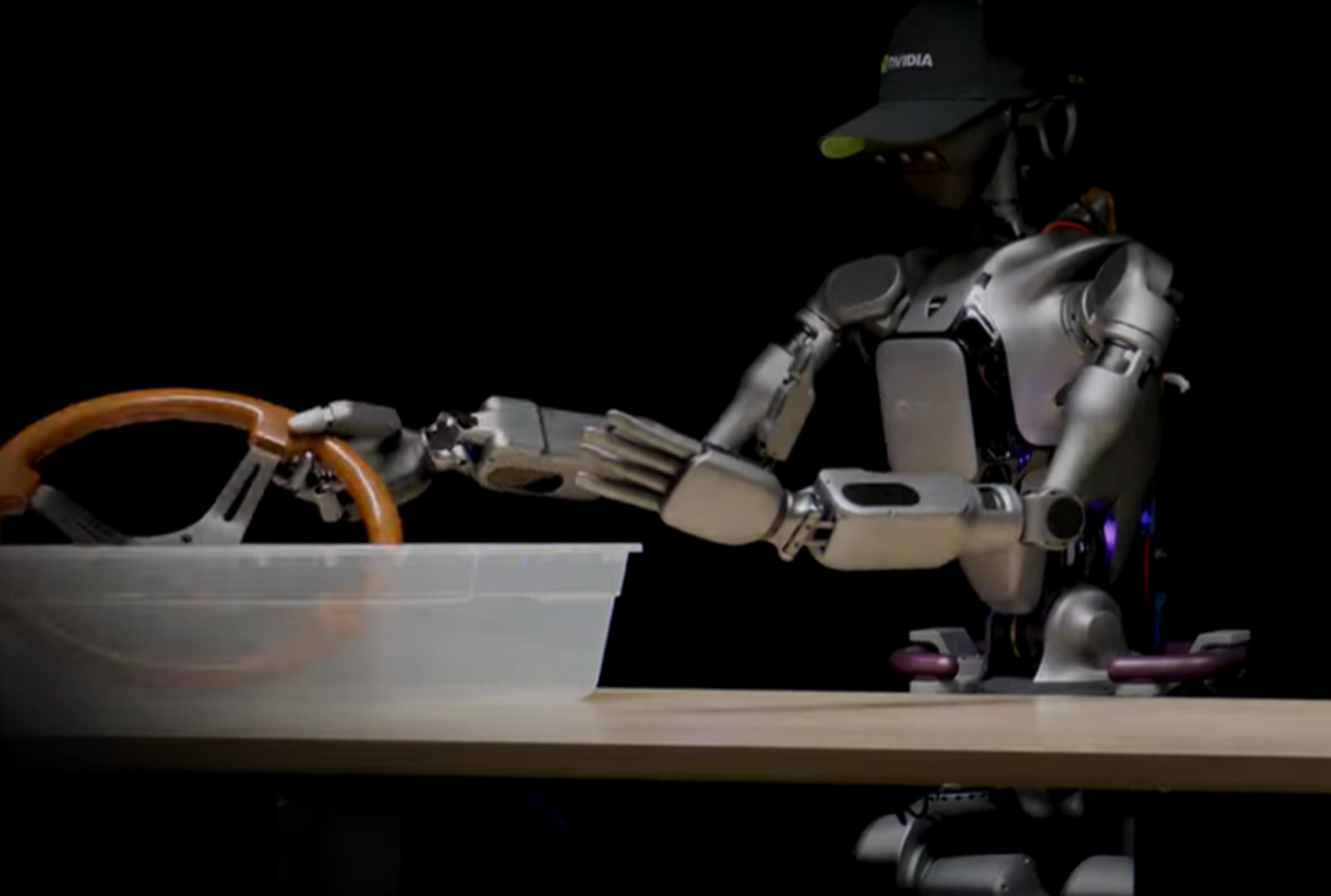
Quadruped Robots Highlighted at IFA: China's Solution to Global Labor Shortages
At the 2026 IFA in Berlin, quadruped robots emerged as a significant focus, with Shenzhen's Xuanji Power winning the Best in IFA Next & Emerging Technologies award for its Hypertron-T01 heavy-duty quadruped robot. Unlike previous exhibitions showcasing dancing robots, Xuanji Power presented a product already operational in the field, capable of handling dynamic loads up to 80 kg across challenging terrains. The importance of this development lies in addressing labor shortages in specialized industries, as highlighted by Xuanji Power's emphasis on the robot's ability to perform reliably in real-world scenarios. The Hypertron series has been successfully deployed in substations, demonstrating its capability for long-term, unmanned operations. The company aims to transition quadruped robots from demonstration to practical applications, focusing on stable performance in real environments. Looking ahead, Xuanji Power announced the opening of its core SDK interfaces to facilitate rapid development of localized solutions by European integrators and developers. This move underscores the shift of quadruped robots from mere exhibition pieces to essential tools capable of operating in hazardous environments, marking a significant step towards industrialization in response to global labor challenges.
Quadruped Robots Industrial Automation Robotics Technology AI Solutions
Beijing Robotics Expo Features Robots Sorting Packages and Serving Fast Food
At a robotics expo in Beijing, robots demonstrated their capabilities by sorting parcels and serving fried chicken, captivating attendees. This event showcased the potential of robotics and artificial intelligence in reshaping the labor market, with hundreds of companies presenting their innovations. The significance of this expo lies in its focus on how automation can transform various sectors, particularly in logistics and food service. As artificial intelligence continues to advance, the integration of robots in everyday tasks could lead to increased efficiency and changes in workforce dynamics. Looking ahead, industry observers will monitor the ongoing developments in robotics and AI technologies. The expo serves as a platform for companies to highlight their contributions to a future where automation plays a crucial role in labor markets. No further timeline was disclosed at the time of publication.
Robotics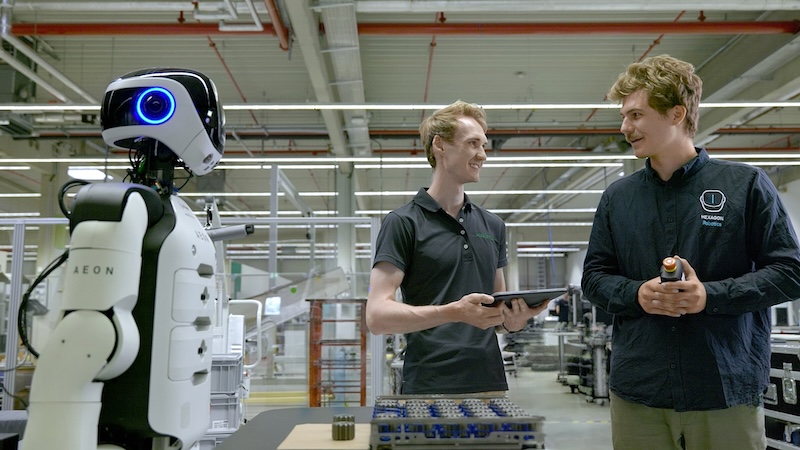
Hexagon Robotics Begins Training AEON Humanoid Robots at Schaeffler's Facility in Germany
Hexagon Robotics and Schaeffler have initiated the training of AEON humanoid robots at Schaeffler’s Humanoid Gym in Germany. This marks a significant step towards deploying at least 1,000 AEON robots in the coming years, utilizing a Train-Validate-Deploy model tailored for industrial environments. The collaboration is crucial as it allows both companies to enhance AEON's industrial capabilities while building Schaeffler's expertise in operating and integrating humanoids into their production processes. The training will focus on imitation learning and refining robot policies to ensure reliable performance in real manufacturing applications. Looking ahead, the training at the Humanoid Gym is expected to expedite AEON's deployment across various manufacturing workflows within Schaeffler over the next six months. This initiative not only supports the integration of humanoids into Schaeffler's operations but also aims to strengthen overall manufacturing performance and scalability in automation.
Components Computing News Training aeon factory automation
TechCrunch Disrupt 2026 Introduces Real World AI Stage Featuring Robots and Automated Factories
TechCrunch Disrupt 2026 will feature a new Real World AI Stage, expanding its focus on AI's intersection with the physical world. This stage will highlight advancements in autonomous hardware, including applications in public spaces and potential de-extinction efforts. The event, scheduled for October 13 to 15 at San Francisco’s Moscone West, will host discussions on the challenges of deploying autonomous systems safely. Industry leaders from companies like Shield AI and Colossal Biosciences will address critical questions regarding safety culture, regulatory navigation, and trust-building in high-stakes environments. Attendees can expect insights from notable speakers, including Ben Lamm of Colossal Biosciences, who will explore the role of AI in reviving extinct species. The event promises to be a significant gathering for those interested in the evolving landscape of AI and its real-world applications. No further timeline was disclosed at the time of publication.
AI TechCrunch Disrupt Colossal Biosciences
Agile Robots Anticipates Revenue Growth to €600 Million in 2026 Amid Rising Demand
Agile Robots, a German robotics company, is projecting its revenue to double this year, reaching approximately €600 million. This growth is attributed to the increasing demand for industrial automation, as reported by CEO Zhaopeng Chen in an interview with the Wall Street Journal. The company's revenue was €300 million in 2025, and it has already secured customer contracts that support its optimistic revenue forecast for 2026. Agile Robots aims to achieve profitability within the next two to three years, bolstered by its strategic acquisitions and partnerships, including a collaboration with Google DeepMind to enhance its robotic systems with advanced AI capabilities. Looking ahead, Agile Robots has rapidly expanded its operations through acquisitions, which are expected to contribute 10 to 15 percent of new business this year. The company’s focus on integrating manufacturing capabilities with AI-driven automation positions it well in a competitive market, as manufacturers increasingly seek solutions to improve productivity and address labor shortages. No further timeline was disclosed at the time of publication.
Financials & Investments Humanoids News agile robots ai artificial intelligence
Reimagine Robotics Launches Innovative Learning Robots for On-the-Job Training
Reimagine Robotics Ltd has emerged from stealth mode, introducing robots capable of learning tasks on the job through direct human interaction. CEO Jonathan Scholz emphasized that these robots can be trained by workers who demonstrate tasks and provide corrections in real-time, a process he describes as 'monkey-see, monkey-do.' This approach aims to integrate robots into workflows without the need for specialized programming. The significance of this technology lies in its potential to enhance productivity by allowing workers to teach robots how to perform tasks, thereby reducing the need for repetitive manual labor. Scholz highlighted that the robots are designed to assist rather than replace human workers, with the goal of optimizing processes and addressing bottlenecks in various industries. Reimagine Robotics has already deployed its robots in advanced manufacturing and electronics disassembly facilities, showcasing their ability to automate tasks such as tending to 3D printers and disassembling hard drives. No further timeline was disclosed at the time of publication.
Artificial Intelligence Artificial Intelligence / Cognition Assembly Collaborative Robots Human Robot Interaction / Haptics Manufacturing
Children Program SkoBot Robots to Speak Endangered Languages in Cultural Initiative
In Michigan, 12-year-old Holdon Hoy demonstrated his robot, SkoBot, speaking in Ojibwe, marking a unique cultural preservation effort. Danielle Boyer, 25, founded a nonprofit to guide Native American children in assembling SkoBots to learn endangered languages, inspired by a talking toy. With fewer than 10,000 speakers of Ojibwe in the U.S., the initiative aims to combat language loss exacerbated by historical policies. The importance of this project lies in its dual focus on technology and cultural identity. Boyer emphasizes that SkoBot uses a voice-triggered system rather than generative AI, ensuring factual accuracy in language learning. This approach addresses concerns about AI fabricating information, particularly as large language models begin to create non-existent Ojibwe vocabulary. The project not only teaches language but also fosters interest in STEM among children. As children program SkoBots to communicate in endangered languages, technology transcends its role as a productivity tool, becoming a means of cultural continuity. Boyer and Hoy's efforts highlight the intrinsic connection between language and culture, reinforcing that preserving language is vital for maintaining cultural identity.
Robotics Cultural Preservation STEM Education Endangered Languages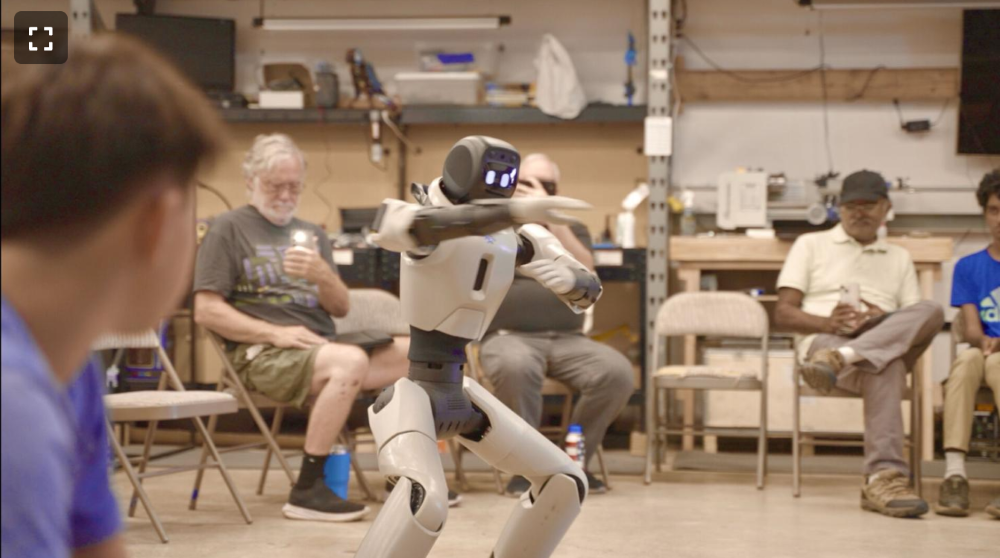
Faraday Future Engages Users at Maker Faire to Gather Feedback on EAI Robots
In July, Faraday Future (FF) participated in the Maker Faire in Orange County, California, showcasing its EAI robotic products aimed at education and security. The event attracted educators, industry representatives, independent developers, and small business owners, who provided valuable feedback on FF's offerings, including the FF Master robot and its open developer platform. This initiative is part of FF's strategy to transform user interest into collaborative product development and application. FF AI-Robotics Co-CEO Chen Zhe emphasized the importance of direct user feedback in refining their products and solutions. The company views its open developer ecosystem as a crucial element of its 'Four Core Intelligence' strategy, aiming to connect external developers with industry needs. Looking ahead, FF plans to maintain engagement with the Maker Faire community and prepare for the annual event in September. The feedback collected will play a significant role in shaping the development of their robots and applications, demonstrating FF's commitment to understanding user needs beyond just selling robots.
EAI Robots Education Technology User Feedback Developer Ecosystem
Okinawa Institute Develops Curiosity-Driven AI Robots for Faster Language Learning
Researchers at the Okinawa Institute of Science and Technology (OIST) have created AI-powered virtual robots that learn language more effectively by rewarding curiosity instead of traditional instruction. These robots completed language-based tasks in approximately half the time compared to those trained conventionally, showcasing a brain-inspired system that mimics human-like adaptability and playfulness. The significance of this development lies in its implications for both artificial intelligence and our understanding of human language acquisition. The curiosity-driven approach not only accelerated language learning but also led to spontaneous play-like behaviors, suggesting that such exploration is crucial for knowledge acquisition, similar to how children learn. Looking ahead, the study raises important questions about the balance between curiosity and a rich linguistic environment for effective learning. While curiosity alone was insufficient, exposure to diverse language combinations significantly enhanced the robots' understanding. Future research may further explore these dynamics and their applications in AI systems, particularly in language processing.
AI and Robotics
Unitree and AgiBot Launch Retail Stores: Humanoid Robots Enter Physical Market
Two leading Chinese humanoid robot companies, Unitree Technology and AgiBot, announced the opening of retail stores in shopping malls on the same day. This move signals a shift in competition from technical specifications to real-world user engagement, as both companies aim to showcase their robots to consumers. The significance of this development lies in several factors. First, the cost of humanoid robots is decreasing, with projected BOM costs dropping from 250,000-400,000 RMB in 2025 to 150,000-250,000 RMB in 2026, making them more affordable for retail environments. Second, the retail stores provide a unique opportunity for consumer education, allowing the public to experience humanoid robots up close, which is crucial for market acceptance. Looking ahead, the success of these retail initiatives will depend on consumer interaction within the stores. The next steps for visitors—whether they engage in experiences, trials, or purchases—will ultimately shape the retail model for humanoid robots. As competition evolves, the focus will shift from technological superiority to user perception and acceptance in everyday life.
Humanoid Robots Retail Technology Consumer Experience B2B Solutions
Roboteon Enhances Fleet Management and Orchestration for Manufacturing Robots and AGVs
Roboteon has announced an expansion of its capabilities, providing a powerful software platform designed to orchestrate automated material flows in manufacturing environments. This platform aims to improve visibility, control, productivity, and throughput for manufacturers by acting as a digital nervous system. The significance of this development lies in Roboteon's position as a leading innovator in intelligent warehouse and manufacturing robotics software. By enabling the integration and synchronization of mobile robots and autonomous guided vehicles (AGVs), manufacturers can optimize their operations and enhance overall efficiency on the shop floor. Looking ahead, industry stakeholders should monitor how Roboteon's advancements in fleet management and orchestration will influence manufacturing processes and the adoption of automated solutions. No further timeline was disclosed at the time of publication.
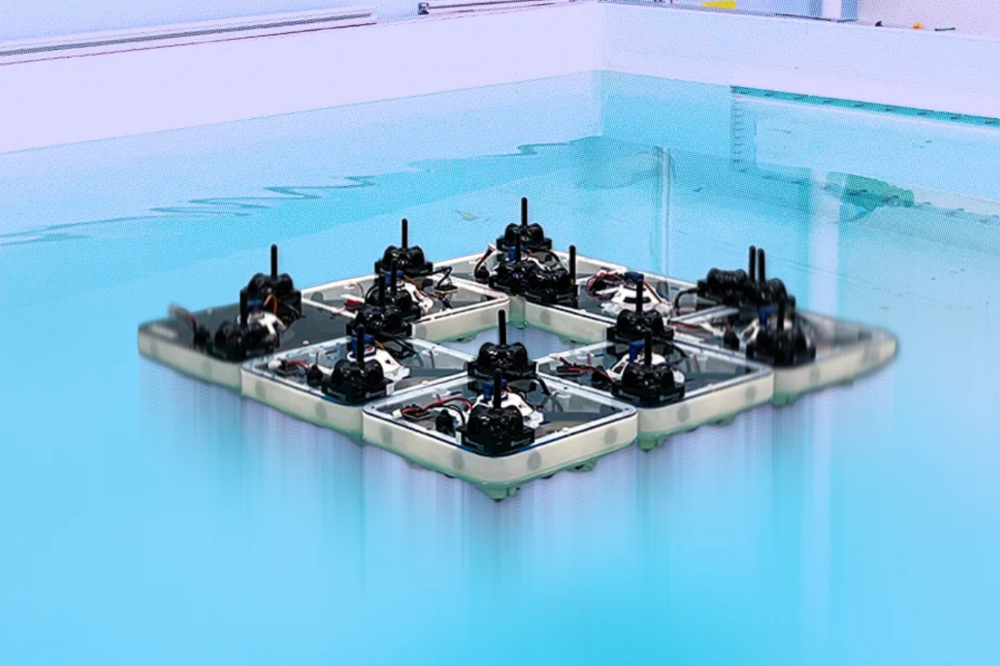
MIT Unveils Miniature Robots for Creating Floating Bridges and Stages
A group of palm-sized square robots autonomously converge, lock together, and form a temporary floating bridge within minutes. This innovative achievement comes from MIT's Computer Science and Artificial Intelligence Laboratory (CSAIL) and was recently published in Nature Communications. Inspired by fire ants, these robots utilize decentralized control, allowing them to coordinate movements without a central command, enhancing their scalability. Each FloatForm robot measures 21 centimeters on each side and is equipped with propellers, sensors, and magnetic locks. The robots can synchronize their movements by exchanging positions with neighbors, making the planning complexity dependent on local interactions rather than the total number of robots. Simulations indicate that the framework can smoothly scale up to 64 units, showcasing significant potential for various applications. The team has successfully tested the robots in controlled environments, achieving a 90% success rate with four robots and 70% with eight in completing tasks autonomously. Future developments will focus on integrating GPS or visual navigation and mechanical locking for real-world applications, including floating markets and emergency bridges in urban areas with waterways. No further timeline was disclosed at the time of publication.
Robotics Autonomous Systems Modular Robotics Water Navigation
China Agricultural University's Professor Li Wei Advances Agricultural Harvesting Robots
Professor Li Wei's team at China Agricultural University is pioneering agricultural harvesting robots, marking a significant shift in modern farming practices. These robots integrate automation and intelligent technologies, enhancing productivity and transforming traditional agricultural labor methods. The team's research has led to the development of cucumber and tomato harvesting robots, which are gradually entering the market. The importance of this innovation lies in its potential to revolutionize agricultural practices, improving efficiency and supporting the growth of modern agriculture. The team's comprehensive research has culminated in a book titled 'Agricultural Harvesting Robots,' which discusses core algorithms such as machine vision and deep learning, and provides case studies on the robots they have developed. Looking ahead, the book serves as a valuable resource for researchers and students in agricultural robotics and intelligent agricultural equipment. No further timeline was disclosed at the time of publication.
Agricultural Robots Harvesting Technology Automation Machine Learning Robotics
AGIBOT Launches Four New Robots at WAIC 2026, Expanding Industrial AI Portfolio
AGIBOT introduced four new robotic products at the World Artificial Intelligence Conference (WAIC) 2026 in Shanghai, enhancing its humanoid robots and industrial automation systems. The new offerings include the AGIBOT A3 Ultra humanoid robot, X2 EDU education platform, G2 Max industrial robot, and OmniHand 3 Ultra-M dexterous robotic hand, alongside the deployment of over 30 robots for visitor assistance at the event. This expansion is significant as it underscores AGIBOT's commitment to advancing embodied AI technology, moving beyond mere demonstrations to reliable integration in real-world applications. The A3 Ultra, G2 Max, and OmniHand 3 Ultra-M are designed to tackle critical challenges in humanoid platforms, industrial tasks, and dexterous manipulation, reflecting the company's focus on delivering practical value at scale. Looking ahead, AGIBOT's strategy aims to transition embodied AI from laboratory settings to consistent commercial and industrial workflows. No further timeline was disclosed at the time of publication.
Events Humanoids News A3 Ultra agibot artificial intelligence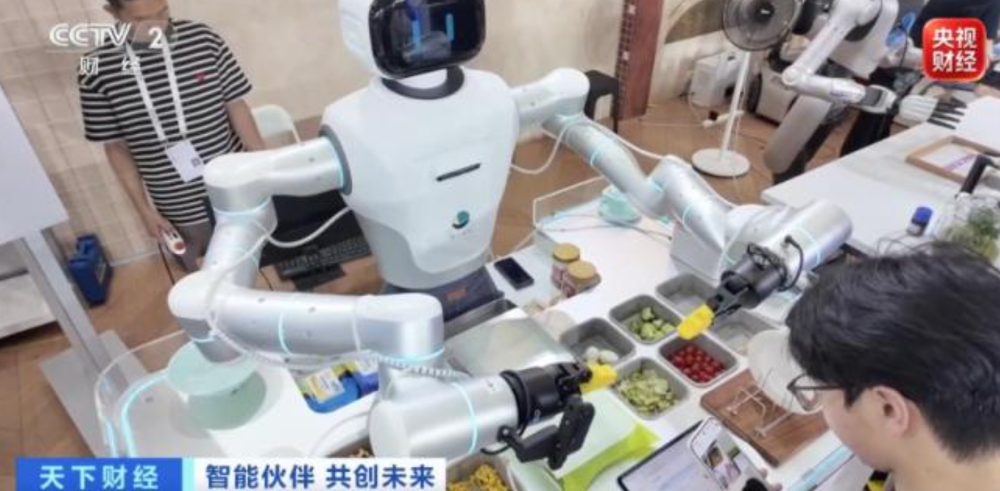
60 Humanoid Robots Transition from Exhibits to Colleagues at WAIC 2026
At the WAIC 2026, an immersive exhibition area titled 'The Era of Modeling: City of Partners' showcased over 20 robots performing various roles in manufacturing, daily life, and entertainment. Additionally, approximately 60 humanoid robots were deployed not as exhibits but as active participants in public service tasks, marking the first large-scale deployment of full-sized humanoid robots at such an event. This transition from being mere exhibits to functioning colleagues highlights the rapid advancements in contextual large models, which integrate multimodal information such as sound, visuals, and environment, significantly enhancing the interaction capabilities of robots. For instance, the tea-serving robot from Zhiyuan Innovation can perform a complete tea service task in six minutes, showcasing its refined operational capabilities. The WAIC 2026 featured an exhibition space exceeding 100,000 square meters, with 1,100 companies participating and over 3,000 exhibits, including more than 300 global product launches. The event signifies a shift in focus from showcasing AI as a technological spectacle to recognizing its role as a productive force in the real world, as noted by a visiting journalist who observed this change in emphasis from last year’s event.
Humanoid Robots AI Public Service Robotics Exhibitions Automation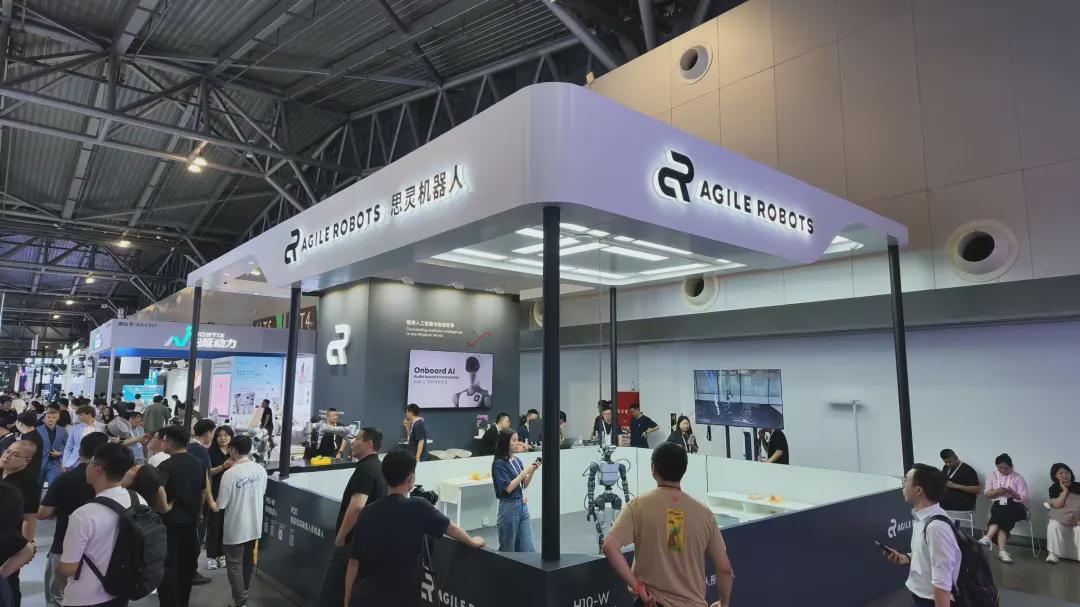
Agile Robots Unveils Advanced Physical AI Solutions at WAIC 2026 in Shanghai
On July 17, 2026, the World Artificial Intelligence Conference (WAIC 2026) commenced in Shanghai, featuring Agile Robots, a leading intelligent robotics company. Agile Robots showcased its H20 lightweight humanoid robot, H10-W assistant robot, AI therapy robot, and high-precision teleoperation data collection system, emphasizing its vision of linking AI with the physical world. The significance of this event lies in the anticipated growth of the humanoid robot market, with projections indicating that China's production could exceed 100,000 units by the end of 2026. This marks a pivotal moment for the global AI industry, transitioning humanoid robots from experimental stages to large-scale production and real-world applications. Looking ahead, Agile Robots is positioned to capitalize on this industry opportunity, having established a strong technological foundation and extensive commercialization experience. The company aims to enhance its AI algorithms and data ecosystems to support the deployment of humanoid robots across various sectors, including healthcare, logistics, and smart agriculture. No further timeline was disclosed at the time of publication.
Humanoid Robots AI Robotics Technology Healthcare Robotics
Agile Multiskill Locomotion Techniques for Quadrupedal Robots in Natural Environments
A recent study published in Science Robotics explores advanced locomotion techniques for quadrupedal robots designed for outdoor environments. The research focuses on developing agile and perceptive multiskill locomotion capabilities that enable these robots to navigate complex terrains effectively. This advancement is significant as it enhances the operational versatility of quadrupedal robots, making them more suitable for various applications in challenging environments. By improving their ability to adapt to different terrains, these robots can be utilized in fields such as search and rescue, environmental monitoring, and exploration. Looking ahead, the implications of this research could lead to further innovations in robotic mobility and autonomy. No further timeline was disclosed at the time of publication.
Research Article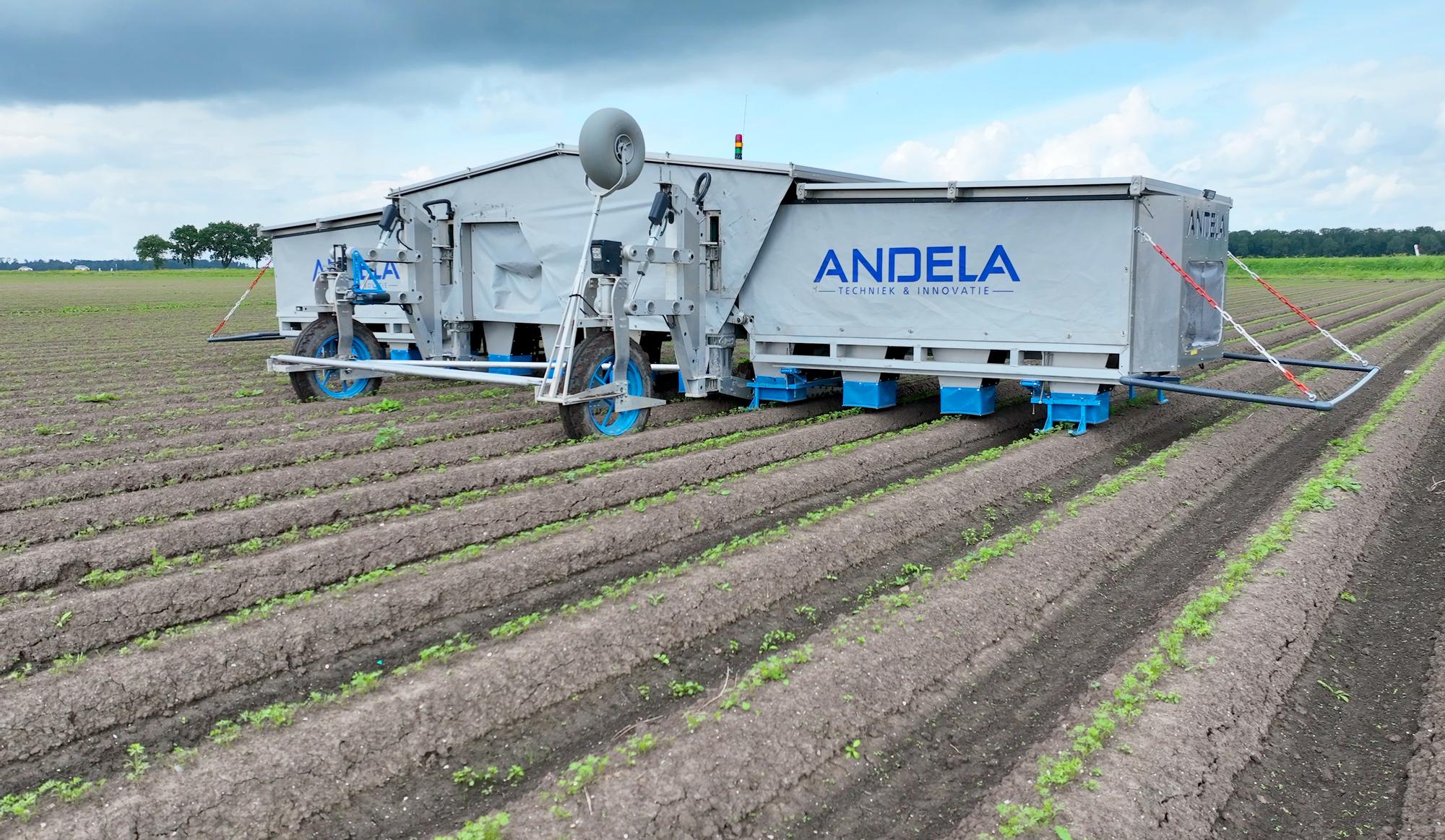
Challenges in Reducing Costs of Agricultural Robots Like the Andela Weeder
The Andela Robot Weeder is priced at approximately €800,000 (US$961,000), raising questions about the factors influencing its cost. Unlike traditional machinery, the price of agricultural robots is increasingly determined by the economic value they provide rather than manufacturing costs. This shift in perspective complicates the business case for growers, as the value derived from labor replacement and efficiency gains becomes paramount. As labor shortages and restrictions on herbicides grow, the competition landscape for agricultural robots may change significantly. Robots may not need to compete solely on price against traditional methods like chemical weed control. Instead, they could emerge as essential tools, altering the pricing dynamics in the market. While advancements in technology will likely enhance the performance of agricultural robots, this does not guarantee a decrease in their prices. The value proposition for farmers will focus more on the economic benefits rather than the cost of production, making the future of pricing in this sector uncertain. No further timeline was disclosed at the time of publication.
Crop solutions autonomous farm farm management mechanical weeder robotics weed control
AGIRobots unveils new semi-humanoid robot "AGIRobots Worker" to enhance physical AI in manufacturing and logistics.
AGIRobots has unveiled its latest semi-humanoid robot, the "AGIRobots Worker," aimed at enhancing the use of physical AI in the manufacturing and logistics sectors. This announcement was made recently as part of the company's ongoing efforts to innovate and improve operational efficiency in these industries. The AGIRobots Worker is designed to assist in various tasks, streamlining processes and potentially reducing labor costs. By integrating advanced AI technology, the robot is expected to play a crucial role in transforming traditional workflows, making them more efficient and adaptable to modern demands. The launch reflects AGIRobots' commitment to driving technological advancements that support the evolving needs of the manufacturing and logistics landscapes.
Humanoid Robots: Moving Beyond Demonstrations to Real-World Profitability
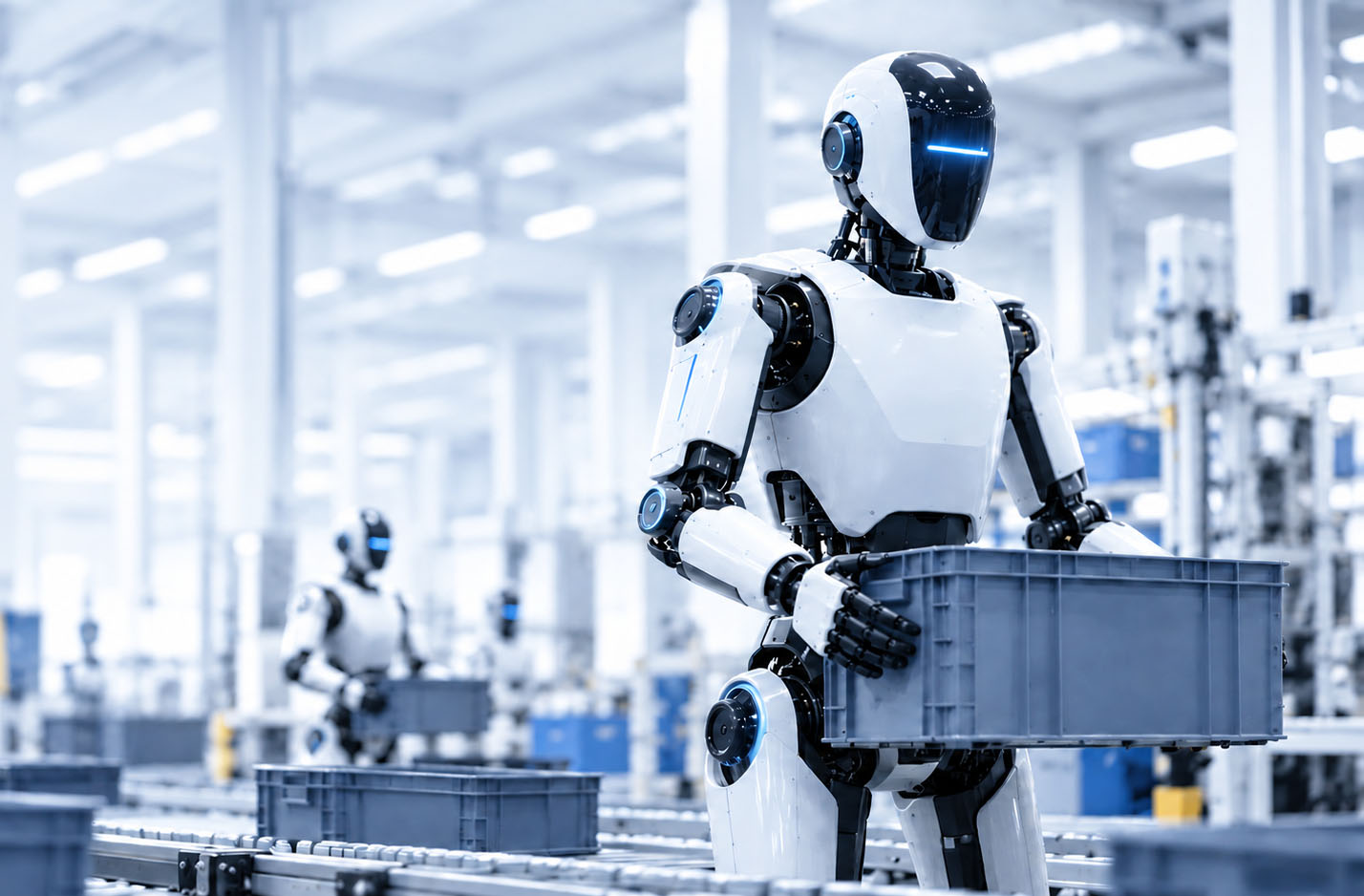
The humanoid robotics sector has long promised productivity, with expectations for significant sales by 2026. Humanoid robots are now capable of walking, sorting components, and performing increasingly complex industrial tasks. However, industrial buyers are shifting their focus from impressive demonstrations to the critical question of return on investment. As the industry transitions from prototypes to production environments, the evaluation criteria are evolving. Successful demonstrations are no longer sufficient; manufacturers must now prove operational availability, throughput, safety, integration costs, and actual customer willingness to pay for their robots' work. Data from September 2026 indicates that this transition is underway, but only a few companies report significant commercial deployments. Agility Robotics stands out as a strong example, with its robot Digit commercially deployed by GXO Logistics since 2024 under a multi-year Robots-as-a-Service agreement. Digit has moved over 100,000 bins at GXO's Flowery Branch site, showcasing its role in a repetitive logistics process rather than a staged demonstration. In 2026, Agility announced over $300 million in multi-year contractual orders for Digit v5, signaling that industrial clients are ready to invest significantly in humanoid automation.
À la une Humanoide IA Industrie Robotique automatisation industrielle.
AI Ultrasound Robots Revolutionize Congenital Heart Defect Surgery with Intelligent Imaging
Recently, a medical team in China successfully performed a congenital heart defect closure surgery using an AI-assisted ultrasound robot. This operation, conducted by the Sixth Medical Center of the PLA General Hospital, involved a 48-year-old male patient and marks the first global use of an AI ultrasound robot with intelligent imaging capabilities for such minimally invasive treatment. This breakthrough signifies a shift in medical robotics from traditional execution tools to intelligent assistance systems. Previously, interventional surgical robots primarily handled mechanical tasks, while physicians relied on their experience to interpret ultrasound images. The AI ultrasound robot enhances this process by integrating image recognition, real-time analysis, and operational guidance, enabling automatic image acquisition and abnormal structure identification, which is crucial for precise placement of occluders in complex cardiac structures. As the field of medical robotics rapidly evolves, the cardiovascular sector is a key area for AI exploration due to the high precision and risk involved in heart interventions. The successful application of AI ultrasound robots in China reflects a significant trend towards redistributing medical resources, potentially improving access to high-quality healthcare in underserved regions. No further timeline was disclosed at the time of publication.
AI in Healthcare Surgical Robotics Cardiovascular Technology Medical Imaging Precision Medicine
AGIBOT Unveils Embodied AI Robotics at IFA 2026 with New Models and Certifications
AGIBOT presented its newest embodied AI robotics innovations at IFA 2026, including the AGIBOT A3 humanoid and AGIBOT X2 Ultra. These robots are designed for various applications, such as retail, industrial operations, and commercial cleaning. The significance of this showcase lies in AGIBOT's commitment to enhancing robotic capabilities in practical environments. The announcement of TÜV Rheinland certifications for its robots further underscores the company's dedication to safety and quality standards in robotics. Looking ahead, AGIBOT's partnership with Tekpoint aims to strengthen its foothold in the European market. No further timeline was disclosed at the time of publication.
AI Robotics Humanoid Robots Commercial Cleaning Retail Technology European Market Expansion
AgriFood Signals: Farmland LP Secures $126 Million for New Fund Amid Industry Developments
AgFunderNews highlights significant developments in agtech and foodtech, including Farmland LP's successful fundraising of $126 million for its third fund. This capital will support investments in sustainable agriculture and food production technologies, reflecting a growing interest in the sector. The importance of this funding is underscored by the increasing demand for innovative solutions in agriculture, particularly as the industry faces challenges related to sustainability and efficiency. Farmland LP's new fund aims to capitalize on these trends, positioning itself as a key player in the evolving agtech landscape. Looking ahead, stakeholders should monitor how Farmland LP deploys its new capital and the impact of other recent funding rounds, such as Sharpa's $670 million for robotics at Dairy Queen. No further timeline was disclosed at the time of publication.
Agtech FoodTech
TechCrunch Disrupt 2026 Introduces Real World AI Stage Featuring Nvidia and Robotics
TechCrunch Disrupt 2026 is set to feature a new Real World AI Stage, expanding the focus on AI's intersection with the physical world. This stage will highlight advancements in autonomous hardware, including robotics and their applications in various sectors, from public spaces to conservation efforts. The significance of this new stage lies in addressing the challenges faced by general-purpose robotic intelligence, particularly the data gap that hinders progress. Experts believe that closing this gap is essential for achieving breakthroughs similar to those seen with large language models, making this discussion crucial for the future of robotics and AI. Attendees can expect engaging sessions with industry leaders from companies like Nvidia and Colossal Biosciences, who will explore safety in AI deployment and the ethical implications of reviving extinct species. The event will take place from October 13 to 15 at Moscone West in San Francisco, with further details on the lineup to be announced.
AI Colossal Biosciences nvidia TechCrunch Disrupt
AGIBOT Unveils Humanoid Robots and RaaS Offerings at LEAP 2026 in Riyadh
AGIBOT presented its newest humanoid robotics and Robot-as-a-Service (RaaS) solutions during LEAP 2026 in Riyadh. This event underscored AGIBOT's dedication to fostering innovation and collaboration within the robotics sector in the Middle East. The significance of AGIBOT's showcase lies in its demonstration of advanced AI platforms and a diverse robotics portfolio, which reflects the growing demand for flexible robotics solutions in the region. The introduction of a rental model for robotics services across several Middle Eastern countries indicates a strategic move to enhance accessibility and operational efficiency. Looking ahead, industry stakeholders should monitor AGIBOT's developments in humanoid robotics and RaaS offerings as they may influence the robotics landscape in the Middle East. No further timeline was disclosed at the time of publication.
Robotics AI Technology Innovation RaaS
Ocado Group Highlights Decision-Making Over Robots in Warehouse Automation
Ocado Group emphasizes that the future of warehouse automation lies in intelligent decision-making rather than merely increasing the number of robots. As 3PLs, retailers, and e-commerce operators face challenges such as tighter service levels and unpredictable demand, the focus is shifting towards orchestrating operations effectively. Autonomous mobile robots (AMRs) have proven their ability to enhance productivity, but the real challenge is coordinating tasks and workflows seamlessly. The Ocado IQ system exemplifies this shift by continuously evaluating operational factors and adjusting workflows in real-time, ensuring that all aspects of warehouse operations work in harmony. This intelligent orchestration allows for a leaner fleet of robots, reducing congestion and improving overall efficiency on the warehouse floor. The integration of manual and automated processes further enhances visibility and coordination across the operation. Looking ahead, the demand for adaptable automation solutions will grow as 3PLs and retailers navigate complex order profiles and service commitments. The ability to configure automation platforms to meet diverse needs without extensive reconfiguration will be crucial. No further timeline was disclosed at the time of publication.
AMR and AGV Automation Systems and Shuttles Jobs and Training Magazine Features Materials Handling Warehousing
Robots Enter Spas, Transforming Massage Experiences in Hotels and Gyms
Robots are beginning to make their mark in spas, hotels, and gyms across the United States and Europe, moving beyond traditional massage chairs. Aescape, an American company, exemplifies this trend with its robotic system that includes a table and two robotic arms capable of delivering massages while allowing users to adjust pressure and focus areas. This development is significant as it addresses economic challenges faced by spas, where increasing the number of massages typically requires more practitioners. Aescape's model offers sessions at approximately $89 for 60 minutes, aiming to make massages more accessible rather than solely luxurious, which is a practical consideration for hotels and gyms. Looking ahead, the focus will be on the cost-effectiveness of these robotic systems. Key questions include the machine's purchase price, the number of sessions it can perform daily, and the time required to recoup the investment. No further timeline was disclosed at the time of publication.
À la une Humanoide IA Robotique Santé Aescape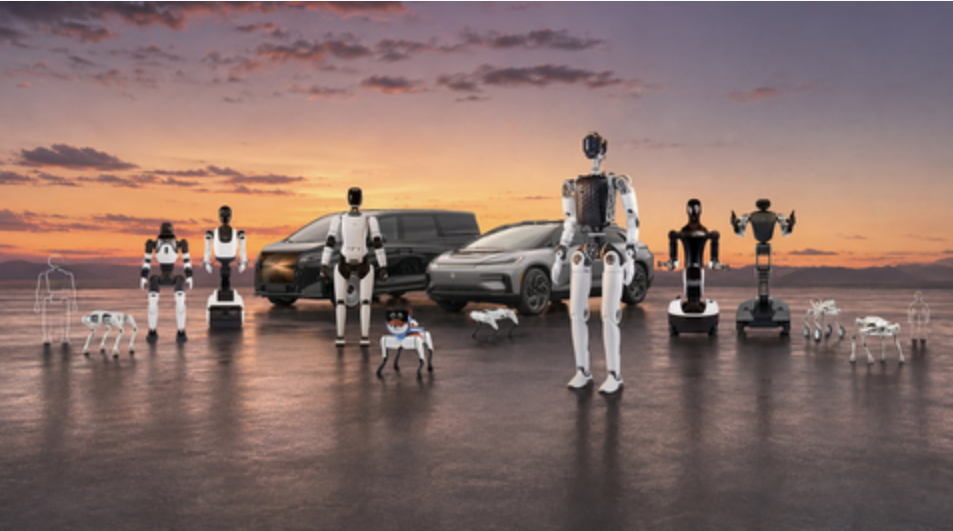
FF Ventures into Robot Lifecycle Management with RoboShare's Launch
On August 18, Faraday Future (FF) announced a strategic shift for its subsidiary AIxC Holdings, moving from digital assets to physical AI and robot sharing and leasing. The RoboShare platform has completed its first paid commercial order, deploying over 80 robots, including various models, to enhance its service offerings. This initiative is significant as it aims to transform robots from one-time hardware sales into productive assets that generate ongoing value. FF founder Jia Yueting emphasized the goal of creating a robot-sharing network akin to 'Uber+Turo,' allowing for repeated leasing and revenue generation. Looking ahead, RoboShare has initiated a 'Ten City Strategy,' starting in Los Angeles, with plans to expand its operations. The first project involves deploying six robots for an event in Malibu, showcasing the potential of shared robotic services in various sectors. No further timeline was disclosed at the time of publication.
Robot Sharing AI Robotics Leasing Services
World Humanoid Robot Games Showcase Hotel Service Robots in 30-Minute Challenges
The second World Humanoid Robot Games took place on August 16-17 at the Beijing Wuzhou Hotel, featuring a hotel guest service competition. During the event, robots were tasked with moving luggage, restocking rooms, and tidying bedding within a strict 30-minute timeframe, demonstrating their capabilities in a real hotel environment. This competition is significant as it tests various robotic skills, including weight-bearing balance, dexterous grasping, navigation, and long-chain task planning. Robots were evaluated based on their autonomy, with a full autonomous performance scoring a weight of 1.0, while remote control operations received a score of 0.5. Looking ahead, the outcomes of this competition may influence future developments in hotel automation and service robotics. The results could provide insights into the effectiveness of robotic systems in hospitality settings, although no further timeline was disclosed at the time of publication.

Service Robots Sales Surge: 34% in Cleaning and 91% in Medical Applications
In 2025, nearly 200,000 professional service robots were sold globally, marking a 9% increase. Notably, the cleaning robots segment saw a significant rise of 34%, while medical robots experienced an impressive growth of 91%. These statistics indicate a shift from experimental use to economically viable applications in sectors such as logistics, healthcare, and agriculture. The data, derived from the World Robotics 2025 – Service Robots report by the International Federation of Robotics (IFR), highlights the growing maturity of service robotics in various industries. With over 199,000 units sold in 2024, the figures reveal that while some categories like hospitality robots are declining, others are rapidly advancing, particularly in logistics, which surpassed 100,000 units sold. Looking ahead, the service robotics market is expected to continue its strong growth trajectory into 2026 and beyond. The IFR's report underscores the importance of identifying sectors where automation is achieving economic viability, suggesting a promising future for service robots in diverse applications.
À la une Humanoide IA Industrie Robotique AMR
Humanoid Robots Achieve Agile Movements with New ZEST Control Framework
Researchers have introduced a novel control framework named zero-shot embodied skill transfer (ZEST) that enables humanoid robots to execute agile movements such as crawling, cartwheels, and backflips. This innovative system utilizes reinforcement learning to teach robots whole-body movements derived from human motion capture, video, and animation data, allowing for a diverse range of movements to be learned in a single training phase. The significance of ZEST lies in its ability to reduce the engineering and tuning efforts typically required for robotic skill acquisition. By employing a reinforcement-learning policy trained in simulation, ZEST can transfer learned skills to physical robots like Boston Dynamics' Atlas and Spot without the need for extensive fine-tuning. This framework also incorporates adaptive sampling and automatic curriculum adjustments to enhance learning efficiency and performance. Looking ahead, the researchers aim to expand ZEST's capabilities to include zero- and few-shot adaptation and continual learning. While the current implementation is limited to flat, nonslippery environments, the potential for future advancements in robotic control and movement generalization is promising. No further timeline was disclosed at the time of publication.
AI and Robotics
University of Stuttgart and Max Planck Institute Develop Magnet-Controlled Microscrolls for Robotics
Researchers at the University of Stuttgart and the Max Planck Institute for Solid State Research have created innovative microscrolls that can be magnetically controlled to unroll and roll up. Inspired by butterfly proboscises, these ceramic microscrolls represent a significant advancement in smart materials. This development is crucial for enhancing drive technologies in micro- and soft robotics, which are increasingly important in various economic sectors. The ability to manipulate these microscrolls with precision opens new avenues for efficient robotic applications, potentially transforming how tiny robots operate. Looking ahead, the implications of this research could lead to more sophisticated robotic systems that leverage these smart materials. No further timeline was disclosed at the time of publication.
Robotics
Agibot Leads Global Humanoid Robot Shipments with 8,400 Units in H1 2026
According to a recent report by Smart Analytics Global (SAG), global shipments of humanoid robots reached 19,100 units in the first half of 2026, marking a 272% year-on-year increase. Chinese manufacturers accounted for over 97% of the global market share, with the domestic market absorbing more than 85% of the demand. Agibot, based in Shanghai, shipped 8,400 units in the first half of the year, a significant 562% increase, elevating its global market share from 25% to 44%, surpassing Yushu Technology. Yushu Technology shipped 5,900 units, a 170% increase, securing a 31% market share and falling to second place. Together, these two companies represent 75% of global shipments. The report highlights that industrial and commercial applications have become the core deployment scenarios, accounting for over 70% of shipments, up from 50% the previous year. SAG forecasts that global shipments will approach 60,000 units in 2026, generating approximately $1.6 billion in revenue, with expectations of reaching 500,000 units by 2030. No further timeline was disclosed at the time of publication.
Humanoid Robots Market Analysis Robotics Industry AI Technology
MIT Develops SceneSmith: AI Agents Create Virtual Environments for Robot Training
MIT has introduced SceneSmith, a system utilizing AI agents to generate realistic 3D environments for robot training. This innovation addresses the challenge of providing diverse and rich simulation content, which is crucial for robots to learn effectively. By employing a vision-language model, SceneSmith creates detailed indoor scenes that allow robots to practice various tasks before real-world deployment. The significance of SceneSmith lies in its ability to enhance the training process for robots, reducing the time engineers spend on real-world testing. The system constructs scenes with up to six times more objects than previous methods, enabling robots to learn complex skills in a controlled virtual setting. This advancement could lead to more efficient and effective robot training, ultimately accelerating their integration into everyday tasks. Looking ahead, the researchers aim to further refine SceneSmith and explore its applications in diverse robotic tasks. The ability to simulate realistic environments will be critical as robots become more prevalent in various sectors. No further timeline was disclosed at the time of publication.
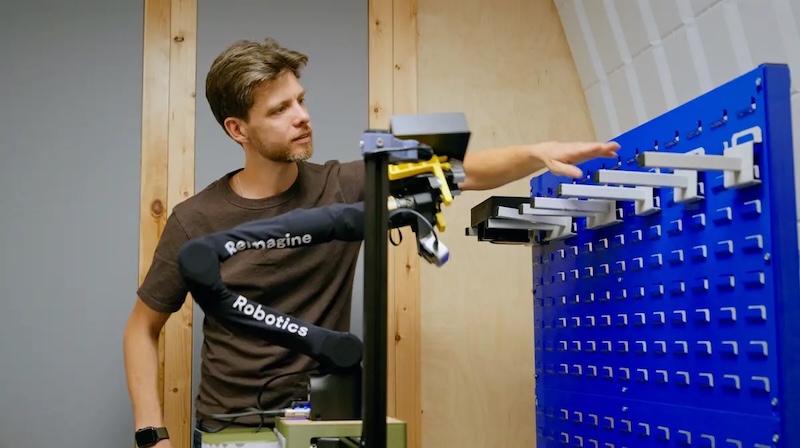
Reimagine Robotics Emerges with AI Robots That Learn from Human Workers
Reimagine Robotics, an AI robotics startup founded by former leaders of Google DeepMind’s Applied Robotics team, has launched its innovative technology that enables robots to learn from human workers on the job. This approach allows employees to train robots directly by demonstrating tasks, correcting mistakes in real-time, and facilitating a more intuitive learning process. The significance of this development lies in its potential to transform industrial and manufacturing environments. According to co-founder and CEO Jonathan Scholz, the technology addresses the need for adaptable robots that can integrate seamlessly into existing workflows without requiring specialized programming for every task change. This capability is expected to enhance efficiency and reliability in various applications. Looking ahead, Reimagine Robotics plans to expand its operations through a new round of fundraising and team growth. The company is already deploying its robots in advanced manufacturing and electronics disassembly facilities, with successful implementations in tasks such as tending 3D printers and automating additional production stages. No further timeline was disclosed at the time of publication.
Artificial Intelligence News Robotics Robotics and Automation Robotics and Automation News adaptive robots
UK Government Initiates £20 Million Funding Competition for Agricultural Robotics Development
The UK government has introduced a £20 million funding competition aimed at enhancing the development of robots and automated technologies in agriculture. This initiative, announced by farming minister Stephen Morgan, seeks to assist farmers in boosting productivity and reducing reliance on seasonal labor. The funding is directed towards agri-tech businesses collaborating with researchers and farmers to create robotic systems for planting, monitoring, and harvesting crops. This funding competition is part of the government’s Farming Innovation Programme and follows a previous £53 million funding package, bringing the total funding for farming research and technology in 2023 to £123 million. The initiative aims to support the development of automation technologies that can alleviate labor shortages during peak harvest times. Fieldwork Robotics, known for its raspberry-picking robot, is one of the companies benefiting from prior government support to enhance its technology. Looking ahead, the competition is being executed in collaboration with Innovate UK, emphasizing the growing significance of robotics in agriculture. As stated by Chris Danks from Innovate UK, this initiative will facilitate the transition of innovative concepts into practical applications on farms, ultimately improving productivity and resilience in the agricultural sector. No further timeline was disclosed at the time of publication.
Agriculture News agricultural innovation agricultural robotics agricultural robots agricultural technology
China Criticizes U.S. Ban on Foreign Humanoid Robots as Discriminatory
China has condemned the recent U.S. ban on foreign humanoid robots, labeling it as 'discriminatory and suppressive.' This response highlights China's position as the leading global producer of advanced humanoid robotics components, emphasizing the potential economic implications of such restrictions. The significance of this ban lies in its impact on international trade and technology exchange, particularly in the robotics sector. As the world's foremost manufacturer of humanoid robotics components, China's reaction underscores the tensions between the U.S. and China regarding technology and innovation. Looking ahead, industry stakeholders should monitor how this situation evolves, particularly in terms of potential retaliatory measures from China. No further timeline was disclosed at the time of publication.

Okinawa Research Team Discovers Language Learning Insights Through AI Robot Curiosity
A research team from Okinawa Institute of Science and Technology found that an AI robot, during training, began to exhibit playful behavior, leading to faster learning. This study, published in 'Science Advances,' reveals that a rich language environment combined with inherent curiosity is crucial for rapid language acquisition, mirroring human learning mechanisms. The research utilized a PV-RNN model based on human brain information processing theories, aiming to balance prediction accuracy and belief system stability. By incorporating reinforcement learning, the robot received external rewards for task completion and internal rewards for satisfying its curiosity, resulting in competing motivations that enhanced its understanding of language. Notably, the robot demonstrated surprising behaviors, such as intentionally interacting with unrelated objects, which accelerated its language comprehension. The findings suggest that the diversity of language exposure is key to unlocking understanding, and the robot's performance mirrored the U-shaped learning curve seen in children, indicating its ability to handle exceptions similarly to human learners. No further timeline was disclosed at the time of publication.
AI Language Learning Reinforcement Learning Child Language Acquisition Neural Networks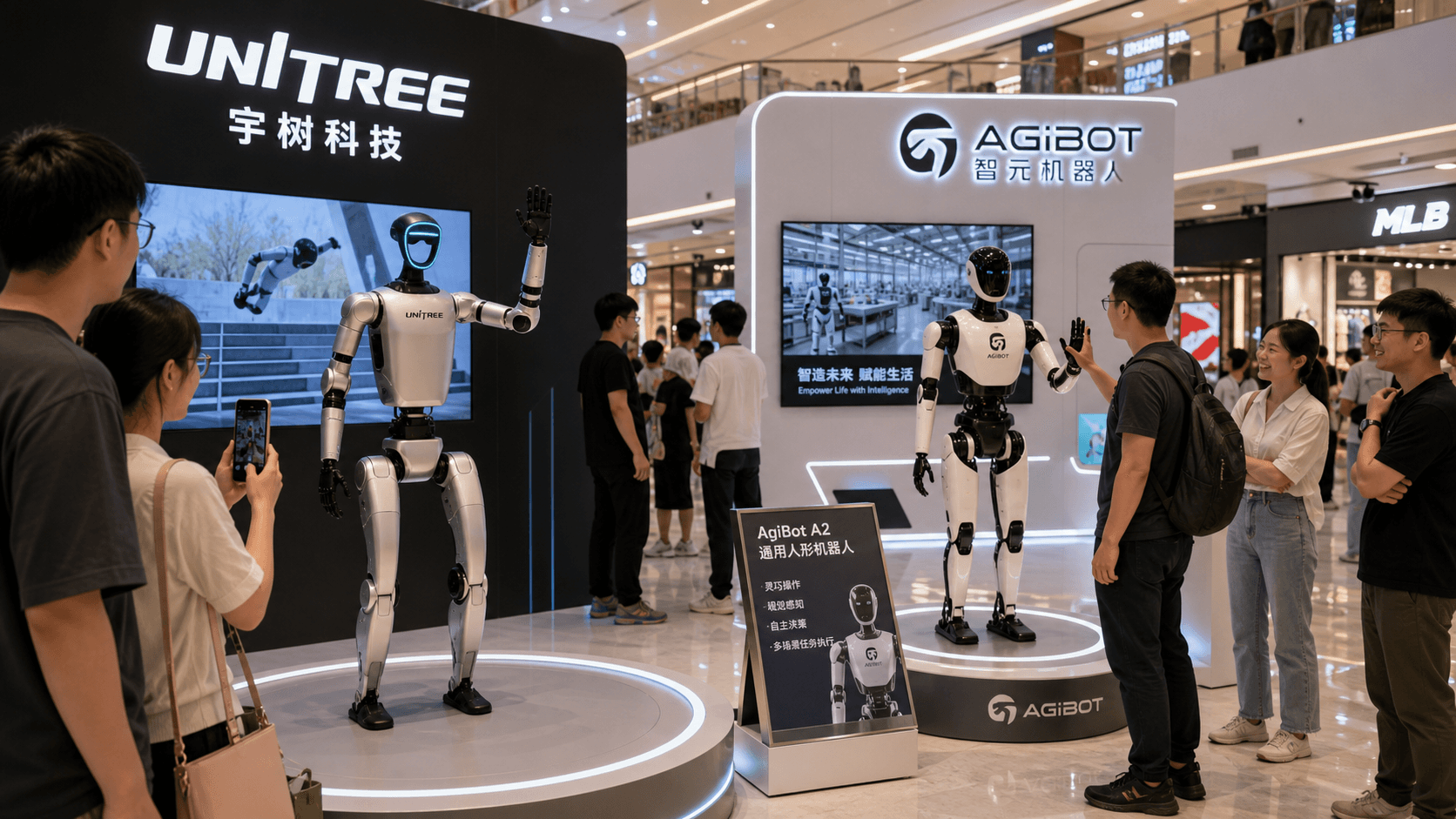
Unitree Robotics and AgiBot Launch Flagship Stores to Test Humanoid Robot Commerce
Unitree Robotics and AgiBot have opened flagship stores in key shopping areas, marking a significant step in the retail integration of humanoid robots. This initiative aims to explore the entire commerce cycle, from enhancing customer experience to facilitating purchases and providing after-sales service for humanoid robots. The move is crucial as it signifies a shift in competition towards physical retail environments, allowing both companies to engage directly with consumers. By establishing these storefronts, Unitree Robotics and AgiBot are not only showcasing their humanoid robots but also gathering valuable insights into customer interactions and preferences in a retail setting. Looking ahead, it will be important to monitor how these flagship stores perform in terms of customer engagement and sales metrics. The success of this venture could influence future strategies for humanoid robots in retail, potentially setting a precedent for other companies in the industry. No further timeline was disclosed at the time of publication.
Technology
Katalyst Space Technologies Launches LINK to Save Aging NASA Space Telescope
On July 3, Katalyst Space Technologies launched its robotic spacecraft LINK from an aircraft at approximately 40,000 feet over the Pacific Ocean, targeting NASA's Neil Gehrels Swift Observatory. The $500 million satellite is descending towards Earth at an accelerated rate and is expected to re-enter the atmosphere as early as October if no intervention occurs. The Swift Observatory, operational since 2004, has been NASA's 'first responder' to cosmic events, capable of rapidly observing gamma-ray bursts. However, solar activity has caused the Earth's atmosphere to expand, leading to a rapid decay in the satellite's orbit from about 600 kilometers to approximately 360 kilometers. In September 2025, NASA awarded Katalyst a $30 million contract to complete the design and launch process within ten months. If successful, this mission will demonstrate that commercial spacecraft can capture a government satellite without a designated docking interface. This capability is crucial for the Hubble Space Telescope, which is also experiencing orbital decay. The Swift Observatory has paused scientific observations to conserve its orbit, and if all goes well, it may resume scanning the universe in September. The LINK mission highlights the growing issue of space debris and the need for satellite maintenance rather than treating them as disposable assets.
Space Robotics Satellite Recovery Commercial Spaceflight Space Debris Management
Siléane and HBK Innovate Tactile Intelligence for High-Speed Cosmetics Packaging
Siléane, a France-based advanced robotics specialist, has partnered with Hottinger Brüel & Kjær (HBK) to create an innovative automated gripping solution for a global cosmetics manufacturer. This solution incorporates smart sensing directly into the end-of-arm tooling, allowing for real-time grip quality validation in fast-paced, regulated packaging environments. The significance of this development lies in its ability to address the challenges faced by traditional robotic systems in handling lightweight and flexible components, such as deformable thermoformed trays. By embedding force measurement at the point of interaction, Siléane's approach enhances reliability and precision, reducing the risk of product loss and tray deformation during high-speed operations. Looking ahead, the integration of HBK's PW22i smart load cells into the robotic gripper marks a pivotal advancement in automation technology. This setup not only captures real-time force data but also allows for immediate responses to deviations, ensuring consistent performance. No further timeline was disclosed at the time of publication.
Engineering Features Manufacturing automation cosmetics manufacturing end-of-arm tooling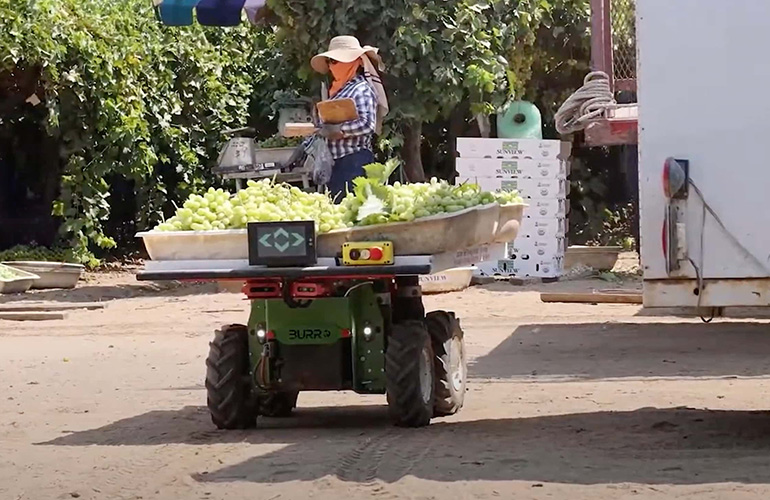
Burro AI Develops Robots for Unpredictable Outdoor Agricultural Environments
Burro AI has focused on creating robots capable of operating in unpredictable outdoor agricultural settings without fixed infrastructure. Unlike many robotics companies that optimize for controlled environments, Burro faced the challenge of real-world deployment from the outset, learning to adapt to environmental variability and user dependency on their systems. The significance of this approach lies in the understanding that agricultural workers have zero tolerance for unreliability. As customers begin to depend on autonomous systems, their expectations shift rapidly from novelty to necessity, demanding high reliability that lab environments often cannot replicate. Looking ahead, Burro AI's commitment to addressing real-world challenges in outdoor conditions will be crucial. The company recognizes that successful robots must be engineered to handle diverse environmental factors, which requires continuous learning and adaptation rather than reliance on simulation models. No further timeline was disclosed at the time of publication.
Agriculture Autonomous Mobile Robots (AMRs) Construction Industrial Robots Logistics Mobility / Navigation
ZTE Launches Comprehensive AI Portfolio Featuring OEX Supernode and Nubia Agent Phone
ZTE has unveiled its complete AI portfolio at the WAIC 2026, showcasing its OEX supernode, which has once again received the SAIL Star award. The company also introduced the Nubia NaviX Ultra, touted as the world's first agent smartphone, alongside a new family of humanoid robots and advanced AIDC solutions. This development is significant as it highlights ZTE's commitment to integrating AI across various applications, enhancing its competitive edge in the technology sector. The recognition of the OEX supernode with the SAIL Star award underscores its innovative capabilities, while the launch of the Nubia NaviX Ultra positions ZTE as a pioneer in the smartphone market. Looking ahead, industry watchers should monitor ZTE's progress in deploying its humanoid robots and AIDC solutions, as these technologies could reshape user interactions and operational efficiencies. No further timeline was disclosed at the time of publication.
Industry
AI Agents Develop Virtual Environments for Robot Training Using SceneSmith System
AI agents have developed the SceneSmith system, which creates realistic 3D environments such as kitchens and hotels for robot training. This innovative approach allows robots to simulate everyday tasks, enhancing their operational capabilities. The significance of this development lies in its potential to address the skills gap in the manufacturing sector. With over 2 million jobs projected to remain unfilled due to a shortage of skilled workers, effective training solutions like SceneSmith are crucial for preparing the workforce of the future. Looking ahead, the integration of AI in training environments will likely continue to evolve, providing robots with the necessary data to perform complex tasks. No further timeline was disclosed at the time of publication.
Humanoid Robots Compete for Championship Belt in Global Fighting League
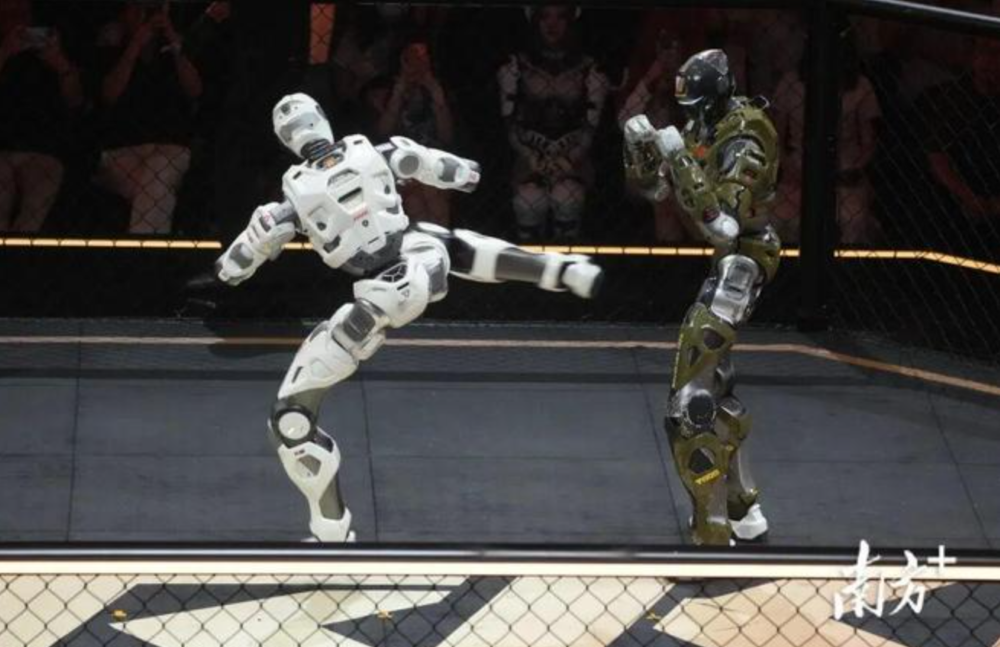
On July 16, the inaugural match of the Universal Robot Combat League (URKL) took place at the Nanshan Sports Center in Shenzhen, featuring 32 teams from around the world competing with the T800 humanoid robot. The championship belt, weighing 10 kilograms and valued at approximately 10 million yuan, is awarded to the winning team. This event is significant as it showcases the advanced capabilities of humanoid robots in dynamic combat scenarios, where they must accurately perceive, predict, and respond to opponents in real-time. The competition serves as a testing ground for the robots' structural integrity and algorithm efficiency, allowing developers to refine their designs and reduce potential failure rates in commercial applications. Looking ahead, the data collected from these matches will enhance AI decision-making capabilities, pushing humanoid robots beyond static demonstrations to dynamic autonomous responses. As the competition concludes, it will contribute to the evolution of foundational technologies and commercial frameworks, positioning Guangdong as a leading hub in the global robotics industry.
Humanoid Robots Robotics Competitions AI Technology Robotics Development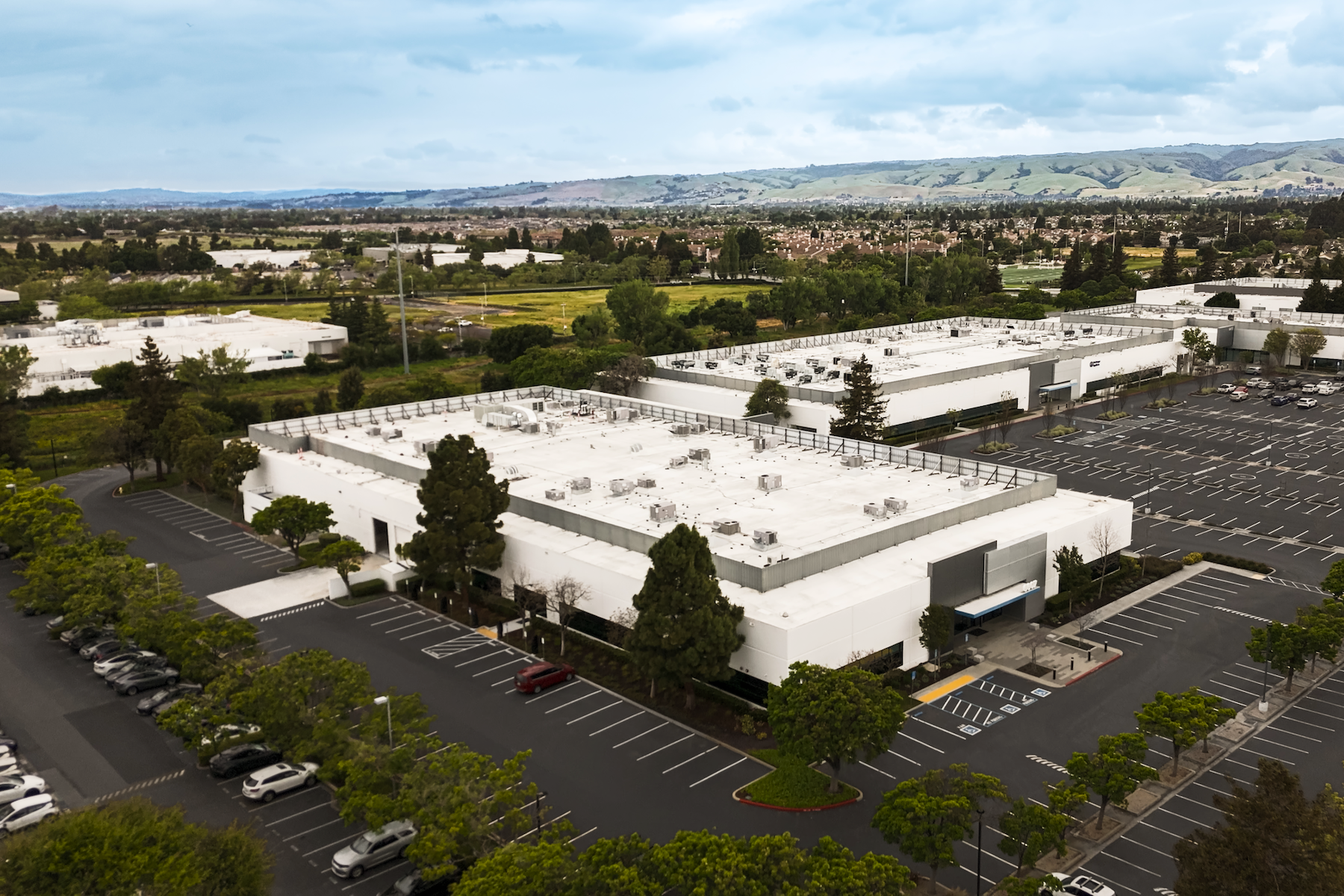
Agility Launches New Facility in Fremont to Enhance Physical AI for Humanoid Robots
Agility has opened a new facility in Fremont, California, aimed at accelerating the development of Physical AI technologies for its humanoid robot, Digit. This 60,000-square-foot site will serve as a hub for software and capabilities, where engineering teams will enhance Digit's ability to learn new skills and perform complex tasks in commercial settings. The establishment of this facility is significant as it positions Agility within Silicon Valley's robust AI ecosystem, allowing for rapid innovation and deployment of advanced capabilities. With nearly 200 new hires planned, Agility aims to strengthen its market position and meet the increasing demand for humanoid robots in enterprise environments, having already secured over $300 million in multi-year orders for Digit v5. Looking ahead, Agility's Fremont facility is expected to play a crucial role in driving innovation and expanding the use of humanoid robots in various industries. No further timeline was disclosed at the time of publication.
Advancements in Humanoid Robotics Driven by Power Management Solutions
The latest episode of Designing the Future highlights the significant progress in humanoid robotics, driven by advancements in speed, mobility, and dexterity. As these technologies evolve, the role of power management becomes increasingly critical, particularly in the context of battery and fuel cell usage. Engineers face challenges in converting energy from onboard sources to effectively power mechatronics and logic systems. This focus on power management is essential for the realization of humanoid robots that can perform a wide range of tasks, fulfilling the long-held promise of general-purpose machines. The conversation between Jim Anderton and John Quinlan from Murata Power Solutions underscores the importance of efficient power solutions in enhancing robotic performance. As the industry continues to innovate, the interplay between power systems and robotic capabilities will shape future developments. Looking ahead, the demand for compact and efficient power products will likely grow as humanoid robots become more prevalent in various sectors, including industrial and medical markets. No further timeline was disclosed at the time of publication.
HumanoidsRobotics needs a service framework.
RSF defines a common language for robot service capability, lifecycle operations, certification pathways, and service-provider networks.
Join the RobotToday community on LinkedIn
Daily robotics news, in-depth analysis, conference highlights, and discussions with professionals worldwide.