

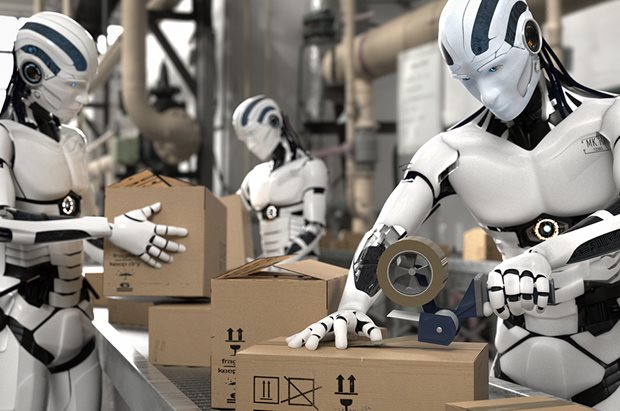
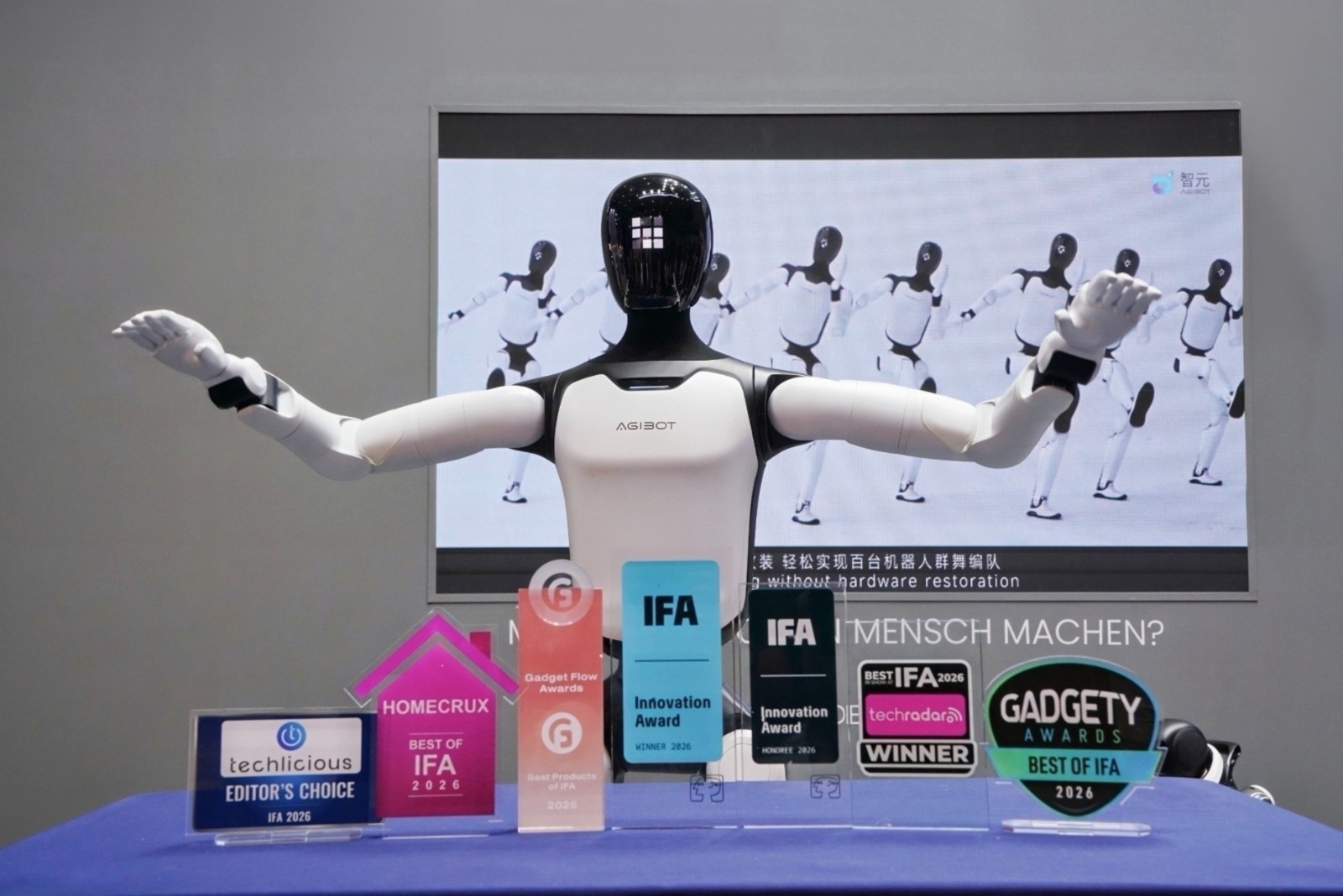
Two leading Chinese humanoid robot companies, Unitree Technology and AgiBot, announced the opening of retail stores in shopping malls on the same day. This move signals a shift in competition from technical specifications to real-world user engagement, as both companies aim to showcase their robots to consumers.
The significance of this development lies in several factors. First, the cost of humanoid robots is decreasing, with projected BOM costs dropping from 250,000-400,000 RMB in 2025 to 150,000-250,000 RMB in 2026, making them more affordable for retail environments. Second, the retail stores provide a unique opportunity for consumer education, allowing the public to experience humanoid robots up close, which is crucial for market acceptance.
Looking ahead, the success of these retail initiatives will depend on consumer interaction within the stores. The next steps for visitors—whether they engage in experiences, trials, or purchases—will ultimately shape the retail model for humanoid robots. As competition evolves, the focus will shift from technological superiority to user perception and acceptance in everyday life.
Editor's Note
The entry of humanoid robots into physical retail spaces marks a pivotal moment in the robotics industry. As companies like Unitree and AgiBot seek to engage consumers directly, the implications for supply chains, user education, and market dynamics are profound. This shift could redefine how robots are perceived and integrated into daily life, influencing future investment and development strategies.



















Leave a comment