

Industry Briefing
A single destination for timely, editor-curated robotics news from around the world.
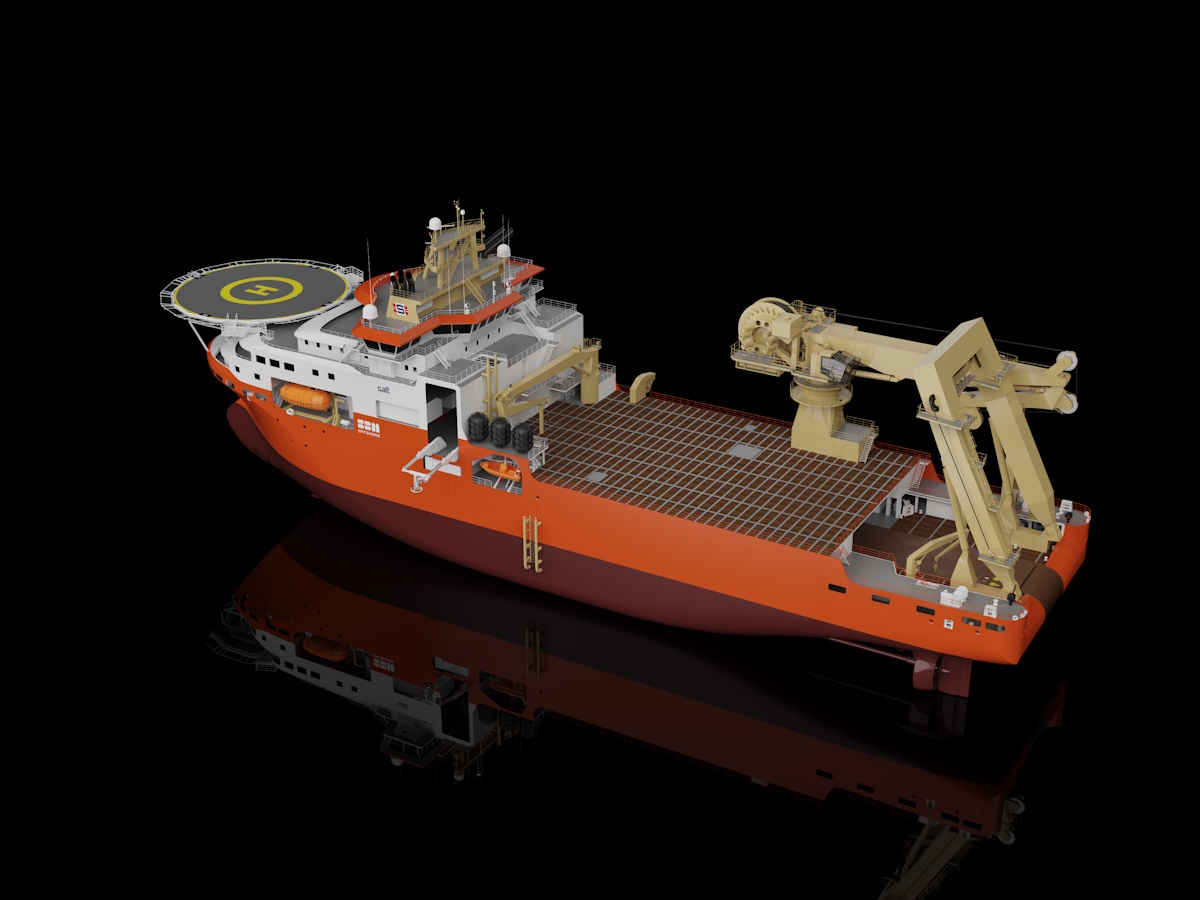
Kongsberg Maritime Wins Contract for Advanced Systems on New Vessel from Solstad/SBM Offshore
Kongsberg Maritime has secured a contract to provide advanced systems for a new vessel being developed by Solstad and SBM Offshore. This collaboration highlights Kongsberg's commitment to enhancing maritime technology and operational efficiency. The contract is significant as it underscores the growing demand for advanced maritime systems that improve safety and performance in offshore operations. Kongsberg's expertise in this area positions it as a key player in the maritime industry, particularly in the context of increasing competition and technological advancements. Looking ahead, industry stakeholders should monitor the implementation of these advanced systems and their impact on operational capabilities. No further timeline was disclosed at the time of publication.
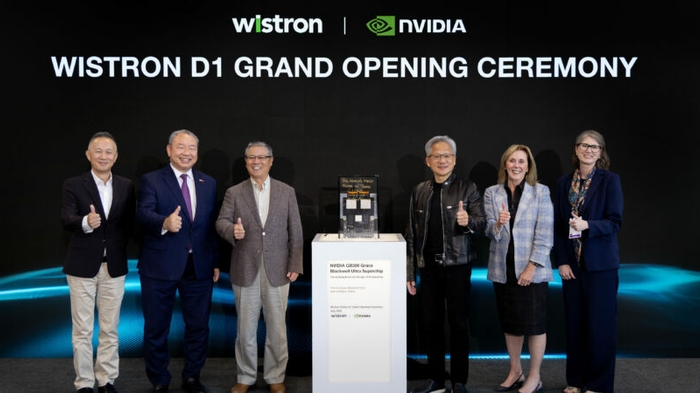
Wistron Launches Advanced Manufacturing Plant in Fort Worth for NVIDIA AI Systems
Wistron has inaugurated its first U.S. manufacturing facility in Fort Worth, Texas, covering 324,000 square feet. This plant will produce superchips integral to advanced AI systems, including the NVIDIA GB300 Grace Blackwell Ultra Superchip and the upcoming NVIDIA Vera Rubin Superchip. The opening ceremony featured NVIDIA CEO Jensen Huang and Wistron Chairman Simon Lin, emphasizing the importance of manufacturing in the AI era. The establishment of the Fort Worth plant represents a significant $700 million investment in U.S. advanced manufacturing, creating over 500 jobs with plans to expand to 1,000 by year-end. Huang highlighted the diverse job opportunities generated in various sectors, including plumbing, construction, and manufacturing. This facility aims to support the growing demand for AI infrastructure and enhance the domestic manufacturing base. Looking ahead, Wistron’s D1 facility is set to scale production to tens of thousands of boards per month, reinforcing the U.S. commitment to reindustrialization. NVIDIA's pledge to manufacture up to $500 billion in advanced AI platforms underscores the strategic importance of this facility in the broader AI landscape. No further timeline was disclosed at the time of publication.

U.S. Army Receives Advanced 20kW Laser Weapon Systems for Counter-Drone Operations
The U.S. Army has received two advanced high energy laser systems developed by AeroVironment, known as Laser Weapon Systems (LWS). These systems feature the 20kW-class LOCUST LWS integrated onto the General Motors Defense Infantry Squad Vehicle (ISV) platform, enhancing mobile counter-unmanned aircraft capabilities. This delivery is part of the Army Multi-Purpose High Energy Laser (AMP-HEL) prototyping effort, marking a significant advancement in directed energy capabilities. Mary Clum from AeroVironment emphasized the importance of these systems in providing reliable and operationally ready solutions for counter-unmanned aircraft operations, supporting the Army's modernization goals. Looking ahead, AeroVironment plans to deliver a second increment of the AMP-HEL program next month, which will include additional vehicles equipped with the LOCUST LWS. This ongoing development reflects the Army's commitment to rapidly fielding directed energy solutions to address evolving threats in dynamic environments.
Military
Tacta Systems Launches TactaBot to Enhance High-Skilled Manufacturing with Advanced Robotics
Tacta Systems recently introduced the TactaBot, integrating the Tacta Hand, Skill Capture system, and Dexterous Intelligence AI model. This innovative combination aims to create adaptable robotic hands capable of performing high-value tasks in manufacturing, addressing the global shortage of skilled labor. CEO Vikram Pavate emphasized the need for robots to replicate human-like touch and feel, which is essential for complex manufacturing processes. The Tacta Hand features a dexterous design with three and five-finger configurations, offering 15 degrees of freedom and the ability to lift up to 25 newtons per fingertip. Utilizing Tacta's Fluidic Tendon actuation technology, the robotic hand maintains stability and precision while minimizing heat generation. This technology enhances reliability compared to traditional cable-driven systems, with a lifespan of up to 30 million cycles. As Tacta Systems continues to innovate, the focus will be on further developing the capabilities of the TactaBot and its components. The integration of advanced tactile sensors, capable of measuring a wide range of forces and temperatures, positions Tacta to play a significant role in the future of high-skilled manufacturing automation. No further timeline was disclosed at the time of publication.
Actuators / Motors / Servos Arms / Manipulators Artificial Intelligence Artificial Intelligence / Cognition Collaborative Robots Design / Development
Tacta Systems Launches AI-Driven Robotic Hand for Advanced Manufacturing Applications
Tacta Systems has introduced a new robotics platform aimed at enhancing industrial automation with human-like dexterity. The TactaBot, the company's inaugural product, integrates a robotic hand, a wearable skill capture system, and an AI engine to perform intricate manufacturing tasks that demand precision and tactile feedback. This innovation is significant as it addresses critical challenges in robotics, such as creating a robotic hand for industrial performance and enabling robots to possess a sense of touch. Tacta's platform, featuring the proprietary Fluidic Tendon actuation technology, is designed to automate complex tasks in sectors like electronics and automotive manufacturing, with initial deployments expected in early 2027. Looking ahead, Tacta plans to expand its technology into additional industries, including medical devices and aerospace. The company aims to revolutionize the way robots interact with their environment, potentially transforming manufacturing processes across various sectors. No further timeline was disclosed at the time of publication.
Components News ai robotics Dexterous Intelligence dexterous robotics industrial robotics
WAIC 2026 Showcases Advanced Embodied Intelligence Systems in Shanghai
In July 2026, the World Artificial Intelligence Conference (WAIC 2026) was held in Shanghai, featuring the theme 'Intelligent Partners, Co-Creating the Future.' The event highlighted embodied intelligence, attracting over 200 companies, with a focus on practical applications in high-risk environments. Among the exhibitors, Yunshen Technology stood out by presenting a diverse lineup of robots, including the humanoid DR02, quadrupedal robots from the Jueying series, and wheeled robots from the Shancat series. These robots, designed for challenging scenarios like power stations and emergency situations, emphasize real-world applications rather than just aesthetics. Yunshen Technology's approach contrasts with the industry norm of developing robots in controlled environments. By deploying robots in extreme conditions, the company aims to expose and improve their capabilities, creating a unique competitive advantage. The showcased products demonstrate a clear connection between their design and the demanding operational requirements they are built to meet.
Embodied Intelligence Robotics AI Technology Automation High-Risk Environments
Nauticus Robotics Signs Master Services Agreement with Advanced Ocean Systems
Nauticus Robotics, Inc., a prominent player in the field of autonomous subsea robotics and software solutions, has announced the establishment of a Master Services Agreement (MSA) with Advanced Ocean Systems, Inc. (AOS), a Florida-based company specializing in the development and integration of autonomous and remote systems. This partnership aims to enhance the capabilities and offerings of both companies in the rapidly evolving technology landscape. The agreement was made public today, signaling a strategic collaboration that could lead to innovative advancements in subsea technology and services.
nauticus robotics master services agreement advanced ocean systems
York University Develops CBS Algorithm to Enhance Humanoid Robot Depth Perception
Researchers from York University have introduced the Convergent Binocular Stereo (CBS) algorithm to improve depth perception in humanoid robots. This innovative approach utilizes the movement of the robot's eyes, allowing them to converge on a target while calculating depth based on camera orientation and disparities in the images. This method significantly outperforms traditional depth learning techniques, especially in complex visual scenarios. The advancement is crucial as humanoid robots increasingly rely on sophisticated vision systems to navigate and interact with their environments. By integrating eye movement into depth calculations, the CBS algorithm addresses a long-standing challenge in robotic vision, enhancing the robots' ability to perceive three-dimensional spaces accurately. Looking ahead, the implementation of the CBS algorithm could lead to more advanced humanoid robots capable of better depth perception and spatial awareness. No further timeline was disclosed at the time of publication.
Humanoid Robots Vision Systems Depth Perception Robotics Research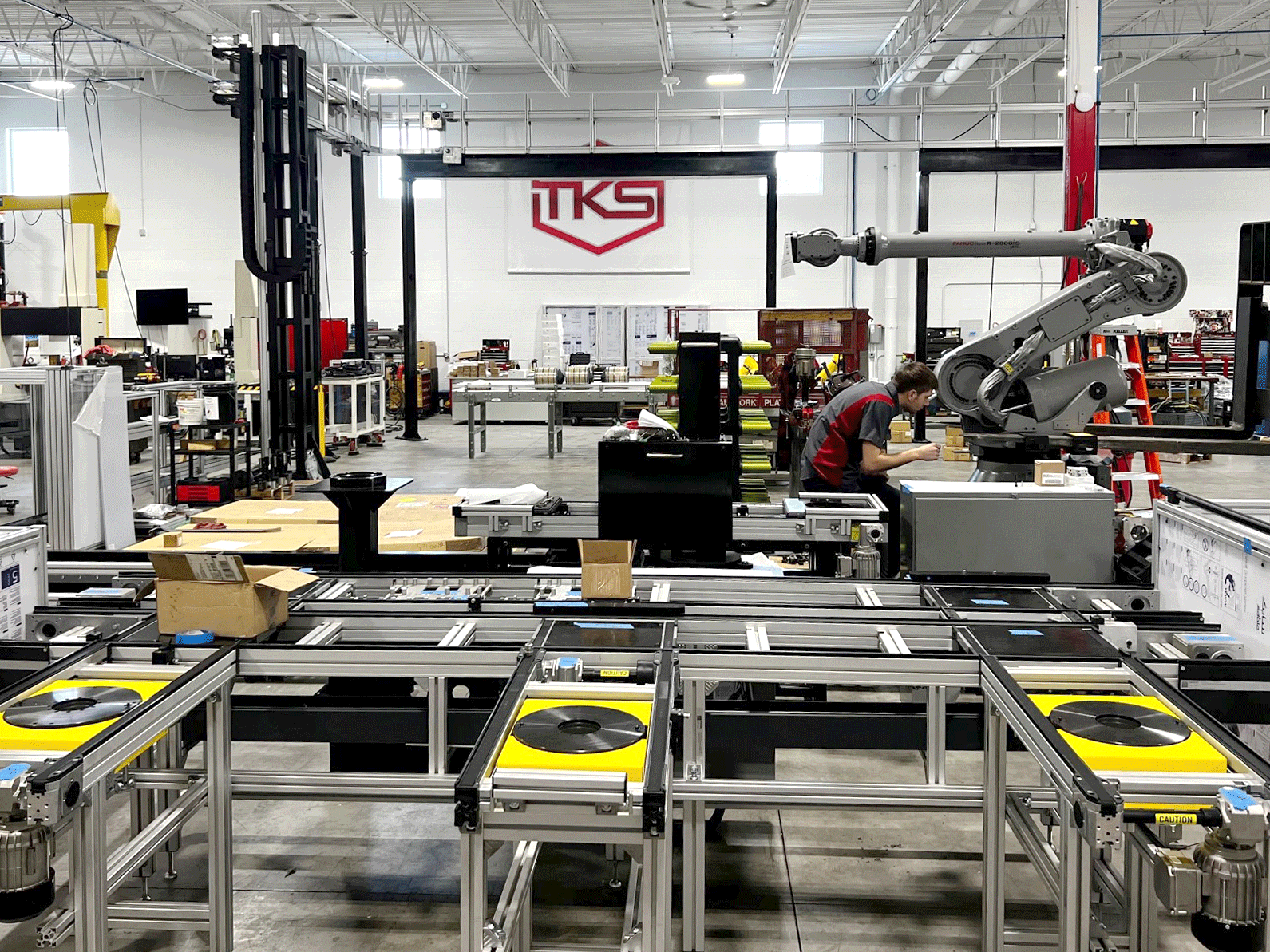
Rollon Enhances Automated Storage and Retrieval Systems with Advanced Linear Actuators
Rollon emphasizes the critical role of integrated guidance in automated storage and retrieval systems, particularly in France, where demands for heavier loads and longer travel distances are increasing. According to Sébastien Richard, the commercial manager for France at Rollon, the choice of linear axes is essential for ensuring long-term reliability and precision in these systems. The recent collaboration between Rollon and Turn-Key Solutions (TKS) highlights the need for high-performance equipment capable of handling significant loads and maintaining accuracy. In a project where two grippers were required to move parts vertically up to 9 meters and horizontally over 18 meters, the linear actuator's specifications were crucial for meeting the demanding operational requirements. Looking ahead, Rollon notes a trend where the underlying guidance systems must evolve alongside the increasing complexity of automated cells. This is particularly relevant for French integrators in sectors with limited floor space, such as warehousing and logistics, where the linear axis is a key component that determines the reliability and efficiency of robotic systems over time.
À la une Métiers de l’industrie 4.0 Robotique Actionneur à courroie Actionneurs linéaires AS/RS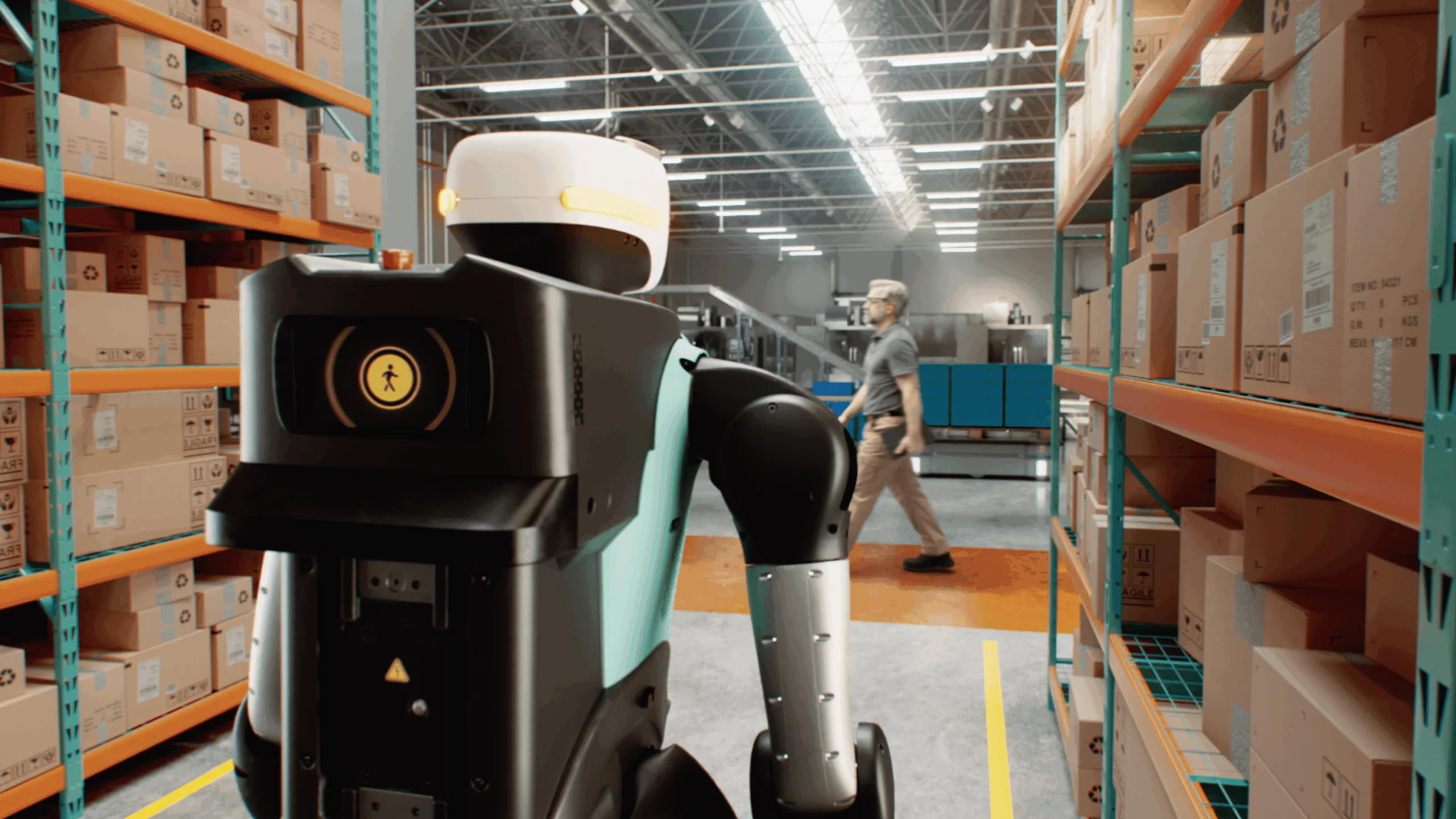
Agility Robotics Launches Digit 5 Featuring Enhanced Payload, Rapid Charging, and Advanced Safety Systems
Agility Robotics has introduced Digit 5, a humanoid robot capable of lifting up to 50 pounds and recharging in just nine minutes. This new model includes advanced safety features that allow it to operate closer to humans in industrial settings, reducing the need for physical barriers. The company plans to make Digit 5 commercially available in the EU and UK starting in 2027, marking its first expansion outside North America. The significance of Digit 5 lies in its enhanced capabilities and safety architecture, which were developed based on customer feedback from the previous model, Digit 4. With features such as human detection, safety cues, and independent motion control, Digit 5 is designed to improve collaboration between robots and human workers in factories and warehouses. Agility's CEO, Peggy Johnson, emphasized that this model addresses key barriers to the adoption of humanoid robots in industrial environments. Looking ahead, Agility Robotics anticipates early access to Digit 5 in the first half of 2027, followed by broader availability by the end of that year. The company is also collaborating with Nvidia to integrate advanced safety systems, which could further enhance the robot's functionality in various industrial applications. No further timeline was disclosed at the time of publication.
AI AI Funding & Investment AI Use Cases Robotics Agility Robotics Amazon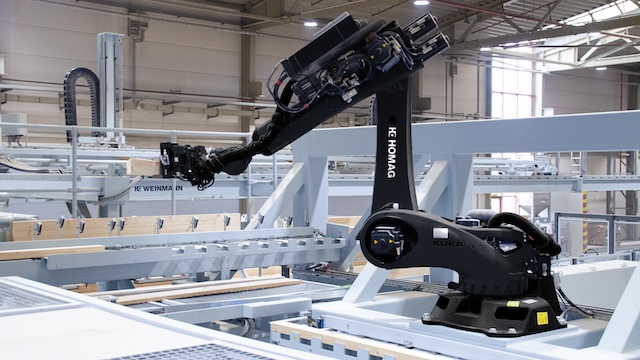
Sigma Advanced Systems Wins $170 Million Aeroengine Contract with Rolls-Royce
Sigma Advanced Systems, an Indian defense and aerospace firm, has secured a long-term contract valued at approximately $170 million with Rolls-Royce. This contract marks a significant milestone for Sigma as it continues to expand its footprint in the aerospace sector. The partnership with Rolls-Royce is crucial for Sigma, as it underscores the company's growing capabilities in aerospace engineering and manufacturing. This contract not only enhances Sigma's portfolio but also strengthens its position in the competitive aerospace market. Looking ahead, industry observers will be keen to see how this contract impacts Sigma's operations and growth trajectory. No further timeline was disclosed at the time of publication.
News
Lockheed Martin Enhances Decision Advantage for Warfighters with Advanced Missile Defense Systems
Lockheed Martin is addressing the urgent need for commanders to access trustworthy mission data instantaneously. In modern warfare, the ability to quickly interpret intelligence reports is critical, as every moment spent analyzing information can provide adversaries with an opportunity to act. The company is engineering decision advantage through integrated capabilities, ensuring that secure information translates into a tactical edge. The Space-Based Infrared System (SBIRS) has been a cornerstone of U.S. missile warning and tracking, showcasing Lockheed Martin's expertise in this domain. The introduction of the Next-Generation OPIR GEO (NGG) aims to enhance sensing capabilities against emerging threats, including hypersonic weapons. Built on the LM2100 Combat Bus™, NGG is designed for advanced survivability, ensuring that critical information is delivered where it is needed most. Lockheed Martin's Transport Layer satellites, utilizing the LM50 bus, are pivotal in providing secure, low-latency communications that facilitate rapid data distribution across the force. As the U.S. Space Force develops a Resilient Missile Warning/Missile Tracking layer in MEO, Lockheed Martin is competing for the Epoch 2 contract, demonstrating its commitment to advancing missile defense architecture and maintaining operational superiority.
Space Sponsored Post GEO Lockheed Martin Lockheed Martin Space MEO
Indonesia Enhances Fishery Enforcement with Advanced Digital Surveillance Systems
In the eastern Indian Ocean, Indonesia is leveraging advanced digital surveillance to enhance fishery enforcement. Utilizing satellite monitoring and Vessel Monitoring Systems (VMS), the country can detect potential violations in real-time, marking a significant shift in maritime governance. This transition allows for proactive enforcement rather than reactive measures, addressing the challenges of monitoring vast maritime areas. The integration of digital tools is crucial for Indonesia, which manages over six million square kilometers of maritime space. With 9,394 fishing vessels actively transmitting data through the VMS by early 2026, the country is able to identify unauthorized fishing activities and prioritize inspections based on data-driven assessments. This capability is transforming how fisheries are monitored and regulated. Looking ahead, the implications of this digital transformation are profound. In the first quarter of 2026 alone, Indonesia's monitoring system tracked over 14,000 vessels and identified nearly 500 suspected violations. As digital surveillance continues to evolve, it will be essential to watch how these technologies reshape enforcement strategies and compliance in the fishing industry.
Fishing Environmental-monitoring Indonesia Poaching Surveillance
University of Rhode Island opens advanced Ocean Robotics Laboratory for autonomous marine research
Event marked milestone for Narragansett Bay Campus The University of Rhode Island celebrated a major milestone in the $300 million, multi-phase revitalization of the Narragansett Bay Campus with an underwater ribbon cutting ceremony for the new Ocean Robotics Laboratory on June 25. Students Elliot Roman and Jake Bonney piloted URI’s remotely operated vehicle Rhody to […]
Features Robotics Science autonomous systems autonomous underwater vehicles blue economy
Allient to demonstrate advanced motion control systems at 2026 Robotics Summit & Expo
Allient is set to showcase its advanced motion and control technologies at the Robotics Summit & Expo taking place this week in Boston. The company aims to highlight its innovative systems, which are designed to enhance robotic applications and improve operational efficiency. This exhibition represents an opportunity for Allient to engage with industry professionals and demonstrate the capabilities of its latest developments in motion control. The event serves as a platform for networking and collaboration within the robotics sector, emphasizing the importance of technological advancements in driving the future of automation.
Actuators / Motors / Servos Controllers Events Motion Control News allient
General Oceans Enters Purchase Agreement with MRV Systems
General Oceans has announced the acquisition of MRV Systems, a company specializing in long-duration, autonomous data collection, which will enhance its capabilities in underwater technology. This strategic move, finalized recently, adds approximately 22 employees and expands General Oceans' presence in the United States with offices in San Diego, Wood Dale, and Seattle. The acquisition aligns with General Oceans' growth strategy, allowing for increased collaboration between MRV and the company’s existing brands, thereby leveraging the Group’s global capabilities. This transaction is part of General Oceans' ongoing efforts to strengthen its market position through a series of successful acquisitions.
general oceans purchase agreement mrv systems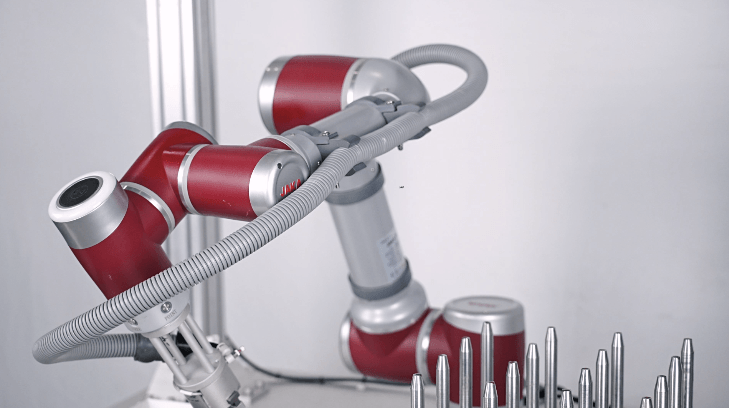
Implementing Vision Systems in Advanced Robotics Technology for Adaptive Tasks
A company specializing in advanced robotics is enhancing production efficiency by integrating vision systems into its industrial cobot solutions. This innovative approach allows robots, such as the JAKA Pro16, to perceive and adapt to changing conditions on the production line, enabling them to identify parts, detect orientation, and adjust movements in real time. The implementation of these vision systems minimizes the risk of misplacement and reduces human error during loading and unloading tasks. The company’s cobot platforms are designed for flexibility, allowing them to efficiently respond to diverse production requirements. By detecting subtle variations and unexpected obstacles, these robots enhance the resilience of production lines. The JAKA Pro16 features simple programming capabilities that facilitate quick adjustments to production setups, thereby minimizing downtime and improving overall efficiency and product quality. Additionally, the company emphasizes user-friendly programming interfaces, enabling operators with minimal training to manage complex tasks effectively. The drag-and-drop teaching and graphical interfaces of the JAKA Pro16 maximize robot utilization while allowing human resources to focus on strategic activities. This combination of visual perception and intelligent control algorithms ensures high precision and adaptability in various manufacturing scenarios. In summary, the integration of vision systems into robotics technology is pivotal for creating flexible manufacturing solutions. The company remains committed to developing adaptive robotics that enhance task accuracy, optimize workforce allocation, and support high-quality production outcomes.
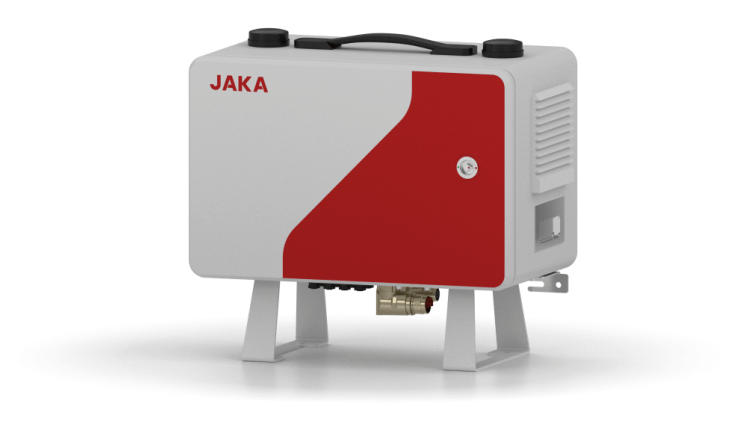
Advanced Calibration Techniques for Vision Guided Robotic Systems
JAKA, a leader in robotic technology, emphasizes the critical importance of meticulous calibration in vision-guided robotic systems to achieve high operational accuracy. This process, which aligns the coordinate systems of the camera, robot, and environment, is essential for delicate tasks such as assembly and inspection. Poor calibration can lead to significant operational failures. The calibration process begins with intrinsic calibration, which corrects lens distortion and establishes the camera's focal length, followed by extrinsic calibration to determine the camera's position relative to the robot. JAKA's robotic platforms are designed with anti-interference and low-vibration features, ensuring a stable foundation for these calibrations. For enhanced precision, JAKA employs hand-eye calibration, which establishes the spatial relationship between the camera and the robot's end-effector. This method is vital for guiding the robot accurately to targets viewed by the moving camera. The company's advanced control technology ensures repeatable performance, crucial for effective hand-eye coordination. Moreover, JAKA recognizes that calibration is an ongoing process. Process-specific calibration fine-tunes systems for particular tasks, while periodic recalibration addresses issues like thermal drift and mechanical wear. The intuitive graphical programming in JAKA's cobot systems facilitates these adjustments, maintaining long-term accuracy. Through these advanced calibration techniques, JAKA transforms vision systems and robots into cohesive, intelligent units, enabling them to perform complex tasks accurately in dynamic environments.

ACUA Ocean and RS Aqua Sign MoU to Accelerate Remote Deployment of Long-Endurance and Persistent Ocean Acoustic Data Gathering AI Systems
ACUA Ocean has entered into a Memorandum of Understanding with RS Aqua, a company focused on advancing ocean exploration and conservation through innovative technology and expertise. This partnership aims to enhance the discovery and understanding of marine environments, ultimately contributing to their protection. The agreement was formalized recently, signaling a commitment from both organizations to collaborate on initiatives that leverage their respective strengths in oceanic research and technology. By combining resources and knowledge, ACUA Ocean and RS Aqua seek to address pressing challenges facing the oceans and promote sustainable practices in marine management.
acua ocean rs aqua mou ocean acoustic data gathering ai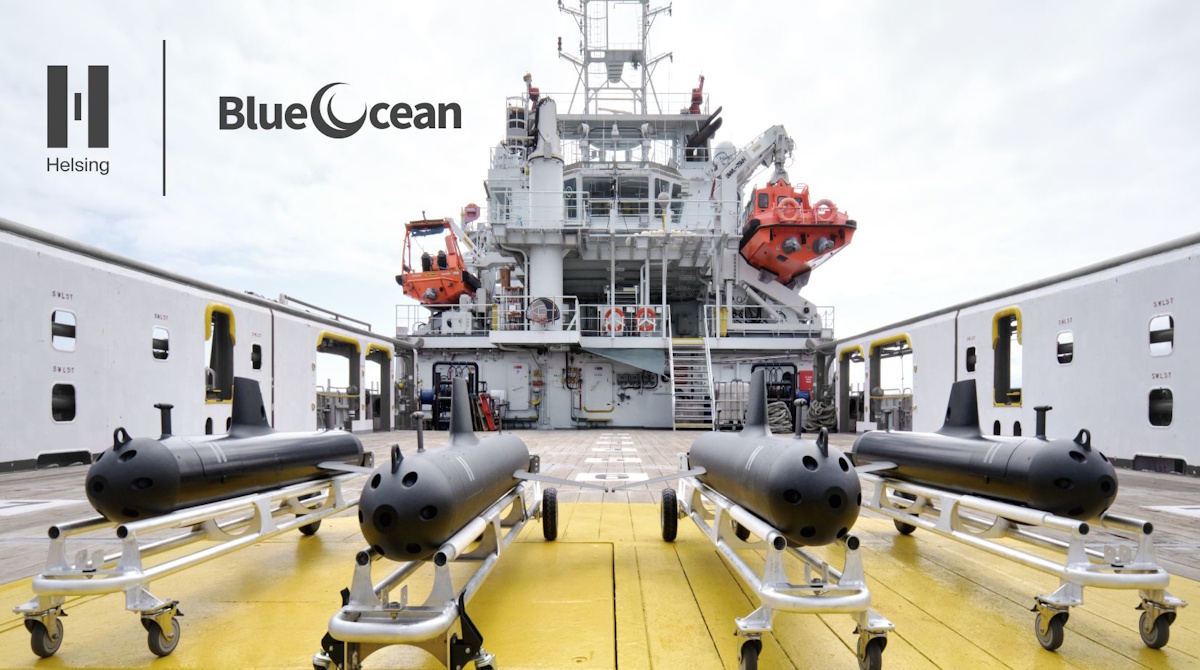
Blue Ocean Marine Tech Systems is being acquired by Helsing
Blue Ocean Marine Tech Systems has announced its acquisition by Helsing, a prominent European defense technology firm known for its expertise in artificial intelligence-driven autonomous systems. This strategic move is set to enhance Helsing's capabilities in mass and precision operations across various domains. The acquisition reflects a growing trend in the defense sector, where advanced technology plays a crucial role in modern warfare and security solutions. The deal is expected to be finalized in the coming months, positioning both companies to leverage their strengths in an increasingly competitive market.
blue ocean marine tech systems acquisition helsing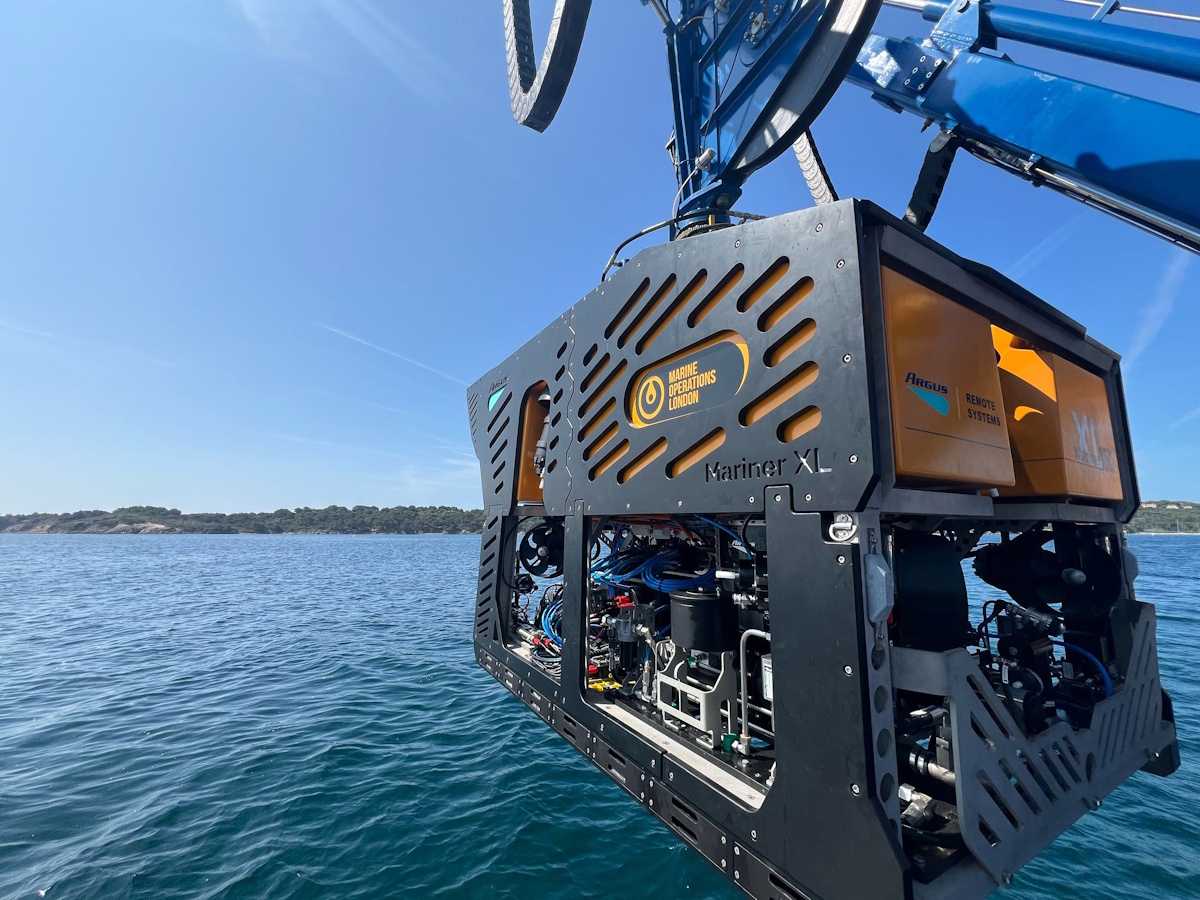
Exail to Equip Deep Ocean Search with Next-Generation Navigation and Positioning Systems for Deep-Sea Missions
Deep Ocean Search (DOS), a prominent company in deep-sea exploration, has partnered with Exail to enhance its navigation and acoustic positioning for forthcoming missions. This collaboration will see DOS utilize Exail's advanced Rovins 9-DVL navigation system and Gaps M7 acoustic positioning system, which are designed to operate at depths of up to 6,000 meters. The integration of these technologies is expected to significantly improve DOS's operational capabilities in challenging underwater environments, facilitating more precise and efficient exploration efforts.
exail deep ocean search navigation and positioning systems for deep-sea missions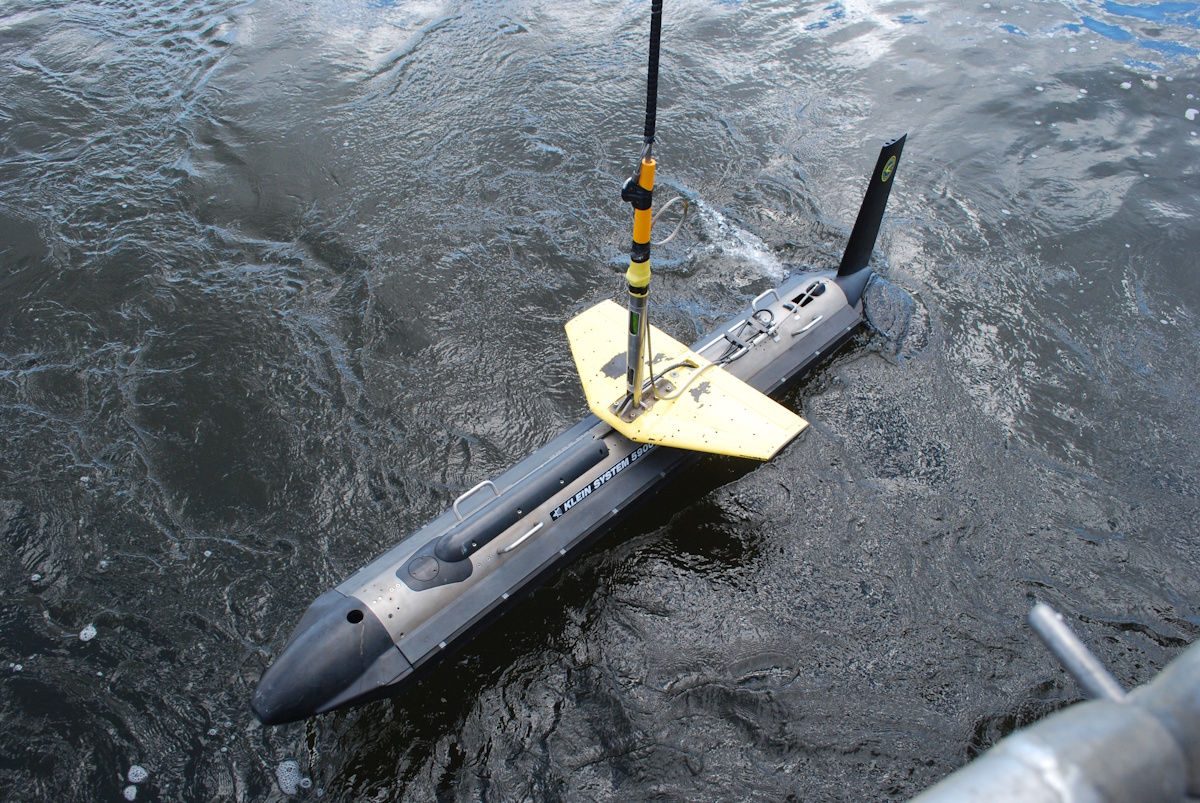
Klein Marine Systems Awarded $1.5M NAVOCEANO Contract
Klein Marine Systems, recognized for its advanced sonar technology, has secured a five-year indefinite delivery/indefinite quantity (IDIQ) contract with the U.S. Naval Oceanographic Office (NAVOCEANO). This contract, valued at up to $1.5 million, focuses on providing support and maintenance for the Klein System 5900 side scan sonars used by the Navy. The firm-fixed price agreement aims to enhance the operational capabilities of the sonar fleet, ensuring reliability and efficiency in naval operations.
klein marine systems contract award navoceano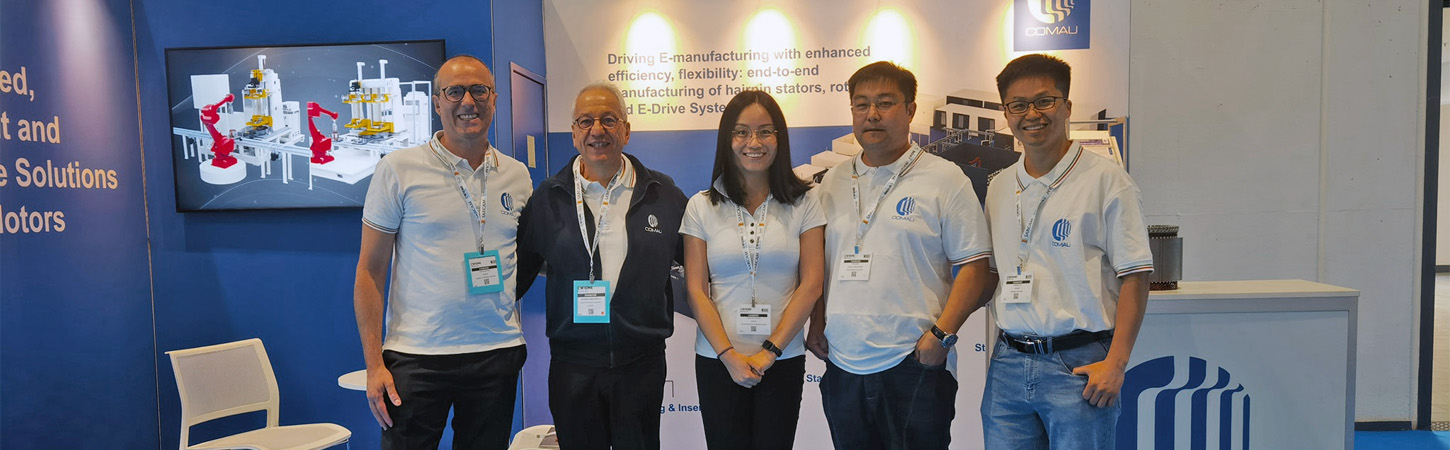
Comau to participate in CWIEME 2025 with advanced solutions for the production of hairpin/minipin stators and innovations for electric drive systems
Comau showcased its innovative cell formation and e-mobility solutions at the Battery Show held in Stuttgart, Germany. The event took place recently, bringing together industry leaders and experts to explore advancements in battery technology. Comau's participation highlights its commitment to enhancing manufacturing processes in the rapidly evolving electric vehicle sector. By presenting their latest technologies, the company aims to address the growing demand for efficient and sustainable energy solutions in the automotive industry. The display included demonstrations of cutting-edge automation and robotics designed to optimize battery production, reflecting Comau's strategic focus on supporting the transition to electric mobility.
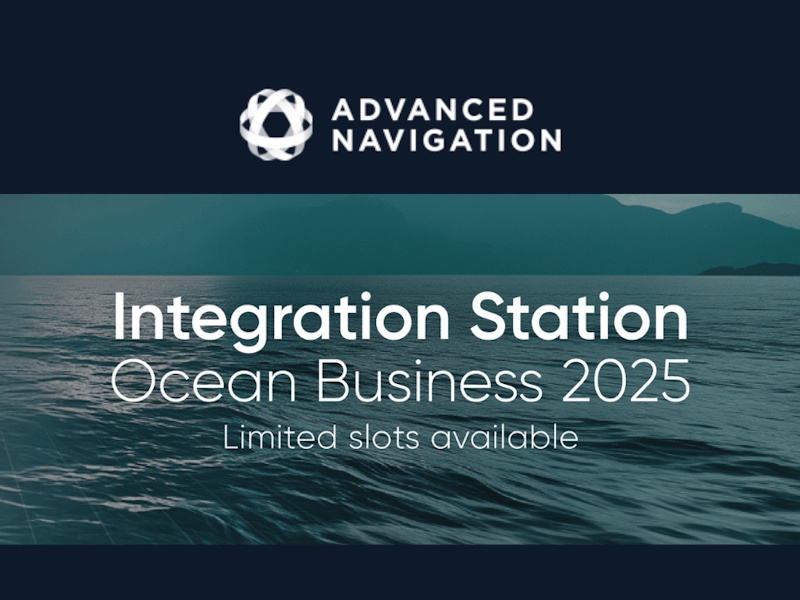
Introducing Advanced Navigation's Integration Station at Ocean Business 2025
Advanced Navigation is hosting exclusive 15-minute one-on-one workshops at the Ocean Business event in Southampton, aimed at addressing specific navigation challenges related to remotely operated vehicles (ROVs) and autonomous underwater vehicles (AUVs). Scheduled during the event, these sessions will provide participants with the opportunity to troubleshoot integration issues unique to subsea operations and enhance their technology stack for improved autonomy and operational efficiency. Attendees are encouraged to bring their current or planned setups for tailored guidance from specialists. With limited slots available, interested individuals are urged to reserve their sessions promptly to secure a spot.
advanced navigation's integration station at ocean business 2025
Oceaneering Acquires 100 Exail Octans 9 Attitude Heading Referencing Systems to Enhance Offshore Operations
Oceaneering International, a leading provider of engineered services and products for the offshore energy sector, has made a significant move by placing an initial order for at least 100 units of Exail’s latest Octans 9 Attitude Heading Referencing Systems (AHRS). This acquisition, announced recently, highlights Oceaneering's dedication to innovation and operational efficiency. By integrating the advanced AHRS technology, the company aims to bolster its capabilities in offshore survey and positioning projects, thereby enhancing its service offerings in a competitive market. The decision reflects Oceaneering's strategic focus on improving its technological resources to meet the evolving demands of the offshore energy industry.
oceaneering exail octans 9 attitude heading referencing systems offshore operationsRobotics needs a service framework.
RSF defines a common language for robot service capability, lifecycle operations, certification pathways, and service-provider networks.
Join the RobotToday community on LinkedIn
Daily robotics news, in-depth analysis, conference highlights, and discussions with professionals worldwide.







