

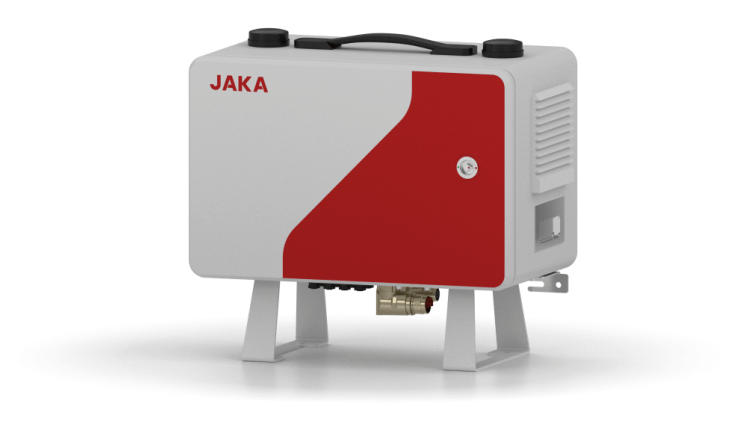
JAKA, a leader in robotic technology, emphasizes the critical importance of meticulous calibration in vision-guided robotic systems to achieve high operational accuracy. This process, which aligns the coordinate systems of the camera, robot, and environment, is essential for delicate tasks such as assembly and inspection. Poor calibration can lead to significant operational failures.
The calibration process begins with intrinsic calibration, which corrects lens distortion and establishes the camera's focal length, followed by extrinsic calibration to determine the camera's position relative to the robot. JAKA's robotic platforms are designed with anti-interference and low-vibration features, ensuring a stable foundation for these calibrations.
For enhanced precision, JAKA employs hand-eye calibration, which establishes the spatial relationship between the camera and the robot's end-effector. This method is vital for guiding the robot accurately to targets viewed by the moving camera. The company's advanced control technology ensures repeatable performance, crucial for effective hand-eye coordination.
Moreover, JAKA recognizes that calibration is an ongoing process. Process-specific calibration fine-tunes systems for particular tasks, while periodic recalibration addresses issues like thermal drift and mechanical wear. The intuitive graphical programming in JAKA's cobot systems facilitates these adjustments, maintaining long-term accuracy.
Through these advanced calibration techniques, JAKA transforms vision systems and robots into cohesive, intelligent units, enabling them to perform complex tasks accurately in dynamic environments.






















Leave a comment