Industry Briefing
A single destination for timely, editor-curated robotics news from around the world.

ABEJA and Murata Manufacturing Validate Physical AI Technology Using VLA Model for Dual-Arm Robots
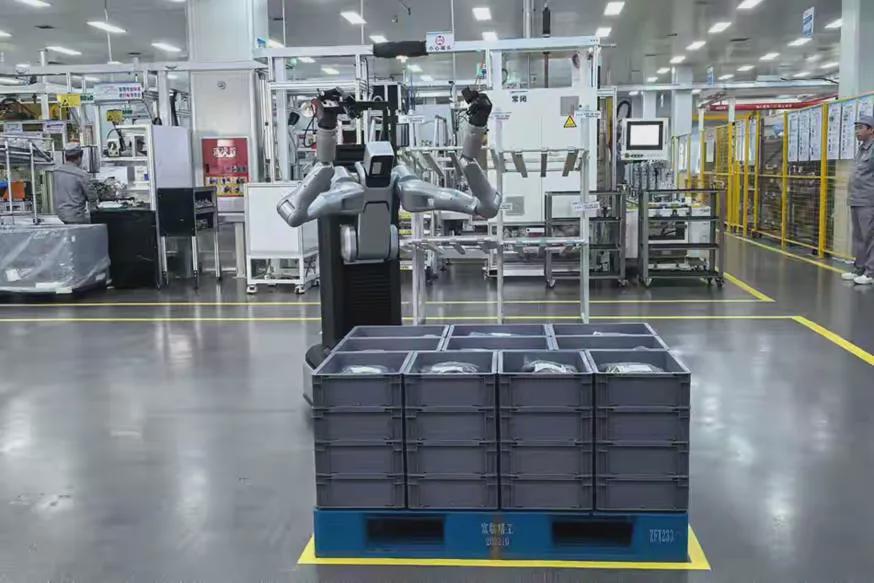
On August 31, 2026, ABEJA announced a collaboration with Murata Manufacturing to validate physical AI technology aimed at automating future research and experimental tasks. Utilizing the Vision-Language-Action (VLA) model, they successfully demonstrated a series of coordinated actions, including part transfer, with dual-arm robots in a controlled environment. This development is significant as industries face severe labor shortages, prompting the need for advanced autonomous robots. The integration of physical AI, which combines robotics and AI, is a growing area of research and development globally, with an increasing demand for implementation in manufacturing processes and logistics. Looking ahead, ABEJA aims to expand the application of physical AI to complex coordinated actions with dual-arm robots, marking a technical step towards future lab automation. No further timeline was disclosed at the time of publication.

XPeng Launches Major Upgrade to Second-Gen VLA with Dynamic 4D Spacetime Understanding
XPeng has introduced a significant upgrade to its second-generation Vehicle Learning Architecture (VLA), enhancing it with dynamic 4D spacetime understanding. This advancement enables production cars to exhibit Robotaxi-grade Level 4 (L4) autonomous behavior, marking a notable step forward in the integration of physical AI. The introduction of 4D spacetime capabilities is crucial as it allows vehicles to better interpret their environments and make real-time decisions, which is essential for safe autonomous driving. This upgrade positions XPeng at the forefront of the autonomous vehicle industry, showcasing its commitment to innovation and advanced technology. Looking ahead, industry observers will be keen to see how this upgrade impacts XPeng's market position and the broader implications for autonomous vehicle technology. No further timeline was disclosed at the time of publication.
Auto
VLAI Robotics Unveils K1 Dual-Arm Mobile Robot Priced at 19,800 Yuan
VLAI Robotics has officially launched the K1, a new generation dual-arm mobile robot, starting at a price of 19,800 Yuan. This innovative robot transitions from single-arm independent operation to full-body coordinated tasks, enhancing its workspace and aligning more closely with human operational logic. The K1 is designed with advanced algorithms, providing improved adaptability for real-world tasks. The significance of the K1 lies in its upgraded degrees of freedom, which allow for enhanced posture adaptability in various applications such as precision assembly, micro-object handling, collaborative transport, and flexible sorting. With a single-arm load capacity of 6 kg and a repeat positioning accuracy of ±0.02 mm, the K1 is engineered for stability and efficiency, featuring a four-wheel omnidirectional mobile chassis that supports agile movement in confined spaces. Looking ahead, the K1's design includes a fully integrated structure with internal wiring, enhancing reliability and reducing maintenance concerns. Its capabilities for posture adjustment and flexible operation make it suitable for diverse environments. No further timeline was disclosed at the time of publication.
Mobile Robots Warehouse Automation Humanoid Robots AI
XPeng Launches G9L Flagship SUV Pre-Sale at 25.98 Million Yuan and Introduces VLA 6.3.0
XPeng officially launched the pre-sale of its G9L flagship five-seat SUV in Guangzhou on August 11, with a starting price of 25.98 million yuan. The SUV is available in four trims and features dual powertrains, catering to a diverse range of consumer preferences. The significance of this launch lies in XPeng's commitment to advancing its vehicle technology. The G9L not only represents a new addition to their lineup but also showcases the company's innovation in integrating advanced features. The introduction of the second-generation VLA model 6.3.0, which includes L4-grade Robotaxi capabilities, further emphasizes XPeng's focus on enhancing autonomous driving technologies. Looking ahead, industry watchers will be keen to see how the G9L performs in the competitive SUV market and the reception of its advanced features. No further timeline was disclosed at the time of publication.

Acorn Robot Pioneers Instinct-Based Robot Operation Logic Amid VLA Model Trends
In early 2026, Acorn Robot diverged from mainstream narratives in embodied intelligence, which focused on VLA (Vision-Language-Action) models. The company, founded by a Tsinghua University mechanical engineering professor and his eight doctoral students, is exploring a unique approach centered on operational instincts. This 'bottom-up' strategy aims to endow robots with inherent operational capabilities through interaction with the physical world, rather than relying on extensive data and large models. This innovative direction is significant as it challenges the conventional 'imitation learning' paradigm. Acorn Robot posits that operational behaviors may stem from innate 'internal expectations' rather than explicit action planning. By embedding these instincts into robots, the company believes they can develop stable operational skills autonomously, without needing to mimic vast amounts of human data. As the industry progresses, attention will be on how Acorn Robot's approach addresses challenges such as data scarcity, real-time execution constraints, and the need for hardware-specific adaptations. No further timeline was disclosed at the time of publication.
Robotics Operational Intelligence Tactile Perception AI Models
BYD AI Team Unveils HyWorldVLA Hybrid Model Achieving 90.59 PDMS on NAVSIM Benchmark
The BYD AI team has introduced the HyWorldVLA, a hybrid pixel-latent world model that utilizes VLA architecture. This model has achieved a score of 90.59 PDMS on the NAVSIM benchmark, marking a significant milestone for BYD in the field of autonomous driving foundation models. This achievement is noteworthy as it highlights BYD's commitment to advancing autonomous driving technologies. The collaboration with researchers from HIT robotics underscores the importance of interdisciplinary efforts in developing state-of-the-art models that can enhance vehicle autonomy and safety. Looking ahead, the performance of the HyWorldVLA on the NAVSIM benchmark sets a high standard for future developments in autonomous driving models. No further timeline was disclosed at the time of publication.
Technology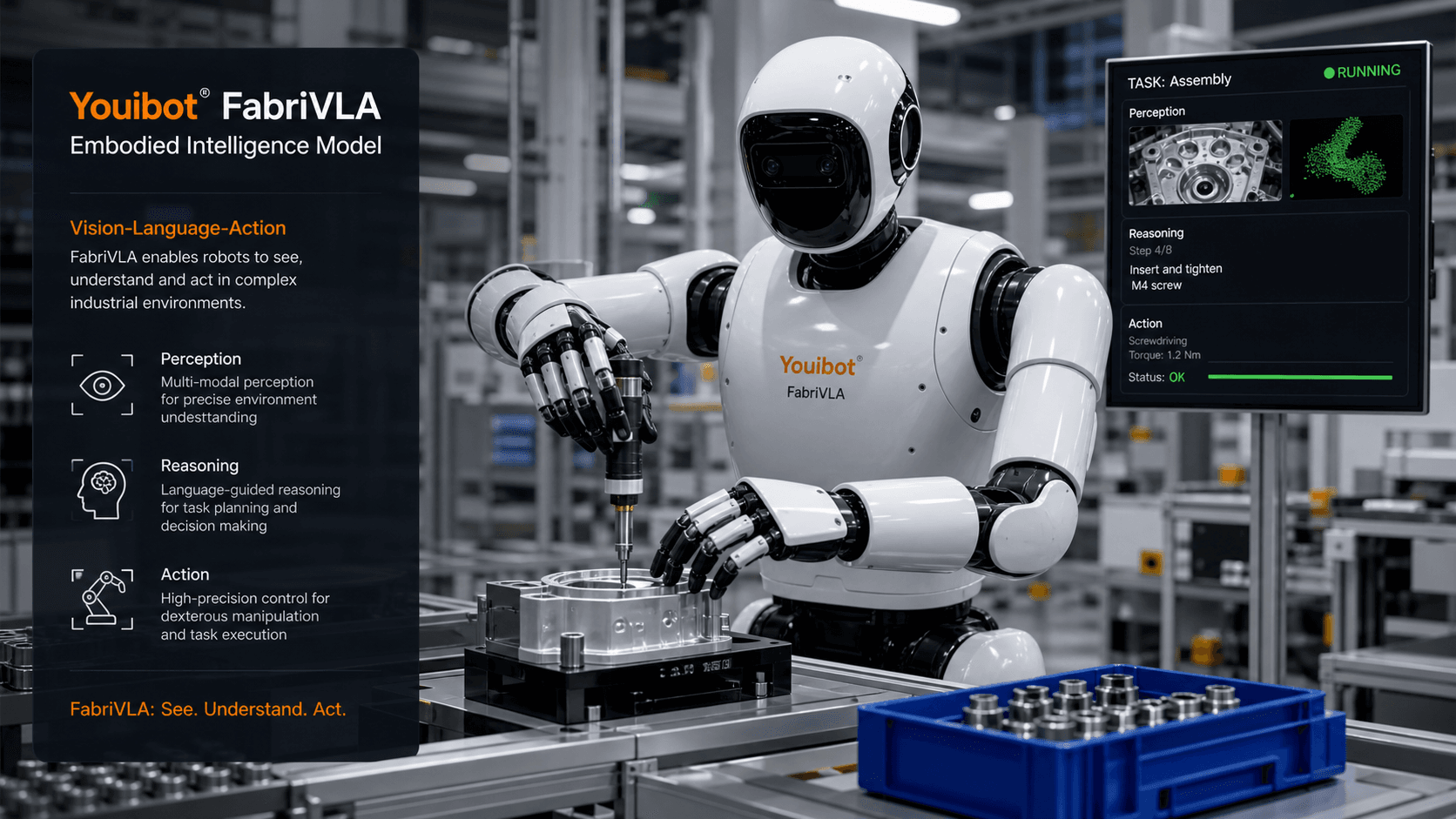
Youibot FabriVLA Surpasses Pi-Zero with 90.0% Tier-Average on Meta-World MT50
Youibot FabriVLA has achieved a remarkable 90.0% tier-average score on the Meta-World MT50 leaderboard, surpassing the previous leader, Pi-Zero, with only 1 billion parameters. This milestone signifies a pivotal shift in the robotics industry from parameter-based competition to a focus on architectural innovation. The achievement is significant as it highlights Youibot's advancements in embodied intelligence, showcasing the potential of more efficient models that do not rely solely on an increase in parameters. The success of FabriVLA could influence future developments in robotics, encouraging other manufacturers to prioritize architectural design over sheer parameter counts. Looking ahead, Youibot has also introduced the Fengxi humanoid robot, which has already garnered 4,000 unit orders. This indicates strong market interest and could lead to further innovations and applications in humanoid robotics. No further timeline was disclosed at the time of publication.
Technology
Robbyant Launches Upgraded LingBot-VLA 2.0 AI Model for Advanced Robotics
Robbyant, a company specializing in embodied AI under Ant Group, has unveiled the upgraded LingBot-VLA 2.0 model. This next-generation vision-language-action model enhances morphological generalization, degrees of freedom support, and deployment efficiency, addressing a critical gap in the embodied AI industry. The significance of LingBot-VLA 2.0 lies in its extensive pre-training on 60,000 hours of real-world data, which includes interactions from 20 different robot morphologies. This upgrade allows for improved whole-body control and dual-arm manipulation, achieving leading scores on benchmarks, thus demonstrating its effectiveness in industrial-scale deployment. Looking ahead, the introduction of a version optimized for efficient post-training and a threefold increase in inference efficiency positions LingBot-VLA 2.0 as a strong contender for real-time commercial applications. No further timeline was disclosed at the time of publication.
Computing Robot simulation artificial intelligence dual-arm robots embodied ai humanoid robots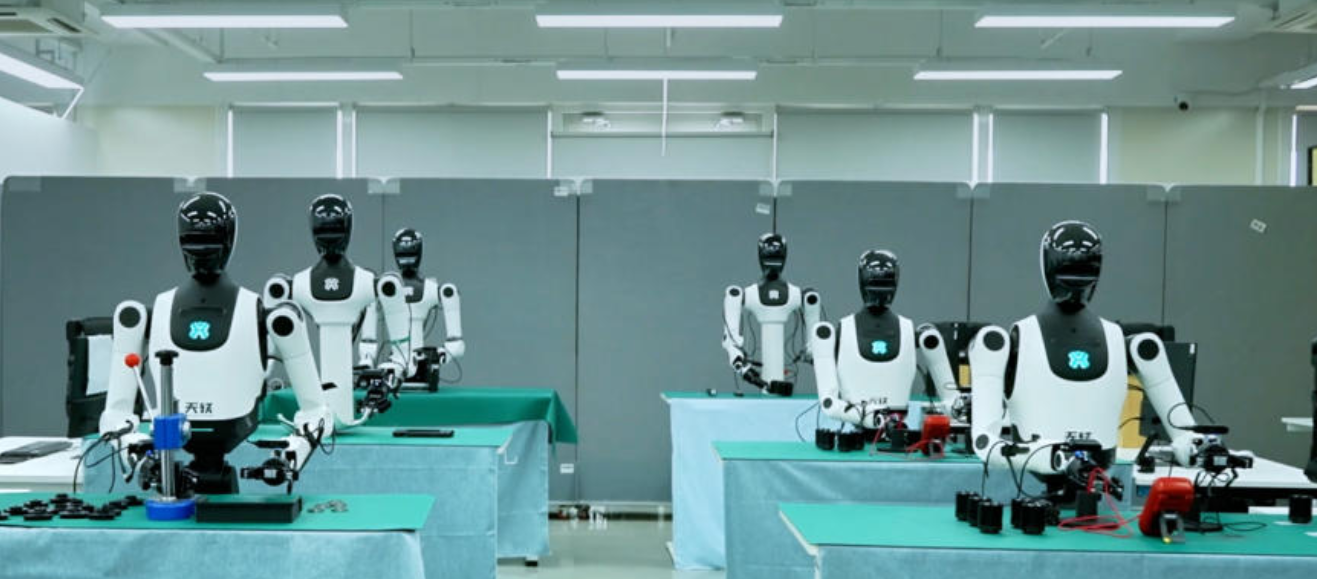
Launch of Robo-ValueRL: The First Open-Source VLA Reinforcement Learning Framework for Robotics
The Beijing Humanoid Robot Innovation Center and Renmin University of China's Gaoling Artificial Intelligence Institute have launched the Robo-ValueRL open-source framework. This initiative aims to enhance humanoid robots' decision-making capabilities in precision tasks, such as semiconductor assembly, by addressing challenges in data quality, control precision, and adaptability in dynamic environments. Robo-ValueRL introduces a value estimation mechanism based on historical observations, enabling robots to autonomously assess their actions. This closed-loop learning process—observation, value estimation, correction, and iteration—allows for improved accuracy and reduced instability in operations. The framework is fully open-source, providing access to core algorithms, evaluation tools, and standardized protocols for universities, research institutions, and manufacturers. The open-source nature of Robo-ValueRL significantly lowers the barriers for small and medium-sized manufacturers to implement reinforcement learning in specialized fields like semiconductor production and medical device manufacturing. This development marks a shift in humanoid robotics from laboratory experiments to practical industrial applications, paving the way for robots to evolve their decision-making capabilities independently.
Humanoid Robots Reinforcement Learning Precision Manufacturing Open Source Technology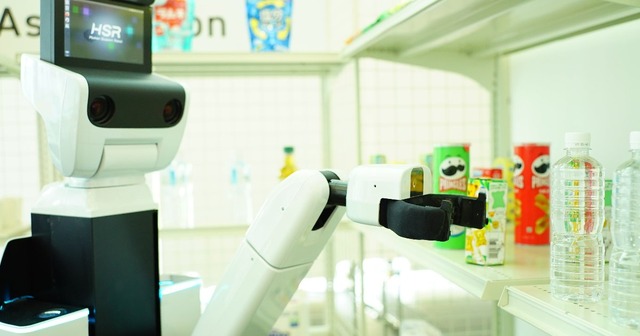
Prox Industries, a physical AI company from the University of Tokyo, ranks 2nd in ICRA 2026 VLA competition.
Prox Industries, a physical AI startup developed by researchers at the University of Tokyo's Matsuo Lab, has announced that it secured second place in a competition held during the ICRA 2026 Workshop titled "From Data to Decisions: VLA Pipelines for Real Robots." The event, organized by the AI Robot Association (AIRoA), featured 36 competing teams. This achievement highlights Prox Industries' innovative contributions to the field of robotics and artificial intelligence.

ACCESS reveals experimental results on remote robot control and local-like operations using VLA model and IOWN APN.
ACCESS has announced the successful execution of remote robot control experiments utilizing the Vision-Language-Action (VLA) model. Conducted recently, these experiments demonstrated that by leveraging a high-quality communication network, the responsiveness and operational quality of robot control in remote environments can closely match that of local settings for certain tasks. This advancement highlights the potential for improved remote robotic applications, driven by enhanced communication technologies.

Prox Industries accelerates physical AI research with dual-arm UR3e collaborative robots using VLA and reinforcement learning.
Prox Industries has announced its collaboration with Universal Robots (UR) to enhance the development of physical AI through the utilization of UR's "Physical AI Development Support Program." The initiative will focus on accelerating research and development of physical AI by employing a dual-arm robotic configuration using two UR3e collaborative robots. This partnership aims to leverage advanced robotics technology to innovate in the field of AI, reflecting Prox Industries' commitment to advancing automation solutions.

Li Auto reveals evolution goals for the Mach VLA capabilities.
At the recent Livis Day event hosted by Li Auto, the head of the company’s base model division, Zhan Kun, announced ambitious goals for the evolution of the Li Auto Mach VLA capabilities. The company plans to roll out a new version of the AD MAX system in the third quarter, which will enhance the Mach VLA's functionalities. Additionally, by the fourth quarter, Li Auto aims to align its capabilities with Tesla's FSD V14, signaling a competitive push in the autonomous driving sector. This strategic move reflects Li Auto's commitment to advancing its technology and staying competitive in the rapidly evolving electric vehicle market.

Zhi Ping Fang launches NeuroVLA, a brain-like embodied intelligence system.
Recently, Zhi Ping Fang unveiled NeuroVLA, an innovative brain-inspired embodied intelligence system, marking a significant advancement in robotics. This system features a unique three-tier architecture that mimics the human brain, comprising the cortex for semantic understanding and task planning, the cerebellum for high-frequency motion coordination and dynamic correction, and the spinal cord for rapid motion execution and safety reflexes. Experimental results indicate that NeuroVLA can reduce robotic motion jitter by over 75% and achieve reflex responses within 20 milliseconds following a collision, all while significantly lowering system power consumption. This breakthrough aims to enhance the efficiency and safety of robotic operations, positioning NeuroVLA at the forefront of intelligent robotics technology.

Interview with Wang Zhongyuan: VLA will survive, but world models are the future.
In recent months, the concept of "World Model" has gained significant traction within the AI and robotics sectors, driven by underlying industry anxieties. As AI technology has rapidly evolved over the past two years, limitations in embodied intelligence have become apparent, revealing that while robots can recognize objects, they struggle to understand physical interactions and causal relationships. The World Model aims to bridge this gap by enabling robots to learn the laws of the physical world. At the forefront of this exploration is Wang Zhongyuan, the director of the Beijing Academy of Artificial Intelligence, who identifies four distinct paths in the development of World Models. These include language-centered models, pixel-centered models, 3D structure-centered models, and visual representation-centered models. The Beijing Academy is pioneering a fifth approach that integrates language and visual data into a unified latent space representation, allowing for more complex interactions and predictions. Wang emphasizes that the World Model's potential lies in its ability to enhance embodied intelligence, enabling robots to understand and predict physical interactions over time. He envisions a future where World Models serve as the foundational brain for robots, capable of complex reasoning and decision-making in real-world scenarios. However, he cautions that achieving this goal will require significant advancements in data collection and model training, with a timeline of three to five years anticipated for substantial progress. As the field continues to evolve, the competition will focus on the ability to create models that accurately reflect the complexities of the physical world.

Magic Atom's debut of the VLA K02 model at the conference
On June 13, the 12th China (Shanghai) International Technology Import and Export Fair (CSITF) concluded in Shanghai. During the event, MagicLab showcased its comprehensive technology matrix and publicly unveiled two major technological achievements for the first time in the domestic market: the self-developed Magic-VLA K02 large model and the Magic-Mix world model. This presentation highlights MagicLab's commitment to innovation and its role in advancing technological development in China.
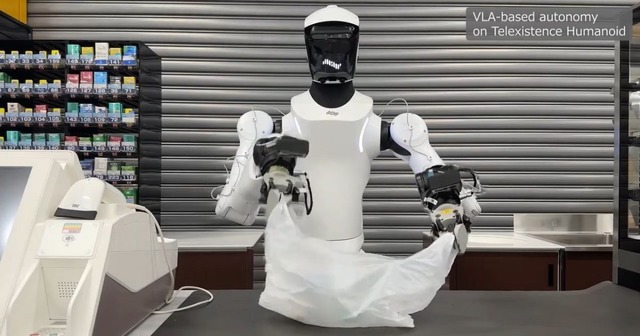
Teleexistence reveals humanoid's success in autonomous convenience store bagging using VLA and NVIDIA's "DreamZero."
On June 10, 2026, Teleexistence showcased a demonstration of autonomous operations using humanoid robots as part of the "Physical AI Fellowship 2026," a collaborative initiative supported by AWS, NVIDIA, and MassRobotics. The event highlighted the integration of NVIDIA's World Model, "DreamZero," showcasing advancements in robotic technology and artificial intelligence. This demonstration aims to illustrate the potential of physical AI in enhancing robotic capabilities and fostering innovation in the field.

ugo and FastLabel launch training program for developing VLA model with domestic humanoids and physical AI.
Ugo Corporation and FastLabel Inc. have launched a hands-on training program aimed at facilitating the development of Vision-Language-Action (VLA) models for companies, universities, and research institutions. This initiative utilizes the domestically produced humanoid robot, the "ugo Pro R&D model," to support participants from the initial stages of model development. The program, titled "ugo VLA Model Development Training Program powered by FastLabel," is designed to enhance practical skills and knowledge in the emerging field of VLA technology.

AWS Japan Accelerates Physical AI Development with 51 Companies, 14 Projects Showcase Results
Amazon Web Services Japan (AWS Japan) held the final presentation of its 'Physical AI Development Support Program' on August 31, 2026. Out of 51 selected companies, 14 projects were showcased, highlighting advancements in humanoid full-body control, Vision-Language-Action (VLA) models, world models, and simulation-based learning data generation over the past six months. This initiative is significant as it aims to leverage Japan's extensive manufacturing expertise and on-site knowledge by integrating it with generative AI and cloud technologies. The program has seen companies develop humanoid robots, conduct hospital demonstrations, and quantify the effectiveness of simulation data, revealing areas where VLA struggles in industrial applications. Looking ahead, AWS Japan's support for startups in logistics, construction, manufacturing, and e-commerce warehouses will continue to be crucial. The program, which began in January 2026, has provided technical support, optimization of computational costs, community formation, and Go-to-Market assistance, backed by $6 million in AWS credits. No further timeline was disclosed at the time of publication.
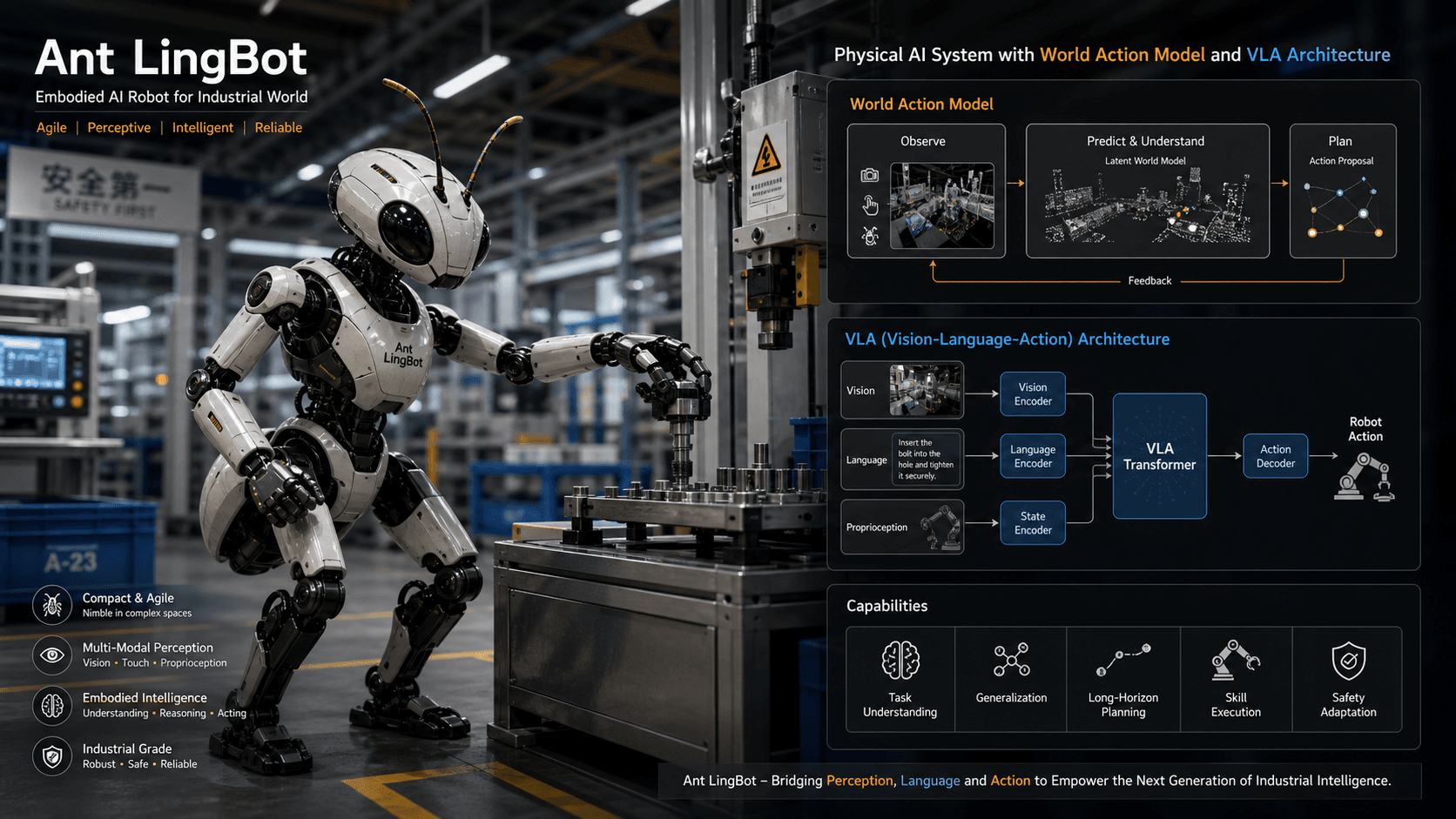
Ant LingBot Unveils Six Open-Source AI Models Amid Data Challenges
Ant LingBot, a subsidiary of Ant Group, has launched six open-source embodied AI models as part of its dual-track strategy focusing on Visual Language Agents (VLA) and world models. This initiative aims to enhance AI capabilities while addressing the growing demand for advanced AI solutions. The significance of this release lies in Ant LingBot's commitment to fostering an open-source ecosystem, which is crucial for collaboration and innovation in the AI field. However, the company is contending with challenges related to data scarcity and competition within the ecosystem, which could impact its development and deployment efforts. Looking ahead, it will be important to monitor how Ant LingBot navigates these challenges and whether it can successfully leverage its dual-track strategy to establish a strong presence in the AI landscape. No further timeline was disclosed at the time of publication.
Technology
Chinese Team Solves VLA Model's Weakness with 'Moving Eyes' Technology
A research team from China has made significant advancements in enhancing the performance of Vision-Language-Action (VLA) models, which typically experience severe performance declines with minor camera movements. By implementing a novel 'moving eyes' paradigm that employs dual robotic arms for dynamic data collection, the team has achieved a notable increase in task success rates, showcasing a more profound understanding of spatial interactions. Their innovative findings were presented at the esteemed IROS 2026 conference, highlighting the importance of addressing vulnerabilities in VLA models to improve their reliability in real-world applications.
Vision-Language-Action Robotics Dynamic Data Collection AI Machine Learning
Robbyant Upgrades and Open-Sources LingBot-VLA 2.0 as a Next-Generation Universal Brain for Embodied AI
While the embodied AI industry is witnessing rapid advancements in hardware and control systems, the lack of a truly universal brain remains a primary bottleneck for industrial-scale deployment. LingBot-VLA 2.0 addresses this critical gap by dramatically expanding its pre-training data and architectural capabilities.
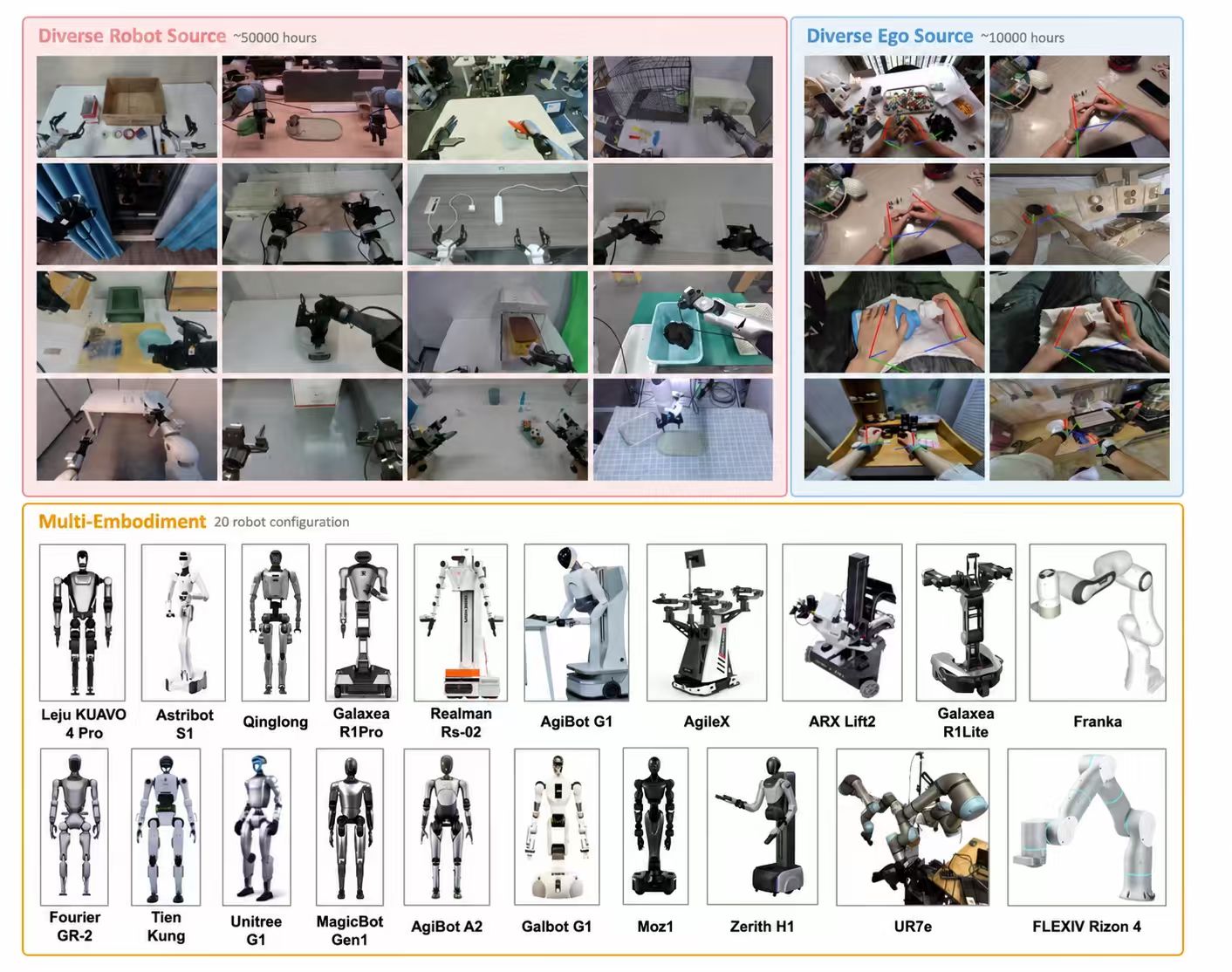
Ant Group Releases Open Source LingBot-VLA 2.0 with 60,000 Hours of Real-World Data
On July 8, Ant Group unveiled the upgraded LingBot-VLA 2.0 model, which has been enhanced through the integration of 60,000 hours of high-quality real-world data. This latest version offers improved support for a variety of robot configurations and degrees of freedom, leading to increased efficiency and performance in both dual-arm operations and mobile tasks. The model has been made accessible to developers via platforms such as Hugging Face and GitHub, promoting wider collaboration and innovation in robotics.
Robotics AI Open Source Machine Learning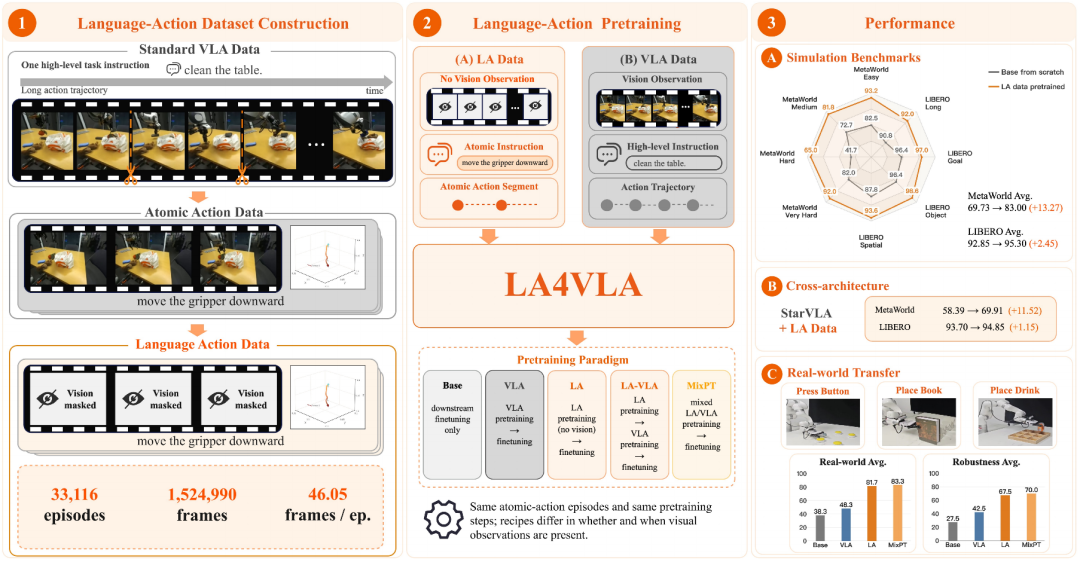
LA4VLA: Redefining VLA Pretraining for Robots to Learn Action Language
Researchers have introduced the LA4VLA framework, a new approach that enhances the capabilities of robots in understanding language commands and executing actions. This framework distinguishes language-action supervision from visual input, enabling robots to learn the relationship between commands and actions independently of visual cues. The study, which highlights the limitations of traditional Vision-Language-Action models, was conducted to address the tendency of these models to rely on visual inputs when confronted with conflicting information. By focusing on a more robust language-action learning process, the LA4VLA framework aims to improve the overall understanding of how language influences robotic actions.
Vision-Language-Action Robotics Machine Learning AI Training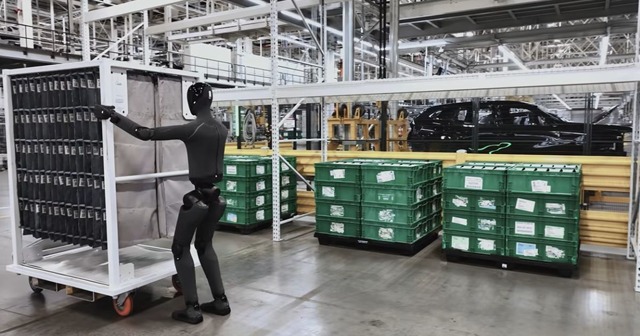
BMW introduces humanoid "Figure 03" at factory for physical AI coordination and sequencing tasks.
Figure AI has introduced its humanoid robot, Figure 03, at BMW Group's Spartanburg plant, showcasing its capability to perform parts sorting tasks. This demonstration highlights the integration of advanced robotics in manufacturing processes, aimed at enhancing efficiency and productivity in the automotive industry. The event marks a significant step in the collaboration between technology and manufacturing, reflecting the ongoing trend of automation in production environments.

How World Models and VLA Can Be Implemented: Insights from Top Experts in Embodied Intelligence
At the 2026 Zhangjiang Embodied Intelligence Supply Chain Conference, a roundtable discussion brought together leading experts in robotics to explore the critical role of world models in embodied intelligence. The event highlighted various industry challenges, particularly the necessity for robust data infrastructure and the integration of visual-language-action models with world models. Experts emphasized that high-quality data and innovative technological solutions are essential for advancing the field. The conference served as a platform for addressing these pressing issues, aiming to foster collaboration and drive progress in robotics and artificial intelligence.
Embodied Intelligence World Models Robotics Data Infrastructure AI Integration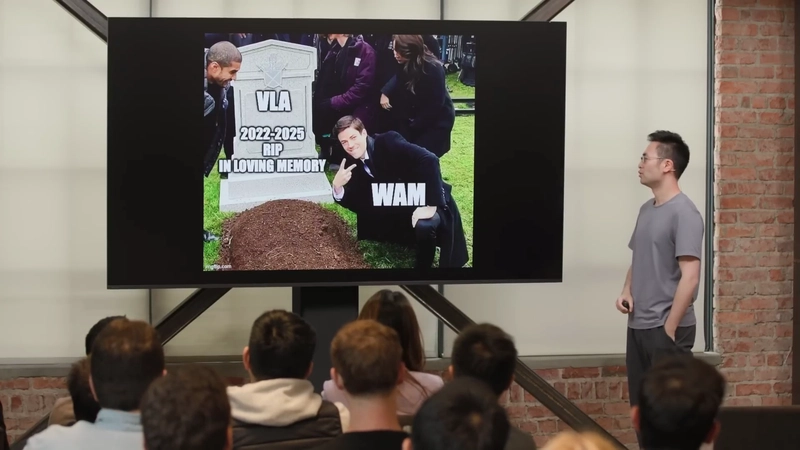
The Divergence of VLA in Autonomous Vehicles and Robotics: Insights from Xiaopeng and Jim Fan
A recent article examines the divergent trajectories of VLA (Vision-Language Agents) in the realms of autonomous driving and robotics, underscoring the distinct operational requirements inherent to each field. The analysis delves into the complexities of incorporating world models into VLA systems, revealing significant challenges that could impact the future development of artificial intelligence in these areas. The discussion emphasizes the necessity for specialized strategies that cater to the unique demands of autonomous driving and robotics, suggesting that a one-size-fits-all approach may not be viable for advancing AI technologies effectively.
Autonomous Driving Robotics AI World Models Machine Learning
VLA Shines at ICRA: Investment Thrives While Factories Calculate
The ICRA 2026 conference held in Vienna highlighted a significant milestone in the field of robotics, featuring a record number of submissions, with nearly 20% dedicated to Vision-Language-Action (VLA) research. While the academic community applauds these advancements, the industry faces ongoing challenges in reliably implementing these technologies within manufacturing environments. Leading the charge is the company 微亿智造, which is utilizing extensive real-world industrial data to improve the stability and efficiency of robotic operations. This integration of data aims to bridge the gap between theoretical research and practical application, addressing the pressing need for robust solutions in factories.
Vision-Language-Action Industrial Robotics Data-Driven Automation Manufacturing Technology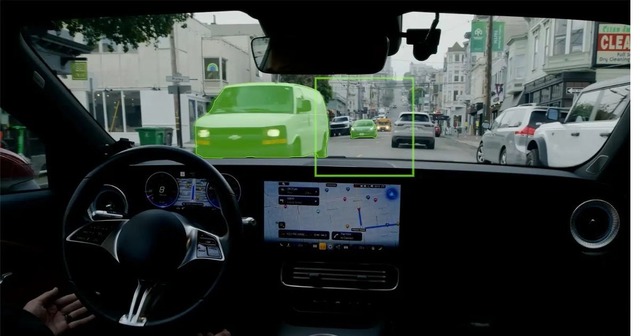
NVIDIA unveils 320 billion-parameter self-driving model "Alpamayo 2 Super" to accelerate Level 4 robo-taxi development.
NVIDIA announced a significant expansion of its open AI model family, "NVIDIA Alpamayo," aimed at developing safe Level 4 robotic taxis. The announcement was made during the NVIDIA GTC Taipei event held on June 1, 2026, in Taipei, Taiwan. This initiative reflects NVIDIA's commitment to advancing autonomous vehicle technology, enhancing safety and efficiency in transportation. The expansion of Alpamayo is expected to play a crucial role in the future of urban mobility, as the company seeks to address the growing demand for innovative transportation solutions.
Interview with Oakfruit: Moving Beyond VLA to Instinct-Driven Intelligence
In a recent interview, Oakfruit Robotics addressed the significant challenges confronting the embodied intelligence sector, particularly highlighting the constraints of the Visual-Language-Action (VLA) model. The company introduced an innovative approach known as 'Instinct-Driven' technology, which seeks to improve robotic autonomy and operational intelligence. This advancement is expected to facilitate mass production and expand the application of robotics across various industries, potentially transforming how robots interact with their environments and perform tasks. The insights shared by Oakfruit Robotics underscore the need for evolution in robotic technology to meet growing demands and enhance functionality.
Embodied Intelligence Robotics AI Technology Automation
Alibaba's Qwen Team Enters Embodied AI With Qwen-VLA Model
Alibaba's Tongyi Qianwen team has unveiled Qwen-VLA, marking the company's inaugural foray into the realm of vision-language-action models for embodied artificial intelligence. This launch, which took place recently, positions Alibaba to compete in the rapidly evolving sector of physical world AI. The development of Qwen-VLA is driven by the increasing demand for advanced AI systems capable of understanding and interacting with the physical environment, highlighting the company's commitment to innovation in artificial intelligence technologies. Through this new model, Alibaba aims to enhance the capabilities of AI in real-world applications, paving the way for more sophisticated interactions between machines and their surroundings.
AI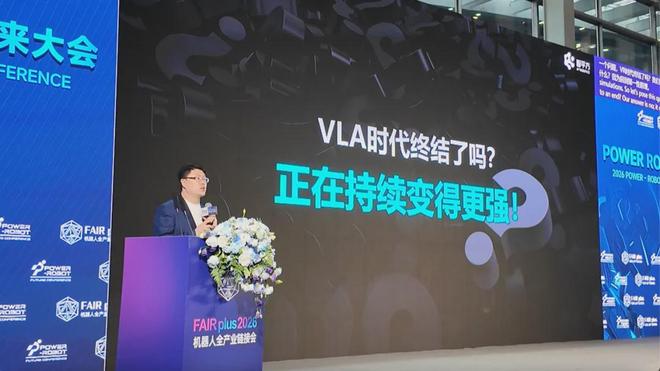
"The era of VLA has not ended!" Guo Yandong, founder of Zhifengfang, sets the tone for industry disputes while launching the world's first one-stop ...
On April 19, the 2026 Beijing Yizhuang Humanoid Robot Half Marathon took place, showcasing significant advancements in robotics. The Honor "Lightning" robot achieved a remarkable net time of 50 minutes and 26 seconds, breaking the human men's half marathon world record and improving upon the previous year's robot champion's time by an impressive 110 minutes. The event drew enthusiastic crowds, reflecting a growing interest in the embodied intelligence sector. A notable shift in participation methods was observed, with nearly 40% of the competing robots operating autonomously, a departure from the reliance on remote control seen in last year's inaugural event, where technicians managed the robots manually. This transition to autonomous operation not only highlights rapid technological progress but also positions the event to potentially set a Guinness World Record for the most autonomous humanoid robots in a half marathon. The advancements in robotics within just one year indicate a significant leap in the industry, marking a new era for robotic participation in competitive events. Following the marathon, on April 22, Qianxun Positioning announced further developments in the field, underscoring the momentum generated by this groundbreaking event.
Robotics Automation AI
The Death of VLAs: Unraveling the True Challenges of Embodied Intelligence
At the Sequoia AI Summit, NVIDIA's Jim Fan made headlines by declaring that "VLA is dead," igniting a conversation about the shortcomings of visual-language models in the realm of embodied intelligence. This statement highlights the growing recognition within the tech community of the necessity for enhanced physical capabilities in AI systems. The discussions at the summit emphasized the importance of developing world models that can better address the limitations currently faced by visual-language models. As the field of artificial intelligence continues to evolve, experts are calling for innovative solutions to improve the integration of visual and physical understanding in AI applications.
Embodied Intelligence Visual-Language Models World Models Robotics AI Technology
New heat-pressed silk material outperforms wood, rivals Kevlar and carbon fiber
A team of researchers from Tufts University, Imperial College London, and the University of Michigan has unveiled a groundbreaking development in the field of biomedical engineering. This innovation, announced on October 15, 2023, focuses on creating a new type of biodegradable material that could significantly enhance medical implants and devices. The research aims to address the growing concern over the environmental impact of traditional plastic implants, which can take centuries to decompose. By utilizing advanced materials science, the team has engineered a substance that not only meets the necessary medical standards for safety and efficacy but also naturally breaks down in the body over time, reducing the need for surgical removal. This advancement is expected to revolutionize the way medical professionals approach implantable devices, offering a sustainable alternative that aligns with the increasing emphasis on eco-friendly practices in healthcare. The findings were published in a peer-reviewed journal, highlighting the collaborative efforts of the researchers and their commitment to addressing both health and environmental challenges. As the medical community continues to seek innovative solutions, this new biodegradable material stands out as a promising step towards more sustainable healthcare practices. The research team plans to conduct further studies to explore the full potential and applications of this material in various medical fields.
AI² Robotics Founder Defends VLA, Launches NeuroVLA Model
Guo Yandong, the founder of AI² Robotics, recently defended the VLA architecture as essential for advancing embodied intelligence. During a presentation, he introduced the NeuroVLA, a brain-inspired model designed to enhance cognitive processing in robotics. Additionally, Yandong unveiled the AlphaBrain Platform, an open-source toolkit that supports plug-and-play world models, allowing developers to easily integrate and customize their robotic systems. This initiative aims to foster innovation in the field of robotics by providing accessible resources for researchers and developers. The announcement highlights AI² Robotics' commitment to pushing the boundaries of artificial intelligence and robotics technology.
News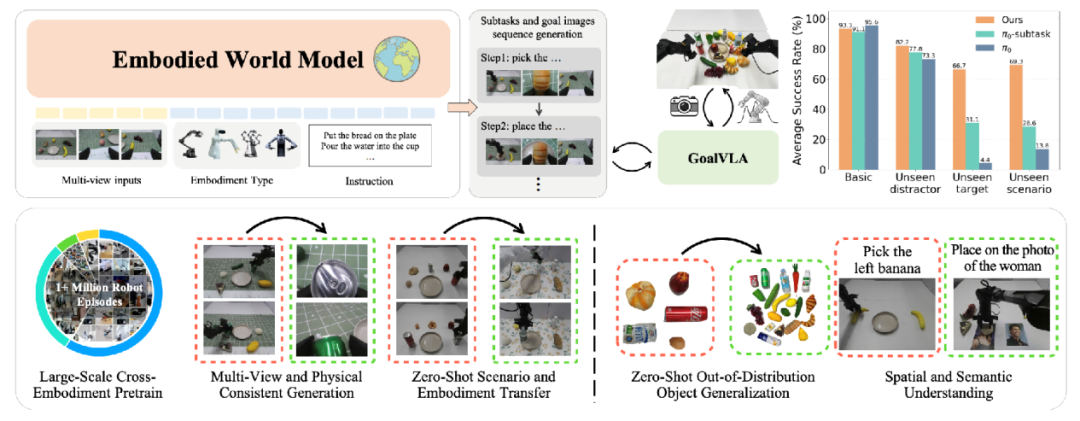
ZhiYuan VISTA: The Industry's First Open Source World Model + VLA Framework
The ZhiYuan VISTA framework has unveiled a revolutionary solution aimed at addressing the challenges of robotic generalization. By integrating a world model with Vision-Language-Action (VLA) capabilities, this innovative framework significantly improves performance in real-world applications. Achieving a success rate of 69% in out-of-distribution tasks, the ZhiYuan VISTA framework demonstrates its effectiveness even with limited data. This advancement marks a significant step forward in the field of robotics, potentially transforming how robots interact with and adapt to diverse environments.
Robotics AI Machine Learning Computer Vision
The Era of Embodied Intelligence: Introducing the Open-Source FluxVLA Engine
Zhijidongli, a prominent domestic technology company, has introduced the FluxVLA Engine, a groundbreaking platform designed to tackle the systemic challenges associated with deploying Very Large Array (VLA) models. Launched recently, this innovative engine aims to establish a standardized engineering foundation that simplifies the development process. By enhancing the transition from simulation to real-world applications, the FluxVLA Engine seeks to improve efficiency and effectiveness in various technological deployments. This initiative reflects Zhijidongli's commitment to advancing engineering solutions in the tech industry.
Embodied Intelligence VLA Models Open-Source Software Robotics Development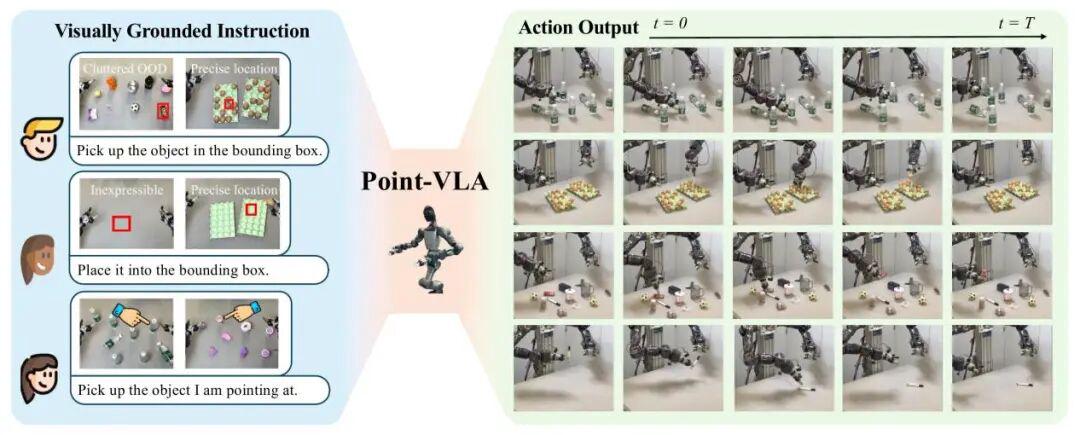
Gaoyang Team's Breakthrough: Point-VLA Solves the Ultimate Challenge of Embodied Intelligence with a Single Visual Box!
The Gaoyang team from Qianxun Intelligent has unveiled Point-VLA, an innovative method designed to improve the accuracy of robot instructions through the use of a visual bounding box. This advancement is particularly significant as it enhances the success rate of robotic operations in complex environments, achieving a remarkable 92.5% success rate. The introduction of Point-VLA marks a notable step forward in robotics technology, addressing the challenges faced by robots in navigating and performing tasks in intricate settings.
Robotics Embodied Intelligence Visual Recognition AI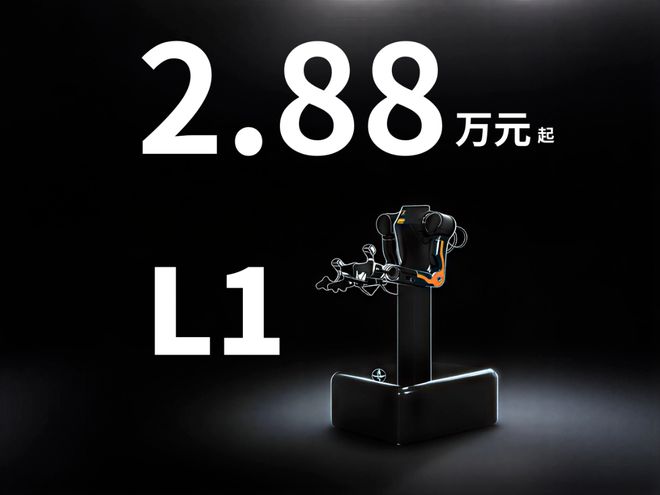
Starting at 28,800 Yuan! VLAI Robotics Launches the L1 Mobile Dual-Arm Robot, Ushering in a New Era of Embodied Intelligence
VLAI Robotics has introduced its latest innovation, the L1 mobile dual-arm robot, which aims to enhance flexibility and precision across multiple sectors. Launched with a starting price of 28,800 Yuan, the L1 is engineered to meet the demands of research, industrial automation, and service industries. This advanced robot features superior mobility and dual-arm functionality, positioning it as a versatile solution for a range of applications. The unveiling of the L1 marks a significant step forward in robotic technology, catering to the increasing need for automation and efficiency in various fields.
Mobile Robots Dual-Arm Robotics AI Automation Research and Development
Interview with Ding Wenchao of Itstone: No VLA, No Simulation, No Remote Control - Itstone's Embodied Brain Has No Plan B
Itstone made headlines at AWE 2026 with the unveiling of its A1 robot, which set a Guinness World Record for sub-millimeter flexible wiring assembly. The company, recognized for tackling complex challenges in robotics, showcased its latest innovation, AWE 3.0, an advanced embodied AI model designed to perform effectively in real-world industrial environments. Unlike previous models, AWE 3.0 operates independently without the need for remote operation data, marking a significant advancement in autonomous robotics. This debut not only highlights Itstone's commitment to pushing the boundaries of technology but also positions the A1 robot as a leading solution in the field of industrial automation.
Embodied Intelligence Industrial Automation Robotics AI Technology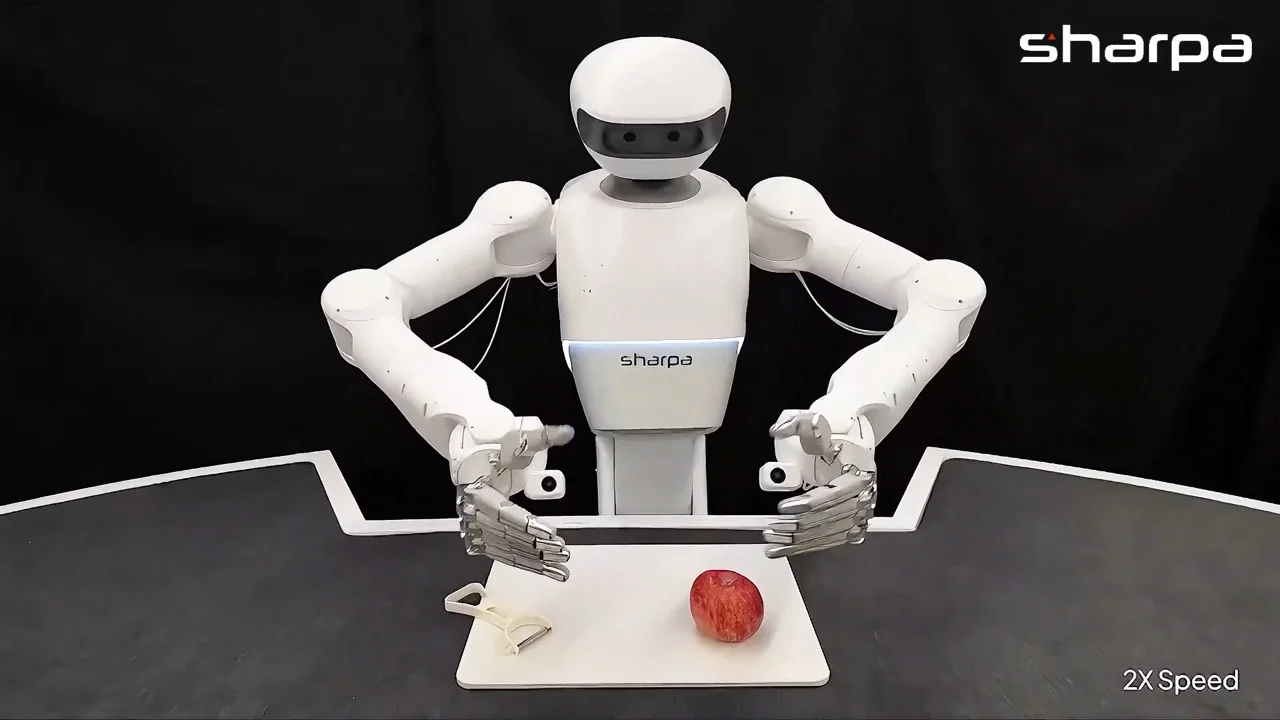
The Apple Peeling Milestone: How Sharpa’s "MoDE-VLA" Unlocks Bimanual Dexterity
Sharpa Robotics has introduced an innovative hierarchical framework designed to enhance complex manipulation tasks that require contact-rich interactions. This new system integrates shared-autonomy data collection with a sophisticated "mixture-of-experts" AI model, enabling robots to perform intricate operations more effectively. The announcement was made in October 2023, showcasing the company's commitment to advancing robotic capabilities in various applications. By leveraging this cutting-edge technology, Sharpa Robotics aims to improve the efficiency and precision of robotic manipulation, addressing the growing demand for automation in industries that rely on complex physical tasks.
SharpaWave hand Sharpa Robotics hands Singapore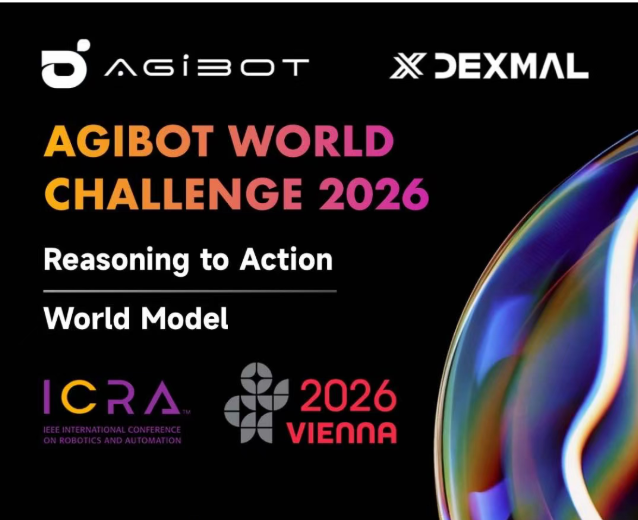
AGIBOT Introduces ACoT-VLA, Selected for CVPR 2026 and Open-Sourced as AGIBOT WORLD CHALLENGE Baseline
AGIBOT's ACoT-VLA (Action Chain-of-Thought) architecture has been chosen as the official baseline for the AGIBOT WORLD CHALLENGE, set to take place during the Computer Vision and Pattern Recognition (CVPR) conference in 2026. This selection represents a significant leap forward in the field of embodied intelligence, as the ACoT-VLA model effectively bridges the semantic-kinematic gap present in current Vision-Language Alignment (VLA) systems. By making this innovative architecture open-source, AGIBOT aims to foster collaboration and advancement within the research community, encouraging further exploration and development in embodied intelligence technologies.
Embodied Intelligence Robotics Computer Vision AI Open Source
Volkswagen becomes launch customer for XPeng’s VLA 2.0 model
Volkswagen has been announced as the launch customer for XPeng's second-generation Vision-Language-Action model, according to CEO He Xiaopeng. This significant development, which could represent a pivotal moment for intelligent driving, was revealed on Wednesday. The model, first introduced by XPeng in November 2025, is touted as the company's first mass-produced large model designed to comprehend and anticipate real-world scenarios. This collaboration highlights XPeng's commitment to advancing intelligent driving technology and Volkswagen's interest in integrating innovative solutions into its vehicle lineup.
News Feed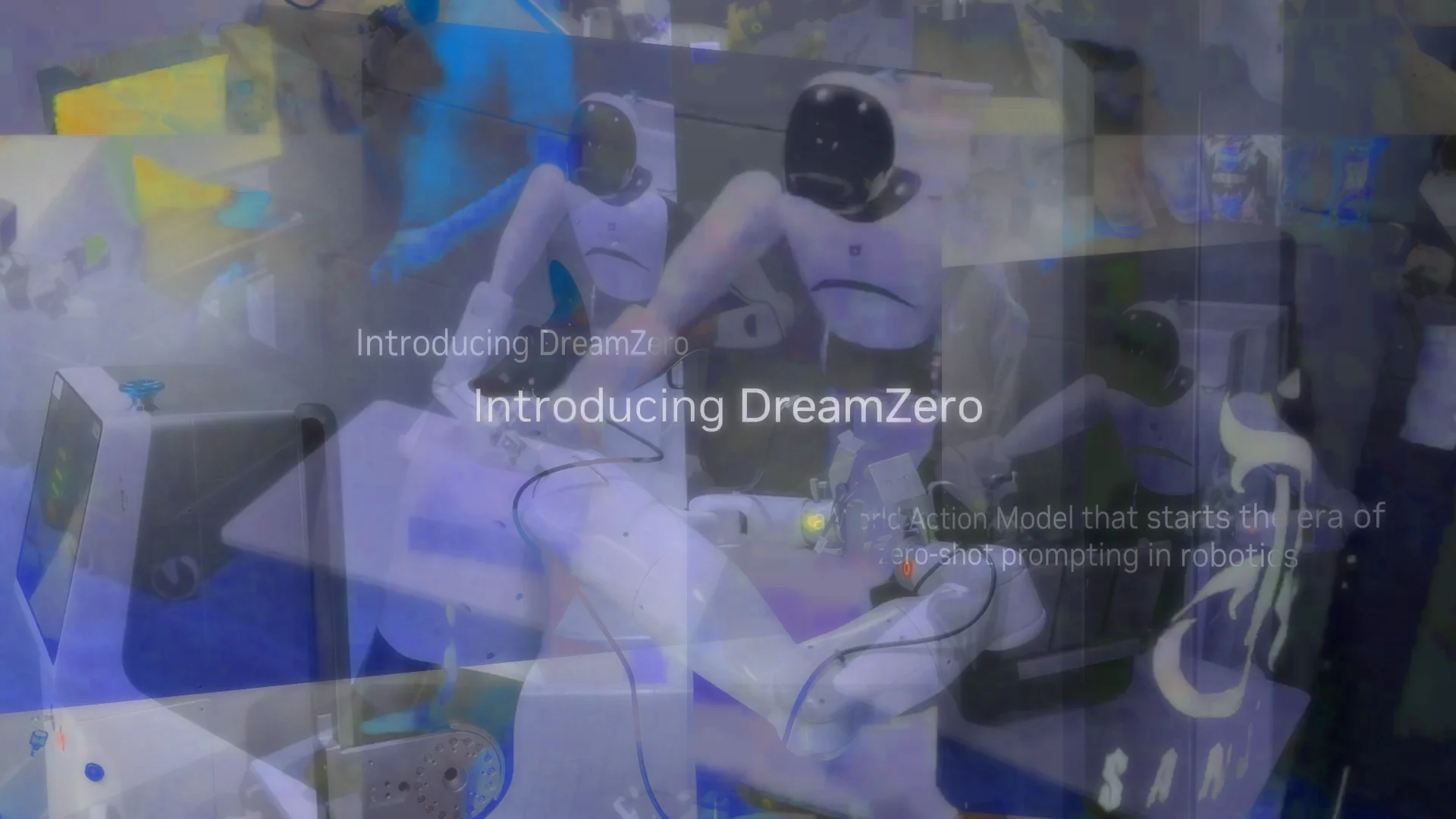
Beyond the VLA: NVIDIA’s DreamZero and the ‘GPT-2 Moment’ for Robotic World Models
NVIDIA GEAR Lab has introduced DreamZero, an advanced World Action Model (WAM) featuring 14 billion parameters. This innovative model employs video diffusion technology to provide robots with a form of physical "imagination," allowing them to complete tasks without prior training and adapt quickly to various robotic forms. The unveiling of DreamZero marks a significant advancement in robotics, showcasing the potential for enhanced flexibility and efficiency in robotic applications. By leveraging this cutting-edge technology, NVIDIA aims to revolutionize how robots interact with their environments and perform complex tasks autonomously.
Dr Jim Fan NVIDIA World-Models Research embodied-aiRobotics needs a service framework.
RSF defines a common language for robot service capability, lifecycle operations, certification pathways, and service-provider networks.
Join the RobotToday community on LinkedIn
Daily robotics news, in-depth analysis, conference highlights, and discussions with professionals worldwide.