

Industry Briefing
A single destination for timely, editor-curated robotics news from around the world.

Weekly Robotics Highlights: Home Robots, Drones, and Innovative Excavators from IEEE Spectrum
IEEE Spectrum's latest Video Friday showcases a variety of robotics innovations. Featured is Goose, a small home robot designed for light household tasks and companionship, although specific functionalities remain undisclosed. The highlights also include Skydio's F10, an asymmetrical fixed-wing drone capable of autonomous launch and recovery using a mechanical arm. Additionally, a demonstration of small robots captures attention, emphasizing the evolving landscape of robotics since the introduction of Honda's P2, the first autonomous walking robot. Looking ahead, the World Skills Competition in Shanghai on September 22, 2026, will feature a performance with 19 humanoid robots and 120 dancers, marking a significant milestone in AI-driven robotic displays. No further timeline was disclosed at the time of publication.
Home Robots Drones Underwater Robotics AI Robotics Humanoid Robots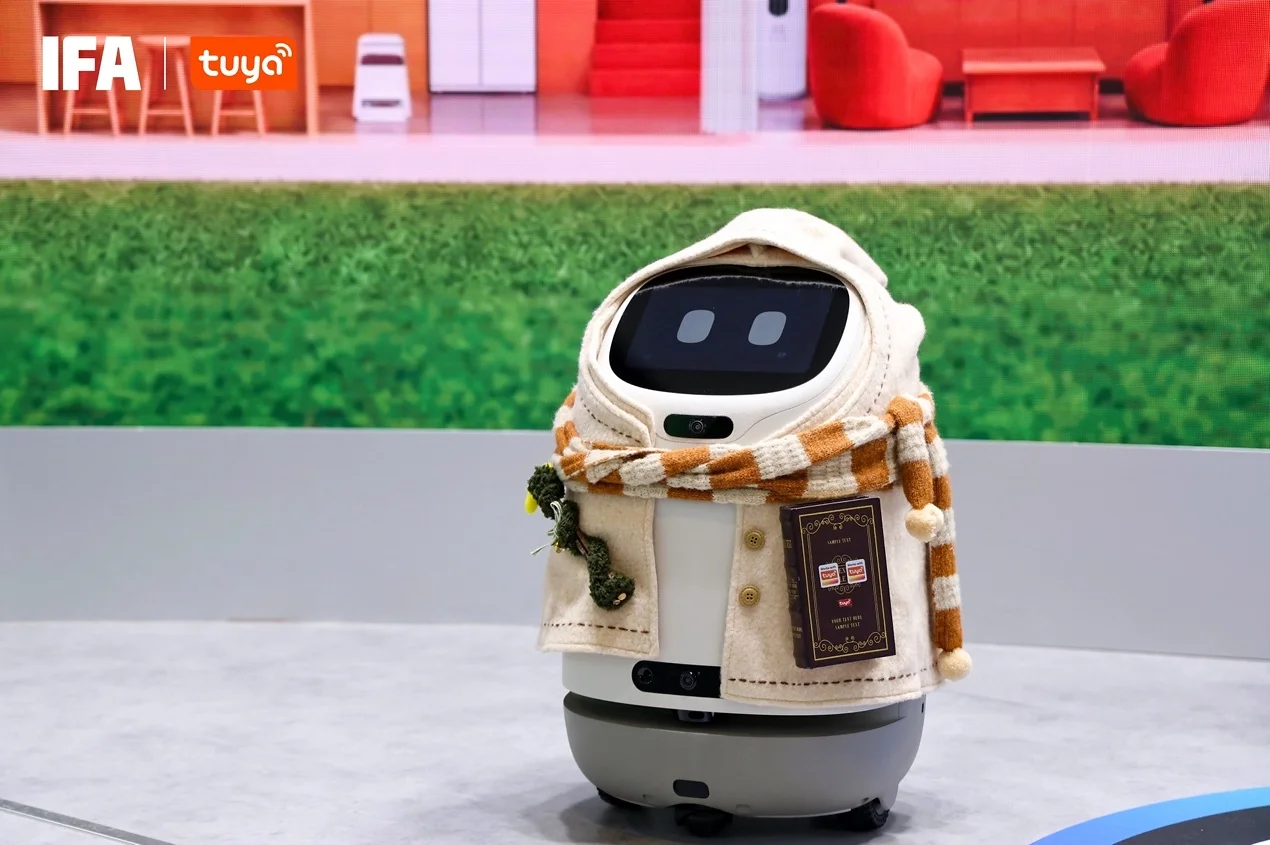
Tuya Introduces Doova: An AI Companion Robot for Elder Care and Smart Homes
At IFA 2026 in Berlin, Tuya Smart unveiled Doova, an autonomous companion robot designed to meet the elder care needs of seniors living independently. This innovative robot integrates proactive fall detection with conversational intelligence and is seamlessly connected to Tuya's smart home ecosystem. Unlike traditional humanoid robots, Doova features a user-friendly wheeled design for effective domestic navigation. The introduction of Doova signifies a strategic shift in consumer robotics, focusing on specialized autonomy to address critical ambient-care challenges that general-purpose humanoids cannot economically or practically solve. For seniors, falls pose significant risks, often exacerbated by delays in alerting caregivers or emergency services. Doova's advanced multi-sensor array and autonomous navigation capabilities aim to mitigate these dangers by providing timely assistance and emergency responses. Looking ahead, Tuya plans to enhance Doova's functionalities with software updates that will include features like autonomous object retrieval. As a mobile command hub for Tuya's AIoT ecosystem, Doova allows users to control various smart home devices through natural voice commands, making daily interactions more intuitive and less transactional. No further timeline was disclosed at the time of publication.
China Tuya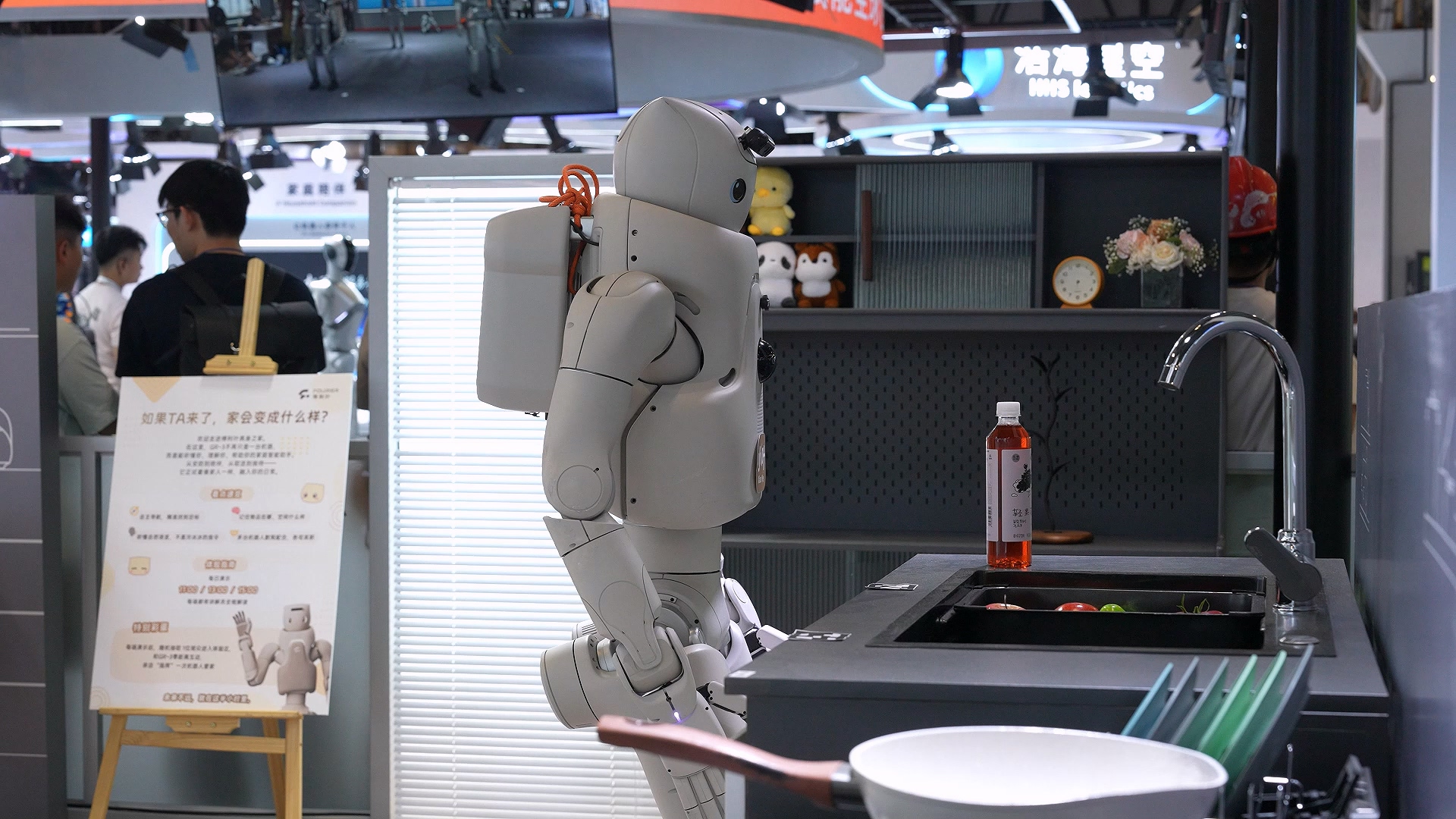
Fourier Showcases Home Robot Technology at WAIC with GR-3 and GRW Innovations
On July 17, 2026, the World Artificial Intelligence Conference (WAIC) commenced in Shanghai, where Fourier demonstrated a complete home scenario featuring the GR-3 humanoid robot. The robot performed tasks such as item retrieval, delivery, and security inspections, responding to natural language commands from the audience. This demonstration sparked discussions about the application paths for health and wellness robots, highlighting the complexity of validating technology in home environments. The significance of this demonstration lies in its challenge to traditional service robots, which typically operate on a point-to-point navigation model. By testing technology in the unstructured home environment, Fourier aims to address the limitations of existing robots that struggle with ambiguous commands and complex task sequences. The ability to understand user intent and adapt to dynamic situations is crucial for the advancement of embodied intelligence in robotics. Looking ahead, the focus will be on how Fourier's technology can transition from home applications to broader commercial scenarios, particularly in healthcare settings. The success of the GR-3 and the newly introduced GRW robot will be pivotal in determining the future of intelligent robots in everyday life. No further timeline was disclosed at the time of publication.
Health Robots Natural Language Processing Home Automation Robotic Technology
Noin Intelligence Raises $70 Million for Advancements in Home Robotics Technology
Noin Intelligence, a company specializing in consumer-grade embodied intelligence, has successfully completed a funding round of 500 million RMB (approximately $70 million). This funding was led by Matrix Partners with participation from Red Dot Ventures, SenseTime, Huaden Technology, and L2F Light Source Entrepreneur Fund. Since its establishment in August 2025, Noin has rapidly completed four funding rounds, highlighting the strong investor interest in its home robotics solutions. The significance of this funding lies in Noin's ambition to address the core challenges of embodied intelligence. As large models transition from the digital to the physical world, the competition will focus on a robot's ability to adapt across various environments and tasks. Noin's approach emphasizes the importance of generalization, which encompasses data, world understanding, task planning, action execution, and real feedback, particularly in the complex home environment. Looking ahead, Noin's GLOW generative embodied model system aims to enhance the robot's generalization capabilities. The system generates first-person embodied data with 3D structure and physical consistency from limited real interactions. This innovative approach allows for the expansion of training distributions, enabling robots to learn from diverse real-world scenarios. No further timeline was disclosed at the time of publication.
Consumer Robotics Embodied AI Home Automation Generative Models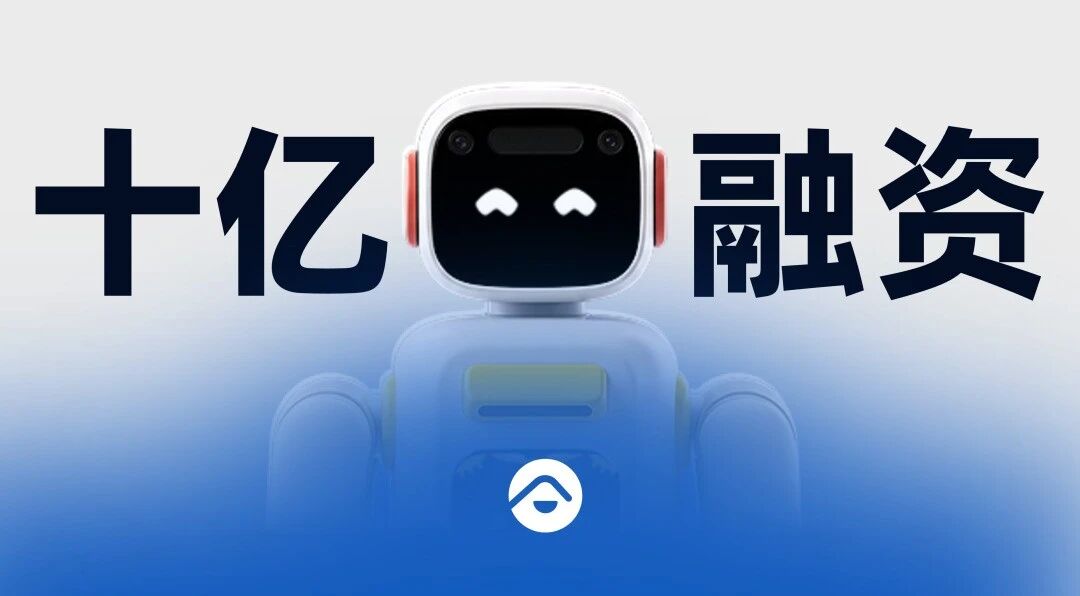
Futuring Robot Raises Nearly $150 Million in Pre-A Funding for Home Robotics Innovation
On July 22, Futuring Robot announced it has secured nearly 1 billion yuan (approximately $150 million) in Pre-A funding. This investment round included nearly ten institutions such as Boyu Capital and Guofang Venture Capital, with all existing shareholders participating. This marks the third financing event for the company in six months, following a 200 million yuan angel round in January and another multi-million round in March, setting a record in home robotics funding. The significance of this funding lies in Futuring Robot's ability to transition from concept to reality, successfully deploying general-purpose robots in over 500 households and accumulating thousands of hours of service. The company has developed a proprietary end-to-end visual action model and a self-evolving world action model, enabling its robots to adapt to complex home environments. The second-generation product, F2, features advanced hardware with high degrees of freedom and precision control, allowing it to handle delicate tasks. Looking ahead, the funding will primarily support the development of the third-generation robot brain, cost reduction in core components, and market channel expansion. As the supply chain matures, general-purpose home robots are expected to shift from niche products to mainstream consumer items, potentially transforming household chores in the next decade.
Home Robotics Consumer Electronics AI Technology Automation Robotics
Stardust AI Launches Lumo-2: Innovative Robot Action Model for Home Automation
On July 15, Stardust AI introduced its second-generation embodied base model, Lumo-2, which is the industry's first household latent world-action model. This launch includes the physical AI symbiotic agent, Agent Philia, enhancing their full-stack architecture of AI models, embodied operating systems, and rope-driven entities. The company will showcase its 'trinity' multi-scenario implementation solutions at the World Artificial Intelligence Conference in Shanghai from July 17 to 20. Lumo-2 autonomously performs 22 complex household tasks, demonstrating industry-leading capabilities in task range and complexity. This model addresses the challenges faced by robots in open environments, such as the inability to explain actions and the high costs of training complex skills. By predicting future scenarios before generating actions, Lumo-2 aims to overcome these bottlenecks and improve the practical execution of robotic tasks. Looking ahead, Stardust AI plans to enhance the scalability of Lumo-2 by expanding training data diversity and exploring efficient data engineering paradigms. The team is also focused on advancing real-world interactive learning to enable robots to adapt and evolve autonomously in dynamic environments. No further timeline was disclosed at the time of publication.
Household Robotics Physical AI AI Models Robotic Automation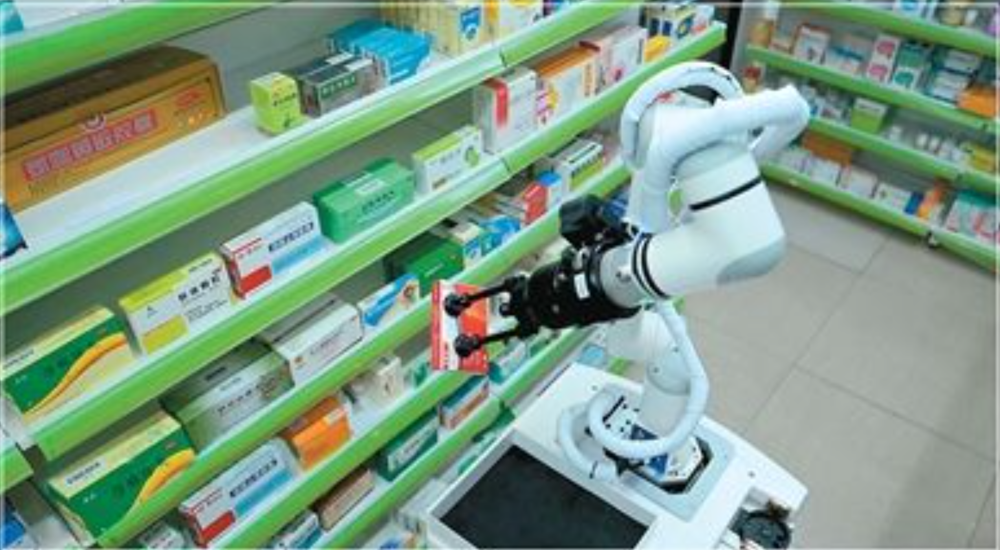
Lu Ce Wu Advances Embodied Intelligence at Qiongche Intelligent in China
Lu Ce Wu, a scientist from Chaoshan, has made significant strides in the field of embodied intelligence, establishing Qiongche Intelligent in 2023. This venture aims to enhance robotic capabilities, with a focus on real-world applications. In 2025, Qiongche's robots will be deployed in a pharmacy in Shenyang, demonstrating autonomous navigation and product recognition without altering existing systems. The significance of Lu's work lies in his commitment to embodied intelligence, a concept he believes should extend beyond digital confines to interact with the physical world. His journey began in 2012 when he recognized the potential of AI after witnessing AlexNet's success. Despite initial challenges in promoting embodied intelligence in China, Lu's persistence has led to recognition, including the Science Exploration Award in 2023, making him the first recipient in this field. Looking ahead, Lu plans to further develop Qiongche Intelligent's capabilities and has established the first AI doctoral program in China. He emphasizes the importance of strategic planning and talent cultivation to prepare for the future of embodied intelligence. No further timeline was disclosed at the time of publication.
Embodied Intelligence Robotics Artificial Intelligence Technology Innovation
Starmind's Orbital Compute vs. Terrestrial Data Centers: Analyzing Resource Advantages
Starmind's orbital compute technology presents a significant advantage over traditional ground-based data centers by eliminating constraints related to land, water, and grid permitting. While terrestrial data centers are currently cheaper and faster to construct, with U.S. data center spending reaching $85.3 billion in 2026, Starmind's approach focuses on addressing the growing resource limitations faced by hyperscale facilities. The significance of Starmind's technology lies in its ability to sidestep the increasing challenges of land and water usage. For instance, a 100 MW data center can consume approximately 530,000 gallons of water daily for cooling, while Starmind's AI1 utilizes deployable liquid radiators that require no water. This structural advantage could resonate with investors as the demand for AI computing continues to escalate, potentially leading to annual water withdrawals of up to 1.7 trillion gallons by 2027. Looking ahead, Starmind's next milestones include the launch of AI1 prototypes scheduled for early 2027. However, the technology's claims regarding cooling efficiency and operational reliability remain unverified until real flight data is available. As the industry evolves, the competition between orbital and terrestrial solutions will become increasingly relevant, particularly in the context of resource management and sustainability.

SpaceX's $1.75 Trillion Valuation Driven by Starmind's Future Potential
Starmind is a pivotal element in SpaceX's estimated $1.75 trillion IPO valuation, despite currently generating no confirmed revenue. The stock price reflects optimistic projections regarding AI infrastructure growth, which Starmind has yet to substantiate. As of early July 2026, SpaceX's stock has decreased from its 52-week high of $225.64 to around $150, indicating market skepticism about future execution. The significance of Starmind lies in its potential to transform SpaceX's revenue model beyond traditional launch services. Goldman Sachs has shifted its focus from Starlink subscriber growth to the prospects of AI revenue, including orbital computing, as a cornerstone of SpaceX's long-term valuation. This marks a substantial change in how analysts view the company's growth trajectory, necessitating rates exceeding its historical 33% growth. Looking ahead, the credibility of Starmind as a growth narrative will be crucial for maintaining investor confidence. Analysts have noted a considerable divergence in price targets, reflecting uncertainty about the value of the Starmind and xAI initiatives. No further timeline was disclosed at the time of publication regarding specific milestones for these projects.
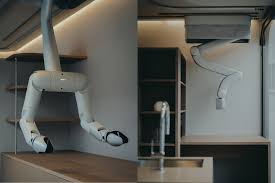
Tokyo's MW Develops Ceiling-Mounted Robotic Arms for Home Automation Instead of Humanoids
Tokyo-based MW is innovating in home automation by integrating robotic arms into residential ceilings, diverging from the trend of humanoid robots. The company aims to debut its MW bot by 2028 and produce 10,000 robotic homes annually by 2035, potentially capturing 5% of Japan's new housing market. This approach addresses the challenges of compact Japanese homes, where traditional bipedal robots struggle with space and safety. MW's ceiling-mounted robotic arms are designed to handle everyday tasks like sorting groceries and folding laundry, as demonstrated in a recent showcase in Tokyo's Toyosu waterfront area. MW's business model is unique, controlling the entire process from land acquisition to AI development. With 3 billion yen in seed funding and plans for international expansion by 2029, the company is focused on high-end real estate, with the success of its technology dependent on reducing costs for broader market adoption. No further timeline was disclosed at the time of publication.
Home Automation Robotic Arms Smart Homes AI Technology
1X Technologies Launches Advanced Robotic Hands for NEO Humanoid with New CFO
1X Technologies has unveiled its next-generation robotic hands designed for the NEO humanoid platform, focusing on fine manipulation tasks. This innovation aims to tackle challenges such as picking up small objects and performing delicate actions, which have historically been difficult for robots. The hands feature a sophisticated 24-to-25 degree-of-freedom architecture, allowing for precision and strength in domestic environments. The introduction of these robotic hands is significant as it marks a shift in the robotics industry from basic locomotion to complex manipulation capabilities. 1X's approach utilizes a closed-loop, tendon-driven system, which enhances the hands' performance while maintaining compactness and safety. The hands are designed to handle various tasks, from carrying heavy items to sorting delicate objects, while ensuring user safety through mechanical compliance. Looking ahead, 1X Technologies is poised to make a substantial impact in the home robotics market with these advancements. The hands are equipped with high-resolution tactile sensing to improve interaction with objects, further enhancing their utility. No further timeline was disclosed at the time of publication.
1X Technologies US hand hands
SpaceX's Starship V3 Plans for 1 Million Starmind Satellites by 2030
SpaceX's Starship V3 is set to revolutionize satellite deployment, aiming to launch 1 million Starmind satellites by 2030. The spacecraft can carry over 100 tonnes to low Earth orbit (LEO), significantly more than the Falcon 9's capacity. As of May 2026, Starship has completed 12 flights, with the next mission scheduled for late July 2026, focusing on operational payloads including AI1 prototypes in early 2027. This ambitious plan is crucial for expanding orbital compute capacity, targeting an annual addition of 100 GW through a million tonnes of satellite hardware. SpaceX's strategy hinges on achieving a launch cadence of approximately 12,000 flights, equating to about three launches per day. The company has invested over $15 billion in the Starship program, with expectations to begin payload deliveries in the second half of 2026, starting with Starlink V3 satellites. Looking ahead, the successful deployment of the Starmind constellation will depend on Starship's ability to meet its cost targets of $10–20 million per flight. If achieved, this would make launching satellites more economical than building ground data centers. The next significant milestone will be the launch of AI1 prototypes in early 2027, with full-scale deployments commencing in 2028 from the new Gigasat factory in Texas.

SpaceX's Starmind Targets AI Labs with $6.3 Billion Compute Contracts
SpaceX's Starmind is designed to provide wholesale AI compute services to businesses, particularly AI labs and cloud customers, rather than individual consumers. The service operates similarly to AWS, where users benefit from applications running on Starmind without direct subscriptions. The compute capacity of a single AI1 satellite is comparable to one NVIDIA GB300 rack, emphasizing its enterprise-grade capabilities. The significance of Starmind lies in its positioning as a potential fourth hyperscaler, joining the ranks of AWS, Microsoft Azure, and Google Cloud. The Reflection AI contract, valued at $150 million per month, exemplifies the enterprise-focused model, with total payments potentially reaching $6.3 billion through 2029. This contract highlights the growing demand for AI compute resources, particularly from AI-native startups and labs. Looking ahead, the focus will remain on securing additional enterprise contracts as Starmind expands its offerings. No consumer-facing products or subscriptions have been announced, and the current strategy is to cater to businesses with substantial AI workloads. No further timeline was disclosed at the time of publication.

SpaceX IPO Provides Indirect Investment Opportunity in Starmind Project
Starmind does not have a standalone stock or ticker; investors can gain exposure through SpaceX (ticker: SPCX), which began trading on Nasdaq after its IPO on June 12, 2026. Starmind is integrated within SpaceX, contributing to the company's AI and space initiatives, and its performance directly influences SPCX shares. The significance of Starmind lies in its role as a division of SpaceX, which encompasses other projects like Starlink and Starship. As of early July 2026, SPCX shares are trading between $149 and $150, significantly lower than their 52-week high of $225.64. The project’s milestones, such as AI1 prototype updates, can impact SpaceX's stock performance, making it essential for investors to monitor these developments closely. Looking ahead, the early 2027 launch of AI1 prototype satellites is a critical milestone that could provide verifiable data affecting Starmind's valuation and, consequently, SPCX stock. No further timeline was disclosed at the time of publication, but the upcoming events will be pivotal for investors tracking the relationship between Starmind and SpaceX's stock performance.

Tesla's Optimus Robots to Support Starmind Satellite Production, Not Maintenance
Tesla's Optimus robots will not be used to repair Starmind satellites in orbit, as confirmed by recent statements from Elon Musk. Instead, these robots are intended to assist in the construction and operation of the Terafab chip manufacturing facility in Texas. The AI1 satellites, designed to disintegrate upon reentry, highlight the company's swap-and-replace strategy rather than traditional maintenance practices. This approach is significant as it reflects a broader trend in satellite management, where mass-produced satellites are replaced rather than repaired. The economics of servicing missions are prohibitive, with the cost of launching a replacement satellite being significantly lower than conducting a repair mission. This model aligns with SpaceX's operational history, where rapid replacement of satellites is more efficient than attempting to maintain them in orbit. Looking ahead, the focus will remain on the production capabilities of the Gigasat factory, which is expected to support the continuous replacement of satellites. No further timeline was disclosed at the time of publication, but the demand for rapid satellite turnover suggests a robust future for Optimus robots in terrestrial manufacturing rather than in-space servicing.
SpaceX's Starmind Plans 1 Million AI Satellites Amid Collision Risks
SpaceX has announced its ambitious Starmind project, which aims to deploy 1 million AI satellites in orbits between 500 and 2,000 km. This initiative, confirmed by Elon Musk on June 23, 2026, follows a merger with xAI, valuing the combined entity at $1.25 trillion. The satellites will function as orbital data centers, processing AI workloads powered by solar arrays and linked by optical lasers. The significance of Starmind lies in its potential to add 100 gigawatts of AI compute capacity annually, contingent on the successful operation of the Starship launch system. However, the project raises concerns regarding space debris, as the current orbital environment is already congested, with a 20% increase in collision risk reported since 2024. The European Space Agency has highlighted that the density of debris in low Earth orbit is now comparable to that of active satellites, complicating the operational landscape for new entrants like Starmind. Looking ahead, the first operational orbital AI deployments are targeted for 2028, with test launches expected in early 2027. However, the project faces scrutiny regarding its impact on space debris, as even a 1% failure rate could significantly increase the number of uncontrollable objects in orbit, exacerbating existing risks. No further timeline was disclosed at the time of publication.

SpaceX's Starmind Project: Supplier Strategy and Chip Manufacturing Plans for 2026
SpaceX's Starmind project, aimed at deploying up to 1 million AI satellites, was filed with the FCC on January 30, 2026. The initiative is designed to minimize reliance on external suppliers, with CEO Elon Musk stating that current chip production capabilities only meet 2% of the projected needs. The first satellite, AI1, is set for prototype launches in early 2027, featuring a 70-meter wingspan and a modular payload system that allows for interchangeable chips from various suppliers. The significance of Starmind lies in its ambitious supply chain strategy, which seeks to transition from external hardware suppliers to a fully integrated Musk-owned facility by 2028. The Gigasat manufacturing site in Bastrop, Texas, is expected to be operational by the end of 2027, with plans for high-volume production of the D3 chip, specifically designed for space applications. This approach aims to consolidate chip manufacturing processes under the Terafab joint venture, which has an estimated initial investment of $55 billion. Looking ahead, the next milestone for Starmind is the launch of AI1 prototypes in early 2027, while the full-scale chip production at Terafab is projected to ramp up significantly thereafter. However, analysts express skepticism regarding the feasibility of achieving Musk's ambitious compute goals, which may require substantial investment and time to establish the necessary manufacturing capabilities.

Starmind's Satellite Technology Achieves 880 Billion Liters in Annual Water Savings
Starmind has announced that its satellite technology can save approximately 880 billion liters of cooling water annually at full scale. This figure is equivalent to the annual household water use of around 6.5 million Americans. The technology operates by utilizing a closed-loop liquid cooling system that eliminates the need for water during its operational life, contrasting sharply with traditional ground data centers that consume vast amounts of water for cooling. The significance of this achievement lies in the growing water consumption crisis faced by data centers, particularly as AI expansion drives demand. In 2025, U.S. data centers consumed nearly one trillion liters of water, highlighting the urgent need for sustainable solutions. Starmind's approach not only addresses direct water usage but also avoids indirect water consumption associated with electricity generation, marking a substantial shift in how computing can be conducted in a resource-efficient manner. Looking ahead, Starmind's deployment strategy includes a projected buildout of 100 GW of orbital compute per year, which could displace an additional 735 billion liters of ground water demand annually. The first tranche of 10,000 satellites is already operational, offsetting approximately 8.8 billion liters of water per year. No further timeline was disclosed at the time of publication.
SpaceX Proposes 1 Million AI Satellites to Address Ground Data Center Constraints
On January 30, 2026, SpaceX filed with the FCC to launch up to 1 million AI compute satellites, positioning orbital data centers as a solution to the increasing demand for AI computing power. Ground data centers are facing significant challenges, with energy consumption projected to reach approximately 1,050 TWh in 2026, making them the fifth-largest electricity consumer globally. The demand for new data center capacity is outpacing the growth of power generation infrastructure, leading to a critical bottleneck in the grid system. The significance of this initiative lies in the structural constraints faced by ground data centers, including power delivery limitations, high water consumption, and local opposition to new projects. The Uptime Institute's 2026 outlook identifies power as the primary constraint on data center growth, with capacity clearing prices in the PJM grid skyrocketing to $329.17/MW, driven by data center expansion. Additionally, cooling requirements are becoming increasingly unsustainable, with facilities consuming vast amounts of water, further complicating their operational viability. Looking ahead, SpaceX's orbital AI compute initiative aims to circumvent these challenges by leveraging the advantages of space, such as continuous solar power and minimal local opposition. The first AI prototypes are expected to launch in early 2027, with operational deployments planned for 2028. No further timeline was disclosed at the time of publication.
SpaceX's Starmind Faces Feasibility Challenges for 1 Million Satellite Deployment
On January 30, 2026, SpaceX submitted a request to the FCC to launch up to 1 million satellites as part of its Starmind orbital compute constellation. This ambitious plan is unprecedented, as the total number of satellites ever launched globally is in the low tens of thousands. The proposal seeks a waiver from standard deployment milestones, citing reliance on the Starship's full reusability for success. The significance of this request lies in the technical and logistical challenges it presents. Experts warn that low Earth orbit may not support the proposed number of active satellites without risking a debris cascade. SpaceX's own IPO prospectus acknowledges unresolved dependencies related to Starship's launch cadence and reusability, which are critical for the orbital AI compute strategy. Looking ahead, the timeline for achieving the necessary launch cadence and manufacturing capacity remains uncertain. SpaceX's Gigasat facility in Texas aims for volume production by late 2027, but this would require unprecedented output levels. No further timeline was disclosed at the time of publication, leaving the feasibility of the Starmind project in question.

SpaceX Unveils AI1 Satellite Specs for Starmind Constellation with Key Thermal Challenges
SpaceX has introduced the AI1 satellite, the inaugural component of its Starmind constellation, which stands 20 meters tall and has a wingspan of 70 meters. This orbital compute node is designed to deliver computing power equivalent to one NVIDIA GB300 server rack, utilizing a unique cooling system with deployable liquid radiators. The satellite's specifications were revealed during a presentation on June 8, 2026, ahead of SpaceX's IPO. The significance of the AI1 satellite lies in its role as a compute platform rather than a traditional satellite, focusing on running AI inference workloads. The satellite's cooling system, which is critical for its operation in the vacuum of space, is designed to reject heat through infrared radiation. However, independent engineers have raised concerns about the feasibility of the thermal and mass claims made by SpaceX, suggesting that the cooling requirements may exceed practical limits. Looking ahead, SpaceX plans to launch two AI1 prototypes in early 2027, with full-scale production expected to commence later that year at its Gigasat facility in Bastrop, Texas. The ongoing debate regarding the satellite's thermal management capabilities will be crucial to monitor as the project progresses, with no further timeline disclosed at the time of publication.
SpaceX Launches Starmind Project for 1 Million AI Satellites by 2028
SpaceX has officially named its orbital AI infrastructure project 'Starmind,' which aims to deploy a constellation of up to 1 million satellites. This initiative, confirmed by Elon Musk on June 22, 2026, will enable AI inference directly in space, utilizing solar energy rather than terrestrial power sources. The first satellite, designated AI1, was unveiled on June 8, 2026, and is designed to operate in sun-synchronous orbits. The significance of Starmind lies in its potential to overcome the limitations faced by ground-based data centers, such as land, power, and water constraints. By running AI computations in orbit, Starmind can provide a more efficient solution to the growing demand for AI computing power. The project leverages the existing Starlink infrastructure for data transmission, distinguishing its function from Starlink's internet relay capabilities. Looking ahead, SpaceX plans to begin hardware deployment with the AI1 satellite, while full-scale production and deployment of the satellite constellation are targeted for 2028. As of now, no Starmind satellites have been launched, and further engineering challenges remain to be addressed, particularly regarding the scalability of the satellite design.
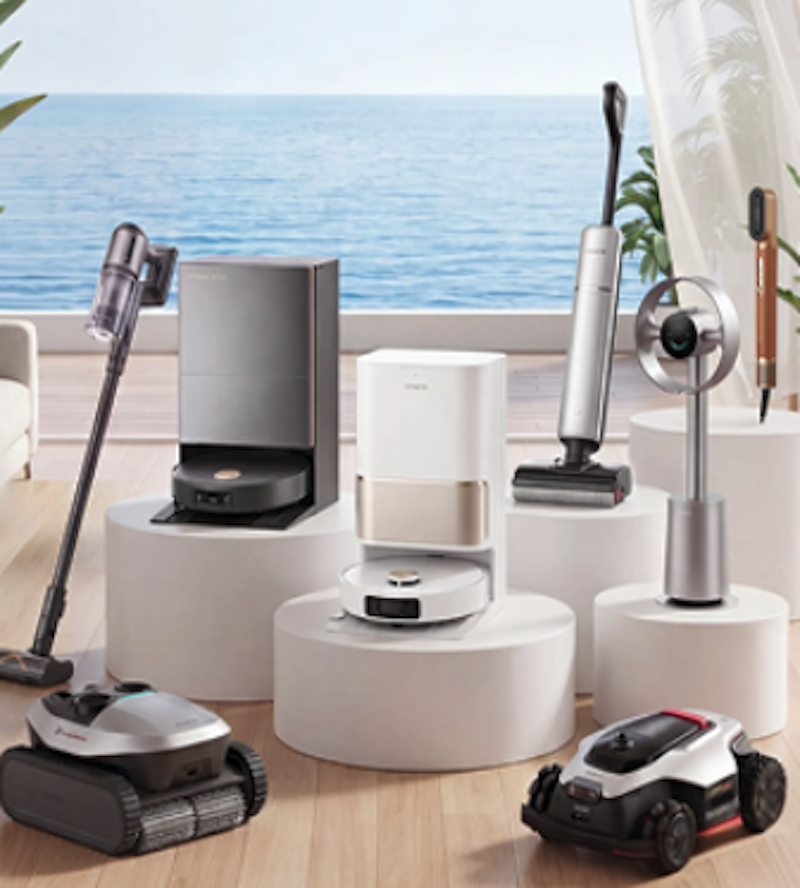
How to Choose a Robot Vacuum and Mop That Actually Fits Your Home
In the evolving landscape of home cleaning technology, combination robots that vacuum and mop have transitioned from novelty items to essential household tools. However, the market is saturated with options, making it challenging for consumers to discern which models truly deliver on their promises. As two machines priced similarly can yield vastly different performances in actual home environments, potential buyers must navigate a plethora of marketing claims that often emphasize specifications not necessarily relevant to effective cleaning on various floor types. This complexity highlights the need for informed decision-making when selecting a cleaning robot that best suits individual home needs.
Cleaning robots best robot vacuum and mop floor cleaning hardwood floor cleaning home automation home technology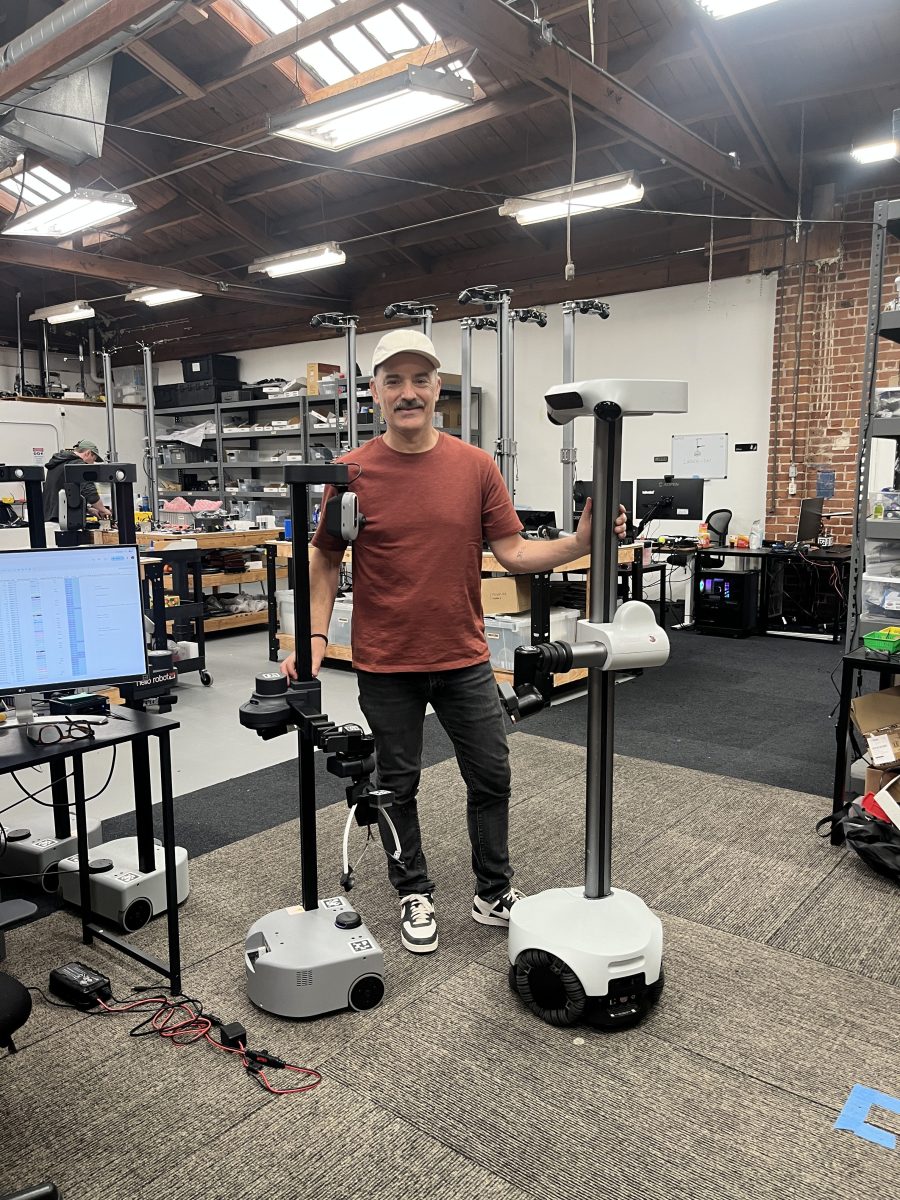
Is Silicon Valley ready to put robots in people’s homes? Hello Robot is.
A California-based startup has unveiled the fourth generation of its home assistance robot, Stretch. This latest model was introduced to the public in October 2023, showcasing advancements in technology aimed at enhancing household efficiency. The robot is designed to assist with various tasks around the home, reflecting the company's commitment to improving daily living through innovative automation solutions. The launch event highlighted the robot's upgraded features, which include improved mobility and enhanced user interaction capabilities, making it a more effective tool for homeowners. The development of Stretch is part of a broader trend in the tech industry, where companies are increasingly focusing on smart home devices to meet the growing demand for convenience and support in everyday life.
AI Robotics Startups Exclusive hello robot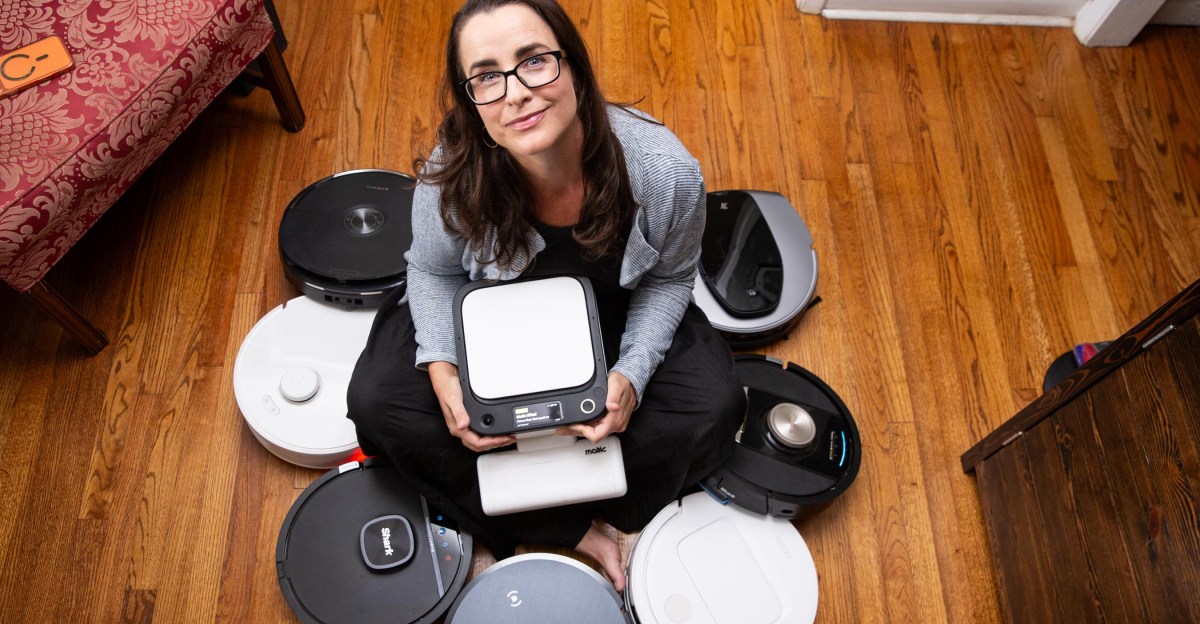
These are the robot vacuum-mops I recommend for every type of home
The decision to incorporate a robot vacuum-mop into one’s home is increasingly common, as these autonomous cleaning devices promise to simplify household chores. While their ability to navigate and clean floors can be seen as a significant advantage, users often face challenges, including potential damage to personal items such as rugs and electronics. Instances of these machines running over delicate objects or leaving behind messes, like smearing food on carpets, have raised concerns about their reliability and effectiveness. Despite these drawbacks, many homeowners find that the convenience of automated cleaning may outweigh the occasional mishaps, leading to a growing acceptance of these technologies in daily life. As the market for smart home devices expands, consumers are weighing the pros and cons of integrating such innovations into their routines.
Buying Guides Gadgets Robot Smart Home Tech Verge Shopping
Would You Let Tesla Optimus Into Your Home? Privacy & Surveillance Study (2026)
A recent survey reveals that 55% of respondents are opposed to the idea of having a robot in their bedroom, highlighting a significant hesitance towards the integration of robotics in personal spaces. The study, which examined acceptance levels of robots in various household settings, found that concerns about privacy and surveillance play a crucial role in shaping public opinion. Conducted in October 2023, the research compared the acceptance of household robots like Roomba vacuums to more intimate robotic companions, indicating that while some automation is welcomed, the idea of a robot in the bedroom raises alarm for many. The findings suggest that to change minds, manufacturers may need to address these privacy concerns directly and demonstrate how such technology can enhance rather than invade personal spaces. As the conversation around robotics continues to evolve, understanding public sentiment is essential for developers aiming to create products that align with consumer comfort levels. The study underscores the need for transparency and education about the capabilities and limitations of robots in intimate environments.
CES 2026: world’s first wheel-legged robot vacuum designed to tackle stairs and multi-level homes
At CES 2026, Roborock introduced the G-Rover, a groundbreaking concept device that is being hailed as the world's first wheel-legged robot vacuum capable of navigating stairs and multi-level homes. This innovative prototype features a unique dual wheel-leg architecture, allowing each leg to lift independently and adjust its height for optimal maneuverability. Enhanced by advanced AI algorithms and 3D spatial perception technology, the G-Rover is designed to efficiently clean various surfaces and adapt to complex environments. The unveiling of this device highlights Roborock's commitment to pushing the boundaries of home automation and robotics, aiming to provide consumers with a versatile cleaning solution for modern living spaces.
News Feed CES 2026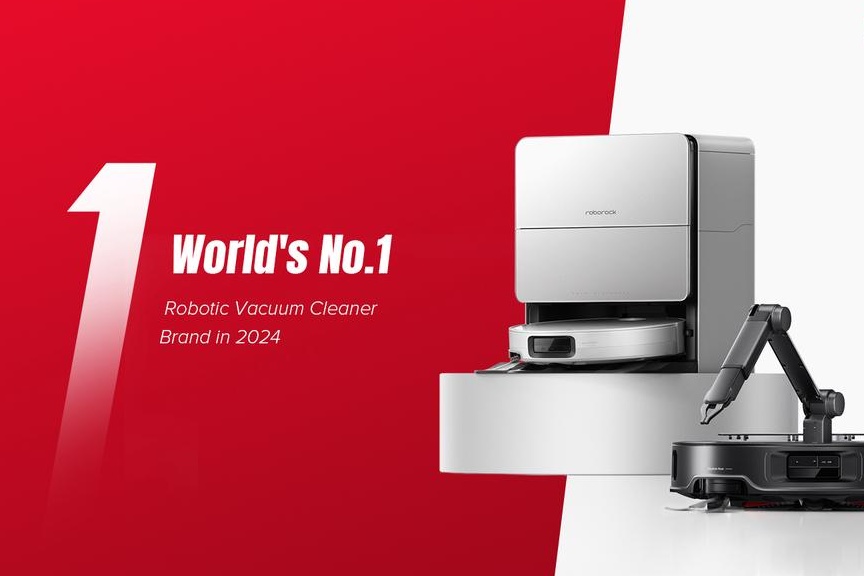
Roborock Becomes No.1 in Smart Home Vacuum Market Share Globally, According to IDC
Roborock has been recognized as the leading brand in the global smart home vacuum market, according to a recent report by IDC. This achievement underscores the company's expanding influence and commitment to innovation within the smart home technology sector. The report reflects Roborock's strategic advancements and the increasing demand for smart cleaning solutions, positioning the brand at the forefront of the industry as of October 2023.
Smart Home Vacuum Technology Market Share Roborock IDC
For a better life | Intelligent manufacturing makes the Spring Festival homecoming greener!
As the Spring Festival approaches, a significant wave of homecoming travel has commenced across the country. Many families are preparing to reunite, with new energy trams becoming a popular mode of transportation for this festive journey. The trams, gliding smoothly under the warm sun, symbolize a shift towards greener travel options, reflecting a commitment to sustainability. This surge in travel is driven by the cultural importance of the Spring Festival, which encourages families to gather and celebrate together. With the increasing availability and efficiency of these eco-friendly trams, travelers are embracing this modern means of transport to connect with loved ones during this cherished holiday season.
ESTUN AUTOMATION ROBOTICS SERVO SYSTEMSRobotics needs a service framework.
RSF defines a common language for robot service capability, lifecycle operations, certification pathways, and service-provider networks.
Join the RobotToday community on LinkedIn
Daily robotics news, in-depth analysis, conference highlights, and discussions with professionals worldwide.







