Industry Briefing
A single destination for timely, editor-curated robotics news from around the world.
Introversion Software Launches 'The Last Starship' 1.0 for PC on February 6, 2026
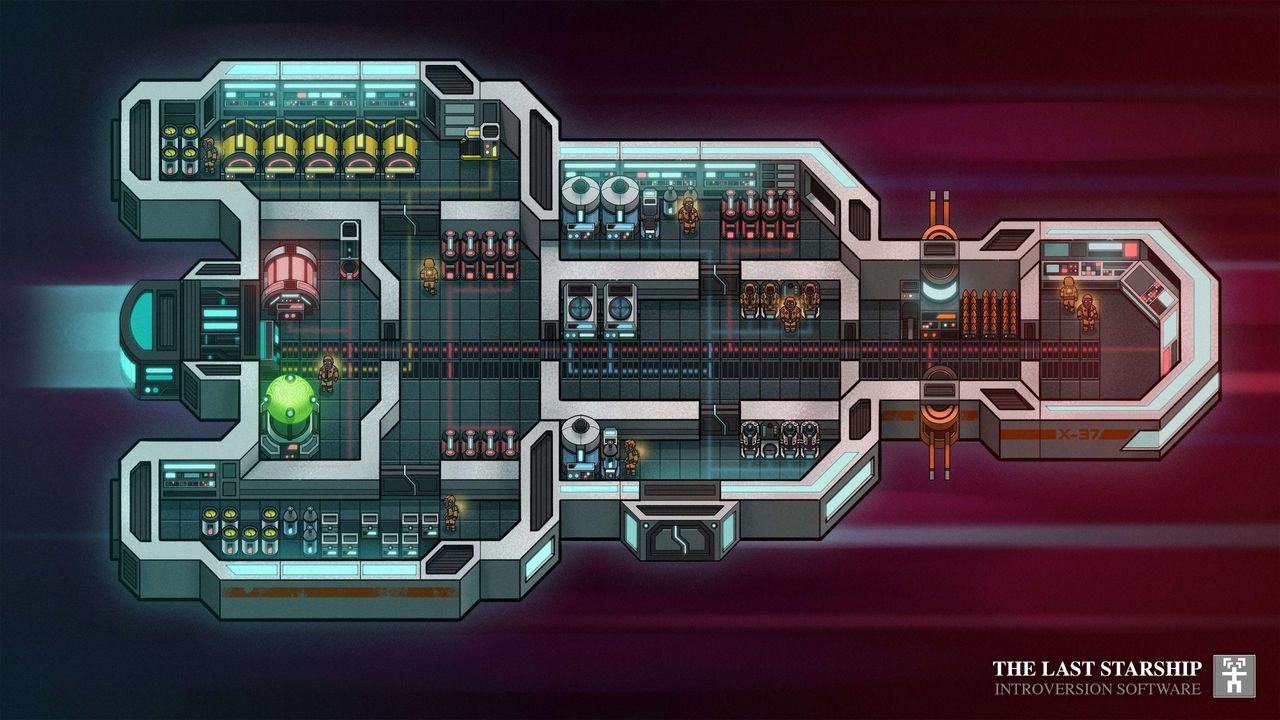
Introversion Software released 'The Last Starship' 1.0 for PC on February 6, 2026, after nearly three years in early access. This 2D space construction and simulation game allows players to design, build, and upgrade their own starships while managing an interstellar shipping and trading conglomerate. The game emphasizes strategic planning and resource management in the vastness of space, offering players a chance to explore colorful solar systems, discover rare resources, and engage in various missions. Players can choose different paths, from becoming a pirate hunter to running a mining operation, highlighting the game's flexibility and depth. As players navigate the galaxy, they experience a sense of pride in their accomplishments and the operational success of their starship. The game’s engaging mechanics and immersive environment make it a noteworthy title for space game enthusiasts. No further timeline was disclosed at the time of publication.
Space Games Entertainment
TARS Secures $455 Million in Record Pre-A Funding for Embodied AI in China
TARS has successfully raised $455 million in a Pre-A funding round, marking a significant milestone as it sets a record for the largest single-round financing in China's embodied AI sector. This funding, which is approximately RMB 3.3 billion, highlights the growing interest and investment in advanced AI technologies within the region. The significance of this funding round lies in its potential to accelerate TARS's development and deployment of embodied AI solutions, which are increasingly becoming vital in various applications. As the demand for intelligent automation and robotics continues to rise, TARS's record-setting financing positions the company to lead in this competitive landscape. Looking ahead, industry observers will be keen to see how TARS utilizes this substantial investment to innovate and expand its offerings in the embodied AI market. No further timeline was disclosed at the time of publication.
Industry
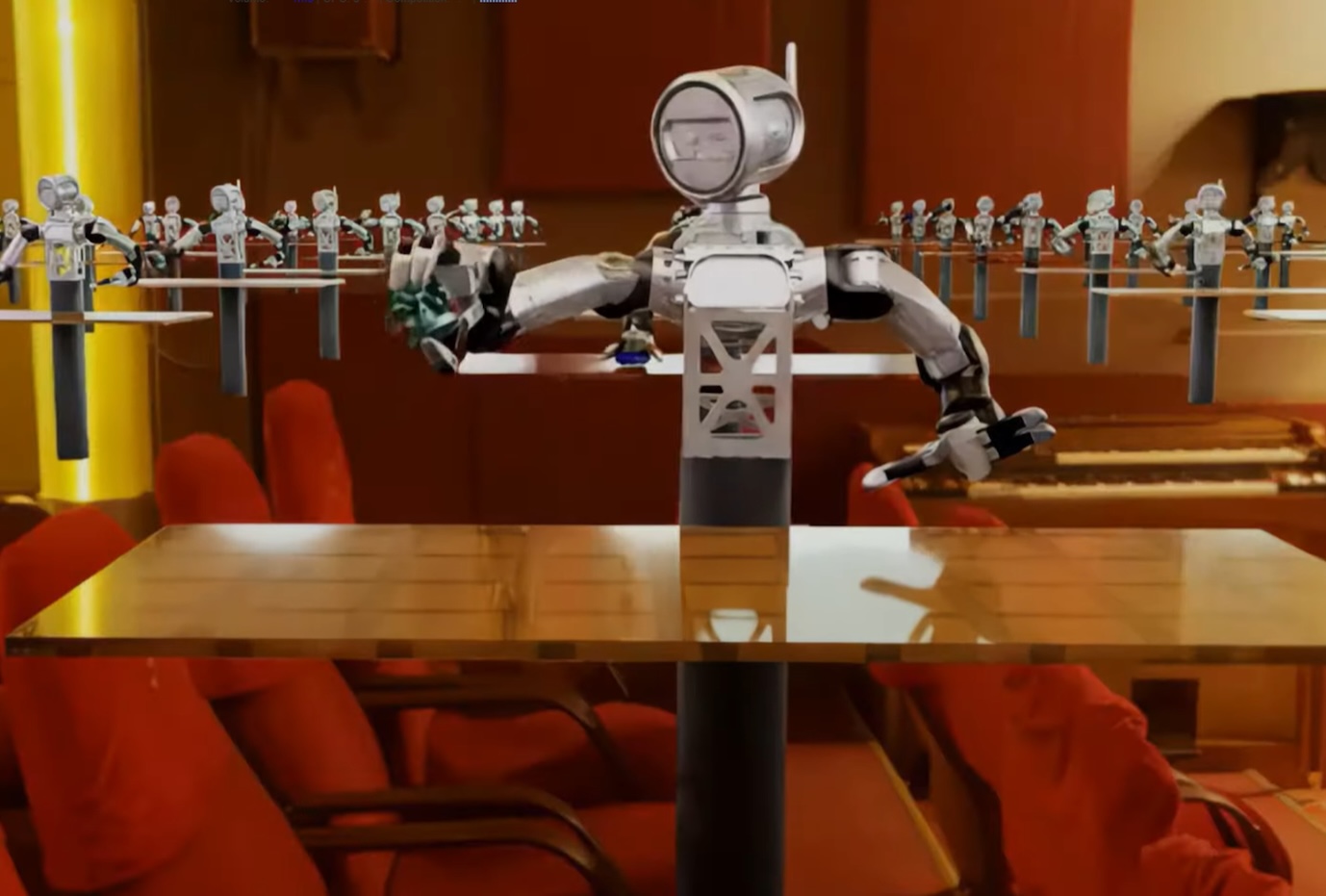
Galaxy Corporation Envisions Robot Idols as Future K-pop Superstars
Galaxy Corporation is pioneering the integration of physical AI into South Korea's entertainment sector, aiming to create the next generation of K-pop idols. This innovative approach could redefine celebrity culture and fan engagement in the music industry. The significance of this development lies in the potential for robot idols to attract a new audience and reshape the dynamics of K-pop fandom. By leveraging advanced AI technologies, Galaxy Corporation is positioning itself at the forefront of a transformative trend within the entertainment landscape. As the industry evolves, observers should monitor Galaxy Corporation's progress and the public's reception of robot idols. The success of this initiative could influence future investments and innovations in the entertainment sector. No further timeline was disclosed at the time of publication.

SpaceX's Starship Successfully Lands at Sea After 13th Launch with New Videos
SpaceX's Starship completed its 13th launch on July 24, successfully landing its upper stage in the ocean. The flight achieved significant milestones, including deploying 20 next-gen Starlink satellites and reigniting a Raptor engine in space before a soft splashdown off Western Australia. This successful landing is crucial for SpaceX as it aims to develop a rapidly reusable system for various missions, including astronaut moon landings. The upper stage, measuring 171 feet, showcased impressive maneuvers during its descent, aided by Starlink satellites that provided real-time video footage. Looking ahead, SpaceX must address challenges related to the Starship heatshield and meet specific goals before participating in the Artemis III mission next year, which may involve lunar landings during Artemis IV. No further timeline was disclosed at the time of publication.
Launches & Spacecraft Space Exploration
SpaceX's Starship V3 Plans for 1 Million Starmind Satellites by 2030
SpaceX's Starship V3 is set to revolutionize satellite deployment, aiming to launch 1 million Starmind satellites by 2030. The spacecraft can carry over 100 tonnes to low Earth orbit (LEO), significantly more than the Falcon 9's capacity. As of May 2026, Starship has completed 12 flights, with the next mission scheduled for late July 2026, focusing on operational payloads including AI1 prototypes in early 2027. This ambitious plan is crucial for expanding orbital compute capacity, targeting an annual addition of 100 GW through a million tonnes of satellite hardware. SpaceX's strategy hinges on achieving a launch cadence of approximately 12,000 flights, equating to about three launches per day. The company has invested over $15 billion in the Starship program, with expectations to begin payload deliveries in the second half of 2026, starting with Starlink V3 satellites. Looking ahead, the successful deployment of the Starmind constellation will depend on Starship's ability to meet its cost targets of $10–20 million per flight. If achieved, this would make launching satellites more economical than building ground data centers. The next significant milestone will be the launch of AI1 prototypes in early 2027, with full-scale deployments commencing in 2028 from the new Gigasat factory in Texas.
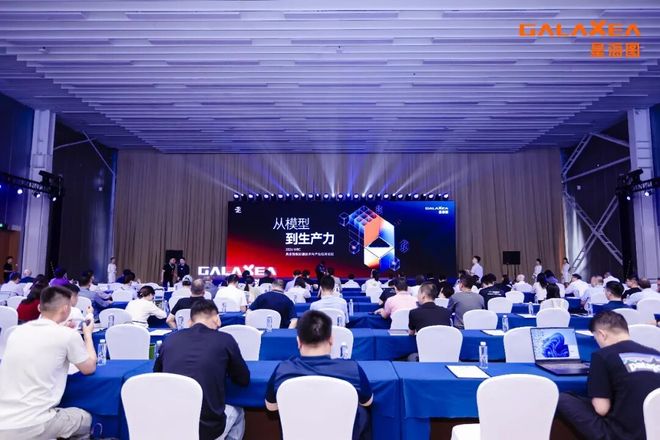
StarSeaTech Advances Embodied Intelligence at World Robotics Conference 2026
During the 2026 World Robotics Conference, StarSeaTech hosted a forum titled 'From Models to Productivity' at the Beiren Yichuang Exhibition Center. The event gathered experts from academia, developers, and corporate executives to discuss innovations in embodied intelligence models, machine evolution, commercialization, and technological boundaries, showcasing the latest thoughts on technology iteration and industrial application. StarSeaTech's Chief Scientist Zhao Xing highlighted the evolution of embodied intelligence technology through instinctive, operational, and evolutionary intelligence levels. The industry is transitioning from isolated technological breakthroughs to systemic competition involving models, data, entities, infrastructure, and applications. StarSeaTech has established a comprehensive productivity flywheel for embodied intelligence, focusing on real machine data, model iteration, and physical task execution supported by infrastructure for continuous optimization. Key announcements included the upgrade of the G0.5 foundational model, the introduction of the Fast-WAM world model pre-training plan, and the launch of the G-Fleet distributed reinforcement learning system. These developments aim to enhance model capabilities, speed up inference times, and support continuous learning in real robot clusters. No further timeline was disclosed at the time of publication.
Embodied Intelligence Robotics AI Technology Model Innovation Industrial Automation
Hubble Space Telescope Captures Stunning Image of Chandelier Cluster
The Hubble Space Telescope has captured a breathtaking image of the Chandelier Cluster, also known as NGC 6723, located 27,000 light-years away in the Milky Way galaxy. This globular star cluster is renowned for containing some of the oldest stars in the galaxy, with many being over 10 billion years old. The significance of the Chandelier Cluster lies in its composition of ancient stars, making it a vital subject for astronomers studying the early universe. Globular clusters like this one are massive, often containing tens of thousands to millions of stars, and are easier to spot than smaller clusters due to their brightness and density. For amateur astronomers and skywatchers, the Chandelier Cluster can be observed with binoculars or telescopes, nestled in the constellation Sagittarius. Discovered in 1826 by British astronomer James Dunlop, this cluster continues to be a point of interest for those exploring the night sky. No further timeline was disclosed at the time of publication.
Astronomy
AVITA Launches AVITA OS for Harmonizing Avatars and Robots with Humans
AVITA Inc. has announced the launch of 'AVITA OS', a software platform designed to integrate AI and control technologies for avatars and robots to work harmoniously and safely with humans. This announcement was made on August 19, 2026. The significance of AVITA OS lies in its ability to support the social implementation of robots, expanding from previous applications in customer service and training using CG avatars. The platform aims to enhance the intelligence and physical control of robots, ensuring they can operate safely in real-world environments like stores and factories. Looking ahead, AVITA plans to continue developing AVITA OS and its functionalities, focusing on deploying it across various robots, including humanoids. The company is also collaborating with robotics firms such as Unitree and Booster Robotics to further this initiative. No further timeline was disclosed at the time of publication.
Harvard Art Museums Team Evaluates AI-Generated Avatars for Visitor Engagement
The Harvard Art Museums team explored the potential benefits and drawbacks of utilizing AI-generated avatars to attract new visitors. This initiative aims to enhance visitor engagement by providing a more interactive experience with art. The significance of this approach lies in its ability to bridge the gap between technology and art, potentially transforming how museums connect with audiences. By leveraging AI, the team hopes to create a more personalized and immersive experience that resonates with a diverse range of visitors. Looking ahead, it will be important to monitor the effectiveness of AI-generated avatars in increasing visitor numbers and engagement levels. No further timeline was disclosed at the time of publication.
391808 391807 391606 391480 391616 391772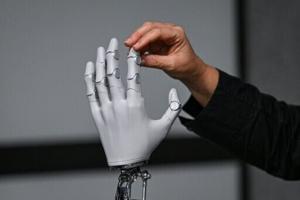
SpaceX's Starmind Plans 1 Million AI Satellites Amid Collision Risks
SpaceX has announced its ambitious Starmind project, which aims to deploy 1 million AI satellites in orbits between 500 and 2,000 km. This initiative, confirmed by Elon Musk on June 23, 2026, follows a merger with xAI, valuing the combined entity at $1.25 trillion. The satellites will function as orbital data centers, processing AI workloads powered by solar arrays and linked by optical lasers. The significance of Starmind lies in its potential to add 100 gigawatts of AI compute capacity annually, contingent on the successful operation of the Starship launch system. However, the project raises concerns regarding space debris, as the current orbital environment is already congested, with a 20% increase in collision risk reported since 2024. The European Space Agency has highlighted that the density of debris in low Earth orbit is now comparable to that of active satellites, complicating the operational landscape for new entrants like Starmind. Looking ahead, the first operational orbital AI deployments are targeted for 2028, with test launches expected in early 2027. However, the project faces scrutiny regarding its impact on space debris, as even a 1% failure rate could significantly increase the number of uncontrollable objects in orbit, exacerbating existing risks. No further timeline was disclosed at the time of publication.

SpaceX's $1.75 Trillion Valuation Driven by Starmind's Future Potential
Starmind is a pivotal element in SpaceX's estimated $1.75 trillion IPO valuation, despite currently generating no confirmed revenue. The stock price reflects optimistic projections regarding AI infrastructure growth, which Starmind has yet to substantiate. As of early July 2026, SpaceX's stock has decreased from its 52-week high of $225.64 to around $150, indicating market skepticism about future execution. The significance of Starmind lies in its potential to transform SpaceX's revenue model beyond traditional launch services. Goldman Sachs has shifted its focus from Starlink subscriber growth to the prospects of AI revenue, including orbital computing, as a cornerstone of SpaceX's long-term valuation. This marks a substantial change in how analysts view the company's growth trajectory, necessitating rates exceeding its historical 33% growth. Looking ahead, the credibility of Starmind as a growth narrative will be crucial for maintaining investor confidence. Analysts have noted a considerable divergence in price targets, reflecting uncertainty about the value of the Starmind and xAI initiatives. No further timeline was disclosed at the time of publication regarding specific milestones for these projects.

Tesla's Optimus Robots to Support Starmind Satellite Production, Not Maintenance
Tesla's Optimus robots will not be used to repair Starmind satellites in orbit, as confirmed by recent statements from Elon Musk. Instead, these robots are intended to assist in the construction and operation of the Terafab chip manufacturing facility in Texas. The AI1 satellites, designed to disintegrate upon reentry, highlight the company's swap-and-replace strategy rather than traditional maintenance practices. This approach is significant as it reflects a broader trend in satellite management, where mass-produced satellites are replaced rather than repaired. The economics of servicing missions are prohibitive, with the cost of launching a replacement satellite being significantly lower than conducting a repair mission. This model aligns with SpaceX's operational history, where rapid replacement of satellites is more efficient than attempting to maintain them in orbit. Looking ahead, the focus will remain on the production capabilities of the Gigasat factory, which is expected to support the continuous replacement of satellites. No further timeline was disclosed at the time of publication, but the demand for rapid satellite turnover suggests a robust future for Optimus robots in terrestrial manufacturing rather than in-space servicing.
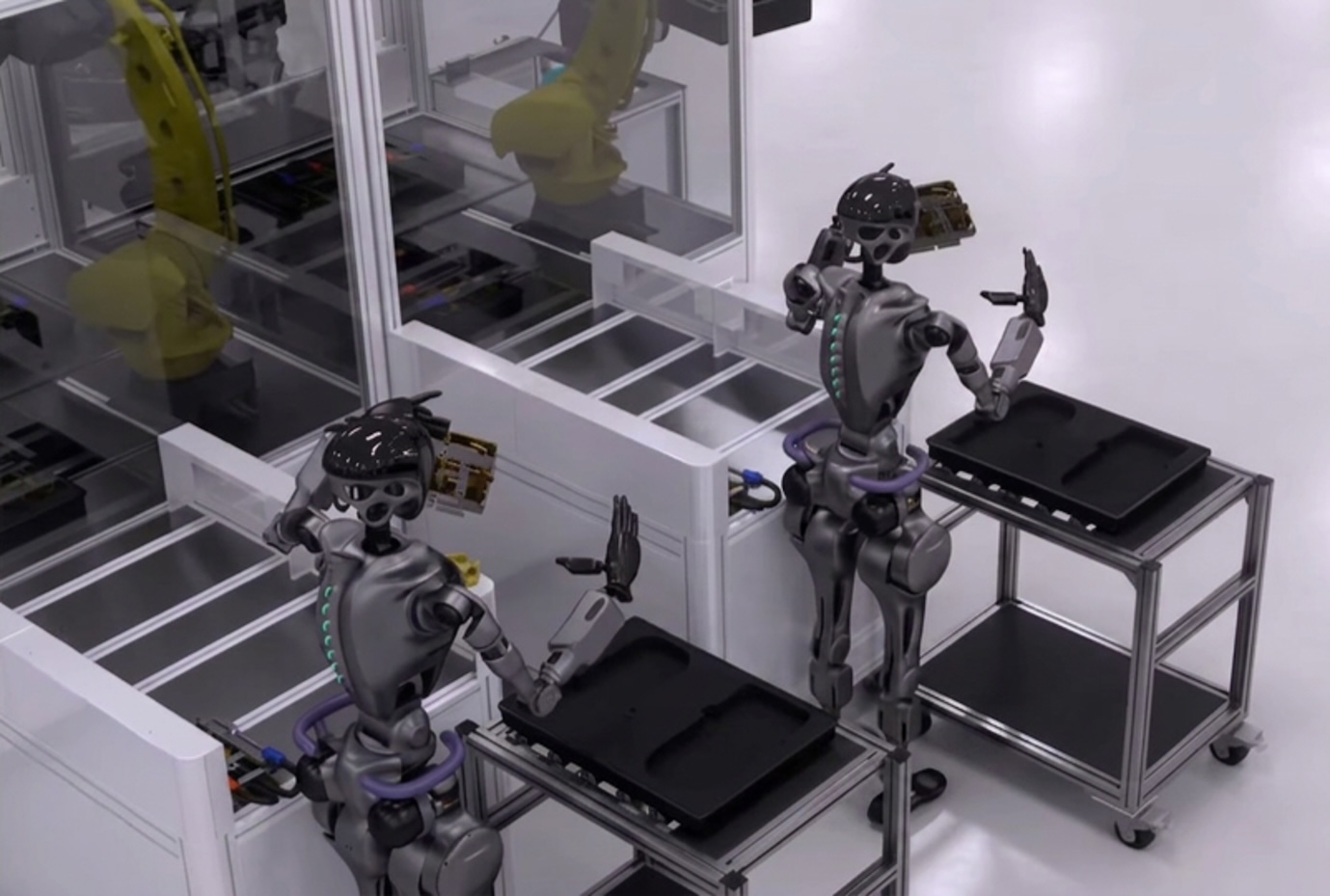
SpaceX Proposes 1 Million AI Satellites to Address Ground Data Center Constraints
On January 30, 2026, SpaceX filed with the FCC to launch up to 1 million AI compute satellites, positioning orbital data centers as a solution to the increasing demand for AI computing power. Ground data centers are facing significant challenges, with energy consumption projected to reach approximately 1,050 TWh in 2026, making them the fifth-largest electricity consumer globally. The demand for new data center capacity is outpacing the growth of power generation infrastructure, leading to a critical bottleneck in the grid system. The significance of this initiative lies in the structural constraints faced by ground data centers, including power delivery limitations, high water consumption, and local opposition to new projects. The Uptime Institute's 2026 outlook identifies power as the primary constraint on data center growth, with capacity clearing prices in the PJM grid skyrocketing to $329.17/MW, driven by data center expansion. Additionally, cooling requirements are becoming increasingly unsustainable, with facilities consuming vast amounts of water, further complicating their operational viability. Looking ahead, SpaceX's orbital AI compute initiative aims to circumvent these challenges by leveraging the advantages of space, such as continuous solar power and minimal local opposition. The first AI prototypes are expected to launch in early 2027, with operational deployments planned for 2028. No further timeline was disclosed at the time of publication.
SpaceX's Starmind Faces Feasibility Challenges for 1 Million Satellite Deployment
On January 30, 2026, SpaceX submitted a request to the FCC to launch up to 1 million satellites as part of its Starmind orbital compute constellation. This ambitious plan is unprecedented, as the total number of satellites ever launched globally is in the low tens of thousands. The proposal seeks a waiver from standard deployment milestones, citing reliance on the Starship's full reusability for success. The significance of this request lies in the technical and logistical challenges it presents. Experts warn that low Earth orbit may not support the proposed number of active satellites without risking a debris cascade. SpaceX's own IPO prospectus acknowledges unresolved dependencies related to Starship's launch cadence and reusability, which are critical for the orbital AI compute strategy. Looking ahead, the timeline for achieving the necessary launch cadence and manufacturing capacity remains uncertain. SpaceX's Gigasat facility in Texas aims for volume production by late 2027, but this would require unprecedented output levels. No further timeline was disclosed at the time of publication, leaving the feasibility of the Starmind project in question.

SpaceX Unveils AI1 Satellite Specs for Starmind Constellation with Key Thermal Challenges
SpaceX has introduced the AI1 satellite, the inaugural component of its Starmind constellation, which stands 20 meters tall and has a wingspan of 70 meters. This orbital compute node is designed to deliver computing power equivalent to one NVIDIA GB300 server rack, utilizing a unique cooling system with deployable liquid radiators. The satellite's specifications were revealed during a presentation on June 8, 2026, ahead of SpaceX's IPO. The significance of the AI1 satellite lies in its role as a compute platform rather than a traditional satellite, focusing on running AI inference workloads. The satellite's cooling system, which is critical for its operation in the vacuum of space, is designed to reject heat through infrared radiation. However, independent engineers have raised concerns about the feasibility of the thermal and mass claims made by SpaceX, suggesting that the cooling requirements may exceed practical limits. Looking ahead, SpaceX plans to launch two AI1 prototypes in early 2027, with full-scale production expected to commence later that year at its Gigasat facility in Bastrop, Texas. The ongoing debate regarding the satellite's thermal management capabilities will be crucial to monitor as the project progresses, with no further timeline disclosed at the time of publication.

Millions of exploding stars could soon reveal dark energy's secrets
A groundbreaking AI-powered framework has the potential to revolutionize the measurement of the Universe's expansion, according to recent research. By meticulously analyzing images of Type Ia supernovae and modeling their surrounding environments with unprecedented detail, scientists can achieve cosmic distance estimates with near-spectroscopic accuracy. This innovative technique is particularly timely, as it is designed to handle the vast amounts of data anticipated from the forthcoming Vera C. Rubin Observatory. The advancement aims to enhance our understanding of dark energy, a critical component in the study of cosmology.
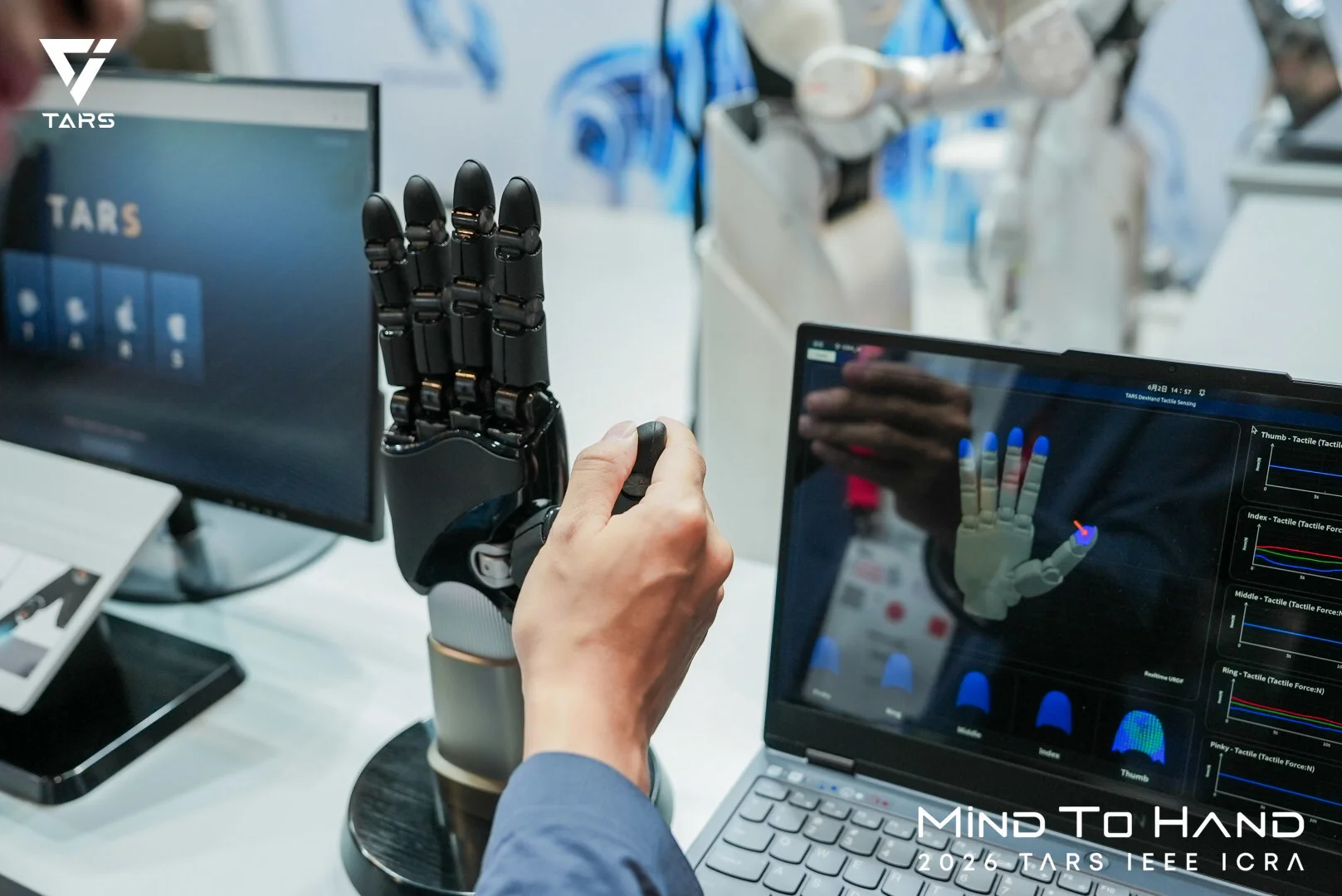
China’s TARS Debuts Humanoid Robotic ‘DexHand’
TARS, a Chinese humanoid robotics company, has unveiled its latest innovation, the DexHand robotic hand, during a demonstration at the ICRA 2026 conference held in Vienna last week. This advanced system aims to closely mimic the structure and movement of the human hand, showcasing its capabilities through real-time sign-language gestures and mirror-control interactions. The demonstration highlighted the platform's dexterity, emphasizing TARS's commitment to advancing human-robot interaction and enhancing the functionality of robotic systems.
AI AI Use Cases Robotics Uncategorized China DexHand
TARS brings real-life embodied AI to ICRA 2026 robotics conference
TARS made a significant impact at the IEEE International Conference on Robotics and Automation (ICRA 2026) with the international launch of its DexHand platform, which garnered considerable interest from both industry leaders and academics. The event took place during the conference, where Dr. Ding, TARS’ chief scientist and co-founder, delivered a keynote address in the plenary session. The demonstration of DexHand highlighted its ability to perform all 26 sign-language gestures of the English alphabet, showcasing the platform's innovative capabilities and potential applications in enhancing communication. This debut not only marks a milestone for TARS but also emphasizes the growing intersection of robotics and accessibility technology.
Artificial Intelligence Components automation news DexHand dexterous manipulation embodied ai
TARS Brings Real-Life Embodied AI to ICRA 2026 Robotics Conference
TARS has unveiled its latest innovation, the DexHand, which promises to revolutionize hand-brain integration. The launch took place in October 2023, showcasing the device's advanced capabilities in enhancing human-computer interaction. This cutting-edge technology is designed to interpret hand signals and translate them into digital commands, aiming to improve efficiency in various fields, including robotics and virtual reality. The motivation behind the development of DexHand stems from the growing need for seamless communication between humans and machines, particularly as industries increasingly rely on automation and smart technologies. By utilizing sophisticated sensors and machine learning algorithms, the DexHand interprets a wide range of hand gestures, allowing users to control devices with precision and ease. The introduction of this device marks a significant step forward in the field of human-computer interaction, potentially transforming how users engage with technology in everyday tasks and specialized applications. As TARS continues to push the boundaries of innovation, the DexHand stands out as a pivotal advancement in bridging the gap between human intention and machine response.

TARS DexHand Makes Global Debut at ICRA: Redefining Dexterous Operations with Mind-Hand Integration
At the ICRA conference held in Vienna, TARS DexHand was unveiled, showcasing an innovative 'mind-hand' integration system designed to mimic human hand movements with 21 degrees of freedom. This advanced technology enhances task execution by utilizing sophisticated data alignment and modeling capabilities. During the demonstration, the system performed real-time interactions and complex tasks, underscoring its significant potential for industrial applications and the advancement of embodied intelligence. The event highlighted the ongoing evolution in robotics and its implications for various sectors.
Dexterous Robotics Embodied Intelligence Robotics Automation AI Technology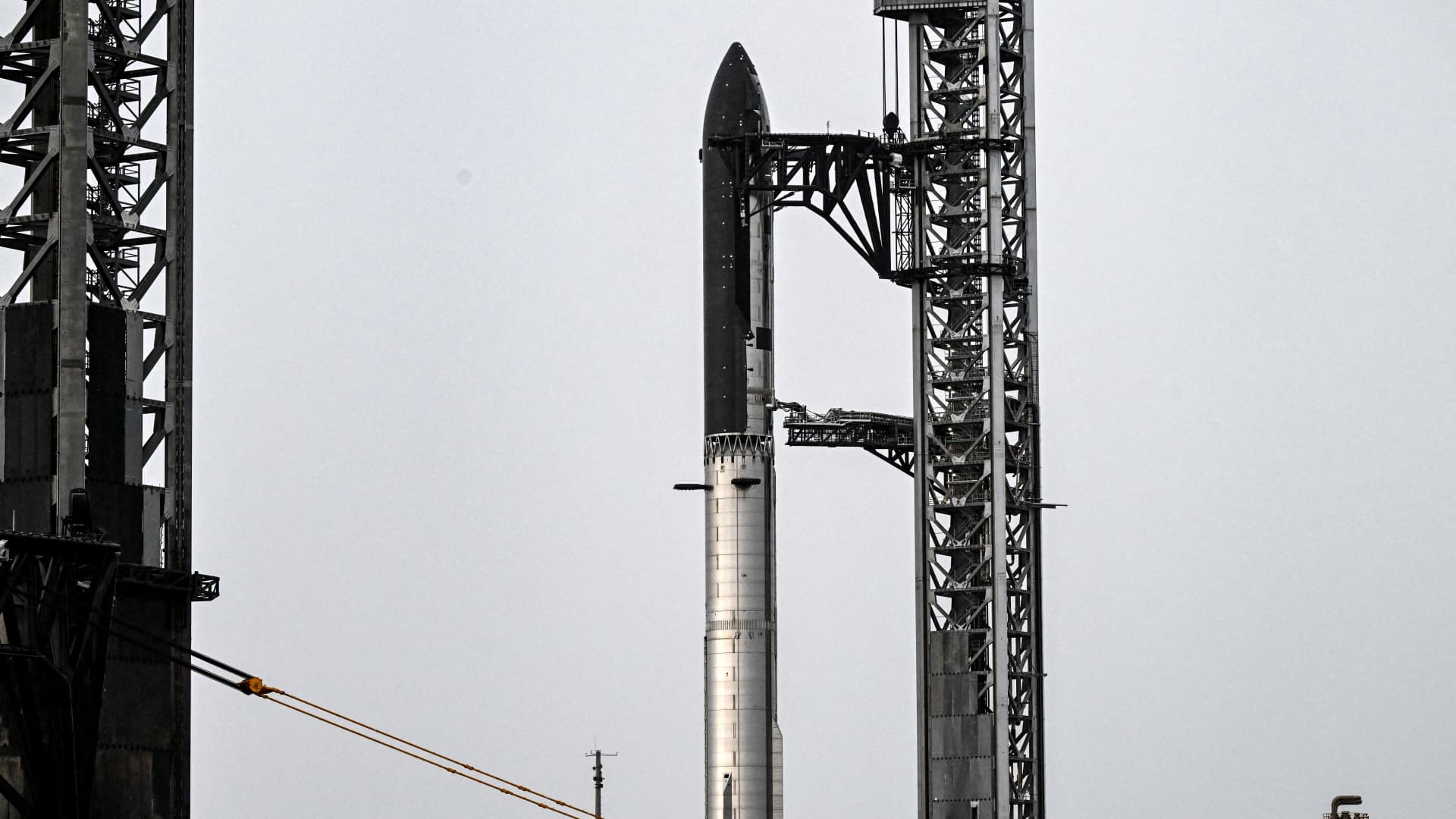
SpaceX scrubs test flight of massive Starship rocket, will retry Friday
SpaceX is making headlines with its recent attempt to launch the Starship, coinciding with the release of its initial public offering (IPO) prospectus. This strategic move is anticipated to pave the way for what could become a record-setting IPO. The launch, which took place in October 2023, underscores SpaceX's ambitions in the aerospace sector and its commitment to advancing space exploration. The timing of the launch aligns with the company's efforts to attract investors and generate interest in its forthcoming public offering, highlighting the dual focus on innovation and financial growth. As SpaceX continues to push the boundaries of space travel, this launch serves as a critical step in demonstrating the capabilities of its Starship program while simultaneously setting the stage for its financial future.

Embodied AI startup TARS completes $122 million angel+ funding round: report
On Tuesday, TARS, a Chinese startup specializing in embodied AI, announced it has successfully secured $122 million in an Angel+ funding round. The investment was primarily led by Meituan’s strategic investment arm, with participation from several co-investors including Junshan Capital, Bihong Investment, Guoqi Investment, Lingang Sci-Tech Venture Capital, SAIF Partners, and C&D Emerging Industry Investment. This funding round aims to bolster TARS's development and expansion in the rapidly growing AI sector, reflecting the increasing interest and investment in advanced robotics and AI technologies in China. The funding will enable TARS to enhance its research capabilities and accelerate the deployment of its innovative solutions in various industries.
News FeedRobotics needs a service framework.
RSF defines a common language for robot service capability, lifecycle operations, certification pathways, and service-provider networks.
Join the RobotToday community on LinkedIn
Daily robotics news, in-depth analysis, conference highlights, and discussions with professionals worldwide.