Industry Briefing
A single destination for timely, editor-curated robotics news from around the world.
Surge Robotics Established Following Majority Stake Acquisition in Idea8
Surge has officially launched Surge Robotics by acquiring a majority stake in Idea8, a product engineering firm. This strategic move allows Surge to expand into industrial automation and physical technology, integrating Idea8's expertise in IoT, edge computing, and sensor engineering with Surge's AI and cloud capabilities. The formation of Surge Robotics is significant as it aims to enhance factory operations through digital integration, focusing on predictive maintenance and real-time factory intelligence. Idea8's technology is already in use by notable companies such as Uniqlo, MAS, and Brandix, showcasing its practical applications in the manufacturing sector. Looking ahead, Surge has appointed Henry Wu and Sarath Sathkumara to its advisory board, indicating a commitment to expanding its smart-manufacturing initiatives into international markets. No further timeline was disclosed at the time of publication.
AI AI Funding & Investment Robotics acquisition Idea8 industrial automation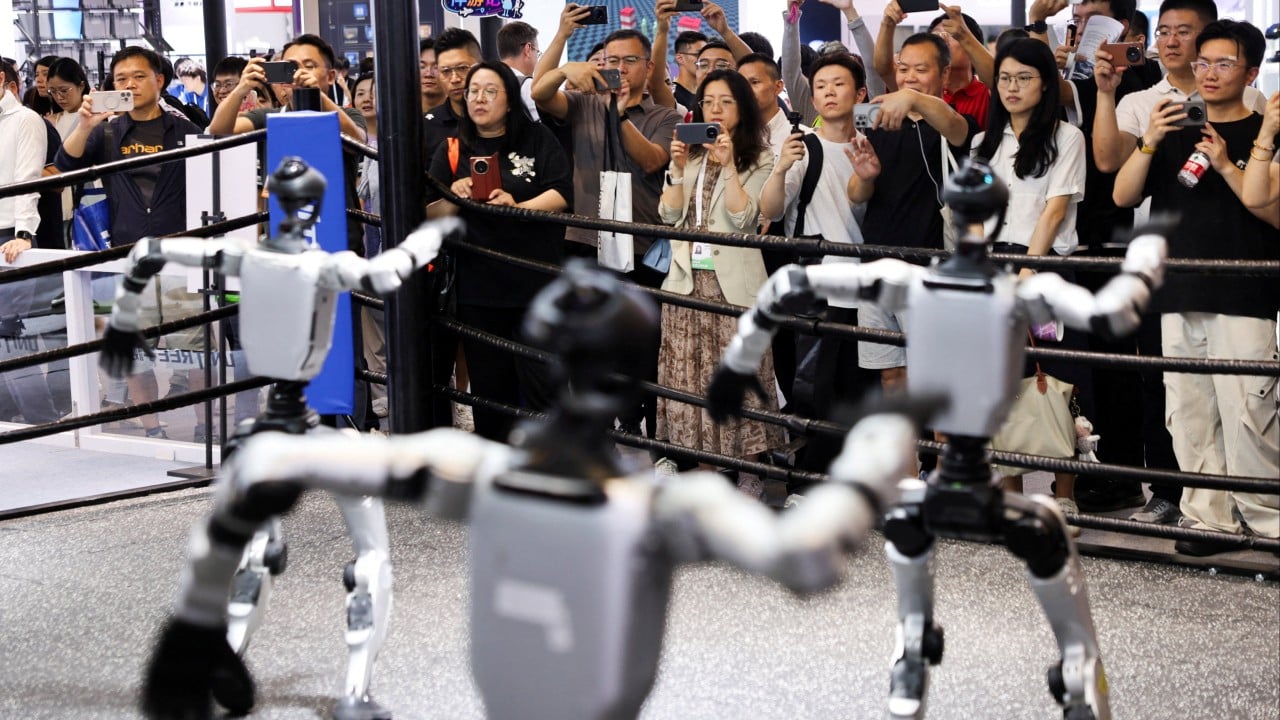
Unitree Robotics Achieves $66 Billion Valuation with 629% Surge in Shanghai IPO
Unitree Robotics experienced a remarkable 629% surge in its valuation, reaching $66 billion during its debut on the Shanghai stock exchange. The IPO attracted significant attention, with 9.8 million retail investment accounts vying for just 9.7 million shares, leading to a final allocation rate of only 0.018%. This listing marks a significant milestone as it is the first IPO of a humanoid robot manufacturer on a mainland exchange, coinciding with the World Robot Conference in Beijing. The event showcases the growing interest and investment in robotics, highlighting the potential for innovation and development in this sector. Investors and industry watchers should keep an eye on Unitree's stock performance following its initial surge, as the stock experienced a pullback, dropping below 900 yuan per share in early trading. No further timeline was disclosed at the time of publication.

Surge in North American Robotics Orders in Q2 Driven by Non-Automotive Sectors
In the second quarter of 2026, North American companies ordered 8,940 robots valued at $622 million, marking a 4.3% increase in order quantity and a 21.3% rise in order value compared to the same period in 2025. This shift indicates a significant structural change in the robotics market, moving away from a reliance on the automotive sector. The automotive industry, historically the backbone of the North American robotics market, saw a 25% decline in robot orders from vehicle manufacturers in the first half of 2026. In contrast, non-automotive sectors such as semiconductors, life sciences, and food are emerging as new growth drivers, with semiconductor orders increasing by 35% and life sciences by 32%. Notably, non-automotive clients accounted for 56% of all robot orders in Q2 2026. Collaborative robots played a crucial role, with 2,774 units ordered, valued at $114 million, and significant penetration in the life sciences and semiconductor sectors. No further timeline was disclosed at the time of publication.
Industrial Robotics Non-Automotive Growth Semiconductors Life Sciences Collaborative Robots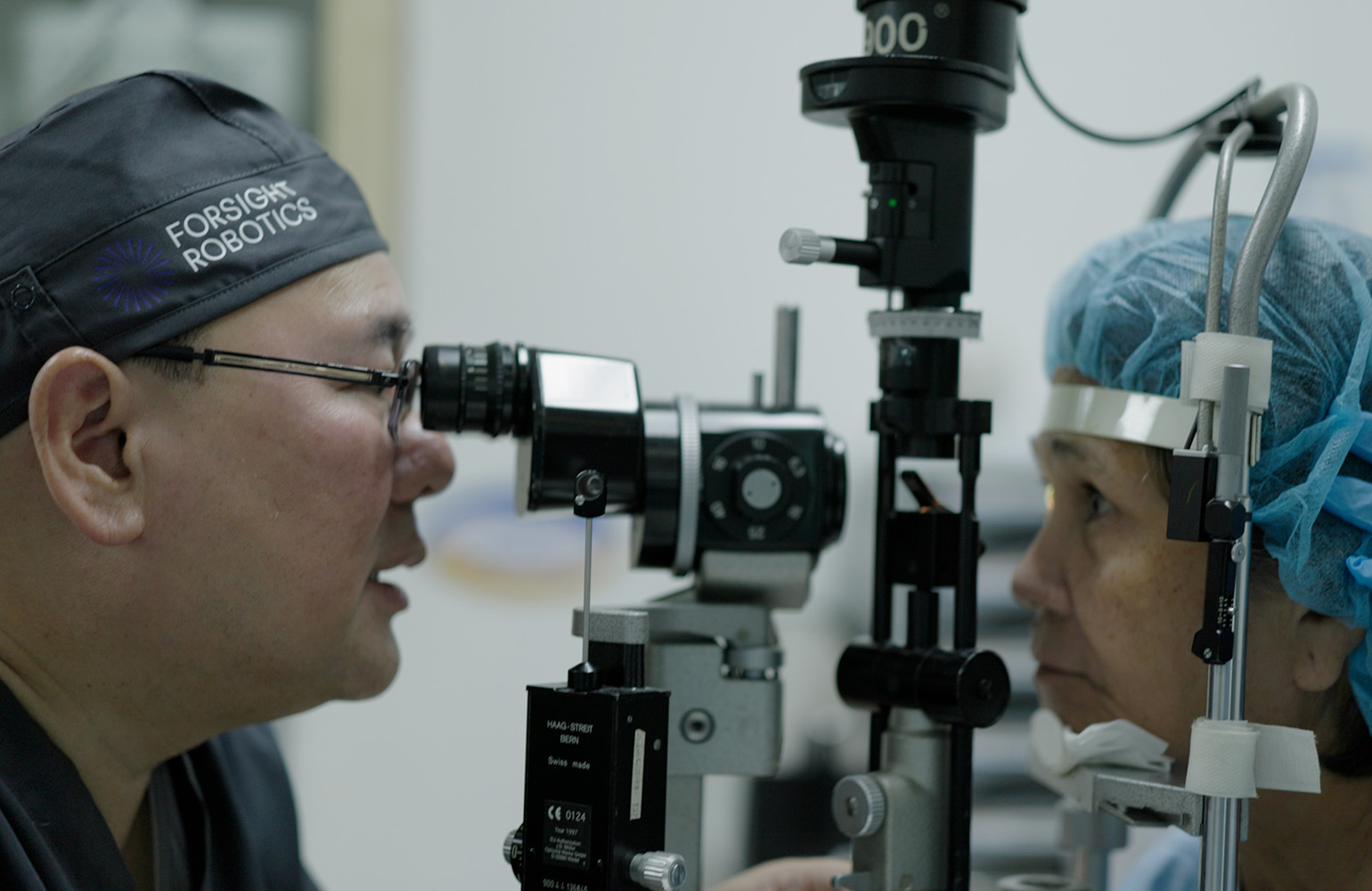
ForSight Robotics advances JASPER Platform for enhanced cataract surgery assistance
ForSight Robotics has developed the JASPER Platform, designed to assist surgeons during cataract surgeries. This platform maintains surgeon control while integrating robotic assistance, marking a significant step in surgical technology. The platform aims to improve precision and efficiency in procedures, although specific metrics on its performance have not been disclosed. The introduction of the JASPER Platform is significant as it represents a shift towards greater automation in ophthalmic surgeries. By providing robotic assistance, ForSight Robotics aims to enhance surgical outcomes and reduce the variability associated with manual techniques. This development could potentially lead to broader adoption of robotic systems in various surgical fields, as the demand for precision in medical procedures continues to grow. Looking ahead, ForSight Robotics is expected to further refine the JASPER Platform and explore its full robotic capabilities. No further timeline was disclosed at the time of publication, but industry watchers will be keen to see how this technology evolves and its impact on surgical practices in the near future.
Artificial Intelligence Artificial Intelligence / Cognition Design / Development Healthcare Robotics Markets / Industries News
China Achieves First AI-Guided Surgery for Congenital Heart Disease Using Intelligent Robotics
Recently, a medical team in China completed the world's first AI ultrasound robot-assisted interventional procedure for congenital heart disease. Conducted by the Cardiovascular Medicine Department of the Sixth Medical Center of the PLA General Hospital, this surgery marks a significant milestone in the clinical application of intelligent technology in healthcare. This breakthrough is crucial as it signifies the integration of artificial intelligence into one of the most critical aspects of surgical procedures: interpreting images, assessing positions, and aiding doctors in formulating operational plans. Traditionally, cardiovascular interventions heavily relied on physician experience, particularly in complex cases where accurate understanding of heart structure changes is essential. Looking ahead, the focus may shift from merely achieving higher precision with robotic arms to whether robots can comprehend medical images, analyze patient conditions, and adapt strategies in real-time. The integration of AI models, medical imaging, and robotic control systems will be vital for advancing surgical capabilities, especially in areas lacking experienced specialists.
AI in Healthcare Surgical Robotics Medical Imaging Cardiovascular Surgery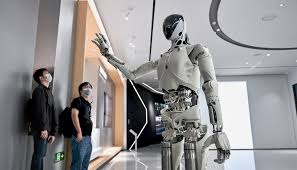
Harbin Engineering University Alumni Drive Significant Investment in Deep-Sea Robotics
In the summer and autumn of 2026, the deep-sea robotics sector experienced a surge in funding, with three major investments announced. Shihang Intelligent secured over 1 billion yuan in Series A funding, achieving a unicorn valuation; Deep-Sea Intelligence raised over 500 million yuan, backed by prominent investors including Guohua Venture Capital and others; and Gongzhi Ocean set a new record with nearly 100 million yuan in angel funding. These investments highlight the influence of alumni from Harbin Engineering University, with key figures such as Professor Guo Chunyu, who founded Gongzhi Ocean, and Ma Yiming, the founder of Deep-Sea Intelligence, both having strong ties to the university. Their companies are positioned to lead in various applications, including offshore oil and gas, underwater communication, and deep-sea mining, with Deep-Sea Intelligence already capturing a significant share of the domestic market. The deep-sea robotics industry is gaining momentum, with the Chinese government recognizing deep-sea technology as a strategic emerging industry. The global underwater service market is projected to reach 1.5 trillion yuan, growing at an annual rate of over 20%. As the industry transitions from research to commercialization, deep-sea robotics startups are poised for unprecedented opportunities.
Deep-Sea Robotics Marine Technology Investment Startups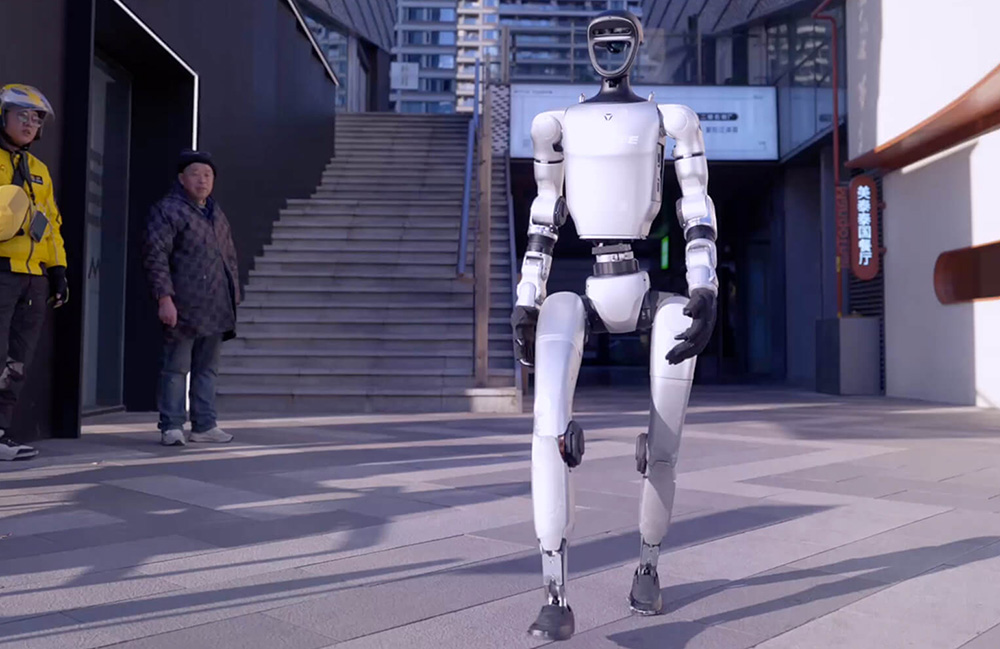
Unitree Robotics Achieves 460% IPO Surge, Impacting Humanoid Robot Market
Unitree Robotics made a significant entrance on Shanghai’s STAR Market, closing its first trading day with a remarkable 460% increase. The company raised approximately $905 million through its initial public offering, marking it as the first major legged robotics firm to go public. Founded in 2016, Unitree is renowned for its affordable quadruped and humanoid robots, which are predominantly utilized in research labs worldwide. The IPO represents a pivotal moment for Unitree, which has rapidly expanded its sales from five humanoid robots in 2023 to an impressive 5,215 projected for 2025. Despite this growth, approximately 70% of these sales are directed towards universities and research institutions, raising concerns about the robots' viability in industrial applications. Industry experts emphasize the need for Unitree to prove the operational durability of its robots in challenging environments to sustain its market position. Looking ahead, Unitree faces hurdles in the U.S. market due to recent FCC restrictions on imports of foreign-produced robots, including humanoids. This regulatory challenge could hinder the company's ability to sell future models in the U.S. Investors are now tasked with assessing whether Unitree can transition from one-off sales to a sustainable business model amidst these obstacles. No further timeline was disclosed at the time of publication.
Earnings Financial Humanoids Investments News Robots / Platforms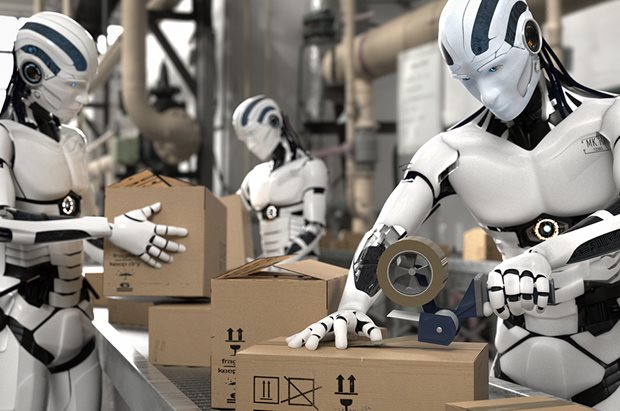
Unitree Robotics Experiences Significant Growth in Shanghai IPO Launch
Unitree Robotics saw its shares rise sharply during its trading debut in Shanghai, following a successful initial public offering that raised 6.1 billion yuan. This milestone marks Unitree as the first humanoid robot manufacturer to be publicly listed in mainland China. The significance of this event lies in Unitree Robotics becoming a pioneer in the humanoid robotics sector within the Chinese market. The successful IPO not only highlights investor confidence in the company's potential but also underscores the growing interest in robotics and automation technologies in the region. Looking ahead, it will be important to monitor how Unitree Robotics leverages this capital to expand its operations and product offerings. No further timeline was disclosed at the time of publication.
Unitree's Shares Surge Over Five-Fold in Landmark Shanghai Trading Debut
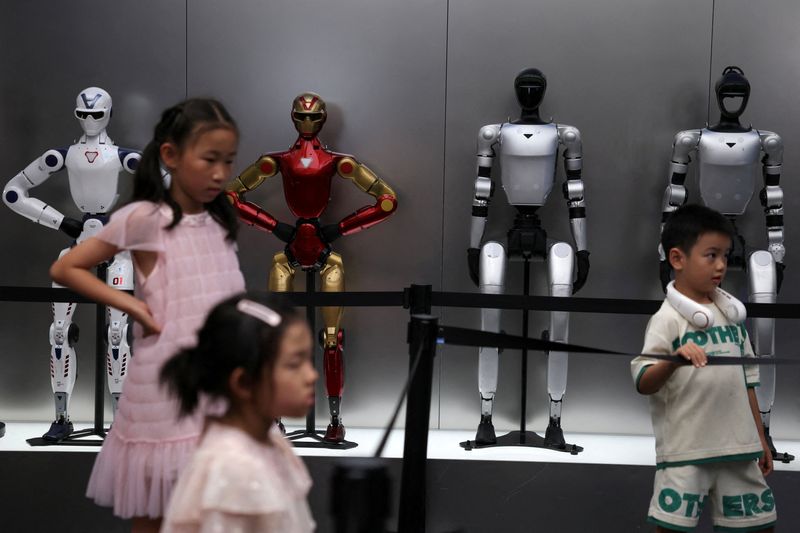
On August 19, Unitree, a leading Chinese humanoid robot manufacturer, saw its shares soar more than five-fold during its trading debut in Shanghai, marking a significant milestone for China's robotics sector amidst the ongoing Sino-U.S. tech rivalry. This remarkable debut not only highlights Unitree's position as a top-tier player in the humanoid robotics market but also reflects the growing importance of robotics in addressing labor shortages in China, as emphasized by the concurrent World Robot Conference in Beijing. Looking ahead, Unitree's successful listing is expected to influence other domestic robotics firms, such as Chery Automobile's robotics division, which are preparing for their own market entries. No further timeline was disclosed at the time of publication.

Fuhang Micro Achieves Record Q2 Earnings with 10x Profit Increase, Innovating AI Chips for Robotics
On July 31, Fuhang Micro (300613) reported its semi-annual performance for 2026, revealing a revenue of 1.4 to 1.5 billion yuan, marking a year-on-year increase of 103.48% to 118.01%. The net profit attributable to shareholders surged to 270 to 350 million yuan, a staggering rise of 1072.72% to 1420.19%. This growth is attributed to rising storage prices and increased demand across its three main sectors: smart video, smart IoT, and smart mobility. The significance of this performance lies not only in the cyclical rebound but also in the positive market feedback for its new AI-ISP chips aimed at robotics and other emerging fields. These chips enhance image processing capabilities, crucial for robots to operate effectively in various environments. By integrating lightweight neural networks into the imaging pipeline, Fuhang Micro's technology reduces latency and power consumption, positioning the company favorably within the robotics supply chain. Looking ahead, Fuhang Micro's growth trajectory will depend on the adoption of AI-ISP chips by leading robotics clients and the expansion into industrial vision and automotive sectors. The company's ability to meet its ambitious revenue targets of 4 billion yuan in the next 3 to 5 years will be a key indicator of its long-term success in the robotics market.
AI Chips Robotics Imaging Technology Industrial Automation Machine Vision
Serve Robotics Stock Rises 13% Ahead of Q2 Earnings as Robotics Sector Gains
Serve Robotics (NASDAQ: SERV) saw its stock surge by 13% ahead of its Q2 earnings report scheduled for Thursday, August 6. This increase comes as part of a broader rally in robotics stocks, driven by a risk-on sentiment in the market. Other companies like Ouster (NASDAQ: OUST) and Symbotic (NASDAQ: SYM) also experienced gains of 6% and 4%, respectively. The rise in Serve Robotics' stock is significant as it has been down 48% year-to-date and had previously dropped 27% over the past month. Investors are keenly awaiting the company's reaffirmation of its approximately $26 million revenue guidance for FY2026 and updates on its fleet of 2,000 deployed robots across 44 cities. The overall positive sentiment in the robotics sector is attributed to easing geopolitical tensions, particularly following President Trump's decision to call off strikes on Iran. Looking ahead, investors should monitor the upcoming earnings call for Serve Robotics, which will provide insights into the company's performance and future outlook. No further timeline was disclosed at the time of publication. The performance of Ouster and Aeva Technologies, which have also seen recent rebounds, will be of interest as they operate within the lidar and perception technology space, crucial for the Physical AI theme.

Robotics Investment Reaches Over $10 Billion in First Half of 2026
In the first half of 2026, the robotics investment landscape saw a significant surge, with 311 financing events totaling over $10 billion. This growth was highlighted by a peak in June, where major unicorns like Galaxy General and Zhi Ping Fang secured substantial funding. The data indicates a clear preference for humanoid robots and embodied intelligence, which accounted for nearly 37% of all investments. The shift in funding dynamics reveals a strong focus on core components, which received 68 financing rounds, surpassing traditional sectors like service and industrial robots. This trend signals a critical need for the localization and cost reduction of essential hardware, emphasizing that advanced AI cannot thrive without robust foundational technologies. Looking ahead, the robotics sector remains in the early stages of a technological paradigm shift, with early-stage companies dominating funding rounds. The landscape is increasingly influenced by corporate venture capital and state-backed funds, reshaping the investment narrative as traditional financial VCs adapt to the evolving market demands. No further timeline was disclosed at the time of publication.
Robotics Investment Embodied Intelligence Corporate Venture Capital Humanoid Robots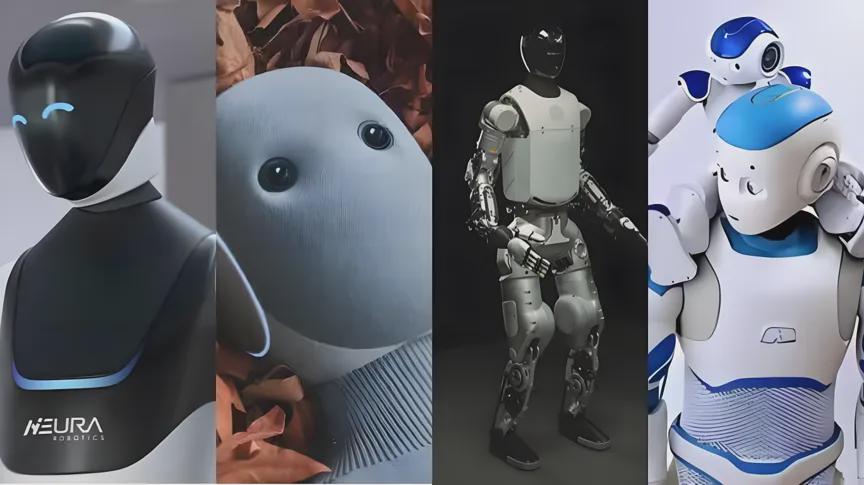
Europe's Humanoid Robotics Surge: Neura Robotics Leads with $1.4 Billion Funding
In a surprising shift, Europe is emerging as a significant player in humanoid robotics, traditionally dominated by the US and China. Companies like Neura Robotics from Germany, 1X from Norway, Humanoid from the UK, and Aldebaran Robotics from France are entering new development phases, with total funding exceeding 10 billion yuan projected for 2025-2026. This development is crucial as it marks a departure from Europe's historical focus on industrial robotics towards humanoid robots, driven by a unique European model of heavy industrial foundations and deep capital integration. Neura Robotics recently announced a record-breaking $1.4 billion in Series C funding, elevating its valuation to $7 billion and placing it among the top global humanoid robotics firms. Looking ahead, Neura Robotics plans to use over half of its new funding to expand global production facilities, aiming for mass production of millions of robots by 2030. The company's innovative Neuraverse ecosystem platform, which integrates various robotic forms, positions it well within the growing trend of platform-based development in the robotics industry.
Humanoid Robots Robotics Innovation AI Technology European Robotics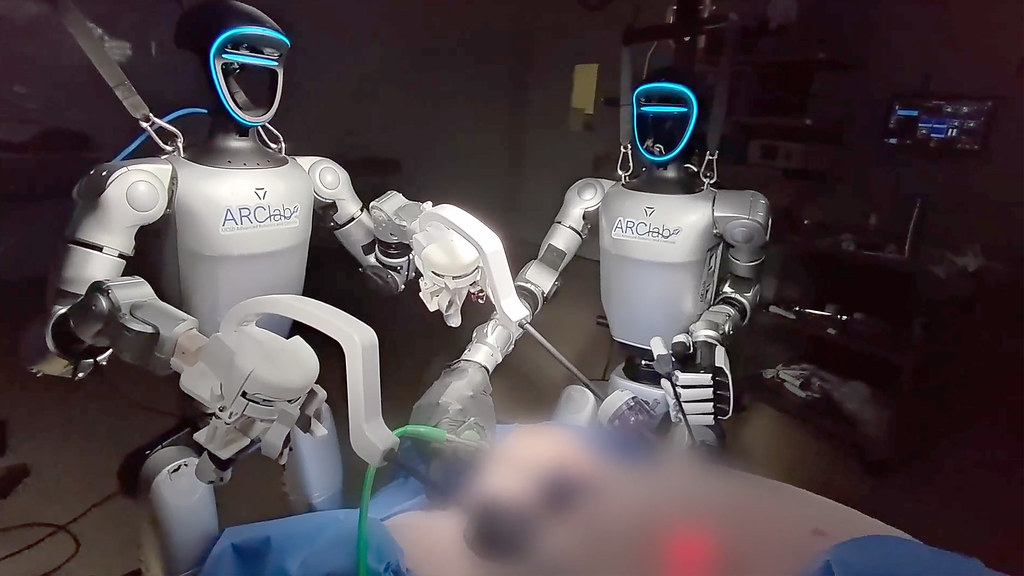
Yushu's Transformation: From Hardware to Intelligent Robotics with G1 Surgery
Yushu Technology has evolved from a hardware company into a model-driven enterprise, achieving significant milestones in robotics. On July 9, 2026, a surgeon at the University of California, San Diego, successfully performed the world's first live animal gallbladder removal using the Yushu G1 humanoid robot, showcasing its advanced capabilities. This operation, which involved a real pig and took under two hours, highlights the robot's precision and understanding of biological tissues. The transformation is underscored by Yushu's rapid registration on the Science and Technology Innovation Board, taking just 104 days, the fastest in its history. The G1 robot has previously demonstrated its ability to perform tasks like screwing, pouring, and sorting, but the surgical procedure required a higher level of precision and real-time feedback. Yushu defines its embodied intelligence model as a technology enabling robots to achieve high stability and complex motion control, akin to a robot's small brain. Investors are taking notice, with the embodied intelligence sector seeing a 4.2% increase from July 10 to 17, and Yushu-related stocks rising by an average of 7.8%. The company plans to allocate 2.022 billion for intelligent robot model research, part of a total fundraising of 42.02 billion. Future developments include the UnifoLM-WMA-0 model, which predicts actions and world states, marking a significant advancement in robotics technology.
Humanoid Robots Robotic Surgery AI Robotics Innovation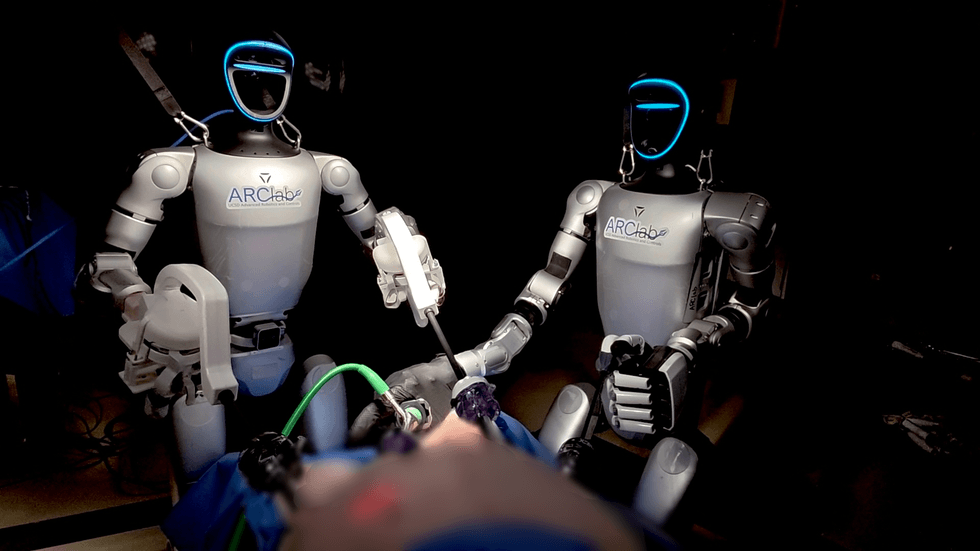
Weekly Robotics Videos Showcase Advances in Humanoid Surgery and Quadrupedal Locomotion
This week's Video Friday highlights significant advancements in robotics, including a systematic evaluation of humanoid technology for laparoscopic surgical tasks. Researchers developed a humanoid-based teleoperation framework and assessed its performance through various studies, revealing both potential and challenges for clinical deployment. The importance of these developments lies in their ability to enhance surgical precision and efficiency, which could transform medical practices. The study provides an evidence-based assessment of humanoid capabilities, emphasizing the need for further technical improvements before widespread clinical use. Looking ahead, the robotics community will continue to explore the integration of advanced technologies in surgical applications and other fields. Upcoming events, such as the Summer School on Multi-Robot Systems and Actuate 2026, will provide platforms for sharing insights and innovations in robotics.
Humanoid-robots Video-friday Quadruped-robots Robot-videos Robot-surgeon Boston-dynamics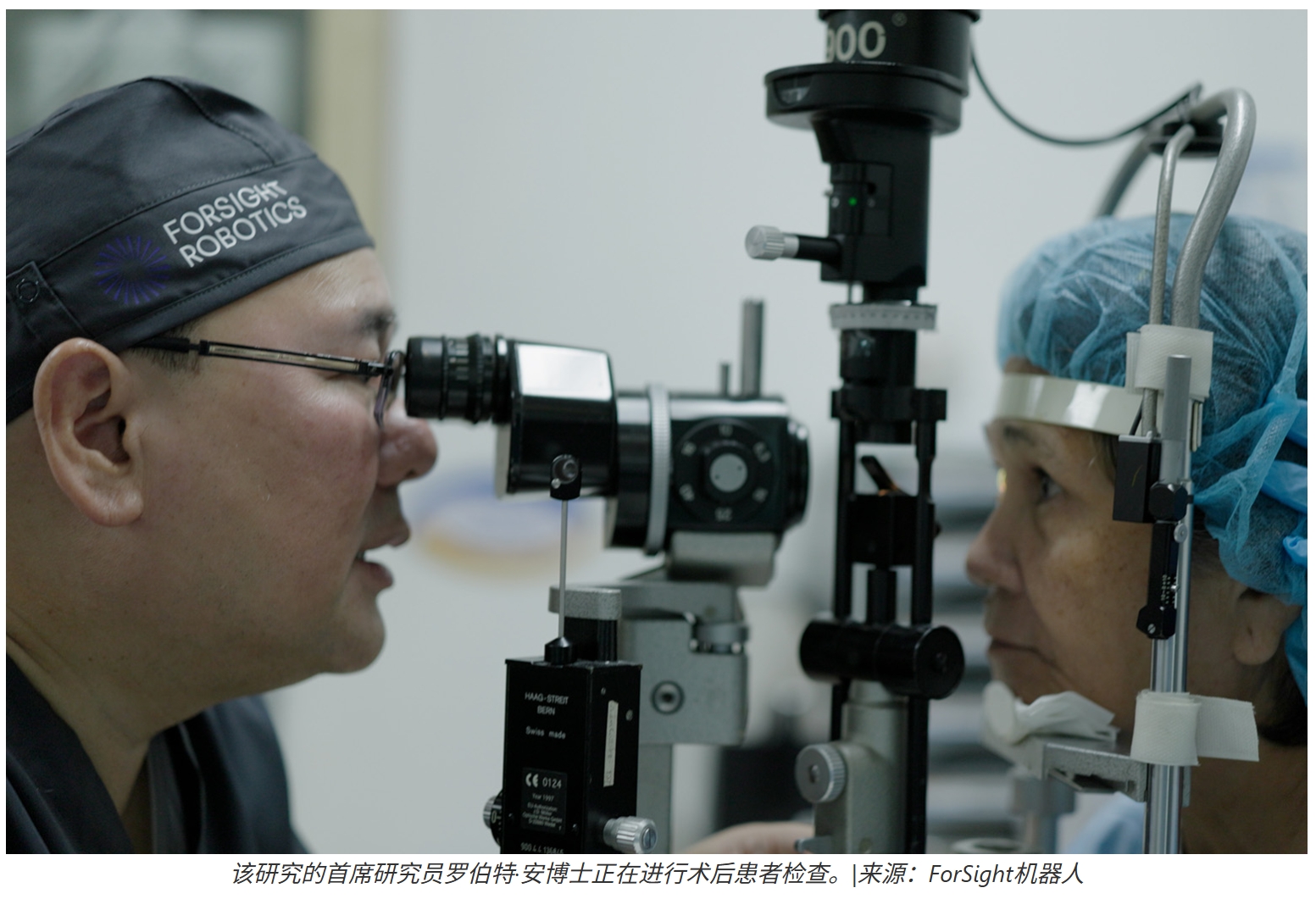
ForSight Robotics Completes First Fully Robotic Cataract Surgery with JASPER Platform
ForSight Robotics has successfully completed the world's first fully robotic cataract surgery using its JASPER platform, led by Dr. Alexey Rapoport in April 2026. This groundbreaking procedure was performed at the Asian Eye Institute in the Philippines, showcasing JASPER's ability to execute the entire surgery autonomously without general anesthesia, adhering to modern cataract surgery standards. The significance of this achievement lies in JASPER's unique design, which empowers surgeons rather than replacing them. By integrating AI algorithms, advanced computer vision, and miniature mechanical technology, JASPER provides enhanced imaging and precision control, allowing surgeons to perform with the accuracy of elite professionals. This innovation also addresses ergonomic concerns, as it enables surgeons to operate seated, potentially extending their careers and improving surgical outcomes. Looking ahead, ForSight Robotics aims to secure FDA approval for JASPER in the United States, with plans to bring this technology to market in the coming years. The company has raised $195 million since its founding in 2020, with significant investments from notable figures and organizations. No further timeline was disclosed at the time of publication.
Robotic Surgery Cataract Surgery AI in Healthcare Ophthalmology Medical Robotics
Unitree CEO Predicts 'ChatGPT Moment' for Robotics Industry Amid IPO Surge
Unitree's CEO, Wang Xingxing, announced that the robotics industry is approaching a 'ChatGPT moment' for robot intelligence, following the company's significant IPO in Shanghai. This event underscores China's aspirations to lead in AI-powered robotics, despite a recent 11% drop in share prices after an initial surge. The CEO emphasized that advancements in embodied intelligence could allow robots to perform up to 80% of tasks in unfamiliar environments using simple voice or text commands. This potential breakthrough is seen as a critical tipping point for the robotics sector, which is gaining momentum with strong support from the Chinese government. Wang cautioned, however, that a substantial leap in robot software capabilities may take two to ten years to materialize. As the industry evolves, stakeholders should monitor developments in AI-driven robotics and the impact of Unitree's innovations on market dynamics. No further timeline was disclosed at the time of publication.
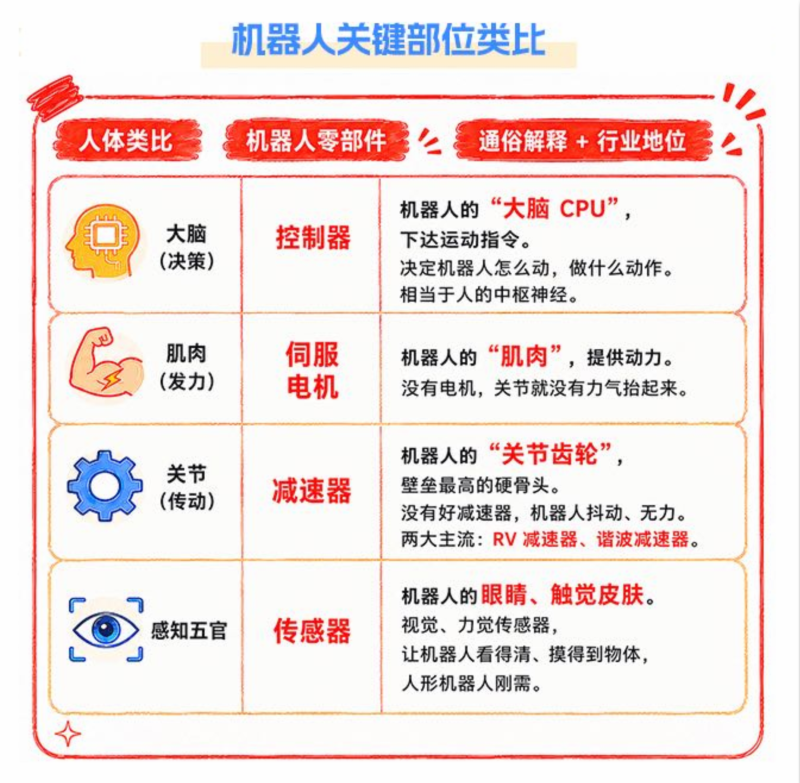
Yushutech's IPO Soars 629% on 'Super Day' of Robotics Industry Amid WRC Launch
On August 19, the robotics industry experienced a significant event dubbed 'Super Day' as Yushutech officially listed on the STAR Market, witnessing a remarkable surge of 629% in its stock price, reaching a market capitalization of 444.9 billion yuan. Concurrently, the 2026 World Robot Conference (WRC) commenced in Beijing, featuring over 300 companies and more than 2,000 exhibits, showcasing 150 new products. This dual occurrence highlights the growing momentum in the humanoid robotics sector, transitioning from conceptual narratives to tangible performance metrics. Yushutech's IPO price was set at 150.80 yuan per share, opening at 1,100 yuan, with a peak dynamic PE ratio exceeding 800 times. The company reported revenues of 1.699 billion yuan in 2025, with a net profit of 278 million yuan, and a market share of 32.4% in humanoid robot shipments, leading globally. Looking ahead, the WRC's focus has shifted from showcasing technical prowess to practical applications, with companies like Yushutech and others unveiling functional robots. The first valuation benchmark for the humanoid robot sector has been established, which is crucial for upcoming IPOs of companies like Zhiyuan and Leju. The industry is now emphasizing operational capabilities over mere demonstrations, as evidenced by the significant shipment growth of humanoid robots, which increased by 272% in the first half of the year.
Humanoid Robots Robot Industry Market Trends Technology Innovation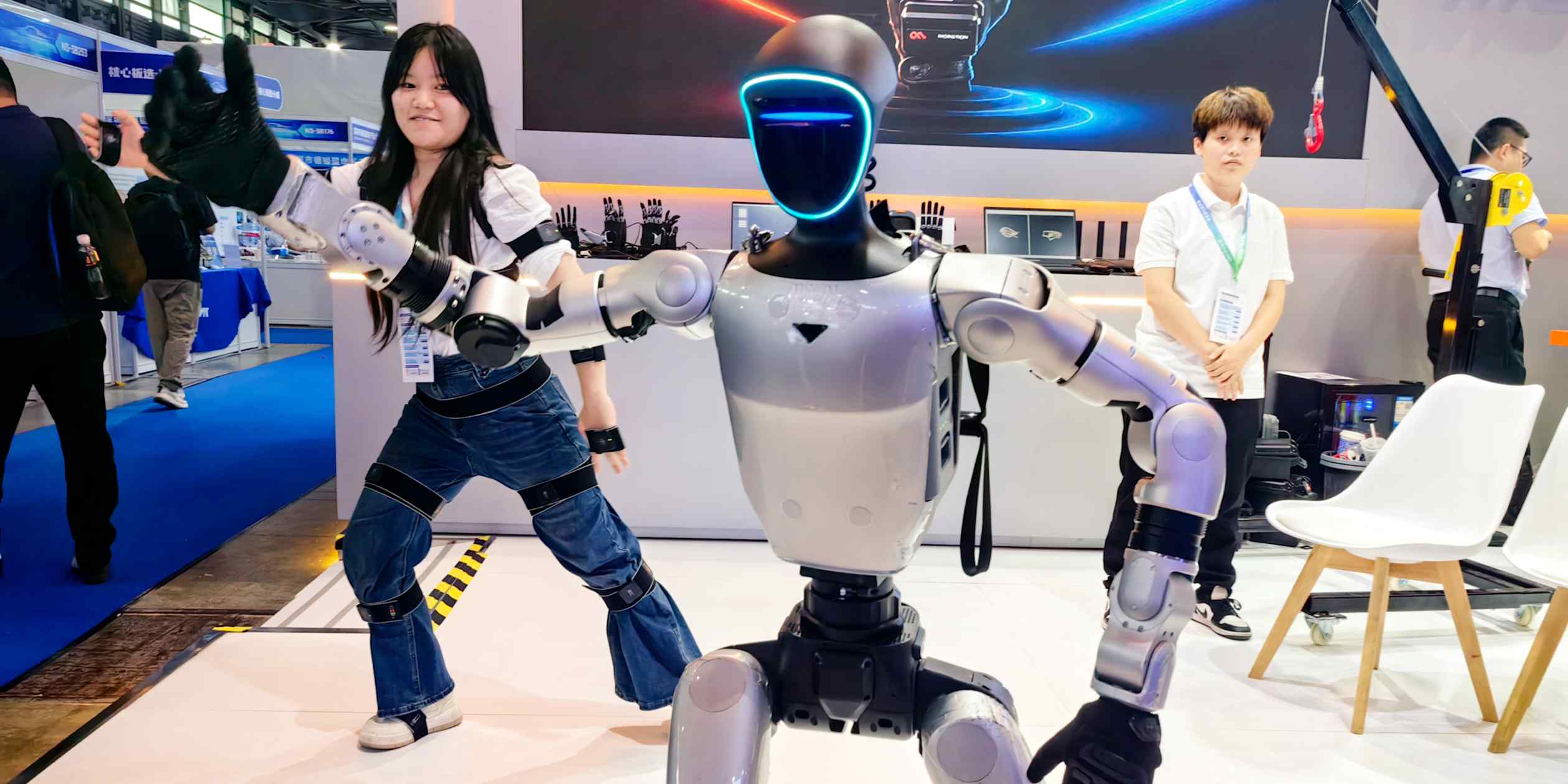
Unitree Robotics Shares Surge 629% Following $905 Million IPO in Shanghai
Unitree Robotics, a prominent Chinese humanoid robot manufacturer, experienced a remarkable 629% increase in share price, reaching 1,100 yuan each during its Shanghai IPO. The company successfully raised 6.1 billion yuan (approximately $905 million) on its debut, marking a significant milestone in the competitive robotics sector. This surge in share price highlights the growing investor interest in robotics and AI technologies, particularly in China, where the market for humanoid robots is rapidly expanding. Unitree's innovative designs and capabilities have positioned it as a leader in this field, attracting attention from both domestic and international investors. Looking ahead, industry observers will be keen to see how Unitree Robotics plans to scale its operations to meet the increasing demand for humanoid robots. No further timeline was disclosed at the time of publication.
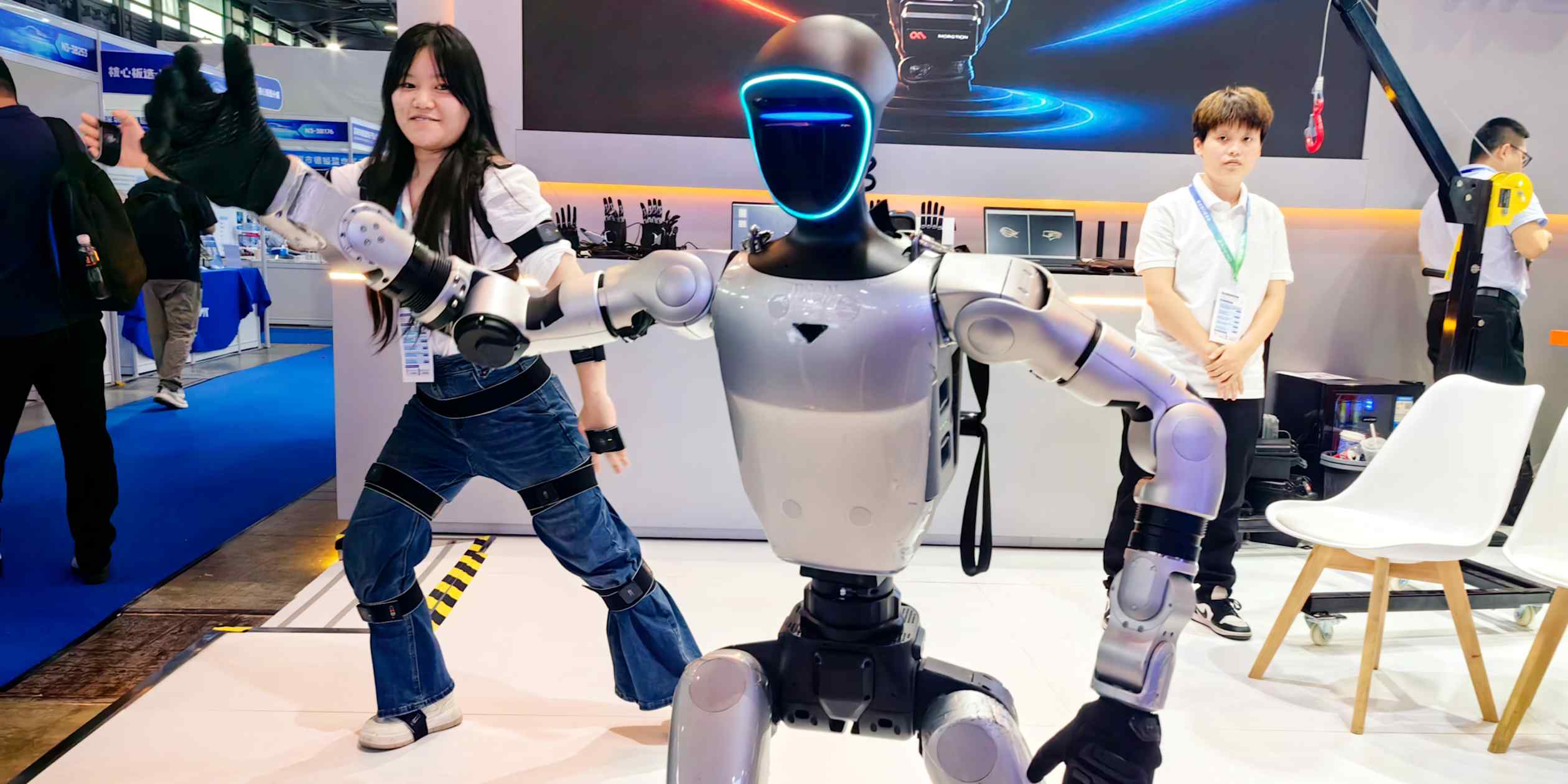
Unitree Robotics Achieves Over 629% Surge in Shanghai IPO, Raising $905 Million
Unitree Robotics, a prominent Chinese humanoid robot manufacturer, saw its shares increase by more than 629% to 1,100 yuan each during its IPO in Shanghai. The company successfully raised 6.1 billion yuan (approximately $905 million) on its debut, marking a significant milestone in the competitive robotics sector. This IPO is crucial as it underscores the growing demand for humanoid robots in China, positioning Unitree as a leader in an increasingly competitive market. The substantial capital raised will likely enhance Unitree's capacity to meet the rising demand for its innovative robotic solutions, which are known for their fluid athletic movements. Looking ahead, industry observers will be keen to see how Unitree leverages this funding to expand its production capabilities and innovate further in humanoid robotics. No further timeline was disclosed at the time of publication.

Robotics Revolutionizes Precision in Cataract Surgery with Advanced Technologies
Cataract surgery, long regarded as one of the most mastered surgical procedures, is entering a new phase with the introduction of robotics and high-precision lasers. Innovative platforms like the Polaris robot and solutions developed by Keranova assist surgeons with unmatched precision, enhancing the safety of the procedure. Robotic systems can achieve movements as precise as 5 microns, significantly improving surgical accuracy on delicate ocular structures. The integration of robotics in cataract surgery exemplifies the convergence of artificial intelligence, medical robotics, and high-precision imaging. While these technologies are still being deployed in many facilities, they herald a new generation of safer, more reproducible, and personalized ophthalmic surgery. With cataract surgery being the most performed surgical procedure globally, the demand for improved surgical productivity is critical, especially as the aging population increases the number of required interventions. As robotic platforms and next-generation lasers become more mature and accessible, they have the potential to transform the management of millions of cataract patients worldwide. The World Health Organization reports that cataracts affect over 94 million people, making advancements in surgical technology vital for addressing disparities in access to care, particularly in regions like sub-Saharan Africa.
À la une IA Industrie Robotique Santé automatisation médicale
Breakthrough in Surgical Robotics: First 5G-Enabled Remote Minimally Invasive Surgery
In June 2026, a significant medical technology milestone was achieved as a Chinese medical team, in collaboration with research institutions, successfully performed the world's first ultra-remote minimally invasive surgery using '5G + Embodied AI'. This operation demonstrated ultra-low latency control over thousands of kilometers, providing real-time feedback on tissue tension and vascular resistance to the remote surgeon. This advancement signifies a shift in surgical robotics from traditional remote manipulation tools to systems that incorporate physical AI autonomy and enhanced human-machine integration. The lead surgeon emphasized that the tactile feedback from the control console was crucial for performing the surgery, highlighting the importance of sensory perception in robotic-assisted procedures. Future developments will focus on overcoming the engineering challenges associated with achieving micro-level tactile feedback and stability in robotic systems. No further timeline was disclosed at the time of publication.
Surgical Robotics Embodied AI Minimally Invasive Surgery Tactile Feedback Medical Technology
Investment Surge in Embodied Intelligence Data Providers Amid Robotics Financing Boom
Hexinju Technology, a company based in Suzhou, has successfully raised millions in Series A funding to enhance data infrastructure aimed at training robots. This investment comes at a time when the robotics industry is experiencing significant growth, highlighting the increasing demand for high-quality, multimodal data derived from real-world interactions. In response to this critical challenge, Hexinju plans to develop a comprehensive platform designed for data collection, processing, and evaluation. By doing so, the company seeks to establish itself as a pivotal player in the rapidly expanding field of embodied intelligence.
Embodied Intelligence Data Infrastructure Robotics AI Training Data Services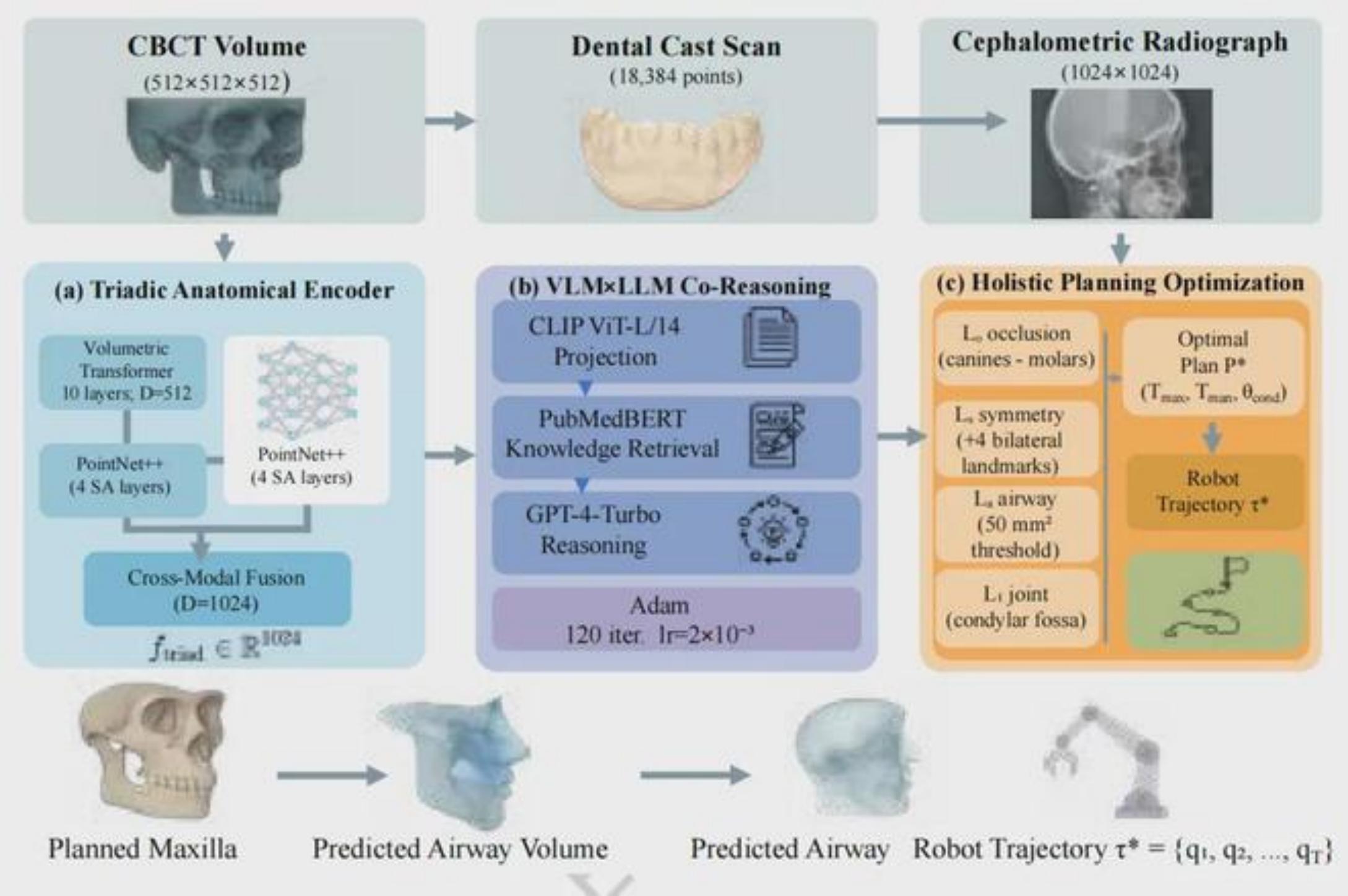
AI and Robotics Revolutionize Emergency Treatment for Maxillofacial Trauma, Reducing Surgery Time by 31% and Complications by 42.3% in Just 4 Minutes of Planning
A groundbreaking advancement in surgical technology has emerged with the introduction of the HoloTrauma 3X system, which integrates sophisticated visual and language models with robotic surgery. This innovative system is designed to streamline the planning process for complex maxillofacial trauma surgeries, cutting the average preparation time from 47 minutes to less than 4 minutes. The development, which aims to enhance patient outcomes and minimize complications, represents a significant leap forward in surgical efficiency. By leveraging cutting-edge technology, the HoloTrauma 3X system not only accelerates the surgical workflow but also holds the potential to improve the overall quality of care for patients undergoing these intricate procedures.
Robotic Surgery Emergency Medicine AI in Healthcare Maxillofacial Trauma Surgical Planning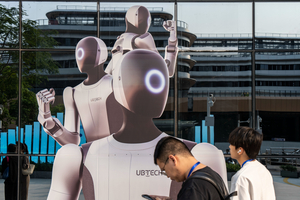
Korea’s takeaway from China’s robotics surge
China has established itself as the global leader in humanoid robotics, outpacing competitors such as South Korea and the United States, who are striving to keep pace in this emerging sector of advanced manufacturing. This dominance is attributed to a combination of extensive government policy support, robust academic research, and a well-integrated industrial ecosystem, reflecting a strategy similar to that which propelled China to the forefront of the electric vehicle market. According to Li-Wei Zhang, a professor of mechanical engineering, the rapid advancement in China's robotics sector is the result of multiple contributing factors rather than a single driving force.
All News
New York Robotics Formally Launches Amid Surge In Robotics Investment, Demand, And Talent
New York has established itself as a burgeoning global hub for robotics, with 160 startups now operating throughout the Tri-State Area. This development positions the region among the world's leading robotics capitals, reflecting a significant growth in innovation and technology. The surge in startups is driven by a combination of factors, including access to top-tier universities, a diverse talent pool, and substantial investment in research and development. As these companies continue to emerge, they are expected to contribute to advancements in automation and artificial intelligence, further solidifying New York's status in the tech landscape. The rise of this sector is not only transforming the local economy but also attracting attention from investors and entrepreneurs worldwide, eager to tap into the region's dynamic ecosystem.

Unitree Robotics’ humanoid robots sees orders surge after Spring Festival Gala performance
Unitree Robotics has experienced a significant increase in demand for its humanoid robots following a captivating dance performance during the Spring Festival Gala on CCTV. The performance, which took place on January 28 to celebrate China’s Lunar New Year, featured the company's H1 model collaborating with human dancers in a traditional Yangge routine. A sales manager from Unitree confirmed the surge in interest to Jiupai News, attributing it to the robot's impressive display and the festive occasion. This event has not only showcased the capabilities of the H1 model but also sparked public fascination with robotics in entertainment, highlighting a growing trend in the integration of technology and cultural celebrations.
News FeedRobotics needs a service framework.
RSF defines a common language for robot service capability, lifecycle operations, certification pathways, and service-provider networks.
Join the RobotToday community on LinkedIn
Daily robotics news, in-depth analysis, conference highlights, and discussions with professionals worldwide.