A single destination for timely, editor-curated robotics news from around the world.
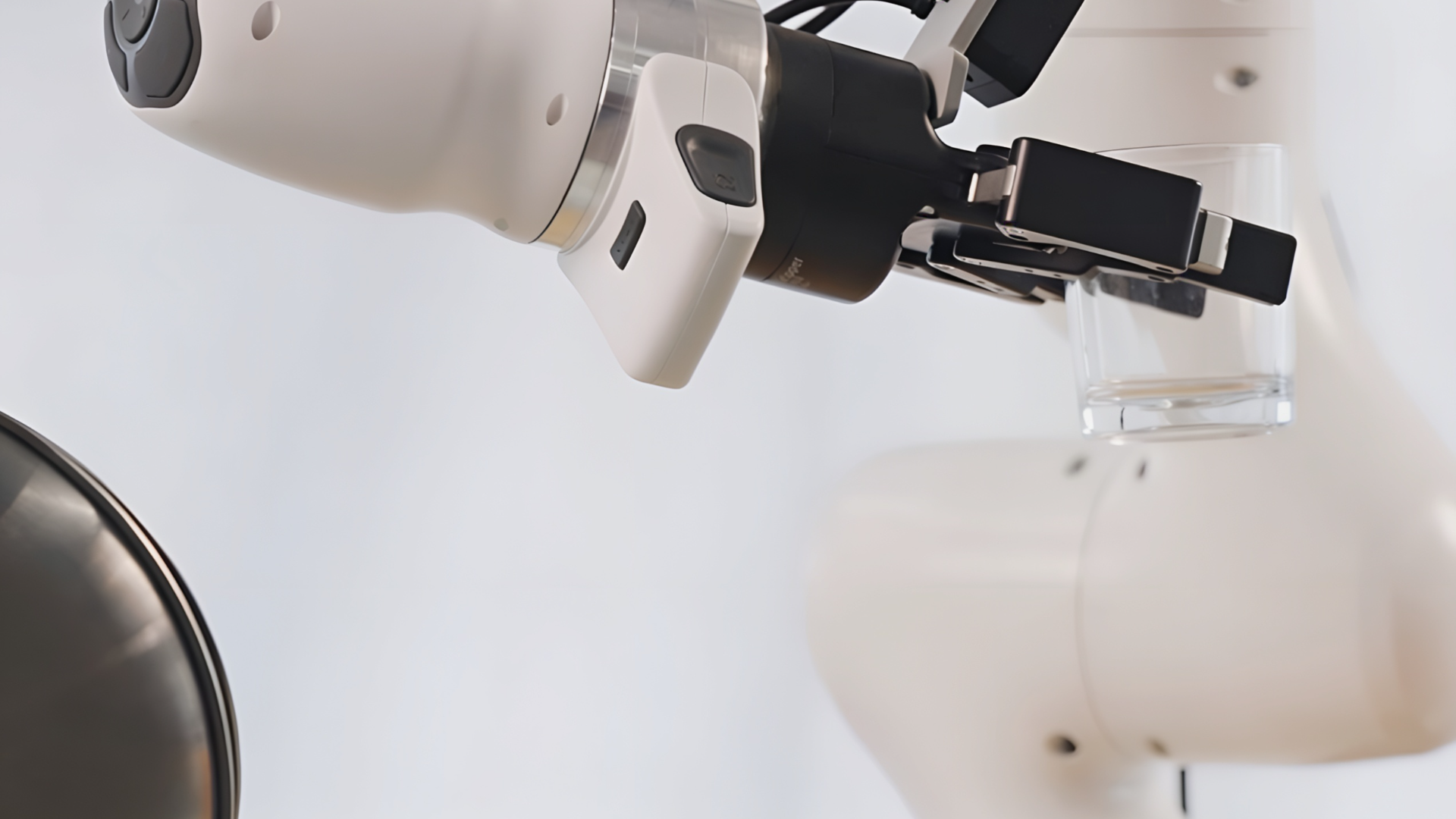
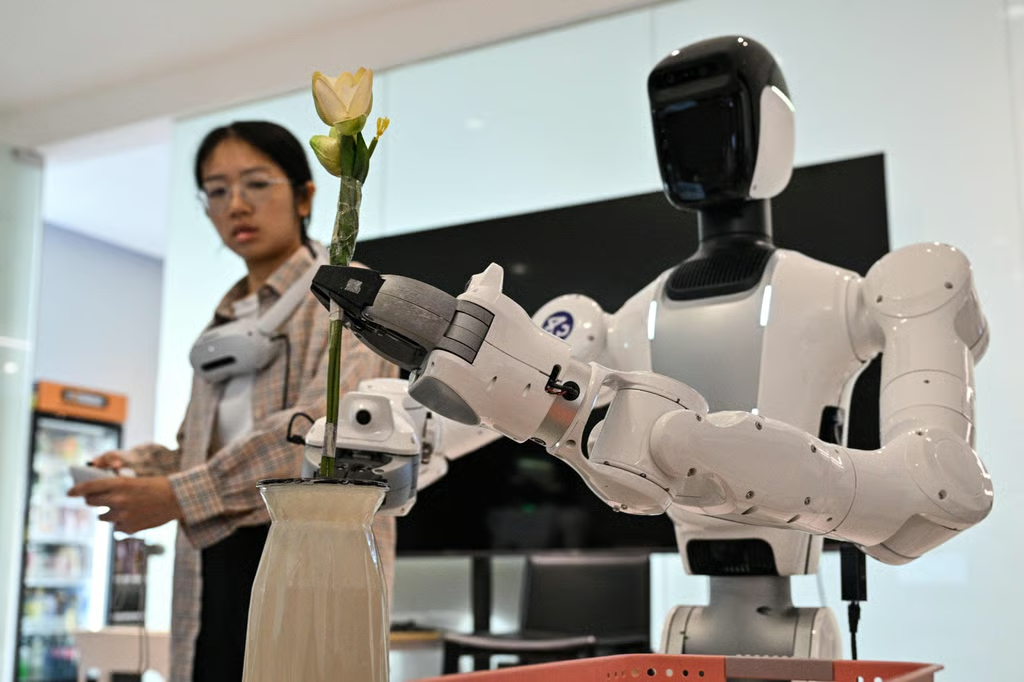
Chinese humanoid robots have captured the attention of a significant American television audience, underscoring an increasing cultural and technological divide between the two nations. This development comes as these advanced robots have been showcased in various entertainment formats, demonstrating their capabilities in tasks ranging from performance art to interactive engagement with viewers. The surge in interest was particularly notable during a recent televised competition, where the robots showcased their skills, impressing audiences and judges alike. The event took place in the United States, where the integration of robotics into mainstream entertainment is still in its nascent stages, contrasting sharply with China's rapid advancements in this field. The growing fascination with these humanoid robots reflects broader trends in technology and innovation, as well as shifting perceptions of artificial intelligence and automation in society. Experts suggest that this phenomenon is driven by a combination of curiosity and concern over the implications of robotics in everyday life. As American viewers become more exposed to the capabilities of these machines, discussions around their potential impact on jobs, social interaction, and ethical considerations are intensifying. The successful reception of Chinese humanoid robots on American television not only highlights their technological prowess but also raises questions about the future of human-robot relationships in a world increasingly influenced by artificial intelligence.
InterestingEngineering.com By Jijo Malayil 3 hours ago
A team of researchers from Zhejiang University, in partnership with Cornell University, the National University of Singapore, and Xidian University, has unveiled an innovative visual reasoning system named VisualThink-VLA. This advanced technology allows robots to process visual information directly, enabling them to "think with their eyes" instead of relying on traditional language-based reasoning. The system boasts a remarkable speed enhancement, operating 22.8 times faster than conventional text-based methods, while also achieving greater accuracy. This development marks a significant advancement in the field of robotics and artificial intelligence, potentially transforming how machines interpret and interact with their environments.
PanDaily.com By [email protected] (Pandaily) 12 hours ago Technology
Recent advancements in robotics are shifting focus from enhancing processors and mechanical designs to improving data quality, particularly through realistic training environments. This emerging field, known as Physical AI, emphasizes the creation of 3D assets and simulation environments that incorporate genuine physical properties. By accurately mimicking real-world behaviors, these simulations aim to enhance the training of robotic systems, enabling them to perform more effectively in various applications. As researchers and developers prioritize realistic data over traditional methods, the potential for breakthroughs in robotic capabilities is becoming increasingly evident. This evolution in robotics is expected to redefine how machines interact with their environments, paving the way for more sophisticated and adaptable technologies.
RoboticsAndAutomationNews.com By Sam Francis Jun 04, 2026 Artificial Intelligence Robotics ai robotics automation news Autonomous robots digital twins
A growing divide is noted between American public perception and lawmakers' views on Chinese robotics, particularly following the recent appearance of Unitree's humanoid robots on the popular television show "America's Got Talent." The performance, which showcased the G1 robots, garnered a standing ovation from the studio audience, highlighting a potential shift in mainstream acceptance of advanced robotics. This high-profile showcase occurred during the season premiere of the show, although official ratings figures have yet to be released. Analysts suggest that such visibility could influence public opinion positively, contrasting with the more cautious stance often taken by legislators regarding technology from China.
SCMPTech By Vincent Chow Jun 04, 2026
A Vietnamese technology company has introduced its newest humanoid robot, the VR-H3, during the IEEE International Conference on Robotics and Automation held in Paris. The unveiling took place on May 23, 2023, showcasing the company's commitment to advancing robotics and artificial intelligence. The VR-H3 is designed to assist in various tasks, including healthcare support and customer service, reflecting the growing demand for automation in diverse sectors. This innovation aims to enhance efficiency and improve service delivery, addressing labor shortages and increasing productivity. The development of the VR-H3 involved extensive research and collaboration with experts in robotics, highlighting the company's dedication to integrating cutting-edge technology into practical applications.
InterestingEngineering.com By Jijo Malayil Jun 04, 2026
A leading technology company is set to showcase its latest advancements in tactile sensor technology at an upcoming industry exhibition. The event, scheduled for next month in San Francisco, aims to highlight the innovative applications of these sensors in various fields, including robotics and consumer electronics. This demonstration is part of the company's ongoing effort to enhance user interaction and experience through improved sensory feedback mechanisms. By presenting a diverse array of tactile sensor capabilities, the company seeks to attract potential partners and clients interested in integrating these technologies into their products. The exhibition will provide an opportunity for attendees to engage with the technology firsthand and explore its potential impact on future developments in the industry.
RoboticsTomorrow.com Jun 03, 2026
AGIBOT has introduced the AGIBOT WORLD 2026 Theme 2: Rich Interaction, an innovative open-source dataset designed to improve the understanding of physical interactions between robots and objects. Launched recently, this initiative aims to capture a diverse array of interactions, including both successful and imperfect outcomes, thereby addressing significant data deficiencies within the embodied AI community. By providing this comprehensive dataset, AGIBOT seeks to facilitate advancements in world modeling and enhance robust representation learning, ultimately contributing to the development of more sophisticated AI systems.
agibot.com By AgiBot Jun 03, 2026 Embodied AI Robotics Open-source Dataset Physical Interaction Machine Learning
At the Computer Vision and Pattern Recognition (CVPR) conference, NVIDIA is showcasing innovative physical AI agent skills aimed at accelerating the development of autonomous vehicles, robotics, and vision AI systems. This unveiling comes as researchers and developers face significant challenges in advancing physical AI, particularly in creating more capable and efficient systems. By introducing these new skills, NVIDIA seeks to enhance the capabilities of AI agents, ultimately facilitating faster progress in the field. The event highlights NVIDIA's commitment to driving advancements in AI technology, which is crucial for the future of autonomous systems.
NvidiaNews By NVIDIA Jun 03, 2026
A computer vision and robotics enthusiast has unveiled an innovative AI-powered laser system designed to detect and identify objects with remarkable precision. This groundbreaking technology, which was introduced during a tech conference in San Francisco on October 15, 2023, aims to enhance automation and safety in various industries, including manufacturing and security. The motivation behind this development stems from the increasing demand for advanced automation solutions that can improve operational efficiency and reduce human error. By integrating artificial intelligence with laser detection, the system can analyze its surroundings in real-time, allowing for swift and accurate responses to potential hazards or operational needs. The creator demonstrated the system's capabilities through a series of live tests, showcasing its ability to recognize different objects and respond accordingly. This innovative approach not only promises to streamline processes but also addresses safety concerns by minimizing the risk of accidents in environments where precision is critical. As industries continue to evolve with technology, this AI-powered laser system represents a significant step forward in the quest for smarter, safer operational tools. The developer hopes that this invention will inspire further advancements in robotics and computer vision, ultimately leading to a more automated and secure future.
InterestingEngineering.com By Atharva Gosavi Jun 02, 2026
Alibaba's Tongyi Qianwen team has unveiled Qwen-VLA, marking the company's inaugural foray into the realm of vision-language-action models for embodied artificial intelligence. This launch, which took place recently, positions Alibaba to compete in the rapidly evolving sector of physical world AI. The development of Qwen-VLA is driven by the increasing demand for advanced AI systems capable of understanding and interacting with the physical environment, highlighting the company's commitment to innovation in artificial intelligence technologies. Through this new model, Alibaba aims to enhance the capabilities of AI in real-world applications, paving the way for more sophisticated interactions between machines and their surroundings.
PanDaily.com By [email protected] (Pandaily) Jun 02, 2026 AI
Russian military trucks have been equipped with a new type of disruptive paint aimed at confusing machine-vision targeting systems. This development comes in response to the increasing threat posed by autonomous drones on the battlefield. The innovative paint, often referred to as "dazzle" paint, is designed to obscure the vehicles' outlines and hinder the ability of AI-enabled drones to accurately identify and target them. As the use of drone technology continues to evolve in modern warfare, this strategic move reflects Russia's efforts to enhance the survivability of its military assets against sophisticated aerial threats.
TheWarZone By Thomas Newdick Jun 01, 2026 News & Features Around The Globe Drones Europe Russia Ukraine
The industrial robotics market, valued at $85 billion, is transforming production floors by eliminating physical barriers between humans and machines. This shift allows for a collaborative environment where workers and robotics operate side by side. As millions of industrial robots are deployed globally, effective management of this transition is crucial. It necessitates a comprehensive understanding of spatial geometry, workforce psychology, and adherence to functional safety standards to ensure a seamless integration of technology into the workplace. This evolution in manufacturing aims to enhance efficiency and productivity while prioritizing safety and worker well-being.
RoboticsAndAutomationNews.com By Sam Francis Jun 01, 2026 Engineering Robotics automation news automation strategy cobots collaborative automation
A new compact unit has been developed, featuring a highly sensitive tactile array that boasts a spatial resolution of 2.34 taxels per square centimeter. This advanced technology is capable of detecting forces ranging from 0 to 160 Newtons, with an impressive sensing precision of 0.1 Newtons. The innovation aims to enhance applications in robotics and automation, providing more accurate and responsive interaction with various surfaces and objects. With training data available up to October 2023, this breakthrough represents a significant step forward in tactile sensing technology, potentially transforming how machines perceive and interact with their environments.
RoboticsTomorrow.com Jun 01, 2026
A new generation of systems is emerging that not only simulates the physical world but also engages in real-time reasoning and actions. This advancement is driven by a sophisticated spatial computing stack that integrates foundation models, AI-generated software, and high-fidelity 3D sensing technologies. These systems aim to enhance interactions with the environment, providing more intuitive and responsive experiences. The development is part of a broader trend in technology aimed at creating smarter, more adaptive solutions across various industries, including gaming, robotics, and virtual reality. As these innovations continue to evolve, they promise to transform how users interact with digital and physical spaces, paving the way for more immersive and effective applications.
roboticstomorrow-Robotics Jun 01, 2026
ORBBEC, a leading company in 3D vision perception, is broadening its horizons beyond its traditional focus on robot vision. The firm is strategically venturing into several high-growth sectors, including healthcare, smart retail, and autonomous driving. This expansion comes as part of ORBBEC's initiative to leverage its advanced technology and expertise to meet the increasing demand for innovative solutions in these emerging markets. The company aims to enhance its product offerings and capture new opportunities, positioning itself as a key player in the rapidly evolving landscape of 3D vision applications. As ORBBEC continues to innovate and diversify, it seeks to establish a strong foothold in these sectors, which are expected to see significant growth in the coming years.
PanDaily.com By [email protected] (Pandaily) Jun 01, 2026 Robotics
NVIDIA has unveiled a significant suite of open-source physical AI skills and tools aimed at empowering developers to transform intricate robotics, autonomous vehicle (AV), vision AI, and industrial digital twin workflows into tasks that can be executed by agents. This announcement was made today and is part of NVIDIA's ongoing commitment to enhance the capabilities of AI in various sectors. By streamlining these complex processes, the company seeks to facilitate innovation and efficiency in the development of advanced technologies. The initiative is expected to drive progress in fields that rely heavily on automation and intelligent systems, thereby contributing to the broader adoption of AI solutions across industries.
NvidiaNews By NVIDIA May 31, 2026
NVIDIA has unveiled its latest innovation, the NVIDIA Cosmos™ 3, a groundbreaking open world foundation model designed for physical AI. This advanced system integrates a mixture-of-transformers architecture that seamlessly combines vision reasoning, world generation, and action prediction into one cohesive platform. The launch, which took place today, marks a significant step forward in the development of artificial intelligence, aiming to enhance the capabilities of AI in understanding and interacting with the physical world. By leveraging this sophisticated technology, NVIDIA seeks to push the boundaries of AI applications across various industries, paving the way for more intelligent and responsive systems.
NvidiaNews By NVIDIA May 31, 2026
Microsoft's GitHub Copilot, once heralded as a revolutionary tool for software development, is now facing a decline in its prominence. As of October 2023, the platform, which utilizes artificial intelligence to assist programmers by suggesting code snippets and improving productivity, is experiencing a shift in user engagement and perception. The waning interest can be attributed to a combination of factors, including the emergence of competing AI coding assistants that offer similar or enhanced functionalities. Developers are increasingly exploring alternative tools that may better meet their evolving needs in a rapidly changing technological landscape. This transition marks a significant moment for GitHub Copilot, which had previously been celebrated for its innovative approach to coding assistance. As the market becomes more saturated with AI solutions, Microsoft will need to reassess its strategies to maintain relevance and user satisfaction in the competitive field of software development tools.
TechCrunch By Lucas Ropek May 30, 2026 AI Microsoft
Shenzhen-based Chengwu Robotics has successfully completed its angel round of financing, backed by Taiwan's leading industrial automation and intelligent robotics firm, Chuan Technology, with Huajun Capital serving as the exclusive financial advisor. Founded in 2025, Chengwu Robotics focuses on the development of embodied intelligence technologies and product solutions for industrial applications, leveraging its integrated capabilities in hardware and software development, data collection, model training, and scene deployment. The company, led by founder Huang Jinlong, who has over a decade of experience in robotics R&D, aims to address the customization needs of non-standard industrial scenarios. Since its inception, Chengwu has delivered over ten industrial projects, generating over 20 million yuan in revenue by 2025 and serving major manufacturers, including Foxconn. Chengwu Robotics is also advancing its model development, with a focus on the Vision-Language-Action (VLA) model, which aims to enhance 3D perception and operational precision in complex environments. To address data collection challenges, the company has developed its own Egocentric-UMI data collection device and Bybot-TeleOp remote operation system, significantly reducing training and deployment times. The company is simultaneously developing a prototype upper-body robot equipped with advanced components to support its model training and industrial applications. Chengwu Robotics emphasizes its comprehensive capabilities and real-world delivery experience, positioning itself to create commercially viable solutions that meet client needs in various industrial contexts.
36kr.com May 30, 2026
Researchers are addressing a significant safety issue faced by robots designed to navigate staircases, as their tendency to lose balance can lead to dangerous falls. This challenge has become increasingly relevant as the development of robotic technology progresses, particularly for applications in environments like homes and public spaces where stairs are common. The issue has been highlighted in recent studies, prompting engineers to explore innovative solutions to enhance the stability and reliability of these robots. By incorporating advanced sensors and algorithms, developers aim to improve the robots' ability to assess their surroundings and maintain balance while traversing stairs. The ongoing research is crucial for ensuring that robotic systems can operate safely and effectively in real-world scenarios, ultimately paving the way for broader adoption of robotics in everyday life.
InterestingEngineering.com By Neetika Walter May 29, 2026
Niantic Spatial, the spinoff company from the creators of Pokémon Go, is investing heavily in drones and artificial intelligence by partnering with Spexi, the largest decentralized drone imagery network. This collaboration aims to develop intricate 3D maps of the real world, which are intended to enhance the training of future AI systems and robots. The initiative reflects Niantic's commitment to leveraging advanced technologies to innovate and expand its capabilities beyond mobile gaming.
Dronedj.com By Ishveena Singh May 29, 2026 News
University of Florida researchers are advancing underwater communication technology by deploying robots in various aquatic environments, from the shallow shores of Lake Wahlberg to the depths of the ocean. This initiative aims to enhance the robots' ability to communicate effectively in challenging, murky conditions. The project, which began recently, leverages innovative techniques to improve data transmission and interaction among robots operating in diverse water conditions. By refining these communication methods, the researchers hope to facilitate more efficient underwater exploration and data collection, potentially benefiting fields such as marine biology, environmental monitoring, and search and rescue operations.
TechXplore:Robotics May 29, 2026 Robotics
Zero Zero Robotics has introduced the Hover AQUA, a groundbreaking flying camera specifically engineered for water sports enthusiasts. This innovative device boasts an IP67 rating for dust and water resistance, ensuring it can withstand harsh aquatic environments. Weighing under 250 grams, the Hover AQUA is designed with positive buoyancy, allowing it to take off from and land directly on water. Additionally, it offers impressive video capabilities, recording in 4K resolution at 100 frames per second. The launch of this unique camera marks a significant advancement in aerial photography technology, catering to the growing demand for high-quality imaging in water-based activities.
PanDaily.com By [email protected] (Pandaily) May 29, 2026 Gadgets
Niantic Spatial and Spexi Geospatial have formed a strategic partnership to enhance the use of aerial drone imagery for enterprise applications. This collaboration integrates Spexi’s extensive aerial data network with Niantic Spatial’s advanced 3D reconstruction technology, enabling the creation of city-scale 3D Gaussian splats. Announced recently, this initiative aims to provide businesses with on-demand access to drone imagery, facilitating the development of physical AI solutions. The partnership is expected to streamline the process of transforming aerial captures into actionable data for various industries, marking a significant advancement in the utilization of drone technology for commercial purposes.
Dronelife.com By Ian McNabb May 28, 2026 AI Drone News Drone News Feeds Mapping News 3D reconstruction
Fortsense Technologies is making significant strides in the field of imaging technology with its development of single-chip RGBD spatial cameras. These innovative cameras combine color and depth perception into a single unit, offering a streamlined alternative to the traditional combination of cameras and LiDAR systems. The company's focus is on enhancing the capabilities of autonomous vehicles and robotics, sectors that increasingly rely on advanced sensing technologies for navigation and environmental understanding. By integrating both color and depth data into one chip, Fortsense aims to improve efficiency and reduce costs in these applications. The initiative is part of a broader trend towards more compact and effective sensor solutions in the rapidly evolving landscape of autonomous technology.
PanDaily.com By [email protected] (Pandaily) May 28, 2026 AI
Slamcore, a company specializing in spatial intelligence software, has successfully secured $14 million in a recent funding round, attracting notable investors such as ROKStar Ventures, a subsidiary of Rockwell Automation, a leader in industrial automation and digital transformation. This latest investment elevates Slamcore's total funding to $40 million, with previous support from prominent backers including Toyota Ventures and Interwoven Ventures. The funding aims to enhance Slamcore's development of innovative technologies that improve spatial awareness and automation capabilities across various industries.
RoboticsAndAutomationNews.com By Sam Francis May 28, 2026 Financials & Investments News Software ai funding AI software amrs
Orbbec co-founder emphasizes that enhancing machine perception for practical applications necessitates more than advancements in artificial intelligence; it also demands the use of accurately calibrated sensors. This insight highlights the ongoing challenges robots face in effectively interpreting their environments. The discussion sheds light on the complexities involved in developing reliable robotic vision systems, which are crucial for their successful deployment in real-world scenarios. The commentary reflects the current state of technology as of October 2023, underscoring the need for a multi-faceted approach to improve robotic capabilities.
RoboticsBusinessReview.com By David Chen, VP of engineering, Orbbec May 27, 2026 Artificial Intelligence Artificial Intelligence / Cognition Autonomous Mobile Robots (AMRs) Cameras / Imaging / Vision Healthcare Robotics Logistics
Small and medium enterprises (SMEs) in the manufacturing sector are increasingly turning to collaborative robots to enhance their operational efficiency and product quality, according to JAKA, a leading provider of robotic solutions. This shift comes as SMEs seek to balance cost control with long-term development, particularly in a competitive market. Historically, many SMEs viewed robotic arms as prohibitively expensive and complex. However, advancements in collaborative robot technology have made these tools more accessible. JAKA's A12L intelligent visual perception robot exemplifies this trend, offering simple programming and quick deployment, which eliminates the need for specialized technicians and extensive workshop modifications. This adaptability allows SMEs to significantly reduce labor costs, which are often their largest expense. The JAKA A12L operates continuously without fatigue, minimizing human error and ensuring consistent production quality. Its intelligent vision system enhances machine tending efficiency, enabling SMEs to maintain stable output and lower defect rates. This capability is particularly valuable as SMEs face challenges related to small-batch and diverse production needs, allowing for rapid reconfiguration of production lines. By adopting JAKA's collaborative robots, SMEs can not only achieve immediate cost savings and efficiency gains but also overcome developmental hurdles, positioning themselves for sustainable growth in the evolving manufacturing landscape. JAKA's commitment to providing cost-effective and user-friendly robotic solutions empowers SMEs to optimize their operations and enhance their competitiveness in the market.
jaka.com By JAKA May 27, 2026
As automation transforms the manufacturing sector, JAKA Robotics is at the forefront with its innovative collaborative robots, particularly the JAKA A12L, which combines intelligent visual perception with collaborative capabilities. This technology is designed to enhance productivity and efficiency in various manufacturing tasks such as loading, unloading, inspection, and sorting. To effectively integrate the JAKA A12L into production, users are advised to familiarize themselves with the robot's features through user manuals and training resources. Understanding its capabilities is essential for maximizing its potential, especially in quality inspection and sorting, which can lead to reduced defect rates and improved processing precision. Effective programming is crucial for optimizing the robot's performance. The JAKA A12L offers user-friendly programming interfaces, allowing users to start with simple tasks and gradually increase complexity. Its reprogrammable nature enables adaptability to changing production needs, while compatibility with vision systems enhances its ability to perform precise measurements and non-destructive testing. Regular performance monitoring is vital for sustained success. By tracking key performance indicators, conducting routine maintenance, and gathering feedback from operators, manufacturers can identify areas for improvement and ensure the robot operates efficiently. By embracing collaborative robots like the JAKA A12L and implementing best practices in programming and monitoring, manufacturers can significantly boost production efficiency and product quality, ultimately driving operational excellence and maintaining a competitive edge in the industry.
jaka.com By JAKA May 27, 2026
At Booth 1401, FANUC will showcase a series of demonstrations highlighting the latest advancements in robotics and automation technology. Scheduled to take place during the upcoming industry event, these demonstrations will feature collaborative robots, high payload industrial robots, and vision-guided systems, alongside digital tools and emerging AI-driven capabilities. The aim is to illustrate how these innovations can enhance flexibility, precision, and scalability for manufacturers across various industries and applications. By integrating cutting-edge technology, FANUC seeks to address the evolving needs of the manufacturing sector, ultimately driving efficiency and productivity.
RoboticsTomorrow.com May 27, 2026
Slamcore has successfully raised its total funding to $40 million, showcasing significant market growth by deploying its technology in over 30 facilities and scaling to hundreds of units within just two years. The company’s innovative Slamcore Aware and Alert solutions leverage proprietary artificial intelligence and stereo camera technology to enhance site safety and improve fleet efficiency. Notably, these advancements do not necessitate costly modifications to existing facilities or additional infrastructure. By effectively tracking vehicles in diverse industrial environments, Slamcore is amassing extensive datasets that are essential for developing the next generation of Physical AI.
RoboticsTomorrow.com May 27, 2026
Analog Devices Inc. is sponsoring a discussion on the complexities of designing humanoid robots, which are among the most challenging applications in the field of robotics. These advanced systems must autonomously manage a variety of functions, including movement, balance, vision, and reactivity, all while navigating a sophisticated network of joints, sensors, and data processing. This intricate design process is particularly crucial when humanoid robots are required to operate in dynamic environments, where their ability to interpret and respond to surroundings is essential for effective performance. The exploration of these capabilities highlights the ongoing advancements in robotics technology and the increasing importance of integrating sensory data for improved interaction with the world.
RoboticsBusinessReview.com By Sana Kazilbash May 26, 2026 Sponsored Content ADI Analog Devices
In recent years, the expectations for robotic capabilities have significantly evolved, driven by advancements in technology and changing industry needs. Site owners are now seeking robots that not only navigate from point A to point B but also operate at increased speeds and adapt to dynamic environments filled with various obstacles. This shift reflects a broader trend in the robotics industry, where the integration of advanced vision systems is becoming essential for enhancing the functionality and efficiency of robotic operations. Sponsored by Analog Devices Inc., this development highlights the growing ecosystem surrounding robotic vision systems, which are crucial for meeting the rising demands of modern automation. As the industry progresses, the focus on improving robotic agility and intelligence is set to reshape the landscape of automation in various sectors.
RoboticsBusinessReview.com By Sana Kazilbash May 26, 2026 Sponsored Content ADI Analog Devices
On May 19, a new AI-based whale detection system was launched in San Francisco Bay, developed by WhaleSpotter, a company based in Somerville, Massachusetts. This initiative, a collaboration among government agencies and scientists, aims to enhance the safety of marine traffic by identifying gray whales in real-time using thermal cameras mounted on Angel Island. The system operates continuously, even at night and in foggy conditions, and alerts nearby vessels to potential whale encounters, allowing them to slow down or change course. The urgency for such technology arises from alarming mortality rates among gray whales, with seven reported deaths in the bay this year alone, and a record 21 fatalities in 2025, primarily due to ship strikes. Scientists attribute the whales' recent detours into the bay to climate change, which has led to record-low sea ice levels and impacted their food sources. As a result, over 100 gray whales have been observed stopping in the bay since 2018, likely seeking nourishment during their long migration from Alaska to Mexico. The WhaleSpotter system has already logged 6,600 whale detections within its first week and a half of operation. While the technology significantly reduces the risk of ship strikes, human verification remains essential to confirm detections and minimize false alarms. Future enhancements aim to further automate the process, ultimately relying more on AI for monitoring marine life.
IEEESpectrumAI By Katherine Bourzac May 26, 2026 Cameras Whales Thermal-cameras Artificial-intelligence
JAKA Robotics is revolutionizing industrial automation with its advanced articulated robots, particularly the JAKA S5 model, which offers exceptional versatility and dexterity. These collaborative robots feature multiple degrees of freedom, allowing them to perform intricate tasks with high precision, making them essential in industries such as assembly, welding, and packaging. The JAKA S5 is equipped with a built-in force sensor that enables multi-dimensional force perception, crucial for delicate operations like flexible grasping and gluing. Its articulated design allows access to confined spaces, enhancing its utility for tasks that traditional robots struggle with, such as welding in tight corners. These robots are designed for seamless integration into existing workflows, requiring no installation or configuration, which minimizes downtime and accelerates startup times. Additionally, features like singularity protection enhance reliability and safety, reducing the risk of operational errors. As industries evolve, the demand for adaptable automation solutions grows. JAKA's articulated robots empower companies to streamline processes, improve safety, and maintain high production quality while reducing labor costs. By embracing this innovative technology, businesses can enhance their operational efficiency and redefine their manufacturing capabilities, positioning themselves at the forefront of industrial automation.
jaka.com By JAKA May 26, 2026
The manufacturing sector is undergoing a significant transformation with the rise of collaborative robots, or cobots, particularly through innovations from JAKA Robotics. The company’s controllable robots utilize real-time force feedback technology, enhancing safety and precision in various industrial applications. This technology continuously monitors the forces exerted during operations, allowing cobots to adapt to unexpected changes in their environment, such as obstacles or excessive force during assembly. By equipping their cobots with real-time force feedback, JAKA Robotics significantly improves workplace safety, enabling safe collaboration between human workers and machines. For instance, when a cobot detects a sudden force change or an object in its path, it can automatically slow down or stop, reducing the risk of accidents. This capability not only enhances safety but also allows human operators to focus on more strategic tasks by relieving them from repetitive, hazardous activities. The JAKA Zu3 cobot exemplifies this innovation, designed for high-precision tasks in confined spaces, with a payload capacity of 3 kg and a reach of 626 mm. Its integration with vision systems allows for non-destructive testing and precise measurements, crucial in industries like electronics manufacturing. As the demand for advanced cobots grows, JAKA Robotics is committed to enhancing operational efficiency while prioritizing worker safety. The integration of real-time force feedback is set to redefine automation standards, positioning companies to thrive in a competitive landscape by improving productivity and quality control.
jaka.com By JAKA May 26, 2026
Geke Semiconductor has announced a significant milestone, having shipped over 100 million units of its 50-megapixel image sensor products. This achievement highlights the growing demand for high-resolution sensors, which now represent a substantial portion of the company's revenue from mobile camera integrated circuits (CIS). The surge in shipments reflects the increasing reliance on advanced imaging technology in mobile devices, driven by consumer preferences for higher quality photography. As the market for mobile imaging continues to evolve, Geke Semiconductor's innovative sensor solutions are positioned to play a crucial role in meeting the needs of manufacturers and consumers alike.
PanDaily.com By [email protected] (Pandaily) May 26, 2026 Technology
Researchers in Germany have unveiled a groundbreaking method of surveillance that utilizes standard WiFi signals to identify individuals. This innovative technique involves analyzing the way radio waves reflect off objects and people within a space, allowing scientists to recognize individuals without the need for them to carry a device or have their phones powered on. The study, which highlights the potential for advanced monitoring capabilities, raises significant questions about privacy and the implications of such technology in everyday environments. The findings were shared recently, showcasing the intersection of technology and personal privacy in an increasingly connected world.
ScienceDaily.com May 22, 2026
A heavy-duty inspection robot from Austria has been introduced at a gas compression facility to enhance safety and efficiency in monitoring operations. This deployment, which took place recently, aims to streamline inspections and reduce the need for human intervention in potentially hazardous environments. The robot is equipped with advanced sensors and imaging technology, allowing it to detect leaks, assess structural integrity, and gather data in real-time. By utilizing this innovative technology, the facility seeks to minimize risks associated with gas compression processes and improve overall operational reliability. The initiative reflects a growing trend in the energy sector to incorporate automation and robotics to address safety challenges and optimize maintenance procedures.
InterestingEngineering.com By Jijo Malayil May 22, 2026
Eureka Robotics, a company specializing in advanced AI robotic vision systems, will showcase its innovations at ROBOT TECHNOLOGY JAPAN 2026 (RTJ2026). The event is scheduled to take place from June 11 to June 13, 2026, at the Aichi Sky Expo. Eureka Robotics aims to highlight its cutting-edge technologies and contributions to the robotics industry during this significant exhibition.
RobotStart.info May 22, 2026
Teledyne FLIR Defense unveiled its latest throwable reconnaissance robot during SOF Week in Florida, showcasing innovative technology designed for tactical operations. The event, which took place recently, gathered defense professionals and industry leaders to discuss advancements in special operations forces. The new robot aims to enhance situational awareness and provide critical intelligence in challenging environments, addressing the growing need for advanced reconnaissance tools in military and security operations. By enabling operators to deploy the device quickly and efficiently, Teledyne FLIR Defense is responding to the evolving demands of modern warfare, emphasizing the importance of agility and real-time data in mission success.
InterestingEngineering.com By Sujita Sinha May 21, 2026
In the rapidly evolving field of robotics, the JAKA Pro16 cobot stands out for its advanced kinematic design, which emulates the human arm's functionality. This industrial robot, equipped with six degrees of freedom (DoF), offers unparalleled agility and precision, allowing it to navigate complex environments and perform intricate tasks. With a reach of 1713mm and a payload capacity of 16kg, the JAKA Pro16 is particularly suited for heavy-duty applications, such as palletizing and CNC part handling. The robot's kinematic structure is divided into two functional groups: positioning axes that mimic the shoulder and elbow for spatial movement, and orientation axes that enable precise tool manipulation. This design helps the cobot overcome potential movement restrictions, known as singularities, ensuring continuous production flow in crowded factory settings. JAKA has optimized the Pro16 for high-precision environments, incorporating IP68-rated joints to protect internal components from dust, water, and oil. The robot maintains sub-millimeter repeatability and operates effectively in extreme temperatures, making it reliable for various industrial applications. Controlled wirelessly through the JAKA App, the Pro16 simplifies complex kinematic operations, enhancing productivity and efficiency in manufacturing processes. By integrating this cutting-edge technology, businesses can significantly improve their operational capabilities and maintain a competitive edge in the market.
jaka.com By JAKA May 21, 2026
Wetour Robotics is pioneering a new approach to human-machine interaction with its innovative concept of Spatial Intent Fusion, which aims to enhance how people communicate with connected devices. This initiative comes in response to the limitations of traditional input methods—screens, buttons, and voice commands—that often fail in dynamic environments where users' hands are occupied or speech is impractical. The company, which has made significant strides in the field of Physical AI over the past three years, emphasizes the need to integrate human intent into the computing loop as seamlessly as the robots already operate. By utilizing a portable intelligent hub called Orchestra, Wetour Robotics processes multiple streams of human-centered information—spatial position, visual context, and gestural intent—into real-time commands for various devices. Orchestra operates on the NVIDIA Jetson Orin Nano Super platform, ensuring low-latency performance without relying on cloud processing. The system includes advanced features such as pre-motion intent sensing, which allows it to anticipate user actions based on biosignal data. Wetour Robotics acknowledges ongoing challenges, such as maintaining signal stability during movement and integrating diverse device protocols. However, the company believes that treating the human body as an active participant in the computing network will not only improve individual user experiences but also provide valuable data for the development of future AI technologies. This initiative represents a significant step forward in bridging the gap between human and robotic capabilities, ultimately enhancing the broader Physical AI ecosystem.
IEEESpectrumAI By Wetour Robotics May 21, 2026 Interfaces Physical-ai Robot-hardware Smarter-robots
A new technological advancement in autonomous systems has been announced, emphasizing the integration of radar and vision with edge AI processing into a single unit. This innovative approach aims to enhance the speed, reliability, and robustness of next-generation autonomous solutions. The development is crucial for meeting the increasing demands for advanced autonomy in various applications. The system is designed to operate efficiently, leveraging cutting-edge technology to ensure optimal performance in real-time scenarios. This breakthrough is expected to significantly impact industries reliant on autonomous technologies, paving the way for more sophisticated and dependable systems in the near future.
roboticstomorrow-Robotics May 21, 2026
Verobotics has announced the deployment of its advanced robotic technology at NVIDIA’s Israel campus, transforming vertical surfaces that were previously considered hazardous and difficult to access into safe, data-rich robotic workspaces. This innovative solution aims to enhance operational efficiency and safety by allowing for repeatable access to these challenging areas. The integration of edge AI into the robotic systems enables real-time data collection and analysis, facilitating improved decision-making processes. This development marks a significant step forward in the application of robotics in environments that require high levels of precision and safety.
RoboticsBusinessReview.com By The Robot Report Staff May 20, 2026 Artificial Intelligence Artificial Intelligence / Cognition Cameras / Imaging / Vision Case Study Design / Development News
Researchers at the University of Arizona have made significant strides in 3D-sensing technology, which could revolutionize how autonomous vehicles navigate complex urban environments. This breakthrough was announced recently, showcasing the potential to enhance safety and efficiency in city driving. The team developed an advanced system that utilizes sophisticated algorithms and sensors to interpret real-time data from the surrounding environment, enabling vehicles to better understand and respond to dynamic conditions on busy streets. By improving the accuracy of spatial awareness, this technology aims to reduce accidents and improve traffic flow, addressing the growing challenges of urban mobility. The research highlights the university's commitment to innovation in transportation technology, with implications that could extend beyond self-driving cars to various applications in robotics and smart city infrastructure.
InterestingEngineering.com By Mrigakshi Dixit May 20, 2026
Researchers have developed an enhanced dynamic window approach for unmanned underwater vehicles (UUVs), aimed at improving their navigation capabilities in challenging environments. This innovative method focuses on optimizing obstacle avoidance, which significantly increases the success rates of UUV operations while simultaneously reducing energy consumption. The advancements in this technology are particularly relevant for missions that require precise maneuvering in complex underwater landscapes, such as search and rescue operations, environmental monitoring, and underwater exploration. By integrating this new approach, UUVs can better adapt to dynamic conditions, ensuring safer and more efficient missions. The findings were presented in October 2023, highlighting the potential for this technology to revolutionize underwater vehicle navigation.
Azorobotics.com May 20, 2026
Researchers have unveiled new insights into how the human brain processes complex visual scenes, particularly in bustling urban environments. This study, conducted by a team of neuroscientists, highlights the brain's remarkable ability to create a three-dimensional representation of dynamic surroundings, such as busy city streets during rush hour. The findings were presented at a conference in October 2023, where experts gathered to discuss advancements in cognitive neuroscience. The motivation behind this research stems from the need to understand how our brains navigate and interpret the myriad of stimuli encountered in everyday life. By examining how the brain calculates distances and identifies objects of various shapes and sizes, the researchers aim to enhance our understanding of visual perception and its implications for fields such as robotics and artificial intelligence. The study utilized advanced imaging techniques to observe brain activity in real-time, revealing the intricate processes that occur as individuals engage with their environments. This groundbreaking work not only sheds light on human cognition but also opens avenues for developing technologies that mimic these processes, potentially improving navigation systems and enhancing user experiences in complex visual settings.
TechXplore:Robotics May 20, 2026 Robotics
Google DeepMind is set to enhance its Project Genie by integrating it with Street View, aiming to develop immersive and interactive world simulations. This innovative initiative will enable users to explore diverse environments, experience dynamic weather changes, and encounter rare scenarios. The integration is part of DeepMind's broader effort to advance applications in robotics, gaming, and travel, providing a more engaging and realistic experience for users. The project is expected to leverage the extensive data from Street View to create detailed and responsive virtual landscapes, making it easier for developers and users alike to engage with these simulations in meaningful ways.
TechCrunch By Rebecca Bellan May 19, 2026 AI Robotics genie 3 Google Google I/O google io 2026Excepteur sint occaecat cupidatat non proident