

Industry Briefing
A single destination for timely, editor-curated robotics news from around the world.

Shield AI, Waabi, and General Motors Discuss AI Safety at TechCrunch Disrupt 2026
At TechCrunch Disrupt 2026, leaders from Shield AI, Waabi, and General Motors will address the critical issue of deploying AI in high-stakes environments. Nathan Michael from Shield AI, Raquel Urtasun of Waabi, and Mikell Taylor from General Motors will explore the challenges of ensuring safety and reliability in autonomous systems, where failures can have severe consequences. The discussion will focus on the importance of creating a safety culture, rigorous testing, and navigating regulatory challenges in the deployment of AI technologies. With Nathan Michael's expertise in mission autonomy software and Waabi's advancements in autonomous driving, the session will provide insights into the complexities of trusting AI in real-world applications. As the event approaches, attendees are encouraged to secure their passes before the deadline to gain valuable perspectives on the future of AI in critical applications. No further timeline was disclosed at the time of publication.
AI Robotics Startups TC Transportation General Motors
U.S. Air Force Enhances $500M Counter-Drone Shield with New Multi-Sensor Technology
The U.S. Air Force is enhancing its counter-drone capabilities by integrating Teledyne FLIR Defense’s Argus XL platform into AeroVironment’s Titan Multi-Sensor system. This initiative is part of a three-year, $500 million contract under the Domestic Shield Program, aimed at protecting military installations from aerial threats. This expansion is significant as it strengthens the layered counter-unmanned aircraft system (UAS) coverage across domestic sites, addressing the growing concern of small unmanned aircraft that pose risks to sensitive locations. The Argus XL platform enhances detection and tracking capabilities, allowing operators to respond more effectively to potential threats. Looking ahead, the integration of Argus XL is expected to improve operational efficiency and situational awareness for military users. The system's ability to incorporate third-party sensors and adapt to emerging threats will be crucial as drone technology continues to evolve. No further timeline was disclosed at the time of publication.
Military
Greece Secures Over $3.4 Billion in Air Defense Systems for Achilles’ Shield Initiative
Greece's defense minister announced the approval of over €3 billion (approximately $3.4 billion) for air defense systems, primarily sourced from Israel, as part of the Achilles’ Shield initiative. This initiative aims to establish a comprehensive air defense network across Greek territory, integrating various capabilities into a unified command-and-control system. The significance of this acquisition lies in Greece's strategic move to enhance its military capabilities amid rising threats from missiles and drones. The planned procurement includes advanced systems such as Rafael's David’s Sling and ELTA radars, with a portion of the funding allocated to support Greek industry, indicating a focus on domestic production. Looking ahead, the entire air defense project is expected to be operational within 35 months. Additionally, Greece plans to acquire surveillance drones and transport planes to further bolster its defense capabilities. The ongoing modernization efforts reflect a broader trend among nations to develop robust air defense systems in response to evolving security challenges.
Air Warfare Global Land Warfare Achilles Shield Air Force Army
L3Harris and Shield AI Achieve Milestone with First Autonomous DiSCO EW Drone Flight
L3Harris Technologies and Shield AI have successfully completed the inaugural live flight trial of their Distributed Spectrum Collaboration and Operations (DiSCO) system. This achievement marks a significant step in the development of autonomous electronic warfare capabilities. The successful flight trial is crucial as it demonstrates the potential of the DiSCO system to enhance operational effectiveness in electronic warfare. By leveraging advanced technologies, this collaboration aims to improve situational awareness and decision-making in complex environments. Looking ahead, industry stakeholders will be keen to observe further developments and potential applications of the DiSCO system in military operations. No further timeline was disclosed at the time of publication.
News
Blue Cross Blue Shield Association Reports AI Increased Healthcare Costs by $942 Million
An analysis by the Blue Cross Blue Shield Association revealed that the use of artificial intelligence tools in hospitals has resulted in an additional $942 million in healthcare spending over two years. The report highlights a significant rise in the documentation of patients with complex conditions, yet it notes a disconnect between medical coding and actual treatment, indicating no evidence of improved care delivery. This finding is crucial as it underscores the growing concern that AI is exacerbating healthcare costs rather than alleviating them. The New York Times emphasized that the ongoing disputes between hospitals and insurers regarding treatments and payments are being intensified by the implementation of AI technologies on both sides. This situation raises questions about the efficiency and effectiveness of AI in the healthcare system. Looking ahead, experts like Dr. Shiv Rao from AI startup Abridge warn of potential negative outcomes, including a future where AI systems are at odds with each other. However, there is also hope that AI could streamline processes and reduce costs. No further timeline was disclosed at the time of publication.
AI Biotech & Health Blue Cross Blue Shield Abridge
Israel and Greece Sign $3.4 Billion Deal for Achilles’ Shield Air Defense System
Israel and Greece formalized a $3.4 billion agreement for the Achilles’ Shield air defense system at the Israel Ministry of Defense in Tel Aviv. This multi-layered defense system aims to enhance industrial cooperation between the two nations and strengthen supply chains, a development anticipated for several months. The significance of this deal lies in its potential to reform Greece's Armed Forces and address contemporary geopolitical and technological challenges, as stated by Greek Minister of National Defense Nikos Dendias. The Achilles’ Shield will serve as a comprehensive deterrence system, integrating various platforms into a unified network-centric architecture to counter diverse threats. Looking ahead, the agreement includes advanced systems such as David’s Sling and Barak MX, alongside Rafael’s Spyder air defense system. This deal marks a historic milestone in Israel-Greece defense relations, fostering knowledge transfer and technological collaboration. No further timeline was disclosed at the time of publication.
Air Warfare Global Achilles Shield air defense Air Force BARAK MX
Taiwan's Counter-Drone Network Faces Challenges Amid Testing Failures and Evolving Threats
Taiwan's counter-drone network is under scrutiny following an audit revealing technical deficiencies in a $111 million defense program. The system, designed to safeguard military facilities, struggles to detect and jam frequencies utilized by advanced Chinese drones, highlighting vulnerabilities in Taiwan's defense strategy. The findings coincide with the termination of a procurement for 26 fixed-site systems due to repeated testing failures, raising concerns about Taiwan's ability to adapt to rapidly evolving drone technology. The significance of these issues extends beyond Taiwan, as they reflect a global challenge for military forces adapting to the fast-paced advancements in drone capabilities. Analysts emphasize the need for a layered defense approach that integrates electronic warfare, radar, and lower-cost interceptors, rather than relying solely on expensive missile systems. Taiwan's defense ministry acknowledges the need for upgrades to address the identified gaps, but questions remain regarding the speed of these developments. Looking ahead, Taiwan's defense officials are working on enhancements to counter emerging threats, including fiber-optic and AI-guided drones. However, the effectiveness of these upgrades and the overall adaptability of Taiwan's defense systems will be critical in addressing the evolving landscape of drone warfare. No further timeline was disclosed at the time of publication.
Military
Greece Approves $4 Billion Acquisition of Israeli Air Defence System and Drones
Greece has officially authorized the purchase of a new air defence system from Israel, with a total value of up to €3.5 billion ($4 billion). This deal also includes various types of drones and military transport aircraft, enhancing Greece's military capabilities. The acquisition is significant as it reflects Greece's commitment to strengthening its defense infrastructure amid regional security concerns. The investment in advanced air defence systems and drones is expected to bolster Greece's operational readiness and deterrence capabilities. Looking ahead, the implications of this deal may influence Greece's defense strategy and its relationships with neighboring countries. No further timeline was disclosed at the time of publication.
News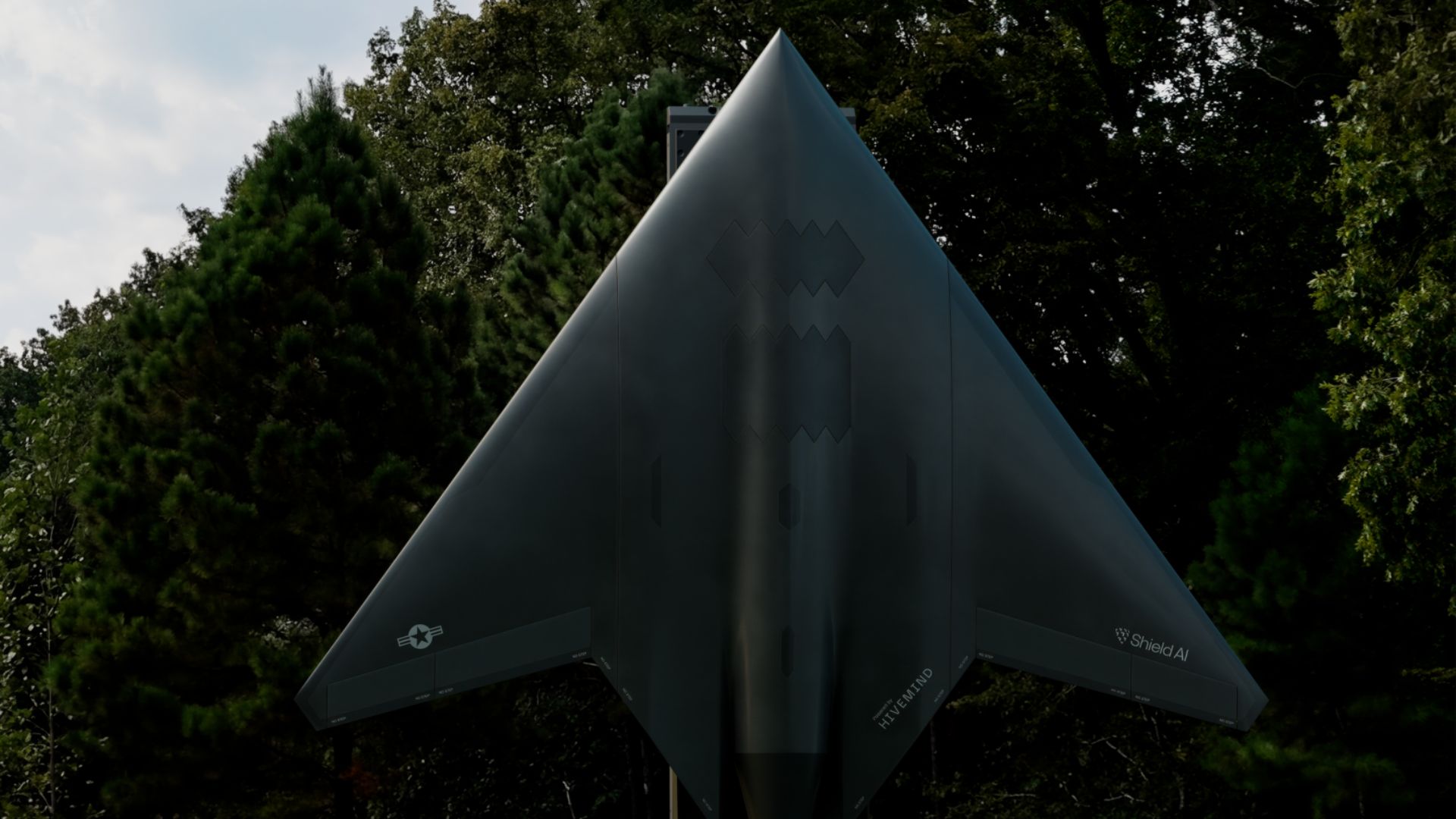
GE Aerospace and Shield AI Achieve Milestone in X-BAT Aircraft Engine Testing
GE Aerospace and Shield AI have successfully completed critical engine tests for the X-BAT unmanned strike aircraft, advancing the project towards vertical flight testing scheduled for later this year. The tests involved the integration and actuation of the Axisymmetric Vectoring Exhaust Nozzle (AVEN) on the F110-GE-129E engine, confirming the propulsion system's functionality. This achievement is significant as it marks the first fully integrated test of the nozzle and engine systems since the 1990s, showcasing the potential of the AVEN to enable vertical takeoff and landing without runways. The X-BAT is designed for deployment in areas lacking traditional airbases, enhancing operational flexibility in combat scenarios. Looking ahead, the next phase involves further ground tests of the AVEN before its installation on the X-BAT prototype for flight trials. The collaboration between GE Aerospace and Shield AI aims to refine the propulsion system, making future iterations of the X-BAT faster, lighter, and more capable for long-range missions.
Innovation Military Transportation
Russia Trials PLOT-40 Floating Defense Platform Against Drone Threats to Maritime Bases
Russia is testing the PLOT-40 floating defense platform to safeguard its ports from Ukrainian drone attacks. This platform, resembling a small pillbox, is equipped with an automatic cannon and is a response to the increasing sophistication of unmanned systems in maritime warfare. The significance of the PLOT-40 lies in its potential to enhance the defense of Russian maritime assets, particularly following recent drone attacks on the Black Sea port of Novorossiysk. As Ukraine intensifies its drone operations, the need for innovative defense solutions becomes critical for protecting extensive maritime facilities. Looking ahead, the PLOT-40 represents a shift towards improvised defense mechanisms in counter-drone warfare. Its simple design may allow for cost-effective deployment, but its lack of mobility and armor raises questions about its effectiveness against larger drones. No further timeline was disclosed at the time of publication.
Military
Shield AI and GE Aerospace Adapt 1990s Thrust-Vectoring Tech for X-BAT Drone's Vertical Flight
Shield AI and GE Aerospace have successfully integrated a 1990s thrust-vectoring technology, the Axisymmetric Vectoring Exhaust Nozzle (AVEN), with the GE F110-GE-129E engine for the X-BAT unmanned combat aircraft. This innovative approach allows the X-BAT to take off and land vertically without the need for a runway. The adaptation of AVEN, originally developed for improving fighter maneuverability, represents a significant advancement in controlling aircraft during vertical flight. Unlike traditional aircraft that rely on aerodynamic surfaces, the X-BAT's propulsion system becomes crucial for maintaining control during vertical operations, utilizing thrust vectoring to redirect engine exhaust. As Shield AI continues to develop the AI-piloted X-BAT, the integration of AVEN could enable operations from diverse locations, enhancing the aircraft's versatility. The teams have conducted extensive testing, including integration and engine light-off testing at GE Aerospace’s facility in Ohio. No further timeline was disclosed at the time of publication.
Military
Actuate 26 Robotics Developer Conference Reveals Speaker Lineup with Industry Leaders
Foxglove has announced the speaker lineup for Actuate 26, its annual robotics developer conference, featuring leaders from Wayve, Aurora, Physical Intelligence, and more. The event will take place on August 18-19, 2026, at Fort Mason in San Francisco, showcasing technical talks, keynotes, and hands-on programming. This conference is significant as it aims to gather over 1,000 attendees from various sectors deploying robots, including autonomous vehicles, drones, and industrial automation. The participation of industry leaders highlights the growing interest and advancements in robotics and AI technologies. As the event approaches, attendees should look forward to insights from top experts in the field and opportunities for networking and collaboration. No further timeline was disclosed at the time of publication.

Poland buys V-Bat UAVs from Shield AI for naval forces
In Ukraine, V-Bat drones have demonstrated resilience against electronic warfare attacks that have successfully incapacitated other unmanned aerial vehicles (UAVs). This development highlights the increasing sophistication of drone technology amid ongoing conflicts, where electronic warfare tactics are commonly employed to disrupt enemy operations. The ability of V-Bat drones to withstand such attacks is significant, as it enhances their operational effectiveness and provides a strategic advantage in the battlefield. The situation underscores the evolving nature of warfare and the critical role that advanced drone systems play in modern military engagements.
Uncategorized Drones Europe Global Navy Poland
Shield AI tapped to integrate autonomous software on LUCAS drone
A technology company has announced plans to enhance its drone capabilities by integrating its Hivemind software, which will enable advanced swarming functionality. The demonstration of this innovative feature is scheduled for later this year, showcasing the potential for coordinated drone operations. This development aims to improve efficiency and effectiveness in various applications, reflecting the company's commitment to advancing drone technology.
Air Warfare Pentagon Air Force Drone Dominance Program Drones Emil Michael
Shield AI and HII Partner to Accelerate Modular Cross-Domain Mission Autonomy Solutions
HII, the largest military shipbuilder in the United States, has partnered with Shield AI, a company specializing in advanced autonomy software and aircraft technology. This collaboration aims to enhance modular, cross-domain mission autonomy, which is increasingly crucial for modern military operations. The announcement was made today, highlighting the commitment of both companies to innovate in defense technology. By combining HII's extensive experience in shipbuilding with Shield AI's cutting-edge software capabilities, the partnership seeks to improve operational efficiency and effectiveness across various military domains. This initiative reflects a growing trend in the defense sector to integrate advanced technologies for enhanced mission readiness and adaptability.
shield ai hiiRobotics needs a service framework.
RSF defines a common language for robot service capability, lifecycle operations, certification pathways, and service-provider networks.
Join the RobotToday community on LinkedIn
Daily robotics news, in-depth analysis, conference highlights, and discussions with professionals worldwide.







