Industry Briefing
A single destination for timely, editor-curated robotics news from around the world.

Sav Secures $3.5 Million Pre-Series A Funding to Enhance AI Financial Platform for Expats
Sav, a fintech company based in the GCC, has successfully raised $3.5 million in Pre-Series A funding to enhance its AI-driven financial platform aimed at expatriates. This funding round was led by Phoenix Venture Partners, with contributions from various investors, bringing Sav's total funding to $5.5 million since its inception in 2022. The significance of this funding lies in Sav's mission to streamline the financial management of approximately 35 million expatriates in the GCC, whose finances are often fragmented across different countries and currencies. The platform leverages AI to provide personalized financial insights and recommendations, expanding its offerings beyond its original card product to include money intelligence and public-market investing. Looking ahead, Sav plans to utilize the new funding to launch a credit product and expand its services across the GCC and globally. The company has already attracted over 100,000 users and established partnerships with major entities like Visa and Emirates Gold, indicating strong market potential and growth opportunities in the financial technology sector.
AI Funding & Investment AI AI-driven platform capital markets funding Phoenix Venture Partners
Microsoft Launches AI Model for Cybersecurity Cost Savings and Vulnerability Detection
Microsoft has introduced its first artificial intelligence model, MAI-Cyber-1-Flash, designed to identify cybersecurity vulnerabilities. This model, when integrated with OpenAI's GPT-5.4, reportedly outperforms competitors such as Anthropic's Mythos 5 and Google's 3.5 Flash Cyber on the CyberGym benchmark. The launch marks a significant step for Microsoft in revitalizing its cybersecurity efforts following a leadership change earlier this year. This initiative is crucial as it aims to enhance Microsoft's cybersecurity offerings while addressing the growing threat landscape where generative AI models can be exploited by attackers. The new model will be part of Project Perception, which is set to enter public preview on August 3. Microsoft has not disclosed the scale of its cybersecurity business, but it previously reported annual revenue exceeding $20 billion. Looking ahead, the effectiveness of MAI-Cyber-1-Flash will be closely monitored, especially as it seeks to lower barriers for talent in security operations centers (SOCs). Microsoft executives believe that leveraging AI can help attract more personnel to the cybersecurity field, which currently faces staffing challenges. No further timeline was disclosed at the time of publication.

JetZero Develops World's First Blended Wing Jet with 5,000 nm Range and 50% Fuel Savings
A US aerospace startup, JetZero, has initiated the development of a groundbreaking blended-wing passenger aircraft, the Z4, which promises up to 50% lower fuel consumption. This innovative aircraft is being showcased at the Farnborough International Airshow in the UK from July 20 to 24 and is set to become the first commercial blended wing body airliner, expected to enter service in the early 2030s. The Z4 is designed to accommodate approximately 250 passengers and boasts a range of 5,000 nautical miles. Its unique design merges the wings and fuselage into a single lifting surface, enhancing aerodynamic efficiency without necessitating changes to existing airport infrastructure. Japan Airlines (JAL) has partnered with JetZero to refine the aircraft's design and operations, emphasizing the importance of early airline involvement in the development process. As JetZero continues its development efforts, the Z4 aims to significantly reduce fuel consumption and emissions, addressing one of the largest operating expenses for airlines. The collaboration with JAL aligns with their commitment to sustainable innovation and net-zero emissions by 2050, marking a pivotal step towards a new era of efficient air travel. No further timeline was disclosed at the time of publication.
Transportation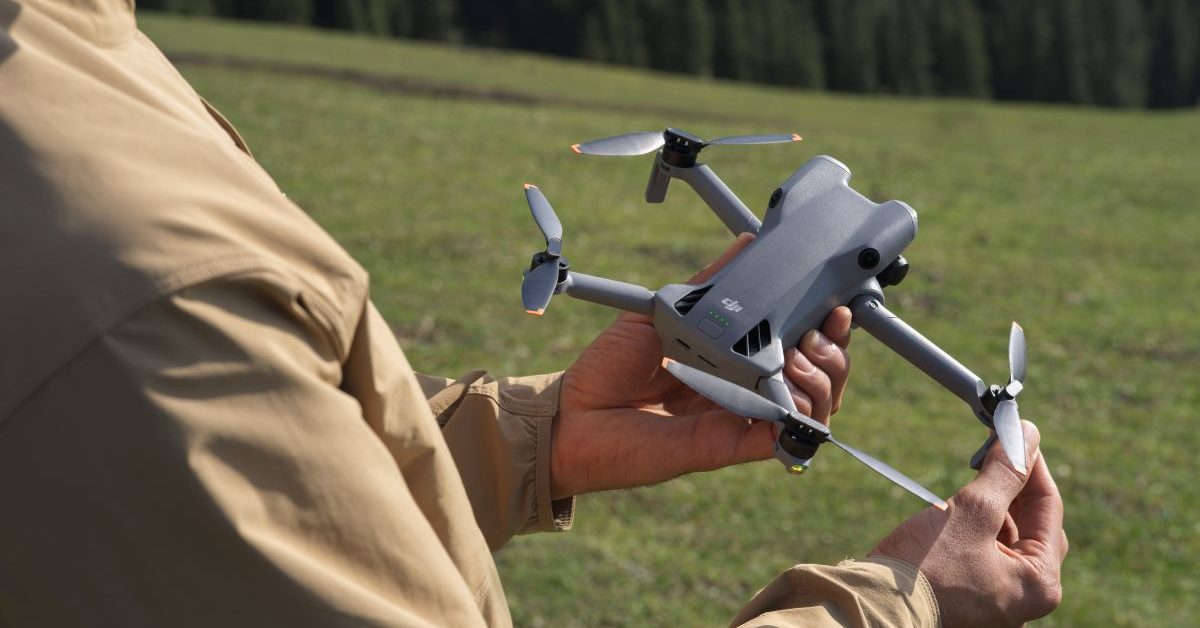
DJI Mini 5 Pro Drone Discounts Offer Up to $110 Savings Today
The DJI Mini 5 Pro drone is now available at a discounted price, with major bundles seeing a 10% reduction. This sale marks the first significant price cut in months, making it an opportune time for potential buyers. The Mini 5 Pro, known for its impressive features despite its lightweight design, includes a 1-inch, 50MP camera sensor that enhances dynamic range and low-light performance. This discount is particularly timely as summer is peak flying season in the US, and DJI's premium drones rarely see such price reductions. The Mini 5 Pro remains a popular choice among consumers due to its advanced capabilities, including a battery life of up to 36 minutes and features like omnidirectional obstacle sensing and improved ActiveTrack. Buyers are encouraged to consider the Fly More Combo with DJI RC 2, which offers additional batteries and accessories for extended flight time. However, the longevity of these discounts is uncertain, as DJI often runs limited promotions on its premium products. Interested customers should act quickly to take advantage of this opportunity.
News
Starmind's Satellite Technology Achieves 880 Billion Liters in Annual Water Savings
Starmind has announced that its satellite technology can save approximately 880 billion liters of cooling water annually at full scale. This figure is equivalent to the annual household water use of around 6.5 million Americans. The technology operates by utilizing a closed-loop liquid cooling system that eliminates the need for water during its operational life, contrasting sharply with traditional ground data centers that consume vast amounts of water for cooling. The significance of this achievement lies in the growing water consumption crisis faced by data centers, particularly as AI expansion drives demand. In 2025, U.S. data centers consumed nearly one trillion liters of water, highlighting the urgent need for sustainable solutions. Starmind's approach not only addresses direct water usage but also avoids indirect water consumption associated with electricity generation, marking a substantial shift in how computing can be conducted in a resource-efficient manner. Looking ahead, Starmind's deployment strategy includes a projected buildout of 100 GW of orbital compute per year, which could displace an additional 735 billion liters of ground water demand annually. The first tranche of 10,000 satellites is already operational, offsetting approximately 8.8 billion liters of water per year. No further timeline was disclosed at the time of publication.

Robots Engage in Activism: Demonstrating for Job Preservation and Human Employment
Recent developments in robotics have seen machines taking on activist roles, with robots staging protests to advocate for the preservation of human jobs. This movement highlights the growing intersection of technology and social issues, emphasizing the need for a balance between automation and employment. The significance of this robotic activism lies in its potential to influence public perception and policy regarding automation in the workforce. As industries increasingly adopt robots for various tasks, the conversation around job displacement and the future of work becomes more critical. Companies like Monumental are focusing on automating construction while maintaining skilled jobs, showcasing a commitment to both innovation and employment. Looking ahead, the evolution of robotics and AI technologies will likely continue to shape these discussions. The integration of advanced systems, such as XTEND’s XOS and DEEP Robotics’ capabilities, will be pivotal in determining how robots can coexist with human workers. No further timeline was disclosed at the time of publication.
AI and Robotics
Robot Dance Performance Achieved Through Overnight Coding Before Concert Event
On August 19, Yushu Technology officially debuted on the STAR Market. During a celebratory banquet, singer Wang Leehom shared a behind-the-scenes story with founder Wang Xingxing and Sequoia Capital's Shen Nanpeng. Over a year ago, Wang approached Yushu to create a mobile mechanical piano for his concert, but Wang Xingxing suggested using humanoid robots instead. In December 2025, six G1 humanoid robots performed in Wang's concert in Chengdu, marking the world's first group dance by robots. However, during rehearsals, the robots began to lag, causing Wang to feel overwhelmed. The engineering team proposed synchronizing the robots with the lighting system, a task they had never attempted before. They worked overnight to write new code, successfully resolving the delay issues. The next day's performance went flawlessly, earning praise from Elon Musk, who shared a video of the event. Wang noted that while the robots performed perfectly alone, the interaction between humans and robots created a unique chemistry. He humorously remarked on the youthful energy of the Yushu team, who worked tirelessly to bring this innovative performance to life.
Humanoid Robots Robot Performance AI Entertainment Technology
Molex Invests in CAEPlus to Enhance Active Liquid Cooling for Data Centers
Molex, a global leader in electronics, is investing in CAEPlus to develop BoundaryCool, an active liquid cooling platform aimed at managing heat from advanced AI and high-performance computing systems. This investment is crucial as data centers face challenges from rising processor temperatures, necessitating innovative cooling solutions. The BoundaryCool system actively removes heat from GPUs, CPUs, and TPUs, offering a significant improvement over traditional passive cooling methods. By integrating with existing data center infrastructure, it allows for upgrades without the need for complete facility overhauls. This aligns with Molex's strategy to enhance thermal management in response to the growing demand for efficient cooling in high-density computing environments. Looking ahead, the collaboration between Molex and CAEPlus is set to advance the commercialization of BoundaryCool, with Molex providing engineering expertise to support the development. As the need for effective thermal management intensifies, this partnership is poised to play a vital role in meeting the cooling demands of next-generation computing technologies. No further timeline was disclosed at the time of publication.
AI and Robotics
Lucid Motors Unveils $1.4 Billion Turnaround Strategy Focused on Robotaxis
Lucid Motors announced a comprehensive operational reset aimed at achieving $1.4 billion in cash savings, alongside key initiatives such as robotaxis and a new mid-sized electric vehicle. This plan, led by CEO Silvio Napoli, seeks to address the company's growing EV inventory and excessive spending. The significance of this turnaround plan lies in its potential to stabilize Lucid's financial situation, which has seen a net loss of $1.26 billion in the second quarter. By reducing capital expenditures and operational costs, the company aims to secure sufficient liquidity through 2027, as emphasized by Napoli during the earnings call. Looking ahead, Lucid's focus on launching its mid-sized EV, known as Cosmos, and advancing its robotaxi program with Uber and Nuro will be critical for future profitability. The establishment of Lucid Technologies to enhance AI and digital capabilities further underscores the company's commitment to innovation and operational efficiency.
Transportation electric vehicles EVs Lucid Motors
Seoul Tech Develops 3D-Printed Footpad for Energy-Efficient Four-Legged Robots
A research team from Seoul Tech has created a flexible, 3D-printed footpad for four-legged robots that can absorb and release energy, enhancing efficiency. This design enables robots to save between 1.4% to 6.2% of energy during movement, presenting a viable alternative to conventional energy recovery techniques. The significance of this development lies in its potential to improve the operational efficiency of robotic systems, particularly in applications such as inspection and logistics. The integration of an AI controller further optimizes the robot's gait, expanding its operational range and effectiveness in various tasks. Looking ahead, the focus will be on the practical applications of this technology in real-world scenarios. No further timeline was disclosed at the time of publication.
Robotics Energy Efficiency 3D Printing AI Control Automation
UNSW Develops Soft Robotic Heart for Disease Study and Cardiac Device Testing
Researchers at the University of New South Wales (UNSW) have created a soft robotic model of the human heart that mimics disease conditions and facilitates testing of cardiac devices. This innovative model replicates the left side of the heart, including critical structures such as artificial valves and papillary muscles, which are essential for heart function. The significance of this development lies in its potential to enhance understanding of cardiovascular diseases, which remain the leading cause of death globally. The soft robotic heart can simulate conditions like mitral valve prolapse and regurgitation, allowing for more effective medical device development and reducing the need for animal testing. Looking ahead, the UNSW team aims to refine these artificial heart models to provide personalized treatment planning for patients. No further timeline was disclosed at the time of publication.

Katalyst Space Technologies Develops Space Tug in Nine Months to Save NASA Telescope
Katalyst Space Technologies, a startup based in Arizona, has developed a space tug named LINK within nine months to rescue NASA's Swift Observatory, which is at risk of re-entering Earth's atmosphere. The telescope, valued at approximately $500 million, has been descending rapidly due to solar activity, and without intervention, it is expected to fall in October 2023. The significance of this mission extends beyond the Swift Observatory. If successful, it will demonstrate that commercial spacecraft can capture government satellites without pre-designed interfaces, a capability that could also be crucial for the Hubble Space Telescope, which is facing similar orbital decay. Katalyst's efforts highlight the growing need for on-orbit servicing as Earth's orbit becomes increasingly congested with space debris. The LINK spacecraft, weighing about 425 kilograms and equipped with three robotic arms and ion thrusters, is currently en route to the Swift Observatory. The team will spend weeks checking LINK's systems before approaching the satellite to devise a safe capture plan. If all goes well, the Swift Observatory may resume its cosmic observations by September 2023.
Space Robotics Satellite Rescue Commercial Spaceflight Space Debris Management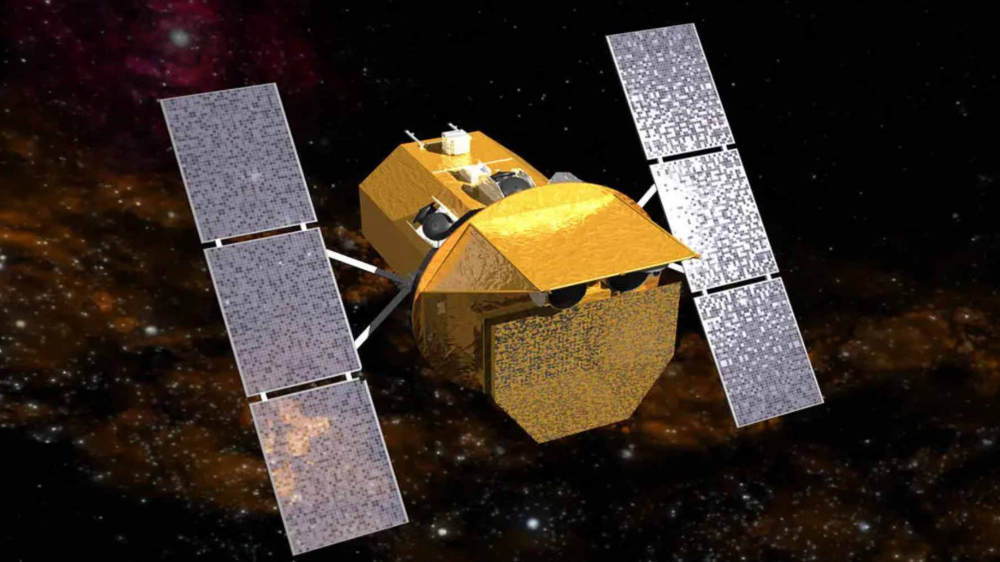
Katalyst Space Technologies Launches LINK to Save Aging NASA Space Telescope
On July 3, Katalyst Space Technologies launched its robotic spacecraft LINK from an aircraft at approximately 40,000 feet over the Pacific Ocean, targeting NASA's Neil Gehrels Swift Observatory. The $500 million satellite is descending towards Earth at an accelerated rate and is expected to re-enter the atmosphere as early as October if no intervention occurs. The Swift Observatory, operational since 2004, has been NASA's 'first responder' to cosmic events, capable of rapidly observing gamma-ray bursts. However, solar activity has caused the Earth's atmosphere to expand, leading to a rapid decay in the satellite's orbit from about 600 kilometers to approximately 360 kilometers. In September 2025, NASA awarded Katalyst a $30 million contract to complete the design and launch process within ten months. If successful, this mission will demonstrate that commercial spacecraft can capture a government satellite without a designated docking interface. This capability is crucial for the Hubble Space Telescope, which is also experiencing orbital decay. The Swift Observatory has paused scientific observations to conserve its orbit, and if all goes well, it may resume scanning the universe in September. The LINK mission highlights the growing issue of space debris and the need for satellite maintenance rather than treating them as disposable assets.
Space Robotics Satellite Recovery Commercial Spaceflight Space Debris Management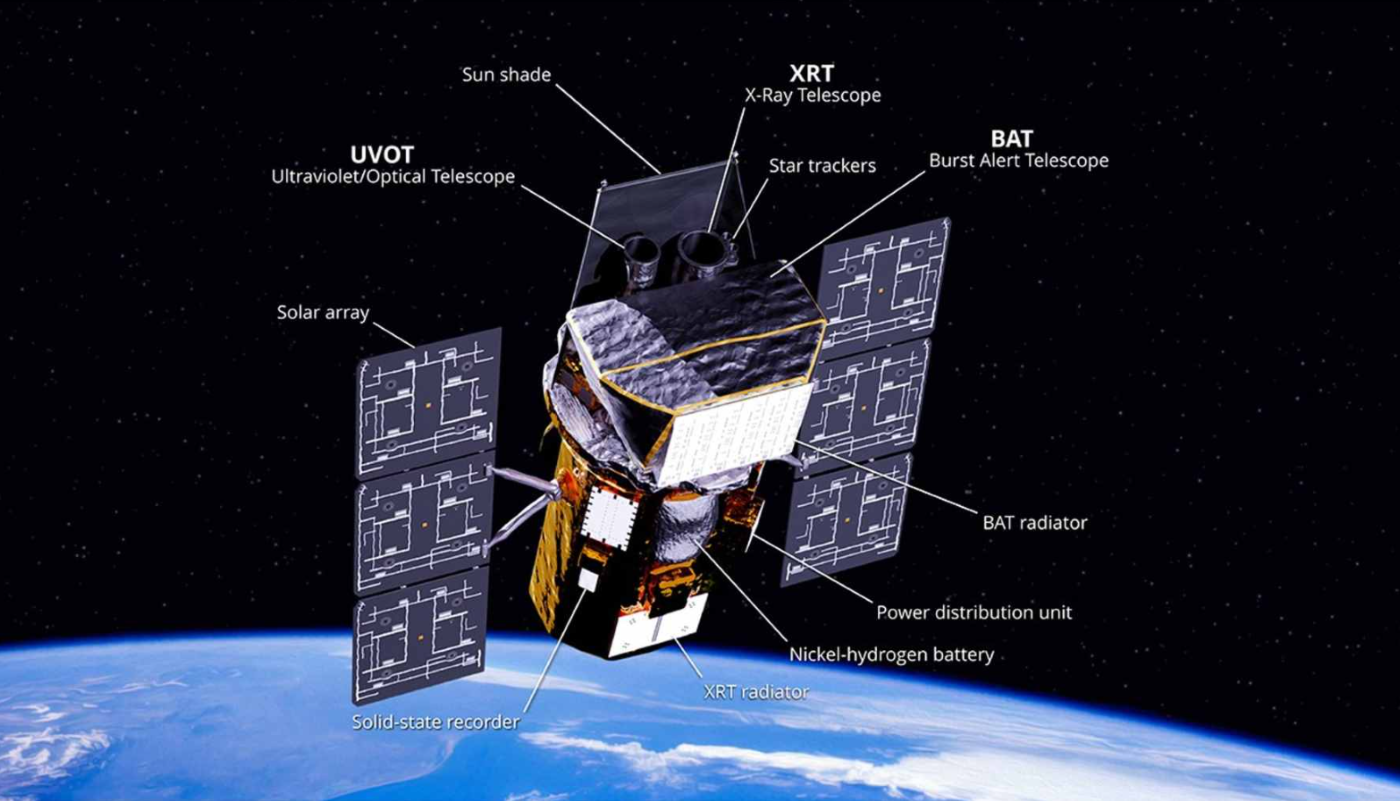
Katalyst Space Technologies Launches Space Tug to Save NASA's Swift Observatory
Katalyst Space Technologies, a startup based in Arizona, has developed a space tug named LINK to rescue NASA's Swift Observatory, which is at risk of re-entering the atmosphere. Launched on July 3 aboard a Northrop Grumman Pegasus XL rocket, LINK aims to prevent the $500 million satellite from burning up in October due to accelerated orbital decay caused by solar activity. The Swift Observatory has been a vital asset for NASA since its launch in 2004, providing rapid responses to astronomical events. However, its orbit has deteriorated from approximately 600 kilometers to about 360 kilometers. Katalyst was awarded a $30 million contract in September 2025 to design and launch LINK within ten months, compressing a typical two to three-year testing cycle into weeks. The mission's success could demonstrate that commercial spacecraft can capture government satellites without designated docking interfaces, which is crucial for future missions, including potential interventions for the Hubble Space Telescope. As space becomes increasingly congested with debris, the ability to repair satellites rather than discard them is becoming essential.
Space Robotics Satellite Rescue Commercial Spaceflight NASA Technology
BNP Paribas Warns Tesla Investors on SpaceX Merger Speculation and Cash Burn Risks
Tesla investors have historically benefited from their confidence in Elon Musk's electric vehicle company, with stock performance often defying downturns. Currently, speculation about a potential merger with SpaceX has fueled optimism among investors, suggesting a 'takeout premium' could be on the horizon. However, BNP Paribas analysts caution that this merger may not materialize soon due to significant cash burn concerns at both companies. The analysts, led by James Picariello, maintain an underperform rating on Tesla with a price target of $280, citing worries about Tesla's cash burn over the next two years. They highlight that SpaceX's projected cash burn of $216 billion from 2026 to 2031 complicates the merger prospects. Additionally, regulatory hurdles and the need for shareholder support could delay any potential deal. Looking ahead, Tesla's increased capital expenditure budget of $25 billion this year and projected annual spending of up to $23 billion through 2030 raises questions about the feasibility of its ambitious plans for the Optimus humanoid robot and Robotaxi platforms. Analysts express concerns about the company's ability to meet key performance indicators in these areas, which could impact core operations before any merger with SpaceX can occur.

Tesla's Optimus Robots to Support Starmind Satellite Production, Not Maintenance
Tesla's Optimus robots will not be used to repair Starmind satellites in orbit, as confirmed by recent statements from Elon Musk. Instead, these robots are intended to assist in the construction and operation of the Terafab chip manufacturing facility in Texas. The AI1 satellites, designed to disintegrate upon reentry, highlight the company's swap-and-replace strategy rather than traditional maintenance practices. This approach is significant as it reflects a broader trend in satellite management, where mass-produced satellites are replaced rather than repaired. The economics of servicing missions are prohibitive, with the cost of launching a replacement satellite being significantly lower than conducting a repair mission. This model aligns with SpaceX's operational history, where rapid replacement of satellites is more efficient than attempting to maintain them in orbit. Looking ahead, the focus will remain on the production capabilities of the Gigasat factory, which is expected to support the continuous replacement of satellites. No further timeline was disclosed at the time of publication, but the demand for rapid satellite turnover suggests a robust future for Optimus robots in terrestrial manufacturing rather than in-space servicing.
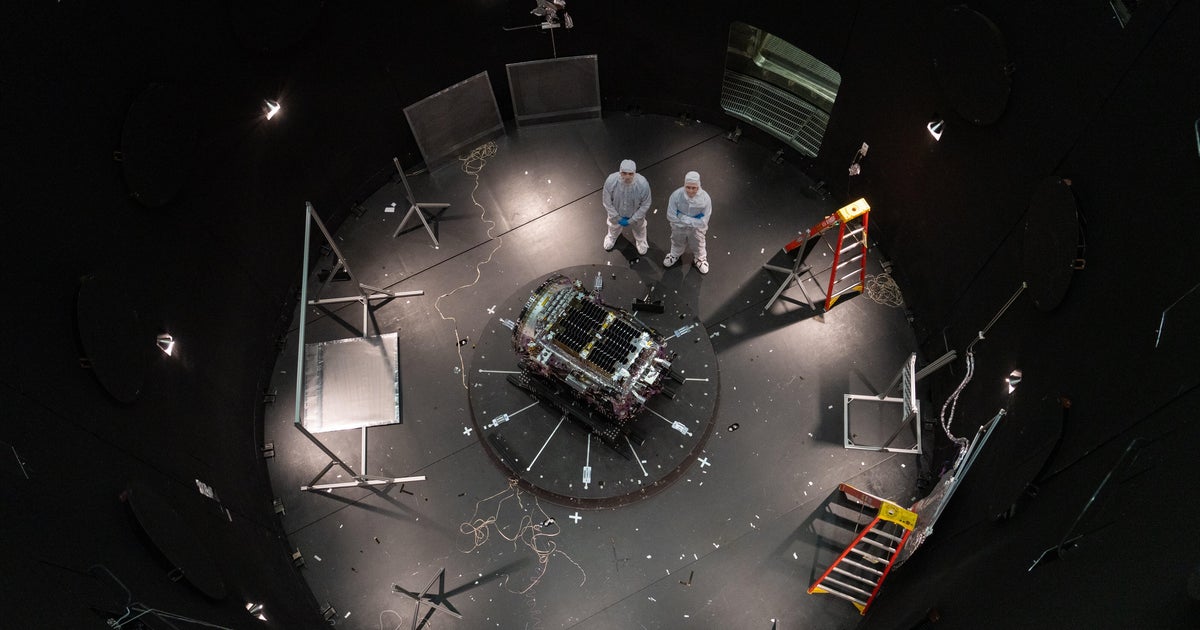
NASA prepares to launch rescue to save telescope from falling to Earth
A $30 million salvage operation is set to commence this week, featuring the launch of a robotic lifesaver designed to assist in recovery efforts. The initiative aims to address the challenges posed by recent maritime incidents, reflecting a growing commitment to enhancing safety and efficiency in salvage operations. The deployment of advanced technology underscores the urgency of the situation and the need for innovative solutions in maritime recovery. As the operation unfolds, stakeholders are hopeful that the robotic system will significantly improve the chances of successful salvage and recovery.

Unmanned Maritime Systems Technology USA 2026: Save $200 with Early Bird Registration – Book by July 2
SAE Media Group has announced that the Unmanned Maritime Systems Technology USA (UMST USA) 2026 conference will take place in Arlington, Virginia, from September 14 to 16, 2026. This event is recognized as North America’s leading gathering focused on maritime robotics and autonomous systems. It aims to bring together senior naval leaders, government officials, and industry innovators to foster the advancement and operational integration of robotics and autonomous systems (RAS) within the maritime sector. The conference seeks to address the growing need for innovation in maritime technology, highlighting its importance for national security and economic development.
unmanned maritime systems technology usa 2026 early bird registration events
Six battery storage projects bring 23 MW capacity and $90M savings to Massachusetts
Lightshift Energy has announced plans to expand its operations in Massachusetts by adding six new battery energy storage projects. This initiative aims to enhance the state's energy infrastructure and support the growing demand for renewable energy solutions. The projects are set to be developed over the coming months, with specific locations yet to be disclosed. The expansion is part of Lightshift Energy's broader strategy to contribute to the transition towards cleaner energy sources and to help stabilize the power grid. By incorporating advanced battery technology, the company seeks to improve energy storage capacity, allowing for better management of energy supply and demand. This move aligns with Massachusetts' commitment to increasing renewable energy usage and reducing carbon emissions.
Energy
New membranes strip 99.8% of heavy hydrocarbons from crude oil to save refining energy
Researchers have developed a groundbreaking class of ultrathin polymer membranes known as Polymers of Locked Intrinsic Microporosity (PLIMs). This innovative material, which emerged from a collaborative effort among scientists, aims to enhance gas separation processes. The announcement was made during a recent conference held in October 2023, where experts gathered to discuss advancements in materials science. The motivation behind creating PLIMs stems from the increasing demand for efficient and sustainable methods in gas separation, which is crucial for various industries, including energy and environmental sectors. The unique structure of these membranes allows for superior performance compared to traditional materials, potentially leading to significant reductions in energy consumption and operational costs. The development process involved extensive research and experimentation to optimize the polymer's properties, resulting in membranes that are not only ultrathin but also exhibit remarkable selectivity for specific gases. This advancement could revolutionize applications such as carbon capture and hydrogen purification, addressing pressing global challenges related to climate change and resource management. As the scientific community continues to explore the potential of PLIMs, the implications for industrial applications and environmental sustainability are becoming increasingly clear, paving the way for a new era in membrane technology.
Innovation
SORA-Q: Baseball-sized shape-shifting rover that saved Japan’s SLIM moon mission
A groundbreaking development in robotics has emerged from Japan, where researchers have created a microscopic, shape-shifting robot inspired by children's toys. This innovative technology successfully demonstrated its potential by aiding in the preservation of Japan's rich historical narrative. The robot, which can alter its form and function, was unveiled during a recent scientific conference held in Tokyo. The motivation behind this invention lies in the desire to enhance preservation techniques for cultural artifacts and historical sites, making them more accessible and engaging for future generations. By utilizing advanced materials and engineering principles, the team was able to design a robot that can navigate intricate environments and perform delicate tasks, showcasing its versatility and effectiveness. This achievement not only highlights the intersection of technology and cultural heritage but also opens new avenues for research and application in the field of robotics.
Space
Save Big and Play Bigger: GeForce NOW Summer Sale Brings Major Membership Savings
The GeForce NOW summer sale launched today, offering gamers substantial savings of up to $70 on a 12-month membership. This promotion presents an opportunity for PC gamers to enhance their cloud gaming experience and explore the full potential of Ultimate gaming. With the sale being time-sensitive, it encourages users to take advantage of the discounts while they last, making it an ideal moment for upgrades.
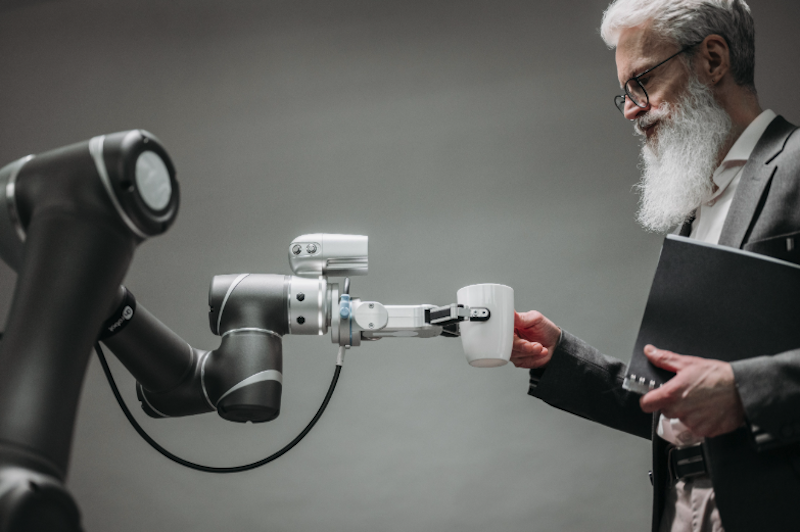
Why Factory Automation Now Depends on Software-Savvy Workers
As automation increasingly integrates into production environments, the demand for workers skilled in managing technology is rising. Traditionally, factory automation was characterized by robotic arms performing repetitive tasks behind safety barriers. However, the evolving landscape now requires employees to navigate complex dashboards, respond to alerts, and make data-driven decisions. This shift reflects a broader trend in which the role of human workers is transforming from manual labor to technological oversight, necessitating a new set of skills to effectively collaborate with advanced machinery. The growing reliance on automation is reshaping the workforce, prompting a need for training and adaptation to ensure that employees can thrive in a more automated future.
Automation Factories Robotics automation news automation workforce cobots
Space-saving production supply in a small area
Albert Eger, a manufacturer of paper tubes and winding cores, has implemented the FTS Leo flow from Bito-Lagertechnik to enhance and digitize its manufacturing processes. This initiative aims to optimize production efficiency within a compact space, reflecting the company's commitment to modernizing its operations. The integration of this automated guided vehicle system is expected to streamline workflows and improve overall productivity in the production area.
Allgemein Automation Fördertechnik & Handling Lagerlogistik & Materialfluss Mobile Robotik
Final 24 hours to save up to $410 on your TechCrunch Disrupt 2026 ticket
TechCrunch is offering a final opportunity for attendees to secure Early Bird savings of up to $410 for its highly anticipated Disrupt 2026 event, with the deadline set for tonight at 11:59 p.m. PT. Scheduled for October, this event is expected to draw over 10,000 tech leaders from various sectors, making it one of the year's premier gatherings in the technology industry. The early registration discount aims to encourage participation and ensure that innovators and industry experts can connect and share insights. Interested individuals are urged to register promptly to take advantage of these savings before prices increase.
TC Startups Transportation Security Hardware Crypto
2 days left: Lock in ticket savings of up to $410 to TechCrunch Disrupt 2026
TechCrunch is offering a limited-time opportunity for attendees to save up to $410 on tickets for its Disrupt 2026 event, with the discount set to expire tomorrow, May 29, at 11:59 p.m. PT. The event, scheduled to take place from October 13 to 15 in San Francisco, is expected to attract over 10,000 technology leaders and innovators. This initiative aims to encourage participation and foster networking among industry professionals, highlighting the importance of collaboration and knowledge sharing in the tech sector. Interested individuals are urged to register promptly to take advantage of the savings and secure their place at this significant gathering.
TC Startups Transportation Crypto Climate Fintech
TechCrunch Disrupt 2026 Early Bird ticket savings end in 3 days
Tech enthusiasts and industry professionals have just three days left to take advantage of early bird pricing for TechCrunch Disrupt 2026, with the deadline set for May 29 at 11:59 p.m. PT. This annual event, recognized as one of the most significant gatherings in the technology sector, offers attendees the opportunity to engage with leading innovators and thought leaders. After the early bird period concludes, ticket prices will increase, prompting potential attendees to secure their passes promptly to avoid higher costs. The event promises to be a pivotal occasion for networking and exploring the latest trends in technology.
TC Startups Transportation Security Hardware Crypto
5 days left: Save up to $410 on TechCrunch Disrupt 2026 passes before prices increase
TechCrunch has announced that early bird registration for its Disrupt 2026 event in San Francisco will conclude on May 29 at 11:59 p.m. PT. Attendees can take advantage of significant savings of up to $410 by registering before the deadline. The event promises to gather industry leaders and innovators, providing a platform for networking and showcasing the latest advancements in technology. Interested participants are encouraged to secure their spots promptly to benefit from the reduced rates before prices rise.
TC Startups Crypto Climate Fintech Biotech & Health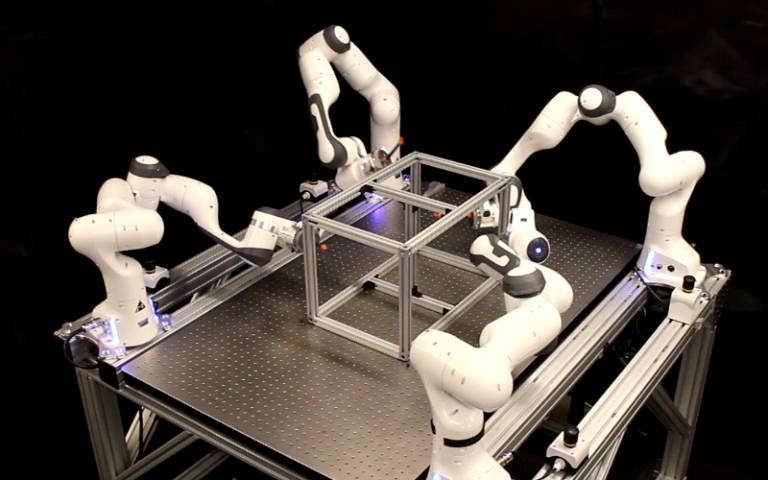
L3Harris delivers T4 and T7 ‘life-saving’ robotic systems to ADF
L3Harris Technologies has delivered its T4 and T7 multi-mission robotic systems to the Australian Defence Force (ADF) to enhance personnel protection operations. This acquisition aims to bolster the ADF's capabilities in safeguarding its troops during various missions. The deployment of these advanced robotic systems reflects the ADF's commitment to integrating cutting-edge technology into their operations, ensuring greater safety and efficiency in the field. The partnership between L3Harris and the ADF highlights the growing importance of robotics in modern military strategies, particularly in addressing the challenges of personnel safety in complex environments.
News
DJI Agriculture Reveals Global Adoption of Agricultural Drones Cuts 51Mt in Carbon Emissions and Saves 410Mts of Water for Farmers Globally
At Brazil's AgriShow, a new report has been unveiled showcasing the rapid growth of the agricultural drone industry, revealing that over 600,000 DJI agricultural drones are now operational across more than 100 countries and regions. This significant milestone underscores the increasing adoption of drone technology in agriculture, driven by the need for enhanced efficiency and precision in farming practices. The report highlights how these drones are transforming traditional agricultural methods, enabling farmers to monitor crops, optimize resource use, and improve yields. As the industry matures, stakeholders are optimistic about the potential for further advancements and increased integration of drone technology in agricultural operations worldwide.
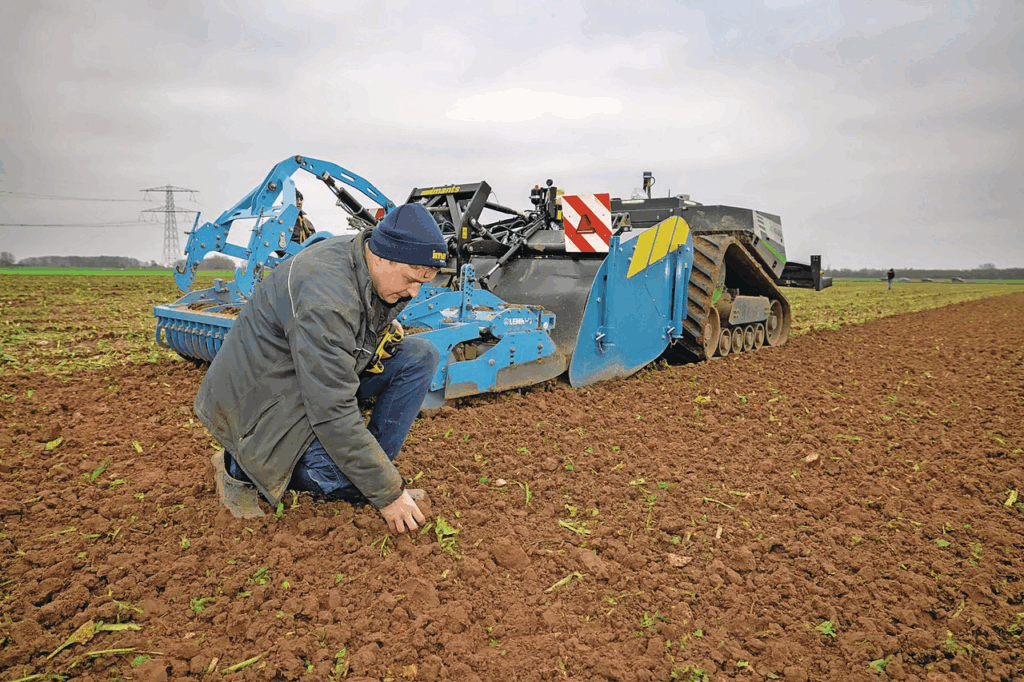
‘Robot saves time and delivers high-quality work, however, not the right moment to invest’
Marijn Vermuë has completed a year-long trial of the AgBot 5.115T2 robotic tractor, expressing enthusiasm for its performance. The lightweight tracked machine has proven to be beneficial not only in reducing labor costs but also in enhancing agronomic practices. Vermuë's positive experience highlights the potential of advanced agricultural technology to improve efficiency and productivity in farming operations.
Field robots autonomous tractors field robots precision agriculture robotic harvesting sensors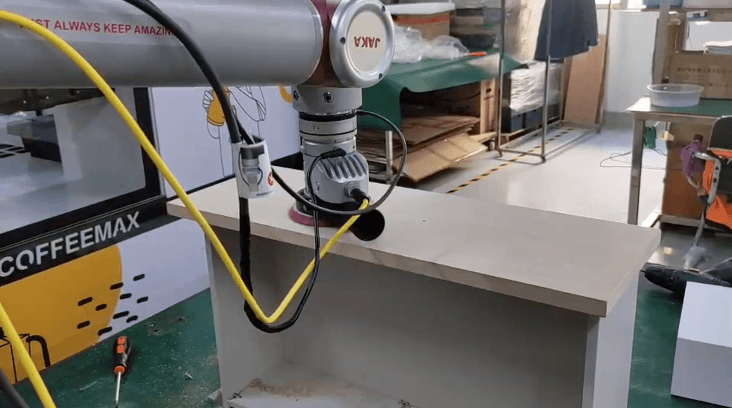
Is a Polishing Robot Worth the Investment? ROI on Consistency and Labor Savings
In the competitive landscape of modern manufacturing, JAKA is revolutionizing quality control with its innovative polishing robot, the JAKA S system. This advanced automation solution enhances process uniformity and significantly reduces human error, providing manufacturers with consistent surface finishes across multiple production batches. By employing high-precision adaptive assembly, the robot minimizes workpiece loss, improves output quality, and decreases rework and labor costs. The JAKA S robot is particularly beneficial for small-batch, multi-variety production environments, allowing companies to quickly switch between different product types without major modifications to existing production lines. This flexibility is crucial in industries such as electronics, automotive components, and precision metalwork, where production demands frequently shift. The robot's lightweight design and flexible grasping mechanisms optimize line configurations and reduce downtime, leading to increased throughput and efficiency. Additionally, the JAKA S system employs advanced sensors and adaptive control technology to ensure consistent performance, eliminating variations typically caused by human operators. This automation not only enhances labor efficiency but also allows human staff to focus on more complex tasks that require critical thinking and specialized skills. The robot operates safely alongside workers, improving workplace safety and reducing fatigue. Overall, JAKA's polishing robot offers manufacturers a strategic advantage, delivering measurable returns on investment through cost savings, enhanced consistency, and improved operational efficiency. As companies seek practical automation solutions, the JAKA S system stands out as a key step toward achieving reliable and adaptable manufacturing processes.
How Your Virtual Twin Could One Day Save Your Life
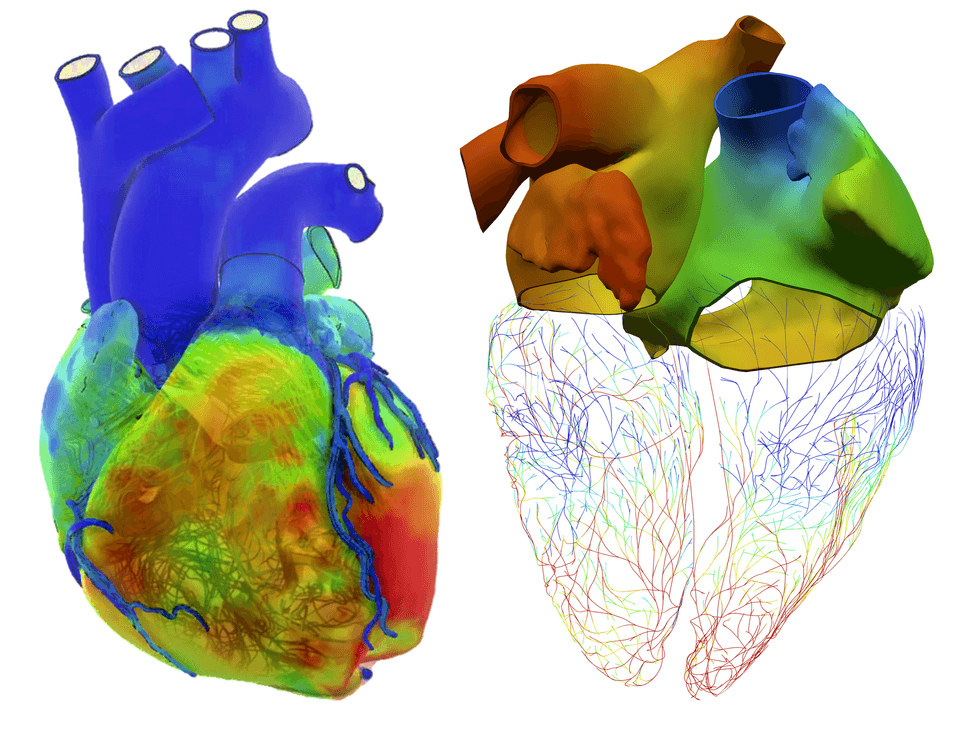
In May 2019, a cardiac surgeon at Boston Children’s Hospital successfully performed a complex heart surgery on a child with a severe congenital defect, utilizing advanced virtual twin technology. This innovative approach involved creating a detailed 3D model of the child's heart and vascular system from MRI and CT scans, allowing the surgical team to simulate various strategies and predict outcomes before the operation. The procedure was critical due to the unique nature of the child's heart condition, which had no established surgical manual. The Living Heart Project, initiated in 2014, has since guided nearly 2,000 surgeries by employing virtual twin modeling, which combines engineering principles with medical expertise to enhance surgical precision and patient outcomes. This project, now involving over 150 organizations globally, aims to revolutionize medical treatment by providing a dynamic, predictive tool that can simulate the human body's responses. The technology not only aids in surgical planning but also has the potential to streamline clinical trials. By creating virtual patient cohorts, researchers can test treatments more efficiently, reducing the time and costs associated with traditional trials. The FDA has recognized the significance of this approach, collaborating with the project to establish guidelines for in silico clinical trials, marking a significant shift in how medical innovations are developed and validated. As virtual twins expand beyond cardiac applications to other organs, they promise to transform healthcare by enabling personalized medicine and fostering a deeper understanding of patient physiology, ultimately improving treatment outcomes and patient engagement in their health management.
Cardiology Digital-twins Personalized-medicine Virtual-heart Generative-ai
Taxes Won’t Save Britain’s Productivity - but Robots Just Might
A recent opinion piece highlights the potential of robotics and artificial intelligence (AI) automation to enhance productivity in the UK. The author argues that by integrating these technologies, workers can achieve greater efficiency, allowing them to accomplish more tasks in a shorter timeframe. This perspective comes at a crucial time as the UK seeks to improve its economic performance and competitiveness in a rapidly evolving global market. The discussion emphasizes the importance of embracing technological advancements to address productivity challenges and ultimately drive economic growth. By leveraging robotics and AI, businesses can optimize operations, reduce costs, and increase output, positioning the UK for a more prosperous future.

Save the date for Ocean Business 2025 - Southampton, UK - 8-10 April, 2025
In April 2025, the global ocean technology community will convene in Southampton for Ocean Business 2025, a key event for marine industries. With less than four months remaining until the exhibition, all available space has been sold out, featuring 350 exhibitors. This year's event is expected to attract record attendance, highlighting the growing significance of ocean technology and innovation on a global scale. The gathering aims to foster collaboration and showcase advancements in marine technology, reflecting the industry's commitment to addressing challenges and opportunities in ocean exploration and sustainability.
ocean business events
Nokia cuts 2,000 jobs in China for cost-saving: report
Nokia has initiated significant layoffs, affecting approximately 2,000 employees, which accounts for 20% of its workforce in China. Additionally, the company plans to eliminate another 350 positions across Europe as part of its cost-reduction strategy. A spokesperson for Nokia confirmed the layoffs in Europe but did not provide details regarding the job cuts in China. As of December 2023, Nokia employed around 10,400 individuals in China, highlighting the scale of the recent reductions aimed at streamlining operations amid challenging market conditions.
News FeedRobotics needs a service framework.
RSF defines a common language for robot service capability, lifecycle operations, certification pathways, and service-provider networks.
Join the RobotToday community on LinkedIn
Daily robotics news, in-depth analysis, conference highlights, and discussions with professionals worldwide.