Industry Briefing
A single destination for timely, editor-curated robotics news from around the world.
Saildrone and Lockheed Martin Enhance Autonomous Naval Warfare with RIMPAC Missile Launch
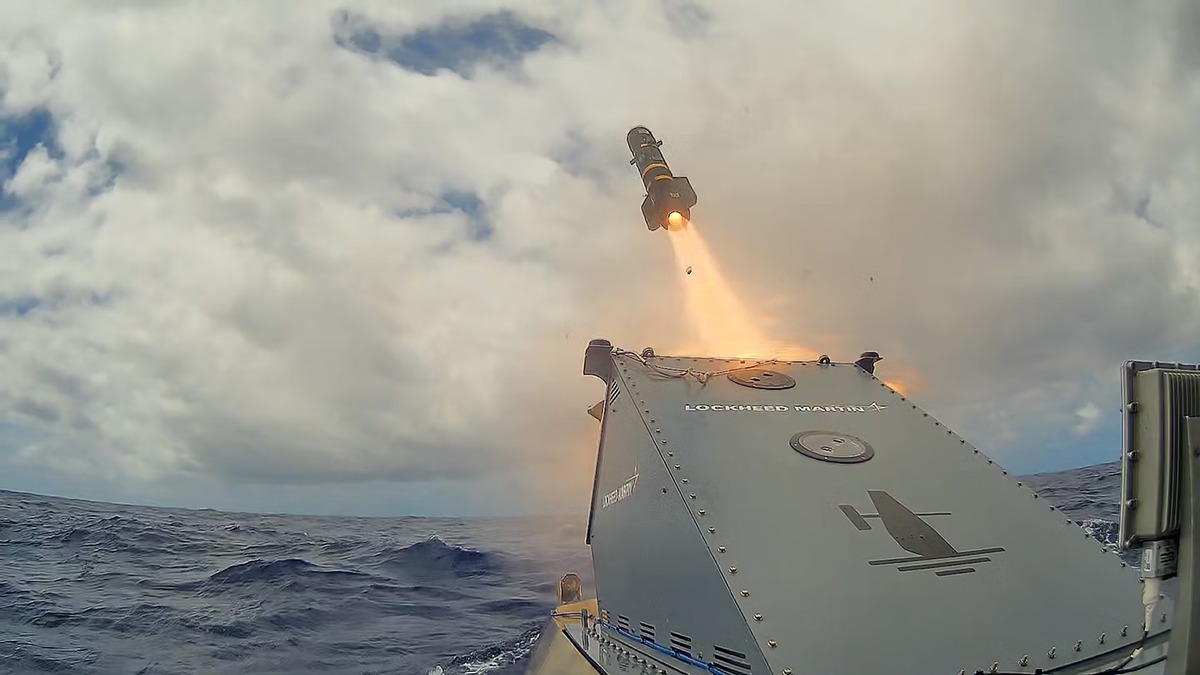
Saildrone successfully executed two Joint Air-to-Ground Missile launches from its Surveyor unmanned surface vehicle (USV) during the US Navy's Rim of the Pacific (RIMPAC) exercise. This marks a significant milestone as it is the first-ever missile launch from a Saildrone USV, showcasing the integration of Saildrone's technology with Lockheed Martin's missile capabilities. The demonstration is crucial as it highlights the potential of autonomous systems in modern naval warfare, allowing for extended operational capabilities in contested environments. The collaboration between Saildrone and Lockheed Martin, initiated in October 2025, aims to enhance the operational readiness of unmanned platforms, providing commanders with the necessary tools to project power effectively. Looking ahead, Saildrone plans to further develop its platform capabilities to meet evolving military requirements. The successful integration of electronic warfare sensors during the RIMPAC exercise also indicates the potential for future enhancements in autonomous naval operations. No further timeline was disclosed at the time of publication.
saildrone lockheed martin autonomous naval warfare rimpac demonstration usv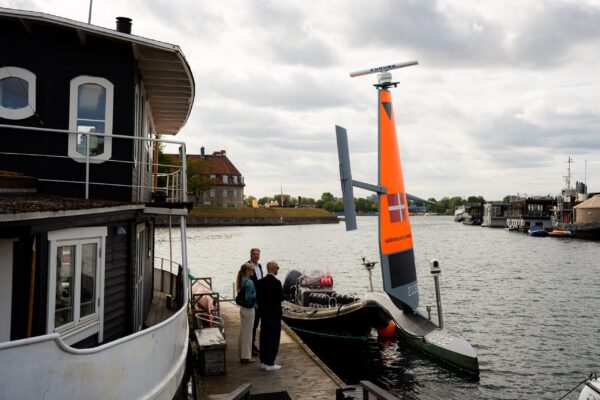
Saildrone Expands European Operations with New Copenhagen HQ and Three Build Contracts
Saildrone has announced a significant expansion in Europe, establishing its new headquarters in Copenhagen and securing three build contracts across Northern Europe. This expansion, revealed on August 18, 2026, includes partnerships with Van Der Valk Shipyard in the Netherlands for the construction of the first European-produced 52-meter Saildrone Spectre, Umoe Mandal in Norway for the next-generation Surveyor, and Southern Spars in Poland for the production of wings. This move is crucial for Saildrone as it aims to enhance its presence in the European market, targeting unmanned surface vehicles (USVs) for local customers. The new headquarters, located at the historic Quintus Bastion, will support business development, maintenance, and piloting activities across Europe. Richard Jenkins, Saildrone's founder and CEO, emphasized the importance of these projects in reinforcing the company's commitment to European operations. Looking ahead, Saildrone's participation in DALO Industry Days on August 19-20, 2026, will be an opportunity to showcase its capabilities and foster partnerships within the region. No further timeline was disclosed at the time of publication.
Drone News Drone News Feeds News ocean Oceans seadrones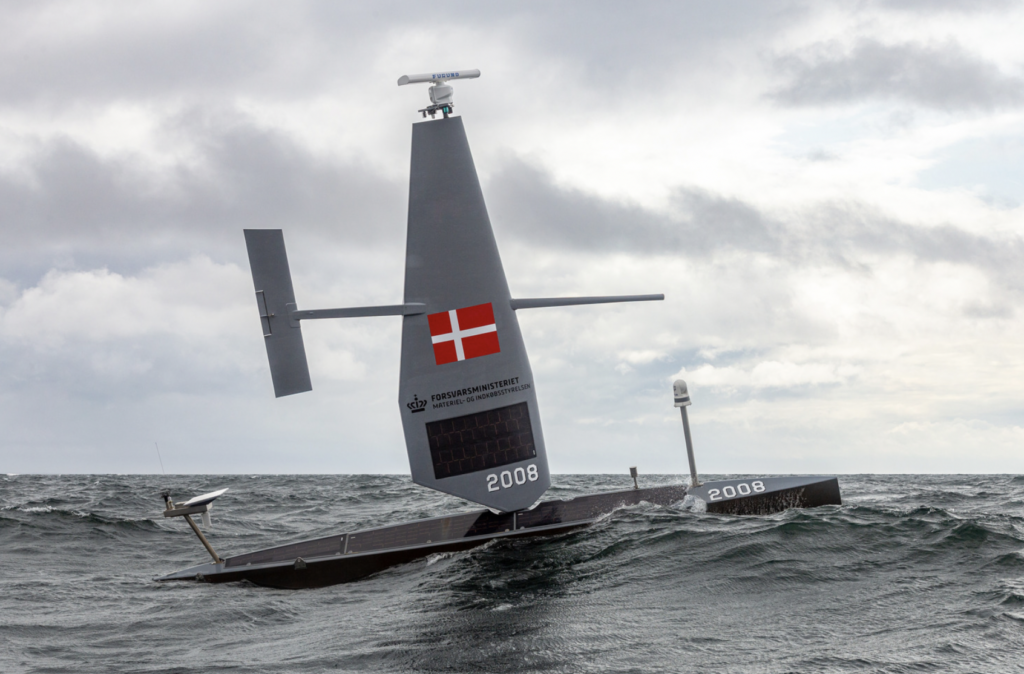
Saildrone Expands European Operations with Production Facilities in Three Nations
Saildrone, a US manufacturer of unmanned surface vessels, is broadening its European presence by establishing production facilities in the Netherlands, Norway, and Poland. This expansion coincides with the upcoming DALO Industry Days in Denmark, where Saildrone has also set up its EU headquarters earlier this year. The company is initiating three construction projects aimed at enhancing its capacity to quickly build and deploy unmanned surface vessels (USVs) across European waters. The first 52-meter Saildrone Spectre will be constructed at Van Der Valk Shipyard in the Netherlands, while the next generation Saildrone Surveyor will be produced in Norway. Additionally, Southern Spars will manufacture the wings of the Surveyor USVs in Poland. Looking ahead, Saildrone's operations will support maritime surveillance and intelligence-gathering efforts, particularly with the Danish Armed Forces trialing Saildrone Voyager USVs in 2026. The company emphasizes its commitment to meeting demand in Europe, although specific future contracts remain undisclosed at this time.
Naval Warfare Denmark Europe Navy Netherlands Norway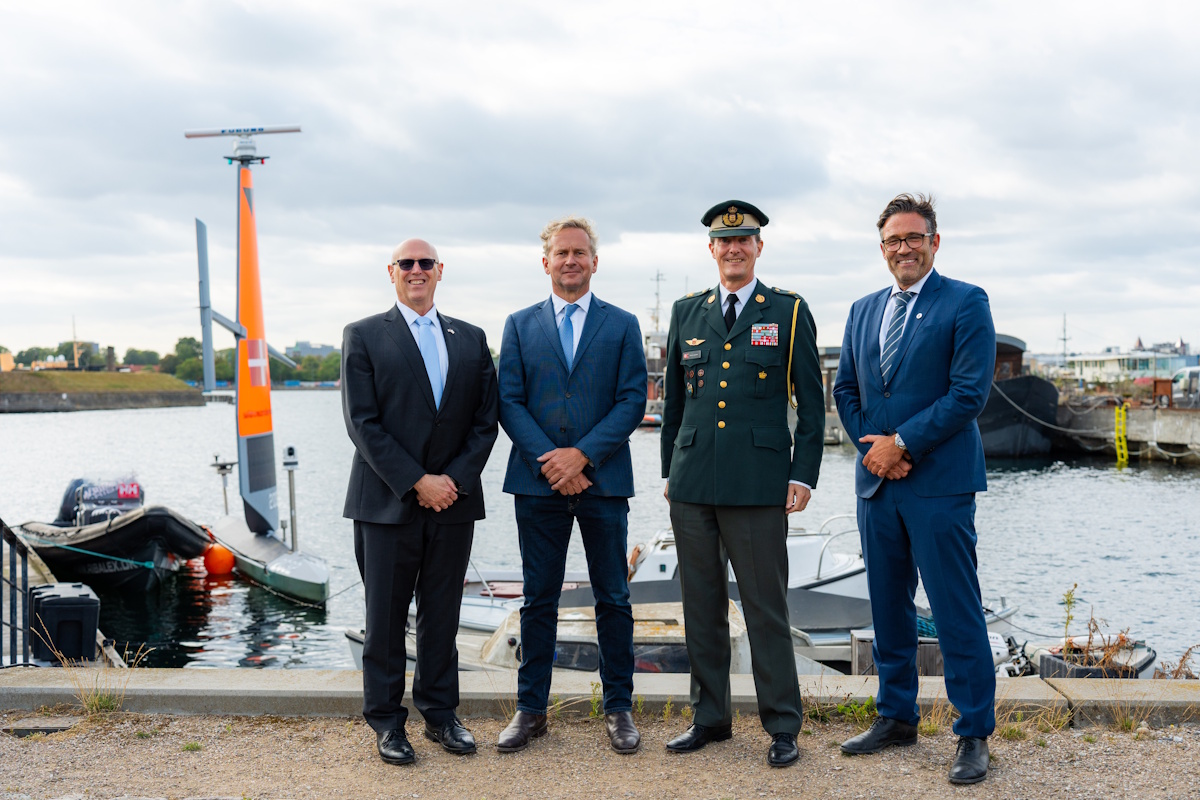
Saildrone Expands European Operations with New Manufacturing and Headquarters in Copenhagen
Saildrone has announced a significant expansion in Europe, establishing multiple manufacturing sites and its EU headquarters in Copenhagen. This expansion includes contracts for building the 52-meter Saildrone Spectre in the Netherlands, the next-generation Saildrone Surveyor in Norway, and Surveyor wings in Poland. This move is crucial as it enhances Saildrone's capacity to support European customers with unmanned surface vehicles (USVs) that address maritime challenges such as illegal fishing and drug trafficking. The establishment of local operations will enable Saildrone to provide direct support and maintenance for its USVs in the region. Looking ahead, Saildrone's new headquarters will facilitate business development and operational activities across Europe. The company aims to strengthen its presence and capabilities in the European market, responding to the growing demand for advanced maritime technology solutions. No further timeline was disclosed at the time of publication.
saildrone major european expansion production operations usv
Navy Extends Saildrone's Counter-Drug Mission with Voyager USVs in Caribbean and Eastern Pacific
The U.S. Navy has renewed its task order for Saildrone, extending the deployment of Voyager unmanned surface vehicles (USVs) in the Caribbean and Eastern Pacific regions. This extension aims to enhance maritime surveillance and counter-drug operations in these critical areas. The significance of this mission lies in the Navy's commitment to combating drug trafficking and ensuring maritime security. By utilizing advanced technology like the Voyager USVs, the Navy can effectively monitor vast ocean areas, making it a vital asset in the fight against illegal drug activities. Looking ahead, the continued operation of Voyager USVs will be crucial in maintaining a strong presence in the Caribbean and Eastern Pacific. No further timeline was disclosed at the time of publication.
Naval Warfare Adm. Daryl Caudle Caribbean Sea Drones Eastern Pacific Navy
Saildrone Voyager Aids U.S. Navy in Seizing $81 Million Worth of Cocaine
The U.S. Navy has successfully utilized the Saildrone Voyager unmanned surface vehicle (USV) to assist in a significant drug bust, seizing over $81 million in cocaine during an operation in October 2025. This operation highlights the effectiveness of unmanned systems in maritime security, particularly in patrolling the expansive southern maritime border. The integration of Saildrone's USVs into Navy operations underscores the strategic importance of unmanned systems in enhancing maritime domain awareness. The Saildrone Voyager has been continuously operating in support of the Navy's Fourth Fleet since 2023, demonstrating its capability to remain on mission for extended periods, which is crucial for countering drug smuggling and other illicit activities. Looking ahead, the Navy has awarded Saildrone a $16.3 million task order to extend the operations of the Voyager fleet in the Caribbean and Eastern Pacific. This partnership aims to bolster the Navy's efforts in maintaining persistent surveillance and operational integration between manned and unmanned forces in the region. No further timeline was disclosed at the time of publication.
saildrone saildrone voyager usv usv u.s. navy drugs cocaine
Blue Water Autonomy and Saildrone Sue Navy Over MUSV Marketplace Proposals
Blue Water Autonomy and Saildrone have initiated legal action against the U.S. Navy, asserting that their submissions met the requirements for the new MUSV marketplace. The lawsuits highlight the companies' contention that their proposals were compliant with the Navy's specifications, which is crucial for their competitive positioning in the defense sector. This legal dispute is significant as it underscores the challenges faced by companies in meeting military procurement standards and the implications of such lawsuits on future contracts. The outcome could influence how the Navy evaluates proposals and the overall dynamics of the MUSV marketplace, which is vital for advancing unmanned surface vehicle technologies. As the case unfolds, stakeholders should monitor the Navy's response and any potential changes to the MUSV marketplace criteria. The resolution of this dispute may set precedents for future engagements between defense contractors and military branches, impacting the broader landscape of defense procurement.
Naval Warfare Blue Water Autonomy Drones MUSV Navy Saildrone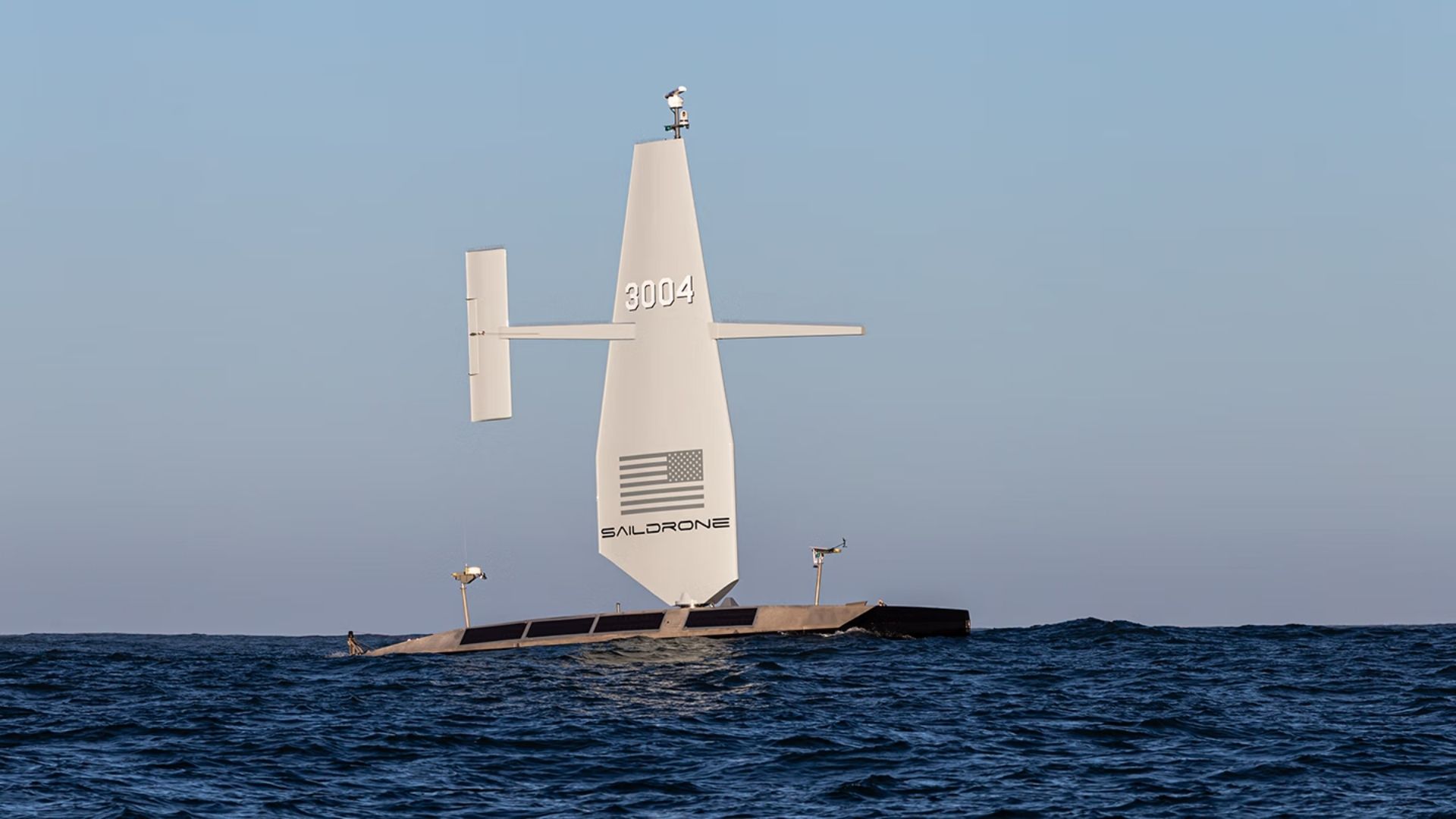
US Navy Awards $10 Million to Saildrone for Atlantic Seabed Mapping with USVs
The US Navy has awarded a $10 million contract to Saildrone to utilize autonomous vessels for mapping the Atlantic Ocean floor. This initiative, assigned by the Naval Oceanographic Office, is set to commence in 2026 and will continue through most of 2027, enhancing military knowledge of critical underwater terrain. This project is significant as it aims to improve safe navigation and support submarine missions, anti-submarine warfare, and critical infrastructure protection. Currently, only 28.7 percent of the world's oceans have been mapped to modern standards, leaving substantial knowledge gaps that can pose operational risks for naval operations. Looking ahead, the deployment of Saildrone's Surveyor unmanned surface vessels will not only provide high-resolution bathymetric data but also measure ocean currents, aiding search-and-recovery operations. No further timeline was disclosed at the time of publication.
Military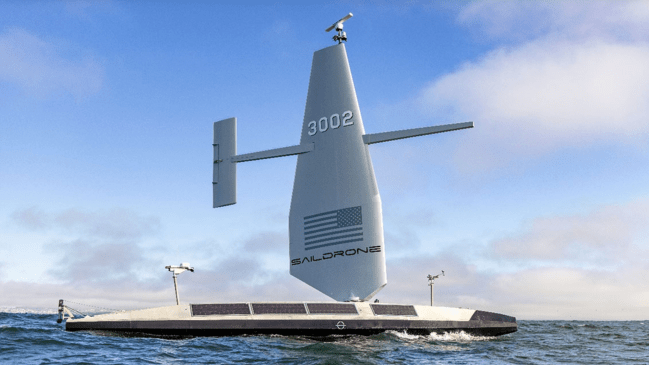
Lockheed Martin and Saildrone Test Missile System on Unmanned Vessel During RIMPAC 2026
Lockheed Martin and Saildrone successfully demonstrated missile launches from an unmanned surface vessel during the RIMPAC 2026 exercise near Hawaii. This integration of Lockheed Martin’s Joint-Air-to-Ground Missile (JAGM) Dual Launcher and Adjunct Remote Engagement System (ARES) on a Surveyor-class Saildrone marks a significant advancement in adapting commercial autonomous platforms for military applications. The demonstration highlights the potential for unmanned vessels to operate alongside traditional naval forces, as evidenced by the vessel's engagement with a surrogate high-speed surface craft while coordinating with the USS Theodore Roosevelt Carrier Strike Group. The rapid development of this system, from concept to live demonstration in just six months, underscores the efficiency of integrating existing defense technologies with commercial platforms. Looking ahead, both companies plan to expand testing capabilities on Saildrone platforms, including the larger Spectre-class vessel. This initiative aims to enhance the operational use of unmanned systems in naval missions, with a focus on integrating advanced weaponry and reducing technical risks associated with deploying new military technologies.
Military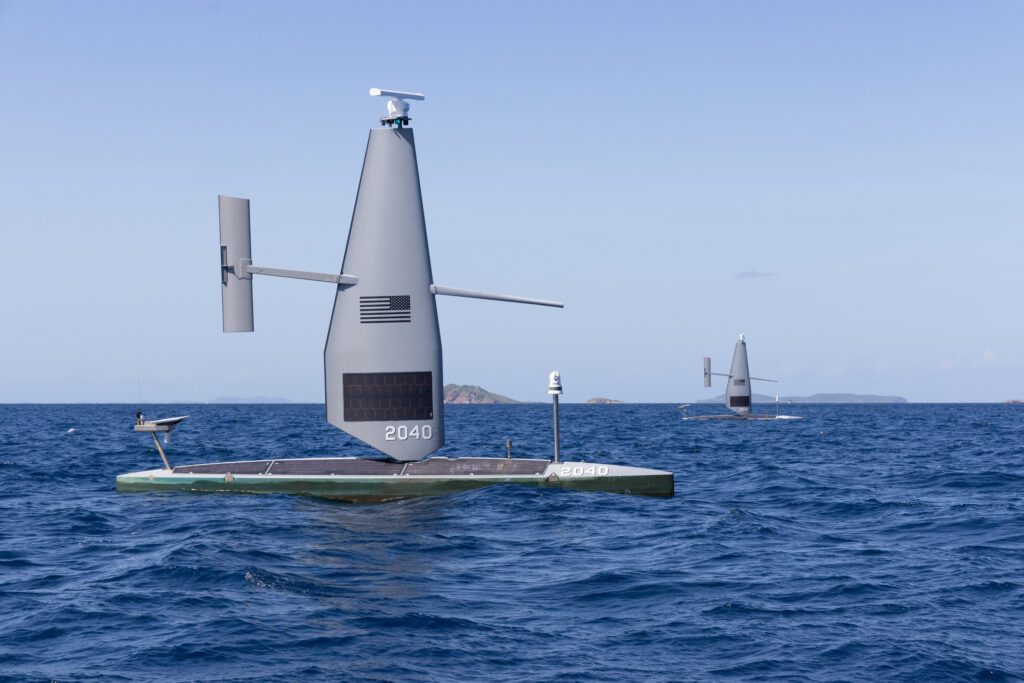
U.S. Navy Utilizes Saildrone Voyager USVs to Seize $81 Million in Cocaine
A Saildrone Voyager unmanned surface vehicle (USV) assisted the U.S. Navy in tracking and intercepting a suspected drug-smuggling vessel in the Caribbean, resulting in the seizure of approximately $81 million worth of cocaine on October 16, 2025. This operation highlights the transition of autonomous maritime systems from experimental platforms to essential tools for real-world security missions. The successful interception underscores the operational capabilities of Saildrone Voyager USVs, which can remain at sea for extended periods, enabling continuous monitoring of vast maritime areas. This capability reduces reliance on crewed vessels and supports the U.S. Navy's counter-narcotics mission in the Caribbean and Eastern Pacific, coordinated by Joint Interagency Task Force South (JIATF-S). Looking ahead, the Navy has awarded Saildrone a $16.3 million task order to continue operating Voyager USVs through 2027. This mission not only demonstrates the effectiveness of unmanned systems in maritime surveillance but also indicates a broader trend of integrating autonomous platforms into naval operations, enhancing mission effectiveness and operational reach.
Applications Defense Drone News Drone News Feeds News safety and security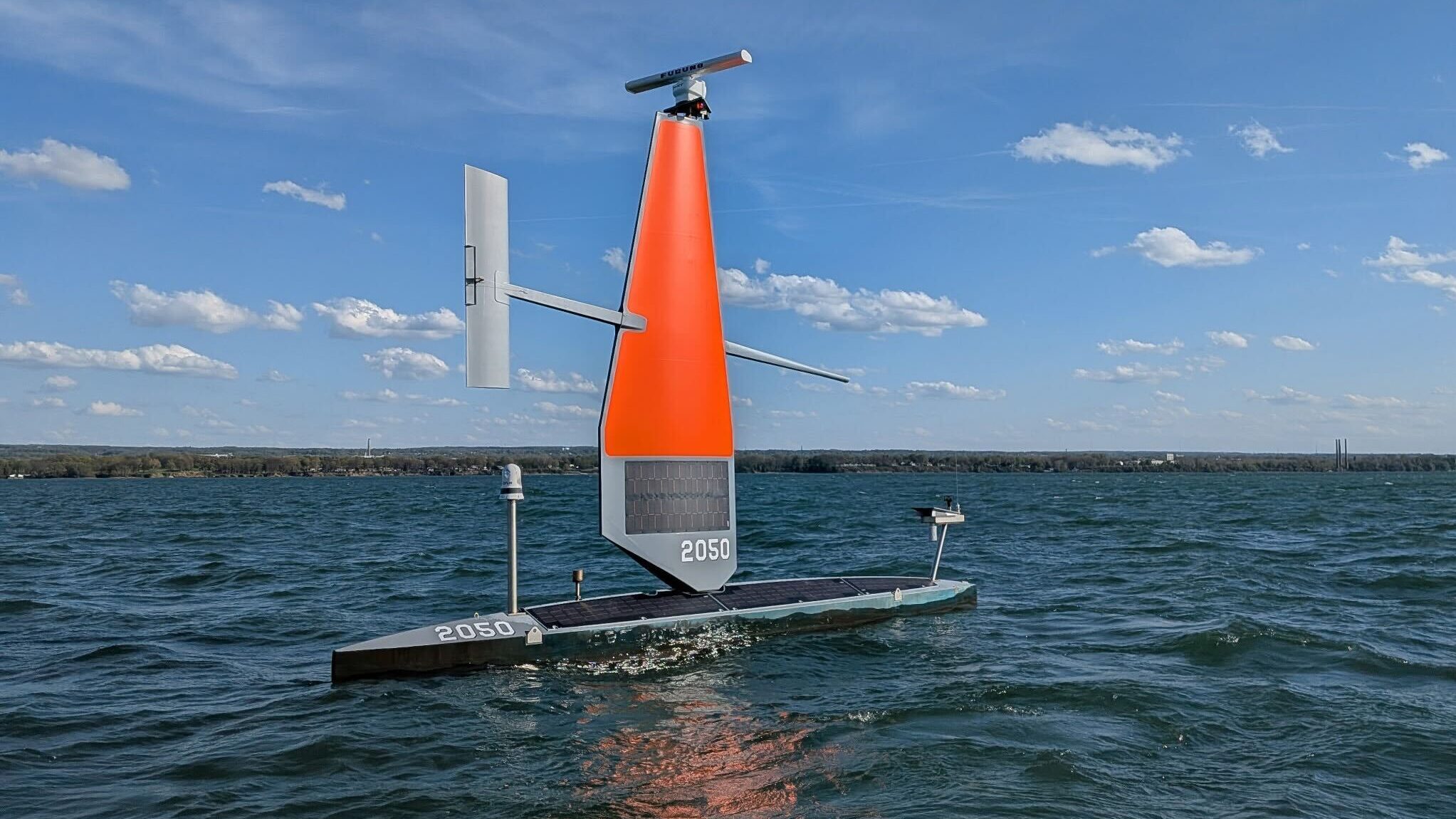
Coast Guard, Saildrone team up in northern waters to boost border security, surveillance
The Voyager, a state-of-the-art surveillance vessel, has been designed to carry out continuous coastal monitoring and nearshore mapping operations. This advanced ship can remain deployed at sea for approximately 100 days, enhancing its capability to gather critical data over extended periods. The implementation of the Voyager is expected to significantly improve maritime security and environmental monitoring efforts, providing valuable insights into coastal ecosystems and aiding in the management of marine resources. With its advanced technology and extended operational range, the Voyager represents a significant advancement in maritime surveillance capabilities.
Naval Warfare border security coast guard Drones Navy Saildrone
Saildrone Deploys 16 Voyager USVs for Coast Guard Great Lakes Mission
Saildrone, an autonomous maritime company based in Alameda, California, has announced the deployment of 16 Voyager unmanned surface vehicles (USVs) to enhance surveillance capabilities for the US Coast Guard. This initiative, which is part of a $15.5 million contract, aims to support Coast Guard missions across the Great Lakes and the Northeast. The deployment was officially announced on May 11, 2026, marking a significant step in the integration of advanced technology into maritime operations. The use of these unmanned vehicles is intended to improve monitoring and response efforts in these vital waterways, reflecting the Coast Guard's commitment to maintaining safety and security in the region.
Drone News Drone News Feeds News ocean safety and security seadrones
Saildrone Supports Coast Guard Missions in the Great Lakes and Northeast
The U.S. Coast Guard is enhancing its efforts to monitor the extensive northern maritime approaches, which encompass thousands of miles of coastline, busy waterways, and vital fishing grounds from the Great Lakes to the North Atlantic. This initiative, aimed at detecting suspicious vessel activity and securing the U.S. border, is critical for maintaining economic prosperity and protecting domestic fisheries. The Coast Guard faces challenges in ensuring consistent visibility due to unpredictable weather, seasonal variations, and the vastness of the region. Traditional patrols struggle with issues such as crew endurance, maintenance needs, and the distances involved. As a result, the Coast Guard is exploring innovative strategies to improve surveillance and response capabilities in these challenging maritime environments.
saildrone contract award us coast guard maritime domain awareness (mda)
US Coast Guard deploys autonomous Saildrones to patrol 90,000-square-mile lakes
The U.S. Coast Guard is set to deploy autonomous surface drones across the Great Lakes starting in May. This initiative aims to enhance maritime safety and environmental monitoring in the region. The deployment comes in response to increasing concerns over navigation hazards and the need for improved surveillance of the lakes' ecosystems. By utilizing advanced drone technology, the Coast Guard intends to efficiently gather data and monitor conditions, thereby bolstering their operational capabilities. The drones will operate in various locations across the Great Lakes, providing real-time information that can aid in search and rescue missions, as well as environmental protection efforts. This strategic move reflects the Coast Guard's commitment to leveraging innovative solutions to address contemporary challenges in maritime operations.
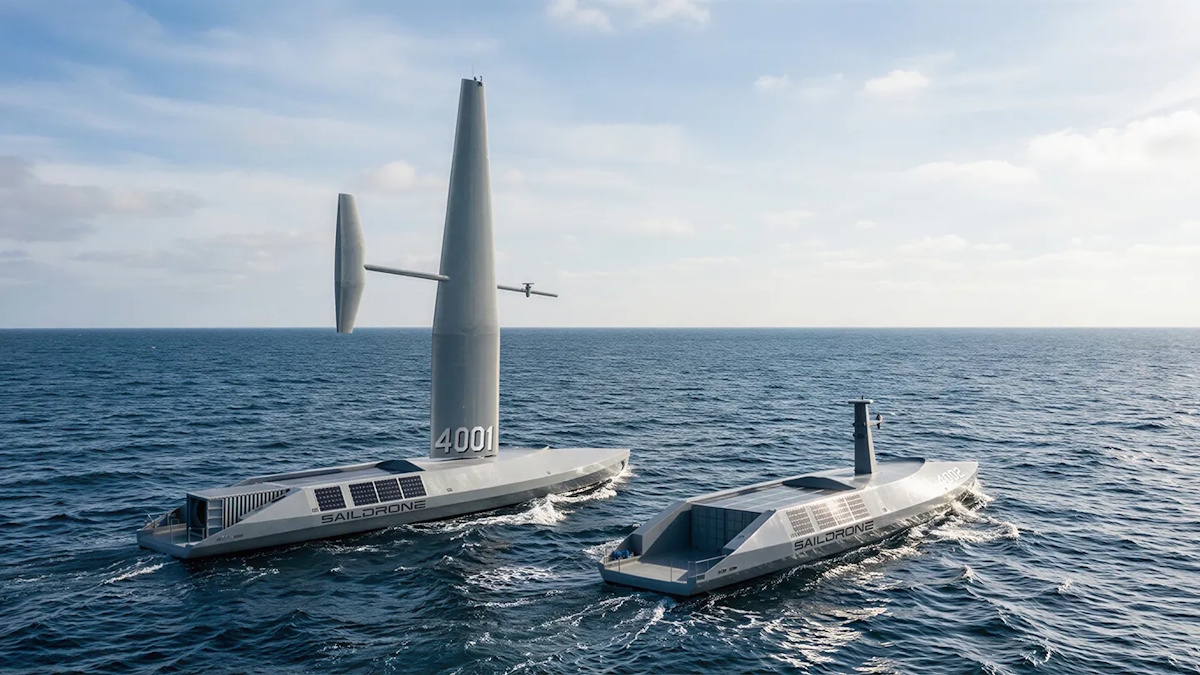
Introducing Saildrone Spectre: Next-generation USV for Anti-submarine Warfare and VLS Strike
The US Navy is grappling with significant challenges in upholding maritime dominance amid escalating global conflicts. As tensions rise in various regions, adversaries are increasingly focusing on strategically vital waterways and essential undersea infrastructure. The Navy's traditional reliance on episodic patrols by manned warships and capital assets proves inadequate for the continuous presence required to safeguard these expansive maritime areas. This situation underscores the urgent need for a more sustainable and effective operational strategy to address the evolving threats in the maritime domain.
saildrone spectre usv anti-submarine warfare (asw) vls strike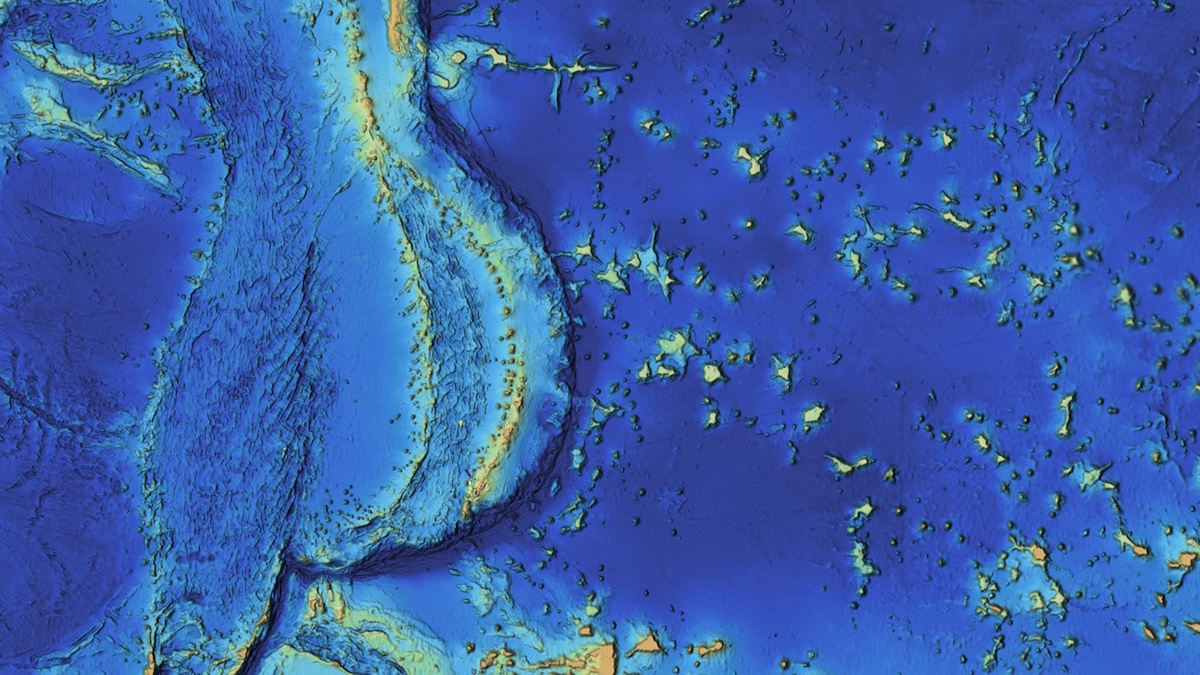
Mapping the Mariana Islands: Saildrone Partners with Woolpert to Survey Critical Maritime Region for NOAA
The Mariana Trench, home to Challenger Deep, the deepest point in the world's oceans at 10,935 meters (35,876 feet), remains one of the least explored and most geologically significant areas on Earth. This underwater marvel, located in the western Pacific Ocean, continues to intrigue scientists and researchers due to its profound depths and unique geological features. Efforts to map and study this region are crucial for understanding oceanic processes and biodiversity, as well as the effects of climate change on deep-sea ecosystems. As exploration technologies advance, researchers aim to uncover the mysteries of the trench and its surrounding islands, shedding light on the fundamental workings of our planet’s oceans.
mapping mariana islands saildrone woolpert survey noaa
Saildrone Completes Pioneering Mapping Mission of Cayman Islands’ EEZ
Saildrone, a leader in autonomous deep-water mapping, has successfully completed a mission to map the exclusive economic zone of the Cayman Islands. Over approximately 300 days, the company utilized its Saildrone Surveyor uncrewed surface vehicle to survey around 90,000 square kilometers of seabed, reaching depths of up to 7,000 meters. The mission included over 900 sound-velocity profile casts to ensure the accuracy of the bathymetric data collected. A key focus of the survey was on four significant fishing banks—60 Mile Bank, Lawfords Bank, Pickle Bank, and 12 Mile Bank—which are vital for biodiversity and support local fisheries, tourism, and recreational activities. These areas also serve as indicators of the overall health of the Cayman Islands' marine ecosystem. The successful completion of this mapping mission is expected to enhance understanding and management of the region's marine resources.
saildrone pioneering mapping mission
Bringing Firepower to the Fleet: Lockheed Martin Invests $50M in Saildrone to Advance Unmanned Surface Vehicle Capabilities for US Navy
Lockheed Martin has announced a significant investment of $50 million in Saildrone, Inc., aimed at enhancing the capabilities of unmanned surface vehicles (USVs). This partnership, revealed today, seeks to integrate advanced defense technology with Saildrone's proven USV systems, positioning them for military applications. The collaboration is expected to accelerate the development of these vehicles, equipping them with cutting-edge technology for all-domain defense operations. The investment underscores Lockheed Martin's commitment to advancing defense solutions and reflects the growing importance of innovative technologies in military strategy.
lockheed martin investment saildrone
Saildrone Announces Denmark Expansion
Saildrone has announced the launch of its first European subsidiary, Saildrone Denmark, located in Copenhagen. This expansion marks a significant milestone in the company's mission to enhance persistent maritime domain awareness, which they regard as essential for global maritime operations. By establishing a presence in Europe, Saildrone aims to strengthen its capabilities and services in the region, addressing the growing demand for advanced maritime monitoring solutions. The launch reflects the company's commitment to leveraging innovative technology for improved maritime safety and environmental protection.
saildrone expansion
Saildrone and Thales Australia Demonstrate Game-changing Capability for Autonomous Anti-Submarine Warfare
Saildrone, a leader in maritime autonomy, has partnered with Thales Australia to successfully integrate the BlueSentry thin-line towed array with the Saildrone Surveyor, resulting in a pioneering system designed for autonomous long-endurance undersea maritime domain awareness (MDA). This innovative project, backed by funding from the Office of Naval Research (ONR), represents a significant advancement in the field of persistent, real-time undersea surveillance. The collaboration aims to enhance the capabilities of maritime operations by providing continuous monitoring of underwater environments, thereby improving security and situational awareness in naval operations. The demonstration highlights the potential for autonomous systems to revolutionize maritime surveillance and response strategies.
saildrone thales australia autonomous anti-submarine warfare (asw)
Saildrone and Palantir Announce Strategic Partnership to Advance AI-Powered Maritime Intelligence
As over 70% of the Earth's surface is covered by ocean, illegal activities often go undetected due to a lack of surveillance by U.S. or allied forces. Multi-mission naval assets are currently stretched thin, balancing high-stakes operations with the need for extensive open-water patrols. This situation has prompted the U.S. and its allies to seek advanced technology solutions to enhance their surveillance capabilities. The urgency for these innovations is driven by the need to optimize limited resources, sharpen strategic focus, and stay ahead of adversaries in maritime security efforts.
saildrone palantir strategic partnership ai maritime intelligenceRobotics needs a service framework.
RSF defines a common language for robot service capability, lifecycle operations, certification pathways, and service-provider networks.
Join the RobotToday community on LinkedIn
Daily robotics news, in-depth analysis, conference highlights, and discussions with professionals worldwide.