Industry Briefing
A single destination for timely, editor-curated robotics news from around the world.
Anthropic Launches Model Hardware Standard for AI-Enabled Robotics
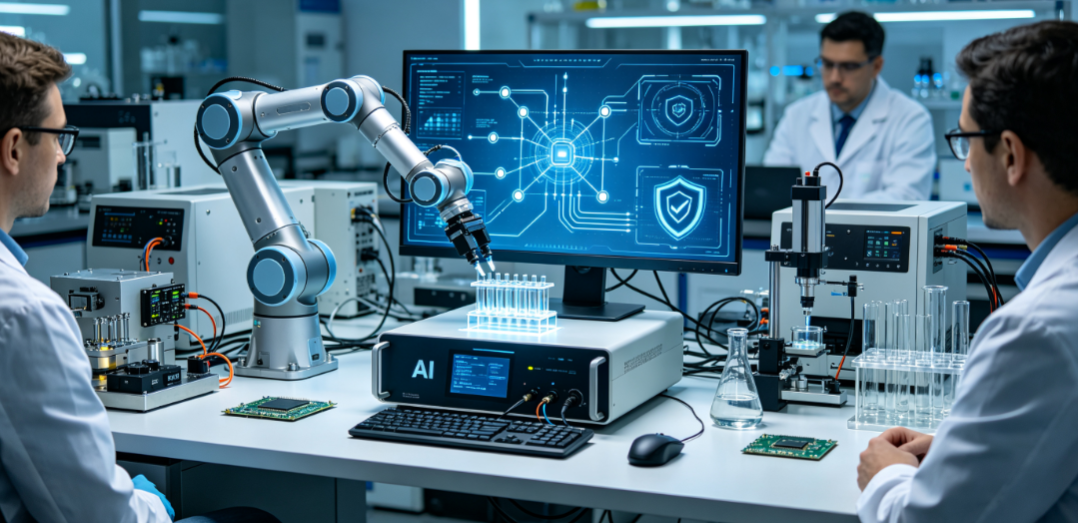
On August 27, Anthropic officially released a research preview of the Model Hardware Standard (MHS). This unified specification is designed for the safe operation of physical devices by AI agents, enabling models like Claude to directly interpret and control robots, scientific instruments, and industrial equipment. The MHS aims to replicate the success of the Model Context Protocol (MCP) in the software domain, which serves as a universal language for AI interactions with applications like Gmail and Slack. By establishing standardized 'dialogue rules' between AI and hardware, MHS simplifies programming interfaces into basic commands such as 'read' and 'write', allowing devices to discover and communicate across networks without the need for specialized coding. Notably, MHS enables AI to understand previously unseen devices by incorporating essential information like weight and safety limits directly into the standard. Anthropic's collaboration with the Janelia Research Campus has led to the initial preview being made available to select research labs and advanced manufacturers, with plans for open-sourcing after the preview period. The AI-driven robotics market is projected to reach a trillion-dollar valuation by 2035, highlighting the significance of MHS in bridging AI capabilities with physical operations.
AI Robotics Model Hardware Standard Scientific Research Automation Technology
Fei-Fei Li and a16z Discuss Robotics Challenges Beyond Hardware Limitations
In a recent a16z podcast, Fei-Fei Li and SceniX co-founder Yunzhu Li discussed the challenges in robotics, emphasizing that the primary bottleneck lies not in hardware but in the scarcity of data and the undervaluation of evaluation systems. They highlighted the importance of simulation as a necessity for robotics, providing capabilities that real data cannot replace. The conversation also touched on the integration of World Labs and SceniX, which combines generative 3D world modeling with real-to-sim-to-real engineering. This partnership aims to create a robust infrastructure for robot learning and evaluation, addressing the need for scalable data sources in the robotics field. Looking ahead, Li mentioned that the development of foundational robot models may evolve into a form that encompasses both simulation and action dimensions. The immediate focus should be on structured environments like warehouses and industrial lines before tackling unstructured environments, with specialized forms of robots being more commercially viable than humanoid designs.
Robotics AI Simulation Data Science 3D Modeling
Challenges in Humanoid Robotics: Balancing AI and Hardware Limitations
Andreas Friedrich, Managing Director of Technology & Strategy at Allegro MicroSystems, will present at RoboBusiness on October 20-21 in Santa Clara, focusing on advancements in robotic actuation technology. As humanoid robots evolve, accommodating the necessary hardware for movement becomes increasingly complex due to stringent size and weight constraints. The integration of artificial intelligence has enhanced humanoid robots' ability to perceive their environment and make decisions. However, translating these decisions into smooth and safe physical actions poses significant engineering challenges, especially as these robots transition from prototypes to operational machines that work alongside humans. The ongoing development of AI is crucial, but the physical limitations of humanoid robots will ultimately dictate how effectively this intelligence can be utilized. The shift towards higher voltage power architectures in humanoids illustrates the intricate relationship between electrical and mechanical design, highlighting the need for innovative solutions to overcome these challenges.
Artificial Intelligence / Cognition Design / Development Humanoids News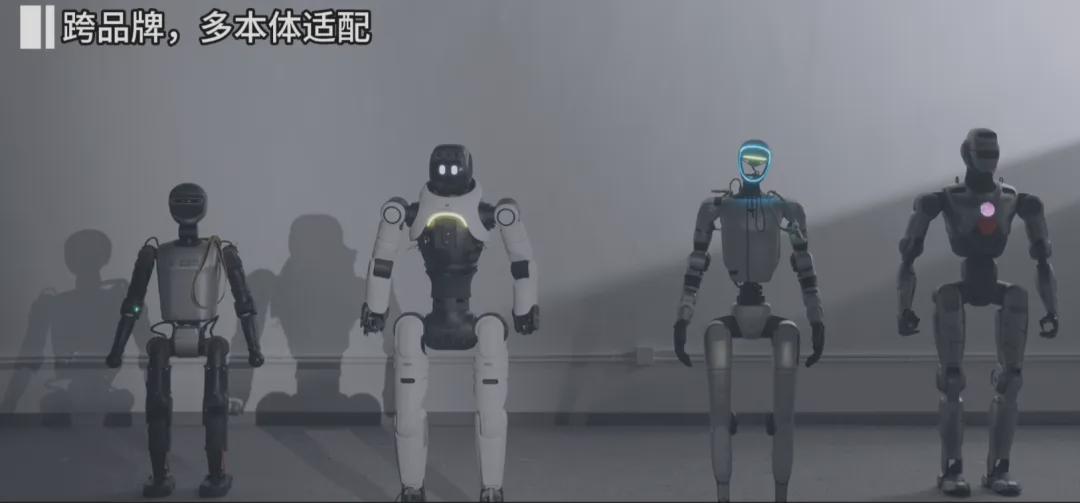
Shenzhen's Qiaojie Robotics Aims to Redefine Robotics with New Operating System
Qiaojie Robotics has emerged as a leader in motion control for bipedal robots, claiming to have the highest number of configurations globally, according to founder Shang Yangxing. At the 2026 World Robotics Conference, the company showcased its RoboCraft AI and discussed advancements in embodied intelligence technology with industry partners. The significance of Qiaojie's approach lies in addressing a major pain point in the robotics industry: the need for teams to relearn basic functions with each new robot. Shang Yangxing emphasized that their goal is to create a universal operating system that encapsulates the underlying capabilities of robotic hardware, making it accessible for users unfamiliar with robotics. Looking ahead, Qiaojie Robotics is focused on developing a three-layer operating system, with the Motion layer as its foundation. This approach differentiates it from traditional systems like ROS, which do not encapsulate motion capabilities effectively. No further timeline was disclosed at the time of publication.
Robotic Operating Systems Motion Control Humanoid Robots AI Robotics Innovation
Li Feifei and Yunzhu Li Discuss Robotics Challenges on a16z Podcast
In a recent a16z podcast, Li Feifei and Yunzhu Li from SceniX discussed the challenges in robotics, emphasizing that the biggest bottleneck lies not in hardware but in the scarcity of data and underestimation of evaluation systems. They highlighted the importance of simulation as a necessity for robotics, providing capabilities that real data cannot replace. The conversation also touched upon the integration of World Labs and SceniX, which combines generative 3D world modeling with real-to-sim-to-real engineering. This collaboration aims to create a robust infrastructure for robot learning and evaluation, leveraging both sparse inputs and high-fidelity environmental mapping. Looking ahead, Li Feifei noted that the future of robotics may involve multimodal models capable of both simulating actions and generating action commands. The path to practical robotics should begin with structured environments, gradually moving to semi-structured and unstructured settings, with a focus on specialized forms for specific tasks rather than general humanoid robots.
Robotics AI Simulation Data Scarcity Machine Learning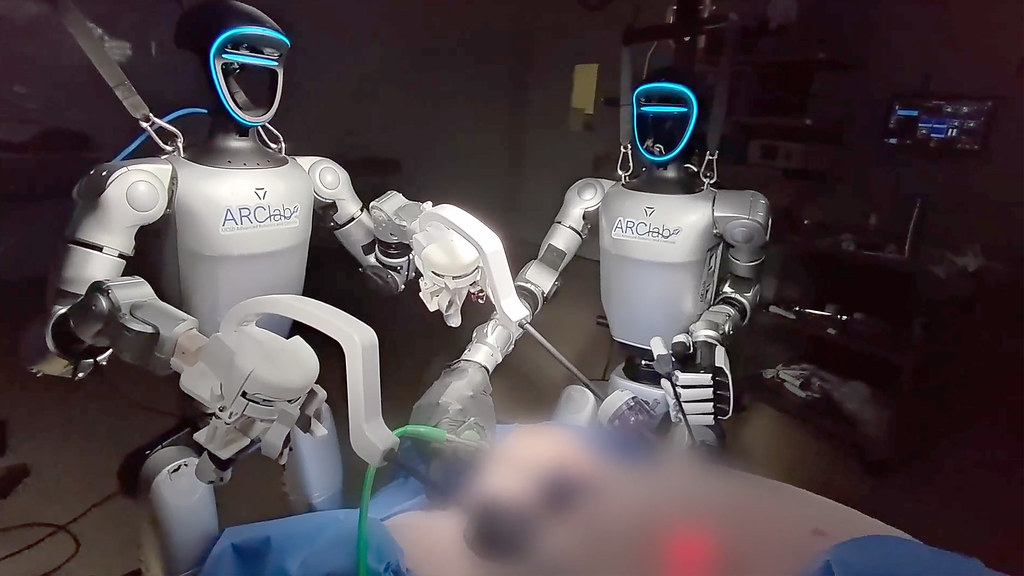
Yushu's Transformation: From Hardware to Intelligent Robotics with G1 Surgery
Yushu Technology has evolved from a hardware company into a model-driven enterprise, achieving significant milestones in robotics. On July 9, 2026, a surgeon at the University of California, San Diego, successfully performed the world's first live animal gallbladder removal using the Yushu G1 humanoid robot, showcasing its advanced capabilities. This operation, which involved a real pig and took under two hours, highlights the robot's precision and understanding of biological tissues. The transformation is underscored by Yushu's rapid registration on the Science and Technology Innovation Board, taking just 104 days, the fastest in its history. The G1 robot has previously demonstrated its ability to perform tasks like screwing, pouring, and sorting, but the surgical procedure required a higher level of precision and real-time feedback. Yushu defines its embodied intelligence model as a technology enabling robots to achieve high stability and complex motion control, akin to a robot's small brain. Investors are taking notice, with the embodied intelligence sector seeing a 4.2% increase from July 10 to 17, and Yushu-related stocks rising by an average of 7.8%. The company plans to allocate 2.022 billion for intelligent robot model research, part of a total fundraising of 42.02 billion. Future developments include the UnifoLM-WMA-0 model, which predicts actions and world states, marking a significant advancement in robotics technology.
Humanoid Robots Robotic Surgery AI Robotics Innovation
Open source hardware for robotics: Democratizing robot building
In recent years, discussions surrounding open-source robotics have predominantly centered on software, particularly the Robot Operating System (ROS), which has established itself as a leading framework for robot development. However, the narrative is evolving as a diverse ecosystem of open-source hardware platforms emerges, significantly reducing barriers for developers and innovators in the field. This shift is occurring against the backdrop of a growing demand for accessible robotic solutions, driven by advancements in technology and an increasing interest in automation across various industries. The integration of open-source hardware with existing software frameworks is fostering collaboration and innovation, enabling a broader range of participants to contribute to and benefit from the robotics revolution. As this trend continues to gain momentum, it is reshaping the landscape of robotics, making it more inclusive and accessible to a wider audience.
Computing Features Robotics arduino automation news automation technology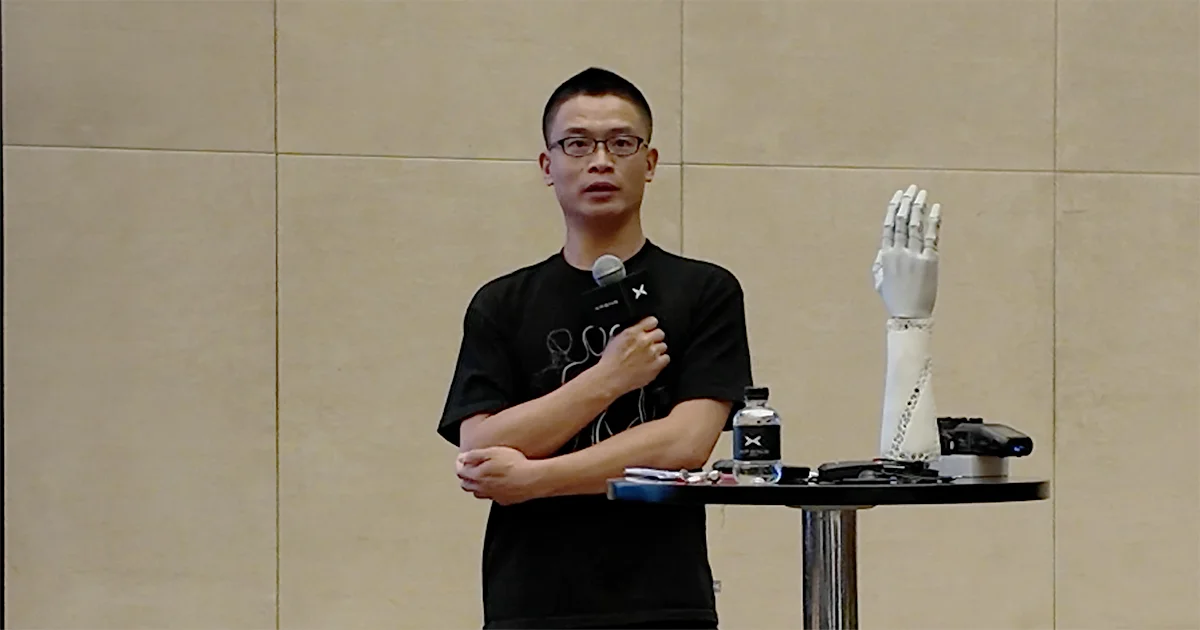
XPENG's Head of Robotics Admits Hardware is 'Bottleneck' as 2026 Production Goal Looms
At a recent technical workshop held in Beijing, Mi Liangchuan from XPENG highlighted the rapid advancements in robotic AI, particularly concerning the development of the 'Iron' humanoid robot. However, he emphasized that challenges persist, notably in hardware reliability and the absence of clear data strategies. These issues pose significant obstacles to further progress in the field, underscoring the need for improved solutions as the technology continues to evolve.
manufacturing China XPeng IRON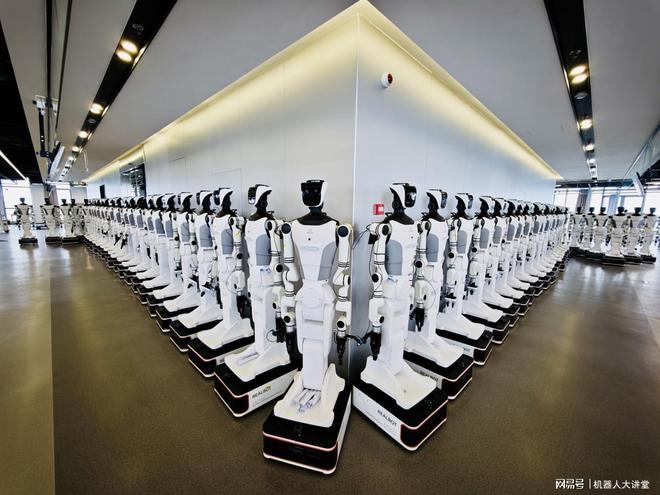
Ruiliman Showcases at FAIR plus 2026: Strengthening the 'True Working' Robotics Ecosystem with Reliable Hardware and Mass Delivery Capabilities
At the FAIR plus 2026 event, Ruiliman unveiled its cutting-edge robotics capabilities, announcing plans to achieve a production capacity exceeding 1 million integrated joint modules by the year 2026. The company underscored the significance of fostering a collaborative ecosystem to facilitate the widespread implementation of robotics across multiple industries. This initiative aims to enhance efficiency and innovation, positioning Ruiliman as a leader in the evolving robotics landscape.
Robotics Manufacturing Automation Ecosystem Development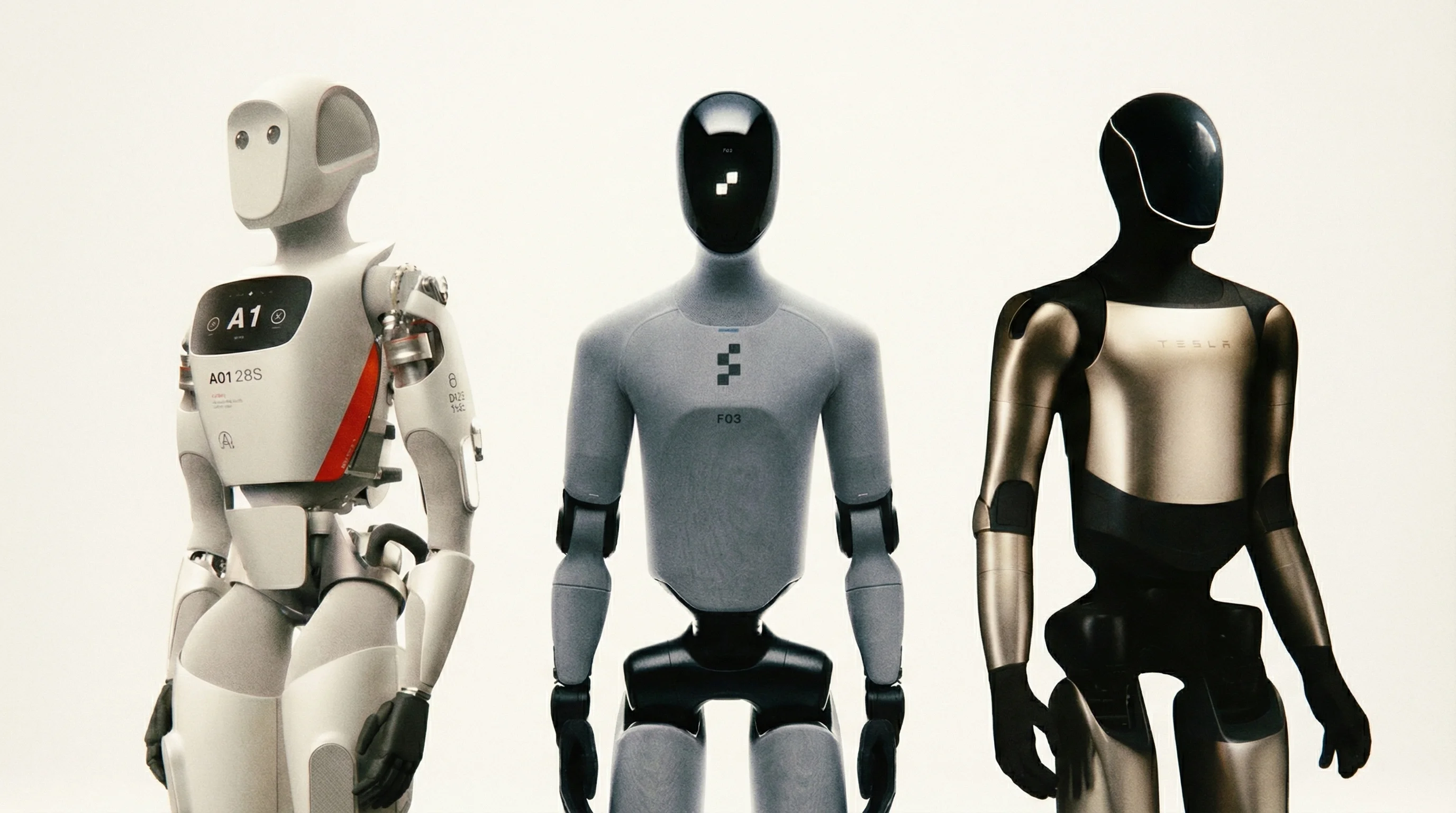
White House Eyes "Robotics Executive Order" as Trump Administration Pivots to Hardware
The incoming administration is developing a national robotics strategy aimed at enhancing the United States' competitive edge against China, as part of a broader initiative focused on advancing artificial intelligence in software. Commerce Secretary Howard Lutnick is spearheading discussions with key industry players, including Apptronik, Tesla, and Boston Dynamics. This strategy reflects a growing recognition of the importance of robotics and AI in maintaining technological leadership and economic strength on the global stage. The initiative is expected to outline specific goals and frameworks for collaboration between the government and private sector, fostering innovation and ensuring the U.S. remains at the forefront of robotics development.
Business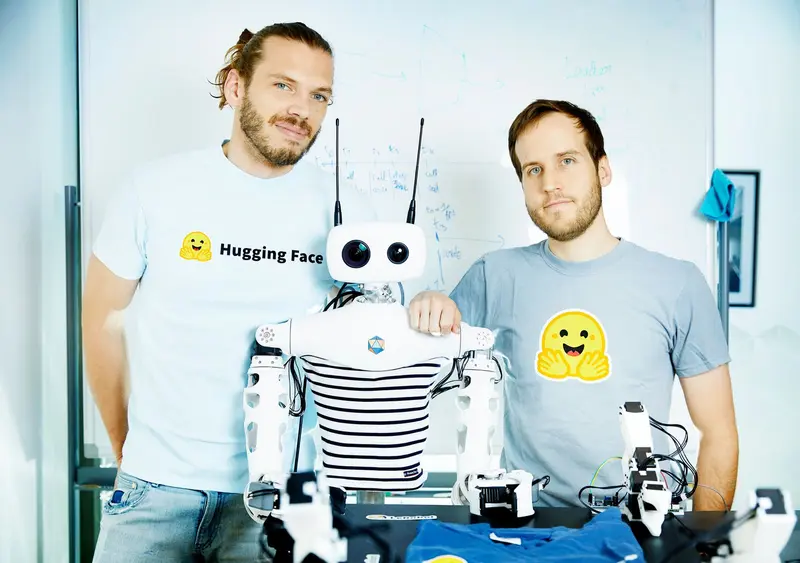
Hugging Face Acquires Pollen Robotics, Eyes Open Source Future for Humanoid Hardware
AI platform Hugging Face has made its inaugural foray into hardware by acquiring French startup Pollen Robotics. This acquisition, announced recently, includes Pollen's open-source humanoid robot, Reachy, along with its development team. The move reflects Hugging Face's strategic expansion into the robotics sector, reinforcing its commitment to open-source principles that have traditionally guided its AI software initiatives. By integrating Pollen's technology and expertise, Hugging Face aims to enhance its offerings and innovate within the robotics field.
open-source pollen-robotics hugging-faceRobotics needs a service framework.
RSF defines a common language for robot service capability, lifecycle operations, certification pathways, and service-provider networks.
Join the RobotToday community on LinkedIn
Daily robotics news, in-depth analysis, conference highlights, and discussions with professionals worldwide.