Industry Briefing
A single destination for timely, editor-curated robotics news from around the world.

Productive Robotics Launches Tregaskiss Tough Gun I.C.E. Torch for Blaze Welding Systems
Productive Robotics has unveiled the Tregaskiss Tough Gun I.C.E. (Integrated Cooling Enhancer) torch, designed specifically for its 7-axis Blaze robotic welding systems. This new option aims to mitigate heat-related consumable failures that can occur during automated welding processes with high duty cycles. The introduction of the I.C.E. torch is significant as it addresses a common challenge in robotic welding—overheating of consumables. By enhancing cooling capabilities, Productive Robotics aims to improve the reliability and efficiency of its Blaze systems, which are increasingly utilized in demanding industrial applications. Looking ahead, the adoption of the Tregaskiss Tough Gun I.C.E. torch could lead to broader implementation of Productive Robotics' solutions in sectors requiring robust welding capabilities. No further timeline was disclosed at the time of publication.

Reframe Systems Secures $40 Million to Expand Robotic Microfactories for Home Construction
Reframe Systems has successfully raised $40 million to enhance its network of robotic microfactories aimed at addressing the U.S. housing shortage. With a current deficit of 4.5 million homes, the company plans to utilize this funding to scale operations across North America, adapting to various local requirements and conditions. The fragmented nature of the construction industry, which typically relies on numerous subcontractors, has contributed to the housing crisis. Reframe's innovative approach combines robotics and its Pixels to Parts software to streamline home building, enabling faster and more efficient production of energy-efficient and climate-resilient homes. Looking ahead, Reframe aims to deliver one million homes by 2040, five years earlier than initially planned. The company is set to open a new microfactory, FAB1, in Billerica, Massachusetts, which will be operational by October 5. With plans to produce up to 500 multifamily units or 250 single-family homes annually, Reframe is on track to significantly impact the housing market in the coming years.
Artificial Intelligence Artificial Intelligence / Cognition Construction Design / Development Financial Investments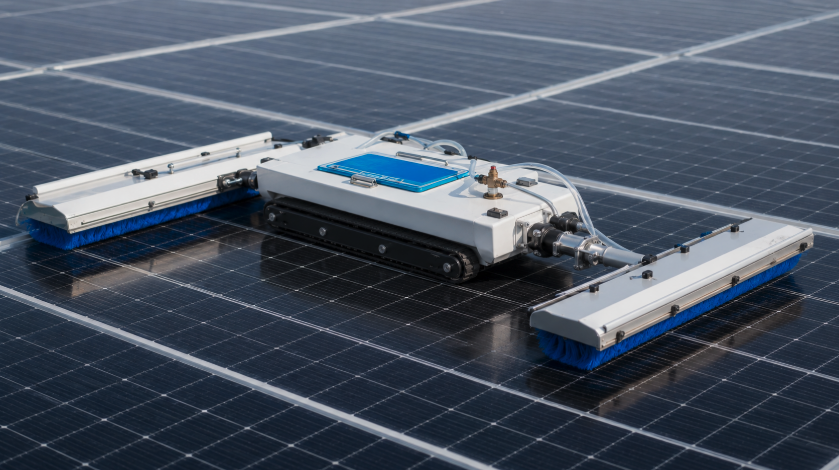
Selecting Roller Brushes for Effective Robotic Solar Panel Cleaning Systems
Solar panel cleaning robots are evaluated based on their dust removal efficiency, but the brush roller's design is crucial for effective cleaning. It must balance cleaning action with controlled contact and serviceability, considering the specific conditions of photovoltaic modules. Real-world environments often present challenges such as loose dust, bird droppings, and mineral deposits, making the selection of roller brushes complex. The choice of roller brush is not solely based on softness; it must align with the module specifications, site conditions, cleaning methods, and robot interfaces. For OEMs and replacement projects, it is essential to review brush assemblies in relation to module requirements and planned service cycles. The term 'soiling' encompasses a variety of contaminants, from light dust to compacted particles, each requiring different cleaning approaches. As moisture can significantly affect cleaning effectiveness, understanding the interaction between dust and moisture is vital. In water-scarce areas, robotic dry cleaning can be beneficial, but care must be taken to avoid abrasive damage from trapped hard particles. No further timeline was disclosed at the time of publication.
Energy Environment Robotics brush rollers cleaning robots industrial brushes
NVIDIA and Boston Dynamics: Divergent Strategies in Robotic Motion Control
On August 12, two papers on robotic motion control were published in Science Robotics, showcasing contrasting approaches by NVIDIA and Boston Dynamics. The RAI Institute and Boston Dynamics introduced the ZEST framework, which enables zero-shot embodied skill transfer and motion imitation, allowing the Atlas robot to learn various skills in approximately 10 hours using a single NVIDIA L4 GPU. In contrast, the SONIC framework consumed around 700 hours of motion capture data and 21,000 GPU hours for training, focusing on a unified control strategy that encompasses a wide range of human movements. This approach allowed the Yushu G1 robot to successfully execute 123 different motion sequences with a 99.2% success rate, demonstrating real-time adaptability to human actions. These differing methodologies highlight the ongoing debate in robotics regarding efficiency versus data-driven approaches. Future developments will need to address complex movement challenges, such as how robots can adapt to various physical interactions and whether new control logic is required for different actions. No further timeline was disclosed at the time of publication.
Robotic Motion Control AI Machine Learning Robot Training Boston Dynamics
Motion Controls Robotics, Inc. Expands Automation Portfolio with New Technologies and Expertise
Motion Controls Robotics, Inc. (MCRI) has announced an expansion of its automation portfolio by integrating new specialized automation technologies and intellectual property. This enhancement includes capabilities in tire manufacturing automation, robotic painting, precision fluid application, surface treatment, and other specialized manufacturing processes. This development is significant as it broadens MCRI's ability to support a wider range of operations within manufacturing plants. By adding experienced personnel with industry expertise, MCRI aims to improve efficiency and effectiveness in various manufacturing applications, thereby strengthening its market position. Looking ahead, MCRI's focus on enhancing its automation capabilities may lead to further innovations and partnerships in the automation sector. No further timeline was disclosed at the time of publication.

Navy Establishes New Direct Reporting Portfolio Manager for Robotic and Autonomous Systems
The Navy has announced the creation of a new Direct Reporting Portfolio Manager for Robotic and Autonomous Systems (DRPM RAS) as part of a leadership restructuring. Chris Miller, currently leading the portfolio acquisition executive Maritime office, will take on the role of acting DRPM RAS, reporting to William Toti, who is performing the duties of undersecretary of the Navy. This initiative aims to enhance the development and acquisition of RAS capabilities within the Navy and Marine Corps. This move is significant as it reflects the Navy's recognition of the need for a more efficient approach to robotic and autonomous systems. According to Toti, the current processes are outdated and do not meet the urgent needs of Sailors and Marines. The establishment of DRPM RAS is intended to bring about faster decision-making and clearer accountability in line with Secretary of the Navy Hung Cao's directives. Looking ahead, the Navy is considering relocating DRPM RAS staff closer to Fleet warfighters to improve collaboration and ensure that operational feedback is integrated into capability development. No further timeline was disclosed at the time of publication.
Naval Warfare Drones Medium Unmanned Surface Vessel Navy portfolio acquisition executives Unmanned
Neya Systems and GS Engineering Collaborate to Enhance Robotic Construction Equipment for Defense
Neya Systems and GS Engineering have announced a strategic collaboration aimed at advancing robotic and autonomous construction equipment for defense applications. This partnership combines Neya's N-Drive™ autonomy technology with GS Engineering's Remote Expeditionary Autonomous Pioneer (REAPr) unmanned ground vehicle, focusing on creating an integrated solution that enhances operational efficiency in military engineering tasks. The collaboration is significant as it seeks to improve the safety and effectiveness of warfighters by automating the most hazardous and labor-intensive engineering tasks. By leveraging proven autonomy technology and advanced UGV capabilities, the initiative aims to streamline construction processes in defense operations, ultimately contributing to enhanced mission readiness and operational success. Looking ahead, the integration of these technologies is expected to lead to the development of field-ready autonomous solutions that can significantly reduce the risks faced by military personnel. No further timeline was disclosed at the time of publication.

Diguwa Robotics and GigaDevice Introduce Comprehensive Control System for Six-Axis Collaborative Robot
On August 5, 2026, Diguwa Robotics and GigaDevice jointly launched a full-stack control system for six-axis collaborative robots, built on the Sunrise S600 and GD32H77R technologies. This initiative marks a significant milestone in their strategic partnership, providing a standardized solution for various applications including precision industrial assembly and flexible automation. The collaboration addresses critical challenges in the robotics industry, such as hardware-software fragmentation and reliance on imported core components. By integrating high-performance computing with real-time motion control, the system enhances operational efficiency and precision, making it suitable for high-dynamic industrial tasks. Looking ahead, the partnership aims to streamline the development process by offering a unified hardware interface and software architecture, significantly reducing the time from prototype validation to mass production. No further timeline was disclosed at the time of publication.
Collaborative Robots Industrial Automation AI Robotics Motion Control
Effective Strategies for Upgrading Control Systems in Brownfield Plants Without Downtime
Modernizing a facility often faces a significant hurdle: downtime. Leadership demands a strategy that minimizes disruption while implementing improvements. A comprehensive understanding of existing systems is crucial before any upgrades can begin. In brownfield facilities, systems have evolved over time, leading to a complex mix of PLCs, HMIs, and outdated documentation. Conducting a thorough IT/OT assessment is essential to identify hardware, lifecycle status, and dependencies. This visibility is vital for developing a low-risk modernization plan that accommodates legacy systems and modern data requirements. The challenge lies in the communication gap between legacy serial protocols and modern Ethernet environments. Upgrading without a clear strategy can lead to significant risks, making the traditional “rip-and-replace” approach impractical. Facilities often have limited time for upgrades, sometimes only a brief window for implementation, emphasizing the need for a well-planned approach.
Factory / Control
Certified Systems Integrators Mitigate Commissioning Risks in Robotic Production Cells
Commissioning a robotic production cell involves complex testing across various components, including robot controls and safety functions. Despite successful shop demonstrations, issues can arise during actual plant operations due to discrepancies in parameters, wiring, and network conditions. A qualified systems integrator plays a crucial role in minimizing these risks by treating the entire system as a cohesive unit with clear acceptance criteria. The importance of certified systems integrators lies in their ability to establish a comprehensive commissioning plan that begins during the design phase. This plan includes an approved controls narrative, I/O list, and network map, ensuring that all interfaces are clearly defined. By transforming vague requirements into measurable outcomes, integrators can effectively address potential issues before production begins, thus enhancing operational reliability. Looking ahead, it is essential for teams to conduct thorough factory testing to identify and resolve logic and interface problems. The IEC 62381:2024 standard emphasizes the need for agreed-upon test procedures among owners, buyers, and vendors. As commissioning challenges often stem from the interaction between various components, a holistic approach to testing will be vital for successful robotic cell operations in real-world environments.
Automation Automation News Industry Robotics Robotics and Automation Robotics and Automation News
The Importance of Companion Mobile Apps in Robotics and Automation Systems
Companion mobile apps are becoming essential in robotics and automation, allowing operators to manage machines remotely. As the International Federation of Robotics reported 542,000 industrial robot installations in 2024, the need for efficient monitoring and maintenance alerts has surged, making these apps integral to operations. The rapid growth of robot fleets, now exceeding 4.6 million units globally, necessitates real-time telemetry and role-based access in companion apps. These applications must provide offline functionality and timely alerts to prevent operational delays, as a five-minute lag in communication can lead to significant production losses. Looking ahead, the evolution of robotics-as-a-service is transforming companion apps to support features like usage-based billing and in-app payments. This shift indicates that the role of these apps will expand beyond monitoring to include handling regulated financial data, reflecting the changing landscape of industrial automation.
Automation Robotics Software automation companion apps cybersecurity
Google DeepMind Introduces Gemini Robotics 2 for Enhanced Humanoid Control
Google DeepMind recently launched Gemini Robotics 2, an advanced version of its vision-language-action model. This iteration features intelligent whole-body control, enabling robots to perform complex tasks such as walking, crouching, and object manipulation. The model can adapt to new robotic bodies quickly, enhancing its versatility. The significance of Gemini Robotics 2 lies in its ability to expand physical AI capabilities, allowing robots to execute intricate movements and collaborate with other robots. This development is crucial for achieving the finesse required for real-world applications, such as household chores and workplace tasks. Looking ahead, the focus will be on further improving movement speed and dexterity. Gemini Robotics 2 represents a pivotal advancement in robotics, as it can control sophisticated end effectors like the SharpaWave hand, enabling delicate actions. No further timeline was disclosed at the time of publication.
Artificial Intelligence Artificial Intelligence / Cognition Design / Development End Effectors / Grippers Humanoids News
Tacta Systems Launches AI-Driven Robotic Hand for Advanced Manufacturing Applications
Tacta Systems has introduced a new robotics platform aimed at enhancing industrial automation with human-like dexterity. The TactaBot, the company's inaugural product, integrates a robotic hand, a wearable skill capture system, and an AI engine to perform intricate manufacturing tasks that demand precision and tactile feedback. This innovation is significant as it addresses critical challenges in robotics, such as creating a robotic hand for industrial performance and enabling robots to possess a sense of touch. Tacta's platform, featuring the proprietary Fluidic Tendon actuation technology, is designed to automate complex tasks in sectors like electronics and automotive manufacturing, with initial deployments expected in early 2027. Looking ahead, Tacta plans to expand its technology into additional industries, including medical devices and aerospace. The company aims to revolutionize the way robots interact with their environment, potentially transforming manufacturing processes across various sectors. No further timeline was disclosed at the time of publication.
Components News ai robotics Dexterous Intelligence dexterous robotics industrial robotics
AI Agent Autonomy's Impact on Robotics Safety and Control Mechanisms
Robotic systems are increasingly capable of perceiving, choosing, and altering their behavior autonomously, without human intervention. This shift towards autonomy enhances adaptability in various environments such as warehouses and labs, but it also raises significant concerns regarding safety and control. Traditional safety measures, including physical barriers and emergency buttons, may no longer suffice as robots undertake more complex tasks. The implications of this autonomy are profound, as organizations must now assess the quality of decisions made by autonomous systems, the reliability of their software, and the protocols for monitoring their actions. Unlike conventional robots that follow fixed commands, autonomous robots can evaluate multiple scenarios and make decisions based on real-time conditions, which complicates safety protocols. Ensuring that these systems operate safely requires a reevaluation of existing safety standards that focus on speed and force. Looking ahead, it is crucial for operators to have adequate information to respond effectively to unexpected robot behavior. Autonomous robots utilize various sensors to interpret their environment, but factors like dust and poor lighting can affect input quality. Organizations should prioritize the definition and testing of triggers for human intervention to maintain a balance between autonomy and safety. No further timeline was disclosed at the time of publication.
AI agents Infrastructure AI agent autonomy ai agents ai safety automation
MIT Engineers Develop Ultrasound Wristband for Real-Time Robotic Hand Control
MIT engineers have created an innovative ultrasound wristband that allows wearers to control a robotic hand through their own movements. This wristband captures real-time images of the wrist's muscles and tendons, translating them into the positions of the fingers and palm using an AI algorithm. Demonstrations have shown that users can wirelessly manipulate a robotic hand to perform tasks like playing the piano or shooting a basketball. This technology is significant as it offers a new method for hand tracking in robotics and virtual reality, potentially replacing traditional techniques that rely on cameras or sensor-laden gloves. The wristband's ability to gather diverse hand motion data could lead to advancements in training humanoid robots for dexterous tasks, including surgical procedures. Xuanhe Zhao, a professor at MIT, emphasizes the immediate impact this work could have on both virtual environments and robotic dexterity. Looking ahead, the research team aims to expand their dataset of hand motions by collecting data from users with varying hand sizes and gestures. This could enhance the capabilities of humanoid robots and improve interactions in virtual settings. No further timeline was disclosed at the time of publication.
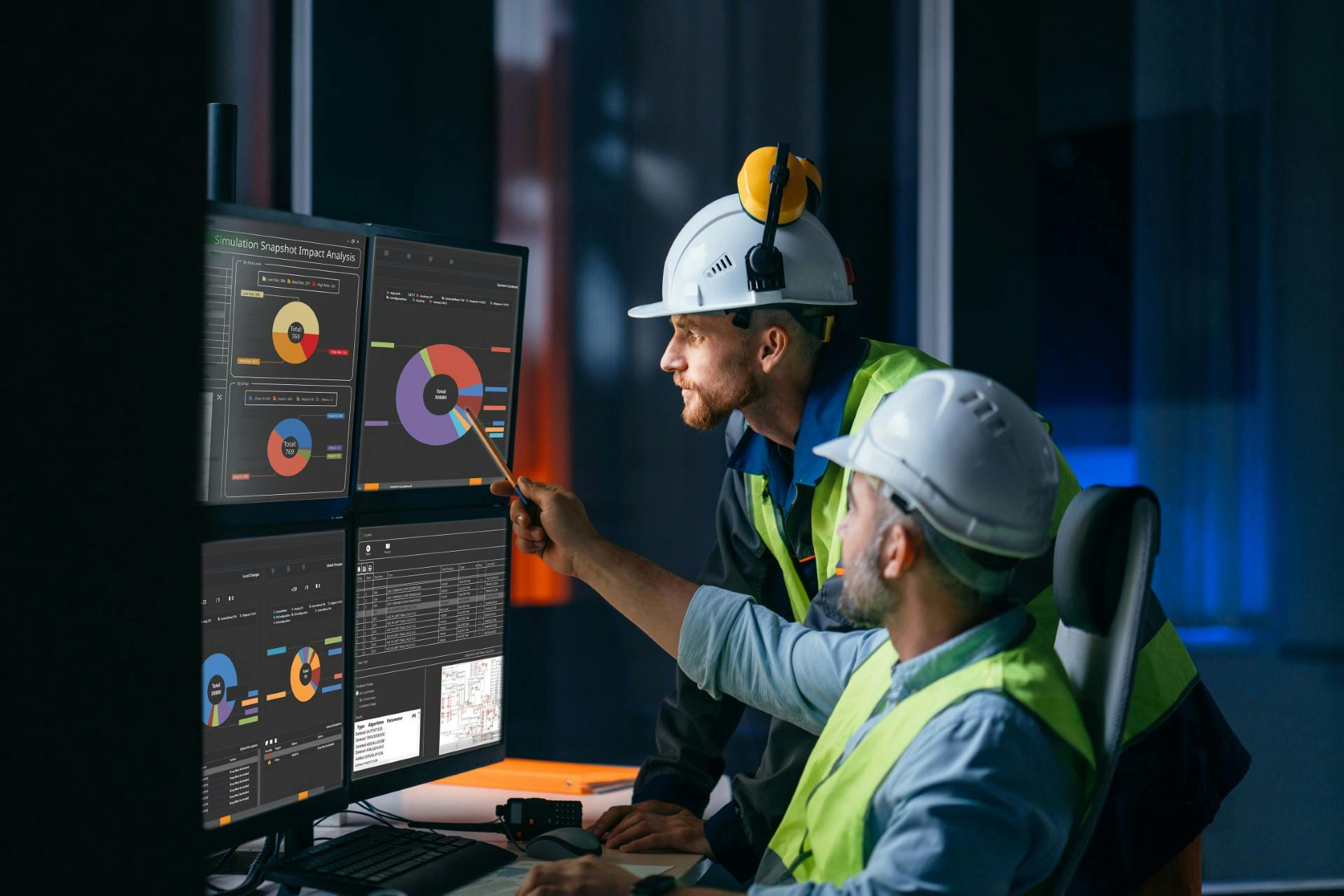
Emerson Introduces Ovation Curation Tool for Enhanced Control Systems Management
Emerson has launched the Ovation Curation Tool, a synchronization software designed for power and water control systems. This tool aims to maintain version control and change history across multiple Ovation systems and simulators, automating the management of changes between production systems and their digital twins. The introduction of the Ovation Curation Tool is significant as it addresses the challenges of keeping digital twins synchronized with live systems, especially amid workforce shortages. By improving testing and training accuracy, the tool is expected to save engineering time and facilitate faster troubleshooting, enhancing overall operational efficiency. Looking ahead, the software's ability to automatically track changes and provide an intuitive dashboard for users will be crucial for organizations seeking to optimize their control systems. No further timeline was disclosed at the time of publication.
Factory / Digital Transformation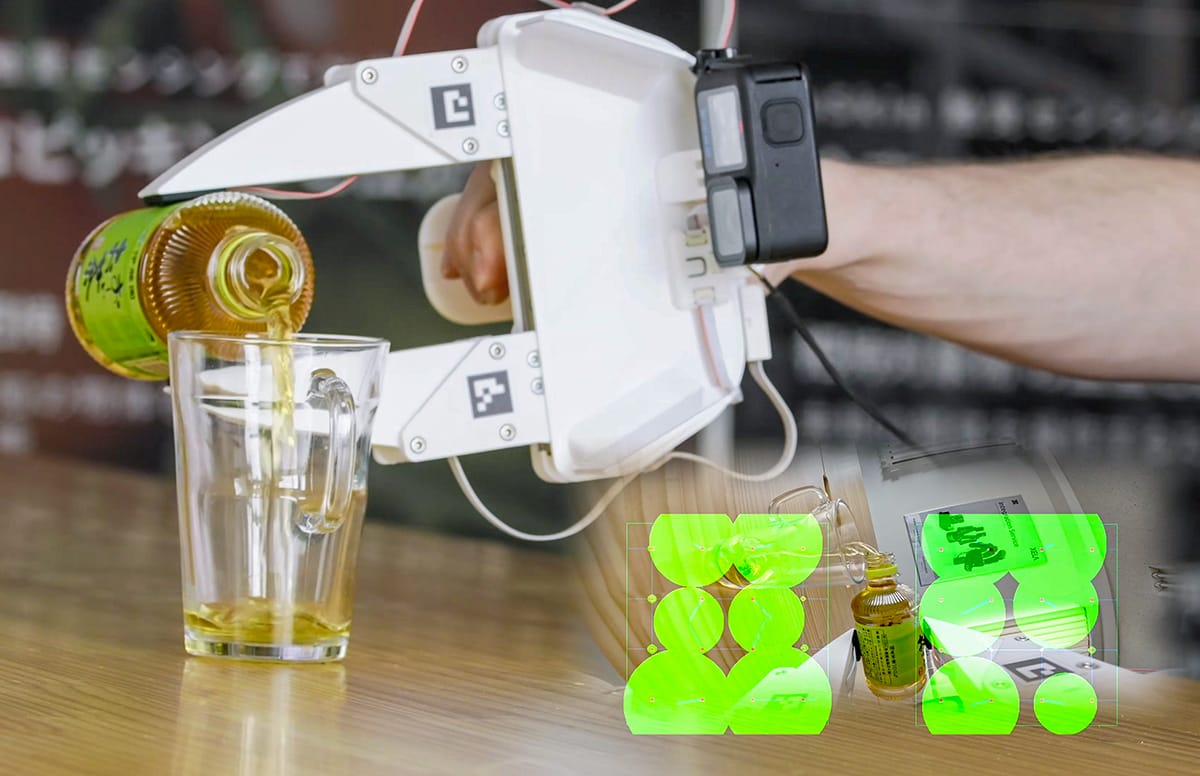
Pressure Sensors Enhance Robotic Gripping Accuracy and Interaction Control
The integration of pressure sensors into robotic grippers, such as the UMI gripper from XELA Robotics, significantly improves gripping accuracy. Unlike traditional methods that rely solely on motor current and position, pressure sensors provide critical real-time data on contact interactions, enabling better control during gripping tasks. This advancement is particularly crucial in industrial applications like bin picking and mixed-part handling, where the nature of contact can vary widely. By measuring distributed mechanical stress at the contact interface, pressure sensors allow for a nuanced understanding of how different materials respond to gripping forces, thus enhancing the reliability of robotic operations. Looking ahead, the continued development of pressure sensing technology in robotic systems will likely lead to more sophisticated interaction controls. No further timeline was disclosed at the time of publication.
End Effectors / Grippers Grippers Human Robot Interaction / Haptics News Sensors / Sensing Systems
Hebbian Robotics Releases HFlow 0.2.4 for Robotic Data Quality Control
Hebbian Robotics has launched HFlow 0.2.4, a preliminary version of its open-source tool aimed at robotic data quality control. The software organizes videos, joint states, actions, and timestamps used for training models, while tracking transformations applied to each episode. Robotic teams often accumulate recordings from cameras, sensors, and commands that do not share the same clock, which can degrade learning without visible errors. HFlow aims to replace scattered scripts with a reproducible, observable, and queryable pipeline. It uses MCAP as the primary input and output format, which is natively utilized by ROS 2, and can integrate images, states, actions, and other time series. The latest version also adds support for importing datasets in LeRobot v3 format. Each processing step can execute transformations, checks, annotations, or enrichments written in Python, allowing teams to trace the code that produced an episode and compare versions of checks. The project’s success will depend on its adoption by teams already using ROS 2, MCAP, or LeRobot. HFlow addresses a significant issue: a robotic model cannot sustainably compensate for desynchronized, incomplete, or irreproducible data. By making these defects measurable and auditable, HFlow seeks to shift quality control earlier in the learning pipeline.
Robots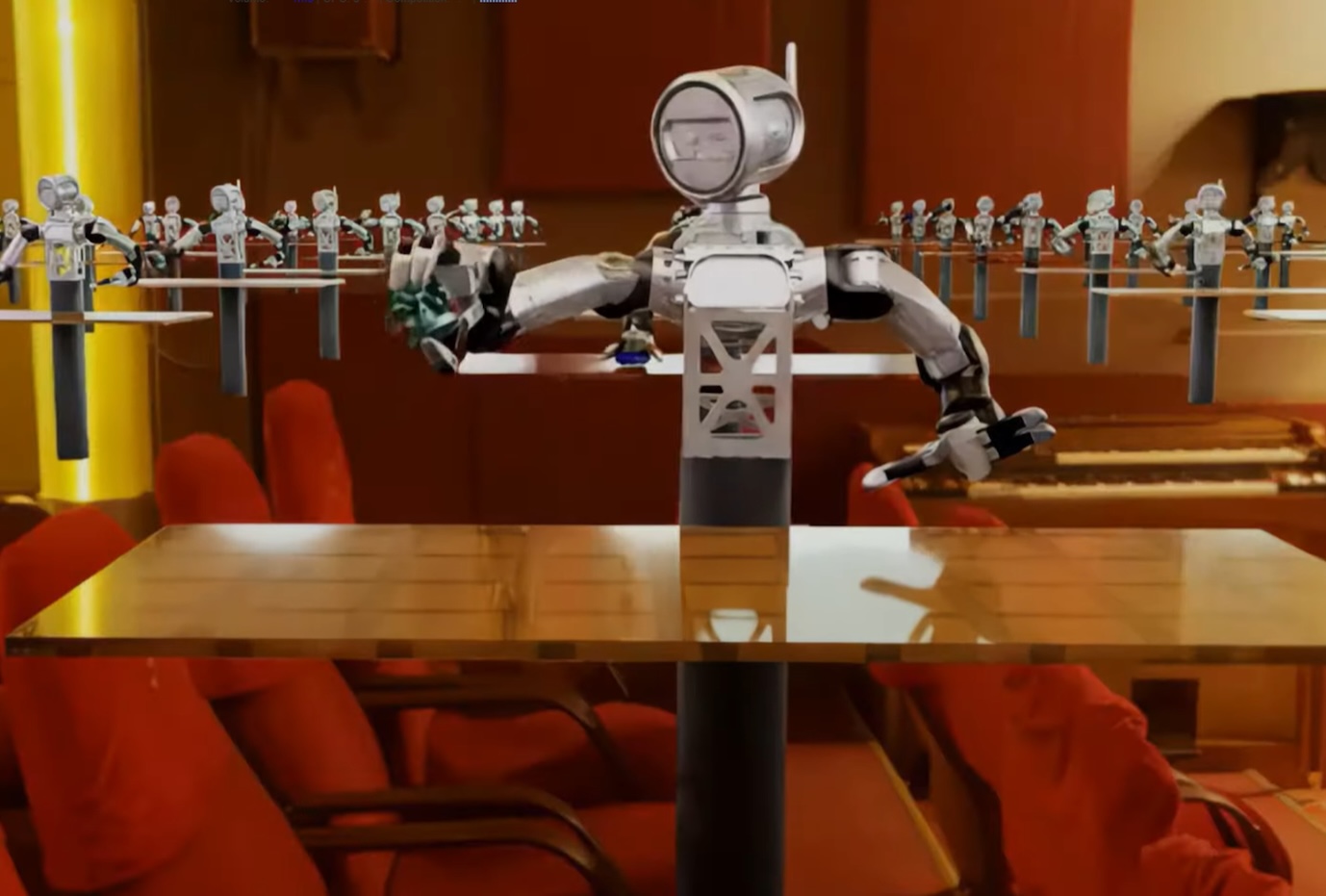
Enhancing Urban Traffic Management Efficiency with IoT-Aided Robotics and Graph Neural Networks
Recent advancements in IoT-aided robotics have shown significant potential for improving urban traffic management. By utilizing a multi-component attention graph convolutional neural network, these systems can enhance real-time traffic monitoring capabilities, leading to more efficient traffic flow and reduced congestion. This development is crucial as urban areas continue to face increasing traffic challenges. The integration of advanced robotics and IoT technologies can provide city planners and traffic management authorities with the tools needed to optimize traffic patterns and improve overall urban mobility. Looking ahead, the focus will be on the implementation of these technologies in real-world scenarios. Continued research and development in this area will be essential to fully realize the benefits of IoT-aided robotics in urban traffic systems. No further timeline was disclosed at the time of publication.
RESEARCH ARTICLE
Advancements in Humanoid Locomotion Control Explored in Science Robotics
The article published in Science Robotics discusses the evolution of humanoid locomotion control, highlighting significant advancements in this field. It emphasizes the importance of developing more efficient and adaptable control systems for humanoid robots, which can enhance their functionality in various environments. This evolution is crucial as it addresses the challenges faced by humanoid robots in navigating complex terrains and performing tasks that require agility and balance. Improved locomotion control can lead to better integration of humanoid robots in real-world applications, such as healthcare, service industries, and disaster response. Looking ahead, researchers are expected to focus on refining these control systems further, potentially incorporating artificial intelligence to enhance adaptability. No further timeline was disclosed at the time of publication.
Review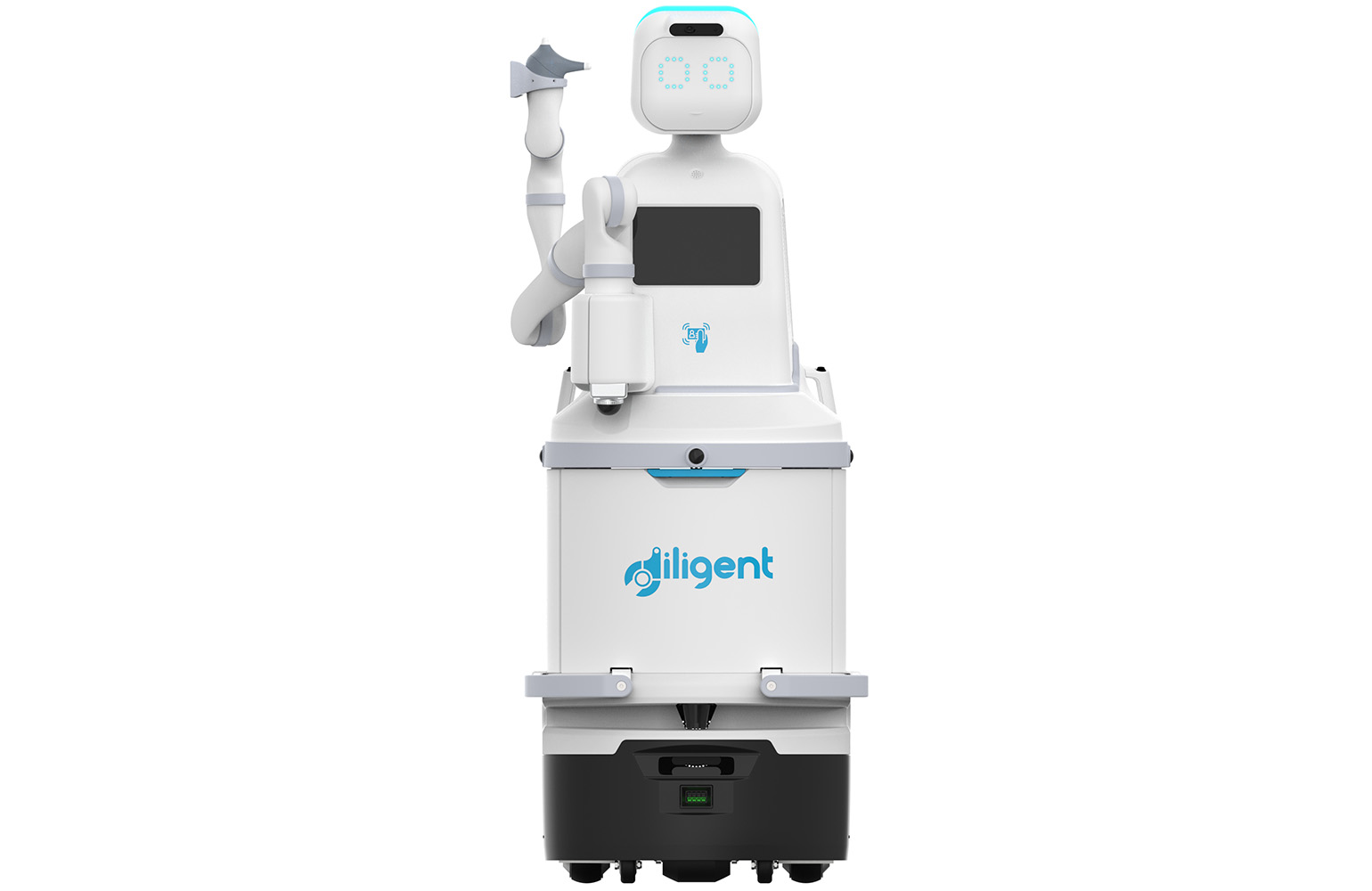
Diligent Robotics Begins Rollout of Moxi 2.0 to U.S. Health Systems
Diligent Robotics has commenced the rollout of Moxi 2.0 to health system customers across the United States. This next-generation platform has been shaped by five years of operation in over 25 hospitals, enhancing its capabilities for dynamic hospital environments. Moxi 2.0 features a proprietary learning flywheel that continuously improves the robot's performance based on deployment experiences. The significance of Moxi 2.0 lies in its advanced physical AI platform, designed to navigate the complexities of hospital hallways with greater confidence and safety. According to Andrea Thomaz, founder and CEO of Diligent Robotics, the new robot is equipped with enhanced compute, sensors, and models that allow it to operate more effectively in tight spaces filled with fast-moving people and equipment. The rollout includes partnerships with health systems such as Endeavor Health Edward Hospital and Providence Saint John’s Health Center. Looking ahead, Diligent Robotics is actively taking orders from health systems eager to implement Moxi 2.0, which can be integrated without altering existing infrastructure. The company, recently acquired by Serve Robotics for $29 million, is leveraging shared investments in physical AI research to accelerate innovation in its hospital deployments. No further timeline was disclosed at the time of publication.
Artificial Intelligence Artificial Intelligence / Cognition Autonomous Mobile Robots (AMRs) Design / Development Healthcare Robotics Markets / Industries
Tacta Systems Launches TactaBot to Enhance High-Skilled Manufacturing with Advanced Robotics
Tacta Systems recently introduced the TactaBot, integrating the Tacta Hand, Skill Capture system, and Dexterous Intelligence AI model. This innovative combination aims to create adaptable robotic hands capable of performing high-value tasks in manufacturing, addressing the global shortage of skilled labor. CEO Vikram Pavate emphasized the need for robots to replicate human-like touch and feel, which is essential for complex manufacturing processes. The Tacta Hand features a dexterous design with three and five-finger configurations, offering 15 degrees of freedom and the ability to lift up to 25 newtons per fingertip. Utilizing Tacta's Fluidic Tendon actuation technology, the robotic hand maintains stability and precision while minimizing heat generation. This technology enhances reliability compared to traditional cable-driven systems, with a lifespan of up to 30 million cycles. As Tacta Systems continues to innovate, the focus will be on further developing the capabilities of the TactaBot and its components. The integration of advanced tactile sensors, capable of measuring a wide range of forces and temperatures, positions Tacta to play a significant role in the future of high-skilled manufacturing automation. No further timeline was disclosed at the time of publication.
Actuators / Motors / Servos Arms / Manipulators Artificial Intelligence Artificial Intelligence / Cognition Collaborative Robots Design / Development
Regal Rexnord Enhances FANUC CRX with New Collaborative Robotics Solution
Regal Rexnord has introduced a new collaborative robotics solution that integrates its motion control brands with FANUC's CRX series. This solution utilizes Thomson linear motion technology, Boston Gear gearheads, Huco couplings, and Kollmorgen motors and software, allowing for the deployment of the Thomson Movotrak™ Cobot Transfer Unit (CTU). This development is significant as it provides FANUC CRX users with a seamless, out-of-the-box external axis solution, enhancing operational efficiency and flexibility in collaborative robotic applications. The integration of these advanced motion control technologies is expected to streamline workflows and improve productivity in various industrial settings. Looking ahead, the adoption of this collaborative robotics solution may influence the competitive landscape in the robotics sector, particularly in applications requiring enhanced motion control capabilities. No further timeline was disclosed at the time of publication.

Google Unveils Gemini Robotics 2 for Advanced Humanoid Robot Control and Reasoning
Google has launched Gemini Robotics 2, a sophisticated robotics model that enables humanoid robots to perform full-body movements and complex tasks. This system allows for coordination among multiple robots and adapts to various robot designs with minimal training. The new capabilities extend beyond simple manipulation to include walking, bending, and balancing. The significance of Gemini Robotics 2 lies in its ability to facilitate multi-step reasoning and adaptability in unfamiliar environments, setting it apart from traditional robots. This model can control both humanoid robots and dual-arm systems, enhancing their functionality for household and industrial applications. Demonstrations showcased its ability to manage tasks such as picking up objects and performing intricate actions with dexterous robotic hands. Looking ahead, Google is also releasing Gemini Robotics ER 2 for high-level reasoning and Gemini Robotics On-Device 2 for local operation without cloud reliance. The introduction of multi-robot collaboration capabilities allows different robots to work together efficiently, marking a notable advancement in robotic technology. No further timeline was disclosed at the time of publication.
AI and Robotics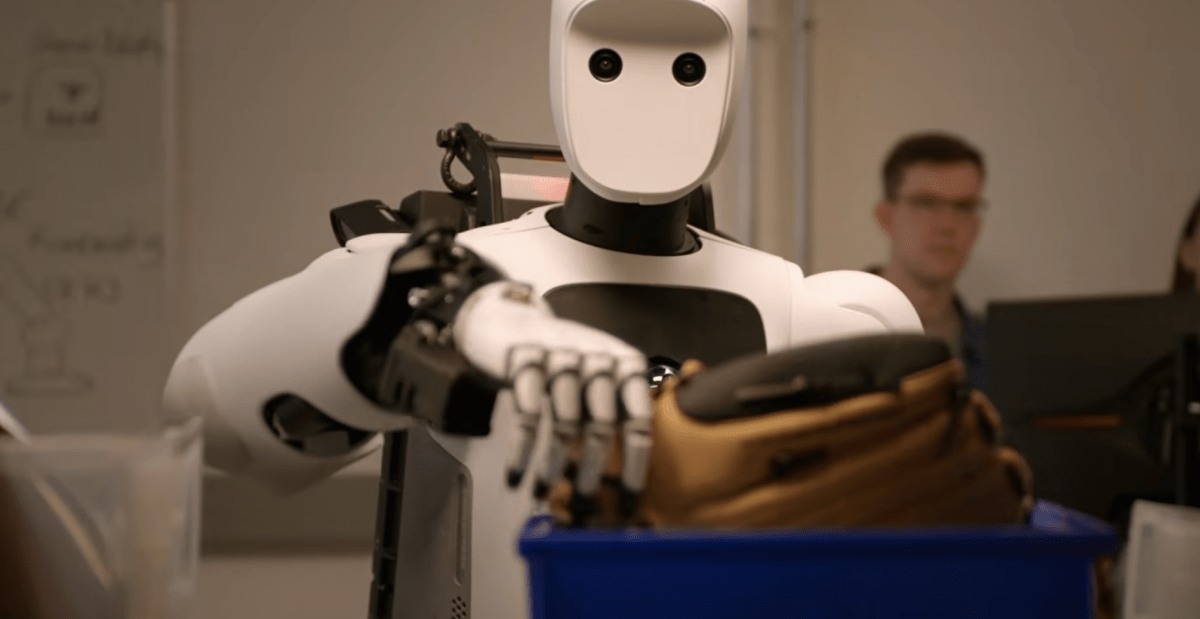
Google DeepMind Unveils Gemini Robotics 2 for Full-Body Control of Humanoid Robots
Google DeepMind has announced the launch of Gemini Robotics 2, an advanced AI model capable of controlling humanoid robots from 'feet to fingertips.' This new version enhances the robot's ability to perform a variety of actions, including walking, crouching, and manipulating objects, significantly expanding its functional capabilities. The importance of this development lies in its potential to enable humanoid robots to undertake more complex, real-world tasks that require whole-body coordination. With improved dexterity, Gemini Robotics 2 allows robots to perform intricate tasks such as sealing bags and unscrewing lightbulbs, marking a significant advancement in robotic manipulation. Looking ahead, Google DeepMind is also enhancing its Gemini Robotics ER model, which aids robots in analyzing their environment and executing multi-step tasks. This update aims to improve collaboration among different types of robots, enhancing safety features and operational efficiency. No further timeline was disclosed at the time of publication.
AI Google News Robot Tech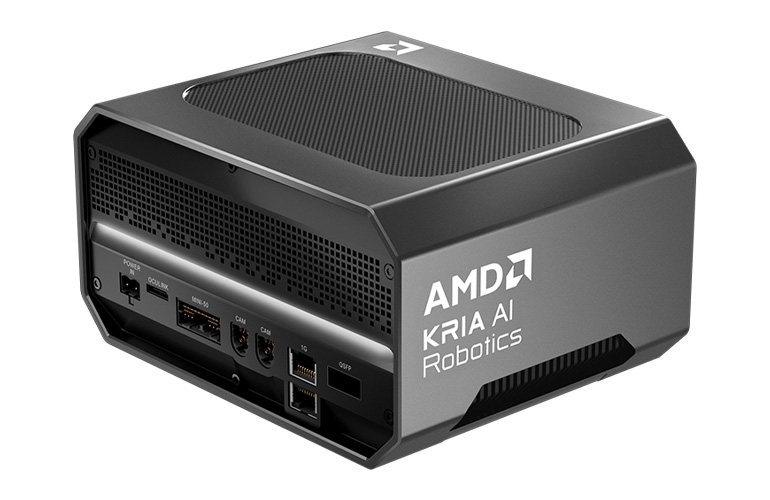
AMD Launches Kria Module and Ryzen AI Embedded X100 for Robotics Control
AMD has introduced the Kria module and Ryzen AI Embedded X100 series, aimed at enhancing real-time control and processing for robotics applications. The new platform promises deterministic performance with unified memory architecture, targeting both firm and hard real-time control through advanced optimizations. This development is significant as it positions AMD as a competitive alternative to NVIDIA in the robotics sector, particularly for physical AI applications. The unified CPU-GPU-NPU memory architecture is designed to reduce latency and improve efficiency in tasks such as perception and sensor fusion, which are critical for robotic operations. Looking ahead, AMD's offerings, including the open-source AMD Robotics Sophie Suite and a curated Robotics Partner Network, will be crucial for developers seeking scalable solutions for various robotic applications. No further timeline was disclosed at the time of publication.
Artificial Intelligence Controllers Microprocessors / SoC Microprocessors / SoCs Motion Control News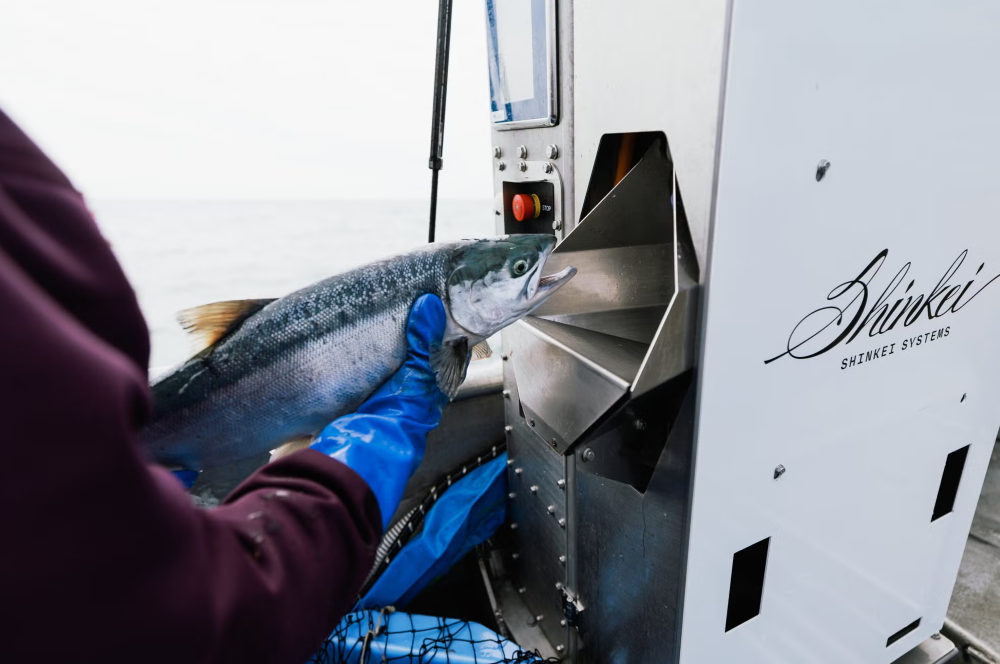
Shinkei Systems Introduces AI Robotics for Enhanced Fresh Fish Processing
Shinkei Systems, based in California, has developed a robotic solution for fish processing on fishing boats. Utilizing computer vision, the robot identifies fish species and performs precise slaughter within six seconds, adhering to the Japanese 'ike jime' technique to maintain meat quality. This innovation addresses the issue of stress hormones affecting fish taste during capture. The significance of this technology lies in its potential to improve the quality of seafood while providing fishermen with a stable supply of premium products. Shinkei offers its robots to Alaskan fishermen for free, purchasing their catch at above-market prices, and markets the fish under the 'Seremoni' brand. The company plans to introduce a new harvesting robot designed for small fishing vessels in the Cook Inlet by 2026. Currently, over 40 Michelin-starred restaurants across the U.S. are using Shinkei's technology, with retail chains like Wegmans and FreshDirect also stocking their products. Shinkei recently secured $22 million in Series A funding to expand its operations, including a new processing center in Tacoma, aiming to make high-quality seafood more accessible while preventing overfishing.
Robotic Processing AI Technology Seafood Industry Sustainable Fishing
Multimodal Robotics Inspired by Biological Systems Explored in Science Robotics
The latest issue of Science Robotics, Volume 11, Issue 116, published in July 2026, delves into the advancements in bioinspired multimodal robotics. This research highlights how biological systems can inform the design and functionality of robotic systems, leading to more versatile and adaptive technologies. The significance of this research lies in its potential to enhance robotic capabilities by mimicking the diverse modalities found in nature. By studying biological organisms, engineers can develop robots that are not only more efficient but also capable of performing complex tasks across various environments, which is crucial for applications in fields such as search and rescue, agriculture, and environmental monitoring. Looking ahead, the ongoing exploration of bioinspired designs in robotics will likely lead to innovative solutions that address current limitations in robotic performance. No further timeline was disclosed at the time of publication.
Review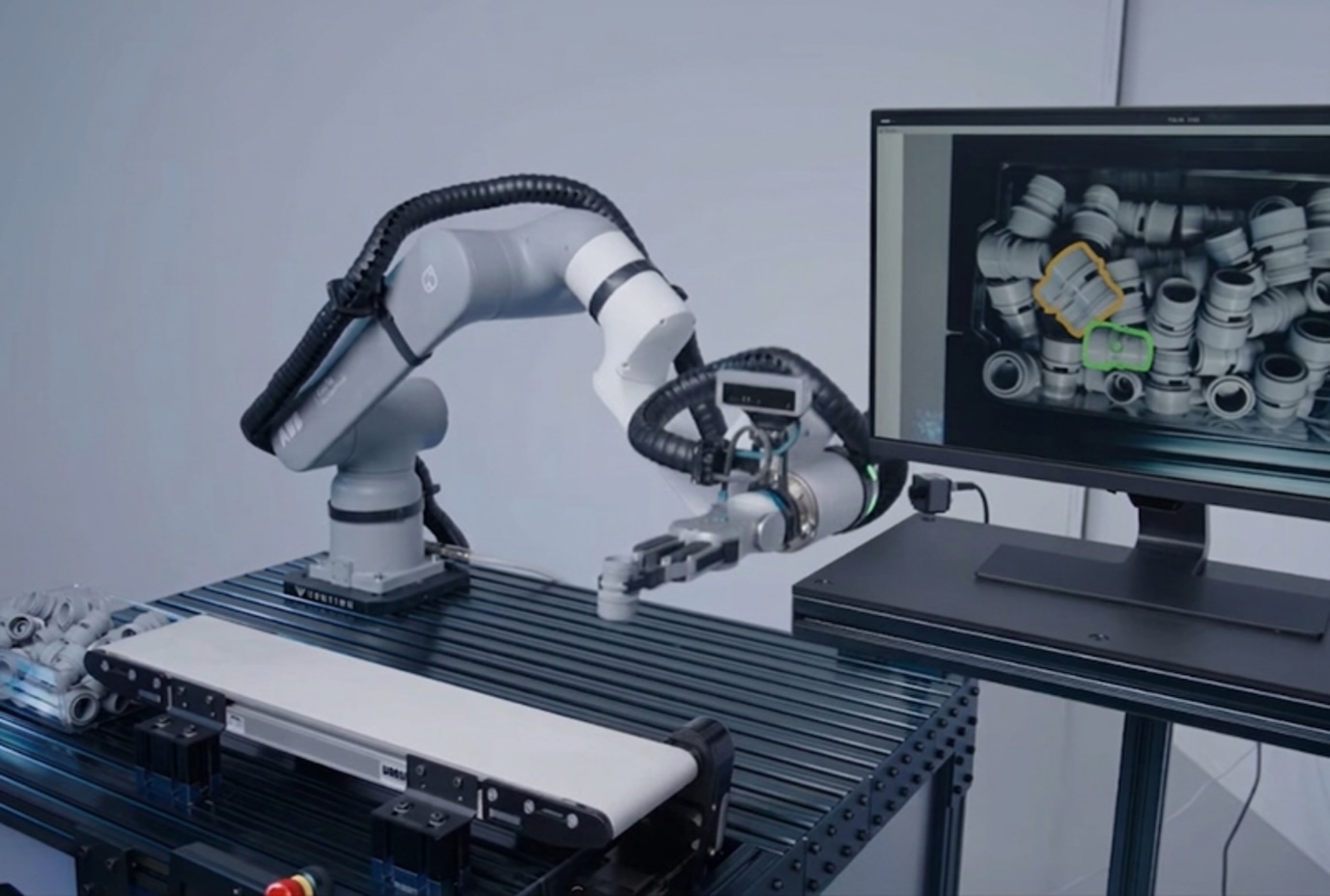
Marine Corps Chooses Allen Control Systems' Bullfrog M240 for L-MADIS Integration
The Marine Corps has selected Allen Control Systems' Bullfrog M240 autonomous weapon for integration into its Light Marine Air Defense Integrated System (L-MADIS). This system is part of the Ground Based Air Defense program and includes two Polaris MRZR vehicles, one serving as a command unit and the other equipped with electronic warfare capabilities to counter drone threats. The Bullfrog M240 transforms the traditional 7.62mm machine gun into an autonomous weapon, capable of firing 850 rounds per minute and weighing approximately 300 pounds. This integration is facilitated through a prototype Other Transaction Agreement contract valued at around $6.2 million. The Marine Corps is also seeking $1.27 billion in its fiscal 2027 budget for Ground Based Air Defense capabilities, highlighting the importance of advanced defense systems. Looking ahead, the Bullfrog M240 is not only being considered by the Marine Corps; the US Army Applications Lab has awarded a contract to assess its deployment on Army combat vehicles. Additionally, Allen Control Systems is working on integrating Bullfrog onto US Special Operations Forces maritime platforms, indicating a growing interest in this technology across multiple military branches.
Land Warfare Naval Warfare Army Counter UAS cUAS LMADIS MADIS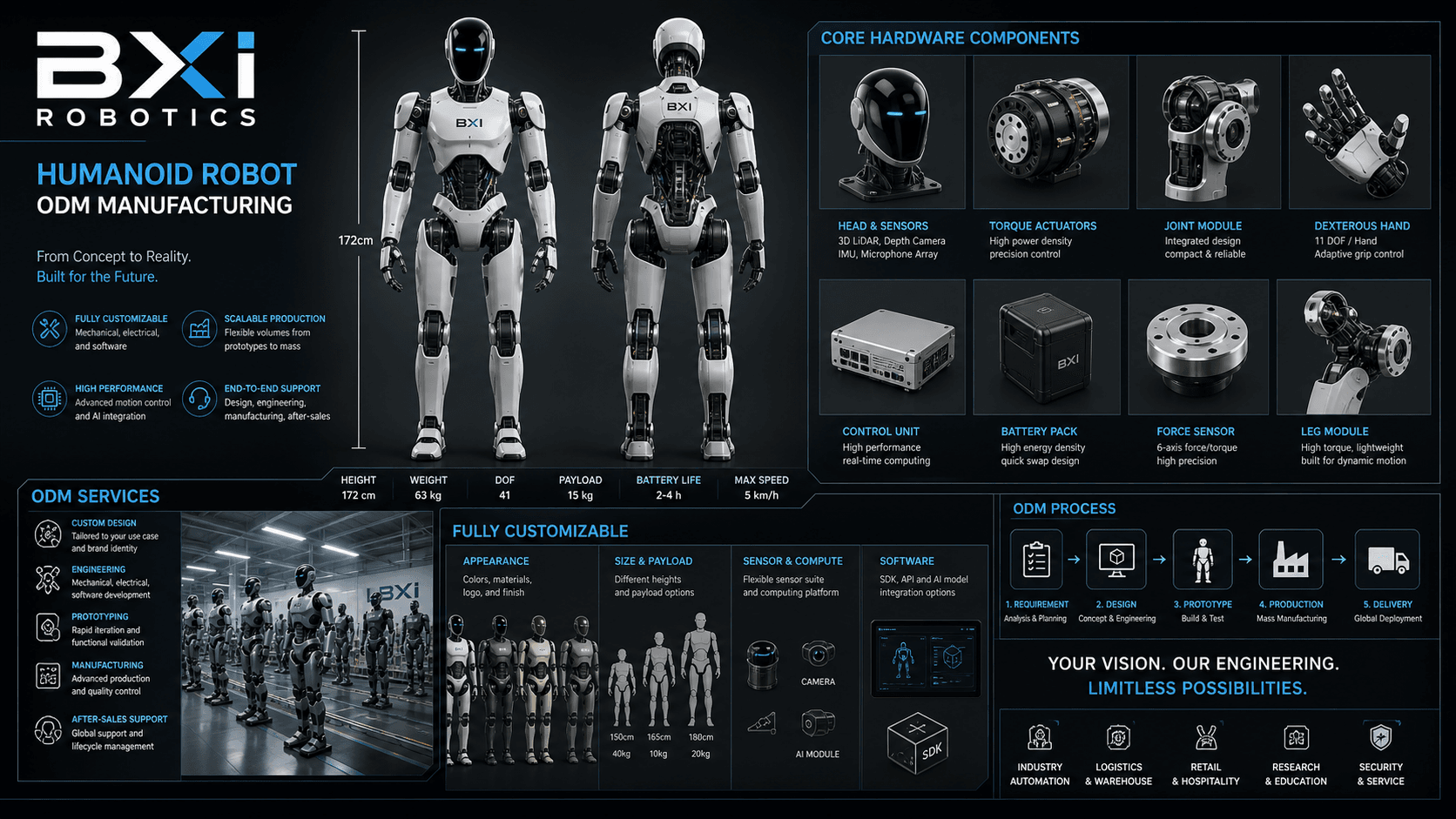
BXI Robotics Secures Funding for Full-Stack Humanoid Robot Solutions
BXI Robotics has successfully raised funding from Suochen Technology, following support from Feirongda. This funding will enhance BXI's capabilities in providing full-stack original design manufacturing (ODM) solutions for humanoid robots, which include self-developed motors, controls, and algorithms that have been verified for marathon-level reliability. The significance of this funding lies in BXI Robotics' commitment to advancing humanoid robotics technology. By securing financial backing, the company can further develop its comprehensive solutions, which are crucial for the growing demand in the robotics sector. The integration of reliable motors and algorithms positions BXI as a competitive player in the market. Looking ahead, industry observers should monitor BXI Robotics' progress in deploying its humanoid robot solutions and any potential partnerships that may arise as a result of this funding. No further timeline was disclosed at the time of publication.
Startups
ETCO Incorporated Launches New Electrical Connectors and Terminals for Robotics and Automation
ETCO Incorporated has unveiled a new range of standard and custom electrical connectors and terminals designed specifically for automation systems and robotics. These products are engineered to endure intense operations, constant motion, and vibration, making them suitable for demanding applications. The introduction of these connectors and terminals is significant as they address the growing need for reliable electrical components in automation and robotics. With the increasing complexity of automated systems, the durability and performance of electrical connections are crucial for operational efficiency and safety. Looking ahead, industry stakeholders should monitor the adoption of ETCO's new products in various applications. The effectiveness of these connectors and terminals in real-world scenarios will be key to their success in the market. No further timeline was disclosed at the time of publication.
RoboBusiness invites robotics startups to showcase systems and software solutions
RoboBusiness is currently accepting applications from robotics startups interested in presenting their innovations at the upcoming RoboBusiness event. This opportunity is aimed at companies developing complete systems, components, or software solutions in the robotics sector. The event is set to take place in the near future, providing a platform for emerging technologies and ideas. The significance of this initiative lies in its potential to connect startups with industry leaders, investors, and potential partners. By showcasing their work, startups can gain visibility and feedback on their products, which is crucial for growth in a competitive market. This event highlights the increasing importance of innovation in robotics, as companies strive to develop solutions that meet evolving industry demands. Looking ahead, interested startups should prepare their applications promptly, as the deadline for submissions is approaching. No further timeline was disclosed at the time of publication, but participation in this event could lead to valuable networking opportunities and insights into market trends.
Events News Startups robobusiness
Allient to demonstrate advanced motion control systems at 2026 Robotics Summit & Expo
Allient is set to showcase its advanced motion and control technologies at the Robotics Summit & Expo taking place this week in Boston. The company aims to highlight its innovative systems, which are designed to enhance robotic applications and improve operational efficiency. This exhibition represents an opportunity for Allient to engage with industry professionals and demonstrate the capabilities of its latest developments in motion control. The event serves as a platform for networking and collaboration within the robotics sector, emphasizing the importance of technological advancements in driving the future of automation.
Actuators / Motors / Servos Controllers Events Motion Control News allient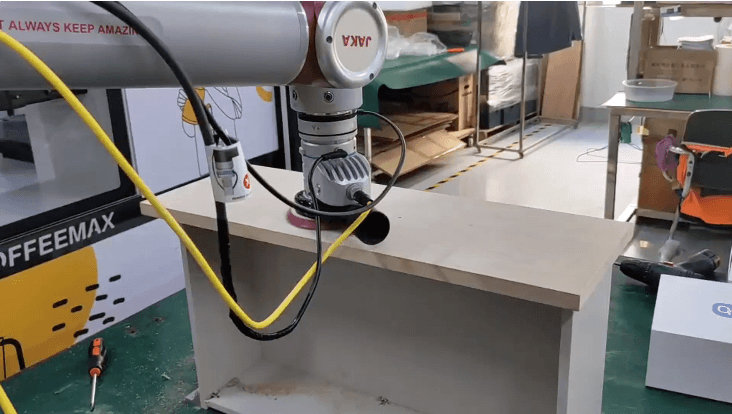
Understanding Automation Robotics Technology: From Sensors to Control Systems (JAKA CAB V3)
JAKA, a leader in automation robotics technology, has unveiled its advanced polishing robot, powered by the innovative CAB V3 controller, designed to enhance the precision and consistency of metal component finishing. This cutting-edge system, which integrates sophisticated sensing and control mechanisms, addresses the challenges faced by skilled artisans in achieving flawless surfaces. The CAB V3 controller serves as the brain of the robot, translating high-resolution sensor data into precise motion commands. Equipped with advanced proprioceptive sensors and force control technology, the polishing robot can adapt to subtle variations in part geometry, ensuring optimal tool orientation and pressure during operation. This real-time feedback loop allows the robot to maintain high standards of quality while compensating for any deviations. JAKA's design philosophy emphasizes the seamless integration of sensing, computation, and mechanical action, enabling the polishing robot to operate smoothly without vibrations that could damage surfaces. The CAB V3 also supports connectivity with external vision systems and factory networks, enhancing flexibility in mixed-production environments. By leveraging this advanced automation technology, manufacturers can achieve unprecedented levels of consistency and quality in their finishing tasks, transforming the traditional polishing process into a highly efficient and repeatable operation.

Emerging 2D Flex Feeding Revolutionizes Industrial Part Picking with Simplified Vision Systems
The article discusses the advancements in 2D Flex feeding technology, which simplifies robotic vision for industrial part picking. Unlike traditional 3D bin picking, this new approach allows for quicker and more reliable implementations, making it accessible for a broader range of applications. This innovation is significant as it enhances the capabilities of industrial robots in manufacturing, reducing the complexity associated with advanced vision systems. Experts Nicholas Kern from SICK and Nick Barron from Feedall highlight the advantages of flex feeding over bowl feeding, showcasing early adopters who are already experiencing substantial benefits. Looking ahead, the future of feeding robots appears promising with the integration of smarter vision systems. As this technology continues to evolve, it will be essential to monitor its adoption and impact on manufacturing efficiency and productivity. No further timeline was disclosed at the time of publication.
Factory / Robotics
Transitive Robotics Expands Remote Teleop to Control Robotic Arms via Internet
Transitive Robotics has extended its Remote Teleop tool to enable remote control of robotic arms over the Internet. The new version 0.20 introduces virtual reality controllers and mouse gesture commands while maintaining existing WebRTC video and stop mechanisms for mobile robots. This advancement allows for remote operation beyond just wheeled bases. This development is significant as it enhances the capabilities of robotic systems, particularly with the integration of small SO-101 arms used within the LeRobot ecosystem. The official technical page indicates that the software can simultaneously control a mobile robot and a manipulator, providing a more versatile solution for remote operations. Looking ahead, the implications of this update include potential applications in remote assistance, demonstration collection for training, manual recovery after failures, and supervision of isolated machines. However, the accuracy and performance of the system under unstable network conditions remain to be evaluated. No further timeline was disclosed at the time of publication.
Robots
TM Robotics CEO Discusses Need for Moulding Systems to Adapt to Material Changes
Nigel Smith, CEO of TM Robotics, emphasized the importance of selecting moulding systems that can accommodate a wider variety of materials. As processors face evolving material requirements, the ability to adapt machinery is crucial for maintaining efficiency and competitiveness in the market. This adaptability is significant as it allows processors to respond to changing demands and innovate in their product offerings. By investing in flexible moulding systems, companies can enhance their production capabilities and meet diverse customer needs, ultimately driving growth and sustainability. Looking ahead, processors should prioritize the integration of advanced moulding technologies that support a broader material mix. No further timeline was disclosed at the time of publication.

University of Stuttgart and Max Planck Institute Develop Magnet-Controlled Microscrolls for Robotics
Researchers at the University of Stuttgart and the Max Planck Institute for Solid State Research have created innovative microscrolls that can be magnetically controlled to unroll and roll up. Inspired by butterfly proboscises, these ceramic microscrolls represent a significant advancement in smart materials. This development is crucial for enhancing drive technologies in micro- and soft robotics, which are increasingly important in various economic sectors. The ability to manipulate these microscrolls with precision opens new avenues for efficient robotic applications, potentially transforming how tiny robots operate. Looking ahead, the implications of this research could lead to more sophisticated robotic systems that leverage these smart materials. No further timeline was disclosed at the time of publication.
Robotics
Palladyne AI Secures Additional $2.9 Million from U.S. Air Force for STRATFI Contract
Palladyne AI has announced that the U.S. Air Force has exercised an option on its STRATFI contract, adding $2.9 million in funding. This brings the total contract value to over $10.6 million, indicating the Air Force's satisfaction with Palladyne IQ™ embodied AI architecture for autonomous robotic systems. The additional funding underscores the U.S. Air Force's confidence in Palladyne AI's capabilities in delivering advanced autonomous solutions. Palladyne AI specializes in embodied AI-powered collaborative autonomy, advanced avionics, and UAVs, making it a key player in defense and industrial technology sectors. Looking ahead, the continued investment in Palladyne AI's technologies suggests a growing demand for autonomous robotic systems within military applications. No further timeline was disclosed at the time of publication.
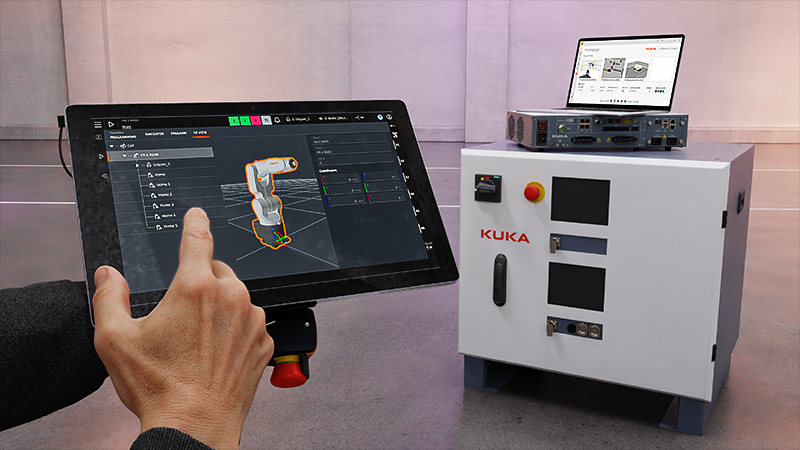
KUKA Achieves Security Level 2 Certification for iiQKA.OS2 and KR C5 Controller
KUKA has achieved Security Level 2 certification for its iiQKA.OS2 operating system and KR C5 controller platform, in accordance with IEC 62443-4-2. This certification signifies that KUKA's robotic systems are equipped to handle the increasing demands for security in digitalized production environments. The importance of this certification lies in its alignment with the growing need for security and regulatory compliance as production processes become more digital and connected. KUKA's compliance with Regulation (EU) 2024/2847 Cyber Resilience and EN ISO 10218-1:2025 positions it as a leader in secure automation solutions. Looking ahead, KUKA's certification sets a benchmark for the robotics industry, emphasizing the necessity of robust security measures in automation. No further timeline was disclosed at the time of publication.
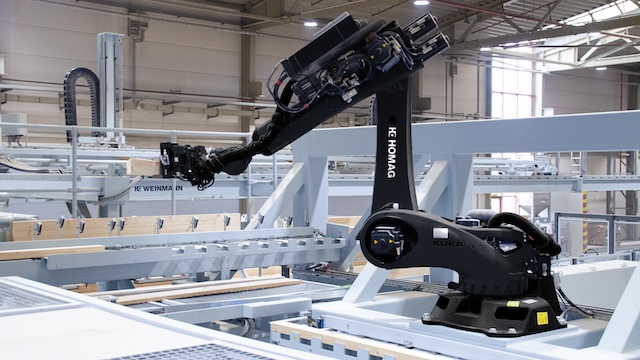
Qingche Intelligent Showcases Comprehensive Data Systems and Robotics at WAIC 2026
From July 17 to 20, 2026, Qingche Intelligent participated in the World Artificial Intelligence Conference (WAIC) in Shanghai, focusing on bridging models and real-world intelligence. The company showcased a complete technology system from real-world data collection to model training and robotic applications, emphasizing the importance of real-world data for embodied intelligence. Qingche's RoboPocket system, a no-body robot data collection platform, allows users to gather data without direct interaction with robots, significantly lowering the barriers for data acquisition. The DM3 data management platform complements this by enabling visual retrieval, quality control, and data asset management, handling up to 10,000 data entries daily and accumulating substantial real-world data assets. The company also presented its new generation of embodied intelligence pre-training models, which do not rely on teleoperation data, demonstrating a viable path for model training using only field-collected data. Qingche's solutions have already been deployed in real-world scenarios, such as retail pharmacies and hotel laundry services, showcasing the practical applications of their technology and the continuous evolution of their data-driven model development.
Embodied Intelligence Data Management Robotics AI Applications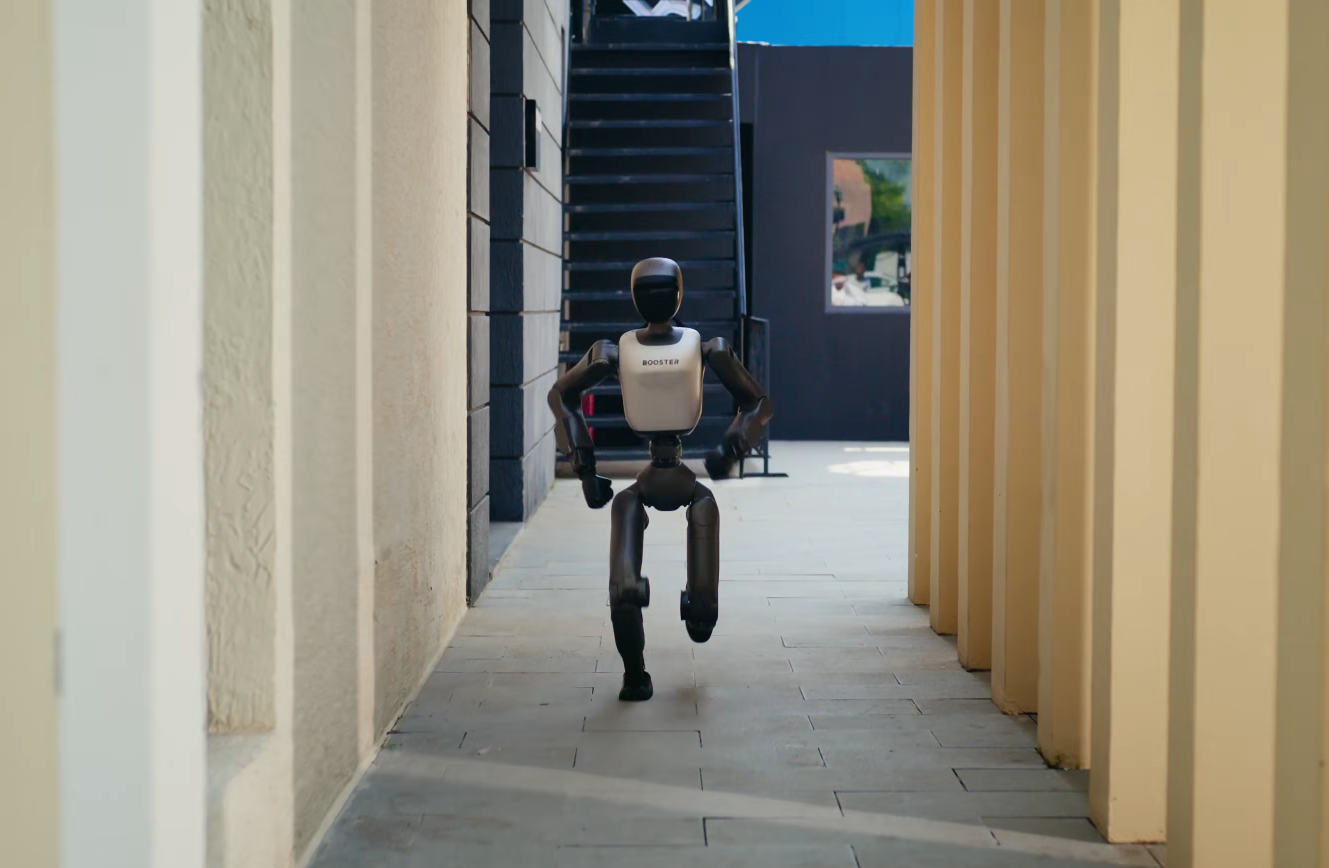
Booster Robotics Launches Booster T2 Humanoid Robot with NVIDIA Thor Computing Power
Booster Robotics has introduced the Booster T2, a humanoid robot platform aimed at real-world applications and embodied AI research. The T2 Pro version utilizes NVIDIA’s Thor chip, delivering up to 2,070 TFLOPS for real-time perception and control. The robot is designed for tasks requiring mobility and manipulation, showcasing advanced capabilities such as walking, dynamic balance, and athletic movements. The significance of the Booster T2 lies in its integration of cutting-edge technology and open development. With features like whole-body coordination and onboard AI computing, it supports a wide range of applications in robotics. The introduction of Booster Studio, an open software platform, further enhances its utility by allowing developers to simulate and deploy AI models effectively. Looking ahead, the Booster T2 is positioned to advance research in embodied AI and robotics. Its robust design, including 31 degrees of freedom and multiple hardware configurations, makes it suitable for various manipulation tasks. No further timeline was disclosed at the time of publication.
AI and Robotics

Harmonic Drive Advances Surgical Robotics Supply With Innovative LPA 20 Compact Actuator Control Component
Harmonic Drive has unveiled its latest innovation, the LPA 20 integrated servo actuator, enhancing its reputation as a leading supplier of motion control components for surgical robotics. This new actuator is designed to provide exceptional precision and a compact form factor, addressing significant challenges faced by original equipment manufacturers (OEMs) in the medical field. The launch underscores Harmonic Drive's commitment to advancing technology in surgical applications, ensuring that OEMs can meet the growing demands for efficiency and reliability in robotic systems.
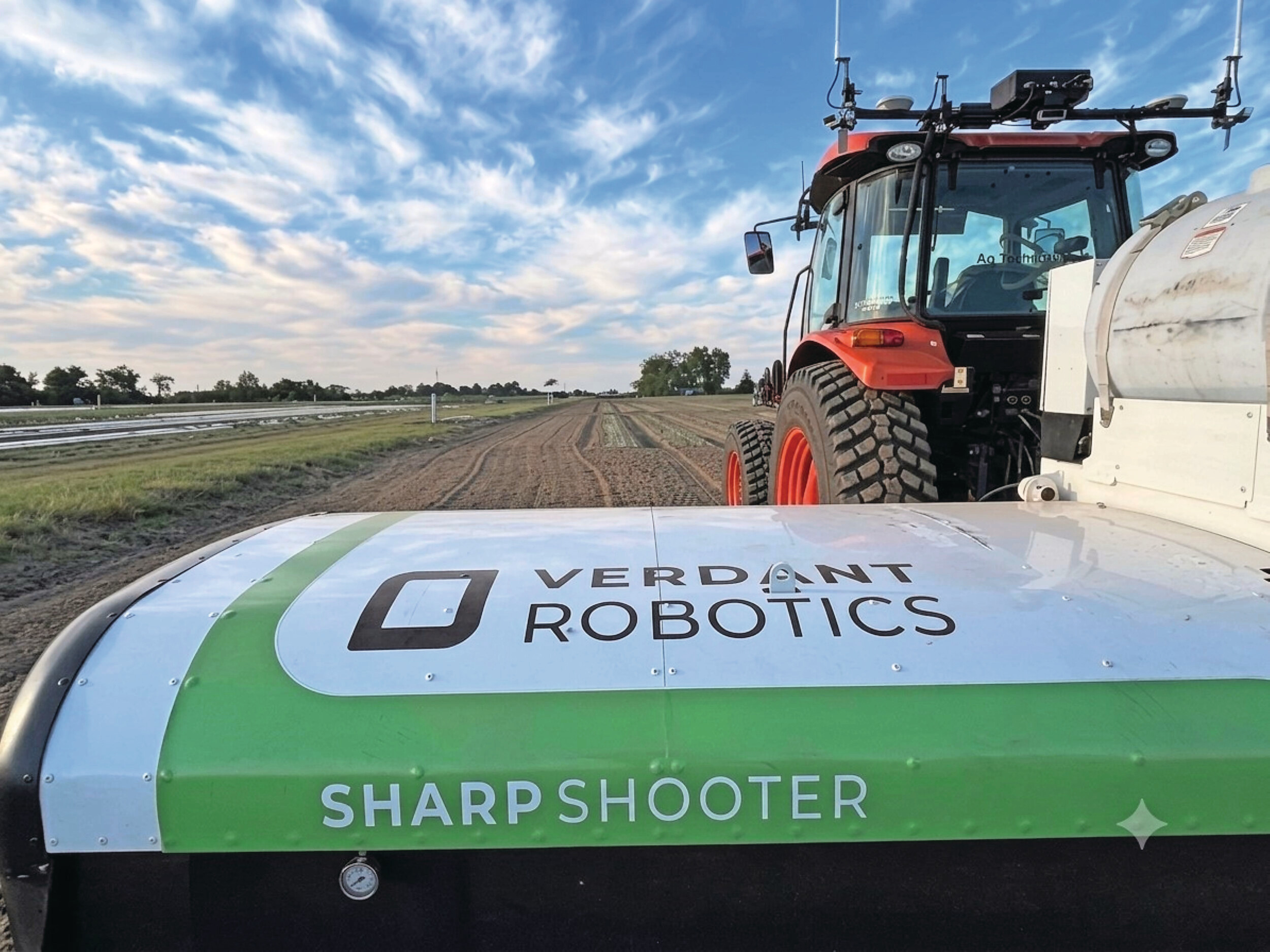
Sabanto and Verdant Robotics integrate autonomy and precision application systems
U.S. companies Sabanto Inc. and Verdant Robotics have announced a groundbreaking integration of their systems, marking a significant advancement in agricultural automation. This collaboration allows producers to automate various fieldwork tasks, including navigation and plant-level input application, without the need for an operator present in the cab. The integration aims to enhance efficiency and productivity in farming operations, responding to the growing demand for innovative agricultural solutions. By leveraging advanced technology, both companies are paving the way for a new era of autonomous farming, which could transform traditional practices and address labor shortages in the industry.
Autonomous/semi-autosteering systems autonomous farm equipment autonomous tractors crop management systems retrofit kits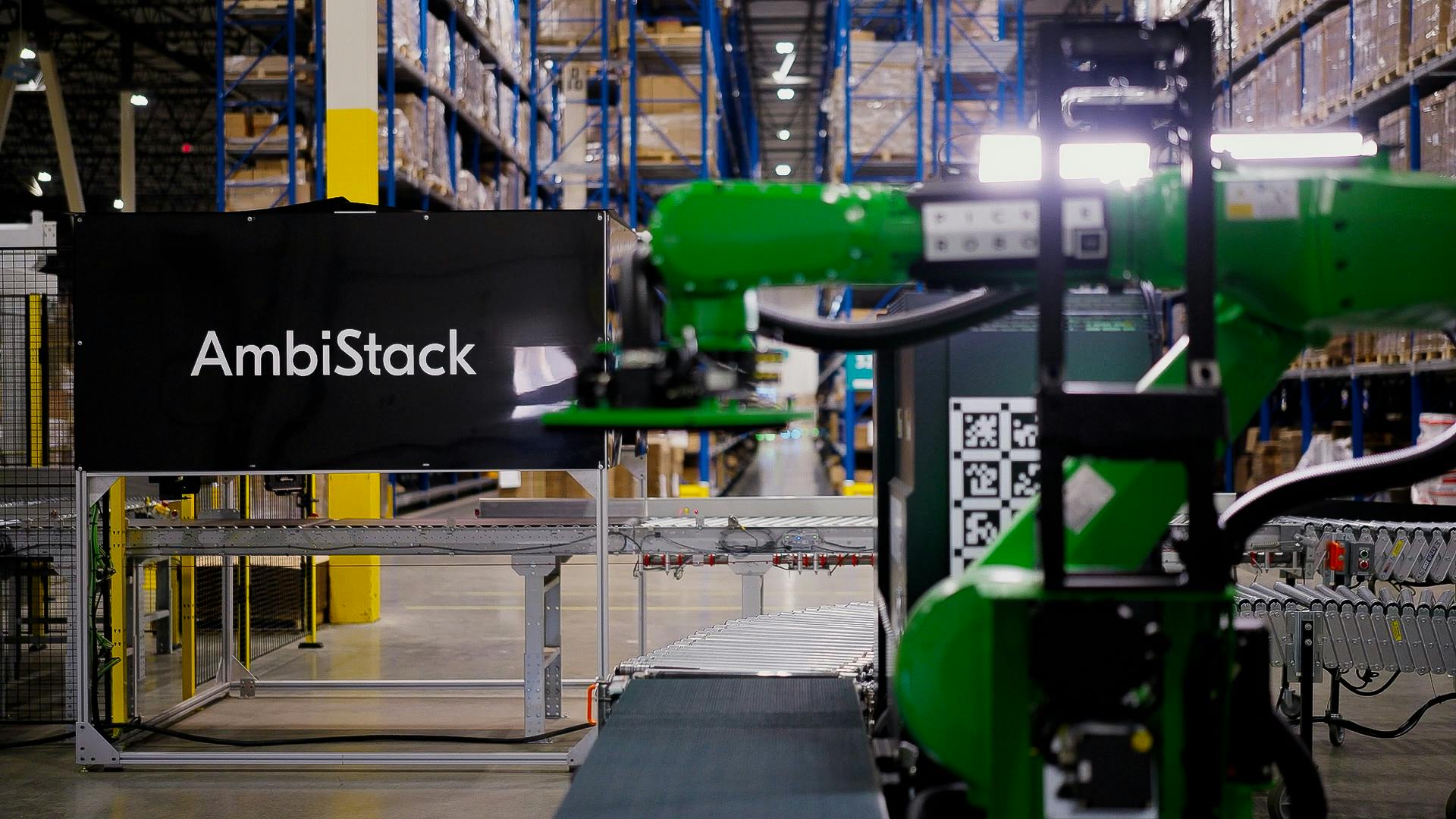
Ambi Robotics, Pickle Robot Company Integrate Robotic Systems
A group of companies is collaborating to showcase the potential of specialized automation technologies for warehouse operations. This initiative aims to highlight how these advancements can enhance efficiency and productivity within the logistics sector. The demonstration is set to take place in the coming months at various locations, allowing warehouse operators to see firsthand the benefits of integrating automation into their processes. By leveraging cutting-edge technology, the companies hope to address the growing demand for streamlined operations in an increasingly competitive market. This effort reflects a broader trend towards automation in industries seeking to optimize their supply chains and reduce operational costs.
Factory / Supply Chain Management
NEW INDRO CORTEX, CONTROLLER SIMPLIFY ROBOTIC INTEGRATION AND OPERATION
InDro Cortex has emerged as a versatile compute and sensor integrator designed for use on various robotic platforms. This innovative device, measuring 11cm x 14cm x 10cm and weighing just 679 grams, enables seamless data transmission over 5G networks with minimal latency. It also allows remote operators to send instructions to the robotic systems it supports. The platform-agnostic nature of Cortex means it can be integrated with nearly any robotic framework, enhancing operational flexibility and efficiency in diverse applications. This advancement in robotics technology is set to revolutionize how remote operations are conducted, offering real-time communication and control capabilities.
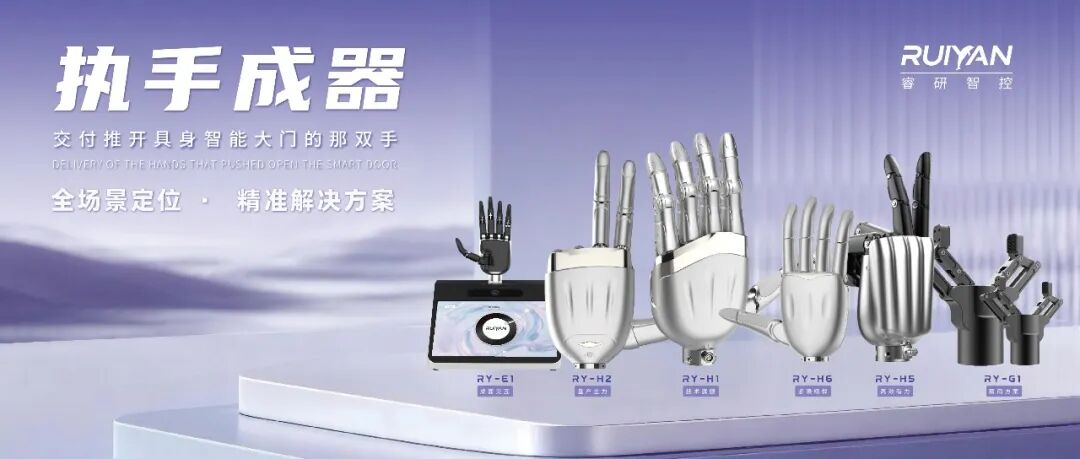
How Ruiyan Intelligent Control Became a Leading Supplier of Dexterous Hands in Robotics
Shenzhen-based Ruiyan Intelligent Control has swiftly established itself as a prominent supplier of dexterous hands for leading embodied AI companies in China. The firm has gained significant market traction by prioritizing reliability and innovative engineering, effectively addressing critical challenges within the industry. Notably, Ruiyan has achieved this success without relying on traditional marketing strategies. Their dedication to quality and performance has resulted in impressive customer retention rates, solidifying their growing influence in the robotics sector.
Dexterous Hands Robotics Embodied Intelligence Engineering Reliability
Roboverse Reply Impresses at ELROB 2026 With Intelligent Robotic Systems for Critical Missions
From June 15 to 19, a collaboration between a leading technology company and ELP, a specialist in technical equipment for defusing services, showcased impressive performance at an international event. The demonstration highlighted the reliability of their autonomous solutions in real-world conditions, standing out among a competitive field of participants. This partnership aims to advance the capabilities of defusing technology, emphasizing the importance of effective and dependable solutions in critical situations. The successful demonstration serves to reinforce the company's commitment to innovation and excellence in the field.

Locus Robotics Helps HelloFresh Expand Temperature-Controlled SKU Capacity 5X Across Growing Brand Portfolio
HelloFresh has announced the implementation of a customized Locus Origin deployment aimed at enhancing its refrigerated operations and expanding its product variety. This strategic move, which is part of the company's ongoing efforts to automate processes across its various brands, was unveiled in October 2023. The deployment is expected to streamline logistics and improve efficiency in the handling of perishable goods, allowing HelloFresh to offer a broader selection of meal kits to its customers. By leveraging advanced automation technology, the company aims to meet the growing demand for diverse and fresh meal options while maintaining high standards of quality and service.
Robotics needs a service framework.
RSF defines a common language for robot service capability, lifecycle operations, certification pathways, and service-provider networks.
Join the RobotToday community on LinkedIn
Daily robotics news, in-depth analysis, conference highlights, and discussions with professionals worldwide.