Industry Briefing
A single destination for timely, editor-curated robotics news from around the world.

The Future of Physical AI Isn’t Smarter Robots, It’s Smarter Interfaces
Wetour Robotics is pioneering a new approach to human-machine interaction with its innovative concept of Spatial Intent Fusion, which aims to enhance how people communicate with connected devices. This initiative comes in response to the limitations of traditional input methods—screens, buttons, and voice commands—that often fail in dynamic environments where users' hands are occupied or speech is impractical. The company, which has made significant strides in the field of Physical AI over the past three years, emphasizes the need to integrate human intent into the computing loop as seamlessly as the robots already operate. By utilizing a portable intelligent hub called Orchestra, Wetour Robotics processes multiple streams of human-centered information—spatial position, visual context, and gestural intent—into real-time commands for various devices. Orchestra operates on the NVIDIA Jetson Orin Nano Super platform, ensuring low-latency performance without relying on cloud processing. The system includes advanced features such as pre-motion intent sensing, which allows it to anticipate user actions based on biosignal data. Wetour Robotics acknowledges ongoing challenges, such as maintaining signal stability during movement and integrating diverse device protocols. However, the company believes that treating the human body as an active participant in the computing network will not only improve individual user experiences but also provide valuable data for the development of future AI technologies. This initiative represents a significant step forward in bridging the gap between human and robotic capabilities, ultimately enhancing the broader Physical AI ecosystem.
Interfaces Physical-ai Robot-hardware Smarter-robots
Open source hardware for robotics: Democratizing robot building
In recent years, discussions surrounding open-source robotics have predominantly centered on software, particularly the Robot Operating System (ROS), which has established itself as a leading framework for robot development. However, the narrative is evolving as a diverse ecosystem of open-source hardware platforms emerges, significantly reducing barriers for developers and innovators in the field. This shift is occurring against the backdrop of a growing demand for accessible robotic solutions, driven by advancements in technology and an increasing interest in automation across various industries. The integration of open-source hardware with existing software frameworks is fostering collaboration and innovation, enabling a broader range of participants to contribute to and benefit from the robotics revolution. As this trend continues to gain momentum, it is reshaping the landscape of robotics, making it more inclusive and accessible to a wider audience.
Computing Features Robotics arduino automation news automation technology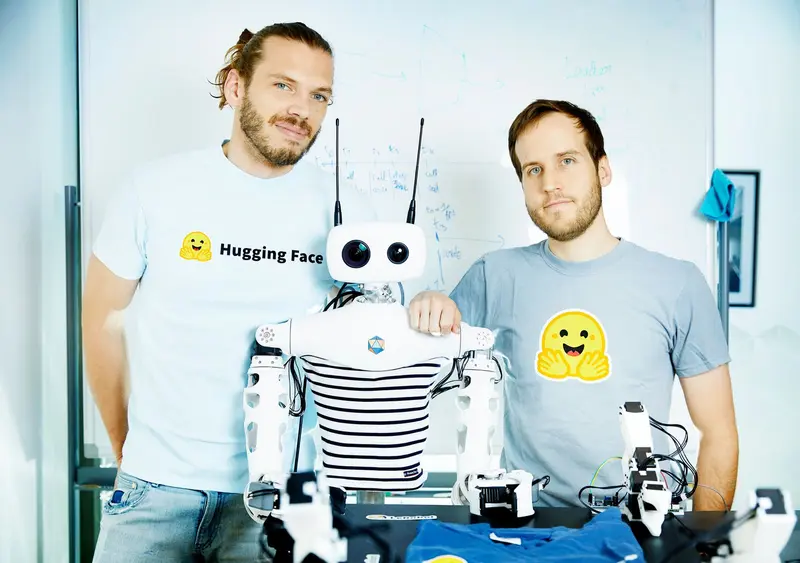
Hugging Face Acquires Pollen Robotics, Eyes Open Source Future for Humanoid Hardware
AI platform Hugging Face has made its inaugural foray into hardware by acquiring French startup Pollen Robotics. This acquisition, announced recently, includes Pollen's open-source humanoid robot, Reachy, along with its development team. The move reflects Hugging Face's strategic expansion into the robotics sector, reinforcing its commitment to open-source principles that have traditionally guided its AI software initiatives. By integrating Pollen's technology and expertise, Hugging Face aims to enhance its offerings and innovate within the robotics field.
open-source pollen-robotics hugging-face
LA High School Students Engage with Real Robotics at Faraday Future Headquarters This Summer
A group of K-12 students in Los Angeles has been hands-on with real humanoid robots and industrial-grade robotic dogs at Faraday Future's headquarters this summer. On July 15, Faraday Future announced that its EAI Robotics Summer Camp, in collaboration with the Lynwood and El Segundo school districts, has entered its second week, alongside a partnership with Triple I, a full-cycle education organization in the U.S. The summer camp is notable for using actual robotics equipment rather than toy kits or computer simulators. Students have worked with Faraday Future's own robots, including the Navi, an educational four-legged robot priced under $2,000, the industrial-grade Aegis, and the humanoid robot Master. The camp employs a five-day progressive learning structure, culminating in students programming and debugging real hardware. Participants have transformed from beginners to capable of autonomous system demonstrations within just one week. Faraday Future's Co-CEO Chen Zhe emphasized the importance of immersive engineering experiences for students and how their feedback aids product iteration and course design. He believes education will be a key application area for scaling consumer robotics in its early stages, as Faraday Future aims to bridge classroom learning with practical experience and home education.
Robotics Education Hands-on Learning Consumer Robotics Programming STEM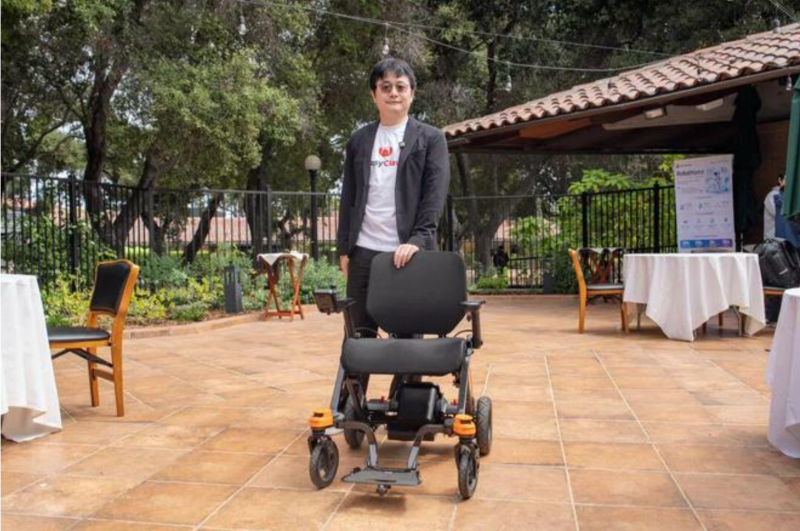
Smart Wheelchair Captivates Attention at Stanford AI Summit Over Humanoid Robots
At the Humanity & AGI Summit held at Stanford University, a smart wheelchair presented by Fu Sheng, Chairman of Cheetah Mobile, garnered significant attention, overshadowing humanoid robots. Attendees were drawn to the wheelchair's autonomous obstacle avoidance and user-friendly features, prompting many to experience it firsthand. The interest in the smart wheelchair highlights a critical shift in the robotics landscape, as Fu Sheng noted that humanoid robots are unlikely to achieve commercial scalability in the next five to ten years. He emphasized that the current limitations in software and hardware development hinder the practical application of humanoid robots, with most sales directed towards research institutions rather than commercial markets. Looking ahead, the focus on practical solutions like the smart wheelchair suggests a growing recognition that functionality is more important than form in robotics. As the industry continues to evolve, the demand for effective, user-centric products will likely shape future innovations, steering attention away from humanoid designs towards more practical applications.
Smart Wheelchairs Humanoid Robots AI Technology Robotics Assistive Devices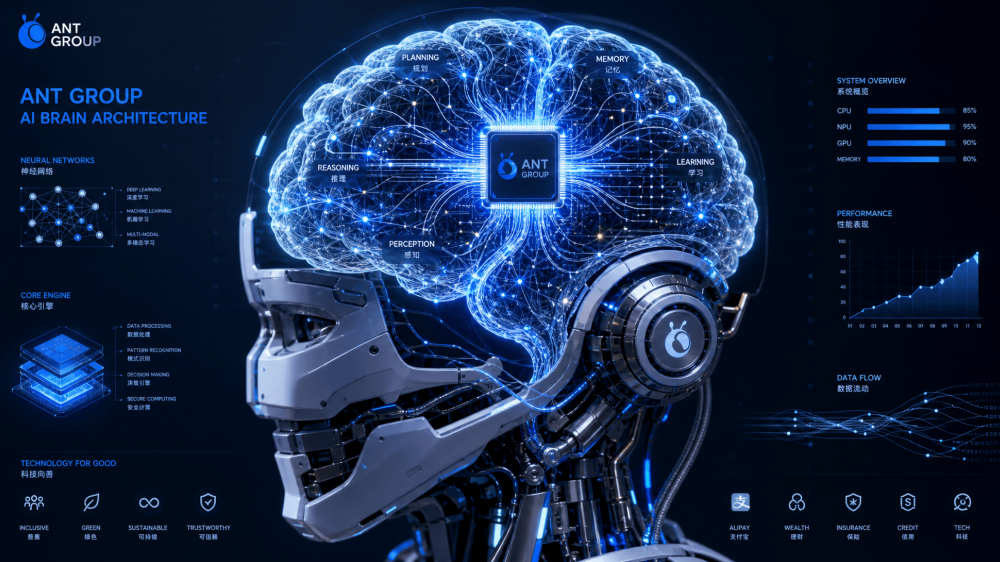
Ant Group's Robotics Subsidiary Introduces Innovative Robot Brain Technology
Ant Group's robotics subsidiary, Robbyant, has adopted a unique approach by prioritizing the development of a robot brain over hardware design. This strategy leverages the AI infrastructure behind Alipay, which processes billions of payment transactions daily, to enhance robots' ability to perceive their environment and make autonomous decisions. The introduction of the LingBot-VA 2.0 marks a significant advancement as it is the world's first embodiment-native pre-trained VA base model, specifically tailored for robots. In real-world tests, robots equipped with this model achieved a remarkable success rate of 93.6% in dual-arm tasks, showcasing the potential of this innovative technology. As hardware becomes increasingly standardized, the focus on software intelligence and data advantages is emerging as a new competitive edge. Ant Group's initiative to create a robot brain from its extensive payment data aims to bridge the gap between the digital and physical worlds, positioning Robbyant as a leader in the robotics field.
Robotics AI Machine Learning Automation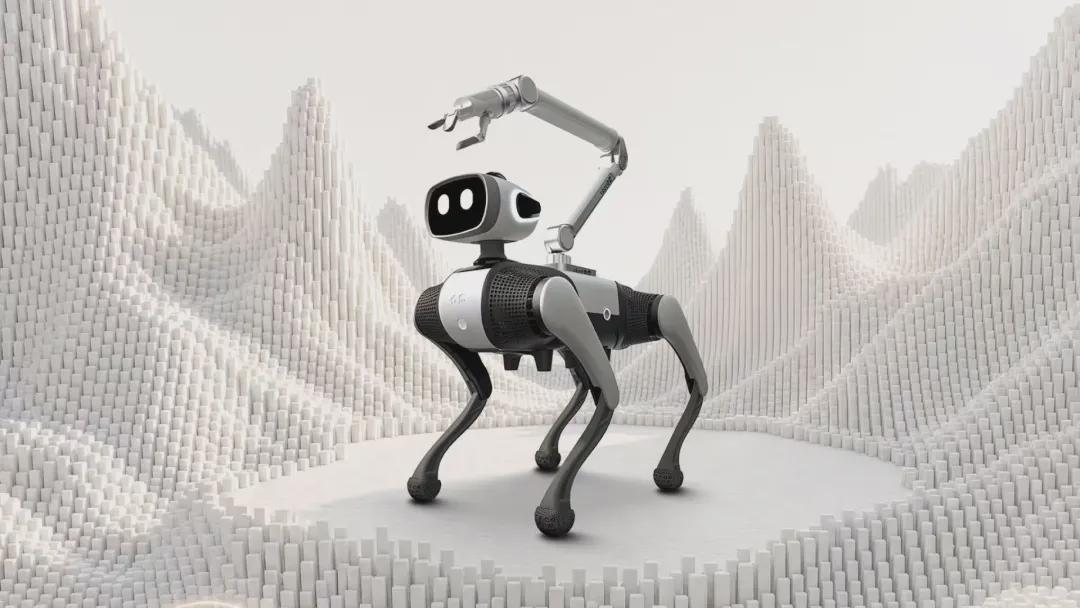
Vbot Launches Daitou EDU: A Versatile Quadruped Robot Development Platform
Vbot has introduced the Daitou EDU, a quadruped robot development platform designed for real-world applications. Unlike traditional robots that focus on speed and agility, the Daitou EDU emphasizes the importance of practical use cases in various sectors, such as property management and healthcare. The significance of the Daitou EDU lies in its advanced capabilities, including 128 TOPS edge computing power, integrated perception hardware, and autonomous mobility features. This platform allows developers to create applications without starting from scratch, addressing the gap between robotic capabilities and practical applications in diverse environments. Looking ahead, the Daitou EDU represents a shift in the robotics industry towards creating adaptable robots that can be redefined for multiple scenarios. As developers begin to leverage its features, the potential for innovative applications in various fields will expand, raising questions about the future roles of robots in everyday life.
Quadruped Robots Robotics Development Embodied Intelligence AI Applications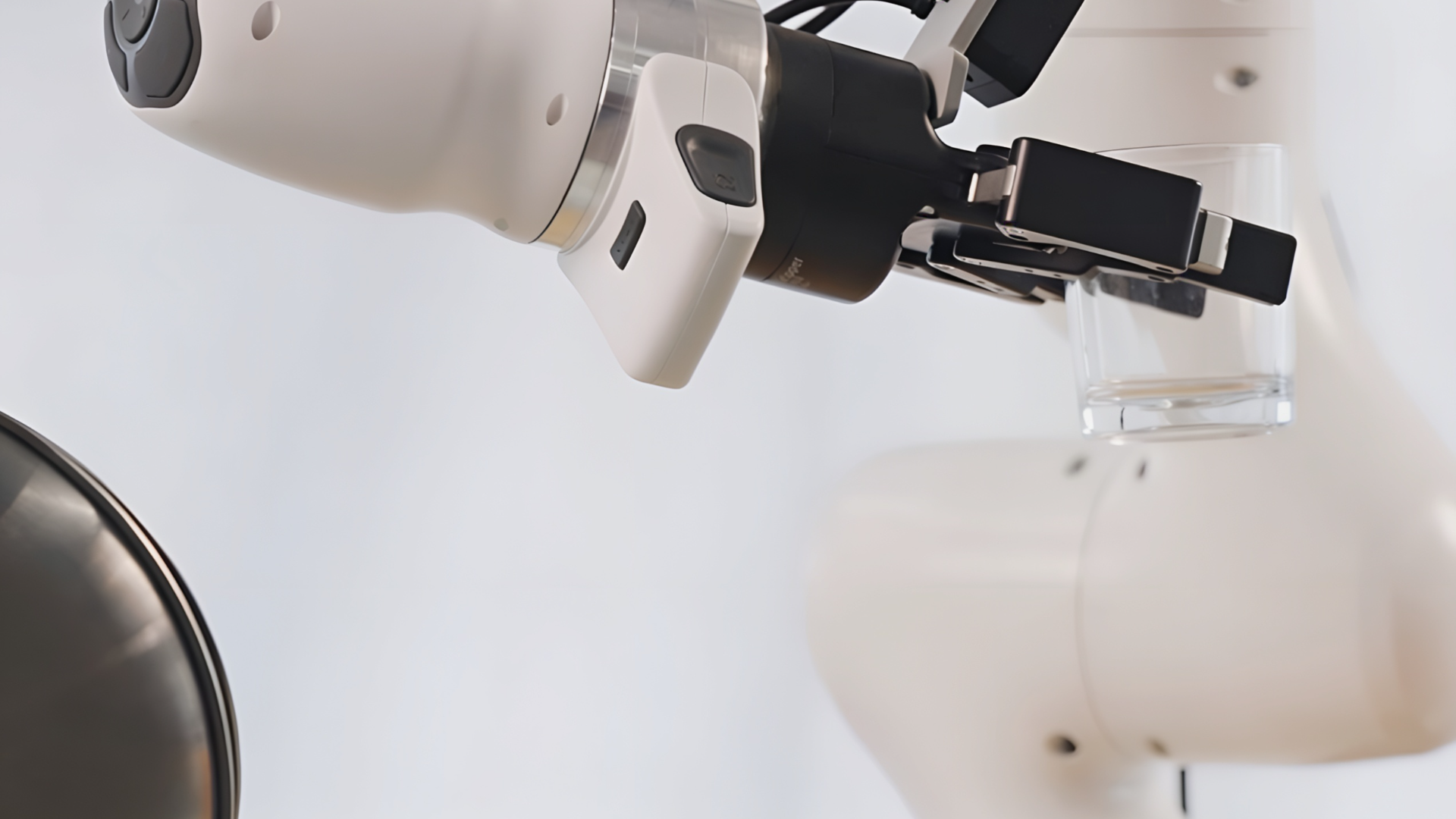
Robbyant Unveils LingBot-Depth 2.0 with Enhanced Spatial Perception for Robotics
Chinese AI company Robbyant has launched LingBot-Depth 2.0, a next-generation spatial perception model designed to enhance robotic navigation in complex environments. This model builds on the previous LingBot-Depth, utilizing the Masked Depth Modeling technique and trained on 150 million samples, achieving top results in 12 out of 16 depth completion benchmarks. Notably, it reduces depth error by over 50%, improving accuracy in challenging indoor settings. The significance of LingBot-Depth 2.0 lies in its ability to accurately perceive transparent and reflective surfaces, areas where traditional depth cameras often struggle. The model's advancements are attributed to LingBot-Vision, a visual foundation model that employs a unique “boundary structure” pre-training objective, enabling sub-pixel-level boundary localization. Despite being trained on a smaller dataset of 160 million images, it demonstrates robust performance across various robotic vision applications, enhancing object boundary detection and tracking. Looking ahead, Robbyant's collaboration with Orbbec aims to integrate LingBot-Depth 2.0 into new hardware solutions for robotics data collection. The RGB-D EGO device, part of Orbbec’s Robot-Free Data Collection Hardware Platform, will feature a customized version of the model. Future updates are expected to further enhance depth completion and spatial structure understanding, providing a solid foundation for training embodied AI systems in real-world scenarios. No further timeline was disclosed at the time of publication.
AI and Robotics
1X Enhances NEO Humanoid Robot with Advanced 25-DOF Hands for Versatile Tasks
Norwegian robotics firm 1X has introduced new 25-degree-of-freedom (DOF) tendon-driven hands for its NEO humanoid robot, marking a significant advancement in robotic dexterity. These hands feature 22 actuated joints across the fingers and palm, along with three at the wrist, enabling NEO to perform tasks such as assembling LEGO models and catching balls with precision and strength. The redesigned hands allow for force sensing and durability, overcoming previous hardware limitations in robotic manipulation. With a unique tendon-drive system and low gear ratios, the hands can detect contact forces and provide continuous proprioception, enhancing the robot's ability to manipulate objects safely and effectively. The hands' human-like joint distribution, particularly the opposable thumb, facilitates a wide range of fine manipulation tasks, making NEO suitable for various household applications. 1X has commenced mass production of the NEO robot at its new California facility, aiming to commercialize home robots for daily assistance. The company emphasizes the hands' combination of precision, strength, and safety features, including IP68 waterproofing and self-cleaning capabilities. No further timeline was disclosed at the time of publication.
AI and Robotics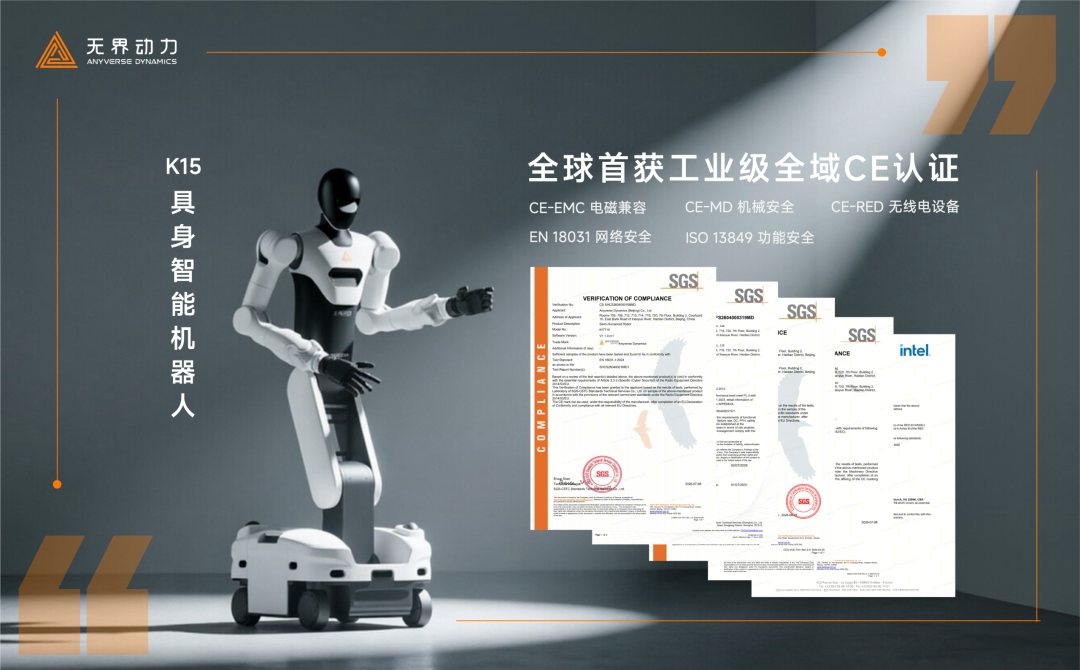
Unbounded Power Launches K15 Robot with Full CE Certification for Global Markets
On July 9, 2026, Unbounded Power announced that its second-generation K15 robot has achieved full industrial-grade CE certification, making it the world's first embodied intelligent robot to do so. The K15 has passed multiple EU standards, including CE-MD for machinery safety and EN ISO 13849 for functional safety, confirming its compliance with the highest global safety standards. This certification is significant as it allows the K15 to enter the European industrial manufacturing chain, enhancing its marketability in regions like the UK. The K15's compliance with stringent safety and electromagnetic compatibility standards ensures reliable operation in complex industrial environments, addressing potential risks associated with physical interactions and electromagnetic interference. With nearly $100 million in global orders now in the delivery phase, the first batch of K15 robots is being shipped to Europe. This marks a critical step in Unbounded Power's strategy to expand its global footprint and enhance the value chain of Chinese manufacturing, transitioning from hardware exports to integrated intelligent infrastructure solutions. No further timeline was disclosed at the time of publication.
Embodied Intelligence Industrial Robotics CE Certification Global Supply Chain Smart Manufacturing
Xiaopeng begins internal testing of Robotaxi, marking a key step towards "robot cars," says He Xiaopeng.
On September 9, XPeng Motors held its first all-hands meeting for its Robotaxi division, announcing the launch of an internal testing phase for employees. CEO He Xiaopeng emphasized that over the next decade, all intelligent physical carriers will essentially become robots, positioning Robotaxi as a crucial step for XPeng in transitioning from electric vehicles to "robotic cars." This initiative is part of XPeng's broader strategy to establish a foothold in the physical AI landscape. The company plans to focus on integrating hardware and software for its vehicle platform, autonomous driving technology, and AI capabilities. By developing comprehensive solutions, XPeng aims to serve global partners and facilitate the worldwide deployment of Robotaxi services.

Soft, robotic cells from morph embed physical AI into hardware
Morph has introduced an innovative soft robotics platform that focuses on the design and manufacturing of what it terms “soft robotic cells.” This new technology integrates physical artificial intelligence into hardware, enhancing the capabilities of robotic systems. The launch marks a significant advancement in the field of robotics, aiming to improve the functionality and adaptability of robots in various applications. The announcement was made recently, highlighting Morph's commitment to pushing the boundaries of robotics and AI integration. The development of these soft robotic cells is expected to open new avenues for automation and intelligent systems across multiple industries.
Artificial Intelligence Artificial Intelligence / Cognition Design / Development Financial Grippers Investments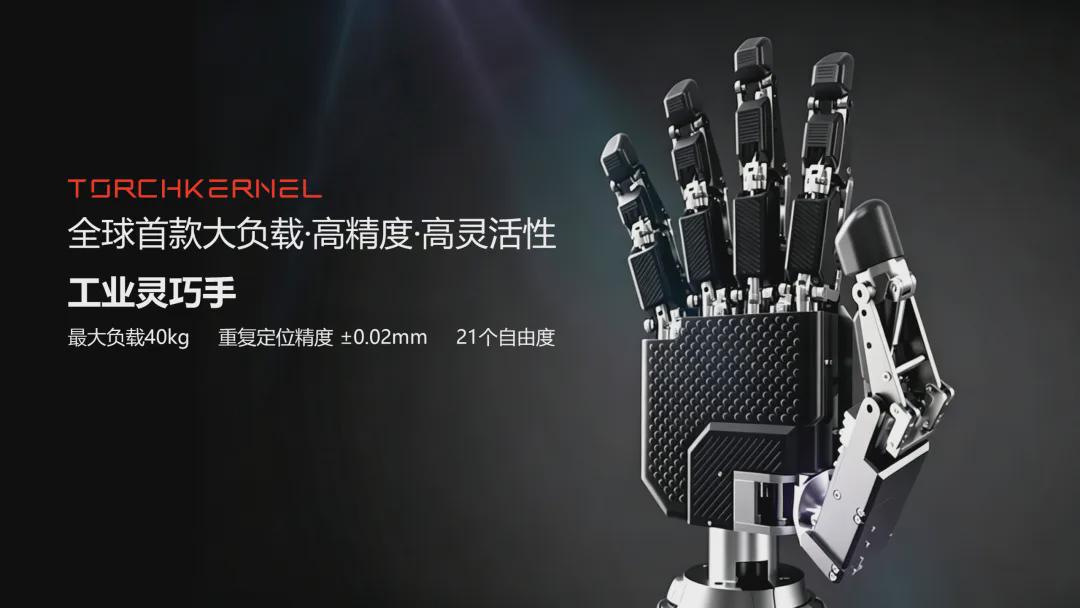
The Industrial Answer Behind the World's First Agile Robot Hand: A Complete Hardware, Data, and Model Loop
Jukun Robotics has unveiled a groundbreaking integrated solution aimed at enhancing the capabilities of agile robotic hands. This innovative design addresses critical challenges such as precision, dexterity, and load capacity, transforming robotic hands from simple demonstrations into essential tools for production lines. The introduction of this technology is expected to significantly improve operational efficiency and minimize downtime in various industrial applications. As the field of embodied intelligence continues to evolve, Jukun Robotics positions itself at the forefront, offering solutions that bridge the gap between hardware, data, and models.
Robotic Hands Industrial Automation AI Sensor Technology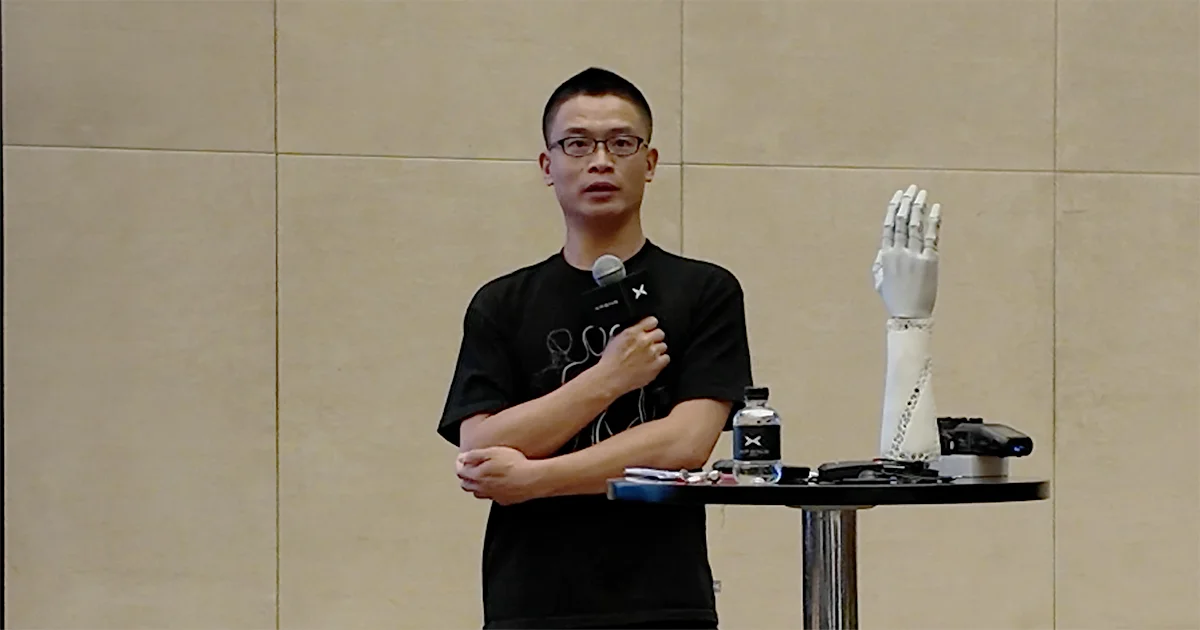
XPENG's Head of Robotics Admits Hardware is 'Bottleneck' as 2026 Production Goal Looms
At a recent technical workshop held in Beijing, Mi Liangchuan from XPENG highlighted the rapid advancements in robotic AI, particularly concerning the development of the 'Iron' humanoid robot. However, he emphasized that challenges persist, notably in hardware reliability and the absence of clear data strategies. These issues pose significant obstacles to further progress in the field, underscoring the need for improved solutions as the technology continues to evolve.
manufacturing China XPeng IRON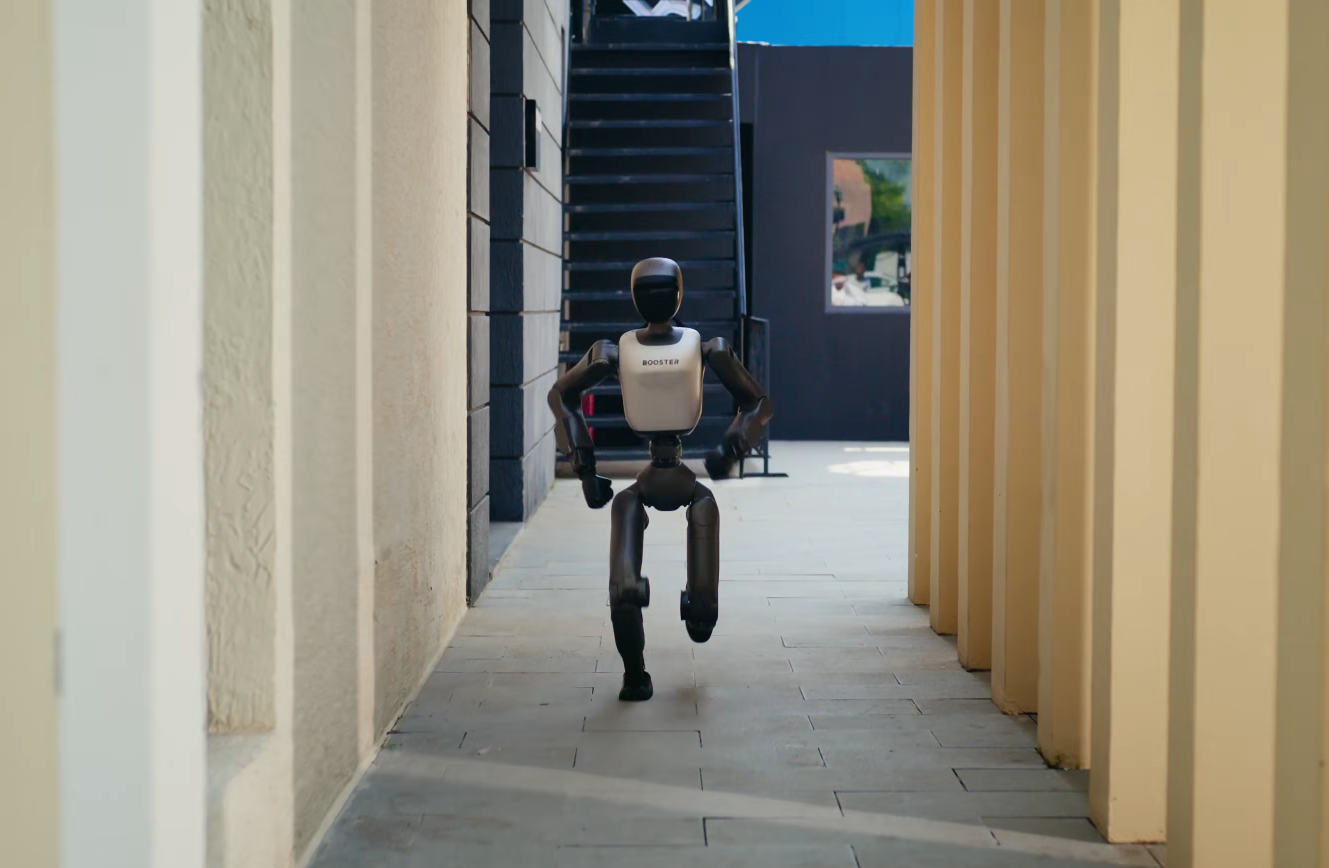
Booster Robotics Launches Booster T2 Humanoid Robot with NVIDIA Thor Computing Power
Booster Robotics has introduced the Booster T2, a humanoid robot platform aimed at real-world applications and embodied AI research. The T2 Pro version utilizes NVIDIA’s Thor chip, delivering up to 2,070 TFLOPS for real-time perception and control. The robot is designed for tasks requiring mobility and manipulation, showcasing advanced capabilities such as walking, dynamic balance, and athletic movements. The significance of the Booster T2 lies in its integration of cutting-edge technology and open development. With features like whole-body coordination and onboard AI computing, it supports a wide range of applications in robotics. The introduction of Booster Studio, an open software platform, further enhances its utility by allowing developers to simulate and deploy AI models effectively. Looking ahead, the Booster T2 is positioned to advance research in embodied AI and robotics. Its robust design, including 31 degrees of freedom and multiple hardware configurations, makes it suitable for various manipulation tasks. No further timeline was disclosed at the time of publication.
AI and Robotics
SpaceX's Starmind Project: Supplier Strategy and Chip Manufacturing Plans for 2026
SpaceX's Starmind project, aimed at deploying up to 1 million AI satellites, was filed with the FCC on January 30, 2026. The initiative is designed to minimize reliance on external suppliers, with CEO Elon Musk stating that current chip production capabilities only meet 2% of the projected needs. The first satellite, AI1, is set for prototype launches in early 2027, featuring a 70-meter wingspan and a modular payload system that allows for interchangeable chips from various suppliers. The significance of Starmind lies in its ambitious supply chain strategy, which seeks to transition from external hardware suppliers to a fully integrated Musk-owned facility by 2028. The Gigasat manufacturing site in Bastrop, Texas, is expected to be operational by the end of 2027, with plans for high-volume production of the D3 chip, specifically designed for space applications. This approach aims to consolidate chip manufacturing processes under the Terafab joint venture, which has an estimated initial investment of $55 billion. Looking ahead, the next milestone for Starmind is the launch of AI1 prototypes in early 2027, while the full-scale chip production at Terafab is projected to ramp up significantly thereafter. However, analysts express skepticism regarding the feasibility of achieving Musk's ambitious compute goals, which may require substantial investment and time to establish the necessary manufacturing capabilities.

Vention and FANUC America Join Forces to Bring Industrial Robots to Vention's AI-Driven Hardware and Software Platform
At Automate 2026, live demonstrations showcased the capabilities of FANUC's CRX10iA and LR Mate 200iD robots, which are enhanced by Vention's advanced MachineMotion AI and MachineLogic software. These technologies are designed to optimize machine tending and adaptive robotic motion applications. The event, taking place in 2026, highlights the growing integration of artificial intelligence in automation processes, aiming to improve efficiency and flexibility in manufacturing environments. By leveraging these innovative solutions, companies can streamline operations and adapt to varying production demands, reflecting the industry's shift towards smarter, more responsive automation systems.
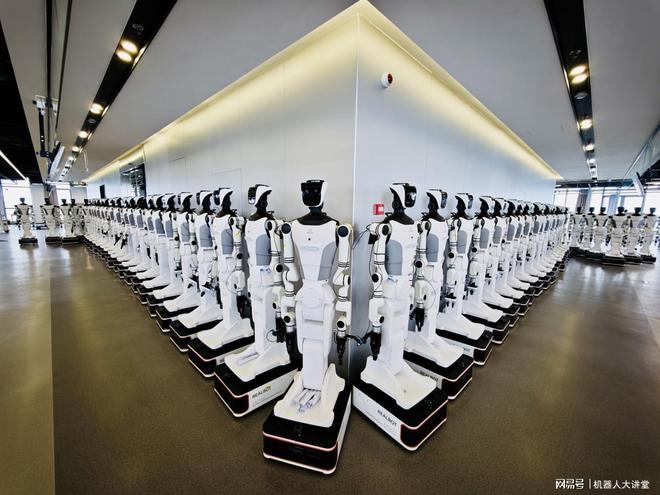
Ruiliman Showcases at FAIR plus 2026: Strengthening the 'True Working' Robotics Ecosystem with Reliable Hardware and Mass Delivery Capabilities
At the FAIR plus 2026 event, Ruiliman unveiled its cutting-edge robotics capabilities, announcing plans to achieve a production capacity exceeding 1 million integrated joint modules by the year 2026. The company underscored the significance of fostering a collaborative ecosystem to facilitate the widespread implementation of robotics across multiple industries. This initiative aims to enhance efficiency and innovation, positioning Ruiliman as a leader in the evolving robotics landscape.
Robotics Manufacturing Automation Ecosystem Development
White House Eyes "Robotics Executive Order" as Trump Administration Pivots to Hardware
The incoming administration is developing a national robotics strategy aimed at enhancing the United States' competitive edge against China, as part of a broader initiative focused on advancing artificial intelligence in software. Commerce Secretary Howard Lutnick is spearheading discussions with key industry players, including Apptronik, Tesla, and Boston Dynamics. This strategy reflects a growing recognition of the importance of robotics and AI in maintaining technological leadership and economic strength on the global stage. The initiative is expected to outline specific goals and frameworks for collaboration between the government and private sector, fostering innovation and ensuring the U.S. remains at the forefront of robotics development.
Business
Orbbec Unveils Robot-Free Data Collection Hardware Platform to Help Customers Capture Real-World Demonstrations for Physical AI at Scale
Leveraging its deep expertise in and broad product portfolio of robotics and AI vision, Orbbec is one of the few industry providers that combines advanced multi-sensor calibration and synchronization technologies, a full-stack vision product portfolio, and global-scale manufacturing and delivery capabilities.
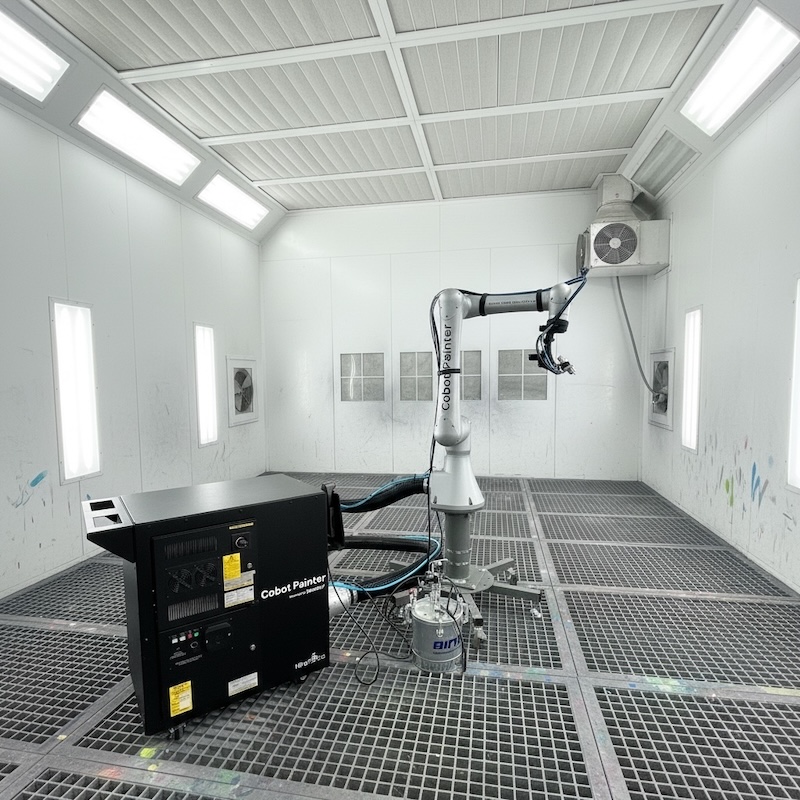
Hirebotics launches ‘no-code explosion-proof’ collaborative robot for industrial painting
Hirebotics has unveiled the Cobot Painter, the first explosion-proof collaborative robot solution designed specifically for metal fabrication. This innovative product, developed using Hirebotics' no-code Beacon platform in conjunction with Fanuc's CRX-10iA/L Paint hardware, is now available for purchase. The Cobot Painter provides metal fabricators and manufacturers with a practical alternative to traditional manual spraying methods and complex automated production lines, catering to high-mix, low-volume production needs. This launch marks a significant advancement in the automation of metal finishing processes, aiming to enhance efficiency and safety in the industry.
Industrial robots News Beacon platform Cobot Painter cobots collaborative robots
Interview with Olo Robotics COO Eleanor Tang-Smith: Making robot programming accessible to everyone
Recent advancements in robotics hardware have led to the emergence of highly capable autonomous mobile robots, quadrupeds, robotic arms, and humanoid robots, which are now more commercially available than ever. However, many organizations face significant challenges in adopting these technologies due to the complexities associated with software development. Creating robotic applications often necessitates specialized knowledge in platforms like ROS 2 (Robot Operating System 2). This gap in expertise hinders the widespread implementation of robotic solutions in various sectors, despite the promising capabilities of the hardware. As the industry continues to evolve, addressing the software barriers will be crucial for facilitating broader adoption and maximizing the potential of robotic innovations.
Computing Design Features Robot simulation ai robotics automation news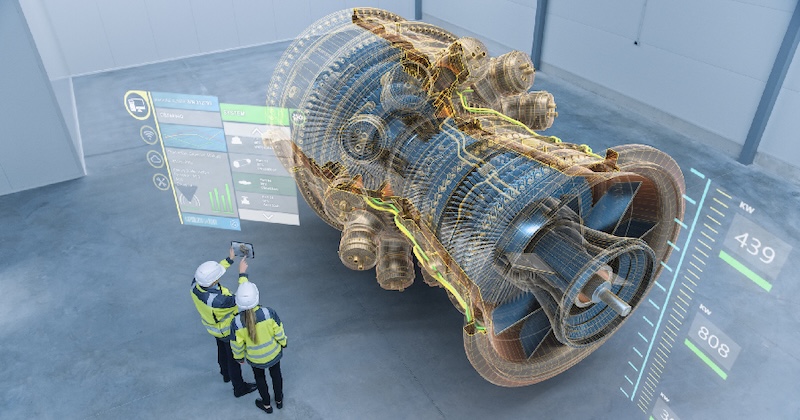
Massachusetts awards $2 million to six local robotics companies
The Healey-Driscoll Administration of Massachusetts, in collaboration with the Innovation Institute of the Massachusetts Technology Collaborative, has allocated nearly $2 million to support six organizations focused on advancing robotics innovation within the state. This funding, part of the Massachusetts Robotic Digital Twin Initiative, aims to enhance commercialization opportunities for robotics hardware developers by providing greater access to digital twin technologies. The initiative is designed to foster growth in the robotics sector, positioning Massachusetts as a leader in technological advancement and innovation.
Design Digital Automation News Technology automation news autonomous vehicles
Genesis AI Launches Company’s First General-Purpose Robot ‘Eno’
Genesis AI has introduced Eno, its inaugural general-purpose robot, which marks a significant advancement in robotics technology. The unveiling took place recently, showcasing Eno's innovative design that integrates proprietary hardware with GENE, the company's foundational robotics model. This combination enables Eno to execute a wide range of physical tasks, moving beyond the limitations of robots that are typically programmed for specific functions. Genesis AI aims to revolutionize the robotics landscape with this versatile approach, allowing for greater adaptability and efficiency in various applications.
AI AI Funding & Investment AI Use Cases Robotics Eno Gensis AI
Mesoware raises $1.5 million funding to build AI-powered robots for manufacturing
Mesoware has secured $1.5 million in funding to advance its development of AI-powered robotics solutions aimed at automating manufacturing processes. The pre-seed funding round was spearheaded by Pillar VC. Joe Mattekatt, co-founder and CEO of Mesoware, emphasized the significance of this investment, stating that as hardware costs decrease and AI technology progresses, the primary challenge in robotics lies in integrating these advancements at scale. This funding will enable Mesoware to address that challenge and further its mission in the robotics industry.
Artificial Intelligence Industrial robots AI-powered robots automation news factory automation industrial robotics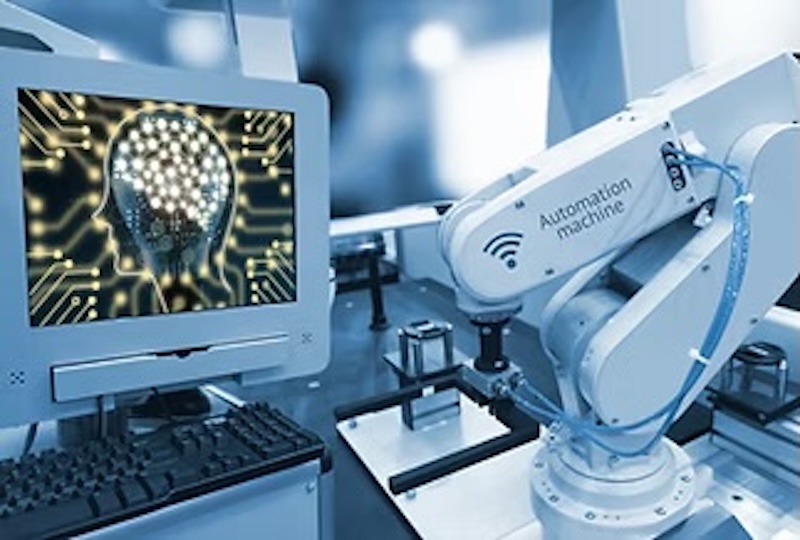
Interview with Jun Wu of GMEX Robotics: ‘We provide an integrated terminal + brain closed-loop system’
As artificial intelligence continues to capture public attention, experts emphasize that the future of robotics hinges on more than just advanced software. While numerous companies are focused on creating sophisticated AI systems and foundation models, there is a growing consensus that the true challenge lies in integrating this intelligence with reliable hardware capable of functioning effectively in the physical environment. This perspective highlights the need for a holistic approach to robotics, where both software and hardware advancements are essential for achieving practical and efficient robotic solutions.
Features Robotics AI platforms ai robotics artificial intelligence automation news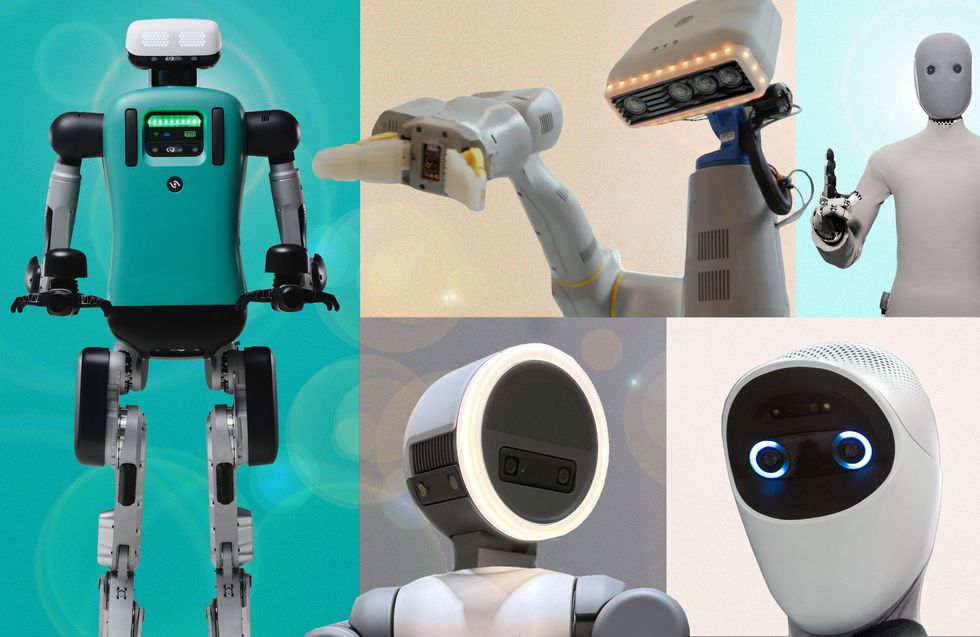
Will Robotics Have a ChatGPT Moment?
In the coming decades, billions of AI-powered robots are expected to collaborate with humans across various sectors, including factories, warehouses, elder care, disaster response, and home assistance. By 2025, investments in robotics reached a record $40.7 billion, highlighting the growing interest in this technology. Despite ambitious claims from robotics companies about humanoid robots entering homes soon, significant challenges remain in bridging the gap between current capabilities and the promises made. Experts in AI and robotics, including a professor from Oregon State University and a former Google X executive, emphasize that while AI is revolutionizing robotics, the complexity of real-world environments poses substantial hurdles. Current demonstrations of humanoid robots, such as those showcased at the 2026 Spring Festival Gala in China, often rely on scripted performances rather than genuine autonomy, revealing the limitations of existing technology. The development of general-purpose robots is hindered by the need for vast amounts of high-quality training data and the challenge of creating hardware that can safely interact with humans. As robotics evolves, the focus will shift to practical applications that address real-world needs, with an emphasis on safety and reliability. The path forward involves a series of incremental advancements rather than a single breakthrough, as AI-driven robots gradually begin to deliver tangible benefits across various industries, potentially transforming the economy and improving daily life.
Robotics Everyday-robots Agility-robotics Artificial-intelligence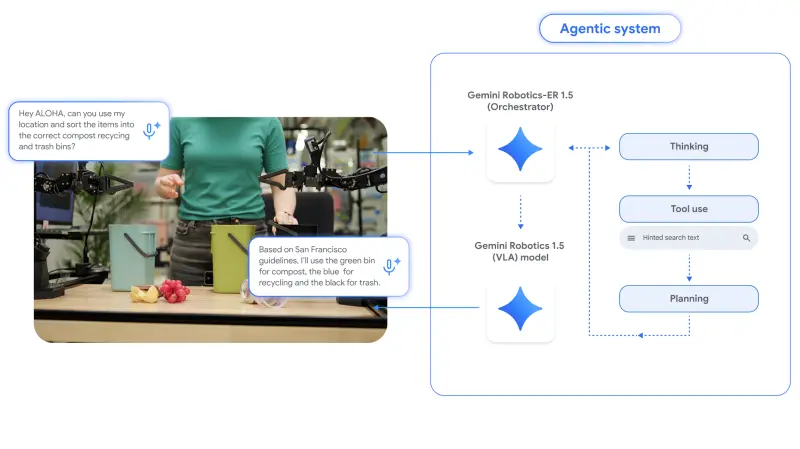
Google DeepMind Gives Robots a 'Thinking' Brain with Agentic Gemini 1.5 Models
Google DeepMind has introduced Gemini Robotics 1.5, an advanced AI framework aimed at enhancing the capabilities of robots. This new system allows robots to evolve from merely following commands to becoming 'physical agents' capable of reasoning, planning, and acquiring skills across various hardware platforms, including Apptronik's Apollo humanoid robot. The announcement marks a significant step in the development of intelligent robotics, reflecting the company's commitment to pushing the boundaries of artificial intelligence. By enabling robots to learn and adapt, DeepMind seeks to revolutionize the way machines interact with their environments and perform complex tasks. The unveiling of this framework comes as part of a broader trend in the tech industry to create more autonomous and versatile robotic systems.
ai-agents vla Gemini Apptronik google-deepmind robotics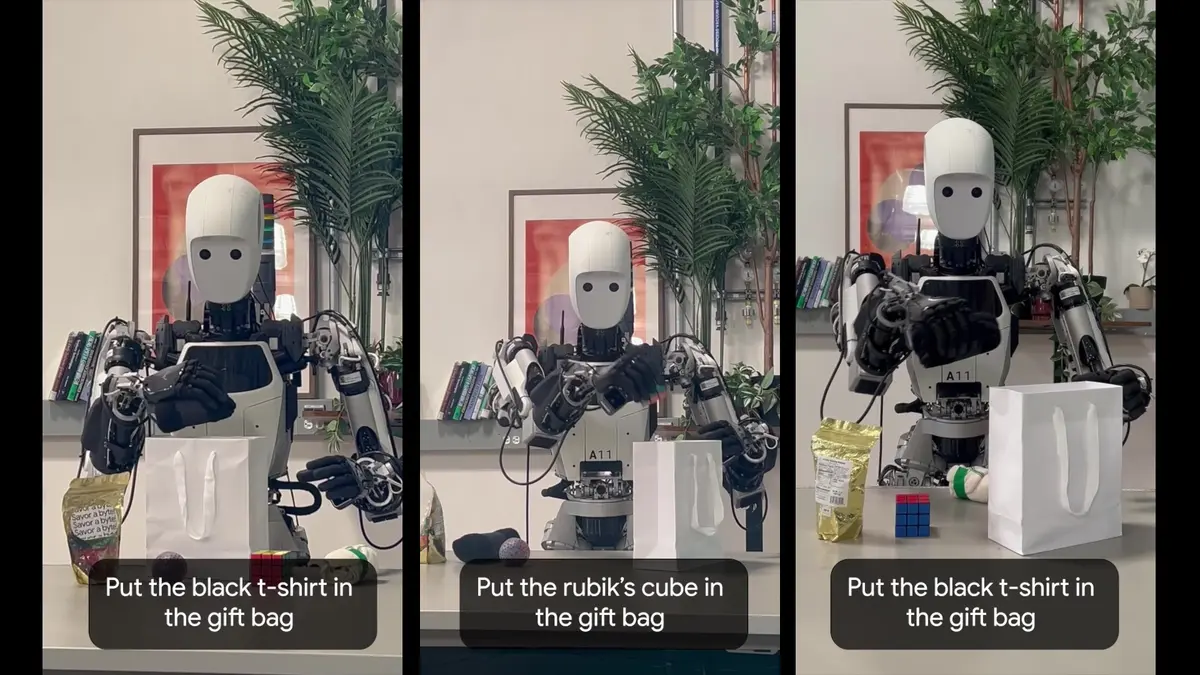
Google DeepMind Unveils On-Device Gemini Robotics, Pushing AI Closer to Autonomous Dexterity
Google DeepMind has introduced Gemini Robotics On-Device, a cutting-edge vision-language-action model that operates directly on robotic hardware. This innovative technology is designed to enhance the performance of autonomous robots by minimizing latency and increasing robustness across diverse environments. By enabling advanced dexterous manipulation, Gemini Robotics On-Device aims to equip a new generation of robots with the ability to quickly adapt to various tasks. The launch marks a significant step forward in the development of more efficient and capable robotic systems, reflecting DeepMind's commitment to pushing the boundaries of artificial intelligence in practical applications.
vla Apollo AI Humanoids Apptronik google-deepmind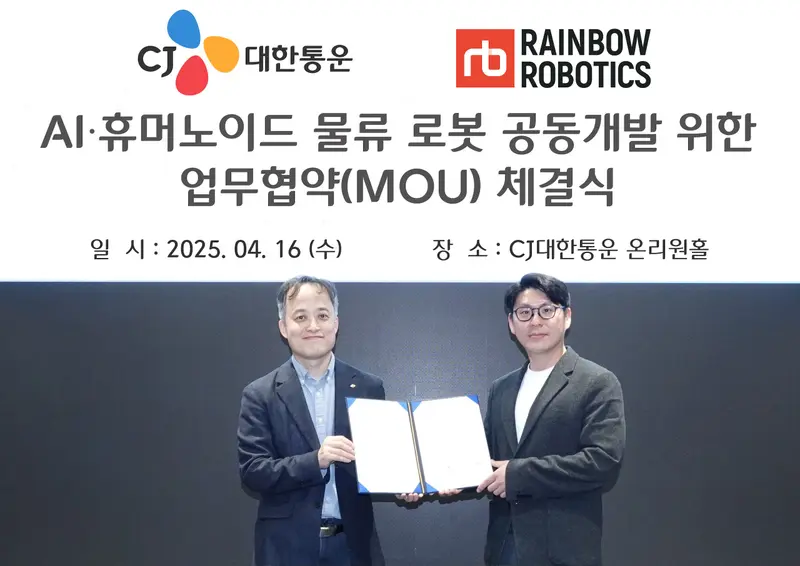
CJ Logistics Partners with Rainbow Robotics to Develop AI-Powered Humanoids for Warehouse Tasks
CJ Logistics, a prominent South Korean logistics company, has announced a collaboration with Rainbow Robotics to create advanced AI-powered humanoid robots designed for autonomous decision-making in warehouse operations. Under this partnership, Rainbow Robotics will provide the necessary hardware, while CJ Logistics will concentrate on developing 'Agentic AI' and determining specific tasks for the robots. Field tests of these innovative robots are scheduled to take place later this year, marking a significant step towards enhancing efficiency and automation in logistics. This initiative aims to revolutionize warehouse management by integrating cutting-edge technology to streamline operations and improve productivity.
rainbow-robotics k-humanoid-alliance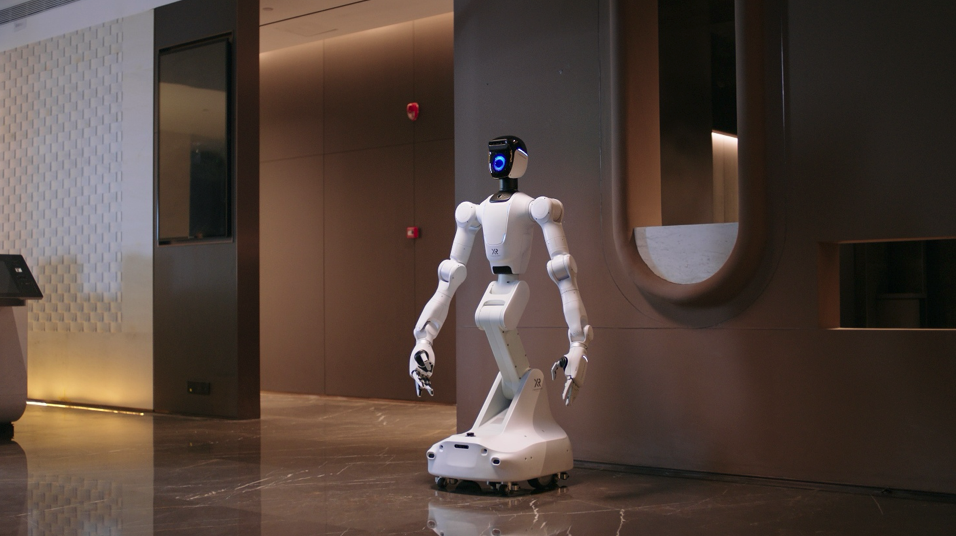
X Square Robot builds a full-stack approach to embodied AI and general-purpose robotics
The robotics industry is undergoing a transformation due to the swift advancement of embodied artificial intelligence, prompting companies to innovate machines that can tackle diverse real-world tasks instead of being limited to single functions. Notably, Shenzhen-based X Square Robot has emerged as a key player in this competitive landscape, successfully completing four consecutive financing rounds. This funding achievement underscores the growing interest and investment in versatile robotic technologies, as firms strive to enhance their capabilities and meet the increasing demand for intelligent automation solutions.
Business Features Robotics artificial intelligence Artixon china robotics
Why Precision Swiss Machining is Critical to the Future of Robotics and Automation
The industrial production landscape is undergoing a significant transformation due to the rapid advancements in robotics, factory automation, and intelligent manufacturing systems. This shift is characterized by an increasing reliance on highly precise mechanical systems that can operate continuously with minimal deviation. As automation technologies evolve and become more interconnected, modern manufacturing environments are integrating collaborative robots, automated assembly systems, and sensor-driven equipment. These innovations are not only enhancing efficiency but also improving the accuracy and reliability of production processes. The ongoing evolution in this sector reflects a broader trend towards smarter, more automated manufacturing practices that aim to meet the growing demands of global markets.
Automation Engineering Factories automated manufacturing automation hardware automation news
Efort to Showcase Universal Base Technology at WAIC 2026 for Robotics Advancement
Efort's QiZhi will present its Universal Base technology at the WAIC 2026, aiming to enhance the capabilities of robots. The technology focuses on providing a foundational infrastructure that allows robots to learn and perform tasks across various scenarios, addressing the industry's need for a generalized capability rather than just hardware improvements. This initiative is crucial as the robotics sector has seen a significant influx of capital, with funding in the domestic embodied intelligence sector surpassing 93.5 billion yuan in the first half of 2026. However, the industry consensus highlights a gap in data availability and the need for a robust framework to enable effective learning and task execution by robots. Looking ahead, Efort's approach could redefine the landscape of robotics by shifting the focus from hardware specifications to a comprehensive technological foundation. As the industry transitions from demonstration to practical applications, the success of this Universal Base technology will be pivotal in overcoming existing challenges and enhancing the deployment of robots in real-world scenarios. No further timeline was disclosed at the time of publication.
Robotics AI Industrial Automation Machine Learning
Lumisition Robotics Secures $7 Million in Angel Funding for All-Terrain Quadruped Robot Development
Lumisition Robotics, founded in February 2026 by a team of experts including a former DJI engineer, has raised approximately 50 million yuan (around $7 million) in angel funding led by Zhengxuan Capital. The funds will primarily support product development, algorithm iterations, and preparations for mass production of their consumer-grade quadruped robots aimed at outdoor applications. The company targets homeowners in Europe and North America, outdoor enthusiasts, and the elderly, focusing on practical applications such as transporting goods over challenging terrains. Unlike many consumer robots that emphasize companionship, Lumisition aims to enhance physical labor capabilities, addressing needs like last-mile transportation in large residential areas. Their product line will include various models suited for urban, light urban, and outdoor environments. Lumisition Robotics plans to conduct outdoor testing in October 2027 and officially launch their product at CES 2027, with mass production expected to begin between April and May 2027. The company is also focused on reducing hardware costs through innovative design and optimization strategies, ensuring competitive pricing while maintaining performance.
Bessemer Technology Secures Angel Funding for Motor Innovations in Robotics
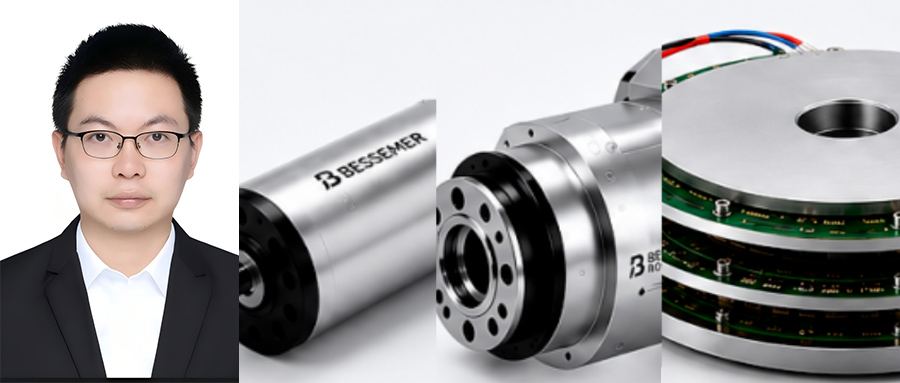
Bessemer (Shanghai) Technology, founded by Assistant Professor Zhu Wenjun from Xi'an Jiaotong-Liverpool University, has successfully raised millions in angel funding from the Pudong AI Seed Fund. Established in 2025 with a registered capital of 2 million yuan, the company holds two patents and aims to optimize motor technology and establish mass production lines with the new funding. This funding is significant as it marks a shift in investment focus towards core components like joint motors, which have been underdeveloped in China. While many domestic motor technologies remain in the experimental phase, Bessemer is building a complete chain from electromagnetic simulation to standardized hardware, addressing the gap between laboratory innovations and industrial production. Looking ahead, Bessemer's product line includes the E series and S series motors, designed for humanoid robots and medical devices, which could disrupt the market by offering lighter, more efficient alternatives to traditional motors. No further timeline was disclosed at the time of publication for upcoming product launches or additional funding rounds.
Motor Technology Robotics Angel Investment High-Tech Startups
Insta360 Introduces AI Cameraman Concept with Luna Ultra Gimbal on 11th Anniversary
Insta360 celebrated its 11th anniversary by presenting a vision for an AI-powered Cameraman robot. This concept is not limited to a single hardware product but represents an AI agent capable of autonomous filming, with panoramic drones as one of its initial prototypes. The company has developed essential technologies for various components of the robot, including its brain and sensory systems. The significance of this development lies in Insta360's ambition to innovate beyond traditional photography solutions. The Luna Ultra dual-camera gimbal is highlighted as a crucial step towards realizing the Cameraman's full potential. Founder Liu Jingkang emphasized the company's commitment to addressing challenges that others may avoid, focusing on creativity and aesthetics in their technological pursuits. Looking ahead, Insta360 aims to further refine its AI Cameraman concept and explore additional prototypes. No further timeline was disclosed at the time of publication, but the company's focus on commercialization and efficiency suggests a strategic roadmap for future developments in autonomous filming technology.
News Feed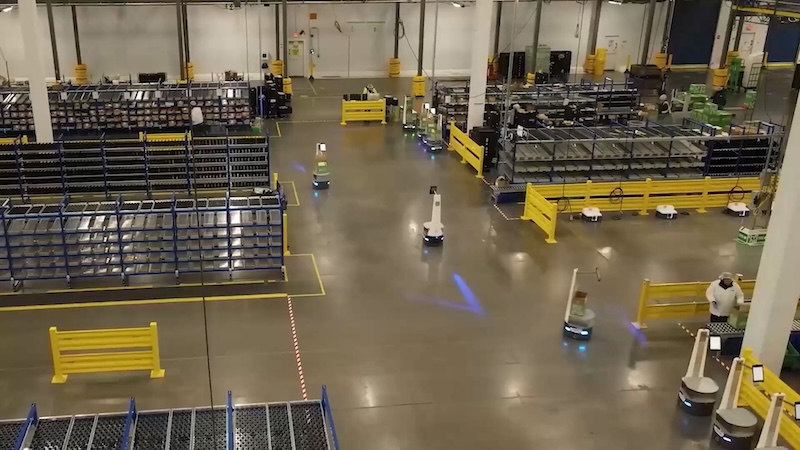
HelloFresh expands chilled warehouse capacity fivefold with Locus Robotics automation
Locus Robotics, a warehouse automation company, has announced that a cold-storage hardware modification developed for HelloFresh has enabled the meal kit company to expand chilled fulfillment capacity from 100 SKUs to 500 SKUs – a fivefold increase that supports greater meal variety and new revenue opportunities across the HelloFresh brand portfolio. Factor, a HelloFresh brand, […]
News Warehouse robots amrs autonomous mobile robots chilled fulfillment cold chain logistics
Rockwell Automation, Inc. (ROK): One of the Best Robotics Stocks to Buy, Helping Manufacturers Move from Fragmented Automation
Rockwell Automation, Inc. (NYSE: ROK) has emerged as a leading player in the robotics sector, particularly after the launch of its FactoryTalk Orchestration software on June 22, 2026. This innovative solution is designed to streamline material flow and production processes, addressing the needs of manufacturers seeking to enhance automation and robotics capabilities. By standardizing connectivity across various systems, the software aims to facilitate a shift from fragmented automation to more cohesive and autonomous operations. The introduction of FactoryTalk Orchestration is expected to significantly improve manufacturing efficiency, allowing companies to increase throughput, minimize bottlenecks, and adapt swiftly to market changes. Notably, Cranswick Plc, a prominent British gourmet food manufacturer, has already adopted Rockwell's Autonox robotics for automated packaging, further illustrating the practical applications of this technology in creating interconnected production lines. As the world's largest company focused solely on industrial automation and digital transformation, Rockwell Automation continues to innovate by providing hardware, software, and services that enhance the efficiency and sustainability of manufacturing processes. While there are discussions about the investment potential of ROK, some analysts suggest that other AI stocks may offer higher returns in a shorter timeframe.

Japan Pioneered Humanoid Robots—Can It Now Catch China?
“In the future, the relationship between humans and robots will deepen, and the distinction between them will probably disappear.” This prediction, from one of the attendees at the recent Humanoids Summit in Tokyo, might have been unremarkable had it not come directly from an android that was first introduced to the world 20 years ago. Geminoid HI-6 is the sixth-generation of a robot originally designed in 2006. The mechanical twin of Osaka University professor Hiroshi Ishiguro, Geminoid HI-6 is now equipped with a large language model trained on Ishiguro’s own writings and interviews. It has advanced conversational skills and can even have a chat with its creator, an eerie spectacle. But at the Humanoids Summit, Geminoid was one of the few humanoid robots from Japan, the country that pioneered the form factor.While the event in Tokyo only had about 40 robots on display, Chinese systems outnumbered Japanese by roughly three to one. Some Japanese robotics firms were even using Chinese robots in their own technology demonstrations, something that would have been unthinkable in the recent past—one Japanese engineer described the situation as “sad.” The conference was a stark reminder of how Japan has ceded its early lead in humanoid robot development to overseas competitors, and the challenge it now faces to secure a place in an ecosystem increasingly dominated by general-purpose robots powered by AI. Twenty-five years ago, Japan was turning out groundbreaking humanoids that were showstopping in their abilities, but they were not commercialized as practical machines in any meaningful way. Heavily influenced by science fiction and lacking practical applications, they were mostly expensive technology demonstrations that were eventually mothballed. What Japan retains, however, is robotics design and know-how, which it must leverage to be a key player in the rapidly evolving humanoid ecosystem. Learning to Walk—Then Standing StillTo anyone who has seen recent videos of Chinese humanoids doing kung-fu and synchronized acrobatics, as well as half-marathon races, China’s remarkable progress in the field is nothing new. At the Humanoids Summit, Toyota showed a video of its latest basketball-playing robot, and Honda exhibited its latest robot hand, but the full-scale humanoids on the floor were mostly Chinese–the kid-size K1 machines from Booster Robotics of Beijing were dancing to Michael Jackson tunes. The full-scale G1 humanoid from Unitree Robotics of Hangzhou was also doing demos. “You cannot sell these bipedal systems in Japan for safety and compliance reasons,” says Shuichi Nagao, a frequent visitor to China as CTO of Omakase Robotics, a division of Zeals, a Japanese humanoid robot developer. Omakase was exhibiting a G1 modified with an external PC controller, a dextrous hand, a suction-cup manipulator and a sensor “hat” with an extra speaker, mic and camera. “In China, the government is pushing humanoid development. They didn’t have an industry 20 years ago. The people pushing it are young, in their 20s and 30s. It’s a really different mentality out there,” says Nagao. “Big players in Japan are still looking for use cases for humanoids. In China, they’re already doing mass production and reducing the cost, so other countries can’t compete with them anymore.”Another Japanese company showing off G1 bots was summit sponsor GMO AI & Robotics, a subsidiary of Japanese internet company GMO. It’s using the robots in partnership with Japan Airlines to load and unload cargo containers at Tokyo’s Haneda airport. The cargo project is a trial—like many other humanoid experiments—but the fact that Chinese machines have penetrated so far into Japan’s ecosystem upends a long history. In 1973, scientists at Waseda University in Tokyo built WABOT-1, considered the first full-scale humanoid robot and capable of slow bipedal locomotion, grasping objects and simple communication. It inspired Honda’s groundbreaking Asimo humanoid, but it was never commercialized. Asimo was eventually retired in 2022, the year ChatGPT was released. Two years later, Unitree’s G1 went on sale for US $16,000. China’s High Torque Technology Co. showed off its Mini Pi biped, customized with an anime-inspired head, at Humanoids Summit in Tokyo. The regular version is priced at $3,500. Tim HornyakSupply and DemandJapan’s development of humanoids happened before practical applications or widespread demand were in place, but bad timing is only part of the story—Japan also has a history of developing technologies that might appeal to domestic consumers but not necessarily those overseas. For example, decades after they first appeared, its highly engineered, multifunction toilets have only recently found a following abroad. Japan’s humanoid prowess was partly built on the back of its legendary industrial automation, yet even that stronghold has eroded. Ani Kelkar, a partner from McKinsey & Company in Boston who produces analytical reports about the robotics industry, told the summit audience that while Japan occupied the top spot in the world in manufacturing robot density (the number of multipurpose industrial robots in operation per 10,000 employees) from at least 1994 to 2009, it then slipped to second in 2014, third in 2019 and fifth in 2024. In that year, South Korea was at the top of the leaderboard with a robot density of 1,220 compared to Japan’s 446. The International Federation of Robotics estimates China now has the most operational industrial robots in the world, with around 2 million total units, approximately 4.5 times more than Japan. “The annual installation numbers are impressive too: 54 percent of all robots installed worldwide in 2024 were deployed in China,” the IFR said in a release in April 2026. “I think the loss of Japanese leadership is more to do with the rise of China as a manufacturing powerhouse including for sectors that Japan had high export levels,” Kelkar said in an email interview. “The recovery has not yet happened as Japan ‘missed’ the rapid acceleration in AI for robotics and is now playing catchup.”How Japan Can Adapt Kelkar believes Japan has a US $100 billion opportunity in general-purpose robotics, which are machines that can perform a wide variety of tasks, and it cannot rely on the slower-growing industrial robot market, which is centered on factory machines that do one simple and predictable task like welding car parts. He points to a McKinsey white paper suggesting that while Japan has much of the hardware and technology experience needed to support general purpose robot development, it must change its strategy to capture more share in AI, software, data collection and robotics platforms.Tetsuya Ogata is a professor of engineering and director of the Institute for AI and Robotics at Waseda University, the birthplace of humanoids in Japan. He briefed the summit on how a nonprofit he chairs, the AI Robot Association (AIRoA), is working with Toyota and other members to develop foundational technologies for collaborative use. For instance, AIRoA has collected some 80,000 hours of data on remote operation of mobile manipulators, and Ogata believes it’s the largest dataset of its kind. Using the data, it built and verified Vision-Language-Action (VLA) models, and it has also started data collection for dual-arm mobile manipulation. In an interview, Ogata acknowledged Japan’s struggle to find its place in the changing landscape. “The world of AI is inherently a game of scale,” says Ogata. “Therefore, Japan’s absolute prerequisite is to secure a competitive baseline of scale—in data, computing resources, and talent. Beyond that, what I consider most critical is a mindset shift: rather than trying to hoard scale within a single nation or company, we must grow stronger by collaborating with a diverse ecosystem of domestic and international players.” Specifically, this means creating a ‘collaborative domain’ to address data—the single biggest bottleneck—through industry-wide cooperation rather than data-siloing. By collectively nurturing a pre-competitive, shared data infrastructure and foundation model, individual companies can then compete on top of it with their own applications. “By offering this open ‘data ecosystem’ to the world, we can engage global players and establish a ‘third pole’ alongside the US and China,” says Ogata. “I believe this is how Japan can reclaim its global presence.”In 1999, Japan introduced the world’s first mobile internet services platform. But being first didn’t turn Japan into a smartphone manufacturing or design center—it’s now merely a supplier of parts to other countries who are leading the smartphone industry. If Japan can avoid a repeat of that experience and successfully deregulate, diversity, and commercialize its original humanoid dreams, it stands a better chance of influencing the direction of the industry and reaping billions in value. As automobiles and electronics were pillars of Japan’s industrial strategy in the last century, Japan could make humanoid robots one of its key value generators in the 21st century, an approach that would not only deliver economic benefits but give Japan greater clout in how the industry will evolve. Just like Japanese cars, electronics, and even toilets, Japanese humanoids could stand for craftsmanship and reliability. It’s a legacy that Japan can’t afford to give up.
Japan Robotics Humanoids Humanoid-robots
Transforming Smart Models into Productive Robots: The Journey of Self-Variables
Self-Variables has made significant strides in robotics by evolving from advanced models to practical applications, showcasing their self-developed technologies and engineering expertise. This transition, achieved through overcoming challenges in training, hardware development, and real-world implementation, has enabled the company to demonstrate its capabilities across various sectors, including home cleaning and logistics. The successful application of their robots has garnered substantial investment from industry leaders, highlighting the growing interest in their innovative solutions.
Robotics AI Automation Machine Learning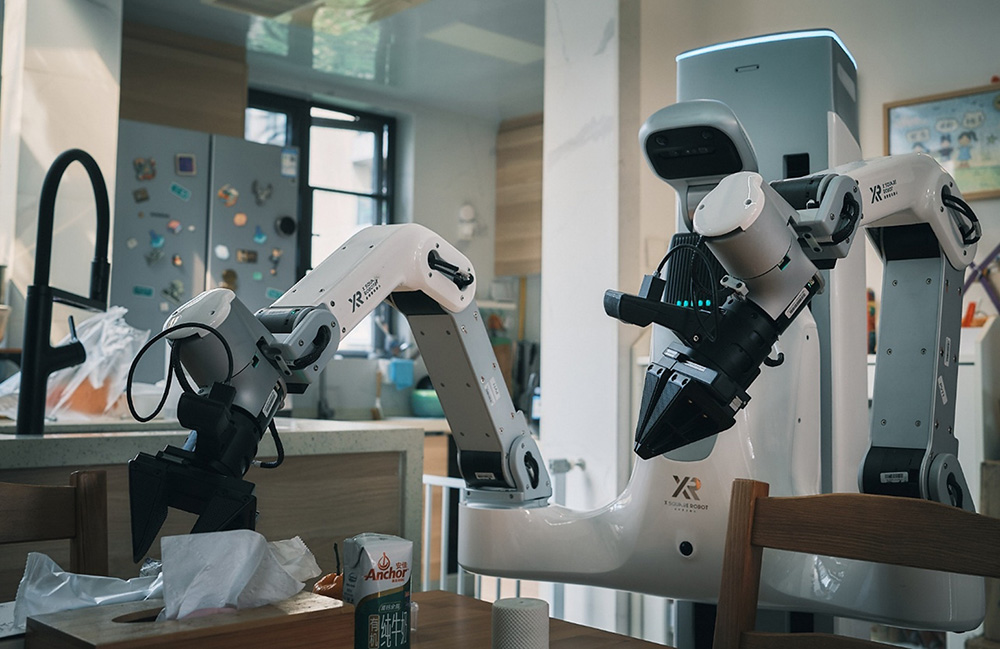
X Square Robot brings its valuation to $2.8B with four consecutive funding rounds
X Square Robots has successfully raised its valuation to $2.8 billion following a series of four consecutive funding rounds. The company specializes in integrating foundation models with robotics hardware, supported by a robust data pipeline system and practical deployments in real-world scenarios. This significant financial backing underscores the growing interest and investment in advanced robotics technologies, highlighting the company's potential to innovate and expand within the industry.
Artificial Intelligence Artificial Intelligence / Cognition China Design / Development Financial Investments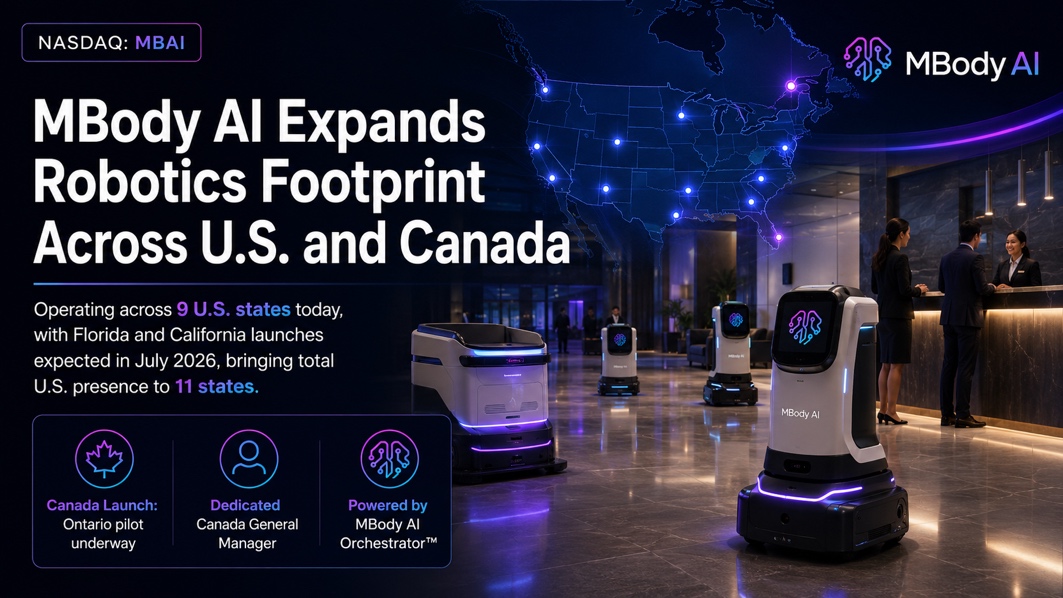
MBody AI expands service robotics operations to eleven states and Canada
MBody AI has expanded its service robotics operations by deploying its hardware-agnostic Orchestrator platform in Florida and California, while also launching a pilot program in Ontario, Canada. This strategic move aims to enhance the company's presence in the rapidly growing robotics market across eleven states and Canada. The deployment is part of MBody AI's initiative to streamline and optimize service robotics, making it accessible and efficient for various applications. The expansion reflects the company's commitment to innovation and meeting the increasing demand for advanced robotics solutions in diverse environments.
Artificial Intelligence Artificial Intelligence / Cognition Autonomous Mobile Robots (AMRs) News Software / Simulation Embodied AI
Kawasaki Robotics and Dexterity Expand Collaboration to Scale Physical AI for Warehouse Logistics
Kawasaki Robotics has unveiled the RL030N, an advanced 8 DoF (degrees of freedom) robot arm platform that integrates cutting-edge industrial robot engineering with Dexterity's Mech hardware and Foresight World Model technology. This innovative platform aims to enhance automation capabilities across various industries by providing greater flexibility and precision in robotic tasks. The announcement was made during a recent technology expo held in Tokyo, showcasing the latest advancements in robotics and automation. By combining expertise from multiple sectors, the RL030N is designed to meet the growing demand for sophisticated robotic solutions that can adapt to complex environments and tasks. The collaboration between these industry leaders highlights a commitment to pushing the boundaries of what robotic systems can achieve, ultimately aiming to improve efficiency and productivity in manufacturing and other applications.
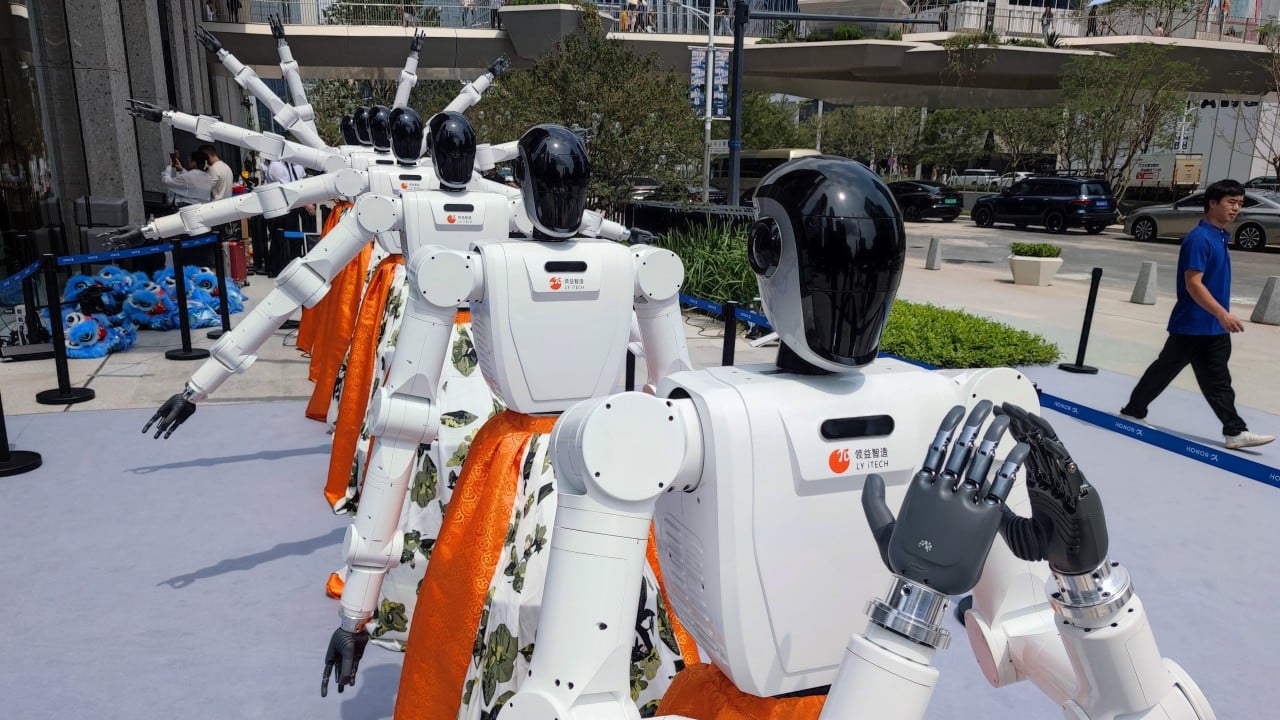
Apple supplier Lingyi seeks US$1.1 billion Hong Kong IPO to fund AI and robotics push
Lingyi iTech, a key supplier for Apple, is set to expand its operations beyond the smartphone sector by launching an initial public offering (IPO) in Hong Kong, aiming to raise up to HK$8.3 billion (approximately US$1.1 billion). The Shenzhen-based electronic components manufacturer plans to use the funds to invest in artificial intelligence hardware and humanoid robotics. The IPO is scheduled to debut on the Hong Kong stock exchange this Friday, with the company offering 811.8 million shares at a maximum price of HK$10.18 each. The subscription period for investors has already commenced, marking a significant step in Lingyi iTech's strategic growth and diversification efforts.
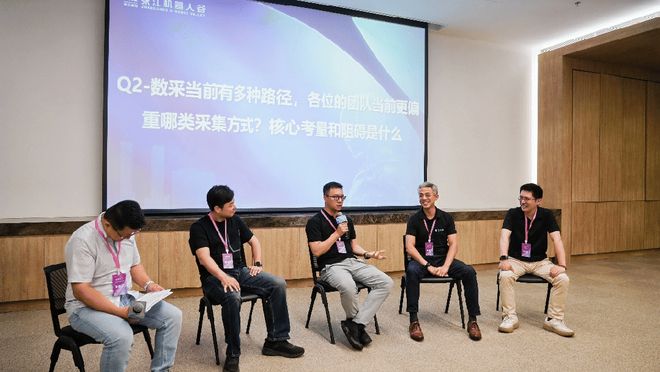
Fao Robotics Showcases Industrial Modular Solutions at Zhangjiang Embodied Intelligence Conference
At the Zhangjiang Embodied Intelligence Developer Conference in Shanghai, Fao Robotics showcased its dedication to creating industrial-grade modular solutions for humanoid robots. The event, which took place recently, underscored the company's goal to meet the growing demand for dependable hardware platforms and scalable delivery systems in the robotics industry. Fao Robotics emphasized the importance of collaboration and innovation throughout the supply chain as a means to expedite the integration of embodied intelligence technologies. By focusing on these key areas, the company aims to enhance the overall efficiency and effectiveness of humanoid robotics in various industrial applications.
Humanoid Robots Modular Robotics Industrial Automation AI Robotics Supply Chain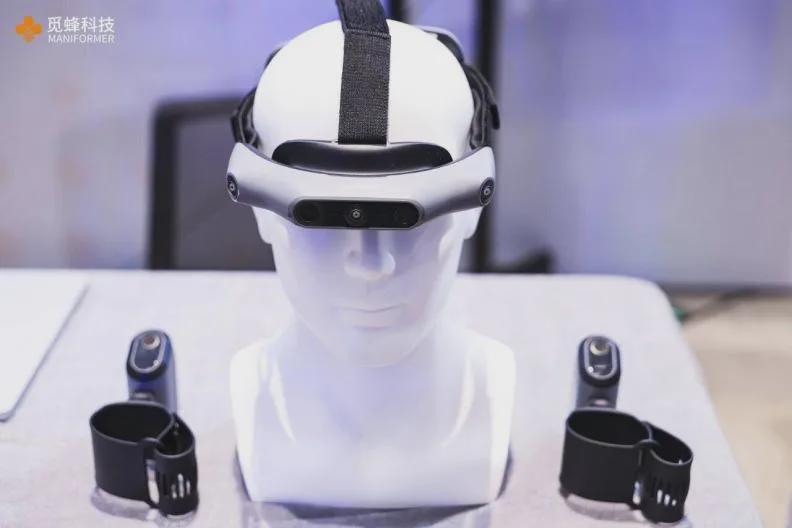
Bee Technology Aims to Solve Robotics Data Challenges Starting with a Cup
Bee Technology is making strides in the robotics sector by tackling the challenges of teaching robots to execute physical tasks, such as picking up objects. The company has recently obtained substantial funding to advance its MEgo series, which encompasses both hardware and data processing technologies. This initiative aims to establish a robust data supply chain essential for developing embodied intelligence in robots. By prioritizing high-quality physical AI data, Bee Technology is positioning itself as a key player in the industry, targeting businesses that depend on reliable data for training and optimizing their robotic models.
Embodied Intelligence Robotics Data Infrastructure AI Data Collection MEgo Hardware Data Processing Technology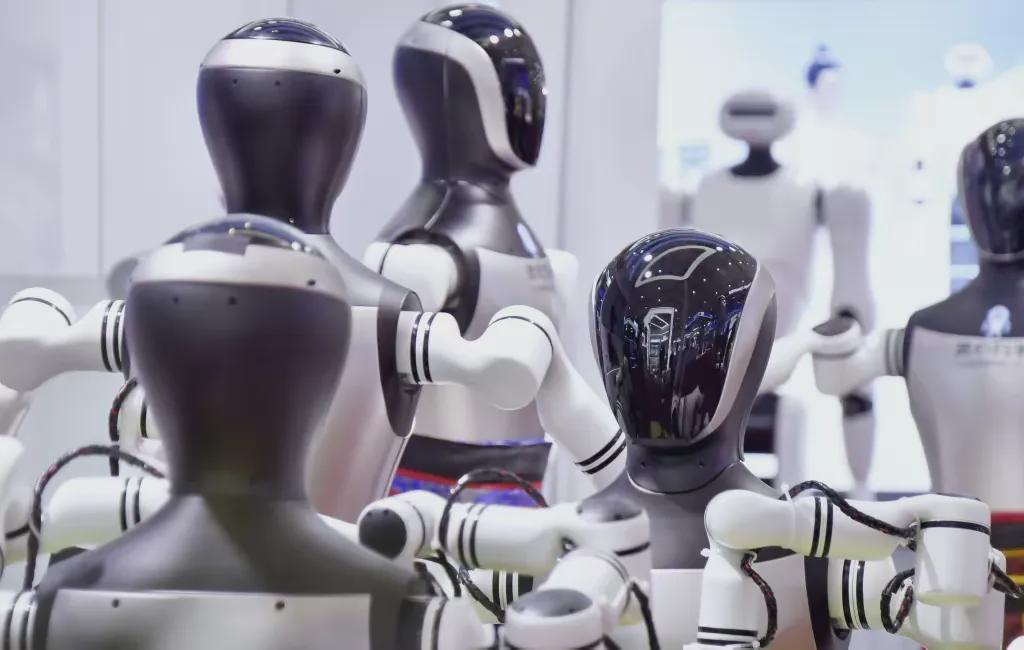
Alibaba and ByteDance Invest in Embodied Intelligence: What Can Internet Giants Bring to Robotics?
On June 16, Alibaba introduced the Qwen-Robot series, a new line of embodied intelligence models designed to improve robotic capabilities. This launch marks a significant shift in the robotics industry, as Alibaba, alongside ByteDance, transitions from a passive observational role to active engagement in the sector. Both companies are utilizing their extensive resources and expertise to drive innovation in robotics. However, they face ongoing challenges related to hardware development and the commercialization of their products.
Embodied Intelligence Robotics Artificial Intelligence Automation
Interview with Luo Jianlan: The true scaling law of robots occurs in real deployment loops.
In the past six months, the focus of the domestic embodied intelligence sector has shifted from hardware competition to the deeper challenges that define the intelligence limits of robots. Luo Jianlan, an associate professor at Shanghai Chuangzhi Academy and chief scientist at Zhiyuan Robotics, argues against the prevailing notion that robots can replicate large language models through sheer data accumulation. He emphasizes that the core issue in embodied intelligence is not about breakthroughs in isolated components but rather the ability to create a closed-loop system in real-world deployments. Luo, who has a background in both academia and industry, including roles at Google X and DeepMind, believes that many teams in the sector are not genuinely pre-training models but are instead engaged in mid-training or fine-tuning due to the scarcity of high-quality interaction data. He asserts that true embodied intelligence requires a scalable closed-loop system, where deployment leads to data collection, which in turn enhances model capabilities. His current focus includes developing scalable online post-training infrastructure, enabling robots to learn continuously in real-world environments, and creating a world model that predicts the consequences of actions rather than merely generating video. Luo suggests that the future of embodied intelligence hinges on successfully integrating these elements into a cohesive system, with significant advancements expected in the next 12 to 18 months. He believes that the first team to effectively implement a "deployment-data-iteration" cycle in semi-structured environments like convenience stores will gain a substantial competitive edge.

Open-source swarm robotics: Custom ESP32 MiniBots turn chess pieces into autonomous robots
A hardware developer known as 3DprintedLife has introduced an innovative open-source swarm robotics project aimed at advancing collaborative robotics technology. The announcement was made recently, showcasing the potential for multiple robotic units to work together efficiently in various applications. This initiative is designed to encourage community involvement and innovation in robotics, allowing developers and enthusiasts to contribute to and enhance the project. By providing accessible resources and documentation, 3DprintedLife hopes to foster a collaborative environment that could lead to significant advancements in the field. The project is expected to attract interest from both amateur and professional roboticists, as it emphasizes the importance of shared knowledge and collective problem-solving in technology development.
AI and Robotics
LG to build Korea's first humanoid 'data factory' to train robots
LG Electronics is transforming its research and development campus in the Yangjae district of southern Seoul into South Korea's first "data factory" dedicated to humanoid robots, according to industry sources. This initiative, announced on Friday, aims to utilize hundreds of CLOiD machines that will perform everyday tasks to generate essential real-world data. As the development of humanoid robots increasingly hinges on data rather than hardware, this facility seeks to address the growing challenge of acquiring the necessary information for effective robot training. By creating a controlled environment where robots can learn from repetitive tasks, LG Electronics is positioning itself at the forefront of the competitive humanoid robotics sector.
All NewsRobotics needs a service framework.
RSF defines a common language for robot service capability, lifecycle operations, certification pathways, and service-provider networks.