Industry Briefing
A single destination for timely, editor-curated robotics news from around the world.
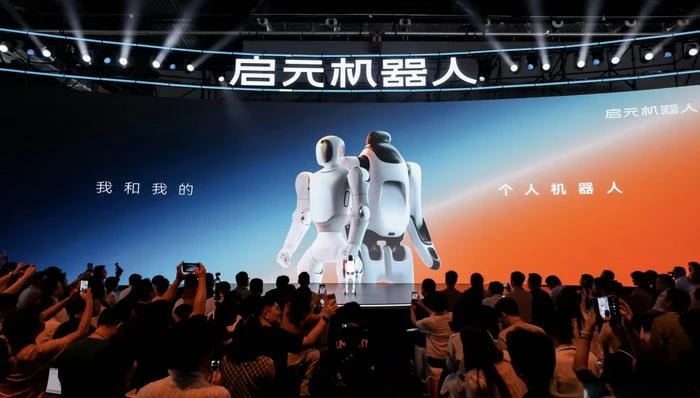
PrimeBOT Introduces Q1 and T1 Personal Robots Priced at 19,999 Yuan
PrimeBOT, known as Qiyuan in China, launched its Q1 and T1 personal robots in Shanghai on September 20, priced at 19,999 yuan each. Deliveries are set to commence on October 1, with the robots designed for home use, emphasizing personalization and programming capabilities. The introduction of these robots marks a significant commercial milestone for PrimeBOT, following their presentation at IFA in Berlin. The Q1 is an 88-centimeter humanoid robot with 22 degrees of freedom, while the T1 can switch between humanoid and quadrupedal modes, featuring applications like autonomous filming and following. Looking ahead, PrimeBOT's strategy focuses on education, companionship, and entertainment rather than complex household tasks. CEO Tian Hua highlighted potential revenue from content and services, suggesting that the robots' long-term success will depend on their integration into daily routines and the quality of available applications.
product-launch China Consumer Tech PrimeBOT
BBC's Ann Droid Explores Robots as Companions for Tackling Loneliness in Care
The new BBC sitcom 'Ann Droid' imagines a future where robots provide care and companionship to the elderly, focusing on a widow named Sue and her assistive robot, Linda. The show raises critical questions about the role of robots in addressing loneliness among older adults and whether machines can truly offer companionship without replacing human connections. As researchers in social care and robotics, the creators highlight that while the technology depicted in 'Ann Droid' is exaggerated, some real-world applications are already being tested. Initiatives like Comfort Companions, developed in partnership with Age UK South Gloucestershire, aim to provide conversational AI to combat loneliness, supplementing human befrienders rather than replacing them. Looking ahead, the potential for robots to enhance social connections rather than replace them is a key takeaway from the series. However, significant barriers remain, including limitations in technology and social acceptance. The sitcom cleverly addresses public concerns about trusting robotic caregivers, emphasizing the importance of maintaining human control and connection in the caregiving process.
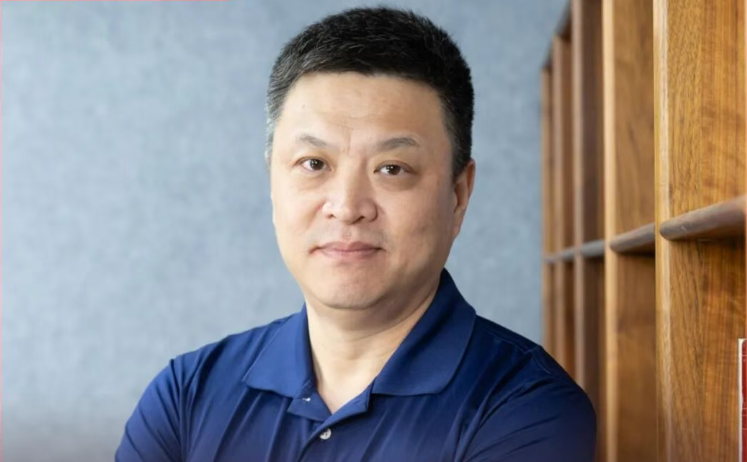
A Scholar's 25-Year Journey in Robotics and Focus on Companion Technology
In 1998, Zhang Fumin attended an international robotics conference in the U.S. with fewer than 400 attendees. Recently, he participated in the same conference in Vienna, which attracted 10,000 participants. Over 25 years, he has witnessed the evolution of the robotics industry but claims to have 'perfectly missed all opportunities for wealth.' Initially focused on model-based control during his PhD, he shifted to entrepreneurship when the industry moved towards data-driven approaches, choosing to develop companion technology rather than humanoid robots. Zhang emphasizes the principle of 'bounded companionship,' advocating for products that do not encourage addiction among minors or serve as substitutes for human interaction. Instead, his aim is to foster connections between people. He illustrates this with a story from Jin Yong's novel, where a character becomes so absorbed in a statue that he neglects real relationships. Zhang believes that while no product can eliminate loneliness, it can help alleviate it, promoting a balance between carbon-based and silicon-based intelligences. In 2023, Zhang returned to China as the director of the Robotics Institute at Hong Kong University of Science and Technology, fully committing to the entrepreneurial path in companion technology. His students have successfully secured funding in underwater embodied intelligence, and he has also achieved funding in the companion technology sector. 'This year is a magic year,' he states, reflecting on the journey ahead.
Companion Robots Robotics Research Human-Robot Interaction AI Technology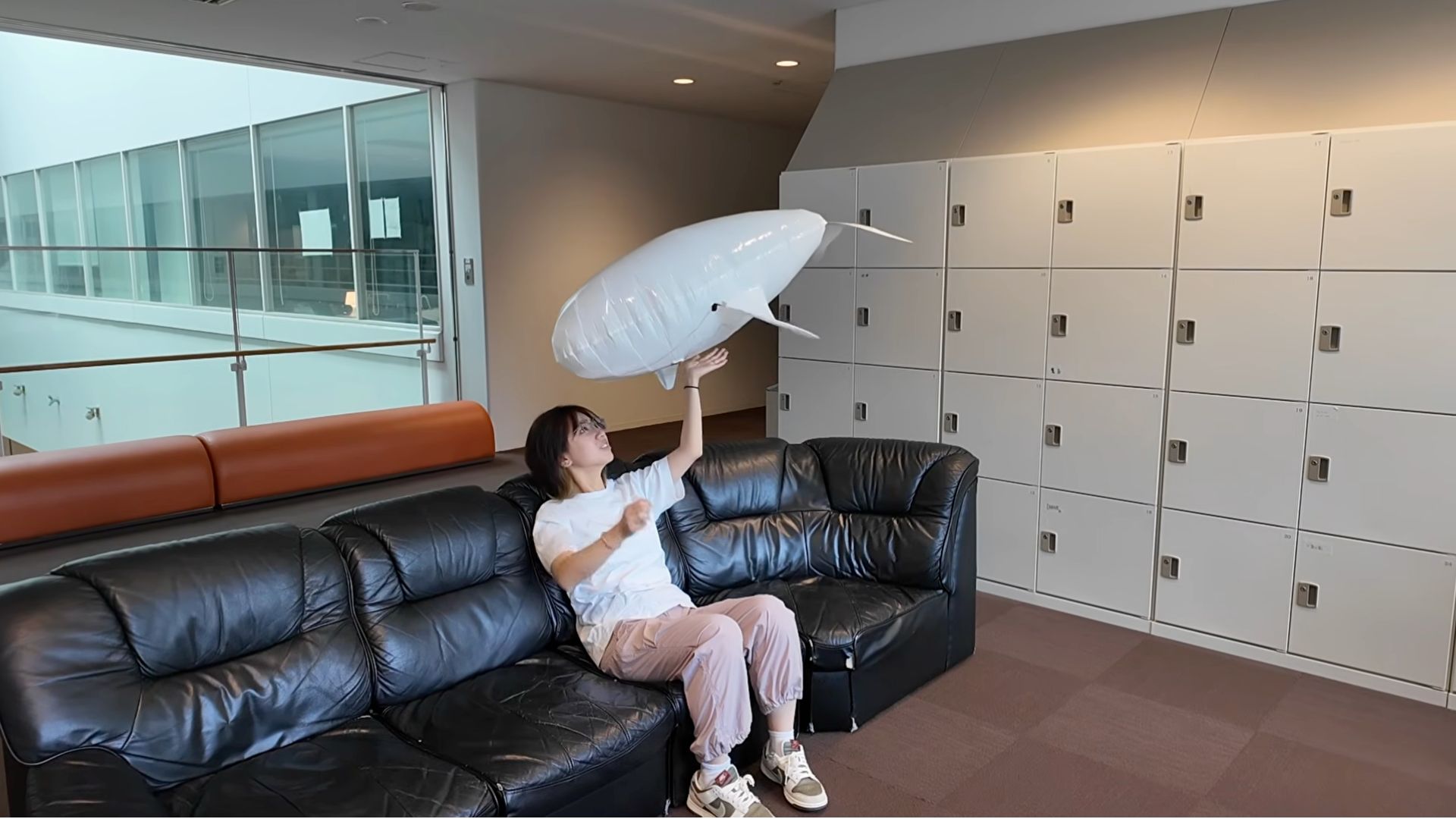
Japanese Researchers Develop Floating Companion Robot Inspired by Fictional Characters
Researchers at Keio University in Tokyo have created a silent, floating companion robot that mimics the movement of animated creatures. This innovative prototype, inspired by characters like Tinker Bell and Pokémon’s Mew, is designed to be approachable and safe for indoor environments. The significance of this development lies in its potential to enhance human-robot interaction at home. Unlike traditional drones, this soft floating robot utilizes helium for buoyancy, resulting in quieter operation and lower energy consumption, making it a more natural companion for users. Looking ahead, the researchers have established a systematic interaction design framework for soft floating robots, which could lead to advancements in mobility and human interaction. No further timeline was disclosed at the time of publication.
AI and Robotics
New humanoid robot built for companionship with 90% accuracy in recognizing emotions
Chinese robotics company UBTech has unveiled its latest innovation, the UWORLD U1 Series, which it claims to be the world's first humanoid robot designed for educational purposes. The launch took place on October 15, 2023, during a technology expo in Beijing, where the company showcased the robot's capabilities in interactive learning and skill development for students. The UWORLD U1 Series aims to enhance educational experiences by providing personalized tutoring and engaging students in STEM subjects through interactive lessons. UBTech's motivation behind this development is to address the growing demand for innovative educational tools that can adapt to various learning styles and environments. The humanoid robot features advanced AI technology, enabling it to interact with students in real-time, respond to questions, and facilitate hands-on learning activities. By integrating robotics into the classroom, UBTech hopes to inspire a new generation of learners and foster interest in technology and engineering fields. With this launch, UBTech positions itself at the forefront of the educational technology sector, aiming to revolutionize how students engage with learning materials and prepare for future careers in an increasingly digital world.
AI and Robotics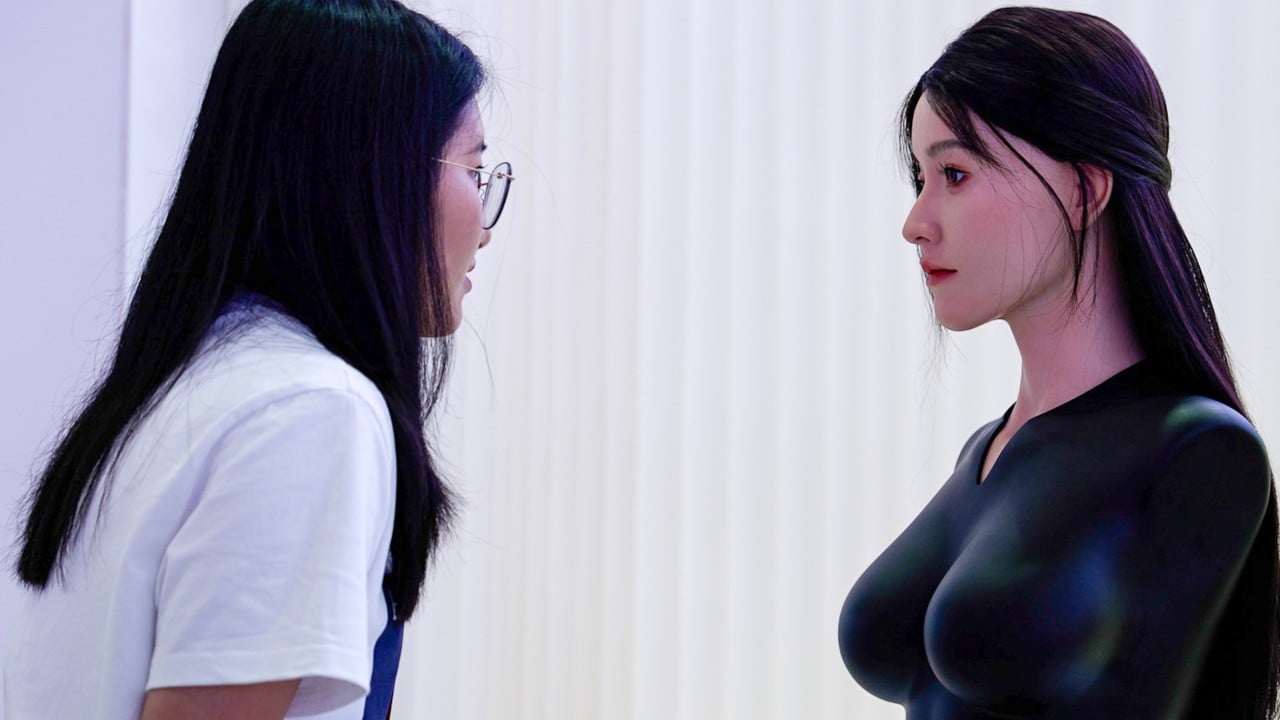
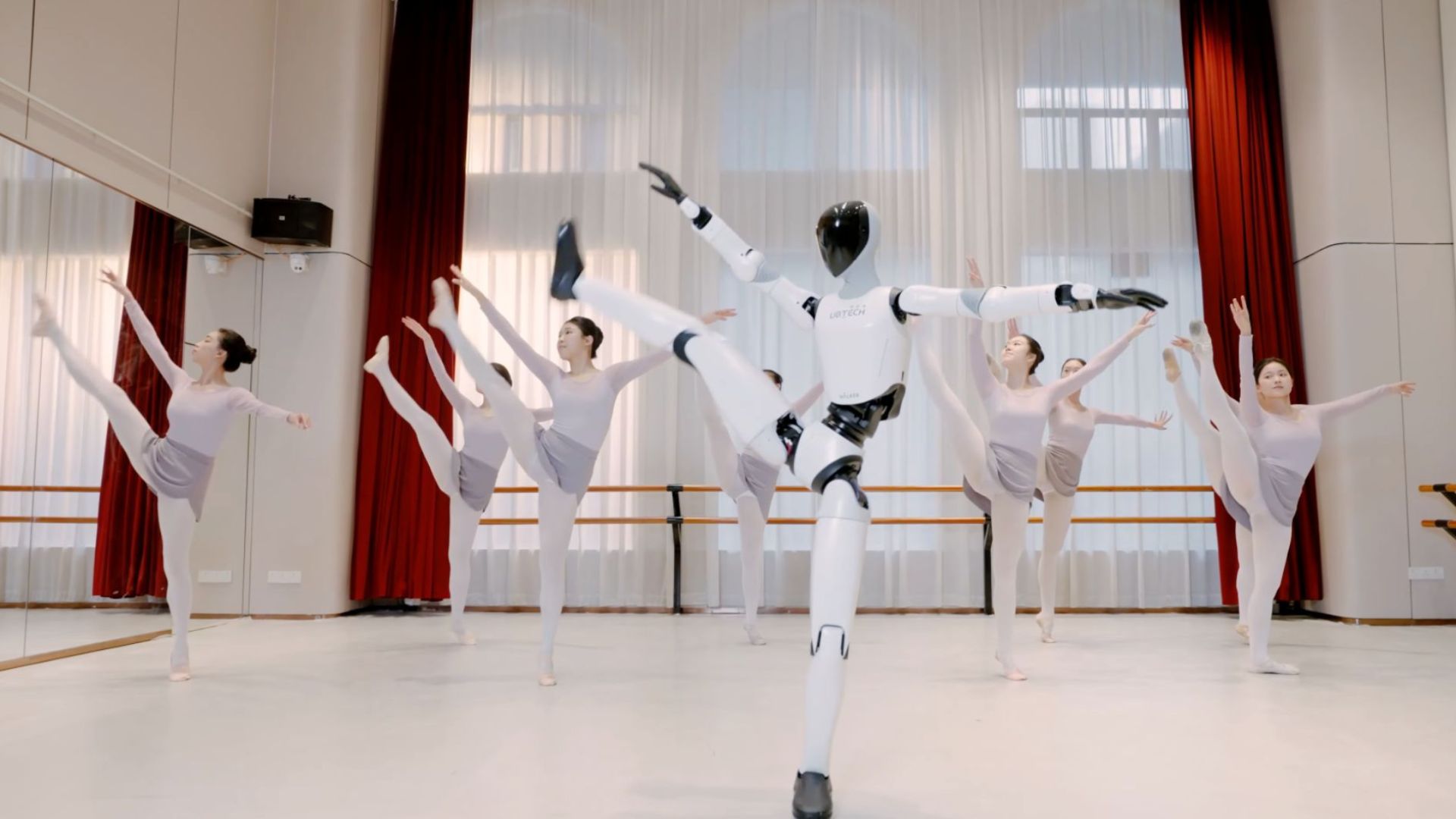
UBTech’s lifelike humanoid robots built for companionship arriving in homes across China
UBTech Robotics, recognized as the world's first publicly traded humanoid robot manufacturer, has introduced a new consumer humanoid robot aimed at personal companionship. The U1 model, unveiled on Tuesday in Shenzhen, features lifelike silicone skin and advanced emotional artificial intelligence, reflecting a growing trend among Chinese tech companies to shift robotic applications from industrial settings to domestic environments. Available in both male and female versions, the U1 stands at 183 cm and 168 cm tall, respectively, and comes in three variants: Lite, Pro, and Ultra. This launch signifies a notable advancement in the integration of robotics into everyday life, as UBTech seeks to enhance human-robot interaction in personal spaces.
China’s UBTECH plans to send life-like humanoid robot companions in customer’s homes
Chinese robotics company UBTECH has introduced a new consumer-focused brand named UWORLD, alongside the launch of its innovative U1 robot. This announcement was made during a press event held on October 15, 2023, in Beijing, where company executives highlighted their commitment to advancing robotics technology for everyday use. The U1 robot is designed to enhance home automation and personal assistance, reflecting UBTECH's strategy to expand its market presence beyond industrial applications. By targeting consumers, UBTECH aims to meet the growing demand for smart home devices and improve the quality of life through advanced robotics. The U1 robot features user-friendly interfaces and connectivity options, making it accessible for a wide range of users. This launch marks a significant step for UBTECH as it seeks to establish itself as a leader in the consumer robotics sector.
Robotics needs a service framework.
RSF defines a common language for robot service capability, lifecycle operations, certification pathways, and service-provider networks.
Join the RobotToday community on LinkedIn
Daily robotics news, in-depth analysis, conference highlights, and discussions with professionals worldwide.