A single destination for timely, editor-curated robotics news from around the world.

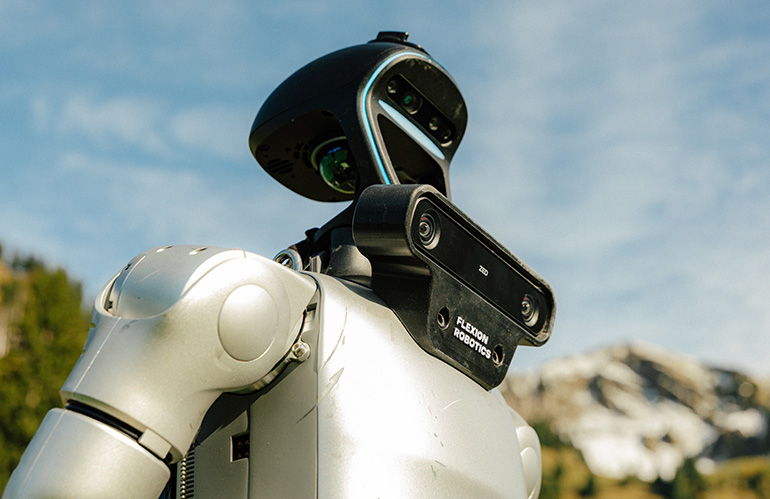
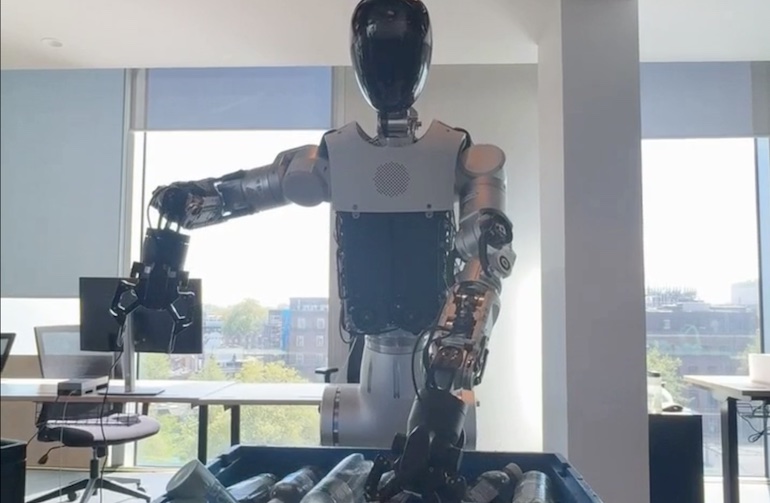
Flexion Robotics has launched Reflect v1.0, an innovative robotics intelligence platform designed to enhance the capabilities of humanoid robots. This groundbreaking technology was unveiled recently, showcasing its potential to revolutionize the interaction between humans and robots. The platform integrates advanced machine learning algorithms, allowing robots to learn from their environments and adapt their behaviors accordingly. The introduction of Reflect v1.0 aims to address the growing demand for more intelligent and responsive robotic systems in various sectors, including healthcare, education, and customer service. By equipping humanoid robots with this sophisticated intelligence, Flexion Robotics seeks to improve efficiency and effectiveness in tasks that require human-like interaction. The development process involved extensive research and collaboration with experts in artificial intelligence and robotics, ensuring that the platform meets the needs of diverse applications. As the robotics industry continues to evolve, Reflect v1.0 positions Flexion Robotics at the forefront of innovation, paving the way for a future where humanoid robots can seamlessly integrate into everyday life.
InterestingEngineering.com By Jijo Malayil 3 hours ago AI and Robotics
The Journal of Field Robotics has published a new study that explores advancements in autonomous robotic systems. This research, released in early October 2023, highlights innovative techniques that enhance the navigation and operational capabilities of robots in various environments. Conducted by a team of researchers from leading universities, the study aims to address the growing demand for efficient robotic solutions in industries such as agriculture, manufacturing, and disaster response. The motivation behind this research stems from the increasing complexity of tasks that robots are expected to perform, necessitating improved algorithms and sensor technologies. By employing advanced machine learning methods and real-time data processing, the researchers demonstrated significant improvements in the robots' ability to adapt to dynamic surroundings and make autonomous decisions. The findings from this study are expected to have a substantial impact on the future development of robotic systems, paving the way for more reliable and versatile applications. As industries continue to seek automation solutions, this research provides valuable insights into the potential of robotics to enhance productivity and safety across various sectors.
JournalofFieldRobotics By Lionel Lapierre, Hervé Jourde, Frank Vasseur, Pierre Fischer, Benoit Ropars, Luc Rossi, Mathieu Foulquié Jun 29, 2026 FIELD REPORT
A recent study published in the Journal of Field Robotics has unveiled significant advancements in robotic navigation systems. Researchers from a leading robotics institute conducted the study to enhance the efficiency and accuracy of autonomous robots in complex environments. The findings, released in early October 2023, highlight innovative algorithms that allow robots to better interpret and navigate their surroundings, particularly in dynamic settings such as urban areas or disaster sites. The motivation behind this research stems from the increasing demand for reliable robotic systems capable of performing tasks in unpredictable conditions, which are essential for applications ranging from search and rescue operations to automated delivery services. By employing advanced machine learning techniques, the team was able to improve the robots' decision-making processes, enabling them to adapt to changing environments in real-time. This breakthrough not only promises to enhance the functionality of existing robotic systems but also paves the way for future developments in the field of autonomous technology. The research team is optimistic that these improvements will lead to wider adoption of robotic solutions across various industries, ultimately contributing to safer and more efficient operations in challenging scenarios.
JournalofFieldRobotics By Jiang Yanqing, Zhang Junrui, Gao Yang, Gao Rui, Wang Jialin, Li Shuchang, Li Hang, Zhang Haitian, Sheng Cong, Cao Jian, Li YueMing, Ma Teng, Zhang Qiang, Li Ye Jun 29, 2026 RESEARCH ARTICLE
A groundbreaking robotic system has demonstrated its effectiveness in various manipulation tasks, including retrieving parts from bins, delivering objects to humans, and lifting and moving containers with its dual arms. This innovative technology was rigorously tested and has shown promising results across multiple scenarios, showcasing its potential for practical applications in industries requiring automation. The trials were conducted recently, highlighting the system's versatility and efficiency in handling complex tasks that typically require human intervention. As industries increasingly seek to enhance productivity through automation, this new robotic solution could play a significant role in transforming operational workflows.

RoboticsTomorrow.com Jun 29, 2026
The Journal of Field Robotics has published new research highlighting advancements in autonomous robotic systems. This study, released in early October 2023, focuses on the integration of artificial intelligence in field robotics, aiming to enhance efficiency and adaptability in various environments. Conducted by a team of researchers from leading universities, the findings demonstrate how these innovations can significantly improve the performance of robots in agricultural, industrial, and exploration applications. The motivation behind this research stems from the growing need for automation in sectors facing labor shortages and the demand for increased productivity. The researchers employed a combination of machine learning algorithms and real-time data processing techniques to develop a prototype that showcases the potential of these autonomous systems. This work not only contributes to the field of robotics but also addresses pressing challenges in modern industries, paving the way for future developments in smart technology.
JournalofFieldRobotics By Jialing Liu, Kaiqi Chen, Xu Cheng, Shengyong Chen, Houxiang Zhang, Jianhua Zhang Jun 28, 2026 RESEARCH ARTICLE
The Journal of Field Robotics has released an EarlyView article highlighting recent advancements in robotic technology. Researchers from various institutions have collaborated to develop innovative algorithms that enhance the efficiency and autonomy of field robots. This significant study, published in October 2023, aims to address the growing demand for automation in agriculture and environmental monitoring. The research focuses on improving the decision-making capabilities of robots operating in complex outdoor environments. By integrating machine learning techniques, the team has demonstrated how robots can better navigate and adapt to changing conditions, ultimately increasing productivity in agricultural practices. The findings are particularly relevant as the industry seeks to optimize resource use and reduce labor costs. The study was conducted across multiple test sites, showcasing the practical applications of these advancements in real-world scenarios. The researchers emphasize that these developments are crucial for meeting the challenges posed by climate change and the need for sustainable farming practices. By enhancing the operational capabilities of field robots, the team hopes to contribute to a more efficient and resilient agricultural sector. This publication marks a significant step forward in the field of robotics, underscoring the potential for technology to transform traditional practices and improve outcomes in various sectors. As the demand for automation continues to rise, the implications of this research could be far-reaching, paving the way for future innovations in robotic applications.
JournalofFieldRobotics By Shuhuan Wen, Huiying Yang, Zhixin Ji, Wenshan Shen, Ahmad B. Rad, Zhengzheng Guo Jun 28, 2026 RESEARCH ARTICLE
The competitive landscape of the intelligent driving industry has undergone significant changes in recent years, shifting from hardware specifications to advanced model development. Companies are increasingly recognizing that merely having larger models is insufficient for achieving generational advantages; instead, the integration of models, data, computing power, and chips into a continuous iterative loop is becoming crucial. This realization has prompted many automakers to invest in in-house research and development. Tesla has established a comprehensive ecosystem that spans data collection, training infrastructure, and self-developed chips, while Chinese companies like Li Auto, Xpeng, and NIO are also deepening their technological foundations. Li Auto has introduced its self-developed Mach M100 chip in its L8 and L9 models, which it views as a significant advancement in AI technology. In a recent discussion with Li Auto's autonomous driving and chip leaders, they emphasized that the industry should focus on the practical problems these investments aim to solve rather than merely the existence of in-house development. They outlined their strategies to achieve performance comparable to Tesla's Full Self-Driving (FSD) system, highlighting the importance of safety, efficiency, and comfort in user experience. As the industry moves towards higher levels of autonomy, the integration of vision and language models is seen as essential for developing systems that can handle complex, unforeseen scenarios. The executives noted that achieving higher levels of autonomy (L3 and L4) requires models that can reason and think like humans, underscoring the growing significance of language in AI systems. Overall, the conversation revealed the industry's focus on enhancing AI capabilities through innovative chip design and data utilization, aiming for a future where autonomous driving technology can meet the challenges of real-world driving conditions.
36kr.com Jun 27, 2026
Kawasaki Robotics unveiled its latest advancements in automation technology at the Automate 2026 trade show held in Chicago. The event, which took place recently, highlighted the transformative impact of robotics, artificial intelligence, machine learning, vision systems, and real-time control on industrial automation. A key feature of the showcase was the introduction of the new “RL030N” robot platform, which boasts eight degrees of freedom and is specifically designed for Physical AI applications. This innovation reflects Kawasaki Robotics' commitment to pushing the boundaries of automation and enhancing operational efficiency across various industries.
RoboticsAndAutomationNews.com By Sam Francis Jun 26, 2026 Industrial robots News Robotics 8-axis robot Automate 2026 BA013L
General Intuition has secured $320 million in funding to enhance its innovative approach to artificial intelligence training for robotics. The company is leveraging video game clips that feature embedded action labels to accelerate the training process for AI systems. This funding will enable General Intuition to further develop its technology, which aims to improve the efficiency and effectiveness of robotic learning. By utilizing the rich data from video games, the company seeks to provide robots with a more nuanced understanding of actions and environments, ultimately advancing the field of robotics. The investment comes at a time when the demand for sophisticated AI solutions in various industries is on the rise, highlighting the potential impact of General Intuition's work in shaping the future of robotics.
RoboticsBusinessReview.com By The Robot Report Staff Jun 26, 2026 Artificial Intelligence Artificial Intelligence / Cognition Design / Development Financial Investments News
In recent years, STEM education has seen significant growth, fueled by a rising demand for practical engineering skills, artificial intelligence literacy, and interdisciplinary innovation. Despite this progress, schools, universities, and research laboratories continue to face challenges in creating effective robotics environments. Educators often struggle to integrate various components such as robotic arms, mobile platforms, sensors, and open-source software from multiple sources, complicating the development of comprehensive robotics programs. This ongoing issue highlights the need for streamlined solutions that can enhance the teaching and learning of robotics in educational settings.
RoboticsAndAutomationNews.com By Sam Francis Jun 26, 2026 Design Research Robotics AI education americas automation news
A hands-on boot camp is currently underway, aimed at teaching integrated photonics to students from community and four-year colleges in the region. This educational initiative, which focuses on practical skills and knowledge in the rapidly evolving field of photonics, is designed to equip participants with the necessary tools to excel in this technology-driven industry. The program is taking place in local educational institutions, fostering collaboration and learning among students from diverse backgrounds. By providing this training, organizers hope to enhance the workforce's capabilities and address the growing demand for expertise in integrated photonics. The boot camp emphasizes experiential learning, allowing students to engage directly with the technology and gain valuable insights into its applications and implications.
MITNews By Amanda Stoll DiCristofaro | MIT.nano Jun 26, 2026 Materials Research Laboratory MIT.nano Education, teaching, academics STEM education Manufacturing Industry
Schools across the United States are preparing to integrate humanoid robots into classrooms as part of an innovative educational initiative aimed at enhancing learning experiences. This initiative is set to roll out in early 2024, with various districts collaborating with technology companies to develop and implement these advanced teaching aids. The introduction of humanoid robots is motivated by the desire to engage students in new and interactive ways, fostering interest in subjects such as science, technology, engineering, and mathematics (STEM). Educators believe that these robots can provide personalized learning support, assist in teaching complex concepts, and promote collaboration among students. The deployment process will involve training teachers on how to effectively incorporate the robots into their lesson plans, ensuring that they complement traditional teaching methods rather than replace them. Pilot programs will be conducted in select schools to assess the impact of these robots on student engagement and learning outcomes before a wider rollout. As schools embrace this technological advancement, the initiative reflects a growing trend in education to leverage artificial intelligence and robotics to prepare students for a rapidly evolving workforce. The integration of humanoid robots is expected to not only enhance educational experiences but also spark discussions about the future of technology in society.
InterestingEngineering.com By Jijo Malayil Jun 25, 2026 AI and Robotics
Prem Natarajan, formerly the head of Alexa AI at Amazon, has transitioned to the role of Chief Scientist at Capital One, a leading financial institution serving over 100 million customers. This move comes as the landscape of artificial intelligence (AI) research shifts from large tech companies to industry-specific applications, particularly in finance, where the challenges are more complex and require a nuanced understanding of customer needs and regulatory constraints. Capital One has long been recognized for its data-driven approach, having invested heavily in cloud technology to create a robust data ecosystem. This infrastructure supports innovative AI research aimed at solving real-world problems, such as real-time fraud detection and personalized customer interactions. Unlike many banks that view AI merely as a tool, Capital One is establishing a scientific community focused on developing impactful AI solutions. Natarajan emphasizes the importance of “destination-back thinking,” where the team envisions ideal customer experiences and works backward to identify necessary scientific advancements. This methodology, combined with a commitment to continuous learning and a unique cloud-first architecture, allows Capital One to tackle challenges that are often overlooked by traditional financial institutions. The bank's efforts have garnered recognition, with Capital One being ranked as a leader in AI talent and innovation, accounting for a significant portion of AI patents in the financial sector. Through partnerships with academic institutions and a focus on agentic AI systems, Capital One aims to enhance financial services for millions, positioning itself at the forefront of AI advancements in the industry.
IEEESpectrumAI By Thomas Machinchick Jun 25, 2026 Ai-research Agentic-ai Financial-services Tech-careers Type-sponsored Financial-technology
On June 24, RoboScience, a company specializing in embodied intelligence, unveiled its self-developed Visics large model, introducing the innovative VLOA (Vision-Language-Object-Action) architecture. This announcement marks a significant advancement in the field, demonstrating the model's applications in real-world scenarios such as furniture assembly, dexterous grasping, and dynamic assembly lines. The current landscape of embodied intelligence lacks a universally accepted foundational representation unit, which hampers data collection, model learning, and the transfer of knowledge to new contexts. Traditionally, models have focused on replicating specific robotic movements tied to particular tasks, limiting their adaptability to new robots, objects, or environments. Founder and CEO Tian Ye highlighted three major challenges in robotic operations: poor generalization, difficulty in precise manipulation, and cumulative errors in long-range tasks. To address these issues, RoboScience has developed a new foundational representation unit from the ground up. The Visics model employs a dual-engine architecture, consisting of an embodied world model and a universal operation model, each operating independently. The embodied world model utilizes vast amounts of internet video data to learn the physical dynamics of objects, while the operation model translates object trajectories into actionable commands for robots. This layered design enhances the model's generalization capabilities across various robotic platforms and tasks. RoboScience's innovative approach also includes a high-precision simulation engine, RoboMirage, which, combined with automated video data annotation, significantly reduces data acquisition costs. The company aims to build a comprehensive dataset of over 1 terabyte of high-quality manipulation trajectories by 2026. Since its inception, RoboScience has garnered support from multiple investors and established research and production centers in major Chinese cities. The company plans to collaborate with various sectors, including retail and logistics, to standardize robotic products for industrial and commercial applications by the end of this year.
36kr.com Jun 25, 2026
A team of researchers has pinpointed critical factors essential for transforming optimized concrete designs into dependable robotic construction processes. Their study highlights the importance of addressing fabrication constraints, integrating reinforcement, implementing effective sensing technologies, and ensuring rigorous quality control. By focusing on these elements, the researchers aim to enhance the reliability and efficiency of robotic construction workflows. This research is particularly relevant in the context of advancing construction technologies, as it seeks to bridge the gap between innovative design and practical application in the field.
AZOrobotics.com Jun 25, 2026
A recent study published in the Journal of Field Robotics highlights advancements in autonomous robotic systems designed for agricultural applications. Conducted by a team of researchers from various institutions, the study was released in early October 2023. The research focuses on the integration of artificial intelligence and machine learning to enhance the efficiency and effectiveness of farming practices. The motivation behind this study stems from the increasing demand for sustainable agricultural solutions amid global food security challenges. By employing innovative robotic technologies, the researchers aim to address labor shortages and improve crop management. The study outlines the development of a prototype robot capable of performing tasks such as planting, monitoring, and harvesting crops with minimal human intervention. Field tests were conducted in diverse agricultural settings to evaluate the robot's performance and adaptability. The findings indicate that the robotic systems can significantly reduce operational costs and increase yield, offering a promising solution for modern farming challenges. This research not only contributes to the field of robotics but also provides valuable insights for farmers seeking to adopt new technologies for enhanced productivity.
JournalofFieldRobotics By Guoxing Bai, Elxat Elham, Yu Meng, Qing Gu, Zhen Wang, Guoxin Dong, Shaochong Liu, Mengbin Duan Jun 25, 2026 RESEARCH ARTICLE
The Journal of Field Robotics has published an early view article highlighting advancements in robotic technology aimed at enhancing agricultural efficiency. Researchers from various institutions collaborated on this study, which was released in October 2023. The article focuses on the development of autonomous robots designed to optimize crop management and reduce labor costs in farming practices. This initiative is driven by the increasing demand for sustainable agricultural solutions amid a growing global population. The team employed cutting-edge artificial intelligence and machine learning techniques to enable robots to perform tasks such as planting, monitoring crop health, and harvesting with minimal human intervention. Field tests conducted in diverse agricultural settings demonstrated the robots' effectiveness in improving yield while minimizing resource usage. The findings suggest that integrating robotics into farming could significantly address labor shortages and enhance food production efficiency. As the agricultural sector faces mounting pressures from climate change and economic constraints, this research underscores the potential of technology to transform traditional farming methods and promote sustainability.
JournalofFieldRobotics By Ayman El Qemmah, Gianni Cario, Alessandro Casavola, Marco Lupia, Francesco Tedesco Jun 25, 2026 RESEARCH ARTICLE
Salamanca City Central School District has launched a pilot program aimed at enhancing educational technology within its classrooms. This initiative, which began recently, seeks to integrate advanced digital tools to improve student learning experiences and outcomes. The program is part of a broader effort to modernize education and equip students with essential skills for the future. By implementing this technology, the district aims to foster a more engaging and interactive learning environment. The pilot will allow educators to assess the effectiveness of these tools in real-world settings, ultimately guiding future decisions on technology adoption across the district.
RoboticsTomorrow.com Jun 24, 2026
Researchers at Princeton University have made significant strides in the design of radio-frequency integrated circuits (RFICs), a critical component for advancing wireless technologies such as 5G, autonomous vehicles, and satellite communications. Utilizing reinforcement learning and inverse design techniques, the team has developed a method to create RFICs from scratch, drastically reducing design time and achieving record performance levels. This innovative approach leverages AI to navigate the complex design space of RFICs, traditionally seen as an art requiring years of expertise. By employing machine learning algorithms, the researchers can generate novel circuit layouts that outperform existing designs while minimizing the time taken for development. The project, which began after the success of AI in games like Go, aims to overcome the limitations of conventional RFIC design, which has remained largely artisanal. The researchers emphasize the need for large, shared datasets and open ecosystems to further enhance AI's capabilities in understanding electromagnetic and circuit behaviors. As the demand for advanced RFICs grows, the potential for AI-driven design to revolutionize the field is becoming increasingly apparent. The findings have attracted attention within the RF community, sparking discussions about the future of AI in circuit design and the importance of collaboration between AI researchers and chip designers to unlock new possibilities in technology.
IEEESpectrumAI By Kaushik Sengupta Jun 24, 2026 Machine-learning Ic-design Chip-design Rf Rfic
In June 2026, a groundbreaking study published in Science Robotics highlights advancements in robotic technology that could revolutionize various industries. Researchers from leading universities and tech companies collaborated to develop a new generation of robots capable of performing complex tasks with unprecedented efficiency and precision. This innovation aims to address the growing demand for automation in sectors such as manufacturing, healthcare, and logistics. The study showcases robots equipped with advanced artificial intelligence and machine learning algorithms, enabling them to adapt to dynamic environments and learn from their experiences. By enhancing their operational capabilities, these robots can significantly reduce labor costs and improve productivity, ultimately benefiting businesses and consumers alike. The research team conducted extensive experiments in controlled environments to test the robots' performance, demonstrating their ability to execute intricate tasks that were previously thought to require human intervention. This development comes in response to the increasing pressure on industries to streamline operations and meet the challenges posed by a rapidly changing economic landscape. As companies seek to integrate these advanced robotic systems into their workflows, the implications for the workforce and future job markets are profound. The study underscores the potential for robots to not only augment human labor but also create new opportunities in technology and engineering fields. The findings are expected to spark further research and investment in robotics, paving the way for a more automated future.
AAAS:ScienceRobotics By Florian Rothfischer, Lennart J. K. Weiß, Sonja K. Schinko, Niccolò Tedeschi, Rui Yee Loke, Michael Matthies, Matthias Vogt, Christoph Karfusehr, Alexander Hebel, Petr Šulc, Tim Liedl, Enzo Kopperger, Jun 24, 2026 Research Article
In June 2026, a groundbreaking study published in Science Robotics highlights significant advancements in robotic technology aimed at enhancing human-robot collaboration. Researchers from leading universities and tech companies have developed a new generation of robots equipped with advanced artificial intelligence, enabling them to perform complex tasks alongside human workers more efficiently. This initiative is driven by the increasing demand for automation in various industries, particularly in manufacturing and healthcare, where precision and reliability are paramount. The study outlines how these robots can adapt to dynamic environments, learn from human interactions, and improve their performance over time, thereby reducing the risk of workplace accidents and increasing productivity. The research team conducted extensive field tests in factories and hospitals to evaluate the robots' capabilities in real-world scenarios. The results demonstrated a marked improvement in task execution speed and accuracy when robots and humans worked in tandem, showcasing the potential for these technologies to transform traditional workflows. As industries continue to evolve, the implications of this research could lead to a new era of collaboration between humans and machines, addressing labor shortages and enhancing operational efficiency. The findings underscore the importance of ongoing innovation in robotics, paving the way for future developments that could redefine the nature of work across various sectors.
AAAS:ScienceRobotics By Amos Matsiko Jun 24, 2026 Editors' Choice
The embodied AI chip market is experiencing rapid growth as various companies compete for leadership in this emerging sector. As of October 2023, advancements in artificial intelligence and robotics have fueled the demand for specialized chips that enhance machine learning capabilities and improve efficiency in automated systems. Major tech firms and startups alike are investing heavily in research and development to create innovative solutions that cater to diverse applications, from autonomous vehicles to smart home devices. This surge in competition is driven by the increasing need for more sophisticated AI technologies that can process data in real-time and adapt to changing environments. As players in the market strive to differentiate their products, collaborations and partnerships are becoming common strategies to accelerate development and gain a competitive edge. The race for dominance in the embodied AI chip market is expected to intensify, with significant implications for the future of technology and automation.
PanDaily.com By [email protected] (Pandaily) Jun 24, 2026 AI
Imitation learning is revolutionizing the training of industrial robots by moving away from traditional rigid programming methods to a more adaptive approach that emphasizes learning through real-world interactions. This shift is highlighted by Anders Billesø Beck, who underscores the importance of high-quality data, the application of force, and the use of production-grade hardware in this new training paradigm. As industries increasingly adopt these advanced techniques, the focus on enhancing the capabilities and efficiency of robots is becoming paramount, paving the way for more sophisticated automation solutions. The transition is not only expected to improve the performance of robots but also to streamline production processes across various sectors.
roboticstomorrow-Robotics Jun 23, 2026
Recent advancements in emotion AI technology are reshaping how machines interpret human feelings, particularly in professional settings. Companies like Meta and startups such as Hume AI are developing systems that analyze facial expressions, voice tones, and behaviors to gauge emotions during interactions like performance reviews. This technology, which has applications in employee well-being, recruitment, and customer service, aims to enhance communication by providing real-time feedback. Despite its rapid growth, current emotion AI systems often struggle to capture the complexity of human emotions, typically categorizing feelings into simplistic labels like "happy" or "sad." Researchers are now focusing on a new approach called human-context AI, which combines multiple inputs—such as facial dynamics and voice modulation—with situational context to better understand emotional nuances. This shift aims to close the gap between human emotional expression and machine interpretation. The origins of emotion AI trace back to the MIT Media Lab, where Rosalind Picard pioneered the concept of affective computing. Over the years, advancements in data collection and analysis have improved the accuracy of emotion detection. However, ethical concerns remain, particularly regarding privacy and the potential for misuse in workplaces and public spaces. As this technology evolves, it promises to enhance various applications, from professional development platforms to health care, by providing a deeper understanding of human emotions. Yet, experts caution against over-reliance on AI for critical decisions, emphasizing the importance of human insight in interpreting emotional signals.
IEEESpectrumAI By Marc Fernandez Jun 23, 2026 Emotions Affective-computing Facial-expressions Companion-robots Multimodal-ai Machine-learning
Dell has unveiled a cutting-edge high-density AI and supercomputing server, aimed at enhancing computational capabilities for enterprises and research institutions. This launch took place on October 10, 2023, at the company's annual technology conference in Austin, Texas. The new server is engineered to address the growing demand for advanced processing power in fields such as artificial intelligence, machine learning, and data analytics. The motivation behind this development stems from the increasing need for efficient and powerful computing solutions that can manage complex workloads and large datasets. Dell's latest offering is designed to optimize performance while minimizing energy consumption, aligning with the industry's push towards sustainability. The server incorporates innovative technologies, including advanced cooling systems and modular designs, allowing for scalability and flexibility in various operational environments. By providing organizations with the tools necessary to accelerate their AI initiatives, Dell aims to solidify its position as a leader in the supercomputing market. This strategic move not only responds to current technological trends but also anticipates future demands in high-performance computing.
InterestingEngineering.com By Atharva Gosavi Jun 23, 2026 AI and Robotics
KUKA is enhancing its educational initiatives by focusing on technical training in automation at vocational schools and universities. The company is introducing modular robot learning cells and AI-supported applications to facilitate hands-on training, enabling educational institutions to effectively incorporate industrial automation into their curricula. This initiative aims to provide students with a clear, application-oriented understanding of modern production environments, ensuring they are well-prepared for future workforce demands. By investing in these educational resources, KUKA seeks to bridge the gap between academic training and industry requirements, fostering a new generation of skilled professionals in automation.
kuka.com By KUKA Jun 23, 2026
Engineers have observed significant advancements in industrial robotics, particularly in the areas of automated welding and pallet stacking. Over the years, these machines have demonstrated remarkable precision and efficiency, transforming manufacturing processes. The ongoing development in robotics technology has been driven by the need for increased productivity and cost-effectiveness in various industries. As companies seek to enhance their operational capabilities, the integration of sophisticated robotic systems has become essential. This evolution in automation is not only streamlining production lines but also addressing labor shortages and improving workplace safety. The continuous innovation in this field suggests a promising future for industrial robots, as they become increasingly capable of handling complex tasks with minimal human intervention.
InterestingEngineering.com By Munis Raza Jun 23, 2026 AI and Robotics
A recent study published in the Journal of Field Robotics highlights advancements in autonomous robotics, focusing on their applications in various fields such as agriculture, search and rescue, and environmental monitoring. Conducted by a team of researchers from leading universities, the study was released in early October 2023. The research aims to address the growing demand for efficient and reliable robotic systems that can operate in unpredictable environments. By integrating advanced machine learning algorithms and sensor technologies, the team demonstrated how these robots can navigate complex terrains and perform tasks with minimal human intervention. The findings underscore the potential for autonomous robots to enhance productivity and safety in critical operations, particularly in areas that are hazardous for human workers. The study emphasizes the importance of continued innovation in robotics to meet the challenges posed by climate change and population growth. As the field of robotics evolves, the researchers advocate for collaboration between academia and industry to accelerate the development and deployment of these technologies. The implications of this research could significantly impact various sectors, paving the way for smarter, more adaptable robotic solutions in the near future.
JournalofFieldRobotics By He Li, Zhongxin Li, Shengqi Cui, Chaoning Cao, Shuo Yang, Zhaoyang Chen, Zekun Song, Yi Shen, Shanzeng Liu Jun 23, 2026 RESEARCH ARTICLE
Artificial intelligence (AI), a transformative technology of the 21st century, is reshaping various aspects of life and has seen unprecedented adoption rates since its formal establishment in 1956 at the Dartmouth Summer Research Project. Pioneers like John McCarthy and Marvin Minsky introduced the concept, envisioning machines that could simulate human intelligence. Over the past 70 years, AI has evolved significantly, impacting fields such as business, education, healthcare, and military applications. The journey of AI has been marked by innovation and setbacks, including periods known as "AI winters," where interest and funding waned. However, a resurgence in the 2010s, driven by advances in deep learning and generative AI, has led to the development of sophisticated systems like ChatGPT, which was publicly released in 2022. This evolution has enabled AI to perform cognitive tasks at unprecedented speeds, automate processes, and enhance creativity. Despite its advantages, AI poses significant risks, including biased outputs, privacy concerns, and the potential for misinformation. The IEEE has played a crucial role in guiding AI's development, promoting ethical standards, and fostering research through publications and conferences. As AI continues to advance, the focus remains on ensuring it is human-centered and beneficial for society, emphasizing the need for responsible governance and informed decision-making. The future of AI will depend on the choices made today, as the technology's trajectory is shaped by collective actions and ethical considerations.
IEEESpectrumAI By San Murugesan Jun 22, 2026 Type-ti Ieee-history Artificial-intelligence Ai History-of-technology
A recent study published in the Journal of Field Robotics highlights advancements in robotic technology aimed at improving agricultural efficiency. Researchers from various institutions conducted the study to explore how autonomous robots can enhance crop management and reduce labor costs. The findings, released in early October 2023, indicate that these robots can perform tasks such as planting, monitoring, and harvesting with greater precision than traditional methods. The research was conducted in diverse agricultural settings, showcasing the robots' adaptability to different crops and terrains. By integrating advanced sensors and machine learning algorithms, the robots can analyze soil conditions and plant health, allowing for timely interventions that can lead to increased yields. This initiative is driven by the growing need for sustainable farming practices in response to global food demands and labor shortages in the agricultural sector. The study emphasizes that implementing robotic solutions could not only optimize resource use but also address environmental concerns associated with conventional farming techniques. As the agricultural industry faces mounting challenges, the deployment of these innovative robotic systems represents a significant step forward in modernizing farming practices and ensuring food security for the future.
JournalofFieldRobotics By Lina Wang, Chengcheng Li, Huaibo Song, Kang Kang, Binrui Wang Jun 21, 2026 RESEARCH ARTICLE
The Journal of Field Robotics has published an EarlyView article highlighting recent advancements in robotic technology. Researchers from various institutions have collaborated to explore innovative applications of robotics in fields such as agriculture, search and rescue, and environmental monitoring. This study, released in October 2023, emphasizes the growing importance of autonomous systems in enhancing efficiency and safety across these sectors. The research team conducted extensive field tests to demonstrate how robots can perform complex tasks, such as crop monitoring and disaster response, with minimal human intervention. By integrating artificial intelligence and machine learning, the robots are designed to adapt to dynamic environments, showcasing their potential to revolutionize traditional practices. The motivation behind this research stems from the increasing demand for automation in response to labor shortages and the need for more effective solutions to global challenges. The findings underscore the necessity for continued investment in robotic technology to address pressing issues such as food security and disaster management. As the field of robotics continues to evolve, this publication serves as a critical resource for professionals and researchers aiming to leverage these advancements for practical applications. The collaborative effort reflects a commitment to pushing the boundaries of what is possible in robotics, paving the way for future innovations that could significantly impact various industries.
JournalofFieldRobotics By Filipe Rocha, André L. M. Cid, Luiz G. D. Barros, Gustavo M. Freitas, Ramon R. Costa Jun 21, 2026 RESEARCH ARTICLE
A recent study published in the Journal of Field Robotics highlights advancements in autonomous robotic navigation systems. Researchers from a leading robotics institute conducted experiments to improve the efficiency and accuracy of robots in complex environments. The study, released in early October 2023, focuses on the integration of artificial intelligence and machine learning techniques to enhance decision-making processes in real-time. The research took place in various challenging terrains, including urban settings and natural landscapes, to test the robots' adaptability. The motivation behind this work stems from the increasing demand for autonomous systems in industries such as agriculture, logistics, and disaster response. By developing more reliable navigation capabilities, the researchers aim to facilitate safer and more effective deployment of robots in real-world applications. Through a series of trials, the team employed advanced algorithms that enable robots to analyze their surroundings and make informed navigation choices. The findings suggest significant improvements in both the speed and precision of robotic movements, which could lead to broader adoption of these technologies across multiple sectors. This study represents a crucial step towards achieving fully autonomous robotic systems capable of operating in dynamic and unpredictable environments.
JournalofFieldRobotics By Qingkai Meng, Zhifang Ke, Wei Wei, Jianfeng Liu, Yongjie Shu, Shiyi Wei, Ming Zhu, Pengyu Li, Qingdong Yan Jun 21, 2026 RESEARCH ARTICLE
A groundbreaking robotic system has been developed in China, touted as the world's first intelligent robotic solution designed for various applications. This innovative technology aims to enhance efficiency and precision across multiple sectors, including manufacturing and healthcare. The system was unveiled at a technology expo in Beijing on October 15, 2023, where industry leaders and experts gathered to witness its capabilities. The motivation behind this development stems from the increasing demand for automation and smart technology in response to labor shortages and the need for improved productivity. By integrating advanced artificial intelligence and machine learning algorithms, the robotic system can adapt to different tasks and environments, making it a versatile tool for businesses looking to streamline operations. Demonstrations at the expo showcased the robot's ability to perform complex tasks with minimal human intervention, highlighting its potential to revolutionize traditional workflows. As industries continue to embrace automation, this robotic system represents a significant step forward in the quest for intelligent solutions that can meet the challenges of modern production and service demands.
InterestingEngineering.com By Bojan Stojkovski Jun 20, 2026 Innovation
In a notable development within the robotics industry, researchers and engineers are grappling with the complexities of programming industrial robots to prepare sashimi, a task that has proven to be unexpectedly challenging. Despite advancements in automation and robotics, the intricate nature of slicing raw fish with precision and artistry has eluded machines, highlighting the limitations of current technology in replicating skilled human techniques. This ongoing effort reflects a broader trend in the food industry, where automation is increasingly sought after to enhance efficiency and consistency. As of October 2023, experts are exploring innovative approaches to overcome these hurdles, aiming to integrate advanced sensory feedback and machine learning algorithms that could enable robots to mimic the nuanced movements of experienced chefs. The pursuit of automating sashimi preparation not only underscores the demand for robotics in culinary applications but also raises questions about the future of traditional food preparation methods in an era of rapid technological advancement.
InterestingEngineering.com By Aamir Khollam Jun 19, 2026 AI and Robotics
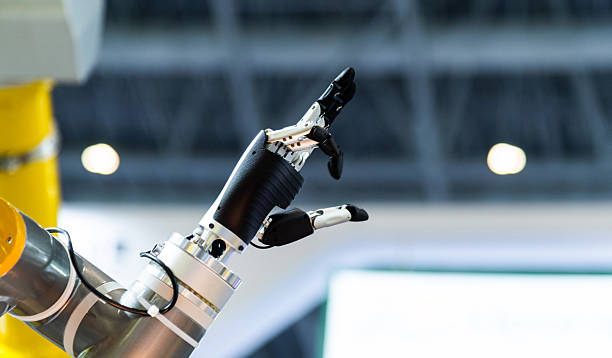
Prox Industries has announced its collaboration with Universal Robots (UR) to enhance the development of physical AI through the utilization of UR's "Physical AI Development Support Program." The initiative will focus on accelerating research and development of physical AI by employing a dual-arm robotic configuration using two UR3e collaborative robots. This partnership aims to leverage advanced robotics technology to innovate in the field of AI, reflecting Prox Industries' commitment to advancing automation solutions.
RobotStart.info Jun 19, 2026
Sanctuary AI, a Canadian robotics company, has announced a major breakthrough in industrial automation. The firm has developed advanced AI-driven robots capable of performing complex tasks traditionally handled by human workers. This innovation comes as industries increasingly seek to enhance productivity and efficiency amid labor shortages and rising operational costs. The robots, which are designed to seamlessly integrate into existing workflows, utilize sophisticated machine learning algorithms to adapt to various environments and tasks. This development was unveiled during a press conference held in Toronto on October 15, 2023, where company executives highlighted the potential of these robots to revolutionize sectors such as manufacturing and logistics. By automating repetitive and labor-intensive processes, Sanctuary AI aims to not only improve operational efficiency but also allow human workers to focus on more strategic and creative roles.
InterestingEngineering.com By Jijo Malayil Jun 19, 2026 AI and Robotics
A recent study published in the Journal of Field Robotics highlights the advancements in autonomous robotic systems designed for agricultural applications. Researchers from various institutions collaborated to explore innovative technologies that enhance efficiency and sustainability in farming practices. The findings, released in early October 2023, emphasize the growing need for automation in agriculture to address labor shortages and improve crop yields. The research team conducted extensive field tests to evaluate the performance of these robotic systems in real-world farming scenarios. By integrating artificial intelligence and machine learning, the robots demonstrated the ability to perform tasks such as planting, monitoring, and harvesting with remarkable precision. This technological progress aims to support farmers in overcoming challenges posed by climate change and increasing food demand. The study underscores the importance of developing reliable and cost-effective robotic solutions that can be easily adopted by farmers. As the agricultural sector faces mounting pressures, the implementation of these advanced technologies could significantly transform traditional farming methods, leading to more sustainable practices and enhanced productivity.
JournalofFieldRobotics By Tianyi Chen, Adam Rushworth, Fuhua Jia Jun 19, 2026 SURVEY ARTICLE
On June 18, NIO announced the rollout of its latest world model software across multiple vehicle platforms, including eight NT2.0 models, four NT2.5 models, and six NT3.0 models. This update allows NIO to run the same complex autonomous driving code on different generations of chips, addressing a common industry challenge where software updates were often limited to the latest hardware, leaving older vehicle owners at a disadvantage. The initiative stems from a long-term effort by NIO's team, led by Ren Shaoqing, who began exploring solutions in 2020. NIO developed an AI infrastructure that bridges gaps between different chip architectures, enhancing vehicle processing speeds with an AI compiler and automating deployment processes with AI agents. This innovation has significantly reduced deployment times from days to just a couple of hours. NIO's approach includes running the latest models in a "shadow mode" on production vehicles to gather valuable data without interfering with user driving. This data is used to train smarter models, creating a feedback loop that enhances the software's performance. The company has reported a substantial increase in its autonomous driving capabilities, attributing this to a shift in understanding the development cycle of physical AI. As the industry evolves, NIO has restructured its autonomous driving team to focus on foundational research and innovation, positioning itself to leverage advancements in large model technology and closed-loop reinforcement learning. The company aims to enhance its competitive edge by continuously improving its algorithms and data systems, ultimately striving for a more robust autonomous driving experience.
36kr.com Jun 18, 2026
The Journal of Field Robotics has recently published an early view article highlighting advancements in robotic technology. Researchers from various institutions have collaborated to develop a new autonomous navigation system that enhances the efficiency and safety of field operations. This innovative system was tested in agricultural settings in California during the summer of 2023, where it demonstrated significant improvements in crop monitoring and resource management. The motivation behind this research stems from the growing need for precision agriculture, which aims to optimize farming practices and reduce environmental impact. By integrating advanced sensors and machine learning algorithms, the team was able to create a robotic platform capable of navigating complex terrains while collecting valuable data on soil health and crop conditions. The successful implementation of this technology could revolutionize the agricultural sector, providing farmers with tools to make informed decisions and increase productivity. The findings are expected to contribute to ongoing discussions about sustainable farming practices and the role of robotics in addressing global food security challenges.
JournalofFieldRobotics By Kai Sun, Yiyang Li, Zekai Han, Jichao Lang, Xiaojun Han Jun 18, 2026 RESEARCH ARTICLE
A recent study published in the Journal of Field Robotics explores advancements in robotic technology aimed at enhancing agricultural efficiency. Conducted by a team of researchers from various universities, the study highlights the development of autonomous robots capable of performing tasks such as planting, weeding, and harvesting crops. This research, which was initiated in early 2023, took place at agricultural fields across multiple locations in the Midwest United States. The motivation behind this initiative stems from the growing need for sustainable farming practices and the increasing labor shortages faced by the agricultural sector. By integrating advanced robotics into farming operations, the researchers aim to reduce reliance on manual labor while simultaneously increasing productivity and minimizing environmental impact. The study details the design and implementation of these robots, which utilize machine learning algorithms to navigate fields and make real-time decisions based on environmental conditions. Initial trials have shown promising results, indicating that these robots can significantly improve crop yields while reducing resource consumption. As the agricultural industry faces mounting challenges, this research represents a critical step toward the future of farming, showcasing how technology can play a pivotal role in addressing food security and sustainability. The findings are expected to influence future developments in agricultural robotics and encourage further investment in this innovative sector.
JournalofFieldRobotics By Wenqing Zhang, Ke Liang, Imran, Suiyuan Shen, Yu Chen, Jia Lv, Miguel Martinez, Jiyu Li Jun 17, 2026 RESEARCH ARTICLE
Alibaba, the Chinese technology giant, has unveiled its inaugural family of embodied AI models, marking a significant advancement in artificial intelligence technology. This launch, which took place recently, aims to enhance the interaction between humans and machines by integrating large language models with physical embodiments. The initiative is part of Alibaba's broader strategy to innovate and lead in the AI sector, responding to the growing demand for more intuitive and responsive AI systems. By leveraging its extensive data resources and expertise in machine learning, Alibaba seeks to revolutionize user experiences across various applications, from customer service to entertainment. The company plans to continue developing these models to further improve their capabilities and expand their use cases in the coming months.
InterestingEngineering.com By Jijo Malayil Jun 17, 2026 AI and Robotics
Recent discussions in the field of artificial intelligence highlight a significant challenge facing the development of physical AI systems. Experts emphasize that in order for physical AI to achieve milestones comparable to those of large language models (LLMs), a critical data issue must be addressed. As of October 2023, the existing datasets are insufficient to support the complex learning and operational needs of physical AI. This gap in data could hinder progress and innovation in creating AI that can effectively interact with and navigate the physical world. Addressing this problem is essential for advancing the capabilities of physical AI, ensuring that it can perform tasks with the same proficiency as its software counterparts.
TechCrunch By Tim Fernholz Jun 17, 2026 AI Startups a16z robots Thrive Capital
In a groundbreaking study published in the June 2026 issue of Science Robotics, researchers from leading universities have unveiled a new robotic system designed to assist in complex surgical procedures. This innovative technology aims to enhance precision and reduce recovery times for patients undergoing surgery. The research team, comprised of experts in robotics and medicine, conducted extensive trials to evaluate the system's effectiveness. Their findings indicate that the robotic assistant can significantly improve surgical outcomes by minimizing human error and providing surgeons with advanced tools for intricate tasks. The development of this robotic system comes in response to the growing demand for more efficient and safer surgical methods, driven by an increase in minimally invasive procedures. By integrating artificial intelligence and machine learning, the robot is capable of adapting to various surgical environments and techniques, thereby expanding its applicability across different medical specialties. The trials took place in several hospitals, where the robotic system was tested alongside traditional surgical methods. Results showed a marked improvement in patient recovery rates and overall satisfaction with the surgical experience. As the healthcare industry continues to evolve, this robotic innovation represents a significant step forward in the integration of technology into medical practice, promising to transform the future of surgery and patient care.
AAAS:ScienceRobotics By Shelly Levy-Tzedek Jun 17, 2026 Focus
Kawasaki Robotics introduced its latest advancements in automation technology at Automate 2026, held in Chicago on June 17, 2026. The company showcased the new RL030N robot platform, which features eight degrees of freedom specifically designed for Physical AI applications, alongside its patented Pulseboard inspection technology. These innovations highlight Kawasaki's commitment to enhancing industrial automation through the integration of robotics, artificial intelligence, and machine learning. The RL030N robot stands out as the industry's first 8-axis platform, enabling high-speed motion and enhanced dexterity for complex tasks in dynamic environments. This robot is engineered to support AI-driven applications that require adaptive motion and obstacle avoidance, setting it apart from traditional industrial robots optimized for repetitive tasks. Additionally, Kawasaki demonstrated the Pulseboard technology in a robotic weld inspection system developed with Fives DyAG. This system significantly improves inspection efficiency by synchronizing image acquisition with the robot's movements, allowing for up to ten times faster weld inspections without compromising accuracy. Seiji Amazawa, President of Kawasaki Robotics, emphasized the importance of these technologies in shaping the future of automation, stating that they are designed to support emerging Physical AI applications while maintaining the reliability that manufacturers expect. The event marks a pivotal moment for Kawasaki Robotics as it continues to lead in intelligent automation solutions.
RoboticsTomorrow.com Jun 17, 2026
A recent study published in the Journal of Field Robotics highlights advancements in autonomous robotic navigation. Researchers from a leading robotics institute conducted experiments to enhance the efficiency of robots in complex environments. The study, released in early October 2023, focuses on the integration of advanced algorithms that allow robots to better interpret their surroundings and make real-time decisions. The research was carried out in various challenging terrains, including urban settings and natural landscapes, to test the robots' adaptability. The motivation behind this work stems from the growing demand for autonomous systems in sectors such as agriculture, search and rescue, and urban planning. By improving navigation capabilities, the researchers aim to facilitate the deployment of robots in scenarios where human intervention is limited or dangerous. Through a series of simulations and field tests, the team demonstrated that the new algorithms significantly reduced the time taken for robots to complete tasks while increasing their accuracy in obstacle avoidance. This breakthrough could lead to more reliable and efficient robotic systems, paving the way for wider applications in everyday life. The findings underscore the potential of robotics to transform various industries by enhancing operational efficiency and safety.
JournalofFieldRobotics By Rajesh Kannan Megalingam, Kusumanchi Surya Shanmukh, Aditya Ashvin, Pochareddy Nishith Reddy, Aryan Kurungadathil, Shree Rajesh Raagul Vadivel Jun 16, 2026 RESEARCH ARTICLE
A recent study published in the Journal of Field Robotics highlights advancements in autonomous robotic systems designed for agricultural applications. Researchers from a consortium of universities and tech companies conducted the study to address the growing need for efficient farming solutions amid rising labor costs and food demand. The research, which began in early 2023, took place across various agricultural sites in California, focusing on the integration of robotics in crop monitoring and harvesting. The team developed a prototype robot equipped with advanced sensors and machine learning algorithms, enabling it to navigate fields and collect data on crop health. This innovation aims to enhance productivity and reduce the reliance on manual labor, which has become increasingly scarce. The researchers conducted extensive field tests to evaluate the robot's performance and adaptability to different farming conditions. The findings suggest that these autonomous systems could significantly improve yield and reduce waste, addressing both economic and environmental challenges in agriculture. The study underscores the potential of robotics to transform traditional farming practices, paving the way for more sustainable and efficient food production methods in the future.
JournalofFieldRobotics By Yiting Chen, Jiali Fan, Chenglong Li, Boliao Li, Zhenbo Wei, Jun Wang Jun 16, 2026 RESEARCH ARTICLE
A mobile robot created by Rainbow Robotics, a company under Samsung's control, has commenced testing operations within Coupang's facilities. This initiative, which began recently, aims to enhance the efficiency of logistics and delivery processes in the rapidly growing e-commerce sector. The collaboration between Rainbow Robotics and Coupang reflects a broader trend of integrating advanced robotics into supply chain management, driven by the increasing demand for faster and more reliable delivery services. The testing phase will assess the robot's capabilities in navigating the complex environments of Coupang's warehouses, potentially paving the way for wider adoption of robotic solutions in the industry.
InterestingEngineering.com By Kaif Shaikh Jun 15, 2026 AI and Robotics
A Taiwanese company has introduced its first humanoid robot designed to engage in physical interactions with humans. This groundbreaking development was announced during a technology expo held in Taipei on October 15, 2023. The robot, which features advanced artificial intelligence and motion capabilities, aims to enhance human-robot collaboration in various sectors, including healthcare and customer service. The motivation behind this innovation is to address the growing demand for automation and assistance in daily tasks, particularly in environments where human interaction is essential. By utilizing sophisticated sensors and machine learning algorithms, the robot can understand and respond to human gestures and commands, making it a versatile tool for both personal and professional use. The unveiling of this humanoid robot marks a significant milestone in Taiwan's robotics industry, showcasing the nation's commitment to technological advancement and innovation.
InterestingEngineering.com By Jijo Malayil Jun 15, 2026 AI and Robotics
Researchers at Los Alamos National Laboratory have unveiled a groundbreaking tool named Prelim Attention, designed to enhance the analysis of complex data sets. This innovative tool, which leverages advanced machine learning techniques, aims to streamline the process of identifying significant patterns and insights within large volumes of information. The development was announced in October 2023, highlighting the laboratory's commitment to advancing data science and its applications in various fields. The motivation behind creating Prelim Attention stems from the increasing demand for efficient data analysis solutions in scientific research, national security, and other sectors that rely heavily on data interpretation. By improving the capability to focus on critical data points, the tool is expected to facilitate more informed decision-making and accelerate research outcomes. The researchers employed a combination of algorithms and user-friendly interfaces to ensure that Prelim Attention can be utilized effectively by both experts and non-experts alike. This approach not only enhances accessibility but also broadens the potential user base, allowing a wider range of professionals to benefit from its capabilities. The introduction of Prelim Attention marks a significant advancement in the field of data analysis, promising to transform how researchers and analysts approach complex data challenges in the future.
InterestingEngineering.com By Atharva Gosavi Jun 15, 2026 AI and Robotics
Two days after the U.S. government halted the global deployment of Anthropic's "Claude Fable 5" due to export control directives, Microsoft CEO Satya Nadella took to X to share his insights on the importance of building independent learning systems for companies. In his post, titled "An Ecosystem-less Frontier is Unstable," Nadella did not directly reference the Fable 5 situation but emphasized the necessity for businesses to avoid reliance on specific models. His comments come amid growing concerns about the stability of AI ecosystems in light of regulatory challenges.
ITmedia.co.jp Jun 15, 2026RSF defines a common language for robot service capability, lifecycle operations, certification pathways, and service-provider networks.
Excepteur sint occaecat cupidatat non proident