

Industry Briefing
A single destination for timely, editor-curated robotics news from around the world.

Chengdu's Robot Training Facility Prepares Robots for Real-World Applications
Chengdu's new robot training facility, located in the W7 building of the Chengdu Science and Technology Innovation Island, has commenced trial operations. The facility features various training zones focused on electronic skin, home services, industrial operations, retail services, and rehabilitation, creating a comprehensive hardware system that includes robots, mechanical arms, and sensory devices. This initiative is significant as it addresses the limitations of traditional laboratory training by simulating real-world scenarios. The facility's design ensures that data collected during training reflects practical applications, which is crucial for the future development of robots capable of gentle handling and safe interactions. The training center not only supports local enterprises but also extends its services to robotics research teams across the province. Looking ahead, the facility aims to enhance the integration of artificial intelligence in everyday life. As robots learn tasks such as cash handling in simulated environments, they move closer to becoming integral parts of our daily routines. The opening of this training school marks a pivotal step towards advancing embodied intelligence from mere mobility to functional autonomy.
Robotics Training AI Applications Industrial Automation Data Collection Smart Home Technology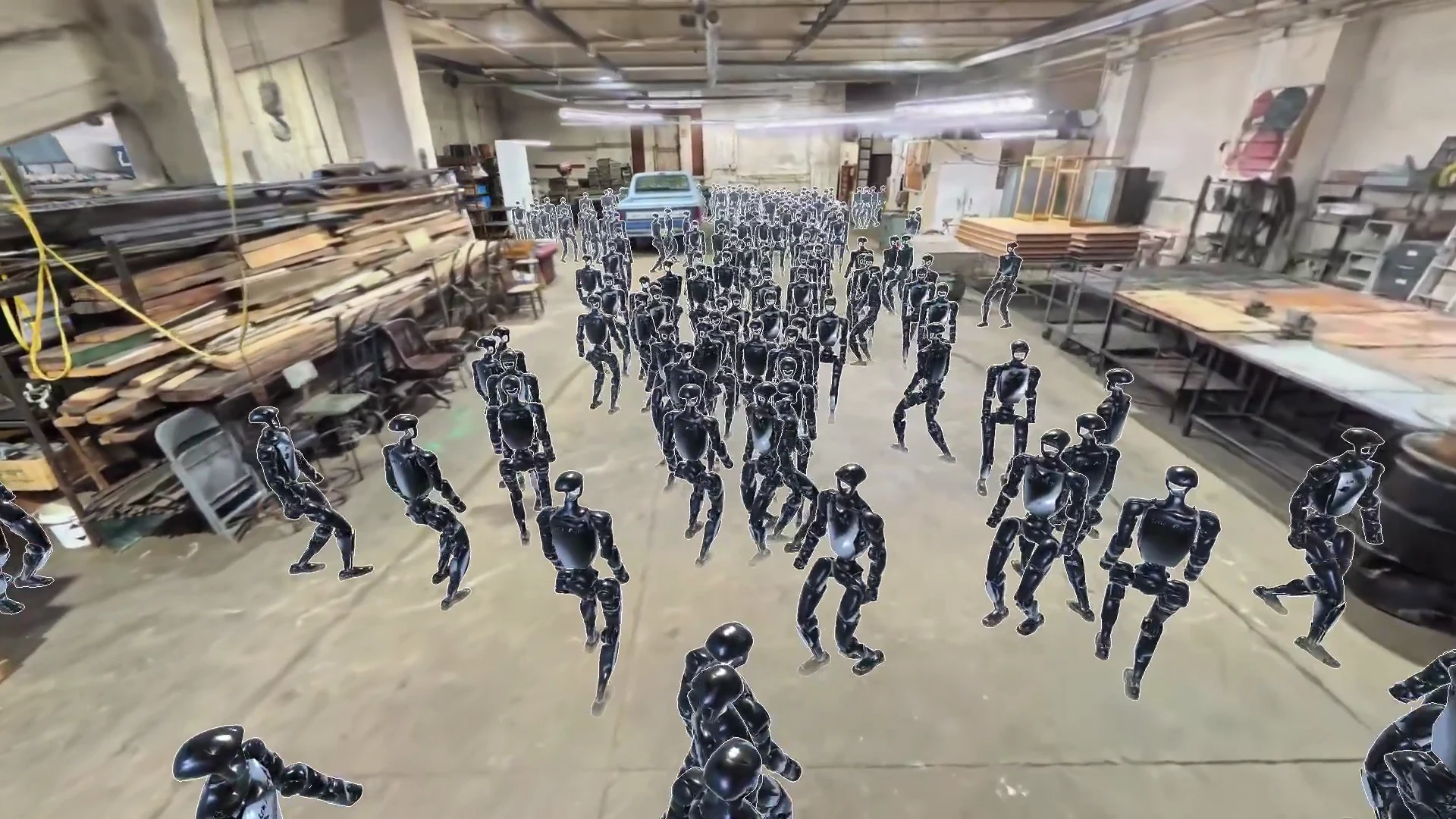
Niantic Spatial Introduces Places Library Featuring 100 Real Environments for Robot Training
Niantic Spatial has launched its Places Library, providing robotics developers with a catalog of 100 real environments for training and evaluation. The assets, available as USDZ files, include two representations for each environment: a Gaussian splat for visual appearance and a mesh for collision detection. This initiative aims to enhance embodied AI training by offering realistic settings that align with gravity and support various simulators, including NVIDIA Isaac Sim. The significance of this launch lies in its potential to improve robot training efficiency. By utilizing real-world environments captured with a standard 360-degree camera, Niantic ensures that robots receive accurate visual and collision data, which is crucial for effective navigation and interaction. The library includes diverse settings, such as medical warehouses and urban streets, allowing developers to test their robots in varied scenarios without the need for extensive in-house data collection. Looking ahead, the Places Library could facilitate more advanced evaluations of robotic behavior in different environments. While the library's impact on performance across the 100 environments remains to be seen, it offers a valuable resource for robotics teams aiming to refine navigation tasks and adapt to changing surroundings. No further timeline was disclosed at the time of publication.
Niantic Spatial Flexion
Advancements in Surgical Robots and Real-World Warehouse Automation Explored
The September 2026 digital issue of The Robot Report highlights significant advancements in surgical robotics and warehouse automation. It features case studies from El Camino Health, where the da Vinci system from Intuitive Surgical is utilized for coronary artery bypass grafting, emphasizing the need for precise motion control to enhance patient outcomes and reduce complications. This report is crucial for commercial robotics developers and end users as it illustrates the successful integration of robotic systems in healthcare and logistics. El Camino Health's implementation of robotic surgery not only alleviates cognitive burdens on staff but also improves care consistency and accessibility, showcasing the potential of surgical robots in modern medicine. Additionally, the report discusses the integration of autonomous mobile robots (AMRs) in warehouse operations, highlighting their independent capabilities compared to traditional automated guided vehicles. As AMRs become more prevalent in third-party logistics, retailers, and manufacturing, best practices for their deployment and maintenance will be essential for maximizing efficiency and investment returns. No further timeline was disclosed at the time of publication.
Autonomous Mobile Robots (AMRs) Case Study Controllers Digital Issues Healthcare Robotics Logistics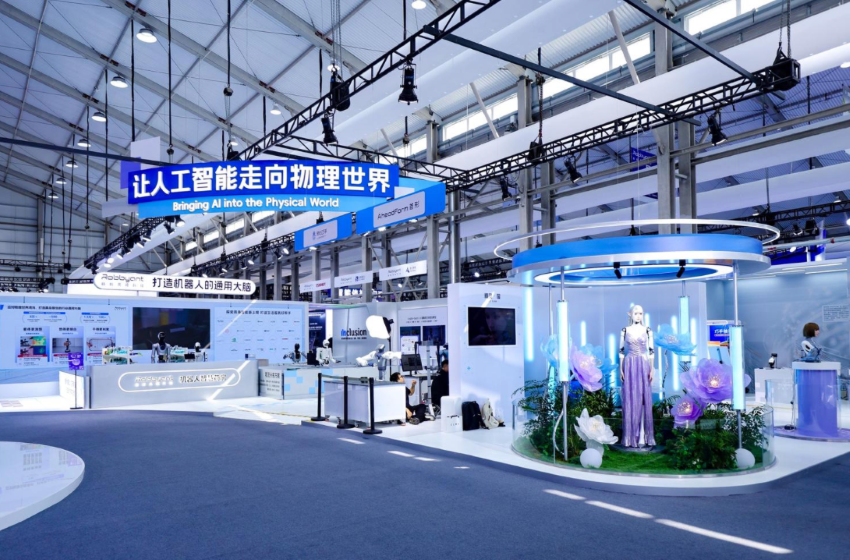
2026 Bund Conference Showcases Ant Group's Robots Integrating Intelligence into Real-World Applications
At the 2026 Bund Conference, Ant Group showcased robots that perform practical tasks such as accurately retrieving medication from shelves and sorting in logistics. Unlike previous demonstrations focused on flashy movements, these robots are designed to understand their environment and adapt to complex scenarios without human intervention. This shift is significant as it addresses the industry's long-standing challenge of creating versatile robots capable of operating in real-world settings. The demonstration included a 'smart pharmacy' where robots autonomously received orders, identified medications, and delivered them, proving the feasibility of deploying such technology in retail environments without requiring store modifications. Looking ahead, Ant Group's LingBot-VLA 2.0 model is set to support various robot configurations, enhancing the scalability of robotic services in real-world applications. The conference also featured discussions on the evolution of embodied intelligence, with insights from leading scientists and industry leaders, indicating a promising future for robotics in practical scenarios.
Robotics AI Warehouse Automation Pharmacy Automation Intelligent Systems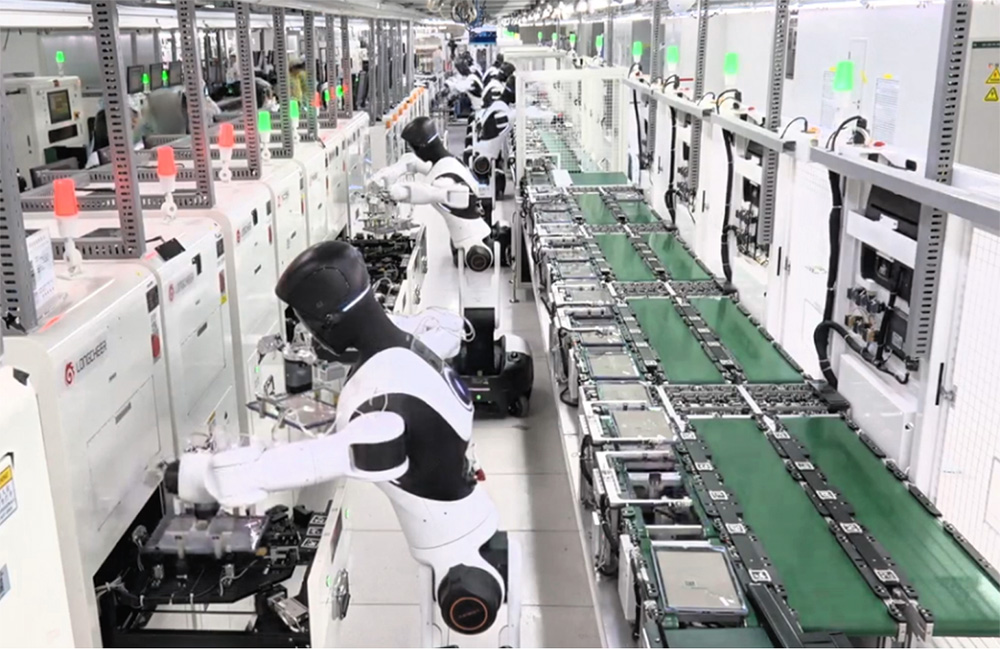
AGIBOT to Discuss Scaling Humanoids from Lab to Real-World at RoboBusiness 2026
AGIBOT will present at RoboBusiness 2026, focusing on the transition of humanoid robots from laboratory settings to real-world applications. Yinghao Song, AGIBOT's North America head, will share insights on overcoming deployment challenges in complex environments during his talk on October 20 at 1:15 p.m. PT. The significance of this presentation lies in addressing the systemic deployment of hardware necessary for executing advanced robotics in various sectors, including automotive and logistics. Song will highlight the importance of bridging the software-hardware gap through modular software stacks and open SDKs, which facilitate the deployment of humanoids and dexterous robotic hands. Attendees can expect to learn about identifying valuable robotics use cases and strategies for scaling in the evolving landscape of embodied AI. No further timeline was disclosed at the time of publication.
Events Humanoids News Robots / Platforms AgiBot
CCID Media and RX China Collaborate for Enhanced ROBOTECH 2026 with Real-World Robotics Applications
CCID Media and RX China have announced a strategic alliance to enhance the ROBOTECH 2026 expo, focusing on real-world robotics applications. This collaboration aims to combine authoritative industry insights with global exhibition expertise, facilitating the commercialization of embodied intelligence across various sectors. The partnership is significant as it aligns with the rapid growth of China's embodied intelligence and intelligent robotics industry. By merging CCID Media's insights into industrial policy with RX China's exhibition capabilities, the expo is set to become a benchmark event for the robotics and intelligent manufacturing sectors. Looking ahead, ROBOTECH 2026 is expected to showcase advanced robotics technologies and applications, reflecting the evolving landscape of the industry. No further timeline was disclosed at the time of publication.
Humanoid Robots Tested as Store Assistants in Hefei's Real-World Retail Experiment
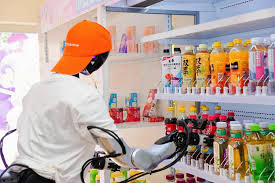
On August 26, 2026, a humanoid robot named 'Xiaomai' was seen assisting customers in Hefei, quickly retrieving items after they placed orders via QR codes or voice commands. This initiative marks one of the first large-scale implementations of embodied intelligent robots in unmanned retail in Anhui Province, with a reported order fulfillment rate of 99% after months of testing. The significance of this experiment lies in its real-world application, as the robots operate in bustling areas rather than controlled environments, allowing them to adapt to unpredictable customer interactions. The project is backed by Hefei Guoxian Holdings and Zero Degree Robotics, which emphasizes the need for robots to perform reliably in dynamic settings, addressing challenges related to product variability and operational stability. Looking ahead, Zero Degree Robotics plans to expand its network of robotic stores to 500 locations by 2026 and aims for 2,000 by 2027. This initiative reflects Hefei's strategic investment in the robotics industry, including a 20 billion yuan public service platform to support the development of intelligent robots, showcasing a promising future for humanoid robots in everyday retail settings.
Humanoid Robots Retail Automation AI Robotics Smart Technology
TechCrunch Disrupt 2026 Introduces Real World AI Stage Featuring Nvidia and Robotics
TechCrunch Disrupt 2026 is set to feature a new Real World AI Stage, expanding the focus on AI's intersection with the physical world. This stage will highlight advancements in autonomous hardware, including robotics and their applications in various sectors, from public spaces to conservation efforts. The significance of this new stage lies in addressing the challenges faced by general-purpose robotic intelligence, particularly the data gap that hinders progress. Experts believe that closing this gap is essential for achieving breakthroughs similar to those seen with large language models, making this discussion crucial for the future of robotics and AI. Attendees can expect engaging sessions with industry leaders from companies like Nvidia and Colossal Biosciences, who will explore safety in AI deployment and the ethical implications of reviving extinct species. The event will take place from October 13 to 15 at Moscone West in San Francisco, with further details on the lineup to be announced.
AI Colossal Biosciences nvidia TechCrunch Disrupt
Baidu Introduces DuMateBench Benchmark for Evaluating Real-World AI Agent Performance
Baidu has unveiled DuMateBench, a new evaluation leaderboard aimed at assessing the ability of AI agents to perform real-world tasks and produce usable outputs. This benchmark encompasses over 200 office tasks categorized into six distinct areas, challenging agents in complex operational settings. The significance of DuMateBench lies in its focus on practical task completion rather than mere answer generation. By evaluating aspects such as task understanding, tool utilization, continuous execution, and final result delivery, it aims to provide a comprehensive measure of AI agent capabilities in real-world scenarios. Looking ahead, the open interfaces and general evaluation framework of DuMateBench will allow for diverse models and agents to be tested under uniform criteria. This shift in focus could lead to advancements in AI applications that prioritize effective task execution. No further timeline was disclosed at the time of publication.
News Feed
World Humanoid Robot Games 2.0 Concludes in Beijing with Focus on Real-World Applications
The second edition of the World Humanoid Robot Games concluded at Beijing's Ice Ribbon, featuring 666 teams and 2,056 robots competing in 51 events. This year's focus shifted from merely achieving speed to demonstrating dexterity and autonomy in real-world scenarios. This evolution in the competition highlights the growing importance of practical applications for humanoid robots, moving beyond traditional speed tests. The emphasis on real-scenario work reflects industry trends toward developing robots capable of performing complex tasks in everyday environments. Looking ahead, the outcomes of these games may influence future designs and functionalities of humanoid robots. No further timeline was disclosed at the time of publication.
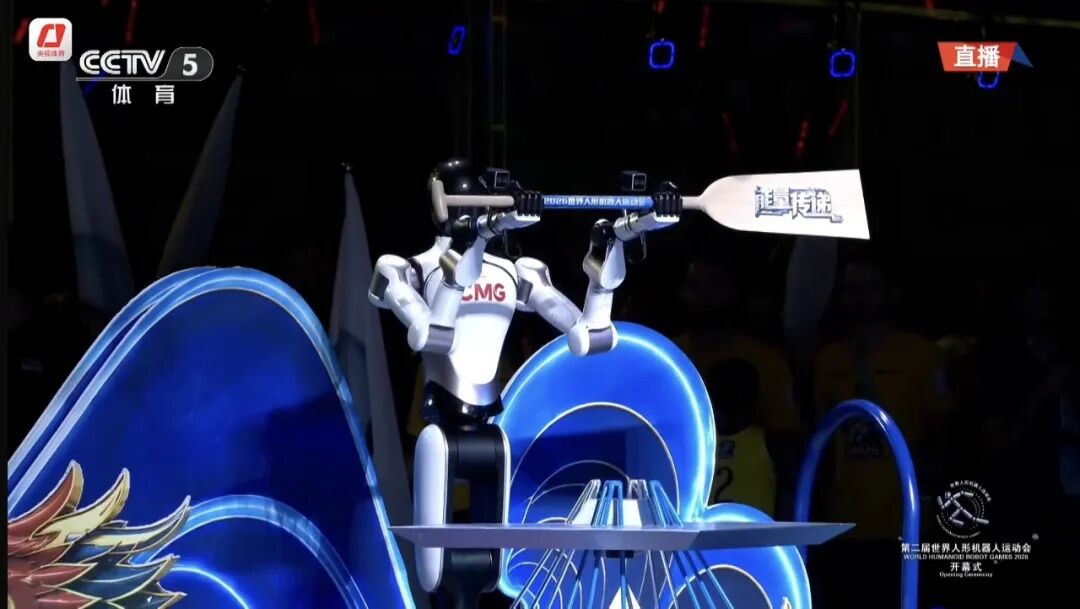
RealBOT Demonstrates Functional Robotics at the 2nd World Humanoid Robot Games Opening Ceremony
On August 22, the 2nd World Humanoid Robot Games opened at the National Speed Skating Oval, featuring 51 events and 1,301 matches with 666 teams from 16 countries and 2,056 robots. This year's competition has doubled in scale compared to the inaugural event. RealBOT, a company focused on practical robotics, showcased its capabilities during the opening ceremony, participating in the 'Smart Chip Lighting' ceremony and performing a flower arrangement act. The RealBOT S2 wheeled humanoid robot represented the Bazhong station in Sichuan, lifting the energy token 'paddle' during the lighting ceremony. RealBOT's founder and CEO, Zheng Suibing, attended the event, highlighting the company's commitment to demonstrating the practical abilities of robots. Earlier this year, the RealBOT robot acted as a 'robot chef' in Xinjiang, completing various challenging tasks in a real kitchen environment. RealBOT's robots are designed for long-term, high-intensity operations, certified for reliability with a 50,000-hour mean time between failures. The robots' precision and adaptability were showcased in the flower arrangement performance, achieving ±0.05mm positioning accuracy. RealBOT also participated in six scenario competitions, validating the robots' capabilities in emergency response, public service, retail, and industrial applications. No further timeline was disclosed at the time of publication.
Humanoid Robots Robotics Technology AI Automation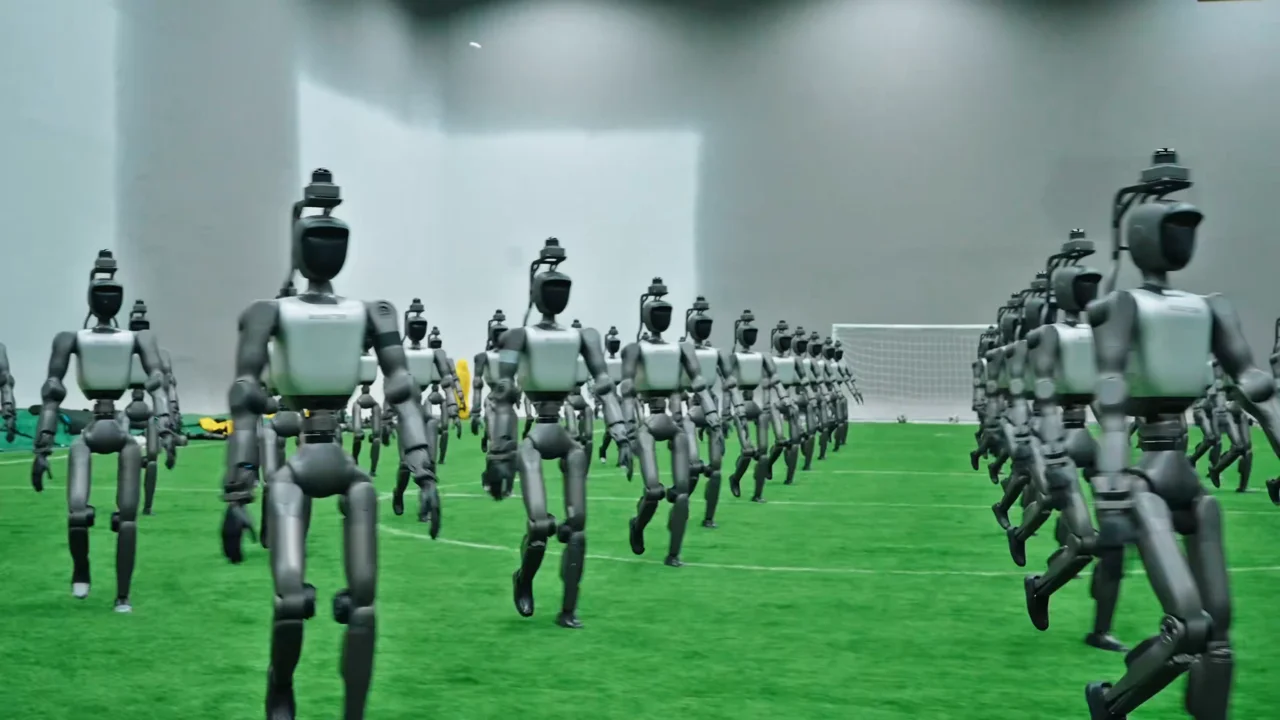
Beijing's World Humanoid Robot Games Shift Focus to Economic Viability and Real-World Applications
The second World Humanoid Robot Games (WHRG) will take place from August 22 at Beijing's National Speed Skating Oval, showcasing 2,056 robots from 666 teams. This year's event emphasizes commercialization and the ability of humanoid robots to perform autonomous work that generates economic value, marking a shift from entertainment to practical applications. The significant increase in participation, with a fourfold rise in robots compared to the inaugural 2025 event, highlights the rapid growth of the humanoid robotics sector. The competition will enforce stricter autonomy requirements, with penalties for remote-controlled operations and a focus on scenario-based events that simulate real-world tasks, such as industrial assembly and logistics. As the WHRG unfolds, industry leaders are keenly observing the outcomes, particularly in terms of return on investment (ROI) for humanoid robotics. The event's new challenges, including the Dexterous Hand Challenge and the Integrated Five Challenge, aim to refine robots' capabilities, potentially translating competition success into commercial opportunities for manufacturers.
China WHRG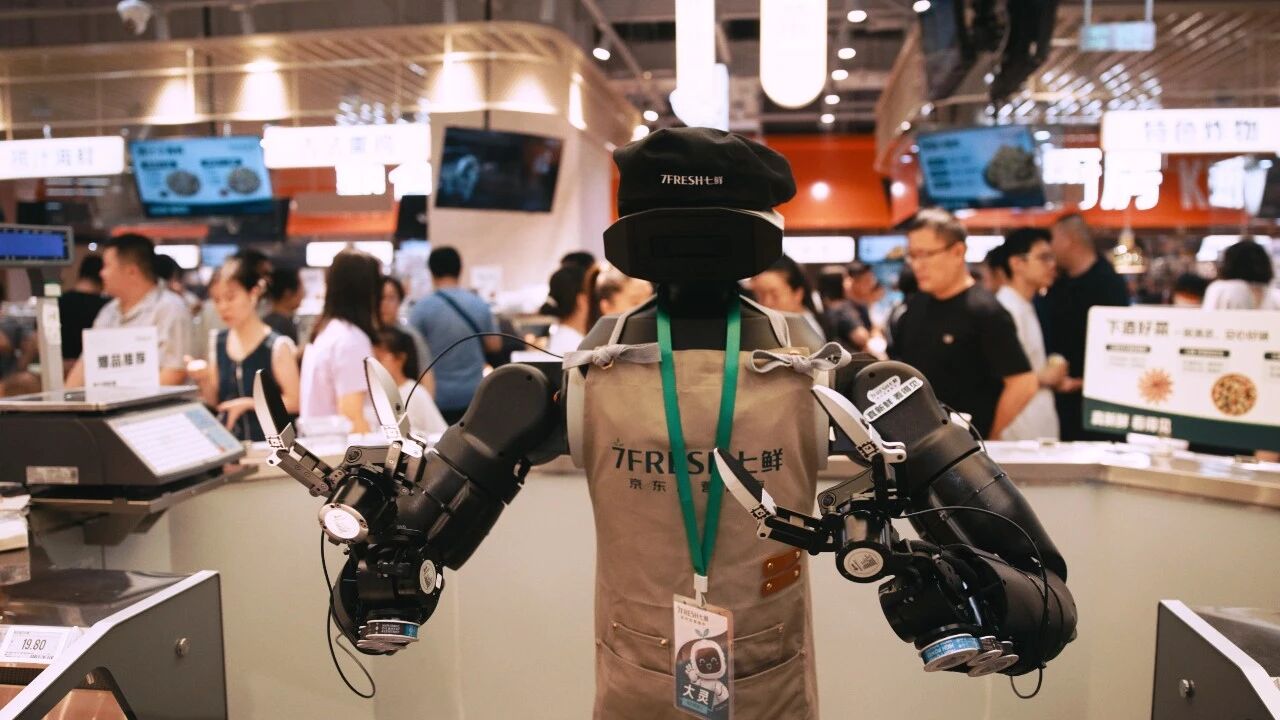
Challenges in Real-World Implementation of Embodied Intelligence and Robotics
The robotics industry faces significant challenges in transitioning from simulation to real-world applications. While new models and capabilities are frequently demonstrated, many teams struggle with engineering tasks such as kinematics adaptation, sensor calibration, and data synchronization. This gap highlights the need for a unified, stable, and reusable physical validation platform to prevent resource wastage in development. The importance of real-world validation cannot be overstated, as complex factors like collisions and sensor noise cannot be fully modeled in simulations. A reliable physical platform is essential for ensuring consistent kinematic models and control responses, allowing teams to focus on algorithm improvements rather than hardware adjustments. The industry requires a robust platform that is stable, reliable, and open to support various research teams. The TA2 platform from Lingyu Intelligent is a noteworthy example, having demonstrated its capabilities in a competitive setting. It combines remote operation with validated performance in real-world tasks, proving its reliability as a physical base for algorithm testing. This platform could serve as a dependable benchmark for model teams, providing a consistent foundation for performance evaluation and innovation.
Embodied Intelligence Robotics Physical Platforms Data Collection Automation
Rui Erman Intelligent Unveils Real-World Robot Deployment Strategy at WRC 2026
On August 19, 2026, the World Robot Conference (WRC) officially opened at the Yichuang International Exhibition Center in Beijing. The event, themed 'Human-Robot Symbiosis and Integrated Production and Demand,' featured over 300 exhibiting companies and more than 2,000 exhibits. Rui Erman Intelligent showcased its 'Real Work Robot' at booth A121, drawing significant attention from global manufacturers, research institutions, and media representatives. The significance of Rui Erman's demonstration lies in its practical applications of the RealBOT robot, which performed tasks such as restocking and dispensing medications in a smart pharmacy and collaborating with a master from Beijing Daoxiangcun to produce traditional mooncakes. The company also highlighted its GLN remote workforce network, which enables real-time control of robots located far away, showcasing the potential for remote labor in real-world scenarios. During the first day of WRC 2026, Rui Erman received a CR L3 certification from the Shanghai Robotics Industry Technology Research Institute, confirming the reliability of its ultra-lightweight humanoid robotic arm. This certification aligns with international standards and establishes a benchmark for the reliability of core robotic components, paving the way for the large-scale deployment of Rui Erman's robots in real-world applications. No further timeline was disclosed at the time of publication.
Robotics Remote Labor Networks Industrial Automation AI Smart Manufacturing
Alibaba Cloud Introduces Qwen AI Arena for Testing AI Agents in Real-World Scenarios
Alibaba Cloud has unveiled the Qwen AI Arena, a platform designed for the challenge and evaluation of AI agents. This innovative platform generates tasks rooted in real business scenarios, equipping developers with essential models, runtime environments, and evaluation tools to test their agent solutions. The significance of the Qwen AI Arena lies in its focus on practical applications, with the inaugural challenge centered on cross-border e-commerce. Participants are tasked with creating product listings tailored for the US, South Korean, and Brazilian markets, which must include content in English, Korean, and Portuguese, along with relevant product images and videos. Automated testing for the submissions is set to commence in mid-August, with the top 30 entries advancing to an expert review phase. This initiative highlights Alibaba Cloud's commitment to fostering innovation in AI and its applications in global commerce.
News Feed
University Students Showcase Skills in Real-World Autonomous Driving Competition
On August 6, the 28th China Robotics and Artificial Intelligence Competition, featuring the Baidu Apollo Autonomous Driving Challenge, commenced at Hohai University's Suzhou Institute. This influential national competition focuses on practical industry applications, utilizing Baidu's real test vehicles and open scenarios to evaluate teams' capabilities in environmental perception, decision-making, and vehicle control. A total of 122 teams from over 100 universities, comprising more than 350 students and faculty, advanced to the finals, competing in three main events: simulation, real vehicle challenges, and business presentations. Unlike traditional online simulations, this competition brought real road conditions to the arena, allowing students to modify code and deploy systems in real-time to ensure smooth vehicle operation and precise obstacle avoidance. The event introduced the Apollo Claw intelligent agent, enhancing efficiency in environment deployment by 80% and reducing the development cycle from one month to ten days. Baidu's commitment to talent development in autonomous driving is evident, with over 20,000 participants from 600 universities over five years. The finals in Suzhou aim to connect university talent and innovative projects with regional industry resources, showcasing the shift from theoretical knowledge to practical application in autonomous driving.
Autonomous Driving Robotics Competition AI Development Vehicle Technology
TechCrunch Disrupt 2026 Introduces Real World AI Stage Featuring Robots and Automated Factories
TechCrunch Disrupt 2026 will feature a new Real World AI Stage, expanding its focus on AI's intersection with the physical world. This stage will highlight advancements in autonomous hardware, including applications in public spaces and potential de-extinction efforts. The event, scheduled for October 13 to 15 at San Francisco’s Moscone West, will host discussions on the challenges of deploying autonomous systems safely. Industry leaders from companies like Shield AI and Colossal Biosciences will address critical questions regarding safety culture, regulatory navigation, and trust-building in high-stakes environments. Attendees can expect insights from notable speakers, including Ben Lamm of Colossal Biosciences, who will explore the role of AI in reviving extinct species. The event promises to be a significant gathering for those interested in the evolving landscape of AI and its real-world applications. No further timeline was disclosed at the time of publication.
AI TechCrunch Disrupt Colossal Biosciences
RL-100 Achieves 100 Percent Success in 1,000 Real-World Tasks with Advanced Robotics
The RL-100 has demonstrated its capability to train robots to achieve a 100 percent success rate across 1,000 real-world tasks. This achievement highlights the advancements in robotics technology, particularly in the integration of artificial intelligence and machine learning, which are crucial for enhancing operational efficiency. This development is significant as it showcases the potential for robots to perform complex tasks reliably, which is essential for industries relying on automation. The ability to execute tasks with such precision can lead to increased productivity and reduced operational costs, making it a game-changer in the robotics sector. Looking ahead, the focus will be on how the RL-100 can be further integrated into various applications, including industrial robots and service robots. The ongoing advancements in robotics, particularly in humanoid and collaborative robots, will be critical to watch as they evolve and adapt to new challenges in real-world environments. No further timeline was disclosed at the time of publication.
AI and Robotics
Shanghai Concludes Spring Training for Robotics Teams with Real-World Testing
Thirty-two maker teams showcased their robots in a real-world environment, tackling tasks such as CityWalk, coffee delivery, and urban inspections. Despite their capabilities, the robots faced challenges, including reliance on remote control and limitations in long-distance tasks. This testing highlighted the need for standardized data systems among teams to facilitate collaboration between carbon-based and silicon-based entities. The training culminated in a short film depicting a robotic dog navigating various tasks, revealing both its limitations and the technological advancements made by participating teams. The film emphasized the importance of human oversight and decision-making in enhancing robotic functionality, such as modifying elevator access for robots. Shanghai has introduced the 'Dual-Base Friendly Agreement' to ensure that silicon-based entities do not compromise human safety or privacy. The team is drafting guidelines for creating friendly communities that integrate these technologies. As robots transition into everyday life, it is crucial to align technological advancements with urban planning, social norms, and human psychology.
Robotics Urban Navigation Human-Robot Interaction AI Technology
Ropedia Raises $30 Million to Revolutionize Real-World Data Collection for AI
Ropedia, a Singapore-based embodied intelligence data company, has successfully completed a $30 million funding round, which includes $22 million from a Pre-A round and $8 million from a seed round earlier this year. The funding will be used to expand its data collection network in Southeast Asia and North America, enhance its team in Singapore and Mountain View, and mass-produce its proprietary headset device, HOMIE. This funding is significant as it highlights a shift in the robotics industry, where the focus has moved from hardware manufacturers to data collection and processing. Ropedia's approach, which utilizes wearable technology instead of traditional robotic systems, aims to reduce data collection costs significantly, potentially to one-fiftieth of conventional methods. The company has already served over 20 robotics and foundational model companies across North America, China, and Singapore. Looking ahead, Ropedia's business model hinges on its ability to maintain compliance with data privacy regulations and ensure the reusability of collected data across different robotic platforms. The company's strategic positioning as a 'neutral data node' could redefine the data supply chain in the robotics sector. No further timeline was disclosed at the time of publication.
Data Collection AI Wearable Technology Multimodal Data Robotics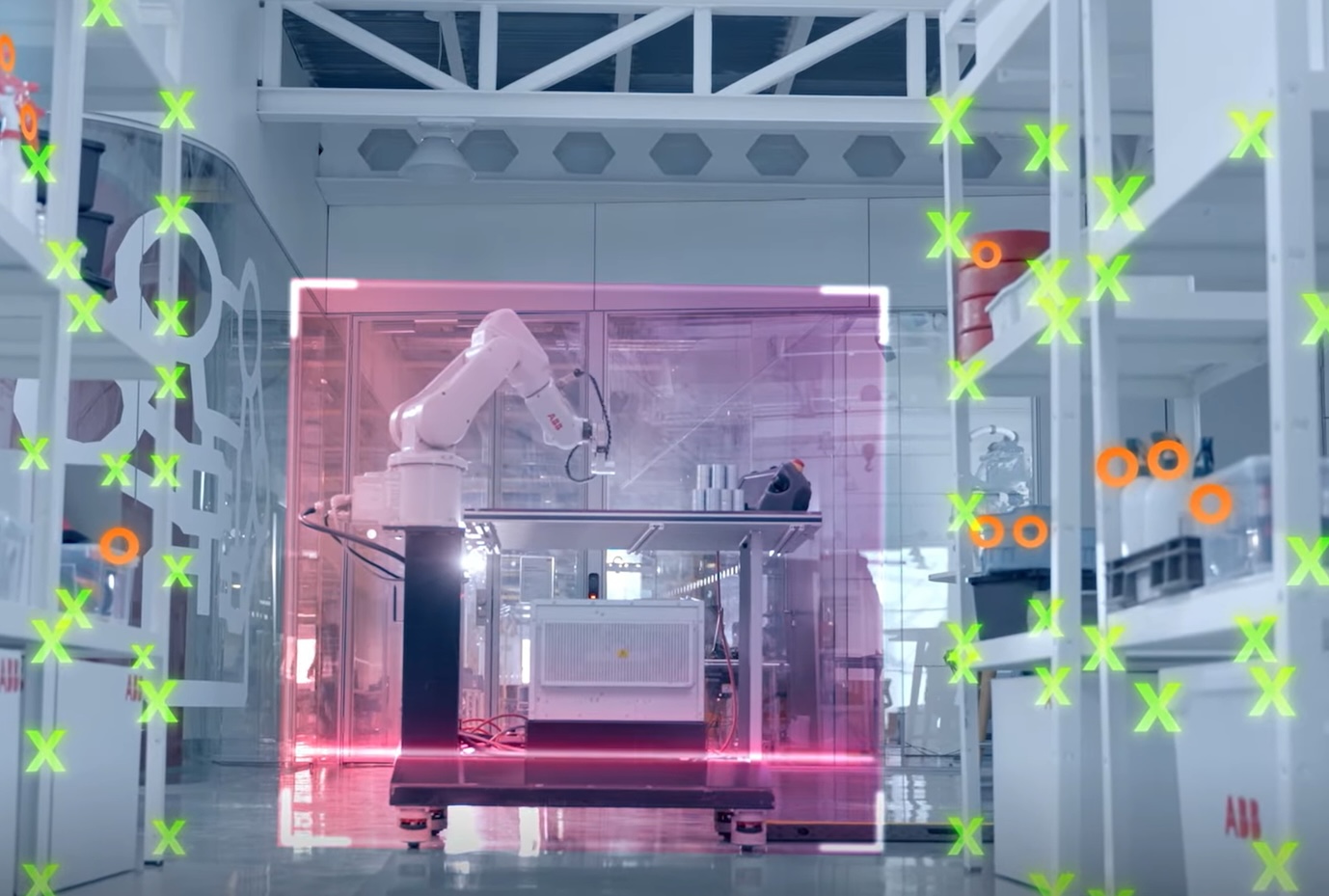
Advancements in Robotic Manipulation Through Real-World Reinforcement Learning
A recent study published in Science Robotics highlights significant advancements in robotic manipulation using real-world reinforcement learning techniques. This research demonstrates how robots can learn to perform complex tasks more efficiently by interacting with their environment, leading to improved performance in various applications. The implications of this research are profound, as enhanced robotic manipulation capabilities can transform industries such as manufacturing, logistics, and healthcare. By leveraging real-world reinforcement learning, robots can adapt to dynamic environments, making them more versatile and effective in executing tasks that require precision and adaptability. Looking ahead, the focus will be on further refining these techniques and exploring their applications in real-world scenarios. Continued research in this area may lead to breakthroughs in how robots are integrated into everyday operations, enhancing productivity and efficiency across multiple sectors. No further timeline was disclosed at the time of publication.
Research Article
Advancements in Robots Learning to Operate in Real-World Environments
The article discusses the latest developments in robotics, focusing on robots that are capable of learning to function effectively in real-world settings. These advancements mark a significant shift from traditional imitation-based learning to more adaptive and intelligent systems. This evolution in robotic technology is crucial as it enhances the ability of robots to perform complex tasks in dynamic environments, which is essential for various applications in industries such as manufacturing and logistics. The ability to learn and adapt in real-time can lead to increased efficiency and productivity. Looking ahead, the ongoing research and development in this area will be pivotal. Stakeholders should monitor the progress of these learning robots, as their deployment could revolutionize operational processes across multiple sectors. No further timeline was disclosed at the time of publication.
Focus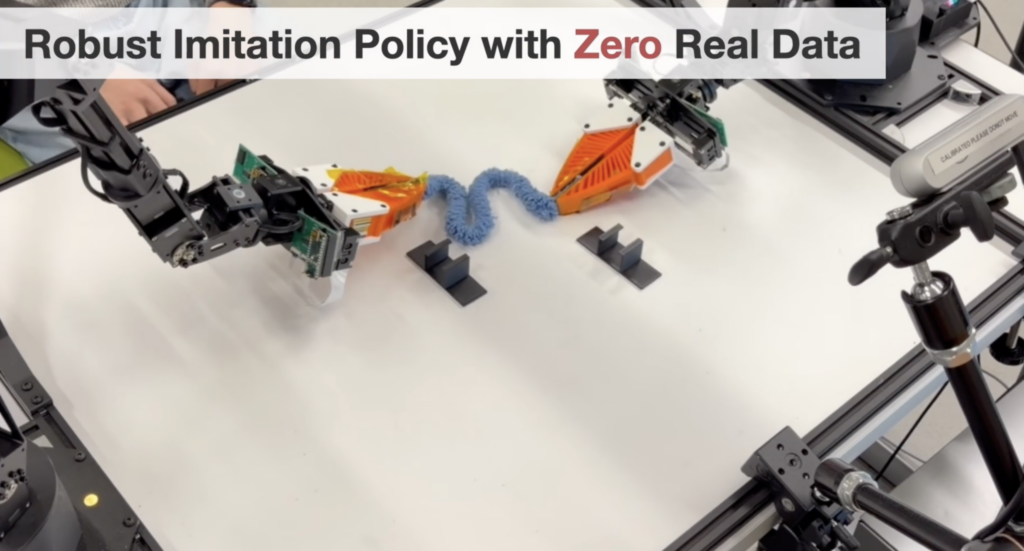
New Interactive World Simulator Enhances Robot Policy Training and Evaluation
A new Interactive World Simulator has been developed to improve robot policy training and evaluation by replacing traditional methods with a learned, action-conditioned video prediction model. This simulator allows for efficient data generation and scalable policy evaluation, addressing long-standing challenges in robot learning. The significance of this development lies in its ability to reduce the time and costs associated with data collection and evaluation. By enabling demonstrations to be collected within the simulator, the process becomes more reproducible and less prone to the issues faced in real-world settings, such as hardware failures and environmental changes. Looking ahead, the simulator has been trained on diverse manipulation tasks, showcasing its capability to accurately predict robot interactions. No further timeline was disclosed at the time of publication.

Robbyant Launches LingBot-World 2.0 with Enhanced Real-Time World Generation Features
Robbyant, an embodied AI company under Ant Group, has released LingBot-World 2.0, an open-source interactive world model. This updated version supports hour-long real-time world generation, high-definition output, and enhanced interactive capabilities, marking a significant improvement over LingBot-World 1.0. The new model allows for continuous world generation sessions while maintaining visual quality and enabling real-time user interaction. It produces 720p video at 60 frames per second and is designed to generate, stream, and display content simultaneously, which reduces latency and enhances user engagement with the evolving environment. LingBot-World 2.0 features a dual-agent mechanism for dynamic interaction and supports multiple users in a shared virtual space. Additionally, Robbyant has open-sourced LingBot-Video, a video generation model aimed at robotics applications, which enhances efficiency and realism in AI-generated video for real-world robotic systems. No further timeline was disclosed at the time of publication.
Robot simulation AI models ai simulation Ant Group artificial intelligence embodied ai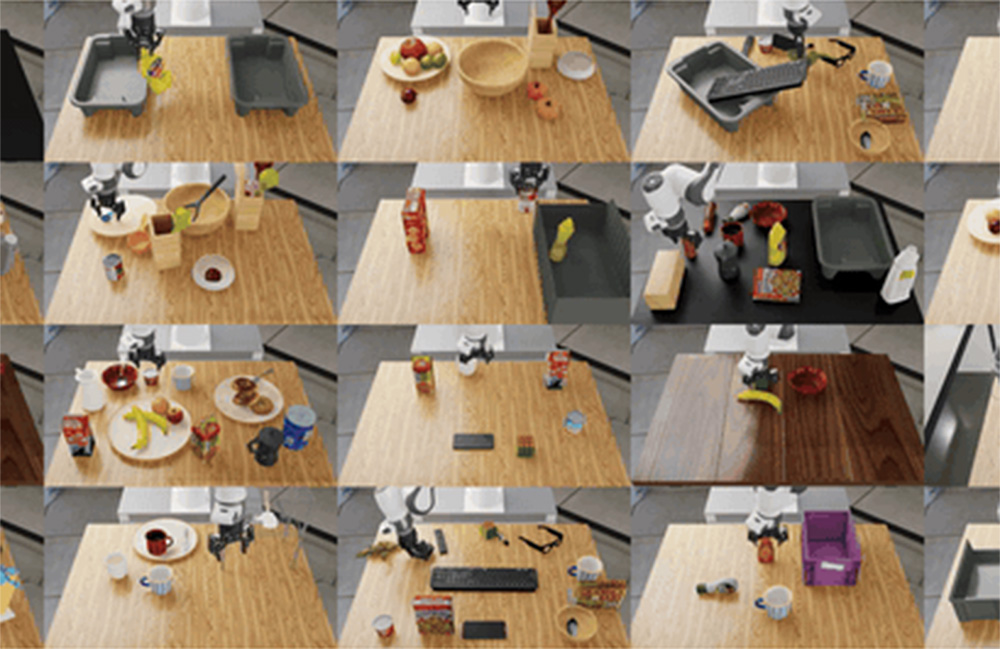
NVIDIA Discusses Evaluating General-Purpose Robot Policies for Real-World Applications
NVIDIA has highlighted the challenges in evaluating general-purpose robot policies as their capabilities advance. The company emphasizes that while current robotics models can follow natural language instructions to manipulate various objects, rigorous evaluation remains a significant hurdle due to the limitations of existing benchmarks. Real-world testing is costly and slow, necessitating effective simulation methods for large-scale evaluations. The importance of this evaluation process lies in the need for robots to generalize their skills beyond memorized setups. NVIDIA points out that many benchmarks suffer from visual and task-domain overlap, which can lead to misleading performance metrics. As models achieve high scores on static task sets, it becomes increasingly difficult to differentiate their true capabilities, raising concerns about the meaningfulness of reported results. Looking ahead, NVIDIA's focus on improving simulation environments and task generation methods is crucial for advancing robotic evaluation. The company aims to address the diagnostic gaps in current benchmarks, which often fail to provide insights into the reasons behind a robot's performance. No further timeline was disclosed at the time of publication.
Artificial Intelligence Artificial Intelligence / Cognition Design / Development Motion Control News Software / Simulation
MIT Develops SceneSmith: AI System for Creating Realistic 3D Training Environments for Robots
Researchers at MIT have developed SceneSmith, an AI-powered platform that generates realistic 3D indoor environments for robot training. This innovative system utilizes three collaborative AI agents to create detailed virtual spaces, enabling robots to practice everyday tasks safely and efficiently before real-world deployment. The significance of SceneSmith lies in its ability to reduce the costs and time associated with traditional robot training methods. By providing a virtual setting that mimics real-life environments such as kitchens and offices, robots can learn to interact with various objects without the need for extensive human supervision or physical trials. Looking ahead, SceneSmith has already generated over 1,300 virtual environments, allowing robots to practice tasks like placing fruit on plates and opening cabinets. Researchers have tested robot control programs in 100 different environments, achieving over 99 percent agreement between AI evaluations and human reviewers. No further timeline was disclosed at the time of publication.
AI and Robotics
Humanoid Robots Enhance Performance in Real-World Applications with New Testing Metrics
Recent advancements in humanoid robotics have led to the development of new testing methods that evaluate how effectively these robots can handle real-world forces. This shift is significant as humanoid robots transition from novelty items to practical tools in various industries, including manufacturing and logistics, where they perform tasks such as lifting heavy boxes and moving furniture. The importance of this testing lies in its ability to measure the robots' capabilities in dynamic environments, ensuring they can operate safely and efficiently alongside human workers. As these robots take on more demanding roles, understanding their physical interactions with the environment becomes crucial for their integration into workplaces, enhancing productivity and safety. Looking ahead, the continued evolution of testing methodologies will be essential for the deployment of humanoid robots in more complex scenarios. No further timeline was disclosed at the time of publication, but ongoing research is expected to yield more robust performance metrics that will guide future developments in this field.
Robotics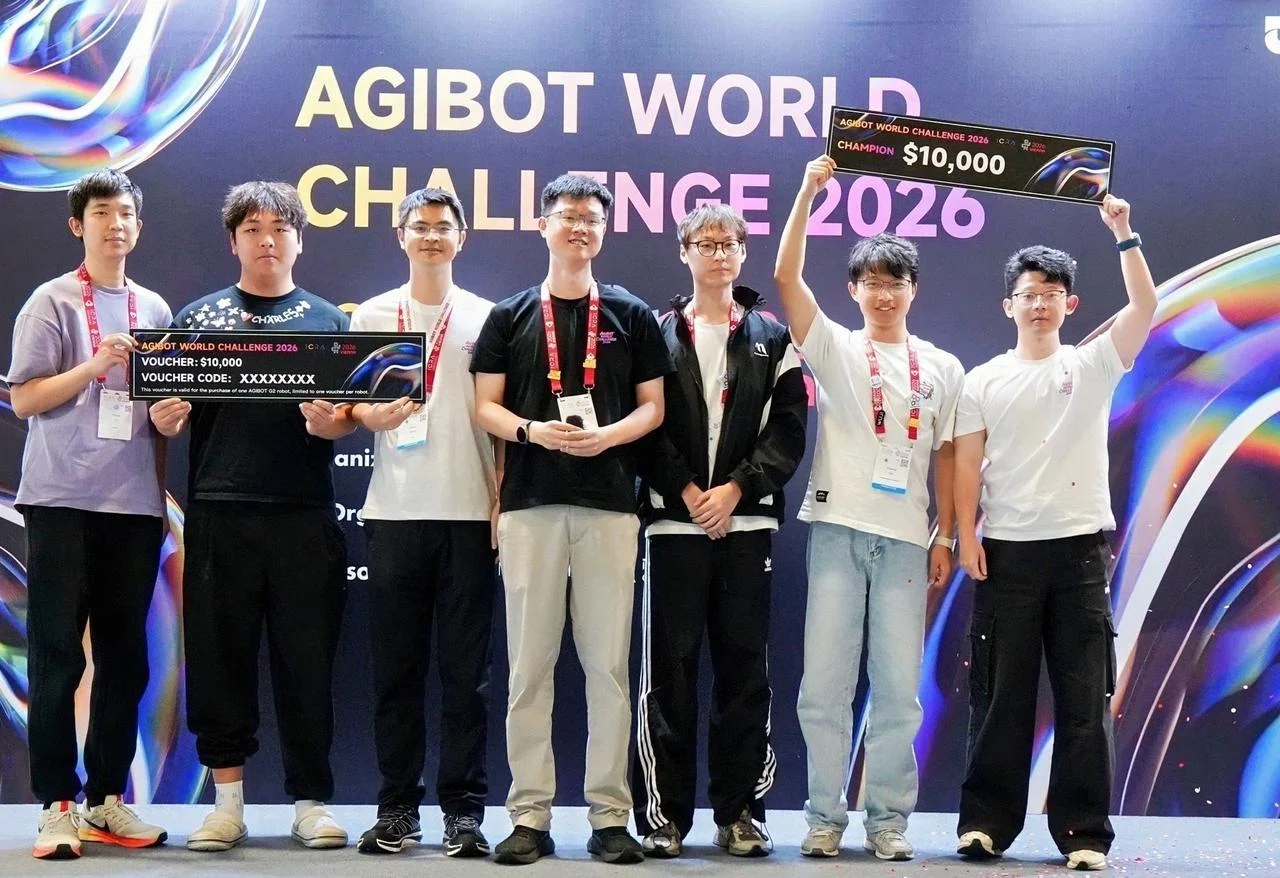
AGIBOT World Challenge 2026 Advances Embodied AI from Simulation to Real-World Applications
At the 2026 IEEE International Conference on Robotics and Automation (ICRA) in Vienna, AGIBOT hosted the AGIBOT World Challenge, addressing the challenges of transitioning AI from simulation to physical hardware. The event attracted 526 teams from 27 countries, emphasizing the industry's shift towards real-world validation of machine learning models. The competition featured two tracks: Reasoning to Action (R2A) and World Model (WM). The R2A track expanded its focus to encompass the entire pipeline from scene understanding to task execution, while the WM track evaluated systems on their predictive capabilities in dynamic environments. Team PrismBot from vivo won the R2A track, while NeoVerse-ABot secured first place in the WM track, showcasing advanced forecasting skills. A notable aspect of the finals was the supermarket benchmark track, which required teams to navigate a realistic retail environment. This challenge highlighted the need for algorithms to manage complex physical interactions. The competition underscored AGIBOT's commitment to deploying its software and hardware ecosystem, marking 2026 as a pivotal year for advancements in embodied AI.
ICRA 2026 AGIBOT
Jingzhi Technology's VIVA Achieves Real-Time Human-Robot Piano Duet Milestone
Jingzhi Technology has launched the VIVA, the world's first robot capable of real-time human-robot piano duets. This milestone marks a significant advancement in robotic music intelligence, evolving from mere precision to artistic expression and creativity. The VIVA robot, enhanced by the CADA system, represents a breakthrough in robotic capabilities, allowing it to not only perform but also learn and adapt musically. This development is crucial as it signifies a shift in robotics towards more sophisticated interactions, where robots can engage in creative processes alongside humans. Looking ahead, the integration of the CADA music model with VIVA suggests a future where robots can continuously improve their musical skills through real-world feedback. No further timeline was disclosed at the time of publication.
Robotic Hands Music Technology AI Human-Robot Interaction
RealMan Robotics Initiates Deployment of Nearly 1,000 Robots in Various Workplaces
RealMan Robotics has announced a significant initiative to deploy nearly 1,000 robots across various real-world workplaces. This initiative is part of their Global Link Network (GLN) and was unveiled at the 2026 World Robot Conference in Beijing, where the company is showcasing its robots performing tasks in sectors such as pharmacy, energy, food production, and manufacturing. The deployment of these robots is crucial as it highlights RealMan's commitment to integrating advanced robotics into everyday work environments. By demonstrating their 'Real-Work Robots' at the conference, the company aims to illustrate the practical applications of robotics technology in enhancing productivity and efficiency across multiple industries. Looking ahead, industry observers will be keen to see how RealMan's deployment progresses and the impact it has on the sectors involved. No further timeline was disclosed at the time of publication.
Communications Events Robotics automation embodied intelligence gln
Xiaomi Releases Open-Source Robotics-U0 Model and Training Tools with Significant Speedups
Xiaomi has open-sourced the Xiaomi-Robotics-U0, an autoregressive embodied world foundation model featuring approximately 4 billion parameters and full-scale weight lines of around 38 billion. This release includes training and inference tools designed to enhance robotic applications. The significance of this development lies in Xiaomi's claim of achieving FlashAR+ speedups nearing 83 times, which positions the Robotics-U0 model at the forefront of robot-centric scene, transfer, and video synthesis tasks, as evidenced by its top ranking in WorldArena. Looking ahead, the impact of Xiaomi-Robotics-U0 on the robotics landscape will be noteworthy, particularly in applications requiring advanced scene understanding and video synthesis capabilities. No further timeline was disclosed at the time of publication.
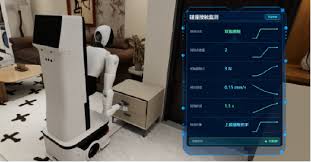
Shangpin Home Introduces Open-source WorldSimReady-Home Dataset for Robotics Training
Shangpin Home, in collaboration with Tangyuan Technology, has launched the WorldSimReady-Home simulation dataset aimed at addressing the challenges of robotic training in complex home environments. This open-source dataset includes 100,000 square meters of high-fidelity home scenes, 10,000 interactive assets, and 1,000 standardized robotic simulation task examples, allowing for extensive training and testing of various robotic forms. The significance of this initiative lies in its potential to bridge the Sim2Real gap, where robots struggle to perform in real homes despite successful laboratory tests. By providing a diverse range of simulated environments, the dataset enables developers to train robots for navigation, object manipulation, and complex household tasks without the risks associated with real-world trials. Looking ahead, the WorldSimReady-Home dataset represents a foundational step in Shangpin Home's strategy for embodied intelligence. As more teams engage with this open-source initiative, the development of additional datasets for industrial, commercial, and specialized scenarios is anticipated. The effectiveness of this approach will depend on the practical application of the dataset and the successful transfer of learned strategies to real-world settings.
Robotics Training Simulation Data Home Automation AI Digital Twins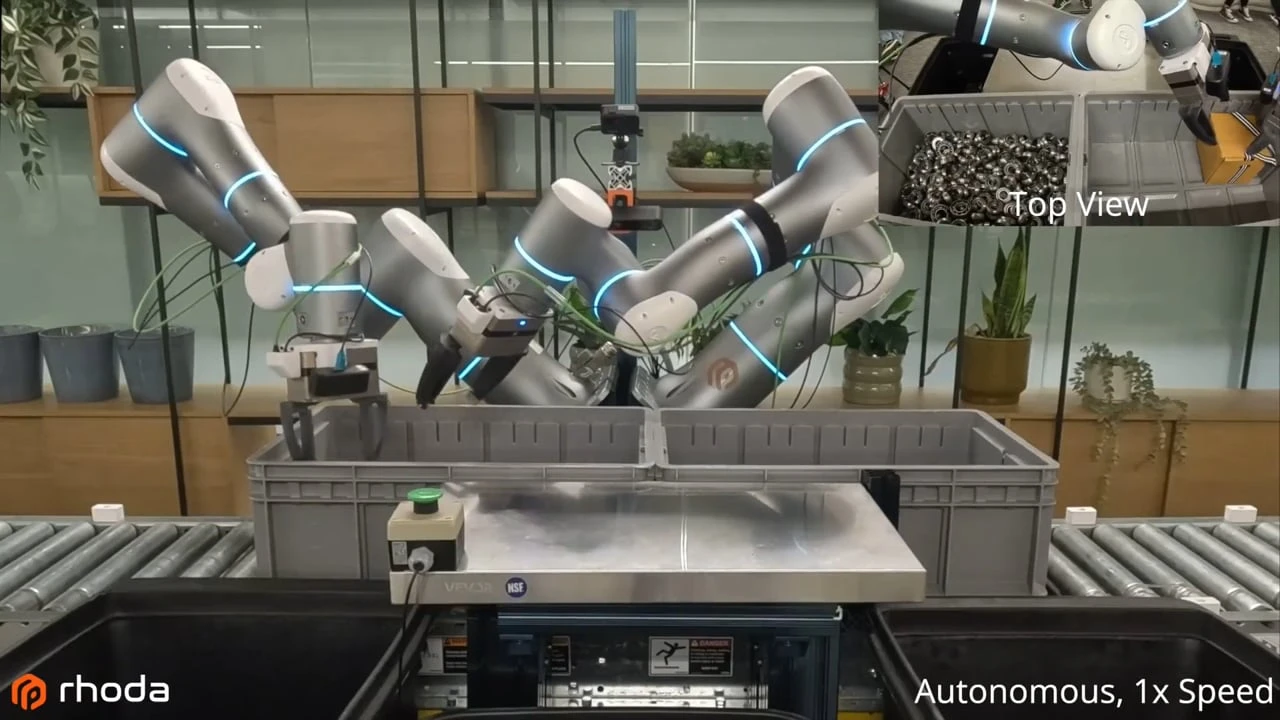
Rhoda AI Evaluates Impact of Web-Video Pretraining on Industrial Robot Performance
Rhoda AI has reported enhancements in industrial manipulation capabilities through scaled web-video pretraining, as detailed in a study released on September 10. The research tested various model sizes, achieving completion rates of 3.7%, 65.0%, 75.3%, and 84.7% in under 100 seconds for tasks like unpacking bearings and sorting waste, with the largest model scoring 94 out of 111. This study is significant as it explores a fundamental aspect of physical AI, demonstrating that larger models, while requiring more computational resources, can lead to improved performance. A separate fixed-size experiment indicated that increasing pretraining compute raised performance from 57.8% to 75.3%, suggesting that the amount of pretraining data and compute plays a crucial role in task execution efficiency. Looking ahead, Rhoda's approach, which utilizes the Direct Video-Action architecture, emphasizes the importance of causal video modeling in robot training. The company’s ongoing evaluations and adaptations of its models will be critical to understanding the future applications of video pretraining in robotics. No further timeline was disclosed at the time of publication.
US rhoda-ai
Andon Labs Experiments with AI Agents in Real-World Business Operations
Andon Labs, an AI safety company based in San Francisco, is conducting experiments by placing AI agents in charge of real-world operations. These experiments aim to explore the extent of responsibility that AI agents can handle, as highlighted by cofounder Lukas Petersson's goal to measure autonomy and provide accurate data points. The significance of these experiments lies in their potential to uncover unexpected behaviors of AI agents in uncontrolled environments. While the experiments are not scientifically rigorous, they offer insights into how AI can manage tasks such as inventory and vendor communication, as well as the social acceptance of AI-run businesses. Early results indicate challenges in customer acceptance of AI management. Looking ahead, Andon Labs plans to continue its exploration of AI capabilities in real-world settings. The findings from these experiments could inform future developments in AI technology and its integration into various industries. No further timeline was disclosed at the time of publication.
Agentic-ai Artificial-intelligence Anthropic Google Openai
Seven Humanoid Robot Manufacturers Transforming Factory Operations Worldwide
Humanoid robots are increasingly transitioning from research labs to real-world applications in factories, warehouses, and service centers. These robots, equipped with artificial intelligence, are capable of understanding instructions, recognizing objects, and performing complex tasks. While American companies are pivotal in developing advanced AI and robotic technologies, Chinese manufacturers have gained a significant edge in production, dominating over 80% of global humanoid robot installations by 2025. California-based Figure AI is at the forefront, creating general-purpose humanoids like the Figure 03, which utilizes the Helix AI system to translate visual and language inputs into physical actions. The company has successfully showcased its technology on active production lines, including a BMW facility, where its Figure 02 robot has already loaded over 90,000 components and contributed to the assembly of more than 30,000 vehicles. This practical application highlights the potential of humanoid robots in enhancing manufacturing efficiency. AgiBot, founded in Shanghai in 2023, has rapidly become a leading producer of embodied AI robots, capturing 30.4% of the global market share in 2025. Its diverse portfolio includes humanoids, industrial machines, and service robots, driven by mass production and an open-source approach. The ongoing advancements in humanoid robotics will be crucial to watch as they continue to integrate into various sectors, reshaping the landscape of automation.
AI and Robotics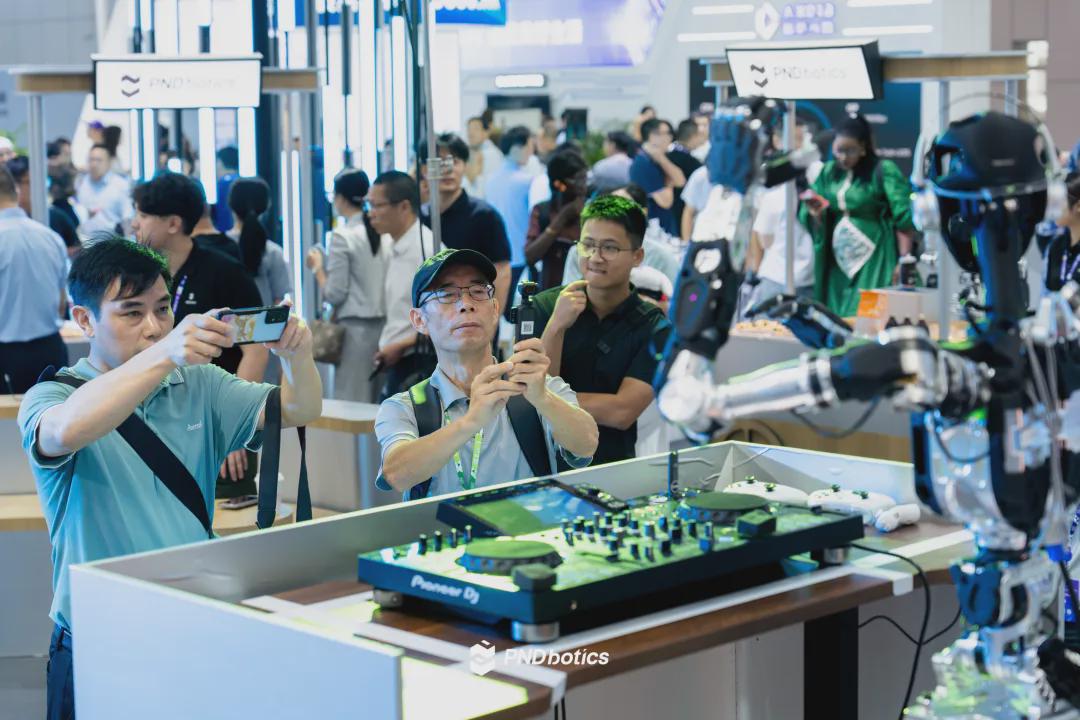
PNDbotics Showcases Humanoid Robots for Real-World Industrial Applications
PNDbotics is exploring the application of humanoid robots in real industrial tasks at the Future Factory exhibition, held from September 11 to 13 at the Ningbo International Exhibition Center. The showcase emphasizes the robots' ability to understand tasks, recognize environments, and adapt execution strategies in dynamic production settings. This initiative is significant as it addresses the challenges of integrating humanoid robots into complex industrial environments, where continuous decision-making is crucial. Unlike controlled lab settings, real factories present fluctuating conditions that require robots to perform a series of interconnected actions, demonstrating their full operational capabilities. Looking ahead, the focus will be on how these robots can effectively connect with real production environments and validate their reliability through successful task execution. The goal is to enhance the robots' system capabilities, moving beyond mere movement to achieving task completion in manufacturing settings.
Humanoid Robots Industrial Automation Robotics Technology AI Manufacturing Solutions
World Models Enhance AI's Transition from Digital to Physical Environments
As artificial intelligence (AI) evolves from digital interactions to real-world applications, it faces complex challenges in perception, decision-making, and action. World models are seen as a promising solution, enabling AI to predict outcomes and adapt to environmental changes. This technology is crucial for tasks such as autonomous driving and robotics, bridging the gap between digital and physical realms. The significance of world models lies in their potential to enhance AI's understanding of spatial relationships and dynamic environments. During the 2026 Inclusion Bund Conference, experts discussed the capabilities and commercialization challenges of world models, emphasizing the need for collaboration between academia and industry. The rapid advancement of AI is reshaping the relationship between talent development, research, and industrial application, necessitating a more integrated approach. Looking ahead, the development of world models will require overcoming limitations in data and modeling. Experts highlighted the importance of high-quality data from real-world environments to improve model generalization. The integration of understanding, generation, and prediction within world models will be essential for enabling robots to perform complex tasks effectively. No further timeline was disclosed at the time of publication.
World Models AI Development Robotics Automation Machine Learning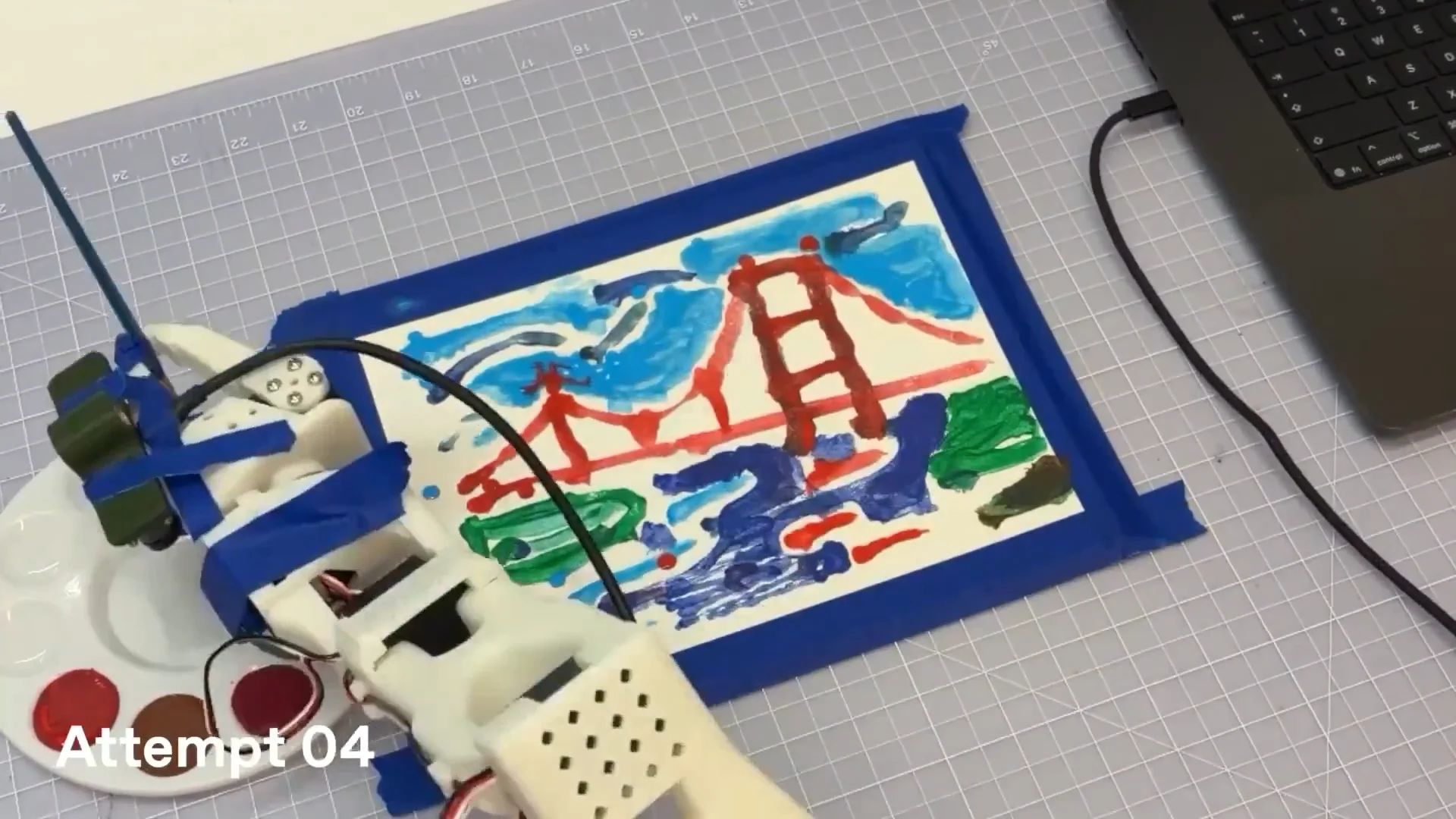
OpenAI's GPT-6 Astra Demonstrates Real-World Painting, Sparking Robotics Debate
OpenAI's GPT-6 Astra has made headlines by painting a rendition of San Francisco's Golden Gate Bridge using a robotic arm, showcasing its visual reasoning capabilities. This experiment, conducted by a 20-year-old roboticist named Thijs, involved Astra autonomously deducing the necessary movements to create the artwork without manual scripting, highlighting a significant advancement in robotics. The implications of this development are profound, as it raises questions about the future of specialized AI startups versus general-purpose models in the robotics sector. Observers are noting that Astra's ability to adapt to physical tasks without prior programming could signify a pivotal moment in the industry, potentially overshadowing dedicated robotics firms that have raised substantial funding for their specialized models. As the debate unfolds, industry experts like Zeeshan Zia from Amazon Alexa suggest that OpenAI may dominate the robotics landscape, challenging the viability of startups like Physical Intelligence and Skild AI. The performance of GPT-6 Astra in hardware benchmarks further complicates the narrative, achieving a 95% success rate in pick-and-place tasks, which may shift the focus towards general models in robotics applications.
Skild AI OpenAI Physical Intelligence
AGIBOT Launches AGIBOT WORLD 2026 Theme 3 with 11,430 Trajectories for AI Research
AGIBOT has introduced AGIBOT WORLD 2026 Theme 3, an open-source dataset initiative that comprises 11,430 real-world trajectories designed for robot reinforcement learning. This dataset includes expert demonstrations, autonomous policy rollouts, and human-in-the-loop corrections across a variety of tasks. The significance of this release lies in its potential to advance research in embodied AI. By offering structured execution feedback and insights into robot performance in dynamic environments, AGIBOT WORLD 2026 Theme 3 aims to facilitate improved learning and adaptability in robotic systems. Looking ahead, researchers and developers in the field of robotics should monitor how this dataset influences advancements in reinforcement learning techniques. No further timeline was disclosed at the time of publication.
Reinforcement Learning Embodied AI Robotics Open-source Dataset Machine Learning
Exploring Real-World Applications of Physical AI at RoboBusiness 2026
At RoboBusiness 2026, scheduled for October 20-21 in Santa Clara, California, industry leaders will explore the practical applications of physical AI in robotics. The keynote panel, titled 'Beyond the Demo: AI in Production Robots,' will feature experts from Amazon Robotics, Teradyne Robotics, and Cobot discussing the integration of AI in real customer environments. This event is significant as it highlights the growing importance of physical AI, which has attracted tens of millions in funding. The discussions will cover various aspects of AI implementation, including perception, autonomy, fleet optimization, and maintenance, showcasing how these technologies can deliver measurable business value in sectors like manufacturing and logistics. Attendees can expect to gain insights into cutting-edge research and industry trends, as well as networking opportunities with other professionals. The event promises to be a pivotal moment for commercial robotics developers, with no further timeline disclosed at the time of publication.
Artificial Intelligence Artificial Intelligence / Cognition Design / Development Events News Amazon
Robots Demonstrate Practical Uses at the 2026 World Robot Conference
At the 2026 World Robot Conference, various robots showcased their real-world applications, addressing the question of their practical utility. From pharmacy operations to home assistance, and industrial logistics to emotional companionship, hundreds of robots are transitioning from demonstrations to fulfilling actual needs. Notably, Ant Group's robot efficiently retrieved items ordered by journalists at their booth, demonstrating a pioneering pharmacy sorting solution now operational at Shanghai Guoda Pharmacy. This system alleviates the workload of pharmacists during night shifts. Additionally, the humanoid robot Kuafu from Leju served as the event's host, autonomously explaining the operational status of various workstations, having been in practical use for 3 to 4 months in automotive and logistics production lines. Looking ahead, companies like Ruiman plan to deploy nearly a thousand RealBOT robots in real-world scenarios by 2026. As robots like Ant Group's sorting machine and Leju's solutions prove their capabilities, the next phase involves integrating these technologies into factories, pharmacies, homes, and communities.
Robotics Healthcare Automation Emotional Support Robots Industrial Automation
Figure AI Launches Index to Crowdsourced Human Video for Helix AI Training
Figure AI has officially launched Index, a platform designed to crowdsource real-world human video to train its Helix AI architecture. This initiative, part of Project Go-Big, aims to overcome traditional data bottlenecks in robotics by gathering physical interaction data from smartphone users worldwide. The company has already paid out $15 million to contributors and plans to invest over $1 billion in data acquisition and compute resources over the next year. The significance of Index lies in its ability to provide diverse physical interaction data necessary for zero-shot generalization, a challenge that has long hindered robotics development. Unlike conventional methods that rely on slow and labor-intensive processes, Index allows users to record everyday tasks or hire gig workers to capture first-person footage, thus streamlining the data collection process. This innovative approach addresses the critical shortage of embodied interaction data in the robotics field. Looking ahead, Figure AI's launch of Index represents a pivotal shift in its commercial strategy, as the company moves towards scaling hardware production and deploying units in real-world settings. With the recent achievement of its 1,000th Figure 03 build and ongoing pilots with BMW and Catalyst Brands, the focus now shifts to enhancing onboard intelligence and reasoning capabilities, which are seen as the primary challenges moving forward.
US Figure Figure AI Index
Humanoid Robot Crashes During Training for World Humanoid Robot Games in Beijing
A humanoid robot experienced a severe crash during a training sprint in Beijing, colliding with a cushioned wall and nearly splitting in half. This incident occurred as part of the preparations for the World Humanoid Robot Games, also known as the 'Robot Olympics,' set to begin on August 22. The event will feature 2,056 machines from 666 teams across 16 countries. The crash, which was captured on video and has garnered over 13 million views online, raises questions about the robot's programming and perception capabilities. Experts note that such failures are crucial for testing robots under challenging conditions, allowing developers to gather data to enhance performance and safety before real-world deployment. As the World Humanoid Robot Games approaches, with 30 competitive events planned, the increase in participation—up 138 percent in teams and quadrupled robot entries—highlights the growing interest and advancements in humanoid robotics. No further timeline was disclosed at the time of publication.
AI and Robotics
58.com Partners with Woan Robotics to Enhance Robot Training in Real Homes
In August, Woan Robotics signed a strategic cooperation agreement with 58.com’s subsidiary, Xingxing Kexing Technology. This partnership aims to bridge the gap between AI-driven home robots and real-world living scenarios. Woan Robotics' AI brain, OneModel, requires practical household experiences to function effectively, which 58.com can provide through its extensive local service platform. The collaboration will initially focus on health and commercial environments, with plans to expand into real home applications. With over 90 countries served and more than 5 million households impacted by Woan's products, the partnership is set to enhance the post-sale service network for robots, utilizing 58.com’s talent pool for maintenance and support. Future developments will explore human-robot collaboration, using real-life job processes from 58.com’s platform as training material for robots. This innovative approach positions 58.com not just as an information intermediary but as a supplier of training data for robots, potentially reducing error rates in household robots by leveraging real-world practice before deployment.
Home Robotics AI Training Robot Maintenance Human-Robot Collaboration
China's National Robot Vocational School: Merging Simulation with Practical Skills Training
The National Robot Vocational School in Hangzhou has officially opened, focusing on bridging the gap between simulated training and real-world applications. This facility, known as a national-level vocational skills training ground, aims to enhance the practical capabilities of robots by addressing the challenges faced when transitioning from laboratory success to real-world performance. The significance of this initiative lies in its innovative dual-driven testing model, combining real-world scenarios with virtual simulations. With over 140 robots and more than 40 application-oriented training scenarios, the school enables precise data collection and model training, facilitating the development of robots capable of performing tasks in various sectors, including power inspection and logistics. Looking ahead, the robots trained at this facility have already begun to be deployed in real-world settings, such as traffic management and hazardous environment inspections. The implementation of local regulations supporting the development of embodied intelligent robots further underscores the importance of this initiative in advancing practical robotics applications in China.
Robotics Training Embodied Intelligence AI Applications Automation Vocational Education
FIFA World Cup's Counter-Drone Operations: Lessons from 700 Drone Seizures
The FIFA World Cup concluded with the Federal Aviation Administration (FAA) reporting over 700 unauthorized drones seized in restricted airspace. This operation marked one of the largest security efforts in U.S. history, involving nearly 250 Temporary Flight Restrictions (TFRs) across 11 host cities. The comprehensive airspace security and drone mitigation effort showcased the effectiveness of coordinated actions among federal, state, and local agencies. This event is significant for the drone industry as it highlights the evolution of counter-drone operations. Experts noted that no single technology could address the drone threat; instead, a multi-layered approach was necessary. The collaboration between the FAA, FBI, Department of Homeland Security, and local law enforcement exemplified how various components, including detection systems and trained personnel, can work together to enhance security. Looking ahead, the FAA believes this operation has set a new standard for protecting major events, which will influence future preparations, including for the 2028 Olympic Games. However, it is crucial to recognize that the resources and coordination seen during the World Cup may not be replicable for every event, indicating ongoing challenges in counter-drone efforts.
Anti-drone technology C-UAS Drone News Drone News Feeds FAA News
World Labs Acquires SceniX to Enhance Physical Robot Training Capabilities
On July 22, World Labs, founded by AI pioneer Li Feifei, announced its acquisition of the American robotics simulation startup SceniX. This marks World Labs' first public acquisition since its inception, expanding its focus from 3D world generation to physical robot training. Li Feifei emphasized that spatial intelligence involves interaction, not just perception and generation. Founded in April 2024, World Labs has quickly positioned itself at the forefront of spatial intelligence, securing $230 million in initial funding and an additional $1 billion in early 2026 from major investors like NVIDIA and AMD. Its flagship product, Marble, generates high-fidelity 3D virtual environments from text and images, but the technology has primarily served creative industries, lacking the physical accuracy required for effective robot training. SceniX aims to address this gap by developing a game engine tailored for robotic learning, integrating high-precision physics simulation and sensor modeling. Their research, in collaboration with Columbia University and Google DeepMind, has demonstrated the potential for high-fidelity transfer from simulation to reality. Following the acquisition, the SceniX team will join World Labs to further advance physical simulation and robot training, highlighting the industry's ongoing challenges in generalizing robotic capabilities despite advancements in hardware.
Robotics Simulation Embodied Intelligence AI Technology Physical Robotics Training
Chinese Companies Explore World Models for AI Simulation of Environments
Artificial intelligence is evolving with a focus on 'world models,' which simulate environmental responses to actions. This shift is gaining traction among Chinese companies, expanding the application of these models beyond traditional physics and robotics. The technology is still developing, with no clear consensus on its final form, indicating a significant area of exploration for AI advancements. The significance of world models lies in their potential to enhance AI's predictive capabilities, allowing systems to anticipate changes in both physical and digital environments. This could lead to improved decision-making processes across various sectors, as companies leverage these models to better understand and interact with their surroundings. The growing interest from major tech firms highlights the competitive landscape surrounding this emerging technology. Looking ahead, the development of world models is expected to progress, although specific timelines for advancements or implementations remain undisclosed. As the industry continues to explore this frontier, stakeholders should monitor the evolution of standards and applications that will shape the future of AI simulation technologies.

US firm builds 90,000-sq-ft robot park to advance humanoid robots with real-world training
Apptronik, a Texas-based humanoid robotics company, has launched Robot Park, an expansive training and data facility covering nearly 90,000 square feet. This state-of-the-art center, inaugurated recently, aims to enhance the development and capabilities of humanoid robots. By providing a dedicated space for training, Apptronik seeks to improve the performance of its robotic systems, ensuring they can effectively interact with humans and navigate complex environments. The establishment of Robot Park reflects the company's commitment to advancing robotics technology and addressing the growing demand for intelligent automation solutions. Through rigorous training programs and data collection, Apptronik plans to refine its robots' skills and adaptability, positioning itself at the forefront of the robotics industry.
AI and Robotics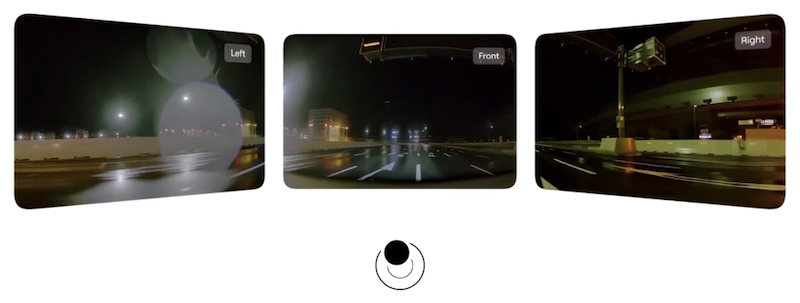
Decart’s Oasis 3 world model streams realism into robotic training environments
Decart, a leading frontier AI research lab, has unveiled its latest world model, Oasis 3, in a bid to integrate synthetic simulation with physical AI. The announcement, made recently, highlights the model's capability to enhance the training processes for operating system models used in robots and autonomous vehicles. By focusing on this innovative approach, Decart aims to advance the development of intelligent systems that can operate seamlessly in real-world environments. The launch of Oasis 3 represents a significant step forward in the quest to improve AI's practical applications, addressing the growing demand for more sophisticated and capable autonomous technologies.
Artificial Intelligence Computing Culture Design automation news autonomous vehiclesRobotics needs a service framework.
RSF defines a common language for robot service capability, lifecycle operations, certification pathways, and service-provider networks.
Join the RobotToday community on LinkedIn
Daily robotics news, in-depth analysis, conference highlights, and discussions with professionals worldwide.







