Industry Briefing
A single destination for timely, editor-curated robotics news from around the world.

Wang Xingxing Identifies Alignment Errors as Key Challenge for Humanoid Robots
At the 2026 Private Economy Innovation Development Conference on September 9, Wang Xingxing highlighted alignment errors as the main challenge facing humanoid robots. While current humanoid robots can perform tasks like dancing and flipping, they struggle with adaptability in varying environments due to insufficient alignment between AI model inputs and real-world robot outputs. Wang emphasized that these alignment errors manifest in the final centimeters or even millimeters of movement, which significantly hinder the robots' generalization capabilities and their success in everyday applications. He pointed out that while robots can execute large movements, precise tasks such as grasping and placing objects remain problematic due to these discrepancies. Wang also discussed a future scenario where a robot could organize a messy room without prior training, suggesting that the industry could experience explosive growth. He believes that the alignment issue will be resolved in the coming years, contingent on the joint optimization of models and hardware, with Yushu Technology allocating 48% of its IPO funds for model development to address this challenge.
Humanoid Robots AI Alignment Robotics Technology Machine Learning Automation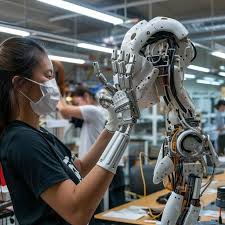
Skild AI Achieves $100 Million in Annual Recurring Revenue Within 10 Months
Skild AI has announced that it has exceeded $100 million in annual recurring revenue just 10 months after initiating commercial deployments of its robotics AI technology. The company serves over 60 paying customers across various applications, including material movement, deliveries, and site inspections, with 90 percent of its revenue stemming from robotic manipulation applications. This milestone is significant as it highlights Skild AI's focus on real-world deployment rather than mere demonstrations of robotics technology. The company has generated $50 million in revenue since its deployments began, showcasing the demand for its solutions in diverse sectors such as food preparation and warehousing. Looking ahead, Skild AI is collaborating with Nvidia and Foxconn to implement its Skild Brain technology for high-precision assembly tasks. Additionally, the company aims to deploy its S1 robotics model at Sumitomo Wiring Systems and pilot S1-powered robots in commercial kitchens with Mitsui & Co, which serves 1.4 million meals daily in Japan. No further timeline was disclosed at the time of publication.
Artificial Intelligence Computing News embodied ai foxconn industrial automation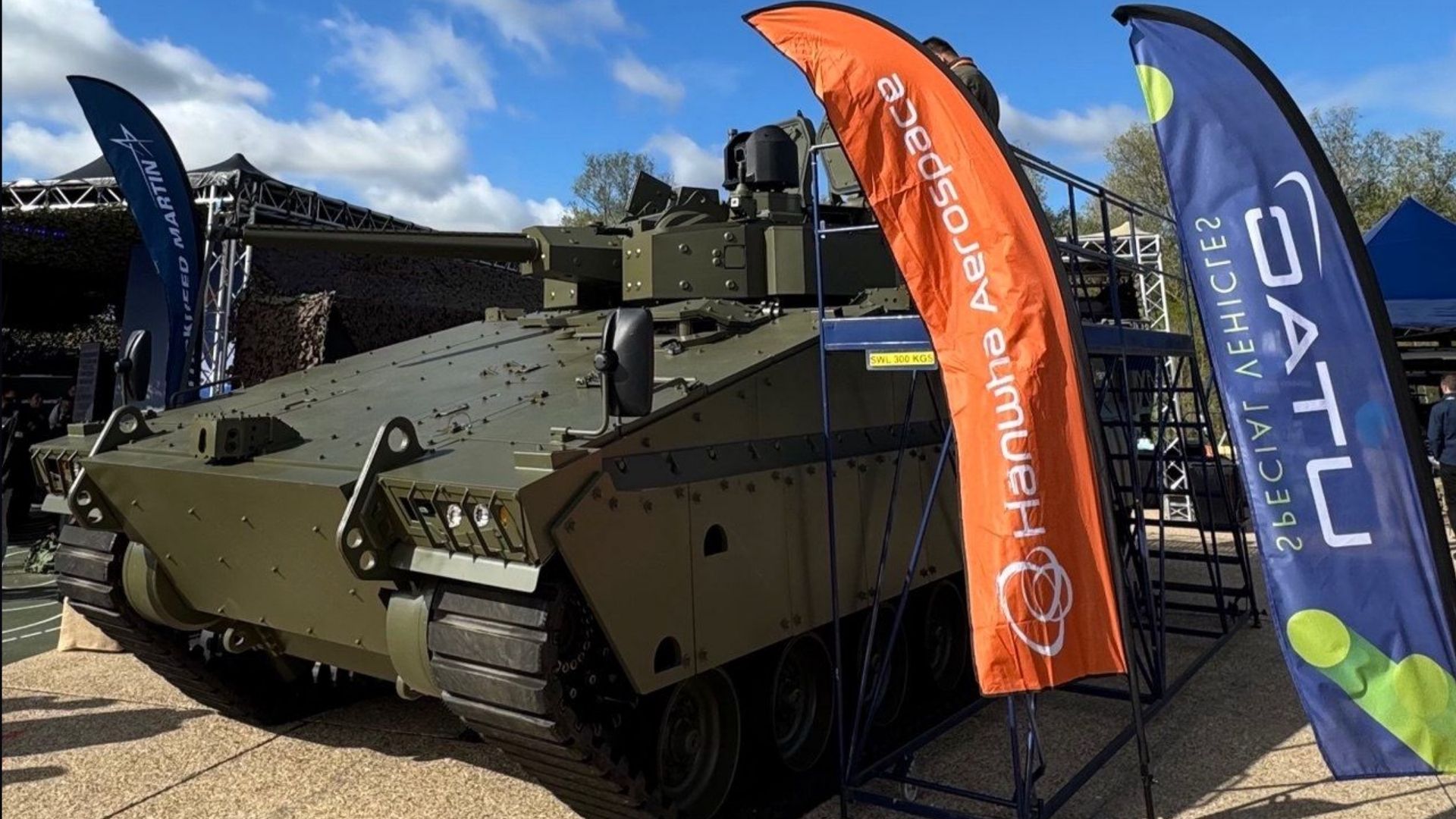
Hanwha Aerospace and Lockheed Martin UK Introduce Enhanced Redback IFV with 40mm Turret
Hanwha Aerospace and Lockheed Martin UK have launched a new version of the Redback infantry fighting vehicle (IFV), featuring a British-built 40mm turret and counter-drone technology. This configuration was showcased at Defense Vehicle Dynamics 2026 in Millbrook, England, aimed at NATO countries looking to modernize their armored forces. The upgraded Redback retains its tracked hull but replaces the Australian-selected configuration with Lockheed Martin UK's crewed turret, which is equipped with a CTA International 40mm cannon. This change allows access to a variety of NATO-qualified ammunition, enhancing the vehicle's operational flexibility. The integration of Lockheed Martin UK's SkyKeeper command-and-control system further enables the Redback to perform dual roles in both conventional infantry fighting and counter-uncrewed aircraft systems operations. Looking ahead, Hanwha plans to conduct live demonstrations of the new Redback configuration in 2027, including events in Canada and South Korea. This initiative reflects the evolving battlefield landscape, where armored units must address aerial threats alongside traditional ground targets. No further timeline was disclosed at the time of publication.
Military
Ferrovalle Implements AI Optimization at Mexico City's Intermodal Rail Hub
Ferrovalle is advancing its digital transformation by implementing Inform’s Syncrotess Optimization Plus platform at its Mexico City intermodal hub. This initiative, known as Smart Yard, aims to enhance yard, equipment, and train operations by providing an optimization layer that integrates with Ferrovalle’s existing Terminal Operating System (TOS). The system is set to go live in June 2027. This development is significant as Ferrovalle’s intermodal division managed approximately 550,000 TEUs in 2025, positioning it as one of the largest inland intermodal operations in Latin America. The Syncrotess platform will utilize data from current systems to enhance operational visibility and continuously update recommendations, thereby improving efficiency in container storage, equipment deployment, and train loading and discharge processes. Looking ahead, Ferrovalle aims to increase equipment throughput and improve the ratio of billable moves to total handling volume. The integration of customs clearance into the optimization process is also noteworthy, ensuring that only cleared containers are loaded onto trains. No further timeline was disclosed at the time of publication.
AI Automation Systems and Shuttles IT in Logistics Ports & Maritime WMS & SCM Software AI intermodal optimisation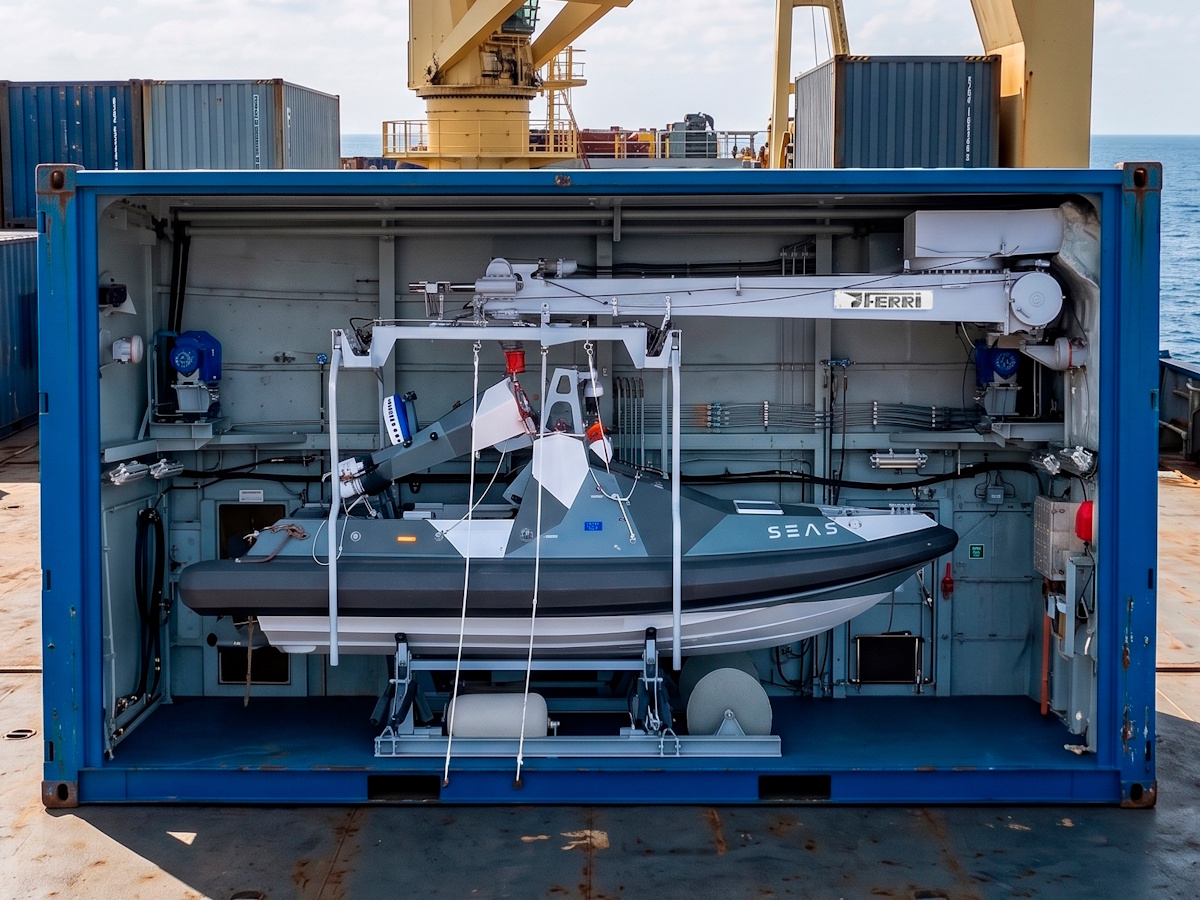
Cellula Robotics and FERRI Establish Nautical Reach Systems for Autonomous Marine Handling
Cellula Robotics Ltd. and Industrias FERRI S.A. have launched Nautical Reach Systems Ltd., a joint venture based in East Coast Canada. This new entity will focus on designing and manufacturing marine motion, lift, and handling systems tailored for autonomous maritime operations, including smart launch and recovery solutions for uncrewed vehicles. The collaboration aims to enhance the safety and reliability of autonomous platforms operating in challenging maritime environments, such as remote and Arctic conditions. Neil Manning, CEO of Cellula Robotics, emphasized the importance of integrating vehicle design with handling equipment to optimize performance at sea, highlighting the joint venture's potential to revolutionize marine operations. Looking ahead, Nautical Reach Systems plans to leverage the combined expertise of both companies to create innovative solutions for naval and coast guard operators. FERRI's significant investment in the venture will foster job creation and intellectual property development in Canada, while Cellula contributes its autonomous handling technology. No further timeline was disclosed at the time of publication.
cellula robotics ferri nautical reach systems autonomous marine handling
Rethinking Air and Missile Defense Due to Concurrent Attacks on US Bases
Recent attacks on US bases during the Iran conflict have highlighted vulnerabilities in air-and-missile-defense systems. Despite high overall effectiveness, these incidents reveal significant gaps that need to be addressed to enhance security measures. The implications of these vulnerabilities are critical for national defense strategies. As threats evolve and become more sophisticated, it is essential for military planners to reassess current defense capabilities and consider upgrades or new technologies to mitigate risks. Looking ahead, the focus will likely shift towards developing more robust air-and-missile-defense systems. Continuous evaluation and adaptation will be necessary to counteract emerging threats effectively. No further timeline was disclosed at the time of publication.
Air Warfare air and missile defense Air Force AMD strategy Counter UAS Counter UAS cUAS
Kovrr Introduces AI Interaction Data Fabric to Enhance Enterprise AI Security Workflows
Kovrr has launched the AI Interaction Data Fabric, a new correlation layer designed to enhance its AI Security and Governance Platform. This innovative solution aims to secure enterprise AI workflows by providing a robust framework for managing AI interactions and data security. The introduction of the AI Interaction Data Fabric is significant as it addresses the growing need for effective security measures in AI-driven environments. Kovrr's focus on AI and cyber risk management positions it as a key player in ensuring that enterprises can safely leverage AI technologies without compromising data integrity or security. Looking ahead, industry stakeholders should monitor how the AI Interaction Data Fabric influences enterprise adoption of AI solutions. Kovrr's advancements in AI security could set new standards for governance and risk management in the rapidly evolving landscape of artificial intelligence. No further timeline was disclosed at the time of publication.

Skild AI Achieves $100 Million ARR in Just 10 Months, Challenging Robotics Demo Culture
Skild AI, a Pittsburgh-based foundation model startup, has announced it surpassed $100 million in annual recurring revenue (ARR) just ten months after its first commercial deployment. This rapid growth marks one of the fastest commercial ramp-ups in enterprise automation, with revenue increasing from approximately $30 million during its $1.4 billion Series C funding round in January to over $100 million by year-end. The significance of this milestone lies in Skild's ability to integrate its general-purpose robot brain into over 60 enterprise customer environments, moving beyond traditional applications like parcel sorting. The company's revenue is primarily driven by complex industrial manipulation tasks, with mobility contributing only 10% of total revenue. Partnerships with major players like Foxconn and NVIDIA further bolster Skild's position in the market. Looking ahead, Skild co-founders Deepak Pathak and Abhinav Gupta emphasize the importance of real-world deployment as a critical research tool, challenging the robotics sector's reliance on polished video demonstrations. No further timeline was disclosed at the time of publication.
Skild AI US Deployment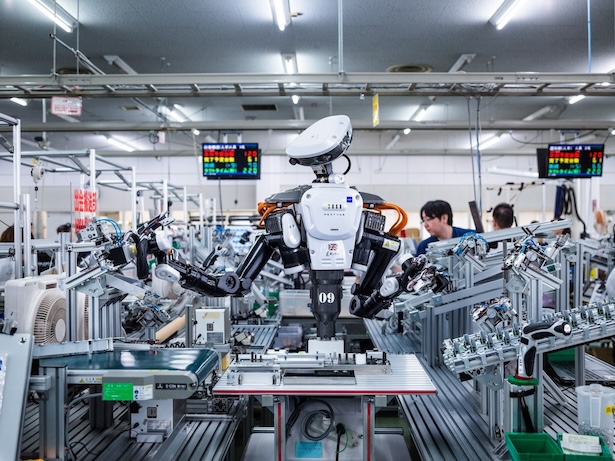
Exploring the Potential for AI to Facilitate Terror Attacks
Recent discussions have focused on extreme scenarios involving AI, such as engineered super-plagues or nuclear weapons. However, experts suggest that terrorists may exploit more accessible AI technologies to carry out attacks. This shift in focus highlights the need for vigilance against less obvious threats that could arise from the misuse of AI. Understanding the potential for AI to be used in terrorist activities is crucial for developing effective countermeasures. While the dramatic scenarios capture public imagination, the reality may involve simpler applications of AI that are easier for malicious actors to implement. This underscores the importance of addressing both high-profile and low-profile risks associated with AI. Moving forward, it is essential to monitor advancements in AI technologies and their potential implications for security. Stakeholders must remain alert to the evolving landscape of threats and consider proactive measures to mitigate risks. No further timeline was disclosed at the time of publication.
Networks & Digital Warfare Opinion AI & Autonomy artificial intelligence AI counterterrorism cyber security
SimActive Introduces Interactive Mode in Correlator3D to Enhance Photogrammetry Efficiency
SimActive has launched a new interactive mode in its Correlator3D software, designed to streamline automated photogrammetry workflows. This mode allows users to execute multiple scripts in a single session, significantly reducing delays between operations and overall execution time. The enhancement is particularly beneficial for repetitive tasks that involve several short scripts, enabling users to maintain workflow continuity without the overhead of restarting the software after each script. The introduction of this interactive mode is crucial for professionals in the photogrammetry field, as it addresses the inefficiencies often encountered in large-scale mapping projects. By minimizing downtime and facilitating unattended processing on batch servers, Correlator3D enhances productivity for users who rely on scripting through its command-line interface. Louis Simard, CTO of SimActive, emphasized the importance of automation in mapping workflows, noting that this new feature accelerates the completion of automated tasks. Looking ahead, SimActive is set to host a webinar on September 10, 2026, titled “From Images To Results: Can Photogrammetry Be Fully Automated?” This session will explore the extent of automation in photogrammetric processing, directly relating to the capabilities of the new interactive mode. No further timeline was disclosed at the time of publication.
Drone News Drone News Feeds Mapping Mapping Technology News scanning
Unitree Demonstrates G1 Humanoid Sparring Using UnifoLM-X2-1.0 Without Teleoperation
Unitree showcased its G1 humanoid robot engaging in sparring with a trainer, utilizing the UnifoLM-X2-1.0 world-action model. This model enables the robot to predict physical states and plan its movements in real time, all without the need for teleoperation. This demonstration highlights the advancements in world-model-driven control for humanoid robots, suggesting that such technology is becoming increasingly feasible. The ability to operate autonomously in dynamic environments marks a significant step forward in robotics. Looking ahead, the implications of this technology could reshape training and interaction scenarios for humanoid robots. No further timeline was disclosed at the time of publication.
International Team Develops Robots Learning to Navigate Terrain from Stick Insects
An international team from Tohoku University and VISTEC is studying stick insects to enhance robot navigation in challenging terrains. The research focuses on the insect's six legs, which allow for agile movement across various surfaces, surpassing current multi-legged robots in coordination. By employing adversarial inverse reinforcement learning, the team enabled a six-legged robot to autonomously learn to navigate diverse terrains within an hour by observing stick insect locomotion. This research is significant as it proposes a shift from traditional biomimetic approaches that require specific programming for each robot and terrain. Instead, the team aims to extract fundamental movement control principles, allowing robots to adapt to changing environments without extensive reprogramming. This adaptability is crucial for disaster scenarios where uneven surfaces and obstacles are prevalent, particularly in earthquake-prone Japan, where the demand for effective rescue robots is high. Looking ahead, the team plans to validate the learning system's robustness in realistic rubble environments and explore the potential for robots to compensate for lost limbs through continuous learning. The implications of this research could redefine how robots navigate complex terrains, making them more effective in emergency situations.
Robotics Disaster Response Machine Learning Bio-inspired Robotics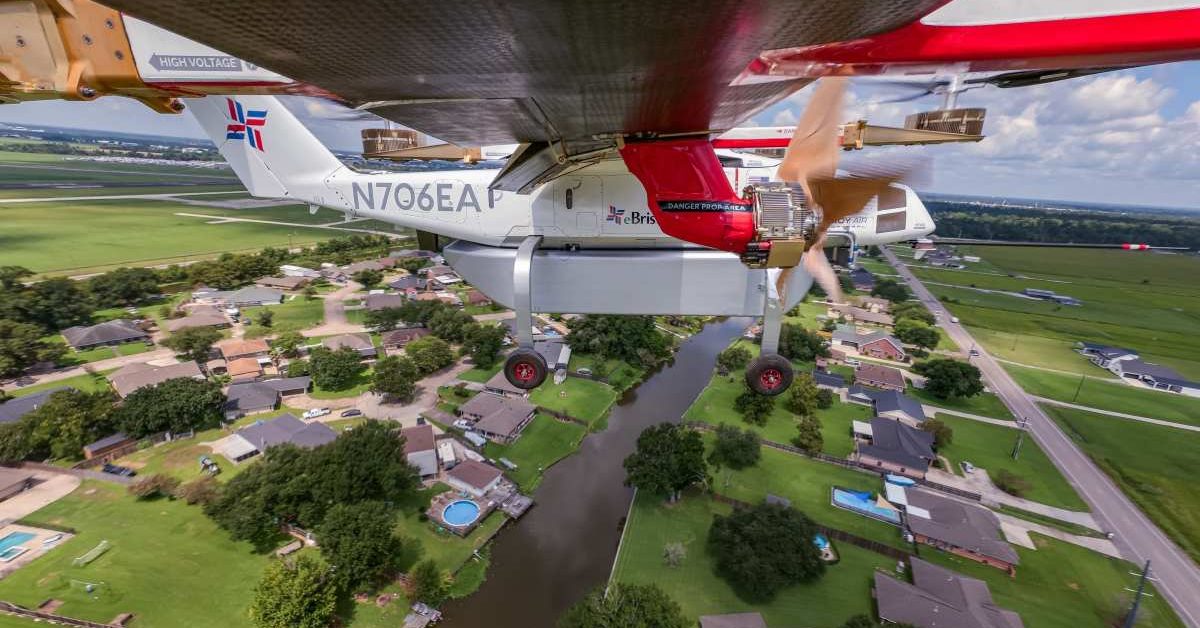
Elroy Air Achieves First Fully Autonomous Flights of Chaparral Under FAA Oversight
Elroy Air has successfully completed its first fully autonomous, uncrewed flights of the Chaparral aircraft under the FAA’s eVTOL Integration Pilot Program. This milestone marks a significant advancement for commercial heavy-cargo drone operations in the United States. The Chaparral, designed to transport over 500 pounds of cargo for distances up to 450 miles, showcases the potential for autonomous drones in logistics, particularly in remote areas. The week-long flight campaign took place at Houma-Terrebonne Airport in Louisiana, demonstrating the aircraft's capabilities under air traffic control oversight. Looking ahead, Elroy Air aims to establish a framework for future commercial autonomous cargo operations. With a strong demand pipeline exceeding 1,400 aircraft and potential revenue exceeding $5 billion, the company is poised to play a crucial role in transforming logistics and aviation sectors.
News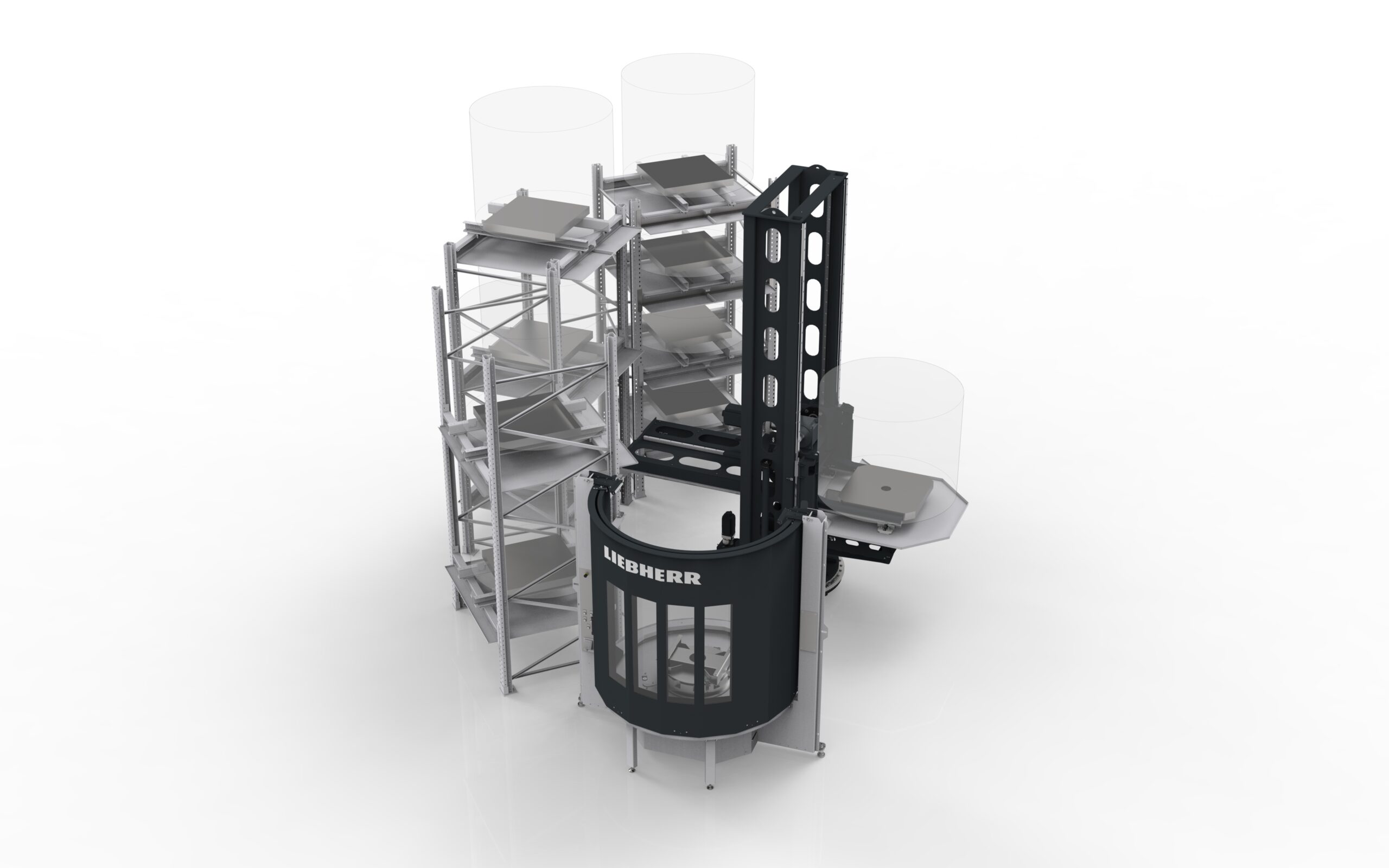
Liebherr Enhances RLS System with 2000 kg Load Capacity for Industrial Automation
Liebherr-Verzahntechnik has upgraded its RLS rotary loading system to support industrial automation in machining workshops. The new system features an increased load capacity of up to 2,000 kg, enhanced storage density, and wider acceptable diameters, facilitating the automated loading of heavy parts while minimizing the footprint around machine tools. This advancement is significant as it addresses the growing demand for automation in diverse production environments, including those involving heavy and bulky components. The RLS system is designed to ensure the automatic storage, preparation, and feeding of machines, now accommodating larger components with its new load class, complementing existing capacities of 800 kg and 1,500 kg. Looking ahead, the RLS system's compact design allows for the automation of two machining centers while maintaining a limited ground area. This approach aims to enhance productivity without requiring additional floor space, making it a valuable solution for manufacturers seeking to optimize machine tool capabilities and reduce manual handling interventions. No further timeline was disclosed at the time of publication.
À la une IA Industrie Robotique automatisation industrielle. Automatisation pièces lourdes
RoboBall: A Novel Inflatable Robot for Moon Exploration and Challenging Terrain Navigation
A team from Texas A&M University has developed RoboBall, a 1.8-meter diameter inflatable robot designed to traverse diverse terrains on the Moon. This innovative approach, which began as a NASA project in 2003, aims to address the critical challenge of tipping over faced by traditional wheeled or legged rovers. RoboBall's spherical design allows it to roll over obstacles while protecting its internal components from harsh lunar conditions. The significance of RoboBall lies in its potential to enhance lunar exploration, particularly in the Moon's south polar region, where permanent shadow areas may contain water ice and ancient geological layers. Scheduled for a paper presentation at an IEEE conference in December 2025, the team is also developing a dual lidar module named Remora to help the robot navigate slopes without compromising its sealed structure. This innovation could provide crucial data for autonomous navigation in challenging environments. As global interest in lunar exploration intensifies, with NASA's $20 billion lunar base plan set for completion by 2032, RoboBall could play a vital role in future missions. The research team is also investigating terrestrial applications for RoboBall, such as disaster response, showcasing the robot's versatility in extreme conditions. No further timeline was disclosed at the time of publication.
Lunar Exploration Robotic Innovation Terrain Navigation Disaster Response Space Robotics
Burro Expands Robot Fleet in South America to Enhance Agricultural Efficiency
Burro, a US robotics company, has recently completed its largest shipment of field robots to South America, establishing the largest customer fleet in the region. This deployment underscores the effectiveness of Burro's technology in addressing universal agricultural challenges, enhancing operational efficiency, and ensuring worker safety in demanding environments. The Burro robots are particularly beneficial for labor-intensive operations such as nurseries, vineyards, and orchards, where they assist in transporting heavy materials and performing tasks like mowing and spraying. Burro's adaptable autonomy platform is designed to prevent robots from becoming underutilized, addressing growers' concerns about investing in technology that may not yield returns. Looking ahead, Burro anticipates significant advancements in its robots over the next five years, aiming for capabilities that require minimal human oversight. The company's cloud network allows each robot to learn from the collective experiences of the fleet, enhancing their performance and decision-making abilities in complex agricultural environments. No further timeline was disclosed at the time of publication.
Field robots automation autonomous technology field robots robotics Smart Farming
TRIC Robotics Expands Operations to 1,500 Acres of Strawberries with 15 Autonomous Robots
TRIC Robotics, an agricultural robotics startup, has scaled its operations from half-acre trials in 2021 to managing over 1,500 acres of commercial strawberries in California this year. The company utilizes a fleet of 15 autonomous robots equipped with UV-C light and bug vacuums, operating nightly to combat pests and diseases without the use of chemical pesticides. This significant expansion is crucial as it demonstrates the potential of robotics in agriculture, particularly in addressing the challenges of pest control and disease management. TRIC Robotics employs a robots-as-a-service model, which eliminates upfront costs for farmers, thereby lowering barriers to adoption and providing a consistent revenue stream for the company. Looking ahead, TRIC Robotics aims to further develop its robotics platform beyond strawberries, leveraging its current success to attract more farmers. The company’s innovative approach, which includes operating at night to minimize disruption, is expected to enhance the acceptance of autonomous technologies in agriculture. No further timeline was disclosed at the time of publication.
Agtech Deeptech Precision agriculture Startups & funding US & Canada Video
Terra Drone Partners with DEFTECH to Enhance Malaysia's Defense and Develop C-UAS Solutions
On August 31, 2026, Terra Drone Corporation announced a strategic collaboration with DRB-HICOM Defence Technologies (DEFTECH) to bolster defense capabilities in Malaysia. This partnership aims to provide ISR drones for maritime, coastal, and border surveillance, alongside counter-UAS solutions and integrated systems for the Malaysian Armed Forces. The significance of this collaboration lies in Terra Drone's strategic positioning within the ASEAN defense market, following its entry into the defense sector in March 2026. The partnership not only enhances Malaysia's defense infrastructure but also establishes the country as Terra Drone's regional hub, with plans for expansion into Thailand, the Philippines, and Indonesia, supported by Japan's Official Security Assistance program. Additionally, Terra Drone has initiated the development of a counter-unmanned aircraft system targeting civilian critical infrastructure, including oil and gas facilities and airports. This system aims to enhance operational safety and integrate with existing security measures, reflecting the growing need for advanced drone defense solutions in light of recent incidents in Europe. No further timeline was disclosed at the time of publication.
Drone News Drone News Feeds News aerospace news 2026 airport C-UAS ASEAN defense market
Worms Navigate Narrow Paths More Efficiently Than Wider Ones, Impacting Robot Design
Recent research reveals that worms can traverse narrow paths more quickly than wider ones, challenging conventional assumptions about navigation efficiency. This finding is significant as it suggests that the design of robotic systems could benefit from mimicking the movement patterns of worms in confined spaces. Observing how these organisms adapt to their environments may lead to advancements in robotics, particularly in applications requiring precise navigation in tight areas.
Robotics
Poland Investigates Possible Terrorism Behind Fire at WB Electronics Drone Facility
Poland has initiated an official investigation to determine if a recent fire at WB Electronics SA, the nation's largest drone manufacturer, was an act of terrorism. Authorities are exploring the possibility that foreign spies may have been involved in the incident. This investigation is significant as it highlights concerns over national security and the potential threats facing critical infrastructure in Poland's defense sector. The outcome could have implications for the country's drone manufacturing industry and its overall security posture. As the investigation unfolds, stakeholders in the defense and technology sectors will be closely monitoring developments. The findings may influence future security measures and policies regarding the protection of sensitive facilities in Poland. No further timeline was disclosed at the time of publication.

Study Highlights Physical Risks from AI Errors in Human-Robot Interactions
A study published in 2025 examined 303 accidents related to human-robot interactions, revealing unexpected activations and sensor errors. As Physical AI evolves, AI errors are transitioning from digital to physical realms, posing significant risks. Unlike previous AI mistakes, which were largely confined to digital outputs, errors in robotic systems can lead to real-world consequences, where a minor miscalculation can result in serious incidents. This research, featured in the journal Safety Science, categorized incidents into seven major types, with a focus on unexpected robot activations and sensor inaccuracies. These findings underscore the urgent need for advancements in Physical AI to enhance robots' environmental perception and decision-making capabilities. As robots increasingly operate in physical spaces, ensuring their reliability and safety becomes paramount. Looking ahead, the development of Physical AI will be critical in addressing these challenges. The integration of cameras, proximity sensors, vision systems, contextual data, and AI models is essential for enabling robots to accurately perceive their surroundings before taking action. No further timeline was disclosed at the time of publication.
À la une Humanoide IA Robotique Accidents robotiques Capteurs robotiques
Lightberry Launches Lumi: A $39,990 Interactive Humanoid Robot for Businesses
San Francisco-based Lightberry has opened reservations for Lumi, a 4-foot-2-inch interactive humanoid robot priced at $39,990 for the first 100 units. This initiative aims to facilitate commercial deployments of expressive humanoids for businesses that lack in-house robotics expertise. Lumi's design incorporates a mechanical chassis from Unitree, featuring a total of 34 degrees of freedom, including an upgraded sensory stack and a powerful NVIDIA Jetson Thor T4000 system-on-module. This advanced configuration allows Lumi to engage in real-time human interaction, positioning it as a tool for marketing, hospitality, and customer engagement rather than traditional industrial applications. As Lightberry navigates the challenges of the North American hardware landscape, the launch of Lumi comes at a critical time for domestic robotics. The company’s innovative approach and focus on interactive capabilities will be essential to watch as they seek to redefine the role of humanoid robots in commercial settings.
US Lumi Lightberry
L3Harris and ARX UK Evaluate Passive Counter-Drone Technology on Autonomous UGVs
L3Harris and ARX UK have tested the CORVUS-RAVEN sensors mounted on unmanned ground vehicles (UGVs) to enhance battlefield awareness. These sensors are designed to track approaching threats, allowing operators to maintain a safe distance from potential dangers. The implementation of the CORVUS-RAVEN technology is significant as it improves situational awareness for military operators, enabling them to respond effectively to drone threats without direct engagement. This advancement in counter-drone capabilities is crucial in modern warfare, where unmanned aerial vehicles pose increasing risks. Looking ahead, the focus will be on the further development and deployment of these passive counter-drone systems. No further timeline was disclosed at the time of publication.
News
Researchers Develop Six-Legged Robot Mimicking Stick Insect for Uneven Terrain Navigation
Researchers from Tohoku University and VISTEC have created a six-legged robot that learns to walk by imitating stick insect movements. This AI-powered system adapts its walking strategies to navigate various surfaces, potentially enhancing robotic operations in challenging environments such as disaster zones. The significance of this development lies in its ability to overcome limitations of traditional robotic gait systems, which often rely on fixed patterns. By employing adversarial inverse reinforcement learning (AIRL), the robot learns coordination principles from biological data, enabling it to maintain stability even on uneven terrain. Looking ahead, the ability of the robot to adapt to changes, such as losing a leg, demonstrates its potential for real-world applications. The researchers also noted that the learned reward structure could be transferred to different robot models, improving efficiency in training and adaptability across various robotic platforms. No further timeline was disclosed at the time of publication.
AI and Robotics
BlackBerry Transitions from Phones to Automotive Software and Robotics
BlackBerry, once a leading phone manufacturer, has shifted its focus to critical software for secure communications and automotive applications. CEO John Giamatteo highlighted the company's strategy during a recent interview, noting that BlackBerry's share price has doubled this year due to its emphasis on AI and safety-critical software. The company's QNX division, which provides operating systems for vehicles, is embedded in 275 million cars and is seen as pivotal for future developments in AI, particularly in robotics. Giamatteo indicated that robotics is one of the fastest-growing segments within the QNX portfolio, with a backlog of orders worth $950 million, including a portion from the robotics sector. As BlackBerry continues to evolve from its smartphone roots, it is positioning itself to capitalize on the growing demand for secure, innovative solutions in automotive and industrial robotics. No further timeline was disclosed at the time of publication.

Terra Drone's Domestic Interception Drone 'Terra B1' Passes Defense Test, Moves to Mass Production Phase
On August 25, 2026, Terra Drone announced that its domestic interception drone, 'Terra B1', successfully passed the demonstration test conducted by the Acquisition, Technology & Logistics Agency (ATLA) and will advance to the mass production phase. This program aims to equip the Self-Defense Forces with effective drone countermeasures in response to the increasing security threats posed by attack drones. The significance of this development lies in the growing need for cost-effective defense solutions against low-cost attack drones, such as the Shahed UAVs used extensively in the Middle East. The ATLA's requirements for the 'Terra B1' included various performance metrics directly related to operational effectiveness and mass procurement, highlighting the importance of rapid and efficient defense capabilities. Looking ahead, Terra Drone plans to accelerate its production and supply system for the 'Terra B1', initially targeting the Japan Maritime Self-Defense Force, with future expansions to the Japan Air Self-Defense Force and Japan Ground Self-Defense Force. The ATLA has indicated a swift timeline for procurement, with contracts expected to be finalized by late August 2026, and delivery anticipated around September 2026. No further timeline was disclosed at the time of publication.

Ferrari's $40 Million Luce Auction Record Highlights Luxury EV Demand Against Tesla's Volume Strategy
On August 17, 2026, Ferrari N.V. (NYSE:RACE) set a world record when a bespoke version of its first fully electric car, the Luce, sold for $40 million at a charity auction during Monterey Car Week. This sale illustrates the willingness of ultra-wealthy collectors to pay top dollar for exclusive electric vehicles, despite initial criticism of the Luce's design upon its May debut. The auction result raises questions about the actual demand for the Luce among broader consumer bases, as Ferrari has not disclosed specific order volumes. While the Luce retails for approximately $640,000, the record sale reflects the brand's strong appeal among its affluent clientele, contrasting sharply with Tesla, Inc. (NASDAQ:TSLA), which dominates the mass-market EV segment. Looking ahead, the implications of this auction for Ferrari's market strategy are significant. While it demonstrates the brand's power at the luxury end, it does not necessarily indicate widespread demand for electric Ferraris among average wealthy buyers. No further timeline was disclosed at the time of publication.
Galileo Unveils Galileo X All-Terrain Mobility Platform at World Robotics Conference 2026
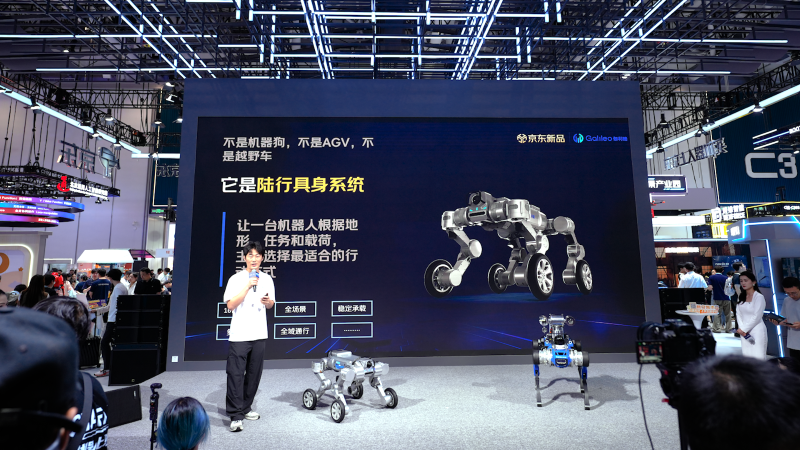
During the 2026 World Robotics Conference, Galileo launched the Galileo X all-terrain mobility platform, introducing a new category called the 'Land Walking System.' The concept machine weighs approximately 50 kg and demonstrated a load capacity of around 70 kg with multi-modal switching. Galileo plans to release a mass production version in Q4, targeting a rated load of 200 kg, a maximum load of 400 kg, and a full-load endurance of 15 hours. This launch is significant as it addresses the limitations of existing robotic solutions in complex industrial environments. Traditional quadruped robots excel in obstacle navigation but struggle with endurance and load efficiency, while AGVs are limited to flat, enclosed spaces. The Galileo X aims to create a seamless task chain for industrial operations, reducing the need for multiple devices and associated costs. Looking ahead, no further timeline was disclosed at the time of publication. However, the industry will be watching how Galileo's integrated approach to mobility and control systems can redefine operational capabilities in various sectors, including rail, power, and petrochemicals, where their products have already seen success.
All-Terrain Robots Industrial Robotics Mobility Solutions Robotic Systems
BlackBerry's CEO Highlights Robotics as a Rapidly Growing Sector in QNX Software
BlackBerry CEO John Giamatteo announced that robotics is among the fastest-growing sectors within the company's QNX software portfolio during an interview with CNBC. QNX, which is embedded in 275 million vehicles, has a significant backlog of approximately $950 million, with a portion attributed to robotics. The importance of robotics in BlackBerry's strategy is underscored by Giamatteo's remarks on the potential for growth in physical AI applications. He emphasized that the company is focusing on industrial robots, such as robotic forklifts and medical instruments, rather than humanoid robots, indicating a strategic pivot towards sectors with substantial growth opportunities. Looking ahead, BlackBerry's partnership with Nvidia aims to enhance its software capabilities in robotics and industrial applications. Giamatteo expressed enthusiasm for the evolving landscape of robotics, suggesting that the company is well-positioned to capitalize on these advancements. No further timeline was disclosed at the time of publication.

Terra Drone Secures Order from Japan's Self-Defense Forces for Interceptor Drones
Terra Drone, a Japanese manufacturer, has received an order from the Self-Defense Forces for interceptor drones, with deliveries expected to commence in September. This order marks a significant step for Terra Drone in expanding its presence in the defense sector. The importance of this development lies in Japan's ongoing efforts to enhance its domestic drone capabilities, particularly in defense applications. By securing this contract, Terra Drone is positioned to contribute to the country's strategic initiatives in bolstering national security through advanced drone technology. Looking ahead, industry observers will be keen to see how Terra Drone's B1 interceptor drones perform in operational settings and the potential for further contracts within Japan's growing defense drone market. No further timeline was disclosed at the time of publication.

Hierarchical Path Planning for Construction Robots Using I-Bi-RRT-APF and LLM-DT
The article discusses a novel hierarchical path planning approach for on-board mechanical arm construction robots, utilizing I-Bi-RRT-APF and LLM-DT methodologies. This innovative strategy aims to enhance the efficiency and accuracy of robotic operations in construction environments. The significance of this research lies in its potential to improve the operational capabilities of construction robots, which are increasingly being integrated into various construction processes. By employing advanced path planning techniques, these robots can navigate complex environments more effectively, reducing time and resource consumption. Looking ahead, the adoption of such hierarchical path planning methods could lead to more widespread use of robotic systems in construction. The ongoing development and refinement of these technologies will be crucial for their successful implementation in real-world applications. No further timeline was disclosed at the time of publication.
RESEARCH ARTICLE
Cyborg Cockroaches Utilize AI for Enhanced Terrain Navigation Speed
Cyborg insects, integrating biological mobility with electronic devices, are being developed to improve navigation capabilities. Recent advancements in AI-powered terrain recognition are enabling these cyborg cockroaches to navigate their environments more efficiently. This innovation is significant as it opens up new possibilities for applications in search-and-rescue missions, infrastructure inspections, and exploration of challenging environments where traditional robots may struggle. The combination of living organisms and technology presents unique advantages in mobility and adaptability. Looking ahead, the continued development of AI technologies in cyborg insects will be crucial to enhancing their operational capabilities. Future milestones may include further improvements in navigation speed and the expansion of their use cases in various sectors. No further timeline was disclosed at the time of publication.
Robotics
Study on Cooperative Navigation Methods for Autonomous Underwater Vehicles in Terrain Mapping
A recent study published in the Journal of Field Robotics explores cooperative navigation methods for autonomous underwater vehicles (AUVs) in terrain mapping. The research focuses on enhancing the accuracy and efficiency of AUVs when mapping underwater environments through collaborative navigation techniques. This research is significant as it addresses the challenges faced by AUVs in accurately mapping complex underwater terrains. By improving navigation methods, the study aims to facilitate better data collection for various applications, including environmental monitoring, underwater exploration, and resource management. Looking ahead, the implications of this research could lead to advancements in AUV technology and its applications in marine research. No further timeline was disclosed at the time of publication.
RESEARCH ARTICLE
Deep Robotics' DR02 Humanoid Robot Demonstrates Stair Climbing and Terrain Navigation
Deep Robotics has unveiled new footage of its DR02 humanoid robot successfully climbing outdoor concrete stairs, showcasing its capability to navigate challenging terrains. This demonstration marks a pivotal moment for the Hangzhou-based company as it advances its development and commercialization strategies, positioning the DR02 for complex real-world tasks. The significance of this demonstration lies in the competitive landscape of Chinese robotics, where investors are keen to see humanoid robots perform reliably in practical environments. The DR02's ability to traverse uneven surfaces and carry equipment, such as a fire extinguisher, highlights its potential for industrial applications and hazardous environments. Looking ahead, Deep Robotics is preparing for a significant financial milestone with its application to raise approximately $367.4 million through an initial public offering on Shanghai’s STAR Market. As the company aims to build on its first-ever net profit of about $4.2 million reported in 2025, the ongoing development of the DR02 will be crucial in attracting investor confidence and demonstrating the robot's capabilities in real-world scenarios.
AI and Robotics
Starry Sky Robotics Founded by Former Amiro Co-Founder Secures 40 Million Yuan Orders
On June 29, 2026, Feng Qian, the former co-founder and technical head of Amiro Robotics, established Shanghai Starry Sky Robotics Technology Co., Ltd. in Xuhui, Shanghai. The company, with a registered capital of 100,000 yuan, aims to develop intelligent robots and AI software, and has already signed a strategic cooperation framework agreement with Beijing Ruidekang Technology for the development of a vacuum-compatible intelligent robot. This partnership is significant as it addresses the need for advanced robotic solutions in the medical equipment sector, particularly for laser proton knife production. The project has a procurement ceiling of 20 units, with a budget of up to 40 million yuan, highlighting the growing demand for precision robotics in high-tech manufacturing environments. Looking ahead, Starry Sky Robotics is poised to leverage its expertise in robotics and AI to meet the increasing demands of the manufacturing industry. The company’s focus on developing robots that can operate in vacuum environments and maintain micron-level precision will be crucial as they aim to fulfill their initial orders and expand their market presence. No further timeline was disclosed at the time of publication.
Robotics AI Technology Medical Automation Industrial Robots
Data-Driven Review of Hexapod Locomotion on Various Terrains: Modeling and Control Insights
A recent review published in the Journal of Field Robotics examines hexapod locomotion across both structured and unstructured terrains. The study highlights advancements in modeling, control strategies, and validation techniques for hexapod robots, providing a comprehensive overview of current methodologies. This review is significant as it consolidates various approaches to hexapod locomotion, emphasizing the importance of adapting to different terrain types. Understanding these locomotion strategies is crucial for enhancing the performance and versatility of hexapod robots in real-world applications. Looking ahead, researchers and developers in the field should monitor ongoing advancements in hexapod locomotion technologies and their potential applications in diverse environments. No further timeline was disclosed at the time of publication.
SURVEY ARTICLE
SimActive's Correlator3D Facilitates Extensive Green Hydrogen Mapping in Southern Chile
SimActive's Correlator3D photogrammetry software has been instrumental in a large-scale mapping initiative for green hydrogen development in southern Chile. Geo4D, a Chilean geospatial firm, utilized the software to process high-resolution aerial imagery over an area exceeding 100,000 hectares, producing essential geospatial products like orthomosaics and digital terrain models. This project underscores the challenges of large-area aerial mapping, particularly in remote regions like Patagonia, where adverse weather conditions hinder data collection. SimActive's Correlator3D proved vital in processing Phase One imagery, enabling Geo4D to deliver accurate mapping products despite difficult image-matching conditions, as highlighted by Geo4D's CEO, Francisco Ramos. Looking ahead, the advancements in Correlator3D, including improved processing capacity and workflow efficiency, will be crucial for future projects. The software's capabilities in handling high-resolution imagery from various platforms, including drones and crewed aircraft, position it as a key tool for geospatial applications in energy and infrastructure sectors.
Applications Canada Drone News Featured - Surveying Mapping News
USS Theodore Roosevelt Becomes First Carrier with Fully Operational Drone Control Center for MQ-25 Stingray
The USS Theodore Roosevelt has achieved a significant milestone by becoming the first U.S. Navy supercarrier equipped with a fully operational Unmanned Air Warfare Center (UAWC) capable of supporting the MQ-25 Stingray drone. This development is a crucial step towards the Navy's goal of achieving initial operational capability (IOC) for the MQ-25, now projected for 2029 after several delays. This advancement is vital as it enhances the Navy's aerial capabilities, allowing for the integration of the MQ-25 Stingray into routine carrier operations. The UAWC on the Theodore Roosevelt is expected to facilitate the deployment of the Stingray, which aims to extend the operational range of carrier air wings while reducing the reliance on crewed aircraft for refueling missions. Looking ahead, the Navy plans to deploy the MQ-25 Stingray first on the USS Theodore Roosevelt, with the USS Ronald Reagan's UAWC expected to be operational by August 2026. The integration of the UAWC and the MQ-25 program remains a focal point for the Navy as it seeks to modernize its carrier operations and enhance mission effectiveness.
Air Carriers MQ-25 Navies Nimitz Class Sea
DOBOT Unveils LUMO, the First All-Terrain Humanoid Robot for Everyday Use
DOBOT has introduced LUMO, touted as the world's first embodied all-terrain humanoid robot, designed to function in various environments including homes and schools. This innovative robot can adapt its behavior based on user interactions, showcasing capabilities such as vision, voice, and motion to perceive and respond to its surroundings without relying solely on commands. The significance of LUMO lies in its potential to serve as a long-term companion for everyday life, education, and interactive applications. By continuously learning from user interactions, LUMO aims to provide personalized assistance, making it suitable for diverse roles such as a household companion, educational assistant, and sports playmate. Looking ahead, the robotics industry is witnessing a shift from factory automation to versatile humanoid robots like LUMO, which can operate safely alongside humans in everyday settings. No further timeline was disclosed at the time of publication.
AI and Robotics
Productive Robotics Launches OB7 Deburring Package for CNC Machinery Integration
Productive Robotics has introduced the OB7 deburring package, which is compatible with both new and legacy CNC machinery. This innovative solution aims to assist manufacturers in automating various tasks, including deburring, chamfering, and descaling. The OB7 package is designed to handle a wide range of parts, such as gears, cylindrical threaded items, complex profiles, and prepped blanks. The significance of the OB7 deburring package lies in its ability to enhance production efficiency for job shops. By integrating seamlessly with existing CNC systems, manufacturers can scale up their operations instantly without the need for extensive modifications. This capability is particularly valuable for businesses looking to improve their automation processes while minimizing downtime and costs. Looking ahead, the adoption of the OB7 deburring package may influence the competitive landscape in the manufacturing sector. As more companies seek to automate their processes, the demand for versatile and easy-to-integrate solutions like the OB7 is expected to grow. No further timeline was disclosed at the time of publication.

U.S. Army Constructs 78,000 Sq Ft of 3D-Printed Barracks in Just 58 Days
The U.S. Army has successfully completed the construction of ten 3D-printed military barracks at Fort Bliss in just 58 days. This project, which encompasses a total of 78,000 square feet, marks the largest deployment of automated construction technology by the military to date, officially entering the era of 3D-printed military housing. This innovative approach to construction not only enhances soldier well-being and operational readiness but also significantly reduces costs and construction time. According to Maj. Gen. Curtis Taylor, the project emphasizes the Army's commitment to valuing its personnel and improving their living conditions, particularly for those serving in demanding roles such as Task Force Bastogne under Operation Ardent Vanguard. Looking ahead, the rapid deployment of these energy-efficient barracks sets a new standard for military logistics and construction practices. The U.S. Army's use of 3D printing technology has demonstrated a 9.3% cost reduction compared to traditional methods, achieving construction speeds four times faster than conventional techniques. No further timeline was disclosed at the time of publication.
Innovation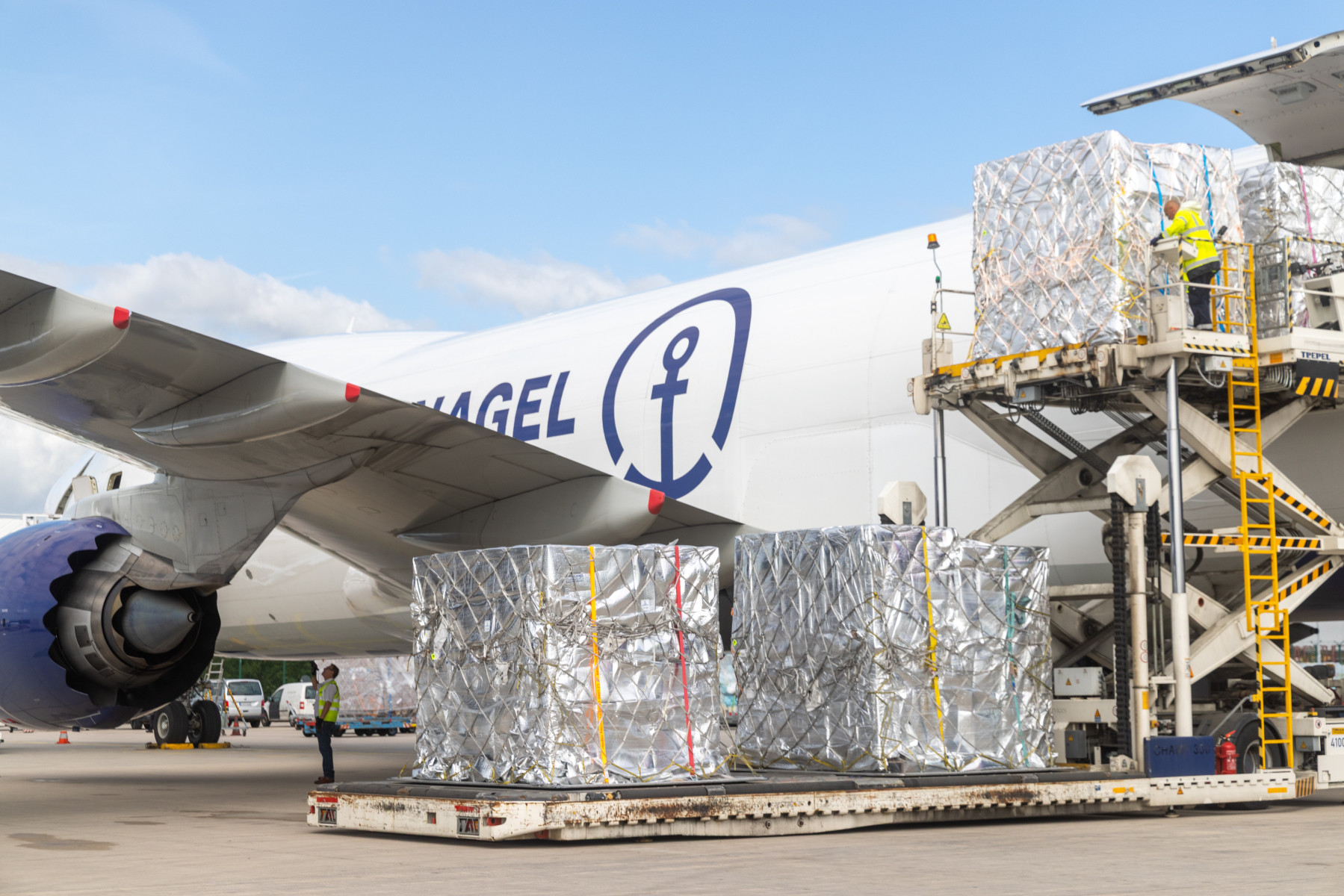
Kuehne+Nagel Expands Cool Corridor Network for Temperature-Sensitive Healthcare Logistics
Kuehne+Nagel has announced the expansion of its Cool Corridor network, adding four new airfreight routes between key cities including Frankfurt and Atlanta, and Chicago and São Paulo. This expansion enhances the network's global reach to 12 dedicated lanes, facilitating the transport of temperature-sensitive healthcare products across major hubs in Europe, North America, Asia-Pacific, and Latin America. The significance of this expansion lies in its ability to improve the efficiency and sustainability of healthcare logistics. By utilizing dedicated routes that adhere to GDP-compliant handling, Kuehne+Nagel aims to minimize Time Out of Range (ToR) for sensitive shipments. This approach allows healthcare customers to maintain product integrity while potentially reducing logistics costs and transport emissions through the use of lighter passive packaging. Looking ahead, Kuehne+Nagel's strategic focus on healthcare logistics is expected to drive further enhancements in their Cool Corridor network. The company continues to collaborate with airlines and ground handlers to meet customer demand for reliable, temperature-controlled transportation solutions. No further timeline was disclosed at the time of publication.
Air Cargo Cold Chain Logistics Transport and Distribution air cargo cold chain Freight
Ferrari's First Electric Vehicle, the Luce, Exceeds Sales Expectations Despite Initial Criticism
Ferrari's first electric vehicle, the Luce, faced significant criticism upon its reveal in May, with detractors comparing it unfavorably to models like the Nissan Leaf. Despite an 8% drop in stock following the announcement, the Luce has surpassed sales expectations, achieving its annual target of nearly 500 units within just two months. The initial backlash stemmed from concerns over the Luce's design and performance, with some industry figures predicting it would struggle in the competitive EV market. However, the vehicle's appeal appears to resonate particularly well with the Chinese market, where a significant portion of sales is expected to occur, given the preference for sleek, high-performance electric vehicles. Looking ahead, Ferrari's established customer base, known for its loyalty and willingness to invest in luxury vehicles, suggests that the Luce may continue to perform well. Early reviews indicate that it delivers the driving experience expected from a Ferrari, which could further bolster its sales in the coming months. No further timeline was disclosed at the time of publication.
Climate Transportation electric vehicles Ferrari ferrari luce
Michael Burry Takes Short Positions on Nvidia, Palantir, and Tesla: Investment Insights
Investor Michael Burry, known for his role in predicting the housing market collapse, has taken short positions on Nvidia, Palantir Technologies, and Tesla. He believes that hyperscalers are not achieving strong returns on AI investments, leading him to short Nvidia, which has been a major beneficiary of AI spending. Despite Burry's bearish stance, Nvidia's stock is seen as a buy due to its attractive valuation and ongoing capital expenditure increases from hyperscalers like Alphabet and Taiwan Semiconductor Manufacturing. Palantir, while facing a high valuation, is viewed as a hold due to its rapid growth and significant role in AI applications, evidenced by its impressive net dollar retention rate. Conversely, Tesla is identified as a sell due to its high valuation and declining auto sales, compounded by the loss of regulatory credits and challenges in its robotaxi and robotics ventures. With competition from other companies and internal challenges, Tesla's future growth appears uncertain.

Kall Morris Inc Tests REACCH System for Space Debris Removal on ISS
Kall Morris Inc (KMI) has successfully tested its robotic system, the Responsive Engaging Arms for Captive Care and Handling (REACCH), aboard the International Space Station (ISS). This innovative technology aims to capture and remove space debris, addressing a critical challenge in the space industry as the amount of non-functional objects in orbit continues to rise. The significance of this development lies in its potential to enhance satellite servicing and debris removal efforts. Space debris, which travels at speeds up to 10 times faster than a bullet, poses a serious threat to operational satellites and future missions. KMI's REACCH system, described as an orbital 'tow truck,' utilizes tentacle-like robotic arms with gecko-inspired adhesive pads to maneuver larger objects without needing to fully grasp them. Looking ahead, KMI is preparing for further testing beyond the ISS, with aspirations to deploy REACCH for operational missions focused on satellite life-extension and debris removal. As the number of satellites in low Earth orbit increases, the demand for effective debris management technologies is expected to grow significantly.
News Space aerospace autonomous robotics commercial space debris removal
FlyGuys and TerraFort Revolutionize Disaster Damage Assessments from Months to Days
FlyGuys and TerraFort have successfully partnered to enhance disaster damage assessments using drone technology and AI. Following Super Typhoon Sinlaku, which struck the Northern Mariana Islands, the companies completed a large-scale assessment in just 10 days, significantly faster than traditional methods that typically take one to two months. This collaboration is crucial as it allows relief organizations and government agencies to initiate recovery efforts much sooner. The partnership leverages FlyGuys' network of over 20,000 drone pilots and TerraFort's AI platform to analyze aerial imagery, providing FEMA-ready damage assessments that are vital for emergency management and recovery. Looking ahead, the companies have developed a more integrated workflow that streamlines the process of selecting drone pilots and automating damage assessments. This innovation is expected to further enhance the speed and efficiency of disaster response efforts, demonstrating the potential of combining aerial data collection with AI technology in emergency situations.
AI Applications Disaster Response Drone News Drone News Feeds Insurance
L3Harris Secures Contracts with DOD and Lockheed Martin to Enhance Missile Component Production
L3Harris has secured new contracts with the Department of Defense (DOD) and Lockheed Martin to expand its production capabilities for missile components. This includes the solid rocket boost motors for the THAAD interceptor, manufactured at facilities in Huntsville, Alabama, and Camden, Arkansas, as well as the Liquid Divert and Attitude Control Systems produced in Los Angeles. These contracts are significant as they build on previous agreements awarded to major defense contractors like Lockheed Martin, Boeing, and Honeywell Aerospace. The PAC-3 missile system, crucial for the U.S. Army, is also part of this expansion, with Lockheed Martin receiving a $4.7 billion contract to increase production, which includes the Attitude Control Motors and Lethality Enhancer solid rocket motors. Looking ahead, L3Harris is investing billions to enhance its manufacturing capabilities, including the establishment of a new advanced propulsion campus in Virginia and the expansion of its PAC-3 campus in Camden. The company is also working on integrating advanced manufacturing technologies, such as AI-driven automated inspection systems, to meet the growing demand from the Pentagon.

Honor Robot Phone Collaborates with ARRI for Advanced Cinematography Features
Honor has unveiled its AiMAGE imaging technology in collaboration with ARRI, featuring an 8-axis CPA stabilization system and a 3-axis gimbal. This innovative setup is designed to enhance mobile cinematography, providing users with Hollywood-grade video capabilities. The partnership with ARRI is significant as it integrates high-end cinematography features into a mobile device, including a custom Yuguang H1 ISP that operates at 18.8 TOPS/W. This advancement is expected to elevate the quality of mobile video production, making professional-grade tools more accessible to creators. Looking ahead, the introduction of master shot video generation on the Robot Phone will be a key feature to watch. No further timeline was disclosed at the time of publication.
Technology
Raspberry Pi Solutions for Efficient Management of Multiple Display Screens in Businesses
Managing multiple display screens can be challenging for businesses, especially when it comes to maintaining consistent information across all devices. A Raspberry Pi digital signage solution simplifies this process by connecting existing screens to a centralized content platform, allowing for simultaneous updates and reducing manual effort. The importance of consistent communication cannot be overstated, as outdated information on one screen can lead to confusion among customers. By utilizing a centralized system, businesses can ensure that all connected displays reflect the most current content, enhancing operational efficiency in various environments such as retail stores, restaurants, and healthcare facilities. Looking ahead, the flexibility of Raspberry Pi digital signage allows businesses to tailor content for different locations, ensuring that each display serves its intended purpose. This adaptability, combined with the ability to monitor display performance, will be crucial for organizations aiming to optimize their digital signage networks. No further timeline was disclosed at the time of publication.
Computing Technology business displays business technology centralized management commercial displays
Terra Drone to Begin Mass Production of Japanese-Made Drone Battery Packs
Terra Drone Corporation announced on July 27, 2026, its plans to mass-produce cylindrical-cell battery packs in Japan. This initiative aims to reduce reliance on Chinese suppliers and cater to NDAA-compliant defense customers. The company will utilize these battery packs for its own industrial and defense drones while also supplying third-party manufacturers domestically and internationally. This development is significant as Japan currently depends heavily on foreign sources for high-output cylindrical-cell batteries, with Chinese suppliers dominating approximately 90% of the global industrial drone market. The Japanese government has identified batteries as critical components exposed to supply chain risks, making Terra Drone's domestic production a strategic move to enhance national security and self-sufficiency in defense capabilities. Looking ahead, Terra Drone plans to expand its production capabilities to include motors and controllers. The company will leverage its existing sales network and overseas offices to market the battery packs to various sectors, including heavy industry and defense primes. No further timeline was disclosed at the time of publication.
battery technology Drone News Drone News Feeds Japan Drone Industry Japan Drone News NewsRobotics needs a service framework.
RSF defines a common language for robot service capability, lifecycle operations, certification pathways, and service-provider networks.
Join the RobotToday community on LinkedIn
Daily robotics news, in-depth analysis, conference highlights, and discussions with professionals worldwide.