Industry Briefing
A single destination for timely, editor-curated robotics news from around the world.

Ruoyu Technology's Strategic Positioning in High-Risk Energy Scenarios for Special Robots
The year 2026 is widely recognized as a pivotal moment for the commercialization of humanoid robots and embodied intelligence, with various factors maturing. However, the transition from technology validation to large-scale deployment is ongoing. High-risk energy scenarios are becoming critical testing grounds for the industry, reflecting its future direction. The special robot market is on an upward trajectory, with projections indicating a growth from 290 billion yuan in 2025 to 352 billion yuan in 2026 in China. Despite this expansion, not all players will benefit equally. Two distinct narratives have emerged: traditional hardware-focused manufacturers and algorithm-driven startups, each with different approaches to market engagement. As the industry approaches 2026, which is seen as a key year for commercialization, there is a clear market gap for qualified, intelligent, and operational solutions in high-risk scenarios. The need for robots that can autonomously adapt and operate safely in hazardous environments is critical, as highlighted by the participation of Ruoyu Technology in the recent energy innovation conference, emphasizing their commitment to enhancing safety in dangerous work conditions.
Special Robots Embodied Intelligence Energy Sector Safety Compliance Automation Technology
DOBOT Enhances Cobot Welding Flexibility with 6D Touch Positioning and TAST Technology
DOBOT has introduced advanced technologies to improve flexibility in cobot welding, addressing common challenges such as workpiece position variations. In industries like metal fabrication and machinery manufacturing, precise positioning is crucial, as even minor shifts can lead to rework and downtime. The integration of 6D Touch Positioning and TAST allows robots to adapt to real-world production conditions, enhancing efficiency and reducing setup time. The significance of these advancements lies in their ability to maintain productivity in high-mix, low-volume production environments. Traditional robotic welding systems often struggle with positional deviations, requiring time-consuming adjustments. DOBOT's solution minimizes operator intervention by automatically identifying workpiece positions and compensating for variations, thus streamlining the welding process. Looking ahead, the effectiveness of DOBOT's technologies will be crucial for manufacturers seeking to optimize their welding operations. The recent demonstration with Kemppi showcased the practical application of these innovations, highlighting the potential for improved welding quality and reduced programming time. No further timeline was disclosed at the time of publication.
cobot welding robotic welding welding robot welding automation 6D Touch Positioning Through Arc Seam Tracking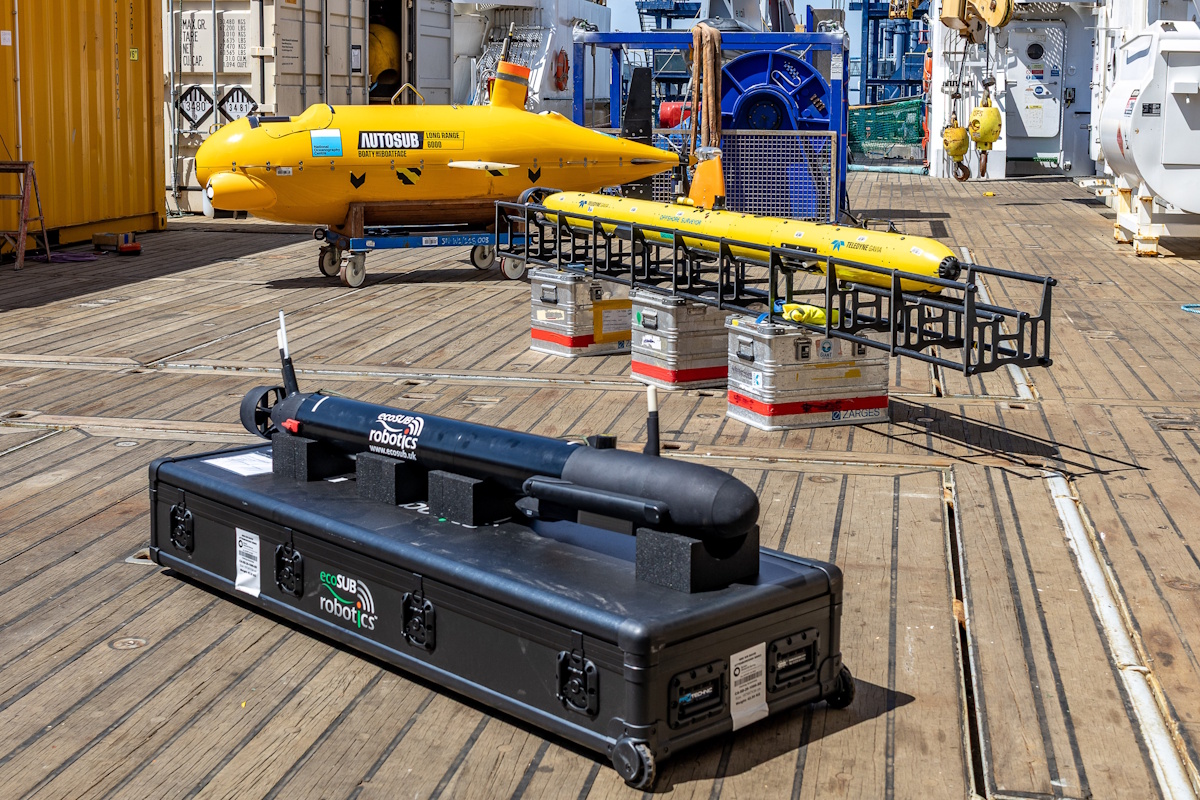
Sonardyne Supports BAS in GIANT Climate Mission with Advanced Positioning Technology
Sonardyne is providing underwater positioning technology for the GIANT climate science mission, which aims to gather data on Greenland's glaciers. The mission will utilize a fleet of autonomous vehicles, including the RRS Sir David Attenborough and various AUVs, to operate in extreme environments and collect comprehensive data. This initiative is significant as it involves 15 collaborating institutions and aims to improve climate models and early warning systems for ice loss in Greenland's fjords. The data collected will enhance understanding of tipping points that could impact global climate. The GIANT mission, running from July to August, will focus on mapping and monitoring ocean temperatures and glacier movements. It will employ a connected observing system of underwater vehicles, robotic sensors, and drones to gather unprecedented measurements in challenging conditions.
Sonardyne Launches SPRINT-Nav DP: Revolutionising Shallow Water Dynamic Positioning Technology
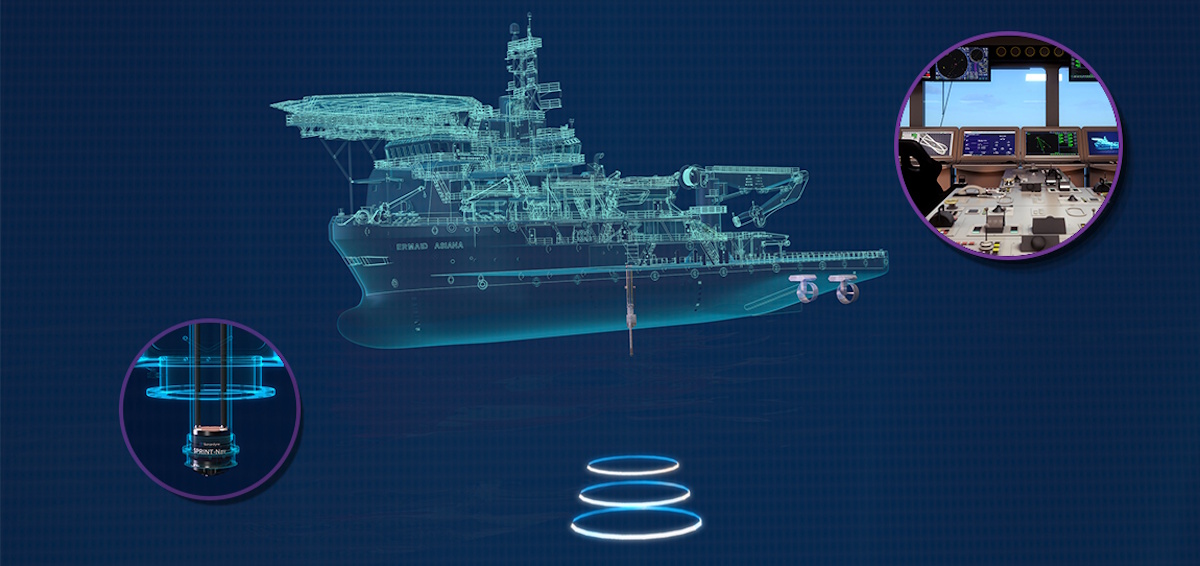
Sonardyne, a prominent provider of innovative marine technology, has unveiled its latest shallow water dynamic positioning (DP) reference system. The announcement was made today, showcasing the company's commitment to enhancing marine operations. This new system is designed to improve the accuracy and efficiency of positioning in shallow water environments, addressing the growing demand for reliable marine solutions. By leveraging advanced technology, Sonardyne aims to support various maritime industries, including offshore energy and marine research. The launch reflects the company's ongoing efforts to lead in the field of marine technology and provide cutting-edge solutions to its clients.
sonardyne new launch sprint-nav dp dynamic positioning technologyRobotics needs a service framework.
RSF defines a common language for robot service capability, lifecycle operations, certification pathways, and service-provider networks.
Join the RobotToday community on LinkedIn
Daily robotics news, in-depth analysis, conference highlights, and discussions with professionals worldwide.