

Industry Briefing
A single destination for timely, editor-curated robotics news from around the world.
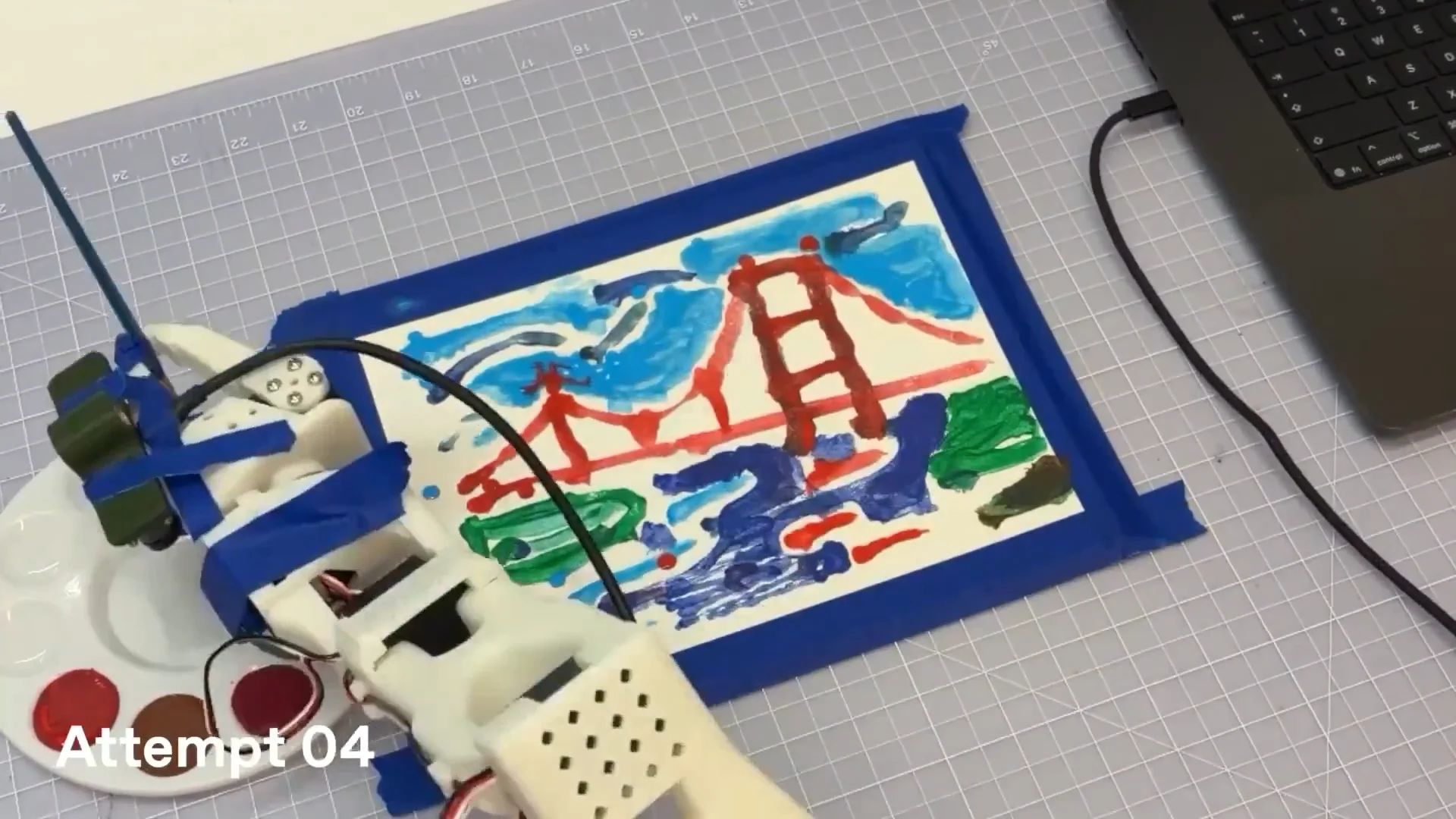
OpenAI's GPT-6 Astra Demonstrates Real-World Painting, Sparking Robotics Debate
OpenAI's GPT-6 Astra has made headlines by painting a rendition of San Francisco's Golden Gate Bridge using a robotic arm, showcasing its visual reasoning capabilities. This experiment, conducted by a 20-year-old roboticist named Thijs, involved Astra autonomously deducing the necessary movements to create the artwork without manual scripting, highlighting a significant advancement in robotics. The implications of this development are profound, as it raises questions about the future of specialized AI startups versus general-purpose models in the robotics sector. Observers are noting that Astra's ability to adapt to physical tasks without prior programming could signify a pivotal moment in the industry, potentially overshadowing dedicated robotics firms that have raised substantial funding for their specialized models. As the debate unfolds, industry experts like Zeeshan Zia from Amazon Alexa suggest that OpenAI may dominate the robotics landscape, challenging the viability of startups like Physical Intelligence and Skild AI. The performance of GPT-6 Astra in hardware benchmarks further complicates the narrative, achieving a 95% success rate in pick-and-place tasks, which may shift the focus towards general models in robotics applications.
Skild AI OpenAI Physical Intelligence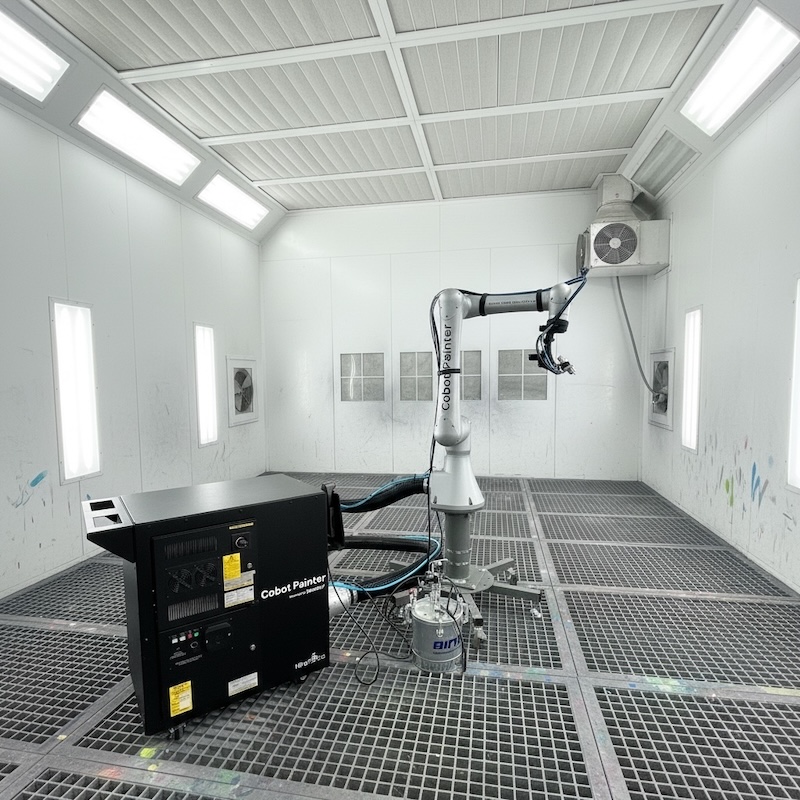
Hirebotics launches ‘no-code explosion-proof’ collaborative robot for industrial painting
Hirebotics has unveiled the Cobot Painter, the first explosion-proof collaborative robot solution designed specifically for metal fabrication. This innovative product, developed using Hirebotics' no-code Beacon platform in conjunction with Fanuc's CRX-10iA/L Paint hardware, is now available for purchase. The Cobot Painter provides metal fabricators and manufacturers with a practical alternative to traditional manual spraying methods and complex automated production lines, catering to high-mix, low-volume production needs. This launch marks a significant advancement in the automation of metal finishing processes, aiming to enhance efficiency and safety in the industry.
Industrial robots News Beacon platform Cobot Painter cobots collaborative robots
Hirebotics offers no-code, explosion-proof cobot for painting
Hirebotics has introduced a new no-code, explosion-proof collaborative robot (cobot) designed specifically for stationary painting applications. This innovative technology allows parts to be placed in a designated paint booth, where the cobot autonomously handles all spraying operations. The development aims to enhance safety and efficiency in industrial painting processes, providing manufacturers with a reliable solution that minimizes the risk of explosions while simplifying the operation through its no-code interface. This advancement reflects Hirebotics' commitment to improving automation in the manufacturing sector, making it easier for companies to adopt robotic solutions without extensive programming knowledge.
Arms / Manipulators Artificial Intelligence / Cognition Automotive Cobot Arms Collaborative Robots Design / Development
Apellix Spray Painting Drone Goes to Work in the Field for State DOTs, Federal Contractors, and Commercial Coating Firms
A new technological advancement is transforming the way infrastructure, industrial, and government projects are executed, as the Semi-Autonomous Aerial Coating System begins to replace traditional lifts and scaffolding. This innovative system is being deployed across various real-world applications, streamlining the coating process and enhancing efficiency. The shift towards this aerial solution is gaining momentum as organizations seek to improve safety and reduce labor costs associated with conventional methods. By utilizing advanced robotics and automation, the Semi-Autonomous Aerial Coating System allows for precise application of coatings while minimizing the need for extensive manual labor. As this technology continues to evolve, it is expected to play a significant role in modernizing project execution and addressing the challenges faced in construction and maintenance tasks.
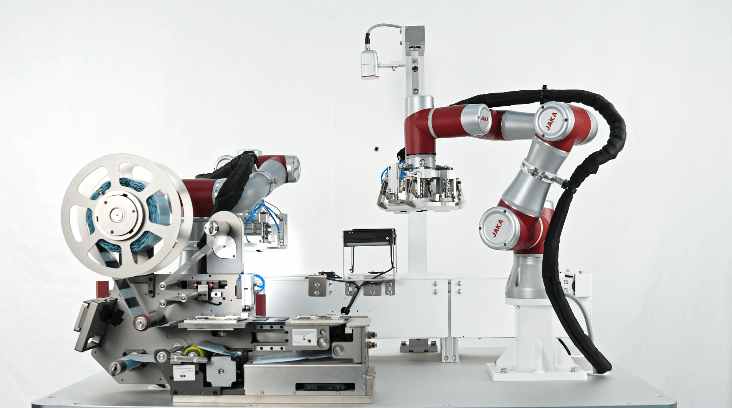
Selecting the Right Payload for Your Painting Robot Project
In the realm of industrial automation, selecting the appropriate payload for painting robots is a critical early decision that significantly impacts motion stability, coating consistency, and overall system reliability. This consideration is particularly vital when the robots are required to transition between various tasks, such as painting and inspection. Experts emphasize the importance of evaluating real operating conditions rather than relying solely on nominal values, as miscalculations can lead to issues like vibration and uneven paint application. Payload calculations should begin with a comprehensive assessment of the end-of-arm tooling setup, which includes the spray gun, fluid lines, and cable routing. Unlike static tasks, painting requires careful consideration of inertia and changes in the center of gravity due to constant acceleration and deceleration. Companies like JAKA focus on aligning payloads with actual process needs to ensure smooth operation and consistent quality, while also optimizing floor space in compact workcells. Moreover, decisions regarding payload can influence the long-term flexibility of the system, allowing for future integrations of additional processes such as screwdriving or assembly. JAKA's experience with adaptable configurations demonstrates that torque adjustments can be tailored to specific product requirements, facilitating efficient task transitions without necessitating a complete redesign of the robot setup. In conclusion, strategic payload selection is essential for maximizing performance, quality, and scalability in painting robot projects. By thoroughly analyzing tooling weight, motion dynamics, and potential future needs, manufacturers can create reliable and efficient systems that adapt to evolving production demands.
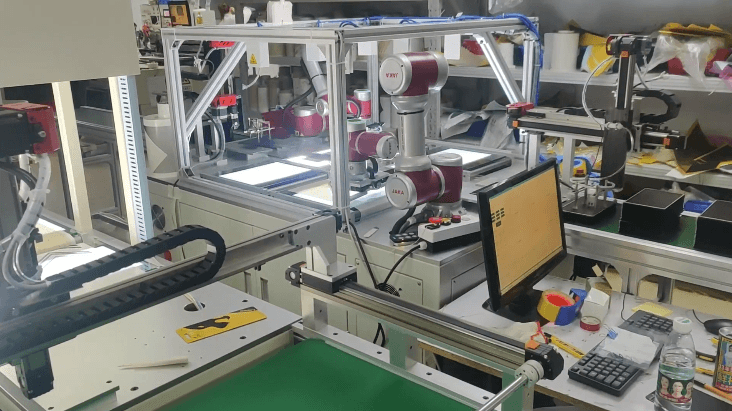
Key Maintenance Tips for Maximizing the Lifespan of Your Painting Robot Arm
Regular maintenance is crucial for extending the lifespan of painting robot arms in industrial settings, where precision and consistency are paramount. JAKA emphasizes a proactive approach to maintenance, integrating it into long-term production planning rather than treating it as a reactive measure. By implementing systematic inspection routines and understanding the interplay of mechanical, electrical, and control components, users can maintain painting quality and protect their investments. Key maintenance practices include routine mechanical inspections to monitor joint movement, cable routing, and tool mounting, which help prevent wear that could compromise coating accuracy. JAKA’s systems facilitate scheduled inspections with accessible joint structures and diagnostic feedback, enabling maintenance teams to identify issues early and ensure consistent performance. Additionally, effective management of control functions is vital for maximizing the durability of painting robot arms. JAKA’s intuitive configuration interfaces allow for smooth handling of payloads and reduce mechanical stress during operations. Features such as load-and-go process packages and manual control modes help minimize wear from repeated trials. Environmental factors and operator habits also play significant roles in the reliability of painting robot arms. JAKA advises users to monitor conditions like temperature and humidity, particularly in mixed environments. Safety interlocks and alarm systems are designed to prevent abnormal operations, while manual control functions allow operators to intervene safely when necessary. In conclusion, JAKA advocates for a comprehensive maintenance strategy that combines regular inspections, thoughtful process configurations, and environmental management to enhance the performance and longevity of painting robot arms, ultimately supporting sustained manufacturing efficiency.
Robotics needs a service framework.
RSF defines a common language for robot service capability, lifecycle operations, certification pathways, and service-provider networks.
Join the RobotToday community on LinkedIn
Daily robotics news, in-depth analysis, conference highlights, and discussions with professionals worldwide.







