Industry Briefing
A single destination for timely, editor-curated robotics news from around the world.
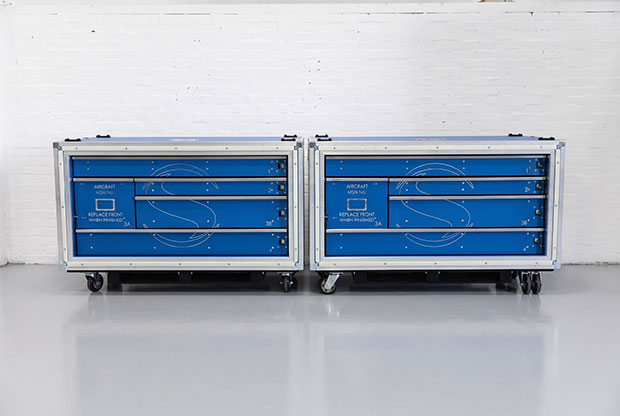
Antalis Packaging Redesigns Transport Cases for Safran, Cutting Costs by £12,000 Monthly
Antalis Packaging has collaborated with global aerospace manufacturer Safran to innovate transport solutions for aircraft landing gear. Instead of merely repairing aging steel transit cases, Antalis developed a new design that enhances operational efficiency and reduces transport costs by approximately £12,000 each month. This initiative highlights a significant shift in how manufacturers perceive packaging, moving beyond its traditional role as a protective measure. The new transport system not only improves handling and safety but also integrates seamlessly into warehouse operations, showcasing the importance of intelligent packaging in supply chain optimization. Looking ahead, the success of this project may encourage other manufacturers to rethink their packaging strategies. As the industry increasingly recognizes the value of smart packaging solutions, further innovations in logistics and transport efficiency are likely to emerge. No further timeline was disclosed at the time of publication.
Packaging
U.S. Robotics Market in Packaging and Processing Expected to Nearly Double by 2031
A new report from PMMI indicates that the U.S. robotics market for packaging and processing is set to nearly double by 2031. The report highlights that mobile robots will be a significant driver of this growth as end users increasingly focus on enhancing productivity, reducing costs, and improving quality. This growth is crucial as it reflects the evolving landscape of packaging and processing operations, where robotics technology plays a pivotal role. The findings underscore the importance of adopting advanced technologies to meet the demands of modern manufacturing and supply chain efficiency. Looking ahead, the PACK EXPO International 2026 will serve as a vital platform for showcasing robotics technology in action. No further timeline was disclosed at the time of publication.

Spark Machinery Enhances Food Packaging with Laser Micro-Perforation and Machine Vision
Spark Machinery has advanced flexible food packaging by integrating machine vision with laser micro-perforation technology. This innovation ensures precise control over material permeability, which is crucial for maintaining food freshness and minimizing waste. The system operates in real-time, conducting up to 28 diagnostic checks per second to ensure quality and consistency in film perforations. The significance of this development lies in its ability to eliminate material waste and enhance supply chain traceability. Traditional mechanical perforation methods often lead to inconsistencies due to wear and physical contact, which can compromise the integrity of the packaging. By utilizing high-resolution cameras and laser configurations, Spark Machinery's solution dynamically adjusts to variations in film thickness and environmental conditions, ensuring optimal performance. Looking ahead, the focus will be on the operational benefits of this technology, particularly its impact on food shelf life and sustainability. As the demand for efficient packaging solutions grows, Spark Machinery's automated, self-diagnosing system positions itself as a leader in the market, promising economic returns for converters and brand owners alike. No further timeline was disclosed at the time of publication.
Engineering Manufacturing Technology flexible packaging food packaging food preservation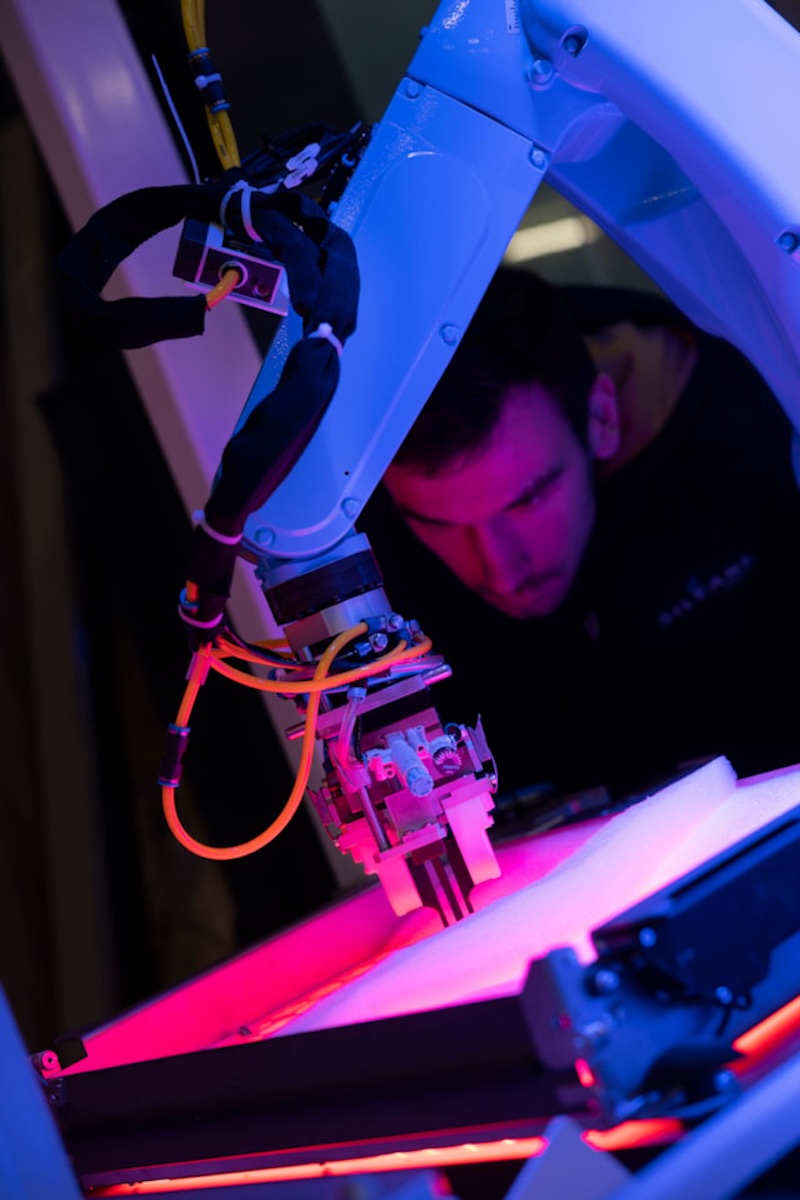
Siléane and HBK Innovate Tactile Intelligence for High-Speed Cosmetics Packaging
Siléane, a France-based advanced robotics specialist, has partnered with Hottinger Brüel & Kjær (HBK) to create an innovative automated gripping solution for a global cosmetics manufacturer. This solution incorporates smart sensing directly into the end-of-arm tooling, allowing for real-time grip quality validation in fast-paced, regulated packaging environments. The significance of this development lies in its ability to address the challenges faced by traditional robotic systems in handling lightweight and flexible components, such as deformable thermoformed trays. By embedding force measurement at the point of interaction, Siléane's approach enhances reliability and precision, reducing the risk of product loss and tray deformation during high-speed operations. Looking ahead, the integration of HBK's PW22i smart load cells into the robotic gripper marks a pivotal advancement in automation technology. This setup not only captures real-time force data but also allows for immediate responses to deviations, ensuring consistent performance. No further timeline was disclosed at the time of publication.
Engineering Features Manufacturing automation cosmetics manufacturing end-of-arm tooling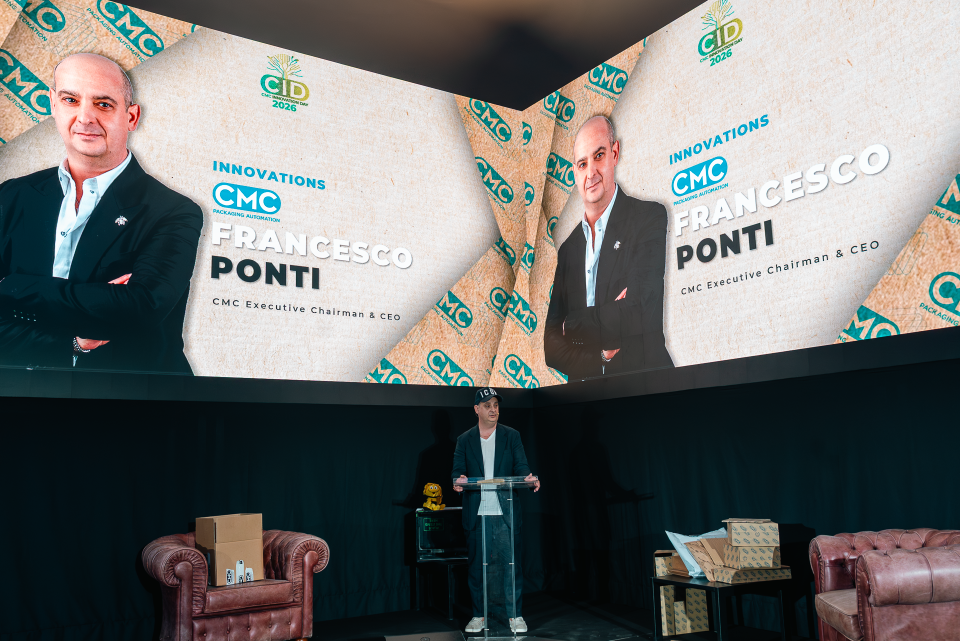
Innovation Day for Advanced Packaging Automation
Over 160 participants from 87 companies across 30 countries convened at CMC Packaging Automation's headquarters for the annual CID26 – CMC Innovation Day 2026. This year's event, themed ‘Ecosystem,’ focused on advancements in fulfillment automation, systems integration, and right-sized packaging. Attendees included customers, technology partners, policymakers, and industry experts, all united to explore innovative solutions and foster collaboration within the packaging sector. The gathering aimed to address the evolving needs of the industry and promote sustainable practices, highlighting CMC's commitment to driving progress in packaging automation.
Automated Packaging eFulfilment Label and Print Packaging and Ecommerce CMC Fulfilment Automation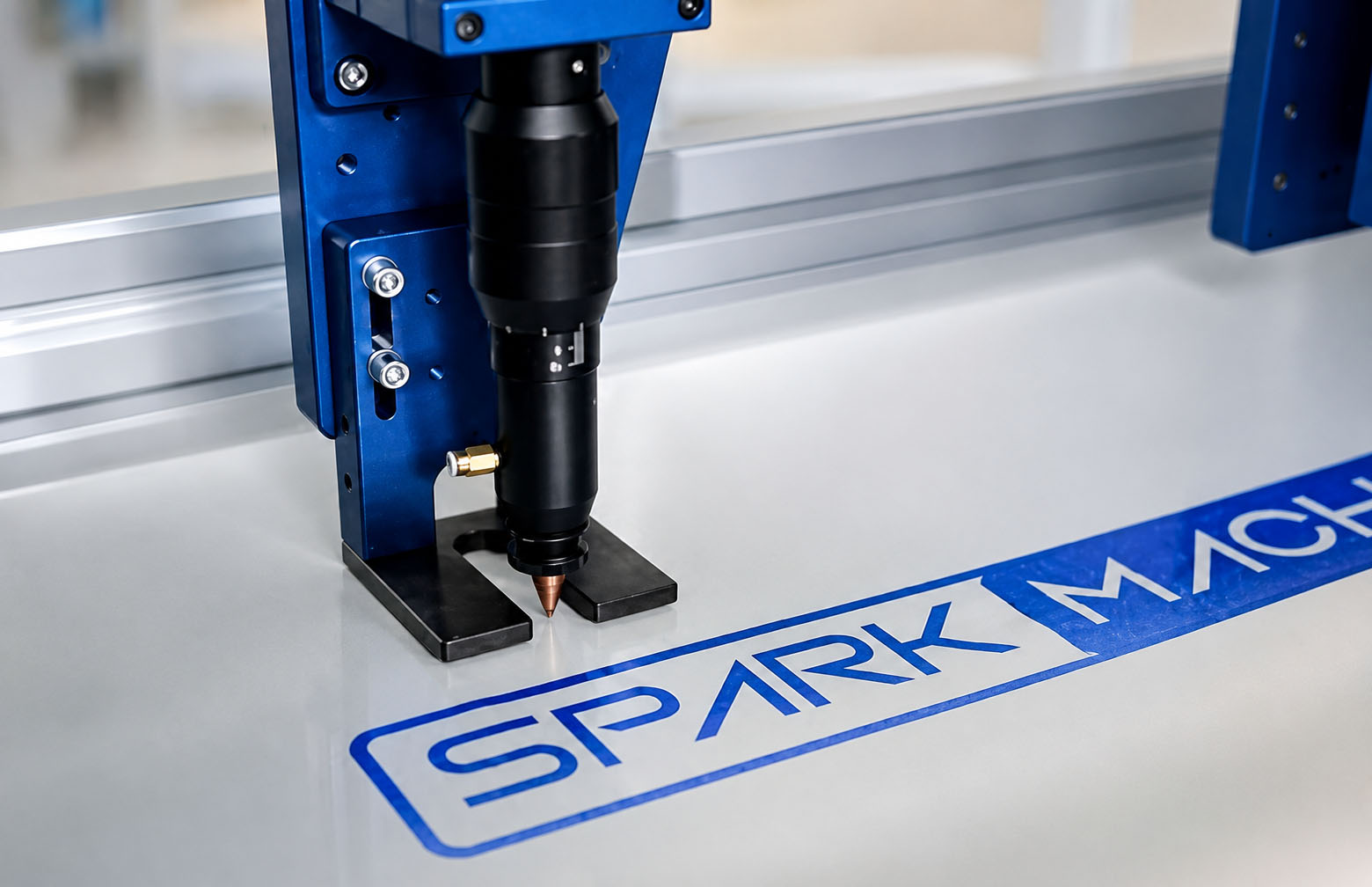
Laser micro-perforation with camera: enhancing reliability in packaging films through industrial vision.
In the contemporary flexible packaging industry, achieving excellence extends beyond aesthetics to become a critical functional requirement. The optimization of permeability has emerged as a fundamental pillar in preserving the freshness of products, where every technical detail plays a vital role in extending shelf life and minimizing food waste. Recent advancements in laser micro-perforation technology, combined with industrial vision systems, are enhancing the reliability of packaging films. This innovative approach not only improves product preservation but also addresses the growing demand for sustainable packaging solutions. The integration of these technologies is transforming how the industry approaches packaging efficiency and effectiveness.
À la une IA Industrie Robotique conservation des aliments contrôle qualité automatisé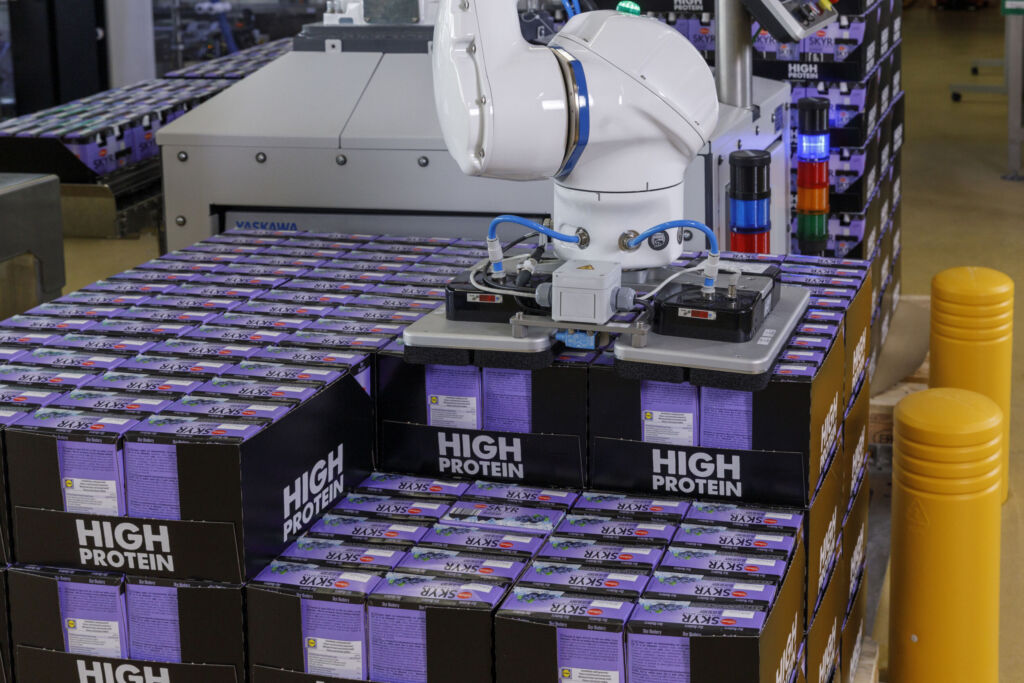
Palletizing pouch bag packaging in open trays
The automation of palletizing pouch bag packaging in open trays has traditionally been a labor-intensive and space-consuming process, lacking in efficiency and reliability. Recent advancements aim to streamline this operation, enhancing productivity and reducing the manual effort required. By implementing new technologies, companies can expect improved process security and optimized use of space, ultimately leading to more effective packaging solutions. This shift is expected to benefit manufacturers looking to modernize their operations and adapt to evolving market demands.
Allgemein Cobots & MRK Lebensmittel & Verpackung Lösungen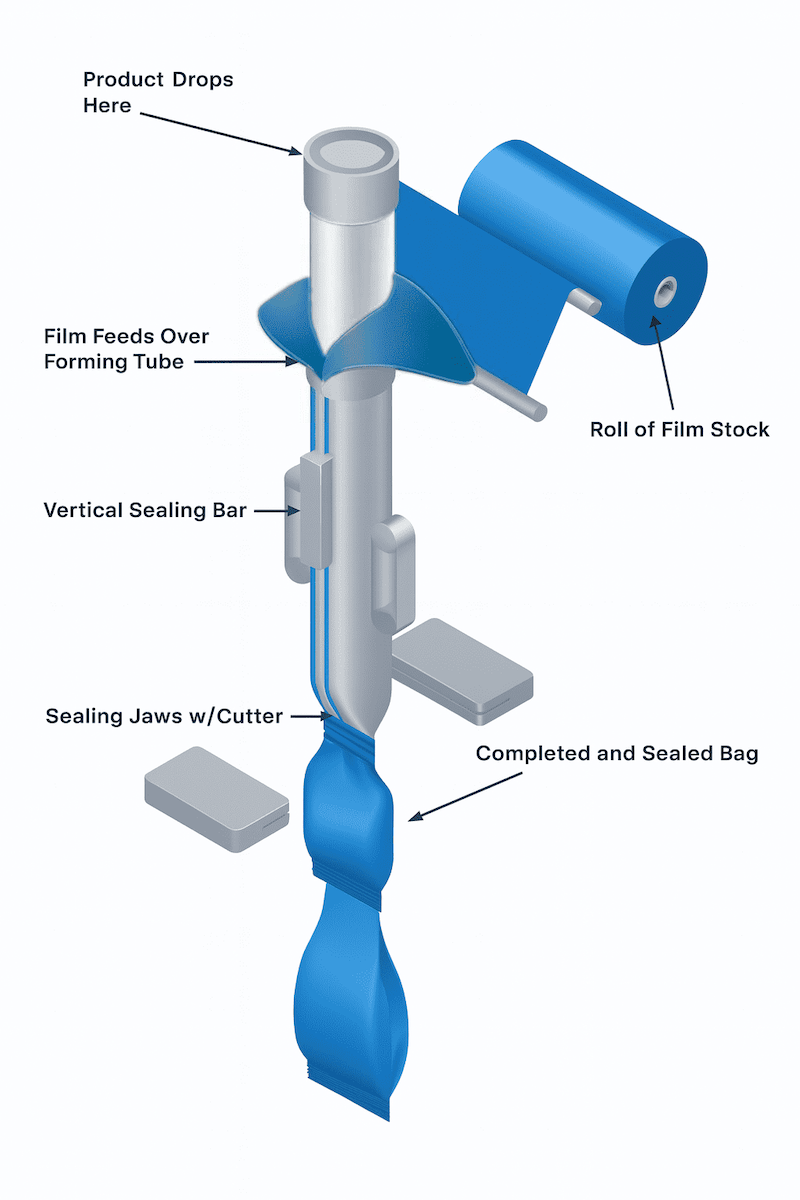
The Future of VFFS Technology in High-Speed Packaging Operations
The packaging industry is experiencing significant changes as manufacturers respond to increasing consumer demands and shorter production timelines. This transformation is marked by a growing reliance on smarter, faster, and more efficient packaging solutions. Central to this evolution is Vertical Form Fill Seal (VFFS) technology, which has emerged as a crucial tool in contemporary packaging facilities. As companies across various sectors adopt this innovative system, they aim to enhance productivity and meet the dynamic needs of the market. The shift towards VFFS technology reflects a broader trend in the industry, where efficiency and adaptability are becoming paramount in the face of evolving consumer expectations.
Engineering Technology artificial intelligence automation news industrial automation industry 4.0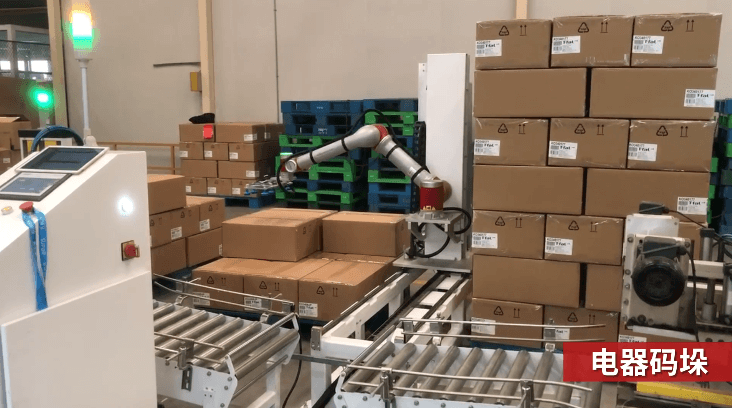
Robotic Packaging Solutions for Perishables: Meeting Strict Hygiene Standards
JAKA has introduced advanced industrial welding robots and robotic packaging solutions aimed at enhancing the safety and quality of perishable goods. As manufacturers grapple with the challenges of maintaining hygiene standards during high-volume production, JAKA's automation technology offers a solution. The JAKA Zu30 palletizing robot, designed for compact spaces, can operate across multiple production lines, significantly reducing operational costs while minimizing human contact to lower contamination risks. These robotic systems automate repetitive tasks such as palletizing and product sorting, thereby eliminating potential human errors and ensuring sanitary packaging operations. They are easy to clean and maintain, aligning with the strict hygiene requirements of the food, pharmaceutical, and sensitive product industries. By providing flexible integration capabilities, the JAKA Zu30 can adapt to various packaging formats and load sizes, making it suitable for a wide range of perishable goods. JAKA's commitment to automation not only improves production efficiency but also creates a cleaner and safer workspace for operators. By leveraging these innovative solutions, companies can achieve reliable packaging performance while adhering to stringent industry standards, ultimately safeguarding product quality and worker safety.
KUKA presents the future of packaging at interpack 2026 – fast, flexible, autonomous
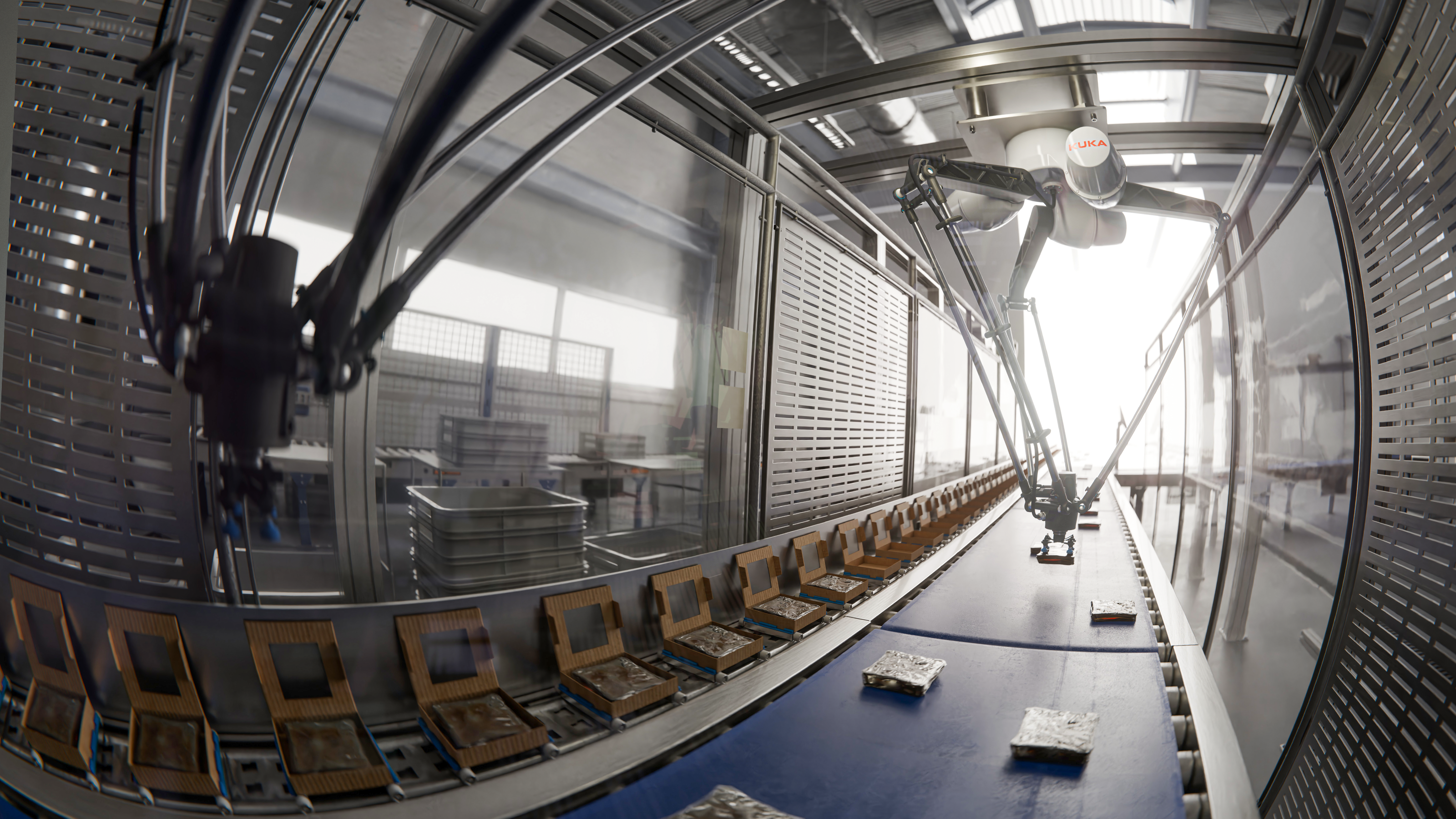
At the upcoming interpack 2026, KUKA will showcase its advanced automation solutions designed to enhance efficiency in packaging processes. The event, scheduled to take place in Düsseldorf, Germany, will feature KUKA's innovations including fast pick-and-place systems, hygienic oil and cleanroom robots, palletizing solutions, heavy-duty robots, and autonomous mobile robots (AMRs). Visitors can explore these technologies at Hall 6, Booth B74. KUKA aims to demonstrate how its smart and clean automation can streamline operations in the packaging, food, and consumer goods sectors, addressing the growing demand for efficient and hygienic production methods.
Optimizing Cycle Time with High-Speed Pick and Place Robots for Packaging
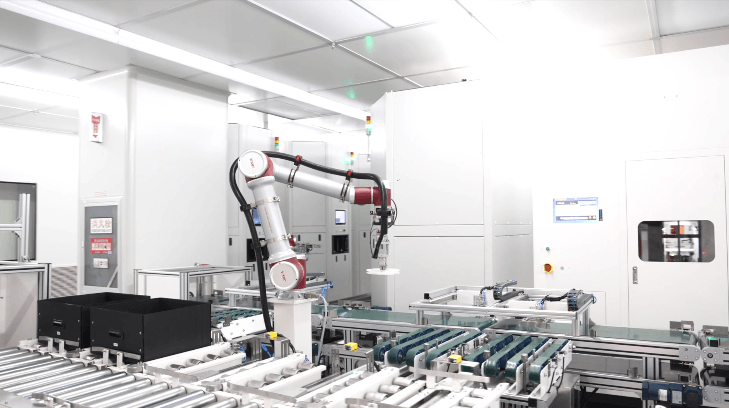
JAKA, a supplier of collaborative robots for packaging manufacturers, is enhancing cycle time optimization in packaging operations through advanced automation systems. By focusing on the reliable management of motion, speed, and coordination, JAKA aims to balance throughput with stability in repetitive handling tasks. The company’s high-speed pick and place robots are designed to address constraints such as acceleration limits and positioning accuracy, ultimately improving efficiency in carton loading, tray packing, and sorting. The deployment of JAKA's Zu5 robot, which supports a 5 kg payload and has a reach of 954 mm, is particularly beneficial for compact packaging cells where space is limited. Its integrated joint design allows for quick assembly and disassembly, reducing downtime during line reconfigurations. This collaborative robot system operates safely alongside human workers without the need for isolation fences, facilitating rapid deployment and adaptability to changing production conditions. By integrating these high-speed robots into existing workflows, JAKA is helping packaging lines achieve shorter idle times and stable throughput, ultimately optimizing cycle times. The company emphasizes that successful cycle time reduction is not solely about increasing speed but also about how well automation adapts to real-world operational challenges. Through their innovative solutions, JAKA is enabling packaging manufacturers to enhance operational efficiency while fostering effective collaboration between humans and robots.
Robot Arms for Food and Beverage Packaging: Three Functional Options
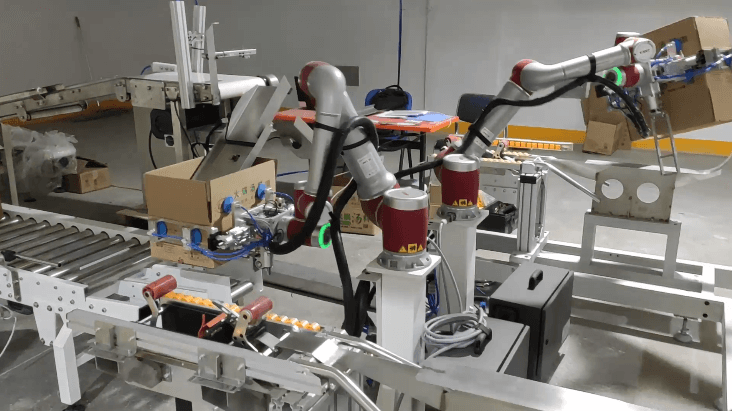
In the food and beverage sector, the unique challenges of packaging automation demand specialized solutions, particularly in hygiene, speed, and gentle handling. JAKA, a provider of industrial robotic arms, emphasizes the importance of selecting the right technology to meet these specific needs. Their robotic arms are designed for precision in handling delicate items such as baked goods and chocolates, achieving accuracy within 0.2mm to minimize product waste and maintain production efficiency. Additionally, JAKA robots are built to withstand demanding environments, featuring an IP54 rating for waterproof and dustproof performance. This durability allows them to operate reliably in cold storage and humid conditions, while their compact design enables installation in tight spaces on busy packaging floors. Moreover, JAKA robotic arms excel in integration, functioning as intelligent nodes within packaging lines. They can communicate with vision systems and conveyors, allowing for real-time adjustments based on data received from cameras. This capability enhances overall equipment effectiveness by ensuring precise placement of products into moving cartons. By aligning their robotic technology with the specific challenges of food and beverage packaging, JAKA aims to enhance hygiene, consistency, and throughput in this fast-paced and regulated industry.
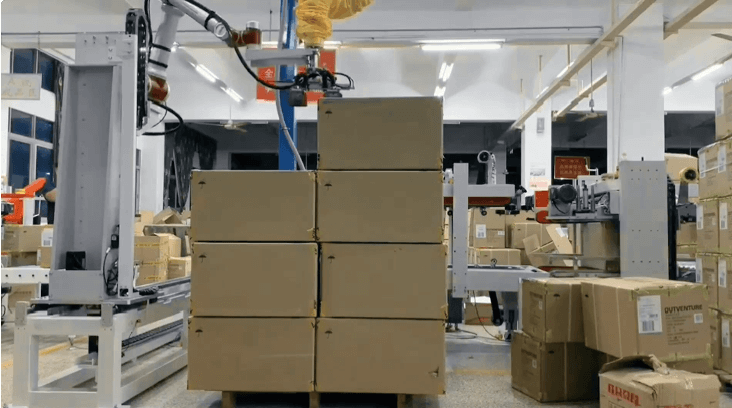
Cobots: Best Practices for Food and Beverage Packaging
JAKA, a leader in robotics and manufacturing, is addressing the challenges of hygiene and flexibility in food and beverage packaging through innovative collaborative robot technology. As the demand for efficient and adaptable production processes grows, JAKA has developed robotic arms designed to withstand rigorous cleaning protocols, featuring an IP54 waterproof and dustproof rating. This design ensures that hygiene standards are met without compromising functionality. The company emphasizes user-friendly operation, allowing packaging line technicians to easily reprogram robots for quick adjustments between multiple product SKUs. JAKA’s intuitive graphical programming interface enables rapid mold changes and adaptations to various package sizes, significantly reducing downtime and making advanced robotics accessible to a wider range of team members. In high-speed production environments, precision is critical. JAKA’s robotic arms are equipped with high-precision hardware and adaptive control algorithms to maintain consistent accuracy throughout long production runs. This capability ensures that every package is handled correctly, preserving product quality and line efficiency. By focusing on hygiene, ease of use, and precision, JAKA aims to integrate collaborative robots seamlessly into packaging processes, enhancing both quality and flexibility on the production floor. The company’s commitment to addressing the unique demands of the food and beverage sector positions it as a key player in advancing robotics and manufacturing solutions.
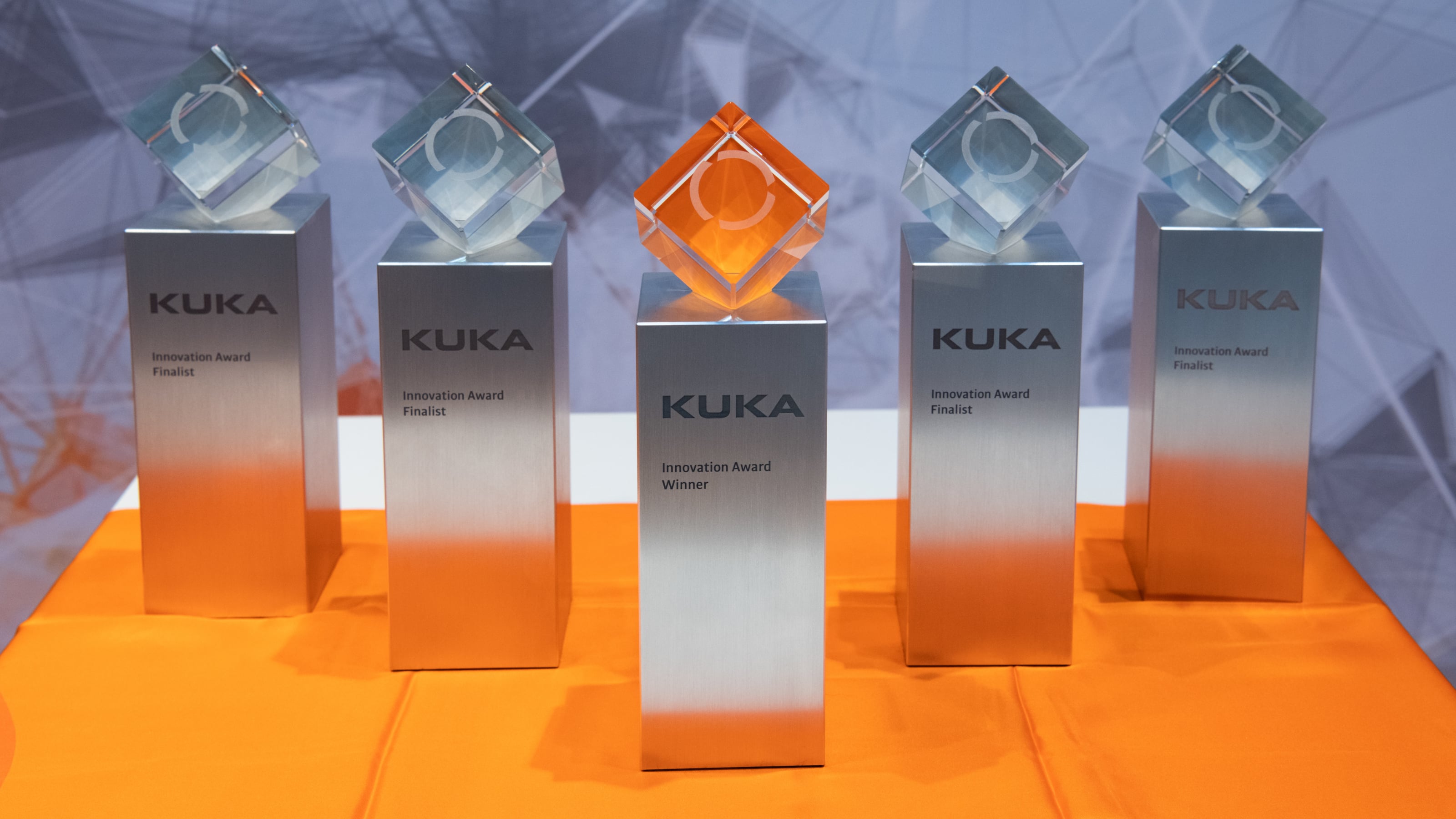
Rethinking packaging - with the help of robotics: Apply now for the KUKA Innovation Award 2026
The packaging industry, a crucial component of the modern economy, is undergoing significant transformation as it seeks to enhance sustainability. In response to this pressing need, KUKA has launched a new round of its Innovation Award, inviting participants to submit creative and innovative ideas that leverage robotics to improve packaging sustainability. This initiative aims to address the environmental challenges associated with packaging materials and processes, encouraging advancements that could lead to more eco-friendly solutions. The competition is open to innovators and thinkers who can contribute to a more sustainable future in packaging, showcasing the potential of robotics in this vital sector.
Robotics needs a service framework.
RSF defines a common language for robot service capability, lifecycle operations, certification pathways, and service-provider networks.
Join the RobotToday community on LinkedIn
Daily robotics news, in-depth analysis, conference highlights, and discussions with professionals worldwide.