

Industry Briefing
A single destination for timely, editor-curated robotics news from around the world.

Interview with José António Bernardo on Physical AI and Robotics Challenges
José António Bernardo, R&D project manager at ABMI Groupe, discusses the transition from laboratory to real-world applications in robotics, AI, and embedded systems. He emphasizes that a robot's performance is not defined by demonstration quality but by its reliability, repeatability, and safety in real-world conditions. Bernardo highlights the significance of Physical AI and adaptive robots, noting that the convergence of AI, embedded systems, and robotics is crucial for success. He shares a specific example where a positioning function showed a 24 mm error, which was corrected to 1.8 mm through their own inverse kinematics, illustrating the importance of accurate measurement and validation. Looking ahead, Bernardo points out that the main challenges lie in data and validation methods. He stresses that without a way to prove a system's functionality outside its training domain, the industry risks producing mere demonstrations rather than viable products. The conversation underscores the need for robust validation processes to ensure industrial robots can operate effectively in dynamic environments.
À la une Industrie Interview Robotique
European Union Reaches Milestone of 700,000 Operational Industrial Robots in 2025
The European Union (EU-27) has achieved a significant milestone by surpassing 700,000 operational industrial robots in 2025. This figure represents 84% of all robots currently in operation throughout Europe, as detailed in the World Robotics 2026 Industrial Robots report by the International Federation of Robotics (IFR). This achievement highlights the growing reliance on automation and robotics within the EU's industrial sector. The increase in operational robots reflects advancements in technology and the ongoing trend towards automation in manufacturing processes, which are crucial for enhancing productivity and competitiveness in the global market. Looking ahead, stakeholders in the robotics and manufacturing sectors should monitor the continued growth of industrial robot adoption in the EU. No further timeline was disclosed at the time of publication.

UBTECH Initiates Mass Deliveries of UWorld U1 Companion Humanoids to Chinese Customers
UBTECH has commenced the mass delivery of its UWorld U1 Lite, Pro, and Ultra companion humanoids to customers in China. This follows a successful launch in June, during which the company received over 13,000 orders for these humanoid robots. The significance of this delivery lies in the growing demand for humanoid robots in various sectors, particularly in China, where technology adoption is rapidly increasing. The UWorld U1 series aims to cater to diverse applications, enhancing user interaction and support in various environments. Looking ahead, it will be important to monitor UBTECH's ability to fulfill these orders efficiently and the potential impact on the humanoid robotics market. No further timeline was disclosed at the time of publication.

Huaruizhipu Launches Praxis One with ~106 TOPS Edge Compute on MediaTek Genio Pro 5100
Huaruizhipu has introduced Praxis One, a single-SoC physical-AI edge platform powered by the MediaTek Genio Pro 5100, which offers approximately 106 TOPS of neural processing unit (NPU) performance. This new platform was showcased during the China Robot Summit week held in Hangzhou. The launch of Praxis One is significant as it targets heavy-duty robots, enhancing their computational capabilities at the edge. The integration of high-performance edge computing is crucial for advancing robotics applications, enabling real-time processing and decision-making in complex environments. Looking ahead, the industry will be keen to observe the adoption of Praxis One in various robotic applications and its impact on operational efficiency. No further timeline was disclosed at the time of publication.
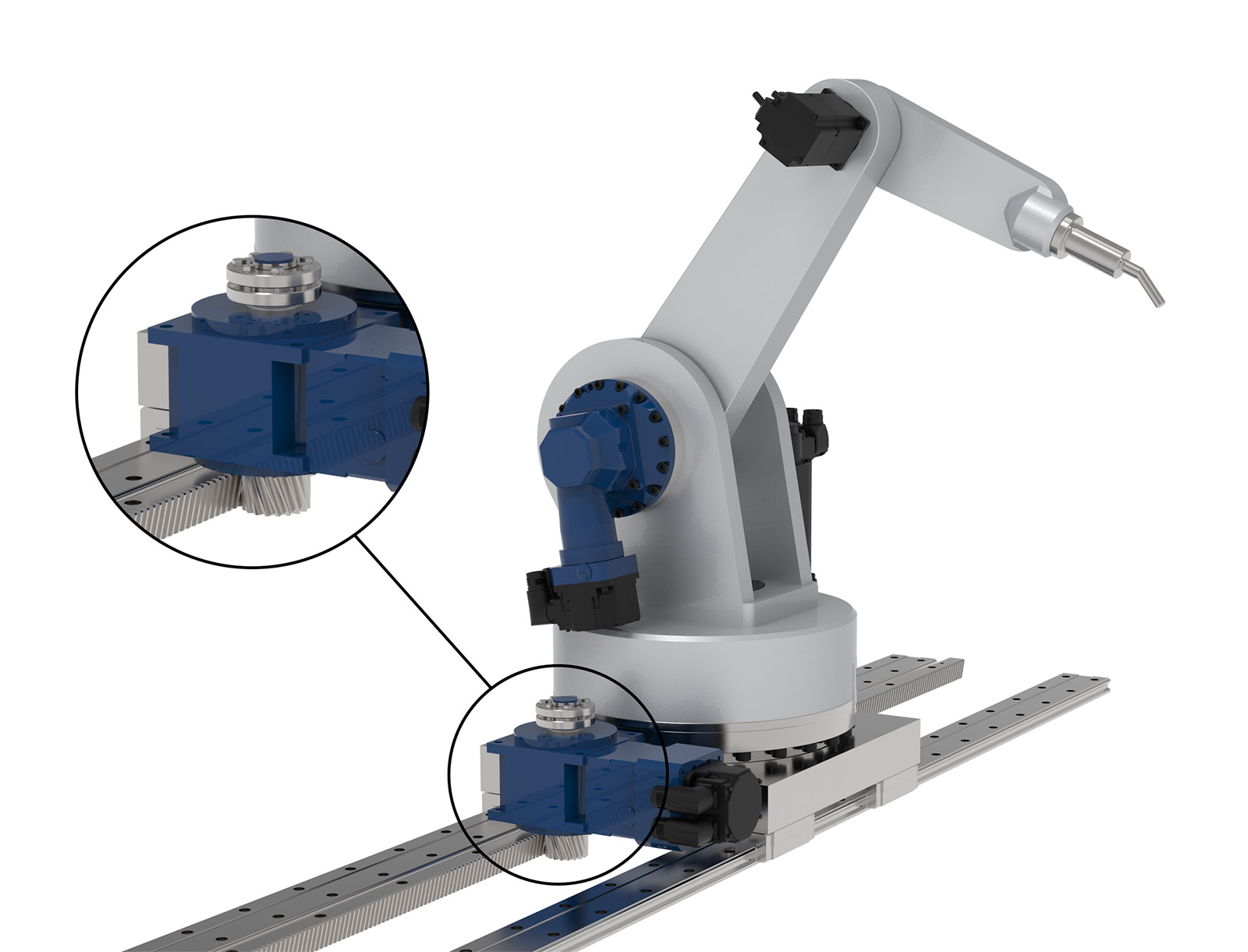
Evaluating Long-Travel Axes: Rack and Pinion vs. Ball Screws and Linear Motors
In the design of long-travel axes for articulated robots, engineers often choose between rack and pinion systems, ball screws, and linear motors. Rack and pinion systems, which consist of a rotating pinion engaging with a toothed rack, offer significant advantages in customization and scalability for longer distances, as highlighted by Matt Ruggles, a senior design engineer at GAM. The choice of mechanism is critical, as ball screws can provide higher precision over shorter distances but face limitations due to a phenomenon known as 'whip' when extended beyond 2-3 meters. This can lead to issues such as premature wear and catastrophic failure, making rack and pinion a more reliable option for longer travel applications. As the industry continues to evolve, understanding the strengths and weaknesses of each system will be essential for engineers. While linear motors excel in speed and control, their complexity and stiffness management present challenges. No further timeline was disclosed at the time of publication.
Sponsored Content GAM rack and pinion
Waymo Resumes Robotaxi Service in San Antonio After Flooding Incident
Waymo has restarted its robotaxi service in San Antonio, Texas, five months after a flash flood incident caused disruptions. In April, several Waymo vehicles became stuck in floodwaters, prompting the company to issue a recall in May and restrict operations in flood-prone areas. The resumption of service is significant as it reflects Waymo's commitment to enhancing safety and reliability in its autonomous vehicle operations. The company has implemented software changes aimed at improving the detection and avoidance of standing water, which is crucial for preventing future incidents. Waymo's robotaxi service now operates in 15 U.S. cities, with the San Antonio service covering a 60-mile area that includes downtown and the San Antonio International Airport. No further timeline was disclosed at the time of publication.
Transportation autonomous vehicles In Brief robotaxis Waymo
Companion Robots Achieve Nearly 300,000 Sales, Highlighting New Market for Embodied Intelligence
Robopoet's Fuzozo, priced at 399 yuan, has sold nearly 300,000 units in China since its launch in July 2025. This surge in sales contrasts sharply with traditional humanoid robots, which have struggled to gain traction in the market. The emotional companionship and personalized interaction offered by such robots have proven to meet a validated demand, as evidenced by users engaging in over 40 minutes of daily conversation. The growing sales figures for companion robots like Fuzozo and Haivivi's BubblePal, which surpassed 300,000 units in the U.S., indicate a shift in consumer interest towards emotional engagement rather than purely functional capabilities. This trend is underscored by WHO data revealing that one in six people globally experience loneliness, particularly among younger demographics. The success of these robots suggests that emotional needs can drive substantial market growth. Looking ahead, the challenge will be whether these products can maintain user engagement as novelty fades. The integration of large language models has transformed companion robots, allowing them to remember past interactions and respond dynamically, which could enhance user retention. No further timeline was disclosed at the time of publication.
Companion Robots Emotional AI Consumer Robotics Human-Robot Interaction
Inspiren Secures $70 Million in Series C Funding to Enhance Physical AI for Senior Living
Inspiren has successfully raised $70 million in Series C funding, achieving a valuation exceeding $500 million. This funding round, led by NewView Capital, brings Inspiren's total funding to $225 million, marking it as the highest for a technology company focused on senior living. The platform utilizes AI-powered ambient awareness to assist caregivers in preventing emergencies, resulting in significant reductions in falls and hospitalizations across various communities. The importance of this funding lies in the growing demand for advanced technology in senior living, particularly as the 85-and-older population continues to expand in North America. Inspiren's innovative approach allows care teams to monitor residents more effectively, addressing the challenges posed by a clinically complex demographic and a strained workforce. The platform's success is evidenced by reported improvements in resident outcomes, including a 48% reduction in falls at Solera Senior Living and a 63% decline in injury-related falls at Clearwater Living. Looking ahead, Inspiren plans to utilize the new funding to scale its market presence and enhance its AI platform capabilities. The recent launch of Two-Way Voice and Alert Claiming features demonstrates Inspiren's commitment to providing real-time insights for care teams. No further timeline was disclosed at the time of publication.
AI Funding & Investment AI AI-driven platform capital markets funding Inspiren
Selecting the Optimal Rack and Pinion System for Precision Linear Motion Applications
GAM has developed rack, pinion, and gearbox systems designed for high performance across all components. A rack and pinion system operates by converting rotational motion from the pinion into linear motion via the rack. Choosing the correct system is crucial, as improper selection can lead to performance issues and increased costs. According to Matt Ruggles, senior design engineer at GAM, selecting the right size for the rack and pinion is essential to avoid breakage or space constraints. The size of the pinion must match the rack to achieve the desired speed and feed force. Additionally, the overall dimensions influence inertia matching between the motor and load, impacting system smoothness. The selection process typically begins with either speed or feed force requirements. If feed force is prioritized, the rack must be adequately sized to transmit the necessary force. Conversely, if speed is the focus, the system must be configured to meet the target speed. Higher precision applications may require specific tooth sizes and shapes, with helical teeth providing smoother motion compared to straight teeth.
Actuators / Motors / Servos Motion Control News Sponsored Content GAM sponsored
Companion Robots for the Elderly Focus on Conversation Rather Than Physical Care
Recent developments in companion robots for the elderly highlight a shift towards prioritizing conversation over physical assistance. Robots like Sandi in Barcelona and Hyodol in South Korea are designed to provide emotional support and reminders for medication and daily activities, addressing the needs of seniors facing cognitive decline and loneliness. This trend is significant as it reflects a growing recognition of the emotional and psychological needs of the elderly population. With over 3.2 billion people aged 60 and above in China and a substantial shortage of professional caregivers, the demand for supportive technologies is increasing. However, the penetration rate of professional care robots remains low, indicating a gap between need and technological adoption. Looking ahead, the challenge remains in developing robots that can perform physical tasks effectively while also providing companionship. As the demand for elderly care continues to rise, the focus on robots that foster interaction rather than just physical assistance may shape future innovations in this sector. No further timeline was disclosed at the time of publication.
Elderly Care Robots Companion Robots AI Technology Healthcare Innovation
iKairos: An AI Companion and Jewelry Redefining Human-AI Interaction
The iKairos, showcased at the 2026 IFA, aims to redefine human-AI interaction by actively understanding users' lives rather than passively waiting for commands. Developed by Singapore-based startup Lingverse, this circular device, known as the 'Neural Core', can be worn as a pendant or embedded in a desktop robot, addressing common issues faced by AI companions. The modular design of iKairos allows for seamless transitions between different forms, enhancing user experience. Its core functionality, termed 'memory perception', utilizes cameras and microphones to record conversations and preferences, building a comprehensive user profile over time. This enables the device to proactively suggest activities or reminders based on accumulated context, potentially acting as an agent to perform tasks on behalf of the user. Lingverse, co-founded by former Jibo board member and investor Joe Jiawei, aims to continue the legacy of the discontinued social robot Jibo. The company secured $29 million in Pre-A funding in July 2026. While iKairos is still in development with no set pricing or launch date, it represents a shift towards AI that not only responds but also understands and integrates into daily life.
AI Companions Wearable Technology Robotics Privacy-focused Design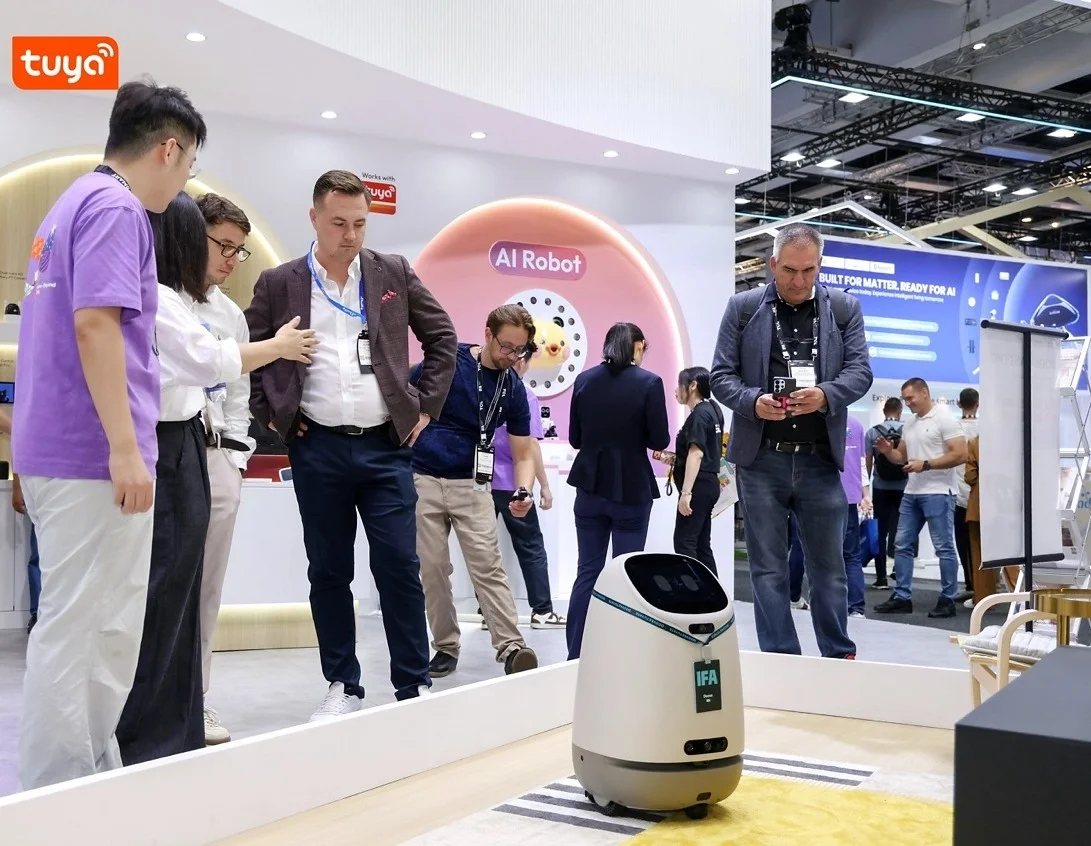
Tuya Smart Launches Doova Companion Robot for Independent Seniors
Tuya Smart has unveiled Doova, an AI-powered companion robot aimed at assisting seniors living independently. The robot features emergency response capabilities, daily assistance, and smart-home controls, utilizing lidar, sound localization, and AI-based skeletal recognition to detect emergencies and alert family members via live video calls if needed. The introduction of Doova is significant as it addresses the growing need for support systems for seniors who wish to maintain their independence. With its ability to monitor environments, provide reminders, and control smart devices, Doova enhances the safety and quality of life for elderly users. It can learn user preferences and assist with various tasks, making it a versatile tool for daily living. Looking ahead, Tuya Smart plans to enhance Doova's capabilities with autonomous item-finding features. The robot's integration into the AIoT ecosystem allows users to control household devices through voice commands, making it a comprehensive solution for modern smart homes. No further timeline was disclosed at the time of publication.
AI AI Funding & Investment AI Use Cases Robotics China companion robot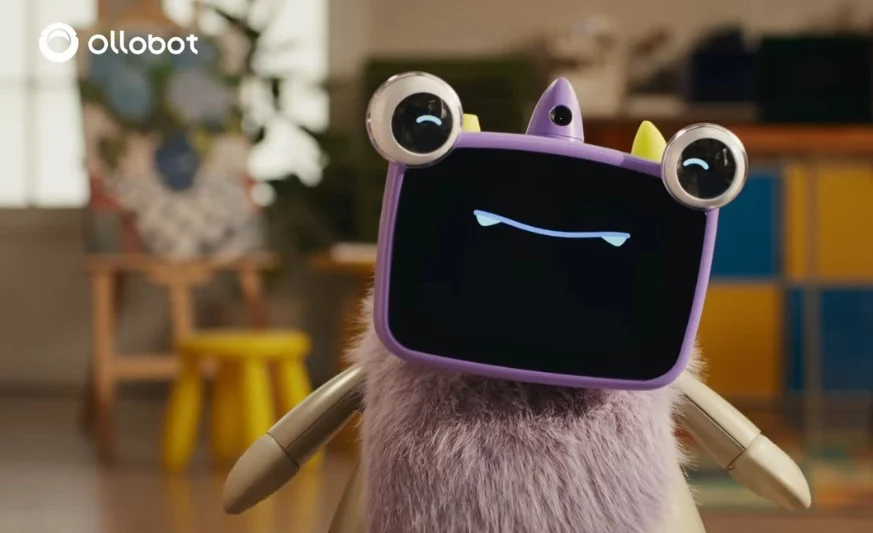
OlloBot Unveils Companion Robot OlloNi SS1 at IFA Berlin
OlloBot has introduced its OlloNi SS1 companion robot at IFA Berlin, emphasizing personalized interaction over task completion. The robot utilizes the EmpathCore emotional-intelligence engine, Affinilog interaction system, and Memory Heart Module to adapt to users and retain information over time. This launch is significant as it marks a shift towards robots that foster relationships rather than merely perform tasks. Founder Lyn Fang highlighted the importance of building connections, stating, "The key question is not only what robots can do, but what relationships they can build." OlloBot has postponed its Kickstarter campaign originally set for late August due to product readiness and changing market conditions. The company plans to provide further updates on the OlloNi SS1 in the coming months, with demonstrations ongoing at IFA Berlin until September 8.
AI AI Funding & Investment Robotics companion robots Cyber Pet Europe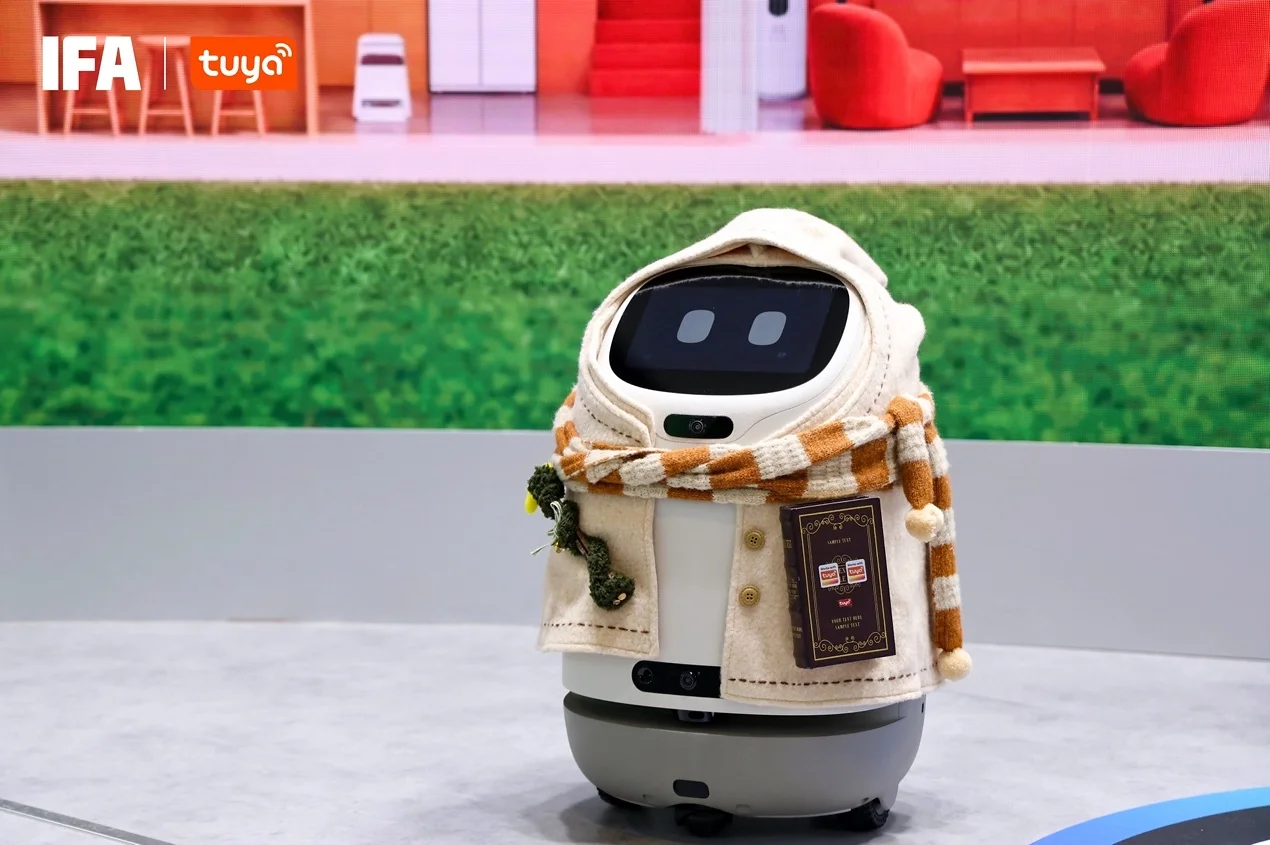
Tuya Introduces Doova: An AI Companion Robot for Elder Care and Smart Homes
At IFA 2026 in Berlin, Tuya Smart unveiled Doova, an autonomous companion robot designed to meet the elder care needs of seniors living independently. This innovative robot integrates proactive fall detection with conversational intelligence and is seamlessly connected to Tuya's smart home ecosystem. Unlike traditional humanoid robots, Doova features a user-friendly wheeled design for effective domestic navigation. The introduction of Doova signifies a strategic shift in consumer robotics, focusing on specialized autonomy to address critical ambient-care challenges that general-purpose humanoids cannot economically or practically solve. For seniors, falls pose significant risks, often exacerbated by delays in alerting caregivers or emergency services. Doova's advanced multi-sensor array and autonomous navigation capabilities aim to mitigate these dangers by providing timely assistance and emergency responses. Looking ahead, Tuya plans to enhance Doova's functionalities with software updates that will include features like autonomous object retrieval. As a mobile command hub for Tuya's AIoT ecosystem, Doova allows users to control various smart home devices through natural voice commands, making daily interactions more intuitive and less transactional. No further timeline was disclosed at the time of publication.
China Tuya
Boeing, U.S. Steel, and Deere Engage in Labor Union Contract Negotiations
Boeing, U.S. Steel, Cleveland-Cliffs, and Deere are currently involved in labor union negotiations to address workers' demands and avert potential strikes. Boeing's Society of Professional Engineering Employees in Aerospace plans to resume discussions on September 8 after workers rejected a four-year contract offer and authorized a strike across five states. The negotiations are critical as they involve over 17,000 Boeing aerospace engineers and technical workers, who are advocating for significant wage increases, annual cost-of-living adjustments, and enhanced 401(k) contributions. The rejection of Boeing's previous offers underscores the urgency for both parties to rebuild trust and address employee priorities before the contracts expire on October 6. Additionally, the United Steelworkers union has extended labor contracts with Cleveland-Cliffs and U.S. Steel by 30 days, allowing ongoing negotiations for wages and job security. This extension is vital for tens of thousands of steel workers, emphasizing the union's commitment to securing strong agreements that support family-sustaining jobs in the steel industry.
IDS Imaging Expands 3D Camera Line with Nion Time-of-Flight Sensor
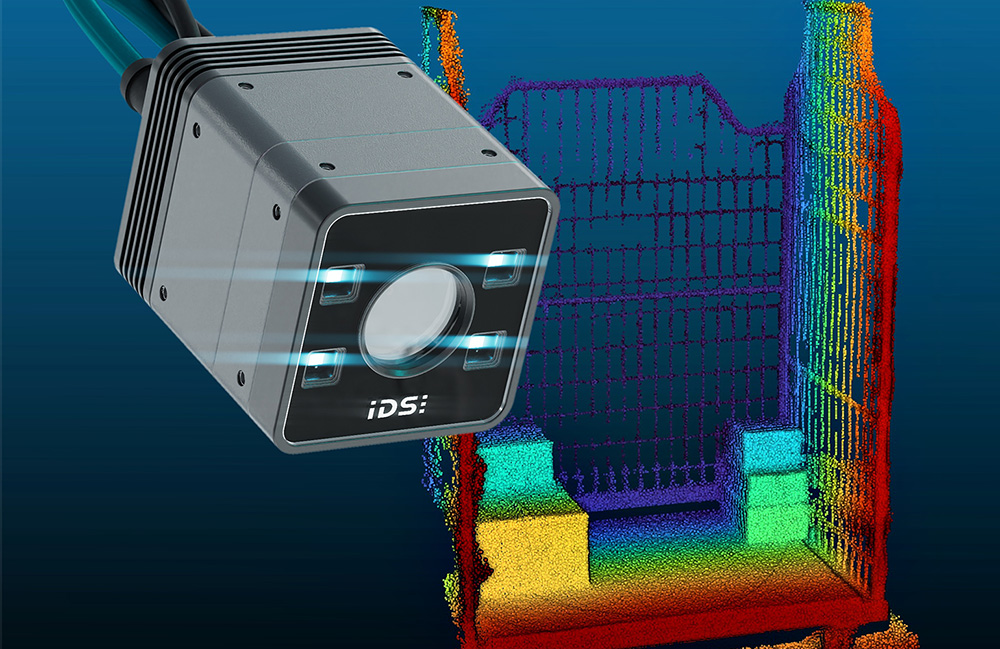
IDS Imaging Development Systems GmbH has introduced the Nion, a new industrial time-of-flight (ToF) camera featuring 1.2-megapixel resolution and integrated depth processing. The Nion camera is now in series production and delivers high-resolution, stable depth information at 30 frames per second, even during rapid movements and varying lighting conditions. The introduction of the Nion is significant for industries requiring precise 3D data at real-world speeds, including logistics, automation, and robotics. Patrick Schick, product manager at IDS, emphasized that the Nion provides reliable depth data under variable lighting, which is crucial for automation processes that depend on fast and accurate 3D information. Looking ahead, the Nion's compact design and rugged IP67-rated housing make it suitable for demanding environments, while its Power over Ethernet (PoE) capability simplifies installation. No further timeline was disclosed at the time of publication.
Cameras / Imaging / Vision News Technologies IDS Imaging onsemi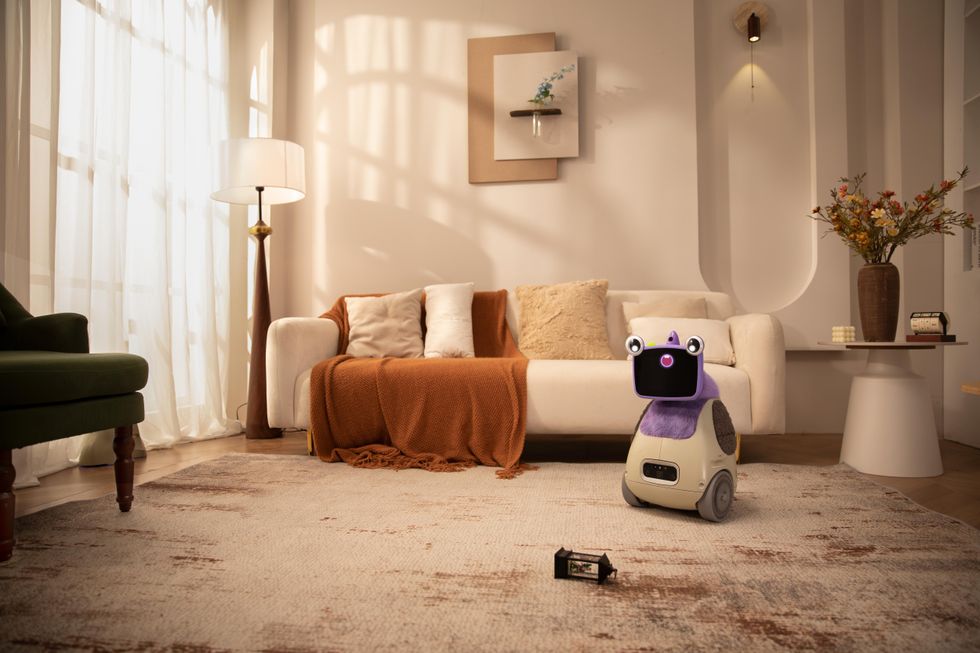
Ollobot's OlloNi SS1 Redefines AI Companion Robots for Emotional Connection
Ollobot's OlloNi SS1 is a new generation of AI companion robots designed to address loneliness and emotional needs in modern households. Unlike earlier models, which were limited in functionality, the SS1 employs proactive interaction and emotional intelligence to provide companionship for various demographics, including the elderly, children, and single professionals. The significance of the OlloNi SS1 lies in its ability to create a sense of presence and emotional support, filling gaps left by traditional communication tools. With the global AI companion market projected to grow from $48 billion in 2026 to $318 billion by 2033, Ollobot's innovative approach positions it at the forefront of this expanding industry. Looking ahead, the evolution of the OlloNi SS1 through over-the-air updates and its integration into family activities will be crucial to its success. As the demand for emotional support in technology increases, Ollobot's focus on familiarity and long-term coexistence may set a new standard for companion robots in the future.
Social-robots Human-robot-interaction Computer-vision Companion-robots Multimodal-ai Ai-robots
IDS's Nion 3D ToF Camera Enters Series Production for Precision Applications
IDS has commenced series production of its Nion 3D Time-of-Flight (ToF) camera, which delivers high-resolution depth information at 30 frames per second. This capability remains stable even during rapid movements and varying lighting conditions. The introduction of the Nion 3D ToF camera is significant for sectors such as logistics, automation, and robotics, where accurate 3D data is essential for operational efficiency. The camera's performance ensures it can meet the demands of real-world processes, enhancing the functionality of automated systems. Looking ahead, the Nion 3D ToF camera's deployment in various applications will be closely monitored, particularly in environments requiring precise depth perception. No further timeline was disclosed at the time of publication.

A Scholar's 25-Year Journey in Robotics and Focus on Companion Technology
In 1998, Zhang Fumin attended an international robotics conference in the U.S. with fewer than 400 attendees. Recently, he participated in the same conference in Vienna, which attracted 10,000 participants. Over 25 years, he has witnessed the evolution of the robotics industry but claims to have 'perfectly missed all opportunities for wealth.' Initially focused on model-based control during his PhD, he shifted to entrepreneurship when the industry moved towards data-driven approaches, choosing to develop companion technology rather than humanoid robots. Zhang emphasizes the principle of 'bounded companionship,' advocating for products that do not encourage addiction among minors or serve as substitutes for human interaction. Instead, his aim is to foster connections between people. He illustrates this with a story from Jin Yong's novel, where a character becomes so absorbed in a statue that he neglects real relationships. Zhang believes that while no product can eliminate loneliness, it can help alleviate it, promoting a balance between carbon-based and silicon-based intelligences. In 2023, Zhang returned to China as the director of the Robotics Institute at Hong Kong University of Science and Technology, fully committing to the entrepreneurial path in companion technology. His students have successfully secured funding in underwater embodied intelligence, and he has also achieved funding in the companion technology sector. 'This year is a magic year,' he states, reflecting on the journey ahead.
Companion Robots Robotics Research Human-Robot Interaction AI Technology
Companion Robots Transitioning from Concept to Daily Life in China
In a Shenzhen nursing home, companion robots are actively engaging with elderly residents through activities like chess, poetry reading, and Tai Chi. This shift comes as China's aging population is projected to exceed 320 million by the end of 2025, highlighting the urgent need for elder care solutions. The companion robot market in China is expected to reach approximately 79.6 billion yuan in 2024 and rise to around 90 billion yuan in 2025. By the end of 2026, the market could expand to between 110 billion and 140 billion yuan, driven by advancements in edge AI. The elder care robot segment alone is anticipated to surpass 10 billion yuan by 2026. As the industry evolves, challenges such as data privacy, ethical human-robot interaction, and addiction risks are emerging. The development of emotional AI models capable of recognizing nuanced emotions is crucial for enhancing the companionship experience, marking the beginning of a significant market opportunity.
Companion Robots Elder Care AI Technology Emotional Recognition Robotics Market
Physik Instrumente Launches L-886 Goniometer Family for Precision Angular Positioning
Physik Instrumente (PI) has unveiled the L-886 Goniometer Family, a new series of motorized goniometers aimed at providing high-performance angular positioning. These units are engineered for precision alignment in both research and industrial settings, catering to demanding applications that require exacting standards. The introduction of the L-886 Goniometer Family is significant as it enhances PI's portfolio in precision motion control and nanopositioning solutions. This development is expected to meet the growing demand for advanced positioning systems in various sectors, ensuring that users can achieve the accuracy needed for their projects. Looking ahead, industry professionals should monitor the adoption of the L-886 series in various applications, as it may set new benchmarks for performance in precision alignment tasks. No further timeline was disclosed at the time of publication.

Nio Achieves 120 Million Battery Swaps with Launch of 4,000th Station
Nio announced the completion of its 120 millionth battery swap at 8:09 a.m. on August 7. This milestone coincided with the launch of its 4,000th battery-swap station, which is part of the first batch of fifth-generation stations, enhancing service for its Nio, Onvo, and Firefly brands. This achievement is significant as it underscores Nio's commitment to expanding its infrastructure, now comprising 9,166 charging and battery-swap stations, including 1,049 dedicated highway swap stations. The cumulative electricity delivered through these battery swaps has reached an impressive 6.35 billion kilowatt-hours, showcasing the growing reliance on battery-swapping technology in the electric vehicle market. Looking ahead, Nio's continued expansion of its battery-swap network will be crucial for supporting its electric vehicle ecosystem. No further timeline was disclosed at the time of publication.
News Feed
Introducing Mirumi: The Shy Robot Companion Set to Debut in 2026
A new plush robot named Mirumi is poised to take the spotlight in 2026, succeeding last year's popular Labubu. Developed by Yukai Engineering in Tokyo, Mirumi is palm-sized and features long arms that can wrap around bag straps, resembling a mini sloth. Its unique characteristic is its shyness; it reacts to attention by looking away or lowering its head, creating an engaging interaction with users. Mirumi's significance lies in its ability to provide a sense of companionship without any functional tasks. Unlike traditional AI devices, it does not answer questions or process information. Instead, it offers a pure emotional experience through its physical presence, responding to touch and sound with subtle emotions like excitement and hesitation. This shift from passive observation to active engagement marks a new trend in robotic companions. The product has already exceeded its Kickstarter funding goal and will be exclusively sold at Lane Crawford in Hong Kong for HKD 999, including a digital adoption certificate for each buyer. As users express joy reminiscent of interacting with infants, Mirumi represents a deeper emotional connection, focusing on the feeling of being seen rather than fulfilling practical needs.
Companion Robots Emotional AI Consumer Electronics Interactive Toys
The Importance of Companion Mobile Apps in Robotics and Automation Systems
Companion mobile apps are becoming essential in robotics and automation, allowing operators to manage machines remotely. As the International Federation of Robotics reported 542,000 industrial robot installations in 2024, the need for efficient monitoring and maintenance alerts has surged, making these apps integral to operations. The rapid growth of robot fleets, now exceeding 4.6 million units globally, necessitates real-time telemetry and role-based access in companion apps. These applications must provide offline functionality and timely alerts to prevent operational delays, as a five-minute lag in communication can lead to significant production losses. Looking ahead, the evolution of robotics-as-a-service is transforming companion apps to support features like usage-based billing and in-app payments. This shift indicates that the role of these apps will expand beyond monitoring to include handling regulated financial data, reflecting the changing landscape of industrial automation.
Automation Robotics Software automation companion apps cybersecurity
Hangzhou Unveils 'Panda', the First Active Emotional Companion Robot for Children
On July 28, Hangzhou's Robot School hosted the launch of 'Panda', the world's first active emotional companion robot for children, developed by Hangzhou Chuangwuji Technology Co., Ltd., a spin-off from Zhejiang University. This innovative robot utilizes embodied life-sensing interaction technology, providing a unique emotional companionship experience tailored for young children. The significance of 'Panda' lies in its ability to address the emotional needs of children while also serving as a supportive educational tool for parents. With features like a panda-inspired design, customizable soft materials, and advanced sensory technology, 'Panda' engages children in various activities, including storytelling and language practice, thereby easing the burden of parental involvement in dual-income households. Looking ahead, the development team plans to expand 'Panda's' applications across different demographics and industries, including elderly care and educational settings. The company aims to redefine human-robot relationships by fostering emotional connections, positioning 'Panda' as a vital companion in children's lives and a potential leader in the emerging empathy-driven market.
Emotional Companion Robots Child Development Technology AI Robotics Educational Tools
AGIBOT X2 Series Makes Historic Debut as Sports Companion at World Cup
The AGIBOT X2 Series has made history by being the first embodied AI humanoid robot to serve as a full-scenario companion at a World Cup. This significant event highlights the transition of embodied AI from industrial and laboratory environments to major global sporting events. This debut is crucial as it demonstrates the growing capabilities and applications of embodied AI technology in real-world scenarios. By participating in such a prestigious event, the AGIBOT X2 Series showcases the potential for humanoid robots to engage with audiences in dynamic and interactive ways, expanding the horizons of AI integration in sports. Looking ahead, the implications of this development could lead to further innovations in how robots interact with humans in various settings. No further timeline was disclosed at the time of publication.
QiYuan T1 Personal Robot Launches: A Transformable Companion Between Human and Dog Forms
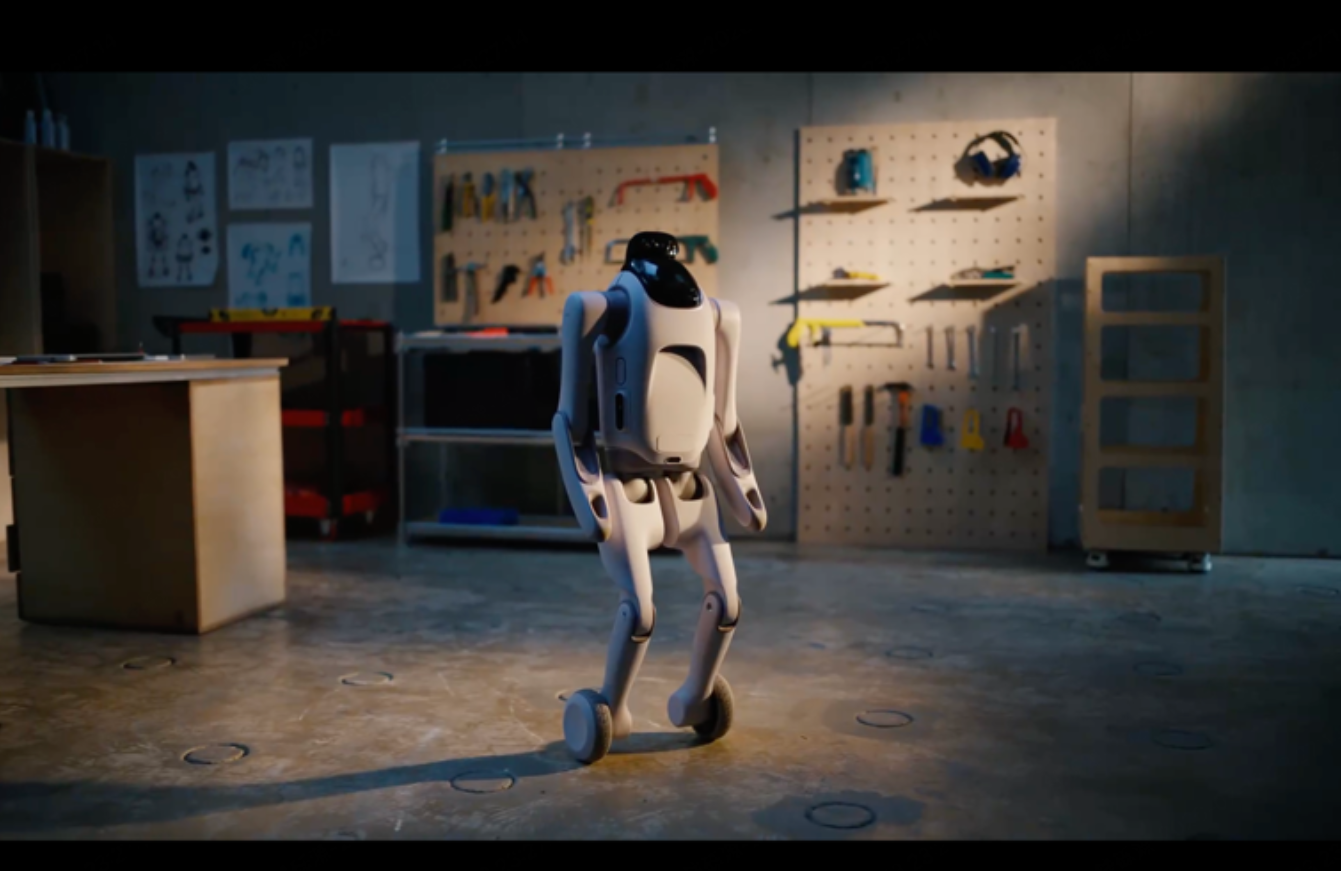
The QiYuan T1, a transformable personal robot, made its debut at the 2026 World Artificial Intelligence Conference in Shanghai. This innovative robot can autonomously switch between a humanoid form for indoor use and a quadrupedal 'robot dog' form for outdoor environments, adapting seamlessly to various terrains without manual intervention. This development is significant as it showcases advancements in robotics, particularly in the realm of personal companions. The QiYuan T1's ability to engage in human interaction through flexible force control technology enhances its role beyond mere task completion, allowing it to serve as a companion in daily life. Looking ahead, the QiYuan T1's unique design and capabilities may set new standards for personal robots. With ongoing investments in research and development, including a reported 4585.16 million yuan in Q1 2026, the company is poised to expand its presence with offline experience stores in cities like Shanghai and Shenzhen. No further timeline was disclosed at the time of publication.
Transformable Robots Personal Robotics AI Technology Consumer Electronics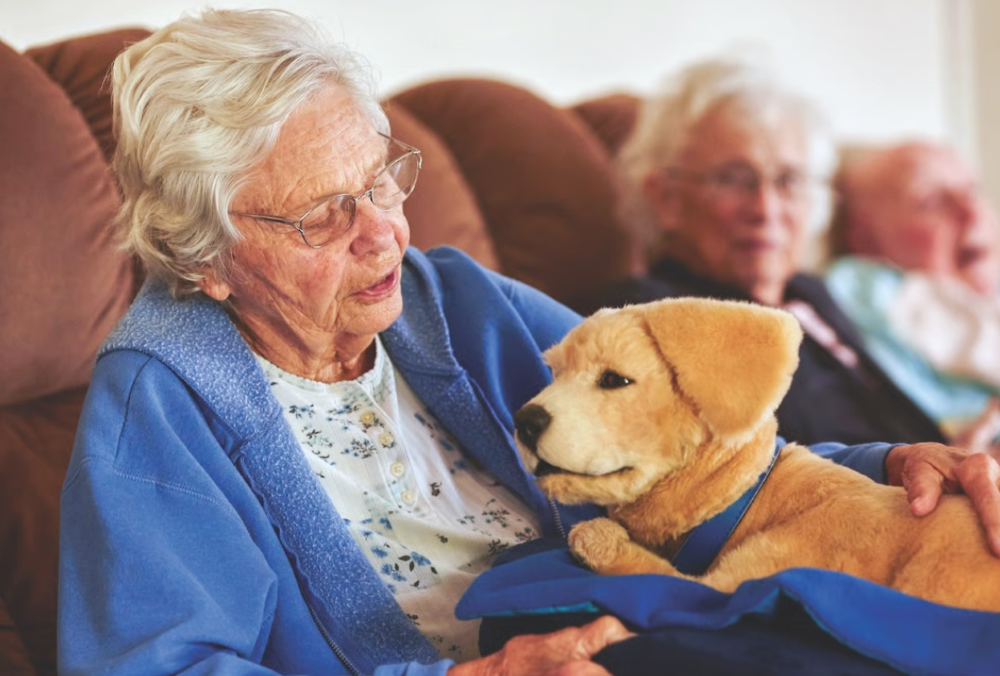
Tombot's AI-Driven Robotic Dog Receives Over 23,000 Preorders for Senior Emotional Support
Tombot, a robotics company based in Los Angeles, has announced the completion of a $7 million Series A3 funding round led by Caduceus Capital Partners and Wavemaker 360. This brings the company's total funding to over $13 million, with more than 23,000 preorders for Jennie, an AI-driven robotic Labrador puppy, already secured before product delivery. The significance of Jennie lies in its potential to address the growing issue of loneliness among seniors, particularly those suffering from dementia and mild cognitive impairment. With over 300 million individuals globally affected by these conditions, Tombot aims to provide a medical-grade emotional support device that requires no feeding, walking, or maintenance, thus offering a viable companionship option for the elderly. Looking ahead, Tombot's focus will be on continuous updates to Jennie's behavior and voice commands through an accompanying mobile app. The response from investors and the market indicates a serious consideration of robotic companions as a solution to the pressing challenges of aging populations and caregiver shortages. No further timeline was disclosed at the time of publication.
Emotional Support Robots Elderly Care Technology AI Companions Robotics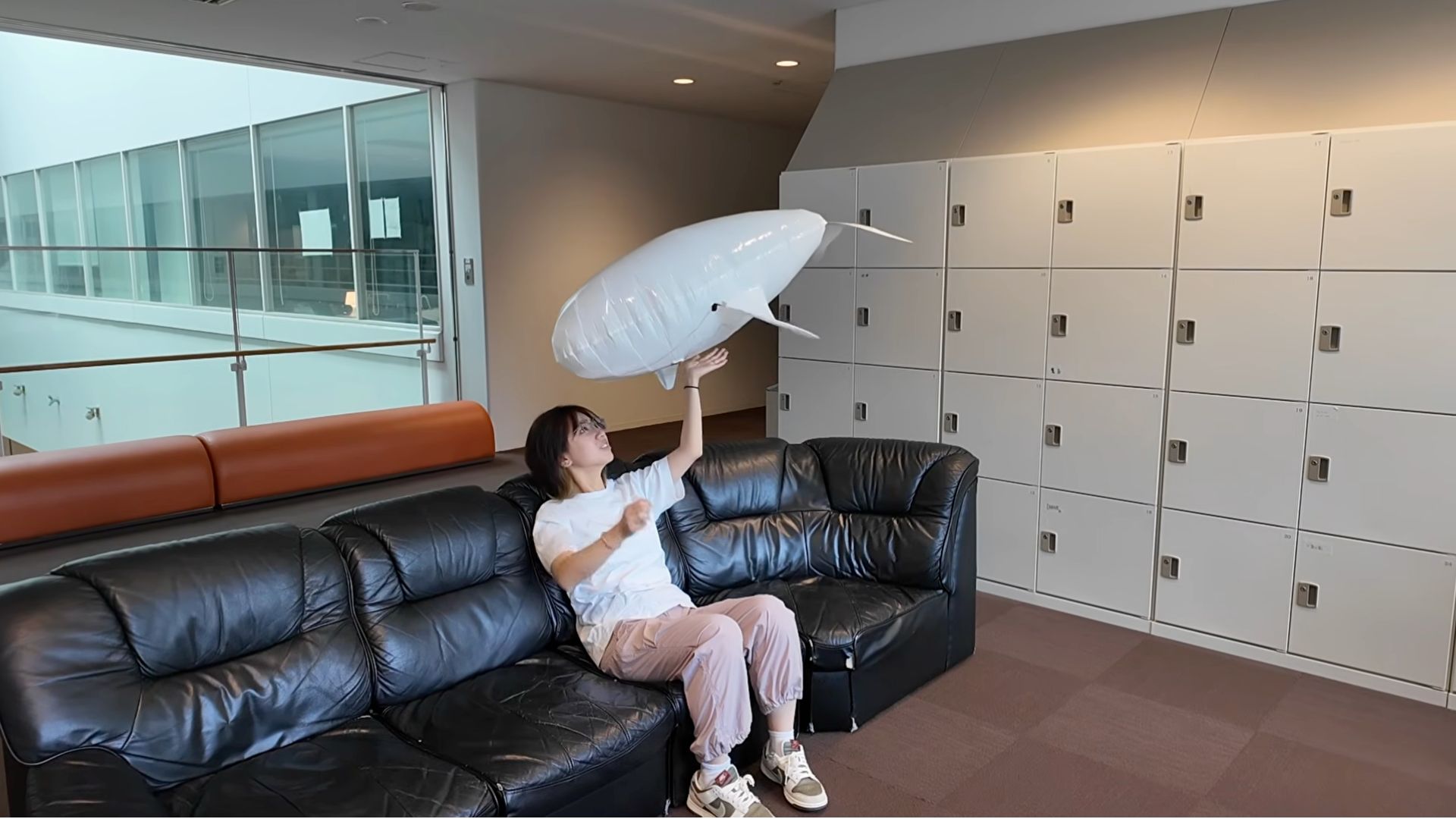
Japanese Researchers Develop Floating Companion Robot Inspired by Fictional Characters
Researchers at Keio University in Tokyo have created a silent, floating companion robot that mimics the movement of animated creatures. This innovative prototype, inspired by characters like Tinker Bell and Pokémon’s Mew, is designed to be approachable and safe for indoor environments. The significance of this development lies in its potential to enhance human-robot interaction at home. Unlike traditional drones, this soft floating robot utilizes helium for buoyancy, resulting in quieter operation and lower energy consumption, making it a more natural companion for users. Looking ahead, the researchers have established a systematic interaction design framework for soft floating robots, which could lead to advancements in mobility and human interaction. No further timeline was disclosed at the time of publication.
AI and Robotics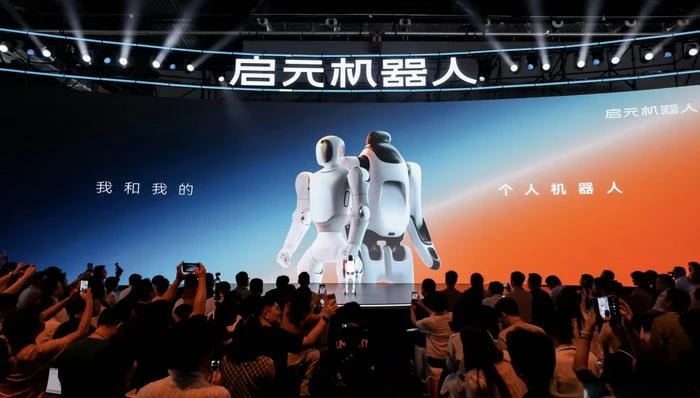
PrimeBOT Introduces Q1 and T1 Personal Robots Priced at 19,999 Yuan
PrimeBOT, known as Qiyuan in China, launched its Q1 and T1 personal robots in Shanghai on September 20, priced at 19,999 yuan each. Deliveries are set to commence on October 1, with the robots designed for home use, emphasizing personalization and programming capabilities. The introduction of these robots marks a significant commercial milestone for PrimeBOT, following their presentation at IFA in Berlin. The Q1 is an 88-centimeter humanoid robot with 22 degrees of freedom, while the T1 can switch between humanoid and quadrupedal modes, featuring applications like autonomous filming and following. Looking ahead, PrimeBOT's strategy focuses on education, companionship, and entertainment rather than complex household tasks. CEO Tian Hua highlighted potential revenue from content and services, suggesting that the robots' long-term success will depend on their integration into daily routines and the quality of available applications.
product-launch China Consumer Tech PrimeBOT
BBC's Ann Droid Explores Robots as Companions for Tackling Loneliness in Care
The new BBC sitcom 'Ann Droid' imagines a future where robots provide care and companionship to the elderly, focusing on a widow named Sue and her assistive robot, Linda. The show raises critical questions about the role of robots in addressing loneliness among older adults and whether machines can truly offer companionship without replacing human connections. As researchers in social care and robotics, the creators highlight that while the technology depicted in 'Ann Droid' is exaggerated, some real-world applications are already being tested. Initiatives like Comfort Companions, developed in partnership with Age UK South Gloucestershire, aim to provide conversational AI to combat loneliness, supplementing human befrienders rather than replacing them. Looking ahead, the potential for robots to enhance social connections rather than replace them is a key takeaway from the series. However, significant barriers remain, including limitations in technology and social acceptance. The sitcom cleverly addresses public concerns about trusting robotic caregivers, emphasizing the importance of maintaining human control and connection in the caregiving process.

Moxie, the Social Robot for Children, Shuts Down After Six Years of Service
Moxie, a social robot designed for children, has officially shut down after six years of operation. Initially launched at a price of $1,499, with a monthly subscription fee of $40, Moxie was intended to assist children, particularly those with autism, in developing social skills and emotional responses. The significance of Moxie's existence lies in its role as a companion for children like Xiao Xing, who has autism. Moxie was designed to engage with children through eye contact and emotional responses, providing a non-judgmental presence. Despite its innovative design and backing from experts in social robotics, Moxie faced challenges in effectively communicating with all children, particularly those who were more active or had different communication styles. Looking ahead, the closure of Moxie raises questions about the future of social robots in educational and therapeutic settings. No further timeline was disclosed at the time of publication.
Social Robots Autism Support Emotional AI Child Development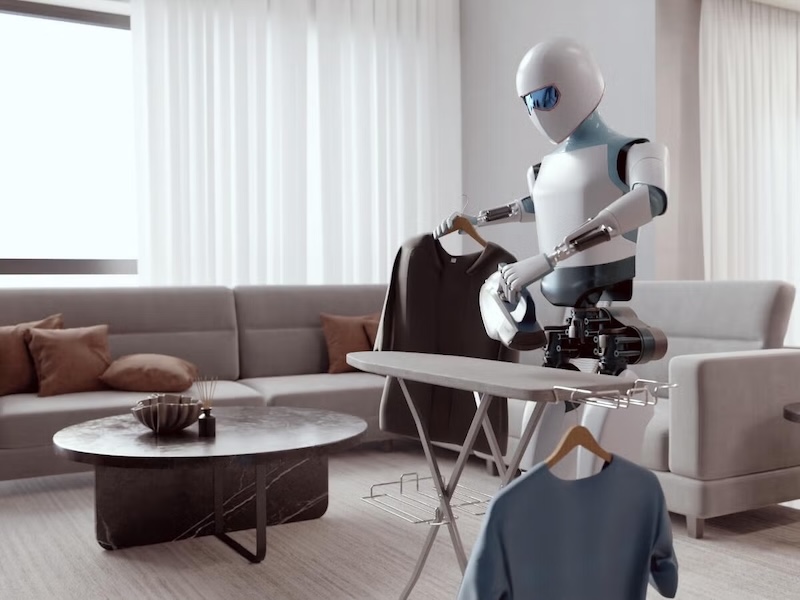
Investor Insights on the Future of Consumer Robotics: Embracing Specialization Over Generalization
Amber Atherton, an early-stage investor and partner at Patron, argues that the future of consumer robotics will not revolve around a single humanoid robot. Instead, she believes that the market will favor specialized devices that excel at specific tasks, similar to how consumers prefer dedicated appliances for cooking or cleaning. Atherton highlights the success of products like the Roomba, which has thrived by focusing on a singular function. She envisions a future where homes are filled with beautifully designed robots, each responsible for a particular daily ritual, rather than one all-encompassing machine. This shift reflects a broader trend in consumer preferences towards specialization in home technology. Looking ahead, Atherton anticipates the emergence of numerous embodied AI products that will seamlessly integrate into daily life. She emphasizes that consumers may not identify these devices as robots, but rather as essential tools that enhance their routines, thereby transforming the perception of robotics in the home environment. No further timeline was disclosed at the time of publication.
Design Features Investments AI robots amber atherton consumer robotics
Balaji Ingole Develops AI Tools to Transform E-Commerce Operations at Amla Commerce
Balaji Ingole, a project manager at Amla Commerce, is spearheading AI-driven initiatives to enhance e-commerce operations for B2B clients. His work focuses on developing AI-enabled chatbots that streamline the traditionally labor-intensive product setup process, which can take months to complete. By automating these tasks, Ingole aims to significantly reduce the time and errors associated with managing large product catalogs. This innovation is crucial as it addresses a common pain point in the e-commerce sector, where efficiency and accuracy are paramount. The AI tools Ingole is creating not only improve operational efficiency but also empower manufacturers to better manage their online presence. This shift towards automation reflects a broader trend in the industry, where companies are increasingly leveraging AI to optimize their processes and enhance customer experiences. Looking ahead, Ingole's projects at Amla Commerce could set a new standard for e-commerce operations, particularly in the B2B space. As AI technology continues to evolve, the potential for further advancements in e-commerce automation remains significant. No further timeline was disclosed at the time of publication.
Ieee-member-news Artificial-intelligence E-commerce Careers Type-ti
Exploring How Robots Utilize SLAM Technology to Navigate Construction Sites
Autonomous robots are increasingly being deployed on construction sites, where GPS signals are unreliable due to environmental factors. Instead of relying on external positioning, these robots utilize Simultaneous Localization and Mapping (SLAM) technology to create real-time maps using cameras and LiDAR. This capability allows them to navigate effectively around moving crews and changing site conditions. The importance of SLAM technology in construction cannot be overstated, as it enables robots to adapt to the dynamic nature of building sites. Unlike warehouse environments, where layouts remain relatively stable, construction sites frequently undergo changes, making it essential for robots to operate with updated maps. SLAM allows robots to determine their location and understand the current layout of the site, ensuring they can perform tasks accurately. Looking ahead, the integration of SLAM technology in robotics will continue to evolve, enhancing the capabilities of autonomous machines in construction. As construction sites become more complex, the need for real-time mapping and localization will grow, driving advancements in SLAM and related technologies. No further timeline was disclosed at the time of publication.
Features Robotics autonomous navigation Autonomous robots BIM boston dynamics
Expper Technologies' Robin Robot Transforms Hospital Experience for Children as Emotional Support
The Robin robot, developed by Expper Technologies, is enhancing the hospital experience for children by serving as an emotional support companion. Deployed in approximately 30 hospitals, dental clinics, and nursing homes across the U.S., Robin engages with children through conversation and games, helping to alleviate anxiety during medical treatments. Robin's unique design resembles a curious 7-year-old girl from outer space, allowing it to connect emotionally with young patients. Its AI system analyzes children's emotional states and provides comforting interactions, which have proven effective in reducing anxiety in medical settings. For instance, a child who refused to eat was encouraged by Robin to do so after a brief interaction. As Expper Technologies plans to enhance Robin's capabilities and expand its deployment, the robot's role is not to replace human interaction but to support it. The ongoing use of Robin in hospitals is redefining the concept of companionship in healthcare, highlighting the importance of emotional support in medical environments.
Healthcare Robotics Emotional Support Pediatric Care AI Technology
Expper Technologies' Robin Robot Enhances Patient Calmness in Healthcare Settings
Expper Technologies has introduced Robin, a mobile robot designed to support healthcare teams and improve patient emotional well-being in around 30 hospitals and clinics. Robin, a kid-sized socially assistive robot, interacts through speech and has a friendly persona, aimed at reducing anxiety in pediatric and eldercare environments. The significance of Robin lies in its ability to provide comfort to patients, particularly during the COVID-19 pandemic when many children faced isolation from their families. By engaging with patients, Robin helps to create a more calming atmosphere, which is crucial in healthcare settings where anxiety can be prevalent. Looking ahead, Expper Technologies continues to explore the deployment of Robin across various healthcare facilities, including dental clinics and eldercare homes. No further timeline was disclosed at the time of publication.
Artificial Intelligence Artificial Intelligence / Cognition Autonomous Mobile Robots (AMRs) Design / Development Healthcare Robotics Markets / Industries
NIO's Li Bin Attends Changxin Technology's Thank-You Dinner Following IPO Success
On July 27, Changxin Technology, a leading domestic memory manufacturer, officially listed on the STAR Market, achieving a market capitalization of 3.31 trillion yuan. The stock opened at 49 yuan per share, marking a significant increase of 465.82% on its debut day. Notably, NIO participated in the IPO with a commitment of 158 million yuan, resulting in a paper profit of approximately 740 million yuan based on the closing price. This IPO is significant as it positions Changxin Technology as the largest company by market value on the A-share market, reflecting the growing importance of domestic semiconductor firms in China's tech landscape. The substantial gains on the first day of trading highlight investor confidence in the company’s future prospects and the broader semiconductor industry. Looking ahead, the performance of Changxin Technology in the coming months will be closely monitored, particularly how it leverages its IPO capital for growth and innovation. No further timeline was disclosed at the time of publication.

Emotional Companion App with 60 Million Users Launches Family Robot Buboo 1
Xinyan Group's CEO Ren Yongliang made a bold decision to integrate AI emotional companionship into hardware by developing the Buboo 1 family robot. With over 60 million users of their app, which generates billions in revenue annually, the company aims to address the limitations of online interactions in family settings. The Buboo 1 robot, showcased at WAIC 2026, offers proactive interaction without the need for wake words, adapting to users' emotional cues and preferences. This innovation is significant as it represents a shift from traditional electronic toys to intelligent home companions that can understand and respond to emotional needs. Ren believes that the future competition will focus on multi-modal perception and the accumulation of native data in home environments. The Buboo 1 seeks to fill the gap in emotional support that online platforms cannot address, particularly in family dynamics and intergenerational communication. Looking ahead, the industry is poised for a transformation as it moves towards creating emotionally intelligent physical AI entities. The Buboo 1 aims to redefine how AI can fulfill emotional companionship needs in a tangible way, addressing the emotional gaps in modern family life. No further timeline was disclosed at the time of publication.
Real-Time Supply Chains Transform Industrial Real Estate and Inventory Management
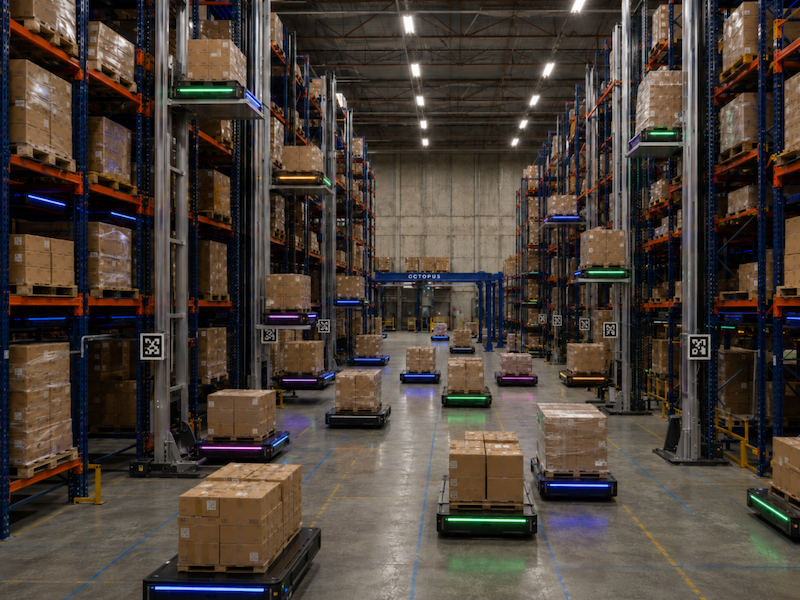
Recent advancements in predictive analytics, robotics, and data-driven logistics are reshaping industrial real estate by reducing reliance on large inventories. Traditionally, warehouses were designed to manage uncertainty through storage, but the shift towards real-time coordination is changing this paradigm. As supply chains become more connected and visibility improves, the need for extensive inventory diminishes, leading to a redesign of facilities focused on efficient operations. This transformation is significant as it alters the fundamental structure of industrial real estate, moving away from storage-heavy models to those optimized for continuous movement. Just as the introduction of standardized shipping containers revolutionized logistics, the new design principles for automation and throughput will set long-lasting standards for future infrastructure. The choice of facilities that prioritize flow over storage will influence the development of buildings, vehicles, and logistics networks for years to come. Looking ahead, the role of intermediate facilities is evolving from inventory storage to dynamic transfer points, facilitating the movement of goods between transportation modes. As data accessibility increases and transportation systems become more coordinated, the industry must adapt to these changes. No further timeline was disclosed at the time of publication.
Features Logistics Supply chain automation autonomous logistics digital twins
Exotec's Managing Director Discusses Key Warehouse Automation Trends for 2026
Thomas Genestar, managing director of western Europe at Exotec, emphasizes the necessity of automation and AI in logistics due to the e-commerce boom. He identifies resilience, reliability, and operational continuity as critical pillars influencing supply chain strategies for 2026 and beyond. Genestar highlights the growing adoption of Goods-to-Person (G2P) solutions, which enhance warehouse efficiency by delivering items directly to operators. This innovation reduces unnecessary movement, increases task consistency, and minimizes physical strain on workers, addressing the significant costs associated with non-automated warehouses. Additionally, he notes the shift from traditional forecasting to AI/ML models that allow for dynamic demand sensing, enabling organizations to better align production with demand. This evolution supports more sustainable and resilient supply chain practices, including improved reverse logistics inspired by e-commerce return models. No further timeline was disclosed at the time of publication.
Features Logistics ai automation circular logistics demand sensing
Qiyuan T1: The First Transformable Personal Robot Unveiled in Shanghai
The Qiyuan T1, the world's first transformable personal robot, was unveiled in Shanghai on July 14. This innovative robot can autonomously switch between a humanoid form and a quadrupedal 'robot dog' form, adapting to various environments without user intervention. This breakthrough is significant as it allows the Qiyuan T1 to navigate spaces that may not be suitable for a single form, enhancing its usability in both indoor and outdoor settings. The robot features advanced capabilities such as flexible force control for human interaction and the ability to carry items in its quadrupedal mode. The Qiyuan T1 will make its public debut at the World Artificial Intelligence Conference from July 17 to 20, 2026. As the personal robotics market evolves, the Qiyuan T1 sets a new standard for versatility and functionality in personal robots.
Transformable Robots Personal Robotics AI Technology Human-Robot Interaction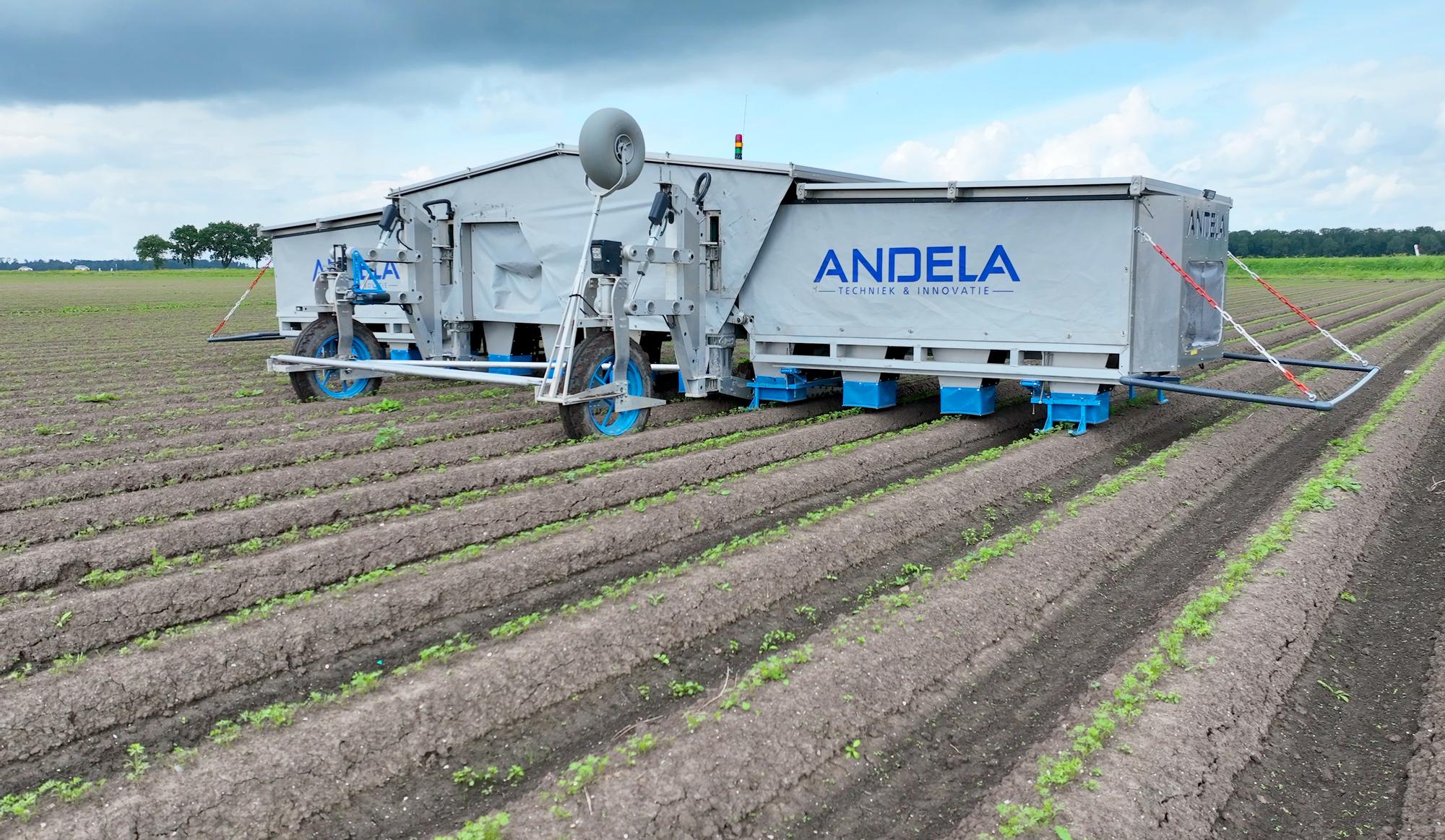
Challenges in Reducing Costs of Agricultural Robots Like the Andela Weeder
The Andela Robot Weeder is priced at approximately €800,000 (US$961,000), raising questions about the factors influencing its cost. Unlike traditional machinery, the price of agricultural robots is increasingly determined by the economic value they provide rather than manufacturing costs. This shift in perspective complicates the business case for growers, as the value derived from labor replacement and efficiency gains becomes paramount. As labor shortages and restrictions on herbicides grow, the competition landscape for agricultural robots may change significantly. Robots may not need to compete solely on price against traditional methods like chemical weed control. Instead, they could emerge as essential tools, altering the pricing dynamics in the market. While advancements in technology will likely enhance the performance of agricultural robots, this does not guarantee a decrease in their prices. The value proposition for farmers will focus more on the economic benefits rather than the cost of production, making the future of pricing in this sector uncertain. No further timeline was disclosed at the time of publication.
Crop solutions autonomous farm farm management mechanical weeder robotics weed control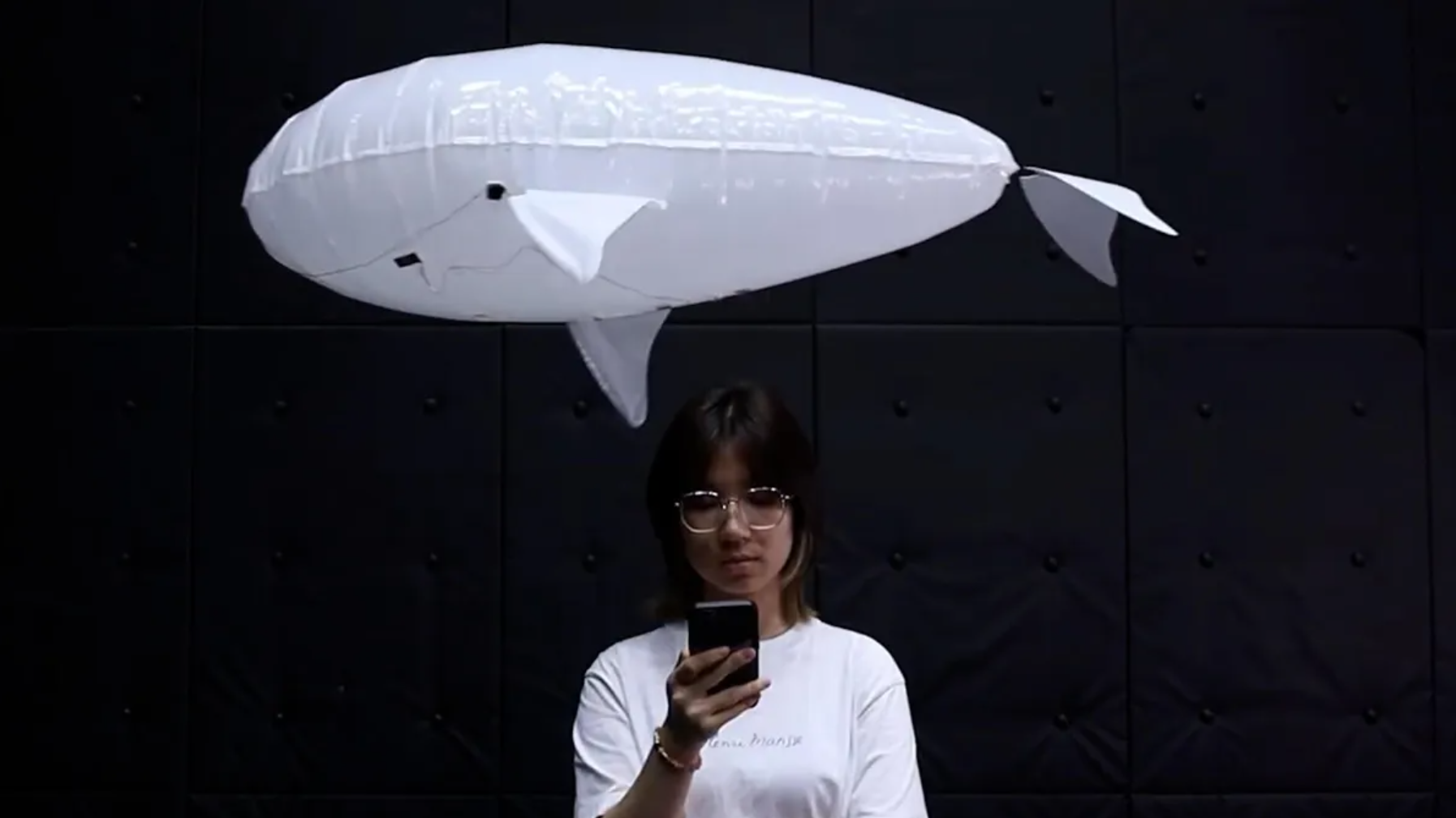
New Soft Floating Robot Inspired by Animation Aims to Enhance Human Connection
Researchers from Keio University and MIT Media Lab have unveiled a soft floating robot designed to foster emotional connections without traditional robotic features. Unlike conventional robots, this helium-filled creation resembles a white whale, responding to human touch with gentle movements rather than mechanical sounds or speech. The significance of this innovation lies in its ability to bypass the 'uncanny valley' effect, which often causes discomfort when robots closely mimic human appearance. By avoiding human-like features and instead utilizing soft materials and subtle movements, the robot can convey intentions and emotions, making it a safer and more approachable companion in everyday environments. Looking ahead, the research team plans to integrate multimodal interactions, allowing the robot to sense human posture, voice, and gaze to enhance its floating interactions. This approach aims to create a gentle presence that accompanies humans without the need for speech or complex thought, marking a new era in human-robot coexistence.
Soft Robotics Human-Robot Interaction Emotional AI Floating Robots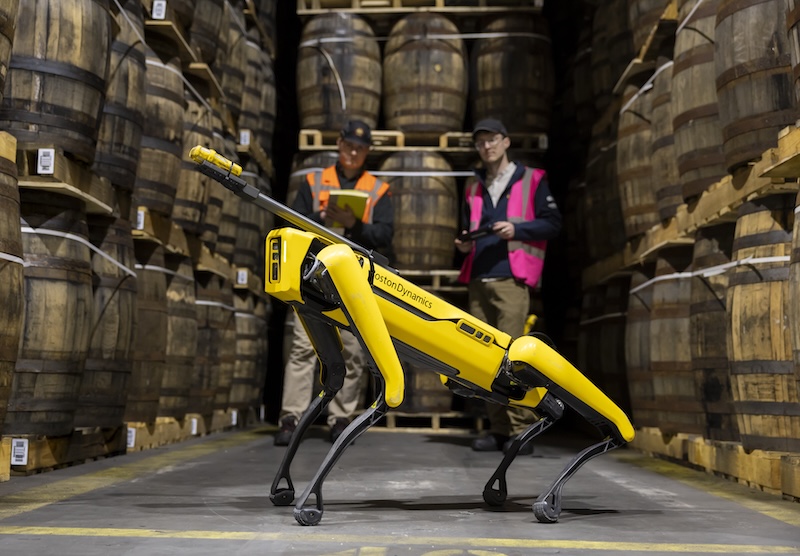
Opinion: Why robot dogs are leading the pack in factory floor efficiency
By Andrew Hamilton, head of the Digital Process Manufacturing Centre (DPMC) at the National Manufacturing Institute Scotland (NMIS) Manufacturing facilities today are sprawling, interconnected environments where equipment operates continuously and processes stretch across large physical footprints. From factory floors and plant rooms to service corridors and external assets, engineering teams need clear visibility across areas […]
Features Industry Autonomous robots boston dynamics spot digital manufacturing factory inspections
New humanoid robot built for companionship with 90% accuracy in recognizing emotions
Chinese robotics company UBTech has unveiled its latest innovation, the UWORLD U1 Series, which it claims to be the world's first humanoid robot designed for educational purposes. The launch took place on October 15, 2023, during a technology expo in Beijing, where the company showcased the robot's capabilities in interactive learning and skill development for students. The UWORLD U1 Series aims to enhance educational experiences by providing personalized tutoring and engaging students in STEM subjects through interactive lessons. UBTech's motivation behind this development is to address the growing demand for innovative educational tools that can adapt to various learning styles and environments. The humanoid robot features advanced AI technology, enabling it to interact with students in real-time, respond to questions, and facilitate hands-on learning activities. By integrating robotics into the classroom, UBTech hopes to inspire a new generation of learners and foster interest in technology and engineering fields. With this launch, UBTech positions itself at the forefront of the educational technology sector, aiming to revolutionize how students engage with learning materials and prepare for future careers in an increasingly digital world.
AI and Robotics
UBTech’s lifelike humanoid robots built for companionship arriving in homes across China
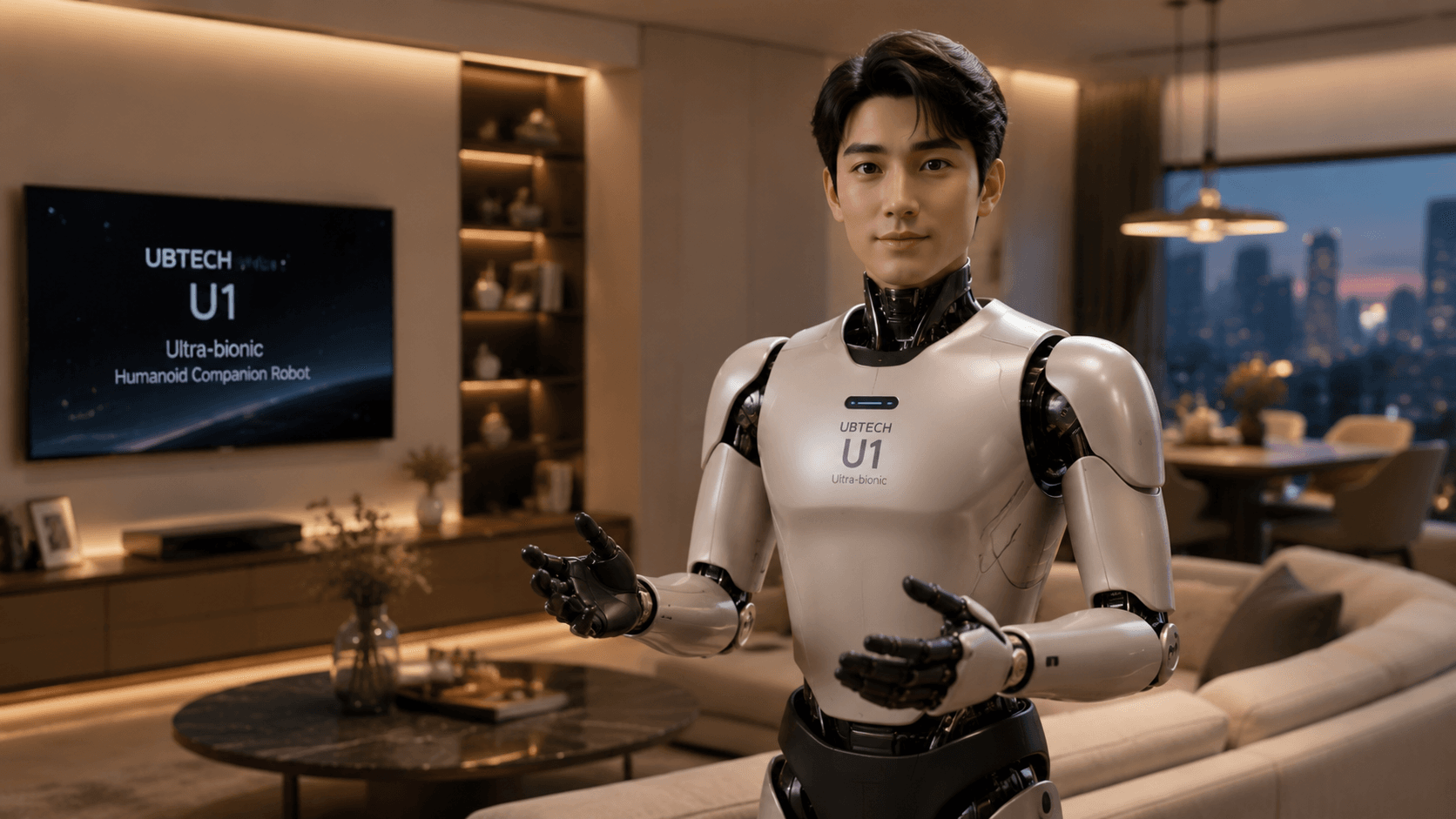
UBTech Robotics, recognized as the world's first publicly traded humanoid robot manufacturer, has introduced a new consumer humanoid robot aimed at personal companionship. The U1 model, unveiled on Tuesday in Shenzhen, features lifelike silicone skin and advanced emotional artificial intelligence, reflecting a growing trend among Chinese tech companies to shift robotic applications from industrial settings to domestic environments. Available in both male and female versions, the U1 stands at 183 cm and 168 cm tall, respectively, and comes in three variants: Lite, Pro, and Ultra. This launch signifies a notable advancement in the integration of robotics into everyday life, as UBTech seeks to enhance human-robot interaction in personal spaces.
UBTECH's U1 Companion Robot Surpasses 10,000 Orders with Premium Pricing Strategy
UBTECH has unveiled its new U1 ultra-bionic humanoid companion robot series, with prices ranging from $16,980 to $99,000. The launch, which took place recently, has generated significant interest, resulting in over 10,000 units ordered on the very first day. This innovative series aims to enhance human-robot interaction and provide companionship, reflecting a growing trend in robotics aimed at integrating advanced technology into everyday life. The U1 series showcases UBTECH's commitment to pushing the boundaries of robotics, offering a range of features designed to cater to various consumer needs.
Startups Industry
Inside NIO's AI factory, where cars build themselves
In Hefei, China, NIO's F2 electric vehicle plant showcases a fully automated body assembly line, eliminating the need for human labor. The facility is dominated by advanced machinery, particularly German-based KUKA robots, which work in unison to construct aluminum vehicle bodies. One robot expertly positions a door, while another ensures precise alignment using sensors, and additional robots perform welding tasks in mere seconds. This cutting-edge automation reflects the company's commitment to efficiency and innovation in the electric vehicle manufacturing sector, highlighting a significant shift towards robotics in automotive production.
All News
Moxy Unveils AI Companion Robot with Innovative Touch-Sensitive Skin
Moxy, an emotional companionship brand, has introduced its latest innovation: an AI companion robot equipped with a unique touch-sensitive skin that facilitates tactile interaction without the need for dialogue or cameras. Launched recently, this product is designed to meet the increasing demand for low-pressure companionship among young adults, providing a personalized emotional experience that emphasizes touch. The robot's design incorporates various emotional expressions, ensuring users can engage in a safe and private manner. Moxy aims to redefine companionship in a digital age, offering a solution that prioritizes emotional connection through physical interaction.
AI Companions Tactile Technology Emotional Support RoboticsRobotics needs a service framework.
RSF defines a common language for robot service capability, lifecycle operations, certification pathways, and service-provider networks.
Join the RobotToday community on LinkedIn
Daily robotics news, in-depth analysis, conference highlights, and discussions with professionals worldwide.







