

Industry Briefing
A single destination for timely, editor-curated robotics news from around the world.
Neuralink's Valuation and Investment Insights Ahead of Potential IPO in 2026
Neuralink Corporation, a private company specializing in brain-computer interfaces, has not yet gone public, and its shares are not available on any stock exchange. Following a $650 million Series E funding round in June 2025, the company's valuation stands at approximately $9.65 billion, with a per-share price estimated at $240.03 as of August 25, 2026. The absence of a public stock ticker and no announced IPO date means that Neuralink remains a private entity, with no SEC filings indicating a move toward public trading. The company's innovative technology, including the N1 chip and its application in clinical trials, highlights its potential impact on the medical field, particularly for individuals with paralysis. As Neuralink continues its PRIME clinical trial, which has enrolled 26 patients globally, the results from its two-year study show promising advancements in neural decoding speeds. Investors and stakeholders should monitor any developments regarding a potential IPO, as no timeline has been disclosed at this time.
Neuralink's Supply Chain Evolution: Transition to Samsung for N1 Implant Production
Neuralink has transitioned its N1 implant chip production to Samsung Foundry, marking a significant change in its supply chain strategy. This shift comes as Samsung Electronics begins developing the fourth-generation brain implant chip on a 4nm process, with pilot fabrication starting in May 2026 and initial test samples expected in early 2027. This change is crucial as it highlights Neuralink's challenges in scaling production, which are not solely dependent on manufacturing capabilities but also on operating-room hours and biological factors. The fourth-generation chip is designed to be bidirectional, enabling it to write signals back into the nervous system, a significant advancement for applications like vision restoration. Looking ahead, the successful validation of the N1 implant's biocompatibility and laboratory tests will be pivotal for mass production, potentially commencing in late 2027. Neuralink's ongoing expansion in Austin, Texas, reflects its commitment to enhancing internal manufacturing capabilities, particularly in cleanroom processes essential for the implant's production.
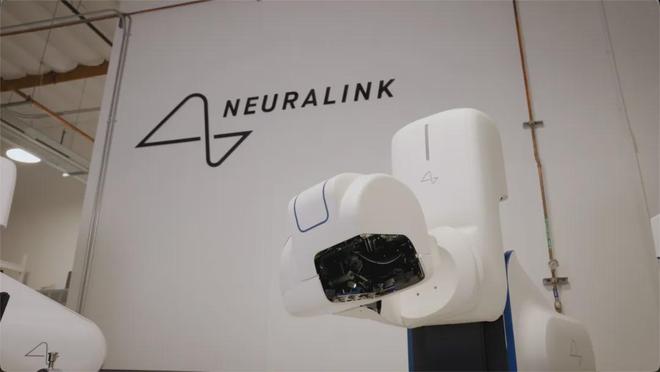
Neuralink Advances Brain-Computer Interface with Specialized Surgical Robot and Fully Automated Implantation
Neuralink has introduced a cutting-edge surgical robot designed to automate the implantation of brain-computer interfaces, a significant advancement in neurosurgery. This innovative technology addresses the complex challenge of implanting devices without the need to remove the dura mater, the protective layer surrounding the brain. The company aims to achieve mass production of this robotic system by 2026, with the goal of improving the precision and safety of surgeries for individuals suffering from paralysis and vision impairments. This development marks a crucial step forward in the integration of advanced robotics in medical procedures, potentially transforming the treatment landscape for patients with neurological conditions.
Brain-Computer Interfaces Surgical Robotics Neurotechnology Medical Devices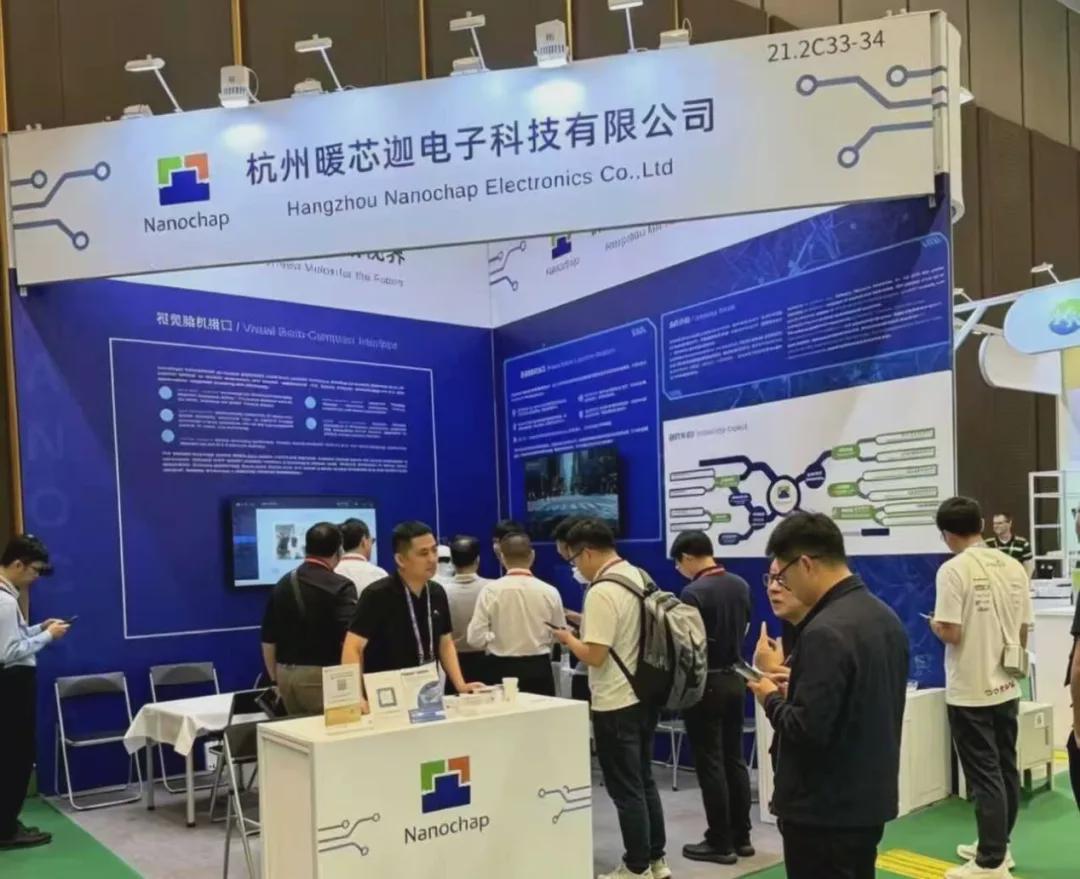
Nuanxin Jia Secures 300 Million Yuan Funding: A Competitor to Musk's Neuralink Emerges
Nuanxin Jia Electronics Technology Co., Ltd., based in Hangzhou, has successfully secured 300 million yuan in a strategic financing round aimed at advancing its clinical trials for visual brain-machine interface products. This funding, which represents the company's sixth financing round since its inception in 2014, underscores Nuanxin Jia's dedication to enhancing its position within the competitive visual brain-machine interface sector. The investment will facilitate further development and testing of innovative technologies designed to improve interaction between the human brain and machines.
Brain-Machine Interfaces Visual Restoration Technology Clinical Trials NeuroengineeringRobotics needs a service framework.
RSF defines a common language for robot service capability, lifecycle operations, certification pathways, and service-provider networks.
Join the RobotToday community on LinkedIn
Daily robotics news, in-depth analysis, conference highlights, and discussions with professionals worldwide.







