

Industry Briefing
A single destination for timely, editor-curated robotics news from around the world.
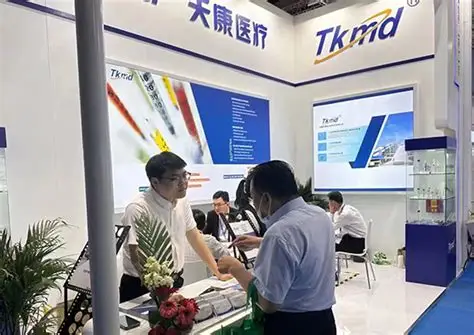
Tianfukang Raises Millions in Angel Funding for Neural Control Technology Development
Beijing Tianfukang Medical Technology Co., Ltd. has secured several million yuan in angel funding, led by Sequoia China, to advance its precision neural control technology. The company focuses on brain-computer interface and neural bundle closed-loop control technology, aiming to develop a series of First in Class products based on clinical needs. This funding will support Tianfukang's development of next-generation neural control technologies, specifically targeting precise closed-loop control of neural bundles. By utilizing highly selective neural electrodes, the technology aims to enhance stimulation selectivity and individual adaptability, moving away from traditional open-loop stimulation methods. Tianfukang is also establishing a joint laboratory with Beijing Tiantan Hospital to address unmet clinical needs in neurological disorders. The collaboration will focus on product definition, key technology validation, and clinical research design. No further timeline was disclosed at the time of publication.
Brain-Machine Interfaces Neural Control Technology Medical Devices Stroke Rehabilitation
National Technology Launches Advanced Joint Motor Control Solution with Shenzhen Institute of Advanced Technology
National Technology has announced a new generation of integrated joint motor control solutions for humanoid robots in collaboration with the Shenzhen Institute of Advanced Technology. This solution utilizes the high-performance dual-core MCU N32H785, which integrates drive control, a frameless torque motor, dual absolute encoders, a communication module, and a reducer, addressing the challenges of compact and modular design in robotic systems. The humanoid robot market is experiencing significant growth, with global shipments expected to exceed 50,000 units this year, reflecting a year-on-year increase of over 700%. However, the complexity of joint control remains a critical challenge, as each robot contains numerous joints that must perform motor control, encoder processing, multi-protocol communication, and safety protection within tight spaces. The new solution aims to enhance the performance of joint control systems by separating motor control and communication tasks across two dedicated cores, ensuring real-time performance and stability. As the industry continues to evolve, the focus will be on the successful implementation of this technology in mass production scenarios.
Humanoid Robots Motor Control Robotics Technology Embedded Systems
AIR Partners with Elmo Motion Control for Advanced Cargo Drone Technology
AIR VEV Inc. has formed a strategic partnership with Elmo Motion Control Ltd. to integrate high-performance motion control systems into its Heavy Lift UAS. Elmo's Gold HV drive will enhance the AIR 120D cargo drone's electric propulsion motors, ensuring precise control and efficiency. This collaboration aims to optimize the aircraft's performance while minimizing weight and complexity. The significance of this partnership lies in the combination of Elmo's advanced servo drives and AIR's innovative electric aviation design. AIR CEO Rani Plaut emphasized that the selection of Elmo was based on the need for high power density and efficiency in electric aircraft. The integration of Elmo's technology is expected to improve the cargo aircraft's payload capacity and operational efficiency. Looking ahead, the integration of Elmo's Gold HV motor drives is already in progress as part of the AIR 120D development program. AIR is focused on validating the technology against its performance and safety requirements before moving forward with operational deployment. No further timeline was disclosed at the time of publication.
Actuators / Motors / Servos Defense / Security Drones Markets / Industries Motion Control News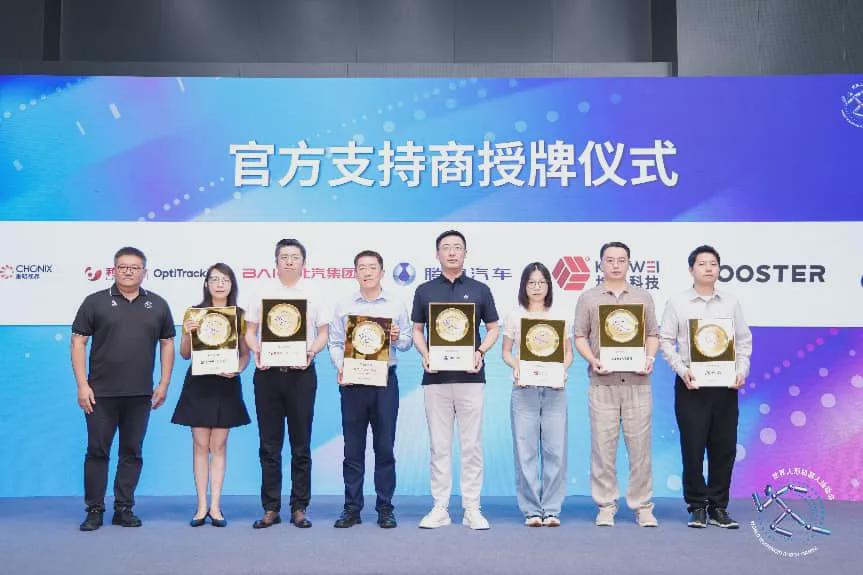
Kunwei Technology to Support 2nd World Humanoid Robot Games with Force Control Technology
The 2nd World Humanoid Robot Games will take place on August 22, 2026, at the National Speed Skating Stadium in Beijing. This event, themed 'Intelligent Competition Towards the Future,' will feature 666 teams and 2056 robots from 16 countries, marking a 138% increase in teams and a fourfold increase in robots compared to the first event. The competition will expand from 26 to 51 events, introducing high-intensity challenges such as long jump, weightlifting, tug-of-war, and table tennis, while also extending scenarios to nine real-world environments including industrial and domestic settings. This event is significant as it showcases the advancements in humanoid robot technology and aims to promote industry standards through competition. Analysts predict that 2026 will be a pivotal year for the commercialization of humanoid robots. The core components, such as six-dimensional force and joint torque sensors, are crucial for ensuring safe human-robot interaction and effective performance. Domestic manufacturers, led by Kunwei Technology, are gaining market share, achieving 58.8% in 2025, marking a shift away from reliance on foreign brands. Looking ahead, the focus will be on the development of a self-sufficient supply chain for force sensors in humanoid robots. Leading manufacturers are prioritizing domestic sensors for their stability, lightweight integration, and rapid customization. Kunwei Technology, with over 20 years of experience in multi-dimensional force sensor research, is positioned to meet these demands with its innovative technologies and products, including specialized sensors for humanoid robots that have already been adopted by major companies in the field. No further timeline was disclosed at the time of publication.
Humanoid Robots Force Sensors Robotics Technology Industrial Automation
Qianjue Technology and Tsinghua University Introduce New Neural Network Complexity Metric
Qianjue Technology, in collaboration with Tsinghua University, has proposed a new metric for assessing neural network complexity called Effective Degree (ED). This metric aims to quantify the complexity of learned models and enhance their ability to generalize in new environments, addressing a core challenge in robotics: the ability to make correct judgments in unfamiliar settings. The significance of this development lies in its potential to improve the selection of models for robotic brains, diagnose overfitting during training, and enhance generalization capabilities when facing new tasks and environments. The research has been validated across various tasks, including vision, language, and reinforcement learning, providing a new technical pathway for advancing robotics. Looking ahead, the research aligns with recent theories in world modeling, notably those discussed by Turing Award winner Yann LeCun. The methodologies employed by the Qianjue-Tsinghua team, which focus on the recovery of hidden variables in data generation, echo similar inquiries in the field. No further timeline was disclosed at the time of publication.
Neural Networks Machine Learning Robotics AI Research
DPVR Integrates VR Technology for Real-Time Robot Control at Qingdao's 6S Store
DPVR has officially launched its VR technology at Qingdao's 6S experience store, allowing users to control robotic arms in real-time using the E4 VR headset. This innovative approach eliminates the need for complex programming, creating a direct action mapping channel between the operator and the robot. The integration of DPVR's RoboPilot platform with the E4 headset enables precise tracking of head and controller movements, facilitating efficient robotic operations such as movement and grasping. Additionally, RoboPilot collects data throughout the operation, contributing to AI model training and task validation, enhancing the learning process for the robots. As DPVR continues to expand its RoboPilot ecosystem, partnerships with various robotics companies are being established to create adaptable robotic systems. The 6S experience store exemplifies a new era of human-robot collaboration, where users can operate machines intuitively without extensive training or programming knowledge.
Virtual Reality Robotic Control AI Training Human-Robot Interaction
Single Actuator Flying Robot Enhances Accuracy with Predictive Control Technology
A new flying robot, inspired by the mechanics of a maple seed, operates with only one moving part. This design simplifies the structure but complicates control, as conventional drones typically use multiple rotors for maneuverability. The challenge lies in maintaining precise control despite the limited corrective capabilities of a single actuator. This innovation is significant as it represents a shift in drone technology, focusing on simplicity while addressing the complexities of flight dynamics. The reliance on a single actuator means that the robot must employ advanced predictive control methods to navigate effectively, making it a noteworthy development in the field of robotics. Looking ahead, the implications of this technology could extend to various applications where precision flight is crucial. No further timeline was disclosed at the time of publication.
Robotics
LiControl Secures B++ Funding to Advance Embodied Intelligence Technology
On September 8, 2026, Guangdong Tiangji Intelligent System Co., Ltd. announced the completion of its B++ round of strategic financing, led by Ant Group and SOFINA, with continued investment from existing shareholders such as Gaorong Capital and Tencent. This follows a significant B and B+ round financing completed just three months earlier, which raised 1 billion yuan and valued the company at nearly 10 billion yuan. The recent funding is notable as it comes amid a general decline in investment within the embodied intelligence sector in the latter half of 2026. Tiangji positions itself as a leader in embodied force control and intelligent infrastructure, emphasizing the importance of stable and sensitive physical systems for effective interaction with the physical world, rather than solely focusing on humanoid robotics. Looking ahead, Tiangji's proprietary MEMS torque sensors, which boast ten times the sensitivity and four times the stability of traditional metal strain gauges, are set to play a crucial role in their technology roadmap. The company aims to leverage these advancements to enhance their robotic systems, including the Marvin M6S Lite and Marvin M20S, which showcase significant improvements in load capacity and operational efficiency.
Embodied Intelligence Robotics Force Control Technology MEMS Sensors Automation
Study on Offshore Wind Turbine Blade Repair Using Particle Swarm Optimization and Advanced Control Techniques
A recent study published in the Journal of Field Robotics explores innovative methods for repairing offshore wind turbine blades. The research focuses on utilizing a Particle Swarm Optimization-Backpropagation Neural Network combined with Improved Active Disturbance Rejection Control to enhance repair efficiency. This research is significant as it addresses the growing need for effective maintenance strategies in offshore wind energy, which is crucial for maximizing energy output and minimizing downtime. The integration of advanced algorithms aims to improve the precision and reliability of repair processes, ultimately contributing to the sustainability of wind energy. Looking ahead, the implications of this study could influence future developments in wind turbine maintenance technologies. No further timeline was disclosed at the time of publication.
RESEARCH ARTICLE
Phoxter to showcase AI inspection, AMR, and warehouse control systems at Robot Technology Japan 2026.
Phoxter Co., Ltd. will showcase its innovations at the upcoming "Robot Technology Japan 2026" exhibition, scheduled to take place from June 11 to June 13, 2026, at the Aichi Sky Expo. This event aims to highlight advancements in robotics technology and foster collaboration within the industry. By participating, Phoxter seeks to demonstrate its commitment to driving innovation and engaging with potential partners and customers in the rapidly evolving robotics sector.
Marotta Controls to Supply Technology for US Navy's Next Generation Jammer Program
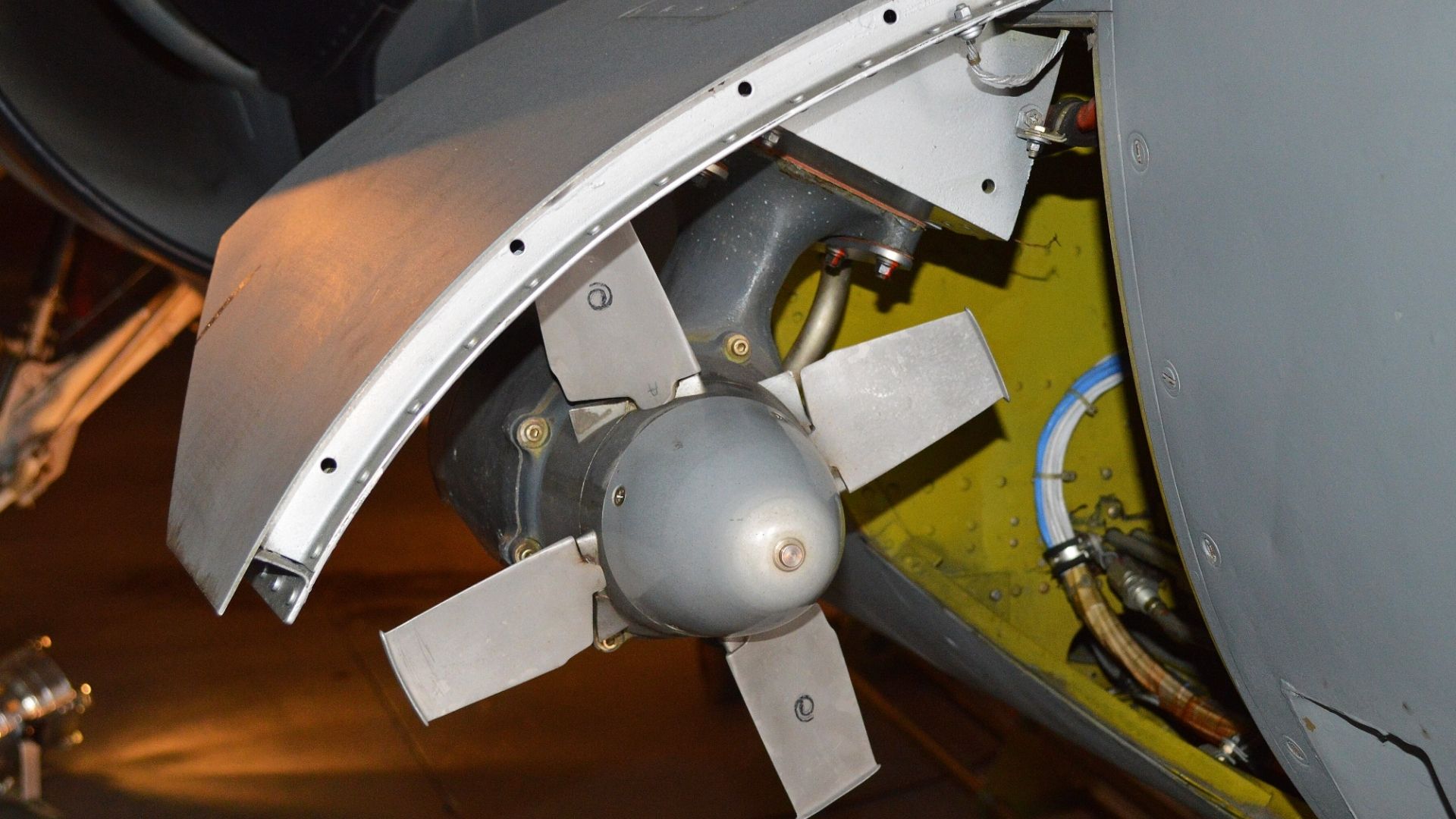
Marotta Controls, a US aerospace and defense contractor, has secured contracts to provide technology for two subsystems of the US Navy’s Next Generation Jammer–Low Band (NGJ-LB) program. Announced on September 2, the contracts involve a subcontract with CFD Research Corporation for a ram-air turbine power-generation system and a direct contract from L3Harris Technologies, the prime contractor for the NGJ-LB. The NGJ-LB is designed for the EA-18G Growler, enhancing its electronic warfare capabilities by disrupting enemy air defenses and ground communications. Marotta's involvement marks its entry into the airborne electronic warfare market, supplying equipment for the Turbine Speed Control System, which is crucial for power generation and regulation within the NGJ-LB pod. As the US Navy aims to replace the legacy AN/ALQ-99 Tactical Jamming System, the NGJ-LB program, selected in August 2024 under a $587.4 million contract, is set to deliver operational prototype pods for fleet assessment. No further timeline was disclosed at the time of publication.
Military
Second World Humanoid Robot Games Launches with Expanded Events and Advanced Force Control Technology
On August 22, 2026, the Second World Humanoid Robot Games officially opened at the National Speed Skating Hall in Beijing. Compared to the inaugural event, this year's competition saw significant growth in the number of participating teams and robots, expanding from 26 to 51 events. Notably, high-intensity events like long jump, weightlifting, tug-of-war, and table tennis were included, showcasing the robots' dynamic capabilities in real-world environments. The upgrade in competitive dimensions emphasizes the need for advanced perception technologies, as robots must now demonstrate explosive power, joint torque distribution, and collision force perception. Kunwei Technology, as the official force control technology provider, showcased its six-dimensional force sensors and joint torque sensors, which support the robots' performance in various events, highlighting the critical role of force control technology in determining success on the competition field. As the competition progresses, the focus will be on how robots adapt to dynamic interactions and complex operations, pushing the boundaries of AI capabilities. The integration of force sensing and control technologies will be crucial for robots to navigate real-world challenges, marking a significant step towards practical applications in industrial automation and service sectors.

Kunwei Technology to Provide Exclusive Force Control Technology for World Humanoid Robot Games
On August 22, 2026, the second World Humanoid Robot Games will take place at the National Speed Skating Stadium in Beijing, featuring 666 teams and 2056 robots from 16 countries. This event marks a 138% increase in team participation and a fourfold increase in robot entries compared to the first edition. The competition will expand from 26 to 51 events, introducing high-intensity challenges such as long jump, weightlifting, and tug-of-war, while also incorporating real-world environments like industrial and home settings. The significance of this event lies in its role as a platform for showcasing advancements in humanoid robotics, with Kunwei Technology serving as the official technology supporter. The company will provide exclusive force control technology, which is essential for the commercialization of humanoid robots. Industry analysts predict that 2026 will be a pivotal year for the sector, with local manufacturers like Kunwei gaining market share against foreign brands, driven by the need for high-performance force sensors that enable safe human-robot interaction and balance. Looking ahead, Kunwei will unveil three core product lines at the event, leveraging over 50 years of aerospace technology expertise. These products include six-dimensional force sensors, joint torque sensors, and three-dimensional force measurement platforms, all designed to enhance the performance and capabilities of humanoid robots. The upcoming games will not only highlight technological advancements but also set the stage for future developments in the humanoid robotics industry, with significant growth expected in the coming years.

US Eases Export Controls for UAE, Enhancing Access to Drones and AI Technology
Washington's recent decision to ease export controls for the UAE is expected to enhance the country's domestic production of advanced drones and military hardware. The US Commerce Department's upgrade of the UAE to the A:5 export country group allows for easier access to dual-use technologies, including computer chips, which are vital for defense applications. This change is significant as it positions the UAE as a key player in the defense market, providing more flexibility for acquiring subsystems and components. Analysts believe this regulatory shift will not directly impact major arms deals like the F-35 or MQ-9 Reaper exports, but it creates a more permissive environment for the movement of controlled technologies, potentially shortening procurement timelines and fostering closer cooperation between American and Emirati defense firms. Looking ahead, the A:5 classification could benefit Emirati companies such as EDGE Group, allowing them to access essential components and technical cooperation. While the immediate effects on specific weapons sales remain uncertain, this designation opens doors for various defense programs, including potential collaborations in drone manufacturing.
Air Warfare Global Networks & Digital Warfare AI & Autonomy Air Force Arab countries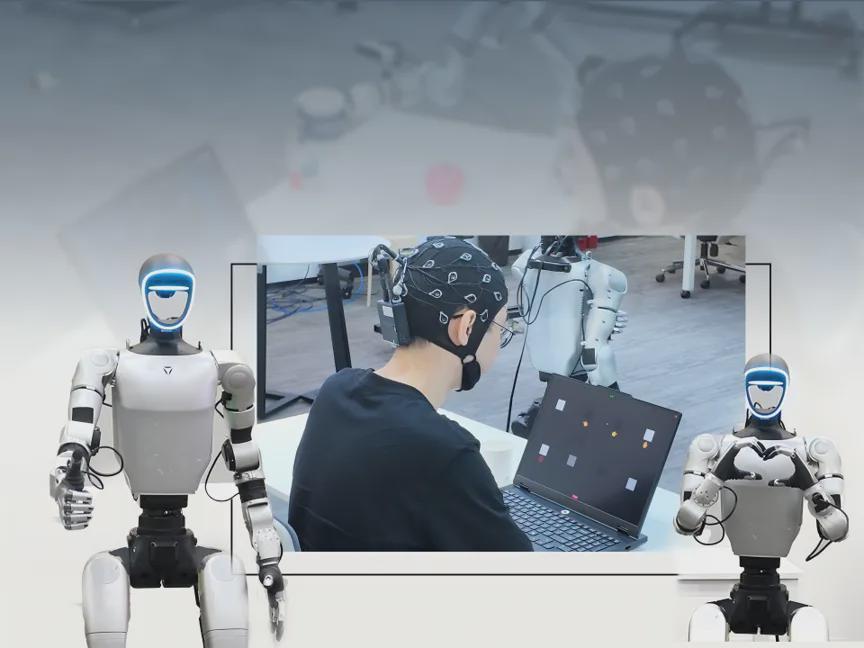
BrainCo Unveils Brain-Controlled Robot Training Platform at WAIC 2026
At the 2026 World Artificial Intelligence Conference (WAIC), BrainCo showcased a brain-controlled robot training platform. This innovative platform allows users to control robotic arms through brainwave signals, enabling actions like pouring water and picking apples without traditional interfaces. The significance of this technology lies in its ability to bridge the gap between human intention and robotic action. By decoding brain signals, the platform facilitates a direct communication pathway, allowing robots to understand and execute tasks based on users' thoughts. This advancement simplifies the integration of brain-machine interfaces with robotics, making it accessible to researchers without specialized backgrounds. Looking ahead, BrainCo's platform supports various robotic types, including humanoid robots and robotic arms, and is adaptable for ongoing developments. Researchers can select robots based on their study focus, whether for grasping tasks or complex human-robot interactions. No further timeline was disclosed at the time of publication.
Brain-Controlled Robots AI Research Neuro-Embodied AI Human-Robot Interaction
Capital Increase + Price Drop: Hangkai Microelectronics Accelerates the Popularization of Embodied Intelligent End Force Control Technology
Hangkai Microelectronics is taking significant steps to advance the adoption of its embodied intelligent end force control technology through a recent capital increase and a strategic price drop. This initiative, announced in October 2023, aims to enhance the accessibility of their innovative solutions in the market. The company is focused on expanding its reach and facilitating the integration of this technology across various industries, addressing the growing demand for intelligent automation. By reducing prices, Hangkai Microelectronics hopes to attract a broader customer base and accelerate the implementation of their cutting-edge technology, ultimately positioning itself as a leader in the field of intelligent control systems.
Robotics Automation AI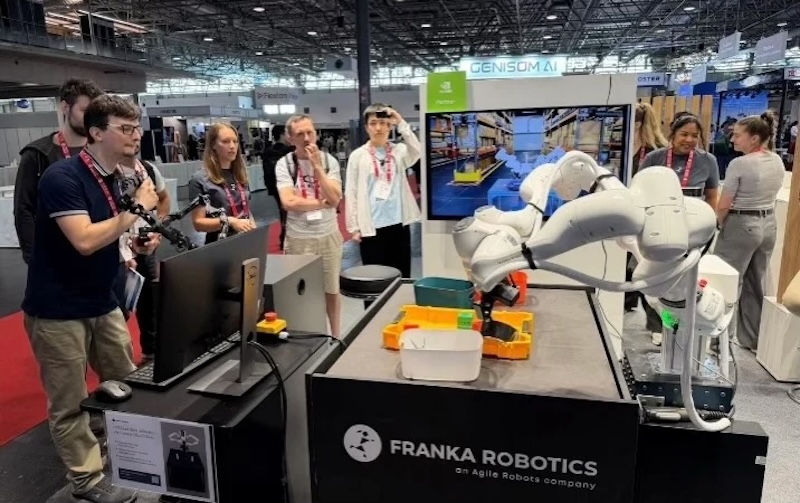
Agile Robots showcases force-control technology, humanoids, and physical AI at Robot Technology Japan event
Agile Robots is making a significant impact at Robot Technology Japan (RTJ) 2026, where the Munich-based company is showcasing its extensive range of industrial robotics, embodied AI, and humanoid technologies. The event, taking place in Nagoya, serves as a platform for Agile Robots to highlight its latest innovations, including advanced force-control systems, collaborative robots, and AI-driven automation solutions. This presentation underscores the company's commitment to expanding its presence in the global automation market, reflecting the growing demand for sophisticated robotic technologies in various industries.
Events Industrial robots News Agile ONE agile robots automation news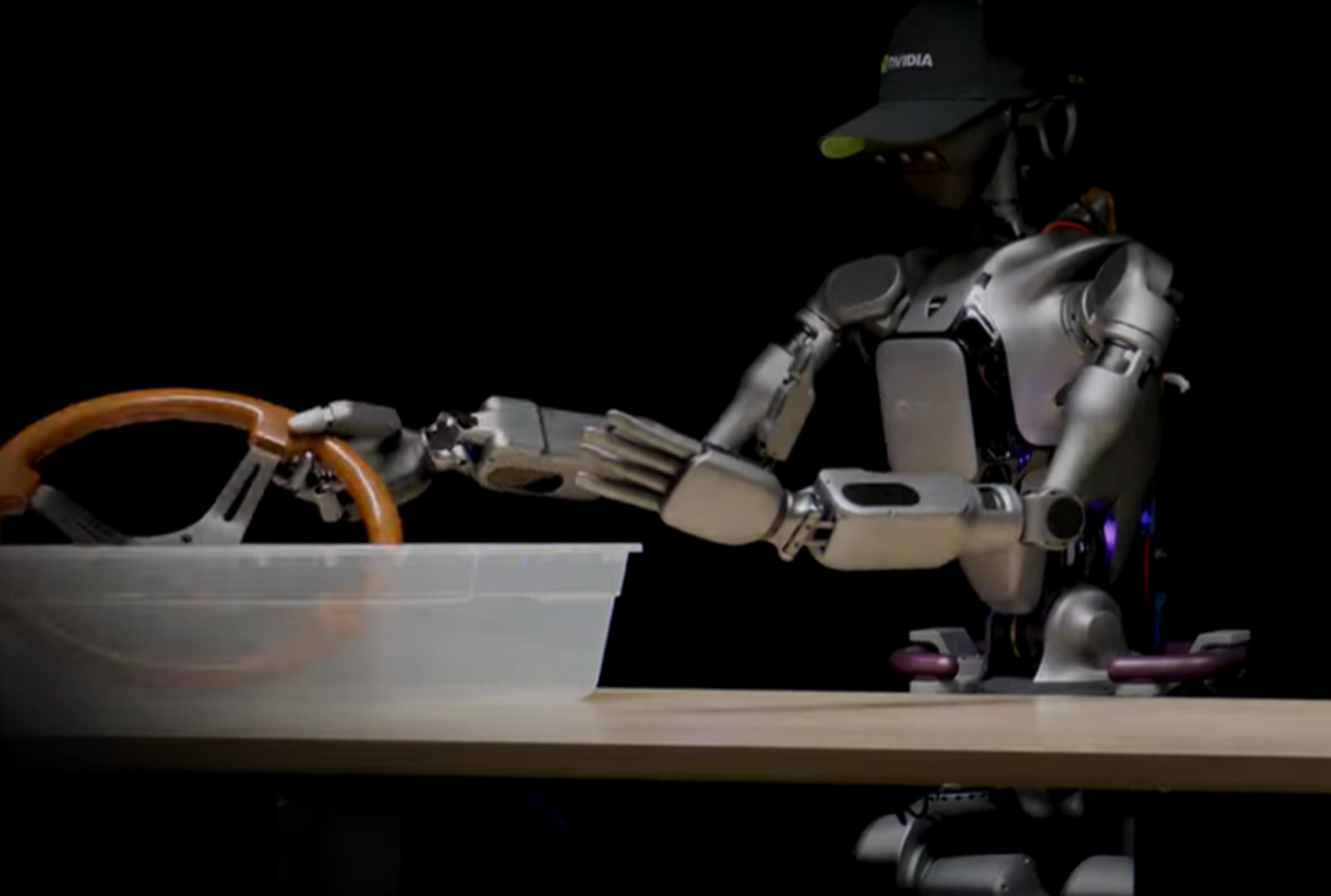
A Novel High‐Voltage‐Wire Stripping Robot and Adaptive Fuzzy RBF Neural Network PID Controller Optimized by PSO‐GA Algorithm
In a recent study published in the Journal of Field Robotics, researchers have unveiled significant advancements in robotic navigation systems. This groundbreaking research, conducted by a team of engineers and scientists, was published in the June 2026 issue and highlights innovative algorithms that enhance the ability of robots to navigate complex environments. The study focuses on improving the efficiency and accuracy of robotic systems, which are increasingly utilized in various sectors, including agriculture, manufacturing, and disaster response. By employing advanced machine learning techniques, the researchers demonstrated how robots can better interpret sensory data and make real-time decisions, ultimately leading to safer and more effective operations. The research was conducted in various simulated environments, allowing the team to rigorously test the new navigation algorithms under different conditions. This work is particularly timely as industries are seeking to automate processes and improve operational efficiency in response to growing demands for productivity and safety. The findings are expected to have a profound impact on the future development of autonomous systems, paving the way for more sophisticated robots capable of performing tasks in unpredictable settings. As the field of robotics continues to evolve, this study represents a significant step forward in the quest for smarter, more adaptable machines.
RESEARCH ARTICLE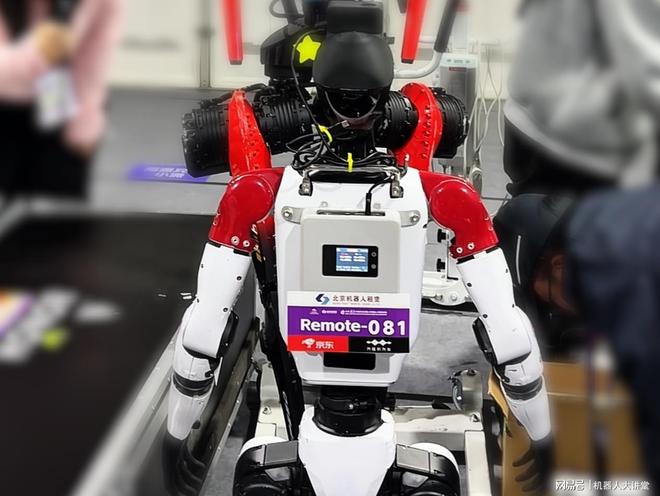
Marathon Limits Tested! How Feikuo Technology's 'Beyond Visual Range Remote Control System' Enables Robot Journalists to Live Stream While Running
The 2026 Beijing Yizhuang Half Marathon is set to showcase an innovative 'human-robot running' event, featuring 12,000 human participants alongside more than 300 humanoid robots. Scheduled to take place in Yizhuang, Beijing, this unique race aims to blend technology with athleticism, highlighting advancements in robotics and their integration into sports. Feikuo Technology will debut the world's first media live-streaming robot at the event, which employs cutting-edge remote control technology to deliver real-time race coverage and conduct interviews with participants. This initiative not only enhances the spectator experience but also demonstrates the potential of robotics in media and event broadcasting. The marathon is expected to attract significant attention, emphasizing the growing intersection of technology and traditional sports, and showcasing how innovation can enhance public engagement in athletic events.
Humanoid Robots Remote Control Technology Live Streaming Marathon Events
Design and Analysis of Automatic Whole Row Tomato Seedling Transplanter Technology With Integrated Controlling System
In May 2026, the Journal of Field Robotics published a significant study that explores advancements in robotic technology aimed at enhancing agricultural practices. Researchers from various institutions collaborated to investigate the integration of autonomous robots in crop management, focusing on their efficiency and effectiveness in monitoring plant health and optimizing resource use. The study highlights the growing need for innovative solutions in agriculture, driven by increasing global food demands and the challenges posed by climate change. By employing advanced sensors and machine learning algorithms, the robots demonstrated improved accuracy in detecting crop diseases and pests, ultimately leading to better yield outcomes. This research underscores the potential of robotics to transform traditional farming methods, offering a sustainable approach to food production in an era of rapid technological advancement.
RESEARCH ARTICLE
Kunwei Technology Completes B+ Round Financing, Leading the New Track of Humanoid Robot 'Force Control Perception'
Kunwei Technology has successfully raised 100 million RMB in a B+ round of financing, aimed at boosting its production capacity and advancing technology in the six-dimensional force sensor sector. This funding positions the company as a leader in the humanoid robot industry, as it gears up for mass production scheduled for 2026. The investment will enable Kunwei to enhance its capabilities and meet the growing demand for innovative robotic solutions.
Humanoid Robots Force Sensors Robotics Technology Industrial Automation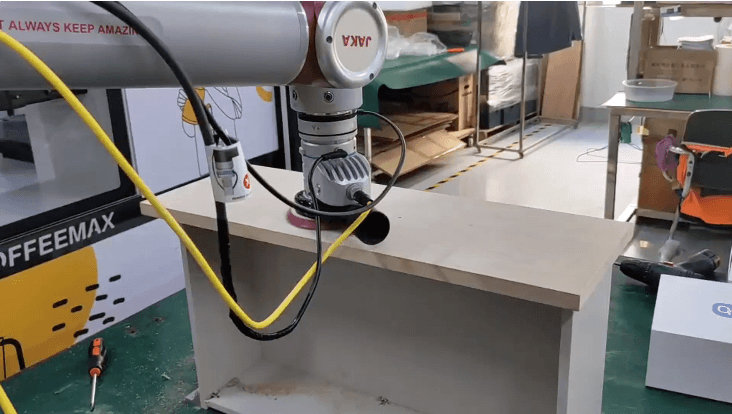
Understanding Automation Robotics Technology: From Sensors to Control Systems (JAKA CAB V3)
JAKA, a leader in automation robotics technology, has unveiled its advanced polishing robot, powered by the innovative CAB V3 controller, designed to enhance the precision and consistency of metal component finishing. This cutting-edge system, which integrates sophisticated sensing and control mechanisms, addresses the challenges faced by skilled artisans in achieving flawless surfaces. The CAB V3 controller serves as the brain of the robot, translating high-resolution sensor data into precise motion commands. Equipped with advanced proprioceptive sensors and force control technology, the polishing robot can adapt to subtle variations in part geometry, ensuring optimal tool orientation and pressure during operation. This real-time feedback loop allows the robot to maintain high standards of quality while compensating for any deviations. JAKA's design philosophy emphasizes the seamless integration of sensing, computation, and mechanical action, enabling the polishing robot to operate smoothly without vibrations that could damage surfaces. The CAB V3 also supports connectivity with external vision systems and factory networks, enhancing flexibility in mixed-production environments. By leveraging this advanced automation technology, manufacturers can achieve unprecedented levels of consistency and quality in their finishing tasks, transforming the traditional polishing process into a highly efficient and repeatable operation.

Physics-informed neural controlled differential equations for long horizon multi-agent motion forecasting
Researchers are tackling the complexities of long-horizon motion forecasting for multiple autonomous robots, a task made difficult by non-linear interactions among agents and the accumulation of prediction errors over time. This initiative, which aims to enhance trajectory forecasting, is particularly relevant for applications such as travel time prediction, prediction-guided planning, and surrogate simulation. By developing efficient forecasting methods, the team seeks to improve the reliability and accuracy of autonomous systems in dynamic environments. The work is ongoing, with implications for various fields that rely on advanced robotics and automation.
Machine learning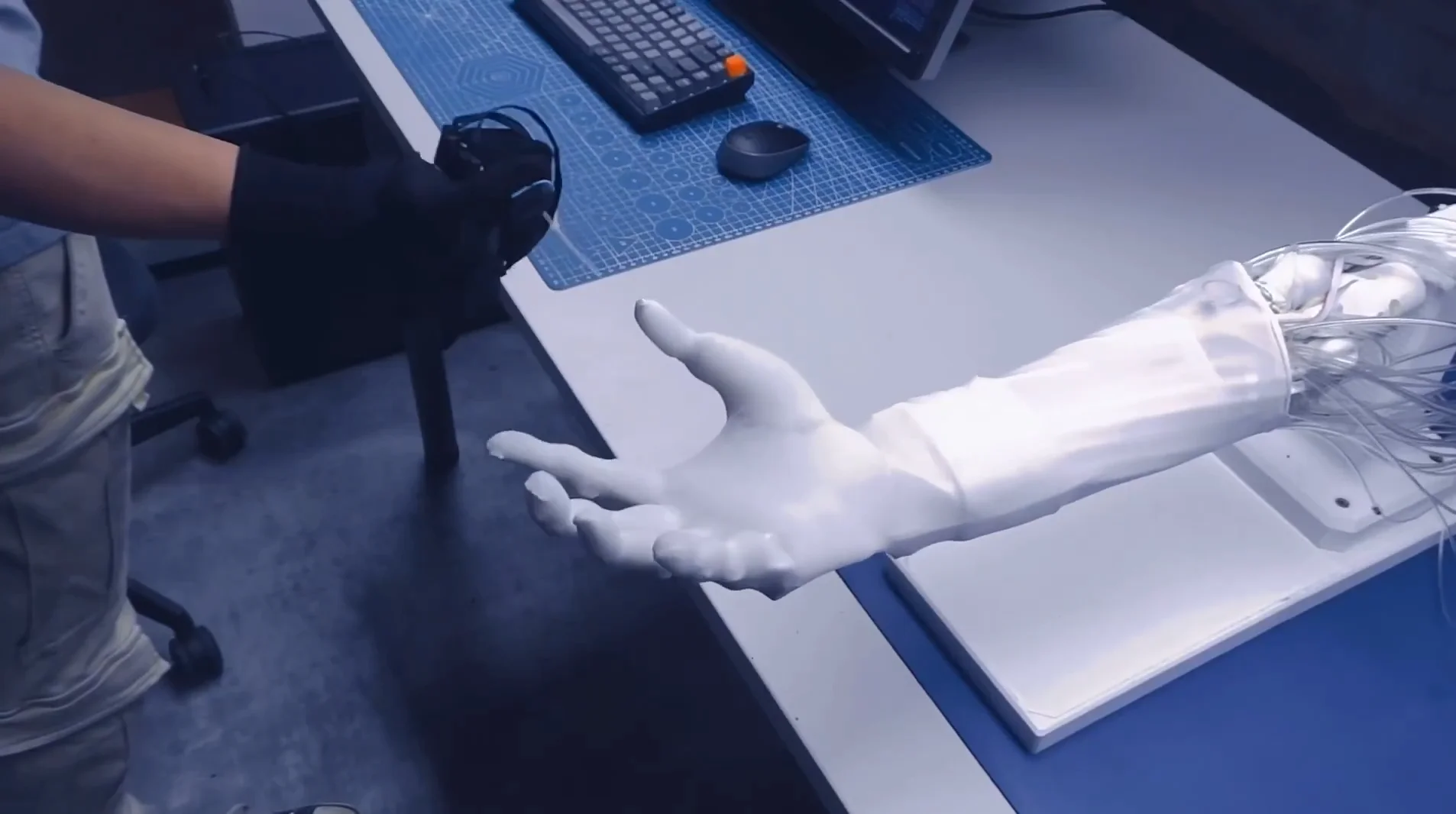
Clone Robotics Demos Startlingly Fast Robotic Hand, Touts Neural Controller
Clone Robotics has released a new video showcasing its advanced 27-degree-of-freedom (DoF) biomimetic hand, which accurately mimics human movements with remarkable speed. This demonstration highlights the company's innovative "neural joint controller," a significant development in their ongoing Clone Alpha project. The video serves as a tangible update on the project's progress, emphasizing the potential applications of this technology in fields such as robotics and prosthetics. By integrating sophisticated control systems, Clone Robotics aims to enhance the functionality and responsiveness of robotic hands, paving the way for more lifelike interactions in various environments.
clone robotics EuropeRobotics needs a service framework.
RSF defines a common language for robot service capability, lifecycle operations, certification pathways, and service-provider networks.
Join the RobotToday community on LinkedIn
Daily robotics news, in-depth analysis, conference highlights, and discussions with professionals worldwide.







