Industry Briefing
A single destination for timely, editor-curated robotics news from around the world.
The Battle for Embodied Intelligence Infrastructure: How Baidu's AI Infra is Reshaping the Development Paradigm of Embodied Models
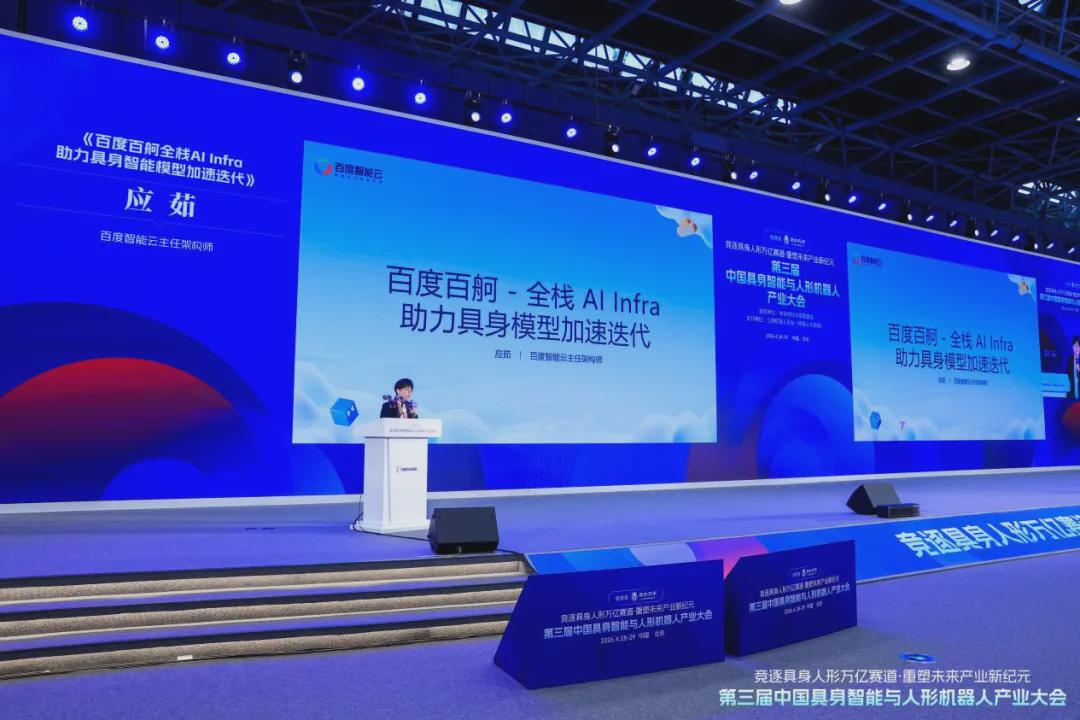
As humanoid robots become increasingly prominent, Baidu is making significant advancements in the artificial intelligence infrastructure that supports their development. The company is focusing on enhancing embodied intelligence by tackling challenges related to data processing and model training paradigms. This initiative comes at a time when the demand for more sophisticated and capable humanoid robots is rising, necessitating a robust AI framework to facilitate their rapid iteration. Baidu's efforts aim to streamline the development process, ensuring that these robots can learn and adapt more effectively. The ongoing technological reconstruction within Baidu's AI Infra is poised to play a crucial role in shaping the future of humanoid robotics, addressing the complexities of integrating advanced AI with physical embodiments.
Embodied Intelligence AI Infrastructure Humanoid Robots Data Processing Model Training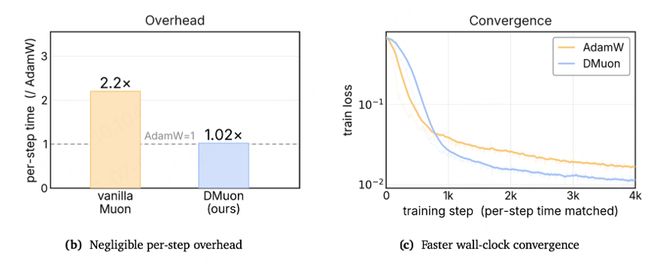
Variable Launches DMuon Optimizer to Improve Distributed Muon Model Infrastructure Efficiency by 30%
Variable Robotics has introduced the DMuon optimizer, enhancing the distributed Muon model infrastructure's efficiency by approximately 30%. This new optimizer addresses the additional computational and communication costs associated with using Muon in distributed training, which previously resulted in an end-to-end step time 2.2 times longer than AdamW. The significance of DMuon lies in its ability to maintain the faster convergence benefits of the Muon optimizer while reducing the end-to-end step time to just 1.02 times that of AdamW. This improvement is achieved through fine-grained communication optimization, computation-aware load balancing, and a high-performance kernel system, making DMuon a viable option for embodied model training without requiring changes to parameter update rules or training frameworks. Looking ahead, DMuon is expected to become a new default choice for embodied model training, as it effectively mitigates the redundant computations and communication overhead that previously hindered Muon's performance in distributed environments. No further timeline was disclosed at the time of publication.
Neural Network Optimization Distributed Training Machine Learning Infrastructure AI Models
Spirit AI Partners with Bosch for Strategic Collaboration
Spirit AI has entered into a strategic partnership with Bosch to improve robotic data collection, model training, and industrial deployment. This collaboration, announced recently, seeks to expedite the commercialization of general-purpose robotic intelligence by combining Bosch's vast industry expertise with Spirit AI's cutting-edge technology. The agreement highlights both companies' commitment to advancing robotics and enhancing operational efficiencies across various sectors.
Robotics Industrial Automation AI Data Collection Model Training
Decentralized Training Can Help Solve AI’s Energy Woes
As the demand for artificial intelligence (AI) continues to surge, concerns over its significant energy consumption and carbon footprint have prompted major tech companies to explore nuclear energy as a sustainable solution. While nuclear-powered data centers remain a future prospect, industry leaders are currently focusing on decentralizing AI model training to address the escalating energy requirements. This approach distributes training tasks across a network of independent nodes, utilizing existing computing resources, such as dormant servers and solar-powered home computers, rather than relying solely on traditional data centers. Companies like Nvidia and Cisco are enhancing their infrastructure to support this decentralized model, allowing for efficient AI training across geographically dispersed data centers. Additionally, platforms like Akash Network are facilitating a "GPU-as-a-Service" model, enabling users with underutilized GPUs to rent out their computing power. On the software side, advancements in federated learning and algorithms like DiLoCo are being implemented to optimize decentralized training while minimizing communication costs and enhancing fault tolerance. These innovations allow for collaborative model training without the need for constant data exchange, thus improving efficiency. Akash Network's Starcluster program aims to convert homes into functional data centers by leveraging solar energy and existing computing devices. This initiative seeks to make participation accessible and is targeting a 2027 launch. By decentralizing AI training, the industry hopes to create a more energy-efficient and environmentally sustainable future for AI development.
Training Ai-energy Data-center Large-language-models
Qingche Intelligent Showcases Comprehensive Data Systems and Robotics at WAIC 2026
From July 17 to 20, 2026, Qingche Intelligent participated in the World Artificial Intelligence Conference (WAIC) in Shanghai, focusing on bridging models and real-world intelligence. The company showcased a complete technology system from real-world data collection to model training and robotic applications, emphasizing the importance of real-world data for embodied intelligence. Qingche's RoboPocket system, a no-body robot data collection platform, allows users to gather data without direct interaction with robots, significantly lowering the barriers for data acquisition. The DM3 data management platform complements this by enabling visual retrieval, quality control, and data asset management, handling up to 10,000 data entries daily and accumulating substantial real-world data assets. The company also presented its new generation of embodied intelligence pre-training models, which do not rely on teleoperation data, demonstrating a viable path for model training using only field-collected data. Qingche's solutions have already been deployed in real-world scenarios, such as retail pharmacies and hotel laundry services, showcasing the practical applications of their technology and the continuous evolution of their data-driven model development.
Embodied Intelligence Data Management Robotics AI Applications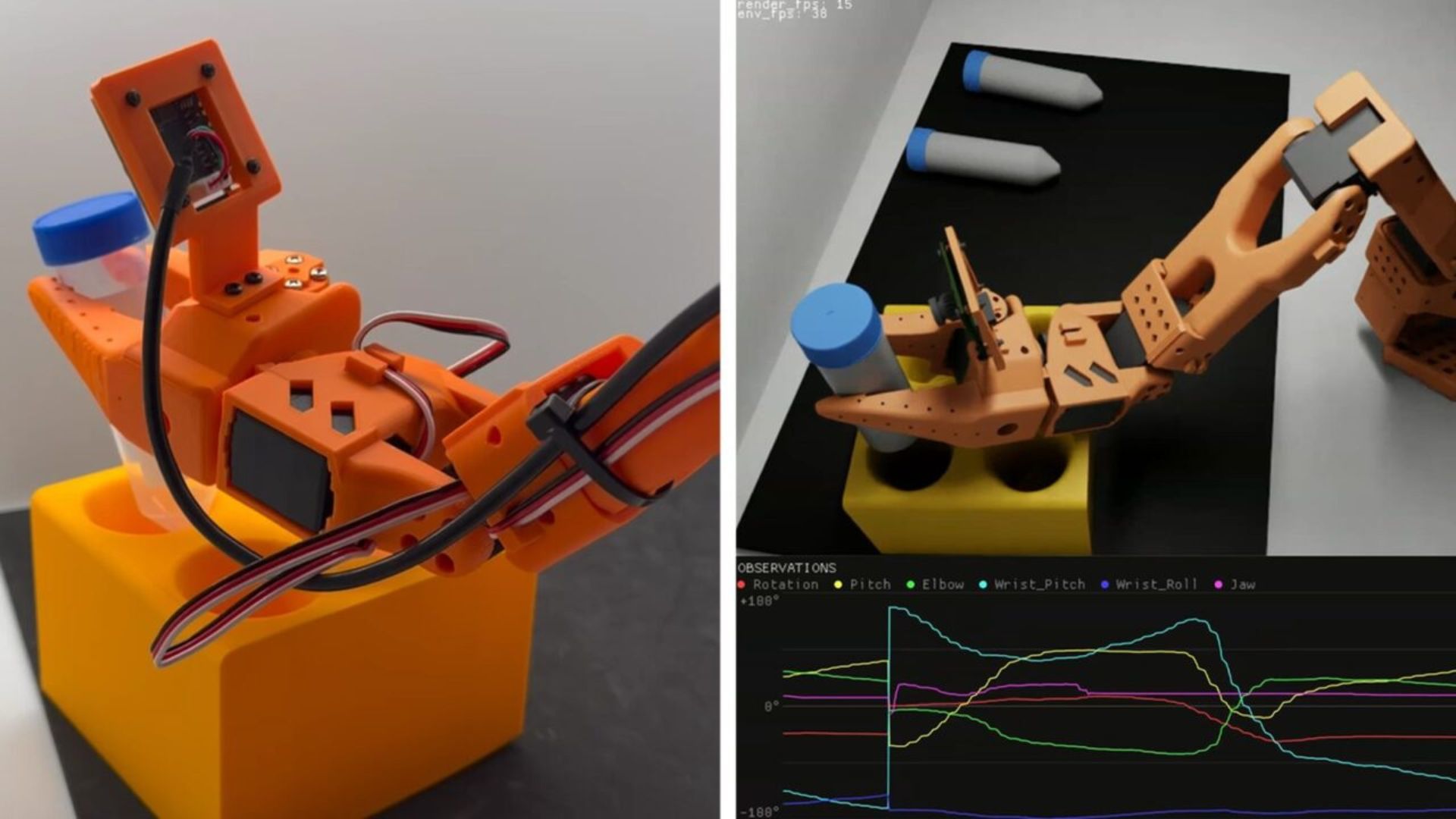
NVIDIA and Hugging Face Enhance LeRobot with New AI Models and Frameworks
NVIDIA has expanded its collaboration with Hugging Face to enhance the LeRobot open-source robotics platform with new AI models and frameworks. This integration includes the NVIDIA Isaac GR00T 1.7 vision-language-action model and the Isaac Teleop framework, aimed at streamlining robot development. The partnership seeks to make advanced robotics tools more accessible to developers and researchers, with plans to incorporate NVIDIA Cosmos 3 in the future. This collaboration is significant as it addresses the fragmented nature of robotics development by providing standardized workflows for data collection, model training, and robot deployment. The introduction of the Isaac Teleop framework allows for high-quality training data collection through human demonstrations, which can be shared within the LeRobot ecosystem. By lowering barriers to entry, NVIDIA and Hugging Face aim to foster broader collaboration in the robotics community. Looking ahead, NVIDIA plans to integrate the Cosmos 3 model into LeRobot, which will generate synthetic robotics data and assist in policy development. The collaboration builds on existing resources, including a dataset with over 350,000 robot trajectories and 57 million grasp examples. No further timeline was disclosed at the time of publication.
AI and Robotics
Tsinghua-backed startup secures hundreds of millions in seed funding, aims to avoid "world model" label.
In a significant development within the field of artificial intelligence, Li Yiming, an assistant professor at Tsinghua University and former researcher at NVIDIA, has introduced a comprehensive framework for Physical AI. This initiative aims to enhance the capabilities of robots across various applications by integrating data collection, model training, and physical engine development into a cohesive system. The framework, named Physical AI Infra, includes two key components: a data pipeline designed to scale data collection from hundreds of thousands to millions of hours, and a physical engine that creates a closed-loop system for robots to learn and execute tasks in real-world environments. This approach addresses the challenges posed by the current hype surrounding "world models," which have become a focal point in AI discussions but often lack a clear definition and practical application. Li's team has already garnered significant investment, raising hundreds of millions in seed funding from prominent investors, including Sequoia China and Hillhouse Capital. The team, primarily composed of Tsinghua graduates with an average age of 23, is focused on developing a full-stack solution that encompasses all aspects of Physical AI, making it distinct in a market where such integrated approaches are rare. Looking ahead, Li aims to launch a scalable world model solution by the end of 2026, with plans for broader deployment by 2028. His vision is to create a universal Physical AI infrastructure that can be adapted for various physical tasks, ultimately transforming how robots interact with the world.

Interview with Wang Zhongyuan: VLA will survive, but world models are the future.
In recent months, the concept of "World Model" has gained significant traction within the AI and robotics sectors, driven by underlying industry anxieties. As AI technology has rapidly evolved over the past two years, limitations in embodied intelligence have become apparent, revealing that while robots can recognize objects, they struggle to understand physical interactions and causal relationships. The World Model aims to bridge this gap by enabling robots to learn the laws of the physical world. At the forefront of this exploration is Wang Zhongyuan, the director of the Beijing Academy of Artificial Intelligence, who identifies four distinct paths in the development of World Models. These include language-centered models, pixel-centered models, 3D structure-centered models, and visual representation-centered models. The Beijing Academy is pioneering a fifth approach that integrates language and visual data into a unified latent space representation, allowing for more complex interactions and predictions. Wang emphasizes that the World Model's potential lies in its ability to enhance embodied intelligence, enabling robots to understand and predict physical interactions over time. He envisions a future where World Models serve as the foundational brain for robots, capable of complex reasoning and decision-making in real-world scenarios. However, he cautions that achieving this goal will require significant advancements in data collection and model training, with a timeline of three to five years anticipated for substantial progress. As the field continues to evolve, the competition will focus on the ability to create models that accurately reflect the complexities of the physical world.

ZhiYuan Releases First Open-Source Dataset for World Models Focused on Rich Interaction
On June 3, 2026, ZhiYuan unveiled the second phase of the AGIBOT WORLD 2026 dataset, which centers on the theme of 'Rich Interaction.' This innovative open-source dataset is pioneering in its focus on physical interactions, meticulously documenting both successful and unsuccessful scenarios between robots and their environments. By offering a comprehensive range of data, the initiative seeks to improve world model training, thereby advancing the capabilities of robotic understanding and physical intelligence. This development marks a significant step forward in the field of robotics, as it aims to better equip machines to navigate complex real-world situations.
World Models Robotic Interaction Physical Intelligence Open-Source Datasets
Toyota Open Sources Complete Pipeline for Training Robot Brains
The Toyota Research Institute has announced the open-source release of its VLA Foundry, a comprehensive framework designed for training visual-language-action models in robotics. This initiative, unveiled recently, aims to streamline the training process for researchers by providing a unified system that tackles the prevalent issue of fragmented training methodologies in the field. By enabling researchers to begin from the ground up and execute the entire training process, the VLA Foundry seeks to enhance collaboration and innovation within the robotics community. This move reflects Toyota's commitment to advancing robotics technology and fostering a more integrated approach to model training.
Robot Training Open Source AI Models Robotics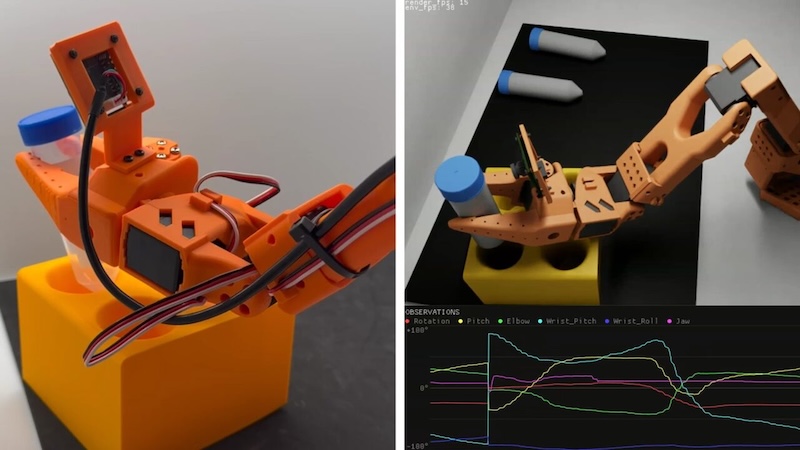
Nvidia and Hugging Face Enhance LeRobot with Advanced Open Robotics AI Tools
Nvidia and Hugging Face have expanded their partnership to introduce new AI models and robotics frameworks to the LeRobot platform, enhancing accessibility for developers. The integration of Nvidia Isaac GR00T 1.7, a vision-language-action foundation model, and the Isaac Teleop framework aims to streamline the development process for AI-powered robots. This collaboration is significant as it combines Nvidia's community of over three million robotics developers with Hugging Face's 16 million AI developers, fostering a broader access to physical AI technologies. The new tools will enable standardized workflows for data collection, model training, and performance evaluation, making it easier for developers to create and deploy robotic solutions. Looking ahead, the planned support for Nvidia Cosmos 3 will further empower developers by allowing the generation of synthetic data and simulation of environments. No further timeline was disclosed at the time of publication.
Artificial Intelligence Computing ai Hugging Face humanoid robots Isaac GR00T 1.7
Bristol Myers Squibb Launches Advanced AI Factory with NVIDIA Vera Rubin Technology
Bristol Myers Squibb (BMS) has announced the deployment of its second NVIDIA DGX SuperPOD, featuring eight DGX Vera Rubin NVL72 systems. This new AI cluster is touted as the most powerful and energy-efficient in the life sciences sector, significantly enhancing researchers' access to AI capabilities. BMS aims to democratize AI access among its scientists, allowing for faster drug discovery processes without the constraints of resource limitations. The introduction of this advanced AI infrastructure is crucial for BMS as it seeks to translate AI capabilities into measurable impacts in drug discovery. The new system will facilitate a unified AI platform, including the NVIDIA BioNeMo Agent Toolkit, which will streamline predictions and model training across the drug discovery pipeline. BMS has already seen substantial benefits from its existing DGX SuperPOD, including significant time savings in target identification and the expansion of its library of CELMoD compounds. Looking ahead, BMS is focused on leveraging AI to optimize lead discovery and enhance the efficiency of laboratory experiments. The new system is expected to alleviate current computational bottlenecks and support large-scale predictions. As BMS continues to innovate in the AI space, it emphasizes the importance of making advanced technology accessible to scientists to drive impactful research outcomes. No further timeline was disclosed at the time of publication.

Orbbec and Ant Group Unveil Advanced Data Collection Solutions at WAIC 2026
At the 2026 World Artificial Intelligence Conference (WAIC) in Shanghai, Orbbec showcased its EGO RGB-D data collection platform in collaboration with Ant Group. This partnership aims to enhance data accuracy and stability for robotics applications by integrating self-developed depth chips and 3D vision hardware with spatial perception models. The significance of this collaboration lies in its potential to improve the quality of data used for physical AI model training and robotic perception. As embodied intelligence transitions from training to real-world applications, the focus shifts to data quality, sensor performance, and scalable delivery capabilities, addressing challenges such as occlusion and depth information loss in complex environments. Looking ahead, the EGO RGB-D series, designed for precise desktop operations, is expected to play a crucial role in advancing physical AI and embodied intelligence. No further timeline was disclosed at the time of publication.
Data Collection Robotics 3D Vision AI Sensor Technology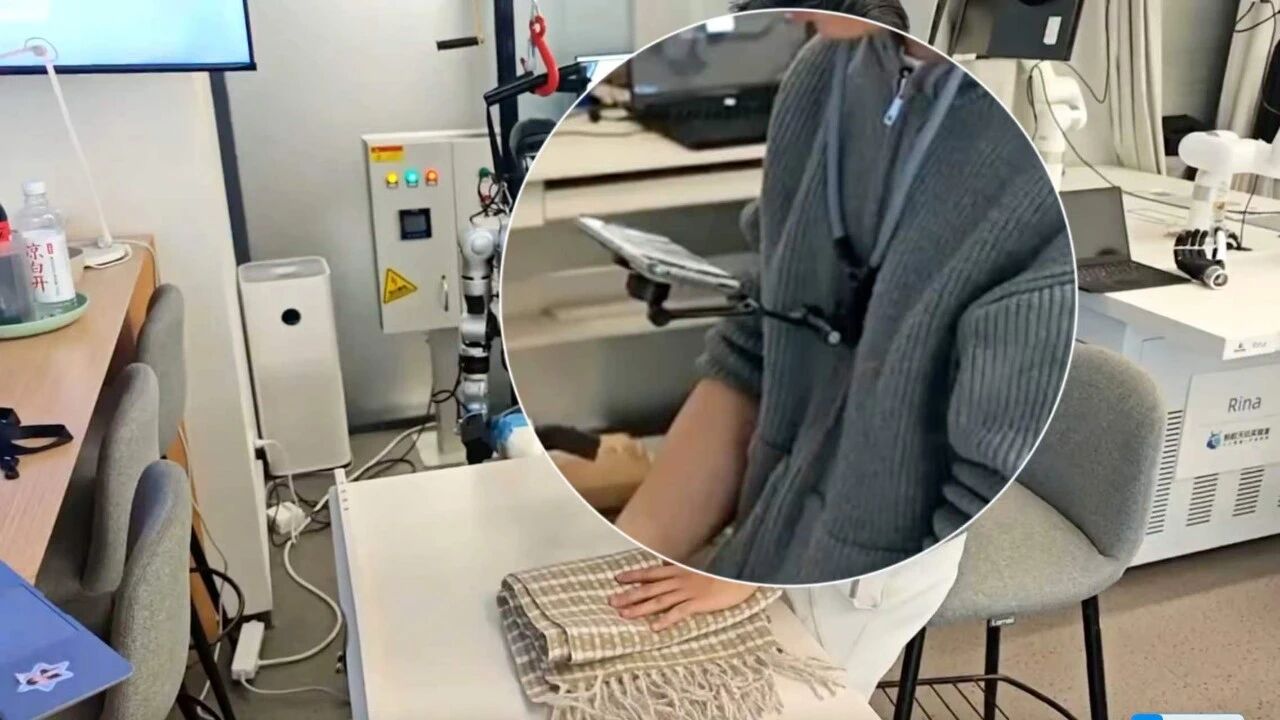
Ant Group Launches Open-AoE Framework for Embodied Intelligence Data Collection
Ant Group, in collaboration with several universities and research institutions, has introduced the Open-AoE framework aimed at enhancing embodied intelligence data collection. This initiative addresses the scarcity of high-quality 3D operational data necessary for training robots, which often rely on limited and standardized datasets from controlled environments. The Open-AoE framework plans to release approximately 2,000 hours of first-person human operation data collected using consumer smartphones. Currently, around 100 hours of this data is accessible, with the remainder set to be released in batches by July 30. Alongside the data, a comprehensive toolchain for data visualization, 4D reconstruction, and model training format conversion will also be made available to the community. The significance of this initiative lies in its potential to democratize data collection, allowing ordinary users to contribute valuable training data through their smartphones. Initial experiments have shown promising results, with the integration of smartphone-collected data significantly improving the performance of robotic tasks, indicating that such data can indeed enhance model training effectiveness.
Embodied Intelligence Open Source Data Robot Training AI Data Processing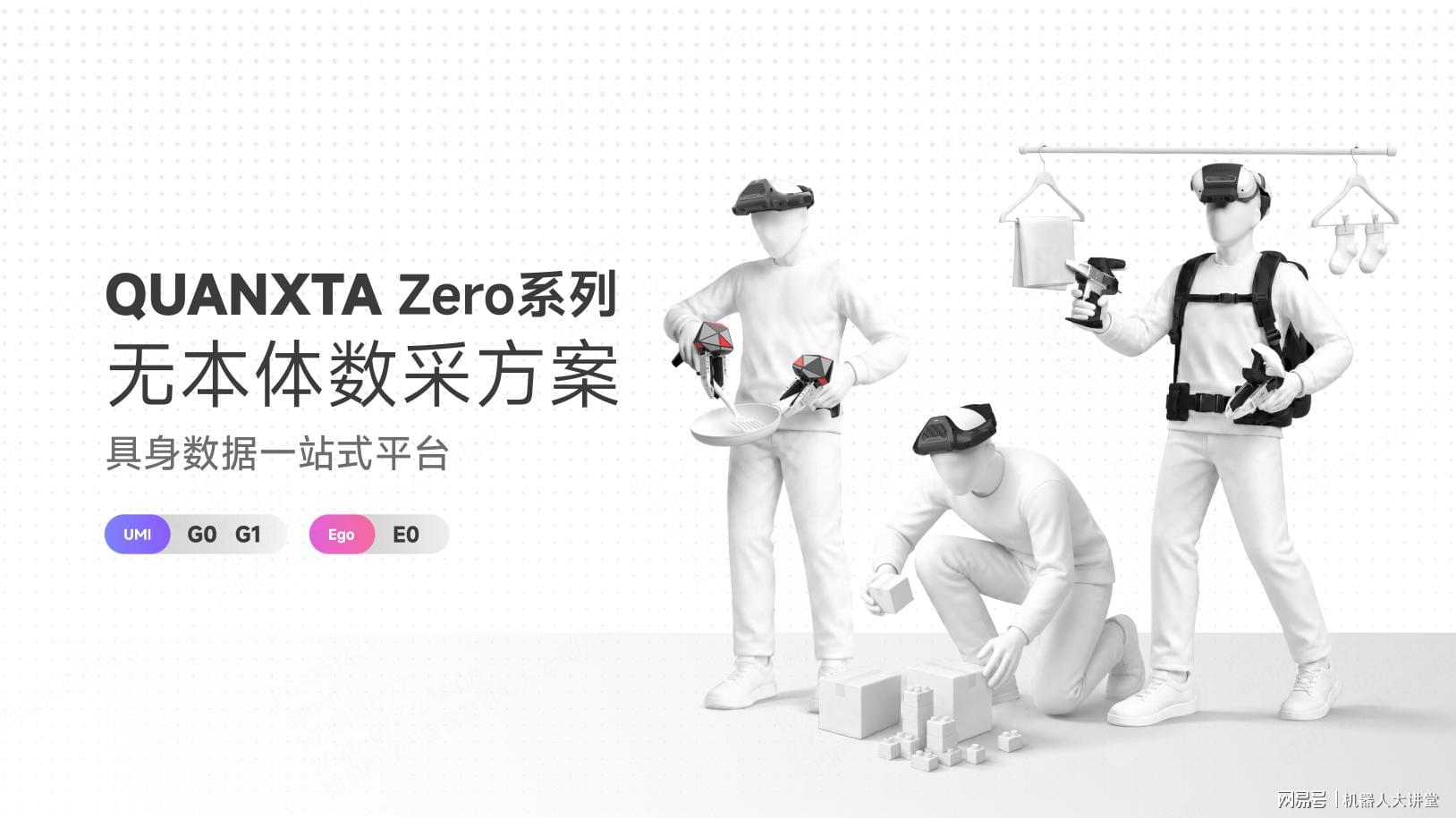
Zivariable Launches QUANXTA Zero Series for Data Collection Without Ontology
Zivariable has launched the QUANXTA Zero series, a new line of products aimed at improving data collection processes. Unveiled recently, these devices are designed to facilitate efficient data gathering for model training without the need for ontology. The QUANXTA Zero series promises to enhance data quality through automated labeling and seamless integration into an extensive data service pipeline. This innovation not only boosts the efficiency of data collection but also significantly reduces associated costs, making it a valuable tool for organizations seeking to optimize their data management strategies.
Data Collection AI Models Robotics Automation
Why Feixi Has Become the Preferred Choice for Many Overseas Embodied AI Companies
At Automate 2026 in Chicago, Feixi unveiled its latest innovations, including the Rizon series and the new Enlight and MICO models. The event highlighted how Feixi's advanced robotic arms have gained popularity among overseas embodied AI companies. These robotic solutions are instrumental in streamlining workflows related to data collection, model training, and real-world testing, ultimately boosting operational efficiency for these firms. By showcasing these products, Feixi aims to solidify its position as a leader in the robotics sector, catering to the growing demands of AI-driven industries.
Embodied AI Robotics Automation Machine Learning
Sequoia and Alibaba-backed embodied AI company secures hundreds of millions in new funding.
Noematrix, a company specializing in embodied intelligence, has recently secured hundreds of millions in funding, led by Wuxi Data Group, with participation from Shanghai Jiao Tong University's AI Future Fund, Shanghai Chuangzhi Technology Co., and Yicun Capital. This marks the latest financing round for Noematrix, which has attracted investments from several notable firms, including Prosperity7 Ventures and Alibaba, since its establishment in November 2023. The company focuses on the autonomous development of foundational models and systems for embodied intelligence, having launched its core product, Noematrix Brain. This product is part of a comprehensive hardware and software ecosystem that spans data collection, model training, deployment, and application in embodied robotics. The industry narrative surrounding embodied intelligence is shifting from merely executing tasks to ensuring robots can operate stably in real-world environments. Noematrix aims to enhance model robustness by integrating real-world and simulated data into its training processes, utilizing its proprietary data collection devices to gather diverse datasets from various environments. Noematrix's robots have already begun commercial deployment in pharmacies, addressing longstanding labor challenges in the sector by automating order fulfillment. The company has partnered with several leading pharmacy chains, achieving significant order volumes. Following this funding round, Noematrix plans to accelerate the development of its general-purpose embodied intelligence models, targeting applications in retail and hospitality sectors.
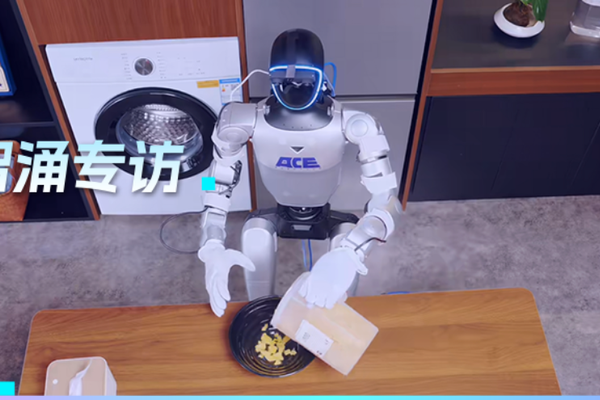
Founder of "Daxiao Robotics," which raised hundreds of millions, reveals divisions in the embodied AI industry.
In a recent interview, Wang Xiaogang, chairman of ACE Robotics and co-founder of SenseTime, discussed the rapid advancements of his company since its establishment in July 2025. Within just a year, ACE Robotics has emerged as a significant player in the field of embodied intelligence, recently launching its Kairos 3.0 model, which achieved state-of-the-art results in four global benchmarks. The company has also developed an innovative data collection strategy that expands its training dataset to over one million hours, significantly enhancing its capabilities compared to traditional methods. On June 15, 2026, ACE Robotics announced the successful completion of its angel+ funding round, raising substantial capital from various investors, including Da Chen Capital and Shanghai Science and Technology Innovation Fund. This brings the total funding raised in 2026 to several hundred million dollars, positioning ACE Robotics as one of the fastest unicorns in the industry. Wang emphasized the importance of collaboration within the long and complex supply chain of embodied intelligence, noting that many companies are hesitant to enter practical applications due to technical maturity and resource constraints. He outlined ACE's strategy of focusing on scalable business-to-business (B2B) scenarios, such as road inspections and logistics, before expanding into more complex consumer-facing applications. Despite the competitive landscape, Wang believes that ACE Robotics can leverage its unique approach to data collection and model training to establish a strong foothold in the market, ultimately aiming to enhance the efficiency and effectiveness of embodied intelligence solutions across various sectors.
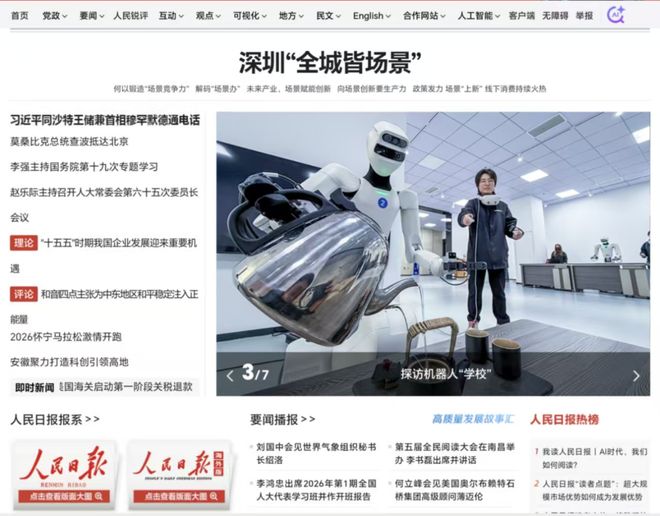
Astribot and Bodon Intelligence Forge Strategic Partnership for AI Robot Deployment
On June 10, Astribot and Bodon Intelligence revealed a strategic partnership focused on a significant order of AI robots. This collaboration is set to create a 'real-world data engine' by 2026, which aims to improve the deployment and operational efficiency of embodied intelligence. The initiative will leverage innovative data collection and model training techniques to enhance the capabilities of AI systems in practical applications.
AI Robotics Data Infrastructure Embodied Intelligence Automation Machine Learning
36Kr Exclusive: Four Key Propositions for ByteDance's AI by 2026
ByteDance is setting ambitious goals for its AI initiatives in 2026, focusing on four key areas. The company aims to enhance world model training, targeting performance levels comparable to Google's leading model, Genie 3, by the end of the year. Additionally, ByteDance plans to maintain its leadership in video models while exploring new avenues like dynamic generation. The company is also committed to strengthening its coding capabilities, emphasizing the importance of data feedback and evaluation to improve agent performance, particularly in office applications. Despite recent advancements, including the launch of Seed 2.0 and Seedance 2.0, ByteDance faces challenges in the world model arena, having entered the field later than competitors. The company established a research group in 2025 to explore visual-language-action models and has since set a clear goal for world model development. However, internal assessments indicate that performance still lags behind global standards by approximately 10%. In parallel, ByteDance is accelerating the commercialization of its Doubao platform, which has seen a surge in daily active users, reaching 200 million. The company plans to introduce paid features and enhance its offerings for professional users, particularly in sectors like finance and law. Doubao's strategy includes differentiating itself in the crowded AI tools market and expanding its presence internationally, with a focus on small language markets. As ByteDance navigates these challenges, it aims to leverage its engineering expertise and data resources to emerge as a leader in the evolving AI landscape.

LoongForge Achieves 2.3x Training Throughput Improvement for GR00T N1.6 Model
LoongForge, a company led by Baido Baige, has announced significant improvements in the training process of its GR00T N1.6 VLA model. This optimization, which was implemented recently, has resulted in a remarkable 56.6% reduction in training cycles and a 2.3-fold increase in throughput. The enhancements specifically target challenges such as input/output blocking and inefficient scheduling, thereby greatly boosting the overall efficiency of the model's training process. These advancements are expected to streamline operations and improve performance in various applications.
AI Model Training Machine Learning Robotics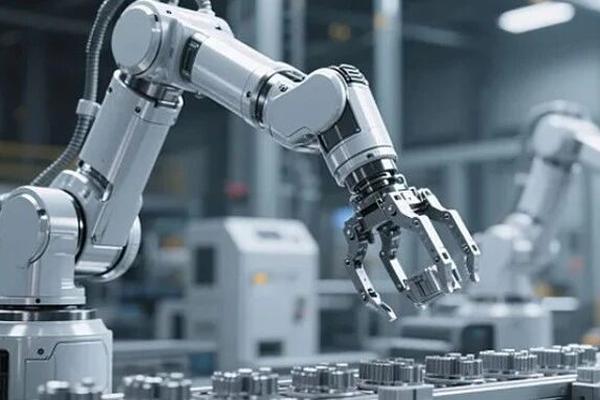
Robot solution provider serving Foxconn raises angel funding after six months of over 20 million revenue.
Shenzhen-based Chengwu Robotics has successfully completed its angel round of financing, backed by Taiwan's leading industrial automation and intelligent robotics firm, Chuan Technology, with Huajun Capital serving as the exclusive financial advisor. Founded in 2025, Chengwu Robotics focuses on the development of embodied intelligence technologies and product solutions for industrial applications, leveraging its integrated capabilities in hardware and software development, data collection, model training, and scene deployment. The company, led by founder Huang Jinlong, who has over a decade of experience in robotics R&D, aims to address the customization needs of non-standard industrial scenarios. Since its inception, Chengwu has delivered over ten industrial projects, generating over 20 million yuan in revenue by 2025 and serving major manufacturers, including Foxconn. Chengwu Robotics is also advancing its model development, with a focus on the Vision-Language-Action (VLA) model, which aims to enhance 3D perception and operational precision in complex environments. To address data collection challenges, the company has developed its own Egocentric-UMI data collection device and Bybot-TeleOp remote operation system, significantly reducing training and deployment times. The company is simultaneously developing a prototype upper-body robot equipped with advanced components to support its model training and industrial applications. Chengwu Robotics emphasizes its comprehensive capabilities and real-world delivery experience, positioning itself to create commercially viable solutions that meet client needs in various industrial contexts.

First in Industry: JianZhi Robotics and Ant Lingbo Collaborate on Human Data-Driven Intelligent Evolution
On May 26, JianZhi Robotics and Ant Lingbo unveiled a strategic partnership aimed at advancing embodied intelligence by utilizing human data. This collaboration seeks to address existing limitations within the industry by innovating model training and cognitive evolution, setting a new standard for general embodied intelligence. By harnessing high-quality human behavioral data, the partnership intends to enhance model capabilities and promote the practical application of embodied intelligence in various sectors.
Embodied Intelligence Human Data Robotics Collaboration AI Innovation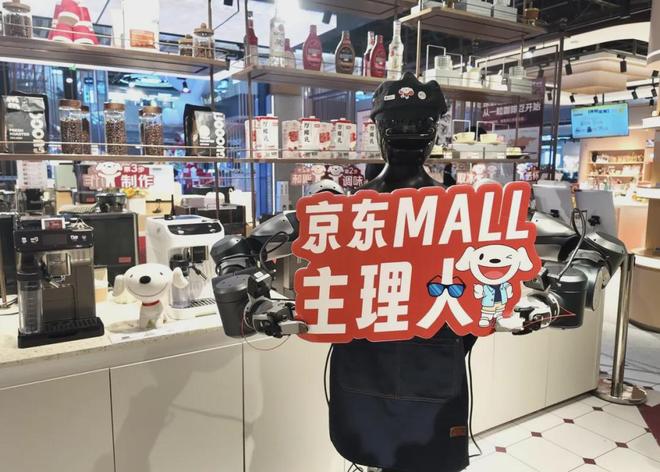
Official Announcement! Qianxun Intelligent Partners with JD.com to Enter New Retail Market!
Qianxun Intelligent has unveiled its inaugural project in partnership with JD.com, introducing the Mo Robot, which will prepare coffee in JD MALL stores. This initiative, launched recently, seeks to advance the use of embodied intelligence in the retail sector. By integrating the Mo Robot into the shopping experience, the collaboration aims to establish a robust system for data collection and model training, ultimately enhancing customer service and operational efficiency in retail environments.
Embodied Intelligence Retail Technology Data Collection Robotics
Genesis AI Releases GENE-26.5: Humanoid Robot Finally Takes On Tomato and Egg Stir-Fry
Genesis AI, a French robotics startup, has unveiled its inaugural foundation model, GENE-26.5. This advanced robot is designed to perform a variety of tasks autonomously, including cracking eggs, cutting tomatoes, making smoothies, solving Rubik's cubes, and organizing cables. The launch took place recently as the company aims to revolutionize robotic manipulation through a novel training approach that combines extensive human operation data with simulation-based closed-loop evaluation. This innovative methodology is intended to enhance the capabilities of robots, moving them closer to a comprehensive foundation model training paradigm.
Robotics
NVIDIA and Thinking Machines Lab Announce Long-Term Gigawatt-Scale Strategic Partnership
NVIDIA has entered into a multiyear strategic partnership with Thinking Machines Lab, announced today, to deploy a minimum of one gigawatt of advanced NVIDIA Vera Rubin systems. This collaboration aims to enhance Thinking Machines' capabilities in frontier model training and the development of innovative platforms. The initiative underscores both companies' commitment to advancing artificial intelligence technologies and optimizing computational resources for complex data processing. The partnership is expected to significantly bolster the efficiency and effectiveness of AI model training, paving the way for breakthroughs in various applications.

Unitree’s G1-D Swaps Legs for Wheels to Solve the AI Data Bottleneck
Unitree Robotics has unveiled its latest innovation, the G1-D, marking a significant shift from its previous focus on bipedal agility to a new emphasis on stability. This wheeled humanoid robot is equipped with a comprehensive software platform aimed at enhancing data acquisition and streamlining model training processes. The launch, which occurred in October 2023, reflects the company's commitment to advancing robotics technology and improving operational efficiency in various applications. By integrating robust software capabilities with the G1-D's design, Unitree Robotics seeks to address the growing demand for reliable robotic solutions in diverse sectors.
G1 Unitree Robotics G1-D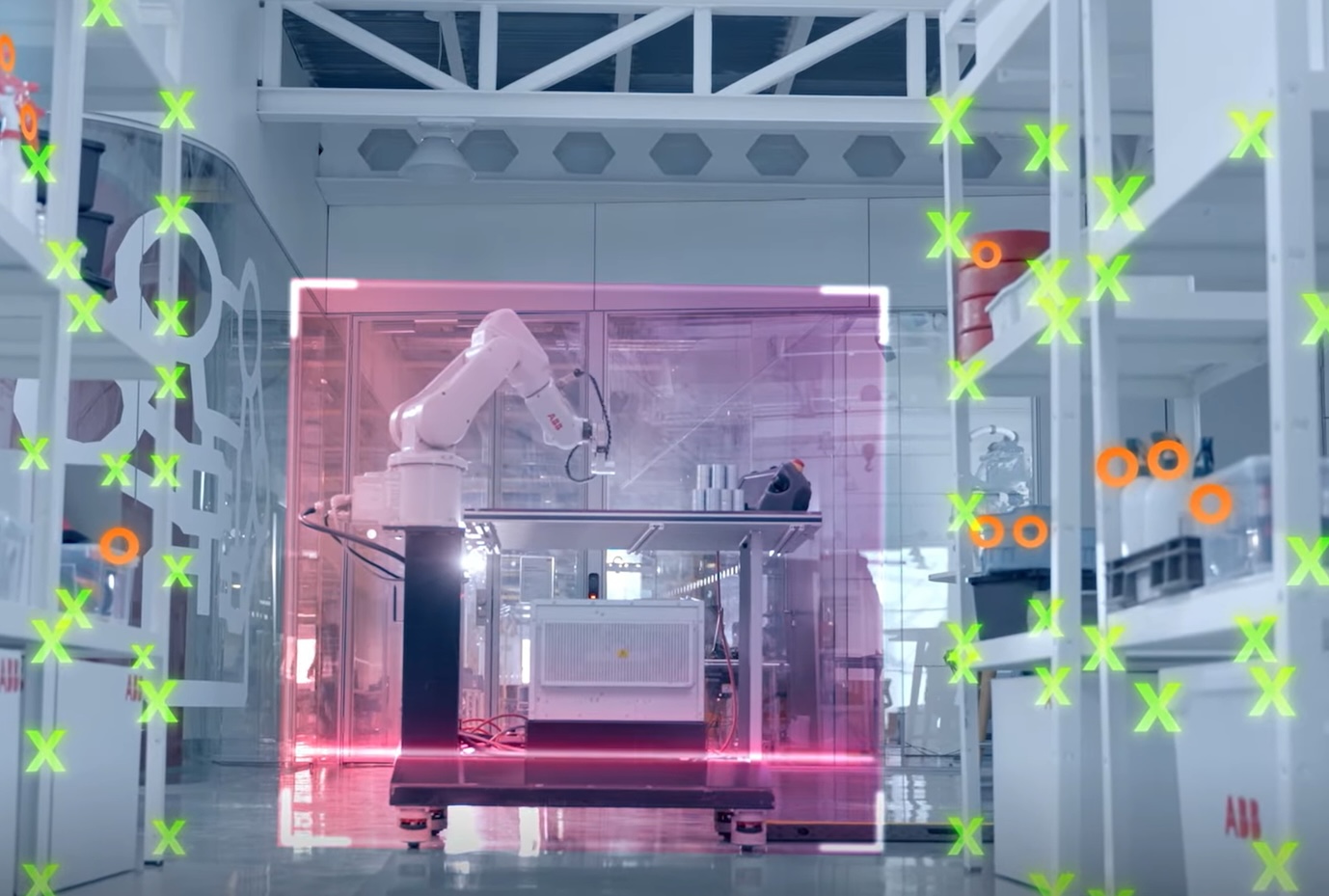
DeepSeek credits Tencent for major performance boost in open-source framework DeepEP
Tencent's technology team has enhanced the performance of DeepSeek's open-source DeepEP communication framework, significantly improving its efficiency in various network environments. The Chinese AI startup reported that testing revealed a remarkable 100% performance boost on RoCE networks and a 30% improvement on InfiniBand (IB) networks. These advancements are expected to provide more effective solutions for AI model training. DeepSeek publicly recognized Tencent's contributions to the project on GitHub, highlighting the collaboration's impact on the development of AI technologies.
News Feed
Decart’s Oasis 3 world model streams realism into robotic training environments
Decart, a leading frontier AI research lab, has unveiled its latest world model, Oasis 3, in a bid to integrate synthetic simulation with physical AI. The announcement, made recently, highlights the model's capability to enhance the training processes for operating system models used in robots and autonomous vehicles. By focusing on this innovative approach, Decart aims to advance the development of intelligent systems that can operate seamlessly in real-world environments. The launch of Oasis 3 represents a significant step forward in the quest to improve AI's practical applications, addressing the growing demand for more sophisticated and capable autonomous technologies.
Artificial Intelligence Computing Culture Design automation news autonomous vehicles
Robbyant Launches Upgraded LingBot-VLA 2.0 AI Model for Advanced Robotics
Robbyant, a company specializing in embodied AI under Ant Group, has unveiled the upgraded LingBot-VLA 2.0 model. This next-generation vision-language-action model enhances morphological generalization, degrees of freedom support, and deployment efficiency, addressing a critical gap in the embodied AI industry. The significance of LingBot-VLA 2.0 lies in its extensive pre-training on 60,000 hours of real-world data, which includes interactions from 20 different robot morphologies. This upgrade allows for improved whole-body control and dual-arm manipulation, achieving leading scores on benchmarks, thus demonstrating its effectiveness in industrial-scale deployment. Looking ahead, the introduction of a version optimized for efficient post-training and a threefold increase in inference efficiency positions LingBot-VLA 2.0 as a strong contender for real-time commercial applications. No further timeline was disclosed at the time of publication.
Computing Robot simulation artificial intelligence dual-arm robots embodied ai humanoid robots
IEEE Rolls Out Large Language Models Virtual Training Course
Large language models (LLMs) have transitioned from research labs to everyday use in engineering, significantly altering how digital infrastructures are developed and maintained. As technical professionals increasingly rely on LLMs for complex tasks—such as identifying vulnerabilities in source code and converting fragmented discussions into detailed specifications—the demand for expertise in this technology is surging. According to MarketsandMarkets, the LLM technology market is projected to grow by approximately 33% annually through 2030. To effectively utilize LLMs, engineers must move beyond basic interactions and understand the underlying transformer architecture that enables these models to process vast datasets simultaneously. This knowledge is crucial to mitigate risks associated with inaccuracies, often referred to as "hallucinations," and to ensure reliable performance in coding and data handling. Key advancements include integrating LLMs with application programming interfaces (APIs) for direct database connections, addressing hallucination issues through retrieval-augmented generation (RAG), and prioritizing data security by establishing private model instances. Additionally, LLMs automate repetitive tasks, allowing engineers to focus on higher-level design and problem-solving. To bridge the growing knowledge gap, IEEE has launched an online program titled "Large Language Models Demystified," designed to equip technical professionals with a deeper understanding of LLMs. The curriculum covers the evolution of AI technology, transformer architectures, and practical model-building exercises. Participants will earn professional development credits and a digital badge upon completion, enhancing their credentials in this rapidly evolving field. Organizations interested in training their teams can consult with IEEE for tailored enrollment options.
Ai Type-ti Education Ieee-educational-activities Large-language-models Ieee-products-and-services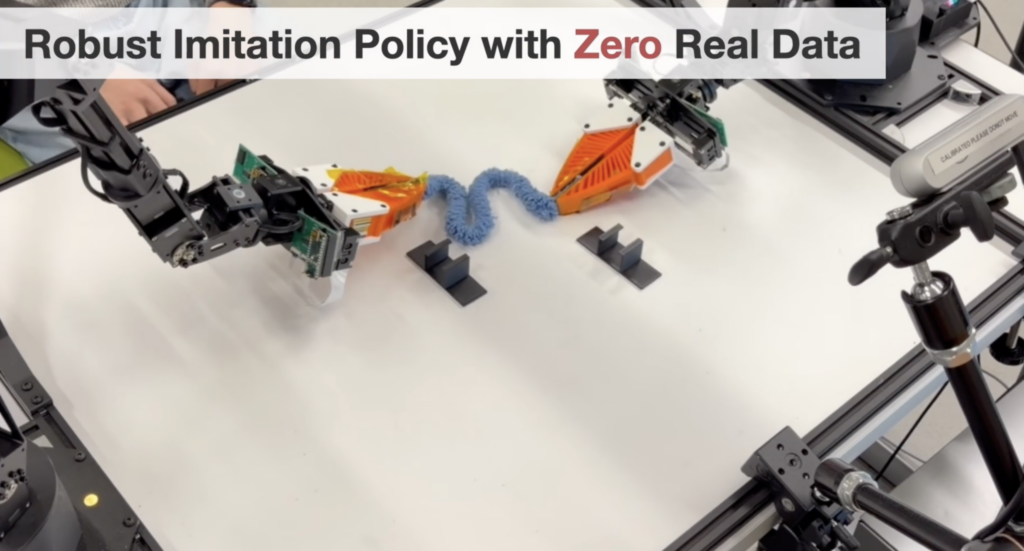
New Interactive World Simulator Enhances Robot Policy Training and Evaluation
A new Interactive World Simulator has been developed to improve robot policy training and evaluation by replacing traditional methods with a learned, action-conditioned video prediction model. This simulator allows for efficient data generation and scalable policy evaluation, addressing long-standing challenges in robot learning. The significance of this development lies in its ability to reduce the time and costs associated with data collection and evaluation. By enabling demonstrations to be collected within the simulator, the process becomes more reproducible and less prone to the issues faced in real-world settings, such as hardware failures and environmental changes. Looking ahead, the simulator has been trained on diverse manipulation tasks, showcasing its capability to accurately predict robot interactions. No further timeline was disclosed at the time of publication.
Yao Maoqing Discusses the Evolution of Physical AI Through Model and Data Integration
On July 19, during the 2026 World Artificial Intelligence Conference, Yao Maoqing, Senior Vice President and President of the Embodied Business Division at Zhiyuan, shared insights on the technological pathways for scaling physical AI. Zhiyuan has developed a three-phase training architecture of 'pre-training, post-training, and continuous learning' to advance its VLA and WAM technology routes towards the unified World Reasoning Action Model (WRAM). The integration of data is facilitated by Mifeng Technology, which utilizes the MEgo series of collection terminals and the MEgo Engine governance platform to create a comprehensive physical AI data infrastructure. This infrastructure supports data collection, governance, training, and deployment feedback, ensuring that real-world data continuously enhances model evolution. The collaborative model and data iteration system has already been validated in real industrial scenarios. Yao emphasized that 'models determine the starting point, while data defines the outcome.' He expressed the ambition of Zhiyuan and Mifeng to collaborate with the global academic community, industry, and developer ecosystem to accelerate the evolution of physical AI in real-world applications. No further timeline was disclosed at the time of publication.
Physical AI Data Infrastructure Machine Learning AI Development
RoboScience Unveils First Cloud-Based Large Model for Robotics at WAIC
At the WAIC, RoboScience showcased a groundbreaking cloud-based embodied large model named Visics, capable of controlling multiple robotic hands. This innovation allows for seamless switching between different robotic hands while maintaining operational efficiency, demonstrating the ability to recognize and grasp various objects autonomously within 30 seconds. The significance of this development lies in its potential to revolutionize robotic operations across diverse applications. By enabling a single model to adapt to various hand configurations, Visics enhances the versatility of robotic systems, allowing them to perform complex tasks without the need for extensive retraining when hardware changes occur. Looking ahead, the industry will be keen to observe how Visics performs in real-world scenarios and its ability to execute long-term tasks by integrating multiple actions. No further timeline was disclosed at the time of publication.
Robotics Cloud Computing AI Automation Object Recognition
China's Embodied AI Models Gear Up for Competition Ahead of WAIC 2026
China's leading tech companies are intensifying their efforts in embodied AI as they prepare for the WAIC 2026 event in Shanghai, scheduled for July 17. This year's competition is marked by the launch of several advanced models, including Xiaomi's X0, a multimodal generative model with 38 billion parameters designed to enhance robotic training data generation. The significance of this competition lies in the critical need for physical interaction data, which is currently lacking by over 99%. Xiaomi's generative model aims to address this gap by autonomously generating and augmenting training data without the need for new data collection, thereby improving efficiency by 83 times. The event will showcase over 200 companies, highlighting the growing importance of embodied intelligence in the tech landscape. As the industry evolves, companies like Tencent Cloud and RoboScience are also making strides with cloud-based embodied AI services. The competition at WAIC 2026 will be pivotal, as companies vie for dominance in the emerging ecosystem of embodied intelligence, with advancements in visual understanding and cognitive reasoning being key areas of focus.
Embodied AI Robotics Data Synthesis Open Source Cognitive Computing
NVIDIA's Vera Rubin Enhances Intelligence per Dollar for Continuous Agentic AI Post-Training
NVIDIA's Vera Rubin is redefining post-training workloads for agentic AI, emphasizing continuous adaptation and refinement. Unlike traditional models, agentic AI requires ongoing adjustments as environments and tools evolve, making post-training a critical, never-ending process. This shift necessitates a new compute pattern, focusing on maximizing intelligence per dollar through efficient forward and backward passes in the learning cycle. The significance of this development lies in its potential to enhance the efficiency of AI models. By optimizing cost per token during inference, NVIDIA aims to improve the overall intelligence per dollar, ensuring that models remain valuable as they adapt to changing conditions. This continuous learning approach allows models to not only respond to prompts but also to plan and recover from challenges in real-time, thereby increasing their operational effectiveness. Looking ahead, the integration of NVIDIA's NeMo libraries will facilitate the transition from bespoke research to scalable infrastructure for post-training. As the demand for agentic AI grows, the focus will be on how effectively these models can adapt and learn in dynamic environments, ultimately determining their value in practical applications. No further timeline was disclosed at the time of publication.

General Intuition Achieves $2.3 Billion Valuation with Innovative Robot Training Approach
General Intuition, a New York-based company, has proposed a groundbreaking approach to training robots using millions of hours of gaming footage instead of vast amounts of real-world data. In June 2026, the company completed a $320 million Series A funding round, achieving a valuation of $2.3 billion, led by renowned investor Vinod Khosla. The significance of General Intuition's method lies in its potential to revolutionize how robots learn spatial reasoning and physical intuition. By utilizing gaming data, the company claims to have pre-trained a spatial reasoning model that allows quadruped robots to navigate unfamiliar environments with minimal real-world data, challenging traditional training methods that rely heavily on real-world scenarios. Looking ahead, the success of General Intuition will depend on its ability to validate its technology in diverse real-world environments beyond office settings. The company's vision of creating a 'robot brain' for universal physical AI could redefine the operational frameworks for future robotics, potentially surpassing existing systems like Windows and Android in impact.
AI Robotics Gaming Technology Machine Learning
Stardust AI Launches Lumo-2: Innovative Robot Action Model for Home Automation
On July 15, Stardust AI introduced its second-generation embodied base model, Lumo-2, which is the industry's first household latent world-action model. This launch includes the physical AI symbiotic agent, Agent Philia, enhancing their full-stack architecture of AI models, embodied operating systems, and rope-driven entities. The company will showcase its 'trinity' multi-scenario implementation solutions at the World Artificial Intelligence Conference in Shanghai from July 17 to 20. Lumo-2 autonomously performs 22 complex household tasks, demonstrating industry-leading capabilities in task range and complexity. This model addresses the challenges faced by robots in open environments, such as the inability to explain actions and the high costs of training complex skills. By predicting future scenarios before generating actions, Lumo-2 aims to overcome these bottlenecks and improve the practical execution of robotic tasks. Looking ahead, Stardust AI plans to enhance the scalability of Lumo-2 by expanding training data diversity and exploring efficient data engineering paradigms. The team is also focused on advancing real-world interactive learning to enable robots to adapt and evolve autonomously in dynamic environments. No further timeline was disclosed at the time of publication.
Household Robotics Physical AI AI Models Robotic Automation
MIT and Toyota Develop SceneSmith to Enhance Robot Training with AI-Generated Environments
MIT and the Toyota Research Institute have introduced SceneSmith, a system that utilizes AI agents to create realistic 3D environments for robot training. This innovation addresses the significant challenge of generating diverse simulation content, which is crucial for teaching robots various tasks in a cost-effective manner. The SceneSmith system employs three AI agents, leveraging the advanced vision-language model GPT-5.2, to design intricate indoor scenes. These environments, featuring up to six times more objects than previous methods, allow robots to practice skills in a rich virtual playground, ultimately reducing the need for extensive real-world testing. As the research progresses, the effectiveness of these AI-generated environments will be closely monitored. The team has already demonstrated that robots can successfully navigate and perform tasks in these virtual settings, indicating a promising future for robotic training methodologies. No further timeline was disclosed at the time of publication.
Research Robotics Artificial intelligence Simulation Computer science and technology Machine learning
Jiying Technology Launches First Zero-Shot Generalizable Physics Model for Engineering Simulations
Jiying Technology has unveiled its Jiying 2.0 physics foundation model, which is capable of zero-shot generalization across various geometries, materials, and boundary conditions. This model represents a significant advancement in physics AI, particularly for engineering simulations, and was announced in October 2023. The introduction of the Jiying 2.0 model is crucial as it allows engineers to simulate complex physical scenarios without the need for extensive retraining on specific datasets. This capability can enhance efficiency and reduce the time required for simulations, making it a valuable tool in engineering design and analysis. Looking ahead, industry professionals will be keen to observe how the adoption of the Jiying 2.0 model influences engineering practices and simulation accuracy. No further timeline was disclosed at the time of publication regarding additional features or updates to the model.
Technology
ugo and FastLabel launch training program for developing VLA model with domestic humanoids and physical AI.
Ugo Corporation and FastLabel Inc. have launched a hands-on training program aimed at facilitating the development of Vision-Language-Action (VLA) models for companies, universities, and research institutions. This initiative utilizes the domestically produced humanoid robot, the "ugo Pro R&D model," to support participants from the initial stages of model development. The program, titled "ugo VLA Model Development Training Program powered by FastLabel," is designed to enhance practical skills and knowledge in the emerging field of VLA technology.

1X Reveals Its 'World Model,' A Digital Twin to Accelerate Humanoid AI Training
Robotics firm 1X has unveiled its latest innovation, an 'action-controllable' world model, as part of its Redwood AI initiative. This advanced system serves as a high-fidelity simulator, enabling the company to predict the outcomes of its NEO robot's actions. By utilizing this technology, 1X can efficiently assess AI performance and make necessary adjustments without the need for expensive and time-consuming physical trials. This development marks a significant step forward in the company's efforts to enhance robotic capabilities and streamline testing processes.
1X-technologies Redwood generative-ai embodied-ai robotics-ai world-model
MIT and Toyota Research Institute Unveil SceneSmith for Robot Household Training
MIT's Computer Science and Artificial Intelligence Laboratory (CSAIL) and the Toyota Research Institute have developed SceneSmith, an AI-powered system that allows robots to practice household tasks in a virtual environment. This system utilizes three visual language models to collaboratively create realistic 3D scenes, enabling robots to learn complex skills through extensive simulation. SceneSmith not only generates lifelike environments but also incorporates physical properties like mass, friction, and inertia, allowing robots to interact meaningfully within these spaces. The research team tested over 100 unique action plans in the digital world, revealing flaws in the robots' planning that were validated by human consensus over 99% of the time, helping to refine their strategies before real-world application. The effectiveness of SceneSmith was highlighted at a recent international machine learning conference, where it received positive feedback from over 200 testers, with more than 90% rating its visual realism highly. As robots learn to perform tasks like moving objects in a kitchen, the prospect of robots handling household chores may soon become a reality.
AI Robotics Virtual Reality Machine Learning
DeepMind CEO Demis Hassabis: World Models and 'Infinite Training Loops' are the Keys to AGI
In the season finale of the Google DeepMind podcast, Demis Hassabis discussed the limitations of language models in advancing robotics. He emphasized that while language models play a crucial role, they are insufficient on their own for the development of physical AI. Hassabis highlighted the importance of integrating world-generators, such as Genie, with agents like SIMA to create a more effective synergy that can enhance robotic capabilities. This collaboration aims to address the challenges faced in the field of AI, particularly in bridging the gap between virtual understanding and real-world application. The insights shared during this episode reflect ongoing efforts to innovate and improve the functionality of AI in practical settings.
DeepMind Google embodied-ai
Milestone: Ascend 910C Completes Full-Parameter Post-Training of 1.6 Trillion Parameter Model, Domestic AI Computing Crosses Key Threshold
Shenzhen Hetao College, in partnership with Harbin Institute of Technology (Shenzhen), the Shenzhen Big Data Research Institute, and Huawei, has announced a significant advancement in domestic artificial intelligence computing. The collaborative effort culminated in the successful completion of a full-stack AI computing platform, marking a pivotal moment for the region's technological landscape. This achievement, revealed on October 15, 2023, in Shenzhen, aims to enhance the capabilities of AI applications across various industries. The initiative is driven by the growing demand for advanced computing solutions and the need to bolster China's position in the global AI arena. By integrating expertise from academia and industry, the consortium has developed a robust system designed to support complex AI tasks, thereby fostering innovation and economic growth in the region.
AI
Release of VTouch: Empowering Next-Generation Embodied Training Environments and Model Evolution
On January 26, the National Local Co-Built Humanoid Robot Innovation Center unveiled VTouch, the world's first multimodal operation dataset. This groundbreaking dataset comprises over 60,000 minutes of cross-body vision-based tactile data, designed to improve robot decision-making and operational capabilities. By integrating visual and tactile information, VTouch aims to advance the field of robotics, offering researchers and developers a valuable resource for enhancing robotic interactions and functionality.
Multimodal Robotics Tactile Sensors Robot Training AI in Robotics
Large Tabular Models Excel Where LLMs Fail
A new generative AI model, known as NEXUS, has emerged from the startup Fundamental, which recently secured $275 million in funding. Launched on February 5, 2026, NEXUS is designed to analyze structured data, a task that traditional large language models (LLMs) like ChatGPT and Claude struggle with. While LLMs excel in generating human-like text and images, they falter when faced with complex tabular data, which is crucial for businesses across various sectors, including finance and healthcare. Fundamental's CEO, Jeremy Fraenkel, explained that LLMs are not suited for structured data due to their reliance on sequential input, making them less effective for tasks requiring deterministic predictions, such as fraud detection. In contrast, NEXUS utilizes a large tabular model (LTM) that directly models the structure of tabular data, allowing for more accurate reasoning and predictions. The development of NEXUS involved training on billions of tables, using a mix of proprietary and public datasets while ensuring customer data confidentiality. This innovative model has already been integrated into Amazon Web Services' SageMaker platform, enhancing its accessibility for businesses handling sensitive data. As the demand for effective data analysis solutions grows, other companies, including Feedzai and Google, are also developing similar technologies. Experts predict that the future of data processing will increasingly rely on automated systems, combining the strengths of LLMs and LTMs to improve efficiency and accuracy in data analysis.
Data-analytics Llms Foundation-models Databases
Māori Text-to-Speech Model Spurns Big Tech’s Values
Researchers at the University of Waikato in New Zealand have developed a high-fidelity synthetic voice for te reo Māori, the indigenous language of the country, in response to concerns over the ownership and control of Māori language data by foreign technology companies. Led by associate professor Te Taka Keegan and his former master's student Kingsley Eng, the project was motivated by a desire for "sovereign digital systems" that prioritize Māori ownership of their language resources. The initiative began with the recording of 4.5 hours of data from Ngaringi Katipa, a fluent speaker and language mentor, which was later expanded to 7 hours and 45 minutes. The researchers faced challenges due to the unique linguistic features of te reo Māori, such as vowel length and digraphs, which can alter meanings. They employed a phoneme-based approach to training the text-to-speech model, utilizing open-source tools and testing various neural architectures to achieve an effective AI voice with a word error rate of 6.78 percent. Despite receiving funding from Google, Keegan emphasized that the ownership of the voice model remains a collective responsibility of the Māori community, particularly the tribes affiliated with Katipa. The project aims to empower Māori language speakers and establish a framework for similar initiatives among other indigenous communities globally. Keegan envisions a future where community-owned language models can preserve and promote indigenous knowledge, ensuring that technology serves to empower rather than diminish cultural heritage.
Artificial-intelligence Languages Ai-models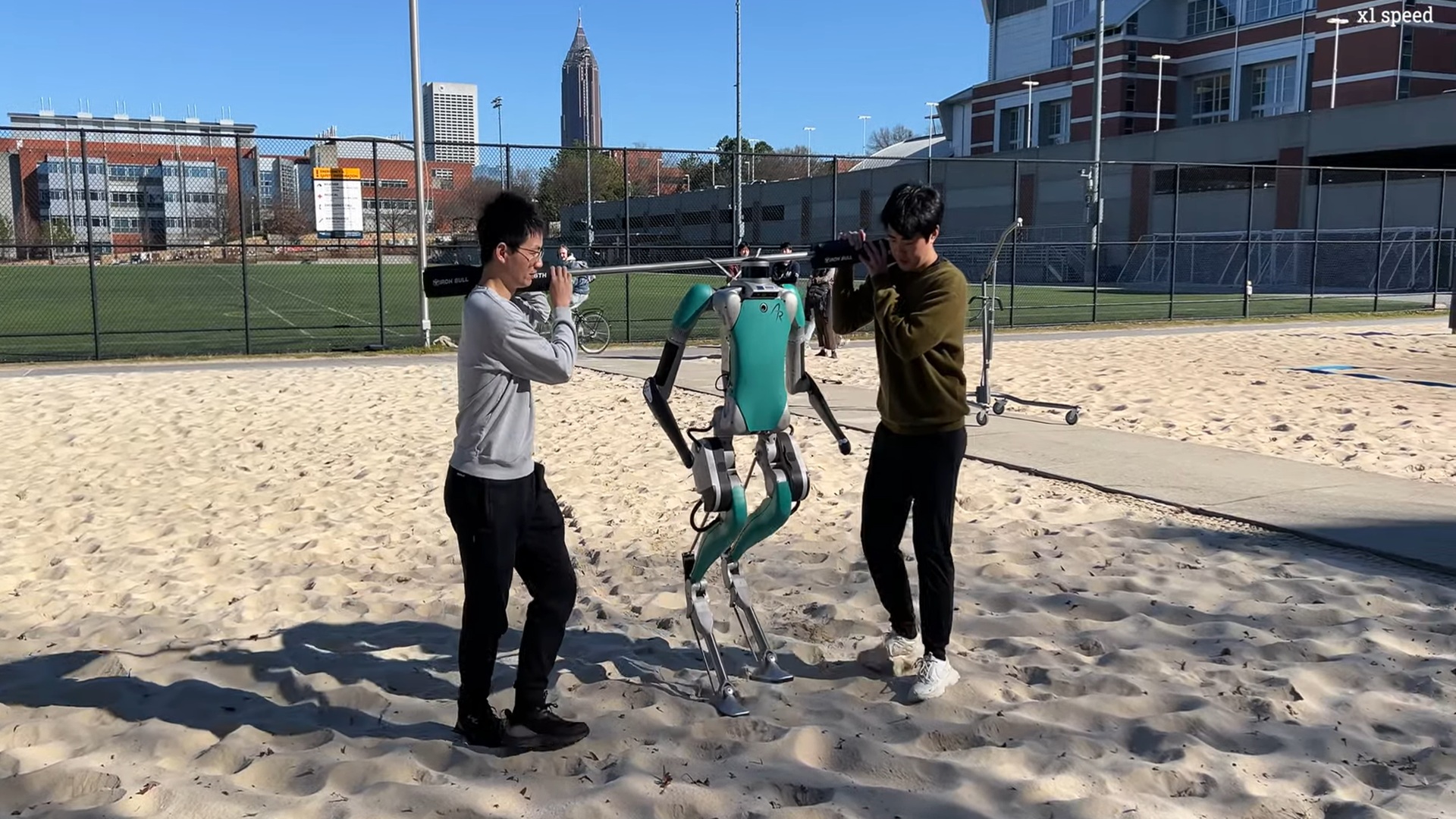
Georgia Tech Researchers Develop Framework for Humanoid Robot to Walk on Varied Terrain
Researchers at Georgia Tech have created a novel machine-learning framework that allows a humanoid robot to traverse diverse terrains, including sand, gravel, and slopes. This framework, named 'Learn to Teach,' enhances the traditional teacher-student reinforcement learning method by enabling simultaneous training of both agents, significantly reducing the time and computational resources required. The significance of this development lies in its ability to equip the robot with a controller capable of adapting to unfamiliar terrains without extensive prior training. The humanoid robot successfully navigated various challenging surfaces, demonstrating stability even when pushed or pulled during tests. This advancement could have broader implications for robotics, as the framework can be adapted for other robotic tasks beyond walking. Looking ahead, the potential for this training framework to be applied to different robots and tasks is promising. The researchers highlighted that their approach not only streamlines the training process but also allows for real-time knowledge transfer between the teacher and student models. No further timeline was disclosed at the time of publication.
AI and Robotics
Xiaomi Robotics Launches Open Source U0 Model with Significant Performance Enhancements
On July 15, Xiaomi Robotics unveiled the open-source Xiaomi-Robotics-U0, a multimodal autoregressive foundational model with 38 billion parameters. This release follows the introduction of the VLA model Xiaomi-Robotics-0 in February, marking a significant advancement in embodied intelligence. The code and model weights are now available on GitHub, HuggingFace, and the Modao community. The importance of the U0 model lies in its ability to generate vast amounts of training data in virtual environments while receiving high-density validation feedback from real-world factory lines. The model achieved a success rate of 98% in dual-side operations at a car factory, just 1% shy of human performance. U0's design allows for efficient multi-task training without compromising the general visual understanding and spatial reasoning inherited from large-scale pre-training. Looking ahead, U0's capabilities in generating training data for embodied tasks present a controlled and efficient solution for enhancing model performance. Its integration with real-world validation processes at Xiaomi's automotive factory creates a robust feedback loop, ensuring continuous improvement and practical application of the technology. No further timeline was disclosed at the time of publication.
Robotics AI Machine Learning AutomationRobotics needs a service framework.
RSF defines a common language for robot service capability, lifecycle operations, certification pathways, and service-provider networks.