Industry Briefing
A single destination for timely, editor-curated robotics news from around the world.

MilliTrack Introduces AMR+ for Enhanced Robot Navigation Using Millimeter Wave Technology
MilliTrack, a South Korean startup, has developed AMR+, an additional positioning system that utilizes millimeter wave radio signals to enhance robot navigation in challenging environments. Traditional systems relying on cameras and LiDAR often fail in dusty, foggy, or brightly lit conditions, which are common in industrial settings. AMR+ supplements existing navigation systems without replacing them, providing a more reliable source of location data. The significance of AMR+ lies in its ability to improve the accuracy of autonomous mobile robots (AMRs) in environments where conventional SLAM (Simultaneous Localization and Mapping) becomes unreliable. MilliTrack claims that AMR+ can achieve a positioning accuracy of 3 centimeters within a 30-meter range, with a latency of less than 100 milliseconds. This dual-layer positioning approach allows robots to switch between their existing navigation systems and AMR+ as needed, ensuring continuous operational reliability. Looking ahead, MilliTrack plans to launch AMR+ in March 2027, with an expected price of around $1,000 for a tracker and a tag, and $200 for additional tags. The technology has already been deployed in over 30 projects in South Korea, demonstrating its potential to enhance industrial robot navigation without the need for extensive infrastructure changes. No further timeline was disclosed at the time of publication.
Autonomous Mobile Robots Positioning Technology Industrial Automation Millimeter Wave Technology
DeKra Micro Introduces Wireless Millimeter-Wave Solutions for Enhanced Robot Joints
DeKra Microelectronics (Shenzhen) Co., Ltd. has unveiled innovative millimeter-wave wireless slip rings and non-contact interconnect solutions designed for robotic joints. These products address critical issues such as wire entanglement, contact wear, and maintenance frequency, which affect the long-term stability and efficiency of robotic systems. The introduction of these solutions is significant as robotic joints serve not only as motion execution units but also as vital nodes for data transmission, control coordination, and power connections. Traditional wired connections face challenges in dynamic operations, necessitating a shift towards more reliable and integrated wireless solutions that enhance operational stability and reduce maintenance needs. Looking ahead, DeKra Micro's millimeter-wave wireless slip rings and interconnect modules support various communication protocols and are designed for seamless integration into existing joint structures. The company aims to advance the reliability and integration of robotic connectivity technologies, catering to the growing demands of the robotics industry for enhanced performance and flexibility.
Millimeter-Wave Technology Robotic Joints Wireless Communication Automation Solutions
Zhejiang University Develops Millimeter-Scale Robot Powered by Ultrasonic Waves
Researchers at Zhejiang University have created a 6mm long, 2.5mm diameter helical robot that operates without a battery or traditional motor. Instead, it is powered by an external arrangement of piezoelectric transducers that generate ultrasonic fields for propulsion and directional control. The robot can navigate through pipes, perform high-speed spins, and traverse slopes of 30° and 60°, even completing vertical movements and maneuvering through complex pathways. This breakthrough addresses a significant challenge in micro-robotics: providing power to increasingly smaller devices. The robot's design allows it to operate in confined fluidic environments, demonstrating its ability to move forward and backward within a 3mm diameter pig vein. The study, published in the journal Ultrasonics, highlights the innovative use of ultrasonic manipulation to enhance the robot's capabilities in navigating complex geometries. Future developments may focus on refining the robot's navigation in more intricate environments and optimizing the control of the ultrasonic fields. The research team has shown that by adjusting the activation combinations, frequency, and phase of the piezoelectric transducers, they can significantly enhance the flow field around the robot, indicating potential for further advancements in micro-robotic applications.
Microrobots Biomedical Engineering Ultrasonic Technology Robotics
Roundtable Forum: 2026 - A Year of Technology "Minority, Yet a Wave" | 36Kr WAVES 2026 New Wave
In 2026, the Chinese venture capital landscape is witnessing a significant shift as artificial intelligence (AI) transitions from a conceptual technology to a mainstream industry force. The WAVES 2026 conference, organized by 36Kr and AnYun, took place in Guangzhou's Panyu District, bringing together top investors, industry leaders, and emerging entrepreneurs to explore the evolving landscape of AI, hard technology, and other key sectors. Over two days, the event featured 14 in-depth roundtable discussions and numerous independent speeches, focusing on the underlying logic of these core areas and highlighting how the persistence of a few innovators is shaping industry transformation. During a roundtable hosted by He Sichong from Ant Group's NEXTA Innovation Lab, four prominent entrepreneurs shared insights on the rapid advancements in their respective fields. They discussed the increasing acceptance of previously niche technologies, such as embodied intelligence and tactile perception, which are now beginning to redefine industrial processes and human-machine interactions. Despite the enthusiasm, the panelists acknowledged the challenges of integrating these technologies into real-world applications, emphasizing the need for continued innovation and adaptation to meet evolving market demands. As the conference concluded, participants expressed optimism about the future of embodied intelligence and its potential to revolutionize various sectors, while also recognizing the importance of addressing the complexities of deploying these technologies in dynamic environments.

Denso Wave to Showcase Factory Robots and 3D Vision AI at ROBOT TECHNOLOGY JAPAN 2026
Denso Wave will participate in the upcoming "ROBOT TECHNOLOGY JAPAN 2026," scheduled to take place from June 11 to June 13, 2026, at the Aichi Sky Expo in Aichi Prefecture. This event aims to showcase advancements in robotics technology, reflecting the growing interest and innovation in the field. Denso Wave's involvement highlights its commitment to contributing to the development and promotion of robotics solutions.
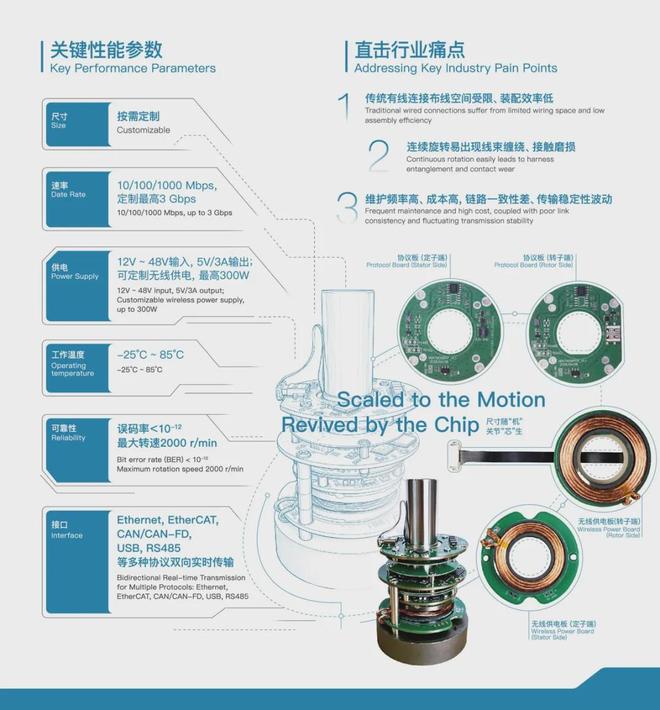
Enhancing Robot Durability: Decosemi's Non-Contact Millimeter-Wave Interconnect Chip Solution Unveiled at FAIR plus
At the FAIR plus robotics event held in Shenzhen, Decosemi unveiled its cutting-edge non-contact millimeter-wave interconnect chip solutions tailored for robotic joints. This innovative technology seeks to enhance connection stability and integration efficiency, effectively tackling the limitations posed by traditional wired connections in dynamic robotic applications. By providing a more reliable and efficient means of connectivity, Decosemi aims to advance the capabilities of robotics in various industries.
Millimeter-Wave Technology Robotics Non-Contact Communication Dynamic Connectivity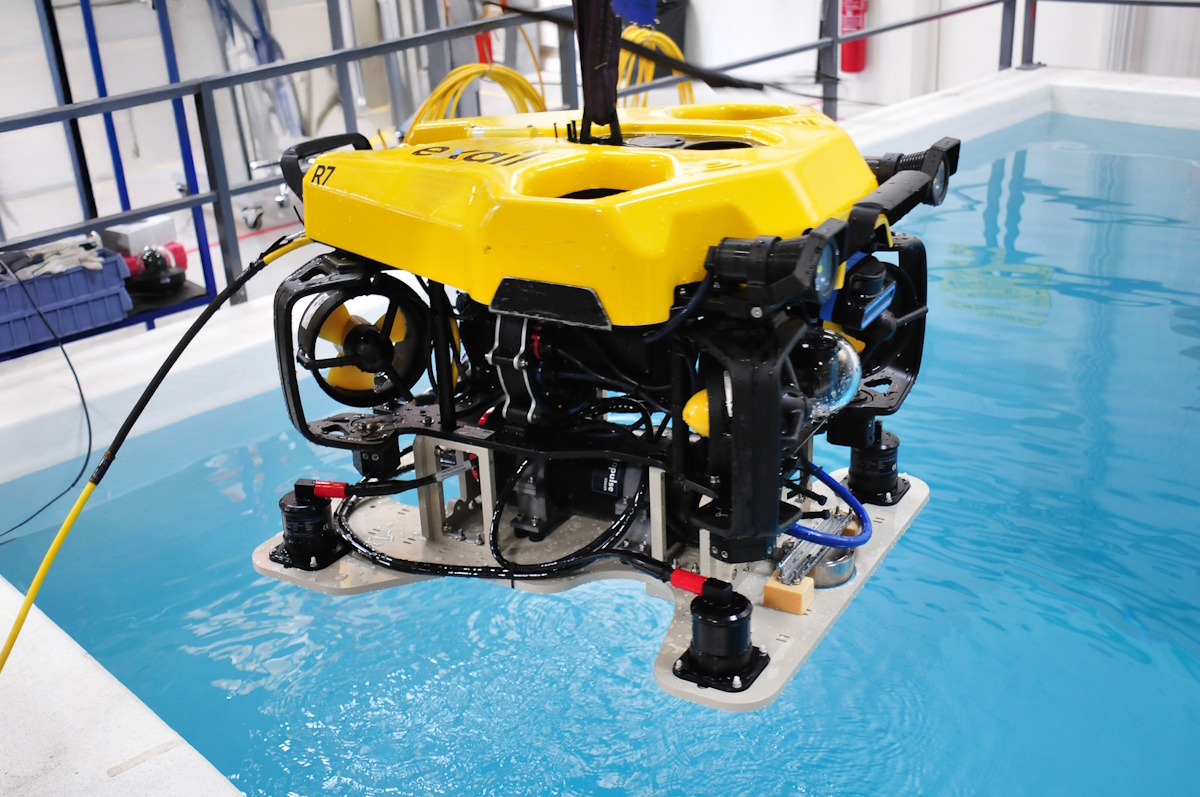
Exail Integrates Elwave’s Electromagnetic Sensing Technology Into R7 ROVs
Exail, a prominent player in maritime robotics, has partnered with Elwave to enhance its R7 Remotely Operated Vehicles (ROVs) with advanced electromagnetic sensing technology. This collaboration involves the integration of Elwave’s Tetrapulse sensors, which utilize the cutting-edge CEDAR (Controlled Electric Detection And Ranging) technology. The deployment of these sensors will occur across multiple R7 ROVs, although the identity of the client benefiting from this enhancement remains undisclosed. This strategic move aims to bolster the capabilities of Exail’s ROVs, ensuring they remain at the forefront of maritime exploration and operations.
exail elwave electromagnetic sensing technology r7 rovRobotics needs a service framework.
RSF defines a common language for robot service capability, lifecycle operations, certification pathways, and service-provider networks.
Join the RobotToday community on LinkedIn
Daily robotics news, in-depth analysis, conference highlights, and discussions with professionals worldwide.