

Industry Briefing
A single destination for timely, editor-curated robotics news from around the world.

Matic Reveals Future Plans for Humanoid Robots Beyond Floor Cleaning
Matic is exploring advancements beyond floor cleaning, showcasing a humanoid robot in a recent video. Co-founder Mehul Nariyawala emphasized that manipulation will be the next phase for the company, which has already established a strong foundation in perception and navigation with over 16,000 homes serviced and 500 million square feet covered. This development is significant as it indicates Matic's ambition to expand its product offerings in household robotics. Nariyawala noted that reliable perception and navigation are crucial precursors to successful manipulation, suggesting that each phase of development will yield valuable products. The company claims a remarkable 99.999% performance for its visual SLAM technology, which is essential for mapping environments and positioning the robot. Looking ahead, Matic's teaser of the humanoid robot raises questions about the timeline for product development and market readiness. While the humanoid design is visually striking, it remains a concept rather than a confirmed product. The company has previously indicated a long-term plan to incorporate manipulation capabilities, but specific details on how these robots will transition from concept to market-ready products are still pending.
US Matic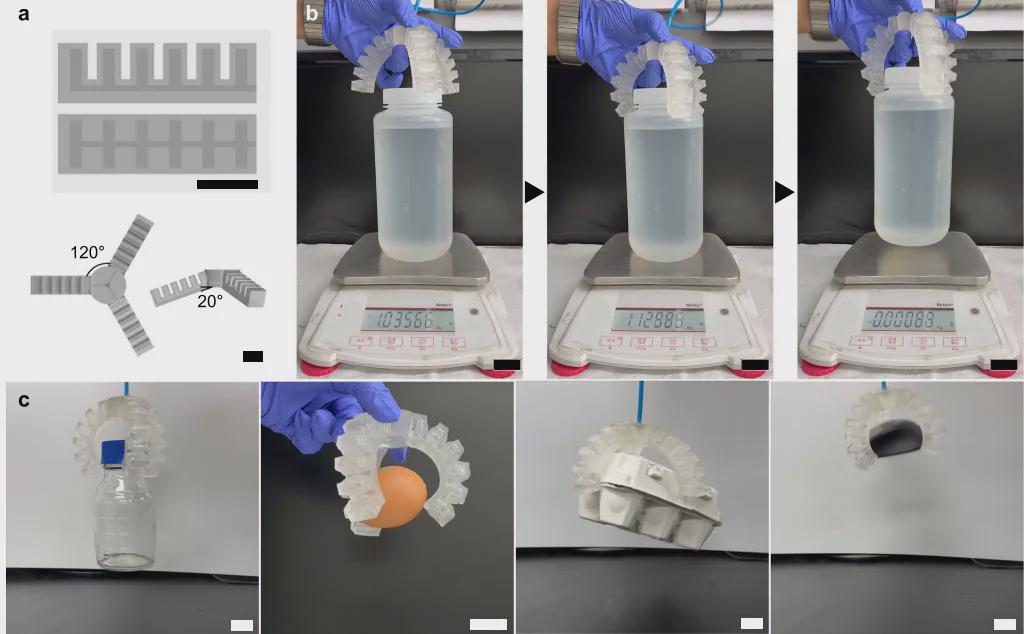
Korean Team Develops Pneumatic Gripper for Eggs with 600% Stretchability Using Machine Learning
A recent study by a Korean research team has achieved a breakthrough in 3D printing technology, specifically in the development of a pneumatic gripper capable of grasping eggs. Utilizing only 0.5 milliliters of resin, the team created a model that exhibits a remarkable elongation rate of over 600% and a viscosity of approximately 2500 mPa·s. This advancement addresses the long-standing challenge in DLP printing where achieving both toughness and low viscosity has been difficult. The significance of this research lies in its innovative approach to material formulation, which integrates machine learning to optimize the properties of the resin. By identifying a specific four-component system, the team was able to decouple material characterization from printer limitations, allowing for the inclusion of high-viscosity, non-printable formulations in their training data. This method not only enhances the understanding of the relationship between viscosity, curing kinetics, and mechanical performance but also paves the way for more efficient material development in the future. Looking ahead, the team successfully printed a pneumatic actuator composed of 11 segments, demonstrating that the intrinsic properties of the material can be effectively translated into the performance of printed structures. The results indicate that simulation can precede physical printing, offering a promising avenue for future applications in soft robotics and other fields. No further timeline was disclosed at the time of publication.
3D Printing Soft Robotics Material Science Machine Learning
Algomatic Dynamics Secures $32.5M Funding to Launch AI-Powered Robotic Hand in Japan
Algomatic Dynamics has successfully raised $32.5 million from DMM.com in its inaugural funding round, aiming to launch an AI-driven multi-fingered robotic hand platform in Japan by the end of 2026. The startup, which began operations on September 9, focuses on developing technologies for motion-data collection, robot learning, and tactile robotic hands, among others. This funding is significant as it will enable Algomatic Dynamics to invest in essential hardware and computing resources, facilitating research and development in robotics and physical AI. The company's innovative approach aims to create versatile technology applicable across various robots and environments, addressing labor shortages in critical sectors such as manufacturing and healthcare. Looking ahead, Algomatic Dynamics plans to enhance its research and development efforts while collaborating with companies and research institutions to deploy its technology in both industrial and everyday settings. The launch of the AI multi-fingered hand platform is a key milestone to watch as it could revolutionize how robots interact with the physical world.
AI AI Funding & Investment Robotics Algomatic Dynamics DMM Group funding
Advanced Prediction Techniques for Spray Distribution in Automatic Spraying Machines
Recent research published in the Journal of Field Robotics focuses on intelligent prediction methods for spray distribution and hydraulic behavior in automatic spraying machines used in precision agriculture. This study aims to enhance the efficiency and effectiveness of agricultural spraying processes. The significance of this research lies in its potential to optimize pesticide and fertilizer application, thereby reducing waste and environmental impact. By improving the accuracy of spray distribution, farmers can achieve better crop yields while minimizing chemical usage, which is crucial for sustainable agriculture. Looking ahead, the agricultural sector may see increased adoption of these advanced prediction techniques in automatic spraying machines. No further timeline was disclosed at the time of publication.
RESEARCH ARTICLE
Japan Leverages Retired Warships for Diplomatic Influence in Southeast Asia
Japan is strategically converting its retired warships into diplomatic tools to enhance its influence across Southeast Asia. This initiative aims to strengthen maritime security partnerships and foster regional cooperation, reflecting Japan's commitment to stability in the area. The significance of this move lies in Japan's efforts to counterbalance China's growing assertiveness in the region. By providing retired warships, Japan seeks to bolster the naval capabilities of Southeast Asian nations, thereby promoting a collective security framework that aligns with its foreign policy objectives. Looking ahead, observers should monitor how these diplomatic efforts evolve and whether they lead to increased military collaboration among Southeast Asian countries. No further timeline was disclosed at the time of publication.
Military
Understanding the Edge AI Wall: New Mathematical Approaches for Embodied AI Stability
Recent advancements in artificial intelligence have highlighted a critical issue known as the 'edge AI wall' in autonomous mobile robots (AMRs). This phenomenon arises from computational overload, where decision-making quality deteriorates due to an excessive number of alternatives that the planner must evaluate in real time. This challenge, initially perceived as a localized problem, is now recognized as a systemic barrier affecting the entire spectrum of physical AI systems. The implications of this barrier are significant as the industry shifts towards integrating large language models and multimodal foundation models into physical applications. The assumption that scaling computational resources will yield similar breakthroughs in physical AI as seen in cloud AI fails to consider the rigid constraints of hardware in real-world environments. Unlike cloud systems, physical AI must operate within strict limits regarding power consumption, weight, and response times, making computational stability crucial for safe and effective operation. As the complexity of tasks in the physical world increases, the exponential growth of solution spaces will likely exacerbate the computational instability observed in AMRs. Future research and development will need to focus on innovative mathematical solutions to navigate these challenges and enhance the reliability of embodied AI systems. No further timeline was disclosed at the time of publication.
Artificial Intelligence Artificial Intelligence / Cognition Batteries / Power Supplies Microprocessors / SoC Mobility / Navigation Networking / Connectivity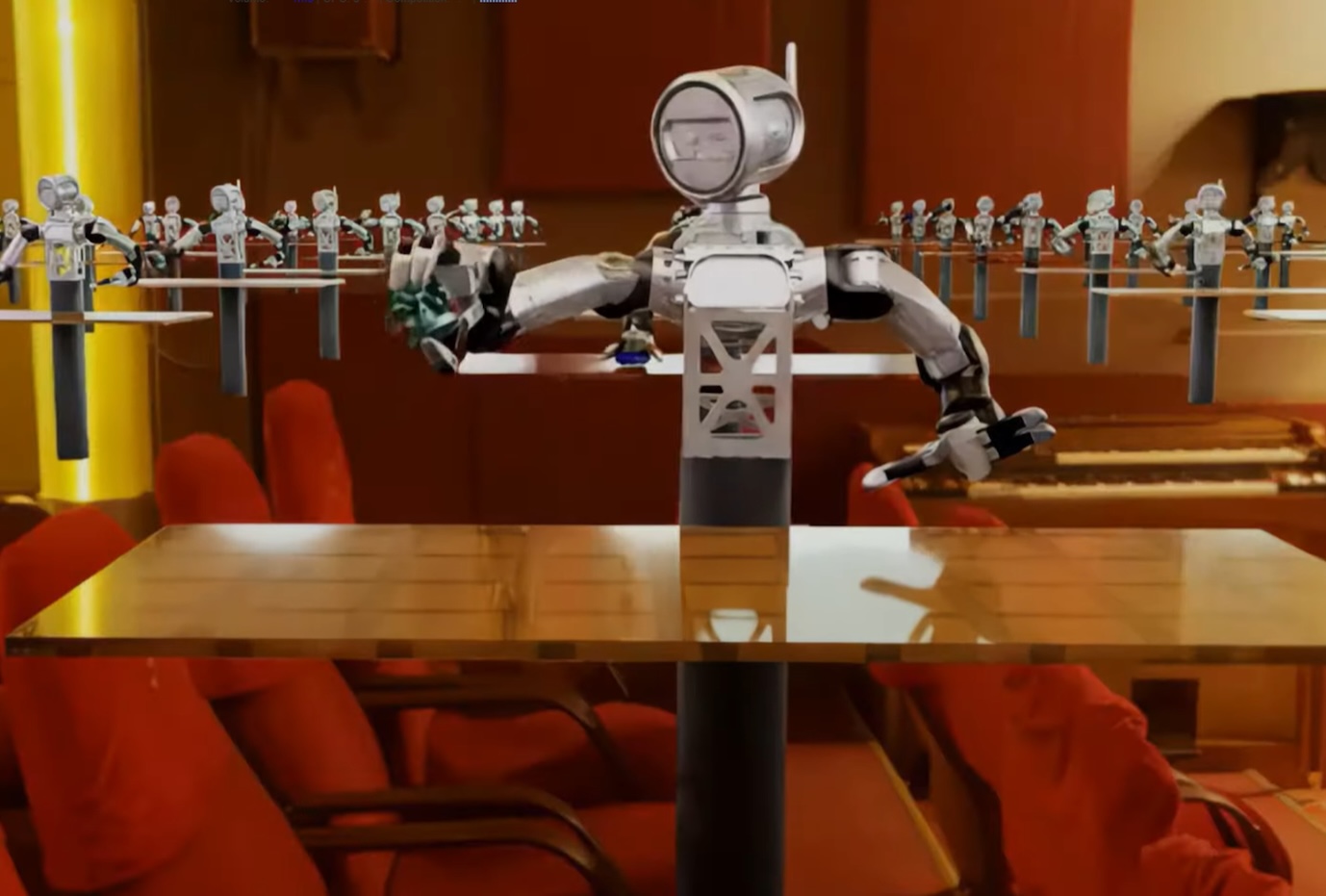
Systematic Review of Acoustic Microbots: Fabrication Techniques and Actuation Mechanisms
A systematic review published in the Journal of Field Robotics explores the relationship between fabrication techniques and acoustic actuation mechanisms in acoustic microbots. This study highlights various methods used in the development of these microbots, emphasizing their significance in advancing robotics technology. Understanding the connection between fabrication and actuation is crucial for enhancing the performance and capabilities of acoustic microbots. The findings of this review could lead to improved designs and applications in fields such as medical devices and environmental monitoring, where precision and efficiency are paramount. Future research should focus on integrating innovative fabrication methods with advanced acoustic actuation systems to unlock new functionalities in microbot technology. No further timeline was disclosed at the time of publication.
SURVEY ARTICLE
Innovative Hybrid Robot Skin Integrates EIT Mapping with Pneumatic Force Sensing
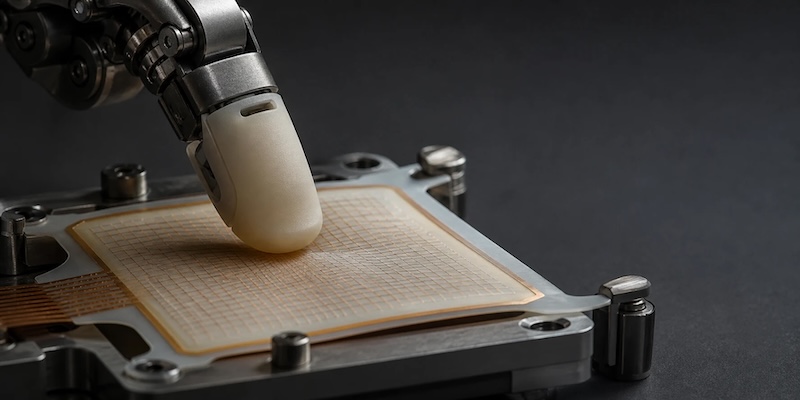
A new prototype hybrid robot skin has been developed, integrating electrical impedance tomography (EIT) location mapping with pneumatic force sensing. This innovative design features a rigid base, four soft air-tight pads, a continuous piezoresistive layer, and 32 boundary electrodes, all produced through advanced 3D printing and spray coating techniques. This development is significant as it enhances the robot's ability to perceive its environment and respond to physical interactions, which is crucial for applications in humanoid robotics and other fields. The combination of EIT and pneumatic sensing allows for more precise location mapping and force detection, potentially improving the functionality and safety of robotic systems in various environments. Looking ahead, the implications of this technology could lead to more adaptive and responsive robotic systems. As researchers continue to refine this hybrid skin, it will be important to monitor advancements in its application across different robotic platforms and industries. No further timeline was disclosed at the time of publication.
Hybrid Robotic Skin Integrates EIT and Pneumatic Sensing for Enhanced Force Detection
Scientists have developed a hybrid robotic skin that merges electrical impedance tomography (EIT) with pneumatic pressure sensing to enhance force detection across large areas of humanoid robots, as reported by RoboSkin. This innovative system, detailed in a preprint from May 2026, utilizes EIT to identify contact points while employing four sealed pneumatic pads to estimate the applied force, addressing the sensitivity limitations of traditional EIT-based tactile sensors. The significance of this development lies in its ability to reduce sensitivity variation in large-area sensors. In load-cell indentation experiments, the researchers observed a decrease in the coefficient of variation for sensitivity non-uniformity from 0.31 with EIT alone to 0.14 with the hybrid method, indicating improved performance under test conditions. The prototype features a rigid base, four soft air-tight pads, a continuous piezoresistive layer, and 32 boundary electrodes, all produced through 3D printing and spray coating. Looking ahead, the researchers' hybrid approach, which reconstructs EIT images at 100 Hz and utilizes pneumatic data for force magnitude estimation, showcases the potential for more effective tactile sensing in humanoid robots. No further timeline was disclosed at the time of publication.
News Research Robotics Science eit electrical impedance tomography
Sodyo Introduces RangeMark for Automatic Target Recognition in Drones Without GPS
Sodyo Ltd. has unveiled its RangeMark technology, enabling autonomous drones to identify objects from up to 0.6 miles away using only a standard camera. This innovation eliminates the reliance on GPS and external networks, providing deterministic confirmation of marked objects through machine-readable visual codes. The significance of RangeMark lies in its ability to enhance the accuracy of drone operations across various sectors, including defense, infrastructure inspection, emergency response, and industrial automation. Unlike traditional AI vision systems that infer object identity, RangeMark offers a reliable method for confirming the identity of objects, even in complex environments where GPS signals may be unavailable. Looking ahead, Sodyo plans to license RangeMark to drone manufacturers and system integrators, aiming for integration into existing and future autonomous platforms. The technology will be showcased at the Commercial UAV Expo Americas 2026, marking its commercial debut and the company's pursuit of partnerships in both defense and commercial drone markets. No further timeline was disclosed at the time of publication.
Military
Honor Collaborates with ARRI to Launch Robot Phone with Cinematic Imaging Standards
On July 28, Honor unveiled its collaboration with ARRI at a technology event in Zhejiang, China, introducing the Robot Phone that integrates professional cinematic color standards into mobile imaging. This partnership marks a significant shift in mobile photography, moving beyond hardware specifications to focus on delivering tools that capture cinematic quality. The collaboration aims to redefine mobile imaging by utilizing ARRI's century-old color science, including LogC3 encoding and various official imaging presets. Honor's Chief Imaging Engineer emphasized the need for tools that can produce high-quality cinematic works, which the Robot Phone is designed to achieve through its comprehensive imaging engine and advanced optical capabilities. The Robot Phone, set to launch on August 12, features a self-developed imaging chip and a triple-camera system, including a 200-megapixel main camera. With over 200,000 pre-orders since July 18, this device is expected to extend cinematic imaging capabilities to future flagship products, marking a new era in mobile photography.
Mobile Imaging Smartphone Technology Cinematic Standards Film Production
New EMEA Director at Dematic
Dematic has appointed Enno Scharphuis as the new Managing Director for the EMEA region. This leadership change is part of the company's strategy to strengthen its presence and operational efficiency in Europe, the Middle East, and Africa. Scharphuis brings a wealth of experience to the role, which he assumes immediately, aiming to drive growth and innovation within the region. The announcement reflects Dematic's commitment to enhancing its leadership team to better serve its clients and adapt to the evolving market demands.
Allgemein Menschen & Meinungen
NLrobotics Calls for Participation in Automatica 2027 in Munich
NLrobotics is looking ahead to Automatica 2027 in Munich and invites Dutch robotics companies, startups, and innovators to express their interest now. This early registration is crucial to secure a spot at this leading international trade fair, as prime locations tend to fill up quickly. Registering early offers significant advantages, including a higher chance of securing a strategically located booth, access to subsidies and support, and better preparation for international visibility and matchmaking. NLrobotics aims to create a strong Dutch collective presence at the event, enhancing the country's positioning in the global robotics landscape. As Automatica is one of the world's key exhibitions for robotics, automation, and AI, participation presents a unique opportunity to showcase innovations, meet new customers and partners, and strengthen the Netherlands' reputation as a robotics hub. No further timeline was disclosed at the time of publication.
Nieuws algemeen Oproep
Fabmatics Develops Solutions for Transport, Storage, and Identification of Wafers
Fabmatics is advancing solutions that encompass the entire process from transport to storage and identification of wafers. This development is significant as it enhances efficiency and automation in cleanroom environments, which are critical for semiconductor manufacturing. Stakeholders should monitor Fabmatics' progress in implementing these solutions, as they could set new standards in cleanroom automation.
Allgemein Automation Fördertechnik & Handling Lagerlogistik & Materialfluss Mobile Robotik
AGS Automation Introduces Pneumatic Soft Grippers to PreciGrip Program
AGS Automation Greifsysteme Schwope has added a series of pneumatic soft grippers to its PreciGrip program. This expansion aims to enhance the versatility and efficiency of robotic handling solutions in various applications. The introduction of these silicone-based soft grippers is significant as they provide improved adaptability for delicate and complex handling tasks. This development is crucial for industries that require precision and care in the manipulation of sensitive components. Looking ahead, industry professionals should monitor the adoption of these soft grippers in automation processes. No further timeline was disclosed at the time of publication.
Allgemein Greifer & Werkzeuge Robotik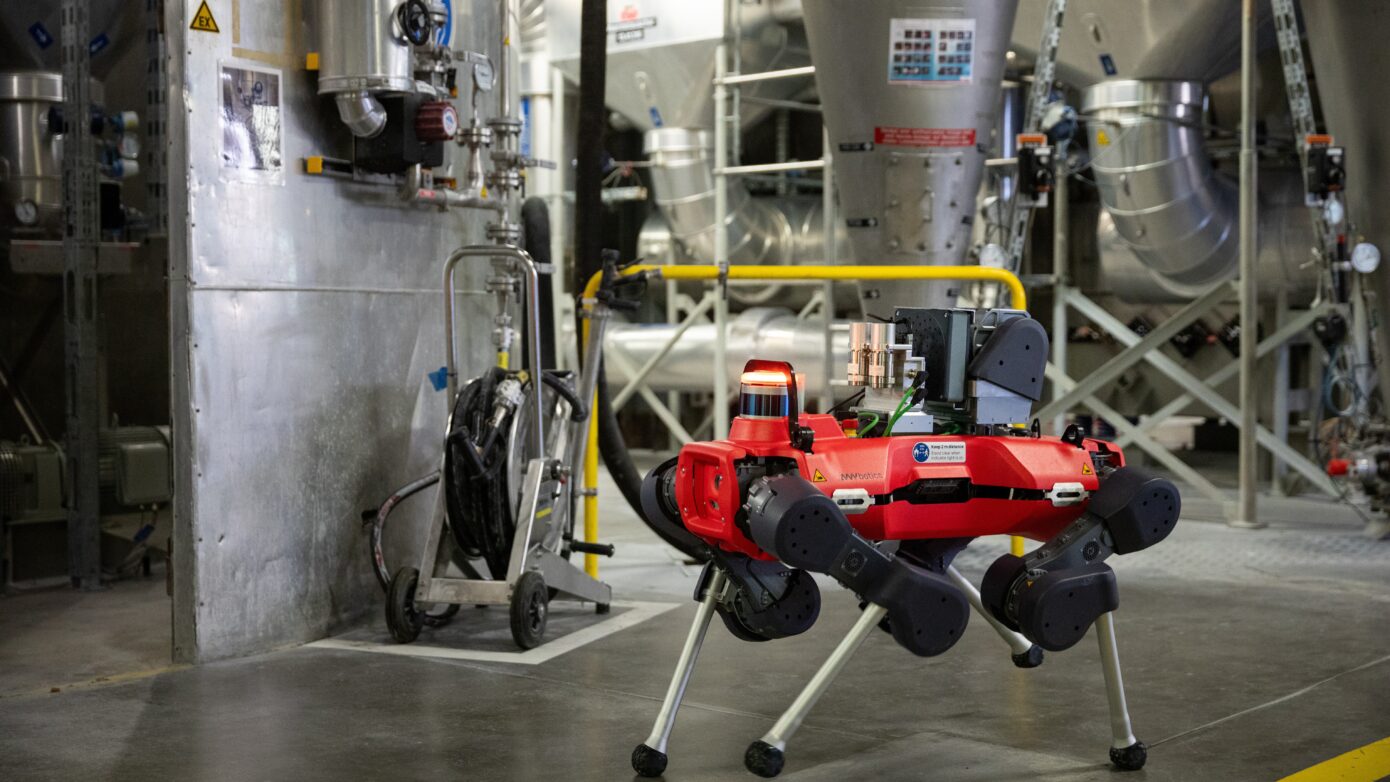
ANYbotics Enhances ANYmal Robots with Door Opening and Authentication Capabilities
ANYbotics has partnered with dormakaba and LEGIC Identsystems to enhance its ANYmal robots, enabling them to automatically open doors and authenticate at restricted areas. This innovation addresses the challenge of accessing equipment in large industrial facilities, such as energy and mining sectors, without requiring structural changes. The integration of door automation and secure authentication is crucial for expanding the autonomous inspection capabilities of ANYmal robots while maintaining existing access controls. The system utilizes radar sensors and retrofitted door operators to facilitate seamless movement through various environments, including fire-rated doors. Looking ahead, the collaboration aims to further integrate autonomous robots into industrial security frameworks, enhancing operational efficiency. The technology also includes a tele-assist feature, allowing remote operators to intervene when necessary. No further timeline was disclosed at the time of publication.
AI and Robotics
Top 25 Fields Medalists Warn AI Solutions Could Undermine Mathematical Research Integrity
A coalition of 25 Fields Medalists has issued a warning regarding the potential negative impact of AI on mathematical research. They criticize the trend of AI companies solving renowned mathematical problems as mere showcases of their models' capabilities, arguing that correct answers do not encapsulate the true value of mathematical inquiry. The mathematicians express concern that the rush to produce agentic mathematics proofs could disrupt traditional methods of verification, idea development, and knowledge transfer within the field. They emphasize that the process of establishing a proof involves extensive discussion, assumption challenges, and connections to prior work, which AI-generated solutions may bypass, leading to a superficial understanding of the underlying methods. As AI systems increasingly claim to solve complex mathematical problems, the authors of the letter caution that this could hinder the collaborative nature of mathematical research. They highlight the risk of diminished open exchange among mathematicians, as the competitive edge provided by AI resources may discourage the sharing of unpublished ideas, ultimately threatening the integrity and progress of the discipline.
AI and Robotics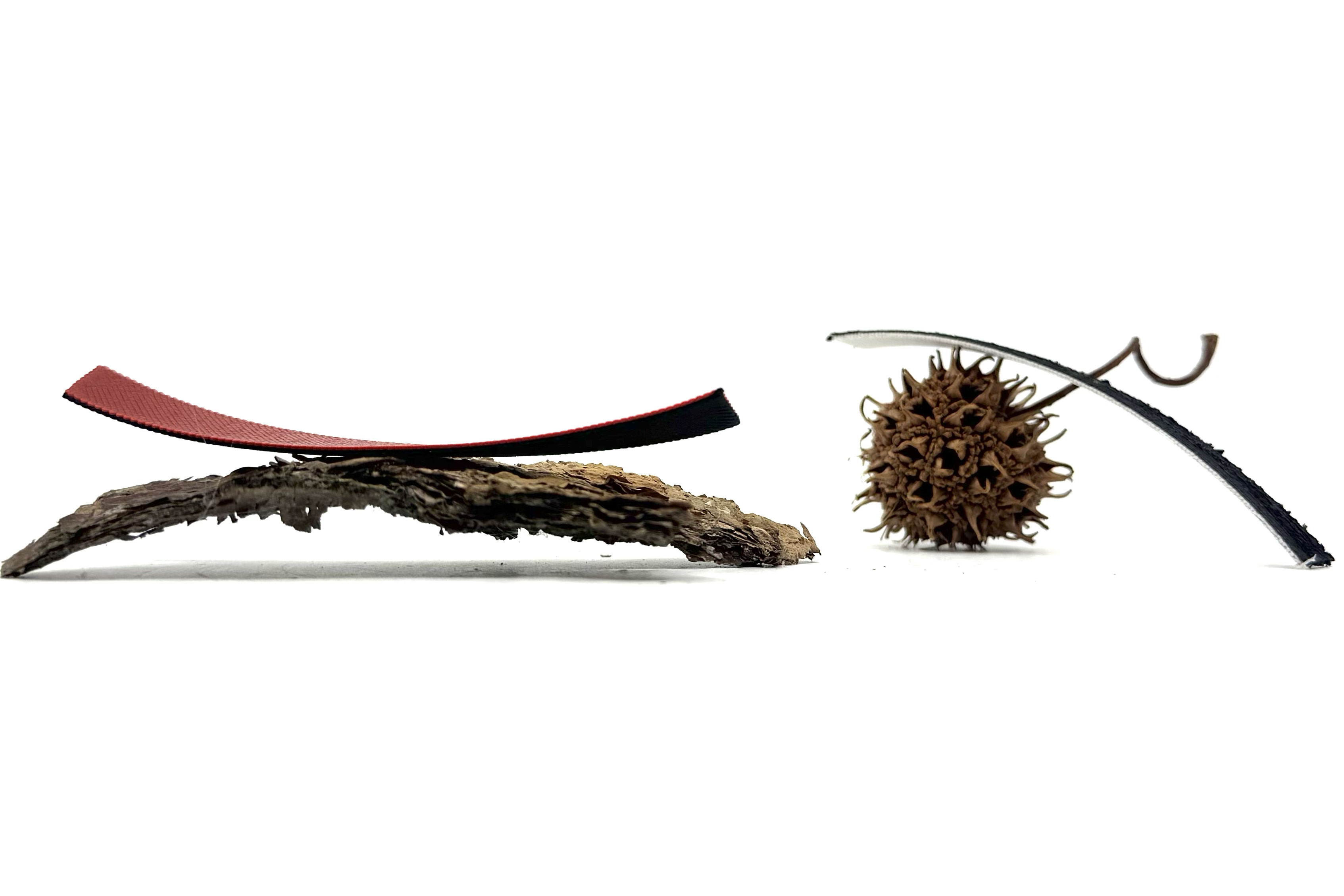
MIT Researchers Develop Framework for Designing Adaptive Materials Inspired by Pine Cones
MIT researchers have created a mathematical framework that simplifies the design of bioinspired materials, such as moisture-responsive shingles. This framework captures the mechanisms across various length scales in natural systems, like those found in pine cones, and translates them into engineered systems that can be 3D printed. The significance of this work lies in its potential to streamline the development of adaptive materials, reducing costs and time associated with failed prototypes. By moving beyond mere bio-inspiration to what is termed 'bio-derivation,' engineers can systematically translate natural behaviors into synthetic structures, paving the way for innovations like soft robotic grippers and morphing airplane wings. Looking ahead, the framework's application could extend to more complex systems, enhancing the ability of engineers to create materials that respond dynamically to environmental changes. No further timeline was disclosed at the time of publication.
Research Bioinspiration Materials science and engineering Algorithms Design Biology
Axiom Math Verifies 246 Theorem Using AI System AxiomProver
Axiom Math has achieved a significant milestone by using its AI system, AxiomProver, to automatically verify the proof of the 246 theorem, which relates to prime numbers. This formal verification represents a notable advancement in number theory, although it does not guarantee absolute correctness due to potential bugs in the verification process. The verification of the 246 theorem is crucial as it formalizes the current limits of human understanding regarding prime numbers. Ken Ono, Axiom Math's founding mathematician, emphasized its importance, stating that it marks a threshold in mathematical knowledge. The achievement also highlights the potential of AI in verifying AI-generated computer code, which is increasingly relevant in today's software landscape. Looking ahead, Axiom Math aims to leverage the components of the formalization for broader mathematical research. The techniques developed could play a vital role in ensuring the safety and correctness of AI-generated code, which is becoming integral to various societal systems. No further timeline was disclosed at the time of publication.
Mathematics Prime-numbers Ai-reasoning Ai-generated-software
Matic's Voice-Controlled Robot Vacuum Distinguishes Itself from Chinese Competitors
Matic, a Silicon Valley brand, has launched a new robot vacuum that can be entirely controlled through voice commands. This innovative feature sets it apart from its competitors in the market, particularly those based in China. The introduction of voice command capabilities is significant as it enhances user convenience and interaction with the device. This advancement may attract consumers looking for more intuitive home cleaning solutions, thereby increasing Matic's market presence. Looking ahead, it will be important to monitor how Matic's voice-controlled robot vacuum performs in the competitive landscape against established Chinese rivals. No further timeline was disclosed at the time of publication.

Matic Introduces Gesture and Voice Control Features for Enhanced Robot Vacuum Experience
Matic has launched Matic Cues, a significant upgrade to its robot vacuum that introduces gesture and voice control features. Users can now command the vacuum by simply pointing at a mess or using voice commands, enhancing the ease of spot-cleaning. This feature is available in the Matic app and was released on August 13, 2023, ahead of a price increase scheduled for September 9, 2023. The introduction of gesture control is particularly noteworthy, as it is a unique offering among robot vacuums. Developed by Matic's founders, who are computer vision engineers, this feature allows the vacuum to respond to gestures and voice commands, making it more intuitive for users. The robot utilizes its existing vision hardware, which includes five cameras, to recognize commands and execute cleaning tasks effectively. As the market for robot vacuums continues to evolve, Matic's innovative approach to user interaction sets it apart from competitors. The integration of natural language processing through the Gemini API allows for more flexible voice commands, enhancing user experience. Observers should watch for user feedback on these new features and how they impact Matic's market position following the upcoming price adjustment.
Hands-on News Reviews Robot Smart Home Tech
DJI Mimo v2.11.2 Update Enhances Workflow with Auto File Transfer and Editing Tools
DJI has released version 2.11.2 of its Mimo app, introducing significant enhancements aimed at improving the user experience for creators. A key feature is the Auto File Transfer for the Osmo Pocket 4P, which allows automatic backup of photos and videos to smartphones after the camera is powered off, streamlining the workflow for frequent travelers and vloggers. This update is crucial as it reflects DJI's commitment to enhancing its software ecosystem, making it more than just a companion app. The addition of 4K Ultra HD Live Photos for Osmo Mobile users and the ability to export cinematic slow-motion Live Photos cater to the growing trend of smartphone cameras replacing traditional ones for content creation. Looking ahead, DJI's continuous updates to Mimo indicate a focus on integrating software capabilities with hardware, enhancing the overall user experience across its camera ecosystem. No further timeline was disclosed at the time of publication.
News
ENCY Hyper Introduces Advanced Features for 7-Axis Cobots and 4-Axis Palletizers
ENCY Hyper has unveiled new capabilities that allow users to execute robot toolpaths surpassing controller memory limits. This enhancement supports programming for 7-axis collaborative robots and 4-axis palletizers, enabling faster collision resolution and pre-installation validation of robotic cells. These advancements are significant as they enhance operational efficiency and flexibility in robotic applications. By allowing more complex programming and faster collision management, ENCY Hyper positions itself as a leader in the robotics sector, catering to the evolving needs of automation in various industries. Looking ahead, it will be important to monitor how these new features impact user adoption and operational workflows. No further timeline was disclosed at the time of publication.

NOAA Expands Weather Forecasting with Drones from Swiss Company Meteomatics
The National Oceanic and Atmospheric Administration (NOAA) is enhancing its weather forecasting capabilities by integrating drones into its data collection methods. Collaborating with Swiss technology firm Meteomatics, NOAA is currently testing the Meteodrones at a pilot site near the University of Oklahoma. This initiative aims to improve the accuracy and efficiency of weather models, particularly for severe weather warnings. The addition of drones is significant as it addresses the limitations of traditional weather balloons, which are costly and typically used only once. Meteomatics' hexacopters can be operated repeatedly and remotely, allowing for more flexible data collection based on real-time weather conditions. This capability is expected to enhance the precision of weather data, ultimately leading to better forecasting and warning systems for events like tornadoes and hurricanes. As Meteomatics continues to develop its drone operations in the U.S., it has already established a network of drone data-collection sites in Europe. The company’s Meteodrones are designed to withstand challenging weather conditions and are compliant with U.S. government regulations. No further timeline was disclosed at the time of publication.
Drone News Drone News Feeds News Weather atmospheric data drone Brad Guay Meteomatics
Skypuzzler Proposes Mathematical Algorithms for Airspace Safety Amid Drone Traffic Surge
As the FAA seeks effective management of low-altitude airspace due to rising UAV traffic, Skypuzzler, a Copenhagen-based technology firm, offers a solution based on mathematical algorithms rather than AI. Their air traffic management system integrates strategic and tactical deconfliction to prevent airspace conflicts, allowing real-time traffic management without requiring additional drone hardware. Skypuzzler collaborates with major aerospace and logistics companies, including Thales Group and DSV, to implement its platform in Europe, notably at the Port of Rotterdam. With nearly 100 drone operators in the port, the company addresses the complexities of coordinating diverse drone missions in shared airspace, emphasizing the need for effective deconfliction strategies. Recently, United Airlines Ventures invested in Skypuzzler, facilitating its entry into the U.S. airspace management market, particularly in the Dallas-Fort Worth area. Skou warns that existing U.S. coordination models may not sustain as drone and manned aviation traffic increases, advocating for Skypuzzler's software integration into current UTM systems to enhance airspace safety and scalability.
Applications DL Exclusive Drone News Drone News Feeds Europe Drone Industry News
Trump's Renewed Engagement with Kim Jong Un Signals Potential for New Diplomatic Talks
Security experts indicate that there is increasing momentum for renewed high-level discussions between North Korean leader Kim Jong Un and U.S. President Donald Trump. Despite the global focus on conflicts involving the U.S. and Iran, interest in North Korea is resurging, suggesting a possible shift in diplomatic dynamics. This renewed outreach is significant as it may alter the current landscape of U.S.-North Korea relations, potentially sidelining Japan and South Korea in the process. The implications of these talks could reshape regional security strategies and diplomatic efforts, especially as Asian allies enhance their military capabilities amid concerns over China's influence. Looking ahead, observers should monitor any developments in the diplomatic engagement between the U.S. and North Korea. The evolving situation may lead to new negotiations that could impact not only bilateral relations but also the broader geopolitical environment in Asia. No further timeline was disclosed at the time of publication.

Development of a Lightweight Underwater Robotic Arm for Automated Seafloor Hydrothermal Fluid Sampling
A lightweight underwater robotic arm has been developed for the automatic sampling of seafloor hydrothermal fluids, as reported in the Journal of Field Robotics. This innovation is significant as it enhances the efficiency and accuracy of fluid sampling in challenging underwater environments, which is crucial for scientific research and environmental monitoring. Future developments in this technology may lead to improved capabilities in underwater exploration and data collection, although no further timeline was disclosed at the time of publication.
RESEARCH ARTICLE
Nobel Laureate Collaborates with AI to Solve 12-Year-Old Mathematical Conjecture
Nobel Prize-winning physicist Giorgio Parisi has joined forces with the AI model Claude to tackle a long-standing conjecture in statistical physics. Their collaboration, which took place recently, involved extensive dialogue and intricate calculations, ultimately leading to the discovery of a surprisingly simple proof. This partnership not only underscores the potential of artificial intelligence in advancing scientific research but also highlights the critical role of human oversight in the process. Parisi, who had previously expressed skepticism about AI, now illustrates how such technology can complement human expertise in solving complex scientific problems.
AI in Research Mathematical Conjectures Statistical Physics Scientific Collaboration
SpaceX IPO Provides Indirect Investment Opportunity in Starmind Project
Starmind does not have a standalone stock or ticker; investors can gain exposure through SpaceX (ticker: SPCX), which began trading on Nasdaq after its IPO on June 12, 2026. Starmind is integrated within SpaceX, contributing to the company's AI and space initiatives, and its performance directly influences SPCX shares. The significance of Starmind lies in its role as a division of SpaceX, which encompasses other projects like Starlink and Starship. As of early July 2026, SPCX shares are trading between $149 and $150, significantly lower than their 52-week high of $225.64. The project’s milestones, such as AI1 prototype updates, can impact SpaceX's stock performance, making it essential for investors to monitor these developments closely. Looking ahead, the early 2027 launch of AI1 prototype satellites is a critical milestone that could provide verifiable data affecting Starmind's valuation and, consequently, SPCX stock. No further timeline was disclosed at the time of publication, but the upcoming events will be pivotal for investors tracking the relationship between Starmind and SpaceX's stock performance.

SpaceX's Starmind Plans 1 Million AI Satellites Amid Collision Risks
SpaceX has announced its ambitious Starmind project, which aims to deploy 1 million AI satellites in orbits between 500 and 2,000 km. This initiative, confirmed by Elon Musk on June 23, 2026, follows a merger with xAI, valuing the combined entity at $1.25 trillion. The satellites will function as orbital data centers, processing AI workloads powered by solar arrays and linked by optical lasers. The significance of Starmind lies in its potential to add 100 gigawatts of AI compute capacity annually, contingent on the successful operation of the Starship launch system. However, the project raises concerns regarding space debris, as the current orbital environment is already congested, with a 20% increase in collision risk reported since 2024. The European Space Agency has highlighted that the density of debris in low Earth orbit is now comparable to that of active satellites, complicating the operational landscape for new entrants like Starmind. Looking ahead, the first operational orbital AI deployments are targeted for 2028, with test launches expected in early 2027. However, the project faces scrutiny regarding its impact on space debris, as even a 1% failure rate could significantly increase the number of uncontrollable objects in orbit, exacerbating existing risks. No further timeline was disclosed at the time of publication.
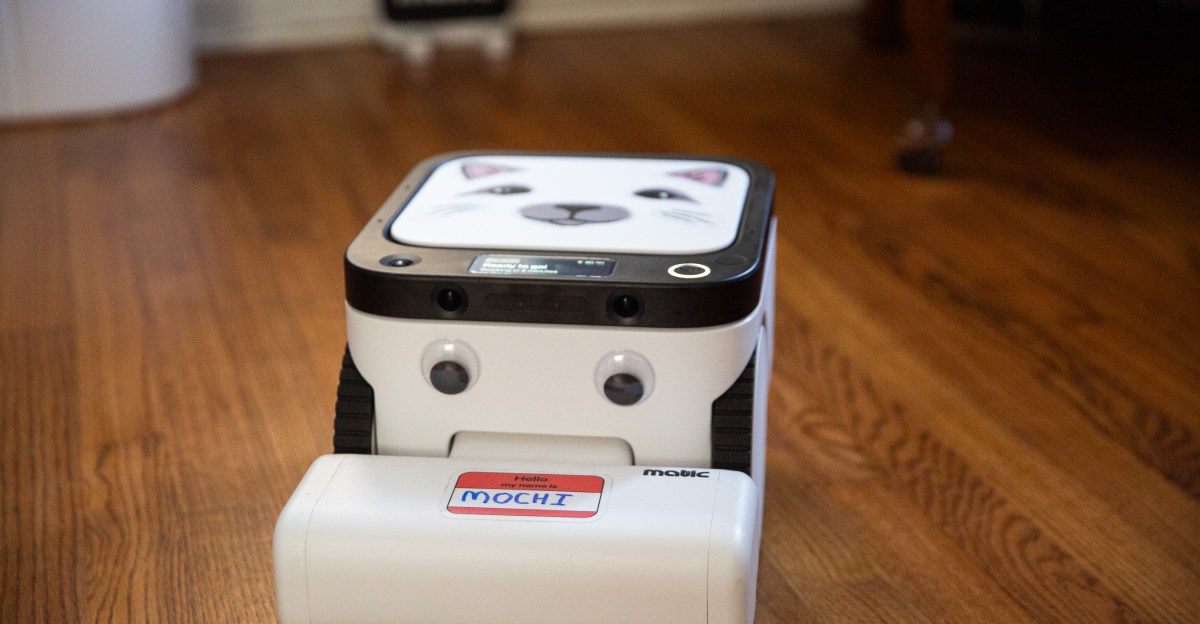
Matic’s robot vacuum is getting a $250 price hike in September
Matic, a leading manufacturer of robot vacuums, has announced a significant price increase for its popular model. Starting September 9th, the price will rise by $250, bringing the cost from $1,245 to $1,495. The company explained that this adjustment reflects various factors influencing production and operational costs. Customers considering a purchase are encouraged to act quickly to take advantage of the current pricing before the increase takes effect.
Deals Gadgets Smart Home Tech Verge Shopping
Chassis Pose Kinematic Model and Control for Terrestrial Mobile Robots With Active Flippers
The Journal of Field Robotics has published an EarlyView article highlighting recent advancements in robotic technology. Researchers from various institutions have collaborated to explore innovative applications of robotics in fields such as agriculture, search and rescue, and environmental monitoring. This study, released in October 2023, emphasizes the growing importance of autonomous systems in enhancing efficiency and safety across these sectors. The research team conducted extensive field tests to demonstrate how robots can perform complex tasks, such as crop monitoring and disaster response, with minimal human intervention. By integrating artificial intelligence and machine learning, the robots are designed to adapt to dynamic environments, showcasing their potential to revolutionize traditional practices. The motivation behind this research stems from the increasing demand for automation in response to labor shortages and the need for more effective solutions to global challenges. The findings underscore the necessity for continued investment in robotic technology to address pressing issues such as food security and disaster management. As the field of robotics continues to evolve, this publication serves as a critical resource for professionals and researchers aiming to leverage these advancements for practical applications. The collaborative effort reflects a commitment to pushing the boundaries of what is possible in robotics, paving the way for future innovations that could significantly impact various industries.
RESEARCH ARTICLE
Agility's Jonathan Hurst Discusses the Realistic Future of Humanoid Robotics
Agility co-founder Jonathan Hurst recently presented a pragmatic vision for the future of humanoid robots during a TED Talk. He projected that by 2050, the humanoid robot market could be twice the size of the current automotive industry, marking a significant shift in robotics. Hurst emphasized that this new era of robotics is characterized by embodied AI, which allows machines to perceive their environments and make autonomous decisions. Hurst highlighted the challenges of translating digital intelligence into physical motion, noting that unlike text-based models, there is a lack of physical coordination data for robots. This data must be generated through simulation and reinforcement learning, which is a major reason Agility has been cautious about entering the consumer market. He identified three main obstacles preventing humanoids from being used in homes: the chaotic nature of human environments, the need for cost-effective solutions, and the critical importance of safety. Agility is focusing on industrial applications as a proving ground for humanoid robots, with deployments like Digit working with partners such as Toyota. Hurst likened this approach to the early adoption of electricity, where initial applications were simple yet valuable. He stressed that while safety is a significant barrier, the company is committed to ensuring compliance and reliability in its robots before expanding into more complex environments.
US Digit Agility Robotics
Festo launches lightweight pneumatic gripper and tests GripperAI
Festo has introduced a new compact cobot gripper designed to enhance automation capabilities in various industries. This innovative gripper is notable for its lightweight pneumatic design, making it suitable for collaborative robots (cobots). In conjunction with the gripper, Festo has also unveiled GripperAI, a robot-agnostic technology that allows for the grasping of objects without the need for prior training. This advancement aims to streamline the integration of robotic systems in manufacturing and logistics, addressing the growing demand for flexible automation solutions. The launch of these products reflects Festo's commitment to advancing robotics technology and improving operational efficiency across sectors.
Artificial Intelligence Artificial Intelligence / Cognition Cobot Arms Collaborative Robots Controllers End Effectors / Grippers
This DIY Bipedal Robot Used Pneumatic “Air-Muscles” Instead of Motors
In 1987, British photographer Richard Greenhill, driven by a passion for robotics, initiated a weekly gathering in his attic to develop a life-size humanoid robot, the Shadow Walker, capable of performing practical tasks like carrying luggage. Unable to secure support from his startup, Intergalactic Robots, Greenhill enlisted the help of a group of DIY enthusiasts, known as the Shadow Group, who met every Wednesday to work on the project, fueled by homemade spaghetti dinners. With contributions from robotics expert David Buckley, the team designed the robot using a simplified skeletal structure and pneumatic "air-muscles" for movement, aiming to achieve balance and mobility. Despite their efforts, the Shadow Walker struggled to walk, ultimately failing to compete effectively at the 1st International Robot Olympics held in Glasgow in September 1990, where it was outperformed by other entries. The Olympics showcased over 50 robots from various countries, highlighting both the advancements and limitations in robotics at the time. While the Shadow Walker did not succeed in its primary goal, it laid the groundwork for future developments in robotics. In 1997, the Shadow Group transitioned into a registered company, Shadow Robot, which now focuses on creating advanced robotic hands, reflecting a shift from walking robots to specialized dexterity in robotic technology. Despite significant progress in robotics, the journey toward creating truly functional humanoid robots continues.
Past-forward Type-departments Humanoid-robots Shadow-robot Walking-robots Pneumatic-robots
RoboMemArena: New Benchmark Systematically Evaluates Robot Memory Capabilities
A consortium of Chinese research institutions has unveiled RoboMemArena, marking the introduction of the first comprehensive benchmark designed to assess robotic memory in long-horizon manipulation tasks. This initiative aims to enhance the capabilities of robots in performing complex tasks that require sustained memory and learning over extended periods. The launch took place recently, with the goal of advancing research and development in robotics, particularly in areas that demand intricate memory functions. By providing a standardized framework for evaluation, RoboMemArena seeks to facilitate comparisons across different robotic systems and foster innovation in the field.
AI
Manipulator Robot Arm Kinematics: Understanding the Degrees of Freedom (DoF)
In the rapidly evolving field of robotics, the JAKA Pro16 cobot stands out for its advanced kinematic design, which emulates the human arm's functionality. This industrial robot, equipped with six degrees of freedom (DoF), offers unparalleled agility and precision, allowing it to navigate complex environments and perform intricate tasks. With a reach of 1713mm and a payload capacity of 16kg, the JAKA Pro16 is particularly suited for heavy-duty applications, such as palletizing and CNC part handling. The robot's kinematic structure is divided into two functional groups: positioning axes that mimic the shoulder and elbow for spatial movement, and orientation axes that enable precise tool manipulation. This design helps the cobot overcome potential movement restrictions, known as singularities, ensuring continuous production flow in crowded factory settings. JAKA has optimized the Pro16 for high-precision environments, incorporating IP68-rated joints to protect internal components from dust, water, and oil. The robot maintains sub-millimeter repeatability and operates effectively in extreme temperatures, making it reliable for various industrial applications. Controlled wirelessly through the JAKA App, the Pro16 simplifies complex kinematic operations, enhancing productivity and efficiency in manufacturing processes. By integrating this cutting-edge technology, businesses can significantly improve their operational capabilities and maintain a competitive edge in the market.

ETH Zurich's Breakthrough: Highly Biomimetic Pneumatic Muscle Robotic Hand Replicating Human Anatomy
Researchers from ETH Zurich have unveiled a groundbreaking robotic hand that mimics human anatomy, utilizing advanced 3D printing techniques and 22 independently controlled pneumatic artificial muscles. This innovative development, which was announced recently, aims to significantly improve dexterity and adaptability in robotic applications. The design is rooted in detailed human anatomical data, allowing the robotic hand to perform a wide range of tasks with precision. The project is poised to advance the fields of prosthetics and enhance collaboration between humans and robots, addressing the growing need for more versatile and functional robotic systems in various sectors.
Soft Robotics Pneumatic Actuators 3D Printing Prosthetics Biomimicry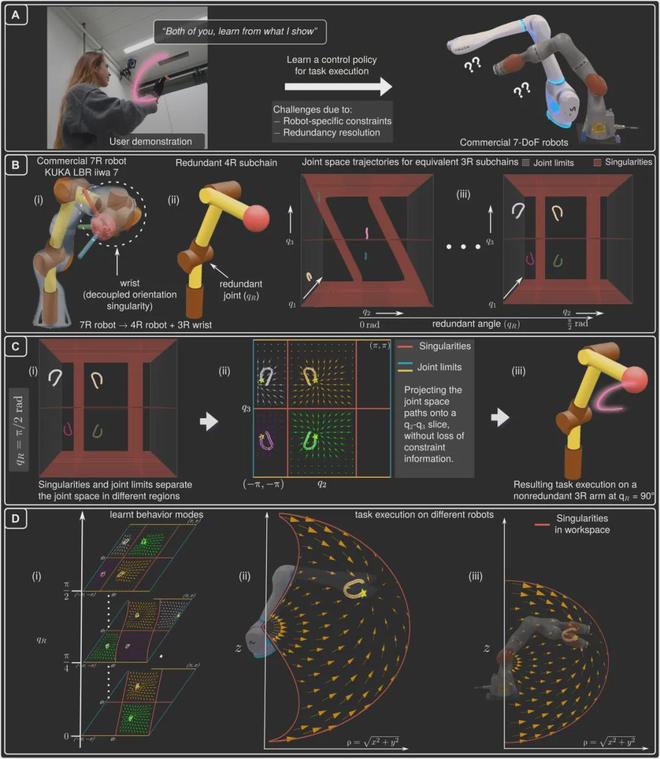
Why Switching Robots Requires Relearning Skills: A Breakthrough in Kinematic Intelligence
A recent study published in 'Science Robotics' has made significant strides in the field of robotics by tackling the challenge of skill transfer among different robotic systems. Researchers have introduced a concept known as 'kinematic intelligence,' which allows robots to comprehend their own physical structures. This advancement enables skills acquired by one robot to be effectively applied to others without the necessity for retraining. This breakthrough could revolutionize the way robots are programmed and utilized across various applications, enhancing their adaptability and efficiency in diverse environments.
Kinematic Intelligence Robot Skill Transfer Machine Learning Robotics Engineering
DJI brings new Pocket 4P cinematic camera to Cannes
At the Cannes Film Festival this week, DJI introduced the DJI Osmo Pocket 4P, marking a significant shift in its pocket-sized camera lineup towards a more cinematic approach. The company aims to redefine the device's purpose, promoting it not merely as a consumer gadget but as a serious filmmaking tool tailored for documentaries, independent productions, and professional storytelling. This strategic move reflects DJI's commitment to enhancing the capabilities of content creators and filmmakers, providing them with advanced tools to elevate their storytelling techniques.
News
Design and Kinematic Analysis of a Six‐Wheeled Robot With a Passive Suspension for Integrated Terrain Adaptability and Vibration Mitigation
A recent study published in the Journal of Field Robotics highlights advancements in autonomous robotic systems designed for agricultural applications. Researchers from a leading university conducted experiments to assess the effectiveness of these robots in improving crop management and yield. The study, released in early October 2023, took place in various agricultural settings across the Midwest, where the robots were deployed to monitor crop health and optimize resource usage. The motivation behind this research stems from the increasing demand for sustainable farming practices and the need to enhance productivity in the face of climate change challenges. By integrating advanced sensors and machine learning algorithms, the robots are capable of analyzing soil conditions and plant health in real-time, allowing farmers to make informed decisions. The study's findings indicate that the implementation of these autonomous systems can significantly reduce labor costs and increase efficiency in farming operations. As the agricultural sector continues to evolve, this research underscores the potential of robotics to transform traditional farming methods, paving the way for a more sustainable and productive future in agriculture.
RESEARCH ARTICLE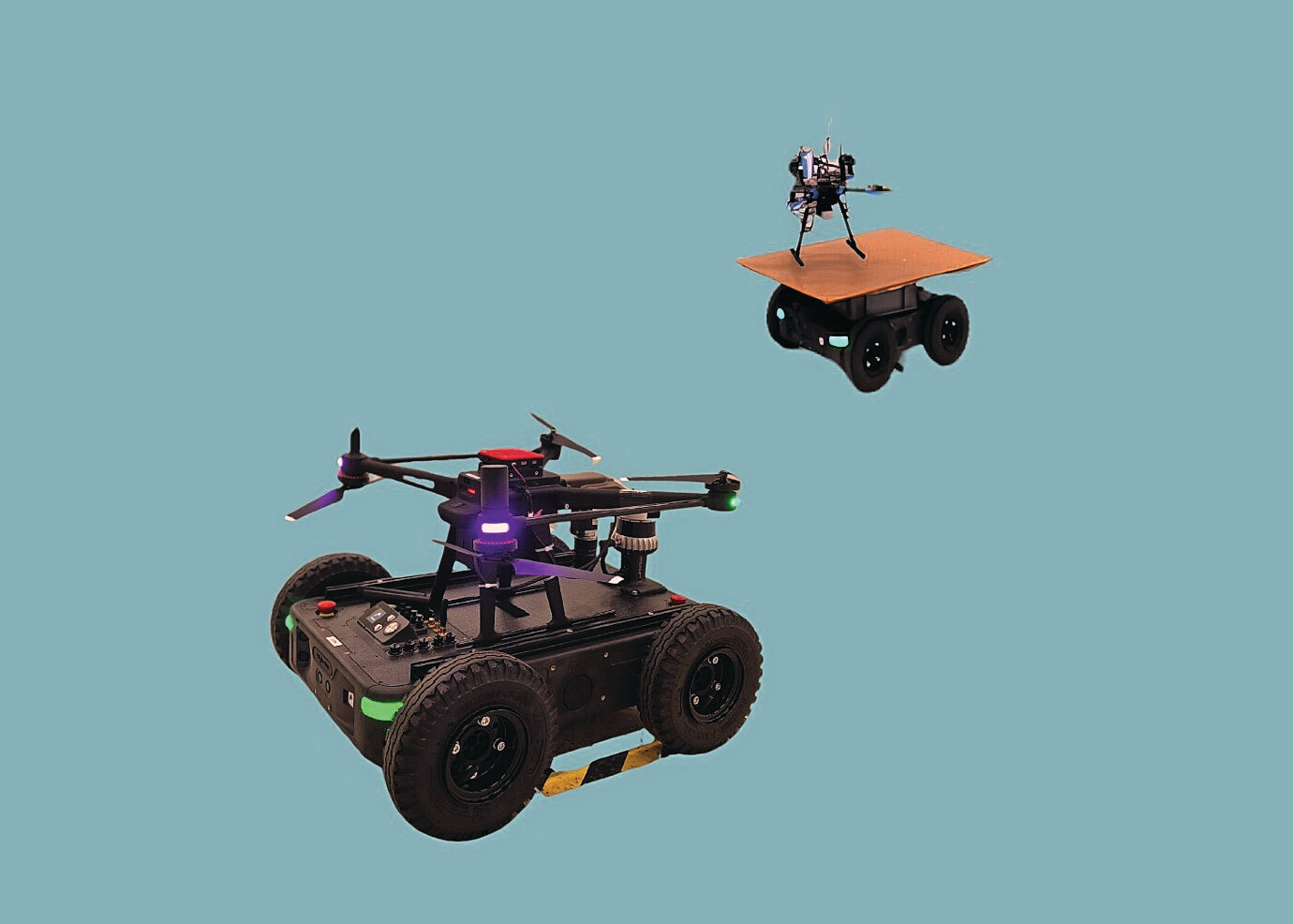
Mathematical models help farm robots work together in real time
Researchers at the University of Groningen in the Netherlands are pioneering the development of innovative mathematical control systems aimed at enabling drones and ground robots to work together autonomously in agricultural settings. This initiative, which is currently underway, seeks to enhance efficiency in farming operations without the need for extensive datasets or artificial intelligence training. The project highlights a significant advancement in agricultural technology, focusing on streamlined cooperation between aerial and terrestrial robotic systems to optimize farming practices. By leveraging mathematical algorithms, the researchers aim to create a more sustainable and effective approach to agriculture, potentially transforming how crops are monitored and managed in the future.
Smart farming agricultural robots crop monitoring drones robotics
Exploring the Use and Impact of Composite Materials in Robotics: A Systematic Review
A recent study published in the Journal of Field Robotics highlights the advancements in autonomous robotic systems designed for agricultural applications. Conducted by a team of researchers from various universities, the study was released in early October 2023. The research focuses on the increasing need for efficient farming solutions amid growing global food demands and labor shortages. The team developed a series of robotic prototypes capable of performing tasks such as planting, weeding, and harvesting with minimal human intervention. These innovations aim to enhance productivity and sustainability in agriculture, addressing critical challenges posed by climate change and population growth. By utilizing advanced sensors and artificial intelligence, the robots can navigate complex environments and make real-time decisions, significantly improving operational efficiency. The findings underscore the potential of robotics to transform traditional farming practices and contribute to food security. This research not only showcases the technological capabilities of modern robotics but also emphasizes the importance of integrating such systems into agricultural practices to meet future demands. The implications of this work could lead to widespread adoption of robotic solutions in farming, ultimately benefiting both producers and consumers.
FIELD REPORT
A Field‐Adaptive Mechanical Weeding System Coupling Oscillating Pneumatic Mechanism With Deep Learning for Intra‐Row Weed Control in Lettuce
The Journal of Field Robotics has published an early view article highlighting recent advancements in autonomous robotic systems. Researchers from leading universities and technology firms presented their findings on October 15, 2023, during a virtual conference focused on robotics innovation. The study emphasizes the growing importance of these systems in various sectors, including agriculture, search and rescue, and environmental monitoring. The motivation behind this research stems from the increasing demand for efficient and reliable robotic solutions capable of operating in complex environments. By integrating advanced artificial intelligence and machine learning algorithms, the researchers demonstrated how these autonomous systems can enhance operational capabilities and decision-making processes. The article details various case studies showcasing successful implementations of robotic technologies, illustrating their potential to revolutionize traditional practices. The findings suggest that as technology continues to evolve, the integration of autonomous robots will become crucial in addressing global challenges, such as food security and disaster response. This publication marks a significant contribution to the field of robotics, providing insights into future trends and encouraging further exploration of autonomous systems' applications. Researchers and industry professionals are urged to collaborate and innovate, ensuring that the benefits of these technologies are realized across multiple domains.
RESEARCH ARTICLE
Kinematic intelligence lets three different robots learn the same task safely
In modern manufacturing settings, the process of upgrading a fleet of robots frequently requires a complete overhaul, involving both hardware replacement and extensive reprogramming of tasks. This challenge arises because even robots designed for similar functions can have varying joint configurations and movement constraints, rendering programmed tasks incompatible across different models. The inability to transfer skills directly between robots not only complicates upgrades but also raises sustainability and cost-efficiency concerns. Experts emphasize that developing systems that allow for seamless skill transfer could significantly enhance the operational efficiency of robotic fleets, ultimately benefiting manufacturers by reducing downtime and minimizing the need for extensive retraining.
Robotics
A Fast and Robust Multistage Hybrid Algorithm for Inverse Kinematics of Redundant Mill Relining Manipulator
In May 2026, researchers published a significant study in the Journal of Field Robotics, focusing on advancements in robotic technology. This research, conducted by a team of engineers and scientists, explores innovative methodologies for enhancing the autonomy and efficiency of field robots used in various applications, including agriculture and disaster response. The study highlights the development of new algorithms that enable robots to navigate complex environments more effectively, which is crucial for tasks that require precision and adaptability. The motivation behind this research stems from the increasing demand for automation in sectors where human intervention is limited or hazardous. By employing advanced machine learning techniques, the team demonstrated how these robots could learn from their surroundings and improve their operational capabilities over time. The findings are expected to have a profound impact on the future of robotics, potentially leading to safer and more efficient solutions in critical areas. This publication marks a pivotal moment in the ongoing evolution of robotic systems, showcasing the potential for these technologies to transform industries and enhance human productivity.
RESEARCH ARTICLE
Inverse Kinematics Solution and Application of a 5‐DoF Robotic Arm Based on an Improved Dung Beetle Optimization Algorithm
In a recent study published in the Journal of Field Robotics, researchers explored advancements in robotic navigation systems, highlighting their potential applications in various industries. The study, conducted by a team of engineers and computer scientists, was released in May 2026 and focuses on improving the efficiency and accuracy of autonomous vehicles in complex environments. The research was motivated by the growing demand for reliable navigation solutions in sectors such as agriculture, logistics, and urban planning. By integrating advanced algorithms and sensor technologies, the team demonstrated how these innovations could enhance the performance of robots in real-world scenarios, addressing challenges such as obstacle detection and path optimization. The findings suggest that implementing these improved navigation systems could lead to significant cost savings and increased productivity across multiple fields. The study emphasizes the importance of continued research and development in robotics to keep pace with the evolving needs of various industries.
RESEARCH ARTICLE
Efficient Inverse Kinematics Solution for Industrial Robotic Arms: NR Iterative Based on IDBO‐BPNN Prediction
In May 2026, the Journal of Field Robotics published a significant study examining advancements in robotic technology, particularly focusing on autonomous navigation systems. The research, conducted by a team of engineers and scientists, highlights innovative algorithms that enhance the ability of robots to navigate complex environments without human intervention. This study was carried out at various testing sites, including urban landscapes and rugged terrains, to assess the robots' performance in real-world scenarios. The motivation behind this research stems from the growing demand for autonomous systems in various industries, such as agriculture, construction, and disaster response. By improving navigation capabilities, the team aims to increase the efficiency and safety of robotic operations in challenging conditions. The findings indicate that these new algorithms can significantly reduce the time and resources required for robots to complete tasks, thereby offering potential cost savings and improved outcomes for businesses. The study's implications are far-reaching, suggesting that enhanced autonomous navigation could lead to broader adoption of robotic technologies across multiple sectors. As industries continue to seek innovative solutions to improve productivity and reduce risks, this research represents a crucial step forward in the integration of robotics into everyday applications.
RESEARCH ARTICLE
Design, Model Analysis and Experimental Investigation of Modular Soft Pneumatic Gripper Equipped With Multi‐Configurable Functionality and Adjustable Effective Length
A recent study published in the Journal of Field Robotics highlights advancements in robotic technology aimed at enhancing agricultural efficiency. Conducted by a team of researchers from various universities, the study was released in May 2026 and focuses on the integration of autonomous robots in farming practices. The research aims to address the growing need for sustainable agricultural solutions amid increasing global food demand and labor shortages. By utilizing advanced sensors and machine learning algorithms, the robots are designed to perform tasks such as planting, monitoring crop health, and harvesting with minimal human intervention. Field tests conducted in diverse agricultural settings demonstrated the robots' ability to significantly increase productivity while reducing resource consumption. The findings suggest that these innovations could play a crucial role in transforming traditional farming methods and promoting environmentally friendly practices. As the agricultural sector faces mounting challenges, the implementation of such robotic technologies could provide a viable path toward more efficient and sustainable food production systems.
RESEARCH ARTICLE
KBQ‐RRT*: A Smoothness‐Enhanced Kinematic Bidirectional Quick‐RRT* Via Dual‐Tree Optimization for Autonomous Navigation in Complex Orchards
In May 2026, the Journal of Field Robotics published a significant study highlighting advancements in robotic technology. Researchers from various institutions collaborated to explore innovative applications of robotics in field environments, aiming to enhance efficiency and safety in agricultural practices. The study was conducted over several months, focusing on the integration of autonomous systems in crop management and monitoring. The research team utilized a combination of machine learning algorithms and sensor technologies to develop robots capable of performing tasks such as planting, weeding, and harvesting with minimal human intervention. This initiative was driven by the need to address labor shortages in agriculture and to improve productivity in the face of increasing global food demands. Field tests were conducted in diverse agricultural settings, demonstrating the robots' ability to adapt to varying conditions and perform complex tasks autonomously. The findings suggest that the implementation of these robotic systems could revolutionize farming practices, reduce costs, and promote sustainable agriculture. The study's implications extend beyond agriculture, as the methodologies developed could be applied to other sectors requiring automation and precision in fieldwork. As the demand for innovative solutions grows, this research marks a pivotal step towards the future of robotics in various industries.
RESEARCH ARTICLERobotics needs a service framework.
RSF defines a common language for robot service capability, lifecycle operations, certification pathways, and service-provider networks.
Join the RobotToday community on LinkedIn
Daily robotics news, in-depth analysis, conference highlights, and discussions with professionals worldwide.







