Industry Briefing
A single destination for timely, editor-curated robotics news from around the world.

Yushu's Market Value Declines from 444.9 Billion to 203.6 Billion Amid Reassessment
Yushu's market value has significantly decreased from 444.9 billion to 203.6 billion, prompting a reassessment of its market position. This decline highlights the volatility in the market and raises questions about the sustainability of its previous valuation. The reduction in market value is crucial as it reflects broader trends in investor sentiment and market dynamics. Stakeholders are now closely monitoring Yushu's strategic responses to this downturn, which could influence future investment decisions and market confidence. Looking ahead, industry observers will be watching for Yushu's next moves and any potential recovery strategies. No further timeline was disclosed at the time of publication.
Robotics Automation AI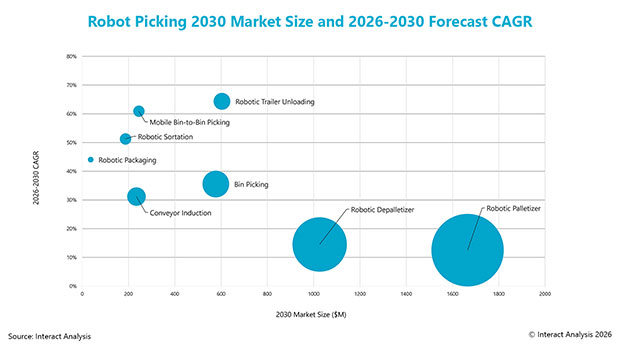
Robotic Bin Picking Fuels Significant Growth in Warehouse Automation Market
The warehouse automation sector is witnessing rapid advancements, particularly in the use of stationary robots equipped with robotic arms for various picking and handling tasks. According to the report 'Robotic Picking 2026' by Interact Analysis, the market for robotic picking is projected to grow from $1.7 billion in 2025 to $4.6 billion by 2030, with a compound annual growth rate (CAGR) of 21.7% during the forecast period. This growth is largely driven by the increasing adoption of robotic bin picking and trailer unloading technologies, which are expected to see CAGRs of 36% and 64%, respectively, from 2026 to 2030. The integration of robotic bin picking into modular solutions has simplified deployment, while the urgent need for automation in trailer unloading is prompting significant investments from major logistics companies like DHL and UPS. As the market evolves, traditional applications such as palletising are also adapting to new demands, particularly in inbound processes. The competitive landscape is shifting, with emerging companies gaining market share in robotic bin picking, indicating a broader acceptance of robotic solutions in warehouse automation. No further timeline was disclosed at the time of publication.
Industry News
IndexBox Forecasts 7.7% Growth in Delta Robot Market by 2035, Driven by Food and Electronics
IndexBox has projected that the Delta robot market will experience a growth rate of 7.7% by the year 2035. This growth is primarily attributed to increasing demand in the food and beverage and electronics sectors, which are expected to drive significant investments in automation technologies. The anticipated growth in the Delta robot market is crucial as it highlights the ongoing trend towards automation in various industries. As companies seek to enhance efficiency and reduce operational costs, the adoption of Delta robots is likely to become more prevalent, particularly in sectors that require precision and speed. Looking ahead, stakeholders should monitor advancements in Delta robot technology and their applications in different industries. The focus on food and beverage and electronics sectors will be particularly important, as these areas are poised for substantial growth and innovation in automation solutions. No further timeline was disclosed at the time of publication.
Robotics Automation AI
China's Robotic Hands Market Valuation: Price Wars and Economic Viability Insights
Recent reports indicate that by 2025, China's funding for robotic hands is projected to reach approximately 16.877 billion yuan, with a market size of 50.1 billion yuan, reflecting a 300% year-on-year growth. However, the anticipated sales volume of 19,200 units, a 236% increase, raises concerns about the sustainability of these figures, as the implied average price per unit reaches 2.6 million yuan, significantly higher than the actual factory price of 50,000 yuan for high-end models. This discrepancy highlights a critical issue within the robotic hands market, where the overall valuation appears inflated based on the projected sales figures. The market's valuation encompasses various segments, including upstream components like hollow cup motors and flexible tactile sensors, as well as downstream applications in 3C manufacturing and automotive assembly. The structural imbalance, with robotic hands accounting for only 0.7% of the total market size, suggests that the valuation is overly reliant on the sales of 19,200 units, which may not be sustainable. Looking ahead, as sales are expected to rise to 70,200 units in the first half of 2026 and potentially reach 200,000 units, the average price per unit may decrease. However, this decline is not indicative of increased value but rather reflects a downward trend in pricing across the supply chain. The ongoing price reductions, driven by increased domestic production rates, are expected to continue, potentially lowering the cost of robotic hands to below 10,000 yuan by 2026, with some models already reaching prices as low as 6,000 to 8,000 yuan.
Robotic Hands Market Analysis Supply Chain Cost Reduction Domestic Production
IndexBox Forecasts 16.8% Growth in AI Surgical Robot Market by 2035 Amid Surgeon Shortage
According to the latest report by IndexBox, the global AI surgical robot market is entering a structural expansion phase, with demand expected to accelerate before 2035. The market is diversifying into high-end efficiency-driven segments and emerging value-oriented segments, influenced by surgeon shortages and the rising need for minimally invasive surgeries. The significance of this growth lies in the shift from pure institutional procurement to a hybrid model, where preferences of end-surgeons and patient awareness increasingly impact capital equipment purchases. Key demand drivers include advancements in AI and robotics, increased healthcare spending, and the expansion of robotic surgeries into new clinical applications beyond urology and gynecology. Looking ahead, the market is projected to experience a compound annual growth rate of 12.0% from 2026 to 2035, with North America maintaining the largest market share at 40%. No further timeline was disclosed at the time of publication.
AI Surgical Robots Healthcare Technology Robotics Minimally Invasive Surgery Market Trends
Disparities in Robot Rental Prices Between Domestic and International Markets
Recent findings reveal significant price disparities in the rental market for humanoid robots, with U.S. rental rates reaching $3,000 per day compared to just 2,000 to 3,000 yuan in China. This difference highlights a growing divide between domestic and international markets. The emergence of large orders, such as a $3 million rental for a major celebration in the Arab region, underscores the demand for humanoid robots. Robonow Global, established in March, has deployed over 50 units of the Yushu G1 E model in the U.S., aiming to secure more commercial events in the coming months. As the rental market evolves, the price for domestic rentals has dropped significantly from previous highs, indicating a separation of the two markets. The disparity is not attributed to exchange rates or logistics but reflects differing market dynamics, with overseas clients seeking unique entertainment experiences rather than industrial applications.
Robot Rental Humanoid Robots Market Analysis Entertainment Technology
U.S. Becomes Second-Largest Market for Industrial Robots After China
The International Federation of Robotics has released the World Robotics 2026 Report, revealing that the United States installed 38,400 industrial robots in 2025. This figure represents a 12% increase compared to the previous year and positions the U.S. as the second-largest market for industrial robots globally, following China. This development is significant as it highlights the growing demand for automation in U.S. industries, surpassing Japan's installation of 36,200 robots. The increase in industrial robot installations reflects a broader trend of technological adoption aimed at enhancing productivity and efficiency in manufacturing processes. Looking ahead, the U.S. robotics market is expected to continue expanding, driven by advancements in automation technology and increasing investment in industrial robotics. No further timeline was disclosed at the time of publication.

Greenland Technologies Announces Plans to Enter Robotics Market with New Product Lines
Greenland Technologies Holding Corporation has revealed its intention to expand into the robotics market. The company plans to introduce product lines that include precision components aimed at robot manufacturers and mobile platforms designed for inspection and patrol robots. This expansion is significant as it marks Greenland's strategic move to diversify its offerings beyond transmission and drivetrain systems for material-handling machinery. By entering the robotics sector, Greenland aims to leverage its manufacturing expertise to meet the growing demand for advanced robotic solutions in various applications. Industry watchers should keep an eye on Greenland's development of these new product lines. The company's focus on precision components and mobile platforms could position it competitively within the robotics market. No further timeline was disclosed at the time of publication.

Strong Earnings Reported Amidst Competitive Global Markets
The second quarter showed robust earnings, especially in the technology sector, with many companies exceeding expectations and raising their guidance. Despite these positive results, the competitive nature of global markets led to some companies experiencing declines in their stock prices. This highlights the challenges firms face in maintaining momentum even when financial performance is strong. The significance of this trend lies in the juxtaposition of strong earnings against a backdrop of crowded markets. Companies are finding it increasingly difficult to translate positive financial results into sustained market performance, indicating a potential shift in investor sentiment. This scenario underscores the importance of strategic positioning and innovation in a saturated environment. Looking ahead, it will be crucial to monitor how companies adapt to these market dynamics. The ability to leverage strong earnings into long-term growth will be a key focus for investors. No further timeline was disclosed at the time of publication.
SMH XLK IDGT IGM IXN IYW
Brain-Computer Interface Funding Surpasses 7 Billion Yuan in Six Months, Non-Invasive Solutions Lead Market
In the first half of 2026, funding for brain-computer interface (BCI) technology exceeded 7 billion yuan, with over 60 financing events reported. Non-invasive solutions dominate the market, accounting for 86% of the total, while invasive and semi-invasive solutions make up the remaining 14%. The Chinese government has recognized BCI as a key investment area, integrating it into future industry development plans. The significance of this funding surge lies in the growing interest and investment in BCI technologies, particularly non-invasive methods that offer safety and cost-effectiveness. Major players in the market include Qiangnao Technology and Weisi Medical, which are advancing non-invasive solutions. The Chinese government has also prioritized BCI in its work reports, indicating a strong commitment to fostering innovation and development in this field. Looking ahead, the BCI industry is expected to continue its rapid growth, with the medical sector projected to account for 56.4% of total demand. By 2030, the global market for medical applications of BCI is anticipated to reach $40 billion, with further growth expected to exceed $145 billion by 2040. No further timeline was disclosed at the time of publication.
Brain-Computer Interfaces Healthcare Technology Non-Invasive Solutions AI Research Market Trends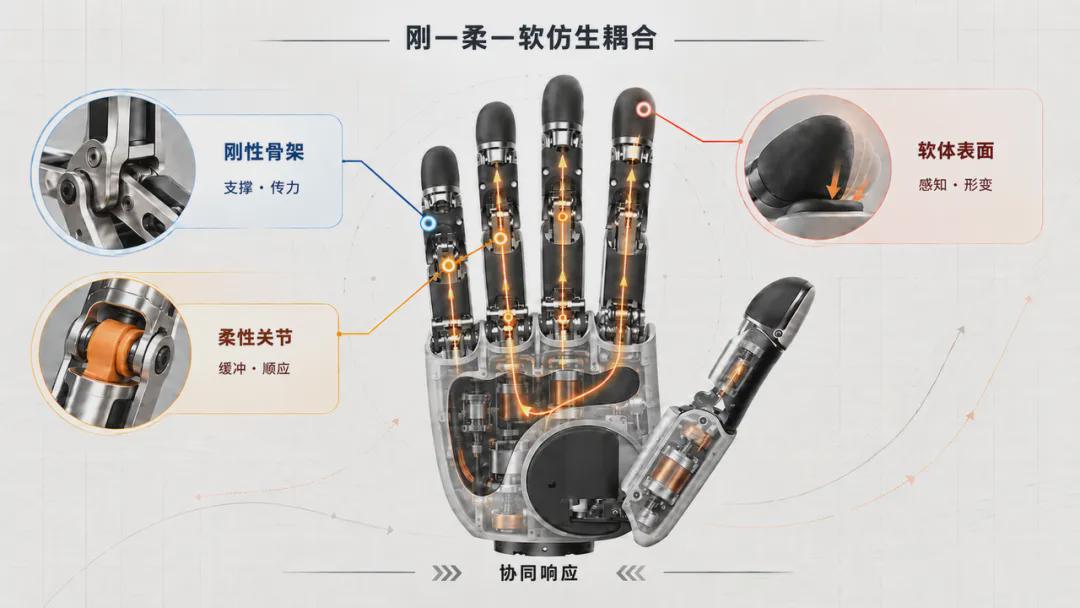
Guoli Intelligent Technology Emerges as a Leader in the Soft Robotics Market
Guoli Intelligent Technology, founded by Dr. Liu Yang, is gaining traction in the soft robotics market, with projections indicating significant growth in China's dexterous hand sales. By 2025, sales are expected to reach approximately 19,200 units, increasing to 70,200 units by 2026, and potentially exceeding 430,000 units by 2030. The company has established itself as a top choice for over 200 global clients, including major players in the electric vehicle sector. Guoli Intelligent's unique bionic coupling technology, which combines rigid, flexible, and soft materials, addresses the challenges posed by traditional single-technology approaches in the industry. This innovative design allows for high performance, longevity, and cost-effectiveness. As the soft robotics market continues to evolve, Guoli Intelligent Technology's advancements in material science and structural design position it well for future growth. The company's ability to balance high degrees of freedom, lightweight construction, and extended lifespan will be critical as it navigates the competitive landscape of the robotics industry. No further timeline was disclosed at the time of publication.
Soft Robotics Bionic Technology Robotic Hands Industrial Automation
Global Shipments of Quadruped Robots Reach 35,000 Units in H1 2026, China Leads Market
According to a report by Counterpoint Research, global shipments of quadruped robots approached 35,000 units in the first half of 2026, with 40% utilized in industrial applications. Chinese companies contributed over 90% of the global market share, reflecting a similar dominance seen in humanoid robots. Yushu Technology ranked first with a 37% market share, leveraging its early advantages in entertainment and educational applications, which accounted for over 70% of its shipments. In the industrial application segment, Zhiyuan Kuituo led with a 16.3% share, followed by Yundongchu with 26%, and Zhishen Technology in third place. The report forecasts that global shipments of quadruped robots will exceed 90,000 units for the first time in 2026, with annual revenue expected to reach $1.5 billion. By 2030, the global market size is projected to surpass $10 billion, driven by industrial inspections and security patrols, which will account for about 60% of the market. This shift indicates a transition in competition from mobility performance to the delivery capabilities of vertical solutions.
Quadruped Robots Industrial Applications Market Trends Robotics Technology
Micro Yi Intelligent Manufacturing Secures CSRC Approval for Overseas Listing with 31% Market Share
Micro Yi Intelligent Manufacturing has received approval from the China Securities Regulatory Commission (CSRC) for its overseas listing. This move is significant as it positions the company to expand its reach in the global market, particularly in the field of intelligent manufacturing. The company currently holds a 31% market share in the domestic industrial embodied intelligent robots sector, highlighting its strong presence and competitive edge in this rapidly evolving industry. This approval is expected to enhance its capabilities and attract further investment. Looking ahead, stakeholders will be keen to observe how Micro Yi leverages this approval to enhance its international operations and whether it can maintain its market share amidst growing competition. No further timeline was disclosed at the time of publication.
Robotics Automation AI
Stock Market Faces Volatility Amid Federal Reserve Rate Hike and AI Safety Concerns
Last week, investors contended with a new Federal Reserve rate-hiking cycle and rising AI safety concerns, resulting in significant market volatility. The Dow Jones Industrial Average fell by 1.7%, marking its third consecutive week of losses, with Goldman Sachs experiencing an 8.5% decline, making it the worst-performing stock in the index. The Federal Reserve raised interest rates by a quarter percentage point, bringing the benchmark rate to between 3.75% and 4%. Fed Chairman Kevin Warsh emphasized persistent inflation concerns, which contributed to market declines. Higher rates typically slow economic activity, making stock selection increasingly critical for investors navigating this environment. AI stocks faced pressure due to safety debates among industry leaders, leading to initial declines in companies like Intel and Micron. However, as the week progressed, investor sentiment improved, and many AI stocks recovered. No further timeline was disclosed at the time of publication.

Market Trends: AI Monetization, Volatility, and Valuation Challenges in September
September has historically been a challenging month for the market, with the S&P 500 experiencing an average decline of 1.1% since 1928. This trend is influenced by seasonal headwinds that arise from a lull in fundamental data, leading investors to adopt a cautious stance as they await new information. The significance of this trend lies in its implications for investor behavior and market dynamics. The historical average decline suggests that investors may be more hesitant to make significant moves during this period, potentially impacting liquidity and overall market sentiment. Understanding these patterns can help stakeholders navigate the complexities of market fluctuations. Looking ahead, it will be crucial to monitor how these seasonal trends interact with ongoing developments in AI monetization and market volatility. No further timeline was disclosed at the time of publication.
SOX WTAI THNQ LRNZ AIQ UBOT
DHL Supply Chain Acquires Open Market to Enhance Colombian Logistics Operations
DHL Supply Chain has announced the acquisition of Open Market, a logistics and transport operator in Colombia, significantly enhancing its warehousing and transport capabilities. This deal includes 21 warehouses totaling 120,000m², 13 cross-docking platforms, and an owned transport fleet, along with the integration of approximately 4,100 Open Market employees into DHL's operations. The acquisition aligns with DHL Group's Strategy 2030, aimed at strengthening its presence in Latin America, particularly in life sciences and healthcare sectors. CEO Hendrik Venter emphasized that this move reflects DHL's commitment to enhancing capabilities in regions with sustained growth, particularly in managing complex supply chains for pharmaceuticals and medical products. Looking ahead, DHL's integration of Open Market is expected to bolster its logistics network across Colombia and Latin America. The transaction is subject to customary closing conditions, and Open Market's chairman noted that the company will focus on maintaining service quality during the transition. No further timeline was disclosed at the time of publication.
Cold Chain Logistics IT in Logistics Transport and Distribution Warehousing Colombia logistics contract logistics
Concerns Rise Over Potential Double Hawk Impacting AI Market Sentiment
At the beginning of the week, concerns were raised regarding a potential 'double hawk' scenario involving both the Federal Reserve and the Bank. This situation could significantly impact market sentiment, particularly in the AI sector, which has been a focal point for investors. The notion of a 'double hawk' suggests that simultaneous tightening measures from both institutions could lead to increased volatility in the markets. This is particularly concerning for sectors reliant on growth, such as AI, where investor confidence is crucial for continued innovation and funding. Looking ahead, market participants should monitor the actions of the Federal Reserve and the Bank closely. Any indications of tightening monetary policy could lead to shifts in investment strategies, especially in high-growth areas like AI. No further timeline was disclosed at the time of publication.
QQQ AIQ SPY DJI DIA IVV
Companion Robots Achieve Nearly 300,000 Sales, Highlighting New Market for Embodied Intelligence
Robopoet's Fuzozo, priced at 399 yuan, has sold nearly 300,000 units in China since its launch in July 2025. This surge in sales contrasts sharply with traditional humanoid robots, which have struggled to gain traction in the market. The emotional companionship and personalized interaction offered by such robots have proven to meet a validated demand, as evidenced by users engaging in over 40 minutes of daily conversation. The growing sales figures for companion robots like Fuzozo and Haivivi's BubblePal, which surpassed 300,000 units in the U.S., indicate a shift in consumer interest towards emotional engagement rather than purely functional capabilities. This trend is underscored by WHO data revealing that one in six people globally experience loneliness, particularly among younger demographics. The success of these robots suggests that emotional needs can drive substantial market growth. Looking ahead, the challenge will be whether these products can maintain user engagement as novelty fades. The integration of large language models has transformed companion robots, allowing them to remember past interactions and respond dynamically, which could enhance user retention. No further timeline was disclosed at the time of publication.
Companion Robots Emotional AI Consumer Robotics Human-Robot Interaction
Kinetic Blocks Introduces Beta Marketplace for Humanoid Robot Training Data
Kinetic Blocks, a startup based in Oslo, has launched a beta version of a marketplace dedicated to the buying and selling of training data for humanoid robots. This platform became available on September 1, following months of development in collaboration with a select group of data suppliers and early users. The introduction of this marketplace is significant as it aims to streamline the acquisition of training data, which is crucial for the development and enhancement of humanoid robots. By facilitating transactions between data providers and developers, Kinetic Blocks is addressing a vital need in the robotics industry, potentially accelerating advancements in humanoid robot capabilities. Looking ahead, Kinetic Blocks has not disclosed any further timeline for expanding access to the marketplace or additional features. Stakeholders in the robotics sector should monitor this development closely, as it may influence the landscape of humanoid robot training and data utilization.
Computing Humanoids News 1x technologies artificial intelligence egocentric video
Faraday Future Launches Nine New Robot Models to Dominate U.S. Market
Faraday Future (FF) announced the launch of nine new robot models during a press conference on September 19, 2023. These models include humanoid, quadruped, and wheeled-arm robots, marking a significant expansion in FF's product lineup aimed at achieving market dominance in the U.S. robotics sector. This move is notable as it positions FF as the company with the most diverse range of robot models in the U.S. market. Unlike the automotive industry, where multiple models cater to different price points, the robotics market focuses on the return on investment for specific applications. FF's strategy relies on broad scene coverage to secure orders, but the simultaneous launch of nine products raises questions about the company's ability to manage multiple supply chains and after-sales systems. Following the launch, industry observers will be keen to see which of the nine models successfully integrates into real-world applications such as inspections, education, and security. While the launch emphasizes FF's ambition, the actual performance and delivery of these robots in operational settings will ultimately determine their success in the market.
Robotics Humanoid Robots Automation AI Supply Chain
Growing Demand for Robot Electronic Skin: Market Insights and Projections
The demand for electronic skin in humanoid robots is projected to reach 1.525 million square meters by 2030, with a market size of approximately 27.4 billion yuan. This shift indicates that electronic skin is transitioning from experimental samples to regular procurement items, as evidenced by a company receiving 13,000 orders for biomimetic skin in June alone. The significance of this demand lies in the evolving role of electronic skin, which enhances robots' capabilities in unstructured environments where visual data alone is insufficient. High-performance electronic skin, which collects various physical attributes, is essential for training models to understand object interactions, making it a critical component for robots operating in real-world scenarios. As humanoid robot manufacturers begin small-scale deliveries, the increase in electronic skin orders aligns with this trend. However, the integration of electronic skin with the design of the robots presents challenges, as factors like finger size and sensor layout must be collaboratively defined. The anticipated increase in demand and decrease in price hinges on the manufacturers' production capacity and the ability of electronic skin companies to maintain tactile precision while reducing costs.
Humanoid Robots Electronic Skin Tactile Sensors Robotics Technology
Home Cleaning Robot Sales Reached 11.2 Million Units in Q2, Top Three Brands Strengthened Market Position
In the second quarter of 2026, global sales of home cleaning robots reached approximately 11.2 million units, marking a 21.5% year-over-year increase. This growth rate has decreased from 36.6% in the previous quarter, indicating a return to normalcy in market expansion. However, the report highlights a significant structural differentiation within the market. The dominance of the top three brands in the vacuum cleaning robot segment has solidified, accounting for about 70% of total sales with 7.885 million units shipped. As competition intensifies, smaller brands face increasing challenges in gaining market share, particularly as product features converge and supply chain costs become more transparent. The focus of competition is shifting towards channel efficiency, brand recognition, and scale advantages, which favor leading manufacturers. While the growth of vacuum cleaning robots has slowed, other segments like robotic lawn mowers continue to see high growth, particularly in Europe and North America. Additionally, pool cleaning robots are entering their peak season. Manufacturers must explore growth opportunities beyond vacuum cleaners, with lawn and pool robots presenting validated avenues for expansion. No further timeline was disclosed at the time of publication.
Home Cleaning Robots Market Trends Robotic Lawn Mowers Pool Cleaning Robots
FF Unveils Nine New Robots, Yet U.S. Market Demands More Than Variety
On September 19, FF launched nine new robot models, including humanoid, quadruped, and wheeled-arm types, along with four industry solutions targeting K12 education, research, security, and inspection. This ambitious rollout stands out in an industry where many competitors are still refining single products for mass production. The significance of this launch lies in FF's strategy to cover a wide range of scenarios, betting that this breadth will attract orders. However, the simultaneous release of nine products introduces complexities in supply chains and after-sales systems, which could be as challenging as manufacturing a vehicle. The company aims to establish a strong foothold in the U.S. robotics market with its comprehensive offerings. Looking ahead, the market will soon see the specifications and pricing for these nine robots. However, the critical factor will be which model successfully integrates into real-world applications, such as inspection routes or classrooms. The challenge remains that while having a diverse product lineup is beneficial, the true test will be in delivering proven performance in specific scenarios.
Robotics Automation Security Solutions K12 Education Manufacturing
Underwater Robotics Secures Nearly $10 Million in Angel Funding Amid Market Potential Focus
Gongzhi Ocean has announced the completion of nearly 100 million yuan in angel funding, attracting investors such as Zhongxin Zhidi and Lihua Financial. This funding reflects a growing interest in the underwater robotics market, particularly in integrated detection and operational capabilities. The investment landscape for underwater robotics has seen significant activity, with companies like Shihang Intelligent and Deep Sea Zhiren also securing substantial funding in recent months. This trend indicates a proactive search for investment opportunities within the sector, highlighting the industry's potential for growth and innovation. Looking ahead, the focus will shift from merely achieving depth capabilities to enhancing operational efficiency and reducing costs in underwater tasks. Companies must demonstrate their ability to translate technical specifications into practical, scalable solutions in real-world marine environments, as the competition intensifies in this evolving market.
Underwater Robotics Marine Engineering Investment Automation Technology
A Decade After Predicting a $127 Billion Drone Market: Insights and Developments
In 2016, Michael Mazur and Adam Wiśniewski predicted the drone-powered solutions market would reach $127.3 billion. A decade later, they assess the accuracy of their forecast, noting that infrastructure applications have indeed become the largest segment, valued at $45.2 billion. They emphasize that the focus has shifted from hardware to data-driven services, which now comprise approximately 78% of the market. The significance of their prediction lies in its impact on shaping expectations within the commercial drone industry. The authors highlight that their report's terminology, referring to 'drone-powered solutions' rather than just 'the drone market,' has proven prescient. This distinction underscores the growing importance of services over hardware in the industry, as evidenced by the rapid growth from a $1 billion market in 2016 to a fortyfold increase in just ten years. Looking ahead, the authors suggest that the next wave of value in the drone industry may increasingly focus on the data collected rather than the aircraft themselves. No further timeline was disclosed at the time of publication.
DL Exclusive Drone News Drone News Feeds Drones in the News News AI Clearing
Beijing Advocates for Elderly Care Robots in Households Amidst Market Challenges
Beijing is actively promoting the integration of elderly care robots into households, aiming to tap into a lucrative market. However, there are three significant hurdles that must be overcome to ensure these robots do not end up unused. These challenges include technological limitations, consumer acceptance, and regulatory frameworks that need to be addressed. The push for elderly care robots is crucial as the aging population in Beijing increases, creating a demand for innovative solutions to support independent living. The potential market for these robots is substantial, estimated to be worth millions, but without overcoming the identified barriers, the adoption rate may remain low. Looking ahead, stakeholders in the robotics and healthcare sectors should focus on addressing these hurdles to facilitate the successful deployment of elderly care robots. No further timeline was disclosed at the time of publication.
Robotics Automation AI
Chinese Robots Dominate IFA 2026: Assessing European Market Readiness
In September 2026, Berlin witnessed a significant presence of Chinese robots at the IFA, with 932 companies from mainland China participating, contributing to nearly half of the 1,900 exhibitors. The event showcased a record number of humanoid robots, with performances that captivated audiences, including demonstrations of martial arts and interactive displays. However, a critical question arose regarding the European market's readiness to adopt these technologies. The interest in Chinese robots was evident, yet many European attendees expressed uncertainty about their practical applications in business. Feedback from a Paris-based electronics distributor highlighted a common sentiment: while the robots were intriguing, their utility in real-world scenarios remained unclear. This disconnect between the excitement of the demonstrations and the practical needs of the market raised concerns about the actual demand for such technologies in Europe. As the IFA concluded, the challenges for Chinese robotics companies became apparent. European distributors emphasized the importance of cost-effectiveness, system stability, and local support. The path forward for Chinese firms in Europe requires a deeper understanding of local market dynamics and a commitment to establishing robust partnerships with local distributors and integrators. No further timeline was disclosed at the time of publication.
Humanoid Robots Market Entry European Robotics Robotics Demonstrations AI Technology
ABN Amro Clearing to Enter Japan's Electricity Futures Market This Month
ABN Amro Clearing, a subsidiary of the Dutch bank ABN Amro, is set to enter the Tokyo Commodity Exchange's electricity futures market. The company anticipates meeting the necessary qualifications to broker trades and facilitate settlements as early as this month, making it the first major global player to enter this market. This move is significant as the Tokyo Commodity Exchange has a relatively small market share compared to the European Energy Exchange, which dominates electricity futures trading in Japan. By entering this market, ABN Amro Clearing aims to expand its footprint in Asia and leverage the growing demand for electricity trading in the region. Industry watchers should note that this development could lead to increased competition in Japan's electricity futures market, which has primarily been served by smaller local traders. No further timeline was disclosed at the time of publication.

Inspired Flight's Open Platform Strategy Enhances Flexibility in U.S. Drone Market
Inspired Flight, a U.S. drone manufacturer, is adapting to new restrictions on foreign technology by implementing an open aircraft platform strategy. Co-founder Adam Bilmes emphasized the importance of flexibility, allowing operators to utilize various payloads without being limited to proprietary systems. This approach supports over 20 payloads, enabling operators to switch between missions like LiDAR and thermal imaging seamlessly. The significance of this strategy lies in its ability to accommodate the rapid evolution of payload technology, which can outpace the aircraft itself. By focusing on an open system, Inspired Flight ensures that its drones remain relevant and capable of integrating new capabilities as they emerge. Bilmes highlighted that the true value of their aircraft lies in its reliability and ease of use, which enhances operators' workflows in data collection. Looking ahead, Inspired Flight's open platform may set a precedent for future drone development, encouraging collaboration with technology partners. The company provides resources for third parties to innovate around its aircraft, fostering a more dynamic ecosystem. No further timeline was disclosed at the time of publication.
Blue UAS DL Exclusive Drone Manufacturing Drone News Dual Use Feature 1
KUMA Expands into Domestic Market with Focus on Commercial Lawn Mower Robots
KUMA, a leading manufacturer of lawn mower robots, has announced its entry into the domestic market, emphasizing its commitment to commercial applications. This strategic move is expected to enhance KUMA's market presence and cater to the growing demand for automated lawn care solutions. The significance of KUMA's expansion lies in its potential to reshape the landscape of commercial lawn maintenance. By focusing on the domestic market, KUMA aims to leverage its technological expertise and innovative designs to meet the needs of businesses seeking efficient and reliable lawn care options. Looking ahead, industry stakeholders should monitor KUMA's product offerings and market strategies as it navigates this new venture. The company's ability to adapt to domestic consumer preferences and its impact on the competitive landscape will be crucial in determining its success in the commercial sector. No further timeline was disclosed at the time of publication.
Robotics Automation AI
ChangXin Memory Achieves 10% Share of Global DRAM Market in Q2 2023
ChangXin Memory Technologies (CXMT) captured a 10% share of the global DRAM market by revenue in the second quarter of 2023, according to Counterpoint Research. This marks a significant increase from 4% a year prior and 8% in the previous quarter, positioning CXMT as the fastest-growing supplier in the sector. The rise of CXMT is noteworthy as it comes amid a decline in the combined market share of the top three suppliers: Samsung Electronics, SK hynix, and Micron. Samsung remains the leading DRAM supplier with a 39% share, followed by SK hynix at 26% and Micron at 25%. Their collective share decreased from 94% to 87% over the same timeframe, indicating a shift in market dynamics. Looking ahead, CXMT's growth trajectory suggests it may continue to challenge established players in the DRAM market. No further timeline was disclosed at the time of publication.
News Feed
Understanding the Robotics Market: Key Insights and Future Trends
The robotics industry is experiencing a significant inflection point, as highlighted by Kevin McCordic, CMO of RoboStrategy. With advancements in AI, intelligent robots capable of performing human tasks are becoming a reality. This transformation is crucial for understanding the market's potential and the ongoing developments. The importance of this shift cannot be overstated. For centuries, the concept of robots performing human work was relegated to science fiction. However, the rapid acceleration of AI capabilities is making it feasible for robots to take on manual labor roles, which could lead to a substantial reduction in labor costs. Looking ahead, the trend of integrating AI into humanoid robots is set to continue. These robots are expected to be deployed in various manual labor jobs, offering a cost-effective alternative to human workers. Total robot labor costs are estimated at approximately $1.66 per hour, including maintenance and electricity. No further timeline was disclosed at the time of publication.
market analysis Market RoboStrategy
NexCOBOT Addresses Challenges and Growth in the Physical AI Market
NexCOBOT, showcased at the Robotics Summit & Expo, is navigating the evolving landscape of physical AI. The company, which specializes in motion and safety controllers, has noted a surge in interest from developers of legged robots and mobile manipulators. This trend is underscored by significant acquisitions in the sector, such as Mobileye's $900 million purchase of Mentee Robotics. The implications of these acquisitions are profound for industrial adoption, as highlighted by Jenny Shern, NexCOBOT's general manager. She emphasized that smaller robotics firms possess specialized expertise, while larger tech companies bring the necessary resources to scale innovations. This dynamic is shaping the future of intelligent systems, making acquisitions a strategic move for major players in the tech industry. Looking ahead, NexCOBOT remains focused on scaling its functional safety robotic controllers and fulfilling a robust backlog of global orders. While funding for physical AI has seen fluctuations, the company maintains a stable financial position, indicating resilience amid changing investment landscapes. No further timeline was disclosed at the time of publication.
Artificial Intelligence / Cognition Controllers Healthcare Robotics Human Robot Interaction / Haptics Humanoids Investments
Investors Leverage AI Market Data for Enhanced Deal Sourcing Strategies
Investors are increasingly utilizing AI systems and live market data to enhance deal sourcing across private equity, venture capital, and growth equity. This shift allows for a more efficient identification of investment opportunities, moving beyond traditional relationship-based methods that often lead to missed chances due to competition. The traditional deal sourcing model, reliant on banker relationships and static target lists, is becoming less effective as the market grows more competitive. Research indicates that investment teams often spend excessive time gathering data instead of analyzing it, which hampers their ability to identify promising deals proactively. AI technologies, such as those developed by Grata and Parallel AI, enable continuous market mapping and target discovery, allowing investors to identify mid-market companies that are often overlooked. As the investment landscape evolves, firms that adopt these AI-driven strategies will likely gain a competitive edge in sourcing deals more effectively.
AI AI Funding & Investment Business Enterprise AI Insights business
Mouser Launches Qorvo eBook on RF Solutions for Drones, SATCOM, and IIoT Markets
Mouser Electronics has released a new eBook focusing on RF solutions tailored for modern applications such as drones, satellite communications, and industrial IoT. This resource highlights the evolving landscape of RF systems, emphasizing the need for higher speed, flexibility, and scalability in response to market demands. The eBook addresses the transition from traditional, highly customized architectures to more agile development strategies. This shift is crucial for meeting the rapid timelines associated with next-generation technologies, ensuring that developers can adapt to the fast-paced nature of the industry. As the demand for advanced RF solutions continues to grow, stakeholders should monitor how these developments influence the design and implementation of RF systems. No further timeline was disclosed at the time of publication.

Kinetic Blocks Launches Marketplace for Humanoid Training Data Acquisition
On September 1, Oslo-based startup Kinetic Blocks introduced a gated beta of a marketplace tailored for the buying and selling of humanoid training data. This platform aims to streamline the traditionally slow and complex process of dataset procurement by replacing bilateral licensing deals with standardized commercial transactions. The significance of Kinetic Blocks' launch lies in its potential to address the challenges of physical data acquisition in the embodied AI sector. By allowing data suppliers to list various datasets, including egocentric human video and teleoperation recordings, the platform seeks to establish clear market values and mitigate the opaque rights management that has historically plagued robot learning data procurement. Looking ahead, Kinetic Blocks plans to expand its engineering and commercial teams in the coming months while preparing to open a seed funding round in the fourth quarter of 2026. This development comes amid a competitive landscape where foundational model developers are increasingly seeking innovative strategies for sourcing real-world telemetry data.
Data Collection Kinetic Blocks Dataset Europe
Exploring the Billion-Dollar Elderly Care Robot Market: Key Insights and Challenges Ahead
A new report highlights the urgent need for elderly care solutions in China, where the population over 60 exceeds 320 million. With a shortfall of 5.5 million caregivers, the elderly care robot market is projected to surpass 10 billion yuan by 2026. However, the penetration rates for home care robots and professional care robots remain low, at under 10% and 1.2%, respectively. The report emphasizes that successful commercialization often stems from addressing specific problems with targeted devices. Current applications, such as safety monitoring and nighttime inspections, are gaining traction, with robots in Shenzhen already capable of detecting falls and notifying family members within 20 seconds. Yet, the most labor-intensive tasks, like personal care, remain challenging for robotic solutions. Looking ahead, the commercialization of elderly care robots hinges on their ability to demonstrate clear value to care facilities and families. The report suggests that the true potential of these robots lies not in mimicking human capabilities but in enhancing care efficiency and allowing human caregivers to focus on the essential aspects of care that require empathy and judgment. No further timeline was disclosed at the time of publication.
Elderly Care Robots Healthcare Technology Robotics Aging Population Assistive Technology
U.S. Robotics Market in Packaging and Processing Expected to Nearly Double by 2031
A new report from PMMI indicates that the U.S. robotics market for packaging and processing is set to nearly double by 2031. The report highlights that mobile robots will be a significant driver of this growth as end users increasingly focus on enhancing productivity, reducing costs, and improving quality. This growth is crucial as it reflects the evolving landscape of packaging and processing operations, where robotics technology plays a pivotal role. The findings underscore the importance of adopting advanced technologies to meet the demands of modern manufacturing and supply chain efficiency. Looking ahead, the PACK EXPO International 2026 will serve as a vital platform for showcasing robotics technology in action. No further timeline was disclosed at the time of publication.

Humanoid Robots Achieve Success in International Rental Market with G1 Model
The Yushu G1 humanoid robot has successfully entered the overseas rental market, commanding a rental fee of $3,000 per day. With a base price of $16,000 for the standard version and $30,000 for the advanced version, the economic model shows that renting the G1 just ten times can cover hardware costs, leading to substantial profit thereafter. This rental approach is particularly appealing as it lowers the barriers for companies lacking technical expertise and operational experience. The daily rental pricing significantly reduces ownership and trial costs, allowing clients to experience the latest robot versions while transferring maintenance risks to the rental platform. While the rental market is thriving, founder Wang Xingxing acknowledges that humanoid robots are still far from being widely adopted in industrial settings. Despite fluctuations in the stock market, the G1's strong performance capabilities and open architecture have established a clear commercialization path for humanoid robots in entertainment and event sectors.
Humanoid Robots Robot Rental RaaS Entertainment Technology
Chinese Robots Gain Global Market Traction with Significant Export Growth
Tianjin's robotics industry is demonstrating its potential in the global market, with exports reaching 1.08 billion yuan in the first half of 2026, a staggering 487.9% increase year-on-year. This surge reflects a shift from following to leading in the robotics sector, as evidenced by the success of Langyu Robotics, which has expanded its international sales significantly. The company has developed an unmanned heavy-duty transport vehicle capable of carrying 500 tons, showcasing advanced technology with a height of only 550 millimeters. Additionally, Tianjin's special application robots are making strides domestically, with Shiyun Technology launching 15 industrial-grade humanoid robots designed for high-risk environments, further solidifying the region's position in the robotics landscape. With over 200 robotics companies and a robust innovation plan, Tianjin aims to exceed 25 billion yuan in industry scale by 2025. The recent establishment of an intelligent robot application station in the subway highlights the integration of robotics into everyday life, marking a significant step towards becoming a leader in the global robotics value chain.
Robotics Industrial Automation Export Growth Humanoid Robots Heavy-Duty Transport
Importance of Timing Over Strategy in Marketing for Robotics Companies
The WAIC 2026 event showcased a significant emergence of robotic forms, attracting numerous data-seekers despite the absence of robots at some booths. This highlights a growing interest in embodied intelligence and its market potential. The event's focus on embodied intelligence underscores the importance of timing in capitalizing on market trends. With a reported funding of 5 billion and a valuation of 20 billion in the edge intelligence sector, the market is poised for a critical evaluation phase. Looking ahead, industry observers should monitor how these developments in embodied intelligence will influence future investments and market strategies. No further timeline was disclosed at the time of publication.
Robotics Automation AI
Spain's Defence Market Expected to Grow Across Combat Domains from 2026 to 2035
Spain's defence market is projected to experience growth across all combat domains from 2026 to 2035. However, fluctuations are anticipated specifically within the naval sector, indicating potential challenges in that area. This growth is significant as it reflects Spain's commitment to enhancing its military capabilities and modernizing its defence infrastructure. The expected expansion across various combat domains suggests increased investment and development in military technologies and systems. Industry stakeholders should monitor the naval sector closely due to the anticipated fluctuations, which could impact overall market stability. No further timeline was disclosed at the time of publication.
Features
Spain's Defence Market Expected to Grow Across Combat Domains from 2026 to 2035
Spain's defence market is projected to experience growth across all combat domains from 2026 to 2035. This growth indicates a robust investment in military capabilities and modernization efforts within the country. The anticipated expansion is significant as it reflects Spain's commitment to enhancing its defence infrastructure and responding to evolving security challenges. However, fluctuations in the naval sector may pose challenges to achieving consistent growth across all areas. Industry stakeholders should monitor developments closely, particularly in the naval sector, to understand potential impacts on overall market stability. No further timeline was disclosed at the time of publication.
Features
China Secures Over 97% Market Share in Global Humanoid Robot Shipments
China has established a commanding lead in the humanoid robot market, with over 97% of global shipments in the first half of 2026, according to Smart Analytics Global (SAG). This marks a significant increase from 5,100 units in the same period last year, totaling approximately 19,100 units shipped globally. The dominance of Chinese manufacturers, particularly Shanghai-based Zhiyuan Robotics and Hangzhou-based Yushu Technology, is evident as they collectively account for nearly 75% of the global market. This early advantage positions China ahead of American competitors like Tesla and Agility Robotics, who are lagging behind in shipment volumes. Looking ahead, SAG forecasts that global humanoid robot shipments will rise to around 60,000 units by 2026 and reach 500,000 units by 2030. However, potential regulatory uncertainties and geopolitical risks could impact future growth. The key question remains whether Chinese robots can penetrate more markets amid increasing global regulatory barriers.
Humanoid Robots Robotics Industry Market Analysis Automation Technology
Tesla Retains 50.5% Share of U.S. EV Market in Q2 Amid Industry Declines
In the second quarter, Tesla (NASDAQ: TSLA) maintained a 50.5% share of the U.S. electric vehicle market, despite a slight decline from 54.2% in Q1. This market share advantage is attributed to larger sales setbacks faced by domestic competitors, as total EV sales in the U.S. dropped 20% during the same period. Tesla's unit sales fell 13% year-over-year, from 143,535 to 124,800 vehicles. While the company continues to lead in the U.S., it is losing market share in Europe and China, primarily to competitors like BYD, Geely, Changan, and Volkswagen. However, Tesla's global deliveries rose 25% year-over-year, totaling 480,126 vehicles in Q2. Looking ahead, Tesla is diversifying its focus beyond electric vehicles, with ongoing development of AI-powered humanoid robots. CEO Elon Musk has indicated that commercial production of these robots could begin before the end of next year. No further timeline was disclosed at the time of publication.

Global Nanorobotics Market Expected to Reach $31.44 Billion by 2034
The global nanorobotics market is projected to grow to $31.44 billion by 2034, driven by advancements in targeted drug delivery and regenerative medicine, as reported by Polaris Market Research. The market is estimated at around $9 billion in 2025, with a compound annual growth rate of 14.9 percent anticipated through 2034. Drug delivery remains the largest application, with significant research focused on nanoscale systems that target specific cells while minimizing effects on healthy tissue. Recent research highlights the potential of nanorobotics, including a DNA-based nanorobot from Sweden’s Karolinska Institute that reduced tumor growth by 70 percent in preclinical models. Additionally, autonomous therapeutic nanorobots from the Institute for Bioengineering of Catalonia demonstrated up to 90 percent reduction in bladder tumors, while a modular nanorobot from the University of Basel decreased cancer cell viability to 16 percent. The fastest-growing category is cell-repair nanorobots, with regenerative medicine applications expected to drive demand further. North America currently holds about 41 percent of the market, bolstered by research funding and healthcare infrastructure, while Asia Pacific is set for the fastest growth at nearly 19 percent annually. This growth is attributed to increased investments in biotechnology and precision medicine across China, Japan, South Korea, and India. Collaborative research initiatives in Europe, like the EU-backed i-NANOSWARMS project, are also contributing to the sector's expansion.
News Research biotechnology cancer treatment cell repair drug delivery
Unitree Robotics Founder Predicts Humanoid Robots Will Achieve Mass Market Status in Ten Years
The founder of Unitree Robotics stated that humanoid robots are expected to achieve mass market popularity within the next decade. This prediction hinges on manufacturers addressing existing challenges that currently limit the functionality and practicality of these robots. The significance of this forecast lies in the potential transformation of various sectors through the widespread adoption of humanoid robots. As manufacturers work to overcome technical hurdles, the integration of these robots could enhance efficiency and productivity across multiple industries. Looking ahead, stakeholders should monitor advancements in humanoid robotics technology and the strategies employed by manufacturers to resolve current limitations. No further timeline was disclosed at the time of publication.

Market Recovery Observed as Treasury Takes Steps to Control Yields
Bloomberg Television reported on the market's recovery as the Treasury Department implements measures to rein in yields. This development comes amid discussions with various financial experts and industry leaders. The significance of this market rebound lies in its potential impact on investment strategies and economic forecasts. Experts from JPMorgan, D.A. Davidson, and Gravis Robotics shared insights on how these changes could influence market dynamics and investor behavior. Looking ahead, stakeholders should monitor the ongoing discussions among financial leaders and the effectiveness of the Treasury's actions. No further timeline was disclosed at the time of publication.
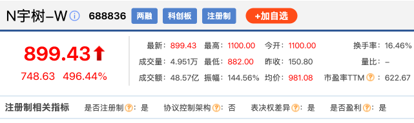
Yushu Technology Achieves 629% Surge on STAR Market, Valued at 444.9 Billion Yuan
Yushu Technology, recognized as the 'first humanoid robot stock,' experienced a remarkable debut on the STAR Market, opening at 1,100 yuan per share. This represents a 629% increase from its initial public offering price, leading to a total market valuation of approximately 444.9 billion yuan. The significance of this debut lies in Yushu Technology's position as a global leader in high-performance general-purpose robotics, which includes both quadruped and humanoid robots. Despite the impressive rise in operational revenue, the company faced challenges with net profits due to increased research and development, as well as sales expenses. Looking ahead, investors and industry watchers will be keen to observe how Yushu Technology manages its operational costs while maintaining its growth trajectory in the competitive robotics market. No further timeline was disclosed at the time of publication.
Humanoid Robots Quadruped Robots Robotics Industry IPO Technology
Unitree Launches on Shanghai STAR Market with Market Value of Approximately RMB445 Billion
Unitree commenced trading on Shanghai’s STAR Market on August 19, with shares opening at RMB1,100, a remarkable increase of 629.44% from the IPO price of RMB150.80. This surge in share price results in a market valuation of approximately RMB444.9 billion for Unitree. The transition from a privately funded robotics company to a publicly traded entity is significant for Unitree, as it highlights the growing interest and investment in the robotics sector in China. The company’s product lineup includes both quadruped and humanoid robots, indicating its diverse technological capabilities. Investors and industry observers should monitor Unitree's performance in the public market, as this listing could influence future investments in robotics and automation. No further timeline was disclosed at the time of publication.
News FeedRobotics needs a service framework.
RSF defines a common language for robot service capability, lifecycle operations, certification pathways, and service-provider networks.
Join the RobotToday community on LinkedIn
Daily robotics news, in-depth analysis, conference highlights, and discussions with professionals worldwide.