

Industry Briefing
A single destination for timely, editor-curated robotics news from around the world.

Boston Dynamics Launches Metaplant Application Center for Atlas Humanoid Training
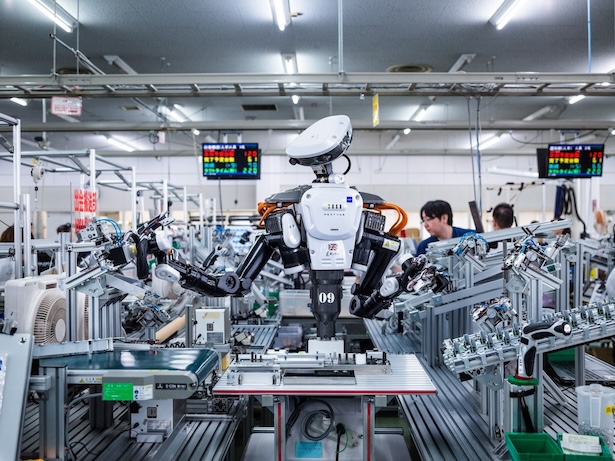
Boston Dynamics has inaugurated its Robotics Metaplant Application Center (RMAC) near Savannah, Georgia, aimed at training Atlas humanoids for integration into Hyundai's automotive manufacturing processes. This facility will serve as a testbed for developing specific skill sets necessary for general-purpose automation in the automotive sector. The RMAC represents a significant advancement in the collaboration between Boston Dynamics and Hyundai Motor Group, focusing on optimizing supply chain and production capabilities. Zack Jackowski, chief product and technology officer at Boston Dynamics, emphasized the importance of this partnership in pioneering physical AI at an enterprise scale, aiming to enhance productivity and safety in manufacturing. Looking ahead, Boston Dynamics plans to expand Atlas's capabilities to include component assembly by 2030, with the humanoids expected to take on more complex tasks involving repetitive motions and heavy lifting. The RMAC will play a crucial role in refining these applications through real-world training and data collection.
Artificial Intelligence Artificial Intelligence / Cognition Assembly Automotive Food / Beverage Humanoids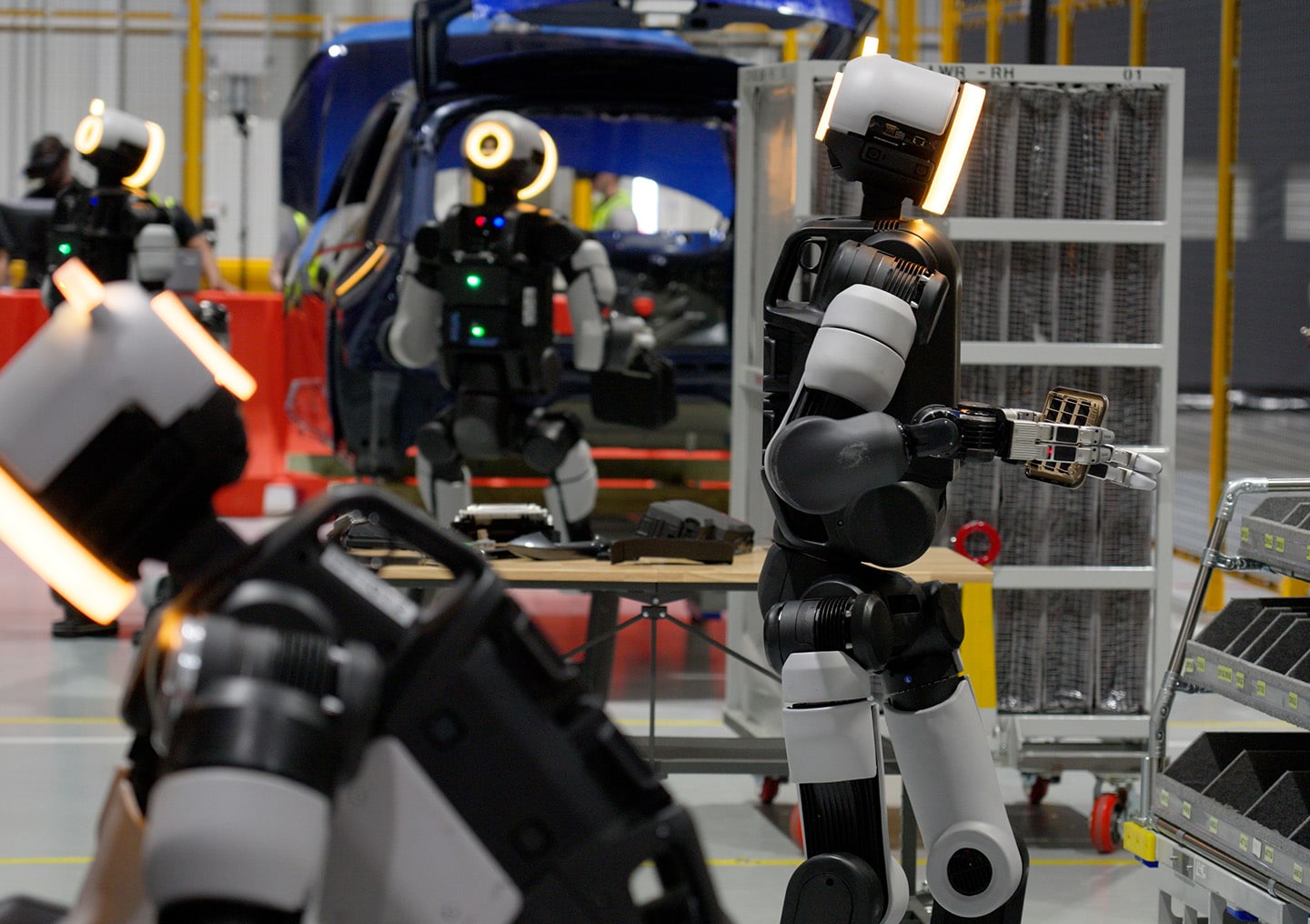
Boston Dynamics Launches Robotics Metaplant Application Center for Atlas Robot Training
Boston Dynamics has unveiled the Robotics Metaplant Application Center (RMAC) at Hyundai Motor Group Metaplant America, marking a significant advancement in its robotics and AI strategy. This facility will serve as a training ground for Atlas robots, integrating them into Hyundai's automobile manufacturing processes, with plans to expand applications to component assembly by 2030. The collaboration with Hyundai Motor Group is crucial as it aims to deploy 25,000 Atlas robots across global plants in the coming years. The RMAC will enhance supply chain and production capabilities, reinforcing the shared vision of making work safer and more efficient through robotics. The first phase of RMAC is operational, with plans for significant expansion next year. Looking ahead, Boston Dynamics intends to explore additional industry applications for Atlas, engaging with existing customers in sectors such as aerospace and logistics to enhance data collection and training processes. No further timeline was disclosed at the time of publication.

China Restricts Exports of Key Optical and Aerospace Metals to Taiwan
China has begun to restrict or delay exports of essential aerospace and optical materials to Taiwan, leading to significant supply chain disruptions in the region's technology sector. This move affects materials such as germanium and quartz, which are critical for various industries. The implications of these restrictions are profound, as Taiwan relies heavily on these materials for its tech manufacturing processes. The bottlenecks created by these export delays could hinder production capabilities and impact the broader supply chain, which is already under pressure from global economic conditions. Looking ahead, industry stakeholders will need to monitor the situation closely, as further restrictions could exacerbate existing challenges in securing necessary materials. No further timeline was disclosed at the time of publication.

Cast in Steel Reality Show Launches to Inspire Future Metal Casting Workforce
The Department of Defense has initiated a multimillion-dollar contract that has led to the creation of a metal casting competition, Cast in Steel. This reality show aims to raise awareness of the metal casting trade and inspire a new generation of workers. Six teams from various U.S. schools will compete for a $25,000 cash prize by designing and testing metal tools or weapons, with the season finale airing on YouTube. Cast in Steel is not a new concept, as the competition originally started in 2019, according to Robert Monroe, owner of Social Experiment. The show is produced by the Steel Founders’ Society of America (SFSA), which has been active for over 124 years and focuses on promoting the steel casting industry. The initiative aims to engage college students in metal casting projects, addressing the pressing workforce shortage in the U.S. casting and forging sectors. As the demand for American-made parts rises, the SFSA is increasingly focused on workforce development. The metal casting industry is crucial for various sectors, including automotive and aerospace, as advanced castings are essential for 90% of manufactured durable goods. No further timeline was disclosed at the time of publication.

HII and MetalCraft Marine's Autonomous ROMULUS USV Passes Critical DoW Test for U.S. Navy
HII announced that its autonomous Watcher small Unmanned Surface Vessel (sUSV), based on the ROMULUS-25, has successfully passed a critical test recognized by the U.S. Defense Innovation Unit (DIU). This achievement marks the completion of the Production-Ready, Inexpensive, Maritime Expeditionary (PRIME) prototype project, which aims to develop smaller autonomous vessels for the U.S. Marine Corps. The successful testing of the Watcher sUSV is significant as it meets the operational needs of the Department of the Navy for interceptors capable of autonomous operations in contested waters. HII's Odyssey Autonomous Control System (ACS) enhances the vessel's capabilities, allowing for intelligent navigation and mission planning, which are crucial for modern naval operations. Looking ahead, HII is positioned for a potential transition to production under Other Transaction Authority (OTA) agreements. The company aims to continue delivering innovative autonomous solutions that enhance naval readiness and operational flexibility, as stated by HII's leadership and MetalCraft Marine's General Manager.
hii metalcraft romulus usv autonomy critical dow test
American Rheinmetall Secures Contract for Autonomous Ground Vehicles for US Army
American Rheinmetall has been awarded a contract to provide advanced autonomous ground vehicle technologies to the US Army as part of Project Sustainment. This development is significant as it underscores the growing emphasis on integrating autonomous systems into military operations, enhancing operational efficiency and effectiveness for the US Army. Looking ahead, it will be important to monitor the implementation of these technologies and their impact on military logistics and operations. No further timeline was disclosed at the time of publication.
News
Amazon, Meta, and Microsoft Anticipate Investor Scrutiny Following Alphabet's Capex Increase
Shares of Amazon, Meta, and Microsoft declined after Alphabet announced an increase in its 2026 capital expenditure forecast, despite reporting strong cloud growth. This decision raised concerns among investors regarding the sustainability of high capital expenditures in the tech sector, particularly as these companies prepare to release their quarterly results this week. The significance of Alphabet's announcement lies in its potential ripple effects on Amazon and Microsoft, as analysts suggest they may also need to increase their capital expenditures. This comes amid a backdrop of growing investor skepticism towards large-scale infrastructure investments, especially in light of Alphabet's recent cash flow challenges and rising debt levels. Looking ahead, Microsoft and Meta will report their earnings on Wednesday, followed by Amazon on Thursday. Investors will be closely monitoring these results to gauge the companies' capital expenditure strategies and their impact on stock performance, particularly in a climate of increasing scrutiny over AI-related investments and overall market conditions.

United Imaging Intelligence Reveals Meta Hospital Strategy for AI-Orchestrated Care Beyond Hospital Walls
United Imaging Intelligence introduced its Meta Hospital strategy at WAIC 2026, featuring the Yuan Doctor as a central agent. This innovative approach coordinates various AI agents involved in diagnostics, surgery planning, and patient monitoring, extending care beyond traditional hospital settings. This strategy is significant as it represents a shift towards a more integrated healthcare system, where AI plays a crucial role in managing patient care across different environments. By utilizing AI agents, United Imaging Intelligence aims to enhance efficiency and patient outcomes, addressing the growing demand for healthcare solutions that operate outside conventional hospital boundaries. Looking ahead, stakeholders should monitor the implementation of this strategy and its impact on healthcare delivery. The effectiveness of the Yuan Doctor in coordinating care and the response from healthcare professionals and patients will be critical in determining the success of this initiative. No further timeline was disclosed at the time of publication.
Technology
Boston Dynamics Launches Robotics Metaplant Center to Train Atlas Robots for Manufacturing
Boston Dynamics has inaugurated a new facility within Hyundai Motor Group's Metaplant America campus located near Savannah, Georgia. This center focuses on training Atlas® robots, which are pivotal for advancing AI robotics commercialization and enhancing operations across the Group's extensive network. The establishment of this training center is significant as it marks a strategic move towards integrating humanoid robots into manufacturing tasks. By laying the groundwork for AI robotics, Boston Dynamics aims to facilitate the adoption of advanced robotic solutions within the automotive sector and beyond. Looking ahead, Boston Dynamics has plans to broaden the training capabilities for Atlas robots and is already preparing to transition to a larger facility by 2027. This expansion indicates a commitment to furthering the development of humanoid robotics in manufacturing applications.

NASA Funds Innovative Project for Robotically Assembled Metamaterial Radars in Space
NASA is funding a novel initiative to explore the construction of large radar antennas in space using robots and modular metamaterials. This project, led by Duke University's David Smith, is part of the 2026 NASA Innovative Advanced Concepts (NIAC) Phase I study, titled Robotically Assembled Electromagnetic Metamaterials for Long-Range Space Situational Awareness. The significance of this project lies in its potential to enhance space surveillance capabilities. Current ground-based radars, like the upgraded Space Fence, can track objects as small as four inches in low Earth orbit, but monitoring smaller objects or those at greater distances poses challenges. By assembling radar components in space, the project aims to overcome the limitations of traditional antennas that must survive launch constraints. Looking ahead, the project will focus on the feasibility of using metamaterials as building blocks for a large electromagnetic aperture. NASA plans to investigate metamaterial designs through numerical modeling while considering the robotic assembly techniques demonstrated by the ARMADAS project. No further timeline was disclosed at the time of publication.
Space
KUKA Showcases End-to-End Automation Solutions for Metalworking at AMB 2026
KUKA is set to demonstrate its advancements in end-to-end automation for metalworking at AMB 2026, taking place from September 15 to 19 in Stuttgart. The company will showcase how artificial intelligence enhances smart automation concepts, linking production steps into efficient processes. This initiative is significant as it highlights the growing potential of automation in the metalworking sector, paving the way for future-proof manufacturing solutions. KUKA's practical applications aim to streamline operations and improve productivity, addressing the industry's evolving demands. Attendees can expect to see KUKA's innovative technologies at Booth C51 in Hall 6, providing insights into how these solutions can transform metalworking processes. No further timeline was disclosed at the time of publication.

Meta Launches Muse Code with Muse Spark 1.2 for Advanced GPU Optimization Tests
Meta has introduced Muse Code, a terminal-based coding agent that successfully executed over 1,000 tool calls in a rigorous 24-hour test. This initiative aims to enhance the capabilities of its coding model, Muse Spark 1.2, for handling more complex software engineering tasks across extensive repositories. The significance of Muse Code lies in its ability to plan changes, write code, and validate results, thereby streamlining multi-step engineering processes. By utilizing persistent background agents, the system minimizes latency and user intervention, which is crucial for tasks like GPU kernel optimization that require sustained focus and direction. Looking ahead, the performance of Muse Code in real-world applications will be critical to observe. Its unique features, such as the local event log for resuming tasks after interruptions, could revolutionize workflows in software development. No further timeline was disclosed at the time of publication.
AI and Robotics
Meta's CEO Mark Zuckerberg Advocates for Universal Access to Superintelligence
On July 28, 2023, Mark Zuckerberg, CEO of Meta, published an op-ed in the Wall Street Journal titled 'The AI Future Is for Everyone.' He argued that superintelligence should not be concentrated in the hands of a few but should be accessible to everyone. Zuckerberg emphasized that the defining question of the coming years will not be whether superintelligence is achieved, but who will have access to it. Zuckerberg's perspective highlights three pillars: individual empowerment, invention over automation, and a balance of power. He criticized the pessimism among AI developers, suggesting that the belief that extreme power concentration is the only safe path is itself dangerous. He illustrated this with a thought experiment about equitable access to superintelligent legal assistance, arguing that universal access would lead to a fairer and more efficient judicial system. Regarding risks, Zuckerberg noted that broad access to powerful systems could enhance long-term safety, as evidenced by the history of open-source software in cybersecurity. He also suggested that widespread superintelligence could enable entrepreneurship with less capital, potentially increasing job opportunities. Microsoft CEO Satya Nadella and others expressed support for Zuckerberg's views, emphasizing the need to build an ecosystem that empowers everyone.
Meta and BlackRock Form Joint Venture for $14B AI Data Center in Texas
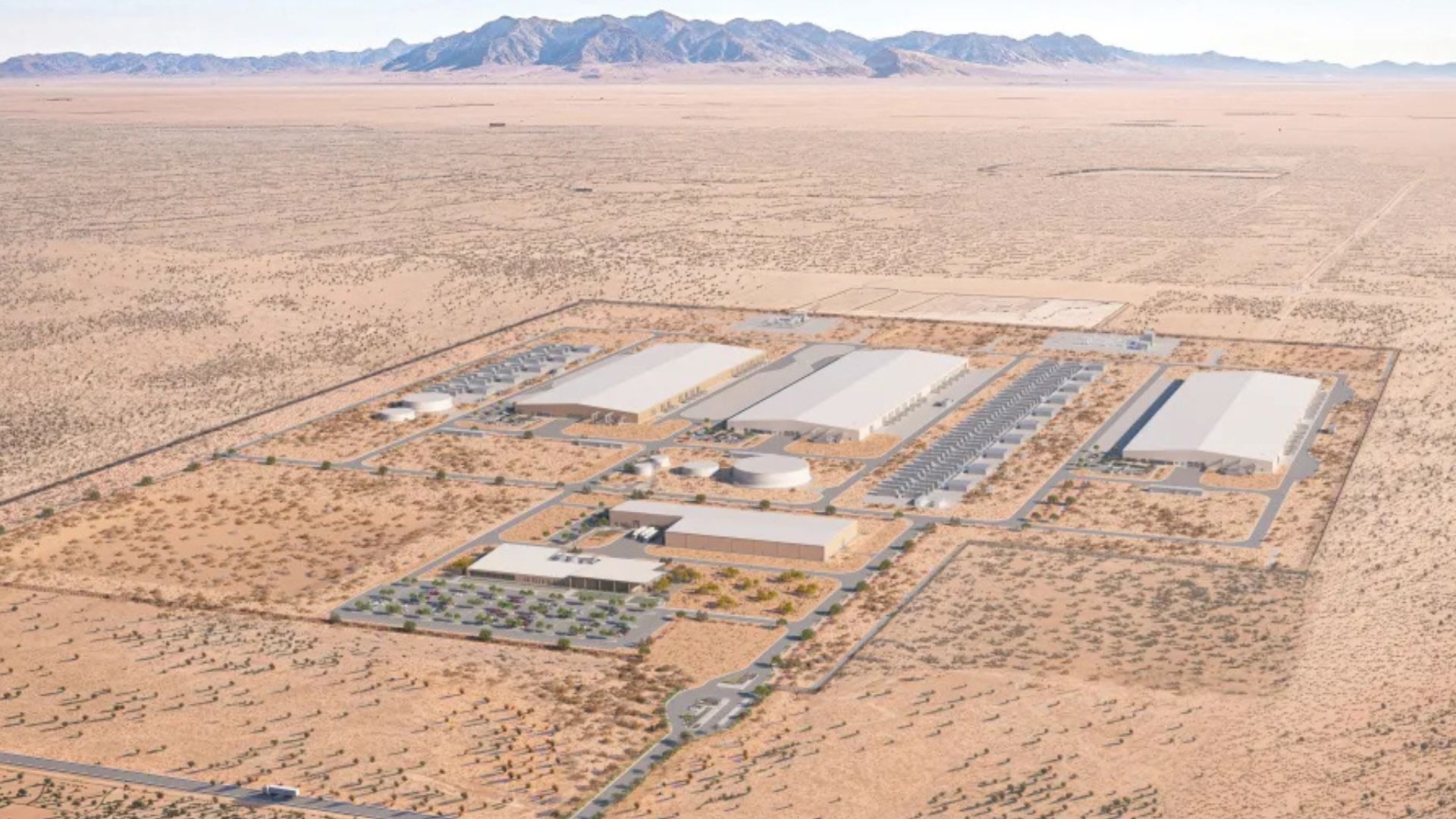
Meta Platforms and BlackRock have established a joint venture to develop a significant AI-focused data center campus in El Paso, Texas, with an estimated cost of $14 billion. This facility will provide 1 gigawatt of computing capacity to enhance Meta's artificial intelligence infrastructure, with the first capacity expected to be operational by 2028. The partnership is crucial for Meta as it aims to advance its superintelligence initiatives, with CEO Mark Zuckerberg emphasizing the importance of building infrastructure that benefits everyone. BlackRock's involvement, alongside Global Infrastructure Partners and HPS Investment Partners, will facilitate the necessary capital for this major project, which is anticipated to create thousands of jobs and stimulate local economic growth. Looking ahead, the project will not only support over 4,000 jobs during construction but also provide about 300 full-time positions once completed. Meta is also committed to workforce development, contributing to local education and skilled trades programs, while BlackRock's Future Builders initiative aims to train over 12,000 electricians in Texas over the next three years. No further timeline was disclosed at the time of publication.
AI and Robotics
Nvidia, Microsoft, Meta Lead Call Against Early Restrictions on Open-Weight AI Models
A coalition of 25 tech companies, including Nvidia, Microsoft, and Meta, has issued a letter urging policymakers to refrain from imposing 'premature restrictions' on open-weight AI models. This call comes amid rising competition from Chinese open-weight models, which are challenging the dominance of American firms like OpenAI and Anthropic. The significance of this letter lies in its warning that restricting open-weight models could hinder competition and innovation, potentially driving advancements overseas. The group emphasizes that open-weight models allow for broader access and modification, which can lead to more equitable distribution of AI benefits. Looking ahead, the tech companies advocate for a balanced approach to regulation, suggesting that concerns about intellectual property theft should be managed through targeted legal frameworks rather than broad restrictions. No further timeline was disclosed at the time of publication.
Pratt & Whitney and GKN Aerospace to Test 3D-Printed Engine Case for F-35 by 2028
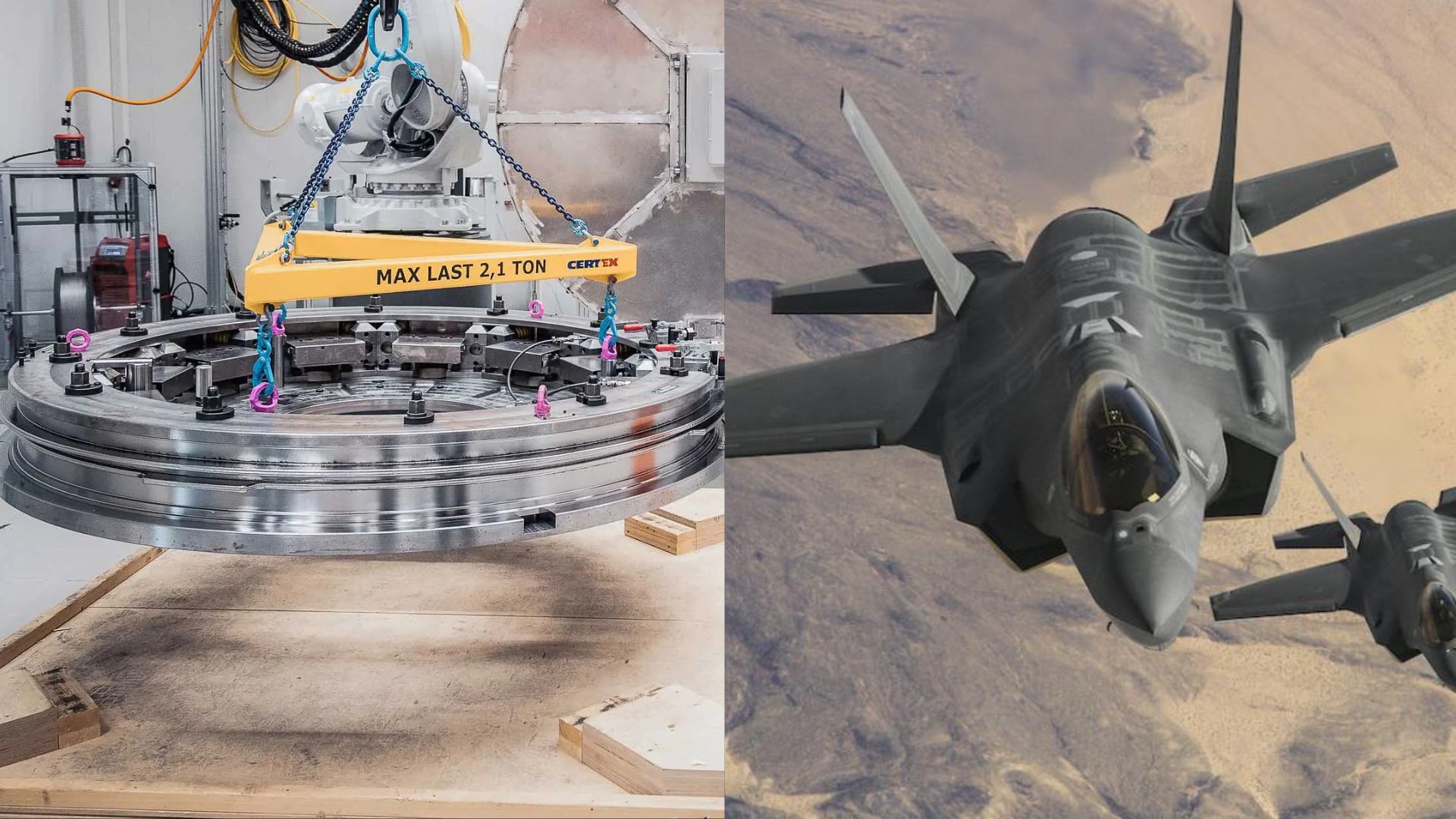
RTX’s Pratt & Whitney has partnered with GKN Aerospace to develop a large additively manufactured structural component for the F135 fighter engine. The collaboration aims to certify this component by the end of 2028, following the production of a full-scale demonstrator in 2027. This initiative is significant as it represents a move towards integrating industrial-scale 3D printing into military propulsion systems. The focus is on creating a structural engine case that meets the performance standards of traditionally manufactured parts, which is crucial for the F-35 Lightning II's operational capabilities. Looking ahead, the project will provide valuable data on manufacturing quality and certification requirements, potentially transforming how larger structural components are produced in aerospace. No further timeline was disclosed at the time of publication.
Military
Impossible Metals Announces New Advanced Marine Robotics Hub in Pittsburgh for Mineral Robotics Development
Impossible Metals has unveiled plans to establish an Advanced Marine Robotics Hub in Pittsburgh, aimed at developing dual-use autonomy for ocean science and naval systems. This initiative is part of a broader effort to create a China-free critical-mineral supply chain, leveraging the region's expertise in robotics. The new hub will not only foster innovation in mineral robotics technology but also generate over a dozen high-paying engineering and science jobs in Pennsylvania. This move underscores the importance of local talent in advancing the United States' capabilities in marine robotics and autonomy. Looking ahead, stakeholders should monitor the hub's progress and its potential impact on the critical-mineral supply chain. No further timeline was disclosed at the time of publication.

Schmalz Showcases Automated Gripping Systems for Sheet Metal Processing
Schmalz presented its portfolio of automated gripping systems for sheet metal processing at EuroBlech in Hannover. This event highlights the company's commitment to advancing automation in the metalworking sector. The introduction of these gripping systems is significant as they enhance efficiency and precision in sheet metal handling, crucial for manufacturers aiming to optimize production processes. Schmalz's innovations are expected to meet the growing demand for automation solutions in the industry. Looking ahead, industry professionals should monitor the adoption of these technologies and their impact on manufacturing workflows. No further timeline was disclosed at the time of publication.
Allgemein Greifer & Werkzeuge Metallbearbeitung & Schweißen Robotik
DJI Launches Osmo Pocket 4P with Innovative FrameTap Accessory for Creators
DJI has begun the global rollout of its Osmo Pocket 4P, a dual-lens gimbal camera that debuted in China. While the camera boasts impressive specs, including a new 1-inch CMOS sensor and 4K video capabilities, the standout feature may be the FrameTap accessory. This compact wireless viewfinder and remote controller enhances the filming experience for solo creators by allowing them to preview shots and control the camera remotely. The introduction of FrameTap could significantly impact how content creators film themselves, making it easier to capture high-quality footage without constant adjustments. With features like ActiveTrack, users can have the camera follow them seamlessly, which is particularly beneficial for vloggers and solo filmmakers. The Osmo Pocket 4P's dual-lens system, featuring a wide-angle and telephoto lens, further enhances its versatility for various shooting scenarios. As DJI continues to expand its product offerings, the Osmo Pocket 4P and FrameTap accessory are poised to attract attention from both enthusiasts and casual users. The absence of an official US launch raises questions about availability, but third-party resellers may provide access for American buyers. No further timeline was disclosed at the time of publication.
News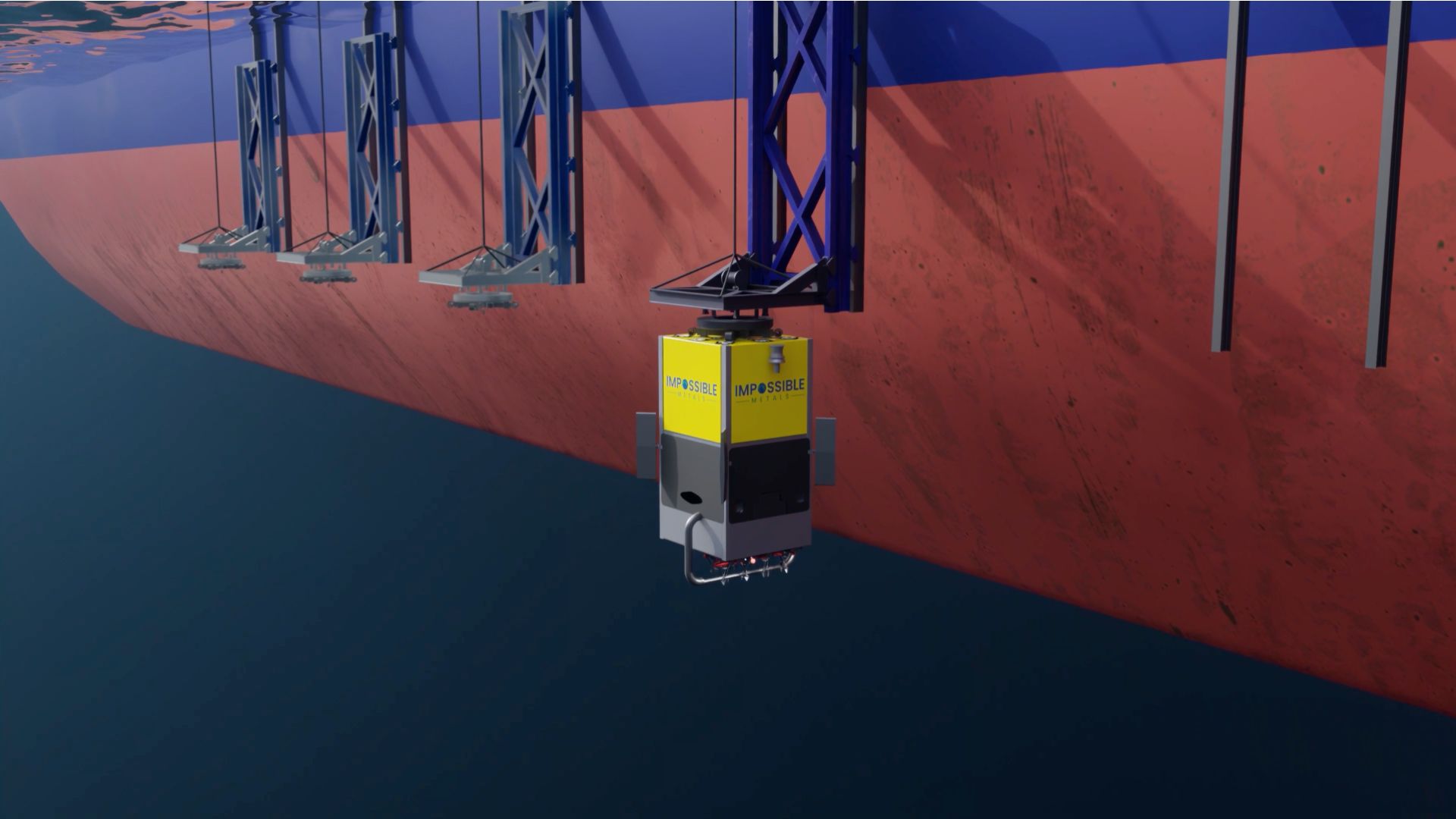
Impossible Metals to Launch Advanced Marine Robotics Hub for Deep-Sea Mineral Harvesting
Impossible Metals, a US mining technology company, has announced plans to establish an Advanced Marine Robotics Hub in Pittsburgh, Pennsylvania. This facility will focus on developing autonomous marine systems for the deep-sea collection of critical minerals, creating over a dozen high-paying engineering and science jobs. The hub aims to enhance US capabilities in marine robotics and critical mineral technologies through collaboration with local universities and researchers. The significance of this initiative lies in its potential to redefine deep-sea mining practices. According to Mike Regan, Chief Growth Officer at Impossible Metals, the hub will enable swarms of autonomous robots to harvest critical minerals like nickel, cobalt, copper, and manganese with minimal environmental impact. This approach not only promises to produce the lowest-cost critical metals on Earth but also aims to strengthen the US supply chain and reduce reliance on foreign sources of essential materials. Looking ahead, the Advanced Marine Robotics Hub will serve as the primary research center for advancing the Eureka autonomous underwater platform and Smart Launch and Recovery Systems. The company plans to continue developing dual-use technologies that cater to both commercial and naval applications. No further timeline was disclosed at the time of publication.
AI and Robotics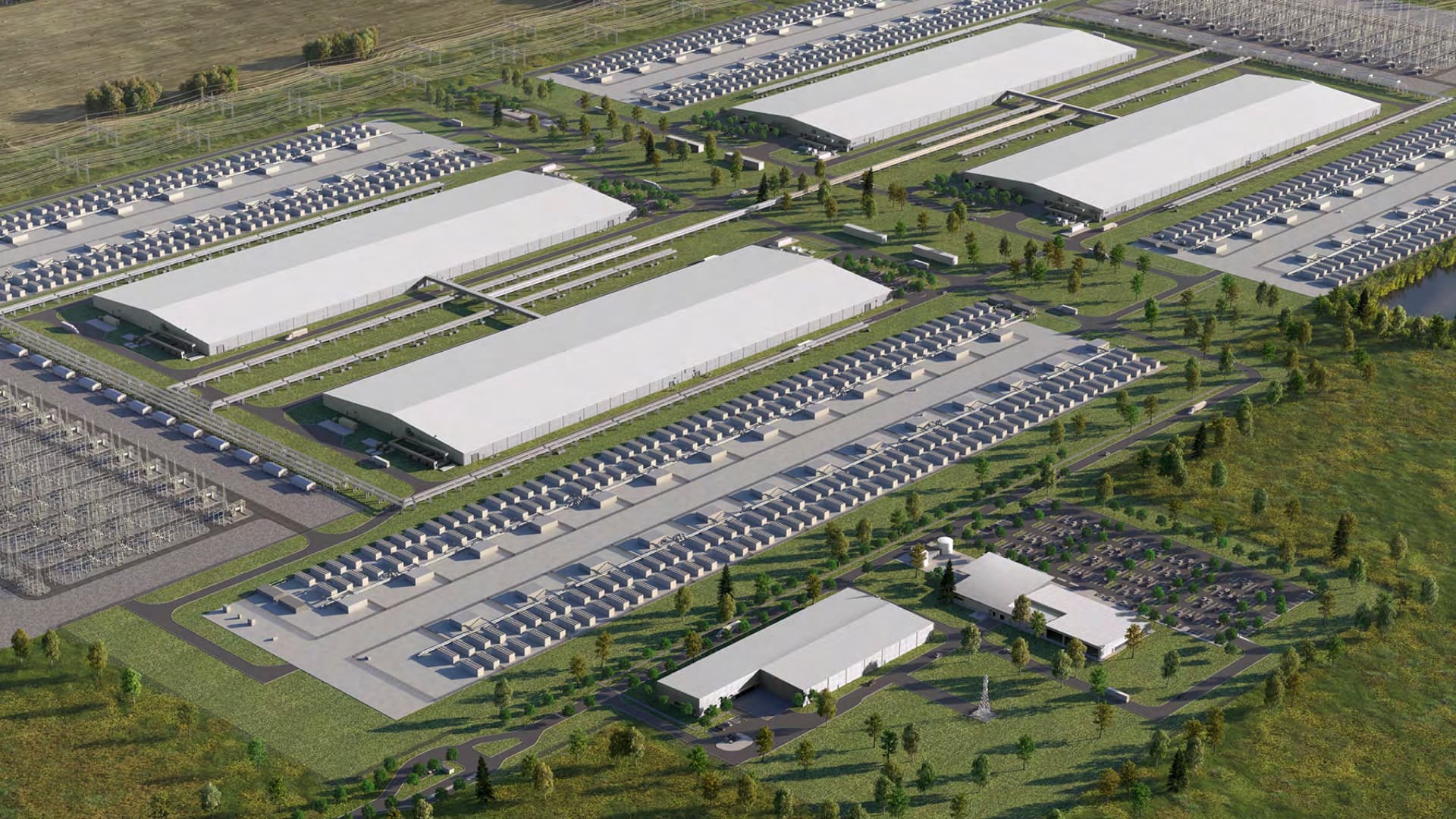
Meta is building its first big Canadian data center as AI expansion crosses the border
Meta is set to establish its inaugural large-scale data center in Canada, marking a significant step in the company's expansion of artificial intelligence capabilities beyond the United States. The announcement comes as part of Meta's broader strategy to enhance its infrastructure to support AI technologies. This development is expected to create numerous jobs and stimulate local economies, reflecting the growing demand for data processing and storage solutions. The data center will be located in a yet-to-be-disclosed area in Canada, with construction anticipated to begin in the near future. Meta's investment underscores its commitment to harnessing AI advancements while also addressing the increasing need for robust data management systems in the tech industry.

SpaceX's Starmind Targets AI Labs with $6.3 Billion Compute Contracts
SpaceX's Starmind is designed to provide wholesale AI compute services to businesses, particularly AI labs and cloud customers, rather than individual consumers. The service operates similarly to AWS, where users benefit from applications running on Starmind without direct subscriptions. The compute capacity of a single AI1 satellite is comparable to one NVIDIA GB300 rack, emphasizing its enterprise-grade capabilities. The significance of Starmind lies in its positioning as a potential fourth hyperscaler, joining the ranks of AWS, Microsoft Azure, and Google Cloud. The Reflection AI contract, valued at $150 million per month, exemplifies the enterprise-focused model, with total payments potentially reaching $6.3 billion through 2029. This contract highlights the growing demand for AI compute resources, particularly from AI-native startups and labs. Looking ahead, the focus will remain on securing additional enterprise contracts as Starmind expands its offerings. No consumer-facing products or subscriptions have been announced, and the current strategy is to cater to businesses with substantial AI workloads. No further timeline was disclosed at the time of publication.
SpaceX Launches Starmind Project for 1 Million AI Satellites by 2028
SpaceX has officially named its orbital AI infrastructure project 'Starmind,' which aims to deploy a constellation of up to 1 million satellites. This initiative, confirmed by Elon Musk on June 22, 2026, will enable AI inference directly in space, utilizing solar energy rather than terrestrial power sources. The first satellite, designated AI1, was unveiled on June 8, 2026, and is designed to operate in sun-synchronous orbits. The significance of Starmind lies in its potential to overcome the limitations faced by ground-based data centers, such as land, power, and water constraints. By running AI computations in orbit, Starmind can provide a more efficient solution to the growing demand for AI computing power. The project leverages the existing Starlink infrastructure for data transmission, distinguishing its function from Starlink's internet relay capabilities. Looking ahead, SpaceX plans to begin hardware deployment with the AI1 satellite, while full-scale production and deployment of the satellite constellation are targeted for 2028. As of now, no Starmind satellites have been launched, and further engineering challenges remain to be addressed, particularly regarding the scalability of the satellite design.

SpaceX Unveils AI1 Satellite Specs for Starmind Constellation with Key Thermal Challenges
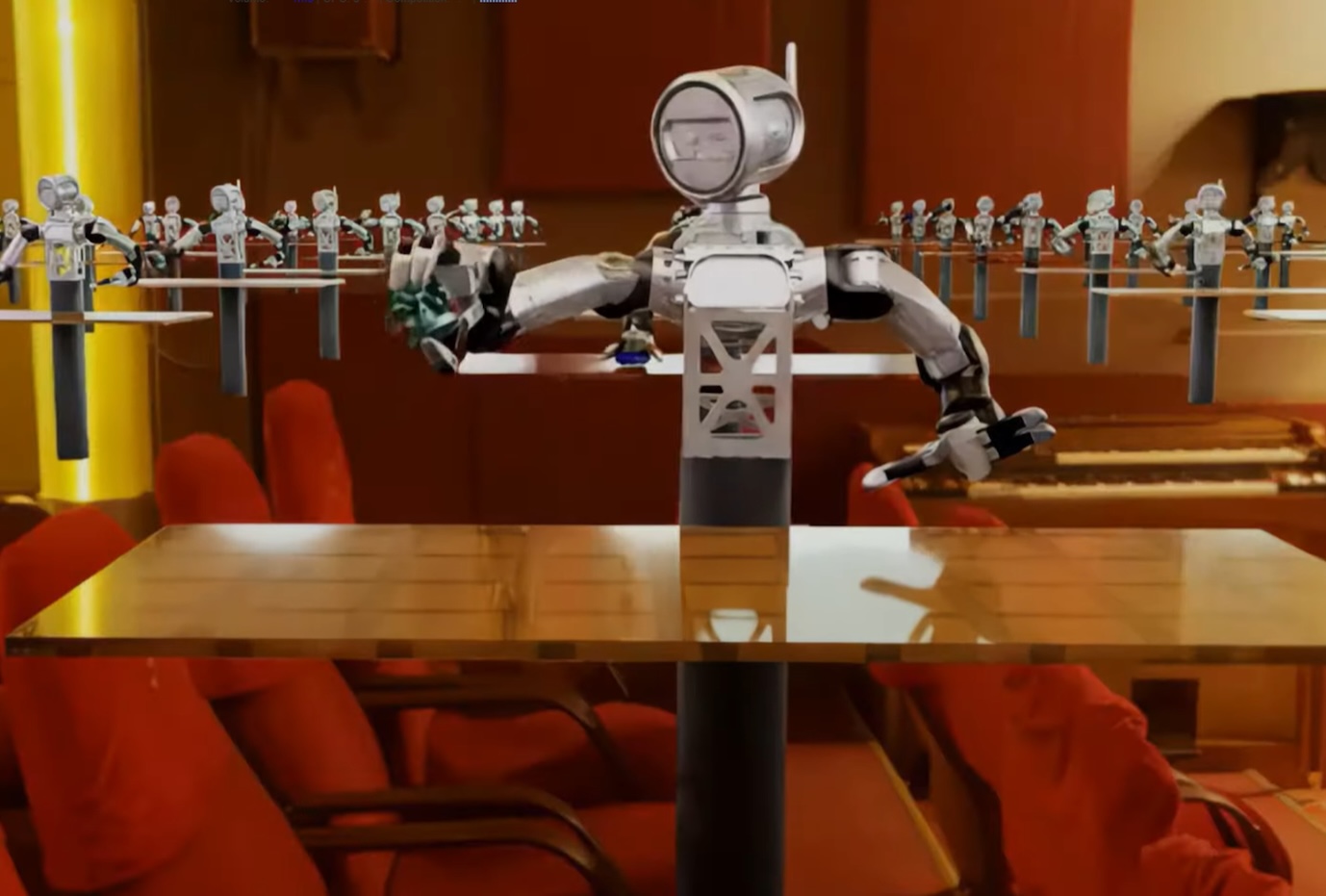
SpaceX has introduced the AI1 satellite, the inaugural component of its Starmind constellation, which stands 20 meters tall and has a wingspan of 70 meters. This orbital compute node is designed to deliver computing power equivalent to one NVIDIA GB300 server rack, utilizing a unique cooling system with deployable liquid radiators. The satellite's specifications were revealed during a presentation on June 8, 2026, ahead of SpaceX's IPO. The significance of the AI1 satellite lies in its role as a compute platform rather than a traditional satellite, focusing on running AI inference workloads. The satellite's cooling system, which is critical for its operation in the vacuum of space, is designed to reject heat through infrared radiation. However, independent engineers have raised concerns about the feasibility of the thermal and mass claims made by SpaceX, suggesting that the cooling requirements may exceed practical limits. Looking ahead, SpaceX plans to launch two AI1 prototypes in early 2027, with full-scale production expected to commence later that year at its Gigasat facility in Bastrop, Texas. The ongoing debate regarding the satellite's thermal management capabilities will be crucial to monitor as the project progresses, with no further timeline disclosed at the time of publication.
SpaceX's Starmind Faces Feasibility Challenges for 1 Million Satellite Deployment
On January 30, 2026, SpaceX submitted a request to the FCC to launch up to 1 million satellites as part of its Starmind orbital compute constellation. This ambitious plan is unprecedented, as the total number of satellites ever launched globally is in the low tens of thousands. The proposal seeks a waiver from standard deployment milestones, citing reliance on the Starship's full reusability for success. The significance of this request lies in the technical and logistical challenges it presents. Experts warn that low Earth orbit may not support the proposed number of active satellites without risking a debris cascade. SpaceX's own IPO prospectus acknowledges unresolved dependencies related to Starship's launch cadence and reusability, which are critical for the orbital AI compute strategy. Looking ahead, the timeline for achieving the necessary launch cadence and manufacturing capacity remains uncertain. SpaceX's Gigasat facility in Texas aims for volume production by late 2027, but this would require unprecedented output levels. No further timeline was disclosed at the time of publication, leaving the feasibility of the Starmind project in question.

Starmind's Orbital Compute vs. Terrestrial Data Centers: Analyzing Resource Advantages
Starmind's orbital compute technology presents a significant advantage over traditional ground-based data centers by eliminating constraints related to land, water, and grid permitting. While terrestrial data centers are currently cheaper and faster to construct, with U.S. data center spending reaching $85.3 billion in 2026, Starmind's approach focuses on addressing the growing resource limitations faced by hyperscale facilities. The significance of Starmind's technology lies in its ability to sidestep the increasing challenges of land and water usage. For instance, a 100 MW data center can consume approximately 530,000 gallons of water daily for cooling, while Starmind's AI1 utilizes deployable liquid radiators that require no water. This structural advantage could resonate with investors as the demand for AI computing continues to escalate, potentially leading to annual water withdrawals of up to 1.7 trillion gallons by 2027. Looking ahead, Starmind's next milestones include the launch of AI1 prototypes scheduled for early 2027. However, the technology's claims regarding cooling efficiency and operational reliability remain unverified until real flight data is available. As the industry evolves, the competition between orbital and terrestrial solutions will become increasingly relevant, particularly in the context of resource management and sustainability.
SpaceX Proposes 1 Million AI Satellites to Address Ground Data Center Constraints
On January 30, 2026, SpaceX filed with the FCC to launch up to 1 million AI compute satellites, positioning orbital data centers as a solution to the increasing demand for AI computing power. Ground data centers are facing significant challenges, with energy consumption projected to reach approximately 1,050 TWh in 2026, making them the fifth-largest electricity consumer globally. The demand for new data center capacity is outpacing the growth of power generation infrastructure, leading to a critical bottleneck in the grid system. The significance of this initiative lies in the structural constraints faced by ground data centers, including power delivery limitations, high water consumption, and local opposition to new projects. The Uptime Institute's 2026 outlook identifies power as the primary constraint on data center growth, with capacity clearing prices in the PJM grid skyrocketing to $329.17/MW, driven by data center expansion. Additionally, cooling requirements are becoming increasingly unsustainable, with facilities consuming vast amounts of water, further complicating their operational viability. Looking ahead, SpaceX's orbital AI compute initiative aims to circumvent these challenges by leveraging the advantages of space, such as continuous solar power and minimal local opposition. The first AI prototypes are expected to launch in early 2027, with operational deployments planned for 2028. No further timeline was disclosed at the time of publication.

Starmind's Satellite Technology Achieves 880 Billion Liters in Annual Water Savings
Starmind has announced that its satellite technology can save approximately 880 billion liters of cooling water annually at full scale. This figure is equivalent to the annual household water use of around 6.5 million Americans. The technology operates by utilizing a closed-loop liquid cooling system that eliminates the need for water during its operational life, contrasting sharply with traditional ground data centers that consume vast amounts of water for cooling. The significance of this achievement lies in the growing water consumption crisis faced by data centers, particularly as AI expansion drives demand. In 2025, U.S. data centers consumed nearly one trillion liters of water, highlighting the urgent need for sustainable solutions. Starmind's approach not only addresses direct water usage but also avoids indirect water consumption associated with electricity generation, marking a substantial shift in how computing can be conducted in a resource-efficient manner. Looking ahead, Starmind's deployment strategy includes a projected buildout of 100 GW of orbital compute per year, which could displace an additional 735 billion liters of ground water demand annually. The first tranche of 10,000 satellites is already operational, offsetting approximately 8.8 billion liters of water per year. No further timeline was disclosed at the time of publication.

SpaceX's Starmind Project: Supplier Strategy and Chip Manufacturing Plans for 2026
SpaceX's Starmind project, aimed at deploying up to 1 million AI satellites, was filed with the FCC on January 30, 2026. The initiative is designed to minimize reliance on external suppliers, with CEO Elon Musk stating that current chip production capabilities only meet 2% of the projected needs. The first satellite, AI1, is set for prototype launches in early 2027, featuring a 70-meter wingspan and a modular payload system that allows for interchangeable chips from various suppliers. The significance of Starmind lies in its ambitious supply chain strategy, which seeks to transition from external hardware suppliers to a fully integrated Musk-owned facility by 2028. The Gigasat manufacturing site in Bastrop, Texas, is expected to be operational by the end of 2027, with plans for high-volume production of the D3 chip, specifically designed for space applications. This approach aims to consolidate chip manufacturing processes under the Terafab joint venture, which has an estimated initial investment of $55 billion. Looking ahead, the next milestone for Starmind is the launch of AI1 prototypes in early 2027, while the full-scale chip production at Terafab is projected to ramp up significantly thereafter. However, analysts express skepticism regarding the feasibility of achieving Musk's ambitious compute goals, which may require substantial investment and time to establish the necessary manufacturing capabilities.
SpaceX's Starship V3 Plans for 1 Million Starmind Satellites by 2030
SpaceX's Starship V3 is set to revolutionize satellite deployment, aiming to launch 1 million Starmind satellites by 2030. The spacecraft can carry over 100 tonnes to low Earth orbit (LEO), significantly more than the Falcon 9's capacity. As of May 2026, Starship has completed 12 flights, with the next mission scheduled for late July 2026, focusing on operational payloads including AI1 prototypes in early 2027. This ambitious plan is crucial for expanding orbital compute capacity, targeting an annual addition of 100 GW through a million tonnes of satellite hardware. SpaceX's strategy hinges on achieving a launch cadence of approximately 12,000 flights, equating to about three launches per day. The company has invested over $15 billion in the Starship program, with expectations to begin payload deliveries in the second half of 2026, starting with Starlink V3 satellites. Looking ahead, the successful deployment of the Starmind constellation will depend on Starship's ability to meet its cost targets of $10–20 million per flight. If achieved, this would make launching satellites more economical than building ground data centers. The next significant milestone will be the launch of AI1 prototypes in early 2027, with full-scale deployments commencing in 2028 from the new Gigasat factory in Texas.

SpaceX's Starmind Plans 1 Million AI Satellites Amid Collision Risks
SpaceX has announced its ambitious Starmind project, which aims to deploy 1 million AI satellites in orbits between 500 and 2,000 km. This initiative, confirmed by Elon Musk on June 23, 2026, follows a merger with xAI, valuing the combined entity at $1.25 trillion. The satellites will function as orbital data centers, processing AI workloads powered by solar arrays and linked by optical lasers. The significance of Starmind lies in its potential to add 100 gigawatts of AI compute capacity annually, contingent on the successful operation of the Starship launch system. However, the project raises concerns regarding space debris, as the current orbital environment is already congested, with a 20% increase in collision risk reported since 2024. The European Space Agency has highlighted that the density of debris in low Earth orbit is now comparable to that of active satellites, complicating the operational landscape for new entrants like Starmind. Looking ahead, the first operational orbital AI deployments are targeted for 2028, with test launches expected in early 2027. However, the project faces scrutiny regarding its impact on space debris, as even a 1% failure rate could significantly increase the number of uncontrollable objects in orbit, exacerbating existing risks. No further timeline was disclosed at the time of publication.

Tesla's Optimus Robots to Support Starmind Satellite Production, Not Maintenance
Tesla's Optimus robots will not be used to repair Starmind satellites in orbit, as confirmed by recent statements from Elon Musk. Instead, these robots are intended to assist in the construction and operation of the Terafab chip manufacturing facility in Texas. The AI1 satellites, designed to disintegrate upon reentry, highlight the company's swap-and-replace strategy rather than traditional maintenance practices. This approach is significant as it reflects a broader trend in satellite management, where mass-produced satellites are replaced rather than repaired. The economics of servicing missions are prohibitive, with the cost of launching a replacement satellite being significantly lower than conducting a repair mission. This model aligns with SpaceX's operational history, where rapid replacement of satellites is more efficient than attempting to maintain them in orbit. Looking ahead, the focus will remain on the production capabilities of the Gigasat factory, which is expected to support the continuous replacement of satellites. No further timeline was disclosed at the time of publication, but the demand for rapid satellite turnover suggests a robust future for Optimus robots in terrestrial manufacturing rather than in-space servicing.

SpaceX's $1.75 Trillion Valuation Driven by Starmind's Future Potential
Starmind is a pivotal element in SpaceX's estimated $1.75 trillion IPO valuation, despite currently generating no confirmed revenue. The stock price reflects optimistic projections regarding AI infrastructure growth, which Starmind has yet to substantiate. As of early July 2026, SpaceX's stock has decreased from its 52-week high of $225.64 to around $150, indicating market skepticism about future execution. The significance of Starmind lies in its potential to transform SpaceX's revenue model beyond traditional launch services. Goldman Sachs has shifted its focus from Starlink subscriber growth to the prospects of AI revenue, including orbital computing, as a cornerstone of SpaceX's long-term valuation. This marks a substantial change in how analysts view the company's growth trajectory, necessitating rates exceeding its historical 33% growth. Looking ahead, the credibility of Starmind as a growth narrative will be crucial for maintaining investor confidence. Analysts have noted a considerable divergence in price targets, reflecting uncertainty about the value of the Starmind and xAI initiatives. No further timeline was disclosed at the time of publication regarding specific milestones for these projects.

SpaceX IPO Provides Indirect Investment Opportunity in Starmind Project
Starmind does not have a standalone stock or ticker; investors can gain exposure through SpaceX (ticker: SPCX), which began trading on Nasdaq after its IPO on June 12, 2026. Starmind is integrated within SpaceX, contributing to the company's AI and space initiatives, and its performance directly influences SPCX shares. The significance of Starmind lies in its role as a division of SpaceX, which encompasses other projects like Starlink and Starship. As of early July 2026, SPCX shares are trading between $149 and $150, significantly lower than their 52-week high of $225.64. The project’s milestones, such as AI1 prototype updates, can impact SpaceX's stock performance, making it essential for investors to monitor these developments closely. Looking ahead, the early 2027 launch of AI1 prototype satellites is a critical milestone that could provide verifiable data affecting Starmind's valuation and, consequently, SPCX stock. No further timeline was disclosed at the time of publication, but the upcoming events will be pivotal for investors tracking the relationship between Starmind and SpaceX's stock performance.

Meta, like SpaceX, looks to turn excess AI compute into cash
Meta is embarking on a new venture to establish a cloud infrastructure business that will offer access to artificial intelligence computing power and models. This strategic initiative aims to compete directly with major players in the cloud services market, including Amazon Web Services, Google Cloud, and Microsoft Azure. The development comes as Meta seeks to diversify its offerings and capitalize on the growing demand for AI capabilities in various industries. By leveraging its expertise in AI technology, Meta plans to provide businesses with robust tools and resources, potentially transforming the landscape of cloud computing. The timeline for this initiative remains unclear, but it reflects Meta's commitment to innovation and its ambition to carve out a significant presence in the competitive cloud market.
AI Meta SpaceX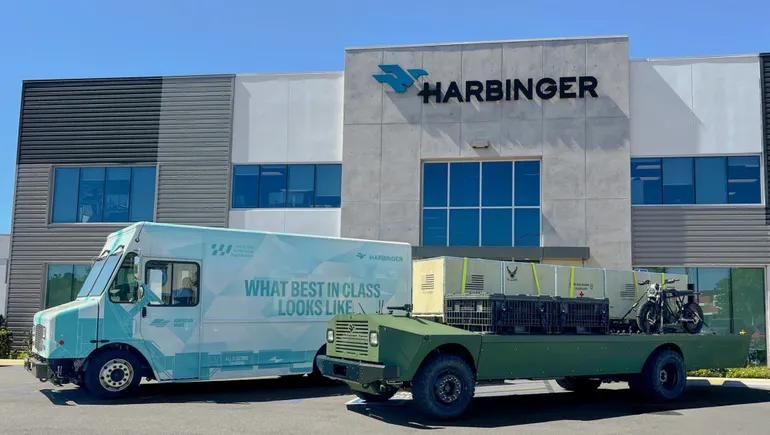
American Rheinmetall, Harbinger team up for R&D robotics, UGVs
Rheinmetall, a prominent defense contractor, has announced a significant investment of $41 million aimed at enhancing its production capabilities across six manufacturing facilities in the United States. This initiative is part of the company's strategy to upgrade its operations and strengthen its supply chain. The investment reflects Rheinmetall's commitment to meeting increasing demand for defense products and ensuring operational efficiency in a competitive market. The expansion is expected to bolster the company's presence in the U.S. defense sector and support its long-term growth objectives.
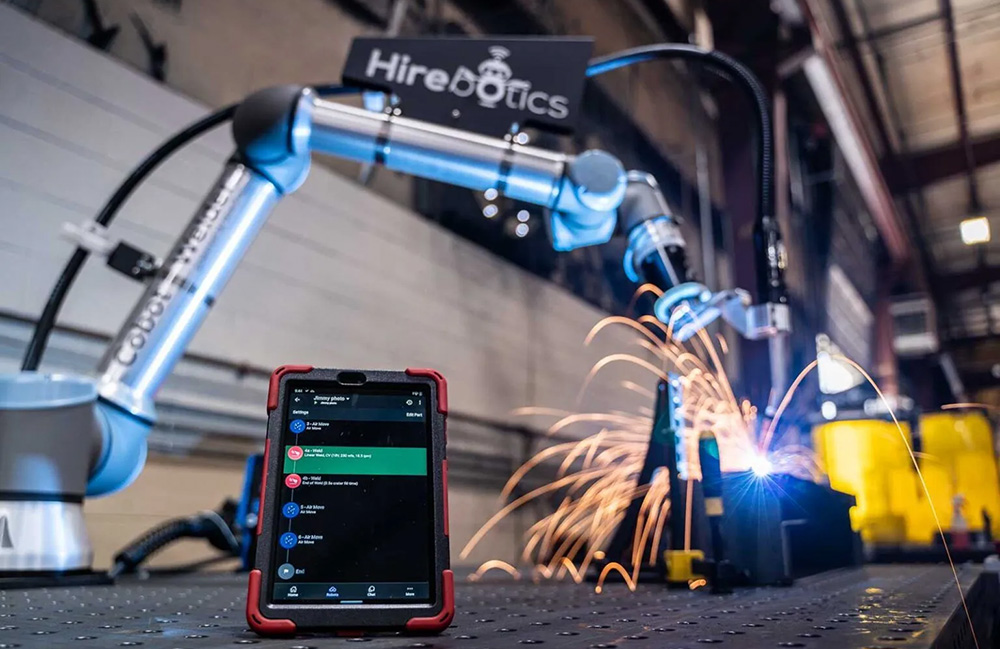
The evolution of cobots in metal fabrication and construction
Matt Bush, co-founder and CEO of Hirebotics, emphasized the growing importance of collaborative robots, or cobots, in the manufacturing and welding sectors. In a recent discussion, he highlighted how these advanced technologies are evolving to meet the increasing demands of metal fabrication and construction. As industries face labor shortages and the need for enhanced efficiency, cobots are becoming essential tools for manufacturers, enabling them to streamline operations and improve productivity. Bush's insights reflect a broader trend in automation, where the integration of cobots is seen as a solution to modern challenges faced by the workforce. The conversation sheds light on the transformative role of robotics in enhancing operational capabilities within these critical industries.
Arms / Manipulators Cobot Arms Collaborative Robots Construction Logistics Manufacturing
Supercell acquires Metacore, Tencent expands its presence in the global casual gaming market
Supercell has finalized its acquisition of Metacore, the developer behind the popular mobile game Merge Mansion, a move that has garnered significant attention within the global gaming industry. This announcement, made earlier this week, underscores Tencent's shifting strategy in the casual gaming market, following its majority stake acquisition of Supercell for approximately $8.6 billion in 2016. The deal not only expands Supercell's portfolio but also aligns with Tencent's broader ambitions to strengthen its presence in the fast-growing casual gaming sector.
Up and Comers Content and entertainment Gaming Highlight News
Alpha Metallurgical Resources: The Weak Link In The Steel Chain
In a significant development for investors, Seeking Alpha has announced the launch of a new platform aimed at enhancing user engagement and providing more comprehensive financial analysis. This initiative, unveiled on October 5, 2023, is set to take place online, allowing users from around the globe to access the upgraded features. The motivation behind this enhancement is to empower investors with better tools and insights, fostering informed decision-making in an increasingly complex market environment. The platform will incorporate advanced data analytics and user-friendly interfaces, making it easier for individuals to navigate financial information and trends. Through this strategic move, Seeking Alpha aims to solidify its position as a leader in investment research and community engagement, responding to the growing demand for accessible financial resources.
AMR The Sharpe Quest
Chinese startup releases solid-state lithium-metal batteries for flying cars
Chinese battery startup Inx has unveiled a groundbreaking solid-state lithium-metal battery that boasts an impressive energy density of 480 watt-hours per kilogram (Wh/kg). This innovative battery technology is being positioned for potential use in electric aircraft. Inx has also secured a supply agreement with EHang, a prominent Chinese drone manufacturer, to integrate this advanced battery into their products. The collaboration aims to enhance the performance and efficiency of electric flying vehicles, signaling a significant advancement in the aviation and drone sectors. This development comes at a time when the demand for sustainable and efficient energy solutions in transportation is rapidly increasing, driven by the need for greener alternatives in the face of climate change.
News FeedRobotics needs a service framework.
RSF defines a common language for robot service capability, lifecycle operations, certification pathways, and service-provider networks.
Join the RobotToday community on LinkedIn
Daily robotics news, in-depth analysis, conference highlights, and discussions with professionals worldwide.







