

Industry Briefing
A single destination for timely, editor-curated robotics news from around the world.
Hitachi and Agile Robots Form Partnership to Develop Physical AI for Manufacturing Autonomy
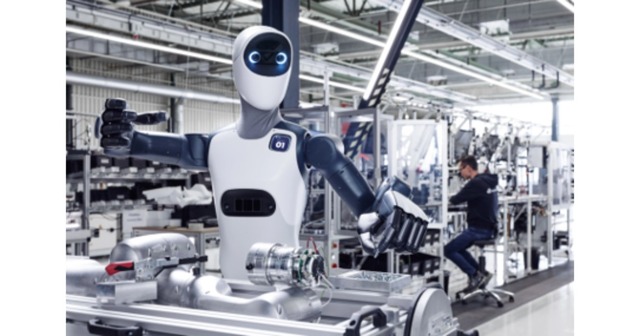
Hitachi Ltd. announced on September 29, 2026, a foundational agreement with Agile Robots SE, based in Munich, Germany, to develop the 'brain' of AI robotics. This partnership aims to enhance AI models that enable robots to perceive, judge, and act flexibly in the real world, deploying them as physical AI in manufacturing environments. The collaboration will integrate Hitachi's physical AI model, which rapidly learns the tacit knowledge of skilled workers, with Agile Robots' versatile AI model, proven in automotive manufacturing, healthcare, and data centers. This initiative seeks to achieve early autonomy in complex tasks and production processes that have traditionally relied on human expertise. Additionally, Hitachi's edge AI semiconductors will be combined with Agile Robots' robotics technology to process sensory information efficiently, allowing robots to recognize and adapt to changing environments in real-time. No further timeline was disclosed at the time of publication.
Pan-Asia Micro-Permeable Introduces New Products for Humanoid Robots in North America
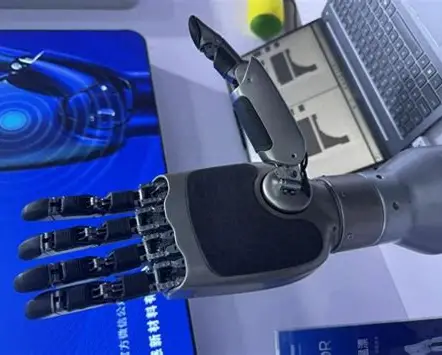
On September 28, Pan-Asia Micro-Permeable addressed investor inquiries regarding developments in humanoid robots. The company is actively exploring investment opportunities in high-end sectors like embodied intelligence, leveraging its ePTFE core material platform to develop electronic skin substrates and high-flexibility robot cables. They have begun small-scale deliveries of high-flexibility cables to a leading North American humanoid robot client. This initiative is significant as it marks Pan-Asia Micro-Permeable's entry into the North American market, showcasing their commitment to innovation in robotics. The high-flexibility cables address reliability issues faced by traditional cables, which can break after millions of bends. Additionally, the electronic skin substrates are crucial for flexible sensors used in robotic hands, indicating a growing demand for advanced materials in robotics. Looking ahead, it will be important to monitor whether the North American client's orders can scale beyond the initial 100 units of dexterous gloves and if the high-flexibility cables can penetrate the supply chains of more robot manufacturers. No further timeline was disclosed at the time of publication.
Humanoid Robots Electronic Skin Durable Cables Embodied Intelligence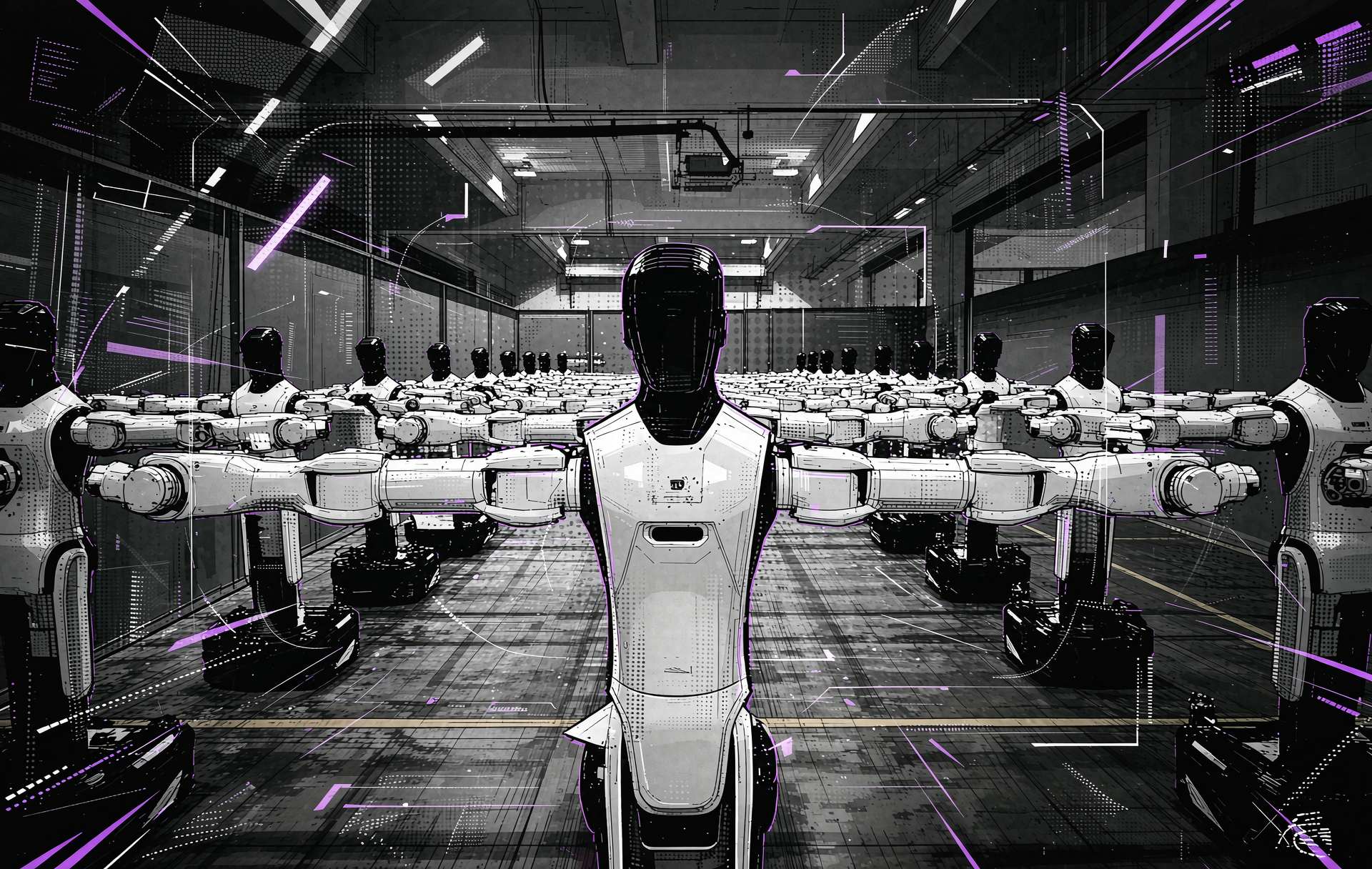
First Domestic Humanoid Robot Showcases Fully Localized Electronic Architecture
On September 28, the first humanoid robot featuring a fully localized electronic architecture was unveiled in Yichang, Hubei. This innovative architecture, developed by Dongtu Technology, serves as the robot's intelligent nervous system, integrating an operating system, network, software tools, and AI computing chips. The localized architecture is designed to enhance performance and security, offering advantages over traditional foreign solutions. The significance of this development lies in its potential to ensure data transmission and control security within robotics. The fully localized architecture aims to provide a robust safety framework for autonomous robot behavior, preventing disruptions in production and ensuring personnel safety. This initiative reflects a broader industry trend towards self-sufficiency and sovereignty in technology. Looking ahead, the key focus will be on the architecture's adaptability across various robotic platforms and its ability to meet commercial performance, power consumption, and development toolchain requirements. No further timeline was disclosed at the time of publication.
Humanoid Robots AI Robotics Safety Industrial Automation
Challenges in Creating Successful Robot Intellectual Properties for Theme Parks
On September 24, the world's first large-scale embodied intelligence theme park officially opened in Zhuhai, Hengqin, featuring over 300 robots and more than 100 interactive points. This park, developed by Zhiyuan and Changlong, showcased the largest-scale human-robot performances and the world's first robot aerial acrobatics. Despite the rising popularity of robot performances in entertainment venues, theme parks face increasing profitability pressures due to high operational costs, particularly labor expenses. The financial strain is evident in parks like Kaifeng's Qingming Riverside Landscape Garden, where revenues show slight growth but profits have declined significantly. Labor costs are projected to rise sharply, with direct labor expenses increasing nearly 77% from 2023 to 2025. In contrast, the cost of humanoid robots is expected to decrease significantly, potentially making them a more economical option than human NPCs or large animals in theme parks. As the competition for intellectual properties (IPs) in theme parks evolves, the current trend shows that many robot IPs remain superficial, lacking depth in storytelling and character development. For a robot IP to succeed, it must offer ongoing interactive narratives and character growth, which may not necessarily be cheaper than developing human NPCs. The emergence of embodied intelligence provides new opportunities for IP competition but does not replace the fundamental importance of content in the entertainment sector.
Theme Parks Robotics Entertainment Technology IP Development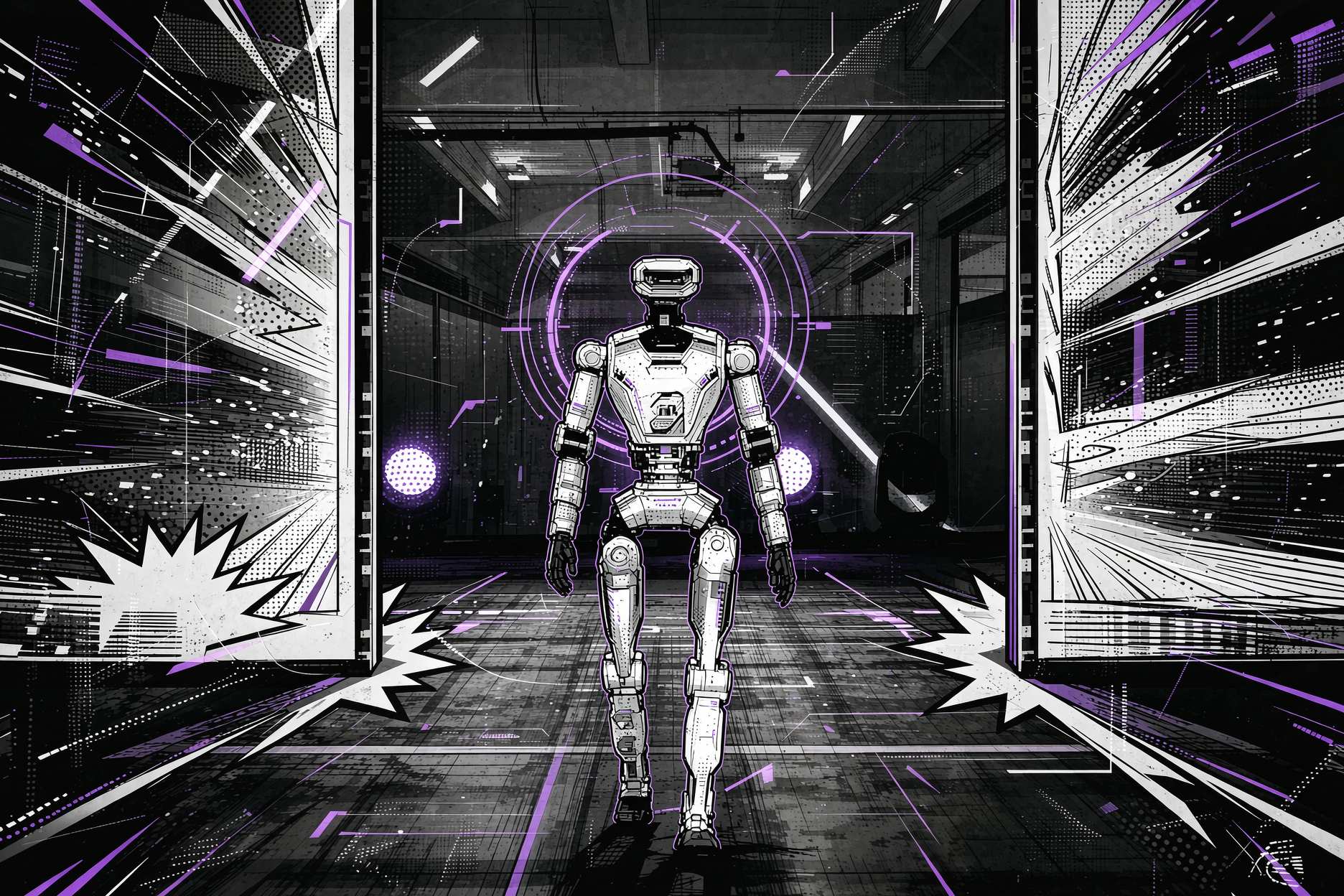
Zhuji Power and Dongtu Technology Unveil China's First Humanoid Robot with Domestic Electronics
On September 28, 2026, Zhuji Power and Dongtu Technology launched China's first humanoid robot equipped with domestic electronic architecture in Yichang, Hubei. This robot marks a significant advancement in integrating domestic industrial-grade real-time communication capabilities within complex humanoid robotic systems. The importance of this development lies in its potential to enhance the robot's ability to operate autonomously in complex real-world scenarios. Effective communication within the robot's system is crucial for processing the vast amounts of information generated by perception, decision-making, and motion control, directly impacting control precision and task safety. Looking ahead, the focus will be on whether this domestic electronic architecture can be effectively implemented across more robotic platforms, and whether its performance, power consumption, and development toolchain can meet commercial requirements. No further timeline was disclosed at the time of publication.
Humanoid Robots Domestic Electronic Architecture Industrial Automation AI Technology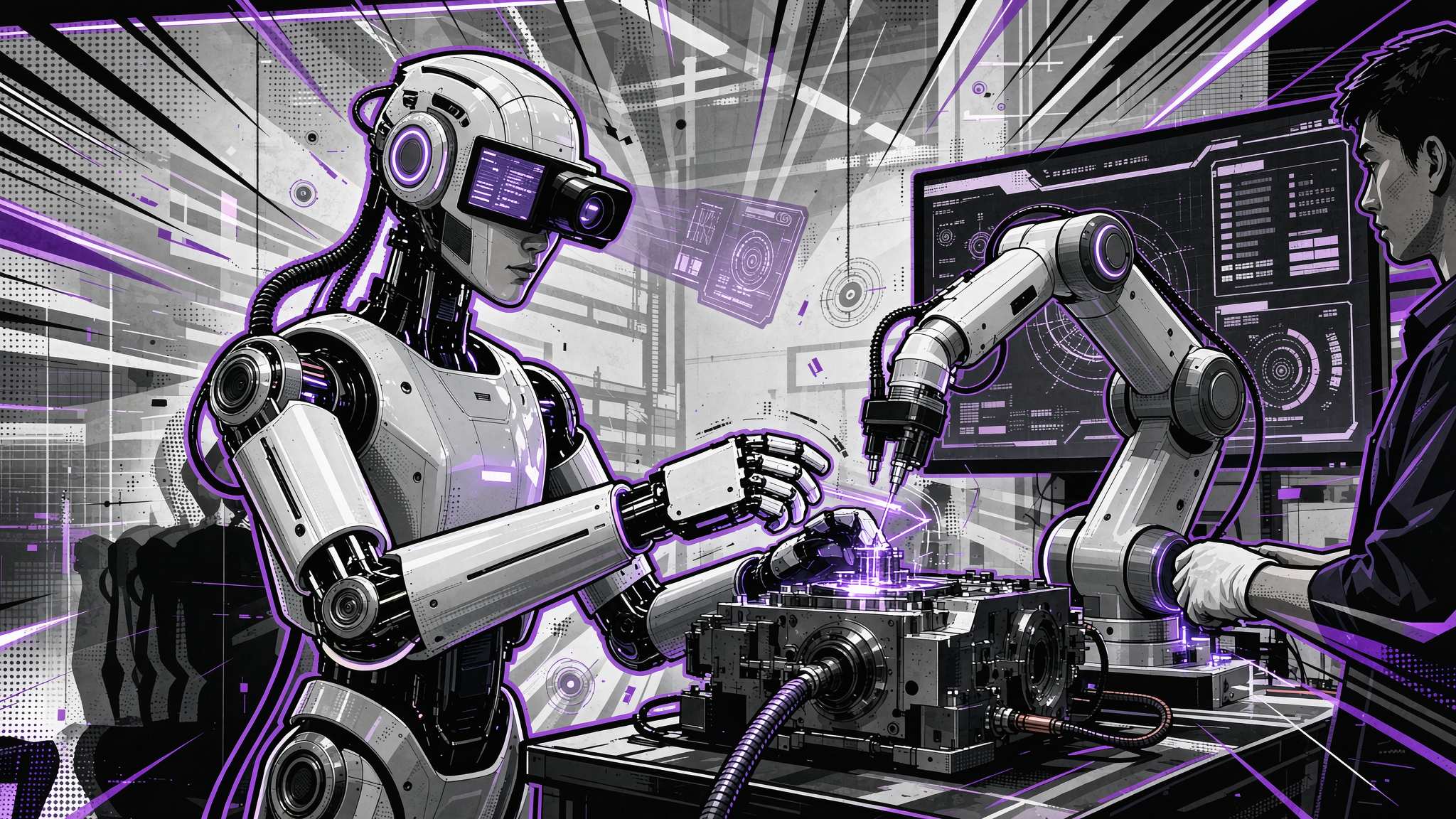
Surge in Humanoid Robot Sales Driven by High-Performance Models, Reports Frost & Sullivan
Sales of humanoid robots are experiencing a significant surge, primarily driven by high-performance models, according to a recent report by Frost & Sullivan. The report, released on September 28, indicates a shift in the industry from technology validation and small-scale deliveries to large-scale production and commercialization. Notably, revenue is increasingly concentrated among a few high-intelligence, high-priced models. The report forecasts that global humanoid robot sales will reach 35,000 units in 2025, generating $500 million in revenue, with sales in the first half of 2026 expected to surpass 36,000 units and $540 million in revenue. The data reveals that embodied intelligent humanoid robots will account for 8,800 units sold in 2025, representing about 25% of total sales but generating 75% of revenue, highlighting the growing demand for advanced models. Looking ahead, the report emphasizes the importance of production operations transitioning from pilot validation to paid deployment, which could significantly impact revenue generation. As the market expands, the speed of delivery from leading manufacturers like UBTECH is being outpaced by market growth, indicating a potential shift in competitive dynamics. No further timeline was disclosed at the time of publication.
Humanoid Robots Market Trends AI Robotics Industry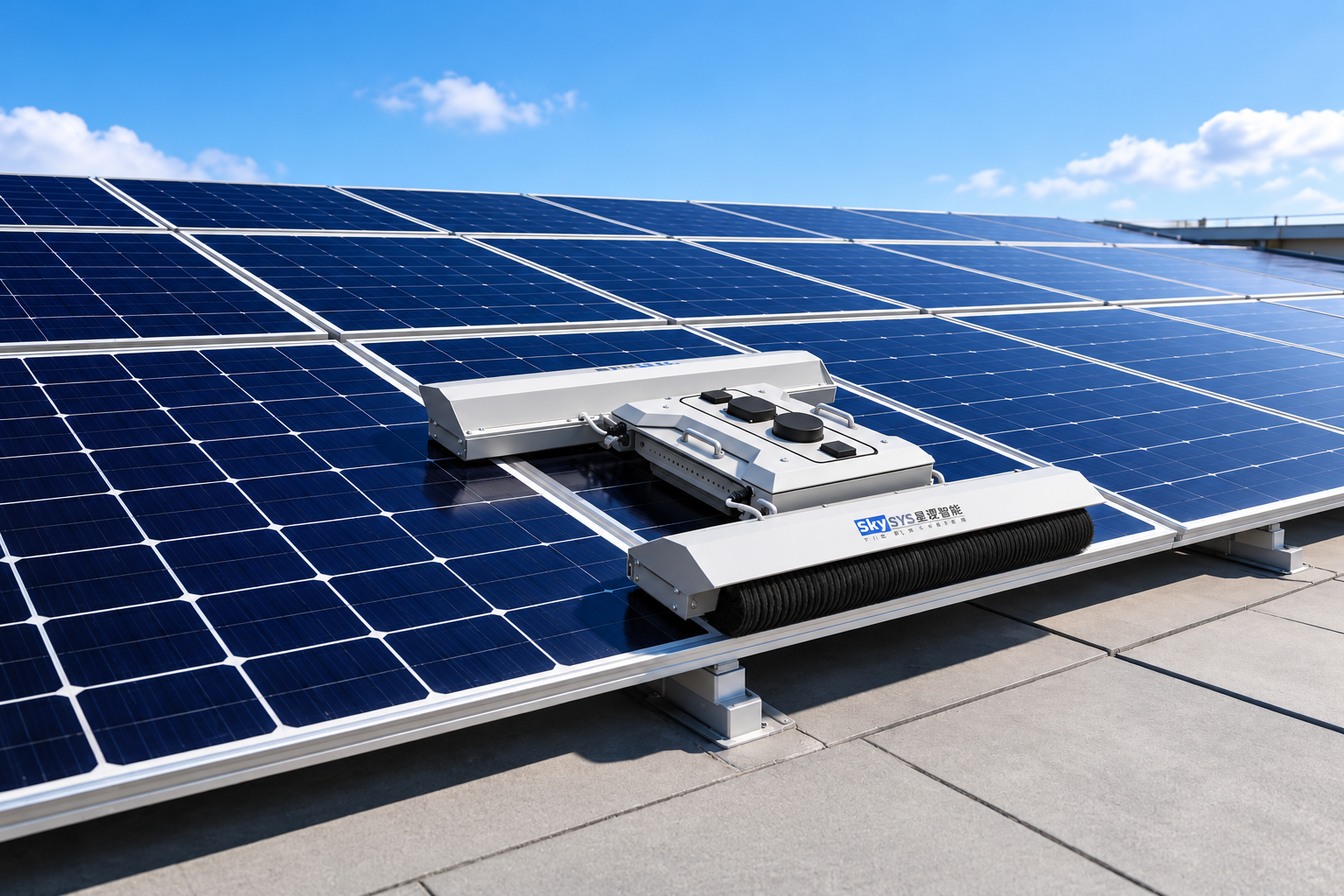
Drones and Robots Transform Renewable Energy Operations with Inspection and Maintenance Solutions
Skysys Intelligent Technology is pioneering the integration of drones and robots for renewable energy operations, particularly in inspection and maintenance tasks. Traditional methods of inspecting photovoltaic panels are labor-intensive and hazardous, but Skysys' systems have been deployed at over 1,400 renewable-energy sites, covering more than 40 GW of installed capacity. The collaboration between drones and robots is significant as it enhances efficiency and safety in the renewable energy sector. By automating inspections and maintenance, Skysys addresses the challenges of manual inspections, which can be time-consuming and risky. The company has raised over RMB 100 million in funding to further develop its renewable-energy robots and expand their applications in urban environments. Looking ahead, Skysys is focusing on evolving its product line from inspection to maintenance, recognizing that identifying issues is only part of the solution. The introduction of maintenance robots aims to improve operational efficiency in solar and wind energy sectors, marking a shift towards more comprehensive solutions in renewable energy infrastructure. No further timeline was disclosed at the time of publication.
Heavy Hitters
MIT Engineers Develop Paper-Thin Muscle-Powered Robot for Swimming Through Water
MIT engineers have unveiled a groundbreaking design for a paper-thin, muscle-powered swimming robot, as detailed in the journal Advanced Functional Materials. This innovative aquabot features a gel film skeleton and live muscle cells that respond to light, enabling it to swim through water by flapping its fins. The robot can swim a distance of about four times its body length in one minute, showcasing its potential for efficient movement. The significance of this development lies in its potential applications for biohybrid robots, which could perform delicate tasks in environments unsuitable for traditional hardware. The design is less bulky than previous models, making it cheaper to produce and more efficient in movement. The research highlights the advantages of using living muscle tissue, which is soft, responsive, and capable of self-healing, in robotic applications. Looking ahead, the team aims to further optimize the muscle movements and skeleton design to enhance the robot's capabilities. The study's findings could pave the way for future advancements in biohybrid robotics, expanding their use in various fields where conventional robots may struggle.
Bioinspiration Biological engineering Cells Mechanical engineering Research School of Engineering
Bauhaus Implements XYZ Robotics' Automated Inbound Logistics System in Krefeld
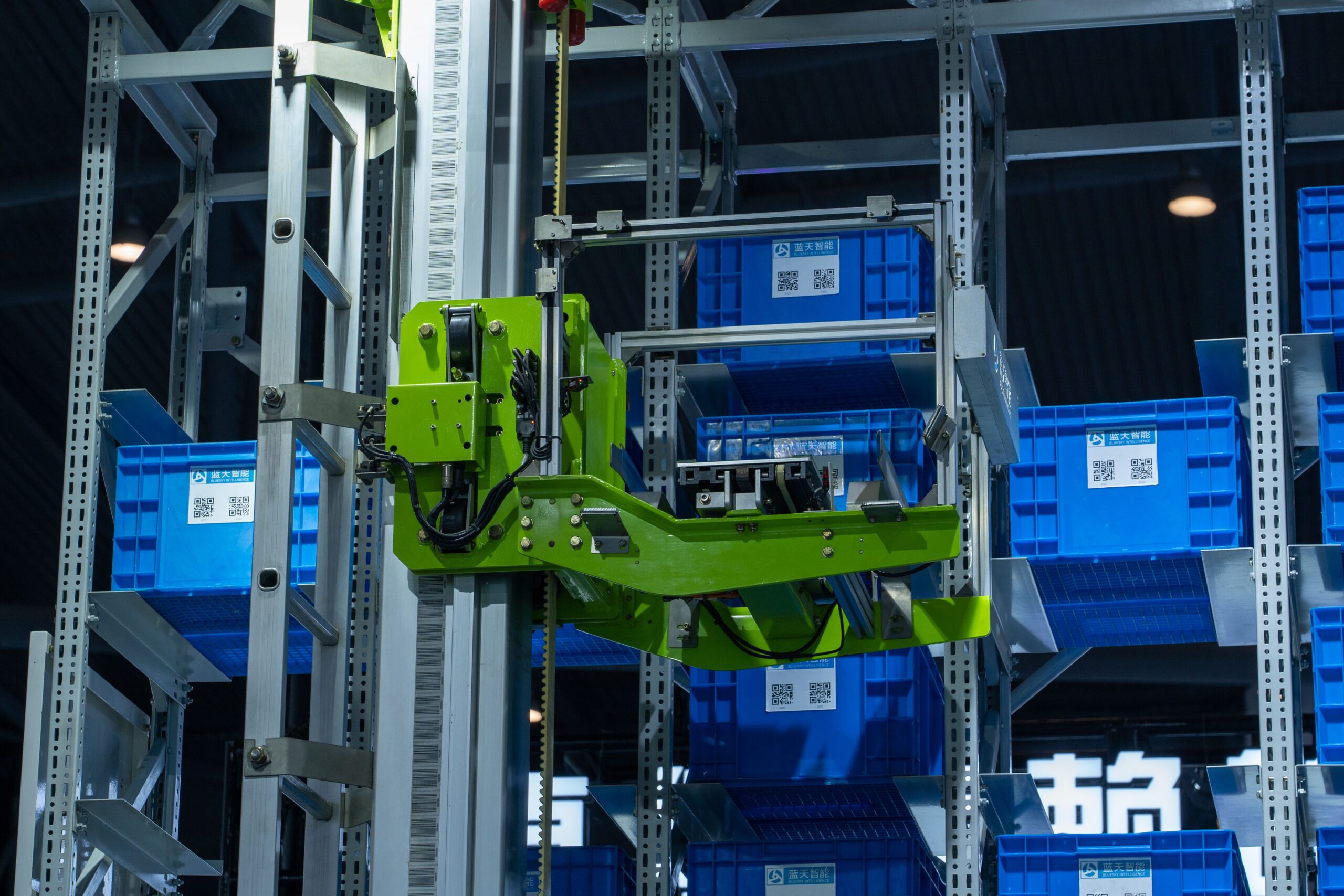
Home-improvement retailer Bauhaus has successfully deployed an automated inbound logistics system from XYZ Robotics at its logistics center in Krefeld, Germany. This system integrates container unloading, carton identification, and palletizing into a single automated line, marking the first European deployment of XYZ Robotics' fully automated inbound system in a live production environment. The significance of this installation lies in its ability to streamline operations that traditionally require extensive manual handling. Container unloading is often a challenging aspect of warehouse automation due to the variability in carton dimensions, weight, and stacking patterns. By combining robotic unloading with downstream identification and palletizing, XYZ Robotics has created a cohesive solution that enhances efficiency in Bauhaus' logistics operations. Looking ahead, the Krefeld installation not only strengthens XYZ Robotics' foothold in the European market but also exemplifies the growing trend of robotic automation in warehouse operations. The system is currently operational, supporting Bauhaus' daily inbound logistics, with no further timeline disclosed at the time of publication.
Robot Field Service Becomes Essential for Scalable Automation Success
The robotics industry is increasingly focusing on the post-installation phase as robot field service emerges as a critical challenge for automation scalability. Operational issues can arise when robots experience failures in remote locations, necessitating immediate technician intervention rather than simple software updates. This is particularly crucial in sectors like commercial kitchens, where downtime can severely impact service delivery. For logistics operators, the realization is that the journey of a robot begins with purchase and installation, but ongoing maintenance, spare parts availability, and technician training are vital for operational success. This could lead to changes in how contracts for warehouse robotics are structured, emphasizing service-level agreements that define response times and responsibilities for various types of faults. As the deployment of robots expands, the ability to maintain them effectively in the field will become increasingly important. A robust field-service model could minimize unplanned downtime and enhance confidence in deploying automation across multiple facilities, potentially driving demand for third-party service networks that support diverse robotic systems.
Latest News automation Field Service maintenance robotics warehouse automation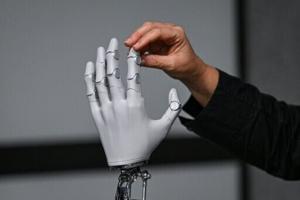
Germany Accounts for 41% of All Industrial Robots Installed in the EU
Germany's economy is at the forefront of robotics automation in Europe, having installed 24,800 new industrial robots in the manufacturing sector. This significant contribution highlights Germany's leadership role in the adoption of advanced automation technologies. The installation of these robots represents 41% of all industrial robots deployed across the European Union, underscoring the importance of Germany in the regional robotics landscape. This trend reflects a growing commitment to enhancing productivity and efficiency within the manufacturing industry. Looking ahead, it will be crucial to monitor how Germany continues to leverage robotics technology to maintain its competitive edge in the EU market. No further timeline was disclosed at the time of publication.
Allgemein Newsarchiv
Agility Robotics Unveils Digit 5 and Explores Wheeled Robot Designs
In mid-September, Agility Robotics launched its fifth-generation humanoid robot, Digit 5. The company, which has been developing bipedal robots for over a decade, has seen its flagship product, Digit, deployed in various facilities including Amazon and Toyota Canada. According to the company, it has achieved continuous commercial deployment for nearly three years. The exploration of wheeled designs was confirmed by co-founder and Chief Robotics Officer Jonathan Hurst, who noted that while the company is investigating various robot forms to meet different operational environments, bipedal robots are expected to remain the solution for many scenarios as their safety and reliability improve. Hurst emphasized that the goal is to enable robots to operate in more environments quickly, although it is too early to determine if a wheeled version of Digit will be released. Digit 5 features significant design changes, including a switch from bird-like legs to human-like legs, allowing it to squat and lift loads of up to 50 pounds. Hurst stated that this capability is sufficient for single-person handling tasks in OSHA-regulated areas. The robot's ability to operate without fixed safety zones and its involvement in standard-setting for industrial mobile robots are crucial for its integration into workplaces, as current humanoid robots often operate in isolated areas, limiting their value.
Bipedal Robots Wheeled Robots Industrial Automation Robot Safety Standards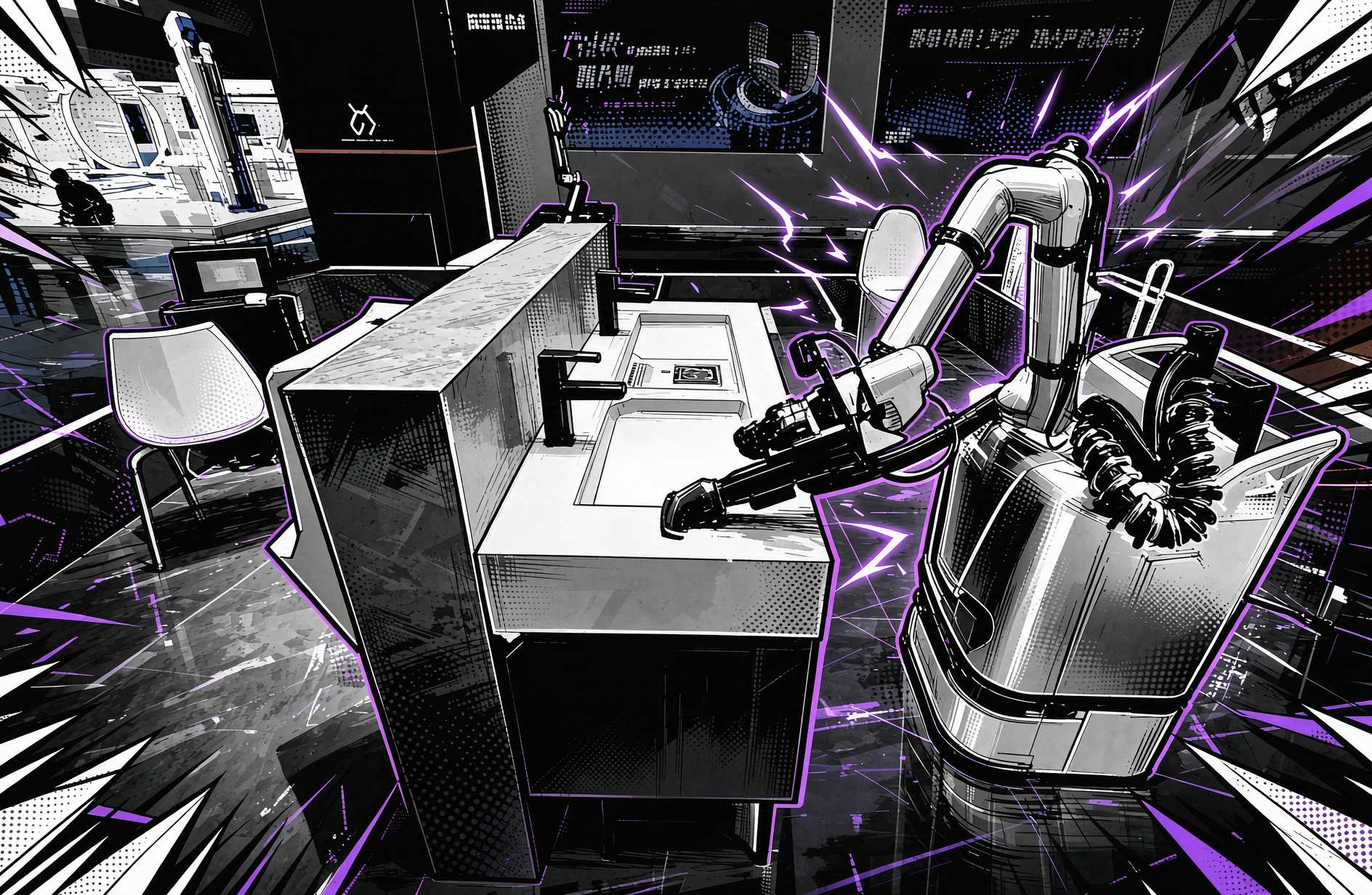
Robots Focus on Toilet Cleaning to Capture Market Demand More Effectively
At the 5th Global Digital Trade Expo, a space intelligent cleaning robot demonstrated its capabilities in cleaning public restrooms, including mopping, scrubbing sinks, and sanitizing toilets. This practical focus has led to significant business interest, with Star Species Robotics reporting an order volume of 500 million yuan and over 100 units already operating in various public restrooms in Hangzhou. The emphasis on restroom cleaning is driven by specific customer pain points, such as the need for regular floor cleaning and the complexity of restroom environments. For procurement professionals, the decision to use robots is based on quantifiable metrics, making it easier to evaluate the return on investment. The clarity of the task boundaries allows robots to operate effectively without needing to understand the entire building, thus accelerating technology deployment. While the increase in orders is promising, it is crucial to differentiate between types of orders, such as intention orders and confirmed contracts. The real challenge lies in production, delivery stability, and after-sales support. As robots gather operational data, they can improve their capabilities and expand into adjacent tasks, paving the way for broader applications in various sectors.
Cleaning Robots Public Sanitation Automation Technology Robotics
ZS Robotics Launches H125 Four-Way Pallet Shuttle to Enhance Warehouse Operations in the US
ZS Robotics has introduced the H125 four-way pallet shuttle in the Americas, designed to enhance safety and simplicity in warehouse operations. With a chassis height of only 125 mm, this ultra-low profile shuttle aims to meet the needs of system integrators and warehouse operators by improving operational efficiency. The launch of the H125 is significant as it addresses rising real estate and labor costs, skills shortages, and the increasing demand for faster and more accurate deliveries. ZS Robotics' automated storage and retrieval systems (ASRS) provide high-density storage solutions that help companies reduce costs while improving service quality. Looking ahead, the focus will be on how the H125 can transform warehouse operations and its adoption among US system integrators. No further timeline was disclosed at the time of publication.

Addressing Field Service Challenges in Robotics Maintenance and Support
The robotics industry is increasingly focused on the deployment and sales of robots, yet there is a significant gap in discussions regarding post-deployment support. Specifically, the challenges of field service are becoming apparent as robots require maintenance and repairs after installation. For instance, when a sensor malfunctions in a remote location, it can lead to operational downtime and increased costs. This issue is critical as the reliance on robots in various sectors grows, making effective field service essential for maintaining productivity and efficiency. The ability to quickly address technical failures, such as a sensor issue occurring 900 miles away from the nearest engineer, is vital for ensuring that robotic systems continue to function optimally. As the industry evolves, the importance of robust support systems will become increasingly evident. Looking ahead, companies must prioritize the development of efficient field service strategies to mitigate potential bottlenecks in robotics maintenance. No further timeline was disclosed at the time of publication.
Ophthalmic Surgical Robot Achieves Micron-Level Precision in Three Minutes
An innovative ophthalmic surgical robot has demonstrated the ability to restore vision in nearly blind patients within just three minutes, achieving precision at the micron level. This advancement in robotic surgery signifies a major leap forward in ophthalmology, potentially transforming treatment options for patients with severe vision impairment. The significance of this technology lies in its ability to perform complex surgical procedures with unprecedented accuracy, which could lead to improved outcomes for patients suffering from various eye conditions. The robot's rapid operation time and high precision could also reduce the overall burden on healthcare systems by streamlining surgical processes. Looking ahead, the continued development and deployment of this ophthalmic surgical robot will be crucial. Stakeholders in the healthcare and robotics sectors should monitor advancements in this technology, as it may pave the way for further innovations in minimally invasive surgical techniques. No further timeline was disclosed at the time of publication.
Robotics Automation AI
World's First Intelligent Robot with Domestic Electronics Launches in Yichang
The world's first embodied intelligent robot, featuring fully domestically produced electronic architecture, made its debut in Yichang. This milestone represents a significant advancement in robotics technology, showcasing the capabilities of local manufacturing and innovation. The introduction of this robot is crucial as it highlights the growing trend of self-sufficiency in technology, particularly in the robotics sector. By utilizing domestically produced components, the robot aims to reduce reliance on foreign technology and enhance local expertise in robotics development. Looking ahead, the implications of this launch could influence future robotics projects and investments in China. As the industry evolves, stakeholders will be keen to observe how this robot performs in real-world applications and its potential impact on the global robotics market. No further timeline was disclosed at the time of publication.
Robotics Automation AI
University of Electronic Science and Technology Showcases Robot Exhibition Featuring Panda Robot's Somersaults
The University of Electronic Science and Technology recently hosted a robot exhibition where the Panda Robot's impressive somersaults captured significant attention. This event highlighted advancements in robotics and showcased the university's commitment to innovation in technology. The exhibition is important as it demonstrates the growing interest in robotics and its applications in various fields. The Panda Robot's performance not only entertained attendees but also illustrated the potential of robotics in enhancing human experiences and interactions. Looking ahead, it will be interesting to see how such exhibitions influence the development of robotics and inspire future innovations. No further timeline was disclosed at the time of publication.
Robotics Automation AI
Shenzhen Robot Valley Reduces Tactile Sensor Prices from 100,000 Yuan to 199 Yuan
Shenzhen Robot Valley has significantly lowered the price of tactile sensors from 100,000 yuan to just 199 yuan. This drastic reduction in cost is expected to enhance the accessibility of advanced robotic technologies, making them more feasible for various applications in robotics and automation. The price drop is crucial as it could lead to increased adoption of tactile sensors in the robotics industry, allowing more companies to integrate these technologies into their products. This move aligns with the ongoing trend of making sophisticated technologies more affordable and accessible to a broader range of businesses. Looking ahead, industry stakeholders will be keen to observe how this price reduction impacts the market dynamics and the potential for increased innovation in tactile sensor applications. No further timeline was disclosed at the time of publication.
Robotics Automation AI
ULTRA Enables Humanoid Robots to Move Boxes with Target Guidance: IROS 2026 Best Paper Candidate
The IROS 2026 conference has nominated a paper highlighting ULTRA, a system that allows humanoid robots to move boxes simply by providing a target. This innovation showcases advancements in robotic mobility and task execution. The significance of ULTRA lies in its potential to enhance the efficiency of humanoid robots in various applications, particularly in logistics and warehousing. By simplifying the interaction process, it reduces the complexity of robotic operations, making them more accessible for real-world applications. Looking ahead, the robotics community will be keen to observe further developments and potential implementations of ULTRA. No further timeline was disclosed at the time of publication.
Robotics Automation AI
Humanoid Robots May Lead the Way for Solid-State Battery Applications
Recent developments suggest that humanoid robots could be the first large-scale commercial application of solid-state batteries, rather than electric vehicles. This shift highlights the potential for advanced battery technology to enhance robotic capabilities, making them more efficient and versatile in various applications. The significance of this trend lies in the growing demand for improved energy storage solutions in robotics, which can lead to enhanced performance and longer operational times. As companies like Fangqi Technology and Tiangong Robotics explore these innovations, the integration of solid-state batteries could revolutionize the robotics industry, providing a competitive edge in the market. Looking ahead, stakeholders should monitor the advancements in solid-state battery technology and its adoption in humanoid robots. No further timeline was disclosed at the time of publication, but the ongoing research and development in this area could pave the way for new applications and partnerships in the robotics sector.
Robotics Automation AI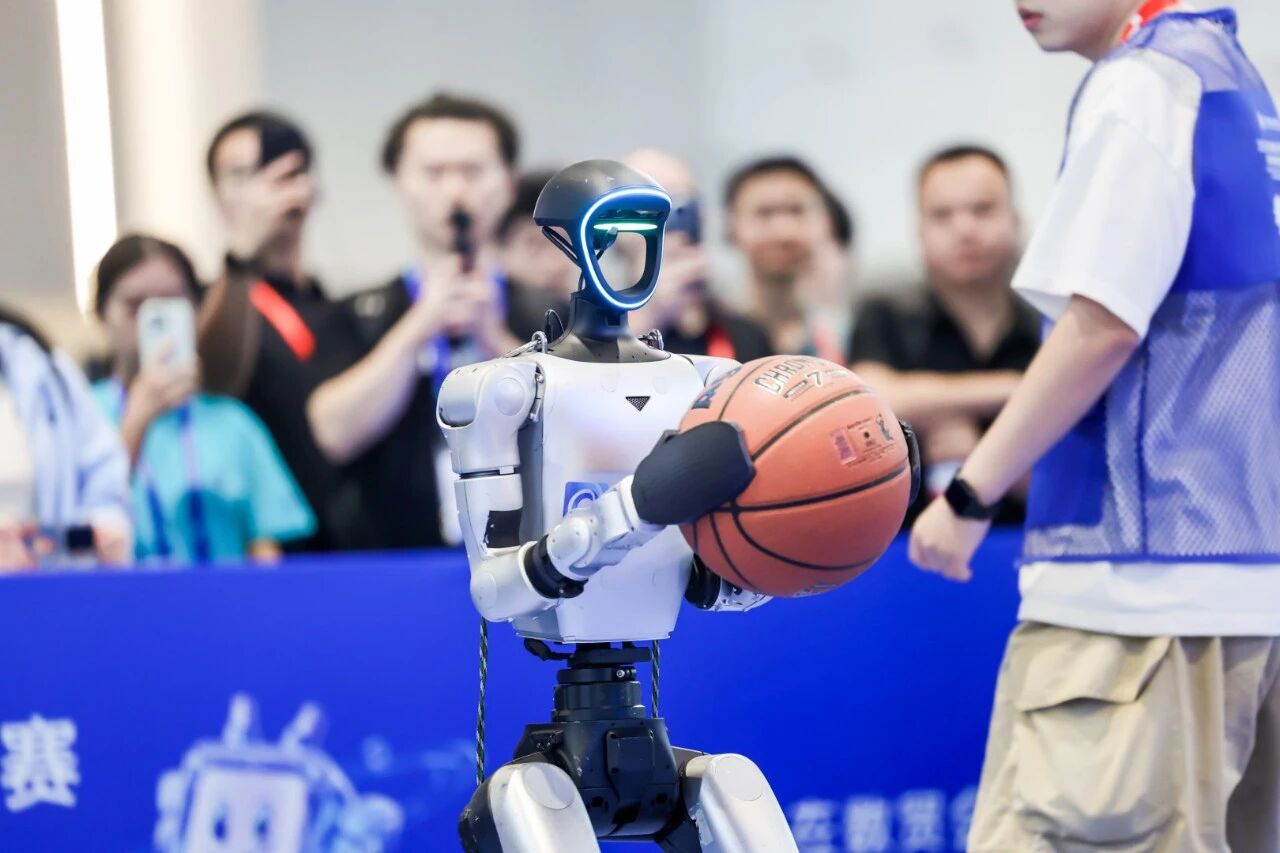
Embodied Intelligent Robot Challenge Enters Hardcore Competition Phase with Multi-Scene Interaction
The Embodied Intelligent Robot Challenge has entered a critical phase of competition, emphasizing multiple events and multi-scene interaction. This development highlights the increasing complexity and capabilities required in robotic systems, pushing the boundaries of current technology. This challenge is significant as it reflects the industry's shift towards more sophisticated and interactive robotic solutions. The integration of multi-scene interaction is crucial for advancing robotics in various applications, from entertainment to industrial automation, showcasing the potential for enhanced human-robot collaboration. Looking ahead, stakeholders should monitor the outcomes of this challenge, as it may set new benchmarks for robotic performance and interaction. No further timeline was disclosed at the time of publication.
Robotics Automation AI
ABB Introduces E-Device for Enhanced Control of OmniCore Robots via Tablets and PCs
ABB Robotics has launched E-Device, a compact safety interface that allows users to control, program, and monitor OmniCore-powered robots and cobots using their own tablets or PCs. This innovation is built on the OmniCore User Interface (UI), providing a familiar and full-featured interaction with dedicated safety controls, enhancing user accessibility. The introduction of E-Device is significant as it aligns with ABB's vision of making robotics more autonomous and versatile. According to Marc Segura, president of ABB Robotics, customers seek customizable solutions that can adapt to their evolving needs without extensive training on new interfaces. E-Device facilitates this by allowing users to interact with robots seamlessly across devices, reducing training time and accelerating production ramp-up. Looking ahead, the E-Device's integration with the OmniCore UI enables a smooth transition from simulation to deployment, allowing users to develop and simulate applications offline before connecting to the production line. This flexibility is particularly beneficial in multi-robot environments. No further timeline was disclosed at the time of publication.
IBM Develops Patent for Autonomous Wireless Charging via Humanoid Robots' Feet
IBM has filed a patent application for a system that allows humanoid robots to autonomously recharge by standing on specially designed floor tiles. This innovative approach combines wireless power transmission, RFID positioning, and electromagnets in the robot's boots and the floor, enabling robots to recharge without manual intervention or docking stations. The significance of this technology lies in its potential to enhance the operational efficiency of humanoid robots in industrial settings. As companies increasingly deploy these robots in factories and warehouses, the ability to autonomously recharge addresses the critical issue of battery capacity, allowing robots to transition seamlessly between work and charging. Looking ahead, the implementation of this technology could revolutionize how humanoid robots are utilized in various sectors. The patent highlights the importance of precise alignment for effective wireless power transfer, suggesting that future developments will focus on refining this system to ensure reliability and efficiency in autonomous charging operations. No further timeline was disclosed at the time of publication.

IndexBox Forecasts 7.7% Growth in Delta Robot Market by 2035, Driven by Food and Electronics
IndexBox has projected that the Delta robot market will experience a growth rate of 7.7% by the year 2035. This growth is primarily attributed to increasing demand in the food and beverage and electronics sectors, which are expected to drive significant investments in automation technologies. The anticipated growth in the Delta robot market is crucial as it highlights the ongoing trend towards automation in various industries. As companies seek to enhance efficiency and reduce operational costs, the adoption of Delta robots is likely to become more prevalent, particularly in sectors that require precision and speed. Looking ahead, stakeholders should monitor advancements in Delta robot technology and their applications in different industries. The focus on food and beverage and electronics sectors will be particularly important, as these areas are poised for substantial growth and innovation in automation solutions. No further timeline was disclosed at the time of publication.
Robotics Automation AI
Former Ukrainian Defense Minister Unveils 'Robot Legion' to Deploy Humanoid Robots in Six Months
The former Ukrainian Defense Minister has announced the launch of 'Robot Legion,' a project aimed at deploying humanoid robots to the battlefield within six months. This initiative seeks to enhance military capabilities through advanced robotics technology. The significance of this project lies in its potential to revolutionize warfare by integrating humanoid robots into military operations. The deployment of such technology could provide strategic advantages and improve operational efficiency in combat scenarios. Looking ahead, the development timeline indicates that the first humanoid robots could be operational within six months. Stakeholders will be keen to observe the progress of 'Robot Legion' and its impact on military strategies and defense capabilities.
Robotics Automation AI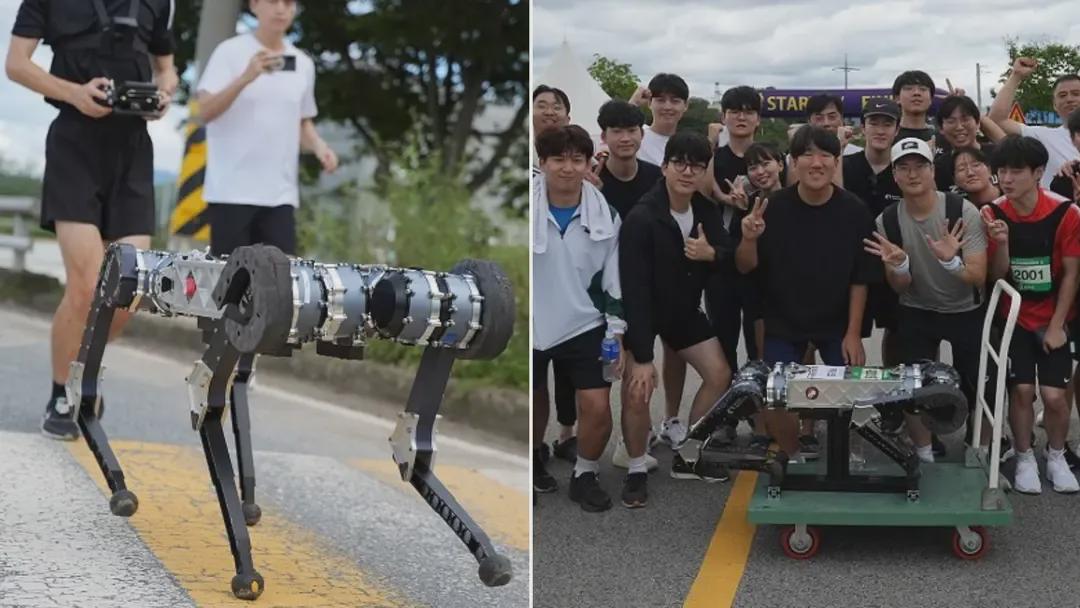
KAIST's RAIBO2 Robot Dog Completes Marathon with Lower Energy Costs than Humans
KAIST's four-legged robot RAIBO2 recently completed a marathon using only 1280Wh of energy, which is 66% of its 1930Wh battery capacity. Its total cost of transport (TCOT) was measured at 0.25, lower than the human average of 0.37, indicating superior energy efficiency. This achievement is significant as it demonstrates advancements in robotic energy consumption, particularly in legged robots, which traditionally face challenges in energy efficiency due to mechanical losses. The research highlights the importance of optimizing energy use in robotics, potentially influencing future designs and applications. Looking ahead, the focus will be on further refining the energy efficiency of legged robots like RAIBO2. No further timeline was disclosed at the time of publication, but the findings could lead to innovations in robotic mobility and energy management strategies.
Robotics Energy Efficiency AI Marathon Running Robot Design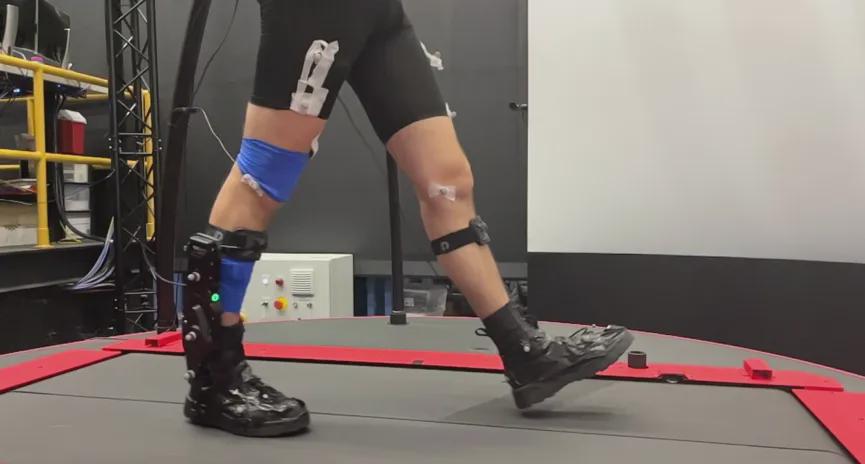
Georgia Tech Develops Wearable Robots That Interpret Muscle Activity Using Electrical Signals
Researchers at Georgia Tech have developed a system that uses six electrodes placed on the skin to track muscle activity during walking. This innovative approach extracts information about muscle contractions from electrical signals, showing a strong correlation with ultrasound measurements. The findings, published in Science Robotics, suggest that wearable robots could utilize this technology for more convenient and efficient muscle monitoring. The significance of this development lies in its potential to enhance the functionality of exoskeletons and other wearable robots. By using electrical impedance myography (EIM), the system can monitor muscle activity without the need for invasive procedures or complex ultrasound equipment. This could lead to more accessible and lower-power solutions for tracking muscle behavior in real-time. Looking ahead, researchers aim to further explore the relationship between muscle contractions and the electrical impedance changes observed. Understanding how these internal muscle dynamics contribute to movement will be crucial for advancing wearable robotics and improving their integration into everyday activities. No further timeline was disclosed at the time of publication.
Wearable Robots Muscle Monitoring Exoskeleton Technology Biomedical Engineering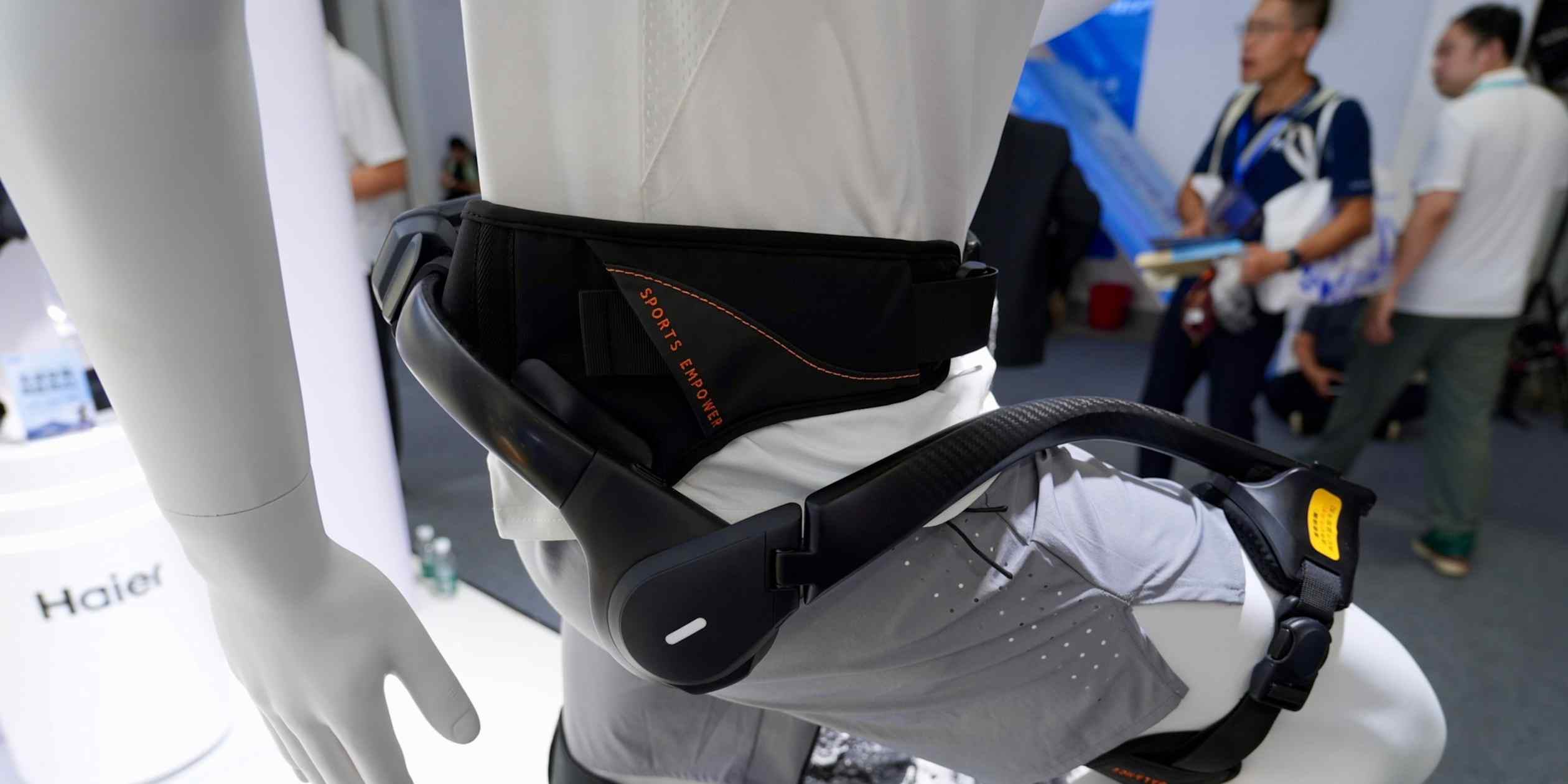
China's Exoskeleton Robots Transition into Consumer Markets Beyond Medical Use
Exoskeleton robots, also known as powered suits, are increasingly entering the consumer market in China, moving beyond their traditional applications in medicine and industry. This shift was highlighted by appliance maker Haier Group, which showcased its exoskeleton products at the World Robot Conference in Beijing in August 2026. The emergence of exoskeletons in everyday life signifies a notable trend in the robotics sector, as companies and startups race to capitalize on this nascent market. The growing interest in these wearable devices reflects a broader movement towards integrating advanced technologies into daily activities, enhancing physical capabilities for consumers. Looking ahead, the competition among appliance makers and startups in the exoskeleton market is expected to intensify. As more companies enter this space, it will be crucial to monitor developments and innovations that could shape the future of consumer robotics. No further timeline was disclosed at the time of publication.

University of Washington Engineers Develop DirectHop Robot for Hopping Over Obstacles
Engineers at the University of Washington have created a small robot named DirectHop that can hop over obstacles, land, and prepare for subsequent jumps. This innovative prototype utilizes a tiny electric motor and three folding legs, allowing it to achieve precise jump heights with single-centimeter accuracy. The significance of DirectHop lies in its potential applications, such as inspecting oil refineries, monitoring agricultural fields, and exploring extraterrestrial environments. Unlike traditional hopping robots that rely on springs, DirectHop's unique design employs a fishing line mechanism to control its jumps, offering improved precision and stability. Looking ahead, the research team aims to enhance DirectHop's capabilities, including steering and autonomous navigation. No further timeline was disclosed at the time of publication.
AI and Robotics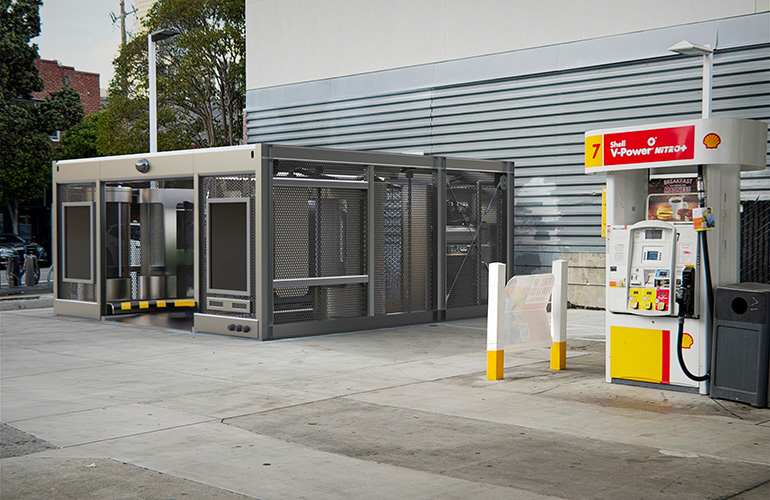
Scaling Robotaxis: Challenges from 14 Cities to 15,000 Operational Areas
Waymo has successfully logged over 220 million autonomous miles, achieving a significant reduction in serious injury crashes compared to human drivers. With around half a million paid rides weekly, Waymo is expanding its operations from 14 cities, raising the question of how to scale robotaxi services to over 15,000 locations like Uber. The challenge lies in the operational logistics of robotaxis, particularly the need for cleaning and reset stations. Each reset can take approximately two hours, and data indicates that only 54% of Waymo's reported miles carried passengers. This inefficiency highlights the difficulties in scaling operations to meet the demands of thousands of cities, where the infrastructure for servicing robotaxis is often lacking. Future developments will need to address the scarcity of suitable land for depots, the lengthy regulatory processes for establishing charging sites, and the unique urban layouts of different cities. Without solutions to these logistical hurdles, scaling robotaxis to a larger operational footprint may remain a significant challenge.
News Opinion Self-Driving Vehicles Transportation Aseon Labs Lucid
Light Origins Unveils Light-O1 Foundation Model to Enhance Robot Learning Capabilities
Light Origins has launched Light-O1, its first general-purpose embodied foundation model, which utilizes human actions extracted from internet videos to provide a reusable framework for robots to learn various tasks. The company trained six versions of the 4-billion-parameter model on multimodal tokens, achieving significant reductions in prediction errors across multiple datasets. This development is significant as it marks a step forward in robot learning by leveraging large-scale human action data, which enhances the adaptability of robots to different environments and tasks. The model's training involved extensive human action data, with the largest run encompassing around 100,000 hours of human behavior, indicating a robust foundation for future applications. Looking ahead, Light Origins plans to expand its physical AI roadmap with initiatives like LightNav-0 for alignment and Light REACT for real-time behavioral adaptation. No further timeline was disclosed at the time of publication.
AI AI Funding & Investment AI Infrastructure & Compute Robotics China foundation model
Mondo Robotics' Beni: A Tumbling Robot Camera with Significant Obstacle Avoidance Issues
Mondo Robotics has introduced Beni, a small bipedal robot designed to capture and record video while following users. Equipped with a built-in camera and sensors, Beni can perform tricks like flips and roll while tracking specified objects via an app. However, after several weeks of testing, reviewers found Beni's obstacle avoidance capabilities severely lacking. The importance of Beni lies in its potential as a fun companion for personal activities like sports and pet video recording. Despite its interesting features, the robot struggles significantly with obstacle avoidance, often losing track of its target in cluttered environments. Reviewers noted that even in open spaces, Beni failed to navigate around obstacles effectively, which detracts from its overall usability. Moving forward, it will be crucial to monitor Mondo Robotics' efforts to improve Beni's obstacle avoidance technology. Currently priced at $599, the robot's value is questionable given its primary flaw. If Mondo can address these issues, Beni could become a more appealing option for users engaged in various activities, but until then, recommendations are limited.
Robot Cameras Obstacle Avoidance Consumer Robotics Video Technology
OmniHand Secures 7 Gold Medals at Robot Olympics Amid Factory Challenges
At the second World Humanoid Robot Games, OmniHand, developed by Shanghai Limiting Point Innovation Technology Co., Ltd., won seven gold medals in precision tasks such as powder weighing and bottle opening. These achievements highlight the importance of dexterity in robotics, particularly for applications in factories and everyday life. CEO Qiao Tianjie emphasized that for robots to effectively integrate into various sectors, they must possess hands capable of using human tools and completing real tasks. Traditional robotic grippers are often limited to simple functions, but as humanoid robots are expected to enter diverse industries, the development of dexterous hands becomes crucial. Challenges remain in translating these advancements into practical applications. Issues such as algorithm complexity, hardware maturity, and the need for cost-effective solutions in industrial settings must be addressed. The initial widespread use of dexterous hands may occur in robotic arms rather than humanoid robots, as they offer a more efficient system for many industrial tasks. No further timeline was disclosed at the time of publication.
Robotic Hands Industrial Automation Humanoid Robots AI Technology
Robot Football Challenge Showcases Imperfections at Global Digital Trade Expo 2026
The 2026 Global Digital Trade Innovation Competition featured a robot football challenge at the Global Digital Trade Expo from September 23 to 27 in Hangzhou. The event highlighted moments of imperfection, such as robots losing balance and misjudging football plays, which became integral to the competition. Over 100 teams from domestic universities and tech companies participated in 14 events, testing various dimensions like speed, agility, and endurance. This competition is significant as it simulates real-world scenarios that robots may encounter, moving beyond controlled laboratory tests. Events like 60m and 100m sprints, obstacle courses, and dynamic sports challenges assess robots' movement control, decision-making, and collaborative capabilities. The aim is to gather data and identify engineering issues to enhance embodied intelligence technologies for practical applications. Looking ahead, the focus will be on how these imperfections can inform future developments in robotics. The competition emphasizes that robots are not yet at a stage where they can consistently perform all tasks flawlessly. Instead, it serves to expose challenges and drive advancements in the field, highlighting the industry's realistic assessment of current technological capabilities.
Robot Competitions Embodied Intelligence Robotics Technology AI in Robotics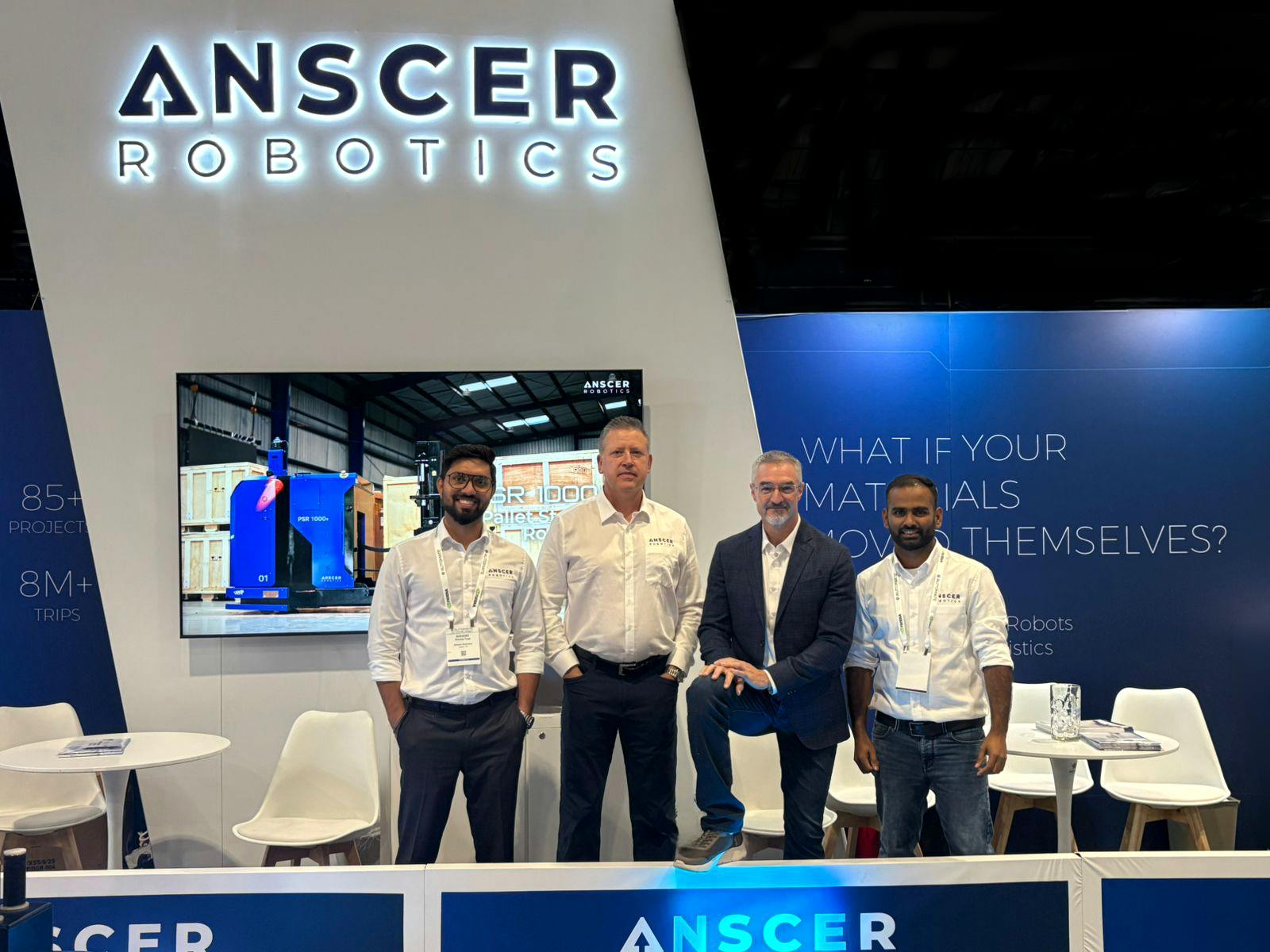
ANSCER Robotics Achieves Conditional U.S. Approval for Autonomous Mobile Robot Platforms
ANSCER Robotics has announced that it has received conditional approval for its autonomous mobile robot platforms in the U.S. This approval is significant as it allows U.S. customers, manufacturers, and warehouses to evaluate these platforms for industrial material-handling projects without facing restrictions from the Federal Communications Commission (FCC). The conditional approval addresses a national-security eligibility requirement for FCC equipment authorization, which is crucial for the deployment of advanced robotic devices. ANSCER's modular AR platform is designed to support various applications, including lifting, tunneling, and tugging, across manufacturing and warehousing operations. Looking ahead, ANSCER Robotics aims to assist customers in identifying suitable material-movement applications and navigating the regulatory landscape. No further timeline was disclosed at the time of publication.
Factory / Robotics
Agility Robotics Explores Development of Wheeled Robots Alongside Digit Humanoid
Agility Robotics recently revealed plans to explore wheeled robots during the launch of Digit 5. CEO Jonathan Hurst confirmed that the company is considering various robot designs, including wheeled options, to meet diverse customer needs and operating environments. This exploration is significant as it marks a potential shift for Agility, which has primarily focused on legged robots. Hurst emphasized that while legged robots are becoming more capable, wheeled robots could provide quicker market entry in certain environments where legged capabilities may not be necessary. No specific timeline for the introduction of a wheeled robot has been disclosed. As Agility continues to commercialize Digit, the company is also navigating a SPAC merger with Churchill Capital Corp. XI, valuing it at $2.5 billion and highlighting the importance of diversifying its product offerings to enhance revenue growth.
Humanoids News Robots / Platforms Agility Robotics robobusiness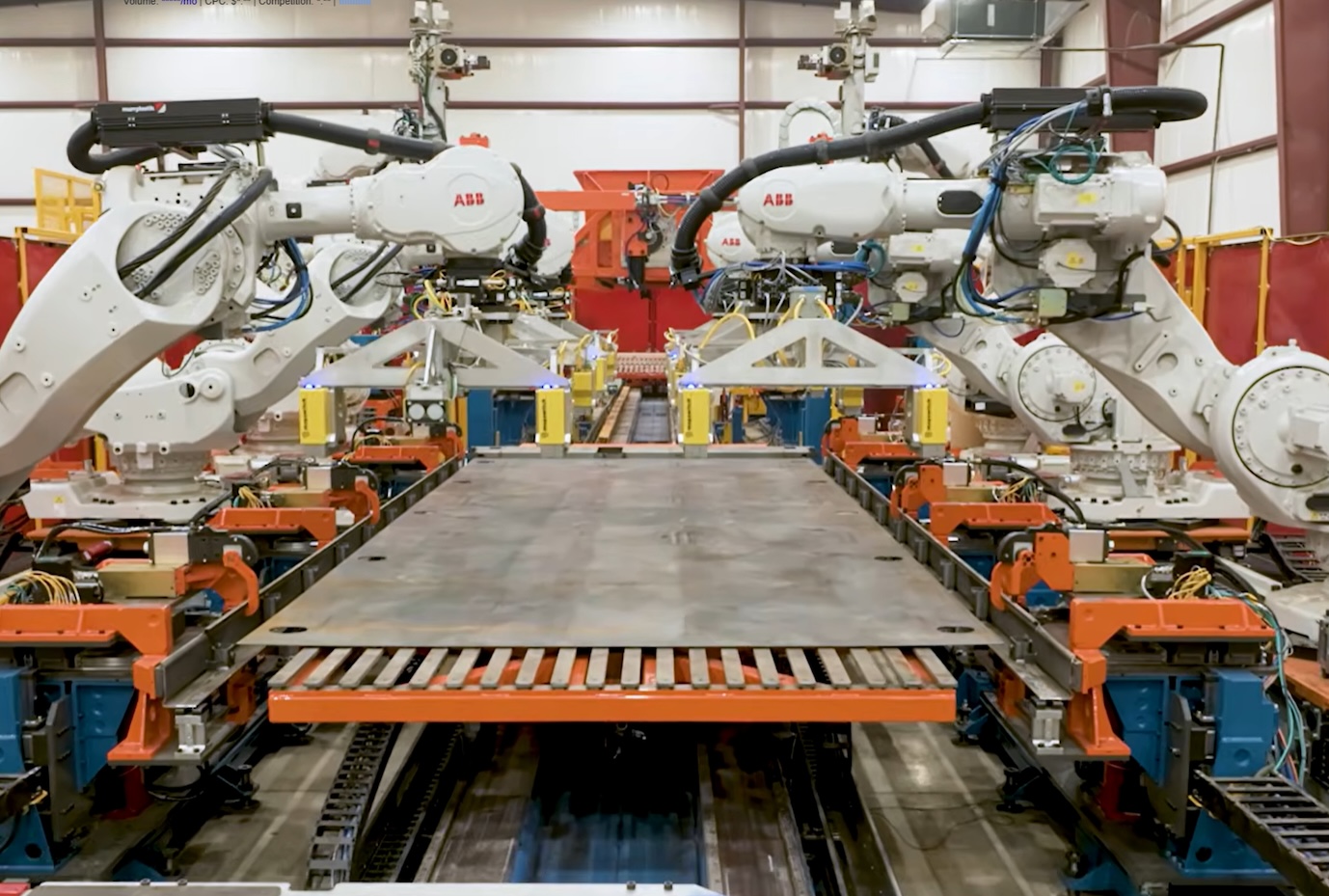
Exploring the Future Role of 3D Sensing in AMRs, Humanoids, and Industrial Robotics
Sonair's 3D ultrasonic sensor, Adar One, meets SIL2 and Pld requirements and is certified under the European Machinery Directive. In an interview with ROBOTIK UND PRODUKTION, CEO Knut Sandven discusses the advantages of 3D ultrasonic sensors and how Sonair's technology can address the challenges of real-time processing of 3D sensor data in humanoid robots. The development of 3D sensing technology is crucial for advancing autonomous mobile robots (AMRs), humanoid robots, and industrial robotics. By enhancing real-time data processing capabilities, these sensors can significantly improve the operational efficiency and safety of robotic systems. The certification of Adar One under the European Machinery Directive further underscores its reliability and compliance with industry standards. Looking ahead, the integration of 3D sensing technology in robotics will likely lead to more sophisticated and capable robotic systems. As the demand for automation continues to grow across various sectors, the role of advanced sensors like Sonair's Adar One will be pivotal in shaping the future of robotics. No further timeline was disclosed at the time of publication.
Allgemein Anwendungen & Lösungen Humanoide Robotik Menschen & Meinungen
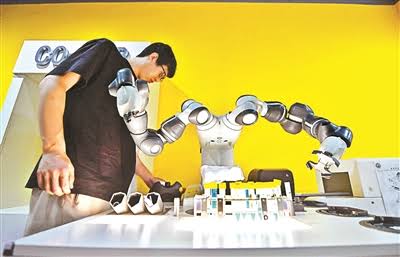
Innovative Robotic Cell Addresses Repair Challenges for Electronic Devices in Germany
In Germany, only one in four defective electronic devices is repaired today. The challenges often stem from labor costs, a shortage of skilled workers, and expensive replacement parts rather than technical issues. The NewEra collaborative project aims to tackle these problems by utilizing two robotic arms that identify devices, open casings, diagnose damages, and replace defective components using sensor data and learning-based methods. This initiative is significant as it addresses the growing issue of electronic waste and the need for sustainable repair solutions. By automating the repair process, the NewEra project not only enhances efficiency but also reduces costs associated with repairs, making it more viable for consumers and businesses alike. The ability to systematically identify and address common defects could lead to a paradigm shift in how electronic devices are maintained and repaired. Looking ahead, the success of the NewEra project could pave the way for broader adoption of automated repair solutions in the electronics sector. Stakeholders will be keen to observe the project's impact on repair rates and its potential to influence industry standards for device maintenance. No further timeline was disclosed at the time of publication.
Allgemein Anwendungen & Lösungen Automation
Global Industrial Robot Fleet Reaches 5 Million Units Driven by China’s Growth
The International Federation of Robotics (IFR) reported that the global industrial robot fleet hit a record 5 million units in 2025, with over 600,000 new installations that year. China led the growth, contributing 354,000 installations, which accounted for 59% of the global total. The U.S. surpassed Japan to become the second-largest market, with nearly 38,500 installations. This milestone signifies a significant acceleration in industrial automation, with the IFR projecting a 9% increase in annual installations to 655,000 units in 2026. The growth is driven by manufacturing investments, labor shortages, and advancements in technologies such as AI and machine vision. Asia exhibited the strongest growth, while Europe experienced slower expansion, highlighting regional disparities in automation adoption. Looking ahead, the IFR anticipates that global installations will reach 806,000 by 2029. Factors such as increased manufacturing capacity, labor challenges, and enhanced supply chain resilience are expected to fuel this growth. The ongoing advancements in robotics technology will continue to expand the capabilities and applications of industrial robots in various sectors.
AI AI Funding & Investment Capital Markets Robotics Asia China
Noin Introduces GLOW Architecture for Instant Learning in Robotics
Noin has unveiled the GLOW architecture, a generative learning framework aimed at enhancing robot learning capabilities. This new technology allows robots to learn tasks instantly without the need for extensive data collection or predefined processes, addressing the challenges posed by dynamic real-world environments. GLOW's core innovation lies in its ability to enable robots to learn tasks through a single demonstration, transforming visual input and feedback into actionable tasks. The significance of GLOW is underscored by its potential to revolutionize how robots acquire skills, moving away from traditional methods that require separate strategies for each task. Instead, GLOW aims to equip robots with generalized capabilities that can be applied across various objects, environments, and tasks. This shift could lead to more efficient and adaptable robotic systems, as users will no longer need to break down their requirements into machine instructions. Future developments to watch include Noin's ongoing commitment to advancing the GLOW technology, which integrates visual understanding, spatial reasoning, task planning, and action generation within a unified model. The architecture has already shown promising results in various evaluations, indicating its effectiveness in physical scene understanding and task execution, paving the way for enhanced robotic intelligence and adaptability.
Robotics Generative Learning AI Embodied Intelligence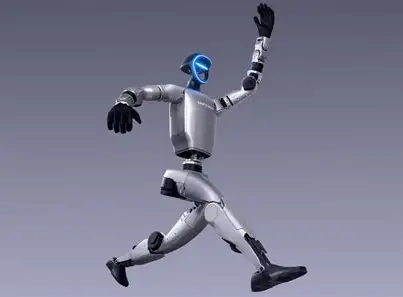
Wang Xingxing Highlights Millimeter-Level Work Errors as Key Robot Challenge
At the fifth Global Digital Trade Expo held in Hangzhou on September 24, Wang Xingxing, founder of Yushu Technology, delivered a keynote speech titled 'From Mechanics to Intelligence: The Evolution of Embodied Futures.' He reflected on the development of the AI industry, noting that the emergence of ChatGPT has fundamentally reshaped public perception of artificial intelligence and opened new avenues for innovation. Wang predicts that the embodied intelligence sector will soon experience its own transformative moment akin to ChatGPT. Wang emphasized that when robots can complete 80% of tasks in 80% of unfamiliar scenarios through voice-embodied capabilities, the industry will reach a critical inflection point. He pointed out that the current major challenge is the insufficient accuracy in matching AI model inputs and outputs with the real physical world, leading to millimeter-level errors in robotic work. He stated that solving this issue would fully resolve the challenges faced by robots. He further explained that while robots can perform certain tasks, their efficiency remains lower compared to humans. Additionally, humanoid robots require retraining for new tasks, which further reduces efficiency. Wang's comments highlight the engineering challenges of embodied intelligence, where deviations due to calibration errors and sensor noise can lead to task failures, particularly in precision operations like grasping and placing objects.
Robotics AI Embodied Intelligence Automation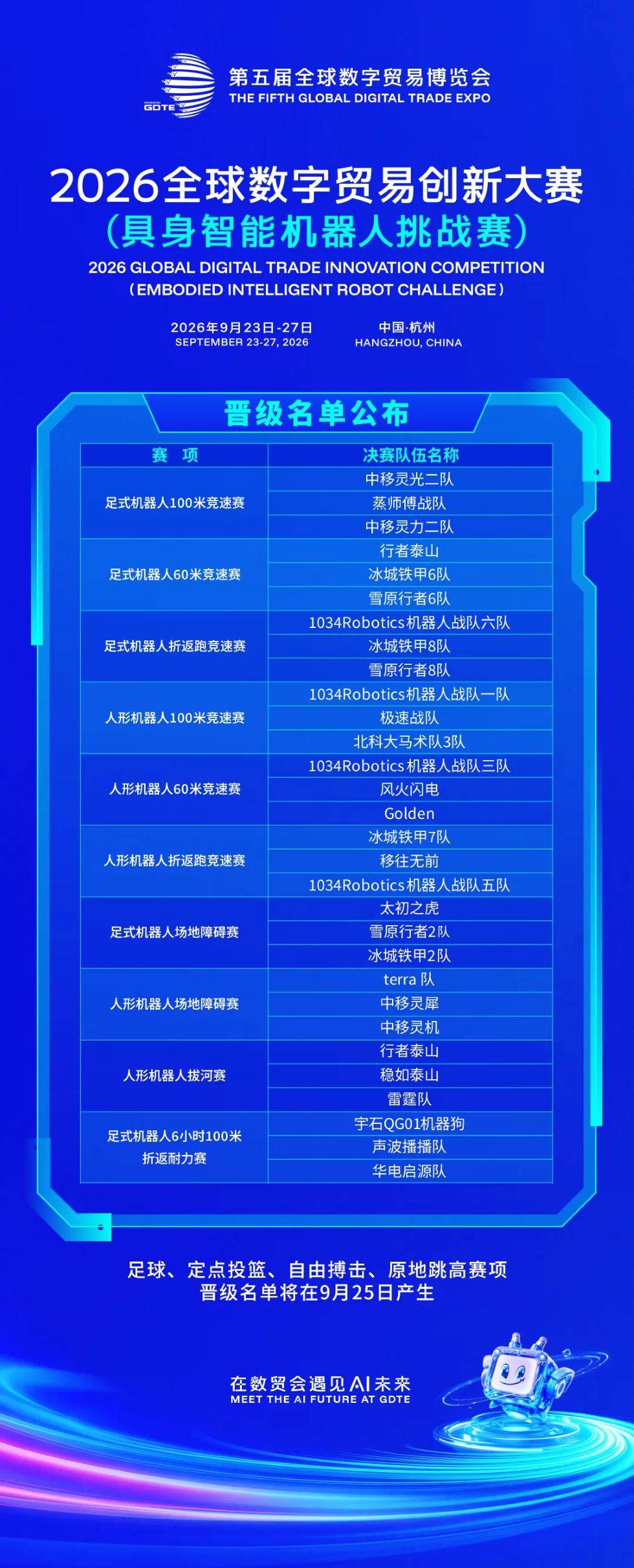
Finalists Revealed for the 2026 Global Digital Trade Innovation Competition's Robot Challenge
The finalists for the 2026 Global Digital Trade Innovation Competition have been revealed, focusing on the Embodied Intelligent Robot Challenge. This initiative aims to highlight significant advancements in digital trade and robotics, showcasing innovative solutions that address current challenges in these fields. The importance of this competition lies in its ability to promote creativity and technological progress within the robotics sector. By emphasizing the role of embodied intelligent robots, the challenge encourages participants to develop solutions that can enhance digital trade and improve operational efficiencies. Looking ahead, the competition will serve as a platform for emerging technologies and ideas in robotics. Stakeholders should monitor the developments from the finalists, as their innovations could influence future trends in digital trade and automation. No further timeline was disclosed at the time of publication.
Digital Trade Intelligent Robots Innovation Competition Robotics Technology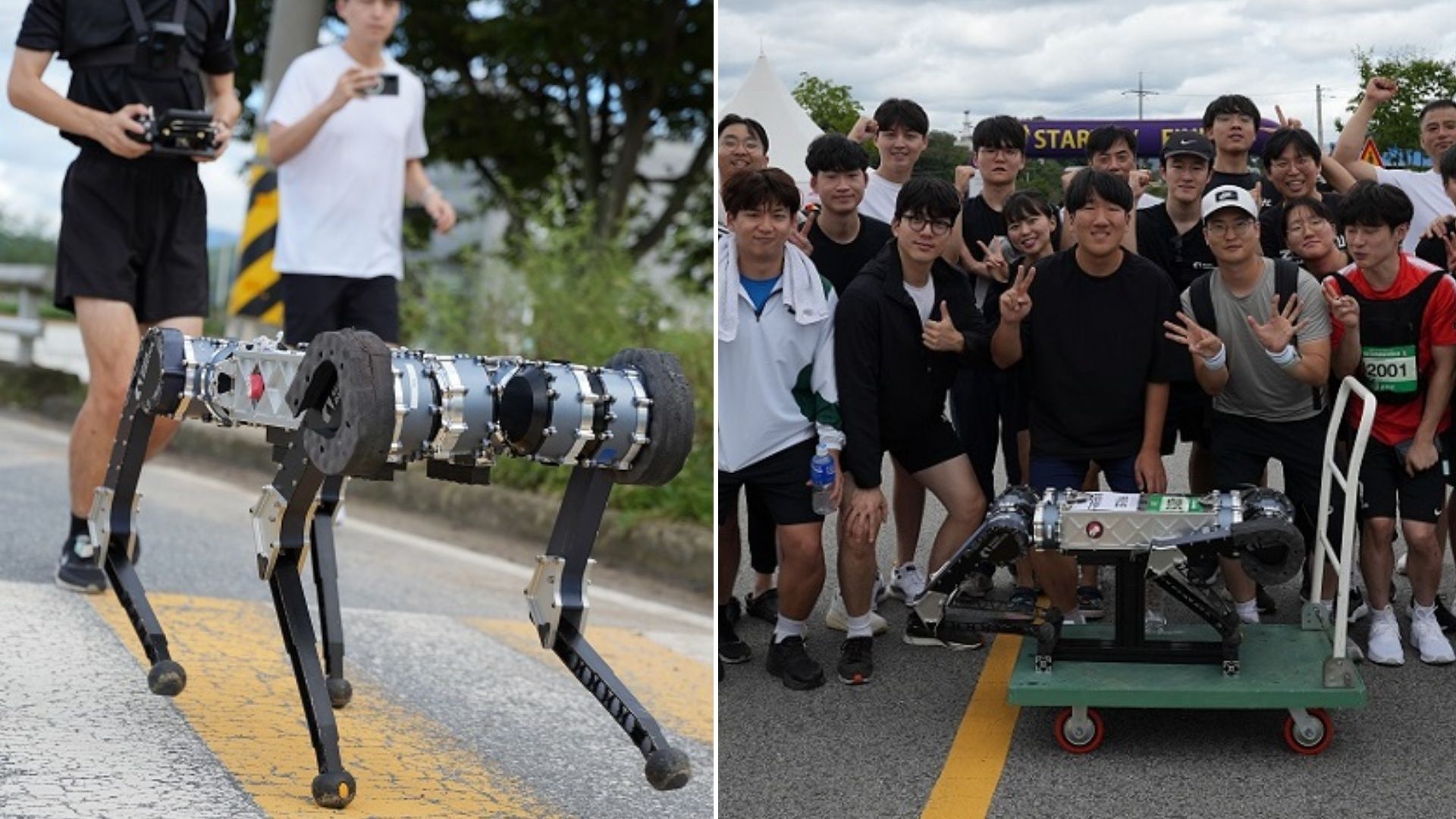
KAIST's RAIBO2 Robot Dog Completes Marathon on Single Charge, Outperforming Human Efficiency
KAIST's quadruped robot, RAIBO2, successfully completed a marathon distance of 42.195 kilometers in 4 hours, 19 minutes, and 52 seconds on a single battery charge. This achievement occurred during the 2024 Sangju Dried-Persimmon Marathon, showcasing significant advancements in robotic endurance and energy efficiency. The completion of the marathon is a pivotal milestone in addressing the endurance limitations of legged robots, which traditionally struggle with energy consumption due to their need to support their weight and manage impacts. RAIBO2 maintained an average speed of 2.64 meters per second while consuming less energy than a human, achieving a cost of transport (COT) of 0.25 compared to the human benchmark of 0.37. Looking ahead, the research team at KAIST, which previously faced challenges with battery life in earlier versions of the robot, has refined RAIBO2's design and locomotion strategies. Future developments may focus on further enhancing energy efficiency and exploring additional applications for quadruped robots in various environments. No further timeline was disclosed at the time of publication.
AI and Robotics
KAIST's RAIBO2 Quadruped Robot Completes Marathon on One Battery Charge
Researchers at KAIST have developed the quadruped robot RAIBO2, which successfully completed a 42.195-kilometer marathon on a single battery charge. The robot finished the Sangju Dried Persimmon Marathon in 4 hours, 19 minutes, and 52 seconds, while collecting valuable data on energy use, thermal performance, and locomotion. This achievement is significant as it showcases the potential for quadruped robots to operate efficiently over extended periods, addressing energy consumption as a whole-system engineering problem. The research, published in Nature, emphasizes the importance of optimizing mechanical and electrical systems together to enhance performance without sacrificing energy efficiency. Looking ahead, KAIST and its faculty startup Raion Robotics aim to translate the RAIBO2's research success into commercially viable quadruped robots. These robots will be designed for reliable operation in industrial environments, meeting various durability and performance standards. No further timeline was disclosed at the time of publication.
AI AI Funding & Investment AI Research & Advances Robotics Energy KAIST
Robotic Dog Successfully Navigates Level 14 Typhoon Without Errors
A robotic dog demonstrated remarkable performance by traversing the entire distance during a level 14 typhoon, achieving zero faults and mistakes. This feat highlights the advancements in robotics and the potential for robots to operate in extreme weather conditions, showcasing their reliability and resilience. The significance of this achievement lies in its implications for future robotic applications in challenging environments. As industries increasingly seek automation solutions that can withstand harsh conditions, this robotic dog's performance sets a new benchmark for reliability in robotics. Looking ahead, the industry will be keen to observe further developments in robotic technologies that enhance performance in adverse weather. No further timeline was disclosed at the time of publication.
Robotics Automation AI
China Installed 354,000 Industrial Robots in 2025, Representing 59% of Global Total
On September 24, the International Federation of Robotics (IFR) released its report 'World Robotics 2026,' revealing that China deployed 354,000 industrial robots in 2025, marking a 20% increase year-on-year and accounting for 59% of global installations. This figure surpasses the previous record by nearly 60,000 units, reinforcing China's position as the largest industrial robot market worldwide. The demand for industrial robots in China is primarily driven by the electrical and electronics, automotive, and metalworking sectors. In 2025, the electrical and electronics industry installed 96,400 robots, a 16% increase, while the automotive sector saw installations rise to 78,900, a remarkable 38% growth. The metalworking industry also experienced a 44% increase, reaching 78,700 units. The automotive sector's growth is particularly noteworthy as it undergoes a transformation towards electrification and intelligence, leading to heightened demand for robots. Chinese robot manufacturers are expanding their presence in the domestic market, with local suppliers increasing installations by 15% to 195,000 units, representing 55% of the total. The IFR noted that since 2024, over half of the industrial robots installed in China have been supplied by domestic brands. The market is expected to continue growing at an annual rate of 5% to 10% until 2029, driven by demographic changes and labor shortages. Future developments will focus on transforming industrial robots into intelligent equipment capable of adapting to non-standard scenarios.
Industrial Robots Automation Robotics Market AI Technology
Polybot Advances Tomato-Picking Robot Learning from Human Demonstrations for Agriculture
Polybot, a startup spun off from the ELLIS Institute and the Max Planck Institute for Intelligent Systems, is developing a tomato-picking robot that learns from human demonstrations. This robot has transitioned from the lab to real greenhouse environments, marking a significant step towards practical agricultural automation in precision-demanding tasks. The importance of this development lies in its potential to support one of the most repetitive and physically demanding aspects of food production. The fully autonomous robot is designed for harvesting cluster tomatoes, utilizing an end-to-end learning approach from human actions rather than relying on manually coded rules. This adaptability could enhance the robot's effectiveness in complex growing conditions, where variations in plant spacing and fruit positioning are common. Looking ahead, the next major test is a complete pilot program scheduled for summer 2026, which will assess the robot's reliability under real production demands. If successful, the first systems could be delivered to growers by early 2027. As agricultural robots move from demonstration to everyday tasks, they promise to improve harvesting efficiency and reduce food loss before products reach store shelves.
Agricultural Robotics Automation Technology AI in Agriculture Robotic Harvesting
Eureka Robotics and Shelley Automation Collaborate to Enhance North American Manufacturing with AI Solutions
Eureka Robotics and Shelley Automation have formed a partnership to integrate Eureka's AI Vision System into Shelley's automation solutions. This collaboration aims to introduce AI-powered bin picking capabilities to North American manufacturers, enhancing the efficiency and reliability of automation on the shop floor. The integration of Eureka's AI Vision System with Shelley's expertise in automation systems signifies a significant advancement in the application of physical AI in manufacturing. This partnership is expected to streamline operations, reduce downtime, and improve overall productivity for manufacturers adopting these innovative solutions. As the manufacturing sector increasingly embraces automation, the focus will be on the effectiveness of AI-powered solutions in real-world applications. No further timeline was disclosed at the time of publication.

ANYbotics Enhances ANYmal Robot Fleet with Automated Door Access for Inspections
ANYbotics has announced a partnership with dormakaba and LEGIC Identsystems AG to integrate automated door access into its ANYmal robot fleet. This development, revealed on September 24, 2026, aims to streamline facility-wide inspections by enabling the robots to navigate through doors autonomously. The addition of automated door access is significant as it enhances the operational efficiency of the ANYmal robots, allowing them to conduct inspections without human intervention. This capability is expected to improve workflow and reduce the time required for thorough facility inspections, making it a valuable advancement in robotic inspection solutions. Looking ahead, the integration of automated door access could lead to broader applications of the ANYmal robot fleet in various industries. No further timeline was disclosed at the time of publication.
Robotics needs a service framework.
RSF defines a common language for robot service capability, lifecycle operations, certification pathways, and service-provider networks.
Join the RobotToday community on LinkedIn
Daily robotics news, in-depth analysis, conference highlights, and discussions with professionals worldwide.







