

Industry Briefing
A single destination for timely, editor-curated robotics news from around the world.

LimX Dynamics and Kyland Technology Launch First Humanoid with Domestic Electronic Architecture
On September 28, 2026, LimX Dynamics and Kyland Technology introduced a humanoid robot in Yichang, featuring a fully domestic electronic architecture. This architecture integrates Kyland Intewell, AUTBUS, and MaVIEW, boasting microsecond motion control capabilities. The launch of this humanoid is significant as it represents a step forward in domestic robotics technology, showcasing the potential for advanced motion control in humanoid applications. The integration of these technologies aims to enhance the performance and responsiveness of robotic systems in various sectors. Looking ahead, industry observers will be keen to see how this humanoid performs in real-world applications and whether it can meet the ambitious claims of microsecond motion control. No further timeline was disclosed at the time of publication.
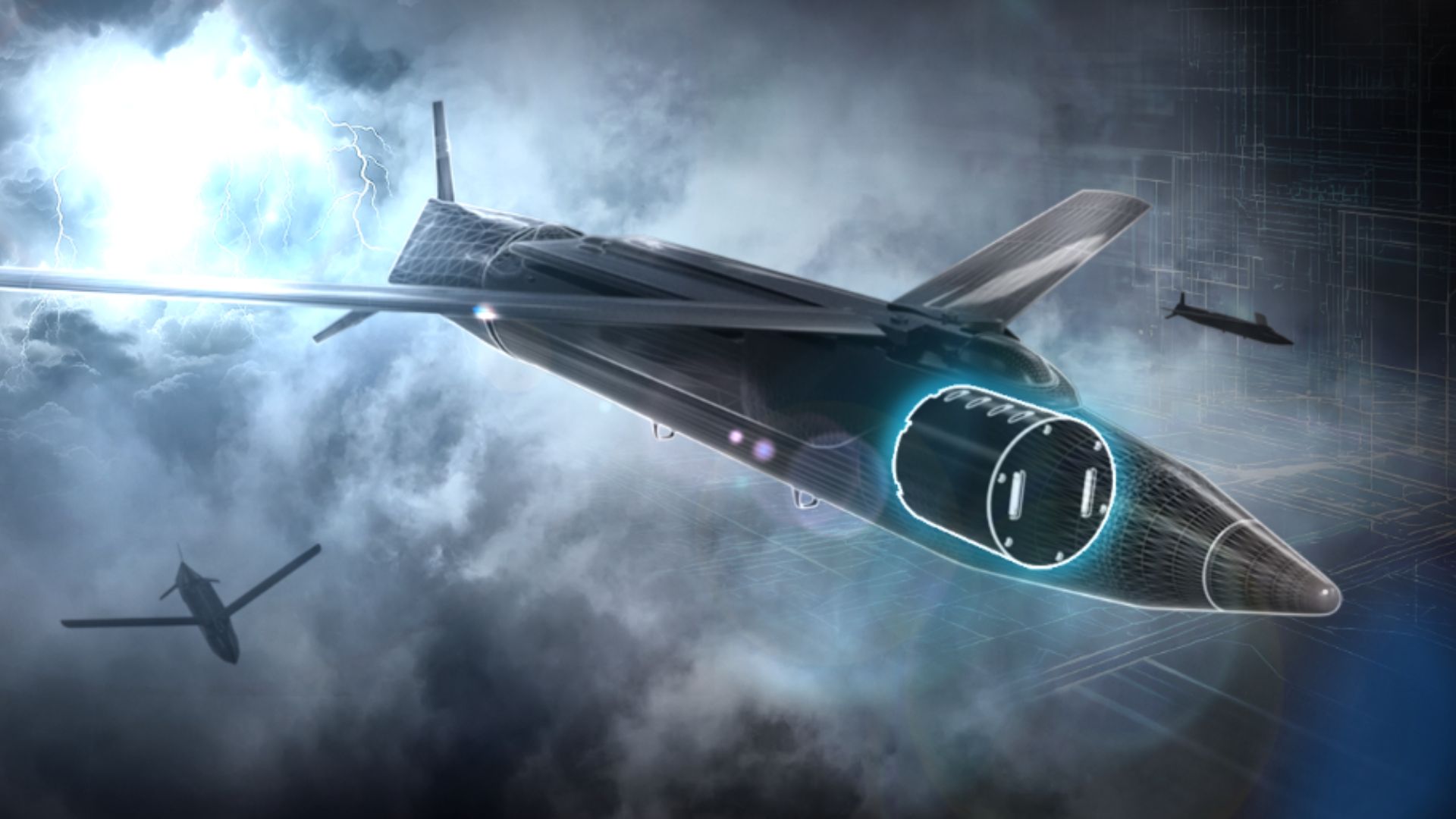
BAE Systems Introduces Shadow Electronic Warfare Family for Enhanced Drone Protection
BAE Systems has launched a new family of electronic warfare systems, known as Shadow EW, designed to enhance the protection of small aircraft in contested airspace. This initiative responds to the increasing demand for compact electronic warfare solutions that can be integrated into space-constrained platforms, utilizing commercially available microchips to streamline production and supply chains. The Shadow EW family is significant as it addresses the limitations of traditional electronic warfare systems, which are often too large and heavy for small drones and other airborne systems. By focusing on lightweight hardware and open architecture principles, BAE Systems aims to provide adaptable solutions that can be updated post-deployment, ensuring operators can effectively counter evolving electronic threats. Looking ahead, BAE Systems plans to leverage established manufacturing methods to scale production of the Shadow EW systems, making them more accessible for military applications. As the U.S. military seeks cost-effective ways to equip a growing number of autonomous systems, the ability to produce electronic warfare capabilities at scale will be crucial for maintaining operational effectiveness in complex environments.
Military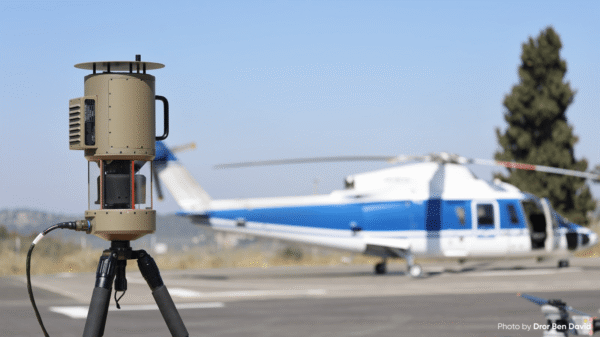
High Lander and Thirdeye Launch Ground-Based Detect and Avoid Trial for BVLOS Drones
Israeli UTM developer High Lander has partnered with Thirdeye Systems to integrate the MeduzaX optical radar into its Vega platform. Announced on July 13, 2026, this initiative aims to facilitate routine beyond visual line of sight (BVLOS) drone operations through a multi-aircraft trial that enhances ground-based detect and avoid capabilities. This collaboration is significant as it addresses the challenges of BVLOS flight approvals, which have been hindered by the reliance on visual flight rules. The trial will assess Thirdeye's autonomous optical system as a potential alternative to human observers, aiming to improve airspace safety and traffic management for uncrewed aircraft. Looking ahead, High Lander and Thirdeye plan to continue evaluating the system under various conditions to establish a robust framework for integrating ground-based optical radar into routine drone operations. No further timeline was disclosed at the time of publication.
Drone News Drone News Feeds Military News
Boeing Awards BAE Systems Contract for ROKAF F-15K Electronic Warfare System
Boeing has awarded BAE Systems a contract to provide the Eagle Passive Active Warning Survivability System (EPAWSS) for the Republic of Korea Air Force's F-15K Slam Eagle fighter jets. This contract is significant as it enhances the electronic warfare capabilities of the F-15K fleet, ensuring that the Republic of Korea Air Force can effectively counter modern threats in the airspace. Looking ahead, the integration of the EPAWSS into the F-15K fleet will be crucial for maintaining operational readiness and superiority. No further timeline was disclosed at the time of publication.
News
Ten Notable AI Scale-Ups in Switzerland to Watch in 2026
A recent overview highlights ten significant AI scale-ups based in Switzerland, with a strong presence in Zurich, which is home to six of these companies. The sectors represented include machine vision, robotics, computer vision, and Web3 infrastructure, showcasing Switzerland's commitment to precision engineering and software innovation. These companies are addressing critical challenges in various industries, such as improving airport turnaround efficiency through AI, enhancing trust in digital interactions, and advancing microelectronics inspection technologies. Their combined funding reflects a robust investment landscape, with Delvitech leading with $48.6 million, indicating strong investor confidence in the Swiss AI ecosystem. As these companies continue to develop their technologies, stakeholders should monitor their progress and potential market impacts. The ongoing advancements in AI applications across sectors like energy trading, manufacturing, and airport operations suggest a growing influence of these scale-ups in shaping the future of AI in Switzerland and beyond. No further timeline was disclosed at the time of publication.
AI AI Funding & Investment AI Startups Exclusives AI Scale-Ups business
Poland Investigates Possible Terrorism Behind Fire at WB Electronics Drone Facility
Poland has initiated an official investigation to determine if a recent fire at WB Electronics SA, the nation's largest drone manufacturer, was an act of terrorism. Authorities are exploring the possibility that foreign spies may have been involved in the incident. This investigation is significant as it highlights concerns over national security and the potential threats facing critical infrastructure in Poland's defense sector. The outcome could have implications for the country's drone manufacturing industry and its overall security posture. As the investigation unfolds, stakeholders in the defense and technology sectors will be closely monitoring developments. The findings may influence future security measures and policies regarding the protection of sensitive facilities in Poland. No further timeline was disclosed at the time of publication.

Treble Secures $18 Million for Voice Simulation Platform in AI Sector
Iceland-based startup Treble has raised $18 million in an extension of its Series A funding, led by Paladin Capital Group. Founded in 2020 by Finnur Pind and Jesper Pedersen, Treble aims to enhance the voice AI industry with its simulation platform, catering to model makers and robotics companies. This funding brings Treble's total raised to over $40 million, with notable clients including Amazon and Logitech. The significance of Treble's platform lies in its ability to generate synthetic data for voice AI applications, enabling advancements in speech enhancement and model training. The company also evaluates voice AI models under various conditions, providing crucial feedback for improvement. Treble's collaboration with Hugging Face to benchmark speech recognition models highlights its commitment to innovation in the voice AI landscape. Looking ahead, Treble plans to expand its focus on physical AI applications, including robotics and automotive sectors. The company is particularly interested in developing sound-based functionalities for smart glasses and wearables, aiming to enhance user experiences in challenging acoustic environments. No further timeline was disclosed at the time of publication.
AI Fundraising simulation Iceland voice AI
China's Blue Arrow Achieves First Land-Based Rocket Recovery with Zhuque-3
On August 19, Blue Arrow Aerospace successfully landed its Zhuque-3 rocket in Gansu, marking China's first vertical recovery of a land-based rocket stage. This achievement comes just 40 days after the Long March 10 B rocket set a global record for ocean recovery using a net system. The successful recovery of the Zhuque-3 is significant as it could drastically reduce the costs associated with low Earth orbit satellite constellations. The ability to execute a closed-loop process of 'launch-recovery-inspection-reuse' positions China favorably in the burgeoning trillion-dollar space economy. Looking ahead, the technology developed for rocket recovery may extend beyond aerospace, impacting industries requiring repetitive operations. The challenges of underwater robotics, such as the Orca Pro, which can autonomously recharge and inspect underwater structures, highlight the growing necessity for reusable technology in various sectors.
Rocket Recovery Marine Robotics Autonomous Vehicles Reusable Technology
Starmind's Orbital Compute vs. Terrestrial Data Centers: Analyzing Resource Advantages
Starmind's orbital compute technology presents a significant advantage over traditional ground-based data centers by eliminating constraints related to land, water, and grid permitting. While terrestrial data centers are currently cheaper and faster to construct, with U.S. data center spending reaching $85.3 billion in 2026, Starmind's approach focuses on addressing the growing resource limitations faced by hyperscale facilities. The significance of Starmind's technology lies in its ability to sidestep the increasing challenges of land and water usage. For instance, a 100 MW data center can consume approximately 530,000 gallons of water daily for cooling, while Starmind's AI1 utilizes deployable liquid radiators that require no water. This structural advantage could resonate with investors as the demand for AI computing continues to escalate, potentially leading to annual water withdrawals of up to 1.7 trillion gallons by 2027. Looking ahead, Starmind's next milestones include the launch of AI1 prototypes scheduled for early 2027. However, the technology's claims regarding cooling efficiency and operational reliability remain unverified until real flight data is available. As the industry evolves, the competition between orbital and terrestrial solutions will become increasingly relevant, particularly in the context of resource management and sustainability.

Beyond satellites: Why FOG inertial navigation is the new imperative for land warfare
The landscape of military navigation is undergoing a significant transformation as counterspace threats and electronic warfare challenge the previously uncontested dominance of GPS technology. Exail is at the forefront of this shift, introducing its Fiber Optic Gyro (FOG) technology, which offers enhanced stability and serves as a reliable "source of truth" for land maneuvering and precision targeting in environments where Global Navigation Satellite Systems (GNSS) are compromised. This innovation is crucial for modern military operations, enabling forces to maintain operational effectiveness despite the increasing prevalence of electronic warfare tactics. As the battlefield evolves, Exail’s advancements in navigation technology are poised to play a vital role in ensuring that military units can navigate and execute missions with precision and confidence, even in the most challenging conditions.
Land Warfare Sponsored Post Army autonomy electronic warfare (EW) Exail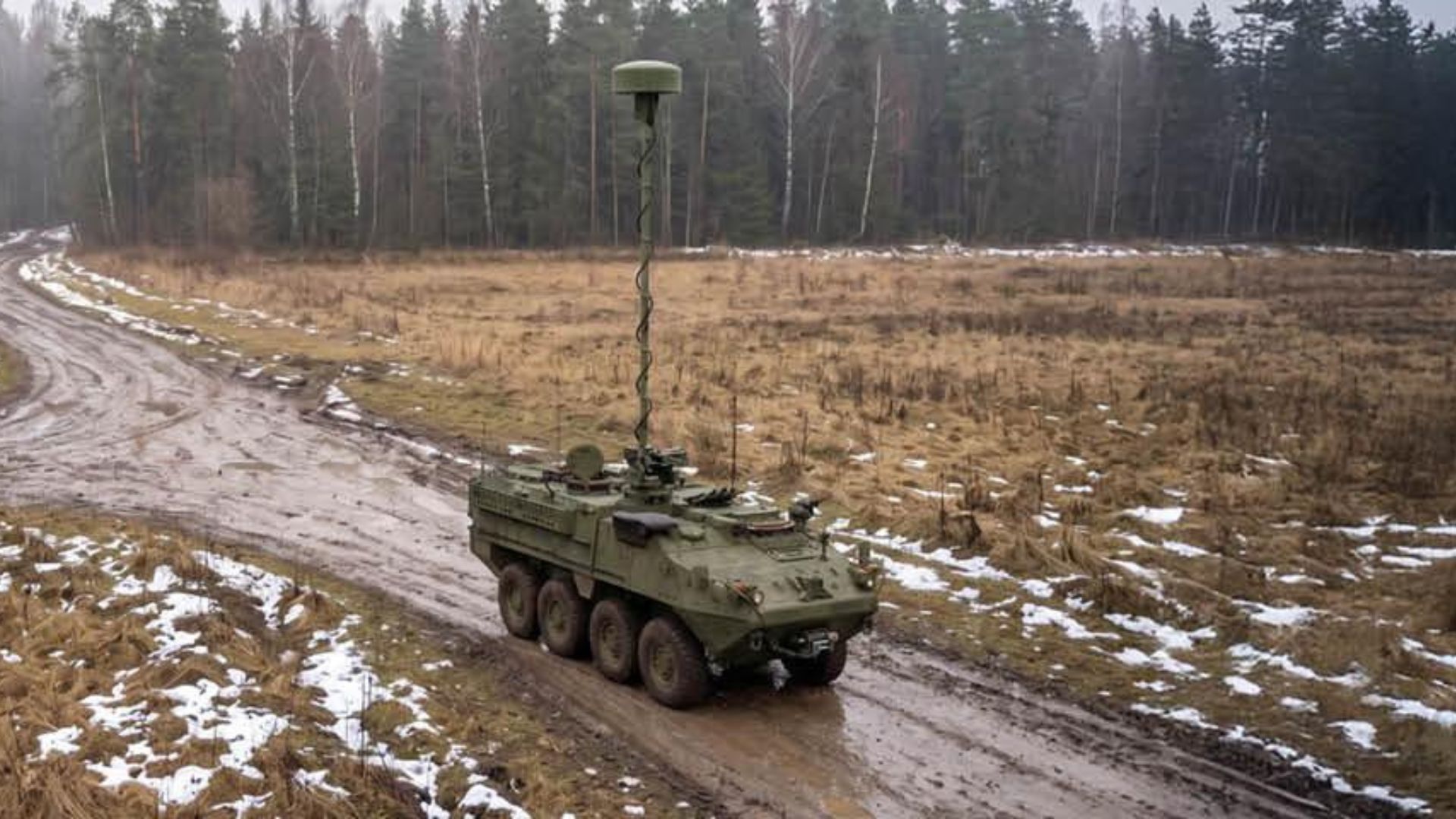
New electronic warfare system can locate enemy drones, radars without sending signals
Leonardo has unveiled a cutting-edge electronic warfare and signals intelligence system designed to enhance the capabilities of military troops. This innovative technology was introduced during a recent defense exhibition held in London, showcasing the company's commitment to advancing military operations. The system aims to provide armed forces with improved situational awareness and the ability to counteract potential threats in real-time. By integrating advanced data processing and analysis features, the new system allows for more effective communication and coordination among units on the battlefield. Leonardo's development of this technology reflects the growing need for enhanced defense solutions in an increasingly complex global security environment.

Vision‐Based Runway Detection and Localization for Aircraft Landing in Global Navigation Satellite System‐Denied Environments
In the May 2026 issue of the Journal of Field Robotics, researchers have published a groundbreaking study that explores advancements in autonomous robotic systems. The study, conducted by a team of engineers and scientists, focuses on enhancing the navigation capabilities of robots in complex environments. This research aims to address the growing demand for efficient and reliable robotic solutions in various industries, including agriculture, logistics, and disaster response. The findings reveal innovative algorithms that enable robots to better interpret their surroundings and make real-time decisions, significantly improving their operational efficiency. The team conducted extensive field tests to validate their models, demonstrating the robots' ability to navigate challenging terrains while avoiding obstacles and adapting to dynamic conditions. This research is particularly timely as industries increasingly rely on automation to boost productivity and safety. By advancing the technology behind autonomous navigation, the study contributes to the broader goal of integrating robots into everyday tasks, ultimately transforming how businesses operate and respond to emergencies. The implications of this work could lead to more widespread adoption of robotic systems, paving the way for a future where robots play a crucial role in enhancing human capabilities.
RESEARCH ARTICLE
Import AI 450: China's electronic warfare model; traumatized LLMs; and a scaling law for cyberattacks
In a thought-provoking discussion, experts in psychology and philosophy gathered to explore the concept of time and its valuation by individuals across different ages. This event took place on October 15, 2023, at the University of Philosophy and Psychology in New York City. The panel aimed to address how perceptions of time evolve as people age and the implications this has for decision-making and life satisfaction. The motivation behind the discussion stemmed from a growing interest in understanding how various life experiences shape our relationship with time. As individuals transition through different life stages, their priorities and the significance they place on time can shift dramatically. The panelists emphasized that younger individuals often view time as an abundant resource, while older adults may perceive it as limited, leading to differing approaches to life choices. Through a series of presentations and interactive discussions, the experts shared insights on how cultural, social, and personal factors influence the way time is valued. Attendees were encouraged to reflect on their own experiences and consider how their understanding of time might change as they age. The event concluded with a call for further research into the psychological aspects of time perception, aiming to foster a deeper understanding of how individuals can make more meaningful choices throughout their lives.
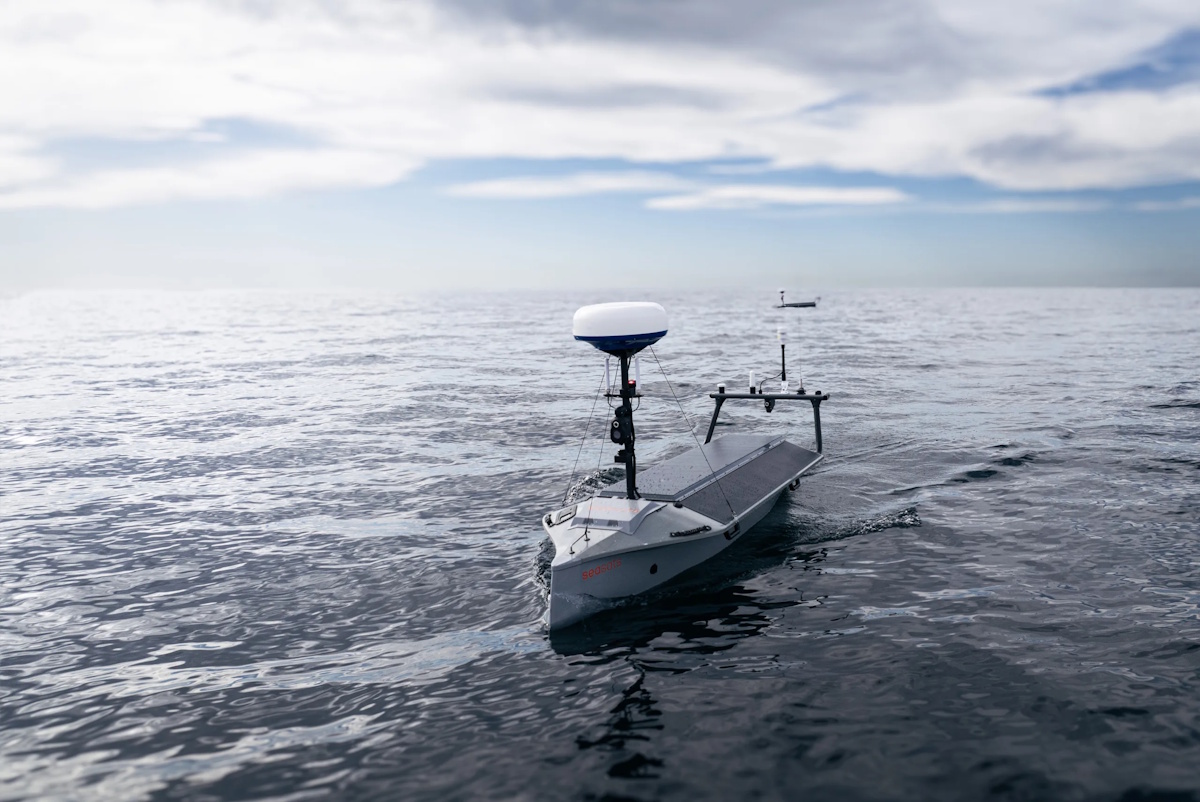
RS Aqua Announces Strategic Partnership with US -based Seasats to Bring Autonomous Surface Vehicles to UK and Ireland Defence Market
RS Aqua has formed a strategic partnership with Seasats, a developer of unmanned surface vehicles (USVs) based in San Diego, to launch a new range of security platforms tailored for the defense market in the United Kingdom and Ireland. This collaboration aims to enhance maritime security capabilities in these regions, responding to an increasing demand for advanced surveillance and operational solutions. The partnership is expected to leverage Seasats' innovative technology and RS Aqua's established presence in the UK and Ireland to effectively address the evolving security challenges faced by defense sectors.
rs aquaRobotics needs a service framework.
RSF defines a common language for robot service capability, lifecycle operations, certification pathways, and service-provider networks.
Join the RobotToday community on LinkedIn
Daily robotics news, in-depth analysis, conference highlights, and discussions with professionals worldwide.







