Industry Briefing
A single destination for timely, editor-curated robotics news from around the world.
Bosch Initiates 200 mm Silicon Carbide Chip Production at California Semiconductor Plant
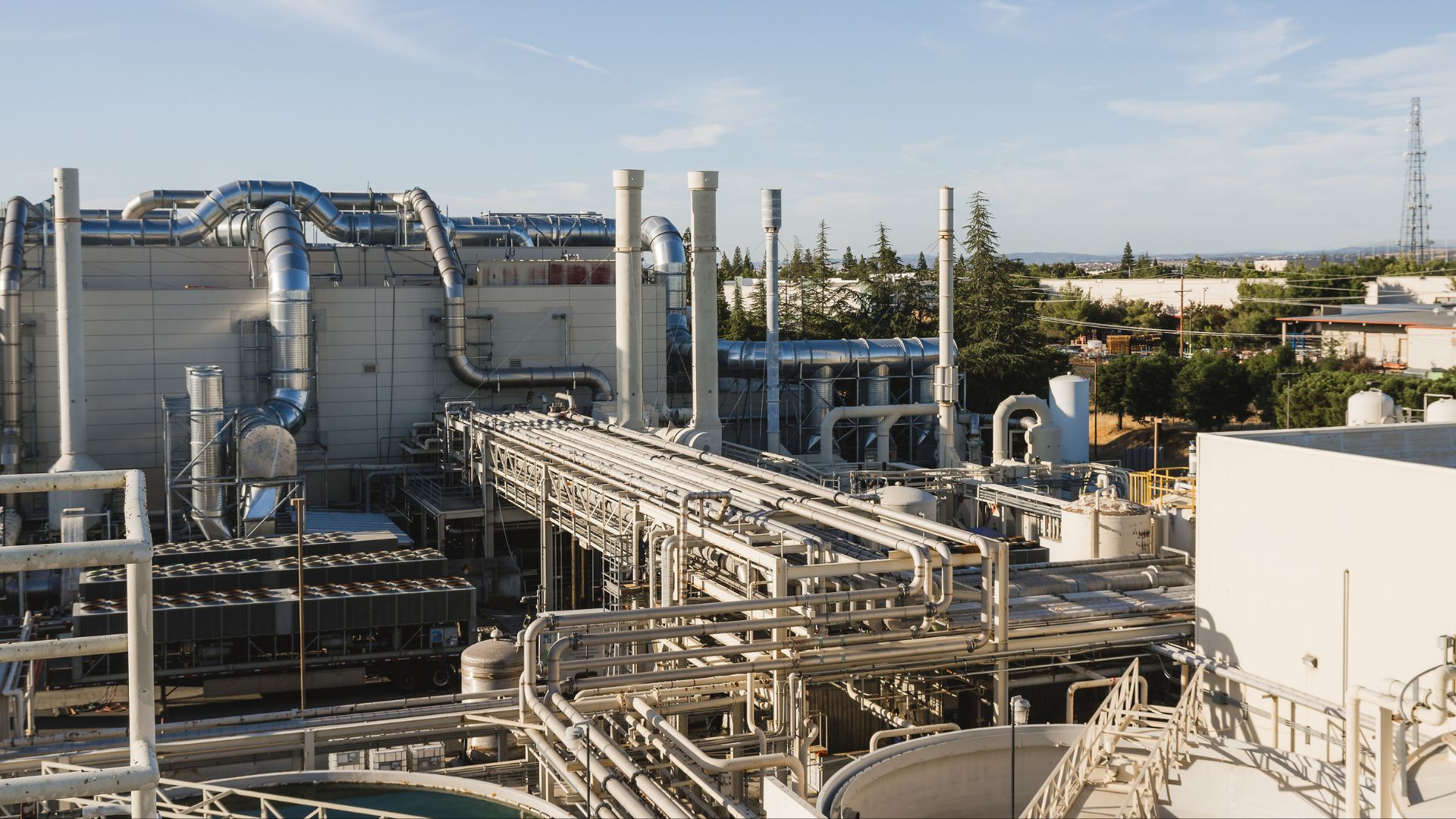
Bosch has commenced sample production of silicon carbide (SiC) semiconductor chips at its facility in Roseville, California. This marks a significant advancement in the effort to revitalize power chip manufacturing within the United States. The company has also secured up to $225 million in funding from the U.S. Department of Commerce’s CHIPS Program Office to support its investment of up to $2 billion at the site. The Roseville plant is set to begin commercial production in 2026, making it Bosch's first semiconductor manufacturing site in the U.S. The facility will produce third-generation SiC chips on 200-millimeter wafers, aligning with the U.S. government's initiative to bolster domestic semiconductor manufacturing. Silicon carbide chips are increasingly vital for applications in electric vehicles, industrial equipment, and energy systems. Looking ahead, Bosch plans to invest up to $7.5 billion across its U.S. operations by 2031, enhancing manufacturing capacity and expanding its North American business. The Roseville site currently employs over 300 individuals and is committed to workforce development through local education partnerships, with plans to contribute more than $100,000 annually to community STEM programs starting in 2026.
Innovation
Cognizant Launches Sovereign Physical AI Platform-As-A-Service
Cognizant has unveiled a new sovereign Physical AI Platform-as-a-Service aimed at assisting enterprises in the integration and management of autonomous systems, industrial equipment, and AI-driven operations through a unified software layer. This innovative platform, developed on the Cognizant Intelligence Spine architecture, is designed to seamlessly connect various technologies, including sensors, cameras, robots, and digital twins. By providing a comprehensive solution, Cognizant seeks to enhance operational efficiency and streamline the management of complex industrial environments. The launch reflects the company's commitment to advancing AI capabilities within the enterprise sector, enabling businesses to leverage cutting-edge technology for improved performance and productivity.
AI AI Funding & Investment AI Use Cases Robotics Cognizant Energy
BANNER ENGINEERING - Available now at Mouser: vibration monitoring sensors
Banner Engineering has introduced its Q45x sensors, designed to enhance predictive maintenance for industrial equipment by providing high-resolution, three-axis vibration data. These innovative sensors, which are battery-powered and capable of operating for several years without the need for wiring, facilitate easy installation and scalability across various assets. The Q45x sensors utilize integrated high-frequency enveloping (HFE) technology to detect early-stage faults, such as bearing wear and lubrication issues, thereby improving diagnostic accuracy even in noisy environments. With IP67-rated enclosures and wireless connectivity through Sure Cross networks, these sensors ensure reliable condition monitoring in challenging industrial settings while minimizing downtime and simplifying maintenance processes.
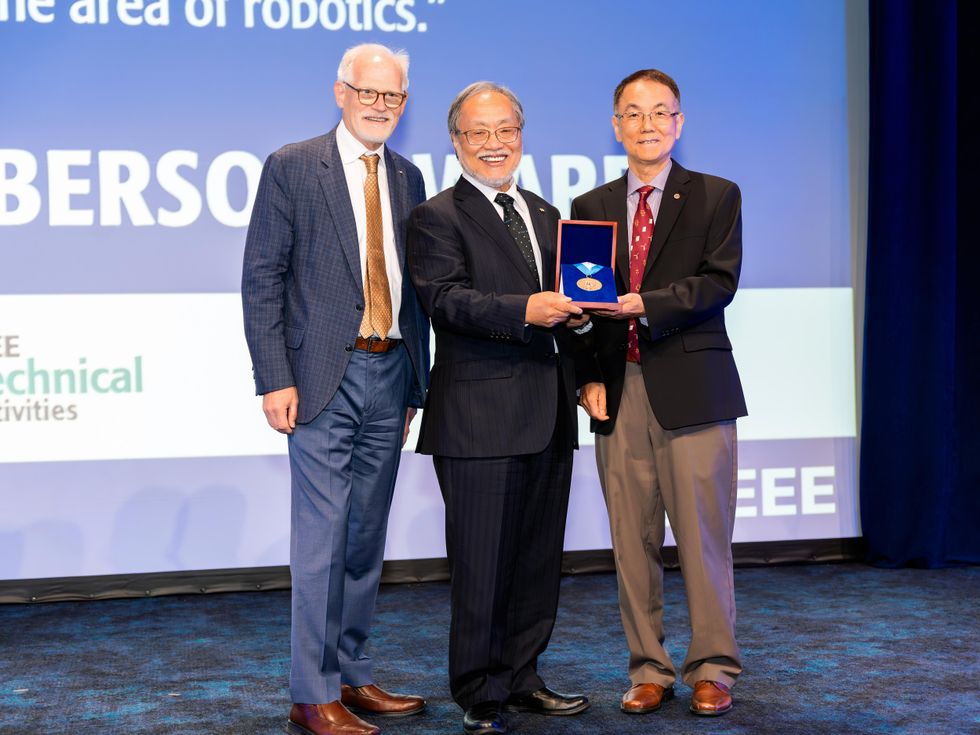
IEEE Honors Robotics Pioneer Toshio Fukuda
Toshio Fukuda has been blazing trails for most of his career. He is considered to be one of the most prolific scholars in robotics, writing more than 2,000 research papers and authoring several books on the field. He’s an influential figure thanks to his pioneering work developing biomedical robotic systems, industrial robots, micro-nano robotics, mechatronics, and AI-driven automation.Fukuda launched one of the first robotics conferences, the IEEE/RSJ International Conference on Intelligent Robots and Systems (IROS). It is still popular almost 40 years later.Toshio FukudaEmployerEgypt-Japan University of Science and Technology, in Alexandria TitleProfessor and vice president of research Member gradeLife Fellow Alma matersWaseda University, in Tokyo; University of Tokyo An IEEE Life Fellow, he is a professor emeritus in the department of micro-nano systems engineering and a visiting professor at Nagoya University, in Japan, where he taught for nearly 25 years. Currently, he is a vice president of research at the Egypt-Japan University of Science and Technology, in Alexandria, Egypt.Within IEEE, Fukuda has held top volunteer positions including the organization’s highest office: He served as IEEE president in 2020, becoming the first person of Asian descent to hold the role.He’s a former program director of Japan’s Moonshot program, which by 2050 intends to develop advanced AI robots.Born in Japan, Fukuda has been recognized by the country for his contributions to science with two of its highest awards: the Medal of Honor with a purple ribbon in 2015 and the Order of the Sacred Treasure in 2022.IEEE honored him with this year’s Richard M. Emberson Award for “distinguished service advancing the technical objectives of IEEE, especially in the area of robotics.” The IEEE Board-level award is sponsored by the IEEE Technical Activities Board. Fukuda received the award on 24 April at a ceremony in New York City.As a former IEEE president who has served as a master of ceremonies at several of the organization’s major award events, Fukuda noted that he is more accustomed to bestowing awards than receiving them.“It’s very interesting to be on the receiving end,” he says.The journey into robotics researchAs a teenager, Fukuda spent his summer breaks teaching himself how to build things including transistor radios and steam engines.“It was very nice to have a hands-on hobby and make these kinds of things myself,” he says. His experimentation led him to study engineering.He earned a bachelor’s degree in engineering in 1971 from Waseda University, in Tokyo. He says one of his professors there—Ichiro Kato, regarded as the father of Japanese robotics research—was a good mentor who made a positive impact.Fukuda’s research interests were robotics and mechatronics, a field that combines robotics, electronics, computer science, and control systems.He went on to earn a master’s degree and a doctorate in science from the University of Tokyo, in 1971 and 1977. During those years, he also attended Yale, where he conducted research on advanced control theory in 1973.He reflects fondly on his time at Yale: “It was a very nice environment and a kind of free-thinking atmosphere. It motivated me to study more.”“IEEE doesn’t care who you are, what you do, what country you are from, or whether you are male or female. IEEE accepts people who have energy and passion.”While at Yale, Fukuda served as an assistant to his advisor—which led him to consider a career in academia, he says, because he enjoyed the freedom that research work afforded him.But he realized that such freedom comes with a price. University researchers are expected to raise the money that funds their work. He compares researchers to small-business owners who have to bring in money to keep their enterprise afloat.That realization led him to select robotics as his field because he intended to develop technologies useful to industry, he says.After earning his doctorate, he returned to Japan in 1977 to work as a research scientist at the government’s Mechanical Engineering Laboratory, later renamed the National Institute of Advanced Industrial Science and Technology, in Tsukuba.“There was a lot of research going on at the lab, including practical robotics and theory,” he says.He left Japan in 1979 to become a visiting research fellow at the University of Stuttgart, in Germany. During his year there, he studied systems, software problems, and related topics.He returned to Japan and was hired as an associate professor of mechanical engineering at the Tokyo University of Science. He conducted research into practical uses for robots by visiting industrial plants. He decided to develop robots that inspect industrial equipment such as those used in assembly plants, oil refineries, and power stations—places that “can be hostile environments for humans,” he says.His work drew interest from chemical, oil, and utility companies.“I got a lot of money from them for this very practical application, which funded my research,” he says, laughing.Developing popular robotic systemsFukuda grew tired of making those robots, he says, so he switched to creating ones for scientific applications. He developed many techniques, but he probably is best known for his modular, cellular robotic systems (CEBOTs), which he introduced in 1985.He has described how CEBOTs work in numerous papers published in the IEEE Xplore Digital Library.The CEBOT system is composed of a number of autonomous robotic cells that stick together like interlocking Lego plastic bricks, he says.Each cell is a fundamental modular unit that has a function. When a simple task is given, the system can analyze it and generate the structure of the cellular manipulator. The cells connect to and detach from each other through connection mechanisms and cooperate mutually, creating complex structures and configurations.“You start developing from the component-wise to the cell-wise to a small functional unit—and then you come up with clusters that make bigger systems. We can make a society of robot beings like that,” he explained in his oral history published on the Engineering and Technology History Wiki. “It’s a distributed robotic system, a self-organized robotic system, and also an evolutionary robotic system.“It’s also a fault-tolerant robot system because if something is wrong, you just remove those things and make a new one. You keep the system working. That’s a great thing.”Today CEBOTs are used for a variety of tasks such as delivering medication in hospitals, assisting with planting crops, and transporting products in distribution centers. Check out IEEE Spectrum’s Robots Guide for news from the world of robotics.In 1989 Fukuda joined Nagoya University as a professor of mechanical engineering and micro-nano systems engineering. During his 24-year career there, he was director of the university’s Center for Micro-Nano Mechatronics. He developed a long list of technologies at the university, including many for medical applications. He also conducted groundbreaking research into intelligent robotic systems and micro- and nano-robotics.Another technology he is known for is brachiation robots, which he helped develop in 1988. He calls them monkey robots because they’re based on the pendulum-like movement of monkeys swinging from tree to tree. The gravity-based locomotion enables continuous movement.Brachiation robots now are inspecting high-voltage transmission towers and bridges, searching damaged buildings for survivors, and performing maintenance on pipelines and cables.Fukuda retired from the university in 2013 and was named professor emeritus.He didn’t stay retired for long, though. He next held a teaching appointment at Meijo University, in Nagoya, until he left in 2022 to join the Egypt-Japan University.A prominent volunteerHe joined IEEE in 1980 at the encouragement of one of his research advisors, Professor Fumio Harashima, now an IEEE Life Fellow. After attending conferences and reading the organization’s publications, Fukuda says, he looked forward to becoming more involved.“I wanted to know how to organize a conference and how to edit a paper for one of its Transactions,” he says. “I wanted to know what was going on from inside the organization, not just the outside.”In 1988 he was the founding chair and organizer of IROS, in Tokyo. The conference had 330 attendees that year, and was supported by Harashima. Today it is one of the largest and most prestigious conferences on the topic, attracting more than 9,000 people annually. Out of 120,000 conferences, it was the only conference in the Nature Index database for this year, Fukuda says.In 1996 he and other members launched IEEE Transactions on Mechatronics.He was the founding president of the IEEE Nanotechnology Council, which was established in 2002. He is considered a pioneer in nanotechnology research, particularly regarding how it relates to robotics.Over the years, he has held numerous volunteer positions on IEEE editorial boards and committees.He was the 1998–1999 president of the IEEE Robotics and Automation Society, becoming the first non-U.S. member to hold the title.He was director of IEEE Division X (2001–2002 and 2017–2018), which covers intelligent systems, biological engineering, robotics, control systems, and photonic technologies. He served as the 2013–2014 director of IEEE Region 10 (Asia-Pacific).As the 2020 IEEE president, Fukuda saw the organization through the early part of the COVID-19 pandemic. Because of travel restrictions, he realized IEEE should change how it offered its in-person services, specifically educational programs. He encouraged IEEE Educational Activities to develop an online learning platform. The IEEE Learning Network started with just three courses and now offers nearly 2,000 courses, webinars, and learning materials.An award-winning memberThe Emberson Award joins a slew of other recognitions Fukuda has received from IEEE. They include several from the IEEE Robotics and Automation Society: a 2004 Pioneer Award, a 2009 Saridis Leadership Award, and the 2011 Harashima Award for Innovative Technologies. He is also a recipient of the Board-level 2010 IEEE Robotics and Automation Technical Field Award.He says he feels strongly that IEEE should be a diverse organization that is welcoming to all. As IEEE president, he led efforts to devise a diversity, equity, and inclusion program. Several policies, procedures, and bylaws were revised to give members a safe, inclusive place for discourse.“It’s important for IEEE to make everyone feel comfortable,” he says. “DEI programs are important. All people should be equal. IEEE doesn’t care who you are, what you do, what country you are from, or whether you are male or female. IEEE accepts people who have energy and passion.“It accepted me, from the Far East. That’s why I like it.”You can learn more about Fukuda and his career from the oral history conducted by the IEEE History Center.
Robotics Robots Ieee-member-news Type-ti Ieee-awards Toshio-fukuda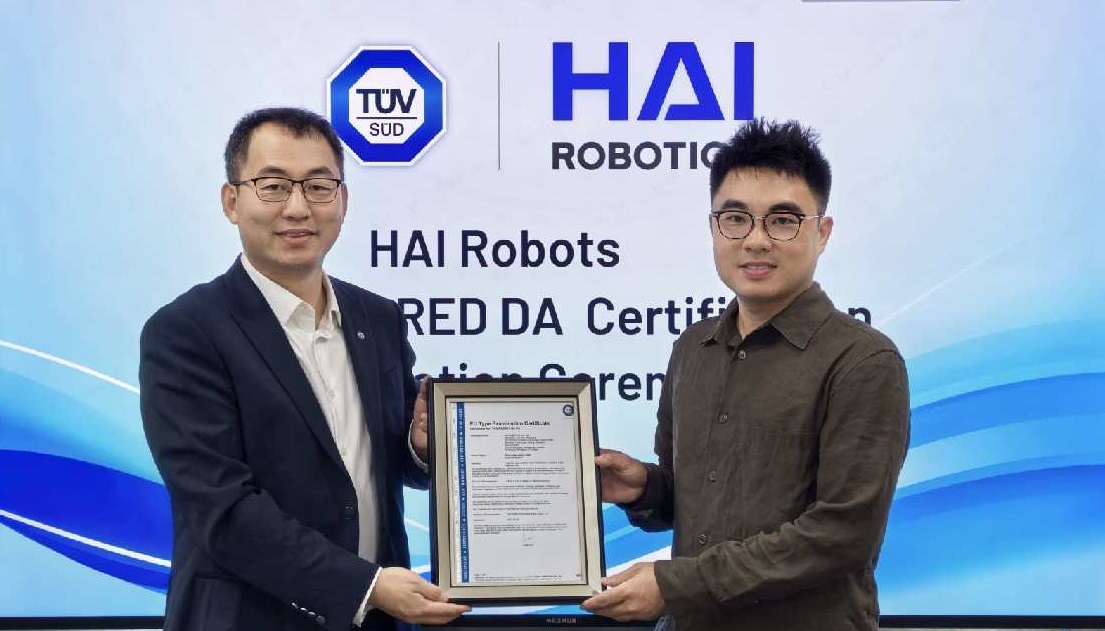
Hai Robotics Secures Radio Equipment Directive (RED) Articles 3.3(d) Compliance, Strengthening Cybersecurity for Automated Warehouses
Hai Robotics has successfully complied with the EU Radio Equipment Directive (RED) Articles 3.3(d), a significant milestone that enhances the cybersecurity of its automated warehouse systems. This certification underscores the company's dedication to adhering to regulatory standards while bolstering the reliability and integrity of its HaiPick Systems. As a result, the systems will ensure secure wireless communications and operational resilience within connected logistics environments, reflecting the growing importance of cybersecurity in the automation sector.
Cybersecurity Warehouse Automation Logistics Industrial Equipment Regulatory Compliance
33rd China International Power Equipment and Technology Exhibition to Take Place in December 2026
The 33rd China International Power Equipment and Technology Exhibition (EP Exhibition) will be held from December 3 to 5, 2026, at the Shanghai New International Expo Center. This year's exhibition will feature a historic expansion, introducing a new 'Smart Electricity' pavilion focused on virtual power plants, industrial microgrids, and zero-carbon parks. This significant event is expected to attract over 2,200 top domestic and international power equipment and technology suppliers, including well-known companies such as ABB and Shanghai Electric Group. The exhibition aims to enhance international participation, providing a platform for global energy transition and showcasing China's advancements in the power industry. As the EP Exhibition marks its 40th anniversary in 2026, it will continue to promote collaboration across various sectors, including energy storage, hydrogen energy, and AI-powered solutions. The event is poised to be a high-profile gathering that highlights the integration of digital technologies and clean energy in the power sector. No further timeline was disclosed at the time of publication.
Power Equipment Energy Transition Smart Electricity Exhibitions Renewable Energy
Europe’s most important industrial lubrication conference celebrates its 10th anniversary in Bilbao
The Euskalduna Convention Centre in Bilbao is set to host the 10th anniversary of LUBMAT, Europe’s premier conference on industrial lubricants, this Wednesday and Thursday. The event will bring together 200 professionals from Europe, Asia, and America, highlighting its significance as a leading international biennial gathering focused on lubricants, tribology, and production equipment monitoring. This milestone edition aims to foster collaboration and knowledge sharing among industry experts, reflecting the growing importance of innovation and sustainability in the lubricants sector.
Events advanced lubricants advanced manufacturing aerospace engineering AI in maintenance asset management
Top 7 AI Agent Platforms for Industrial Manufacturing in 2026
The manufacturing sector is undergoing a significant digital transformation, marked by substantial investments in Internet of Things (IoT) sensors, Manufacturing Execution Systems (MES), industrial analytics, and predictive maintenance solutions over the past decade. This shift has provided manufacturers with unparalleled operational visibility, enabling real-time monitoring of equipment, production lines, quality metrics, and material flows. Despite these advancements, production managers continue to face challenges in optimizing processes and improving efficiency. The integration of these technologies aims to enhance productivity and streamline operations, ultimately driving the industry towards a more data-driven future.
AI agents Manufacturing ai agents autonomous manufacturing digital manufacturing ERP integration
Enhancing Industrial Automation: Why Compact Mini PCs Are Quietly Becoming the Default Choice for Robotic Controllers
In recent years, the evolution of control cabinets in modern factories has significantly transformed, with a notable increase in the complexity of components housed within them. Engineers are now tasked with integrating advanced technologies such as vision systems, sensors, controllers, and networking equipment into increasingly confined spaces. This shift has prompted the adoption of compact industrial computers, which are designed to efficiently manage the growing demands of industrial automation. As manufacturers seek to optimize their operations and streamline processes, these compact solutions are becoming essential for maintaining productivity and enhancing system capabilities. The trend reflects a broader movement towards more sophisticated and space-efficient technologies in the manufacturing sector, driven by the need for innovation and efficiency in an ever-competitive landscape.
Automation Computing Factories Industry automation hardware automation news
Best Rugged DC‑DC Converters for Industrial and Military Applications
In the evolving landscape of modern defense and industrial applications, the demand for reliable power conversion is paramount. Rugged DC-DC converters play a critical role in ensuring stable power delivery for systems such as autonomous vehicles, robotics platforms, and industrial automation equipment. These converters are specifically designed to withstand challenging conditions, including vibration, shock, electromagnetic interference, and extreme temperatures, which can easily disrupt standard commercial electronics. As sectors like aerospace and naval operations increasingly rely on advanced technology, the selection of robust DC-DC converters becomes essential to maintain operational integrity and performance in harsh environments.
Energy Engineering aerospace electronics aerospace power systems automation news autonomous vehicles
China establishes a venture capital fund in Hangzhou with 1 billion yuan; Tianjin opens AI sensor industrial park; Zhejiang plans
ZTO Express has established a new logistics company, Guangzhou Zhongjing Logistics Co., Ltd., in Guangzhou with a registered capital of 500 million RMB. The company, wholly owned by ZTO Express, will engage in domestic freight transportation, equipment leasing, and computer system services. OpenAI has announced its entry into the robotics sector, focusing on developing assistive robots. CEO Sam Altman stated the company is looking for engineers to create robots that can aid in building future infrastructure. The initiative, which has evolved from a world simulation research project, aims to integrate hardware and machine learning for practical applications. Nan Er, Vice President of Zhejiang Chint Electric, has been recognized as a "2026 Zhejiang Youth Technology Entrepreneur" as part of a program to support technology entrepreneurs in the region. Foxconn and French company Bull will collaborate to manufacture AI and cloud infrastructure, with an initial investment of over 120 million euros. The project will utilize facilities in both France and the Czech Republic. On June 1, new regulations for online food delivery were implemented, with Taobao Flash collaborating with various local regulatory bodies to label the first batch of "no dine-in" merchants, enhancing compliance among 60,000 restaurants this year. Muyu Group has partnered with Alibaba Cloud to develop an AI model for the livestock industry, significantly improving the efficiency of health checks for pigs. In investment news, a new venture capital fund, Guoxin Qianjiang, has been established in Hangzhou with a capital of 1 billion RMB, while Zhi Mi has opened a financing window with a pre-IPO valuation of approximately 70 billion RMB. In product developments, a new automotive brand resulting from a collaboration between Sairus and ByteDance is set to launch a hybrid vehicle this year, while Sharpa has introduced a humanoid robot equipped with advanced tactile capabilities in partnership with NVIDIA. Lastly, the Tianjin AI Sensor Industrial Park has officially opened, with ten companies signing contracts, and Shanghai is focusing on advancing core software technologies as part of its development plan. Zhejiang Province is also seeking to implement the "Spark Plan" to accelerate the application of quantum technology products.
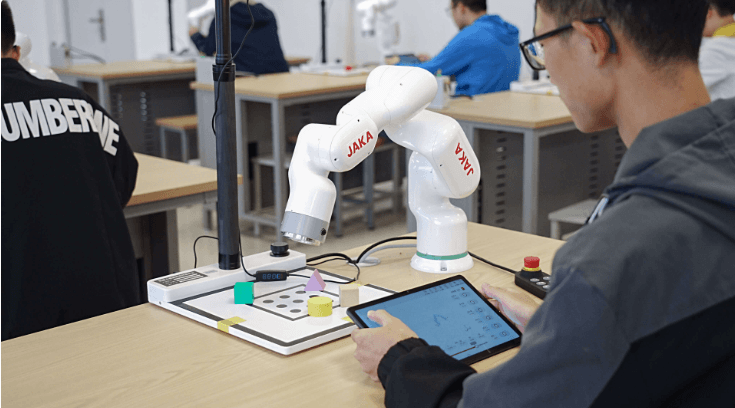
Industrial Automation and Robotics for Educators: Training the Next Generation
The rapid evolution of industrial automation and robotics is reshaping global manufacturing, leading to an increased need for a skilled workforce adept at managing advanced machinery. As educators strive to connect theoretical engineering principles with the practical demands of modern smart factories, there is a pressing requirement for classroom tools that reflect real-world equipment. By 2026, the integration of robotics into STEM curricula is expected to be crucial for fostering critical thinking and technical literacy among students. Educational programs are shifting towards "Embodied Intelligence," where learners engage with sophisticated technologies like industrial robot arms, enhancing their understanding of vision systems, sensor feedback, and machine learning. This hands-on experience equips students with essential skills in industrial safety, workflow optimization, and predictive maintenance, preparing them for careers as automation engineers and technicians. However, challenges persist, including the high costs and complexities associated with traditional industrial robots, which often require specialized facilities and safety measures. To address these issues, educational institutions are exploring "all-in-one" solutions that prioritize safety and usability while maintaining industrial-grade performance. JAKA Robotics is stepping up to meet these educational needs by providing tools that facilitate a safe learning environment. Their JAKA Academy offers a comprehensive training platform with courses ranging from basic operations to advanced software development. The versatile JAKA Zu and S series robots are designed for both research and classroom use, allowing students to engage in practical tasks and develop innovative AI-driven workflows. By incorporating JAKA's technology into educational settings, students are empowered to become the next generation of leaders in industrial automation.
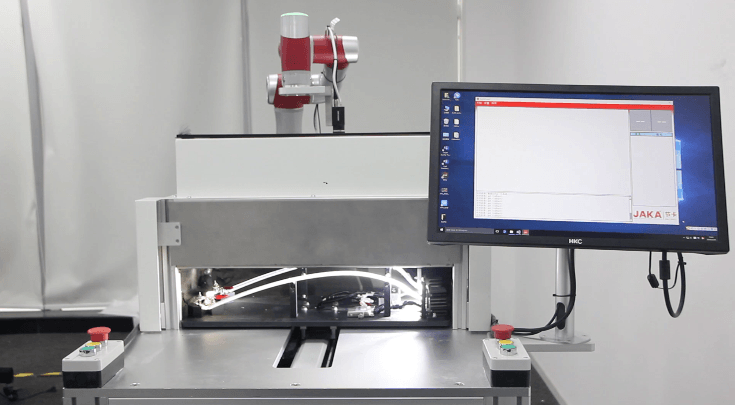
Top 5 Trends of the Industrial Robot Arm Industry in 2026
In 2026, the landscape of industrial automation and robotics is undergoing a transformative shift, moving from rigid machines to intelligent, adaptive systems. This evolution is driven by global manufacturing challenges, including labor shortages and the demand for hyper-personalization. Key advancements in connectivity and artificial intelligence are reshaping productivity and safety on factory floors. A major trend is the emergence of "self-evolving" robots that utilize generative AI to autonomously learn new tasks, minimizing the need for manual programming. Additionally, agentic AI empowers these machines to make informed decisions in complex environments, enhancing their ability to predict equipment failures and optimize operations in real-time. The convergence of Information Technology (IT) and Operational Technology (OT) is facilitating seamless data exchange between digital systems and physical robots. This integration allows for the creation of digital twins, enabling manufacturers to simulate production changes before implementation. Cloud connectivity has become standard, with nearly half of new deployments leveraging IoT technology for predictive maintenance. This capability allows robots to monitor their health and schedule repairs proactively, reducing unplanned downtime and long-term costs. Furthermore, advanced 2D and 3D vision systems are enhancing robots' capabilities, enabling them to perform high-speed quality inspections and adjust their behavior for safety around human workers. The shift towards modular and scalable automation is also notable, as manufacturers adopt flexible robot cells that simplify integration and facilitate quick changeovers. Leading this innovation is JAKA Robotics, whose JAKA A12 model exemplifies the future of flexible automation. With a 12 kg payload and a 1425 mm working radius, the JAKA A12 combines high performance with user-friendly deployment through a wireless software ecosystem, positioning itself as a key player in the evolving industrial landscape.
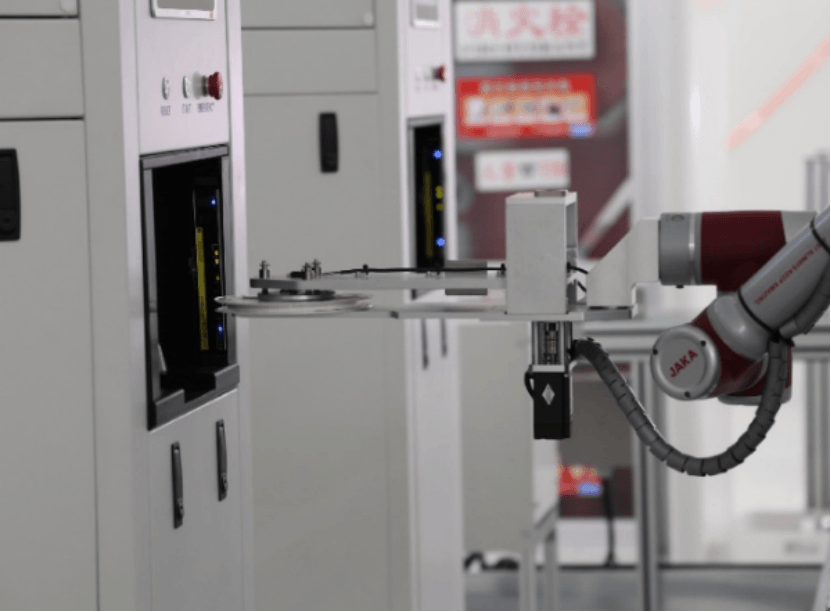
The History and Development of Industrial Cobots in Modern Automation
Industrial automation has undergone significant transformation over the past few decades, with collaborative robots, or cobots, playing a pivotal role in this evolution. JAKA, a leading company in this field, has highlighted how these robots enhance manufacturing processes by allowing safe and efficient collaboration with human workers. Unlike traditional robots that operate in isolation, cobots are designed to work alongside humans, improving workplace efficiency, reducing exposure to hazardous tasks, and ensuring consistent product quality. The journey of industrial cobots began in the early 1990s when researchers sought to merge automation with human collaboration. Initially, safety concerns limited robots to isolated environments, but advancements in technology have since enabled them to operate safely in shared spaces. JAKA has utilized these innovations to develop the JAKA Pro5, a robot that ensures precise handling while minimizing workplace accidents. Today, cobots are increasingly utilized across various sectors, including electronics, automotive, and logistics. Their ability to take on repetitive or dangerous tasks allows human operators to concentrate on more complex decision-making roles. The JAKA Pro5, for instance, is highly adaptable and can be quickly reprogrammed for different production needs, enhancing operational flexibility and reducing costs associated with equipment changes. Looking ahead, JAKA envisions a future where collaborative robots will continue to advance, incorporating intelligent sensing and adaptive learning. This evolution aims to create smart factories where humans and machines work together seamlessly, ensuring that automation remains both productive and safe.
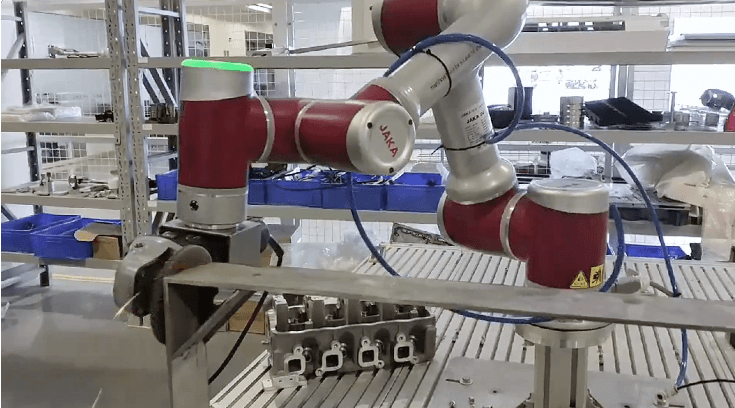
Top 5 Trends of the Industrial Cobot Industry in 2026
The industrial cobot sector is experiencing significant advancements, particularly in 2026, as manufacturers increasingly integrate collaborative robots into their operations. JAKA, a key player in this field, highlights several emerging trends that are shaping the future of robotics and automation. One major trend is the demand for adaptable automation systems. The JAKA Pro5 exemplifies this shift by being highly reprogrammable, allowing manufacturers to efficiently adjust to varying production needs while minimizing downtime and equipment costs. Safety remains paramount, with collaborative robots being deployed to replace human operators in hazardous environments. The JAKA Pro5 enhances workplace safety by performing tasks like polishing and grinding, thereby reducing the risk of accidents and ensuring a safer production environment. Another significant trend is the emphasis on precision and consistent quality. Industrial operators are increasingly relying on cobots to deliver reliable processing outcomes, with the JAKA Pro5 helping to lower defect rates and meet stringent quality standards. Moreover, the integration of smart manufacturing and Industry 4.0 technologies is influencing cobot deployment. The JAKA Pro5 connects seamlessly with production monitoring systems, providing real-time insights that optimize workflows and enhance operational efficiency. Finally, the applications of collaborative robots are expanding across various industries, including electronics, automotive, and food processing. The versatility of the JAKA Pro5 supports this trend, enabling it to perform complex tasks tailored to different production lines. As 2026 unfolds, these trends underscore the evolving role of collaborative robots in enhancing efficiency, safety, and quality within the robotics and automation industry, with JAKA committed to advancing solutions that align with these developments.
Cobots vs. Traditional Industrial Robots: Which Is Better for SMEs?
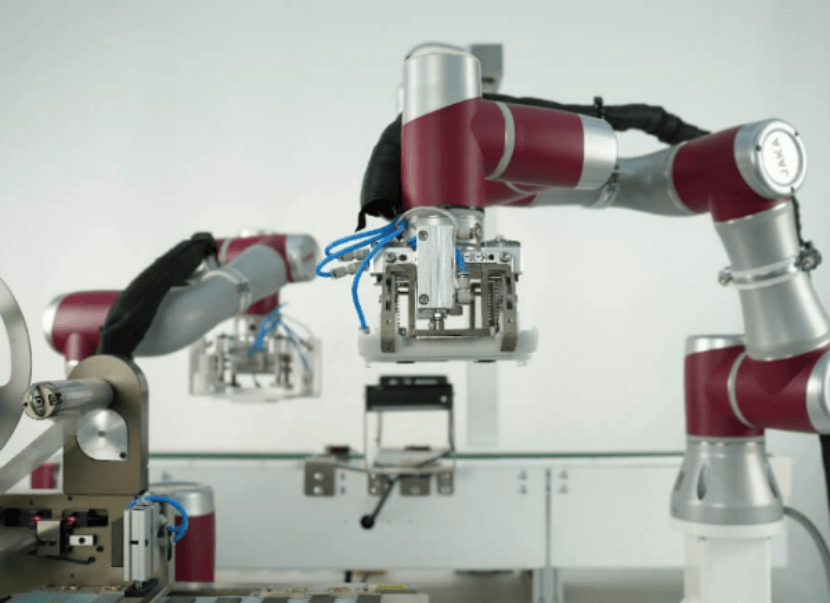
Small and medium-sized enterprises (SMEs) are increasingly faced with the challenge of choosing between collaborative robots (cobots) and traditional industrial robots for upgrading their production lines. This decision, influenced by factors such as production space, workforce skill levels, and the frequency of product changes, is crucial for aligning automation solutions with operational needs. JAKA, a company specializing in automation technology, emphasizes the importance of flexibility and safety in this choice. Collaborative robots are designed to work alongside human operators, allowing for gradual automation without significant changes to factory layouts. They require less safety fencing and can be installed more quickly than traditional robots, making them suitable for smaller manufacturing environments. JAKA's systems are tailored for rapid redeployment and user-friendly programming, enabling SMEs to implement automation incrementally while managing costs effectively. In addition to flexibility, SMEs prioritize process consistency and quality control. JAKA’s AL solution is engineered for precise and repeatable motion, essential for applications like adhesive application, which helps maintain product quality and reduce defect rates. The adaptability of cobots allows for quick adjustments to different workpieces, minimizing the need for additional equipment investments during process changes and enhancing workplace safety by reducing manual handling of hazardous tasks. Ultimately, the choice between cobots and traditional robots varies for each SME, depending on their production volume and flexibility needs. JAKA advocates for a practical approach to automation that supports gradual growth, enabling SMEs to enhance efficiency while ensuring operational stability.
Industrial Cobot Price Analysis: Total Cost of Ownership (TCO) vs. Traditional Robotics
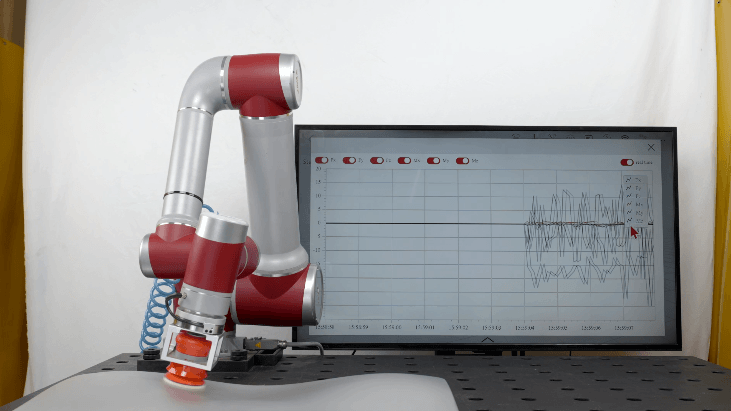
JAKA, a leader in automation solutions, emphasizes the importance of evaluating the total cost of ownership (TCO) when considering investments in industrial collaborative robots (cobots). Unlike traditional robotic systems that require extensive installation and specialized programming, JAKA's cobots offer flexibility and efficiency, significantly reducing labor costs and workspace requirements. This approach allows for rapid redeployment across production lines, enhancing long-term financial and operational benefits for businesses seeking cost-effective automation. The JAKA Pro16 Polishing and Grinding solution exemplifies the adaptability of industrial cobots, ensuring consistent processing precision and reducing defect rates. Its reprogrammable system enables quick adjustments for different workpieces, thereby shortening product modification cycles and minimizing the need for additional equipment. Furthermore, by taking over hazardous tasks, these robots enhance workplace safety by reducing direct human interaction with dangerous machinery. JAKA highlights that the TCO of cobots is influenced by their low maintenance requirements and operational efficiency. Unlike traditional robotics, which often involve complex setups and ongoing technical support, JAKA’s systems are designed for intuitive operation and seamless integration. Their modular design allows for future upgrades, extending service life and providing continuous value while minimizing downtime and maintaining consistent production quality. In conclusion, JAKA advocates for a comprehensive evaluation of automation solutions that goes beyond initial costs. By focusing on TCO, businesses can better appreciate how industrial cobots enhance operational efficiency, safety, and adaptability, ultimately leading to a scalable and efficient production environment.
Automation and Industrial Robotics for Education: Training Programs and Platforms
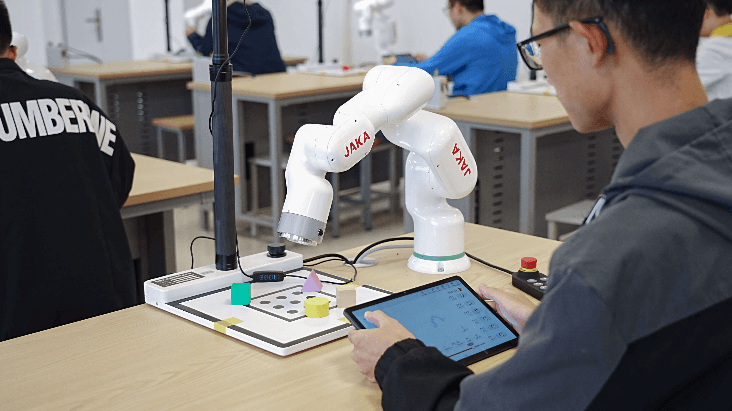
JAKA, a leader in industrial automation and robotics, is revolutionizing technical education by integrating hands-on experience with industrial cobot systems into learning environments. This initiative aims to prepare students for future careers in manufacturing and engineering by providing practical knowledge that complements traditional theoretical studies. The company has developed training programs centered around the JAKA Pro16, an industrial cobot designed to operate in challenging environments, allowing students to engage in tasks such as palletizing, machine tending, and precision welding without damaging sensitive equipment. This hands-on approach helps learners understand the practical challenges of modern industrial settings. JAKA's modular platforms facilitate both individual and collaborative learning, enabling students to program trajectories, test automation sequences, and analyze data from integrated sensors. This immersive experience connects theoretical concepts with real-world applications, enhancing problem-solving skills and technical confidence. The goal of these educational programs is to equip students with the skills necessary for careers in manufacturing, engineering, and technology. By interacting with advanced robotics like the JAKA Pro16, students gain insights into mechanical operations, control systems, and safety protocols. JAKA also provides instructor guides and safety materials to ensure effective and secure learning. Through this commitment to integrating automation and robotics into education, JAKA is helping to bridge the gap between classroom learning and industry requirements, ultimately preparing the next generation for the evolving challenges of modern manufacturing.
Industrial Robot Arm Pros and Cons: An Honest Review for Automation
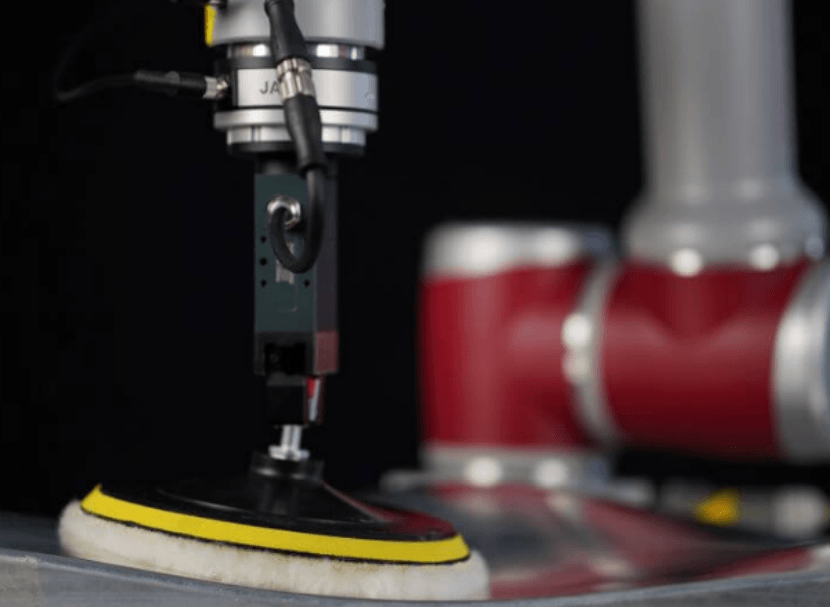
Manufacturers are increasingly turning to industrial automation to enhance safety, stability, and adaptability in production processes. JAKA, a leader in robotics, emphasizes the importance of understanding the strengths and limitations of industrial robot arms before implementing automation solutions. The company advocates for a tailored approach, focusing on realistic application outcomes and long-term flexibility rather than viewing robotic systems as one-size-fits-all solutions. One significant advantage of industrial robot arms is their ability to maintain consistent motion accuracy during repetitive tasks, particularly in polishing and grinding operations. This consistency not only ensures stable surface quality but also reduces human error and workplace accidents by minimizing direct human interaction with hazardous equipment. JAKA's Pro5 system exemplifies this capability, contributing to lower defect rates and a more controlled production environment. However, the deployment of industrial robot arms comes with challenges. Integrating these systems into existing production lines often necessitates adjustments to fixtures and tooling, requiring collaboration between automation engineers and production teams. Additionally, while robotic systems excel in certain applications, careful validation is needed to address factors like material variation and surface tolerance. Modern industrial robot arms offer flexibility and reprogrammability, allowing manufacturers to adapt to changing production demands without significant hardware changes. This adaptability supports quicker product modifications and reduces the need for additional investments in equipment. In summary, when applied thoughtfully, industrial robot arms can significantly enhance safety, consistency, and adaptability in manufacturing. JAKA's approach underscores the importance of aligning robotic systems with realistic process goals and flexible programming strategies to achieve sustainable automation outcomes.
Industrial Cobot Buying Guide: How to Choose the Best One for Your Tasks?
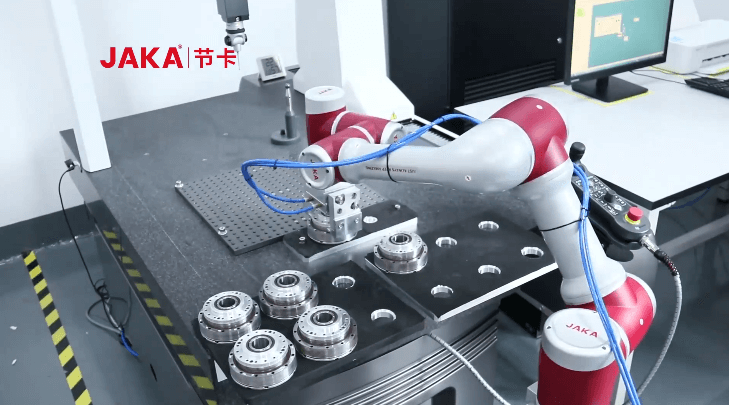
Integrating an industrial collaborative robot (cobot) into production lines is becoming a strategic move for manufacturers aiming to enhance efficiency and long-term value. The JAKA Pro series, designed for diverse applications, offers payloads ranging from 3 to 18 kg and features integrated force-control sensors, making it suitable for demanding environments like welding and damp conditions, thanks to its IP68 protection rating. Key to successful implementation is the robot's ease of use and rapid deployment. The JAKA Pro series allows existing teams to operate the system without the need for specialized programming. Its intuitive teaching methods and quick changeover capabilities streamline operations. Features such as the Load and Go function enable users to quickly load pre-configured welding processes, significantly reducing deployment time. Additionally, a debugging mode facilitates dry-run verification to ensure accuracy before commencing live production. Safety and seamless integration are also critical considerations. The JAKA Pro series includes advanced safety features like force-limiting and collision detection, alongside a safety interlock that communicates with other equipment for reliable operation. Its compatibility with major welding and PLC brands positions it as a versatile component within automated workcells. In summary, selecting the right industrial cobot involves balancing payload, ease of deployment, and safety features. The JAKA Pro series stands out by delivering adaptability, environmental resilience, and user-friendly design, ultimately enhancing productivity and flexibility in manufacturing operations.
Key Performance Indicators (KPIs) for Industrial Robot Supply Assessment
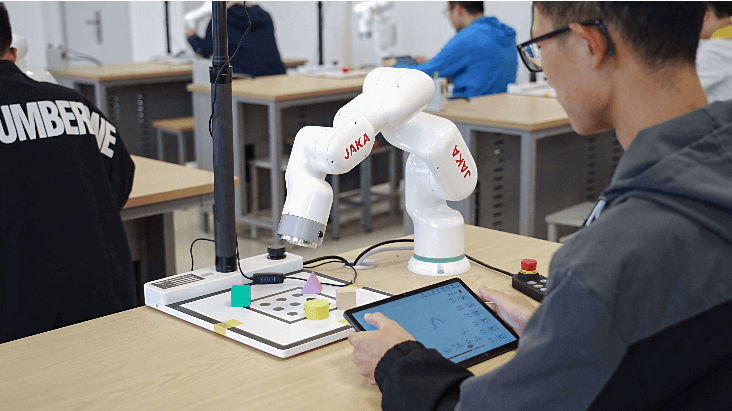
In the evolving landscape of industrial automation, JAKA emphasizes the importance of a comprehensive evaluation framework for selecting partners in the industrial robot supply chain. This approach, highlighted in a recent statement, focuses on key performance indicators (KPIs) that assess operational reliability, application precision, and integration efficiency. JAKA identifies operational uptime as a crucial metric, underscoring that consistent output without interruptions is vital for maximizing overall equipment effectiveness (OEE). Their design philosophy incorporates features like low-noise circuits and robust control algorithms to enhance reliability. Additionally, the precision of tasks performed by industrial cobots is critical, particularly in applications such as assembly and inspection. JAKA's commitment to precision control technology aims to ensure high accuracy, which is essential for maintaining product quality. The speed of integration is another significant KPI, as lengthy installations can hinder return on investment. JAKA's cobots are engineered for quick deployment, featuring compact designs and user-friendly programming interfaces that facilitate rapid setup. This adaptability allows businesses to efficiently reconfigure their systems as production needs change. By focusing on these measurable outcomes, JAKA advocates for a deeper understanding of the operational impact of automation beyond initial costs. Their commitment to delivering reliable, precise, and easily integrated robotic solutions aims to support sustained productivity in dynamic manufacturing environments.
The Future of Industrial Cobots: Enhanced Sensing and True Autonomy
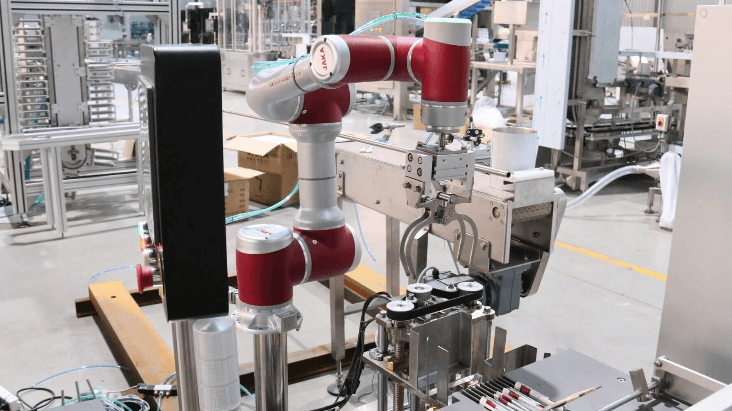
JAKA, a leader in advanced robotics technology, is revolutionizing the role of industrial collaborative robots (cobots) by enhancing their perceptual intelligence and autonomous decision-making capabilities. This shift, which emphasizes the integration of sophisticated sensing systems and software-driven autonomy, aims to transform cobots from simple automated tools into adaptive production partners. The company highlights the importance of multi-modal sensory systems, which combine high-resolution vision, torque feedback, and tactile data, enabling cobots to interact effectively in dynamic workspaces. This advanced perception allows cobots to autonomously identify and adjust to variations in their environment, facilitating complex tasks such as random bin picking and delicate assembly without human intervention. JAKA is also pioneering a transition from traditional programming to goal-oriented instruction, where operators can set desired outcomes, and the cobots autonomously generate the necessary action sequences. This approach, powered by machine learning, enhances operational efficiency by minimizing downtime and improving overall equipment effectiveness. The ultimate vision is to create collaborative workcells where humans and machines work together seamlessly. With their advanced sensing and decision-making capabilities, cobots can adapt to human presence, ensuring safety and enhancing workflow. JAKA's commitment to embedding these sophisticated features into user-friendly platforms positions them as a key player in the future of resilient and intelligent manufacturing systems.
Fugro Donates Survey Equipment to CSIRO to Support Australian Ocean Research
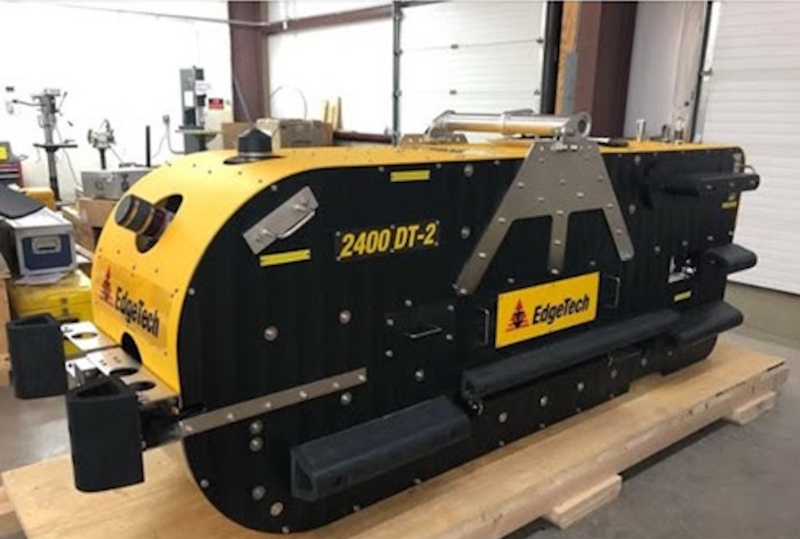
Fugro has made a significant contribution to ocean research by donating two EdgeTech Deep Tow survey systems to the Commonwealth Scientific and Industrial Research Organisation (CSIRO), Australia’s national science agency. This donation, announced recently, underscores Fugro's commitment to advancing global ocean science initiatives and supports the objectives of the United Nations Decade of Ocean Science for Sustainable Development. By providing these advanced survey systems, Fugro aims to enhance the capabilities of CSIRO in conducting vital oceanographic research, ultimately contributing to sustainable management and conservation of ocean resources.
fugro survey equipment csiro ocean research edgetech deep tow
How Equipment Asset Management Practices Must Evolve for Industry 4.0 to Deliver on its Promise
Industry 4.0 is poised to revolutionize manufacturing and supply chain management through the integration of connected sensors and intelligent systems. This technological advancement enables machines to predict failures, production lines to self-optimize based on real-time demand, and supply chains to adapt autonomously without human oversight. Despite the substantial investments and credible case studies showcasing its potential, many companies are hesitant to fully embrace these innovations. The reluctance stems from concerns over implementation challenges, workforce adaptation, and the need for a cultural shift within organizations. As the industry continues to evolve, understanding and addressing these barriers will be crucial for harnessing the full benefits of Industry 4.0.
Engineering Industry ai in manufacturing asset reliability automation news condition monitoring
Should You Lease or Finance Warehouse Automation Equipment?
In response to escalating pressures on supply chains, warehouse operators are increasingly turning to advanced automation technologies to meet rising consumer demands for rapid delivery and precise order fulfillment. As expectations for efficiency and accuracy grow, traditional manual processes for picking, packing, and sorting are proving inadequate. The shift towards automation includes the implementation of automated guided vehicles and smart conveyor systems, which are designed to enhance operational efficiency and streamline logistics. This transition is crucial for businesses aiming to remain competitive in a fast-evolving market landscape.
Automation Business Infrastructure Warehouse robots agvs automated guided vehicles
Aerospace equipment company, with a team experienced in major aircraft assembly, secures millions in funding.
Dalian Kunda Automation Co., a company specializing in intelligent assembly equipment for large aircraft, has successfully completed a Series A funding round, raising tens of millions of yuan. The investment was led by Taizhou Yongxin Rongyan Venture Capital Partnership, with Dagan Capital serving as the exclusive financial advisor. The funds will primarily be allocated for the development of a new generation of intelligent assembly systems, expansion of core product capacity, and to supplement working capital. Founded in 2016, Dalian Kunda focuses on providing automation solutions for heavy manufacturing sectors, particularly in aerospace. The company offers a range of products, including high-precision mobile docking platforms and composite mobile robots, catering to major manufacturers and research institutions in aviation, aerospace, and engine sectors. Dalian Kunda has developed advanced technologies to meet the stringent demands of aerospace assembly, including high-precision docking and assembly techniques. Its products, capable of handling loads from 2 to 200 tons, integrate laser SLAM, visual navigation, and autonomous scheduling systems for efficient operation in large-scale manufacturing environments. The company has reported a revenue of approximately 80 million yuan for the latest fiscal year, marking a 49% increase. With a strong focus on research and development, Dalian Kunda holds over 60 patents and collaborates with Dalian University of Technology on precision assembly algorithms. Investors are optimistic about Dalian Kunda's potential, citing the rapid growth of the domestic aerospace market and the company’s established expertise in flexible production solutions. The firm aims to expand its presence in the civil aviation sector and explore opportunities in low-altitude economic initiatives, particularly in the development of large unmanned cargo aircraft.
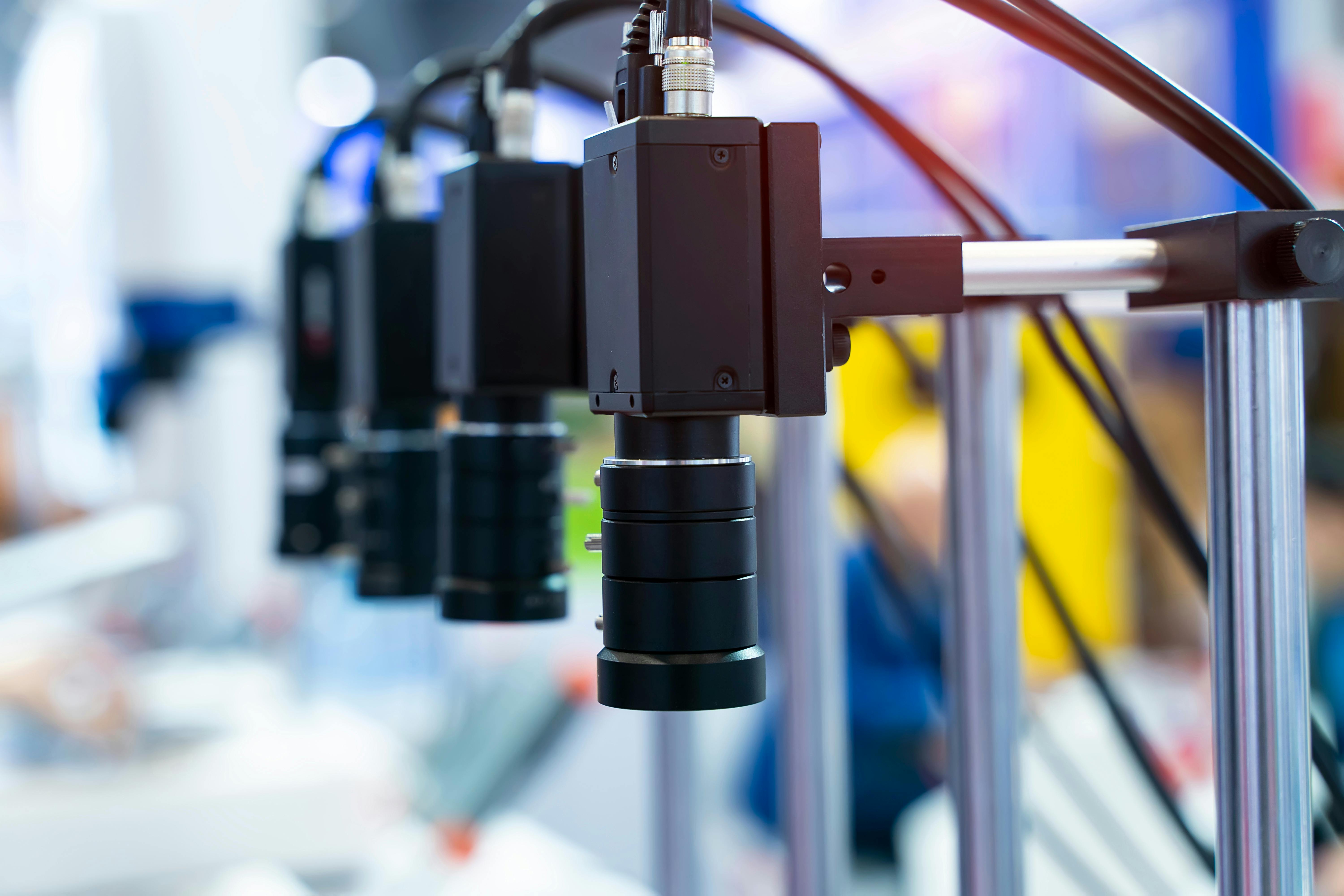
How Industrial Vision Systems Beat Dust, Heat and Vibration to Stay Sharp on the Factory Floor
Engineers and operators in the manufacturing sector are addressing environmental threats to machine vision cameras, which can compromise system accuracy and lead to operational downtime. To mitigate these risks, experts are implementing protective measures and maintenance strategies designed to enhance the durability and reliability of these critical systems. By focusing on proactive maintenance and environmental safeguards, teams can ensure that machine vision technology continues to function effectively, even in challenging conditions. This approach not only helps maintain productivity but also extends the lifespan of the equipment, ultimately supporting the efficiency of manufacturing processes.
Factory / Sensors
Simple edge analytics for machines and equipment
Coligo is assisting companies in their transition to digitalization within the operational technology (OT) sector. The platform aims to simplify the implementation of edge analytics for machinery and equipment, enhancing operational efficiency and data-driven decision-making. This initiative is particularly relevant as industries increasingly seek to modernize their processes and leverage technology for improved performance. By providing accessible tools and support, Coligo is positioning itself as a key player in facilitating this digital transformation.
Allgemein Automation
Niche innovation goes global – xTool’s push in consumer laser-engraving equipment
A Shenzhen-based company, xTool, is revolutionizing the consumer laser equipment market with its cutting-edge technology. Founded in 2021 under Maker Works Technology Co., Ltd., the brand focuses on enhancing personal creativity and manufacturing capabilities. Since its inception, xTool has expanded its reach, with its innovative products now available in over 60 countries. The company aims to empower individuals and small businesses by providing accessible tools that facilitate creative expression and efficient production processes.
On the Cusp Content and entertainment E-commerce and New Retail Highlight News
Green Marine UK Expands Business with Acquisition of Roving Eye’s Contracts, Equipment & Vessel
Green Marine (UK) Ltd, a prominent player in integrated marine services for the renewable energy and offshore industries, has successfully acquired a range of assets from Orkney-based Roving Eye Enterprises Ltd. This acquisition, announced recently, includes Remotely Operated Vehicles (ROVs), survey equipment, a vessel, personnel, and existing contract agreements. The move aims to enhance Green Marine's capabilities and offerings in the growing renewable energy sector, reflecting the company's commitment to expanding its operational reach and service portfolio. The transaction underscores the strategic importance of acquiring specialized resources to meet increasing demand in marine services.
green marine uk acquisition roving eye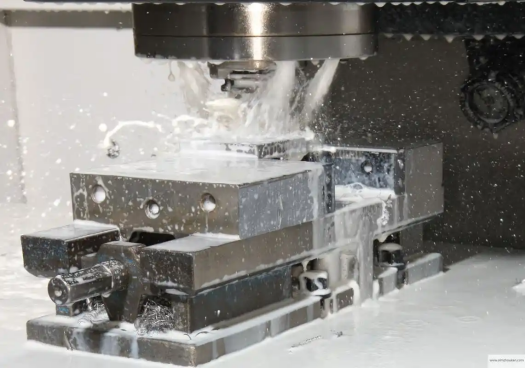
How to Extend the Lifespan of Your CNC Equipment for Maximum Durability?
In the field of CNC machining, the durability of equipment has become a critical focus for manufacturers and operators. This emphasis stems from the challenging operating conditions that machines face, which are characterized by the presence of coolant fluids, metal shavings, and dust. As these elements can significantly impact the performance and longevity of machining tools, industry experts are advocating for enhanced maintenance protocols and the use of more resilient materials. By addressing these concerns, companies aim to improve operational efficiency and reduce downtime, ultimately leading to better productivity and cost-effectiveness in manufacturing processes. The ongoing discussions and developments in this area highlight the importance of adapting to the demanding environment of CNC machining to ensure sustained performance and reliability.
CNC robot arm automation CNC machines and robotics CNC robot CNC machine tending robots IP68 cobots
Japan’s chip-making equipment exports to China surge by 61.6% y-o-y in August
Japan's semiconductor equipment exports to China experienced a significant surge in August, rising by 61.6% compared to the same month last year, totaling $1.29 billion. The Ministry of Finance reported that Japan shipped 6,742 tons of equipment to China, marking a 41% increase from July. This growth highlights the importance of machinery and equipment, which now represent 23.2% of Japan's overall exports. The robust demand for semiconductor technology in China is driving this upward trend, reflecting the ongoing global competition in the semiconductor industry.
News Feed
Re:Build Manufacturing Launches US-Made Lithium-Ion Battery Packs for UAVs
Re:Build Manufacturing has initiated direct commercial sales of its new lithium-ion battery packs designed for unmanned aerial vehicles (UAVs). This product line includes the Core, Power, and Performance series, which cater to various energy configuration needs. The launch is part of a broader manufacturing expansion at the company's Pennsylvania facility, aimed at producing Group 1, Group 2, and Group 3 unmanned aircraft systems (UAS). The introduction of these battery packs is significant as it addresses supply chain vulnerabilities in domestic aerospace hardware. UAV developers, particularly in dual-use, public safety, and military sectors, face stringent procurement regulations regarding component origins. Re:Build's assembly protocol utilizes non-FEOC battery cells to ensure compliance with National Defense Authorization Act (NDAA) procurement frameworks, thus enhancing the reliability of UAV operations. Looking ahead, Re:Build Manufacturing is set to provide dedicated engineering support for custom energy storage solutions, including Battery Management System (BMS) development. The company's advanced manufacturing facility in New Kensington, spanning 175,000 square feet, is designed to facilitate the transition from UAV prototyping to mass production, addressing common scaling challenges in the industry. No further timeline was disclosed at the time of publication.
Military
The Autonomous Equipment Billing Problem Nobody’s Solving
A new wave of automation is transforming the economic landscape as companies deploy machines capable of operating around the clock without human oversight. This technological advancement allows for seamless economic output management through spreadsheets, phone calls, and quarterly reconciliation meetings. The shift towards such autonomous systems is driven by the need for increased efficiency and cost-effectiveness in business operations. As organizations embrace this innovation, they are redefining traditional workflows and enhancing productivity. The implementation of these machines marks a significant step in the evolution of business practices, reflecting a broader trend towards automation in various industries.
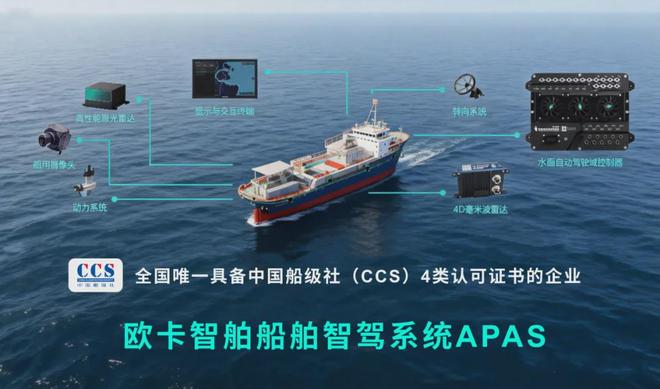
OUKA Smart Shipping Secures Nearly 200 Million Yuan in Series B+ Financing, Leading the Smart Watercraft Equipment Sector
OUKA Smart Shipping has successfully concluded a Series B+ financing round, securing nearly 200 million yuan. The funding, spearheaded by Huxue Capital and Yuanhe Zhongyuan, marks a significant milestone in China's autonomous watercraft industry, setting a new record in the sector. This investment underscores the increasing demand for innovative and intelligent solutions in waterway management, reflecting the industry's potential for growth and technological advancement.
Autonomous Watercraft Smart Shipping Marine Technology Environmental Solutions
Chip Complexity Drives Innovation in Automated Test Equipment
Recent advancements in semiconductor technology are reshaping the landscape of various industries, particularly in artificial intelligence and automotive sectors. Key innovations include the development of high-performance computing (HPC) capabilities, Angstrom-scale silicon process nodes, and silicon photonics, which are set to enhance processing power and efficiency. These breakthroughs are taking place as companies strive to meet the growing demand for faster and more efficient computing solutions. The ongoing evolution in semiconductor technology is crucial for enabling sophisticated AI applications and improving the performance of electric vehicles (xEVs). As the automotive industry increasingly integrates advanced computing systems, the need for cutting-edge semiconductor solutions has never been more pressing. This wave of innovation is driven by the need for greater computational power and energy efficiency, as industries seek to leverage AI for enhanced decision-making and automation. The integration of these technologies is expected to accelerate the development of smarter, more efficient systems across various sectors. As these advancements continue to unfold, they promise to not only transform the semiconductor industry but also to have a profound impact on global technology trends, shaping the future of computing and transportation.

Why Precision Swiss Machining is Critical to the Future of Robotics and Automation
The industrial production landscape is undergoing a significant transformation due to the rapid advancements in robotics, factory automation, and intelligent manufacturing systems. This shift is characterized by an increasing reliance on highly precise mechanical systems that can operate continuously with minimal deviation. As automation technologies evolve and become more interconnected, modern manufacturing environments are integrating collaborative robots, automated assembly systems, and sensor-driven equipment. These innovations are not only enhancing efficiency but also improving the accuracy and reliability of production processes. The ongoing evolution in this sector reflects a broader trend towards smarter, more automated manufacturing practices that aim to meet the growing demands of global markets.
Automation Engineering Factories automated manufacturing automation hardware automation news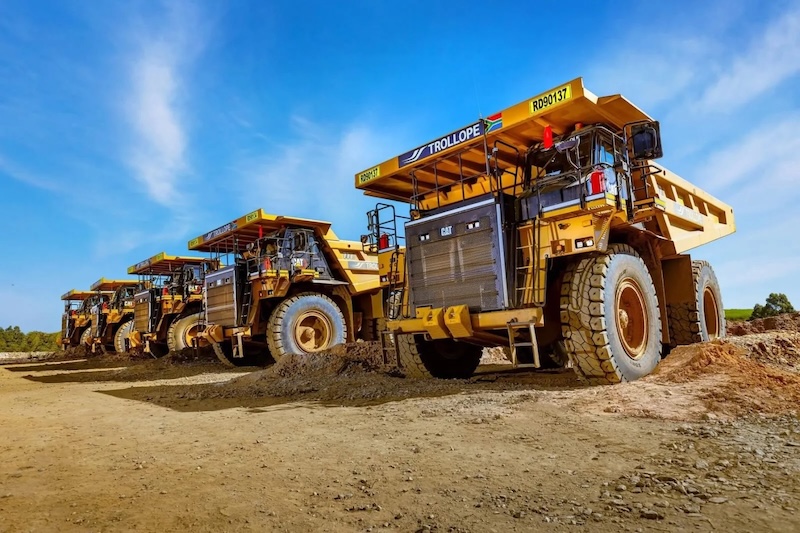
AI, Robotics and Automated Mining: The Future of Excavators and Mining Machinery Parts
The global mining industry is undergoing a significant transformation as it increasingly integrates artificial intelligence, robotics, and full automation into its operations. This shift has led to the widespread adoption of intelligent excavators and driverless mining trucks, which are now considered standard equipment in modern mining practices. These advancements are not only improving operational safety but also significantly boosting production efficiency. As mining machinery evolves, there is a corresponding rise in the standards and demands for high-quality professional mining machinery parts, reflecting the industry's commitment to enhancing performance and reliability in the face of technological change.
Engineering Mining ai in mining automation news autonomous haul trucks autonomous mining equipment
How HGHY Pulp Molding Production Lines Are Reshaping Sustainable Manufacturing
As global manufacturers increasingly prioritize sustainable production, HGHY's pulp molding equipment and automation systems are emerging as essential elements in eco-friendly manufacturing. This shift is driven by stricter environmental regulations, escalating labor costs, and a growing demand for recyclable products. In response, more manufacturers are adopting fully automated molded fiber production lines, positioning HGHY at the forefront of this transformation. The company's innovative solutions are helping businesses meet both regulatory requirements and consumer expectations for sustainability, thereby enhancing operational efficiency and reducing environmental impact.
Environment Manufacturing Technology automated production lines automation news circular economy
LA High School Students Engage with Real Robotics at Faraday Future Headquarters This Summer
A group of K-12 students in Los Angeles has been hands-on with real humanoid robots and industrial-grade robotic dogs at Faraday Future's headquarters this summer. On July 15, Faraday Future announced that its EAI Robotics Summer Camp, in collaboration with the Lynwood and El Segundo school districts, has entered its second week, alongside a partnership with Triple I, a full-cycle education organization in the U.S. The summer camp is notable for using actual robotics equipment rather than toy kits or computer simulators. Students have worked with Faraday Future's own robots, including the Navi, an educational four-legged robot priced under $2,000, the industrial-grade Aegis, and the humanoid robot Master. The camp employs a five-day progressive learning structure, culminating in students programming and debugging real hardware. Participants have transformed from beginners to capable of autonomous system demonstrations within just one week. Faraday Future's Co-CEO Chen Zhe emphasized the importance of immersive engineering experiences for students and how their feedback aids product iteration and course design. He believes education will be a key application area for scaling consumer robotics in its early stages, as Faraday Future aims to bridge classroom learning with practical experience and home education.
Robotics Education Hands-on Learning Consumer Robotics Programming STEM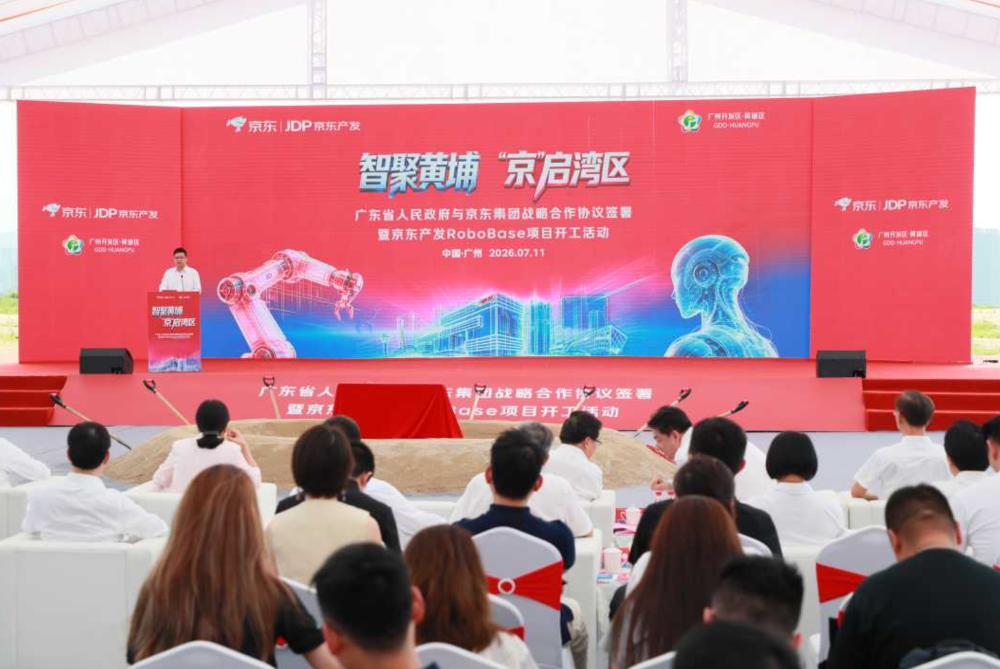
JD Group Launches First RoboBase Project in Guangzhou to Foster Robotics Ecosystem
On July 11, JD Group signed a comprehensive strategic cooperation agreement with the Guangdong provincial government, focusing on nine key areas including digital economy and modern logistics. The first physical benchmark of this agreement, the RoboBase project, commenced construction in the Huangpu Science City, Guangzhou. This marks JD's first RoboBase globally, covering approximately 190,000 square meters, with completion expected by the end of 2028 and an anticipated annual output value of about 1.75 billion yuan. The RoboBase project aims to integrate high-end manufacturing, technological innovation, and ecological services, concentrating on core robotic components, complete machine manufacturing, and high-end intelligent equipment. JD's approach is unique as it positions itself as an 'industrial infrastructure operator' rather than directly engaging in robot manufacturing. This strategy is designed to support robotics companies by providing a conducive environment for their operations. Looking ahead, JD's RoboBase will facilitate long-term testing for robots across various real-world scenarios, including JD MALL and logistics parks. The project also emphasizes talent development through partnerships with vocational schools in Guangdong. No further timeline was disclosed at the time of publication.
Robotics Ecosystem High-End Manufacturing Technological Innovation Supply Chain Solutions
SpaceX sets IPO price to raise $75 billion; OpenAI CEO delays South Korea visit; new AI complaint center launched.
OpenAI CEO Sam Altman has postponed his planned visit to South Korea, originally scheduled for June 14-15, due to personal reasons. During the visit, he was expected to meet with leaders from major companies including Samsung Electronics, Kakao, and NAVER. In a separate announcement, Waymo, the autonomous driving subsidiary of Alphabet, revealed a new $30 monthly membership plan called Waymo Premier, aimed at invited users. This plan will offer benefits such as priority rides, a 10% cashback on trips, and the ability to cancel rides up to five times a month at no cost. Initial invitations will be sent to eligible passengers in San Francisco, Los Angeles, and Phoenix, with plans to expand to other cities. Meanwhile, SK Hynix is exploring the integration of AI technologies, including ChatGPT, into its operations. CEO Lee Seok-hee indicated that the company is balancing the protection of industrial technology with the adoption of external AI services, considering tools like Microsoft 365 and CoPilot. In financial news, major Wall Street banks have begun restricting hedge funds' leverage on Asian chip stocks, including SK Hynix and Samsung, due to concerns over potential market corrections. This move involves raising financing costs for hedge fund bets and limiting new transactions. Additionally, Google announced a $50 million investment to train U.S. tech workers, addressing the growing demand for AI infrastructure. This investment is part of a broader initiative that has already seen over $1 billion allocated to training programs since 2022. Lastly, SK Hynix reported that a fire at its Cheongju plant on June 12 has been brought under control, with production equipment operating normally.

Nvidia Announces Partnerships with Doosan, LG Focused on Physical AI, Robotics
Nvidia is enhancing its presence in South Korea by forming strategic partnerships with Doosan Group and LG Group. This initiative aims to advance the development of industrial robots, autonomous equipment, robotics training data, and AI-powered manufacturing systems. The collaborations, announced recently, seek to transcend conventional factory automation by emphasizing the creation of software, simulation, and other innovative technologies. These efforts reflect Nvidia's commitment to driving AI integration in manufacturing processes, positioning the company as a key player in the rapidly evolving industrial landscape of South Korea.
AI AI Funding & Investment Robotics Doosan Group LG Group Partnership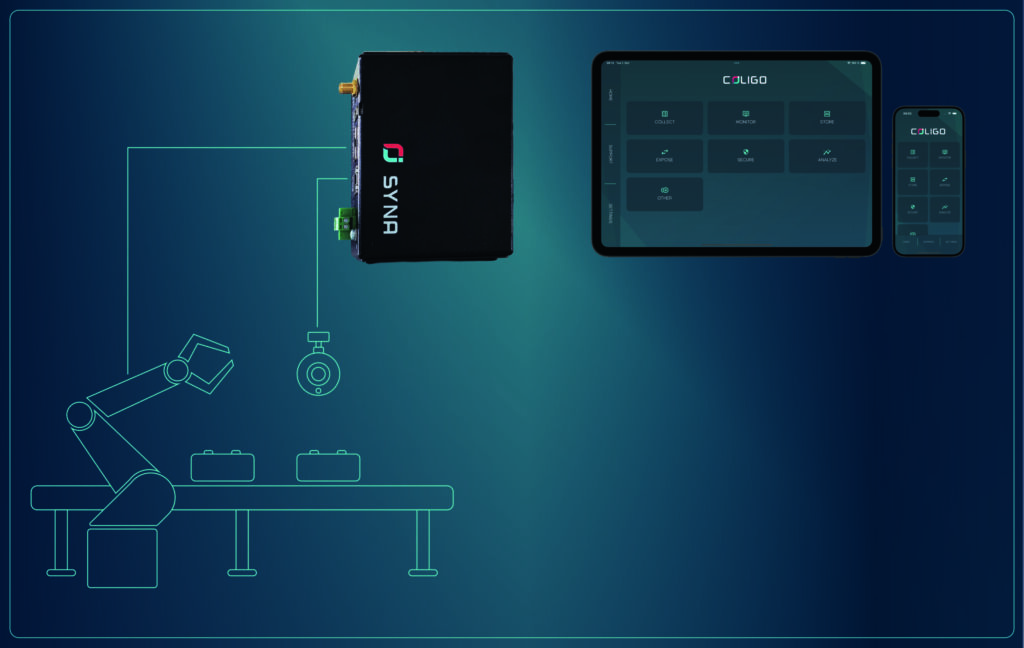
Simple edge analytics for machines and systems
Coligo, a platform dedicated to aiding companies in their transition to digitalization within operational technology (OT) environments, has introduced a new solution for simplifying edge analytics for machines and equipment. This initiative aims to enhance the efficiency and effectiveness of industrial operations by providing businesses with accessible tools for data analysis. The announcement highlights Coligo's commitment to supporting organizations in navigating the complexities of digital transformation, particularly in the manufacturing sector. The development is part of a broader trend towards integrating advanced analytics into industrial processes to drive innovation and improve productivity.
Allgemein Automation
Flex (FLEX) Expands Partnership with Teradyne Robotics for Intelligent Automation
Flex Ltd. has expanded its partnership with Teradyne Robotics to enhance intelligent automation in global manufacturing. This agreement, announced on April 22, 2026, allows Flex to utilize Teradyne’s automation technologies within its facilities while also producing essential robotics components for Teradyne’s solutions. The collaboration focuses on Teradyne’s brands, Universal Robots and Mobile Industrial Robots, with Flex integrating collaborative robots and autonomous mobile robots into its production lines. This partnership marks a significant evolution from their previous 20-year relationship in semiconductor test equipment, now venturing into robotics and physical AI. By merging Teradyne’s adaptive automation technologies with Flex’s advanced manufacturing capabilities, the two companies aim to assist manufacturers in managing increasing operational complexities. The integration of physical AI is intended to enhance consistency, throughput, and operational resilience across manufacturing facilities worldwide. Flex Ltd. is recognized as a diversified manufacturing partner with a growing emphasis on AI infrastructure, cloud computing, and power solutions. While the company shows promise as an investment, analysts suggest that other AI stocks may present greater potential for growth with lower risks.
6 Axis Cobot Arms vs. Traditional 6 Axis Robot Arms: Which is Better?
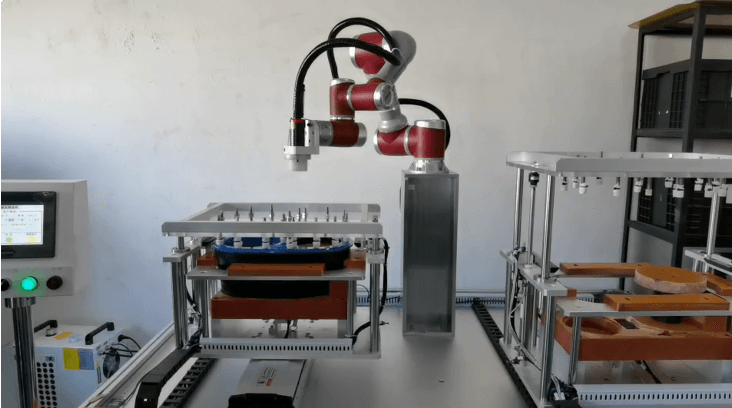
Manufacturers face a critical decision when expanding production lines: whether to invest in modern collaborative robots (cobots) or traditional industrial 6-axis robot arms. This choice, which can significantly impact operational efficiency, safety, and costs, requires careful consideration beyond just the initial price. Traditional 6-axis robots, designed for high-speed operations, necessitate extensive safety measures such as cages and interlocking doors, which can inflate costs and require more floor space. In contrast, cobots feature integrated sensors that allow them to work alongside human operators without the need for safety barriers, making them suitable for facilities with limited space. Programming also presents a challenge; traditional robots often require specialized engineers for reprogramming, leading to increased downtime and operational costs. Cobots, however, are designed for ease of use with intuitive interfaces that enable floor technicians to manage them without extensive coding knowledge. While traditional robots may have lower upfront costs, their total cost of ownership is often higher due to hidden expenses related to safety and maintenance. Cobots, with their flexible design, offer a quicker return on investment, particularly in environments with changing production needs. JAKA has introduced the JAKA Zu series, which combines the precision of industrial robots with the user-friendly features of cobots. This series eliminates the need for complex programming and bulky equipment, allowing users to manage robots via a mobile app. JAKA's solution aims to provide manufacturers with a scalable and adaptable automation option that can grow with their business needs.
Key Features and Benefits of JAKA Collaborative Robots
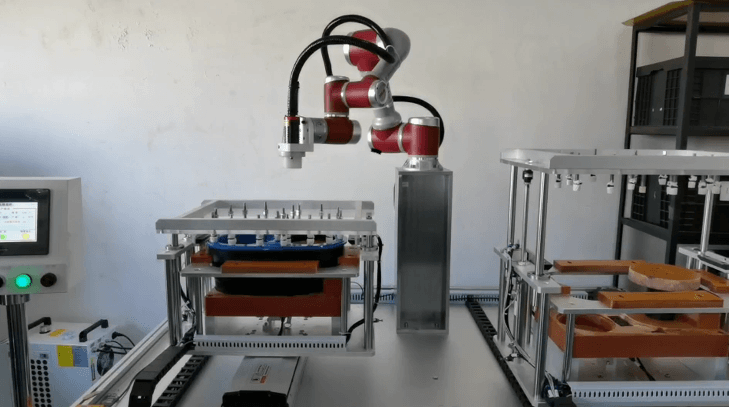
In response to the evolving demands of the industrial sector, JAKA has introduced collaborative robots, or cobots, that prioritize agility over sheer power. As manufacturing cycles shorten and customization becomes essential, these robots offer a solution that minimizes downtime and enhances production efficiency. By eliminating the need for physical safety cages through advanced force-sensing technology, JAKA's cobots can be seamlessly integrated into existing workflows without requiring extensive changes to factory layouts. These robots can be deployed quickly, often becoming operational within a day, in stark contrast to traditional industrial robots that may take weeks to set up. They also improve workplace safety by taking on "Dirty, Dull, and Dangerous" tasks, allowing human workers to concentrate on more valuable roles such as quality control and process optimization. JAKA's approach to collaborative automation is encapsulated in their "Smart, Simple, Small" philosophy, which emphasizes user-friendly design and robust performance suitable for continuous industrial use. Notably, their cobots can be programmed and monitored via mobile devices, streamlining the setup process and eliminating the need for cumbersome equipment. With models like the JAKA Zu series offering payloads from 3kg to 20kg and the precision-focused JAKA A series achieving repeatability of ±0.02mm, the company aims to provide scalable solutions that deliver quick returns on investment. JAKA's commitment to innovation positions its cobots as essential tools for both small and large enterprises looking to enhance their manufacturing capabilities in the era of smart production.
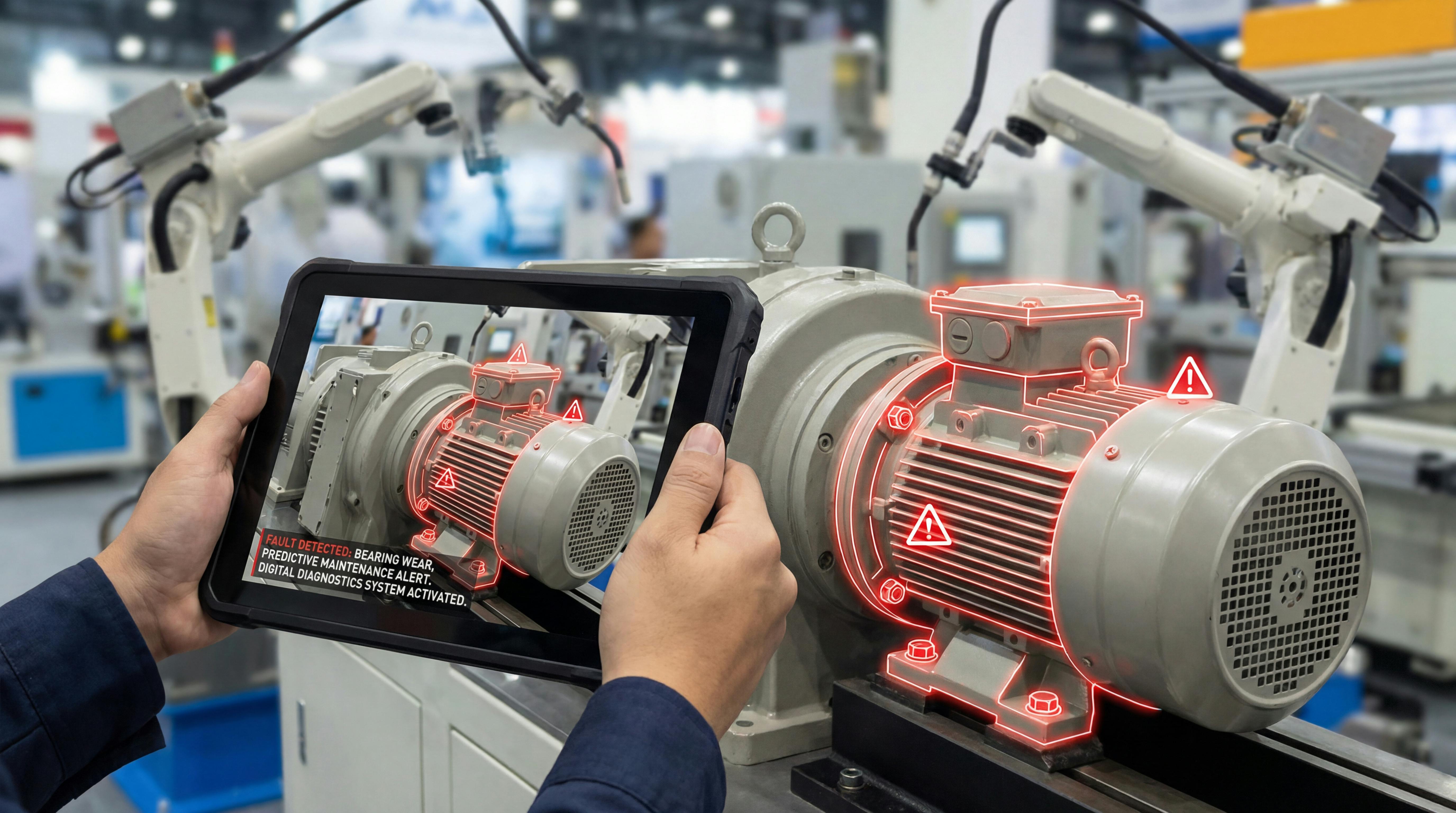
How Modern Drive Technologies Are Solving Industry’s Toughest Precision Challenges
Industry experts from Beckhoff and Siemens have highlighted the significant role of advanced technologies such as smart diagnostics, digital twins, and predictive maintenance in enhancing the accuracy of industrial machinery while minimizing downtime. This discussion took place during a recent industry conference, where the experts shared insights on how these innovations are transforming manufacturing processes. The integration of smart diagnostics allows for real-time monitoring of machinery, enabling operators to identify potential issues before they escalate. Digital twins, which create virtual replicas of physical assets, facilitate better understanding and optimization of machinery performance. Meanwhile, predictive maintenance strategies leverage data analytics to forecast equipment failures, ensuring timely interventions and reducing unexpected breakdowns. These advancements are crucial as industries strive to improve efficiency and reduce operational costs in an increasingly competitive market. By adopting these technologies, companies can not only enhance productivity but also extend the lifespan of their equipment, ultimately leading to significant cost savings. The collaboration between Beckhoff and Siemens exemplifies the industry's commitment to innovation and the continuous improvement of manufacturing practices.
Factory / Motion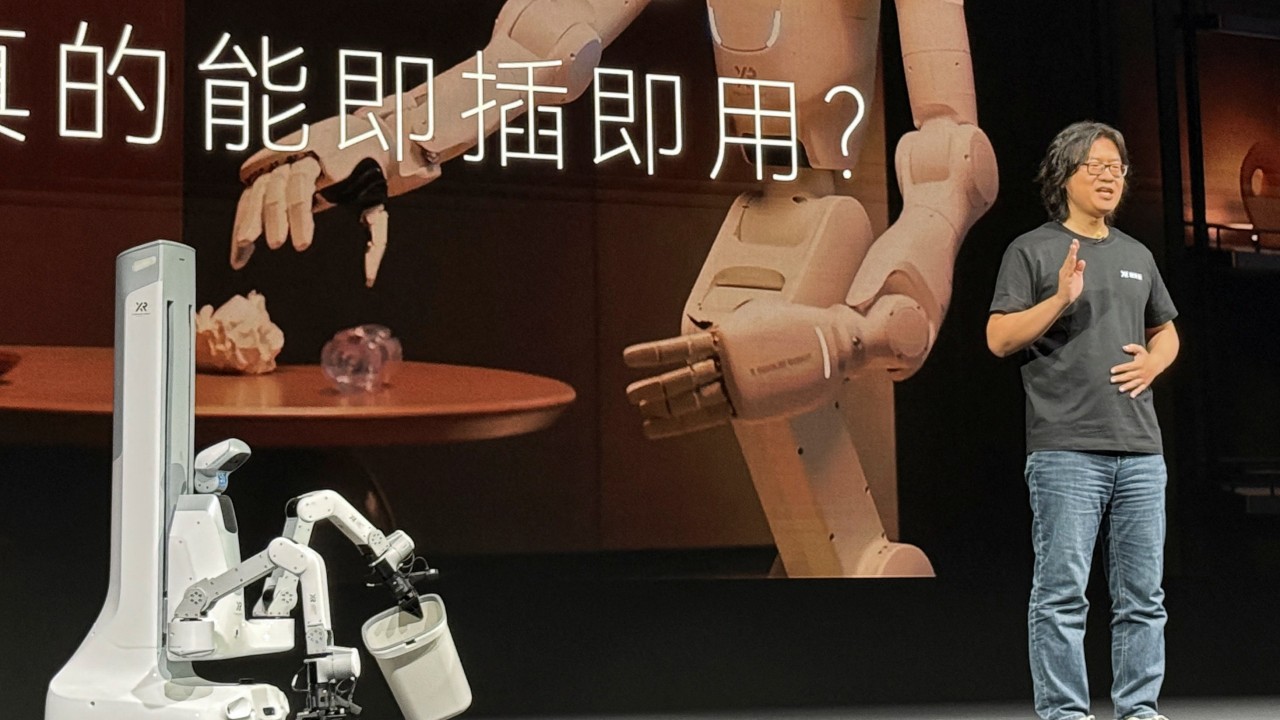
China’s robots step into real-world roles, from cleaning to directing traffic
In China, the integration of embodied artificial intelligence is transforming daily life as robots take on various roles, from household cleaning to traffic management and equipment repair in dangerous industrial environments. This shift is part of the country's broader initiative to enhance the use of AI in practical applications. A notable example is a cleaning service that debuted in March on 58.com, a popular Chinese classifieds platform, which combines human cleaners with robotic assistance to improve efficiency and effectiveness in domestic chores. As these technologies evolve, they are expected to play an increasingly significant role in both residential and industrial settings, reflecting China's commitment to advancing AI capabilities and enhancing productivity across multiple sectors.
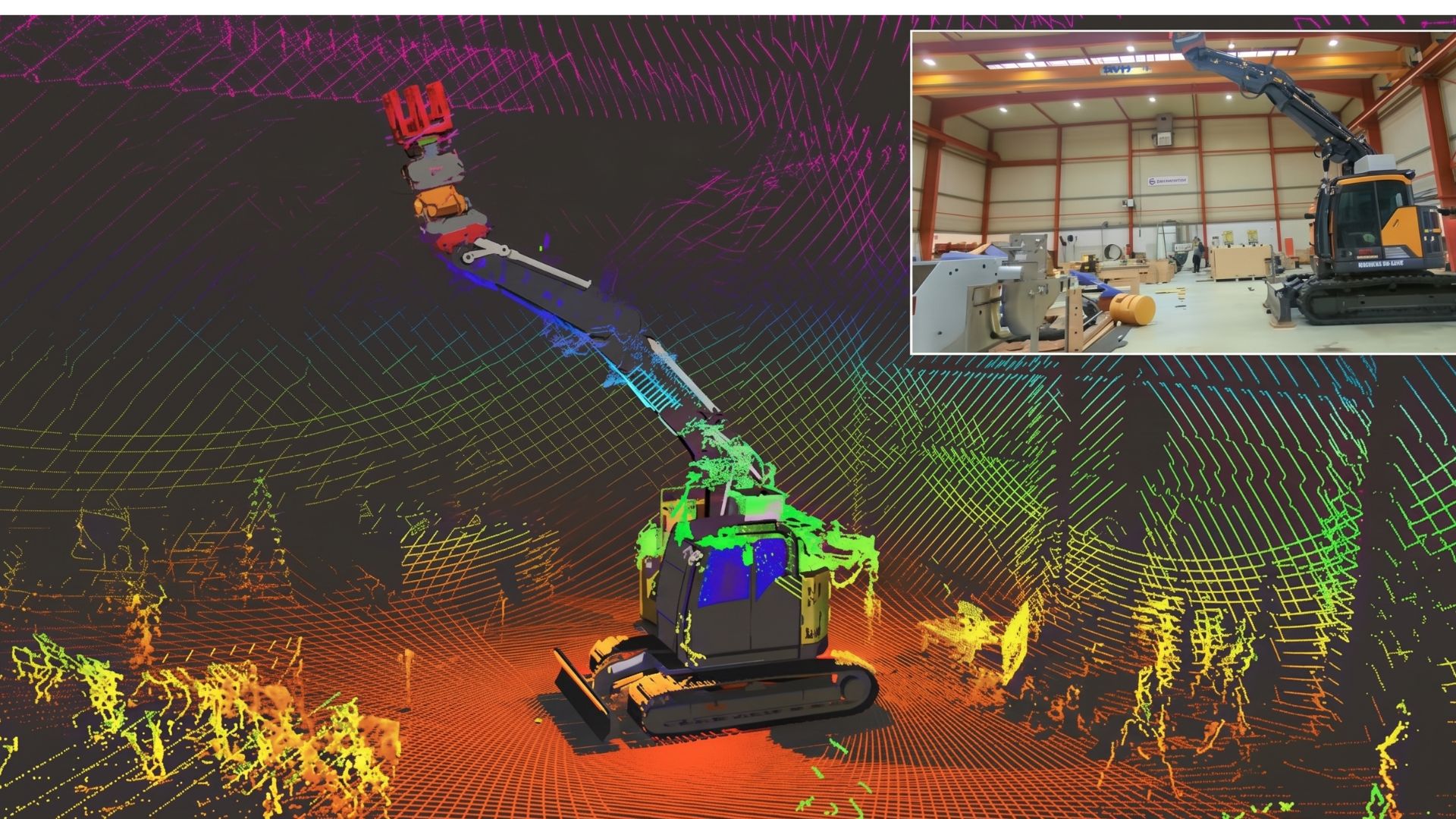
Germany plans robotic arms to retrieve 126,000 nuclear waste barrels in salt mine site
German engineering firm Bilfinger, in collaboration with the Fraunhofer IOSB research institute, is advancing the development of a tele-operated system aimed at enhancing industrial processes. This innovative technology is designed to improve efficiency and safety in various sectors by allowing remote operation of machinery and equipment. The project, which commenced recently, is set to take place at Bilfinger's facilities in Germany, where both organizations will leverage their expertise in engineering and research. The motivation behind this initiative is to address the growing demand for automation and remote management solutions in the wake of the COVID-19 pandemic, which has accelerated the need for safer working environments. By integrating cutting-edge technology and research, Bilfinger and Fraunhofer IOSB aim to create a robust system that can be deployed across multiple industries, ultimately transforming how operations are conducted in challenging environments.
Robotics needs a service framework.
RSF defines a common language for robot service capability, lifecycle operations, certification pathways, and service-provider networks.