

Industry Briefing
A single destination for timely, editor-curated robotics news from around the world.
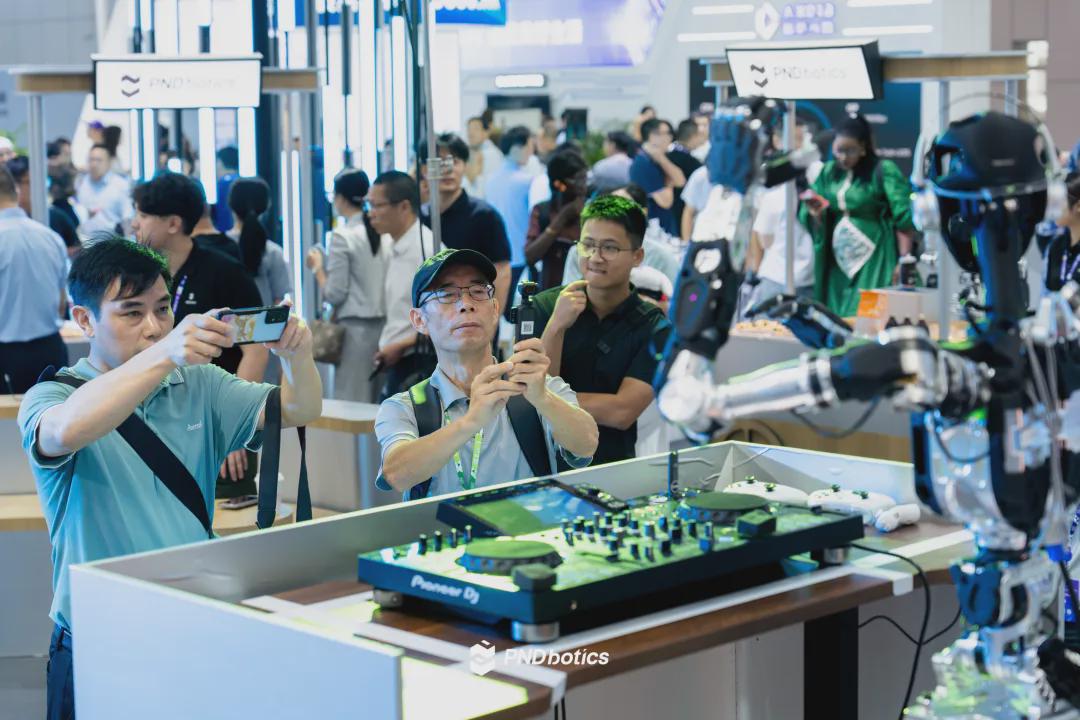
PNDbotics Showcases Humanoid Robots for Real-World Industrial Applications
PNDbotics is exploring the application of humanoid robots in real industrial tasks at the Future Factory exhibition, held from September 11 to 13 at the Ningbo International Exhibition Center. The showcase emphasizes the robots' ability to understand tasks, recognize environments, and adapt execution strategies in dynamic production settings. This initiative is significant as it addresses the challenges of integrating humanoid robots into complex industrial environments, where continuous decision-making is crucial. Unlike controlled lab settings, real factories present fluctuating conditions that require robots to perform a series of interconnected actions, demonstrating their full operational capabilities. Looking ahead, the focus will be on how these robots can effectively connect with real production environments and validate their reliability through successful task execution. The goal is to enhance the robots' system capabilities, moving beyond mere movement to achieving task completion in manufacturing settings.
Humanoid Robots Industrial Automation Robotics Technology AI Manufacturing Solutions
Understanding Quadruped Robot Specifications: Consumer vs. Industrial Applications
Quadruped robots have increasingly adopted a standardized design, characterized by four legs and a stable gait. This convergence is evident in promotional videos showcasing their ability to navigate various terrains and recover from disturbances. The significance of this trend lies in the implications for both consumer and industrial markets. As these robots become more versatile, they may serve dual purposes, enhancing their appeal to a broader range of applications, from entertainment to security patrols. Looking ahead, industry stakeholders should monitor advancements in quadruped technology and their integration into different sectors. The ongoing development of these robots could lead to innovative solutions that address specific operational needs across various environments. No further timeline was disclosed at the time of publication.
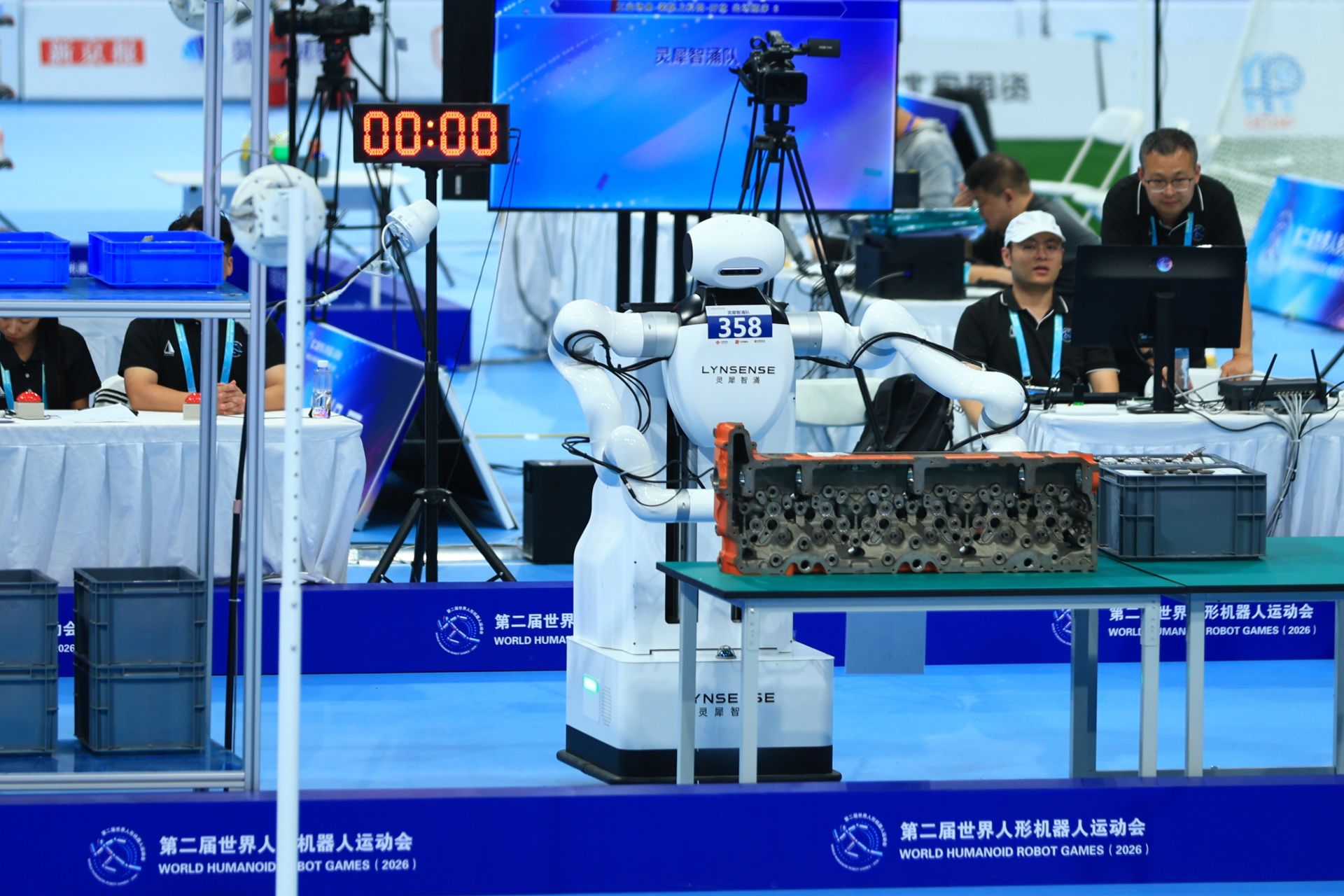
ROSS Harness Secures Third Place in World Humanoid Robot Competition for Industrial Tasks
In the 2026 World Humanoid Robot Competition for Industrial Applications, a robot successfully completed three tasks: transporting a 10kg material box, selecting seven types of parts, and assembling 18 engine valves with sub-millimeter precision. The Lingxi Zhiyong robot autonomously achieved a total score of 160, ranking third among established industry leaders and marking the only startup to reach the national top three in its debut. This competition highlights the pressing challenges in the field of embodied intelligence robotics, emphasizing the need for robots to perform reliably in real industrial environments. Unlike other competitions, this event focused on continuous, accurate task execution within industrial time constraints, showcasing the necessity for robots to deliver verifiable production results. Lingxi Zhiyong, founded by a PhD graduate from the University of Science and Technology of China, is addressing these challenges with its unique approach combining the CONWAY industrial native model and the ROSS Harness self-evolution engine. As the industry grapples with the gap between model capabilities and real-world delivery, the focus is shifting from merely developing advanced models to effectively utilizing them in practical applications.
Embodied Intelligence Industrial Robotics Automation Technology Robot Competitions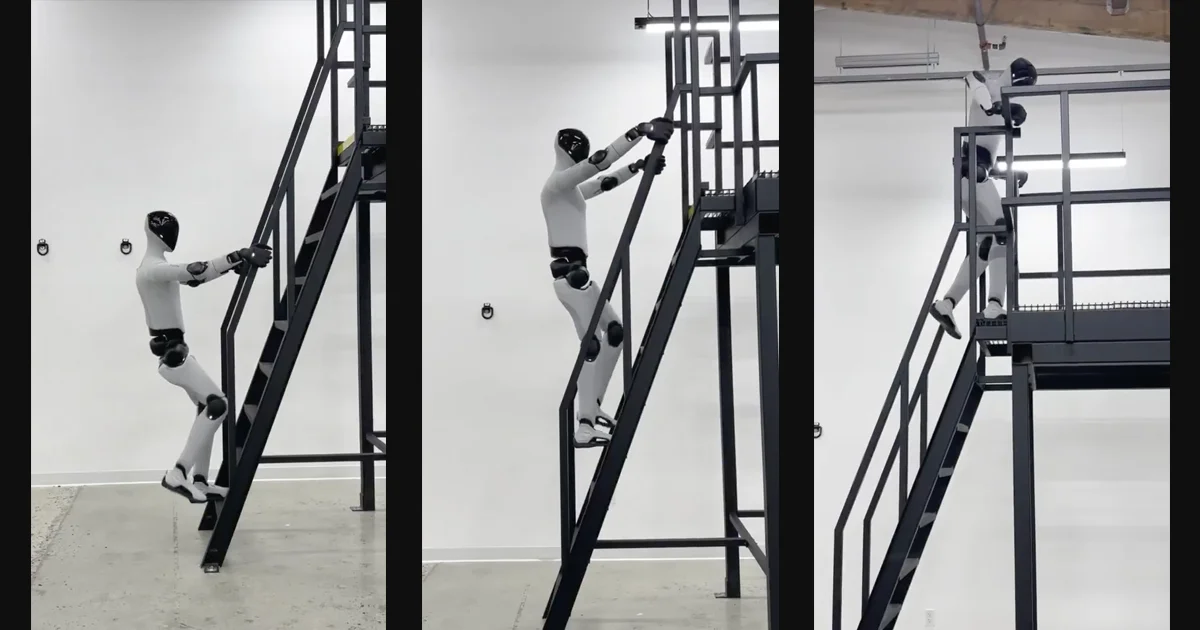
Figure AI Unveils 15-Foot Autonomous Ladder Climbing for Industrial Applications
Figure AI has successfully demonstrated its humanoid platform's ability to autonomously ascend and descend a 15-foot industrial ladder. This achievement, shared by CEO Brett Adcock on August 22, showcases the robot's capability to navigate complex vertical environments, a significant advancement from previous demonstrations. The importance of this milestone lies in its practical application for industrial workflows. Adcock emphasized that this capability addresses real customer needs, particularly in environments where traditional wheeled robots face limitations. The humanoid's design aims to enhance operational efficiency in settings like BMW Plant Spartanburg and Catalyst Brands. Looking ahead, Figure AI's innovation highlights the challenges of dynamic control in vertical movements, as noted by industry expert Jen Zhu Scott. The integration of real-time visual perception and proprioceptive feedback through Figure's Helix neural network stack will be crucial for future developments. No further timeline was disclosed at the time of publication.
US Figure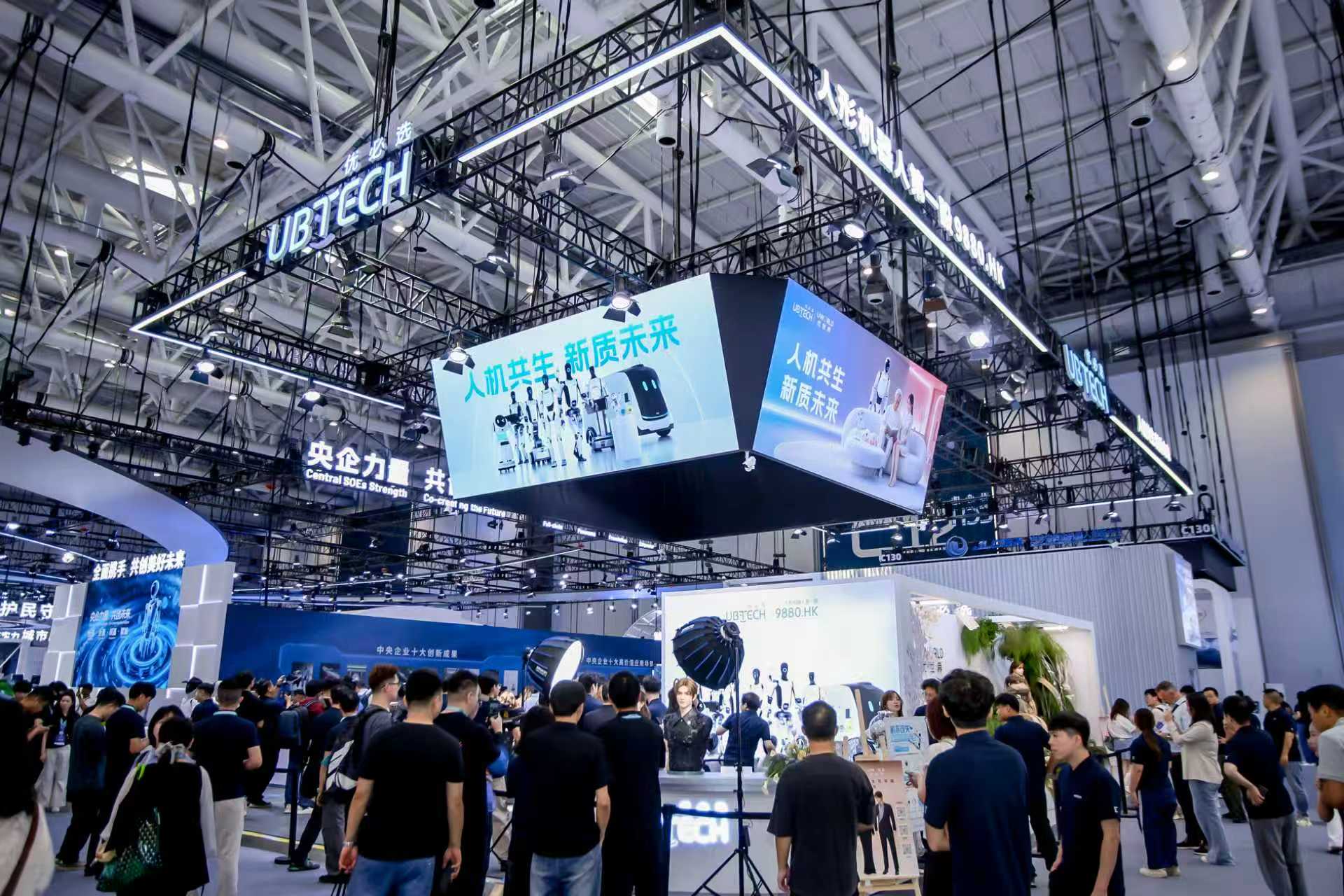
UBTECH Unveils New Humanoid Robots for Industrial, Commercial, and Home Use at WRC 2026
From August 19 to 23, 2026, the World Robot Conference (WRC 2026) took place in Beijing, where UBTECH showcased a range of humanoid robots designed for industrial, commercial, and home applications. Highlighted products included the industrial humanoid robot Cruzr Y1, the commercial service robot Walker C1, and the ultra-bionic humanoid robot U1, marking a significant step towards the market application of humanoid robots. This event is pivotal as 2026 is recognized as the inaugural year for the market application of humanoid robots, transitioning from conceptual exploration to practical, scalable development. UBTECH's strategy encompasses a comprehensive approach to industrial strength, commercial service, and emotional engagement in home consumption, leveraging technology and data to enhance the productivity value of humanoid robots. Looking ahead, UBTECH's commitment to advancing embodied intelligence technology is crucial for the successful deployment of humanoid robots across various sectors. No further timeline was disclosed at the time of publication.
Humanoid Robots Industrial Automation Commercial Robotics Home Robotics
DESTACO Introduces uRDH Series Universal Grippers for Industrial Automation Needs
DESTACO has launched its new uRDH/uRTH Series Universal Parallel Grippers, designed for high-performance gripping in industrial automation applications. These grippers feature universal mounting solutions that facilitate seamless integration into existing systems, enhancing productivity and reliability. The introduction of the uRDH Series is significant as it combines durability and versatility, allowing for the direct attachment of popular third-party finger designs. This capability is expected to minimize downtime and improve operational efficiency across various industrial sectors. Looking ahead, the focus will be on how these new grippers perform in real-world applications and their impact on production processes. No further timeline was disclosed at the time of publication.

Agile Robotics Partners with CRRC to Advance Dexterous Manipulation Technology in Industrial Applications
Agile Robotics has signed a technical framework agreement with a subsidiary of CRRC to explore the adaptation, verification, and iteration of dexterous manipulation technology in high-end equipment manufacturing. This collaboration marks a significant breakthrough for the relatively new company, providing access to complex industrial scenarios shortly after completing a multi-million yuan angel round funding. The partnership is crucial as it highlights the growing importance of practical applications over theoretical parameters in the dexterous manipulation industry. While many companies focus on degrees of freedom and complexity, the real challenge lies in creating reliable industrial devices that can operate continuously in factory settings. CRRC, a leader in rail transportation equipment manufacturing, exemplifies the complexities of China's manufacturing landscape, where automation solutions often face limitations. Agile Robotics has developed a product line that includes an 11-degree-of-freedom manipulator, which is now in small-batch production and being marketed. The company aims to meet real market demands while also advancing high-precision operations with a 23-degree-of-freedom product. The collaboration with CRRC may be just the beginning of a broader exploration into the practical applications of dexterous robotics in industrial environments.
Agile Robotics Industrial Automation High-End Equipment Manufacturing Robotic Technology
Ensuring Optimal Fibre Optic Performance in Industrial Robotics Applications
Microscopic contamination on fibre connector end faces can significantly disrupt light transmission in industrial robotics. In applications where precision, repeatability, and uptime are paramount, even minor contamination can lead to performance challenges. This highlights the importance of maintaining clean fibre optics to ensure reliable operation in robotic systems. The impact of contamination on fibre optics is critical for industries relying on robotic technology. Performance issues stemming from even small amounts of contamination can hinder operational efficiency and reliability, which are essential for maintaining competitive advantage in automation. As robotics continue to evolve, ensuring the integrity of fibre optic connections becomes increasingly vital. Looking ahead, organizations must prioritize the cleanliness of fibre optics in their robotic systems. No further timeline was disclosed at the time of publication. Companies should invest in best practices for maintenance and monitoring to mitigate contamination risks and enhance overall system performance.
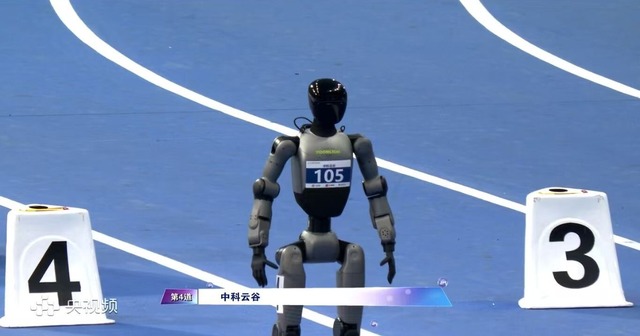
Zoomlion's Humanoid Robot Utilizes Data from World Robot Games for Industrial Applications
Zoomlion Heavy Industry Science & Technology showcased its self-developed humanoid robot at the 2nd World Robot Games in Beijing. The robot participated in three events: standing long jump, 100-meter dash, and standing high jump, which tested its walking algorithms, joint responsiveness, and overall stability under complex conditions. This participation provided valuable data to enhance the company's full-stack technology across algorithms, software, and hardware for industrial applications. The significance of this event lies in its ability to evaluate not just speed and strength but also the AI capabilities of the robots in real-world environments. According to Zeng Guang from Zoomlion, competing against teams from around the world has helped refine their technology and systems, improving reliability and adaptability in industrial settings. The company has already deployed dozens of humanoid robots in its smart factories for various tasks, including sorting materials and conducting inspections. Looking ahead, Zoomlion plans to continue developing embodied AI technology and expand the practical use of humanoid robots in industrial manufacturing and specialized tasks. No further timeline was disclosed at the time of publication.

Lumos Robotics Unveils MOS2 as an AI Worker for Industrial Applications
Lumos Robotics has officially launched the Lumos MOS2, a next-generation heavy-duty mobile manipulator aimed at industrial applications. This innovative device is already deployed at Mitsubishi Electric's PLC production lines, where it performs inspection, material handling, and assembly tasks. The introduction of the Lumos MOS2 signifies a significant advancement in embodied intelligence within the robotics sector. By integrating AI capabilities into a mobile manipulator, Lumos Robotics enhances operational efficiency and productivity on the factory floor, addressing the growing demand for intelligent automation solutions. Looking ahead, the performance and adaptability of the Lumos MOS2 in real-world industrial settings will be crucial to its success. As companies increasingly seek to optimize their manufacturing processes, the effectiveness of this new technology will be closely monitored. No further timeline was disclosed at the time of publication.
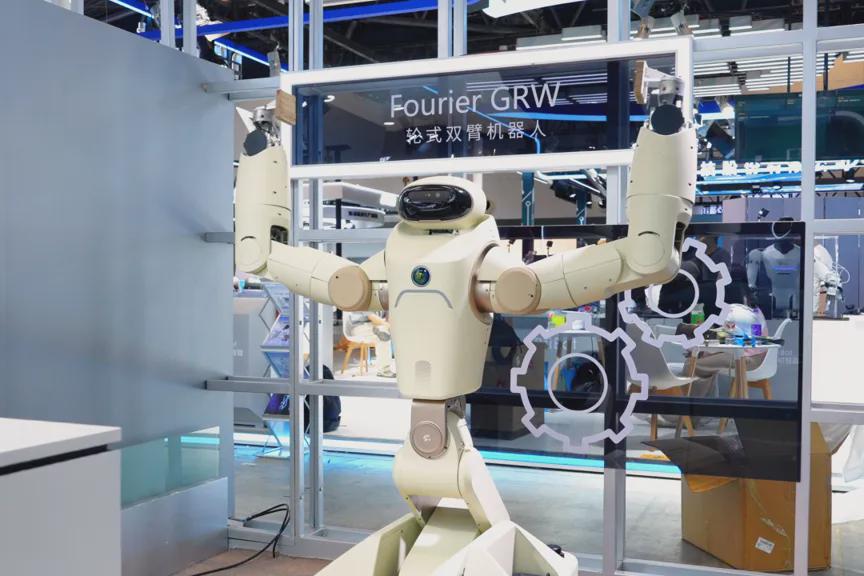
Fourier Launches GRW Wheel-Based Dual-Arm Robot for Industrial Applications
At the 2026 World Artificial Intelligence Conference, Fourier unveiled its first wheel-based dual-arm robot, the GRW. This robot is designed for high-frequency, general auxiliary tasks in automotive manufacturing, warehousing logistics, and 3C electronics, marking a shift from mere demonstrations to practical applications in robotics. The introduction of the GRW is significant as it addresses the fundamental question of how embodied intelligence can be effectively integrated into various industries. The Chinese market for wheel-based dual-arm robots is projected to exceed 1.8 billion yuan in 2026, with a year-on-year growth of approximately 350%, indicating a strong demand for such solutions. Looking ahead, the GRW is positioned as an auxiliary interactive service robot, focusing on alleviating human fatigue in repetitive tasks. With a stable load capacity of 16 kilograms, it meets the weight requirements of typical industrial applications, covering about 80% of the demands in automotive parts handling and logistics. No further timeline was disclosed at the time of publication.
Industrial Robots Warehouse Automation Dual-Arm Robots AI Robotics
NVIDIA and DeepMind Lead Robotics Simulation Debate with New Industrial Applications
The field of embodied intelligence is witnessing a fierce debate over the best approach to training robots for industrial applications. One faction advocates for simulation-based training, leveraging structured environments to generate synthetic data, while the opposing view emphasizes the necessity of real-world data to handle complex physical interactions and unpredictable scenarios. Key players include NVIDIA, DeepMind, and Intrinsic, each with unique strategies and technologies. NVIDIA's Omniverse platform and Isaac Sim engine exemplify the simulation approach, enabling comprehensive digital twins of factories for training and optimization. Their collaboration with BMW on a digital twin project in Hungary showcases the potential of synthetic data in logistics and robotic movements. However, challenges remain in achieving the necessary fidelity for force control and physical interactions, prompting NVIDIA to seek partnerships with companies like Hexagon Robotics. Conversely, DeepMind's use of the MuJoCo physics engine has demonstrated that pure simulation can achieve industrial-grade precision in specific tasks, such as sorting with known rigid models. Yet, this method's effectiveness is limited to scenarios with minimal contact and force control. Intrinsic aims to transform simulation into a comprehensive development tool for industrial robots, focusing on lowering barriers for small manufacturers. The ongoing challenge of the SIM2REAL gap remains a critical factor in the success of these approaches.
Robotics Industrial Automation Simulation Technology AI
Omnidirectional Mobile Robotics: Foundations, Advantages, and Industrial Applications
In response to the increasing demands for agile workflows and optimized operational efficiency in industrial applications, businesses are increasingly turning to omnidirectional mobile robotics. This technology is recognized as a crucial strategic investment for enhancing productivity and ensuring millimeter precision in coupling operations. As industries evolve and seek to streamline processes, the integration of these advanced robotics is becoming essential for maintaining competitive advantage. The trend reflects a broader shift towards automation and innovation in the manufacturing sector, highlighting the importance of adapting to modern operational needs.
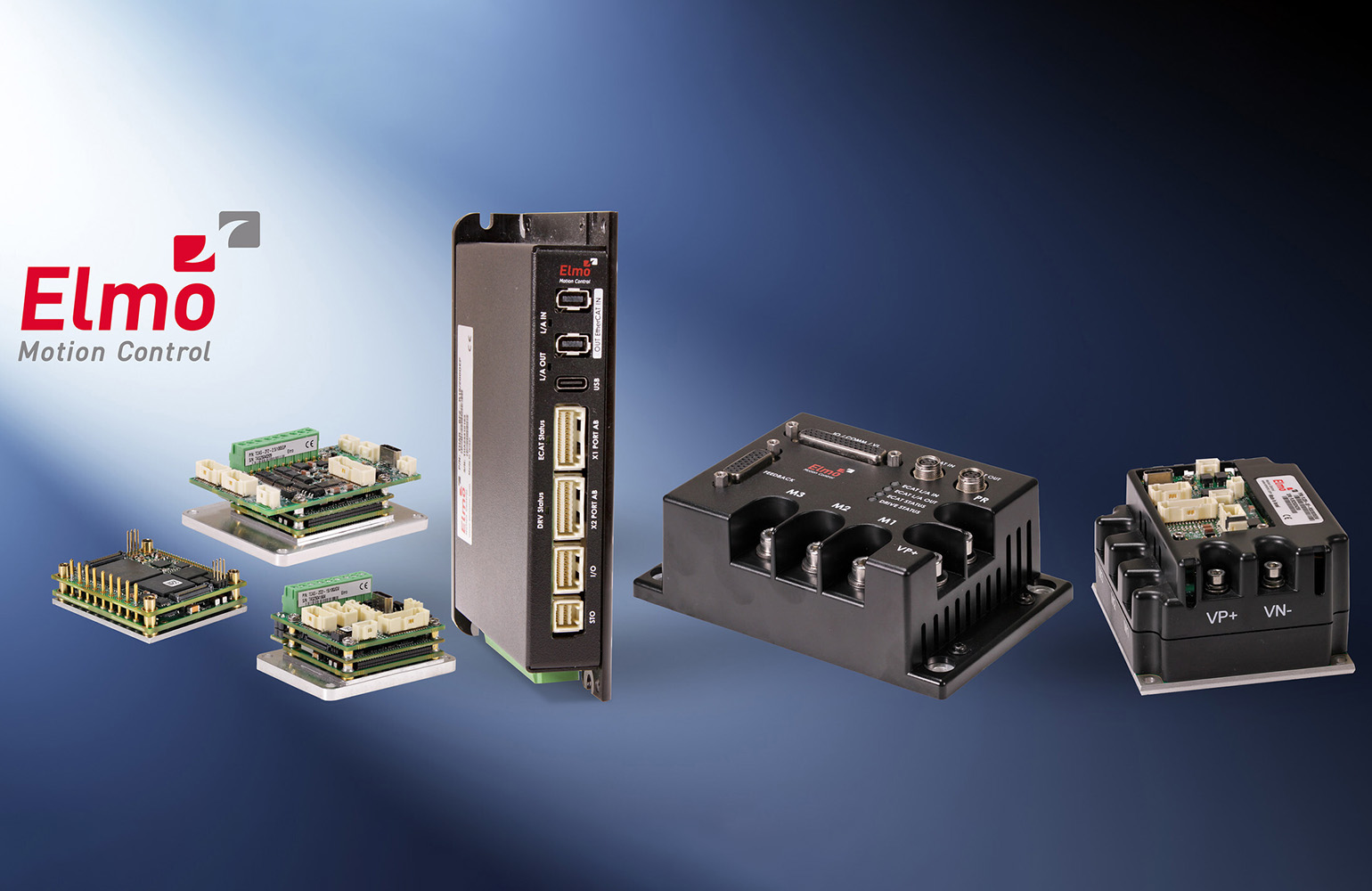
Elmo releases new motion controller and servo drives for industrial applications
Elmo has unveiled its latest motion controller and servo drives, enhancing its existing Platinum product line and launching a new Titanium line. This development aims to set new standards for power density in industrial applications. The announcement highlights Elmo's commitment to innovation and leadership in the automation sector, as the company seeks to meet the growing demands for efficient and high-performance solutions in the market. The new products are expected to provide advanced capabilities for various industrial applications, reinforcing Elmo's position as a key player in the industry.
Actuators / Motors / Servos Events Motion Control News Robot Components servo
binder Launches New Hybrid Connector for Industrial Automation Applications
A new connector series has been developed to facilitate simultaneous power and data transmission through a single cable connection. This innovative technology is designed to streamline connectivity solutions, making it easier for users to manage their devices without the clutter of multiple cables. The introduction of this connector series comes in response to the growing demand for efficient and versatile connectivity options in various industries, particularly in the realms of consumer electronics and telecommunications. By integrating power and data transfer capabilities, the connector aims to enhance user experience and improve overall device performance. The launch of this series is expected to take place in the coming months, with manufacturers and tech companies eager to adopt this advancement to meet the evolving needs of their customers.
Factory / Digital Transformation
Best Rugged DC‑DC Converters for Industrial and Military Applications
In the evolving landscape of modern defense and industrial applications, the demand for reliable power conversion is paramount. Rugged DC-DC converters play a critical role in ensuring stable power delivery for systems such as autonomous vehicles, robotics platforms, and industrial automation equipment. These converters are specifically designed to withstand challenging conditions, including vibration, shock, electromagnetic interference, and extreme temperatures, which can easily disrupt standard commercial electronics. As sectors like aerospace and naval operations increasingly rely on advanced technology, the selection of robust DC-DC converters becomes essential to maintain operational integrity and performance in harsh environments.
Energy Engineering aerospace electronics aerospace power systems automation news autonomous vehicles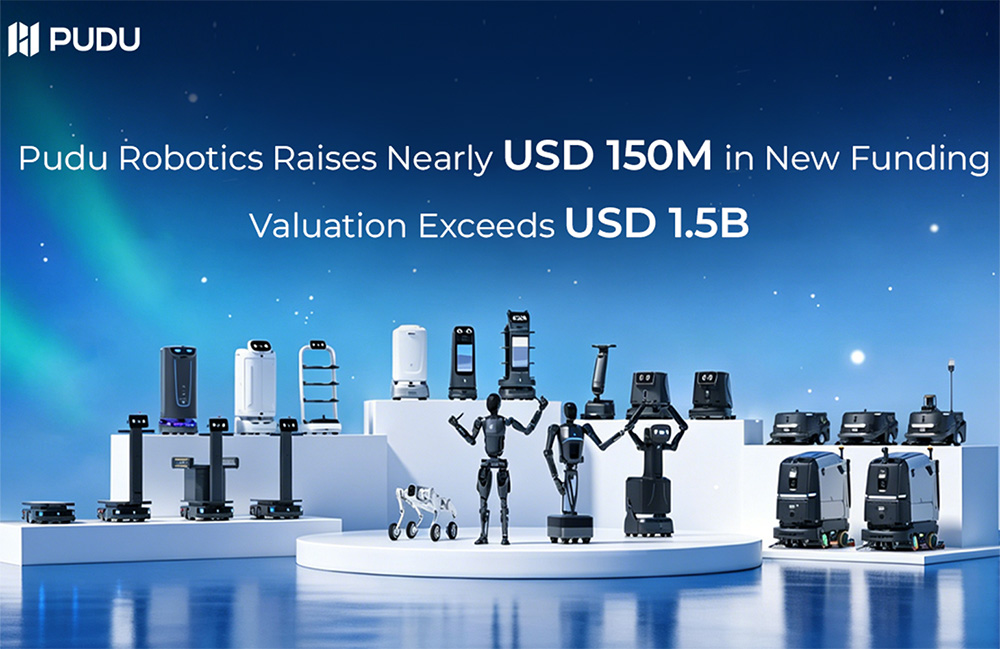
Pudu Robotics raises nearly $150M as it targets industrial applications
Pudu Robotics has successfully raised nearly $150 million in funding, which it plans to utilize for the development of its embodied artificial intelligence technology. The company aims to enhance its product portfolio and broaden its reach into global markets, moving beyond its current focus on service robots. This strategic investment is expected to facilitate Pudu's expansion into industrial applications, positioning the company to capitalize on emerging opportunities in the robotics sector.
Artificial Intelligence Artificial Intelligence / Cognition Autonomous Mobile Robots (AMRs) China Design / Development Financial
Top 6 Applications of Industrial Cobots in the Electronics Manufacturing Industry
In the rapidly evolving electronics manufacturing sector, JAKA is pioneering the use of industrial collaborative robots to enhance production processes. The company has implemented these robots to manage delicate components on assembly lines, significantly reducing human error and product damage. Utilizing the JAKA Pro16, operators can handle payloads between 3kg and 18kg with precision, allowing for smooth assembly operations and enabling staff to concentrate on more complex tasks. In addition to assembly, JAKA employs the Pro16 for precision welding and soldering, facilitating manual arc control and wire feeding. This robot's load-and-go functionality streamlines the deployment of welding processes, while its compatibility with various welding machines enhances versatility across production setups. Quality assurance is another critical area where JAKA's industrial cobots excel. By integrating vision systems for automated optical inspection and functional testing, the company minimizes defects in production, ensuring consistent quality through precise calibration over repeated cycles. Furthermore, JAKA's robots automate material transport and packaging, ensuring the timely handling of components and finished products. Their flexible programming and compact design allow for seamless integration into high-density production lines, improving material flow and reducing bottlenecks. Overall, JAKA's industrial collaborative robots are transforming electronics manufacturing by increasing precision, reducing errors, and boosting productivity. The company is committed to exploring new applications to further enhance operational excellence and maintain a competitive edge in the industry.
Robotics needs a service framework.
RSF defines a common language for robot service capability, lifecycle operations, certification pathways, and service-provider networks.
Join the RobotToday community on LinkedIn
Daily robotics news, in-depth analysis, conference highlights, and discussions with professionals worldwide.






