

Industry Briefing
A single destination for timely, editor-curated robotics news from around the world.

ETRI's Medical Humanoid Robot Interface NAMI.I Receives IDEA Design Award in 2023
The Electronics and Telecommunications Research Institute (ETRI) of South Korea announced that its medical humanoid robot interface, NAMI.I, has won the prestigious IDEA Design Award. This recognition highlights ETRI's commitment to developing user-centered robotic interfaces, following its previous accolades for the MOBY collaborative robot. NAMI.I allows healthcare professionals to assign tasks to the NAMI humanoid robot without needing to learn complex programming or specialized operation methods. This user-friendly interface is expected to lower the barriers for healthcare workers, enhancing the deployment of humanoid robots in real medical environments rather than just in labs. ETRI plans to demonstrate NAMI.I at Kyung Hee University Dongshan Hospital, where healthcare staff will use the robot directly. Researchers will analyze its convenience and gather feedback to improve usability and stability, paving the way for the commercialization of medical humanoid robots. No further timeline was disclosed at the time of publication.
Humanoid Robots Medical Robotics User Interface Design Healthcare Technology
Agility Robotics Unveils Digit 5 and Explores Wheeled Robot Designs
In mid-September, Agility Robotics launched its fifth-generation humanoid robot, Digit 5. The company, which has been developing bipedal robots for over a decade, has seen its flagship product, Digit, deployed in various facilities including Amazon and Toyota Canada. According to the company, it has achieved continuous commercial deployment for nearly three years. The exploration of wheeled designs was confirmed by co-founder and Chief Robotics Officer Jonathan Hurst, who noted that while the company is investigating various robot forms to meet different operational environments, bipedal robots are expected to remain the solution for many scenarios as their safety and reliability improve. Hurst emphasized that the goal is to enable robots to operate in more environments quickly, although it is too early to determine if a wheeled version of Digit will be released. Digit 5 features significant design changes, including a switch from bird-like legs to human-like legs, allowing it to squat and lift loads of up to 50 pounds. Hurst stated that this capability is sufficient for single-person handling tasks in OSHA-regulated areas. The robot's ability to operate without fixed safety zones and its involvement in standard-setting for industrial mobile robots are crucial for its integration into workplaces, as current humanoid robots often operate in isolated areas, limiting their value.
Bipedal Robots Wheeled Robots Industrial Automation Robot Safety Standards
CorTec Secures Second FDA Breakthrough Device Designation for Brain Interchange BCI
CorTec has achieved a second Breakthrough Device Designation from the FDA for its Brain Interchange brain-computer interface, specifically for aiding communication in individuals with non-progressive quadriplegia. This designation allows users with paralysis in all four limbs to control a computer cursor using neural signals, facilitating independent interaction with digital systems. This development is significant as it highlights the potential of the Brain Interchange platform to serve dual purposes: as a therapeutic tool for stroke rehabilitation and as an assistive device for communication. The FDA's Breakthrough Device Designation is granted to technologies that promise more effective treatment for serious conditions, ensuring a streamlined regulatory review process. Looking ahead, CorTec is set to explore the communication capabilities of the Brain Interchange system under structured FDA engagement. The ongoing stroke study at the University of Washington has already shown promising results, with participants demonstrating computer control through thought, indicating the system's potential for enhancing the quality of life for individuals with severe mobility impairments.
Computing Health News Science bci brain interchange
Arm Launches Total Design for Physical AI, Uniting Over 80 Developers in Robotics
Arm Holdings PLC has introduced Arm Total Design for Physical AI, a program that unites over 80 companies involved in the physical AI technology stack. This initiative aims to foster collaboration among participants in the physical AI space, addressing challenges in perception, AI, real-time control, and safety. The significance of this program lies in its potential to streamline the fragmented robotics industry, which often sees companies struggling to collaborate effectively. Dermot O’Driscoll, vice president at Arm, emphasized the need for a cohesive ecosystem where technology and ideas can be shared, enhancing the development of interoperable systems. Looking ahead, Arm's Robotics Capability Framework will categorize robotic systems into six levels of sophistication, from basic reactive robots to advanced systems that learn and self-optimize. Arm is seeking industry feedback to refine these levels, indicating a commitment to evolving the understanding and capabilities of robotics in the market.
Artificial Intelligence Artificial Intelligence / Cognition Automotive Design / Development Development Tools / SDKs / Libraries Markets / Industries
Boston Dynamics Introduces Industrial-Style Head for Atlas Robot Design
Boston Dynamics has redesigned its Atlas robot, incorporating an industrial-style head instead of human-like features. Mechanical engineer Taylor Frey-Baker emphasized that Atlas is intended for industrial environments, thus its appearance should reflect that purpose. The head lacks facial features and includes light rings that communicate the robot's operational status and intentions to nearby workers. This design choice is significant as it prioritizes safety and efficiency in shared workspaces. The head's lighting interface provides immediate visual cues about Atlas's actions, reducing ambiguity in industrial settings. The robot is equipped with HDR stereo cameras that enhance environmental perception, allowing operators to navigate challenging lighting conditions effectively. Looking ahead, the integration of the head as a sensor carrier and status indicator positions Atlas to work safely and predictably alongside human workers in factories and warehouses. No further timeline was disclosed at the time of publication.
Industrial Robots Robot Design Automation Technology Safety Systems
Boston Dynamics Explains the Functional Design of Atlas' Head for Industrial Use
Boston Dynamics has designed the head of its Atlas robot to serve as a focal point for nearby workers, featuring a lighting interface that indicates its operational state and intended actions. According to Taylor Frey-Baker, a Senior Mechanical Engineer at Boston Dynamics, the design prioritizes function and efficiency over human aesthetics, making it suitable for industrial environments. The head's design includes round light rings that communicate the robot's status from across a factory floor, and its ability to rotate and tilt allows it to indicate its focus direction. This is crucial for Atlas, which is intended for commercial applications requiring broader situational awareness compared to its original research-focused version. The integration of high-definition cameras in the head enhances Atlas's spatial awareness and enables remote operators to view its surroundings in various lighting conditions. As Atlas operates in shared spaces, its head design facilitates clear communication with workers, promoting safety and efficiency in industrial settings. No further timeline was disclosed at the time of publication.
Integrated Lightweight Design of Tubeless Hydraulic Quadruped Robot Utilizing Additive Manufacturing
A new quadruped robot featuring a lightweight and integrated design has been developed, utilizing tubeless hydraulic systems and additive manufacturing techniques. This innovation aims to enhance the robot's mobility and efficiency in various terrains, making it suitable for field applications. The significance of this development lies in its potential to improve robotic performance in challenging environments. By employing additive manufacturing, the design allows for more complex geometries and reduced weight, which can lead to better energy efficiency and operational capabilities in the field. Looking ahead, the focus will be on testing the robot's performance in real-world scenarios to validate its design and functionality. No further timeline was disclosed at the time of publication.
RESEARCH ARTICLE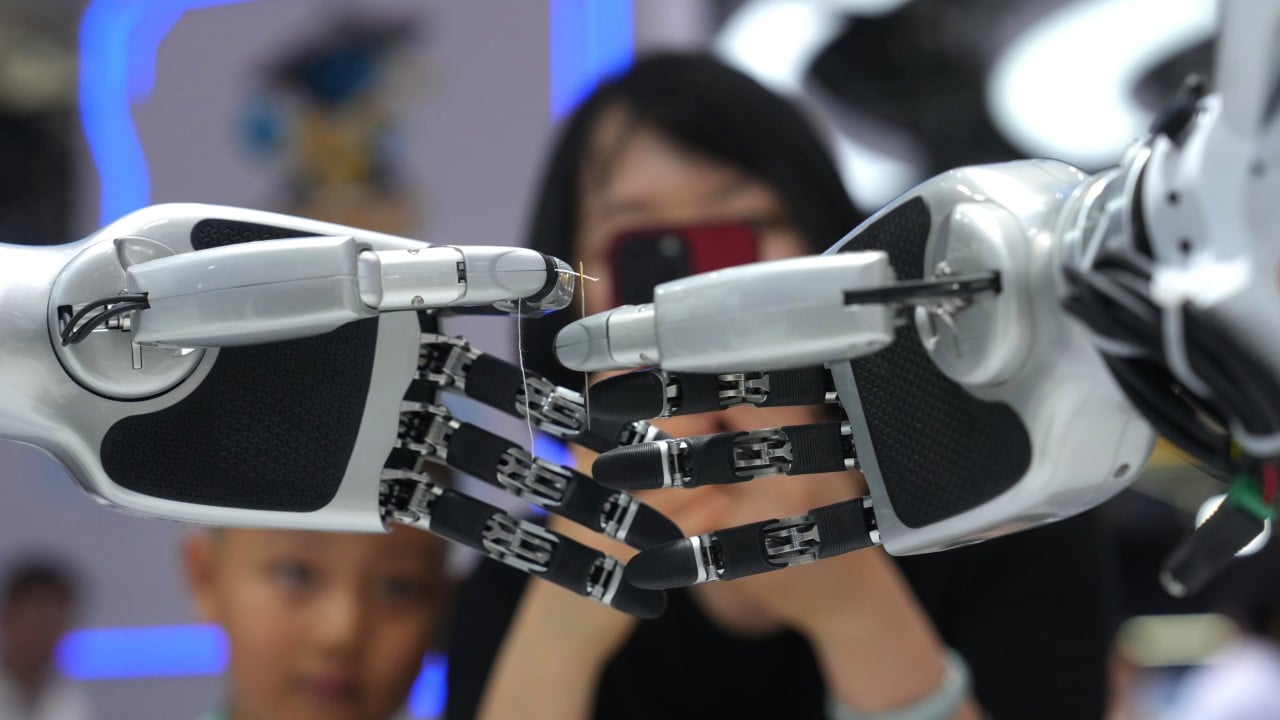
Chinese Robotics Industry Shifts Focus from Humanoid Designs to Practical Applications
The robotics industry is witnessing a transition from showcasing humanoid robots to practical deployments. At Unitree Robotics' booth, bipedal robots demonstrated impressive skills in activities like table tennis and combat, showcasing advancements in speed and balance. However, other exhibitors highlighted robots that efficiently sorted parcels and moved materials, emphasizing functionality over form. This shift is significant as it reflects a growing preference for robots that can perform specific tasks effectively. Yang Li, a senior engineer at X Square Robot, questioned the necessity of bipedal designs, noting that their two-armed WALL-B model sorted 1,816 packages in a controlled test, outperforming the bipedal Figure 03 robot from Figure AI, which managed 1,248 parcels per hour. This trend indicates a move towards more practical robotic solutions in various industries. Looking ahead, the focus on efficiency and task-oriented designs is likely to continue shaping the robotics landscape. With companies like AI2 Robotics showcasing versatile wheeled robots capable of making coffee and ice cream, the industry may prioritize robots that can adapt to different functions over traditional humanoid forms. No further timeline was disclosed at the time of publication.

Kawasaki Reveals Patented Designs for Corleo, Its Innovative Robotic Horse
Kawasaki Heavy Industries has unveiled a set of patented designs for its robotic horse, Corleo, which integrates hydrogen energy, AI, and biomimetic technology. This project aims to create an unprecedented all-terrain personal mobility tool, replacing traditional wheels with four biomimetic mechanical legs that can independently move and absorb shocks. The core design features a 150cc hydrogen fuel engine that acts as a generator, powering independent motors at each leg joint, ensuring long-range and eco-friendliness with emissions of only pure water. The AI system enhances the riding experience by scanning terrain in real-time, assessing foot placements, and maintaining balance based on the rider's weight shifts, offering a unique 'walking-style electrification' experience. Looking ahead, Kawasaki plans to launch a riding simulator and digital models based on Corleo's movement data by 2027. The company has established the 'SAFE ADVENTURE' project team, led by the president, and is collaborating with Nvidia to accelerate development using physics AI and simulation tools. No further timeline was disclosed at the time of publication.
Robotic Mobility Hydrogen Energy AI Technology Biomimetic Design
Digitalization Enhances Semiconductor Design, Manufacturing, and Operations Integration
Digitalization is transforming semiconductor chip production by extending the digital twin concept beyond design into manufacturing and operations. This shift addresses the increasing complexity of chip designs and the pressures of performance and power consumption, enabling semiconductor manufacturers to manage engineering efforts more efficiently. The integration of artificial intelligence and machine learning is accelerating innovation in the semiconductor industry, but siloed approaches hinder progress. A comprehensive digital twin strategy that encompasses the entire semiconductor value chain can optimize development processes, ensuring that design decisions positively impact manufacturing outcomes and align with software demands. Looking ahead, the implementation of digital twins in semiconductor fab construction can streamline operations and enhance productivity. As cybersecurity remains a critical concern, robust strategies must be integrated into digital transformation efforts. The future will likely see increased collaboration and data sharing among ecosystem partners to meet evolving customer requirements.
Factory / Control
Addressing Challenges in Robotics Design and Deployment for Enhanced Performance
Robotic systems face unique challenges once deployed, including unpredictable lighting, human behavior variations, and diverse surfaces. These factors create friction points that are not present in controlled laboratory settings. To ensure successful deployment, robots must be resilient and capable of adapting to real-world environments, which requires iterative design processes that account for operational requirements. The importance of user acceptance and trust in autonomous robotics cannot be overstated. Factors such as signaling intentions and predictability of movement play a crucial role in ensuring that non-experts can understand and trust robotic technologies. A cohesive focus on implementation and consumer trust is essential for the successful adoption of robotics in various environments. To enhance the design feedback loop, it is vital to collect operational data from deployed robots, including performance metrics and error recovery success. This data-driven approach helps improve reliability and prevent design failures. No further timeline was disclosed at the time of publication.
Design Robotics automation Autonomous robots autonomous systems data collection
NVIDIA Launches Autonomous AI Engineer to Transform Chip Design Efficiency
On July 29, NVIDIA unveiled its Autonomous AI Engineer at the 2026 Design Automation Conference (DAC), a groundbreaking solution that covers the entire chip design and verification process. This system integrates the enhanced NVIDIA Agent Toolkit with the AI physics library PhysicsNeMo and the updated CUDA-X library, enabling AI to not only create designs but also understand physics, run simulations, and perform validations like a real chip engineer. The core of this system is a comprehensive 'AI Engineer Skill Set.' PhysicsNeMo provides AI with 'physical intuition' to train and deploy physical models, predicting real-world physical behavior in complex designs. The updated CUDA-X library injects high-speed computing capabilities, featuring sparse solvers cuISS and cuDSS for accelerating electromagnetic and fluid dynamics simulations, while the cuEST quantum chemistry library focuses on time-consuming atomic-level material simulations crucial for semiconductor development. NVIDIA has open-sourced the 550 billion parameter Nemotron 3 Ultra MoE model for register-transfer level coding, achieving a 97.1% pass rate in nine RTL coding tasks with its hardware design agent ACE-RTL. Major companies like Samsung, TSMC, and Synopsys are fully engaged, indicating that the 'AI designing AI' revolution has begun, potentially extending Moore's Law through AI advancements.
Chip Design AI Engineering Semiconductor Technology Automation NVIDIA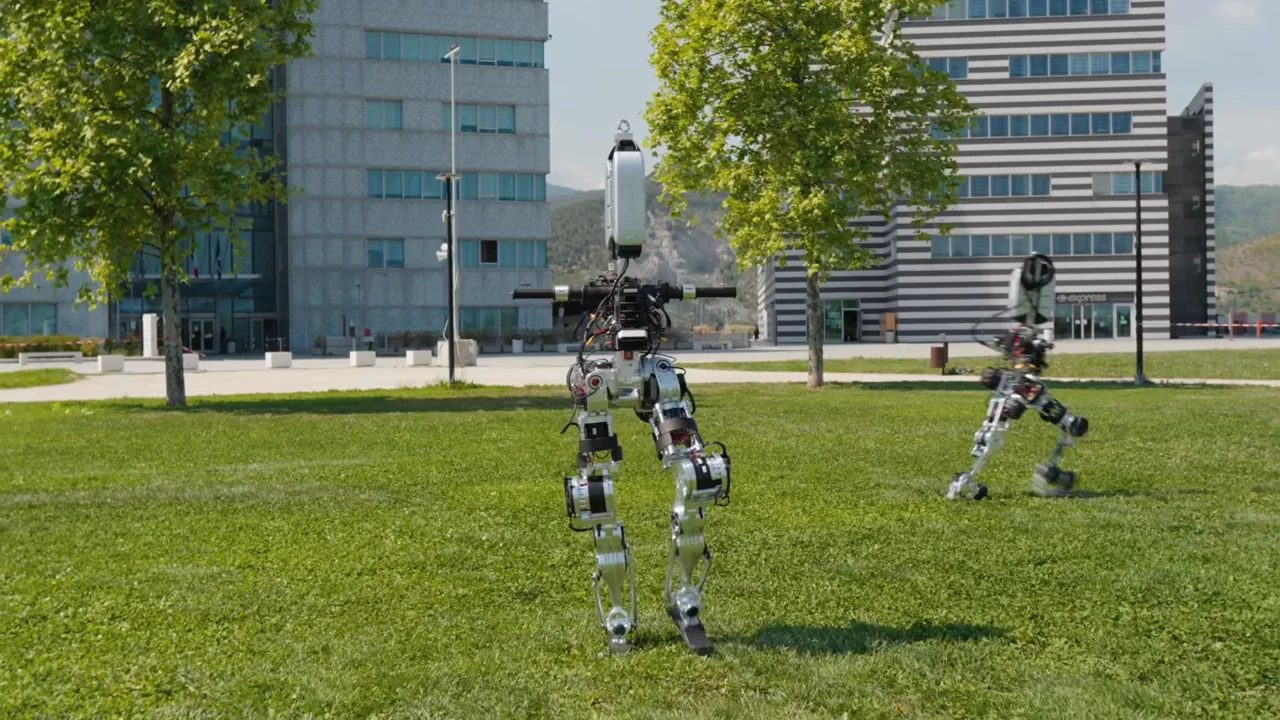
Generative Bionics Unveils Bipedal Robots, Partners with Italdesign for Production
Generative Bionics has showcased two new bipedal robot prototypes capable of navigating outdoor environments. CEO Daniele Pucci revealed that these robots were designed and sent to batch production within three months, utilizing 'Physical AI' for motor control and reinforcement learning for movement. This development is significant as it marks a step towards the industrialization of the GENE.01 humanoid platform, following a strategic partnership with Italdesign. This collaboration aims to transition the prototype into a pre-series product, focusing on replicable design and enhancing the human-robot interface with proprietary artificial skin. Looking ahead, Generative Bionics plans to announce a Chief Production & Industrialization Officer in June 2026 to facilitate scaling up production. Initial tests for the GENE.01/W variant are set for late 2026, indicating a strong push towards deploying humanoid welders in European shipyards, supported by Italdesign's manufacturing expertise.
Generative Bionics Europe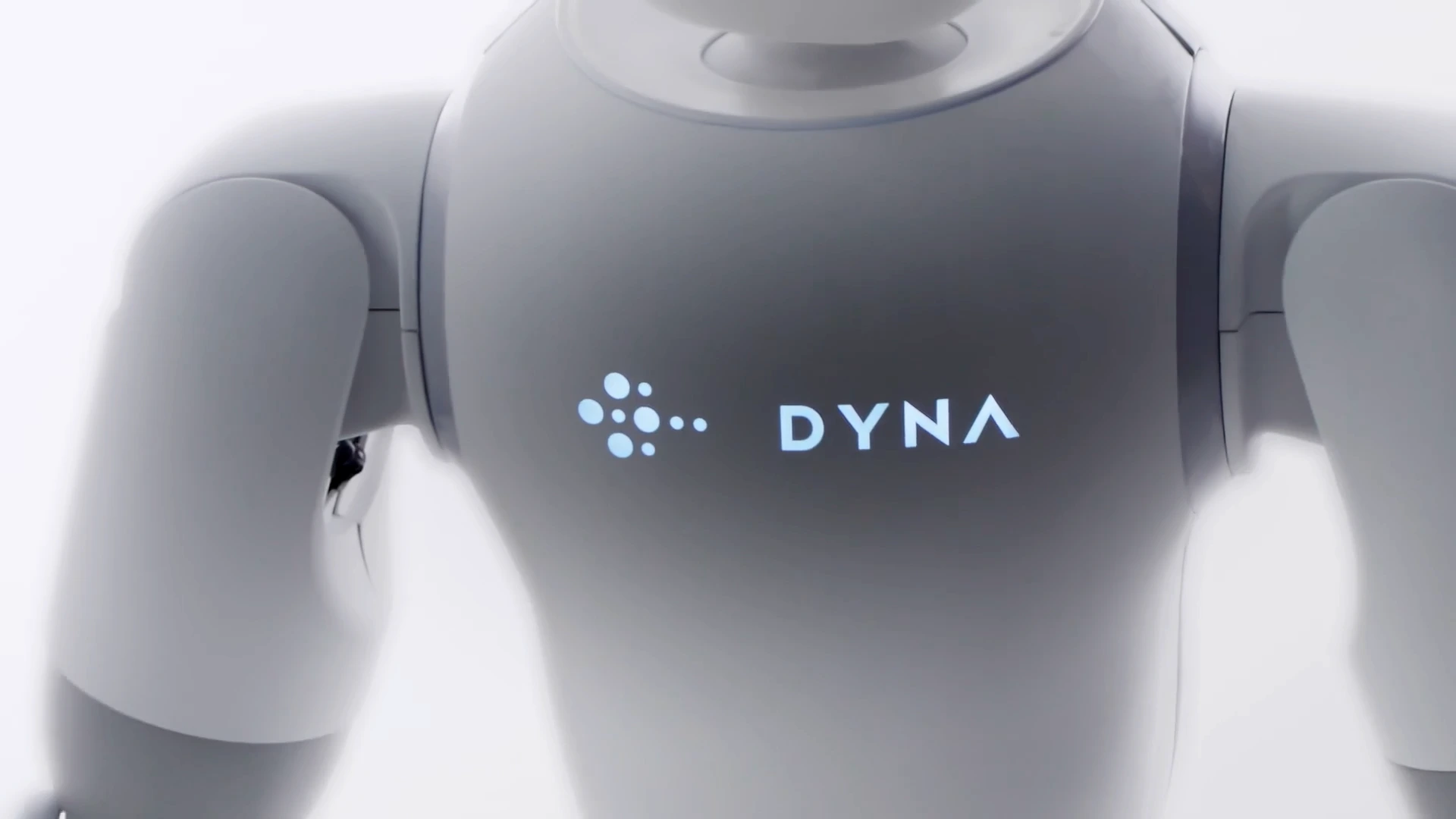
Dyna Robotics Prepares to Unveil New Robot Designed for Complex Tasks
Dyna Robotics is set to introduce a new robot aimed at performing demanding tasks, as announced in a teaser on September 28. While specific details regarding the product's name, specifications, pricing, and availability remain undisclosed, the company emphasizes that this robot is built for intricate work. This announcement is significant as it follows Dyna's recent successes in deploying its existing robots, which have reportedly achieved return-on-investment at Din Tai Fung. The restaurant chain plans to expand the use of Dyna's robots across its locations, with expectations of reaching hundreds of units by the first half of 2027. Looking ahead, the upcoming reveal of the new robot will be noteworthy, particularly in how it may leverage Dyna's extensive research on human activity and robot manipulation. No further timeline was disclosed at the time of publication.
US Dyna Robotics
Zhuhai Amicro Technology Advances Towards Over $100 Million IPO in Hong Kong
Zhuhai Amicro Technology, a chipmaker backed by Xiaomi, is set to start premarketing for an initial public offering (IPO) in Hong Kong, aiming to raise over $100 million. The company successfully passed its listing hearing with Hong Kong Exchanges and Clearing (HKEX), which is a significant regulatory milestone for the share sale. This IPO is crucial for Zhuhai Amicro Technology as it seeks to expand its operations and enhance its market presence in the competitive robotics chip sector. The backing from Xiaomi adds credibility and potential investor interest, which could facilitate a successful capital raise. Investors and industry watchers should keep an eye on the upcoming premarketing activities, as they will provide insights into investor sentiment and demand for the shares. No further timeline was disclosed at the time of publication.
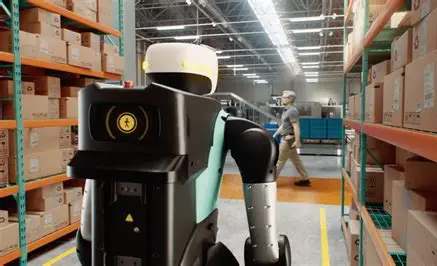
Agility Robotics' Digit 5 Features Safety Design to Crouch When Approached
Agility Robotics has introduced the Digit 5, a humanoid robot designed to crouch down when a person approaches. This safety feature is implemented to enhance interaction with humans, ensuring a more secure environment during operation. The crouching mechanism is significant as it reflects a growing emphasis on safety in robotics, particularly in environments where humans and robots coexist. By prioritizing safety, Agility Robotics aims to foster trust and acceptance of robotic systems in various applications. Looking ahead, it will be important to monitor how the Digit 5 is received in real-world scenarios and whether its safety features influence broader adoption of humanoid robots. No further timeline was disclosed at the time of publication.
Robotics Automation AI
MES Inc. Advises Robotics OEMs to Prioritize Manufacturing Strategy Amid Record Robot Demand
MES Inc., a sourcing and supply chain firm based in Ohio, has reported that industrial robot installations have exceeded 500,000 units for the fourth consecutive year. The company emphasizes the importance of structural aluminum components in determining the scalability of humanoid, mobile, and collaborative robots as the industry transitions from prototypes to mass production. This guidance is crucial as robotics companies face increasing demand for their products. By treating structural aluminum components as a fundamental system decision rather than a mere sourcing task, developers can enhance their manufacturing strategies and better meet the growing market needs. The focus on these components could significantly impact production efficiency and speed. Looking ahead, robotics OEMs are encouraged to lock in their manufacturing strategies before design freezes occur. No further timeline was disclosed at the time of publication.

Barbara Mazzolai Advocates for Sustainability in Robotics Through Bioinspired Designs
Roboticist Barbara Mazzolai is pioneering a new field called 'sustainability robotics,' which aims to harmonize technology with environmental stewardship. As the associate director for robotics at the Italian Institute of Technology, she emphasizes the importance of reducing the ecological footprint of robotic technologies. Mazzolai's work draws inspiration from nature, including octopuses and plant roots, to create robots that can interact with their environments responsibly. Mazzolai's vision for sustainability robotics was articulated in a manifesto published in Nature Machine Intelligence, where she calls for a shift in how robots are designed, integrating sustainability as a core principle. This approach not only addresses the environmental impact of robotics but also opens new possibilities for societal applications. Her background in biology and engineering uniquely positions her to lead this innovative research direction. Looking ahead, Mazzolai's exploration of plant-inspired robotics could revolutionize environmental monitoring and precision agriculture. As she continues to advocate for this new paradigm, the robotics community will be watching closely to see how her ideas evolve and influence future developments in the field. No further timeline was disclosed at the time of publication.
Soft-robot Typedepartments Environmental-footprint Biology Italian-institute-of-technology
AthenaZero: A Bimanual Robot Designed for Dynamic Manipulation with Low Inertia
AthenaZero, a bimanual robot, has been developed for dynamic manipulation tasks, showcasing low inertia capabilities. This innovation aims to enhance the efficiency and precision of robotic operations in various applications. The significance of AthenaZero lies in its ability to perform complex tasks that require quick and precise movements, which are essential in fields such as manufacturing and logistics. By minimizing inertia, the robot can respond rapidly to changes in its environment, making it a valuable asset in dynamic settings. Looking ahead, the robotics community will be keen to observe the practical applications of AthenaZero in real-world scenarios. Its performance in various environments and tasks will be critical in determining its impact on the future of robotic manipulation. No further timeline was disclosed at the time of publication.
Research Article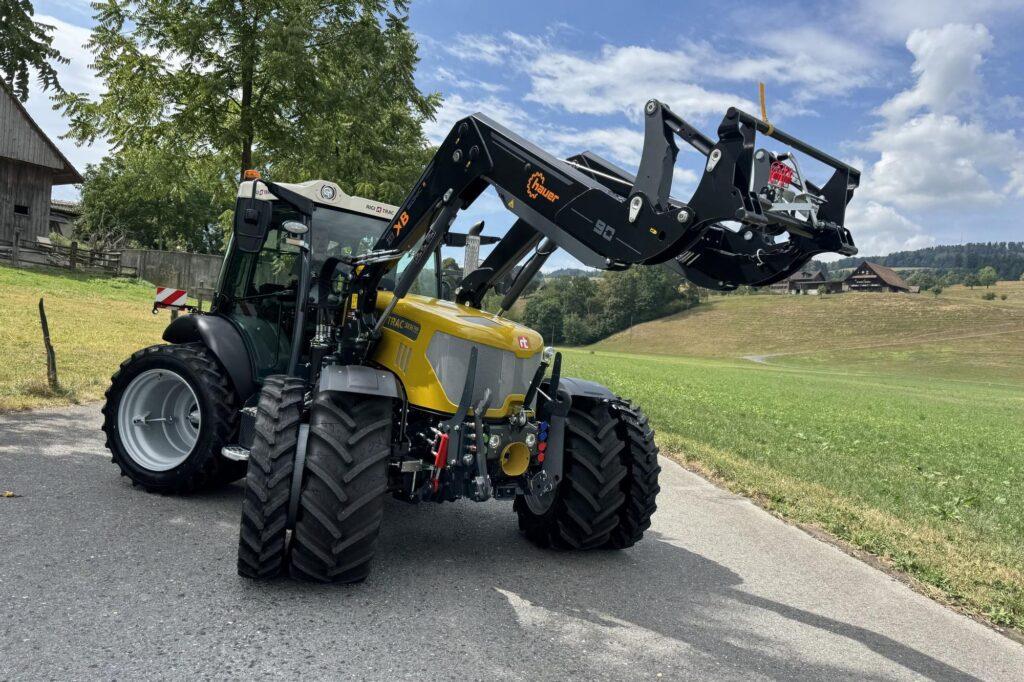
Introduction of the Electric Rigitrac SKE 40 Tractor to the Dutch Market
The Rigitrac SKE 40 Electric tractor, designed from the ground up as an electric machine, is being introduced to the Dutch market by importer Hissink. This innovative tractor aims to minimize energy losses in its driveline, allowing for an operational time of 4 to 6 hours per battery charge, even when using implements like mowers. The significance of the Rigitrac SKE 40 lies in its unique design, which differs from many electric tractors that are retrofitted from diesel models. By utilizing dedicated electric drives and a completely new design, the tractor enhances efficiency and performance. The SKE 40 features separate motors for hydraulics and PTOs, further optimizing energy use. Currently in series production, the Rigitrac SKE 40 Electric is priced starting at €190,000 without attachments. As it continues to gain traction in the market, interested parties can request demonstrations from Hissink. No further timeline was disclosed at the time of publication.
Field robots electric tractors energy switzerland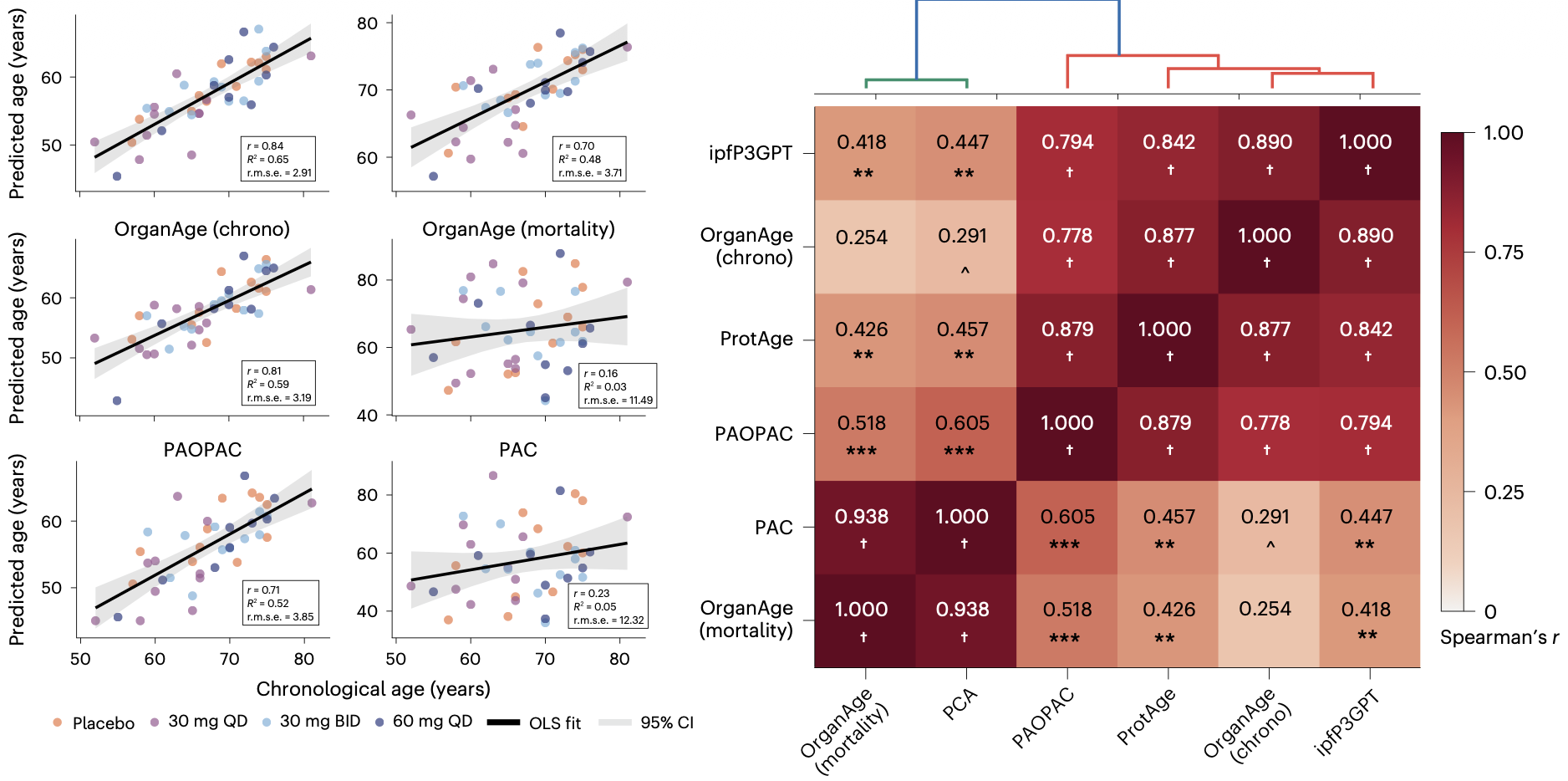
AI-Developed Rentosertib Shows Potential to Lower Biological Age in Clinical Trial
An AI-designed drug, rentosertib, demonstrated changes in proteins linked to lower biological age in a 12-week phase 2a clinical trial for idiopathic pulmonary fibrosis (IPF). Six machine-learning aging clocks indicated biological-age reductions among participants, particularly with a 30-milligram twice-daily dosage. This finding is significant as it suggests that AI-discovered medicines may have effects beyond their primary treatment targets. While the trial involved only 42 participants and could not definitively separate the drug's anti-fibrotic effects from potential anti-aging benefits, it highlights the innovative use of AI in drug development, particularly in assessing broader impacts during clinical trials. Looking ahead, researchers emphasize the need for larger studies to further explore the drug's effects on aging processes. The study advocates for dual-purpose clinical trial designs that measure both disease-specific outcomes and aging-related endpoints, paving the way for more comprehensive evaluations of new therapies.
AI AI FUNDING & INVESTMENT AI Research & Advances Business Exclusives News
Worms Navigate Narrow Paths More Efficiently Than Wider Ones, Impacting Robot Design
Recent research reveals that worms can traverse narrow paths more quickly than wider ones, challenging conventional assumptions about navigation efficiency. This finding is significant as it suggests that the design of robotic systems could benefit from mimicking the movement patterns of worms in confined spaces. Observing how these organisms adapt to their environments may lead to advancements in robotics, particularly in applications requiring precise navigation in tight areas.
Robotics
Development and Enhancement of a Deep Sea Bionic Robot Fish Utilizing Phase Change Actuator Technology
A recent study published in the Journal of Field Robotics details the design and optimization of a deep sea bionic robot fish that employs phase change actuator technology. This innovative approach aims to enhance the robot's performance in underwater environments, allowing for more efficient movement and adaptability to various conditions. The significance of this development lies in its potential applications in marine exploration and environmental monitoring. By mimicking the natural movement of fish, the bionic robot can navigate complex underwater terrains, providing valuable data for researchers and contributing to the understanding of marine ecosystems. Looking ahead, advancements in phase change actuator technology may lead to further improvements in the robot's capabilities. Researchers are expected to explore additional functionalities and applications, although no specific timeline for future developments was disclosed at the time of publication.
RESEARCH ARTICLE
Eplan and Rittal Enhance Manufacturing Efficiency with Digital Twins for Business Growth
R&D Specialties, a UL-certified panel builder in Odessa, Texas, faces challenges in scaling due to a lack of skilled labor and inefficiencies in the design-to-manufacturing process. The disconnect between design, sourcing, and fabrication leads to significant costs that often go unnoticed, impacting margins and delivery timelines. Eplan and Rittal address these issues by implementing a digital twin system, which streamlines the workflow and ensures that all teams work from a single source of truth, reducing errors and improving efficiency. The collaboration between Eplan and Rittal is crucial for manufacturers like R&D Specialties, as it tackles the hidden costs associated with traditional handoffs in the production process. By integrating Eplan's engineering software with Rittal's manufacturing capabilities, the companies create a seamless flow of information that enhances productivity and reduces the risk of delays. This approach not only optimizes operations but also positions businesses for growth in a competitive market. Looking ahead, manufacturers should monitor the adoption of digital twin technologies as a means to bridge gaps in their processes. The success of Eplan and Rittal's solution could inspire other companies to explore similar integrations, ultimately leading to improved operational efficiency and better financial outcomes. No further timeline was disclosed at the time of publication.

Hexapod Design for Precision Optical Alignment in Cryogenic Quantum Technologies
The development of a hexapod concept aims to enhance optical alignment for quantum and photonics technologies operating under low-temperature conditions. This innovation addresses the growing demand for precision in optical setups, which is crucial for the advancement of quantum applications. The significance of this hexapod design lies in its potential to improve the performance and reliability of quantum systems. As quantum technologies evolve, maintaining accurate optical alignment in cryogenic environments becomes essential for achieving desired outcomes in experiments and applications. Looking ahead, the focus will be on the implementation and testing of this hexapod concept in real-world quantum settings. No further timeline was disclosed at the time of publication.

Development and Evaluation of a Push-Based Gangue-Sorting Robotic System
A new push-based gangue-sorting robotic system has been designed and developed, with successful integration and field evaluation reported in the Journal of Field Robotics. This innovative system aims to enhance the efficiency of sorting gangue materials in mining operations. The significance of this development lies in its potential to improve resource recovery and reduce waste in mining processes. By effectively sorting gangue materials, the robotic system can contribute to more sustainable mining practices and optimize operational efficiency. Looking ahead, the industry will be keen to observe further advancements in robotic sorting technologies and their applications in various mining environments. No further timeline was disclosed at the time of publication.
RESEARCH ARTICLE
BioflexBot Robot Hand Designed to Replicate and Exceed Human Hand Movements
Researchers have developed the BioflexBot, a novel robotic hand that mimics and surpasses essential human hand motions with a simplified design. Unlike traditional robotic hands that replicate human anatomy, the BioflexBot utilizes a coiled spring, constraining shell, and pneumatic system to achieve precise movements such as pinching, rotating, hooking, and grasping with just two pneumatic inputs. The significance of the BioflexBot lies in its ability to perform delicate tasks typically required in healthcare and laboratory environments, such as manipulating acupuncture needles and transporting liquids. It has demonstrated superior performance, rotating bottle caps nearly four times more than a human hand and grasping objects up to 13 times larger than similar robotic systems. Looking ahead, the BioflexBot shows promise for various applications, including inspecting aeroengine blades, assisting humanoid robots in daily tasks, and conducting chemistry experiments. No further timeline was disclosed at the time of publication.
Academia / Research Artificial Intelligence Artificial Intelligence / Cognition Design / Development End Effectors / Grippers End of Arm Tooling
New US Photonics Design Platform Accelerates 1.6T Chip Development for Data Centers
Researchers in the United States have introduced a novel photonics design platform aimed at expediting the creation of high-performance chips for data centers. OpenLight, a semiconductor company based in California, and Israeli chipmaker Tower Semiconductor have enhanced their PH18DA photonics ecosystem by launching OpenLight’s photonic Process Design Kit (PDK), now accessible through Cadence’s electronic design automation tools. This open-platform design kit offers engineers a comprehensive library of components for developing custom Photonic Application-Specific Integrated Circuits (PASICs) and simplifies the process of creating photonic integrated circuits (PICs). The technology supports 400G and 1.6T photonic circuits, potentially streamlining the transition from design to production on the PH18D platform, according to OpenLight CEO Adam Carter. The integration of this PDK into Cadence tools is expected to facilitate the design of photonic integrated circuits alongside conventional integrated circuits. The collaboration aims to enhance the development of advanced optical systems, with a focus on improving performance, power efficiency, and scalability for next-generation optics solutions. No further timeline was disclosed at the time of publication.
AI and Robotics
Siemens Xcelerator Aims to Transform Humanoid Robotics Design for $370 Billion Market
Siemens is addressing the complexities of humanoid robotics design with its Xcelerator platform, which integrates mechanical design, simulation, and manufacturing processes. This innovation is crucial as the humanoid robotics market is projected to grow to $370 billion by 2040, according to McKinsey. Overcoming design inefficiencies will be essential for manufacturers to capture market share and create adaptable robots capable of transforming various industries. The potential of humanoid robots lies in their ability to navigate complex environments and perform diverse tasks, unlike traditional industrial robots. However, significant technical challenges remain, including the need for precise coordination of articulated joints and the integration of design and simulation workflows. Siemens Xcelerator aims to streamline these processes, enabling manufacturers to validate designs earlier and reduce reliance on physical prototypes. As competition intensifies in the humanoid robotics sector, manufacturers must adopt advanced solutions like Siemens Xcelerator to remain competitive. The platform's capabilities in connecting design and simulation workflows could be pivotal in accelerating the development of humanoid robots, ultimately reshaping manufacturing and logistics operations in the coming years.
Sponsored Content Siemens Industry
Modovolo Integrates Quantum-Inspired Computing to Enhance Drone Propeller Design Efficiency
Drone manufacturer Modovolo is leveraging quantum-inspired computing technology from BQP to accelerate the design process of its next-generation propellers. By incorporating BQP's BQPhy simulation platform into its engineering workflow, Modovolo can evaluate a significantly larger number of propeller designs compared to traditional methods, aiming to enhance drone flight time and payload capacity while minimizing manufacturing costs. This advancement is crucial for Modovolo as it seeks to optimize its patent-pending 3D-printed propellers. Traditional design optimization methods can be time-consuming, often taking days to yield a single viable design. The BQPhy platform, utilizing quantum-inspired algorithms, allows for the compression of tens of thousands of simulations, thereby expediting the design process and enabling engineers to explore a broader range of design variables. Looking ahead, Modovolo's collaboration with BQP is set to transform its approach to drone design, potentially leading to more frequent hardware iterations without a proportional increase in engineering time. The successful application of these optimizations could significantly impact Modovolo's business model, which focuses on maximizing performance per dollar in its Lift drone offerings. No further timeline was disclosed at the time of publication.
Military
Researchers Introduce Milo, the First Fully Autonomous Robotic Guide Dog for the Visually Impaired
Researchers have unveiled Milo, the world’s first fully autonomous robotic guide dog, aimed at assisting blind and visually impaired individuals in navigating various environments. This AI-powered mobile robot serves as a cost-effective alternative to traditional guide dogs, which can be expensive and in limited supply. Milo can be produced for under $2,000, significantly increasing accessibility for those awaiting trained guide dogs. The significance of Milo lies in its ability to navigate unfamiliar locations without the need for pre-mapped environments, utilizing onboard artificial intelligence to identify paths and avoid obstacles. This capability is crucial for users who require reliable navigation assistance in diverse settings. The robot's navigation system, trained through reinforcement learning, allows it to adapt to different lighting and environmental conditions, enhancing its usability. Looking ahead, the open-source release of Milo, including its hardware designs and AI models, invites further research and development in the field. This initiative could lead to advancements in assistive technologies for the visually impaired, making navigation safer and more efficient. No further timeline was disclosed at the time of publication.
Health News accessibility artificial intelligence assistive robotics assistive technology
The Importance of Companion Mobile Apps in Robotics and Automation Systems
Companion mobile apps are becoming essential in robotics and automation, allowing operators to manage machines remotely. As the International Federation of Robotics reported 542,000 industrial robot installations in 2024, the need for efficient monitoring and maintenance alerts has surged, making these apps integral to operations. The rapid growth of robot fleets, now exceeding 4.6 million units globally, necessitates real-time telemetry and role-based access in companion apps. These applications must provide offline functionality and timely alerts to prevent operational delays, as a five-minute lag in communication can lead to significant production losses. Looking ahead, the evolution of robotics-as-a-service is transforming companion apps to support features like usage-based billing and in-app payments. This shift indicates that the role of these apps will expand beyond monitoring to include handling regulated financial data, reflecting the changing landscape of industrial automation.
Automation Robotics Software automation companion apps cybersecurity
AndroMach Achieves 21 Successful Ignitions for Reusable Hypersonic Drone Engine
French aerospace startup AndroMach has successfully completed a series of 21 rocket engine ignitions for its hypersonic drone program. The tests, conducted at the DGA Essais de Missiles center in Gironde, confirmed the engine's reusability, a significant milestone before flight testing of the Envol suborbital hypersonic drone. The importance of these tests lies in their potential to reduce costs and improve reliability in rocket engine development. By demonstrating that the engine can be reused after multiple firings, AndroMach can ensure consistent performance and lower the expenses associated with testing. The campaign focused on the critical ignition phase, which poses extreme challenges due to high heat and pressure. Looking ahead, the successful completion of these tests paves the way for future flight tests of the Envol drone. The engine's performance data will inform its operational conditions for upcoming missions, which aim to facilitate microgravity experiments. No further timeline was disclosed at the time of publication.
Transportation
NVIDIA Enhances Agent Toolkit with PhysicsNeMo and CUDA-X for Advanced Engineering Solutions
NVIDIA has announced an expansion of its NVIDIA Agent Toolkit, incorporating NVIDIA PhysicsNeMo and CUDA-X libraries to enhance engineering capabilities. This development aims to address the complexities of modern chip and system design by enabling the creation of autonomous AI engineers that utilize physics, simulations, and performance analysis. The integration of these tools is expected to significantly improve the efficiency and accuracy of engineering workflows. The introduction of PhysicsNeMo provides AI physics skills essential for training and deploying models, while the CUDA-X libraries offer accelerated solvers and quantum chemistry capabilities. According to Timothy Costa, NVIDIA's vice president of computational engineering, this toolkit empowers developers to build AI agents that can reason with physics and generate high-fidelity data, thus driving innovation in chip design. As industry leaders like Cadence adopt these new tools, they are already witnessing substantial improvements in their engineering processes. Cadence's use of NVIDIA's technologies has reportedly led to up to 20 times faster multiphysics performance in PCB design. The ongoing development and application of these advanced tools will be crucial for future engineering projects, although no further timeline was disclosed at the time of publication.
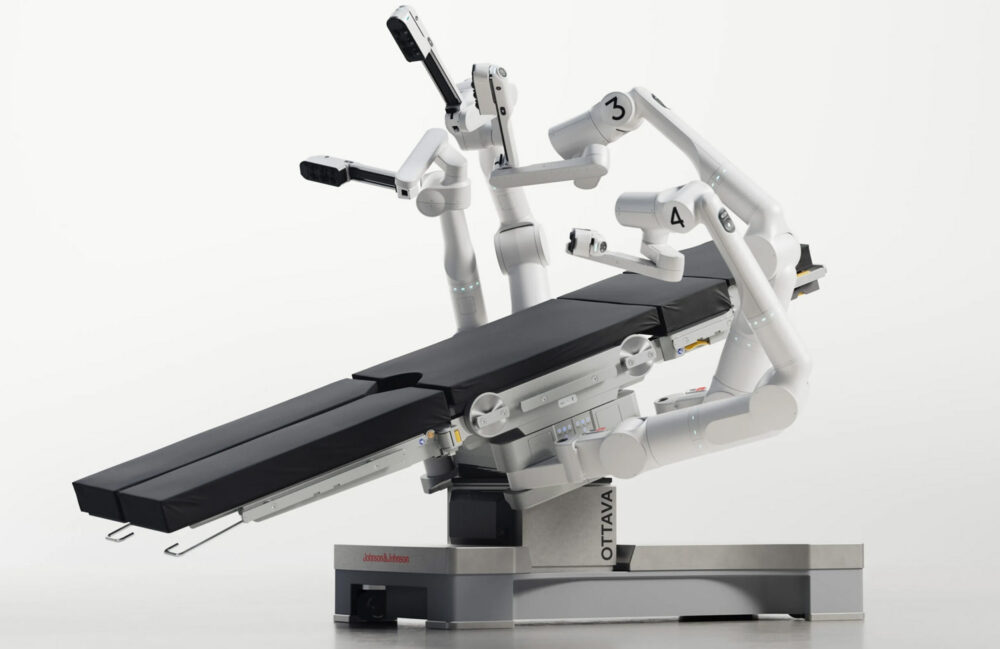
Johnson & Johnson Unveils Ottava Surgical Robot with Innovative Design and Features
Johnson & Johnson MedTech has introduced the Ottava surgical robot, which recently received FDA de novo authorization. This innovative system features four robotic arms integrated into the operating table, allowing for a space-saving design that occupies 30-50% less room than traditional boom-and-cart systems. The significance of the Ottava surgical robot lies in its ability to enhance surgical workflows and reduce setup time. By automating parts of the surgical process, the system aims to provide a more consistent experience for surgical teams, addressing common issues such as inadvertent suture cuts and dull scissors reported by surgeons. Looking ahead, the Ottava system's unique features, including a two-in-one needle driver and patented scissor design, are expected to improve surgical precision and efficiency. No further timeline was disclosed at the time of publication.
Healthcare Robotics Markets / Industries News Surgical / Interventional Systems Johnson & Johnson
Weidmuller USA Survey Highlights AI Tool Influence on PCB Design Practices
Weidmuller USA has released findings from the 2026 PCB Design Tools and Component Selection Survey, which surveyed 400 engineers across North America. The results indicate that nearly 80% of participants prioritize product reliability when choosing components for PCB designs. Additionally, over 90% of engineers reported using AI-based tools in their design workflows, with 75% recognizing these tools as enhancing productivity and speeding up design iterations. The significance of these findings lies in the shift towards integrating AI tools in PCB design, reflecting a growing trend among engineers to leverage technology for improved efficiency. The survey also highlighted that component performance is a critical factor influencing engineers' decisions to switch products. Furthermore, nearly half of the respondents finalize component selections during the early concept or schematic design phases, emphasizing the importance of early decision-making in the design process. Looking ahead, the continued adoption of AI tools in PCB design is expected to evolve, potentially leading to more innovative design practices and improved product reliability. No further timeline was disclosed at the time of publication.
Factory / Analytics
Spider-Inspired Robotic Boat Designed for Tracking and Rescuing Individuals in Water
Rescue teams in coastal areas frequently face the challenge of saving individuals at risk of drowning. These critical operations demand rapid response times, as delays can lead to severe or fatal outcomes for those in distress. The development of a spider-inspired robotic boat aims to enhance the efficiency of these rescue missions. By mimicking the agility and precision of a spider, this innovative technology could significantly improve the ability of emergency teams to locate and assist individuals in peril. Looking ahead, the effectiveness of this robotic boat in real-world rescue scenarios will be crucial to its adoption. The ongoing evaluation of its capabilities will determine its potential impact on coastal rescue operations and overall safety in aquatic environments. No further timeline was disclosed at the time of publication.
Robotics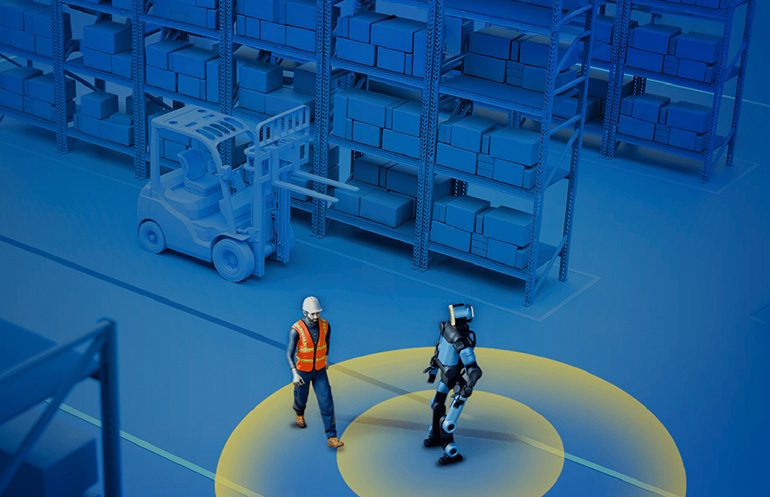
Boston Dynamics Hosts Webinar on Human-Robot Interaction Design for Trust and Safety
Boston Dynamics is set to present a free webinar focused on human-robot interaction (HMI) considerations for humanoid robots. The event, titled "The Art Behind Human-Robot Interaction," will feature experts discussing how to foster trust and safety in human-robot collaboration. The webinar is scheduled for 11:00 a.m. ET on Wednesday, July 22, 2026. As humanoid robots transition from research environments to commercial applications, addressing safety concerns becomes crucial. Boston Dynamics emphasizes that predictability, rather than human-like appearance, is key to successful human-robot coexistence. The insights shared during the webinar will be vital for developers aiming to enhance the user experience and operational safety of humanoid robots. Participants can expect to learn from Mario Bollini, director of human-robot interaction, and Leland Hepler, a distinguished product designer. Both speakers bring extensive experience in robotics and design, making this webinar a significant opportunity for those interested in the future of human-robot collaboration. No further timeline was disclosed at the time of publication.
Artificial Intelligence Artificial Intelligence / Cognition Collaborative Robots Human Robot Interaction / Haptics Humanoids Motion Control
Generative Bionics Unveils Gene.01, a Smart-Skin Humanoid Robot for Safe Human Interaction
Generative Bionics has launched Gene.01, a fully functional humanoid robot platform designed for safe human collaboration. Built in just six months, Gene.01 is equipped with advanced sensors that detect touch, proximity, force, and temperature, enhancing its interaction capabilities with humans. The introduction of Gene.01 is significant as it provides a foundation for Physical AI developers to create industrial applications. Its open-sourced robot model allows for collaborative development, potentially accelerating innovation in the field of humanoid robotics. Looking ahead, the focus will be on how Gene.01 can be integrated into various industrial environments and the applications it can support. No further timeline was disclosed at the time of publication.
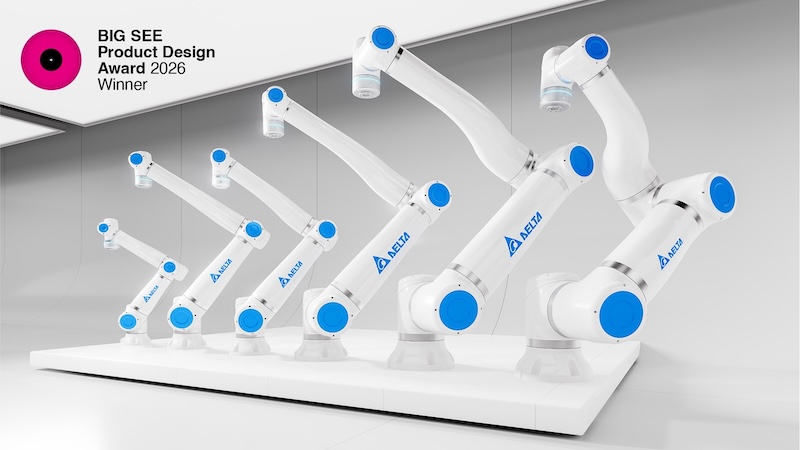
Delta Electronics' D-Bot Collaborative Robots Win BIG SEE Product Design Award 2026
Delta Electronics has received the prestigious BIG SEE Product Design Award 2026 for its Delta D-Bot series of collaborative robots. This award highlights exceptional achievements in product design and industrial innovation, showcasing Delta's commitment to sustainability and creativity in technology. The recognition is significant as it underscores Delta's strategy of investing over eight percent of its annual revenue in research and development, particularly in design and innovation. Michael Mayer-Rosa, senior director at Delta, emphasized that the award reflects the high standards of their team in merging industrial robotics with practical and efficient design, catering to diverse customer needs. Looking ahead, Delta's D-Bot series, launched in spring 2024, features six flexible models with advanced safety technologies and compatibility with various industrial protocols. No further timeline was disclosed at the time of publication.
Design Industrial robots autonomous mobile robots BIG SEE Product Design Award cobots collaborative robots
ETCO Incorporated Launches New Electrical Connectors and Terminals for Robotics and Automation
ETCO Incorporated has unveiled a new range of standard and custom electrical connectors and terminals designed specifically for automation systems and robotics. These products are engineered to endure intense operations, constant motion, and vibration, making them suitable for demanding applications. The introduction of these connectors and terminals is significant as they address the growing need for reliable electrical components in automation and robotics. With the increasing complexity of automated systems, the durability and performance of electrical connections are crucial for operational efficiency and safety. Looking ahead, industry stakeholders should monitor the adoption of ETCO's new products in various applications. The effectiveness of these connectors and terminals in real-world scenarios will be key to their success in the market. No further timeline was disclosed at the time of publication.

Microsoft 365 Copilot unveils new design, usage in Excel rises by 33%.
Microsoft has unveiled a new design for its "Microsoft 365 Copilot," significantly enhancing usability and performance through phased rollout strategies and the introduction of context-aware, autonomous agents. This innovative approach has already yielded impressive results, including a 33% increase in usage within Excel. The updates aim to streamline workflows and improve user experience across the Microsoft 365 suite, reflecting the company's commitment to integrating advanced technology into everyday tasks.

Microsoft announces "Surface Laptop Ultra," designed with NVIDIA, enabling local execution of AI models.
Microsoft has unveiled its latest notebook, the Surface Laptop Ultra, marking a significant advancement in its product line. This new device is the first Surface model to feature the RTX Spark system-on-chip (SoC), which was co-designed with NVIDIA. The Surface Laptop Ultra boasts an impressive AI computing performance of 1 petaflop, allowing it to handle complex tasks efficiently. It is equipped with up to 128GB of unified memory, enabling the execution of models with 120 billion parameters locally. The highly anticipated laptop is set to be released in the fall of 2026, reflecting Microsoft's commitment to integrating cutting-edge technology into its devices to meet the growing demands of AI applications.
X-energy Advances 6-Gigawatt SMR Fleet in the UK Regulatory Review Process
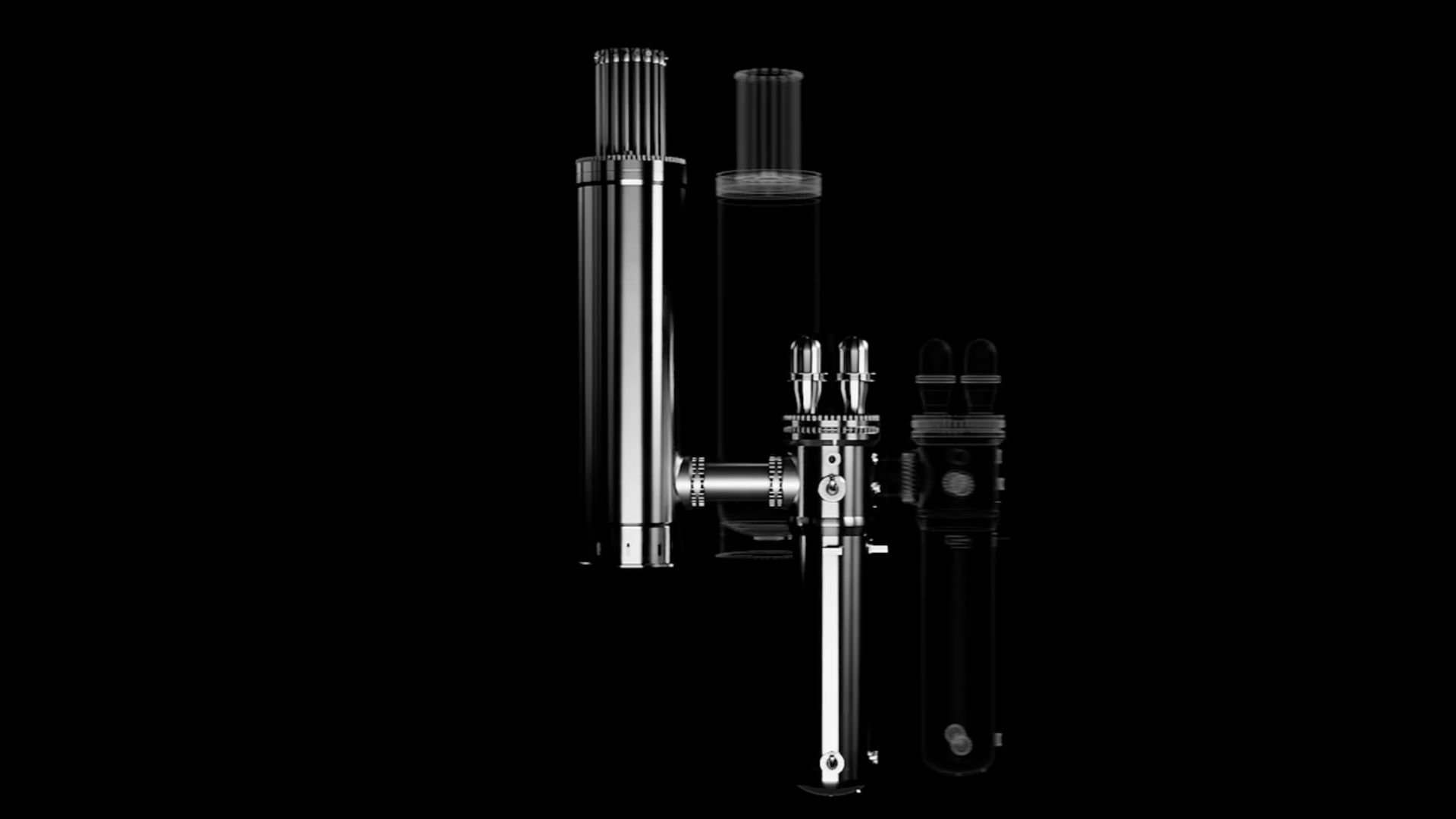
X-energy, an American reactor designer, has made significant progress in exporting its advanced small modular reactor (SMR) technology to the UK. The company has entered the UK’s regulatory review process for its Xe-100 system, which is now part of the Generic Design Assessment. This step is crucial for assessing reactor designs before they can be licensed and constructed. The Xe-100 reactor is a high-temperature gas-cooled system that utilizes TRISO-X particle fuel, known for its safety and ability to withstand extreme heat. Each unit can generate 80 megawatts of electricity or provide 200 megawatts of thermal heat. X-energy aims to deploy a fleet capable of delivering up to 6 gigawatts of power across the UK, enhancing the applications of nuclear technology in various sectors. Looking ahead, the UK review process is expected to take about three years, with regulators from both the UK and the US collaborating on safety assessments. X-energy is also preparing for its first commercial installation in the US alongside Dow Inc., while expanding its fuel-manufacturing capabilities in Tennessee to support its growing operations.
Energy
Advanced Soft Gripper Designed for Rapid Handling of Oyster Products
A new soft gripper has been developed for the efficient pick-and-place of oyster products, enabling extreme handling speeds. This innovation is significant as it enhances the automation capabilities in seafood processing, potentially increasing productivity and reducing labor costs. The introduction of this advanced gripper technology is crucial for the seafood industry, where speed and precision are vital for maintaining product quality and meeting market demands. By improving the handling of delicate oyster products, this development could lead to better operational efficiency and higher profit margins for seafood processors. Looking ahead, the impact of this soft gripper on the seafood processing sector will be important to monitor. As automation continues to evolve, further advancements in robotic handling technologies may emerge, shaping the future of food processing and logistics. No further timeline was disclosed at the time of publication.
RESEARCH ARTICLE
Development of Innovative Gripping Mechanism and Dual Manipulator System for Apple Harvesting with Tractor
A novel gripping mechanism and dual manipulator robotic system designed for apple harvesting using a tractor has been developed. This innovative system aims to enhance the efficiency of apple picking, addressing the labor shortages faced in agriculture. The significance of this development lies in its potential to revolutionize apple harvesting processes, making them more efficient and less reliant on manual labor. By integrating advanced gripping technology with a dual manipulator system, the project seeks to improve productivity in the agricultural sector. Looking ahead, the focus will be on testing the system in real-world conditions to evaluate its performance and effectiveness in apple harvesting. No further timeline was disclosed at the time of publication.
RESEARCH ARTICLE
Italian Institute of Technology Develops Soft Robotic Arm Inspired by Octopus Design
A team from the Italian Institute of Technology (IIT) has developed a soft robotic arm inspired by the octopus, utilizing a distributed perception design philosophy. Unlike traditional robots with centralized control, this arm mimics the octopus's ability to independently sense and respond through its tentacles, allowing for more agile and nuanced movements underwater. This innovation matters as it enhances the speed and simplicity of robotic control, eliminating the need for high-frequency data processing from a central system. The arm's design incorporates optoelectronic sensors and micro-LEDs in each suction cup, enabling real-time assessment of contact direction and force, thus allowing for immediate actions without centralized commands. The soft robotic arm has demonstrated its capabilities in complex environments, accurately grasping fragile objects without visual feedback. Its potential applications include assisting in medical procedures, handling delicate components in manufacturing, and performing underwater archaeology or deep-sea sampling, showcasing the advantages of biological problem-solving approaches in robotics.
Soft Robotics Robotic Arms Biomimicry Underwater Robotics
MIT Researchers Develop Framework for Designing Adaptive Materials Inspired by Pine Cones
MIT researchers have created a mathematical framework that simplifies the design of bioinspired materials, such as moisture-responsive shingles. This framework captures the mechanisms across various length scales in natural systems, like those found in pine cones, and translates them into engineered systems that can be 3D printed. The significance of this work lies in its potential to streamline the development of adaptive materials, reducing costs and time associated with failed prototypes. By moving beyond mere bio-inspiration to what is termed 'bio-derivation,' engineers can systematically translate natural behaviors into synthetic structures, paving the way for innovations like soft robotic grippers and morphing airplane wings. Looking ahead, the framework's application could extend to more complex systems, enhancing the ability of engineers to create materials that respond dynamically to environmental changes. No further timeline was disclosed at the time of publication.
Research Bioinspiration Materials science and engineering Algorithms Design Biology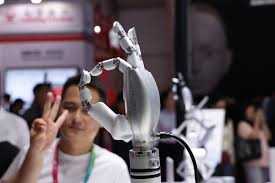
Development and Testing of a Cost-Effective Integrated Gripper-Shear End-Effector
A new integrated gripper-shear end-effector has been developed and validated, showcasing efficiency and cost-effectiveness. This innovation aims to enhance robotic capabilities in various applications by combining gripping and cutting functionalities into a single tool. The significance of this development lies in its potential to reduce operational costs while improving performance in tasks that require both gripping and shearing actions. By integrating these two functions, the end-effector can streamline processes in fields such as manufacturing and logistics, where efficiency is paramount. Looking ahead, the focus will be on further testing and optimization of the end-effector for specific applications. No further timeline was disclosed at the time of publication.
RESEARCH ARTICLE
Robot.com Introduces R-dog: A Versatile Four-Legged Delivery and Engagement Robot
Robot.com has unveiled R-dog, a four-legged robotic platform intended for delivery, advertising, and engagement tasks. This innovative robot is designed to operate on REMI, Robot.com's fleet management and physical API layer, showcasing the company's commitment to advancing robotic solutions. The significance of R-dog lies in its potential to enhance operational efficiency in various sectors by integrating advanced autonomy features. The collaboration with FieldAI is crucial, as their general-purpose Field Foundation Models will provide the necessary autonomy capabilities, positioning R-dog as a versatile tool for businesses. Looking ahead, the evolution of R-dog into a production version will be closely monitored. The partnership with FieldAI is expected to yield significant advancements in robotic autonomy, making R-dog a noteworthy development in the robotics landscape. No further timeline was disclosed at the time of publication.
Robotics needs a service framework.
RSF defines a common language for robot service capability, lifecycle operations, certification pathways, and service-provider networks.
Join the RobotToday community on LinkedIn
Daily robotics news, in-depth analysis, conference highlights, and discussions with professionals worldwide.







