

Industry Briefing
A single destination for timely, editor-curated robotics news from around the world.

Integrating Cameras, Grippers, Controllers, and Software for Advanced Robotics Deployment
The integration of cameras, grippers, controllers, and application software is crucial for effective robotics deployment. When these components are tailored for a specific workcell, adapting them for different tasks or products often requires extensive rework. This challenge highlights the need for more flexible and adaptable robotic systems in manufacturing environments. Addressing the integration issue is essential for enhancing productivity and efficiency in industrial automation. As companies seek to implement advanced robotics solutions, the ability to quickly adapt systems to new tasks can significantly reduce downtime and costs. This adaptability is vital for staying competitive in a rapidly evolving market. Looking ahead, companies will need to focus on developing modular and interoperable robotic systems that can easily transition between various applications. The ongoing evolution in robotics and AI research will play a key role in shaping these advancements. No further timeline was disclosed at the time of publication.
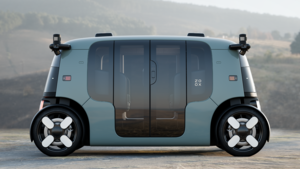
LG Innotek Expands Partnership with Zoox to Supply High-Resolution Camera Modules
LG Innotek is enhancing its collaboration with Zoox, Amazon's autonomous driving subsidiary, by providing high-resolution automotive camera modules for its robotaxis. This partnership has been in place since the early development stages of the robotaxi, and the latest agreement will see LG Innotek supply these advanced cameras over the coming years. The high-resolution cameras are integral to Zoox's sensor suite, offering 360-degree coverage through overlapping fields of view. LG Innotek's modules leverage precision optical design technology honed from years of experience in mobile device camera production. Designed to endure harsh weather conditions, these waterproof modules ensure stable performance in various environments. As Zoox ramps up its manufacturing capabilities with the opening of its first robotaxi production facility in California, LG Innotek's camera modules are being integrated into the vehicles. This collaboration marks a significant milestone in their ongoing partnership, positioning LG Innotek as a crucial supplier in the rapidly evolving autonomous vehicle sector. No further timeline was disclosed at the time of publication.
All News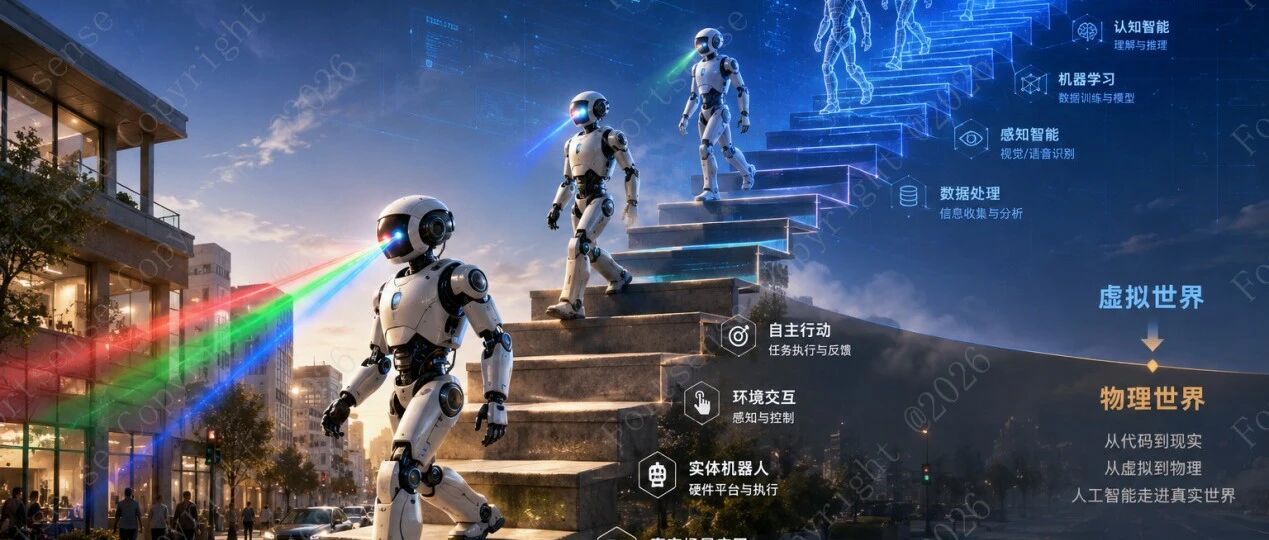
Fortsense Develops Single-Chip RGBD Spatial Cameras for Physical AI Perception
Fortsense Technologies is making significant strides in the field of imaging technology with its development of single-chip RGBD spatial cameras. These innovative cameras combine color and depth perception into a single unit, offering a streamlined alternative to the traditional combination of cameras and LiDAR systems. The company's focus is on enhancing the capabilities of autonomous vehicles and robotics, sectors that increasingly rely on advanced sensing technologies for navigation and environmental understanding. By integrating both color and depth data into one chip, Fortsense aims to improve efficiency and reduce costs in these applications. The initiative is part of a broader trend towards more compact and effective sensor solutions in the rapidly evolving landscape of autonomous technology.
AI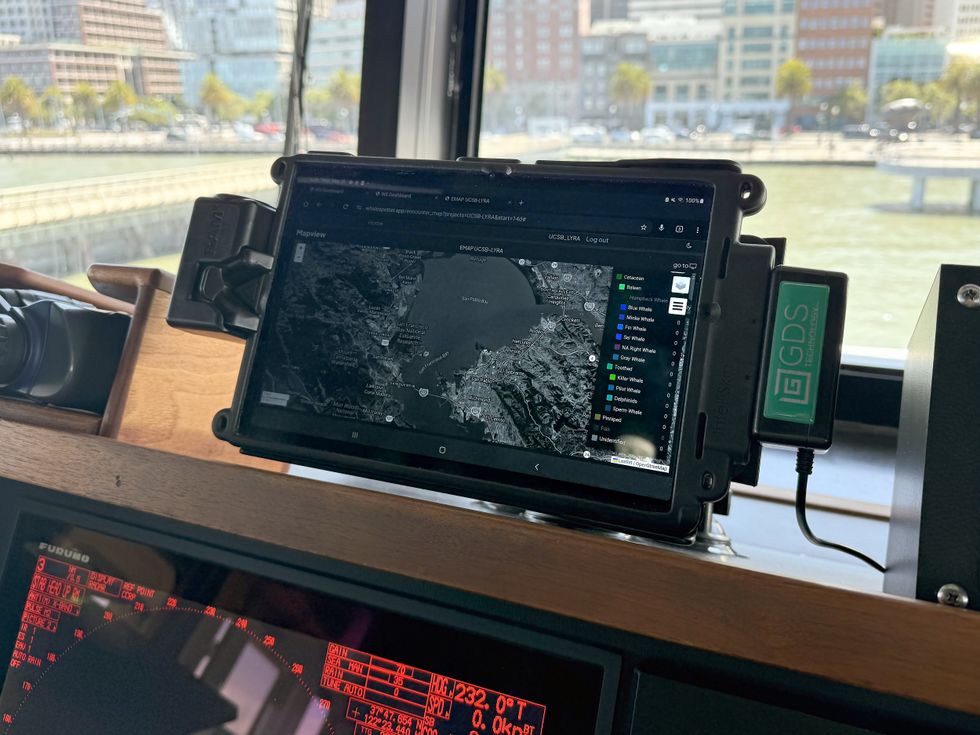
Thermal Cameras and AI Help Ships Steer Clear Of Gray Whales
On May 19, a new AI-based whale detection system was launched in San Francisco Bay, developed by WhaleSpotter, a company based in Somerville, Massachusetts. This initiative, a collaboration among government agencies and scientists, aims to enhance the safety of marine traffic by identifying gray whales in real-time using thermal cameras mounted on Angel Island. The system operates continuously, even at night and in foggy conditions, and alerts nearby vessels to potential whale encounters, allowing them to slow down or change course. The urgency for such technology arises from alarming mortality rates among gray whales, with seven reported deaths in the bay this year alone, and a record 21 fatalities in 2025, primarily due to ship strikes. Scientists attribute the whales' recent detours into the bay to climate change, which has led to record-low sea ice levels and impacted their food sources. As a result, over 100 gray whales have been observed stopping in the bay since 2018, likely seeking nourishment during their long migration from Alaska to Mexico. The WhaleSpotter system has already logged 6,600 whale detections within its first week and a half of operation. While the technology significantly reduces the risk of ship strikes, human verification remains essential to confirm detections and minimize false alarms. Future enhancements aim to further automate the process, ultimately relying more on AI for monitoring marine life.
Cameras Whales Thermal-cameras Artificial-intelligenceRobotics needs a service framework.
RSF defines a common language for robot service capability, lifecycle operations, certification pathways, and service-provider networks.
Join the RobotToday community on LinkedIn
Daily robotics news, in-depth analysis, conference highlights, and discussions with professionals worldwide.







