Industry Briefing
A single destination for timely, editor-curated robotics news from around the world.

Kinetic Blocks Introduces Beta Marketplace for Humanoid Robot Training Data
Kinetic Blocks, a startup based in Oslo, has launched a beta version of a marketplace dedicated to the buying and selling of training data for humanoid robots. This platform became available on September 1, following months of development in collaboration with a select group of data suppliers and early users. The introduction of this marketplace is significant as it aims to streamline the acquisition of training data, which is crucial for the development and enhancement of humanoid robots. By facilitating transactions between data providers and developers, Kinetic Blocks is addressing a vital need in the robotics industry, potentially accelerating advancements in humanoid robot capabilities. Looking ahead, Kinetic Blocks has not disclosed any further timeline for expanding access to the marketplace or additional features. Stakeholders in the robotics sector should monitor this development closely, as it may influence the landscape of humanoid robot training and data utilization.
Computing Humanoids News 1x technologies artificial intelligence egocentric video
Data Collectors at JD Teach Robots to Live Like Humans Through Daily Activities
At JD's Robot Data Collection Center in Suqian, data collectors are teaching robots to mimic human activities such as cooking and scanning. This innovative approach transforms everyday actions into precise data points, essential for training embodied intelligent models. The center aims to collect over 10 million hours of quality data within two years, recruiting 100,000 full-time and 500,000 part-time data collectors across various environments. This initiative is significant as it bridges the gap between AI and human-like understanding, allowing robots to learn from real-life scenarios. The data collectors, equipped with lightweight devices, meticulously capture actions to ensure the data's accuracy and relevance. Their work exemplifies the evolving relationship between humans and robots, highlighting the importance of human input in AI development. Looking ahead, the center's ambitious goal of extensive data collection will play a crucial role in advancing AI capabilities. As the demand for skilled data collectors grows, this emerging profession is gaining popularity, with experienced collectors earning substantial incomes. No further timeline was disclosed at the time of publication.
AI Data Collection Robotics Human-Robot Interaction
Kinetic Blocks Launches Marketplace for Humanoid Training Data Acquisition
On September 1, Oslo-based startup Kinetic Blocks introduced a gated beta of a marketplace tailored for the buying and selling of humanoid training data. This platform aims to streamline the traditionally slow and complex process of dataset procurement by replacing bilateral licensing deals with standardized commercial transactions. The significance of Kinetic Blocks' launch lies in its potential to address the challenges of physical data acquisition in the embodied AI sector. By allowing data suppliers to list various datasets, including egocentric human video and teleoperation recordings, the platform seeks to establish clear market values and mitigate the opaque rights management that has historically plagued robot learning data procurement. Looking ahead, Kinetic Blocks plans to expand its engineering and commercial teams in the coming months while preparing to open a seed funding round in the fourth quarter of 2026. This development comes amid a competitive landscape where foundational model developers are increasingly seeking innovative strategies for sourcing real-world telemetry data.
Data Collection Kinetic Blocks Dataset Europe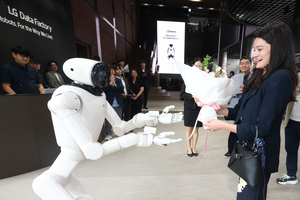
LG Electronics and Nvidia Aim for 100,000 Hours of Humanoid Robot Training Data
LG Electronics is enhancing its collaboration with Nvidia to expedite the creation of training data for humanoid robots. This initiative follows a memorandum of understanding signed by LG Group Chairman Koo Kwang-mo and Nvidia CEO Jensen Huang, aimed at expanding cooperation in physical AI and mobility. Madison Huang, Nvidia's senior director, visited LG's data factory in Seoul to review the progress of this partnership. The significance of this collaboration lies in its potential to advance the capabilities of humanoid robots through extensive training data. By utilizing LG's CLOiD robots in various simulated environments, including a home setting and a washing machine plant, the companies aim to gather diverse data for training purposes. The data will be processed using Nvidia's advanced robotics solutions, enhancing the learning process for these robots. Looking ahead, LG Electronics plans to fully operationalize the Yangjae data factory by the end of the year, with a target of collecting 100,000 hours of training data. This ambitious goal represents nearly 12 years of continuous operation, marking a significant milestone in the development of humanoid robotics.
All News
Generalist Leverages Human Demonstration Data for Enhanced Robot Learning
Generalist, a robotics startup valued at $2 billion, utilizes human demonstration data to train robots on real-world tasks. Developed through collaboration among Toyota Research Institute, Columbia University, and Stanford University, the Universal Manipulation Interface (UMI) enables the collection of training data via puppet-like end effectors and GoPro cameras. This innovative approach allows collaborative robots to learn tasks such as washing dishes and picking up objects more efficiently. The significance of Generalist's work lies in its ability to create adaptable robots that can recover from errors in real-time, a feature demonstrated at the Automate event. The company showcased its models performing various tasks with Universal Robots and Flexiv arms, highlighting the intelligence of these systems in handling unexpected challenges. This capability has the potential to reshape perceptions of automation in industrial settings. Looking ahead, Generalist aims to further refine its models to maintain a competitive edge in a rapidly evolving market that has seen over $4 billion in investments. The company’s commitment to developing versatile robotic solutions across diverse applications will be crucial for its growth and adoption in the industry. No further timeline was disclosed at the time of publication.
Academia / Research Arms / Manipulators Artificial Intelligence Artificial Intelligence / Cognition Assembly Cobot Arms
BitRobot and Hugging Face Launch HIW-500: A 10TB Dataset for Humanoid Robotics Research
BitRobot Network, in collaboration with Hugging Face and Unitree Robotics, has launched HIW-500, the largest open-source humanoid teleoperation dataset. This dataset, collected from 12 homes in Southeast Asia, includes over 500 hours of footage, 23,000 episodes, and more than 10 terabytes of data, aimed at improving humanoid robots' ability to navigate and manipulate objects in real-world environments. The HIW-500 dataset addresses a critical data deficit in the robotics industry, particularly in teaching robots to perform household tasks. With over 10 core tasks and thousands of demonstrations, it provides a foundational resource for researchers to train AI models on complex, multi-step activities. This initiative responds to industry concerns about the lack of generalization in consumer robotics, as highlighted by Unitree CEO Wang Xingxing. To facilitate access, Hugging Face's LeRobot team has compressed the dataset from approximately 10TB to around 2TB without losing fidelity, making it more manageable for smaller academic labs. This significant reduction in size will enable broader use of the dataset in deep learning applications, potentially accelerating advancements in humanoid robotics.
Data Collection G1 Unitree Robotics LeRobot Dataset open-source
Humanoid Robots Enhance Mobility with AI-Driven Sprinting and Spin Kicks
Recent advancements in humanoid robots have led to the development of systems capable of sprinting and executing spin kicks, utilizing AI trained on human motion data. This progress signifies a leap in the capabilities of humanoid robots, which have traditionally been limited in their movement repertoire. The ability of humanoid robots to perform complex movements like sprinting and spin kicks is crucial for their potential application in assisting humans with manual tasks across various environments. Enhanced mobility could enable these robots to engage more effectively in real-world scenarios, thereby increasing their utility and acceptance in society. Looking ahead, the focus will likely be on further refining the movement capabilities of humanoid robots and exploring their practical applications in industries such as healthcare, logistics, and personal assistance. No further timeline was disclosed at the time of publication.
Robotics
China Faces Data Shortage Hindering Development of Humanoid Robots with Embodied Intelligence
China is establishing training grounds for embodied intelligence across the country. However, a significant shortfall of over 99% in physical-interaction data threatens to keep humanoid robots from advancing beyond demonstration phases. This data deficiency is critical as it limits the ability of humanoid robots to learn and adapt through real-world interactions. Without sufficient data, the development of these robots may stagnate, impacting China's ambitions in robotics and AI. Looking ahead, the focus will be on addressing this data gap to enable more effective training for humanoid robots. No further timeline was disclosed at the time of publication.
Robotics
Humanoid Robots Achieve Agile Movements with New ZEST Control Framework
Researchers have introduced a novel control framework named zero-shot embodied skill transfer (ZEST) that enables humanoid robots to execute agile movements such as crawling, cartwheels, and backflips. This innovative system utilizes reinforcement learning to teach robots whole-body movements derived from human motion capture, video, and animation data, allowing for a diverse range of movements to be learned in a single training phase. The significance of ZEST lies in its ability to reduce the engineering and tuning efforts typically required for robotic skill acquisition. By employing a reinforcement-learning policy trained in simulation, ZEST can transfer learned skills to physical robots like Boston Dynamics' Atlas and Spot without the need for extensive fine-tuning. This framework also incorporates adaptive sampling and automatic curriculum adjustments to enhance learning efficiency and performance. Looking ahead, the researchers aim to expand ZEST's capabilities to include zero- and few-shot adaptation and continual learning. While the current implementation is limited to flat, nonslippery environments, the potential for future advancements in robotic control and movement generalization is promising. No further timeline was disclosed at the time of publication.
AI and Robotics
Dyna Robotics Unveils Dyna-2: A Breakthrough in Zero-Shot Dexterity from Human Video Data
Dyna Robotics has introduced Dyna-2, a world-action model (WAM) pre-trained on one million hours of human video data. This development provides significant evidence for a human-to-robot transfer scaling law, demonstrating that increased exposure to human video enhances a robot's ability to perform tasks it has never encountered before. The implications of Dyna-2's capabilities are profound, as it addresses the historical challenges in robot learning, particularly the embodiment gap. By leveraging vast amounts of unannotated human video, Dyna-2 shows that scaling data can lead to improved generalization across various robotic tasks, marking a potential shift in how robots learn from human actions. Looking ahead, Dyna Robotics' findings could influence the direction of robotics research and development, particularly in the realm of world models. The performance of Dyna-2, which achieved an 87% production pass rate in zero-shot deployments, suggests a promising future for robots that can learn from human behavior without extensive training on specific tasks. No further timeline was disclosed at the time of publication.
Dyna-2 Dyna Robotics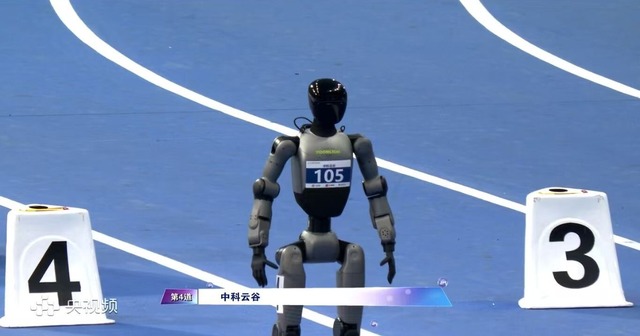
Zoomlion's Humanoid Robot Utilizes Data from World Robot Games for Industrial Applications
Zoomlion Heavy Industry Science & Technology showcased its self-developed humanoid robot at the 2nd World Robot Games in Beijing. The robot participated in three events: standing long jump, 100-meter dash, and standing high jump, which tested its walking algorithms, joint responsiveness, and overall stability under complex conditions. This participation provided valuable data to enhance the company's full-stack technology across algorithms, software, and hardware for industrial applications. The significance of this event lies in its ability to evaluate not just speed and strength but also the AI capabilities of the robots in real-world environments. According to Zeng Guang from Zoomlion, competing against teams from around the world has helped refine their technology and systems, improving reliability and adaptability in industrial settings. The company has already deployed dozens of humanoid robots in its smart factories for various tasks, including sorting materials and conducting inspections. Looking ahead, Zoomlion plans to continue developing embodied AI technology and expand the practical use of humanoid robots in industrial manufacturing and specialized tasks. No further timeline was disclosed at the time of publication.

Three Key Challenges Hindering the Development of Advanced Humanoid Robots
The development of humanoid robots, akin to C-3PO, faces significant challenges in reliability, dexterity, and data management. While advancements in AI have improved reasoning capabilities, the physical aspects of robotics remain problematic. Current robots excel in specific tasks but struggle with complex manipulations that require high precision and reliability. These challenges are critical as they impact the deployment of robots in various sectors, including healthcare and manufacturing. For instance, surgical robots like the da Vinci system demonstrate the gap between theoretical intelligence and practical application, where reliability is paramount. The need for robots to perform consistently across millions of cycles is essential for their acceptance in sensitive environments. Looking ahead, the industry must focus on overcoming these bottlenecks to enable broader adoption of humanoid robots. The reliance on a combination of real and synthetic data for training highlights the ongoing need for innovative solutions. No further timeline was disclosed at the time of publication.
Factory / Robotics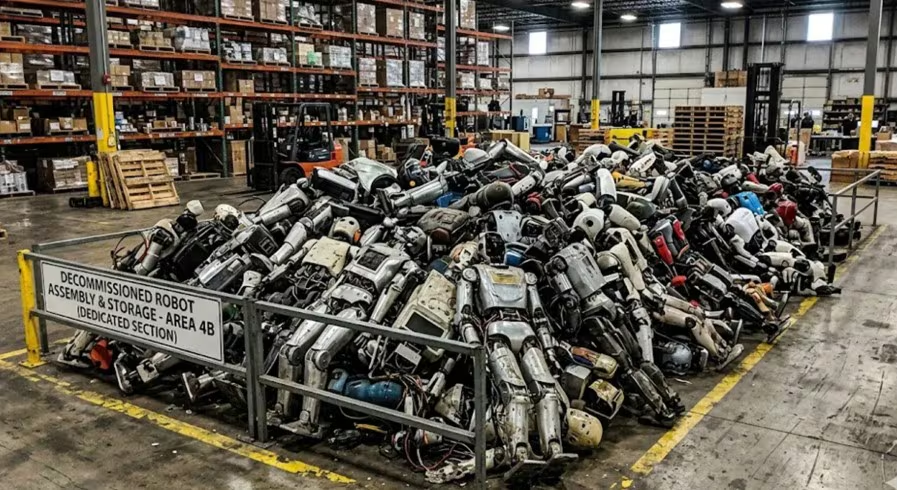
The Eve of the Humanoid Robot Scrapping Wave: Over Ten Thousand Parts, Data Leaks, and Risks of Thermal Runaway Await Resolution
As the deadline for the scrapping of humanoid robots approaches, industry experts are raising alarms over the potential risks associated with the disposal of over ten thousand robot parts. This wave of scrapping, set to occur in the coming weeks, has been prompted by concerns over data leaks and the dangers of thermal runaway, a phenomenon where overheating can lead to catastrophic failures. The situation has unfolded primarily in tech hubs where these robots were developed and deployed, highlighting the urgent need for effective disposal protocols. Experts warn that without proper management, the discarded components could pose significant environmental and safety hazards. In response to these concerns, companies are urged to implement stringent measures to secure sensitive data and safely dismantle the robots to mitigate risks. The industry is now under pressure to establish comprehensive guidelines for the responsible disposal of robotic technology, ensuring that both data integrity and public safety are prioritized as this unprecedented scrapping wave looms.
Robotics Automation AI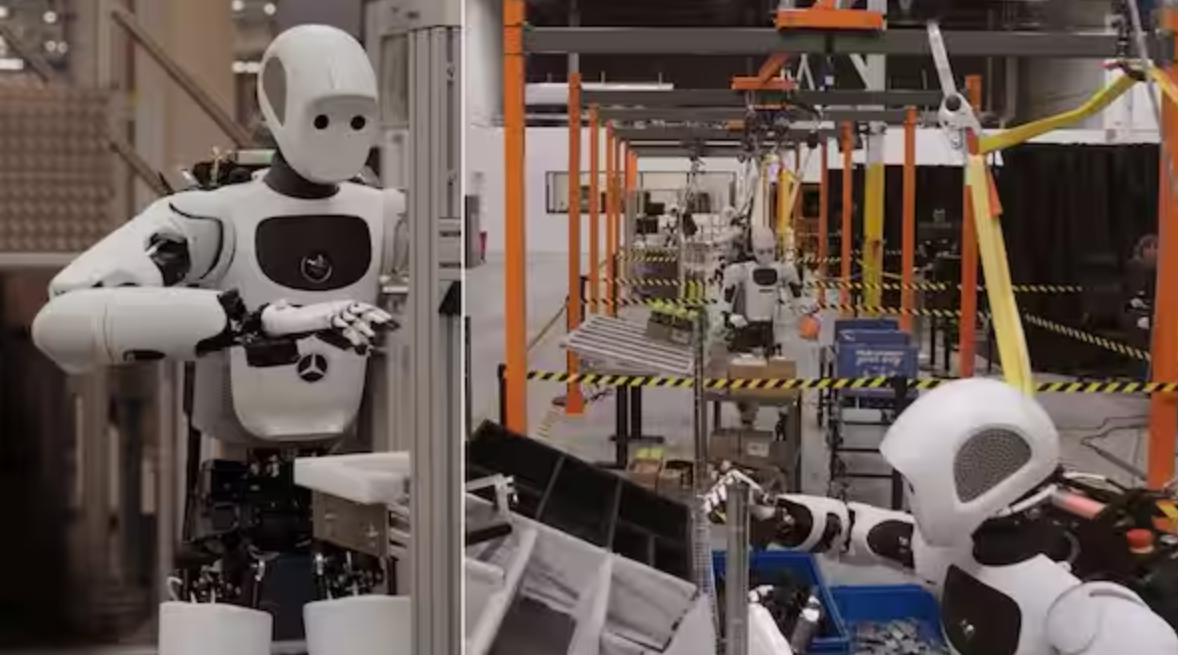
Google's Apptronik opens a 90,000 square foot "robot park": training humanoid robots with a data factory to walk towards...
Apptronik, a robotics company backed by Google, has inaugurated a 90,000 square foot facility known as a "robot park" dedicated to the training of humanoid robots. This state-of-the-art center, located in Austin, Texas, aims to enhance the capabilities of robots by utilizing a sophisticated data factory that allows them to learn and refine their walking abilities. The opening of the robot park comes as part of Apptronik's broader mission to advance humanoid robotics technology, driven by the increasing demand for automation and intelligent machines in various industries. By leveraging extensive data and innovative training methods, the facility is expected to significantly accelerate the development of robots that can perform complex tasks in real-world environments.
Robotics Automation AI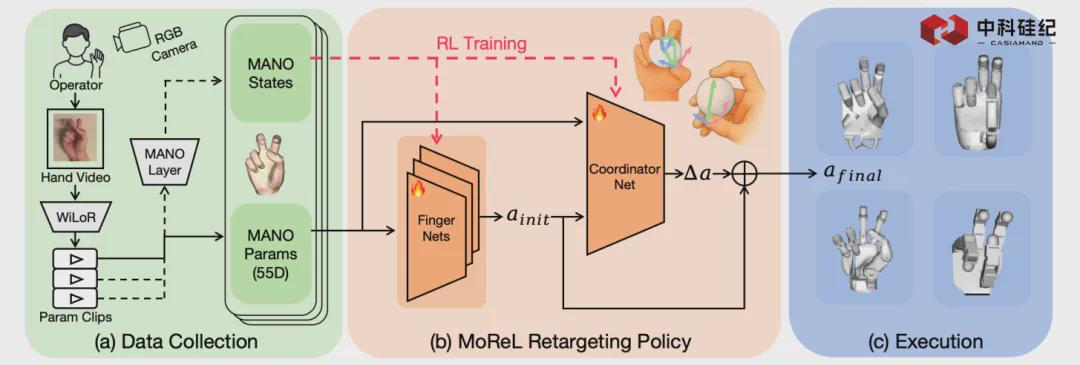
Breaking Through Data Bottlenecks: Si 0.5 Enables Millisecond Mapping from Human to Dexterous Hands
Zhongke Silicon Memory has unveiled MoReL, an innovative modular reinforcement learning framework designed to enhance embodied intelligence by facilitating real-time mapping of human hand movements to a variety of dexterous robotic hands. This significant advancement, announced recently, aims to tackle the prevalent issues of data scarcity and compatibility that have hindered the effective control of robotic systems. By enabling precise and efficient manipulation across different robotic platforms, MoReL eliminates the necessity for extensive reconfiguration, thereby streamlining the integration of human-like dexterity in robotics. This development marks a pivotal step forward in the field, promising to enhance the functionality and adaptability of robotic hands in various applications.
Robotic Manipulation Reinforcement Learning Dexterous Robotics Human-Robot Interaction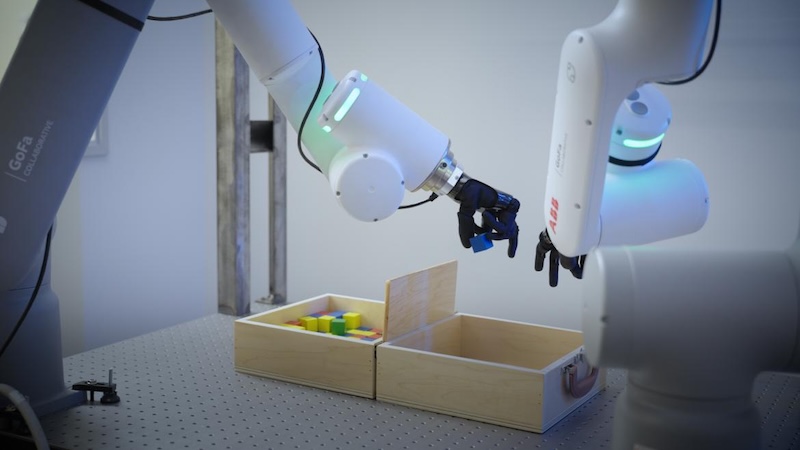
ABB Robotics and Psyonic use human-generated data to advance robotic dexterity
ABB Robotics is partnering with California-based bionics firm Psyonic to enhance robotic gripping and dexterity, addressing a significant challenge in the industry. This collaboration aims to leverage real-world manipulation data derived from human prosthetic use, which could lead to a reduction in engineering time by as much as 30%. The initiative involves integrating the Psyonic Ability Hand with ABB's GoFa robotic arm, creating a more efficient and adaptable solution for various applications. This innovative approach seeks to improve the functionality of robotic systems, making them more effective in handling tasks that require precision and flexibility.
Components Design Engineering abb robotics ai robotics automation news
Tactile learning loop: How human touch data teaches robots to handle eggs
Engineers have observed significant advancements in industrial robotics, particularly in the areas of automated welding and pallet stacking. Over the years, these machines have demonstrated remarkable precision and efficiency, transforming manufacturing processes. The ongoing development in robotics technology has been driven by the need for increased productivity and cost-effectiveness in various industries. As companies seek to enhance their operational capabilities, the integration of sophisticated robotic systems has become essential. This evolution in automation is not only streamlining production lines but also addressing labor shortages and improving workplace safety. The continuous innovation in this field suggests a promising future for industrial robots, as they become increasingly capable of handling complex tasks with minimal human intervention.
AI and Robotics
Milan hospital deploys 4-ft-tall humanoid robot to assist wards and relay patient data
In a significant effort to alleviate healthcare workloads and enhance ward efficiency, a new initiative has been launched by healthcare authorities. This program, introduced in October 2023, aims to streamline operations within hospitals across the region. By implementing advanced technologies and innovative management strategies, the initiative seeks to reduce the burden on medical staff and improve patient care. The decision to launch this program stems from ongoing concerns about staff burnout and the need for more effective resource allocation in healthcare facilities. As part of the rollout, hospitals will receive support in adopting these new practices, which are expected to lead to better patient outcomes and a more sustainable work environment for healthcare professionals.
AI and Robotics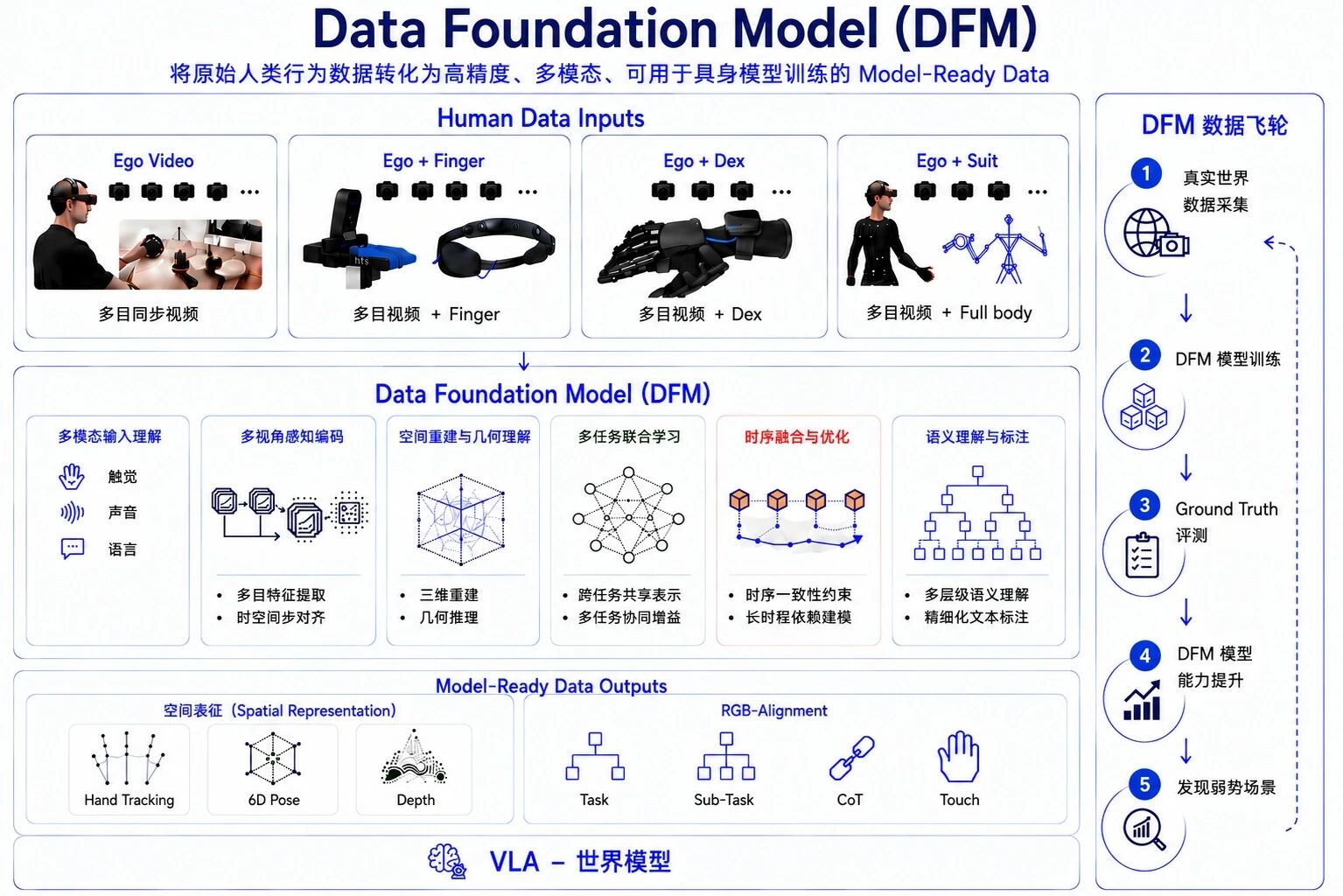
Why Human Data Requires a Data Foundation Model
Human Data is confronting significant challenges in effectively embodying intelligence, prompting the development of a Data Foundation Model (DFM). This innovative framework aims to convert raw human data into high-quality, multi-modal, and task-ready formats, thereby enhancing data accuracy, efficiency, and scalability for training embodied models. The DFM is designed to provide a robust infrastructure that facilitates data integration and understanding while allowing for continuous evolution. By addressing these critical issues, the DFM seeks to improve the overall effectiveness of data utilization in various applications.
Human Data Data Foundation Model Embodied Intelligence Multi-modal Data Data Processing
ABB Robotics and PSYONIC Use Human-Generated Data to Advance Robotic Dexterity
ABB Robotics has partnered with California-based bionics company PSYONIC to enhance robotic dexterity and grasping capabilities by utilizing human-generated data from prosthetic use. Announced on June 16, 2026, this collaboration aims to address the significant challenge of replicating human-like dexterity in industrial robotics, which is essential for the development of Autonomous Versatile Robotics (AVR™). By integrating the PSYONIC Ability Hand with ABB's GoFa™ collaborative robot, the two companies will explore how real-world manipulation data can train robots to perform delicate tasks that are typically difficult to automate. This initiative is expected to reduce engineering time by up to 30% and improve productivity, flexibility, and workplace safety across various industries, including automotive, aerospace, packaging, logistics, and life sciences. Marc Segura, President of ABB Robotics, emphasized the importance of bridging the gap between human and robotic dexterity to enable robots to learn and interact with their environments more intuitively. Dr. Aadeel Akhtar, Founder and CEO of PSYONIC, highlighted that the collaboration will leverage high-fidelity data on movement and grip force to enhance robotic performance in complex tasks. The GoFa™ robot will provide the precision necessary for industrial applications, ensuring consistent execution of intricate movements, which is crucial for handling fragile or irregular objects. This partnership represents a significant step towards advancing physical AI in robotics, allowing for more effective collaboration between humans and machines.
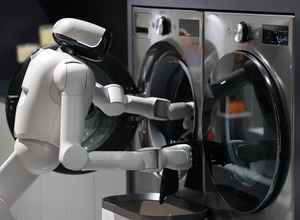
LG to build Korea's first humanoid 'data factory' to train robots
LG Electronics is transforming its research and development campus in the Yangjae district of southern Seoul into South Korea's first "data factory" dedicated to humanoid robots, according to industry sources. This initiative, announced on Friday, aims to utilize hundreds of CLOiD machines that will perform everyday tasks to generate essential real-world data. As the development of humanoid robots increasingly hinges on data rather than hardware, this facility seeks to address the growing challenge of acquiring the necessary information for effective robot training. By creating a controlled environment where robots can learn from repetitive tasks, LG Electronics is positioning itself at the forefront of the competitive humanoid robotics sector.
All News
Hyperscale Data to Produce First 30 Omnipresent Robotics Humanoid Robots
Hyperscale Data has announced that its robotics subsidiary, Omnipresent Robotics, has commenced production of the first 30 humanoid robots intended for use at the company's AI data center campus in Michigan. This initiative marks the beginning of a larger deployment plan, which aims to integrate a total of 143 OPR-R2 humanoid robots into operations. The deployment is part of Hyperscale Data's strategy to enhance efficiency and automation within its facilities. The robots are expected to play a crucial role in supporting various tasks at the data center, reflecting the company's commitment to advancing technology and innovation in the field of artificial intelligence.
AI AI Funding & Investment AI Use Cases Robotics humanoid robotics Hyperscale Data
First in Industry: JianZhi Robotics and Ant Lingbo Collaborate on Human Data-Driven Intelligent Evolution
On May 26, JianZhi Robotics and Ant Lingbo unveiled a strategic partnership aimed at advancing embodied intelligence by utilizing human data. This collaboration seeks to address existing limitations within the industry by innovating model training and cognitive evolution, setting a new standard for general embodied intelligence. By harnessing high-quality human behavioral data, the partnership intends to enhance model capabilities and promote the practical application of embodied intelligence in various sectors.
Embodied Intelligence Human Data Robotics Collaboration AI Innovation
Xiong Penghang: Most Data is Waste; Human-Centric Approach is Key to Success
Xiong Penghang, the CEO of Haocun Technology, has highlighted the growing significance of human motion data in the field of robotics. As the industry transitions from cognitive models to a focus on physical actions, Haocun Technology has responded by developing high-precision data gloves that accurately capture joint angles. This innovation is paving the way for a new era of embodied intelligence in robotics. The increasing demand for precise motion data signifies a notable transformation within the sector, reflecting the industry's evolving priorities and the potential for enhanced robotic capabilities.
Robotics Motion Capture Embodied Intelligence Data Gloves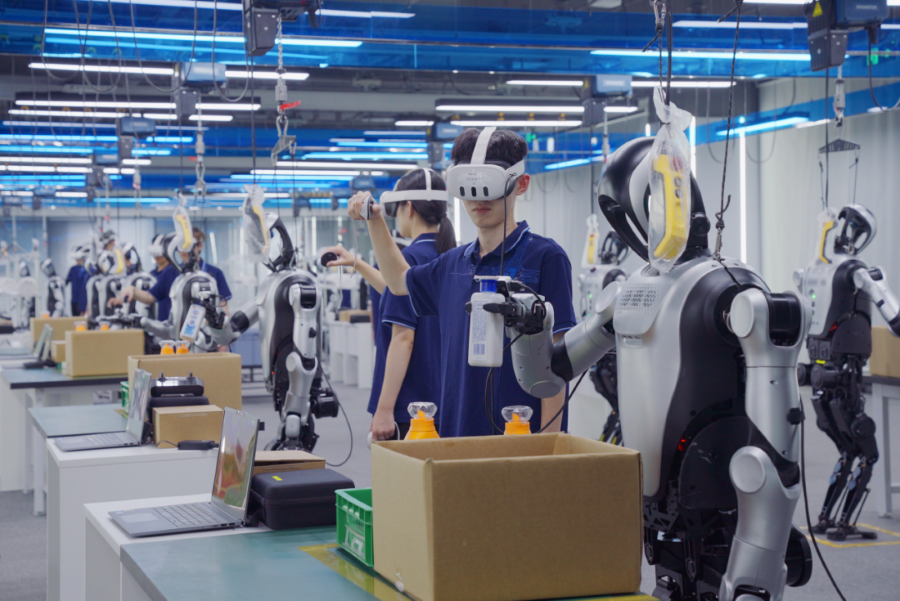
Annual Production of 25 Million Real Machine Data: This Company is Building a 'Data Oilfield' for Humanoid Robots
Yushu Technology is tackling the pressing issue of inadequate high-quality data in the humanoid robot industry by creating extensive real data sets and automated labeling systems. This initiative, aimed at enhancing data collection processes, is set to transform the landscape of humanoid robot intelligence. By establishing innovative training grounds, Yushu Technology seeks to expedite the development and sophistication of humanoid robots, ultimately contributing to advancements in artificial intelligence. The company's efforts are crucial in addressing the current limitations faced by the sector, which relies heavily on robust data for training and improving robotic capabilities.
Humanoid Robots Data Collection AI Machine Learning Robotics Infrastructure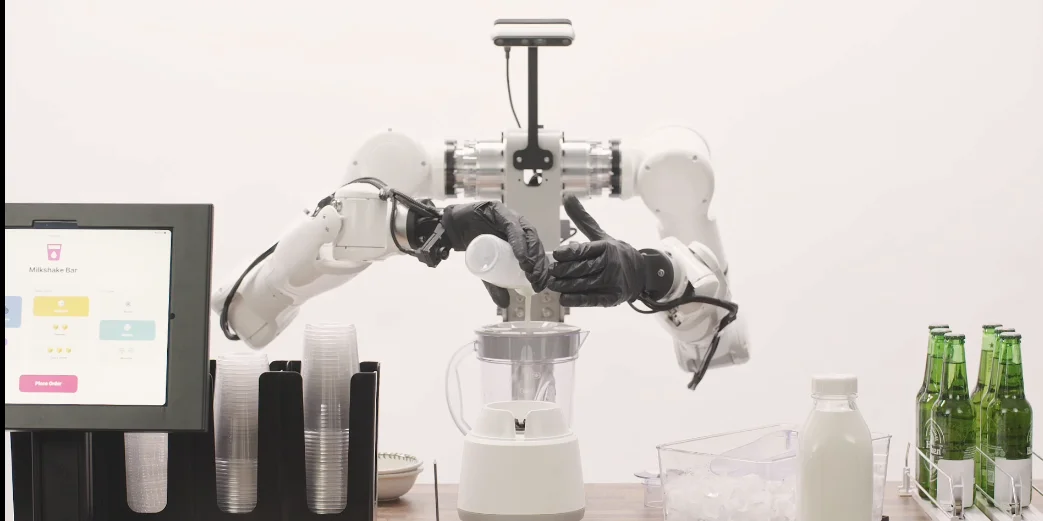
Genesis AI Unveils Foundation Model, Hand & Data Collection System to Develop Human-Level Physical Manipulation for Robotics
Genesis AI has introduced a groundbreaking robotics foundation model named GENE-26.5, accompanied by a proprietary robotic hand and a data collection system aimed at enhancing the ability of robots to learn complex physical tasks by observing human behavior. This innovative system seeks to tackle the challenges associated with gathering substantial amounts of usable training data necessary for teaching robots to perform intricate tasks effectively. The unveiling of GENE-26.5 marks a significant advancement in the field of robotics, as it promises to streamline the learning process for robots, making them more adept at mimicking human actions.
AI AI Use Cases Robotics Eclipse Eric Schmidt Foundation AI Model for Robotics
Reaching the Global Milestone of One Million Hours of Data - Beijing Humanoid Robot Innovation Center Empowers the Development of Embodied Intelligence Industry
The Beijing Humanoid Robot Innovation Center has launched a new data collection and training base designed to spearhead advancements in the embodied intelligence sector. Established to provide high-quality data and establish national standards, this facility has rapidly emerged as a premier platform for data collection. It supports multiple industries and aims to enhance the capabilities of humanoid robots, positioning itself at the forefront of technological innovation. The initiative reflects a growing commitment to advancing robotics and artificial intelligence in China, with the center playing a pivotal role in shaping the future of these technologies.
Embodied Intelligence Data Collection Robot Standards AI Humanoid Robots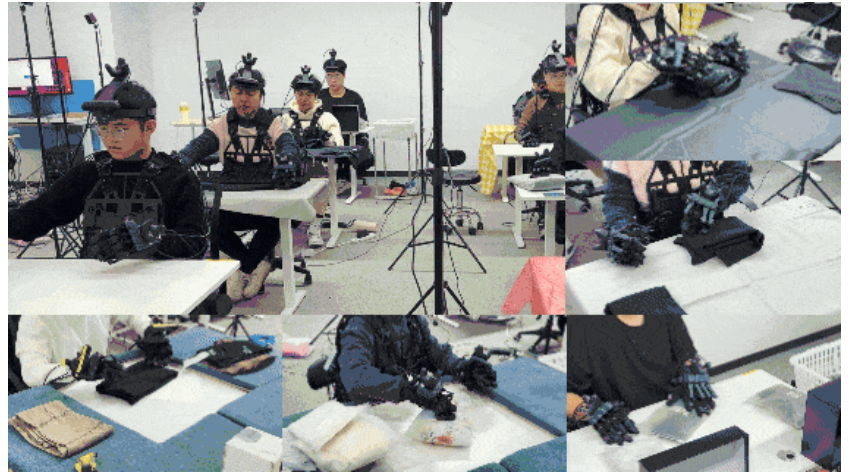
Interview with Lingchu Intelligent CEO Wang Qibin: Reducing Data Costs is More Important than Competing in Humanoid Robots
Lingchu Intelligent has successfully raised 2 billion yuan in angel and Pre-A round financing, marking a significant step in its mission to enhance data collection and operational capabilities. The company, led by CEO Wang Qibin, aims to shift the focus away from traditional hardware solutions, emphasizing the critical role of high-quality, low-cost human operation data. This strategic direction is intended to address and overcome existing challenges within the field of embodied intelligence. The funding will enable Lingchu Intelligent to further develop its innovative approaches and strengthen its position in the industry.
Data Collection Logistics Automation Robotics AI Operational Efficiency
Generative AI analyzes medical data faster than human research teams
In a recent study, researchers explored the capabilities of generative AI in analyzing complex medical datasets, comparing its performance to that of human experts. The findings revealed that in certain instances, the AI not only matched but also surpassed the effectiveness of teams that had dedicated months to developing prediction models. By utilizing precise prompts to generate usable analytical code, the AI significantly decreased the time required for processing health data. This advancement suggests a promising future where artificial intelligence could accelerate the transition from data analysis to scientific discovery, potentially transforming research methodologies in the medical field.
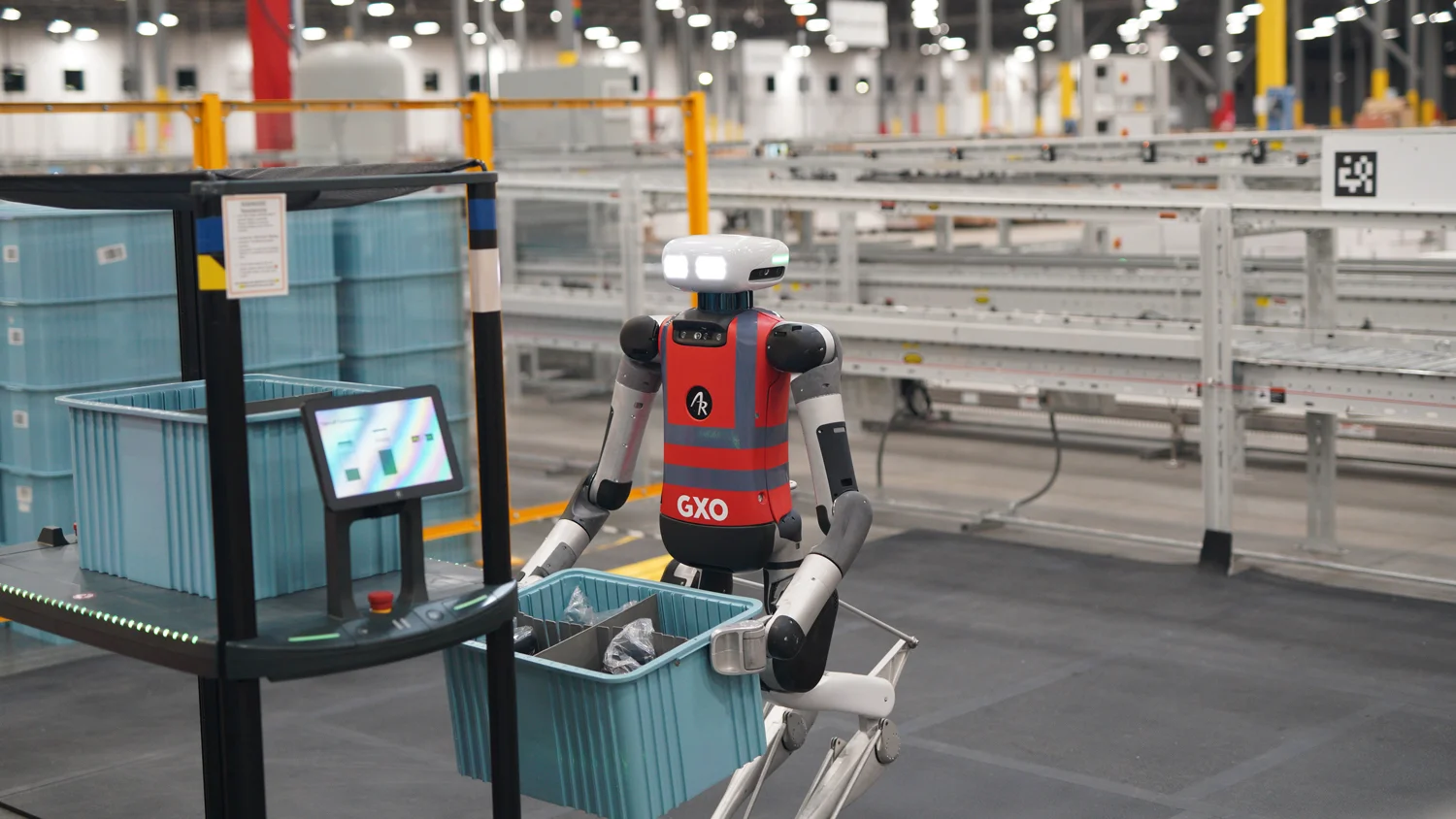
Agility Robotics Hits 100,000 Totes Milestone, Firing a Data-Driven Shot in the Humanoid Wars
Agility Robotics has reported that its Digit robot has successfully moved over 100,000 totes at GXO Logistics, showcasing its operational capabilities amidst increasing competition in the robotics industry. This achievement, which highlights the efficiency and effectiveness of the Digit robot, comes as Agility seeks to establish its position in a market that is becoming increasingly crowded with new entrants. The milestone was reached recently, demonstrating the robot's practical application in logistics and supply chain management. By providing concrete operational data, Agility aims to counter the claims made by competitors about their own robotic solutions, reinforcing the reliability and performance of its technology in real-world scenarios.
Digit Agility Robotics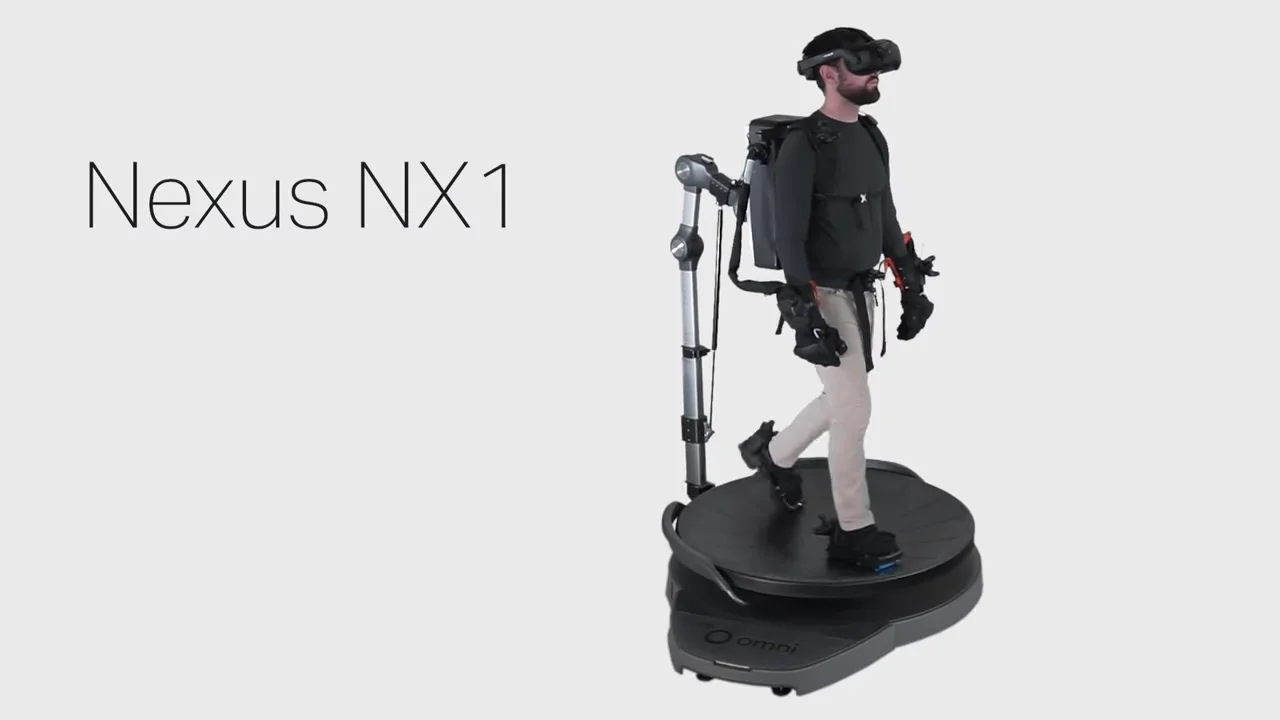
1HMX Enters the Humanoid Data Race with a High-Fidelity Teleoperation Rig
A new training system, the Nexus NX1, has been launched, combining HaptX gloves and Virtuix treadmills to create a comprehensive solution aimed at enhancing robotic dexterity training. This innovative system is designed to provide realistic haptic feedback, which developers believe is crucial for improving the skills necessary for operating robots effectively. The Nexus NX1 is positioned as a "turnkey" solution, simplifying the training process for users. The introduction of this system comes as the demand for advanced training tools in robotics continues to grow, reflecting the industry's push towards more immersive and effective learning experiences.
teleoperation 1HMX
Figure Launches 'Project Go-Big' to Train Humanoid Robots on Human Video Data
Figure, a humanoid robotics company, has initiated an extensive data collection effort named 'Project Go-Big,' which seeks to develop a comprehensive pretraining dataset by recording human interactions in everyday home environments. This ambitious project is bolstered by a collaboration with Brookfield, a leading real estate firm. As a result of this partnership, Figure's robot has successfully learned navigation skills solely from the human video footage captured during the initiative. The project represents a significant step forward in the field of robotics, aiming to enhance the capabilities of humanoid robots by leveraging real-world data.
Brett Adcock Figure AI brookfield helix roboticsRobotics needs a service framework.
RSF defines a common language for robot service capability, lifecycle operations, certification pathways, and service-provider networks.
Join the RobotToday community on LinkedIn
Daily robotics news, in-depth analysis, conference highlights, and discussions with professionals worldwide.