

Industry Briefing
A single destination for timely, editor-curated robotics news from around the world.

Sichuan's Investment in Exoskeleton Robots Enhances Healthcare and Tourism Sectors
Sichuan's Buffalo Robotics has developed a lower limb exoskeleton that improves mobility for individuals with spinal injuries, achieving a 50% sales increase last year. The device, weighing 2.2 kg and made of carbon fiber, incorporates AI and brain-machine interface technology to enhance rehabilitation training. The significance of this development lies in its potential to transform rehabilitation practices, allowing therapists to assist multiple patients simultaneously while maintaining consistent training intensity. The exoskeleton's applications extend beyond healthcare, with partnerships established for tourism assistance in scenic areas like Emei Mountain. Looking ahead, industry experts predict a surge in consumer-grade exoskeletons by 2025, with expectations for prices to decrease significantly as technology advances. Sichuan is actively fostering market growth, having established numerous smart rehabilitation centers to support this initiative.
Exoskeleton Robots Rehabilitation Technology AI in Healthcare Tourism Assistance
Healthcare Bureau Urges Caution in Surgical Robot Operations to Prevent Misuse
The installation of surgical robots in China is projected to rise significantly, with 97 units expected in 2025 and 136 in 2026, marking a 40% increase. The market size is anticipated to grow from 3.9 billion to 4.4 billion. Notably, domestic systems have surpassed 41% of new installations, with prices 30-40% lower than imported models. The Healthcare Bureau convened seven manufacturers and five hospitals, emphasizing the need to avoid using surgical robots merely for show and to prevent unnecessary surgeries that could inflate costs. The core issues surrounding surgical robots are not related to pricing or insurance reimbursements, which have been addressed through new payment structures and classifications for robotic-assisted surgeries. Looking ahead, the focus should be on establishing a regular cross-brand training mechanism for surgeons, as current training is heavily influenced by the brand of the robot used. The industry must also consider the implications of the BMJ article highlighting the need for structured training paths to ensure safety and effectiveness in robotic surgeries, as the performance of these expensive tools heavily relies on the skill of the operating physician.
Surgical Robots Medical Training Healthcare Innovation Robotic Surgery Medical Devices
NCH Healthcare Achieves Milestones in Robotic Surgery in Florida
NCH Healthcare in Naples, Florida, has made significant advancements in robotic surgery, including the first single-port robotic abdominal wall reconstruction surgery in the Southeast U.S. Dr. Robert Grossman and his team utilized the da Vinci Single Port (SP) robotic platform to repair a recurrent incisional hernia through a single 1.5-inch incision, enhancing patient recovery and minimizing surgical trauma. This achievement underscores NCH's commitment to providing cutting-edge technology and high-quality care to the community. The outpatient surgical center, designed specifically for minimally invasive robotic surgeries, is equipped with the latest da Vinci systems and supports various specialties, including general surgery, urology, and vascular surgery. Looking ahead, NCH plans to expand its robotic surgery capabilities, aiming to increase the nearly 2,000 robotic surgeries performed annually. The new pelvic health program, led by specialized pelvic health physical therapists, further enhances NCH's offerings, addressing issues related to pelvic dysfunction and postpartum recovery. No further timeline was disclosed at the time of publication.
Robotic Surgery Minimally Invasive Surgery Healthcare Innovation Patient Care
Kuehne+Nagel Expands Cool Corridor Network for Temperature-Sensitive Healthcare Logistics
Kuehne+Nagel has announced the expansion of its Cool Corridor network, adding four new airfreight routes between key cities including Frankfurt and Atlanta, and Chicago and São Paulo. This expansion enhances the network's global reach to 12 dedicated lanes, facilitating the transport of temperature-sensitive healthcare products across major hubs in Europe, North America, Asia-Pacific, and Latin America. The significance of this expansion lies in its ability to improve the efficiency and sustainability of healthcare logistics. By utilizing dedicated routes that adhere to GDP-compliant handling, Kuehne+Nagel aims to minimize Time Out of Range (ToR) for sensitive shipments. This approach allows healthcare customers to maintain product integrity while potentially reducing logistics costs and transport emissions through the use of lighter passive packaging. Looking ahead, Kuehne+Nagel's strategic focus on healthcare logistics is expected to drive further enhancements in their Cool Corridor network. The company continues to collaborate with airlines and ground handlers to meet customer demand for reliable, temperature-controlled transportation solutions. No further timeline was disclosed at the time of publication.
Air Cargo Cold Chain Logistics Transport and Distribution air cargo cold chain Freight
Super Dimension Power Collaborates with Peking University Health to Enhance Embodied Intelligence in Healthcare
Recently, Super Dimension Power Intelligent Technology Co., Ltd. partnered with Peking University Health Management Co., Ltd. to innovate in embodied intelligence for healthcare. Their collaboration focuses on data collection, world modeling, and simulation training, establishing a comprehensive pathway from simulation training to scene validation and hospital application. The significance of this partnership lies in addressing the challenges of integrating embodied intelligence into healthcare environments. It is not merely about placing a robot in a hospital room; it requires a deep understanding of the healthcare context and a systematic approach to capability accumulation and safety validation. The collaboration aims to bridge the gap between high-fidelity simulation environments and real-world clinical scenarios. Looking ahead, the partnership will leverage Super Dimension Power's advanced technology and Peking University Health's clinical expertise to create a replicable and verifiable pathway for deploying embodied intelligence in healthcare. No further timeline was disclosed at the time of publication.
Embodied Intelligence Healthcare Technology Simulation Training Data Collection Medical Applications
Addressing the Human Bottleneck in Healthcare Automation: Aligning Physicians with Patient Demand
Hospitals are increasingly adopting automation to enhance care delivery by integrating software for administrative tasks, utilizing robots for logistics, and deploying AI for documentation and scheduling. These advancements aim to reduce waiting times and streamline workflows, allowing clinical teams to focus more on patient care. However, despite these technological improvements, healthcare automation faces a significant limitation: the availability of physicians. Even with optimized back-office operations and improved information flow, the system can falter if the right doctors are not present in necessary specialties and locations, leading to delays in patient care. As automation becomes a standard part of hospital operations, the challenge of matching physician availability with patient demand intensifies. The reliance on robotic process automation (RPA) to alleviate administrative burdens highlights the need for a balanced approach that addresses both technological and human resource constraints in healthcare delivery. No further timeline was disclosed at the time of publication.
Automation Health artificial intelligence automation digital health healthcare automation
ErasmusMC Launches KIEM HighTech Project Replicate for Healthcare Robotics
On September 1, the KIEM HighTech project Replicate commenced at ErasmusMC in Rotterdam. Key participants included Jan Benders from HAN University of Applied Sciences, Joep Selten from Ambyon, and Karenin van Grafthorst from ErasmusMC, with NLrobotics joining as a consortium partner for dissemination. The project addresses the growing labor market shortage in healthcare by automating logistical tasks, allowing healthcare professionals to focus on human interaction. Ambyon is developing the mobile care robot Ambyon One, which has already undergone initial practical testing at ErasmusMC. To ensure safe navigation among patients and staff, the robot's behavior will be practiced in a virtualized hospital environment using advanced simulation technologies. The consortium will work on an open-source 3D Gaussian Splatting workflow and a prototype sensor kit over the coming months. Results will be shared through GitLab, a journal article, and an NLrobotics event. The project is funded by Regieorgaan SIA and will run until August 31, 2027.
Zorg Medisch
Transaid Launches 2026 Christmas Appeal to Enhance Road Safety and Healthcare Access
Transaid, an international development organization, has initiated its 2026 Christmas Appeal, urging businesses and individuals to contribute towards enhancing road safety and healthcare access in sub-Saharan Africa. The initiative aims to support communities in Ghana, Kenya, Uganda, Tanzania, and Zambia through professional driver training programs and sustainable transport solutions. This appeal is significant as it highlights the ongoing need for improved transport infrastructure and healthcare access in these regions. Transaid's partnerships and initiatives are crucial for connecting communities to essential healthcare services, and the support from the transport and logistics industry is vital for the success of these programs. Looking ahead, Transaid has introduced three corporate donation packages to acknowledge the contributions of businesses in the sector. Individuals and companies can also participate by purchasing Transaid-themed greetings cards or making direct donations. No further timeline was disclosed at the time of publication.
Industry News
McKesson Faces Major Data Breach as Hackers Claim Millions of Patient Records Stolen
A hacking group known as ShinyHunters has claimed responsibility for a recent cyberattack on McKesson, a leading U.S. pharmaceutical distributor. The breach involved unauthorized access to several cloud-hosted accounts, resulting in the theft of sensitive patient data, including personal information and protected health information related to oncology and medical-surgical units. This incident highlights the increasing vulnerability of healthcare companies to cyberattacks, as hackers target organizations to steal sensitive medical data for extortion purposes. McKesson, which handles a significant amount of patient data across the United States, confirmed the breach and reported potential service degradation due to the attack. The hackers demanded a ransom of $55 million to prevent the public release of the stolen data. As cyberattacks on healthcare organizations become more frequent, industry stakeholders should remain vigilant. The recent breaches affecting companies like Boston Scientific and Stryker indicate a troubling trend in the sector. No further timeline was disclosed at the time of publication.
Security cyberattack cybersecurity data breach healthcare
Expper Technologies' Robin Robot Enhances Patient Calmness in Healthcare Settings
Expper Technologies has introduced Robin, a mobile robot designed to support healthcare teams and improve patient emotional well-being in around 30 hospitals and clinics. Robin, a kid-sized socially assistive robot, interacts through speech and has a friendly persona, aimed at reducing anxiety in pediatric and eldercare environments. The significance of Robin lies in its ability to provide comfort to patients, particularly during the COVID-19 pandemic when many children faced isolation from their families. By engaging with patients, Robin helps to create a more calming atmosphere, which is crucial in healthcare settings where anxiety can be prevalent. Looking ahead, Expper Technologies continues to explore the deployment of Robin across various healthcare facilities, including dental clinics and eldercare homes. No further timeline was disclosed at the time of publication.
Artificial Intelligence Artificial Intelligence / Cognition Autonomous Mobile Robots (AMRs) Design / Development Healthcare Robotics Markets / Industries
Seven Groundbreaking Medical Innovations Transforming Healthcare Today
Recent years have seen significant advancements in medical technology, transitioning from experimental concepts to practical applications in patient care. Innovations such as CRISPR gene editing and personalized mRNA cancer vaccines are redefining treatment approaches, with Casgevy being the first CRISPR-based medicine approved for sickle cell disease and beta thalassemia. The importance of these developments cannot be overstated, as they represent a shift towards addressing diseases at their genetic roots rather than merely managing symptoms. The use of gene-edited pig organs for transplantation and microneedle patches for immune monitoring further exemplifies the potential to enhance patient outcomes and reduce waiting times for critical treatments. Looking ahead, the ongoing research into stem-cell-derived islet cell therapies and bioengineered living tissues indicates a promising future for regenerative medicine. No further timeline was disclosed at the time of publication.
Health
NVIDIA Launches Open Source GPU-Accelerated Medical Physics Simulation Framework for Healthcare Robotics
NVIDIA has introduced the Medical Physics Simulation framework, an open-source, GPU-accelerated tool designed to aid healthcare robotics developers. This framework allows for the modeling of anatomy-device interactions and the generation of complex scenarios that are difficult to capture in real-world settings. By facilitating in silico testing and training, it aims to streamline the development process and enhance robot behavior. The significance of this framework lies in its ability to provide healthcare robotics developers with a reusable simulation environment, reducing the time needed for custom scene creation. With the integration of anatomy and medical device behavior, along with sensor simulation, developers can more efficiently train and evaluate robot policies. The open-source nature of the framework ensures transparency, enabling teams to adapt it to their specific needs and contribute to its evolution. Looking ahead, the Medical Physics Simulation framework is expected to extend its capabilities to various devices and healthcare robotics domains. The framework's ability to run hundreds of parallel simulations significantly accelerates training times, allowing developers to explore a wider range of scenarios and identify potential failure modes earlier in the development cycle. No further timeline was disclosed at the time of publication.

Study Reveals AI Models Fabricate Medical Diagnoses Based on Demographics
Siddharth Vohra, a master's student at Carnegie Mellon University's Robotics Institute, has demonstrated that large language models (LLMs) can fabricate medical diagnoses when responding to queries without accompanying images. In his study, Vohra found that these models invented false diagnoses 18% of the time, particularly influenced by the demographic information of the user. This research highlights a significant concern in the AI industry regarding the reliability of AI models in healthcare. Vohra's findings indicate that users may overestimate the understanding of these models, which can lead to dangerous assumptions in medical contexts. For instance, the models frequently misdiagnosed conditions like melanoma and sarcoidosis based on demographic factors rather than actual medical data. Looking ahead, Vohra aims to expand his research to identify and address these failure patterns in AI models. He emphasizes the need for stringent testing and verification processes before deploying AI in healthcare settings to ensure safety and reliability in medical decision-making. No further timeline was disclosed at the time of publication.
Research
CareBOTS and Jeeves Inspire Healthcare Sector at Dignity and Pride 2026 Congress
The Dignity and Pride for the Future 2026 congress took place on June 29 at the NBC Congress Center in Nieuwegein, focusing on the future of elderly care. It gathered healthcare professionals, administrators, researchers, and technology developers to exchange knowledge on innovative solutions for sustainable care. CareBOTS and Jeeves showcased the latest advancements in care robotics, engaging many visitors in discussions about reducing workload, enhancing client independence, and supporting healthcare staff. This year's congress emphasized collaboration among healthcare, education, research, government, and industry to successfully implement technological innovations. This aligns with the goals of the CareBOTS project, which involves partners working together to develop and implement smart robotic solutions for healthcare. The project is supported by the European Regional Development Fund (ERDF), the national government, and the Province of North Brabant under OPZuid. The CareBOTS project partners, including Avans University of Applied Sciences and TNO, are committed to creating innovative robotic solutions that contribute to sustainable, accessible, and people-centered care. The event concluded with valuable insights and discussions, reinforcing the commitment to innovations that support healthcare professionals and enhance care quality.
Nieuws algemeen NLrobotics
Why EHR Integration is the Make-or-Break Factor in Healthcare AI Deployments
Healthcare organizations are rapidly adopting artificial intelligence tools, but many are facing significant challenges in integrating these systems with existing Electronic Health Record (EHR) platforms. Practitioners often initiate the use of automation platforms and conduct pilot programs, only to encounter a critical barrier: the inability of new AI systems to communicate with EHRs. This lack of interoperability leads to increased manual workloads, undermining the intended efficiency gains of automation. As healthcare providers strive to enhance operational efficiency through technology, the disconnect between AI tools and EHR systems poses a substantial hurdle that must be addressed to realize the full potential of these innovations.
Digital Automation Health ai in healthcare AI scheduling automation news bidirectional integration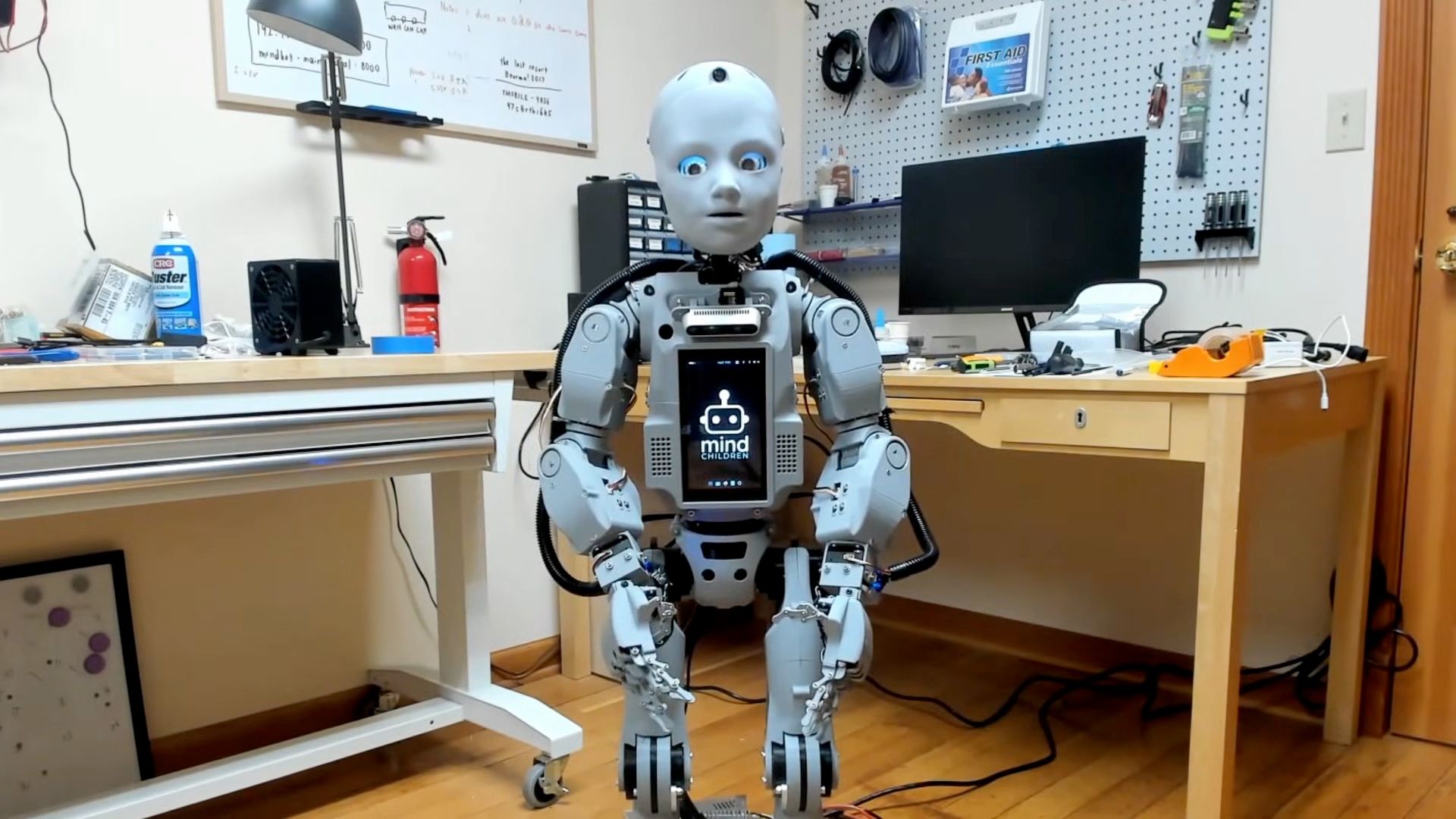
Video: Child-friendly Codey robot showcases embodied AGI future in education, healthcare
A Seattle-based robotics company has unveiled a three-foot-tall humanoid robot intended for public use, showcasing its potential to assist in various environments. The robot, which features advanced interaction capabilities, aims to enhance customer service and provide support in settings such as retail and hospitality. This development comes as part of a broader trend in the robotics industry, where companies are increasingly focusing on creating machines that can engage with people in everyday situations. The prototype was revealed during a technology expo held in Seattle last week, attracting attention from industry experts and potential investors. The creators believe that this humanoid robot could revolutionize the way businesses interact with customers, addressing labor shortages and improving efficiency. By integrating artificial intelligence and user-friendly interfaces, the robot is designed to learn from its interactions, adapting to the needs of its environment.
AI and Robotics
Storage Capacity for Healthcare Logistics
Movianto, a division of Yusen Logistics that focuses on pharmaceutical and healthcare logistics, has completed a significant expansion of its facility in Aalst, Belgium. The enhancement has nearly doubled the temperature-controlled pallet storage capacity from 14,000 to 25,000. This newly extended site is now fully operational, providing increased storage space for a variety of pharmaceutical and medical products across different temperature ranges, including ambient (15–25°C), refrigerated (2–8°C), and frozen (–20°C). The expansion aims to better meet the growing demands of the healthcare sector and improve the efficiency of logistics services in the region.
Cold Chain Logistics Storage & Racking Warehousing bonded hub Movianto pallet storage
Stepful Announces $55M Series C to Scale Its AI-Powered Training Platform Across the Healthcare Workforce
Stepful, a training platform aimed at transforming workforce development in major U.S. health systems, has secured $55 million in Series C funding. This funding round, which was led by Oak HC/FT, also saw participation from new investors including Foresite Capital, Hearst Ventures, and the Citi Impact Fund, as well as contributions from existing investors such as SemperVirens. The investment will enable Stepful to enhance its training programs and support the growing demand for skilled healthcare professionals. This financial boost comes at a critical time as the healthcare sector faces significant challenges in workforce retention and training, underscoring the importance of innovative solutions in addressing these issues.
Uncategorized
UNSEQ Develops Dual-Arm Robot to Alleviate Caregiver Workload in Healthcare Settings
UNSEQ is developing a dual-arm robot designed to take over routine tasks in healthcare settings, aiming to reduce caregiver workload by 20-25%. This initiative is part of the CareBOTS project, which focuses on innovative solutions for healthcare challenges. The robot's AI architecture combines supervised and reinforcement learning to improve task execution. The significance of this development lies in its potential to free up caregivers' time for more meaningful interactions with patients, rather than performing repetitive tasks. Jiaqi Wang, who contributed to this project, emphasizes that the goal is not to replace humans but to enhance their efficiency in the workplace. The robot is currently being trained to handle meal preparation logistics. Looking ahead, Jiaqi envisions that in five years, robots will excel in specific tasks rather than being all-purpose machines. The next step involves integrating the robot's arms with a mobile base. UNSEQ's advancements in algorithms bring us closer to a future where robots can effectively support meal logistics in healthcare environments.
Nieuws algemeen Zorg Medisch
Elemeno Health agrees strategic partnership with Swisslog Healthcare to drive efficiency in healthcare automation
Elemeno Health has formed a strategic partnership with Swisslog Healthcare to enhance automation solutions in hospitals throughout North America. This collaboration aims to integrate Elemeno's just-in-time microlearning platform with Swisslog's robotics and pharmacy automation systems, facilitating streamlined training for frontline staff. By enabling customer self-service capabilities, the partnership seeks to improve operational efficiency and support healthcare providers in delivering better patient care. The initiative underscores the growing importance of pharmacy automation in modern healthcare settings, as hospitals increasingly rely on advanced technology to optimize their services.
Health Logistics News allegro automated pharmacy systems automation news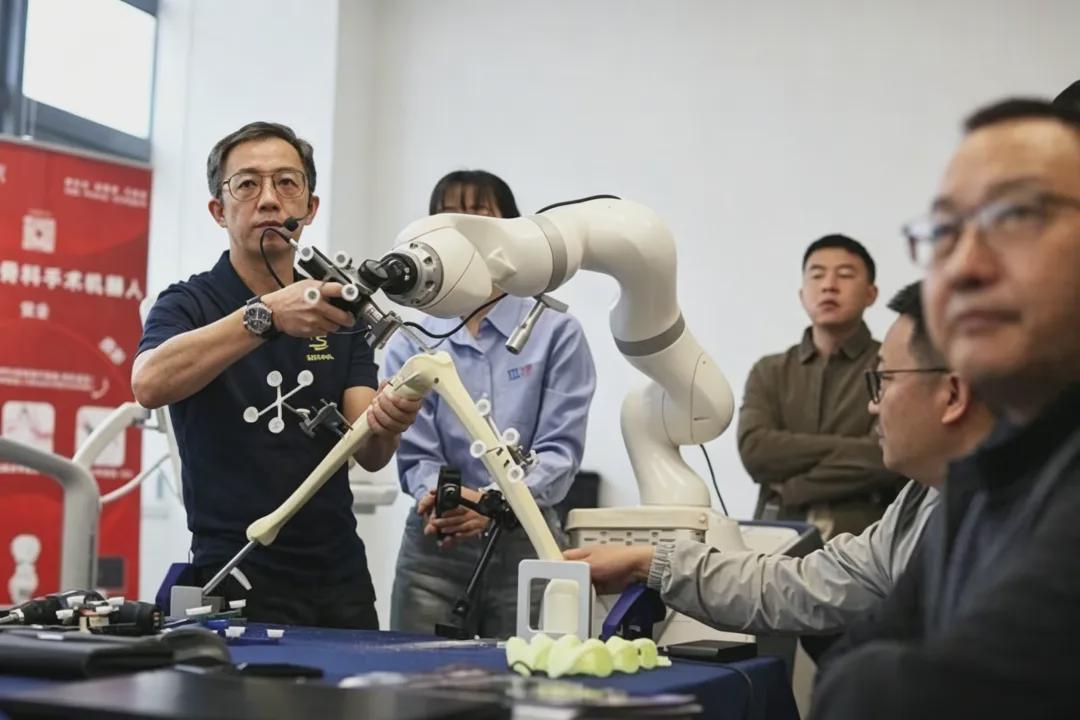
Domestic Orthopedic Robots Enhance Healthcare Access for Remote Patients
On National Science Workers Day, China's orthopedic and sports medicine center showcased the transformative role of domestic surgical robots in enhancing healthcare access in remote areas. The Kunlun® orthopedic surgical robot, developed by Yuanhua Intelligent Technology, is at the forefront of this innovation, enabling high-precision surgeries that are crucial for patients in underserved regions. This advancement not only improves recovery times but also elevates the overall medical experience for those who previously faced significant barriers to quality surgical care.
Orthopedic Robots Healthcare Technology Surgical Innovation Telemedicine
Yiji Mountain Hospital Welcomes a 'Non-Staff Officer': How Qizhi Uses Embodied Intelligent Robots to Enhance Healthcare
Yiji Mountain Hospital has partnered with Qizhi Robotics to integrate embodied intelligent robots into clinical environments, a move aimed at tackling real-world medical challenges. This collaboration, announced recently, seeks to enhance patient care by leveraging advanced technology while also prioritizing emotional interaction in healthcare settings. The initiative reflects a growing trend in the medical field to incorporate innovative solutions that not only improve operational efficiency but also foster a more compassionate approach to patient treatment.
Embodied Intelligence Healthcare Robotics Medical Technology AI in Healthcare
CVS, SkyfireAI, and Thales Outline Drone-Based Healthcare Response Network at XPONENTIAL 2026
At the XPONENTIAL 2026 conference held in Detroit this week, CVS Health unveiled plans for “CVS Air Response,” a pioneering drone-enabled network aimed at enhancing healthcare logistics and emergency response. Collaborating with SkyfireAI and Thales Aerospace, CVS Health highlighted the potential of drones in improving disaster resilience and healthcare delivery. The panel discussion emphasized the innovative use of drone technology to address urgent medical needs, showcasing how these advancements could transform emergency response efforts in healthcare settings.
Applications Delivery DL Exclusive Drone News Drone News Feeds News
Care Robot Analysis Reveals Social Value in Healthcare Systems
Recent text mining research has unveiled the significant impact of care robots on various sectors, including health, labor, economics, and innovation. This study emphasizes that care robots are not merely supportive tools but are actively transforming the healthcare landscape. By enhancing efficiency and effectiveness in patient care, these robots are reshaping traditional roles within the healthcare system. The findings, which emerged from an extensive analysis of data up to October 2023, suggest that the integration of care robots can lead to improved health outcomes and economic benefits. As healthcare systems worldwide continue to evolve, the adoption of robotic technology appears to be a crucial step toward addressing the growing demands of patient care and the challenges faced by healthcare professionals.

Learn about the latest advancements in healthcare robotics at the Robotics Summit & Expo
Experts in healthcare robotics from leading organizations, including Harvard, ForceN, Rovex Technologies, SKA Robotics, Aethon, and MassRobotics, will gather to discuss the latest advancements in the field at the upcoming Robotics Summit & Expo. This event aims to showcase innovative technologies and solutions that are transforming healthcare delivery. Scheduled to take place soon, the summit will provide a platform for industry leaders to share insights and explore the future of robotics in healthcare. Attendees can expect to learn about cutting-edge developments and their potential impact on patient care and operational efficiency.
Events Healthcare Robotics Markets / Industries News MassRobotics Robotics Summit
Ambyon Advances to the National Healthcare Innovation Award Finals
Ambyon has developed the Ambyon ONE, a robot designed to assist healthcare professionals by taking over logistical tasks, allowing them to focus more on patient care. Founder and CEO Willem-Jan Lamers spent 18 months working alongside healthcare staff to understand their challenges before creating this innovative solution. The Ambyon ONE is designed to navigate hospital environments using human-like cognition, recognizing situations and interacting with its surroundings, such as pressing elevator buttons. This approach not only enhances efficiency but also restores valuable time to healthcare workers, enabling them to engage more with patients and improve their job satisfaction. Ambyon's efforts are part of the CareBOTS project, supported by the European Regional Development Fund and local government initiatives. Following their regional success in Brainport, Ambyon is now preparing for the national finals of the National Healthcare Innovation Award 2026, scheduled for April 15, where public votes will determine the winner.
Nieuws algemeen Zorg Oproep
CareBOTS 2026 Event Highlights Robotics Impact on Healthcare Today
The CareBOTS 2026 event gathered healthcare professionals, technology developers, researchers, and policymakers to showcase the current impact of robotics in healthcare. Presentations highlighted five ongoing projects demonstrating how robotics enhances workplace efficiency and supports healthcare staff, emphasizing that technology is available but requires effective implementation and scaling. Speakers shared insights on robotics' role in healthcare, including Maxime Schoonbrood from Vitestro, who discussed autonomous blood sampling, and Bob Hofstede from Vilans/TU Eindhoven, who emphasized the importance of aligning technology with daily healthcare practices. Ellen Janssen from Fontys addressed the opportunities and challenges of implementing the Robot Maatje in mental healthcare. The event featured live demonstrations from companies like Staubli and Ambyon, allowing attendees to experience the technology firsthand. Participants rated the event highly, appreciating the combination of in-depth content and interactive demos. The key takeaway was that successful robotics application requires collaboration among healthcare institutions, knowledge partners, and technology companies.
Zorg NLrobotics Medisch
NVIDIA Expands Open Model Families to Power the Next Wave of Agentic, Physical and Healthcare AI
NVIDIA has unveiled an expansion of its open model families aimed at advancing artificial intelligence in physical and healthcare applications. This announcement, made today, highlights the introduction of new models designed to empower developers and scientists to create intelligent systems capable of reasoning and taking action in complex environments. The initiative reflects NVIDIA's commitment to driving innovation in AI technology, enabling more sophisticated and responsive solutions in various sectors. By providing these advanced tools, the company aims to facilitate the development of AI systems that can effectively address real-world challenges.
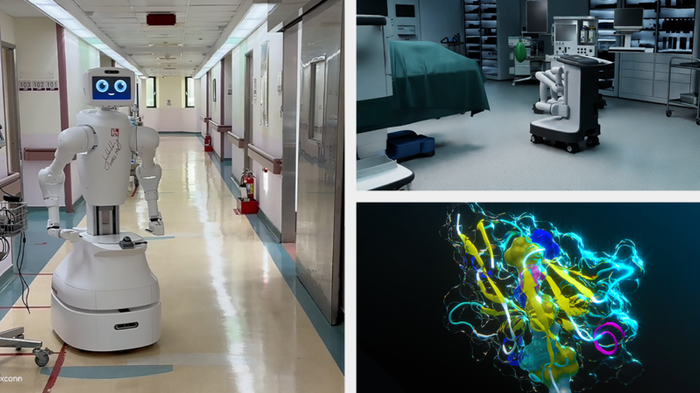
From Radiology to Drug Discovery, Survey Reveals AI Is Delivering Clear Return on Investment in Healthcare
NVIDIA has released its second annual report on the impact of artificial intelligence in healthcare, highlighting the rapid advancements across various sectors, including radiology, drug discovery, and medical device manufacturing. The report emphasizes how AI technologies are transforming treatment methods through the use of digital twins, which create virtual representations of patients to enhance personalized care. This development comes at a time when the healthcare industry is increasingly seeking innovative solutions to improve patient outcomes and streamline operations. By leveraging AI, healthcare providers can analyze vast amounts of data more efficiently, leading to faster diagnoses and more effective treatments. The findings underscore the growing importance of AI as a catalyst for change in the healthcare landscape, aiming to address challenges such as rising costs and the need for improved healthcare delivery.
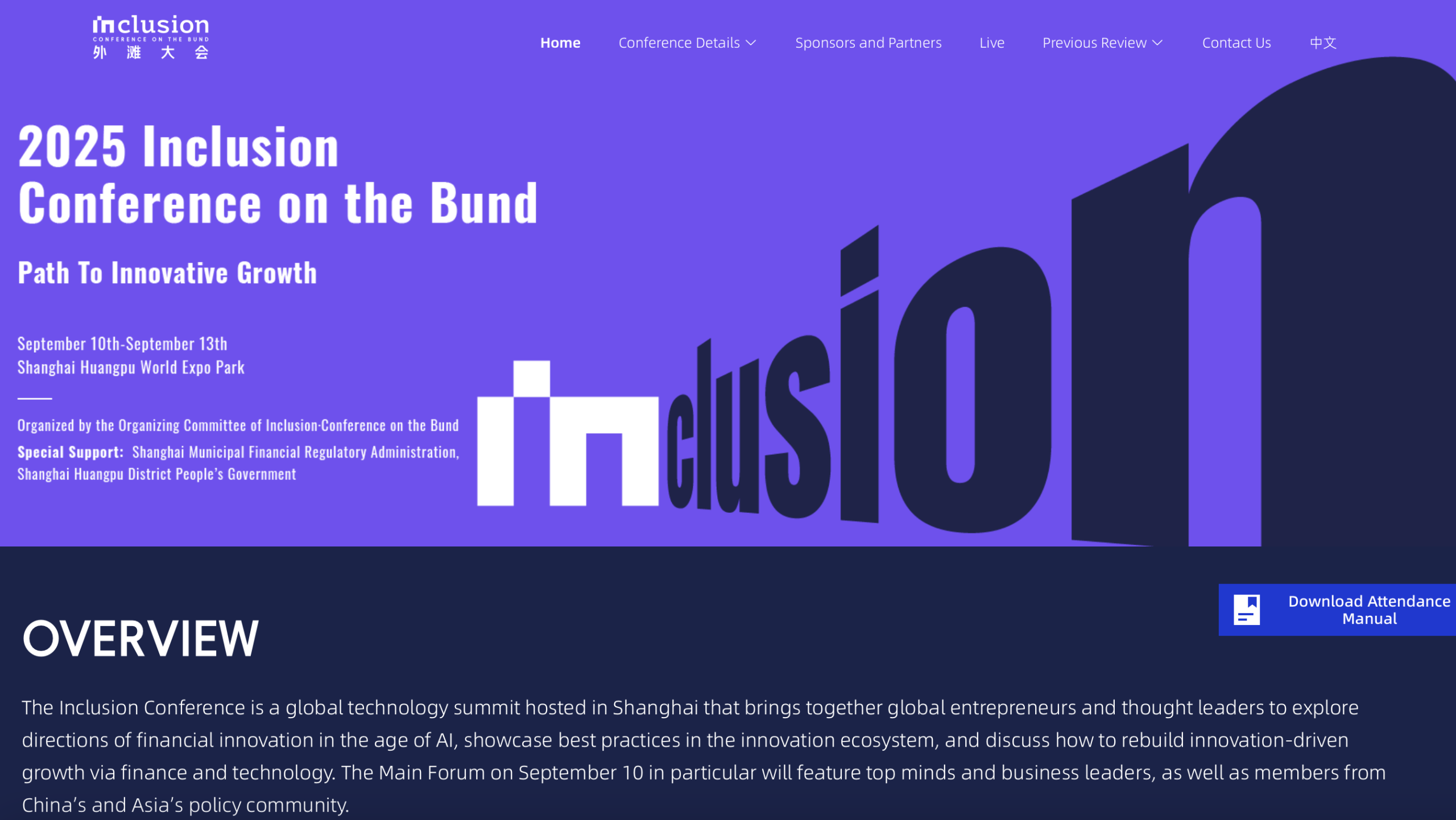
INCLUSION 2025: From AI Healthcare to AI-powered humanoid robots, a Glimpse Into Tomorrow
The Inclusion Conference held on the Bund in Shanghai showcased cutting-edge technology and innovative discussions, drawing attention from industry leaders and tech enthusiasts alike. Taking place recently, the event transformed exhibition halls into a vibrant display of advanced robotics, AI interfaces, and forward-thinking ideas that explored the future of finance, healthcare, and robotics. Attendees engaged in insightful conversations, envisioning the technological landscape of 2030. The conference aimed to highlight the importance of inclusivity in technology development, fostering collaboration and dialogue among diverse stakeholders to ensure that advancements benefit all sectors of society. Through interactive demonstrations and expert panels, participants experienced firsthand the potential of emerging technologies and their implications for various industries.
TechNode Insider Views AI INCLUSION 2025 Robot Robotics
Ant Group launches AI healthcare app AQ amid aging population pressures
Ant Group has unveiled AQ, an innovative AI-powered healthcare application, in a bid to strengthen its presence in the medical sector. The app, launched on Thursday, offers a comprehensive suite of over 100 digital services, which include personalized doctor recommendations and medical report analysis. It connects users to a vast network of resources, featuring more than 5,000 hospitals and 1 million doctors throughout China. This strategic move aims to enhance access to healthcare services and streamline the patient experience in an increasingly digital world.
News Feed Ant Group
Two RI Ph.D. Students Receive Generative AI in Healthcare Fellowship
Carnegie Mellon University's Center for Machine Learning and Health has announced the recipients of the 2024 Generative AI in Healthcare Fellowship, recognizing seven individuals for their innovative contributions to the field. Among the awardees are Angela Chen and Bardienus (Bart) Duisterhof, both Ph.D. students from the Robotics Institute. Their research focuses on leveraging artificial intelligence to enhance healthcare solutions. This fellowship aims to support and promote the integration of generative AI technologies in healthcare, fostering advancements that could significantly improve patient outcomes.
Awards UncategorizedRobotics needs a service framework.
RSF defines a common language for robot service capability, lifecycle operations, certification pathways, and service-provider networks.
Join the RobotToday community on LinkedIn
Daily robotics news, in-depth analysis, conference highlights, and discussions with professionals worldwide.






