Industry Briefing
A single destination for timely, editor-curated robotics news from around the world.

What changes will the upcoming Windows 11 update "26H2" bring for UI evolution and speed by 2027?
Microsoft is preparing for the upcoming major update of Windows 11, known as "26H2." This update will build upon the existing core features of the operating system and is expected to extend support periods for users. In addition to detailing the benefits of this extended support, the company will also provide insights into the latest developments within the restructured Windows Insider Program, which has been divided into three distinct channels. The update is part of Microsoft's ongoing commitment to enhance user experience and ensure that Windows 11 remains competitive in the evolving tech landscape.

LG Electronics Reviews H2 Strategy Focused on AI, Robotics, and Future Growth
LG Electronics held a significant meeting with around 300 executives to discuss its strategy for the second half of the year, emphasizing growth in robotics and AI data center cooling. The meeting, chaired by CEO Lyu Jae-cheol, followed a record first half, with preliminary second-quarter revenue reaching 23.8 trillion won ($16 billion) and an operating profit of 1.58 trillion won. The focus on robotics is particularly notable as LG has established a Robotics Business Center and initiated production of its proprietary Axium robot actuator. The company aims to leverage synergies in robotics, AI data center cooling, smart factories, and AI-powered homes, which Lyu identified as key growth areas that align with the rise of artificial intelligence. Looking ahead, analysts predict that LG's cooling systems for AI data centers could start contributing to earnings within six to nine months. The collaboration with Nvidia is expected to enhance LG's robotics platform, while advancements in robotics may positively impact earnings estimates for 2027. No further timeline was disclosed at the time of publication.
All News
Confirmed: Unitree H2 Specs Reveal a 31-DOF Humanoid with a Major Hardware Overhaul
The recently unveiled Unitree H2 has garnered attention for its advanced specifications and innovative design, showcasing a total of 31 degrees of freedom. This includes a three-degree-of-freedom (3-DOF) serial-stack waist, a remotely actuated 'quasi-serial' ankle configuration, and a two-degree-of-freedom (2-DOF) neck. This re-engineering marks a significant evolution from its predecessor, the H1. The official details and expert evaluations highlight the H2's enhanced capabilities, positioning it as a notable advancement in robotic technology.
H1 Unitree Robotics IROS 2025 H2
Unitree Unveils H2, a Full-Sized Humanoid Successor to the H1
Unitree has unveiled its latest flagship humanoid robot, the H2, which stands at an impressive 1.8 meters tall. This new model represents a significant advancement over the company's previous affordable offering, the R1, and aligns with Unitree's strategy to cater to different segments of the market. The announcement highlights the company's commitment to innovation and development in robotics, showcasing the H2 as a more sophisticated option for consumers and businesses alike. The launch reflects Unitree's ongoing efforts to expand its product lineup and meet the evolving demands of the robotics industry.
H1 Unitree Robotics H2 R1
Unitree Announces H2 Plus, an NVIDIA Isaac GR00T Reference Humanoid Robot for Academic Research
Unitree Robotics has unveiled the H2 Plus, a groundbreaking humanoid robot designed for academic research, which integrates advanced technologies from NVIDIA. Announced on June 1, 2026, the H2 Plus combines the Unitree H2 chassis with Sharpa five-fingered hands and is powered by the NVIDIA Jetson Thor, utilizing the NVIDIA Isaac GR00T development platform. This innovative reference design aims to streamline humanoid robotics research by providing a comprehensive hardware and software solution that eliminates the need for proprietary systems. The H2 Plus stands nearly six feet tall and weighs 150 pounds, featuring 31 degrees of freedom in its body and 22 in its hands, allowing for sophisticated manipulation and interaction. Equipped with multi-view sensing capabilities, including a stereo camera and wrist cameras, the robot is designed for real-world applications, enhancing its utility in various industries. Unitree's CEO, Xingxing Wang, emphasized that the H2 Plus offers developers a validated starting point for creating robotic skills, while NVIDIA's CEO, Jensen Huang, highlighted the potential economic opportunities that humanoid robots could unlock. By unifying the development process, the H2 Plus aims to accelerate advancements in physical AI, enabling researchers to transition from initial setup to skill development and practical validation more efficiently.

Unitree unveils H2 humanoid robot with lifelike design
Chinese robotics company Unitree has introduced its latest humanoid robot, the Unitree H2, which stands 180 cm tall and weighs 70 kg. The unveiling took place recently, showcasing the robot's more humanlike features, including a bionic face and clothing, aimed at enhancing its realism during a demonstration. The H2 boasts 31 joints, representing a 19% increase from its predecessor, the R1 model, which allows for improved mobility and functionality. This advancement reflects Unitree's commitment to pushing the boundaries of robotics technology and creating more lifelike machines.
News Feed
XPeng Robotaxi First Production Vehicle Rolls Off Line, Pilot Operations Expected in H2 2026
China has marked a significant milestone in autonomous vehicle technology with the mass production of its first fully self-developed robotaxi, produced by a complete vehicle manufacturer. This innovative vehicle boasts an impressive 3,000 TOPS (trillions of operations per second) on-board computing power and is equipped with Level 4 (L4) autonomous driving capabilities, allowing it to operate without human intervention in specific conditions. The launch of this robotaxi comes at a time when the demand for advanced transportation solutions is rapidly increasing, driven by the need for safer and more efficient mobility options. The vehicle is set to revolutionize urban transportation, providing a glimpse into the future of automated travel in China.
AutonomousDriving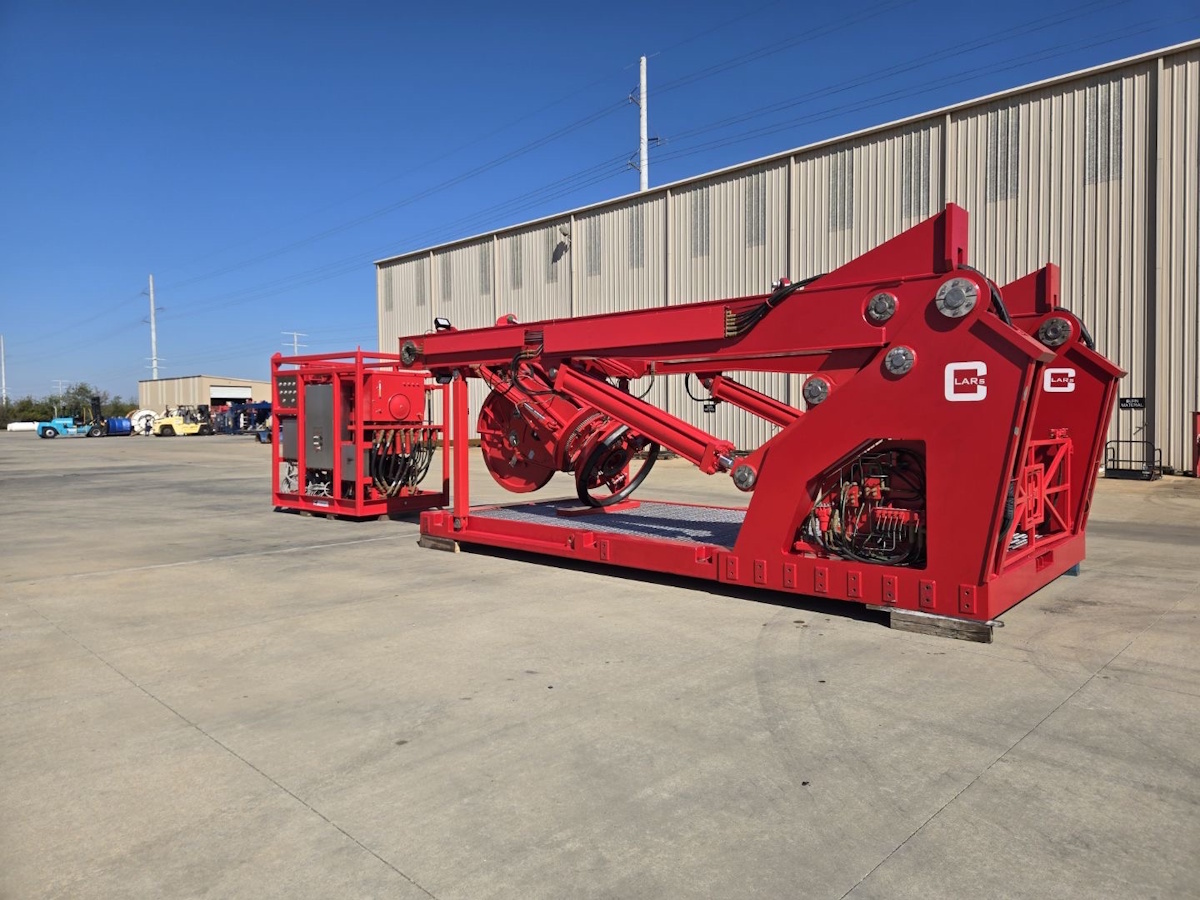
C-LARS Delivers New State of the Art Launch and Recovery System
C-LARS has successfully delivered its advanced Launch and Recovery System to Helix Robotics Solutions in the United States, enhancing the capabilities of their existing fleet. This cutting-edge hydraulic system includes a multiple drive winch system (CTW513) equipped with a Scantrol mTrack Active Heave Package, a powerful 300 horsepower electro-hydraulic power unit (CTH2300), and a self-erecting LARS (CTA620). The delivery marks a significant upgrade for Helix Robotics, aimed at improving operational efficiency and performance in underwater robotics applications.
c-lars launch and recovery system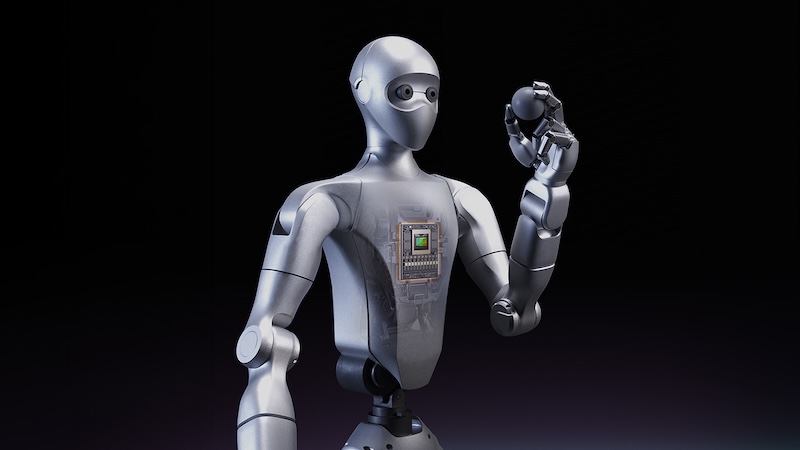
Nvidia unveils open humanoid robot platform for robotics research
Nvidia has introduced the Nvidia Isaac GR00T Reference Humanoid Robot, an innovative open platform aimed at advancing research and development in physical artificial intelligence and general-purpose robotics. The announcement was made during the Nvidia GTC event in Taipei. This new platform integrates several cutting-edge technologies, including the Unitree H2 Plus humanoid robot, Sharpa Wave tactile five-finger hands, and the Nvidia Jetson Thor onboard computing system. The initiative is part of Nvidia's broader strategy to enhance capabilities in robotics, providing researchers and developers with a versatile tool to explore and innovate in the field of robotics and AI.
Computing Humanoids News automation news embodied ai humanoid robots
Unitree Robotics Announces CMG 2026 Humanoid Robot Combat Competition with Promotional Video
On July 9, Unitree Robotics, a Chinese robotics company, announced the CMG 2026 Humanoid Robot Combat Competition. The event features humanoid robots competing in combat, reminiscent of scenes from the movie 'Real Steel.' A promotional video showcasing training sessions with their humanoid robots, including G1 and H2, was also released. This competition is significant as it highlights the advancements in humanoid robotics, with Unitree Robotics entering the field in 2023 and gaining attention for their G1 robot's impressive capabilities, including acrobatic moves and dance performances. The event aims to mark a new chapter in the co-evolution of humans and robots, as stated by the company. Looking ahead, Unitree Robotics plans to provide more details about the event in the future. The 2026 competition follows a similar event held in 2025, indicating the company's commitment to promoting humanoid robotics and engaging audiences with innovative combat showcases.
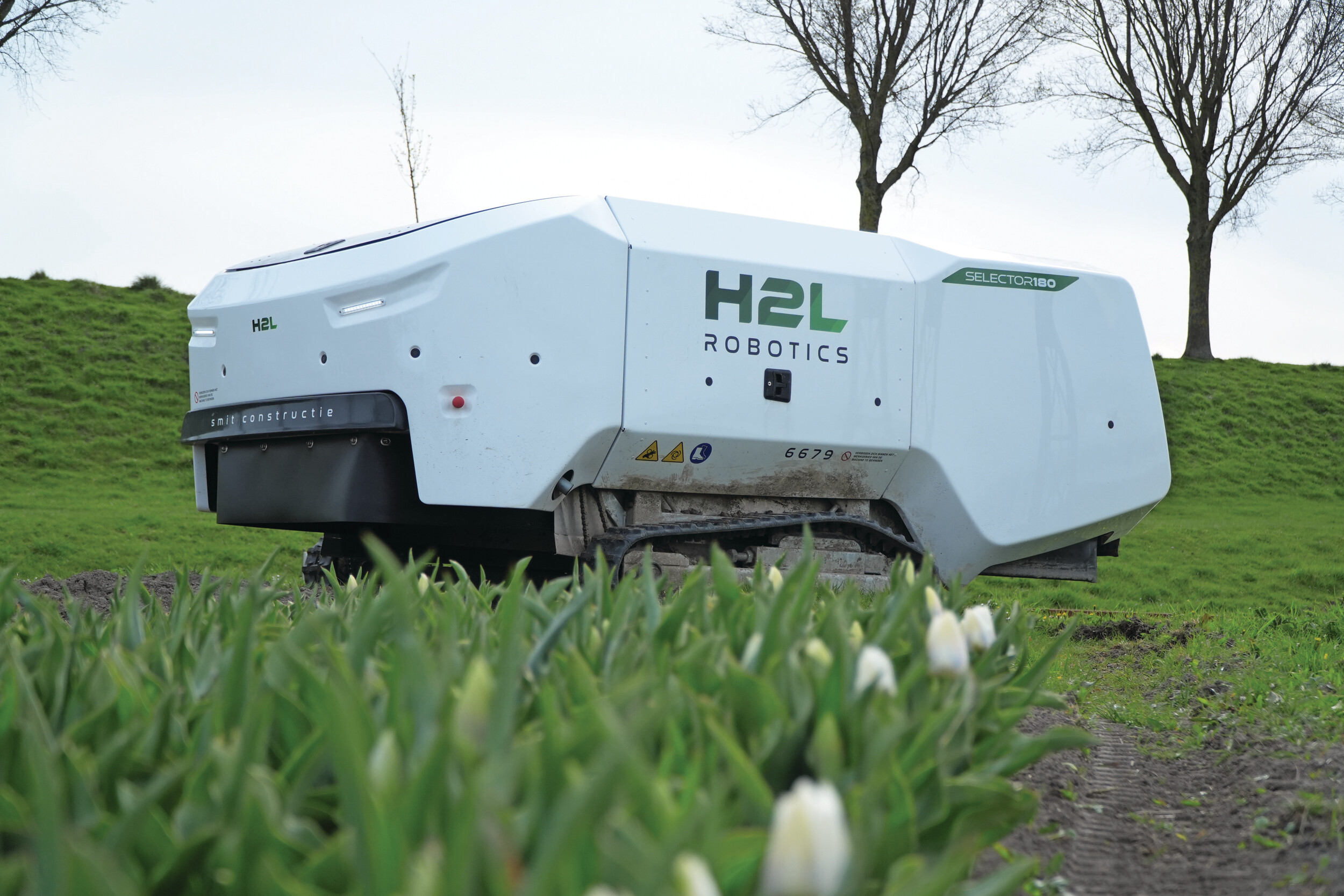
From novelty to necessity: Why tulip growers are betting on robotic disease selection
The H2L Selector, a robotic system for disease selection in tulip production, has transitioned from experimental use to mainstream adoption, with 139 units sold and an average user rating of 4.1 out of 5. This advancement marks a significant step in the integration of technology within the agricultural sector. However, tulip growers emphasize that the broader acceptance of this technology hinges on enhancements in its reliability and performance. As the industry continues to evolve, the focus remains on refining these systems to meet the demands of producers.
Smart farming Brandstof (Energie) Gewasbescherming Precisielandbouw robots
Tsinghua University and FiveAges Team Win Global Championship at ICRA 2026 Robotics Competition
The Youth2Real team, a partnership between Tsinghua University and FiveAges, has achieved a remarkable victory by winning the global championship in the Picking in Clutter Track at the 11th Robotic Grasping and Manipulation Competition (RGMC). This prestigious event took place during the International Conference on Robotics and Automation (ICRA) 2026 in Vienna. The team's success underscores their advanced expertise in robotic grasping and manipulation, reflecting significant technological progress that has potential applications in various real-world scenarios.
Robotic Grasping Artificial Intelligence Robotics Competition Automation Technology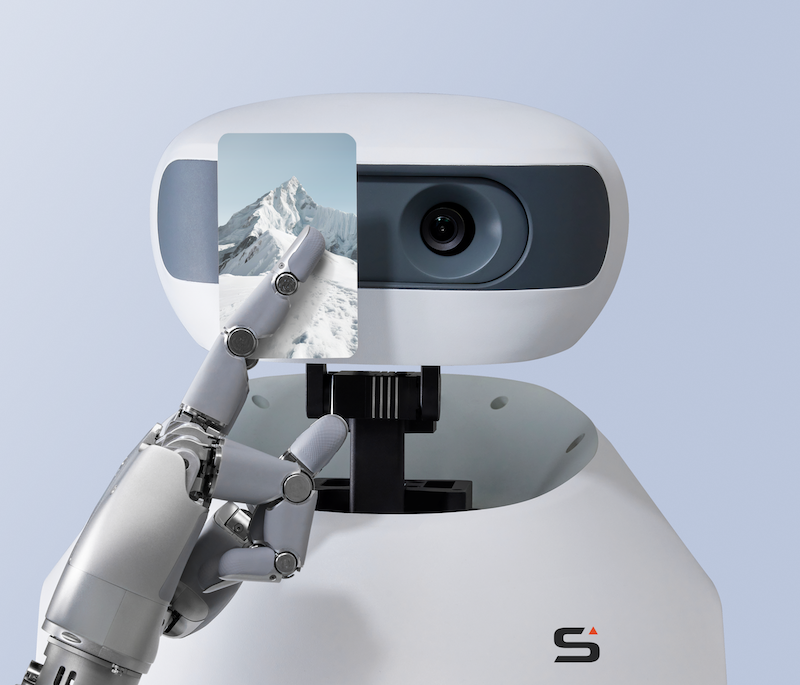
Sharpa brings dexterous robot hands to Nvidia and Unitree humanoid reference design
Sharpa has unveiled the integration of its Wave tactile robot hands into the Unitree H2 Plus humanoid robot reference design, marking a significant advancement in robotics technology. This collaboration makes the Unitree H2 Plus the first dexterous humanoid platform to utilize Sharpa's tactile manipulation technology within Nvidia’s Isaac GR00T development framework. The companies aim to enhance the capabilities of robotics developers and researchers by providing a sophisticated platform that combines advanced tactile feedback with humanoid robotics. This integration is expected to facilitate innovative developments in the field, enabling more nuanced and effective interactions between robots and their environments.
Humanoids News automation news dexterous manipulation humanoid robots nvidia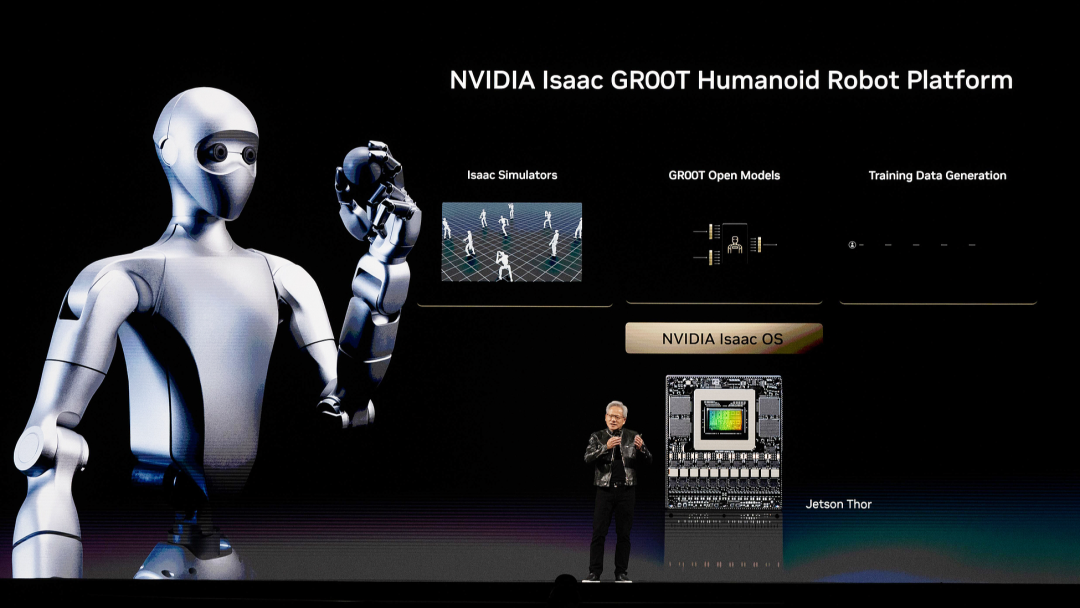
NVIDIA Partners with Yushutech to Launch Next-Generation Humanoid Robot
On June 1, NVIDIA revealed a partnership with Yushutech to create the H2+ humanoid robot reference design, which will incorporate cutting-edge artificial intelligence features. This collaboration signifies a pivotal transition for Yushutech, as the company shifts its focus from traditional hardware manufacturing to establishing itself as a significant contributor within the global robotics landscape. The initiative aims to cater primarily to research institutions, moving away from the consumer market.
Humanoid Robots AI Robotics Development Research Platforms
Nvidia, Unitree and Sharpa unite to design humanoid robot that can perform ‘real work’
Nvidia has announced a collaboration with Unitree Robotics, a leading Chinese robotics company, and Singapore-based Sharpa, a manufacturer of robotic hands, to introduce a new humanoid robot reference design aimed at fostering innovation in the global humanoid robotics sector. CEO Jensen Huang revealed the initiative on Monday, highlighting the design, named H2+ or Isaac GR00T, which is intended to enhance industry-wide research in humanoid robotics. This new reference design will facilitate a more efficient development process for developers by streamlining essential workflows, including data collection, policy training, and real-world application testing. The partnership underscores Nvidia's commitment to advancing robotics technology and supporting developers in creating more sophisticated humanoid robots.
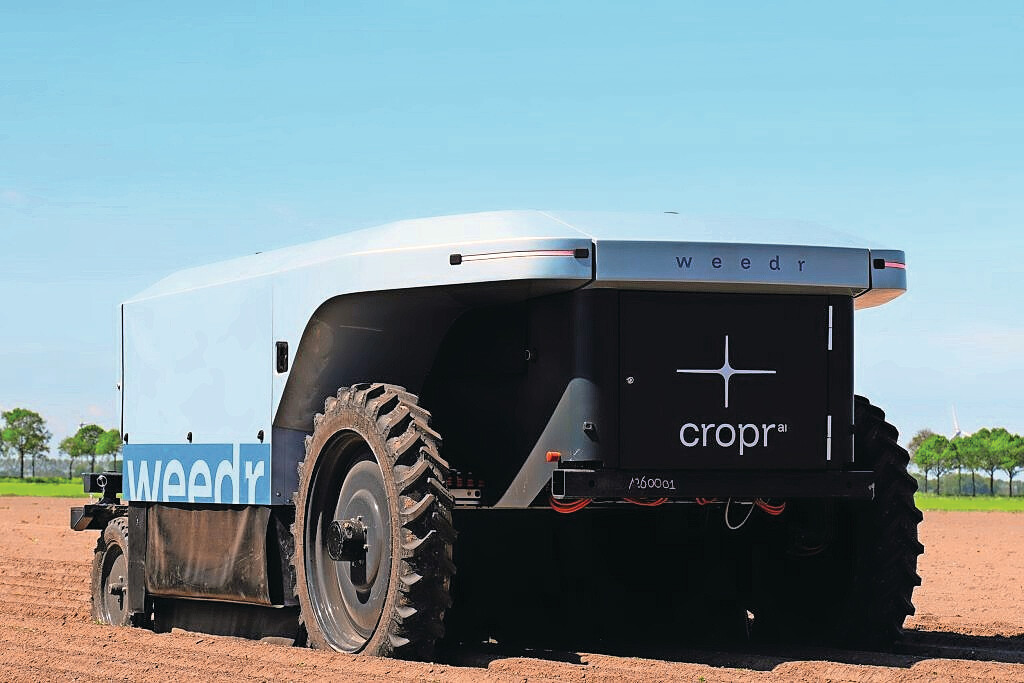
Cropr introduces autonomous laser weeder
Cropr, a robot manufacturer founded in 2025 by the owners of H2L Robotics, has unveiled its latest innovation, the Cropr Weedr, an autonomous laser weeder designed to enhance agricultural efficiency. This cutting-edge technology is set to begin operations at various chicory farms in Flevoland, Netherlands, starting at the end of May. The introduction of the Cropr Weedr aims to address the growing demand for sustainable farming practices by providing an environmentally friendly solution for weed management. By utilizing advanced laser technology, the weeder minimizes the need for chemical herbicides, aligning with the industry’s shift towards more eco-conscious methods.
Smart farming ai autonomous system laser weeding weed control
German chancellor visits Unitree Robotics in Hangzhou to explore tech collaboration
German Chancellor Friedrich Merz visited Zhejiang province on Thursday, leading a delegation to explore advancements in robotics. The highlight of the trip was a tour of Unitree Robotics in Hangzhou, a prominent Chinese robotics firm. During the visit, Unitree's founder, Wang Xingxing, presented the company’s latest innovations, including the quadruped robot Unitree As2 and humanoid robots G1 and H2. The demonstration showcased the robots' capabilities, with live performances featuring them engaging in boxing and other activities, illustrating the cutting-edge technology being developed in the region. This visit underscores Germany's interest in fostering technological collaboration and understanding in the rapidly evolving field of robotics.
News Feed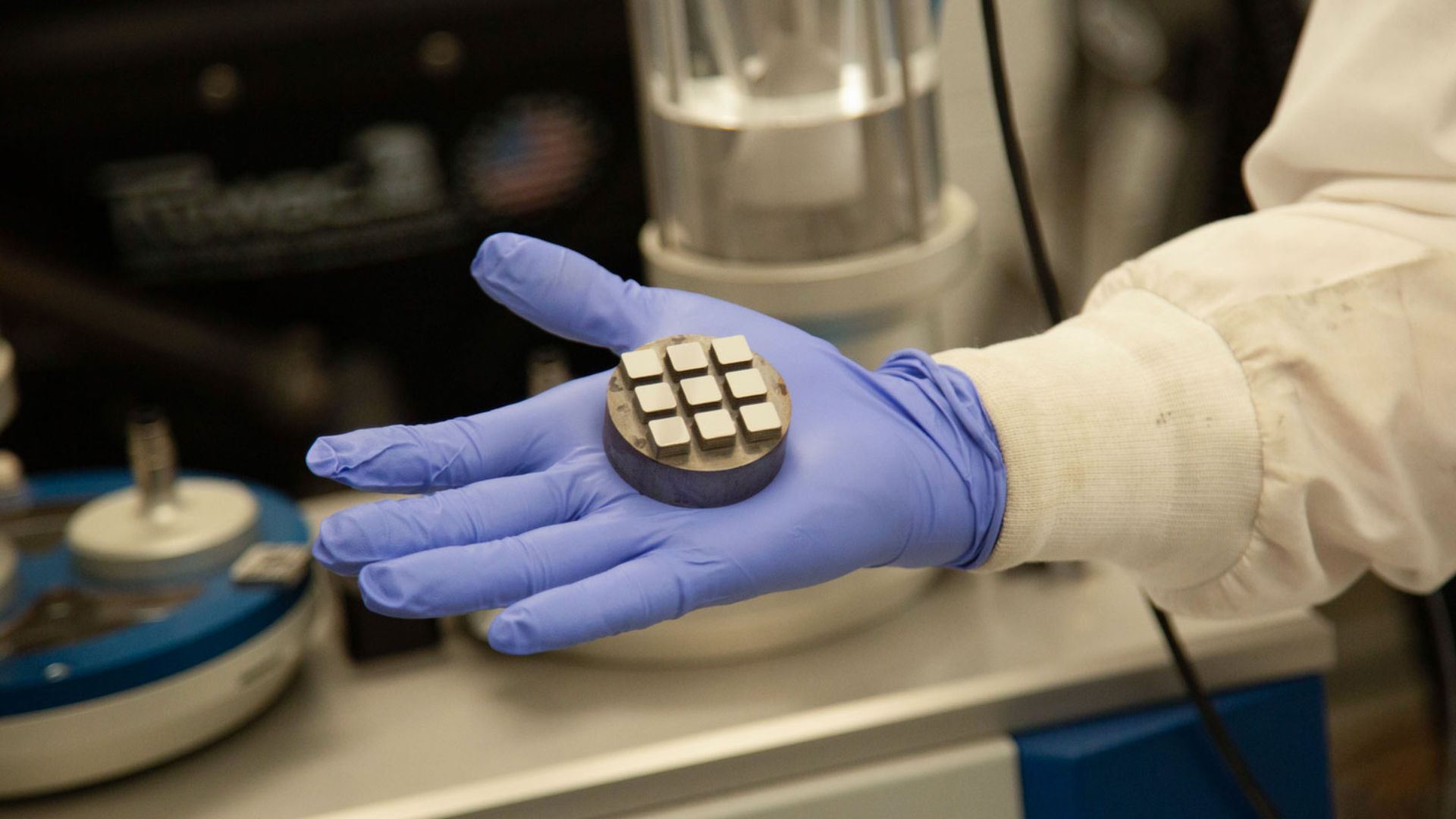
University of Toronto Engineers Develop Six New Metal Alloys for Extreme Environments
Researchers at the University of Toronto Engineering have created six innovative metal alloys using an AI-driven discovery platform. These alloys are designed to enhance the durability of components in jet engines and nuclear reactors, capable of withstanding temperatures exceeding 1,832°F. The AI-assisted approach significantly accelerates the identification of high-performance materials, demonstrating the potential for rapid advancements in material science. The significance of this development lies in the growing demand for materials that can endure extreme temperature and pressure fluctuations, which are common in applications like jet engines and nuclear power plants. Yu Zou, the project leader, emphasized the need for materials that can be produced through 3D metal printing, allowing for the creation of complex components that traditional manufacturing methods cannot achieve. Looking ahead, the researchers aim to further refine their AI-driven system to explore additional material compositions. No further timeline was disclosed at the time of publication, but the initial success in identifying six new alloy formulations suggests a promising future for advanced materials in extreme environments.
AI and Robotics Energy Innovation
Tesseract Ventures Selected for Pentagon's Autonomous Drone Delivery System Prototype Program
Tesseract Ventures, a Kansas City-based robotics and drone company, has been chosen by the Defense Innovation Unit (DIU) to participate in a prototype program aimed at enhancing the U.S. military's use of autonomous drones. This initiative, known as the Containerized Autonomous Drone Delivery System (CADDS), focuses on deploying unmanned aerial systems in challenging environments with limited infrastructure. The CADDS project represents a significant advancement for Tesseract Ventures, as it seeks to transition from single-operator drone control to a system where one individual can manage multiple drones simultaneously. This approach aims to improve operational efficiency and reduce the personnel required for drone missions, aligning with the Pentagon's goal of utilizing unmanned systems more extensively in military operations. Looking ahead, Tesseract Ventures will demonstrate its NOMAD modular autonomous platform as part of the prototype project. This platform is designed to facilitate the deployment, launch, recovery, and management of multiple drones from transportable containers. No further timeline was disclosed at the time of publication.
Military
Current Disturbances Impacting Online Localization for Autonomous Underwater Vehicles
The Journal of Field Robotics has published an early view article discussing the challenges of online localization for autonomous underwater vehicles (AUVs) in the presence of current disturbances. This research highlights the difficulties faced by AUVs when global references are not available, which is crucial for their navigation and operational efficiency. Understanding how current disturbances affect AUV localization is significant as it directly impacts the effectiveness of underwater missions. Accurate localization is essential for various applications, including environmental monitoring, underwater exploration, and military operations. The findings from this study could lead to improved algorithms and technologies that enhance the reliability of AUVs in challenging underwater environments. Future research should focus on developing advanced localization techniques that can mitigate the effects of current disturbances on AUVs. As underwater exploration continues to grow, the demand for reliable AUV navigation systems will increase. No further timeline was disclosed at the time of publication.
RESEARCH ARTICLE
Control Method Developed for Heavy-Duty Hexapod Robot Navigating Border Terrains Using Simplified Model
A new control method has been developed for a heavy-duty hexapod robot designed to walk on border terrains, as reported in the Journal of Field Robotics. This method utilizes a simplified model to enhance the robot's navigation capabilities in challenging environments. The significance of this development lies in its potential applications in various sectors, including military and disaster response, where navigating difficult terrains is crucial. The heavy-duty hexapod robot's ability to traverse border terrains effectively could improve operational efficiency and safety in these scenarios. Looking ahead, the implications of this control method could lead to further advancements in robotic mobility and control systems. No further timeline was disclosed at the time of publication.
RESEARCH ARTICLE
Global Localization Framework for Planetary Rovers Utilizing Interest Region Perception
A new global localization framework for planetary rovers has been introduced, focusing on interest region perception. This innovative approach enhances the rover's ability to navigate and understand its environment more effectively, which is crucial for successful planetary exploration missions. The significance of this framework lies in its potential to improve the autonomy and efficiency of planetary rovers. By leveraging interest region perception, the framework allows for better decision-making and adaptability in unknown terrains, which is essential for conducting scientific research on other planets. Looking ahead, the implementation of this global localization framework could lead to advancements in rover technology and exploration strategies. No further timeline was disclosed at the time of publication.
RESEARCH ARTICLE
EPFL and MIT Develop Flapping Robot That Swims and Flies Like Diving Birds
Engineers at EPFL and MIT have created a flapping-wing aerial-aquatic vehicle (FAAV) that mimics the swimming and flying abilities of diving birds. Weighing under 300 grams, the FAAV is designed to help researchers study the mechanics of how these birds transition between air and water. Experiments revealed optimal combinations of wing size, flapping frequency, and tail angle for effective movement in both environments. This innovation is significant as it could lead to a new class of aerial-aquatic drones capable of accessing aquatic regions that are difficult for traditional vessels. The robot's design allows it to dive for samples and return data at a lower cost, making it a valuable tool for oceanographers and marine biologists. The research findings were published in the journal Science, highlighting the potential for enhanced understanding of bird biomechanics. Future developments will focus on improving wing design for better maneuverability and testing the robot in turbulent conditions. The team aims to deploy the FAAV for ocean science research, potentially revolutionizing how data is collected from challenging aquatic environments. No further timeline was disclosed at the time of publication.

FAA Grants Approval for Drone Amplified's MONTIS Avalanche Control System
The Federal Aviation Administration (FAA) has approved Drone Amplified's MONTIS drone system for avalanche control, paving the way for its use by transportation agencies and ski resorts. This approval allows operators to deploy explosive charges remotely, enhancing safety by keeping personnel away from hazardous areas while still effectively managing avalanche risks. The significance of this approval lies in its potential to improve avalanche mitigation strategies. The MONTIS system offers an alternative to traditional methods such as helicopters and ground teams, providing flexibility in operations, especially in challenging weather conditions. This innovation aims to protect communities and maintain critical transportation routes during winter. Looking ahead, the integration of the MONTIS system into existing avalanche control programs could lead to safer operations in mountain communities and ski areas. While it will not replace traditional methods, it offers a valuable tool for agencies to enhance their response to avalanche threats. No further timeline was disclosed at the time of publication.
News
Agile Multiskill Locomotion Techniques for Quadrupedal Robots in Natural Environments
A recent study published in Science Robotics explores advanced locomotion techniques for quadrupedal robots designed for outdoor environments. The research focuses on developing agile and perceptive multiskill locomotion capabilities that enable these robots to navigate complex terrains effectively. This advancement is significant as it enhances the operational versatility of quadrupedal robots, making them more suitable for various applications in challenging environments. By improving their ability to adapt to different terrains, these robots can be utilized in fields such as search and rescue, environmental monitoring, and exploration. Looking ahead, the implications of this research could lead to further innovations in robotic mobility and autonomy. No further timeline was disclosed at the time of publication.
Research Article
KULR Technology Group Chosen by Icarus Robotics for Space Station Robotic Platform
KULR Technology Group, Inc. has been selected by Icarus Robotics to provide its KULR ONE Space battery for the JOY autonomous free-flying robotic platform. This platform is set to be deployed on an upcoming mission to the International Space Station. The collaboration is significant as it highlights KULR's role in advancing energy systems for critical applications in space and robotics. The JOY platform represents a step forward in autonomous space robotics, showcasing the potential for innovative technologies in extraterrestrial environments. Looking ahead, the deployment of the JOY platform aboard the International Space Station will be a key milestone for both KULR and Icarus Robotics. No further timeline was disclosed at the time of publication.
Sonardyne Supports BAS in GIANT Climate Mission with Advanced Positioning Technology
Sonardyne is providing underwater positioning technology for the GIANT climate science mission, which aims to gather data on Greenland's glaciers. The mission will utilize a fleet of autonomous vehicles, including the RRS Sir David Attenborough and various AUVs, to operate in extreme environments and collect comprehensive data. This initiative is significant as it involves 15 collaborating institutions and aims to improve climate models and early warning systems for ice loss in Greenland's fjords. The data collected will enhance understanding of tipping points that could impact global climate. The GIANT mission, running from July to August, will focus on mapping and monitoring ocean temperatures and glacier movements. It will employ a connected observing system of underwater vehicles, robotic sensors, and drones to gather unprecedented measurements in challenging conditions.

International Research Team Embarks on Greenland Expedition to Study Melting Glaciers
An international team of researchers is set to begin a six-week expedition in Greenland on July 16, 2026, to investigate the rapid melting of fjord glaciers and its implications for the Atlantic Ocean. The study aims to assess how this melting contributes to potential climate tipping points, particularly affecting ocean currents. The research is part of a five-year project called GIANT, led by the British Antarctic Survey (BAS) and funded by the Advanced Research + Invention Agency (ARIA). The team will utilize advanced technologies, including drones, marine robots, and sensors, to gather data that will enhance predictions regarding the future of Greenland's glaciers and their environmental impact. As the expedition unfolds, attention will be focused on the effects of Greenland's melting ice on the North Atlantic Subpolar Gyre and the Atlantic Meridional Overturning Circulation (AMOC). Dr. Kelly Hogan from BAS emphasizes the significance of modern tools in exploring glacier-ocean interactions, highlighting the urgency of understanding these changes as they may occur within decades.
rrs sir david attenborough glaciers melting fjord glaciers climate change giant (greenland ice sheet to atlantic tipping points british antarctic survey (bas)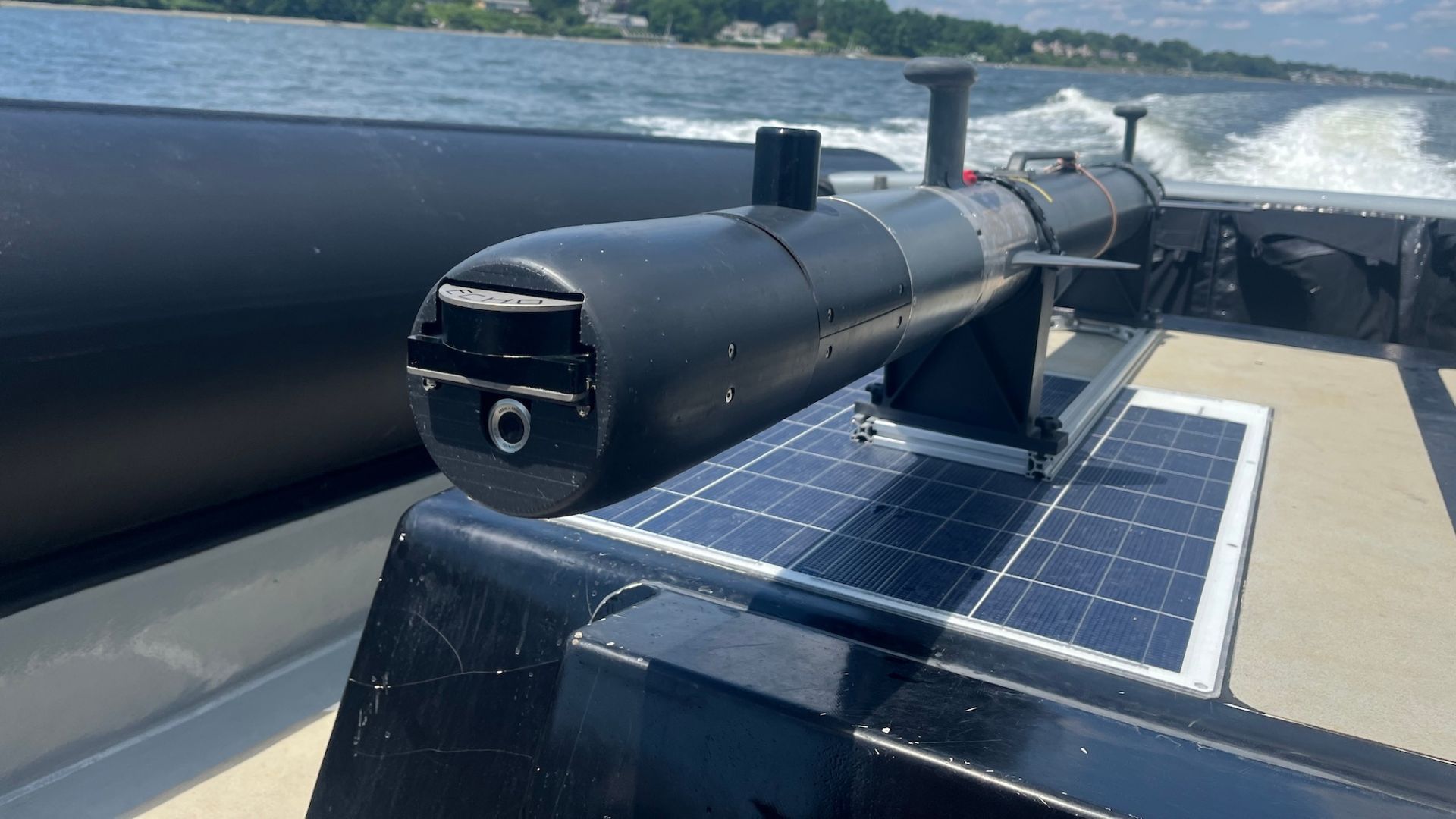
Vatn Systems Launches SIGURD Autonomous System for Naval Mine Detection and Neutralization
U.S. defense startup Vatn Systems has unveiled SIGURD, a compact autonomous system designed to detect and neutralize naval mines. This innovative platform allows military operators to locate underwater mines without the need for large mine warfare vessels, addressing a critical challenge in naval operations. SIGURD is currently being tested by government customers, with deployment expected later this year. The introduction of SIGURD is significant as naval mines remain a cost-effective threat in maritime conflict, capable of disrupting shipping and delaying naval operations. Traditional mine countermeasure missions are resource-intensive, often requiring specialized ships and trained personnel. Vatn's autonomous underwater vehicle aims to streamline this process, enabling quicker responses to mine threats in contested waters. Looking ahead, Vatn Systems is preparing to support U.S. military and allied nations in expanding their autonomous mine warfare capabilities. The demand for such systems is rising, particularly in light of increasing tensions in strategic maritime regions. The successful testing of SIGURD against inert naval mines suggests a promising future for autonomous solutions in mine countermeasures.
Military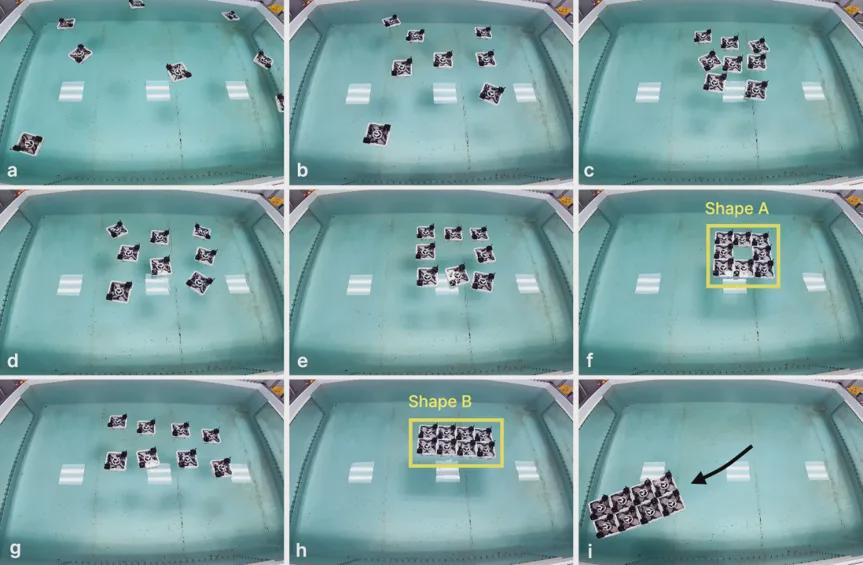
MIT Team Unveils Transformable Robot Fleet for Advanced Water Navigation
A team from MIT, along with collaborators from the University of Wisconsin-Madison, KU Leuven, and Politecnico di Milano, has developed a fleet of eight modular robot boats capable of transforming and navigating water autonomously. Each boat measures 21 cm on each side and can connect to form larger floating platforms, demonstrating advanced coordination without remote control. The significance of this development lies in its potential applications in complex environments where traditional navigation methods may fail. The robots can autonomously handle positioning, collision avoidance, and movement control, adapting their configurations based on tasks, similar to how fire ants form rafts during floods. Looking ahead, the research team has categorized their system as a Modular Self-Reconfigurable Robot (MSRR) system, which allows for dynamic reconfiguration and enhanced functionality. No further timeline was disclosed at the time of publication.
Modular Robotics Autonomous Systems Water Navigation Distributed Control Robotics Research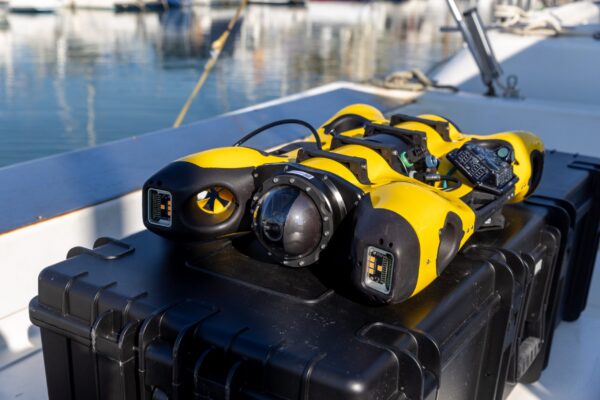
MFE Offshore Partners with Hydromea to Distribute EXRAY Underwater Inspection ROV
MFE Offshore, based in Houston, has announced its partnership with Swiss robotics developer Hydromea to distribute the Hydromea EXRAY underwater inspection ROV. This agreement, made public on July 9, 2026, enhances MFE Offshore's subsea portfolio, which was launched earlier this year. The EXRAY offers a tetherless alternative for underwater inspections, reducing costs and risks associated with traditional methods. The significance of this partnership lies in the EXRAY's ability to provide efficient and safe data collection in challenging underwater environments. As stated by Wendy Post, general manager of MFE Offshore, the demand for advanced inspection technologies is increasing as operators face more complex underwater challenges. The EXRAY's capabilities, including real-time control and live HD video transmission, position it as a valuable tool for energy operators. Looking ahead, MFE Offshore will showcase the EXRAY during a Demo Day on July 16 at its Houston facility, allowing potential customers to see the ROV in action. This event highlights MFE Offshore's commitment to bringing innovative inspection solutions to the energy sector, with no further timeline disclosed at the time of publication.
Drone News Drone News Feeds Inspection News seadrones underwater drones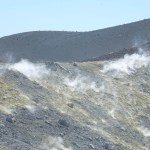
New Autonomous Drone System Maps Volcanic Gases to Predict Eruptions
Researchers at the Technical University of Munich (TUM) have developed an autonomous measurement system that utilizes drones and lasers to map volcanic gas concentrations with a low measurement error of approximately 5%. This innovative system aims to enhance volcanic eruption forecasting by tracking the ratio of carbon dioxide to sulfur dioxide, providing insights into subterranean volcanic processes. The significance of this technology lies in its potential to prevent natural disasters by offering accurate measurements of volcanic gases. Traditional methods have faced challenges due to background emissions and equipment damage from corrosive plumes. TUM's solution involves a ground station that shoots a laser through gas clouds, allowing for precise data collection while keeping equipment safe from harsh conditions. Looking ahead, TUM plans to further automate the measurement and mapping processes, incorporating artificial intelligence to interpret the data. This advancement could lead to safer volcanic forecasting, particularly on the Aeolian island of Vulcano, which remains in an active degassing phase despite not having experienced a major eruption since the late 19th century.
Science
DJI Unveils First eVTOL Drone, the EV50, on Mount Everest
DJI has launched its first electric vertical takeoff and landing (eVTOL) drone, the DJI EV50, at Mount Everest, marking a significant expansion into industrial applications. The EV50 successfully completed scientific missions, aiding researchers in collecting atmospheric data at extreme altitudes, showcasing its capabilities beyond traditional drone use. This development is crucial as it highlights DJI's commitment to advancing drone technology for practical applications, particularly in remote and challenging environments. The EV50's design allows it to operate without runways, making it suitable for emergency response and scientific expeditions, with a payload capacity of up to 50 kilograms and a range of 150 kilometers. Looking forward, DJI's EV50 is expected to play a vital role in future missions, including atmospheric research and logistics on Everest. Additionally, the company’s FlyCart 100 drone has demonstrated its utility in transporting supplies and waste, indicating a shift towards routine operations in challenging terrains. No further timeline was disclosed at the time of publication.
News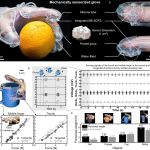
New Soft Mechanical Force Sensor Enables Instant Touch Detection in Robotics
Researchers from the National University of Singapore have developed a soft mechanical force sensor, named ME-SOFS, which allows robots to detect touch and respond instantly without electronics. This innovation transforms applied force into fluid flow, activating soft robotic actuators and creating a fully mechanical sensing-to-action process. The ME-SOFS sensor, made entirely from flexible materials, eliminates the need for traditional electronic sensors, reducing complexity and potential failure points. Its design is particularly beneficial for soft robots operating in extreme environments, such as underwater or inside the human body, where electronic systems may fail. Future applications of the ME-SOFS sensor include integration into soft robotic systems, such as a glove that measures grasping forces and a haptic pad for touch feedback. This technology could significantly enhance prosthetics and human-machine interfaces. No further timeline was disclosed at the time of publication.
AI and Robotics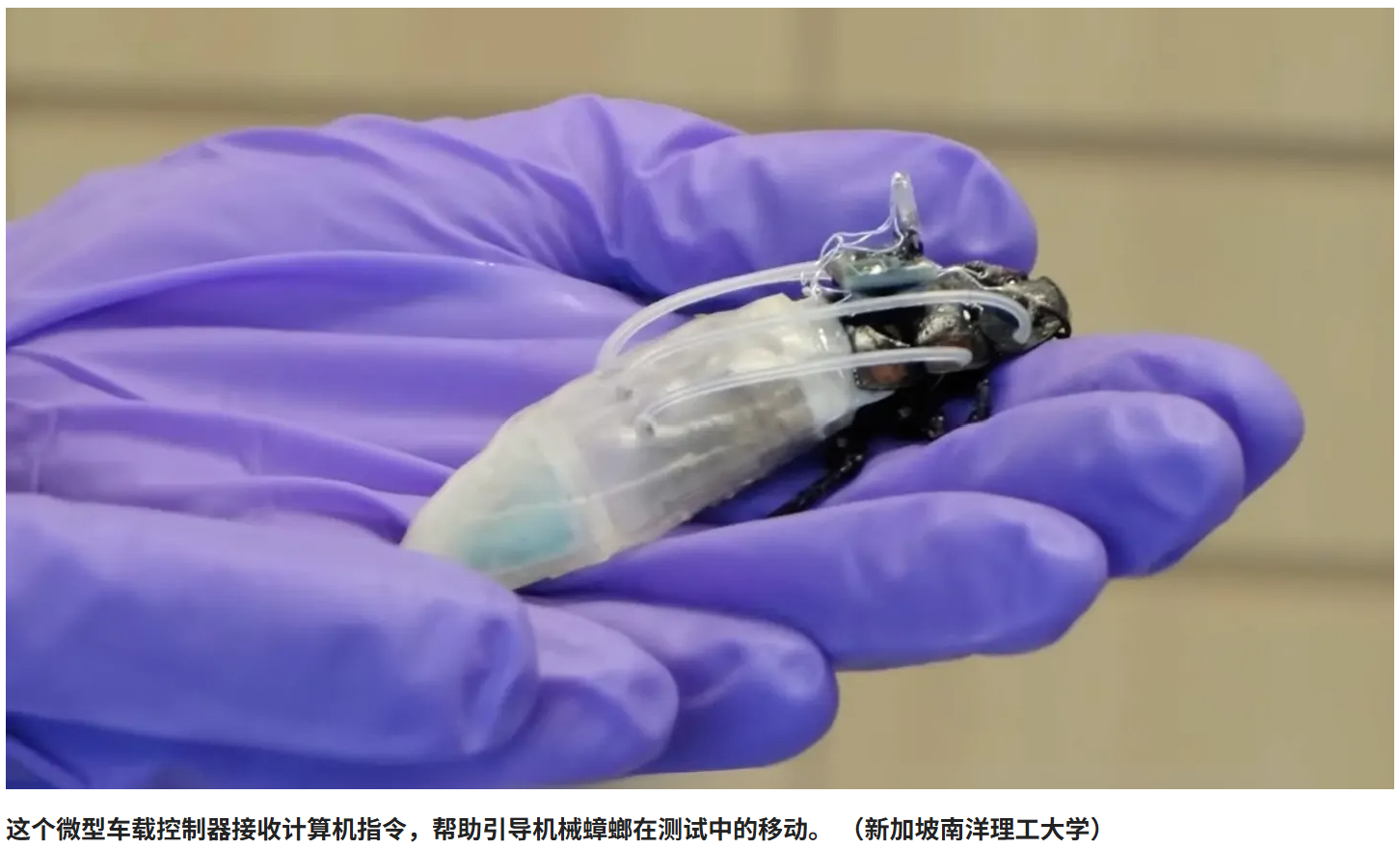
Cyborg Cockroaches Equipped for Underwater Rescue Operations
Researchers from Nanyang Technological University in Singapore and Waseda University in Japan have developed a unique application for cyborg Madagascar hissing cockroaches. By outfitting these insects with miniature diving suits, they can now navigate underwater for up to three hours, providing innovative solutions for disaster rescue operations. This advancement is significant as it combines living organisms with electronic devices, allowing the cockroaches to utilize their own muscle and nervous systems for movement. Unlike purely mechanical robots, these cyborg cockroaches have a lower energy consumption, making them more efficient for tasks in challenging environments, such as underwater scenarios. The research team is currently enhancing these cyborg cockroaches with miniature sensors, cameras, and advanced navigation systems. In the future, they may be deployed in disaster situations like floods or earthquakes to access hard-to-reach areas, helping rescue teams locate trapped individuals. No further timeline was disclosed at the time of publication.
Cyborg Insects Disaster Rescue Technology Underwater Robotics Microelectronics
Optimus Robots to Construct Lunar Outpost by End of 2026 Under Musk's Plan
Elon Musk has announced that Tesla's Optimus humanoid robots will lead the construction of a lunar outpost by the end of 2026. SpaceX plans to launch essential construction materials, including modular living quarters and energy equipment, to the Moon using the Starship rocket. The deployment of robots aims to minimize human safety risks and efficiently handle repetitive heavy labor tasks. The rationale behind using robots instead of humans is to reduce complexity and enhance operational efficiency. According to Jim Cantrell, a member of the SpaceX founding team, robots only require sunlight and occasional maintenance, allowing them to work continuously. Upon arrival on the Moon, the Optimus robots will autonomously unload materials, prepare the lunar surface, and assemble prefabricated habitats while also extracting water ice for life support and fuel. Musk envisions the Moon as a testing ground for Mars colonization, with plans to send astronauts to the Moon within 2-3 years and establish a self-sustaining city by 2036. However, challenges remain, including the need for successful orbital refueling of the Starship and overcoming harsh lunar conditions. No further timeline was disclosed at the time of publication.
Humanoid Robots Space Exploration Lunar Colonization Construction Robotics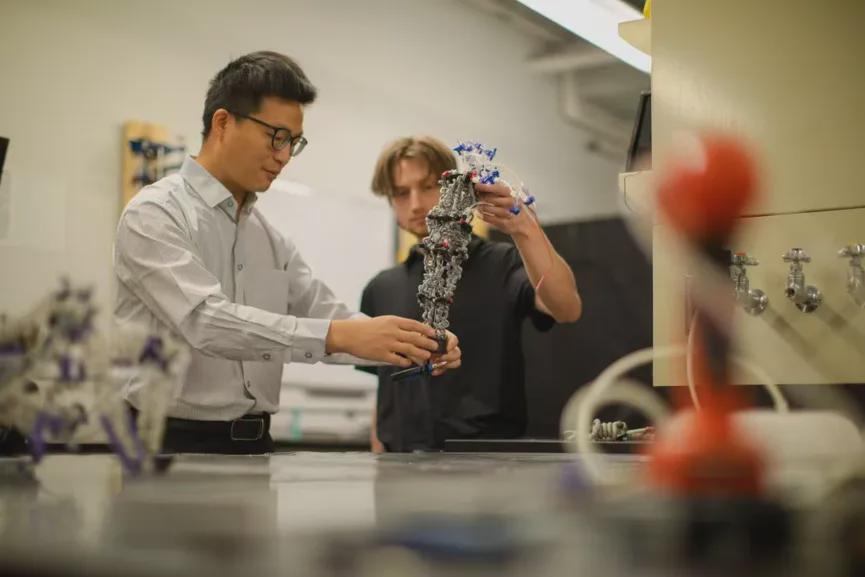
Arizona State University Develops Innovative HARP Artificial Muscle for Versatile Applications
A research team led by Professor Sun Jiefeng at Arizona State University has developed a new artificial muscle structure known as HARP (Helical Anisotropic Reinforced Actuator). Unlike traditional artificial muscles that compromise on performance, HARP offers modularity and flexibility, allowing for adjustments in materials and design parameters to meet various application needs. This innovation is significant as it addresses the limitations of existing artificial muscles, which often excel in specific scenarios but struggle to meet multiple requirements simultaneously. HARP achieves an impressive power density of 1.93 kW/kg, a contraction rate of up to 75%, and the ability to lift weights up to 100 times its own weight, making it suitable for diverse and complex applications. Looking ahead, the HARP's modular design allows for customization and optimization of its components, enhancing its adaptability in extreme environments. The research team demonstrated HARP's durability in wear resistance tests, showcasing its potential for reliable operation in harsh industrial settings. No further timeline was disclosed at the time of publication.
Artificial Muscles Robotics Modular Design Self-Healing Materials
Developing a Framework for Tactile-Based Proximity Sensing of Buried Objects in Granular Media
A new framework has been proposed for tactile-based proximity sensing of buried objects using granular media jamming. This method aims to enhance the detection capabilities of robotic systems in challenging environments where traditional sensing methods may fail. The significance of this framework lies in its potential applications in search and rescue operations, archaeological explorations, and environmental monitoring. By improving the ability to sense buried objects, it can lead to more efficient and effective operations in various fields. Future developments will focus on refining the technology and testing its effectiveness in real-world scenarios. No further timeline was disclosed at the time of publication.
RESEARCH ARTICLE
Flexible Soft Sensor Enables Robotic Action Without Traditional Electronics
Researchers have developed a new soft sensor that allows soft robots to convert touch into action without relying on traditional electronic components. This innovation addresses a critical limitation in soft robotics, which often depend on bulky electronic sensors and actuators. The sensor is made from flexible materials, enhancing the robot's adaptability for various applications, including minimally invasive surgery and deep-sea exploration. The significance of this development lies in its potential to simplify the design and functionality of soft robots. By eliminating the need for electronic sensors and circuits, the new soft sensor reduces weight and complexity, making robots more efficient and reliable in challenging environments. This advancement could lead to broader applications in sectors where traditional electronics may fail, such as in wet or high-pressure conditions. Looking ahead, the next steps involve further testing and refinement of the soft sensor technology. Researchers aim to explore its integration into existing soft robotic systems and assess its performance in real-world scenarios. No further timeline was disclosed at the time of publication.
Robotics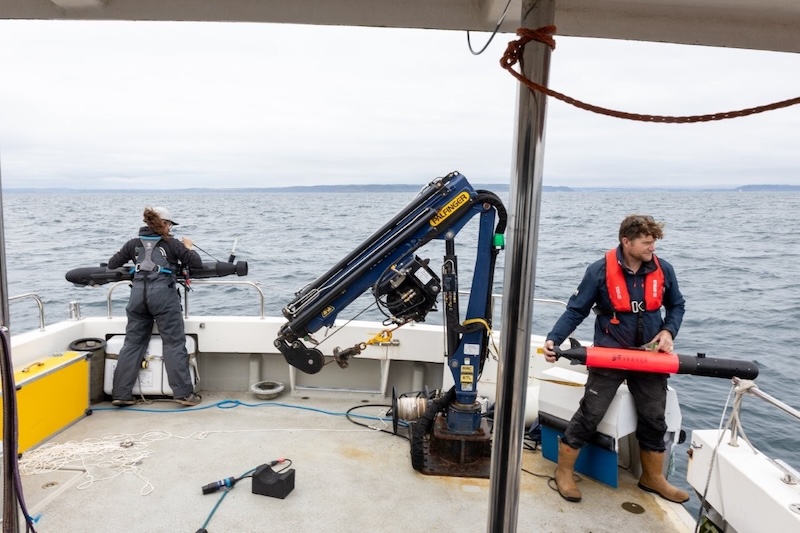
University of Plymouth Launches £1.2 Million Multi-Robot Demonstration at Smart Sound Connect
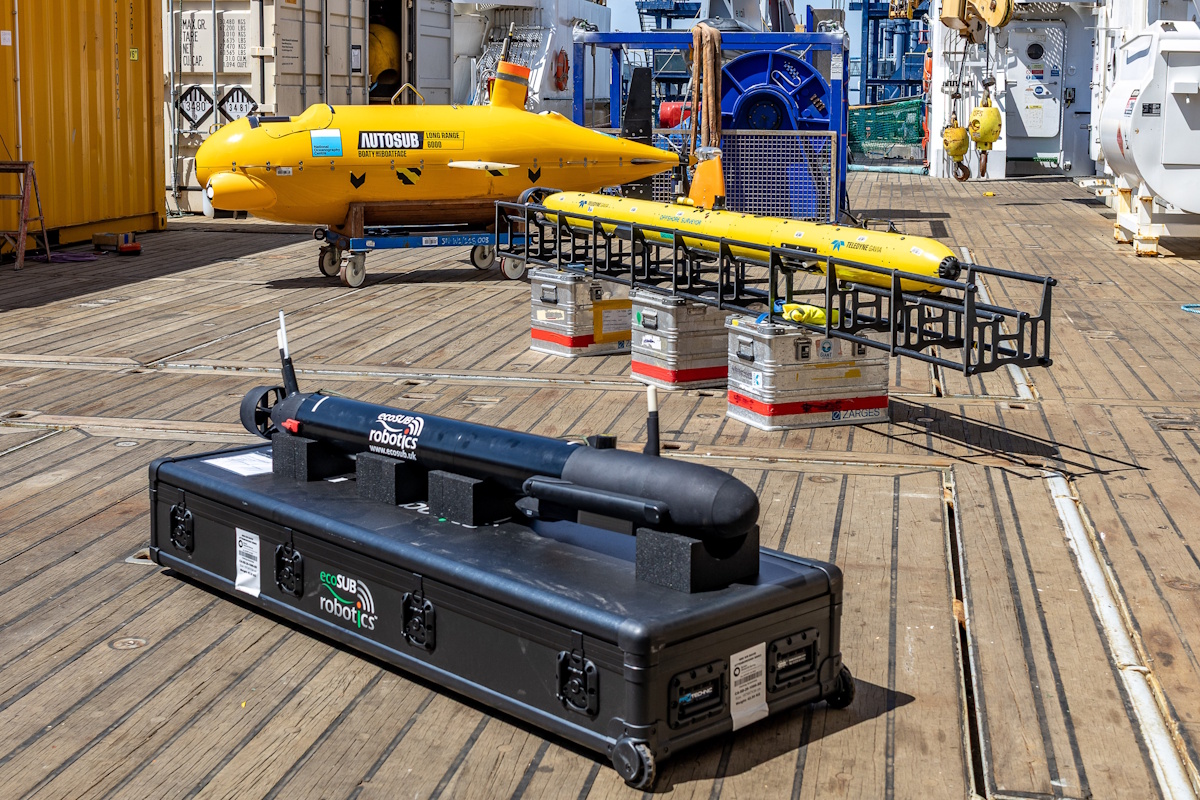
The University of Plymouth has successfully completed a significant underwater trials demonstration at the Smart Sound Connect Subsurface (SSCS) project, showcasing multi-marine robotic platforms. This event featured collaboration among ACUA Ocean, ecoSUB Robotics, Seaber, and Sonardyne, highlighting the capabilities of the £1.2 million initiative aimed at enhancing marine autonomy and ocean sensing in the UK. The demonstration attracted stakeholders from various sectors, emphasizing the project's role in advancing technology in marine environments. The SSCS project enhances the existing Smart Sound Plymouth testbed by integrating a seabed node array for precise positioning and communication, alongside intelligent sensors. This infrastructure supports advanced testing capabilities for autonomous vehicles, reinforcing Plymouth's status as a leading hub for marine autonomy. The successful demonstration underscores the importance of collaborative efforts in developing ocean observing technologies that can provide actionable intelligence for climate resilience and preparedness. Looking ahead, the SSCS project aims to further develop ocean observing technologies that can transform prototypes into reliable data streams. No further timeline was disclosed at the time of publication, but the ongoing collaboration is expected to drive innovation and strengthen industry partnerships in marine autonomy and sensing technologies.
Marine Research ACUA Ocean automation autonomous underwater vehicles auv
MIT Develops FloatForm Swarm of Autonomous Boats for Adaptive Marine Infrastructure
MIT researchers have unveiled FloatForm, a swarm of 21-centimeter-square autonomous robotic boats capable of self-assembling into floating structures. Each boat is equipped with thrusters, sensors, and a magnetic latching mechanism, allowing them to connect and reconfigure with minimal human intervention. This modular system can adapt to various environments, supporting applications such as emergency response, temporary bridges, and floating markets in waterways across diverse geographies. The significance of FloatForm lies in its decentralized swarm robotics approach, which enables the boats to make local decisions rather than relying on a central controller. This design enhances scalability and efficiency, allowing the robots to navigate and coordinate independently while maintaining robust structural integrity. The innovative magnetic latching system, inspired by origami, allows for reliable connections between boats, facilitating the creation of larger, adaptive structures on water. Future developments will focus on expanding the capabilities of FloatForm for use in canals, rivers, and coastal areas. The researchers aim to deploy larger versions of the robots for various applications, including temporary infrastructure and environmental monitoring. No further timeline was disclosed at the time of publication, but the potential for this technology to transform marine operations is significant, as noted by experts in the field.
AI and Robotics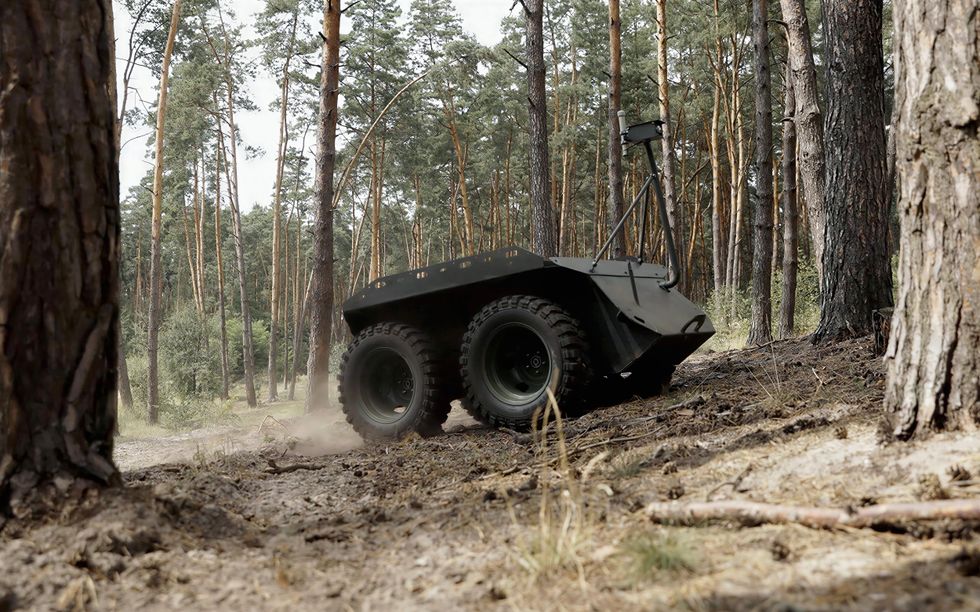
RoverTech's Zmyi Ground Robots Enhance Ukraine's Military Operations with 57 Mission Average
Ukrainian robotics firm RoverTech has developed the Zmyi, a versatile ground robot that has achieved an impressive average of 57 missions in the frontline kill zone. Weighing 800 kilograms and equipped with various configurations for tasks such as demining and combat, the Zmyi is designed to evade detection by enemy drones, making it a critical asset in Ukraine's defense strategy. The significance of the Zmyi lies in its ability to operate effectively in high-risk environments, outperforming typical uncrewed ground vehicles (UGVs) that usually complete only seven missions. This advancement reflects a broader trend in Ukraine's military technology, where UGVs are increasingly replacing traditional armored vehicles due to their lower cost and adaptability for urgent battlefield needs. Looking ahead, Ukraine's President Volodymyr Zelenskyy has ordered the procurement of 50,000 UGVs by the end of 2026, significantly increasing the military's robotic capabilities. As the conflict evolves, the integration of UGVs with aerial reconnaissance is expected to reshape frontline tactics, although no further timeline was disclosed at the time of publication.
Ground-robots Ukraine Unmanned-vehicles Ugvs Sensor-networks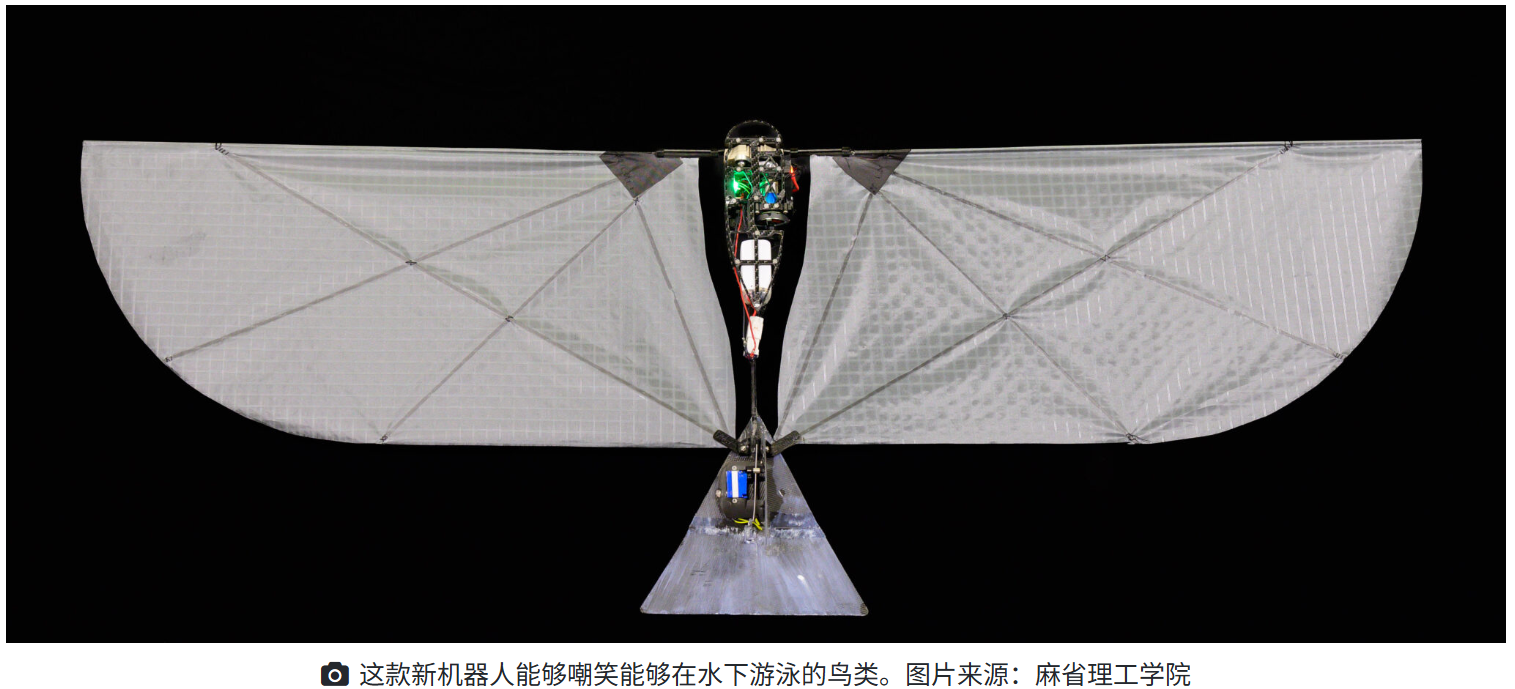
MIT and EPFL Unveil 250g Flapping Robot for Dual Aerial and Aquatic Navigation
MIT and EPFL have developed the Flapping-wing Aerial-Aquatic Vehicle (FAAV), weighing just 250 grams. This innovative robot can navigate both air and water, achieving a cruising speed of 6.3 meters per second in the air and 1 meter per second underwater. Remarkably, it can take off from water using only its wings, without any additional propulsion systems. The significance of the FAAV lies in its ability to overcome the challenges of transitioning between air and water, which have historically hindered the development of amphibious robots. The wings of the FAAV passively deform underwater, allowing for efficient movement and reduced motor load. This design enables the robot to exploit the surface tension of water for takeoff, a feat that has been difficult for previous models reliant on complex propulsion mechanisms. Looking ahead, the research team aims to complete the full flight-dive-flight cycle, which is yet to be validated. The FAAV has already demonstrated its capability to breach the water's surface, marking a significant milestone in the evolution of cross-medium robotic systems. No further timeline was disclosed at the time of publication.
Flapping Robots Aerial-Aquatic Vehicles Robotics Marine Technology
DJI Introduces EV50 VTOL Cargo Drone with Everest Altitude Record Achievement
DJI has launched the EV50, its inaugural vertical takeoff and landing (VTOL) fixed-wing cargo drone, designed for long-range transport. The drone achieved a remarkable operating altitude of 8,861 meters during a scientific expedition on Mount Everest, surpassing the mountain's peak by 12 meters. Over a 12-day period, the EV50 completed 32 flights, including 12 missions focused on atmospheric monitoring, taking off from Everest Base Camp at 5,200 meters. The significance of the EV50 lies in its ability to facilitate continuous atmospheric observation above 8,000 meters, a feat previously hindered by the limitations of manned expeditions and other aircraft. The drone's all-electric propulsion system allows researchers to gather crucial data on glacier winds and atmospheric conditions, contributing to climate change studies. With a maximum payload of 50 kilograms and a range of 150 kilometers, the EV50 is equipped with advanced features such as dual thermal management systems and an emergency parachute. Looking ahead, the EV50 is expected to be utilized in various applications, including emergency response and logistics in remote areas. No further timeline was disclosed at the time of publication regarding its commercial deployment. This launch marks a significant expansion of DJI's industrial drone offerings, particularly for challenging environments like high-altitude regions.
On the Cusp Content and entertainment E-commerce and New Retail Highlight News
MIT and EPFL Develop Flapping-Wing Robot for Air and Water Navigation
Engineers from MIT and EPFL have created a flapping-wing aerial-aquatic vehicle (FAAV) inspired by puffins. Weighing under 300 grams, the robot features a central fuselage, flexible wings, and a steerable tail. Field tests in Lake Geneva demonstrated its ability to swim and then take flight, showcasing its dual-medium capabilities. This innovation is significant for oceanography and marine biology, as it allows for cost-effective data collection from both air and water. The FAAV can fly at speeds of 6 meters per second and swim at 1 meter per second, providing a versatile tool for researchers. The design mimics the natural mechanics of birds, which maintain similar physical dynamics in both environments by adjusting their speed. Looking ahead, the team aims to refine the robot's ability to breach the water's surface, a challenging transition requiring a precise 70-degree pitch. No further timeline was disclosed at the time of publication, but the potential applications for environmental monitoring and research are substantial.
AI and Robotics
MIT Develops FloatForm Swarm of Modular Aquatic Robots for Dynamic Structures
MIT researchers have unveiled FloatForm, a swarm of small square robotic boats capable of self-assembly into larger structures on water. This innovative system allows the robots to break apart and reconfigure with minimal human intervention, showcasing a new approach to aquatic construction. The project emphasizes the potential for dynamic, adaptable structures in marine environments, with applications in environmental monitoring and infrastructure development. The significance of FloatForm lies in its ability to create modular and reconfigurable structures, which can respond to changing environmental conditions. This technology could revolutionize how we think about construction and deployment in aquatic settings, offering flexibility and efficiency in design. The robots' self-assembly capabilities could lead to advancements in marine architecture and environmental sustainability. Looking ahead, the next steps for the FloatForm project include further testing and potential applications in real-world scenarios. No further timeline was disclosed at the time of publication, but the implications of this technology could influence future developments in robotics and marine engineering.
Robotics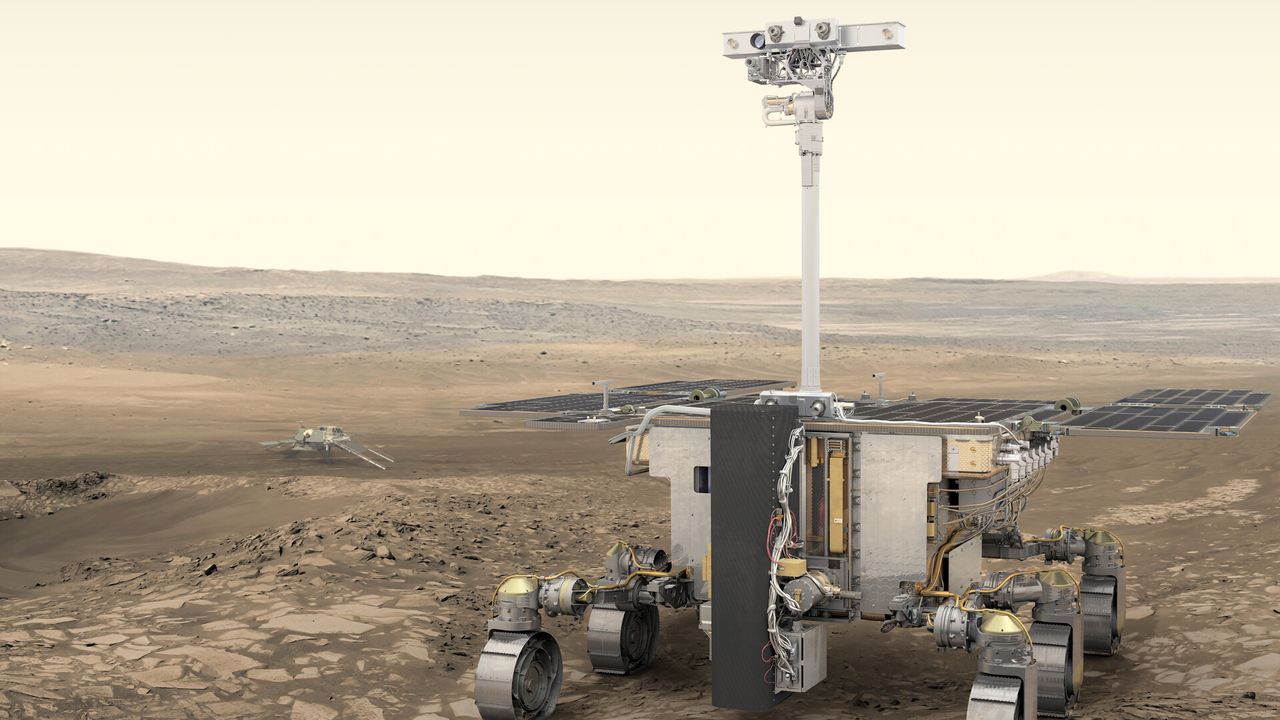
ESA's ExoMars Rosalind Franklin Rover Targets Oxia Planum for Life Detection in Clay
The European Space Agency (ESA) is advancing its ExoMars Rosalind Franklin rover mission, aiming for a 2028 launch to investigate Oxia Planum on Mars. This site is believed to have once harbored significant water, with extensive clay deposits extending approximately 186 miles (300 kilometers) towards Mawrth Vallis. The rover will utilize onboard instruments to analyze these clays for potential biosignatures of ancient Martian life. The significance of this mission lies in the historical context of Mars, where water is thought to have existed in substantial quantities until around three billion years ago. The presence of clay minerals at Oxia Planum suggests that this region may have been shaped by large-scale geological processes involving water, potentially creating habitats conducive to early life. The findings from previous orbital studies using the OMEGA instrument and NASA's Mars Reconnaissance Orbiter have bolstered the hypothesis that ancient Mars had a more hospitable environment. Looking ahead, the ExoMars mission is poised to provide critical insights into Mars' geological history and its capacity to support life. The rover's ability to drill beneath the surface will enhance our understanding of the ancient environment and the implications for Mars' climate. No further timeline was disclosed at the time of publication regarding specific mission milestones beyond the planned 2028 launch.
Search for Life Space Exploration
MIT and EPFL Develop Flapping Robot for Aerial and Aquatic Exploration
Engineers from MIT and EPFL have created a flapping-wing aerial-aquatic vehicle (FAAV) that weighs under 300 grams. This robot can swim underwater and transition to flight, mimicking the behavior of diving birds. The research, published in Science, showcases the robot's ability to adapt its mechanics for both mediums, which differ significantly in density and resistance. The significance of this development lies in its potential applications in oceanography and environmental monitoring. The FAAV can access areas that are typically hazardous for traditional vessels, allowing scientists to collect data from locations such as icebergs or marine habitats. This innovation could reduce operational costs and enhance data collection efficiency in marine research. Looking ahead, the research team aims to refine the FAAV's design and functionality. Future experiments will likely focus on optimizing the robot's performance in various aquatic environments. No further timeline was disclosed at the time of publication.
Bioinspiration Drones Mechanical engineering Oceanography and ocean engineering Research Robotics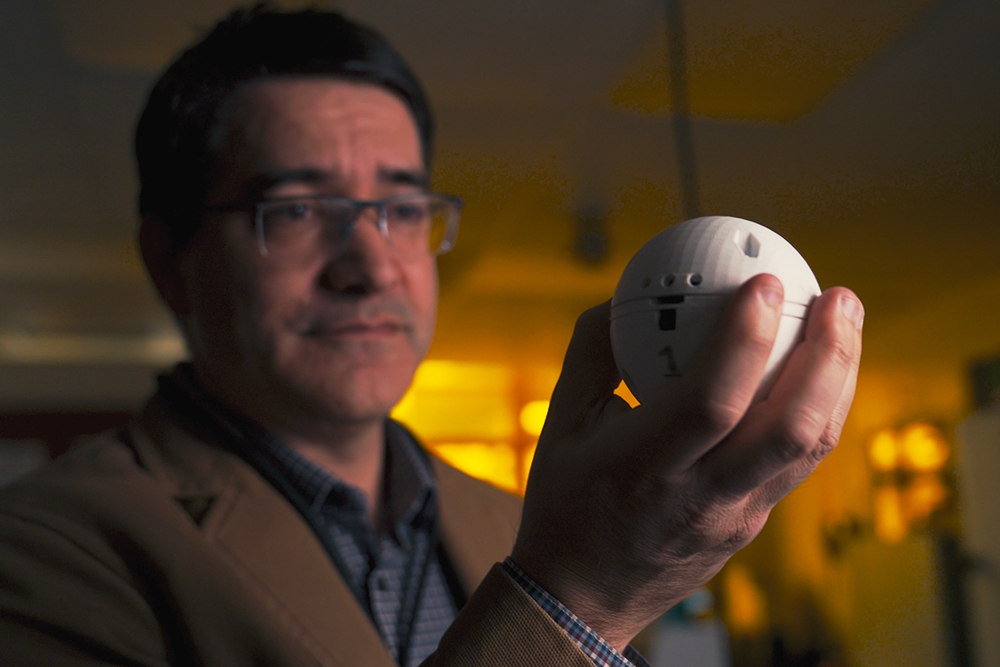
MIT Lincoln Laboratory Develops TOSSIT Sensor for Chemical Threat Detection
MIT Lincoln Laboratory has introduced the Tactical Optical Spherical Sensor for Interrogating Threats (TOSSIT), a baseball-sized device capable of detecting hazardous vapors and aerosols. Designed for military and first responder use, TOSSIT can be thrown, drone-dropped, or launched into areas of concern. The sensor utilizes an internal camera and a removable dye card to identify chemical threats, alerting users through an app or alarms when dangerous substances are detected. The significance of TOSSIT lies in its ability to address a critical gap in chemical detection capabilities. According to principal investigator Richard Kingsborough, this low-cost sensor option is essential for identifying toxic dust particles and other chemical threats that smaller deployed sensor systems typically overlook. This innovation is particularly relevant in contexts involving nerve agents, blister agents, and industrial chemical accidents, enhancing safety for military personnel and first responders. Looking ahead, TOSSIT is undergoing a transfer process to the U.S. military following extensive field testing. No further timeline was disclosed at the time of publication, but the deployment of such technology could significantly improve situational awareness and response capabilities in hazardous environments.
Research Sensors Public health Invention 3-D printing Mechanical engineering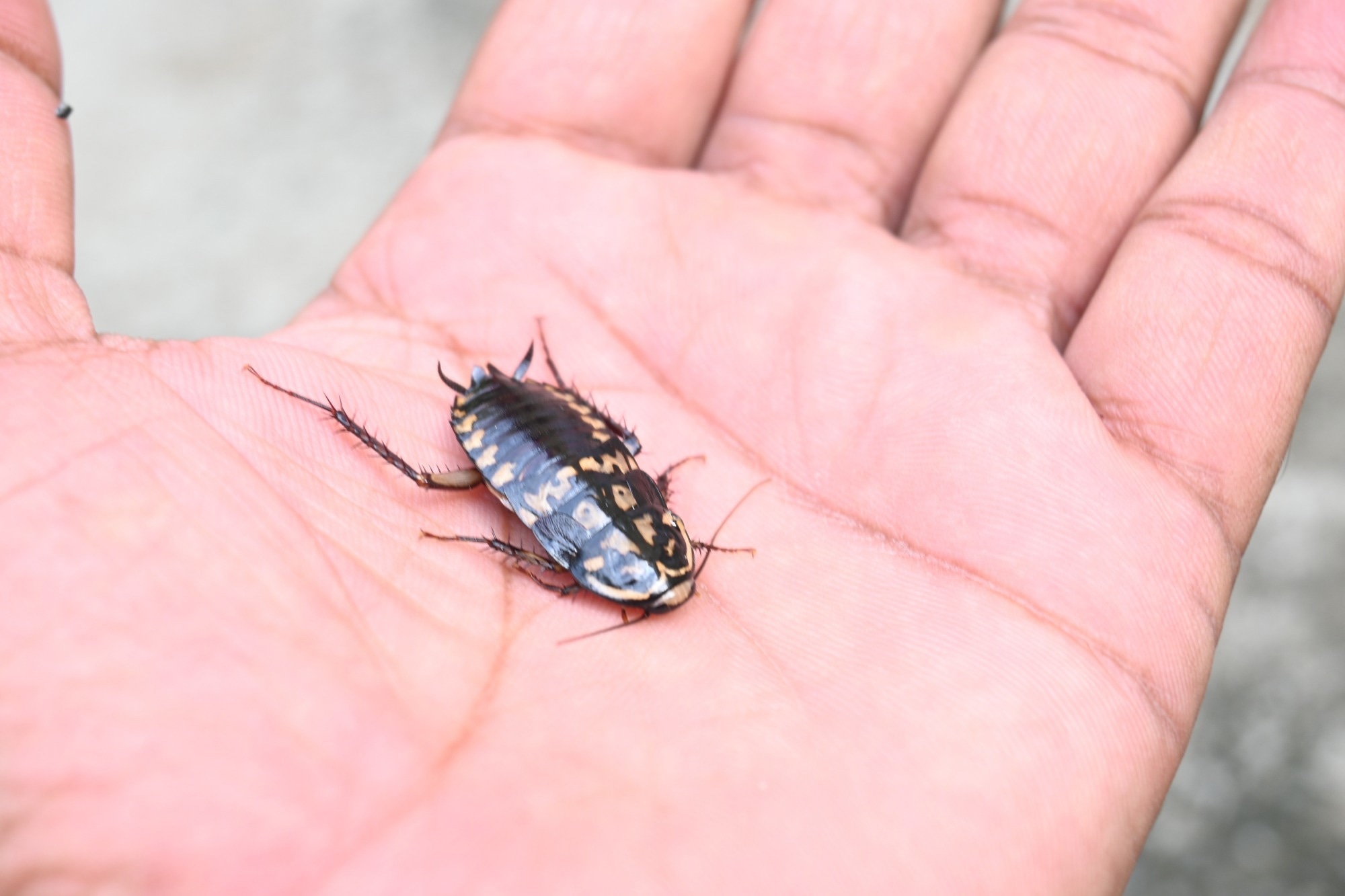
Cyborg Cockroaches Equipped with Diving Suits Achieve Three-Hour Submersion
Researchers have developed a miniature diving suit for cyborg cockroaches, allowing them to navigate both land and water environments. This innovation enables the cockroaches to survive underwater for up to three hours, showcasing their amphibious locomotion capabilities. The study highlights the potential applications of biohybrid systems in hazardous environments, where traditional robots may struggle to operate effectively. The significance of this development lies in its implications for search and rescue operations, environmental monitoring, and exploration of submerged terrains. By integrating biological organisms with robotic technology, researchers aim to enhance the adaptability and functionality of robotic systems in challenging conditions. This approach could lead to advancements in the field of biohybrid robotics, where living organisms and machines work in tandem. Looking ahead, the research team is expected to explore further enhancements to the diving suit's design and functionality. No further timeline was disclosed at the time of publication, but ongoing studies may reveal additional capabilities or applications for these cyborg cockroaches in various operational scenarios.
Robotics needs a service framework.
RSF defines a common language for robot service capability, lifecycle operations, certification pathways, and service-provider networks.