

Industry Briefing
A single destination for timely, editor-curated robotics news from around the world.
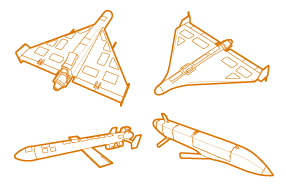
Jet Drones Enhance Russia's Capabilities in the Ongoing Drone Conflict in Ukraine
Jet drones have emerged as a significant innovation in the ongoing conflict in Ukraine, providing Russia with enhanced combat capabilities. These advanced robotic systems are designed to operate in the challenging conditions of warfare, showcasing their potential effectiveness in aerial combat scenarios. The introduction of jet drones is crucial as it represents a shift in military technology, allowing for more agile and responsive operations in combat. This advancement may alter the dynamics of the conflict, giving Russia a tactical advantage in drone warfare. As the situation evolves, it will be important to monitor the deployment and effectiveness of these jet drones in combat. Their performance could influence future military strategies and the overall outcome of the conflict in Ukraine. No further timeline was disclosed at the time of publication.
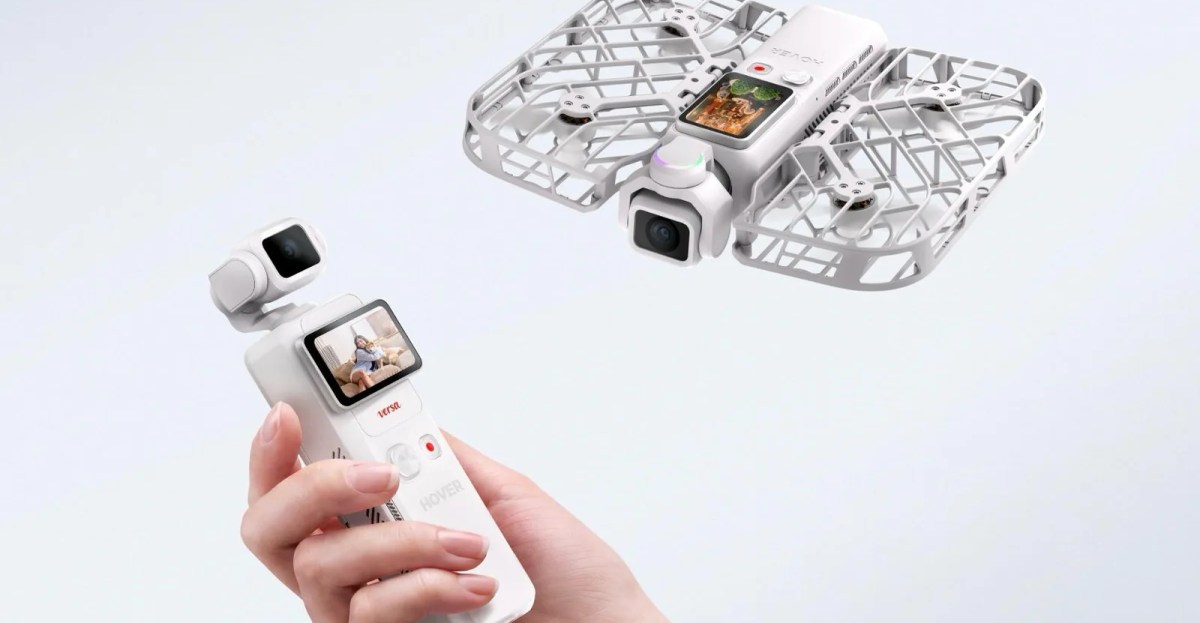
HoverAir Versa Explores Loophole in FCC's Drone Ban with New Design
HoverAir has introduced the Versa, a device that claims to circumvent the FCC's drone ban by presenting itself as a mini steadycam with detachable propellers. This innovative approach comes after the U.S. government imposed a ban on foreign drones in December 2025, impacting HoverAir's previous models. The significance of this development lies in the potential regulatory implications for foreign drone manufacturers. HoverAir's strategy hinges on the assertion that the Versa is not a drone but an accessory, which has led to FCC approval for its camera component. However, the underlying complexities of the FCC's regulations raise questions about the long-term viability of this loophole. As HoverAir launches the Versa on Indiegogo, industry observers will be watching closely to see if the FCC challenges this classification. The outcome could set a precedent for how similar devices are treated under current regulations, particularly regarding the definition of critical components in UAS technology.
Analysis Cameras Drones Gadgets Report Tech
Giving drones a sense of 'pain' could help them predict instability before it happens
In a recent discussion on the limitations of current drone technology, experts highlighted the inability of drones to adapt to mechanical failures, such as a worn-out propeller. Drawing a parallel to human resilience, they explained that just as a person instinctively alters their running style after spraining an ankle to avoid exacerbating the injury, drones lack the capability to modify their operation in response to equipment malfunctions. This limitation raises concerns about the reliability and safety of drone operations, particularly in critical applications. The conversation underscores the need for advancements in drone technology that would enable these machines to recognize and respond to mechanical issues autonomously, enhancing their functionality and performance in various environments.
Robotics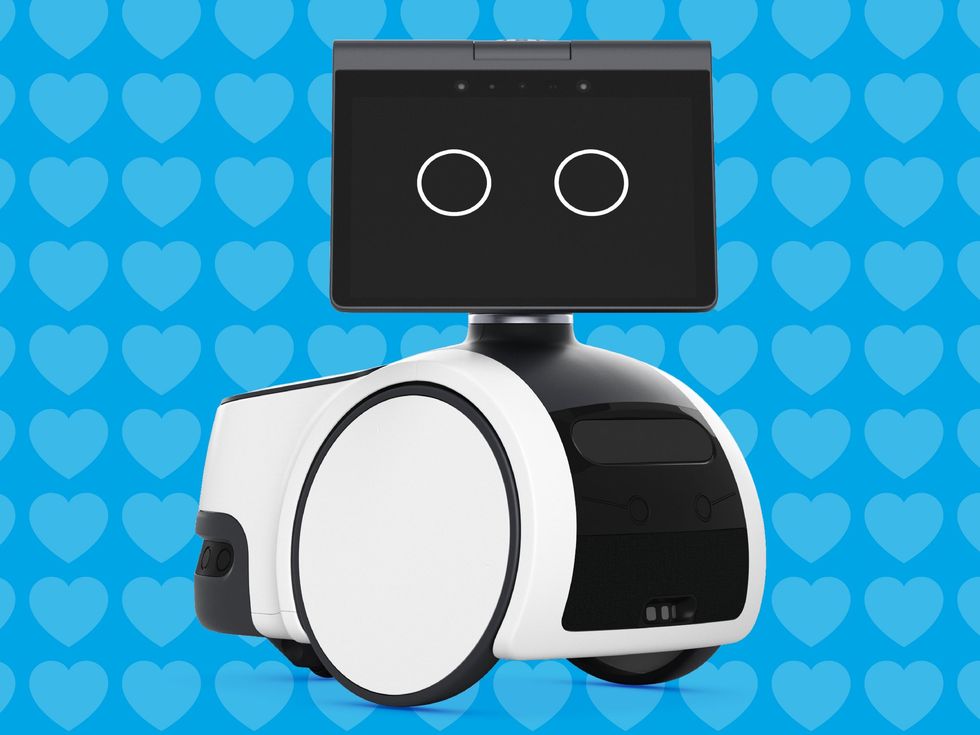
What Amazon’s Astro Taught Me About Giving Robots a Soul
In 2018, Amazon appointed a lead UX Sound Designer to develop Astro, its first consumer home robot capable of navigating and interacting within homes. The team faced a critical decision: whether to position Astro as an extension of Alexa or as a distinct character. Ultimately, user testing revealed that people preferred Astro as its own entity, leading to the decision to have Alexa serve as a supporting character while Astro communicated through sound, motion, and facial expressions. The design process involved defining Astro's character, which included determining its emotional range and how it would express uncertainty without losing user trust. The team emphasized the importance of a cohesive character, as inconsistencies could lead to a disjointed user experience. Astro's wake-up sequence, characterized by a blend of sound and motion, became a highlight during testing, with users describing it as "alive." Despite progress, the team acknowledged that character development often takes a backseat in product design, which can lead to lifeless devices. The designer urged product leaders to prioritize character definition early in the design process, integrate story and sound into character development, and design for adaptability to create more engaging and responsive products. The full narrative detailing these insights is available on Medium.
Amazon Astro Consumer-robotics Home-robots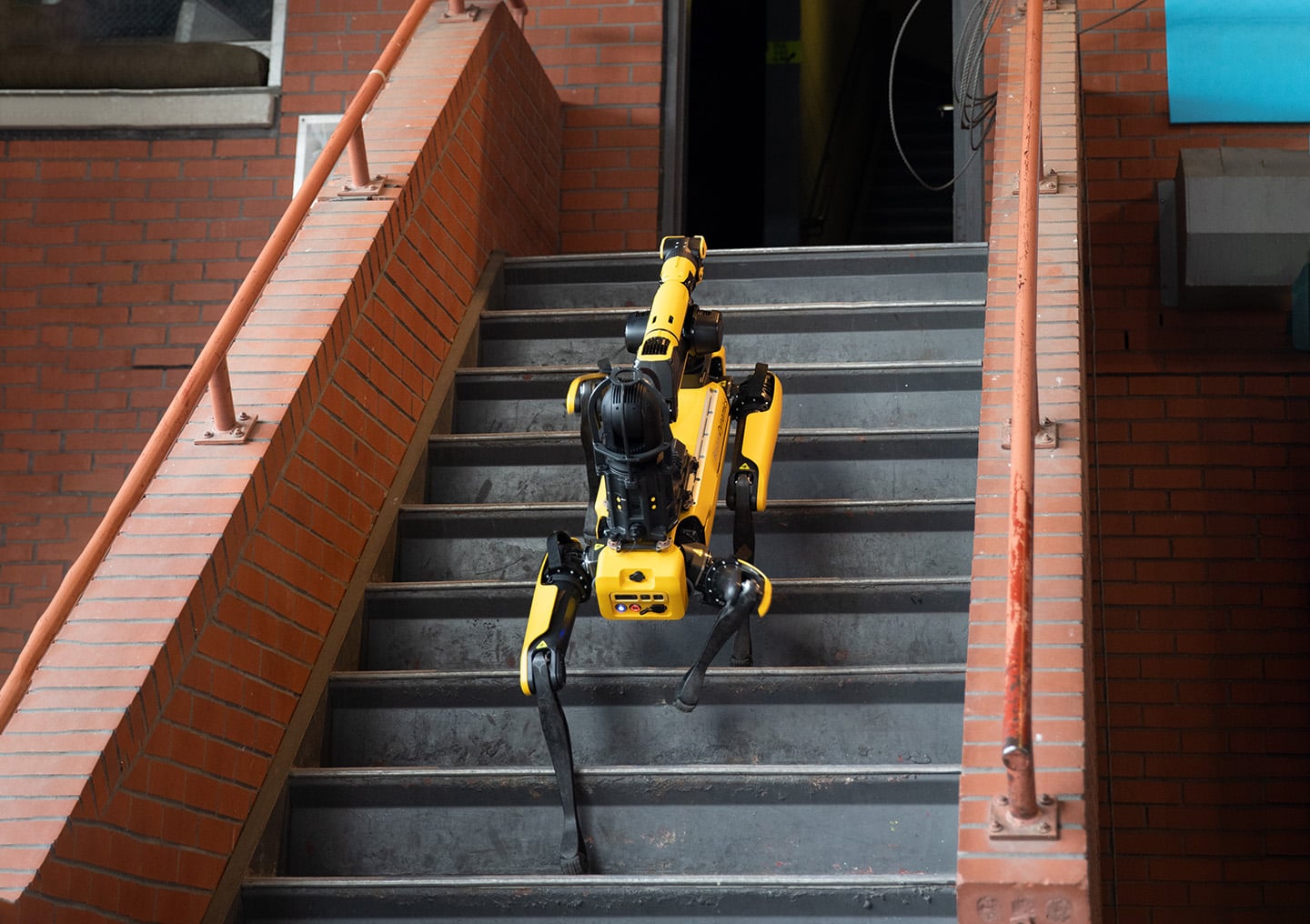
Giving First Responders an Advantage with Autowalk | Boston Dynamics
Public safety agencies are increasingly utilizing Spot, an advanced robotic technology, to enhance their emergency response strategies. By mapping out facilities prior to potential crises, these agencies aim to provide responding teams with critical information and a strategic advantage during emergencies. This proactive approach allows for better preparedness and more efficient management of incidents, ultimately improving safety outcomes. The implementation of Spot's mapping capabilities is expected to streamline operations and facilitate quicker decision-making when emergencies arise.
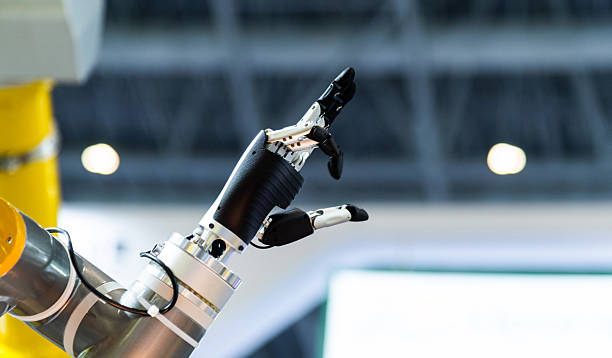
Giving Autonomy to Empty‐Headed Robots: Design and Deployment Challenges
The Journal of Field Robotics has published an early view article highlighting advancements in robotic technology. Researchers from various institutions have collaborated to explore innovative applications of robotics in diverse fields, including agriculture, healthcare, and environmental monitoring. This publication, released in October 2023, underscores the growing importance of robotics in addressing complex challenges faced by society. By leveraging cutting-edge algorithms and machine learning techniques, the study aims to enhance the efficiency and effectiveness of robotic systems. The findings are expected to contribute significantly to the ongoing discourse on the integration of robotics into everyday life, ultimately improving productivity and sustainability across multiple sectors.
RESEARCH ARTICLE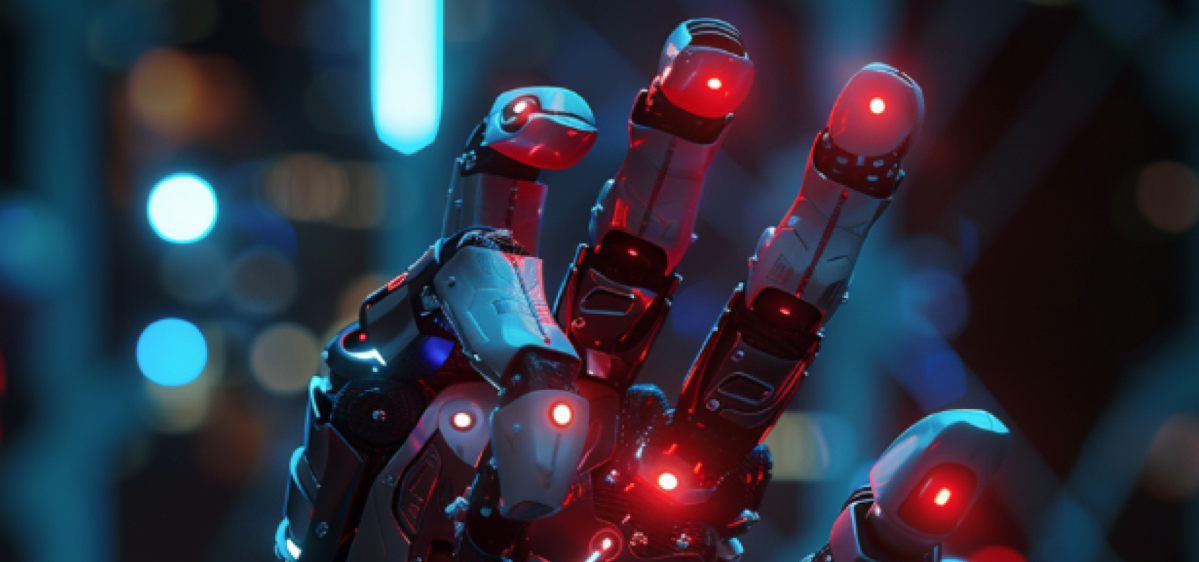
Exploring physical AI: Linkerbot works on giving robots human-like hands to act in the real world
Linkerbot, a robotics company, is advancing the integration of artificial intelligence into the physical realm by developing robotic hands that mimic human dexterity. This initiative comes as AI technology continues to evolve, moving beyond digital applications to interact with the real world. The company's focus on creating hands that can perform tasks with human-like precision aims to enhance the functionality of robots in various industries. NVIDIA CEO Jensen Huang has highlighted the significance of such innovations, emphasizing the potential for these advancements to revolutionize how machines operate in everyday environments. As Linkerbot pushes the boundaries of robotics, the implications for automation and human-robot collaboration are becoming increasingly profound.
On the Cusp AI Highlight News Robotics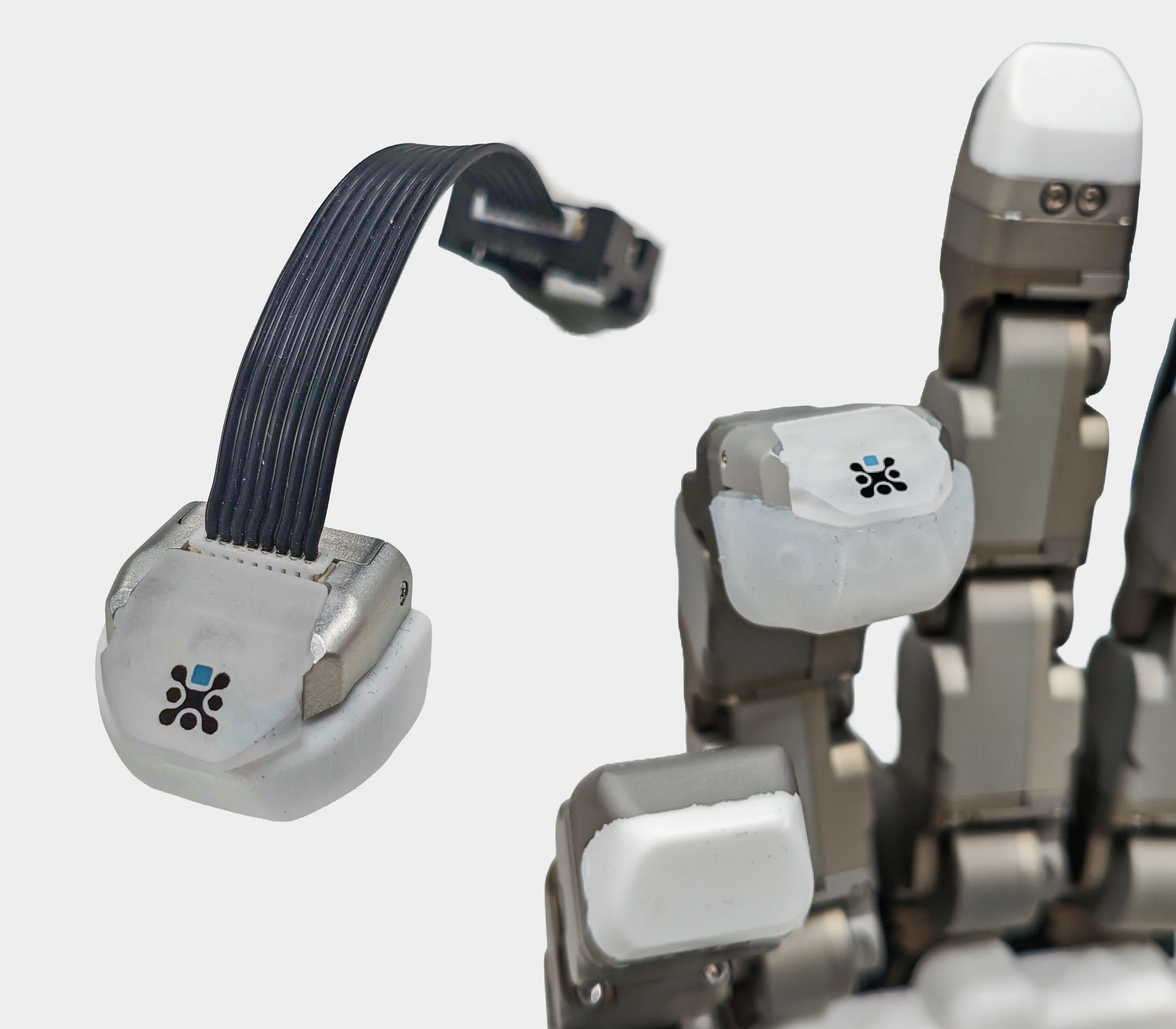
Giving the Robot Fingerprints: XELA Robotics Shrinks Sensors for Tesollo Hand Integration
Waseda University has announced a significant advancement in tactile sensor technology, unveiling a roadmap for the development of higher-density sensors. This innovation is set to enhance the capabilities of the Tesollo DG-5F hand, a robotic device designed for improved dexterity and sensitivity. The announcement, made in October 2023, highlights the university's commitment to pushing the boundaries of robotics and sensor integration. By increasing the density of tactile sensors, researchers aim to provide more nuanced feedback, which is crucial for applications in robotics, prosthetics, and human-computer interaction. This integration is expected to lead to more responsive and adaptable robotic hands, ultimately improving user experience and functionality in various fields.
hand xela-roboticsRobotics needs a service framework.
RSF defines a common language for robot service capability, lifecycle operations, certification pathways, and service-provider networks.
Join the RobotToday community on LinkedIn
Daily robotics news, in-depth analysis, conference highlights, and discussions with professionals worldwide.







