

Industry Briefing
A single destination for timely, editor-curated robotics news from around the world.

Over 400 Companies in Crop Robotics: Insights on Adoption and Growth
More than 400 companies globally are now engaged in developing robotics for food crop production, marking a 20% increase since 2024. Despite this surge in suppliers, the adoption of these technologies on farms has not kept pace. The 2026 Crop Robotics Landscape report highlights areas where robots are effectively gaining traction, as discussed by growers and industry experts. The disparity between the rapid growth of crop robotics companies and the slower adoption rates on farms raises important questions about the technology's readiness for widespread use. Industry experts, including Chris Taylor from The Mixing Bowl, emphasize the need for distinguishing between promising innovations and those that are already proving effective in agricultural settings. Looking ahead, stakeholders in the agricultural sector should monitor the evolving landscape of crop robotics to identify which technologies are gaining real traction. No further timeline was disclosed at the time of publication.
Field robots robotics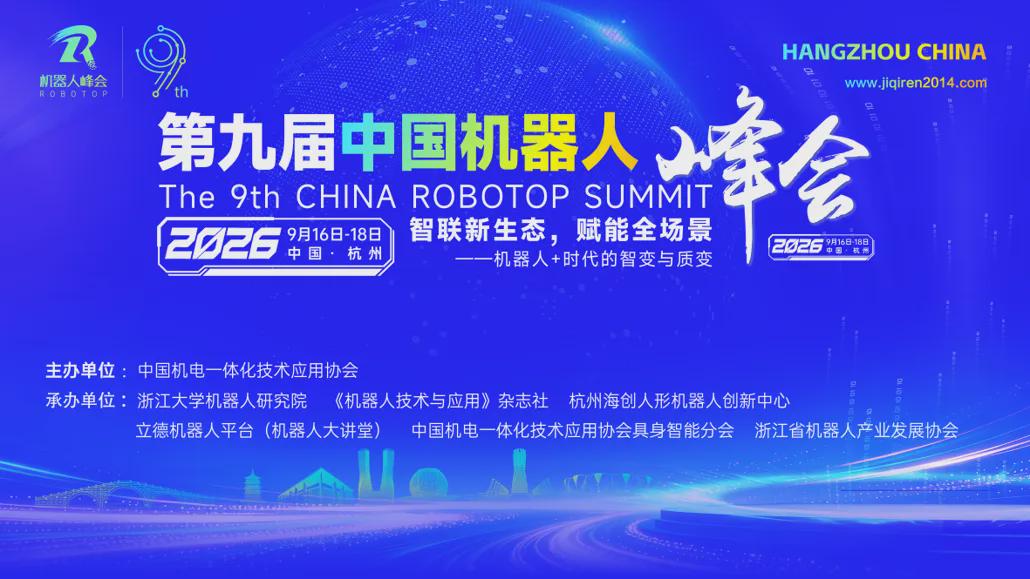
Over 30 Companies Participate in the 9th China Robotics Summit in Hangzhou
The 9th China Robotics Summit took place on September 17-18 in Hangzhou, featuring over 30 companies and institutions. The event highlighted advancements in robotics, including humanoid, quadruped, industrial, service, and special robots, showcasing the industry's shift from basic functionalities to real-world applications. This summit is significant as it reflects the evolving landscape of robotics, where competition now hinges on comprehensive industrial collaboration rather than isolated components or algorithms. The focus has shifted towards the integration of AI, cloud computing, and advanced sensors, which enhance robots' capabilities in understanding environments and executing tasks. Looking ahead, the industry is expected to continue evolving, with an emphasis on how robots perceive their surroundings, understand tasks, and make decisions. The integration of key components such as dexterous hands, sensors, and precision manufacturing systems will play a crucial role in enhancing product performance and production efficiency.
Robotics AI System Integration Industrial Automation Supply Chain
MassRobotics Survey Reveals Impact of FCC's Robotics Ruling on Companies
A recent survey conducted by MassRobotics highlighted the varying effects of the FCC's July 2026 decision to include foreign-produced advanced robotics devices on its Covered List. Companies manufacturing primarily in the U.S. generally perceived the ruling positively, while those reliant on overseas production reported neutral or negative impacts, particularly concerning sourcing essential components like motors and sensors. The survey, which gathered responses from 14 companies between August 17 and August 23, 2026, indicated that the ruling's influence on product roadmaps was more disruptive than on fundraising efforts. Some companies expressed a desire for a vetted domestic supplier network and clearer regulatory guidance, while others already compliant with the ruling saw it as a competitive advantage. Looking ahead, the survey results suggest that the impact of the FCC ruling will continue to vary based on manufacturing locations and component sourcing. Companies are urged to adapt their supply chains, with many requesting additional support to navigate the regulatory landscape. No further timeline was disclosed at the time of publication.
AI AI Funding & Investment AI Policy & Regulation Robotics Covered List FCC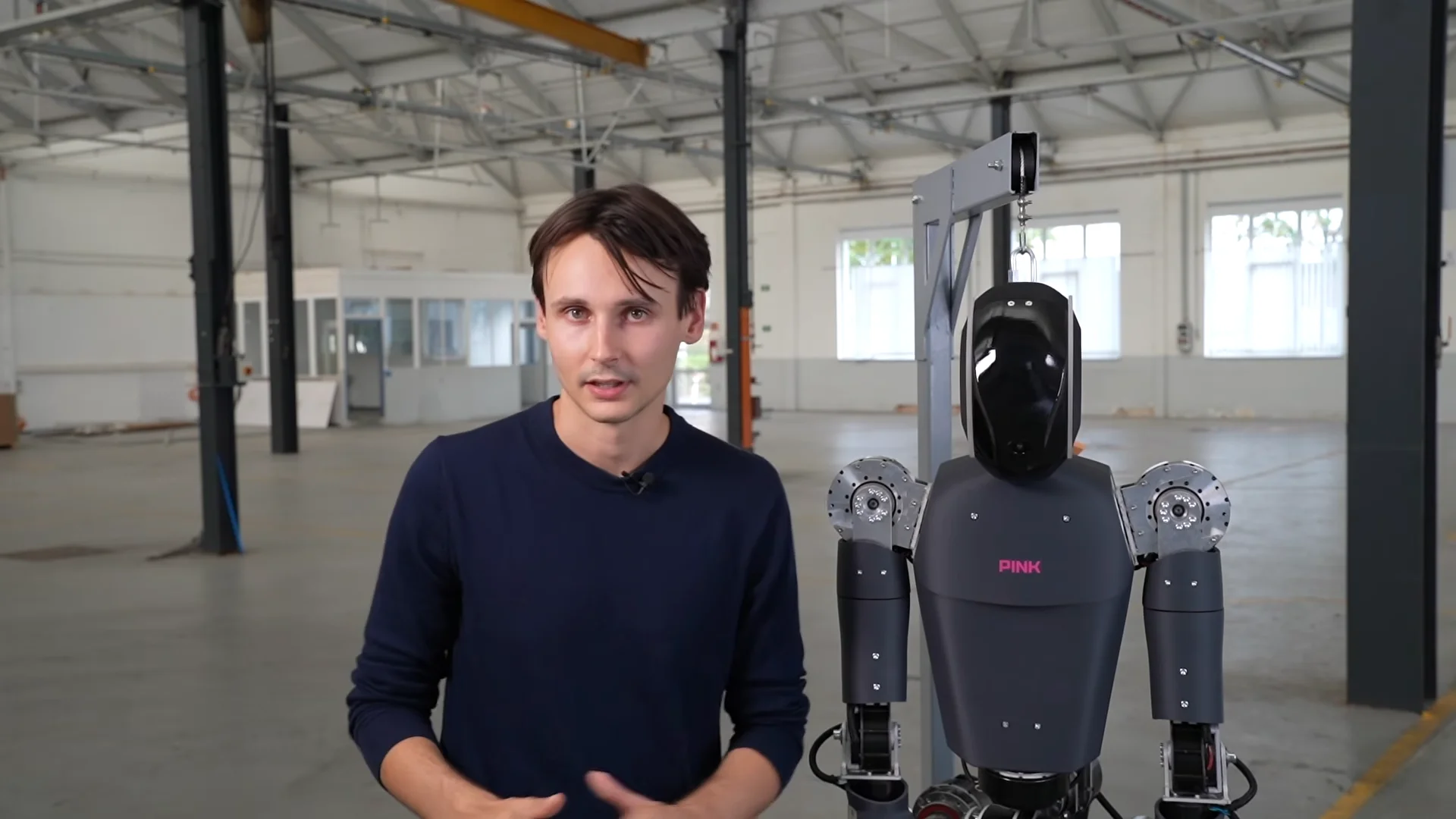
Pink Robotics Launches P0 Humanoid Prototype to Revitalize Germany's Industrial Sector
Pink Robotics, a new startup from Darmstadt, Germany, has unveiled its first humanoid prototype, the P0, aiming to address the country's industrial challenges. Founded by engineer Christopher Helmke, the company seeks to reposition Germany in the global robotics race, which is currently dominated by the U.S. and China. Helmke's dissatisfaction with the current state of German robotics, particularly after attending Hannover Messe, has fueled this initiative. The emergence of Pink Robotics is significant as it highlights the urgent need for innovation in Germany's robotics sector, which Helmke believes is lagging behind competitors. With major players like NEURA Robotics and Agile Robots leading the market, Helmke argues that the country requires a new industrial focus beyond its traditional automotive sector. The P0 humanoid is designed to integrate into existing facilities, showcasing advanced engineering with a mechanical chassis that offers extensive motion capabilities. Looking ahead, the success of Pink Robotics will depend on its ability to capture market interest and secure funding to compete with established players. Helmke's vision for the company reflects a broader call for revitalization in Germany's industrial landscape, emphasizing the importance of adapting to new technological demands. No further timeline was disclosed at the time of publication.
Pink Robotics Europe
Improving Visibility for Robotics and Automation Companies in AI Search Platforms
Search behavior is evolving, with buyers of industrial robots and automation systems increasingly utilizing AI assistants like ChatGPT, Gemini, and Perplexity. These platforms summarize information from various sources, leading to a predicted 25% decline in traditional search volume by 2026, according to Gartner. This shift underscores the importance of Generative Engine Optimization (GEO) and related practices, prompting businesses to invest in specialized tools. Peec AI is a notable GEO platform that helps brands measure their visibility across AI search experiences. It offers insights into citation performance and competitor analysis, with subscription plans starting at $95/month. Serving over 2,500 brands, Peec AI is particularly beneficial for B2B SaaS companies and robotics businesses looking to benchmark their AI visibility. LightSite AI Ltd. complements this by combining AI visibility monitoring with automated optimization, making it relevant for robotics manufacturers. Its tiered subscription starts at $129/month, and it employs a workflow that enhances AI discoverability. As AI assistants become more prevalent, companies in the robotics sector should consider these tools to maintain competitive visibility in search results.
Business Software Technology ai search ai search optimization ai seo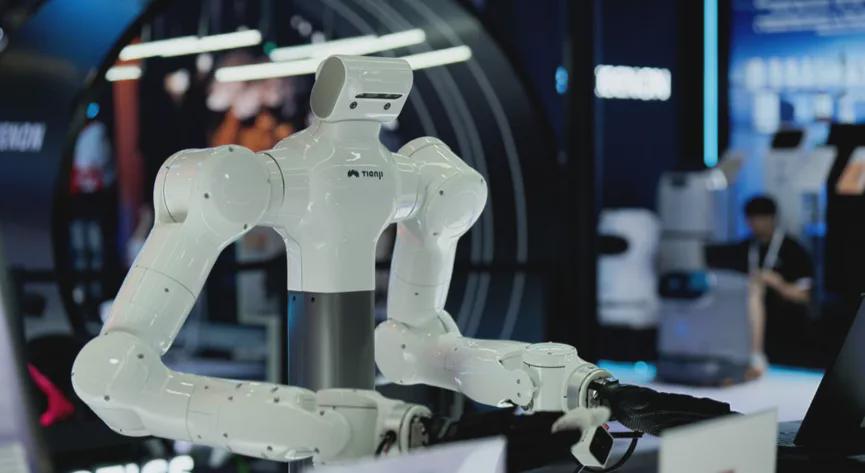
At WAIC 2023, Robotics Companies Pursue Divergent Strategies for Industry Advancement
At the WAIC 2023, the AI and robotics sectors have become increasingly intertwined, with robotics taking center stage. Various robotic technologies, including humanoid and dual-arm robots, were prominently displayed, showcasing their capabilities and advancements. This year marked a shift in focus from generative AI to the robotics industry, highlighting the evolution of robots and their functionalities. The event revealed a divergence among robotics companies. Some continue to emphasize the capabilities of robots, demonstrating their speed, precision, and fluidity in performing tasks, which captivates public and investor interest. In contrast, companies like Tianji focus on the stability and safety of robotic operations, emphasizing the interaction between AI models and physical environments, thus addressing the practical applications of robotics in real-world scenarios. This shift in focus from capability to foundational infrastructure signifies a critical transition in the robotics industry. As companies recognize that the limitations to robotics deployment may lie in the supporting infrastructure rather than the robots themselves, the industry is poised for a redefinition of what it means for robots to operate effectively in various environments, including factories and homes. No further timeline was disclosed at the time of publication.
Robotics AI Industrial Automation Physical Intelligence
MISUMI Americas Unveils $50 Million MISUMI Ventures Fund for Hardware and Robotics Startups
MISUMI Americas has launched MISUMI Ventures, a $50 million venture fund aimed at supporting early-stage companies in hardware, robotics, and related sectors. This initiative aligns with MISUMI Group's broader $1 billion global investment vision, providing startups with access to a robust global manufacturing supply chain from day one. The establishment of MISUMI Ventures is significant as it focuses on sectors such as aerospace, medtech, clean energy, and industrial AI, which are critical for technological advancement and innovation. By investing in these areas, MISUMI aims to foster growth and development in industries that are pivotal to the future of manufacturing and automation. Looking ahead, MISUMI Ventures plans to make its first investment by the end of 2026. Stakeholders should monitor the fund's activities closely, as it may influence trends in venture capital investment within the hardware and robotics sectors, potentially shaping the landscape for emerging technologies.

Over 40 Robotics Companies Present Innovations at Bund Conference; Youdi Robot Surges 150% on Debut
The Bund Conference showcased over 40 robotics firms from September 9 to 12, emphasizing practical applications in pharmacies and factories. This shift from traditional demonstrations to real-world tasks highlights the industry's evolution towards operational efficiency. Youdi Robot made a significant debut on the Hong Kong Stock Exchange, surging over 150%, marking it as the first AI-conscious robot stock in the market. This performance has positively influenced investor sentiment in the robotics sector, with related ETFs and stocks experiencing gains. The conference's focus on practical applications signals a shift in the robotics industry, moving from mere demonstrations to addressing specific business processes. As robotics firms increasingly engage in real-world tasks, the implications for market valuations and investor expectations are noteworthy. No further timeline was disclosed at the time of publication.
Robotics AI Stock Market Industrial Automation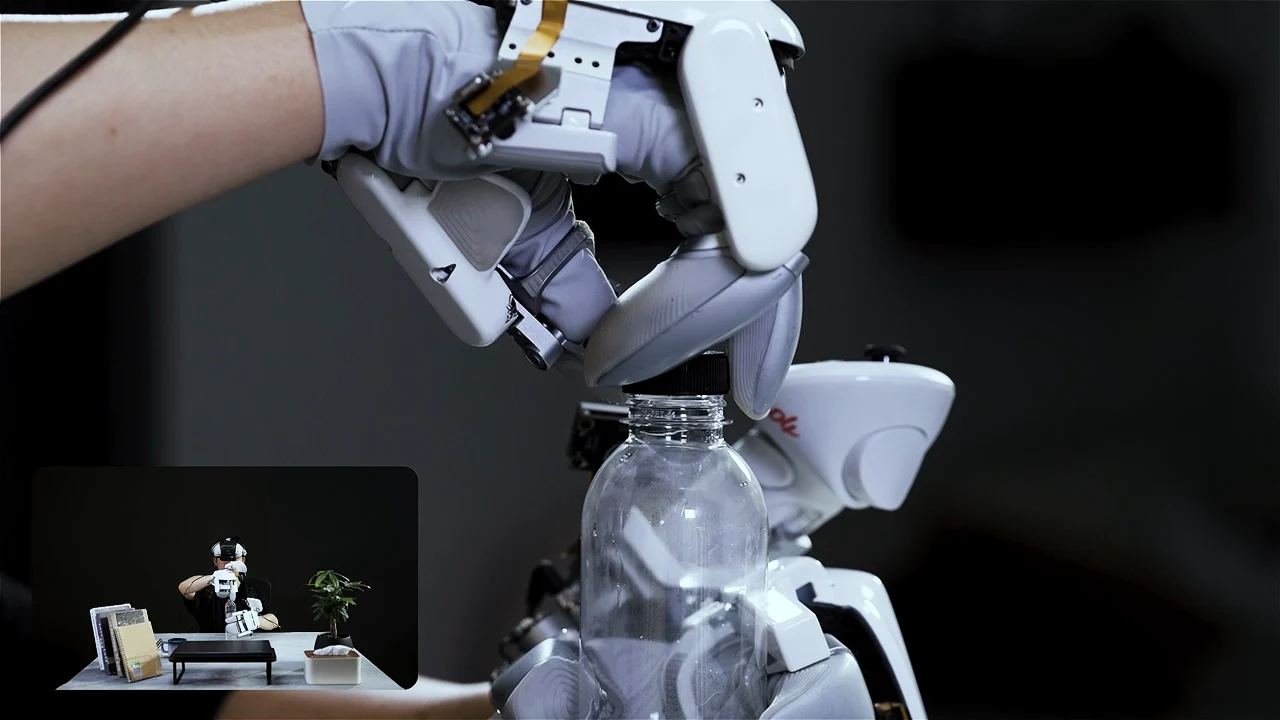
The Rise of Data Collection in Robotics: UMI and Its Impact on Manipulation Techniques
A new trend in robotics focuses on data collection for manipulation tasks, exemplified by projects like Sunday Robotics' Skill Capture Glove and X Square Robot's TwinDEX. These innovations aim to gather useful manipulation data without needing a complete robot for each demonstration, highlighting the significance of the Universal Manipulation Interface (UMI) introduced in 2024. The UMI's handheld gripper, which incorporates a GoPro, allows users to teach robots skills in everyday settings while leaving the robot behind. This approach emphasizes the importance of early engineering decisions regarding data collection methods, which can significantly influence the robot's learning process and overall performance. Looking ahead, the evolution of data collection tools like UMI and Dobb·E's “The Stick” will continue to shape how robots learn from human demonstrations. No further timeline was disclosed at the time of publication.
Data Collection Sunday Robotics Reward AI XSquare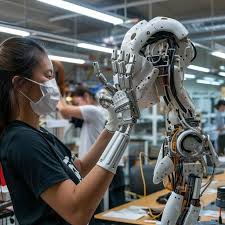
Xiamen Tong'an District Launches Investment Model with 'Scenario Lists' for Robotics Firms
At the 26th China International Investment and Trade Fair, Xiamen's Tong'an district unveiled an innovative investment strategy using 'scenario lists' to highlight specific market demands in robotics and smart technology. This initiative is designed to draw in global companies by tackling key challenges within the hard tech industry. The introduction of 'scenario lists' is significant as it aims to stimulate collaboration and innovation across various sectors, including artificial intelligence and smart construction. By clearly defining market needs, Tong'an district seeks to create a conducive environment for robotics firms to thrive and contribute to technological advancements. Looking ahead, it will be important to monitor how effectively this investment model attracts international enterprises and whether it leads to tangible developments in the robotics sector. No further timeline was disclosed at the time of publication.
Robotics Smart Technology Investment AI Construction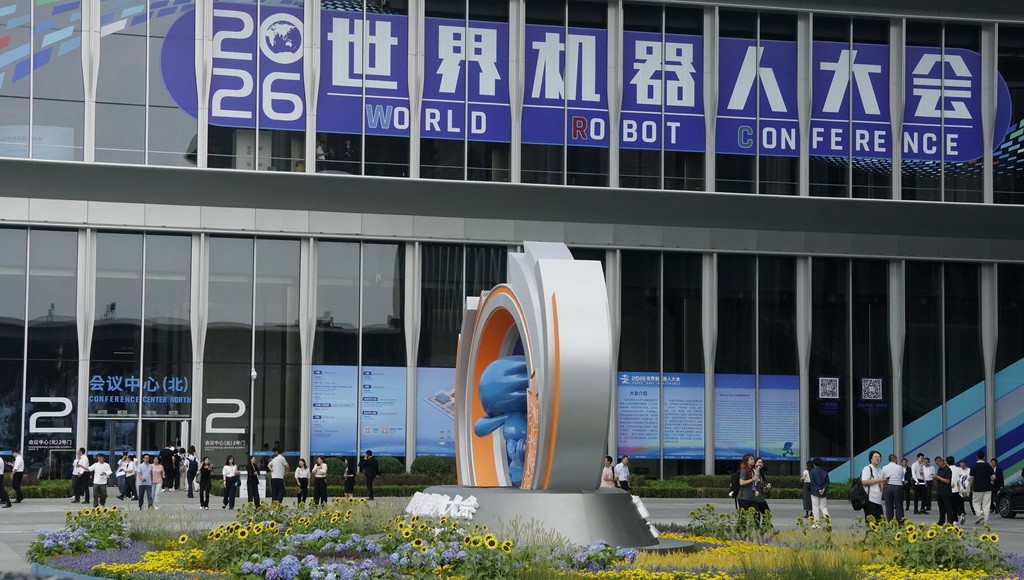
Importance of Timing Over Strategy in Marketing for Robotics Companies
The WAIC 2026 event showcased a significant emergence of robotic forms, attracting numerous data-seekers despite the absence of robots at some booths. This highlights a growing interest in embodied intelligence and its market potential. The event's focus on embodied intelligence underscores the importance of timing in capitalizing on market trends. With a reported funding of 5 billion and a valuation of 20 billion in the edge intelligence sector, the market is poised for a critical evaluation phase. Looking ahead, industry observers should monitor how these developments in embodied intelligence will influence future investments and market strategies. No further timeline was disclosed at the time of publication.
Robotics Automation AI
Over 300 Companies Present Robotics Applications at WRC 2026 Amid Technical Debates
The 11th World Robot Conference held in Beijing Yizhuang featured over 300 companies showcasing robots performing various applications. This event highlighted the advancements in robotics technology and its practical implementations in real-world scenarios. Despite the impressive demonstrations, closed-door sessions at the conference revealed ongoing debates regarding the technical routes for embodied intelligence. This divergence in approaches underscores the complexity and evolving nature of robotics technology. Looking ahead, industry stakeholders will be keen to monitor how these technical discussions evolve and influence future developments in robotics. No further timeline was disclosed at the time of publication.
Over 50 Robotics Firms Seek Listing on Hong Kong Stock Exchange
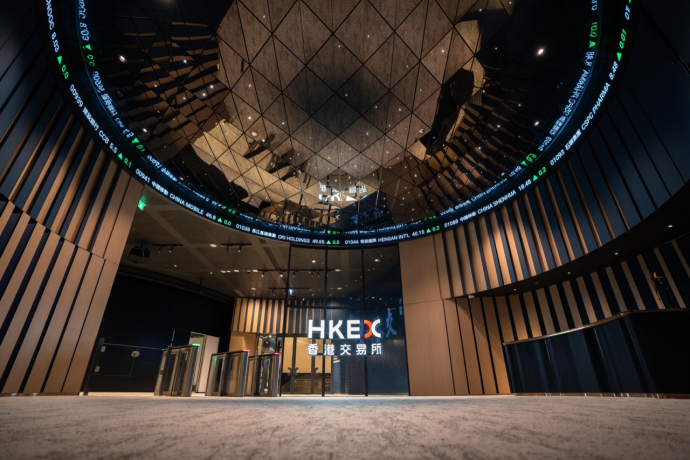
As of August 11, over 50 robotics and embodied intelligence companies are in various stages of listing on the Hong Kong Stock Exchange. This surge follows the recent IPO of Jing Tai Holdings, the first company under the new Chapter 18C listing rules, which cater specifically to specialized technology firms. The growing interest in the Hong Kong market highlights the rapid capitalization of robotics and related industries, with companies like Zhi Yuan Robotics aiming for a valuation of HKD 40-50 billion. The market is witnessing a shift from technology validation to mass production, as firms seek to prove their capabilities and secure large-scale orders. Looking ahead, the implementation of Chapter 18C listing rules has attracted numerous early-stage robotics companies, with 10 of the 51 firms in the queue opting for this pathway. This trend indicates a significant move towards commercialization and the potential for increased investment in the robotics sector in the coming years.
Robotics Stock Market Embodied Intelligence Technology Companies
Agility Robotics Enters SPAC Deal Valued at $2.5 Billion Amid Industry Shift
On June 24, Agility Robotics Inc. announced a definitive business combination agreement with Churchill Capital Corp XI, a SPAC, valuing Agility at a $2.5 billion pre-money equity valuation. This transaction is significant as it reflects a growing trend among robotics companies to pursue non-traditional paths to public markets, particularly in light of labor shortages and the increasing need for automation. The deal is expected to generate approximately $620 million in gross transaction proceeds, including $200 million from a private placement of public equity led by Foxconn. As traditional IPO routes become more challenging, de-SPAC transactions may offer a viable alternative for robotics firms seeking capital and public market access. The transaction is anticipated to close in 2026, pending shareholder approval and regulatory reviews. Agility's move follows a similar path taken by Serve Robotics Inc., which completed a reverse merger with Patricia Acquisition Corp. in July 2023. As the robotics industry evolves, stakeholders should monitor how these financial strategies impact the growth and deployment of robotics technologies in various sectors.
Analysis Autonomous Mobile Robots (AMRs) Financial Humanoids Investments Mergers & Acquisitions
U.S. FCC Expands Robot Ban, Impacting Foreign Robotics Industry and Supply Chains
On July 28, the U.S. Federal Communications Commission (FCC) expanded its 'Covered List' to include mobile robots over 2 kilograms and certain power inverters, effectively banning new imports from foreign countries. This decision, driven by the Department of Defense, aims to mitigate risks associated with advanced robotic devices, which the FCC claims pose cybersecurity threats to U.S. national security. The implications of this ban are significant for the robotics industry, particularly for companies in allied countries that may face restrictions similar to those imposed on Chinese technology. The FCC's definition of 'advanced robotic devices' includes mobile systems with onboard sensing and autonomy, while existing certified devices remain unaffected. The U.S. government emphasizes the need for a domestic supply chain to ensure economic and military independence from foreign manufacturers. As the robotics community reacts, some American companies may benefit from reduced competition, while others express concerns about the potential for third-country buyers to continue relying on Chinese products. The deadline for foreign companies to submit applications for FCC authorization is set for January 1, 2028, raising questions about future developments in the industry.
Federal-communications-commissio China Robot-policy Robotics-security Us-department-of-defense
Neura Robotics Partners with RWTH Aachen University to Launch Neura Gym in Germany
Neura Robotics has announced a partnership with RWTH Aachen University to create a new Neura Gym in Germany, set to open by the end of 2026. This facility will be part of a global network of Physical AI training centers aimed at addressing the shortage of real-world training data for robots. The establishment of Neura Gym RWTH Aachen is significant as it will facilitate the training of robots in real-world environments, enhancing their learning capabilities. Neura Robotics is developing ten such gyms worldwide, with five expected to be operational across Europe, the United States, and China by the end of 2026, thereby contributing to the advancement of Physical AI. Looking ahead, the Neura Gym will cover approximately 3,000 square meters and will support research, AI training, and industrial validation of intelligent and humanoid robots. No further timeline was disclosed at the time of publication.
Humanoids News Research Robotics ai training infrastructure cognitive robotics
Chinese Internet Companies Expand into Robotics with Delivery Drones and Robotaxis
Chinese internet companies are increasingly investing in robotics, deploying technologies such as robotaxis, delivery drones, and warehouse robots. This strategic move into the physical world is aimed at enhancing their logistics and service capabilities. The expansion into robotics is significant as it allows these companies to diversify their operations beyond digital services, tapping into the growing demand for automation in transportation and logistics. By integrating embodied AI agents and physical-world AI infrastructure, they aim to improve efficiency and customer service. As these companies continue to innovate, it will be important to monitor their advancements in robotics and AI technologies. The competitive landscape may shift as they establish their presence in the physical realm, potentially leading to new partnerships and market dynamics. No further timeline was disclosed at the time of publication.
Industry
Fujitsu Leads Initiative to Integrate Nvidia Technology in Japanese Robotics and AI
Fujitsu, a prominent Japanese communications company, is spearheading an initiative to integrate Nvidia's technology into artificial intelligence applications. This collaboration aims to merge Japan's advanced manufacturing capabilities in robotics with cutting-edge AI solutions. The significance of this initiative lies in its potential to enhance the efficiency and effectiveness of robotics in various sectors. By leveraging Nvidia's technology, Fujitsu seeks to position Japan at the forefront of the global AI and robotics landscape, showcasing the country's strengths in innovation and manufacturing. Looking ahead, industry stakeholders will be keen to observe the developments stemming from this collaboration. No further timeline was disclosed at the time of publication, but the integration of Nvidia's technology could lead to significant advancements in physical AI applications within Japan's robotics sector.
Robotics
MassRobotics Announces Sponsorship for RoboBoston 2026 and Career Fair for Robotics & AI
MassRobotics has opened sponsorship opportunities for RoboBoston 2026, scheduled for September 26, 2026, at Boston's Seaport. This event marks the 9th Annual Robot Block Party, showcasing over 50 robotics companies, universities, and student teams. Attendees will engage with innovators and experience interactive exhibits and demonstrations. The significance of RoboBoston lies in its role as the largest robotics celebration in the region, highlighting Boston's position as a global leader in robotics and AI innovation. The event aims to foster connections between industry professionals and the public, encouraging interest in robotics and technology among attendees of all ages. Looking ahead, companies interested in participating as sponsors or hiring at the Robotics & AI Technical Career Fair should prepare for the event. No further timeline was disclosed at the time of publication.

German robotics firm Neura Robotics secures $1.4 billion in funding with support from Amazon and Nvidia.
On June 10, Neura Robotics, a German robotics company, announced the successful completion of a record-breaking Series C funding round, which could reach up to $1.4 billion. This significant investment aims to accelerate the development of a leading global platform in physical artificial intelligence. The funding round received backing from notable investors, including Amazon, NVIDIA, and the European Investment Bank, highlighting strong confidence in the company's vision and potential in the robotics sector.

German Robotics Society Elects Its First Regular Board at Membership Meeting
The German Robotics Society has elected its first regular board during a membership meeting held in Berlin. This significant step marks a formalization of leadership within the organization, which aims to advance the field of robotics in Germany. The establishment of a regular board is crucial for the German Robotics Society as it seeks to enhance collaboration among professionals and stakeholders in the robotics sector. This move is expected to foster innovation and support the growth of robotics initiatives across various industries in Germany. Looking ahead, the society's new board will likely focus on strategic initiatives to promote robotics research and development. No further timeline was disclosed at the time of publication.
Allgemein Menschen & Meinungen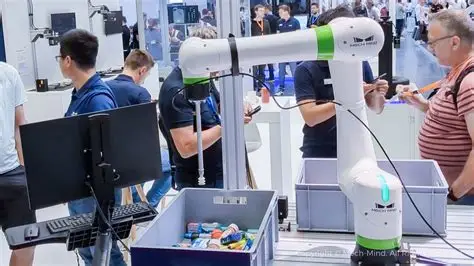
14 Robotics Firms Listed on Hong Kong Stock Exchange, Most Lack Genuine Embodiment
On September 24, Mech-Mind released its first interim report since its listing on September 1, just 23 days prior. The excitement stemmed from a highly successful IPO, which saw a subscription rate of 3,835 times, attracting 252,500 applications with a 3% success rate. Founder Shao Tianlan's outspoken comments post-listing have also sparked discussions in the embodied intelligence sector. Mech-Mind positions itself as an AI industrial robotics company for 2024, aiming to become the first stock in embodied intelligence by August 2025. However, 93% of its revenue still comes from early-stage products, specifically smart robotic guidance systems, while the combined revenue from its Mech-GPT and Mech-Hand products accounts for less than 1.1%. This trend is not unique to Mech-Mind; 14 robotics companies have listed on the Hong Kong Stock Exchange in the past 21 months, many of which do not directly serve general embodied intelligence or humanoid robotics but have capitalized on the trend. The subscription multiples for these companies are unprecedented in the Hong Kong market, with YiFei Technology achieving a record 14,855 times. However, many of these firms are not yet profitable, and their stock prices have shown significant declines post-IPO. As the novelty of being the 'first' wears off, the perceived value of these companies may diminish, similar to trends seen in the autonomous driving sector. Investors are now more cautious, with some halting investments in embodied intelligence companies altogether, indicating a challenging market ahead for new entrants.
Industrial Robotics AI Stock Market Automation Embodied Intelligence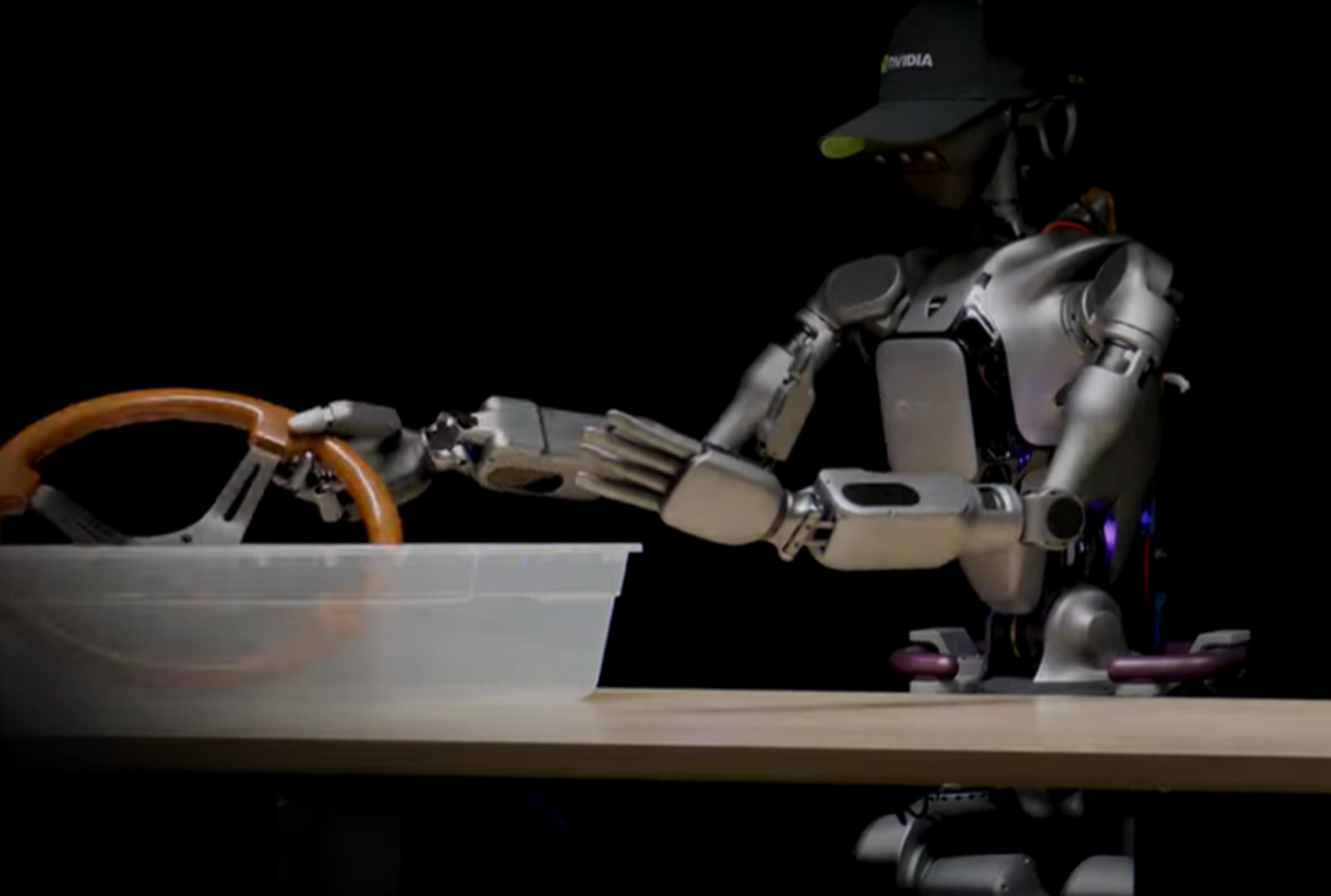
Humanoid Robotics Industry Presents Competitive Landscape for European Chemical Companies
The humanoid robotics sector is increasingly dependent on a crucial chemical component utilized in the joints and limbs of robots. This reliance has sparked a competitive struggle for market supremacy between established European firms and their Chinese counterparts. The significance of this competition lies in the potential for innovation and market share growth within the chemical industry, particularly for those companies that can effectively supply this essential material. As humanoid robots gain traction, the demand for high-quality chemical components is expected to rise, further intensifying the rivalry. Looking ahead, stakeholders should monitor developments in the humanoid robotics market and the strategies employed by both European and Chinese companies. The outcome of this competition could reshape supply chains and influence technological advancements in the industry. No further timeline was disclosed at the time of publication.

9th China Robot Summit in Hangzhou Showcases 35 Leading Robotics Companies
The 9th China Robot Summit, themed 'Intelligent Connectivity and Empowering All Scenarios,' gathered 35 companies and institutions to explore the evolving robotics industry. The event highlighted advancements in perception, execution, control, and system integration, showcasing a more complete robotics supply chain. This summit is significant as it marks a shift in the robotics industry from isolated capabilities to comprehensive system solutions. Companies like Yuli Instruments and Lingxi Robotics presented technologies that enhance robots' sensory and operational abilities, emphasizing the need for integrated solutions in real-world applications. Looking ahead, the focus will be on how these companies continue to innovate and collaborate within the robotics ecosystem. No further timeline was disclosed at the time of publication.
Robotics Industry Automation Technology AI and Machine Learning Robotic Systems Sensor Technology
Q1 and T1 Robots from Qiyuan Robotics Set to Transform Home Interaction
Qiyuan Robotics is preparing to deliver its Q1 robot, which stands 88 cm tall and weighs 15 kg, designed for companionship and entertainment. The company, part of the Upwind New Materials group, is also launching the T1, a transformable robot. CEO Tian Hua emphasizes that personal robots should not merely replicate industrial robots but instead create a new form of human-robot interaction. The significance of these developments lies in the potential for personal robots to become a primary interface in homes, connecting AI, digital services, and everyday life. Unlike structured factory environments, homes present unpredictable challenges, which is why Qiyuan has opted for a smaller, safer design for the Q1. The T1, standing about one meter tall, can switch between wheeled and quadrupedal forms, indicating a shift in the industry towards robots that better fit human lifestyles. Looking ahead, Qiyuan Robotics faces the challenge of moving from prototypes to mass production, with plans for a production line capable of handling thousands of units. The company has secured 210 million yuan in prepayments for its consumer-grade robots and is investing significantly in R&D. Analysts remain cautious, noting that while the home market is promising, it may take longer to reach commercialization compared to industrial applications. The real test will be whether users will keep these robots in their homes after initial trials.
Personal Robots Home Automation AI Consumer Robotics
Chinese Robotics Companies Address Japan's Labor Shortage Challenges
Chinese robot manufacturers are increasingly stepping into Japan's labor market, which is facing significant shortages. These companies are transitioning their focus from humanoid robots to applications in warehouses and restaurants, aiming to provide solutions that meet the demands of various sectors. This shift is crucial as Japan's aging population and declining workforce create pressing needs for automation and robotics. By leveraging their expertise, Chinese firms are not only addressing immediate labor gaps but also enhancing operational efficiency in industries that are struggling to find sufficient human resources. Looking ahead, it will be important to monitor how these Chinese robotics companies adapt their technologies to fit the unique requirements of the Japanese market. No further timeline was disclosed at the time of publication.

Yushutech's Stock Value Drops Nearly 50% in One Week: Impact on Robotics Sector
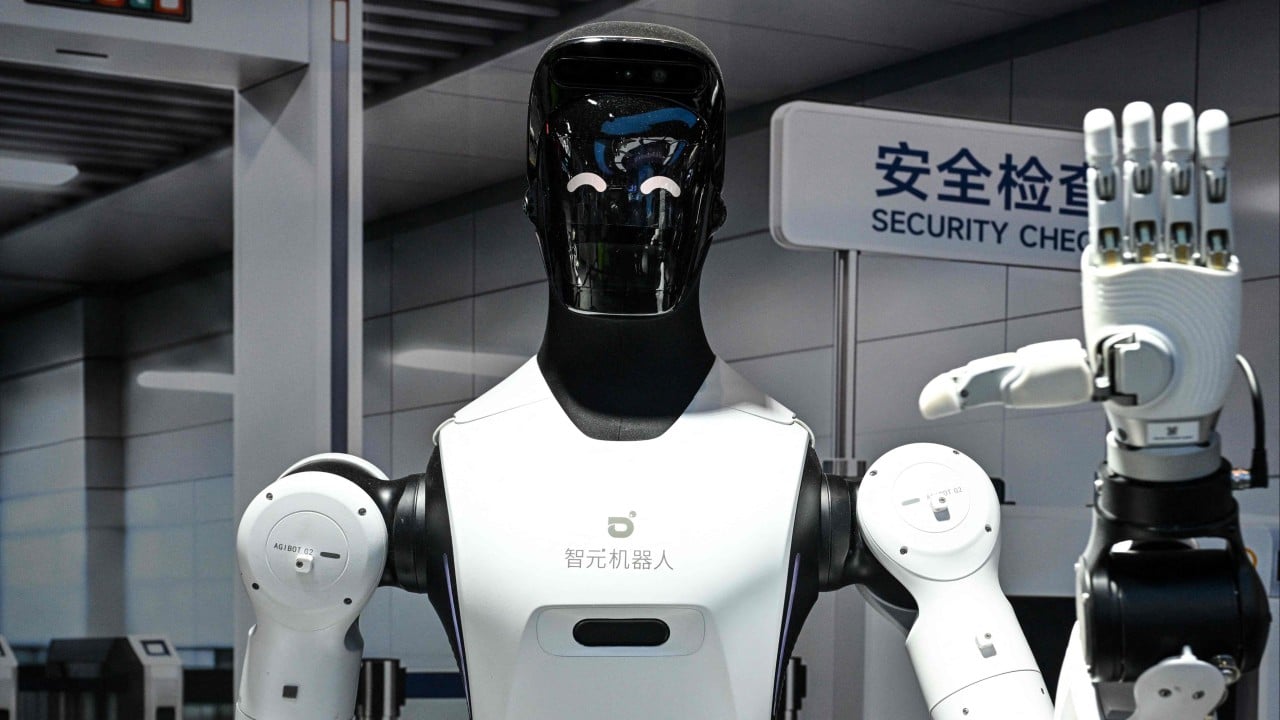
Yushutech, the first publicly listed humanoid robot company in China, saw its stock price plummet from an opening price of 1,100 yuan to 602.8 yuan by August 25, resulting in a market capitalization decline of over 2,000 billion yuan. This significant drop reflects the volatility of new stock offerings and sets a precedent for the valuation of humanoid robots in the market. The implications of Yushutech's stock performance extend beyond the company itself, as it serves as a benchmark for other companies in the embodied intelligence sector. The stock's initial surge and subsequent decline highlight the challenges faced by companies in demonstrating profitability and securing funding in a competitive landscape. Investors are now closely monitoring how Yushutech's valuation will influence future IPOs and funding rounds for similar firms. Looking ahead, the market will be watching how Yushutech's stock stabilizes and whether it can attract long-term investment. Analysts suggest that the company's performance may redefine the criteria for future robotics IPOs, emphasizing the need for tangible profitability rather than just technological potential. No further timeline was disclosed at the time of publication.
Humanoid Robots Stock Market IPO Robot Valuation Investment Trends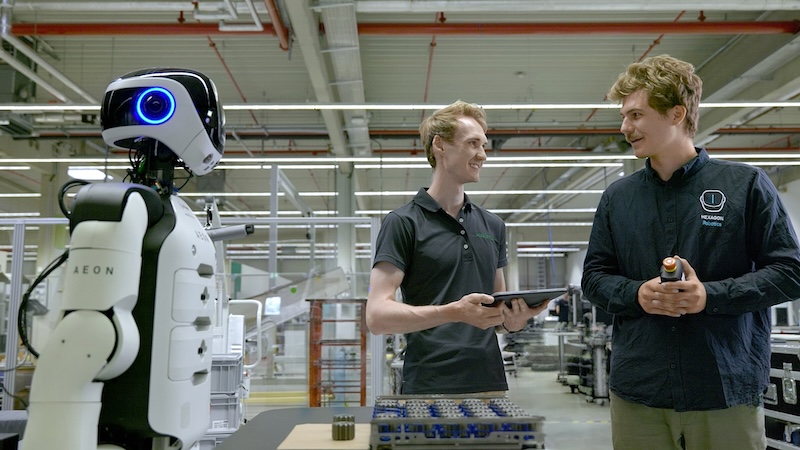
Hexagon Robotics Begins Training AEON Humanoid Robots at Schaeffler's Facility in Germany
Hexagon Robotics and Schaeffler have initiated the training of AEON humanoid robots at Schaeffler’s Humanoid Gym in Germany. This marks a significant step towards deploying at least 1,000 AEON robots in the coming years, utilizing a Train-Validate-Deploy model tailored for industrial environments. The collaboration is crucial as it allows both companies to enhance AEON's industrial capabilities while building Schaeffler's expertise in operating and integrating humanoids into their production processes. The training will focus on imitation learning and refining robot policies to ensure reliable performance in real manufacturing applications. Looking ahead, the training at the Humanoid Gym is expected to expedite AEON's deployment across various manufacturing workflows within Schaeffler over the next six months. This initiative not only supports the integration of humanoids into Schaeffler's operations but also aims to strengthen overall manufacturing performance and scalability in automation.
Components Computing News Training aeon factory automation
AgiBot Transforms from Robotics to AI Company, Redefining Competition Landscape by 2026
AgiBot is evolving from a traditional robotics company into an AI-focused entity, redefining competition in the industry by 2026. The company has advanced its products, including the Expedition A3 and the newly released GO-2 embodied foundation model, which enhances robots' task execution capabilities. Additionally, AgiBot's Genie Sim 3.0 generates extensive training data through simulation, further integrating data, models, and hardware. This shift in focus from hardware to intelligent systems highlights the growing importance of data in robotics. As companies like AgiBot accumulate vast amounts of real-world and simulated data, the competition is increasingly centered on learning capabilities rather than manufacturing prowess. AgiBot's Hive Data Co-Creation Initiative aims to scale data production to tens of millions of hours, establishing a complete data loop that enhances model iteration and robot performance. Looking ahead, the competition among robotics companies will pivot from hardware specifications to the quality and volume of data, the robustness of AI models, and the speed of innovation. AgiBot's developments signal a significant transformation in the robotics landscape, emphasizing the need for companies to adapt to these emerging challenges and opportunities. No further timeline was disclosed at the time of publication.
On the Cusp AI Highlight News Robotics
Robotics Companies Compete to Collect Human Videos for AI Training in India
Robotics companies are actively gathering videos of workers in India performing tasks such as shoe stitching and steel welding. This initiative aims to enhance the capabilities of robots by providing them with the necessary skills through human demonstrations. The significance of this effort lies in the ongoing competition among robotics firms to develop advanced AI systems that can replicate human tasks. By utilizing real-life footage of skilled workers, these companies hope to improve the training processes for their robots, ultimately leading to more efficient automation solutions. Looking ahead, it will be important to monitor how these efforts evolve and the impact they have on both the workforce and the robotics industry. No further timeline was disclosed at the time of publication.
Chinese Robotics Companies Face Challenges with Data and AI Development
At the World Artificial Intelligence Conference (WAIC) in Shanghai, experts highlighted the challenges faced by Chinese robotics companies in enhancing their robots' real-world interactions. Industry insiders noted that a lack of sufficient data and advanced AI capabilities, referred to as a better 'brain', hinder the development of embodied AI systems. Wang Xiaogang, co-founder of SenseTime and chairman of Ace Robotics, emphasized the need for a closed-loop iterative system that integrates hardware, data, models, and real-world scenarios. He pointed out that while training data is collected from human demonstrations, the optimization of hardware design and data-collection methods is essential for improving embodied AI performance. Yao Maoqing from AgiBot also mentioned that the available multi-modal data about the physical world is inadequate compared to that used in large language models. This shortfall presents a significant bottleneck in training world models, which are crucial for the next generation of humanoid robots to effectively navigate their environments. No further timeline was disclosed at the time of publication.
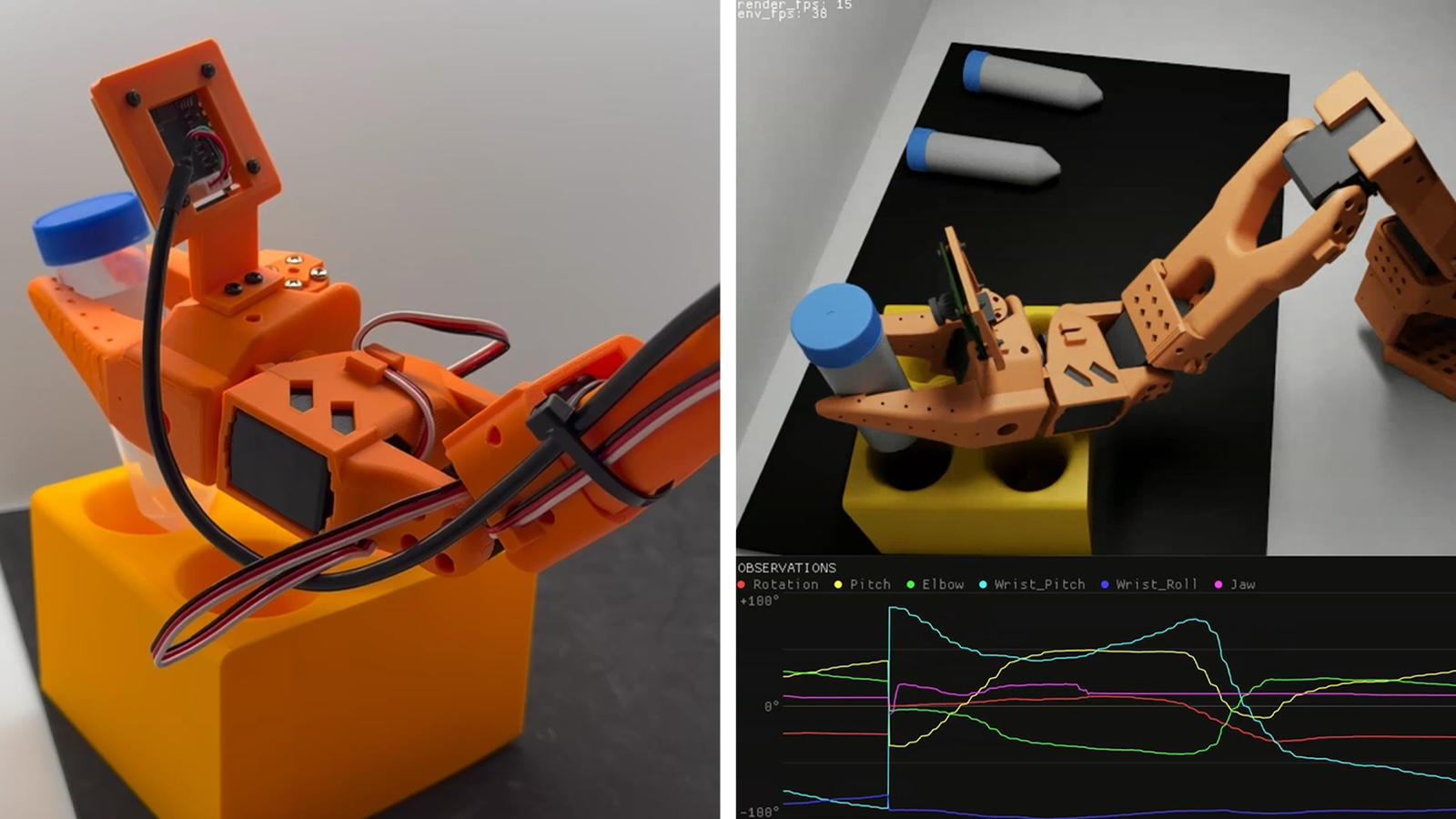
NVIDIA Open Sources Embodied Intelligence Toolchain to Enhance Robotics Development
On July 6, NVIDIA integrated three key components into Hugging Face's open-source robotics library, LeRobot: the GR00T N1.7 model, Isaac Teleop framework, and the upcoming Cosmos 3. This collaboration connects NVIDIA's 3 million robot developers with Hugging Face's 16 million AI builders, facilitating access to pre-trained models and data. This initiative is significant as it shifts NVIDIA's focus from merely creating models to building an ecosystem that addresses data bottlenecks in embodied intelligence development. The Isaac Teleop framework standardizes data collection, allowing for easier sharing and reuse within the community, which is crucial for advancing robotics. Looking ahead, the integration of GR00T N1.7 and Isaac Teleop into the LeRobot workflow marks a pivotal moment for robotics developers. No further timeline was disclosed at the time of publication.
Robotics Open Source AI Development Data Collection Machine Learning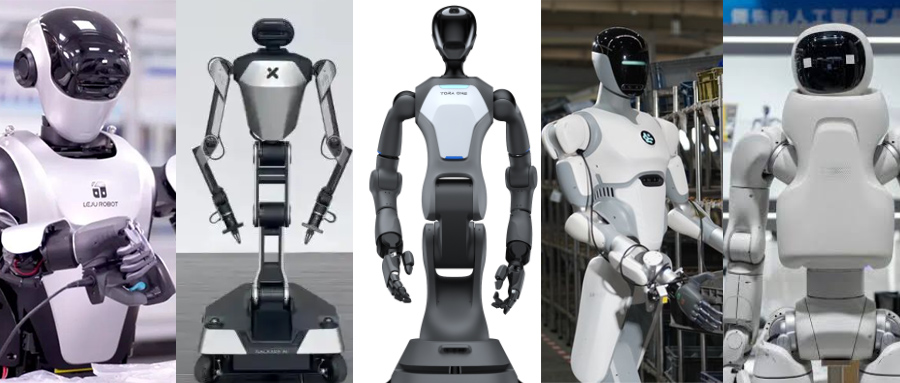
Why Leading Robotics Companies Are Investing in Lingjing Zhiyuan
Shanghai-based AI startup Lingjing Zhiyuan has successfully raised over 100 million yuan in funding to advance its development of a comprehensive computing platform designed for embodied intelligence. This initiative aims to integrate various components, including chips, operating systems, and models, to improve the performance of robotics and tackle significant industry challenges such as latency and control. With established partnerships with over 300 manufacturers, including leading firms in the sector, Lingjing Zhiyuan is strategically positioned to become a frontrunner in the robotics infrastructure market.
Embodied Intelligence Robotics Infrastructure AI Technology Chip Development Operating Systems
German Economy Calls for Faster Humanoid Robotics Adoption
A recent survey reveals that 82% of respondents believe humanoid robots will play a crucial role in driving future innovation. Conducted in October 2023, the study highlights the growing public interest in the potential of humanoid robotics across various sectors. Participants expressed optimism about the technology's ability to enhance productivity, improve efficiency, and address labor shortages in industries such as healthcare, manufacturing, and customer service. The findings suggest that as advancements in artificial intelligence and robotics continue, society may increasingly rely on humanoid robots to tackle complex challenges and foster economic growth. This shift reflects a broader trend towards automation and the integration of intelligent systems into everyday life, prompting discussions about the implications for the workforce and ethical considerations surrounding the use of such technology.
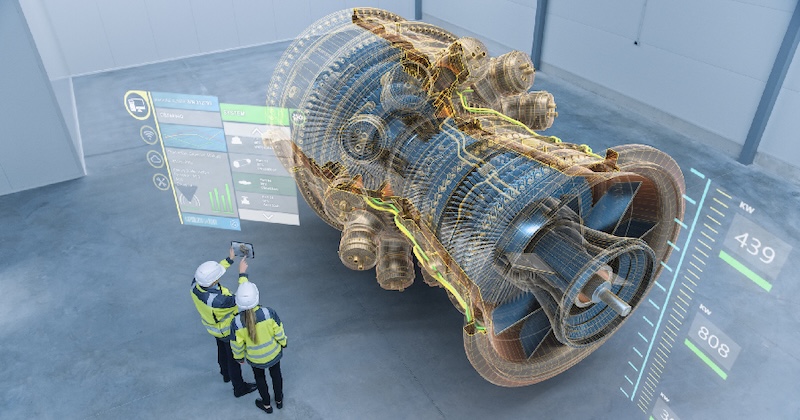
Massachusetts awards $2 million to six local robotics companies
The Healey-Driscoll Administration of Massachusetts, in collaboration with the Innovation Institute of the Massachusetts Technology Collaborative, has allocated nearly $2 million to support six organizations focused on advancing robotics innovation within the state. This funding, part of the Massachusetts Robotic Digital Twin Initiative, aims to enhance commercialization opportunities for robotics hardware developers by providing greater access to digital twin technologies. The initiative is designed to foster growth in the robotics sector, positioning Massachusetts as a leader in technological advancement and innovation.
Design Digital Automation News Technology automation news autonomous vehicles
Study: Regulation and safety hinder robotics projects in Germany
QNX, a division of BlackBerry, has released findings from its latest study titled "Inside the Robot: Architecture Benchmark Report." The report highlights that regulatory challenges and safety concerns are hindering robotics projects in Germany. This study sheds light on the current state of the robotics industry, emphasizing the need for clearer regulations and enhanced safety measures to facilitate innovation and development in this sector. The findings are particularly relevant as Germany seeks to advance its technological capabilities in robotics amidst growing global competition.
Allgemein Newsarchiv
Leading Robotics Companies Showcase Innovations at the 3rd China Embodied Intelligence and Humanoid Robot Industry Conference
The 3rd China Embodied Intelligence and Humanoid Robot Industry Conference is set to take place in Beijing on April 28-29, 2026. This significant event will showcase 30 exhibitors, including leading companies such as Joy-Motion and Blue Dot Touch. The conference aims to facilitate discussions on technological innovation and emerging trends within the robotics industry, highlighting the growing importance of robotics in various sectors. By bringing together industry leaders and experts, the event seeks to advance collaboration and knowledge sharing, ultimately driving progress in embodied intelligence and humanoid robotics.
Humanoid Robots Robotics Innovation AI Technology Industry Conference
Leading Robotics Companies Showcase Innovations at the 3rd China Embodied Intelligence and Humanoid Robotics Industry Conference
The 3rd China Embodied Intelligence and Humanoid Robotics Industry Conference is set to take place in Beijing on April 28-29, 2026. This significant event will showcase over 30 exhibitors, including prominent companies such as YuTree Technology and Star Motion Era. The conference aims to facilitate high-level discussions among government officials, industry leaders, academics, and researchers, with the goal of accelerating the development and application of embodied intelligence and humanoid robotics in China. By bringing together key stakeholders, the event seeks to enhance collaboration and innovation in this rapidly evolving field.
Humanoid Robots Embodied Intelligence Robotics Innovation AI Technology
Leading Robotics Companies Showcase Innovations at the 3rd China Embodied Intelligence and Humanoid Robot Industry Conference
The 3rd China Embodied Intelligence and Humanoid Robot Industry Conference took place in Beijing on April 28-29, 2026, bringing together industry leaders to discuss advancements in humanoid robotics and related technologies. The event featured prominent exhibitors such as Yiyou Technology, Qiwut Technology, and Beijing Menghuo Robotics, who presented their latest innovations and insurance solutions tailored for the robotics sector. The conference aimed to facilitate collaboration and dialogue among key stakeholders, highlighting the importance of technological progress in the rapidly evolving field of robotics.
Humanoid Robots Robotics Innovation AI Solutions Insurance Technology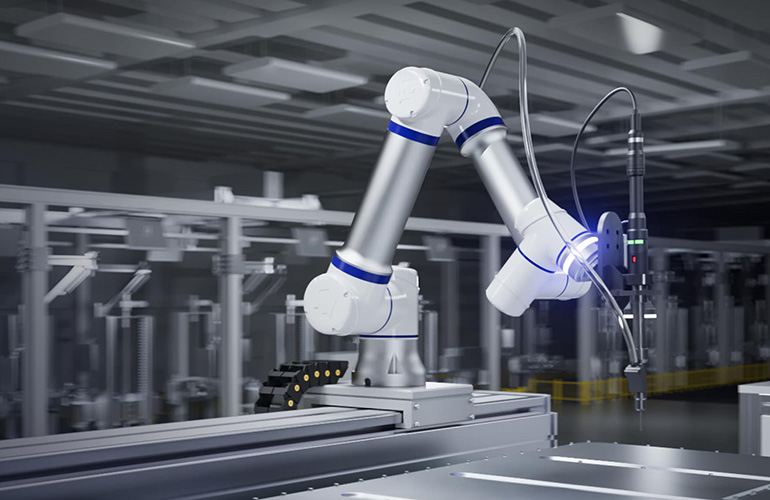
German court rules in favor of Teradyne Robotics, issues injunction against Elite Robots
Teradyne has secured an injunction from a German court in its legal battle against Elite Robots, which is accused of unlawfully copying Teradyne's UR cobot software. This ruling marks a significant step in Teradyne's efforts to protect its intellectual property rights. The court's decision underscores the ongoing tensions in the robotics industry regarding software development and proprietary technology. The injunction aims to prevent Elite Robots from using the disputed software while the case is being resolved.
Arms / Manipulators China Cobot Arms Collaborative Robots News Regulatory & Compliance
German court rules in favour of Teradyne Robotics and issues preliminary injunction against Elite Robots Deutschland in copyright infringement case
A German court has issued a preliminary injunction against Elite Robots Deutschland GmbH, prohibiting the company from offering or distributing infringing software and related products in Germany. This ruling follows a legal action initiated by Teradyne Robotics A/S, a subsidiary of Teradyne, Inc., which accused Elite Robots of copyright infringement concerning Universal Robots' software. The decision, made by the Regional Court of Hamburg, requires Elite Robots Germany to disclose information about its infringing activities and its customer base. Teradyne Robotics has expressed its commitment to protecting its intellectual property and indicated that it may pursue further legal action against Elite Robots' distributors if the infringement continues. Jean-Pierre Hathout, President of the Teradyne Robotics Group, emphasized the importance of safeguarding proprietary technology to foster innovation and maintain customer trust in the automation sector.

Gerald Mies, President and CEO of Estun Robotics Europe, Attends the “Nanjing Day” Event in Stuttgart to Deepen China–Germany Industrial Collaboration through Intelligent Manufacturing
On March 2, the 2026 “Nanjing Day” Economic and Trade Promotion Conference took place in Stuttgart, Germany, showcasing the collaborative efforts of the Nanjing Municipal People’s Government and the Consulate General of the People’s Republic of China in Frankfurt. The conference aimed to strengthen economic ties and promote trade opportunities between Nanjing and German businesses. By highlighting Nanjing's economic potential and investment opportunities, the event sought to attract foreign investment and foster international partnerships. Attendees included government officials, business leaders, and potential investors, who engaged in discussions and networking to explore collaborative ventures. The initiative reflects a broader strategy to enhance Nanjing's global economic presence and encourage bilateral trade relations.
ESTUN AUTOMATION ROBOTICS SERVO SYSTEMS
German chancellor visits Unitree Robotics in Hangzhou to explore tech collaboration
German Chancellor Friedrich Merz visited Zhejiang province on Thursday, leading a delegation to explore advancements in robotics. The highlight of the trip was a tour of Unitree Robotics in Hangzhou, a prominent Chinese robotics firm. During the visit, Unitree's founder, Wang Xingxing, presented the company’s latest innovations, including the quadruped robot Unitree As2 and humanoid robots G1 and H2. The demonstration showcased the robots' capabilities, with live performances featuring them engaging in boxing and other activities, illustrating the cutting-edge technology being developed in the region. This visit underscores Germany's interest in fostering technological collaboration and understanding in the rapidly evolving field of robotics.
News Feed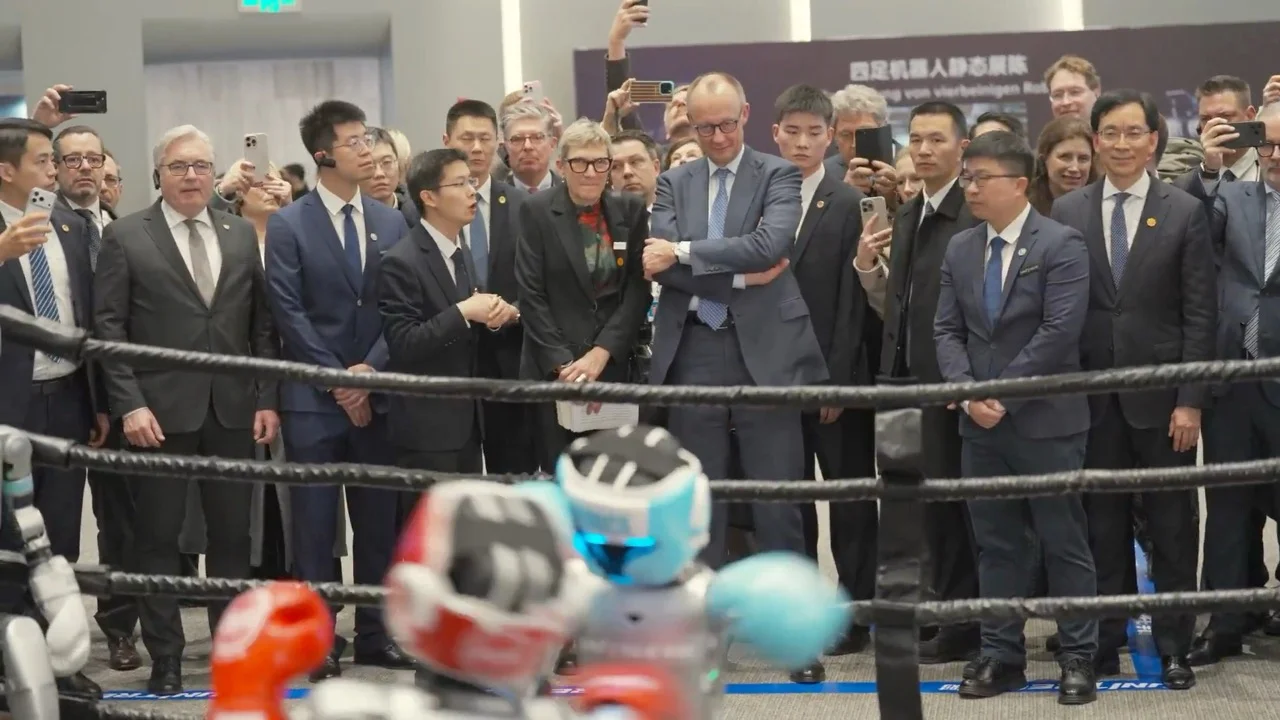
Geopolitics Meets High-Tech: German Chancellor Merz Visits Unitree Robotics
Chancellor Friedrich Merz recently headed a delegation of 30 prominent German business executives to the headquarters of Unitree in Hangzhou. This visit marks a significant step towards fostering global industrial cooperation, moving beyond the traditional focus on humanoid entertainment. The delegation's engagement with Unitree highlights Germany's interest in exploring new avenues for collaboration in the robotics and technology sectors. This initiative reflects a broader strategy to strengthen economic ties and enhance innovation partnerships between Germany and China.
Unitree Robotics Market China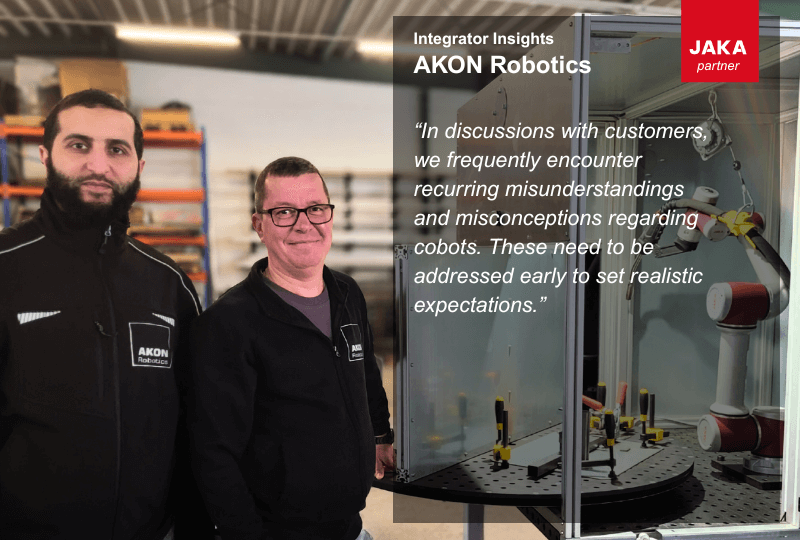
Integrator Insights: Akon Robotics (Germany)
AKON Robotics, a Bremen-based system integrator specializing in custom automation solutions, is addressing the manufacturing sector's pressing challenges, including a skilled labor shortage and rising quality expectations. In an interview with Design Engineer Ihsen Ben Gaied, the company highlighted the increasing complexity of production environments characterized by small batch sizes and high product variety, which traditional automation often struggles to accommodate. As manufacturers seek to enhance productivity and flexibility, AKON Robotics emphasizes the strategic role of automation, particularly through collaborative robots (cobots). These systems can stabilize processes and ensure consistent quality, freeing skilled workers for more complex tasks. However, misconceptions about cobots persist, such as the belief that they are universally safe or a low-cost alternative to industrial robots. AKON stresses the importance of a comprehensive approach to automation, which includes thorough process analysis, safety compliance, and proper integration of peripherals. The German automation market is evolving, driven by labor shortages and heightened demands for quality and safety. AKON Robotics partners with JAKA to leverage their cobots, which offer easy integration and robust performance for medium-batch, high-mix production. A notable project involved integrating a JAKA S cobot into a welding cell, resulting in improved productivity and reduced scrap rates. Ultimately, AKON Robotics advocates for a differentiated approach to automation, recommending cobots for environments requiring flexibility and rapid deployment, while recognizing that traditional industrial robots remain essential for high-speed, heavy-load applications.

Top 20 Chinese warehouse robotics companies: Geekplus turns its attention to domestic competitors
In a rapidly evolving landscape of logistics and automation, companies like Locus Robotics are solidifying their positions as significant players on the global stage. As the demand for efficient warehouse solutions continues to rise, these firms are innovating to meet the challenges posed by e-commerce and supply chain complexities. The competition is intensifying, with various enterprises striving to enhance their operational capabilities through advanced robotics and automation technologies. This surge in innovation is driven by the need for increased efficiency and cost-effectiveness in the logistics sector, particularly in response to growing consumer expectations for faster delivery times. As industry leaders showcase their latest advancements, the focus remains on how these technologies can transform traditional warehousing practices and improve overall productivity.
MIT Technology Review releases 2025 ’50 Smartest Companies’ list, recognizes Deepseek, Game Science and Unitree Robotics
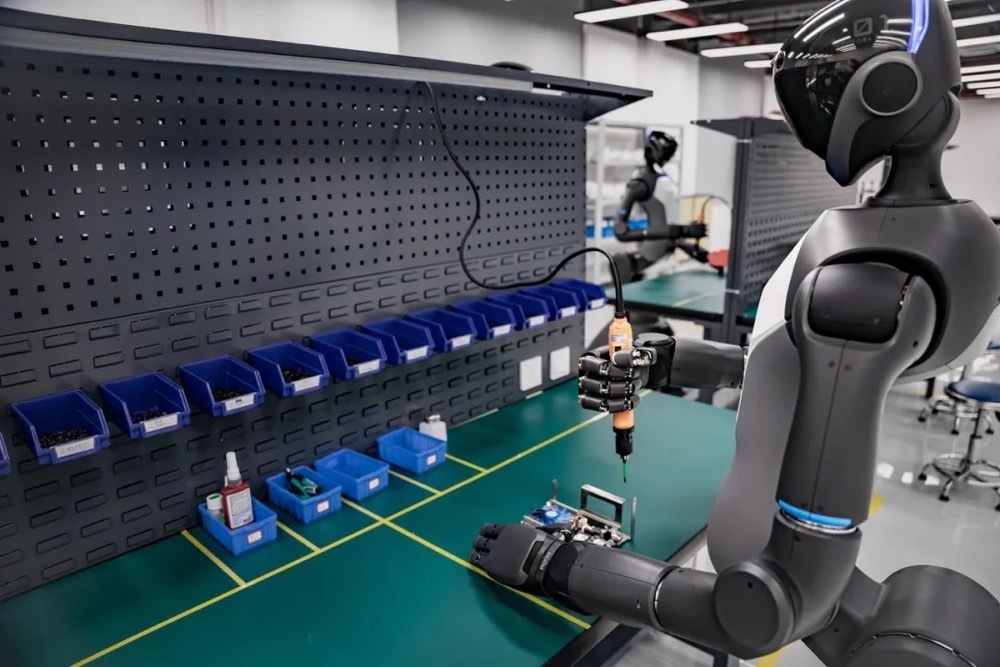
At the EmTech China 2025 Global Technology Summit held last Friday, MIT Technology Review announced its prestigious annual list of the “50 Smartest Companies.” Among the distinguished honorees were Deepseek, Game Science, and Unitree Robotics. Deepseek stood out for its remarkable achievement in algorithm optimization, demonstrating world-class model performance while maintaining low training costs, marking a significant advancement in resource efficiency within the tech industry. The summit highlighted these companies' innovative contributions to technology, underscoring the importance of efficiency and performance in the rapidly evolving landscape.
News Feed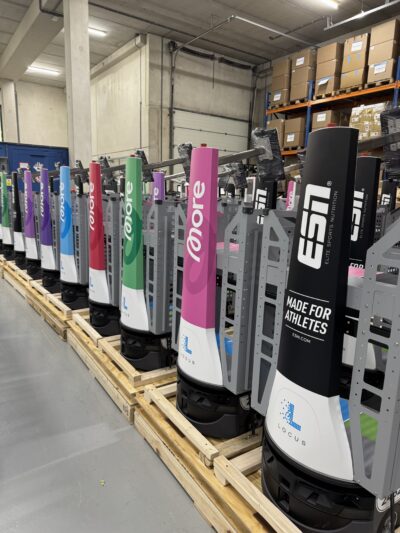
Locus Robotics and The Quality Group Announce Strategic Partnership to Transform Fulfillment Operations in Germany
Locus Robotics has announced a strategic partnership with TQG, aimed at enhancing operational efficiencies in warehouse automation. This collaboration, revealed on October 10, 2023, is set to take place in various distribution centers across the United States. By combining Locus Robotics' cutting-edge autonomous mobile robots with TQG's advanced technology solutions, the two companies seek to streamline logistics processes and improve productivity for their clients. The partnership is motivated by the growing demand for automation in the supply chain sector, particularly in response to labor shortages and the need for faster order fulfillment. Through this alliance, both companies plan to leverage their expertise to develop innovative solutions that address the evolving challenges faced by the industry.
Robotics needs a service framework.
RSF defines a common language for robot service capability, lifecycle operations, certification pathways, and service-provider networks.
Join the RobotToday community on LinkedIn
Daily robotics news, in-depth analysis, conference highlights, and discussions with professionals worldwide.







