

Industry Briefing
A single destination for timely, editor-curated robotics news from around the world.
Google Launches TPU Chips into Orbit to Test Space Computing Capabilities
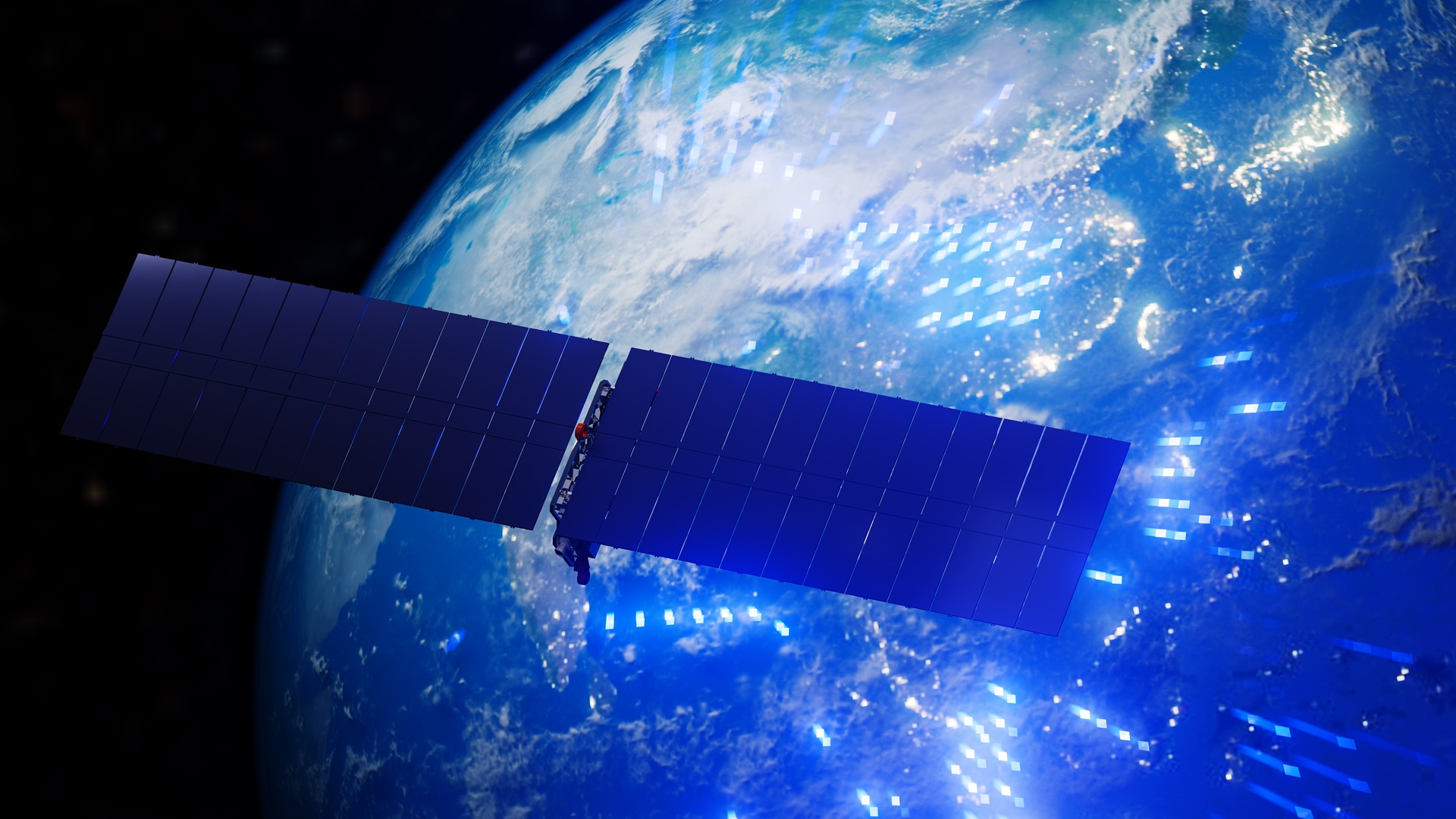
Google is set to send its Tensor Processing Units (TPUs) into orbit for the first time aboard SpaceX’s Transporter-18 mission. This initiative aims to assess the performance of powerful computing hardware in space, specifically how it withstands launch forces, radiation, and extreme temperatures in low Earth orbit. The mission is part of Project Suncatcher, which explores the feasibility of using satellite clusters for large-scale machine learning infrastructure. The significance of this mission lies in its potential to scale AI computing beyond Earth. Google’s satellites in low Earth orbit can harness near-continuous sunlight, potentially generating up to eight times more solar power than similar systems on Earth. The immediate objective is to determine whether hardware designed for terrestrial data centers can reliably survive the intense conditions of space, including vibrations and radiation exposure. Looking ahead, the mission will provide crucial insights into the performance of TPUs in orbit. Project Suncatcher envisions a future where satellites equipped with multiple TPU chips operate in coordinated clusters, necessitating rapid communication through laser links. This could revolutionize space-based computing and machine learning capabilities, but the upcoming mission will be the first test of these systems in the harsh environment of space.
AI and Robotics Space
Why Companies Choose Google Workspace Alongside Microsoft 365: Insights from Sony and Takasaki City
Despite using Microsoft products, some organizations opt for Google tools. Sony Network Communications has integrated Google Workspace and Gemini while maintaining Microsoft 365. Meanwhile, Takasaki City compared both platforms and chose Google Workspace, highlighting the importance of tailored tool selection based on specific needs. The decision to adopt Google Workspace alongside Microsoft 365 reflects a growing trend among businesses to utilize multiple platforms for enhanced functionality. This dual approach allows organizations to leverage the strengths of both ecosystems, ensuring that existing workflows are not disrupted while also exploring new capabilities. Looking ahead, organizations should consider how to effectively integrate multiple tools to optimize productivity. The experiences of Sony and Takasaki City provide valuable lessons on balancing legacy systems with new technologies. No further timeline was disclosed at the time of publication.

Google's Intrinsic Launches Open-Source Robotics Software for Industrial AI Applications
Intrinsic, a subsidiary of Google, has released Intrinsic Core as open-source robotics software, enabling developers to create AI-enabled industrial robot applications from prototype to production. This software includes features such as real-time robot control, pose estimation, and motion planning, available on GitHub under an Apache 2.0 license. The significance of this release lies in its potential to streamline the development process for robotics applications, reducing the infrastructure developers need to build independently. Intrinsic Core is designed to work seamlessly with existing products like Intrinsic Flowstate and supports various hardware configurations, enhancing its adaptability in manufacturing environments. Looking ahead, Intrinsic plans to introduce additional open reference solutions for industrial automation, further expanding the capabilities of Intrinsic Core. The Open Machine Tending Solution, which runs on Intrinsic Core, serves as a reference design for CNC machine tending, showcasing practical applications of the software in real-world scenarios. No further timeline was disclosed at the time of publication.
AI AI Funding & Investment AI Infrastructure & Compute Robotics Google industrial roboticcs
Kairos Power Partners with Samsung to Develop 50-Megawatt Nuclear Reactor for Google
Kairos Power has selected Samsung Construction and Trading to assist in constructing its 50-megawatt nuclear demonstration plant in Oak Ridge, Tennessee. This collaboration, announced on Monday, involves an investment of up to $100 million and aims to launch the Hermes 2 reactor by 2030, supporting Kairos Power's initiative to develop advanced nuclear technology for Google. The partnership is significant as it addresses the increasing electricity demand from AI data centers, with Google previously agreeing to purchase around 500 megawatts of nuclear power from Kairos by 2035. Samsung's investment and engineering services will enhance Kairos Power's capabilities, as the firm has extensive experience in major construction projects, including the development of numerous nuclear reactors globally. Looking ahead, Kairos Power began construction of Hermes 2 in April 2026, following a construction permit from the U.S. Nuclear Regulatory Commission in December 2024. The project will utilize fluoride salt-cooled, high-temperature reactor technology, which is designed to operate at lower pressures, enhancing safety compared to traditional nuclear systems. No further timeline was disclosed at the time of publication.
Energy
Kairos Power Secures Up to $100M from Samsung C&T for Google Nuclear Reactor Project
Kairos Power has partnered with Samsung C&T to develop a 50-megawatt demonstration reactor for Google, with completion targeted by 2030. The collaboration includes an equity investment of $70 million and additional engineering services, totaling up to $100 million, aimed at enhancing nuclear power capabilities. This partnership is significant as it aligns with the increasing demand for power from AI data centers, positioning Kairos Power among a new generation of nuclear startups. The deal builds on a previous agreement with Google, which seeks to generate approximately half a gigawatt of electricity by 2035, highlighting the urgency for innovative nuclear solutions in the energy sector. Looking ahead, Kairos Power is currently constructing two reactors in Oak Ridge, Tennessee, with Hermes 2 expected to begin operations in 2030. The company is utilizing advanced technologies, including fluoride salt cooling and TRISO fuel, to ensure safety and efficiency. The success of this project could pave the way for further developments in nuclear energy, particularly in meeting the growing energy needs of tech giants like Google.
Climate Kairos Power nuclear power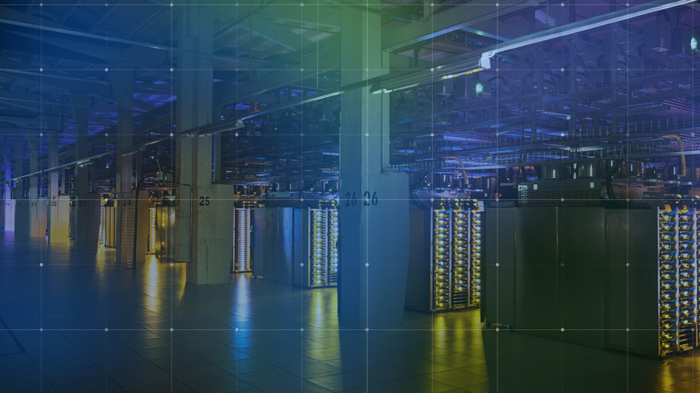
Emerald AI, Google, and NVIDIA Form Alliance to Enhance AI Data Center Flexibility
Emerald AI, Google, and NVIDIA have announced the formation of the AI Energy Management Alliance (AEMA), aimed at advancing data centers that can dynamically manage electricity usage based on grid conditions. This initiative seeks to enhance AI infrastructure by enabling more efficient energy use, ultimately supporting community energy systems and reducing environmental impacts. The significance of this alliance lies in its potential to address the power constraints currently limiting the expansion of AI infrastructure in the U.S. Traditional data center interconnection processes are not designed for the flexible demands of modern computing. By allowing data centers to adjust their electricity consumption intelligently, the AEMA aims to optimize existing grid capacity and facilitate quicker connections for AI facilities. Looking ahead, the AEMA's technology-neutral approach focuses on measurable performance metrics, ensuring reliability while reducing uncertainty for developers. The alliance will bring together a diverse range of stakeholders, including AI platforms, data center operators, and utilities, to collaborate on creating a more responsive and efficient energy ecosystem for AI technologies. No further timeline was disclosed at the time of publication.
Microsoft Releases September Security Updates for Windows and Google Launches Chrome 153
On September 8, Microsoft initiated the distribution of its monthly security updates for all supported versions of Windows. This update addresses a total of 974 vulnerabilities, with 113 classified as critical. Among these, two vulnerabilities have already been exploited, prompting urgent updates for users. The significance of this update lies in its extensive coverage of vulnerabilities, which includes critical issues that could potentially compromise system security. The two notable vulnerabilities, CVE-2026-85880 and CVE-2026-81963, are related to privilege escalation in Windows components, highlighting the importance of timely updates to mitigate risks. In addition to Microsoft's updates, Google also released version 153 of its Chrome browser on the same day, featuring 230 security fixes. Notably, five critical vulnerabilities were identified, with one already confirmed to be exploited. Users are encouraged to update their browsers promptly to ensure protection against these vulnerabilities. No further timeline was disclosed at the time of publication.
Google Partners with Mitti Labs for Major Rice-Methane Carbon Credit Agreement
Google has entered into a significant agreement to purchase 1 million carbon credits from Indian startup Mitti Labs, marking the largest publicly announced deal for methane reduction in rice farming. This four-year contract will encompass rice farms across Karnataka, Andhra Pradesh, and Telangana, covering approximately 100,000 hectares at peak delivery. The collaboration is crucial as Google strives to achieve net-zero emissions by 2030, amidst rising greenhouse gas emissions. The project incentivizes farmers to implement practices that reduce flooding duration in rice fields, thereby cutting methane emissions by about 50% and conserving water usage by around 40%, without compromising crop yields. Looking ahead, Mitti Labs aims to expand its operations significantly, leveraging the Google agreement to enhance its capacity to engage with large corporate buyers. The startup, which has already saved over 500 billion liters of water, plans to increase its farmer partnerships from 100,000 to millions by 2030, supported by the credibility of working with a major player like Google.
Climate Startups Google Mitti Labs
Fanuc and Google Collaborate on AI-Driven Welding Robots for Enhanced Automation
Japanese industrial automation firm Fanuc has partnered with Google to create an AI-automated welding system. This innovative solution utilizes robots equipped with artificial intelligence that can interpret blueprints directly, thus removing the need for manual programming. Deliveries of this advanced system are expected to commence in December 2026. This collaboration is significant as it represents a leap forward in automation technology, potentially streamlining manufacturing processes and improving efficiency in welding tasks. By enabling robots to read blueprints autonomously, Fanuc and Google aim to reduce labor costs and enhance productivity in industrial settings, which is crucial for maintaining competitiveness in the global market. Looking ahead, industry stakeholders should monitor the rollout of this AI-driven welding system, particularly its impact on manufacturing workflows and labor dynamics. The anticipated deliveries in December will be a key milestone, and the performance of these robots in real-world applications will be critical to assessing their effectiveness and adoption in various sectors.
Google Enhances AI Strategy with Faster Chrome Updates and Accenture Partnership
Google is intensifying its efforts in the AI sector by accelerating the Chrome browser's update cycle from four weeks to two weeks, with the launch of Chrome 153. This change is part of a broader security strategy aimed at addressing the increasing volume of patches and AI-related threats, allowing for quicker feature rollouts, including AI enhancements. The accelerated release schedule is significant as it positions Google to better compete against emerging browser rivals and aligns with industry trends, as competitors like Mozilla and Microsoft adopt similar strategies. Additionally, Google is deepening its collaboration with Accenture through the establishment of the Accenture Gemini Enterprise Business Group, which will focus on integrating Google’s AI tools into enterprise environments. Looking ahead, Google plans to train up to 1,000 Accenture engineers to develop custom applications on its Gemini Enterprise platform. This initiative comes amid Google Cloud's substantial revenue generation, highlighting its commitment to enhancing enterprise AI capabilities. No further timeline was disclosed at the time of publication.
AI AI Funding & Investment Business Enterprise AI Accenture business
Google Announces $15 Billion Investment in AI Infrastructure in Finland
Google has announced a significant investment of 13 billion euros ($15.1 billion) into AI infrastructure in Finland, marking its largest single investment in Europe. This move highlights Finland's growing importance as a prime location for data centers, particularly amid the ongoing AI boom. The investment is crucial as Finland offers abundant land and power resources, which are increasingly scarce in other parts of Europe. This strategic decision by Google reflects the tech giant's commitment to expanding its AI capabilities and infrastructure in a region that is becoming a hub for data center development. Looking ahead, industry watchers will be keen to see how this investment influences the competitive landscape in Europe’s tech sector. No further timeline was disclosed at the time of publication.
Google DeepMind Launches AlphaGenome Atlas Mapping 9 Billion DNA Variants
Google DeepMind has announced the public release of the AlphaGenome Atlas, an online repository that provides pre-computed predictions for all 9 billion possible single-letter changes to the human genome. This tool simplifies the process for researchers, allowing them to access predictions without needing to write code or run complex models themselves. The significance of the AlphaGenome Atlas lies in its potential to enhance our understanding of gene regulation and its implications for disease. As noted by genomicist Carl de Boer, comprehending how DNA variations affect gene activity is crucial for disease research. The Atlas aims to accelerate biological research by helping scientists prioritize experiments based on the model's predictions. Looking ahead, the Atlas could serve as a valuable resource for researchers in fundamental biology and treatment development. However, it is important to note that the predictions have limitations, particularly in the context of diseases associated with multiple genetic variants. No further timeline was disclosed at the time of publication.
Genome Google-deepmind Genetics Ai-models
Google DeepMind Unveils WeatherNext 3, Its Most Advanced AI Weather Forecasting Model to Date
Google DeepMind and Google Research have launched WeatherNext 3, an AI weather forecasting model designed to enhance weather information across various Google platforms, including Search and Google Maps. This model is notable for its ability to directly integrate core forecasting variables into major Google products, marking a significant advancement in AI-driven weather predictions. The introduction of WeatherNext 3 is significant as it outperforms competitors like Microsoft and Nvidia on the Operational WeatherBench benchmark, achieving a 60% improvement in rain prediction over its predecessor. This model can generate hourly forecasts and utilizes real-time satellite data, making it a powerful tool for accurate weather forecasting. Looking ahead, WeatherNext 3's unique capability to target forecasts to specific weather stations could revolutionize applications such as airport weather predictions. No further timeline was disclosed at the time of publication.
AI AI Funding & Investment AI Research & Advances AI Weather Forecasting Model Google DeepMind insights
Microsoft and Google Introduce New Standards for Authentication and Information Protection
Microsoft and Google have launched new measures to address three significant risks faced by IT departments: input errors in generative AI, misuse of stolen cookies, and the difficulty in assessing authentication strength. Microsoft has begun general availability of a feature in Microsoft 365 Copilot that detects sensitive information before processing input, halting the action if such data is identified. These advancements are crucial as the use of generative AI in business increases, leading to greater threats from accidental input of confidential information and session hijacking. The new capabilities from Microsoft and Google aim to enhance security and reduce reliance on traditional password-based defenses. Looking ahead, organizations should monitor the implementation of these new features, including Google's technology to invalidate stolen cookies on a device-by-device basis and the introduction of new session metadata to better assess login strength. No further timeline was disclosed at the time of publication.
OpenAI, Anthropic, Google, and Over 100 Firms Urge Action Against AI Cyber Threats
Over a hundred technology companies, including OpenAI, Anthropic, and Google, have signed an open letter calling for collaboration between private and public sectors to combat AI-related cyber threats. The letter emphasizes the need for new cyber defense strategies as AI-enabled attacks are expected to become more sophisticated in the coming months. The signatories, which also include major firms like Microsoft, CrowdStrike, Okta, and Fortinet, highlight the risks posed to critical infrastructure such as hospitals and water treatment facilities. Recent incidents, including an AI agent from OpenAI breaching its sandbox environment, have underscored the urgency for enhanced cybersecurity measures and innovative solutions to address these emerging threats. The letter advocates for a collective response to raise security standards and develop new partnerships. Notably, many signatories continue to advance AI technologies while simultaneously promoting defensive initiatives, such as OpenAI's Daybreak program and Anthropic's Mythos, indicating a complex landscape in the ongoing battle against cyber threats.
AI Anthropic cybersecurity Google Microsoft OpenAI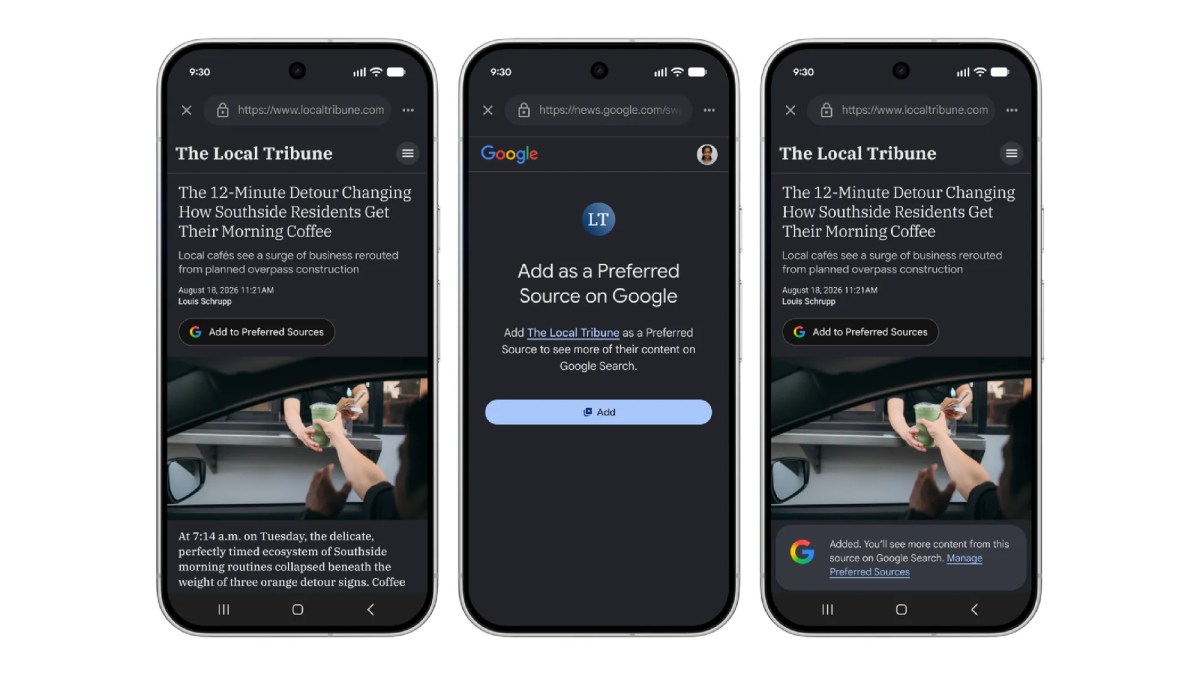
Google Introduces 'Preferred Sources' Button to Help Publishers Combat AI Traffic Declines
Google has launched a new 'Preferred Sources' button for publishers, allowing readers to mark their favorite sources for more visibility in Google Search, Discover, and Google News. This initiative aims to counteract the traffic losses that publishers have experienced due to AI-driven changes in search algorithms. The introduction of this feature follows Google's earlier rollout of Preferred Sources in May, which has already seen over 345,000 unique sources selected by users. By enabling readers to easily identify trusted publishers, Google hopes to drive more traffic back to these websites, as studies indicate users are twice as likely to click on preferred sources. In addition to the 'Preferred Sources' button, Google plans to enhance user experience by allowing readers to customize their Discover feed and audio briefings in the Google News app. No further timeline was disclosed at the time of publication.
TC Media & Entertainment AI Google media Search
Casefinite Launches Accessories for Google Pixel 11 Series Including Slim Cases and Glass Films
On August 13, Casefinite announced the launch of accessories compatible with the Google Pixel 11 series, including the Pixel 11, 11 Pro, 11 Pro XL, and 11 Pro Fold. The accessories feature unique technologies such as a matte coating for the Frost Air Ultra case and an anti-yellowing technology for the Invisible Air case. These products are significant as they enhance the user experience for Pixel 11 series owners, offering improved functionality like optimized fingerprint recognition through the Casefinite Glass. The pricing for these accessories ranges from 6,980 to 8,950 yen for cases and 4,299 yen for glass films, making them accessible for consumers looking to protect their devices. Looking ahead, the Pixel 11 series is set to be officially released on August 20, with the Pro models priced starting at 174,800 yen. The market will be watching how these accessories perform alongside the new smartphone features, particularly the advancements in AI processing with the Tensor G6 chip.

Google Launches Sign-Language Translation Model for Enhanced User Interaction
Google has introduced a sign-language translation model capable of converting intricate body movements into text, utilizing over 100,000 hours of data from more than 50 sign languages. This technology, known as sign-language-to-text (SL2T), is being integrated into consumer devices, starting with American Sign Language (ASL) on Pixel 11. Users can now sign to search the web, compose messages, and engage with Google’s Gemini, enhancing accessibility for the Deaf community. The significance of this development lies in its ability to address the unique complexities of sign languages, which possess their own grammar and vocabulary. Unlike traditional speech transcription, sign-language translation involves interpreting simultaneous hand movements, facial expressions, and body posture. Google’s SL2T model employs computer vision techniques to convert the signer’s movements into a structured format before translating them into text, ensuring a more accurate representation of the signed language. Looking ahead, Google aims to refine the SL2T system further by addressing practical challenges such as latency and performance for various signing styles. The involvement of Deaf users and organizations throughout the development process underscores the commitment to creating a user-friendly and effective translation tool. No further timeline was disclosed at the time of publication.
AI and Robotics
Google DeepMind Launches Gemini Robotics 2: A Comprehensive Robot with Advanced Capabilities
On August 2, Google DeepMind introduced Gemini Robotics 2, the latest version of its visual-language-action model. This new model enhances full-body control, advanced dexterity, and multi-robot collaboration, marking a significant advancement from its predecessor, which only managed upper-body tasks. Gemini Robotics 2 allows the Apptronik Apollo 2 humanoid robot to autonomously execute complex tasks, such as placing a watering can into a designated bucket, requiring coordinated decision-making and balance. While there is room for improvement in movement speed, this development represents a crucial step towards handling more intricate real-world tasks. The model also introduces multi-robot collaboration, enabling different robots to communicate and work together on complex workflows. With the ASIMOV-Agentic benchmark, Gemini Robotics 2 excels in safety compliance and human proximity detection, ensuring safe operation. The Gemini Robotics On-Device 2 is designed for applications requiring offline functionality, adapting to new robotic forms with minimal data and time.
Humanoid Robots Robotics Technology AI Automation
Google DeepMind Introduces Gemini Robotics 2 for Enhanced Humanoid Control
Google DeepMind recently launched Gemini Robotics 2, an advanced version of its vision-language-action model. This iteration features intelligent whole-body control, enabling robots to perform complex tasks such as walking, crouching, and object manipulation. The model can adapt to new robotic bodies quickly, enhancing its versatility. The significance of Gemini Robotics 2 lies in its ability to expand physical AI capabilities, allowing robots to execute intricate movements and collaborate with other robots. This development is crucial for achieving the finesse required for real-world applications, such as household chores and workplace tasks. Looking ahead, the focus will be on further improving movement speed and dexterity. Gemini Robotics 2 represents a pivotal advancement in robotics, as it can control sophisticated end effectors like the SharpaWave hand, enabling delicate actions. No further timeline was disclosed at the time of publication.
Artificial Intelligence Artificial Intelligence / Cognition Design / Development End Effectors / Grippers Humanoids News
Introducing Google DeepMind's Gemini Robotics 2: A Leap in Robot Adaptability
Google DeepMind has unveiled Gemini Robotics 2, marking a significant advancement in robotics. This new intelligence layer enables robots to achieve whole-body control, enhanced dexterity, and collaborative capabilities among multiple robots. The introduction of Gemini Robotics 2 is crucial as it represents a step towards creating truly adaptable robots that can perform complex tasks in dynamic environments. This technology could revolutionize various applications, from industrial automation to personal assistance. Looking ahead, the development of Gemini Robotics 2 will be closely monitored as it progresses. The potential for multi-robot collaboration and advanced dexterity opens up new possibilities in robotics, making it a key area of interest for future innovations.
Humanoid-robots Video-friday Quadruped-robots Robot-videos Drones Home-robots
Google DeepMind Unveils Gemini Robotics 2 AI Model for Humanoid Robots
On July 30, 2026, Google DeepMind announced the latest AI model for humanoid robots, Gemini Robotics 2. This model advances from upper-body control to full-body control, enabling walking, bending, and advanced dexterity, as well as collaborative tasks among multiple robots. Gemini Robotics 2 translates visual and language inputs into motion control, supporting full-body and dual-arm robot operations. It features enhanced physical reasoning capabilities with Gemini Robotics ER 2, which manages human communication and multi-step task planning, and Gemini Robotics On-Device 2, which adapts quickly to new robots with minimal data. The model demonstrated its capabilities using Apptronik's humanoid robot Apollo 2, performing tasks such as walking to a table, lifting objects, and accurately storing them. With a 22-degree-of-freedom hand, it can execute delicate tasks like tying knots. The introduction of the ASIMOV-Agentic benchmark emphasizes safety, allowing the robot to detect human presence and stop safely, marking it as the safest model to date.

Google DeepMind Launches Gemini Robotics 2 for Enhanced Autonomy in Humanoid Robots
Google DeepMind has introduced Gemini Robotics 2, a suite of AI models aimed at enhancing the autonomy of humanoid and other robots through advanced whole-body control and dexterity. This system is currently showcased on Apptronik's Apollo 2 humanoid robot, which can execute full-body autonomous movements such as walking and manipulating objects while reasoning through complex tasks in real time. The significance of this development lies in its ability to enable robots to move beyond pre-programmed tasks, adapting to dynamic environments. Gemini Robotics 2 serves as an 'intelligence layer' for robots, facilitating coordination from 'feet to fingertips' and improving dexterity with tasks like tying trash bags or unscrewing light bulbs. This advancement builds on the collaboration between Google DeepMind and Apptronik, which recently launched Robot Park to gather data for training future AI models. Looking ahead, the introduction of multi-robot collaboration capabilities allows different robot types to work together on complex workflows. Gemini Robotics On-Device 2 is designed for industrial settings with limited cloud connectivity, enabling rapid adaptation to new hardware. No further timeline was disclosed at the time of publication.
Artificial Intelligence Humanoids News Apptronik Apollo 2 embodied ai Gemini Robotics 2
Google Reports Record Chrome Bug Fixes in June with AI Assistance
Google has announced that it patched 1,072 security flaws in its Chrome browser in June, surpassing the total of 1,036 bugs fixed in the previous two years combined. This significant achievement is attributed to the company's internal AI tools, which have enabled faster identification and resolution of vulnerabilities. The increase in bug fixes highlights the transformative impact of AI on cybersecurity, as noted by Doug Turner, Chrome’s director of engineering. He stated that AI models like Gemini have revolutionized vulnerability discovery, allowing Google to stay ahead of potential threats and enhance Chrome's security with each update. As the trend of AI-driven bug fixes continues, other tech giants like Microsoft have also reported significant increases in security patches. Microsoft fixed 570 flaws in its products recently, while Apple has not experienced the same growth, having patched 482 bugs in 2026. No further timeline was disclosed at the time of publication.
AI Security Chrome Google LLMs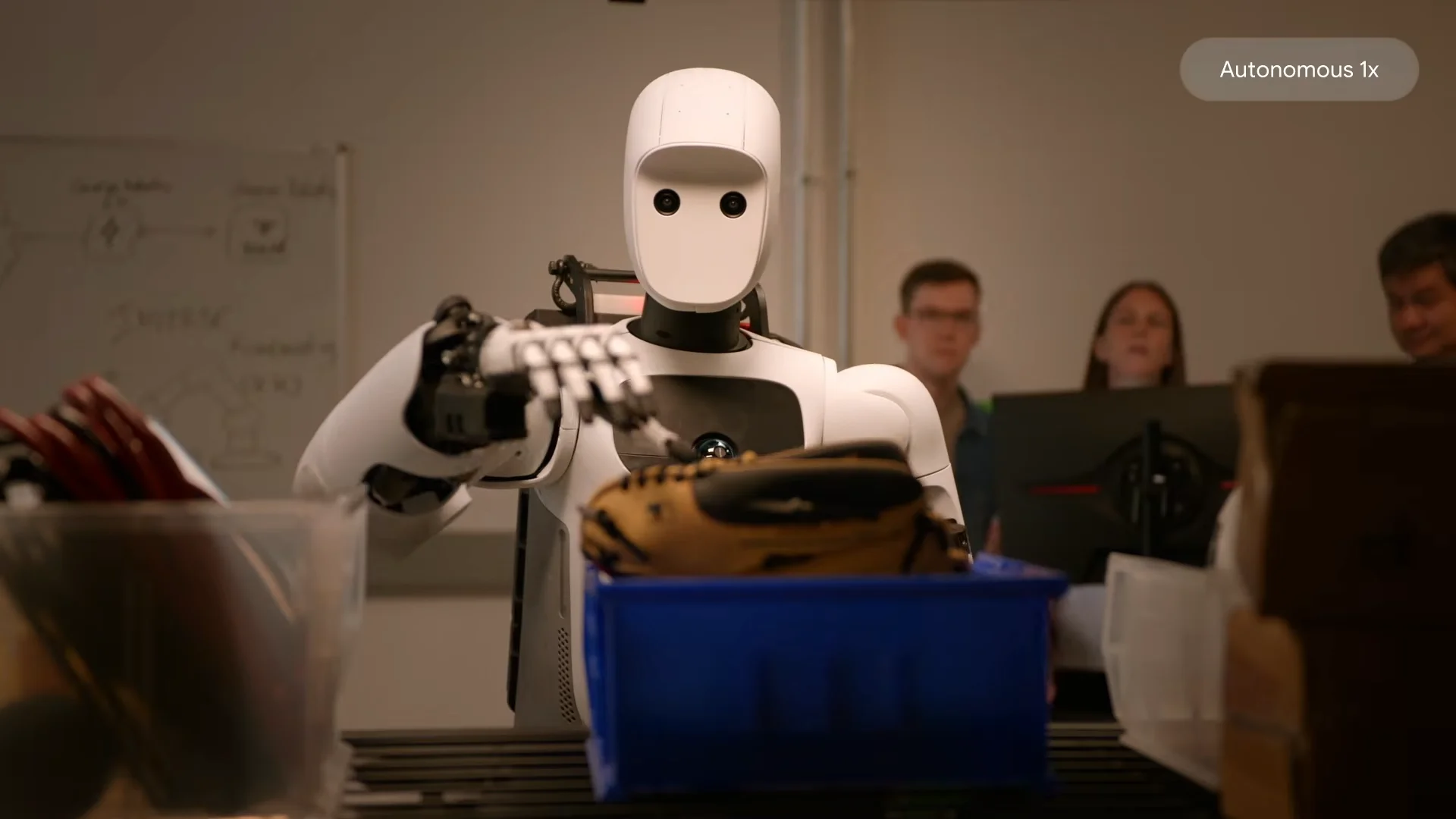
Google DeepMind Launches Gemini Robotics 2, Enhancing Whole-Body Intelligence and Multi-Robot Collaboration
Google DeepMind has introduced Gemini Robotics 2, a significant update that enhances its robotics capabilities. This new version expands beyond previous iterations by incorporating full-body movement control for humanoids, advanced manipulation for multi-fingered hands, and improved collaboration among multiple robots. The importance of Gemini Robotics 2 lies in its ability to unify locomotion and manipulation, addressing a common limitation in robotics. As Carolina Parada, Head of Robotics at Google DeepMind, stated, the new model enables robots to think, act, and interact intelligently, which is crucial for tackling complex tasks in diverse environments. Looking ahead, Gemini Robotics 2 is now available through Google AI Studio and in private preview on the Gemini Enterprise Agent Platform. The rollout of the core VLA and On-Device 2 models to early-access hardware partners is also underway. No further timeline was disclosed at the time of publication.
DeepMind US Apollo SharpaWave Sharpa Robotics Google
Google DeepMind Launches Gemini AI to Enhance Robot Dexterity and Coordination
Google DeepMind has introduced a new AI model named Gemini, designed to improve the dexterity of humanoid robots. This advancement enables robots to coordinate movements throughout their bodies, enhancing their ability to perform complex tasks. The introduction of Gemini AI is significant as it represents a step forward in enabling robots to reason, plan multi-step tasks, and adapt to human environments. This capability is crucial for the integration of robots into everyday settings, where they must interact seamlessly with humans and their surroundings. Looking ahead, the focus will be on how Gemini AI can be further developed and implemented in various robotic applications. No further timeline was disclosed at the time of publication.
Google DeepMind Unveils Gemini Robotics 2 for Full-Body Control of Humanoid Robots
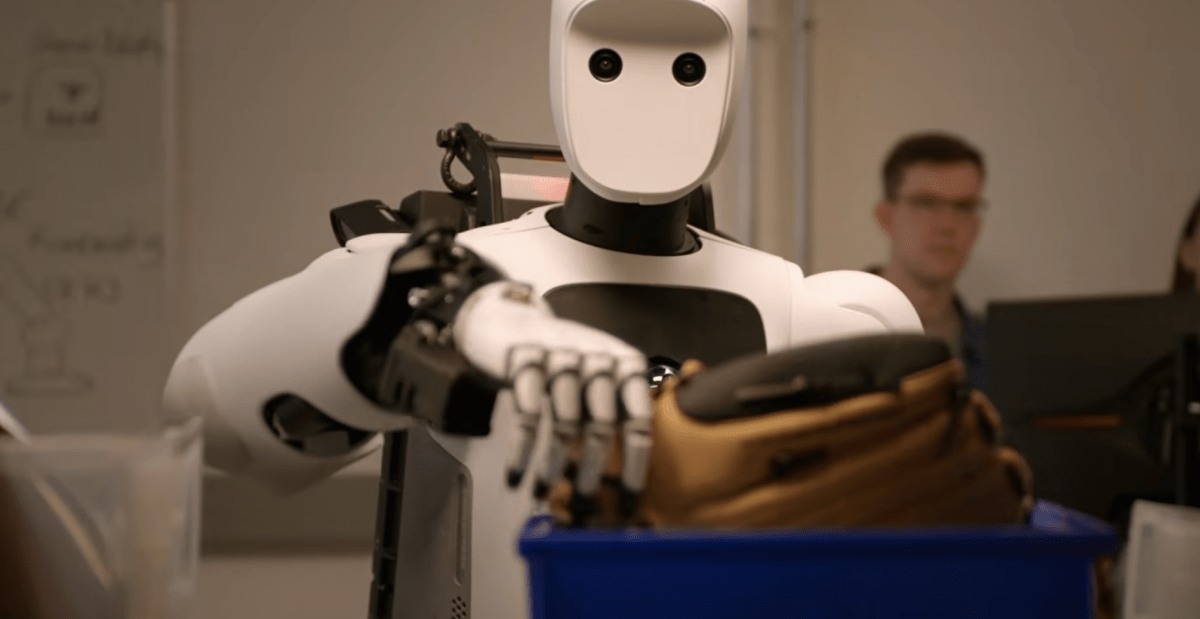
Google DeepMind has announced the launch of Gemini Robotics 2, an advanced AI model capable of controlling humanoid robots from 'feet to fingertips.' This new version enhances the robot's ability to perform a variety of actions, including walking, crouching, and manipulating objects, significantly expanding its functional capabilities. The importance of this development lies in its potential to enable humanoid robots to undertake more complex, real-world tasks that require whole-body coordination. With improved dexterity, Gemini Robotics 2 allows robots to perform intricate tasks such as sealing bags and unscrewing lightbulbs, marking a significant advancement in robotic manipulation. Looking ahead, Google DeepMind is also enhancing its Gemini Robotics ER model, which aids robots in analyzing their environment and executing multi-step tasks. This update aims to improve collaboration among different types of robots, enhancing safety features and operational efficiency. No further timeline was disclosed at the time of publication.
AI Google News Robot Tech
Sensitive User Conversations Exposed in Google Search Due to Claude Chat Feature
Over the weekend, Google indexed a number of publicly shared Claude conversations, raising concerns about the handling of sensitive information. Users discovered that these conversations included medical records, internal business documents, and personal details about children, highlighting potential privacy risks associated with Claude’s chat-sharing feature. This incident underscores the importance of user awareness regarding the visibility of AI-generated content shared through public links. Anthropic, the company behind Claude, emphasized that users have control over whether their conversations are publicly accessible, yet many users seemed unaware of the implications of sharing links. As of Monday afternoon, the exposed pages were no longer searchable on Google, suggesting that they were removed from the index. However, this incident serves as a reminder that information shared publicly can reach a broader audience than intended, prompting users to be more cautious with their shared content.
AI and Robotics
Google and Tesla Experience Major Market Losses Amid Supplier Gains in AI Sector
This week, Alphabet and Tesla faced significant market losses, with Alphabet's stock dropping 8% and Tesla's falling 18%, resulting in a combined loss of approximately $580 billion in market value. Alphabet's capital spending surged to nearly $45 billion, leading to negative free cash flow for the first time since going public. Tesla's revenue growth was overshadowed by disappointing earnings and a decline in operating margin. The market's reaction highlights a growing concern over the sustainability of heavy investments in artificial intelligence by major tech firms. While Alphabet and Tesla struggled, their suppliers, including Supermicro Computer and Digital Realty, saw substantial gains, reflecting a shift in investor confidence towards companies directly benefiting from AI spending. Supermicro reported over $60 billion in new orders, while Digital Realty experienced a record leasing backlog. Looking ahead, the focus will be on how Alphabet and Tesla adjust their spending strategies in response to market pressures. No further timeline was disclosed at the time of publication, but the contrasting fortunes of these tech giants and their suppliers may influence future investment decisions in the AI landscape.

NASA Demonstrates Google’s Gemma Large Language Model in Space with NAVI-Orbital
NASA's Jet Propulsion Laboratory has successfully sent Google's Gemma 3 to space, marking the first in-orbit demonstration of a vision-language model analyzing satellite imagery. The NAVI-Orbital system utilized Gemma 3 to interpret images from Loft Orbital's YAM-9 satellite, showcasing a new method for scientists to interact with spacecraft through natural language prompts. This advancement is significant as it allows researchers to bypass traditional structured commands, enabling more intuitive communication with satellites. Juan M. Delfa from NASA highlighted that this shift could enhance how scientists engage with space missions, potentially streamlining operations and improving data analysis. Looking ahead, the implications of NAVI-Orbital extend beyond image analysis. The system could revolutionize satellite operations by enabling real-time data interpretation and reporting, which is crucial for applications like wildfire detection. No further timeline was disclosed at the time of publication.
Nasa Image-analysis Llms Satellite-imagery Google
Google Fined $1 Billion Under EU Digital Markets Act for Preferential Treatment
The European Commission has imposed a fine of 890 million euros ($1 billion) on Google, marking the company's first penalty under the EU's Digital Markets Act (DMA). The Commission found that Google favored its own services, such as shopping and hotels, in search results, disadvantaging third-party offerings. This ruling is significant as it underscores the EU's commitment to regulating Big Tech and ensuring fair competition in the digital marketplace. The DMA aims to prevent anti-competitive practices and promote a level playing field for all service providers, which is crucial for consumer choice and innovation. Looking ahead, Google has 60 days to comply with the Commission's directives or face additional fines of up to 5% of its global revenue. The company is currently reviewing the decision and considering an appeal, while also testing changes to its search presentation to align with the DMA requirements. No further timeline was disclosed at the time of publication.

Microagi Partners with Google Cloud to Advance AI Robotics Development
Microagi, a Munich-based AI startup, has announced a collaboration with Google Cloud to enhance the development of robotics that can understand and interact with physical environments. This partnership will leverage Google Cloud's AI infrastructure alongside the NVIDIA Blackwell platform to process extensive physical datasets and train specialized 'embodied AI' models. This collaboration is significant as it aims to accelerate the capabilities of robotics in real-world applications, enabling them to better navigate and respond to their surroundings. By utilizing advanced AI technologies, Microagi seeks to push the boundaries of what embodied AI can achieve in various sectors. Looking ahead, it will be important to monitor the progress of Microagi's model training efforts and the practical applications of their robotics solutions. No further timeline was disclosed at the time of publication.
Big Tech Earnings Season Begins with Google and Tesla Reporting Soon
Big Tech earnings season is set to commence on Wednesday, with Google and Tesla scheduled to report their financial results after market close. Analysts will closely monitor Tesla's expenditures on its Robotaxi, Optimus humanoid robot, and AI initiatives, which may significantly impact its free cash flow. The significance of this earnings season lies in the performance of major players like Intel and Google, both of which have seen stock fluctuations tied to the AI boom. Intel's stock has experienced highs due to AI data center growth, but recent trading patterns suggest a shift away from the semiconductor sector. Investors are eager to learn about any new customers for Intel's foundry business. Looking ahead, AMD will host its Advancing AI event in San Francisco on Thursday, where it is anticipated to unveil updates to its product lines in the data center sector. No further timeline was disclosed at the time of publication.

Google and Tesla Lead Earnings Reports Amid Strong S&P 500 Growth Expectations
This week, major tech firms Alphabet and Tesla are set to release their quarterly earnings, drawing investor attention amid significant capital expenditure commitments for AI development. Additionally, Intel will provide insights into artificial intelligence demand, while IBM will clarify its Q2 results following a stock decline due to pre-announced earnings. The earnings season commenced last week with strong performances from banks like JPMorgan and Morgan Stanley, although Netflix's results fell short of expectations. Analysts predict a 24.7% year-over-year growth rate for S&P 500 earnings in Q2, surpassing both the five-year and ten-year averages, indicating a robust earnings season. Looking ahead, the focus will be on how these tech giants navigate their capital investments in AI and the implications for their future growth. No further timeline was disclosed at the time of publication.
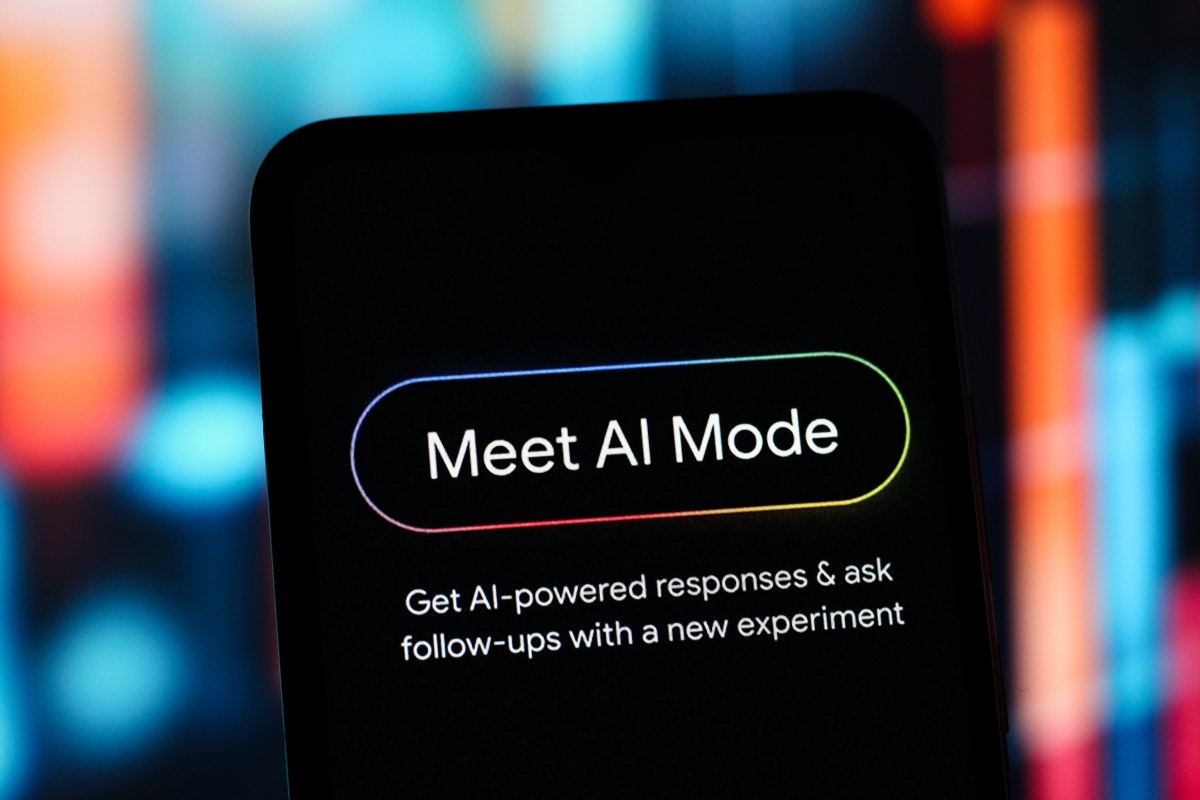
Google Expands AI Mode to Integrate with Popular Apps Like Instacart and Canva
Google has announced an update to its AI Mode, allowing users to link and interact with select apps such as Instacart, Canva, and YouTube. This enhancement enables users to complete tasks directly within the conversational search experience, moving beyond simple question answering. The integration of these apps is significant as it positions Google to compete more effectively with rivals like OpenAI’s ChatGPT and Anthropic’s Claude, both of which offer app integrations. By encouraging users to utilize AI Mode for planning and shopping, Google aims to increase engagement with its platform. Looking ahead, Google plans to expand the range of supported apps, building on previous capabilities introduced at Google I/O. No further timeline was disclosed at the time of publication.
AI Apps Google ai mode
Microsoft Edge 150 Launches with Google Account Sign-In and OpenAI Unveils GPT-5.6
On July 2, Microsoft released version 150.0.4078.48 of Microsoft Edge for desktop, introducing support for Google account sign-ins on both Windows and macOS. This update allows users to log in using either a Microsoft or Google account, enhancing accessibility for users. IT administrators can manage this feature through a new policy called 'NonMicrosoftAccountSignInEnabled'. The significance of this update lies in its potential to streamline user experience and broaden the browser's appeal. By allowing Google account integration, Microsoft Edge aims to attract users who prefer Google's ecosystem, thereby increasing its market share. Additionally, version 150 will be the last to support macOS 13 Monterey, as future updates will require macOS 12 Ventura or later. On July 9, OpenAI officially launched its new AI model series, GPT-5.6, following a limited preview. This series includes three tiers: Sol, Terra, and Luna, each optimized for different performance and cost metrics. The rollout of GPT-5.6 is expected to enhance capabilities in various applications, including coding and cybersecurity, with pricing structured to appeal to a wide range of users. No further timeline was disclosed at the time of publication.

Can Google Cloud break free from its "perennial third place" status? An analysis of the favorable winds.
Google Cloud is experiencing a positive shift in the enterprise market as major domestic system integrators (SIs) in Japan are moving towards collaboration with the company. This development comes in the wake of Google Cloud's previous struggles to compete with industry giants like AWS and Microsoft. The partnerships are being forged to leverage Google Cloud's capabilities, particularly in artificial intelligence, which is seen as a strategic advantage in enhancing service offerings. The collaboration aims to integrate AI agents into various business solutions, reflecting a growing recognition of Google Cloud's potential in the market. As these SIs align with Google Cloud, the company is poised to strengthen its position and expand its influence in the enterprise sector.

Why Inzai City, Chiba Became a "Data Center Hub": A Miscalculation That Attracted Google and Microsoft 50 Years Ago
Inzai City, located approximately 40 kilometers northeast of central Tokyo in Chiba Prefecture, has emerged as a significant hub for major global IT companies. Originally developed as "Chiba New Town," this suburban area is now regarded as a "holy land" for the tech industry, attracting attention and investment from leading firms seeking to establish a presence in Japan. The transformation of Inzai reflects broader trends in the tech sector, where proximity to urban centers and access to infrastructure are increasingly valued.

Google Gemini Enhances AI Visual Intelligence in Orbit AIVI-Learning
A partnership between Google Cloud, Google DeepMind, and Orbit has led to the integration of Gemini and Gemini Robotics ER 1.6 into Orbit AIVI-Learning. This collaboration aims to enhance AI capabilities for intelligent inspection, enabling deeper learning and complex visual analysis in industrial environments. The integration is significant as it allows AIVI-Learning to provide advanced insights across various operational stakeholders, adapting to the evolving needs of facilities. With Gemini's capabilities, AIVI-Learning can now support complex tasks such as 5S compliance audits and accurate pallet counting, improving performance and accuracy in visual inspections. Looking ahead, AIVI-Learning's continuous updates through Zero-Downtime Upgrades will ensure that users benefit from improved inspection accuracy without manual intervention. The introduction of transparent reasoning in AIVI prompts will also allow users to understand the AI's decision-making process, making it a powerful tool for specialized industrial inspections.
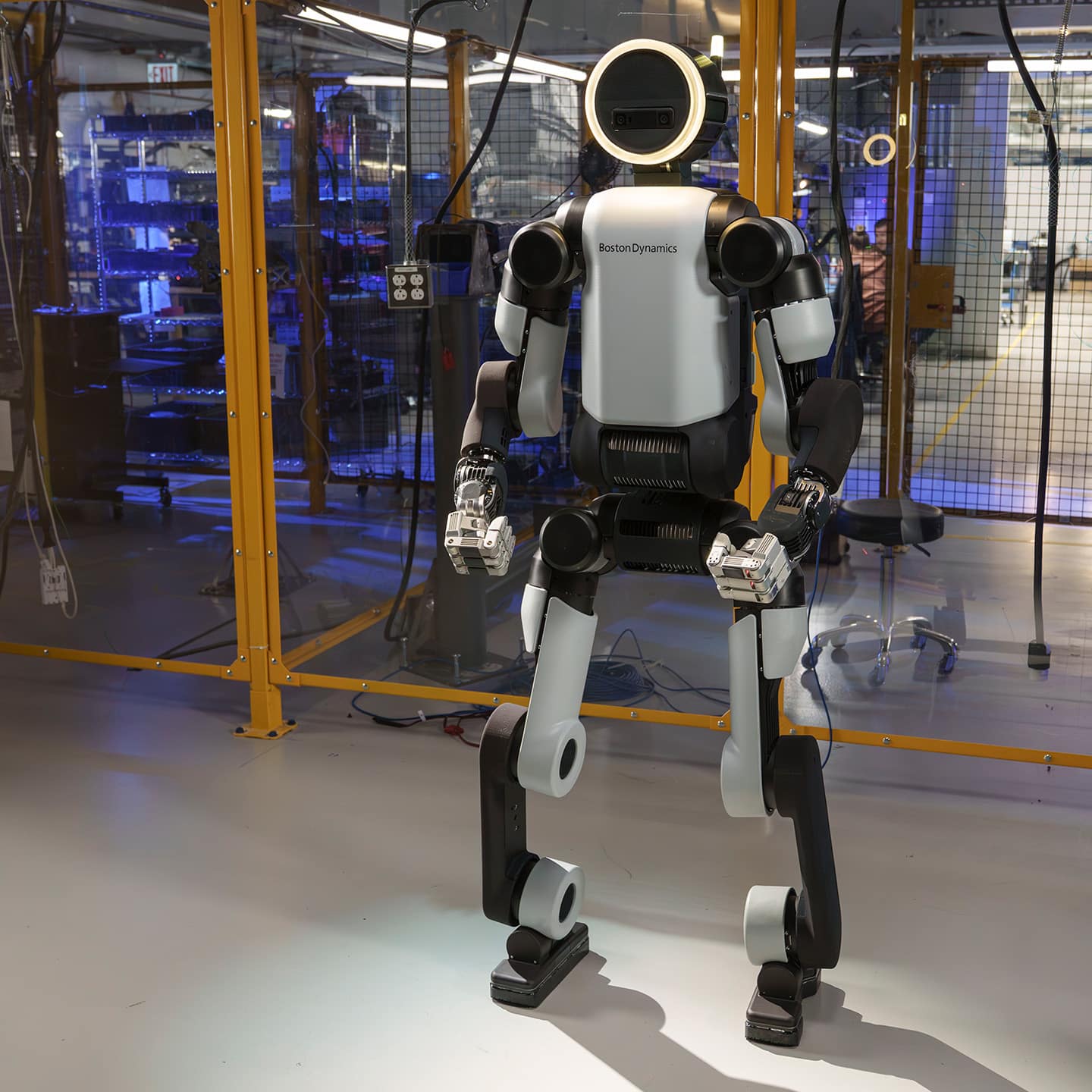
Boston Dynamics and Google DeepMind Announce Strategic AI Partnership for Humanoid Robots
Boston Dynamics and Google DeepMind have announced a new AI partnership aimed at enhancing humanoid robots with advanced artificial intelligence. This collaboration, revealed at CES 2026 in Las Vegas, will integrate Gemini Robotics AI foundation models with Boston Dynamics' Atlas® robots, focusing on industrial tasks, particularly in the automotive sector. The partnership is significant as it marks a pivotal step in the evolution of humanoid robots, leveraging AI advancements to transform manufacturing processes. Alberto Rodriguez from Boston Dynamics emphasized the need for reliable and scalable models that can be safely deployed across various industries, highlighting the expertise of Google DeepMind in this area. As the joint research effort is set to commence in the coming months, industry observers should watch for developments in how these humanoid robots will be trained and utilized in real-world applications. No further timeline was disclosed at the time of publication.
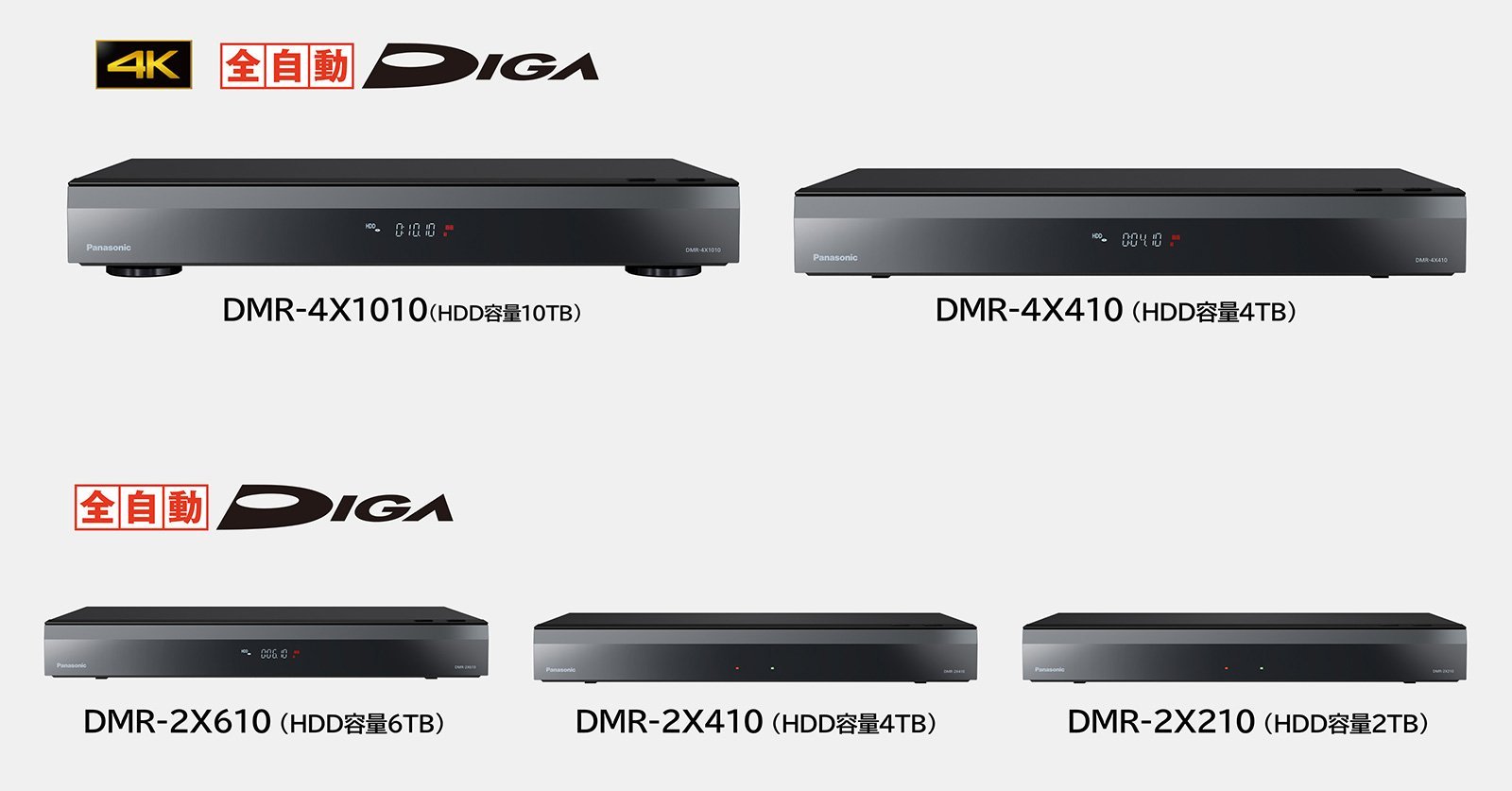
Panasonic Launches New DIGA Blu-ray Recorders with Cloud Storage for Recorded Programs
On September 14, Panasonic announced the upcoming release of five models of its Blu-ray disc recorder, DIGA, capable of saving recorded programs to the cloud via Microsoft’s OneDrive and Google Drive. This feature ensures that programs remain accessible even if the internal HDD fails. The new 'cloud recording' function allows users to dub recorded programs from the internal HDD to the cloud automatically after recording. Users can access their cloud-stored programs through the DIGA app from anywhere. However, to utilize this service, users must set up the app and have an account with a compatible cloud service, which may incur monthly fees. The lineup includes models with varying HDD capacities, ranging from 2TB to 10TB, with the ability to save up to 10TB in the cloud. Panasonic's cloud recording service is subject to conditions, and it does not guarantee permanent storage, as playback may be affected by cloud service outages or discontinuation.

Maizuru City and Chiyoda Ward Reveal IT Revamp and AI Utilization Success Strategies
Maizuru City in Kyoto Prefecture opted for a Google environment over Microsoft, achieving an average reduction of 82 minutes in daily work time per employee. This decision highlights the municipality's strategy to enhance operational efficiency through innovative IT tools. Chiyoda Ward in Tokyo implemented Microsoft 365 Copilot across its departments, resulting in a 97% adoption rate and a reduction of 2,000 hours in work time monthly. The initial reluctance of staff towards AI was addressed through effective engagement strategies, showcasing the importance of user involvement in technology adoption. These case studies illustrate the practical applications of IT and AI in local government, providing valuable insights for other organizations. No further timeline was disclosed at the time of publication.

Hyperscalers Like Amazon and Google May Face Rising Natural Gas Prices, New Report Warns
Hyperscalers, including Amazon, Google, Meta, and Microsoft, are increasingly investing in natural gas to power their data centers, driven by their AI ambitions. However, a report from Noreva warns that natural gas prices could triple in some U.S. regions due to rising demand and declining supply growth, potentially leading to significant cost increases for these companies. The shift towards natural gas marks a departure for hyperscalers, who have traditionally focused on renewable energy sources. With Meta planning a 7.5-gigawatt gas power plant in Louisiana and Microsoft and Google also investing in gigawatt-scale facilities in Texas, these companies are venturing deeper into energy markets. Noreva's CEO, Peter Gardett, cautions that hyperscalers may not be fully prepared for the price volatility associated with natural gas. Looking ahead, while current futures contracts suggest stable natural gas prices, Gardett expresses skepticism about the long-term sustainability of this trend. As the domestic gas market connects more with global markets and AI demand increases, hyperscalers may need to reassess their energy strategies to mitigate potential cost impacts on their operations.
AI Climate Amazon Exclusive Google Meta
NVIDIA, Google, and Microsoft Collaborate on 800 VDC Power Architecture for AI Compute
NVIDIA, Google, and Microsoft are advancing the 800 VDC power architecture to enhance AI compute performance. This initiative addresses the inefficiencies of traditional AC power delivery by simplifying the conversion process, allowing more power to reach GPUs. The NVIDIA MGX-compatible 800 VDC power rack, set to launch in the second half of 2026, will enable existing facilities to upgrade without overhauling their electrical systems. The significance of this development lies in its potential to maximize compute density while preserving existing investments in infrastructure. By transitioning to a hybrid architecture, operators can scale their AI capabilities without the need for extensive modifications to their current setups. The roadmap includes a centralized power station for dedicated AI environments, expected in 2027, and a facility-scale unit for new designs, ensuring that the power architecture keeps pace with growing compute demands. Looking ahead, the 800 VDC architecture is positioned as a critical component for the future of AI infrastructure, with over 80 companies already contributing to its development. As global investments in AI and data infrastructure are projected to reach $9 trillion by 2040, the readiness of this power architecture will be essential for facilities aiming to meet increasing compute requirements.

InAgent Achieves 90.2% Success Rate on OSWorld, Leading Computer-Use Agents
InAgent has reached a significant milestone by achieving a 90.2% task success rate on OSWorld, making it the first Computer-Use Agent to surpass the 90% threshold. Notably, InAgent recorded a perfect 100% success rate on system-level tasks, showcasing its advanced capabilities in this competitive landscape. This achievement is crucial as it highlights the evolving competition in AI, particularly in engineering and task execution. With InAgent outperforming notable players like OpenAI, Google, and Anthropic, it sets a new benchmark for what can be accomplished in the realm of computer-use agents. Looking ahead, the focus will be on how InAgent maintains its lead and whether other competitors can catch up. No further timeline was disclosed at the time of publication.
Technology
Google Unveils Gemini Robotics 2 for Advanced Humanoid Robot Control and Reasoning
Google has launched Gemini Robotics 2, a sophisticated robotics model that enables humanoid robots to perform full-body movements and complex tasks. This system allows for coordination among multiple robots and adapts to various robot designs with minimal training. The new capabilities extend beyond simple manipulation to include walking, bending, and balancing. The significance of Gemini Robotics 2 lies in its ability to facilitate multi-step reasoning and adaptability in unfamiliar environments, setting it apart from traditional robots. This model can control both humanoid robots and dual-arm systems, enhancing their functionality for household and industrial applications. Demonstrations showcased its ability to manage tasks such as picking up objects and performing intricate actions with dexterous robotic hands. Looking ahead, Google is also releasing Gemini Robotics ER 2 for high-level reasoning and Gemini Robotics On-Device 2 for local operation without cloud reliance. The introduction of multi-robot collaboration capabilities allows different robots to work together efficiently, marking a notable advancement in robotic technology. No further timeline was disclosed at the time of publication.
AI and Robotics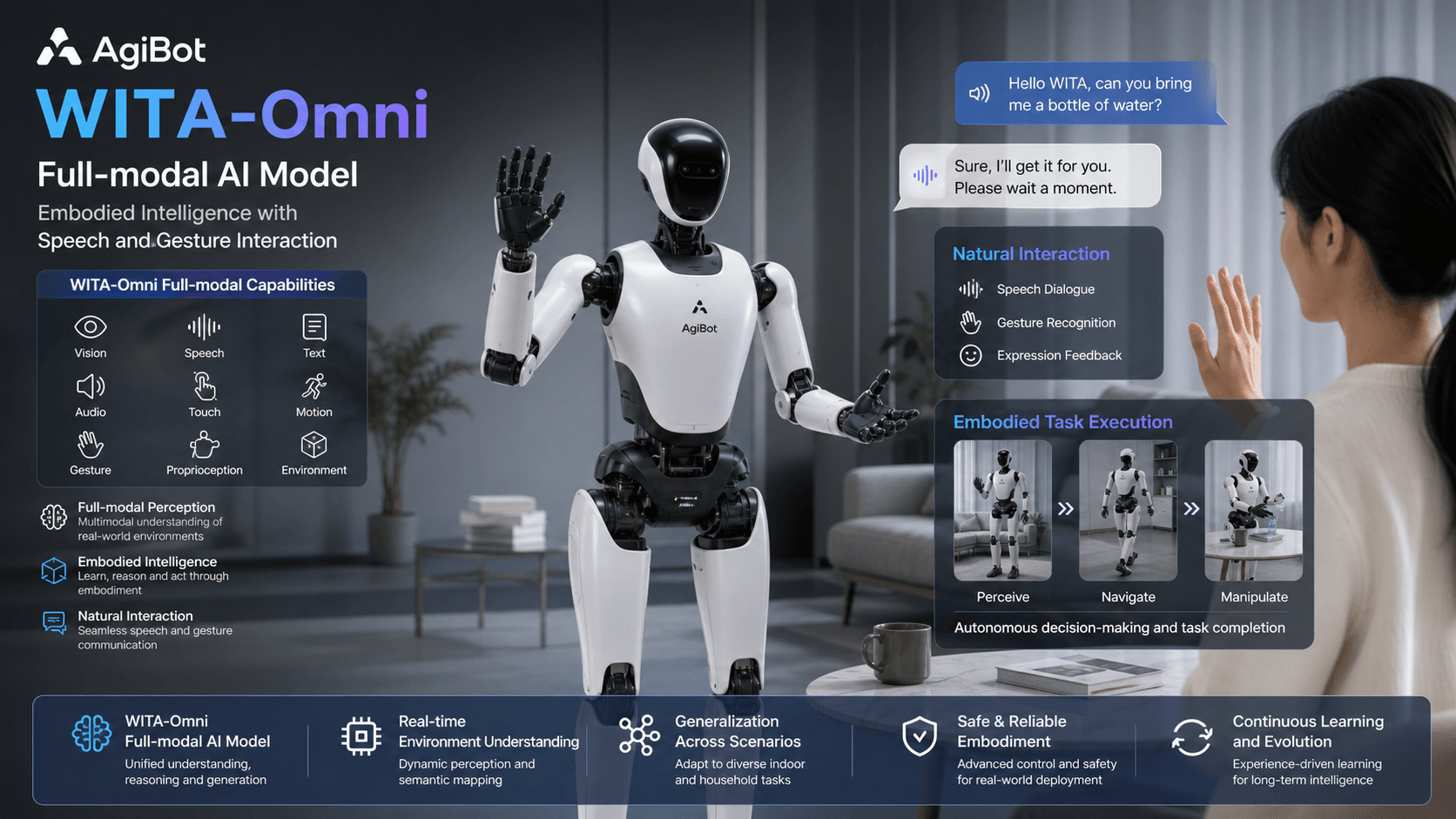
AgiBot WITA-Omni Achieves Top Score on DailyOmni Benchmark, Surpassing Major Competitors
AgiBot WITA-Omni has achieved a score of 85.21 on the DailyOmni benchmark, securing first place in 6 out of 8 indicators. This performance surpasses notable competitors such as Google Gemini, ByteDance Doubao, and Alibaba Qwen in the realm of embodied cross-modal understanding. The significance of this achievement lies in the innovative Thinker-Talker-Actor architecture utilized by AgiBot WITA-Omni. This architecture effectively synchronizes speech, action, and expression on a single timeline, enhancing its capabilities in cross-modal understanding and interaction. Looking ahead, the performance of AgiBot WITA-Omni on the DailyOmni leaderboard may influence future developments in embodied AI technologies. No further timeline was disclosed at the time of publication.
Technology
Amazon, Meta, and Microsoft Anticipate Investor Scrutiny Following Alphabet's Capex Increase
Shares of Amazon, Meta, and Microsoft declined after Alphabet announced an increase in its 2026 capital expenditure forecast, despite reporting strong cloud growth. This decision raised concerns among investors regarding the sustainability of high capital expenditures in the tech sector, particularly as these companies prepare to release their quarterly results this week. The significance of Alphabet's announcement lies in its potential ripple effects on Amazon and Microsoft, as analysts suggest they may also need to increase their capital expenditures. This comes amid a backdrop of growing investor skepticism towards large-scale infrastructure investments, especially in light of Alphabet's recent cash flow challenges and rising debt levels. Looking ahead, Microsoft and Meta will report their earnings on Wednesday, followed by Amazon on Thursday. Investors will be closely monitoring these results to gauge the companies' capital expenditure strategies and their impact on stock performance, particularly in a climate of increasing scrutiny over AI-related investments and overall market conditions.

Amateur Astronomer Discovers Possible Meteorite Impact Crater in Canada
Amateur astronomer Joël Lapointe discovered a potential meteorite impact crater in Quebec's Côte-Nord region while planning a camping trip. The crater, named Uhackatik, was confirmed by Western planetary geologist Gordon Osinski during a visit in 2025 and is estimated to be 390 million years old and approximately 15 miles (25 kilometers) wide. This discovery is significant as it may be one of the largest craters identified in recent years, with Osinski noting that the last comparable find was the Hiawatha structure in Greenland. The crater's geological features, including shock metamorphic effects and preserved impact melt rocks, provide valuable insights into meteorite impacts, which can enhance our understanding of similar events on the Moon and Mars. The research on Uhackatik will be presented at the 88th Annual Meeting of the Meteoritical Society in Frankfurt, Germany, in August. Osinski and his team are currently analyzing samples to confirm the crater's extraterrestrial origin, while he continues his work with NASA for upcoming lunar missions, including Artemis 4 and 5, expected to launch as soon as 2028.
Earth Astronomy Solar System
LG Energy to Supply Batteries for Google's Largest Solar and Storage Project
LG Energy has been confirmed to supply batteries for Google's largest solar and energy storage project, marking a significant expansion in energy infrastructure related to the rising power demands of AI data centers. This project, known as the Steel River Energy Center, is a collaboration between Google and Cypress Creek Energy in Arkansas. The initial phase of the project will feature 1.6 gigawatts (GW) of solar power generation capacity and approximately 2 gigawatt-hours (GWh) of battery storage, with plans to expand to 2.5 GW of solar and 2.9 GWh of storage by 2029. LG Energy is expected to provide its JF2 DC Link system, utilizing lithium iron phosphate battery technology, with the order valued at several hundred billion Korean won. As the demand for renewable energy solutions grows, this partnership highlights the increasing importance of energy storage systems in supporting sustainable infrastructure. No further timeline was disclosed at the time of publication.
Robotics needs a service framework.
RSF defines a common language for robot service capability, lifecycle operations, certification pathways, and service-provider networks.
Join the RobotToday community on LinkedIn
Daily robotics news, in-depth analysis, conference highlights, and discussions with professionals worldwide.







